搜尋結果
共
683
筆符合商品
排序

印尼、馬來西亞、新加坡、菲律賓四國佛教史
一睹東南亞佛教的風采不只是旅遊勝地,東南亞海島國:印尼、馬來西亞、新加坡、菲律賓,歷經歐美殖民和華人移民的融合,擁有豐富多元的信仰和文化寶藏。印尼、馬來西亞傳入佛教的歷史悠久,經歷迭起興衰;新加坡、菲律賓的佛教,雖起步較晚,卻成長快速。淨海法師長年深耕於佛教史研究,本書一覽佛教如何結合東南亞當地特色,開展出嶄新的風貌,在輝煌的弘法史頁中,走出新路。
作者簡介
淨海法師一九三一年出生江蘇泰縣。九歲出家,十六歲寶華山受戒,後就讀武進天寧寺佛學院。一九四九年到臺灣親近慈航法師,於彌勒內院修學十年。一九六○年赴泰國學習泰文及巴利文,受南傳比丘戒,住進泰寺僧團,並入朱拉隆功佛教大學攻讀。一九六九年轉赴日本,入東京立正大學研究,獲佛教學碩士學位。一九七二年受邀赴紐約弘法,一九七八年抱著拓荒精神去到美國南部休士頓,與師友合創德州佛教會,先後興建佛光寺、玉佛寺及美洲菩提中心;不分任何宗派和種族,推行現代化多元性弘法活動。現任德州佛教會傳燈長老、德州佛教書院院長。著有《唯識第一課——大乘廣五蘊論略解》、《南傳佛教史》、《覺海觀覽》、《佛國留學紀實》、《佛教史叢談散集》、《西方各國佛教略史》、《雲水十方──淨海法師佛教文集》等作品,並譯有《真理的語言──法句經》、《佛陀畫傳》等譯作。
作者
NT$
$459
|
85折

比較宗教學(精裝版)
本書堪稱宗教學聖典。聖嚴法師以其學通古今、演繹東西,傾力將歐亞古文明國度所衍生成熟的宗教派別,與原始宗教,依源流、內涵、經典分論;同時又作一統合論述鉅細靡遺。分立:原始宗教、未開化民族的宗教、古代民族的宗教、印度的宗教、中國的宗教、少數人的宗教、猶太教、基督教、伊斯蘭教及佛教十章、四十五節、二百四十七篇,其工程之浩繁,難以盡數,是為人類文明史中之最重要的文化資產之一。宗教一詞,未見於中國的古典文獻中,日本文獻中所言「利雷敬」是譯自英文Religion;我國接受西洋文化的輸入,初期藉助於日本為橋梁的很多,故對宗教一詞,也就接受下來。宗教的定義很難確定,中國《易經》的〈繫辭〉所說「神道設教」之意,或近似之。因此,宗教兩字用於佛教,殊不恰當,因為,佛教從來未將宗教兩字連起來用過。若以禪宗的立場,無言之教謂之宗,假言明宗謂之教,這與Religion的涵義,完全不同。其實,西洋的基督教,也不以利雷敬自居,因為根據宗教一詞的原義,乃是指原始人類的多神崇拜或自然崇拜,基督教卻是進化以後的人類信仰。但是,人類的信仰,均有一個共同的原則,也就是說,不論是原始宗教或進化的信仰,求取安慰乃是彼此一樣的。所以,從高級宗教的立場而言,雖皆不欲自命為宗教,從宗教學家的研究態度而言,仍將一切安慰的信仰,統入於宗教的範圍之內。可見,宗教學的範圍,是有廣狹的,各宗教學家的看法,也不能一致。單就對於各高級宗教的研究而言,它便成了比較宗教學;其實比較宗教學即是宗教學的同一個主題。因此,本書稱為比較宗教學,實則就是宗教學。本書特色1.本書堪稱「宗教聖典」。2. 2014年最新版本,由一代佛教界宗師、法鼓山創辦人聖嚴法師生前親自修訂。3. 人類文明史上最重要的非物質文化資產之一。4. 本書論及世界五大宗教源流、內涵、經典、宗師。內容目次為:(1)原始宗教、(2)未開化民族的宗教、(3)古代民族的宗教、(4)印度的宗教、(5)中國的宗教、(6)少數人的宗教、(7)猶太教、(8)基督教、(9)伊斯蘭教及(10)佛教。5. 經典燙金版。
作者簡介聖嚴法師一九三○年生於江蘇南通,俗名張保康、私塾學名志德。一九四三年在狼山廣教禪寺出家,法名常進。後服兵役十年,改名張採薇,以准尉退伍。一九四九年間跟隨國民政府來台。退伍後,於東初老人座下再度披剃出家,法字為「慧空」,法號為「聖嚴」。本書初版撰著完成於一九六八年,接著在一九六九年負笈東瀛,七年究學,取得日本立正大學佛教學部博士學位。聖嚴法師是台灣佛教宗派──法鼓山創辦人,也是禪宗曹洞宗的五十代傳人、臨濟宗的五十七代傳人。其佛學造詣之廣博深厚,無人能出其右,是為當代佛教宗師與佛學教育家。
作者
NT$
$723
|
85折

我快樂 因為我知「道」
吾有法樂不樂世俗之樂因為 我知「道」從亞洲出發,數十年來橫跨美洲、歐洲,無論是美國洛杉磯、關島、南灣,歐洲的荷蘭阿姆斯特丹、瑞士日內瓦、琉森、奧地利維也納、德國柏林、比利時等國家道場,都曾有過作者妙益法師的弘法足跡。清瘦的身影,卻超載著歡喜積極的正能量,從文中詼諧的筆觸下,可以感受到作者知「道」後的客觀暢然。無論何事,行到困難處,有變通換道的睿智,有轉念思考的智慧,不見「該有」的苦惱憂悲,帶領我們走向任何問題的另一種思考答案。沒有教條式的理論,也沒有苦口婆心的反覆提醒,在面見可知或不可預知的處境下,條條道路通「佛法」,看似沒有讀得一句經典,實則跟隨作者文字,沉浸法海。星雲大師的人間佛教理念,在妙益法師的實踐中,如沃土嫩芽,處處綻放。我們期許每個人於世間不隨境轉,安然快樂。因為,我們知「道」。
作者介紹
作者簡介妙益法師1996年於星雲大師座下披剃,曾服務於美國西來寺、關島佛光山、柏林佛光山、日內瓦佛光山、維也納佛光山及人間福報等。現服務於荷蘭佛光山荷華寺及比利時佛光山。
作者
NT$
$332
|
85折

追星沐雲:一位弟子的隨侍心聲
佛陀與弟子之間的故事,精采有趣;祖師與弟子之間的公案,讓人拍案叫絕。慧屏法師以淺顯易懂、生動活潑的筆調,書寫他和星雲大師之間的公案,字字珠璣、饒富禪味。這是一本令人會心莞爾的——佛光傳燈錄,揭開星雲大師鮮為人知但又引人入勝的故事,此中盡是人間佛教的精神。
作者介紹
作者簡介慧屏法師新北市人。2010年隨星雲大師披剃出家,同年受具足戒。自覺選擇出家道路是此生最正確也最有價值的決定。歷任國際佛光會中華佛光青年總團講師及辦公室主任;現任佛光山候補宗務委員、都監院頭單書記、義工會會長、男眾傳燈會執行長、佛光山法寶堂堂主。
作者
NT$
$272
|
85折
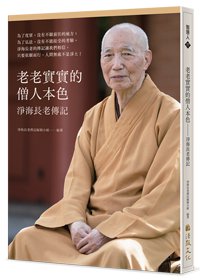
老老實實的僧人本色—淨海長老傳記
淨海法師笑得最開心,也有幾分同意他出家的同道曾說過的一句話:「淨海直到現在這把年紀,還是這麼老實!」心理學理論中的傷痛或裂痕,好像在淨海法師的心裡找不到蹤跡。他對生老病死似乎已經看淡,也只是泰然地說「看淡,挨過,接受」,對於毀譽臧否也同樣笑著說:「自己不完美,何必要求別人完美。」老一輩的出家眾,和當代年輕有為的出家眾比起來,有些說不出來的不同,好像在眼界與胸懷有些不一樣,但是很難用語言清楚表達出來。很多事情的確需要大時代和長時間的慢慢磨鍊,磨成「不扎人」的修行工夫。淨海法師的磨難和挫折真的很多很多。而他回顧過去滄桑時所用的語調卻很平淡輕鬆:「不如意,過去了,就算了。吃虧,就算了。」絲毫看不到太多錐心刺骨的傷痕。遇到很害怕的未知和可能影響一生的決斷,淨海法師卻很簡單地說他內心的決定過程:「先走了,再說。該堅持就堅持,一旦放棄,就放棄一切,也不能回頭。」然而,當能夠安安穩穩地建寺,做佛事,安居故土,平順度日時他卻說:「不要怕難。一個太愛護自己的人,很容易變得嬌養柔弱,什麼事都不想進取去做。」屢受病苦和死神擦肩而過的他,卻舉重若輕地說:「病,免不了;不接受也要接受,乾脆就不管它。」而當被問及,這一生最難忘的事,法師沉吟片刻說道:「我這一生中沒有過不去的事!」就這樣一語簡單帶過。訪談之中,再難再苦的時候,也說忍耐接受;再靦腆之事,也光明磊落據實以告。常常說到極處,也跟著大家拍掌大笑,赤子之心自然流露。不管發生了什麼事情,處在高低安危,生死榮辱,還是保持始終如一的老實。世間的人格特質本是橫看成嶺側成峰,不是人人完全認同滿意。淨海法師的「老實」也許並不代表完美,「處下」不一定可以放諸四海皆準,「不爭」也不見得是處世待人的絕對真理;但法師曲折生平和別於僧德緇素的平淡老實風格,的確可以提供面對人生的另一種參考角度。老老實實的僧人本色——淨海長老傳記【成長歲月】童年、出家【時代考驗】從軍赴臺、親近慈航法師【深入法海】泰國留學、日本留學【開拓淨土】美國弘法【退而不休】安然面對病痛、著作定稿、預立遺囑
作者簡介
淨海法師一九三一年出生江蘇泰縣。九歲出家,十六歲寶華山受戒,後就讀武進天寧寺佛學院。一九四九年到臺灣親近慈航法師,於彌勒內院修學十年。一九六○年赴泰國學習泰文及巴利文,受南傳比丘戒,住進泰寺僧團,並入朱拉隆功佛教大學攻讀。一九六九年轉赴日本,入東京立正大學研究,獲佛教學碩士學位。一九七二年受邀赴紐約弘法,一九七八年抱著拓荒精神去到美國南部休士頓,與師友合創德州佛教會,先後興建佛光寺、玉佛寺及美洲菩提中心;不分任何宗派和種族,推行現代化多元性弘法活動。現任德州佛教會傳燈長老、德州佛教書院院長。著有《唯識第一課——大乘廣五蘊論略解》、《南傳佛教史》、《覺海觀覽》、《佛國留學紀實》、《佛教史叢談散集》、《西方各國佛教略史》、《雲水十方──淨海法師佛教文集》等作品,並譯有《真理的語言──法句經》、《佛陀畫傳》等譯作。
作者
NT$
$255
|
85折

校長的十八般武藝
「一切眾生皆同一事,皆欲離苦得樂」,但現代人會更快樂嗎?1969年在月球踏下腳印的太空人阿姆斯壯,會比三萬年前在洞穴中留下手印的史前人快樂嗎?人類的進步可讓更多人存活,但不一定讓人們更快樂。世間無常劇變,惠敏法師提出最有效的自我修練與生活管理辦法;讓生活簡潔,法喜充滿,從容應對各種人生挑戰與世界驟變。★校長獨家的十八般「博雅武藝」,學起來,過人生擂台!‧ 博雅「十戒」:[身心健康] 微笑、刷牙、運動、吃對、睡好;[終身學習] 閱讀、記錄、研究、發表、實行。(戒學)‧ 調和「五事」:身、息、念、受、想。(定學、慧學)‧ 時安康「三管」:時間、安全、健康管理。(淨土學)在心識層面,轉動腦內愉悅羅盤,善用創意心流;在生命長流,調整晝夜作息,增益睡眠品質,生死自在無礙;在終身教育,全方位深廣學習,落實少欲知足的生活方式。你可以像惠敏校長一樣,打破慣性思惟,重新設定自己的心智導航系統,開發出無窮的心識潛力!
作者簡介
釋惠敏1954年出生於臺南,1975年臺北醫學院藥學系畢業後,於1979年在西蓮淨苑剃度出家。1985年中華學術院佛學研究所結業後,1986年留學日本,獲得日本東京大學文學碩士(1989)與文學博士(1992)。現為法鼓文理學院校長、國立臺北藝術大學榮譽教授、西蓮淨苑住持及中華電子佛典協會主任委員;曾任國立臺北藝術大學代理校長、教務長、共同學科主任、學務長,法鼓佛教學院校長等。著作多種,包括:《蓮風小語》系列、《禪定與生活》(由西蓮淨苑出版),《心與大腦的相對論》、《當牛頓遇上佛陀》、《戒律與禪法》、《校長的午後牧歌》、《校長的三笑因緣》、《校長的番茄時鐘》、《六十感恩紀——惠敏法師訪談錄(增訂版)》(由法鼓文化出版)等。
作者
NT$
$204
|
85折

顯密圓通成佛心要集【典藏版】
佛教中「迅速滿願,心想事成」的獨特法門最無門檻限制的密法——不同餘咒,須要持戒,方得誦習。不問在家出家、飲酒食肉、有妻子否,不揀淨穢,只要專心修持,處處奇蹟,不可思議。圓烈阿闍黎耶為了讓殊勝的準提法門更容易學習,特別將《顯密圓通成佛心要集》翻譯成白話;且精要介紹準提佛母,使修學者起廣大信心。【神咒之王的獨家殊勝】
準提咒的殊勝之處,有三種不同其他咒語:1、準提神咒,總含一切諸真言,但一切真言,不能包含準提;如大海能納百川,但百川容不了大海。所以稱之「獨部別行」,總攝密宗二十五部真言壇法。2、準提壇場,只要用一新未曾用的鏡子,依法加持,便成壇場;此外,透過觀想鏡子也可以修法。不似其他咒語,要建辦壇場,必須揀選淨處,要香塗塗地,或廣造佛像,多用供具,才能成就。3、準提法門,準提佛母為了幫助積習難改的末法眾生,特開方便寬容接引,不揀染淨,皆可誦持。不問在家出家,飲酒食肉,有妻子等,依法持誦都可成就。不同其他咒語,一定要持戒,才能誦習。(普遍眾生大多結婚生子,常不免飲酒吃肉;雖有僧人教示佛法,習性仍難改變過來。如果不用這大不可思議的咒法來救脫,這些人不知要什麼時日才能出離生死苦海。如果能夠持齋守戒清淨,依法持誦那當然更好。)《大教王經》云:「七俱胝如來三身讚,說準提菩薩真言,能度一切賢聖,若人持誦,一切所求,悉得成就,不久證得,大準提果。是知準提真言,密藏之中,最為第一,是真言之母,神咒之王也。」【顯密圓通,諸法共融】
通常修習顯教的人,常談空、有、禪、律的論說,而互相比較,卻忽略了究竟圓滿的真理;學密教的人,只是專注於壇場、結印及誦咒音聲的方法,沒有去了解秘密深入的神宗真義。因此造成顯教和密教互相攻擊批評。談性說相各宗,更不融洽,常常互相毀謗,謗議心一起,各各執著邊隅之見,對圓通真性卻忽視了,這樣本不是智慧高超的表現。不過把這些異端融會貫通,仍然不乏其人。俗語說人能弘道,造《顯密圓通成佛心要集》的道㲀大師,是一位英明悟性者。他生來就很聰明,在年幼時便禮拜名師參學,在學塾念了十五年書後,又參禪訪道,博學多聞。內精五教宗旨,外對百家深奧思想都很精通。卻不貪利名,厭棄世俗愛惡,而離開都城,跑到山上去修學,就這樣積了許多年的功夫,窮研大藏經的淵源,把最重要的心要持誦在內心,並且分析義理瞭如手指。他發現了大小各教,不出顯密兩種正道,都可依之修證聖果,是入佛真理的妙道。所以道㲀大師就發下心血來,纂集這本心要集,其中所記許多修法,融會四教合成圓宗,統收五密歸成獨部,是諸佛修行的心要,為後人修學的指南。讓看這本心要的人,像是得到如意珠寶,所求都會如願;照心要上去修持的人像是吃了妙果,沒有一樣疾苦不能治療的。
編譯者簡介
圓烈阿闍黎耶(王武烈)密宗總持寺派,傳法阿闍朵教授師─圓烈金剛法獅子宗教修學:師承顯教隆昇‧恆月長老(103歲圓寂)賜法號:能法密宗普方金剛大阿闍梨(賜法號:圓烈)、吳潤江上師(賜法號:智揚)、陳健民上師。
建築師(王武烈建築師事務所負責人)
社團服務:中華民國建築師公會全國聯合會委員 高雄市建築師公會─1985~1991年法規研究委員會委員台灣省建築師公會─1992~2001年法規研究委員會顧問台北市建築師公會─2000~年法規研究委員會副主任委員台北市政府─無障礙環境推動委員會委員台北市政府─2000~年公共建築物行動不便者使用設施 改善諮詢及審查小組委員中華民國建築學會、第十四屆法規委員會委員、第十五屆理事日本建築協會正會員中華民國捐血勵進會永久會員佛教正見學會負責人 1995年激盪會年度會長
作者
NT$
$213
|
85折

解開生命的密碼:八識規矩頌講記
★ 336字的生命密碼,構成一張成佛地圖。★ 寬謙法師經典授課內容,首度集結出版!寬謙法師以建築理工的背景,繪出豐富的圖像與圖表,並以親切慈悲的文字說明,破解「唯識:佛教心理學」的迷霧,讓您從此看懂《八識規矩頌》。◎ 理解宇宙的遊戲規則,看懂人生萬象。◎ 讀懂唯識生命觀、八識、五蘊與百法。◎ 活用書中修行圖表,為自己規畫出——走向究竟圓滿的成佛之道。◆ 我們要看懂球賽,就必須先懂得球賽的遊戲規則;我們想要看懂人生,更需要理解與體驗人生的遊戲規則。——寬謙法師我學佛是從唯識學《八識規矩頌》入門,因為大學就讀建築系的背景,讓我習慣使用圖表來理解分析問題,研究佛法也是如此。我一邊研讀文字,一邊繪成圖像,文字與圖像兩相運用,讀完《八識規矩頌》文章時,也畫好圖表,連起了「生生不已的生命之流」的生命時間觀。我從中發現了十法界眾生,盡虛空界的空間觀,時間與空間的複雜交錯,不就是我們所處的世間嗎?當我重新建構生命的時空觀,找到修行方向後,非常希望能將這些學習心得與圖解佛學的方法,與大眾分享。「唯識學」是「佛教中的心理學」。佛教特別注重心理作用,因為心理作用的關係,從過去世、現在世到未來世,不停地造作業力,而透過這些業力紀錄,可以清楚整個生命的生死輪迴。因此,想要破解生命密碼,不再生死輪迴,就必須學習唯識學,而《八識規矩頌》是一方便入徑。我們學習唯識,經常苦於名相多如繁星,如果只死背名相,卻不懂得整體架構系統,就會愈學愈痛苦,反而徒勞無功。不但無法活用於對治煩惱,更會望而卻步,縱然學佛修行的寶典,就擺在眼前,也視同畏途,放棄學習的人,比比皆是,那就太可惜了。這就如同落入錯誤的學習英文模式,從死記、死背的點滴拼湊方式學習,必然無法學以致用。有鑑於此,我建議大家反過來學習,就像孩童學英文一樣,只要試著表達意思,就能達到溝通解決問題的目的。本書將會以這樣的方式,先透過《八識規矩頌》的架構,以按圖索驥的方式來介紹唯識學,讓我們直接面對生死輪迴,回到現實生活,活用唯識找到成佛的修行道路。縱然視野有限、煩惱沉重,有了《八識規矩頌》為唯識的入門與指南,無論世間如何風起雲湧、眾聲喧嘩,我們再不會迷失生命的方向,直指成佛的究竟圓滿境界!
作者簡介
釋寬謙一九五六生於臺北,一九八六出家於新竹法源講寺,國立成功大學建築研究所畢業。現任新竹永修精舍住持、北投覺風佛教藝術學院院長、覺風佛教藝術文化基金會、楊英風藝術教育基金會負責人。曾協助新竹福嚴佛學院及臺北慧日講堂、花蓮聖覺寺等重建。歷任福嚴、圓光佛學院、弘誓學院、玄奘大學講師、華梵大學特聘教授。一九九九年起海外弘法,遍及美、加、紐、澳、德、瑞、日、中、新加坡等地。二〇〇二年起電視弘法,二〇〇八年架設覺風全球網站電視台。擅長以理工思考模式,運用圖表來圖解佛法,提供組織化、系統化的學佛方式。發行《八識規矩頌》、《心經》、《成佛之道》等DVD計四十部,千六百多集,並彙集於播經機。歷年舉辦亞洲佛教藝術研習營、學術研討會、展覽會、佛法與文化課程、佛教藝術課程並配合朝聖旅行,對社會大眾的推廣,不遺餘力。
作者
NT$
$265
|
78折

比較宗教學(平裝版)
《比較宗教學》堪稱宗教聖典。聖嚴法師以其學通古今、演繹東西,傾力將歐亞古文明國度所衍生成熟的宗教派別,與原始宗教,依源流、內涵、經典分論;同時又作一統合論述鉅細靡遺。分立:原始宗教、未開化民族的宗教、古代民族的宗教、印度的宗教、中國的宗教、少數人的宗教、猶太教、基督教、伊斯蘭教及佛教十章、四十五節、二百四十七篇,其工程之浩繁,難以盡數,是為人類文明史中之最重要的文化資產之一。 宗教一詞,未見於中國的古典文獻中,日本文獻中所言「利雷敬」是譯自英文Religion;我國接受西洋文化的輸入,初期藉助於日本為橋梁的很多,故對宗教一詞,也就接受下來。宗教的定義很難確定,中國《易經》的〈繫辭〉所說「神道設教」之意,或近似之。 因此,宗教兩字用於佛教,殊不恰當,因為,佛教從來未將宗教兩字連起來用過。若以禪宗的立場,無言之教謂之宗,假言明宗謂之教,這與Religion的涵義,完全不同。其實,西洋的基督教,也不以利雷敬自居,因為根據宗教一詞的原義,乃是指原始人類的多神崇拜或自然崇拜,基督教卻是進化以後的人類信仰。 但是,人類的信仰,均有一個共同的原則,也就是說,不論是原始宗教或進化的信仰,求取安慰乃是彼此一樣的。所以,從高級宗教的立場而言,雖皆不欲自命為宗教,從宗教學家的研究態度而言,仍將一切安慰的信仰,統入於宗教的範圍之內。 可見,宗教學的範圍,是有廣狹的,各宗教學家的看法,也不能一致。單就對於各高級宗教的研究而言,它便成了比較宗教學;其實比較宗教學即是宗教學的同一個主題。因此,本書稱為比較宗教學,實則就是宗教學。本書特色 1.2014年最新版本,由一代佛教界宗師、法鼓山創辦人聖嚴法師生前親自修訂,堪稱「宗教聖典」。 2.本書依據人文社會科學的角度,介紹世界性及歷史性宗教內涵與宗教現象。俾使未有宗教信仰的人士,獲取宗教學通識,也讓已有宗教信仰的人士,開展宗教領域宏觀。 3.書中論及世界五大宗教源流、內涵、經典、宗師。內容目次為:(1)原始宗教、(2)未開化民族的宗教、(3)古代民族的宗教、(4)印度的宗教、(5)中國的宗教、(6)少數人的宗教、(7)猶太教、(8)基督教、(9)伊斯蘭教及(10)佛教;為人類文明史上最重要的非物質文化資產之一。 4.同步提供經典燙金版,值得珍藏保存。
作者介紹
作者簡介聖嚴法師 一九三○年生於江蘇南通,俗名張保康、私塾學名志德。一九四三年在狼山廣教禪寺出家,法名常進。後服兵役十年,改名張採薇,以准尉退伍。一九四九年間跟隨國民政府來台。退伍後,於東初老人座下再度披剃出家,法字為「慧空」,法號為「聖嚴」。本書初版撰著完成於一九六八年,接著在一九六九年負笈東瀛,七年究學,取得日本立正大學佛教學部博士學位。聖嚴法師是台灣佛教宗派──法鼓山創辦人,也是禪宗曹洞宗的五十代傳人、臨濟宗的五十七代傳人。其佛學造詣之廣博深厚,無人能出其右,是為當代佛教宗師與佛學教育家。
作者
NT$
$391
|
85折

弘一大師 李叔同解經(全彩印刷大字版)
律宗第十一世祖 弘一大師李叔同 說解《般若波羅蜜多心經》、《金剛般若波羅蜜經》、《佛說阿彌陀經》更能領略其中玄妙和智慧
◎《般若波羅蜜多心經》是佛教經論中文字最為簡煉,義理最為豐富的一部典籍。為六百卷《大般若經》的精華,包括大乘和小乘佛法的思想結晶。通讀《心經》,就等於讀完六百卷的《大般若法》。傳到中國的心經譯本前後有七種,其中千餘年來流傳最廣的,就是本書所選、唐朝玄奘法師翻譯的《般若波羅蜜多心經》。◎《金剛般若波羅蜜經》、《佛說阿彌陀經》都是廣泛流傳、極具影響的佛教重要經典,通過弘一大師的說,更能了解佛義。◎本書收錄有弘一大師說解《般若波羅蜜多心經》、《金剛般若波羅蜜經》、《佛說阿彌陀經》,以及《弘一大師講演錄》、《格言別錄》、《李叔同詩集》等,主要為大師晚年開示佛徒的講稿。◎本書內文另有蒐錄李叔同手書經文的墨寶真跡,以及歐陽詢、蘇軾、趙孟頫、康熙手書《心經》的真跡,極具典藏價值。◎以精緻經折方式裝幀弘一大師《心經》書法,更值得讀者賞析珍藏。傳奇人物李叔同集詩詞、書畫、篆刻、音樂、戲劇、文學於一身,在多個領域,開文化藝術之先河。他將中國古代的書法藝術推向了極至, 「樸拙圓滿,渾若天成」,許多當代文化名人以得到大師一幅字為無上榮耀。他是第一個向中國傳播西方音樂的先驅者,所創作的《送別歌》,傳唱不衰,成為經典名曲。他也是中國第一個開創裸體寫生的教師。卓越的藝術造詣,先後培養出名畫家豐子愷、音樂家劉質平等一些文化名人。這位才氣橫溢的藝術教育家,而後歷經人生轉折,苦心向佛,精研律學,被佛門弟子奉為律宗第十一代世祖,成為一代高僧──弘一大師。他為世人留下了咀嚼不盡的精神財富,他的一生充滿了傳奇色彩;他是中國絢麗至極歸於平淡的典型人物。弘一大師李叔同把他的學佛心得整理、修訂,以大才子、大學者與大藝術家的俗的俗家修為向佛子揭示佛門的真諦,堪稱最能啟悟世人的大德講演錄。
作者簡介
李叔同 (1880-1942)字叔同,法名演音,號弘一,晚號晚晴老人。1906年赴笈東瀛,就讀於東京上野美術學校西畫科,兼修鋼琴及作曲,創立春柳劇社。他精於文學、詩詞、音樂、書畫、篆刻、戲劇等藝術創作;演出《茶花女》開創中國話劇之先河,他填的詞如《送別》、《憶兒時》傳頌至今。1919年李叔同放下世俗牽絆,散盡身外,獻身佛法,做苦行僧,行菩薩道,行腳雲遊,寫經弘法,終生不綴,世人推崇為中興南山律宗的第十一祖,是注重刻苦修行的律宗大師。1942年病逝於福建泉州開元寺。臨終偈語--「君子之交,其淡如水,執象而求,咫尺千里。問余何適,廓爾亡言,華枝春滿,天心月圓。」從李叔同到弘一大師,是一段生命的自覺與自省。圓寂前的為後遺墨「悲欣交集」,猶如李叔同一生浪漫莊嚴的總結。
作者
NT$
$272
|
85折

般若波羅密多心經要釋
這部般若心經,在我們中國佛經流通方面觀之,可說是「風行天下」的,並且持誦者亦多,其普及程度確乎在「金剛」,「彌陀」之上。雖然言簡文略,只此二百餘字,但是含義卻極廣博而精深。它在一代聖教中的地位,總算是一部很重要而負有聲望的經典;六百卷般若經的當中,其最簡括切要,提綱契領者,當推現在所講的這部心經了。它是給一切眾生,打破迷情妄執,啟示解脫法門;處處即色明空,層層破妄顯真,乃至廣闡諸法皆空之理,從世間有情的五蘊,一直空到出世間的無智無得。因為空得這麼徹底,所以能夠不取一切相,以其不取一切相,所以能夠即見實相。 實相者,即是我們個個本具的真心!迷了它便為眾生,悟了它即是諸佛菩薩;迷則生死無盡,悟則究竟解脫。般若是發掘實相,解脫生死的一種最完善的工具和方法!我們不想求證實相,解脫生死則罷,如果要的話,那就不得不從這部經典裡去努力進取了!
作者簡介
斌宗法師斌師俗姓施,名能展,民國前一年(辛亥年)二月初五,降生于臺灣鹿港其先世及祖父爲當地巨富,父昧目公爲當代名醫,文學德行亦稱於世。斌師少時智慧超人,能教化同儕的小朋友行善,勸導諸惡莫作。除天資聰穎行為端正,品性良好外,且有驚人的記憶力。六、七歲時,已通粗淺文字喜讀經書,吟詩。年十二,始正式受教於私塾,對於文、史、詩、詞均有涉獵,這也是他後來喜作詩著述,被稱為「詩僧」有關。十四歲那年,偶遇一買賣古書者挑著佛教經典拍賣,斌師好奇而購之。閱讀後感悟世間無常,深感功名富貴渾如夢,乃頓生出家學佛,救度衆生之宏願。斌師曾要求出家,但未得其父許可。但這時他追求真理之心願已非常堅決。某日斌師逃走到法雲寺,但被尋回;返家後,被禁閉於樓上,但日常生活已宛如出家人,維持素食,謹守戒行。日讀經書,禪坐,對佛學更加瞭解,出家心志彌更堅決。又因當時一片清淨童心,無煩無礙,學禪甚易,往往一坐數日,朗然如登虛空境界。最後,斌師棄俗出家的經過非常具戲劇性,他用繩索穿過屋樑,將其一端繫在一笨重的家俱上,另引其一端,乘家人已入睡的時候,從窗口爬出,握著繩索從樓上沿著牆壁安全地滑下,逃往獅頭山禮拜閑雲禪師出家。其後也曾漫遊全台較有名的佛教勝地。十七歲那年,因種種因緣,斌師決定結茅獨居於汴峰(台中市郊頭汴坑),每日授課學生,以西為束脩維持自給的生活,不願接受友人或信眾的供養,也不接受饋贈。有時柴米皆盡,乃先向學生借用,等收到學費時照數退還。
作者
NT$
$298
|
85折

六妙門:禪修入門與進階
依「數、隨、止、觀、還、淨」六門,步步趨入禪法的精髓!建立正見──深入緣起,確認空義。老實行持──從漸修的基礎,導向頓悟的可能。勇於參禪──從內在真正的疑情去參,最直截了當。「生老病死從何而來?生老病死如何能解?」便是當年悉達多太子誓願要覺悟的疑情,最後他在菩提樹下頓悟成佛,此即參禪頓悟的典範。我們要學佛,就直接學佛最初怎麼發心,怎麼參禪吧!學佛主要有兩大要門。解門:從聞思中,建立正知見;行門:從修持中,契入印證。本書以闡述行門中的禪法為主,但仍不時提點正見的重要性。佛教最殊勝之處,在於正知見。只有在正知見的基礎下修行,才是一位正法的修行人。甚至只有在正知見的基礎下受三皈依,才是一位正信的佛教徒。因為佛教與其他宗教最大不同處,在於世尊能從自心的「覺悟」中,為眾生建立正知見。至於中國禪宗後來倡言「不立文字」,反對學禪者看經、聞法,果煜法師認為,這是「矯枉過正」。因為聽經聞法是正見的基礎,而有了正見,才可能開悟。佛法不只要瞭解,更重要的,還要能體證。如同科學重視實驗證明,佛法的證明,則可透過禪、淨、律、密等行門,以自己的身心去修行後才能有體驗。這本《六妙門》重點在於禪法的修行,依序解說數息、隨息、止妄、觀慧、還源、淨如等六門精要,除了介紹不同的方法外,更能正確銜接不同層次的方法。禪法分為頓悟與漸修。從歷史上來看,頓悟法門確實造就了很多高僧大德,但卻也害慘了更多的人。因為很多人一提到頓悟,就不願意落入漸修中!然若無漸修的基礎,這頓悟又從何而來呢?既不從漸修下手,只是守株待兔期待頓悟,又對頓悟的定義含糊不解,故或喪心病狂,或被外力挾持,而產生一些群魔亂舞的現象。再從世界性的佛教來看,雖然北傳佛教以頓悟禪法為主,但是南傳佛教和藏傳佛教,大致上都比較偏向於次第禪觀。然如僅守於次第禪觀,卻沒有導向頓悟的可能性。六妙門的修行要義,即是希望能從漸修的基礎中,培養頓悟的可能性。果煜法師深信,將來的佛教一定也會往這個方向整合,而將南傳、北傳、藏傳的優點結合起來,成為新時代的佛法,新時代的行門。
作者簡介
果煜法師自小生長在單純、素樸的農村社會,隨著年歲的增長,一股探究宇宙真相的熱忱,驅使他不斷深入百家爭鳴的領域中,於是從傳統的「老莊哲學」,到「新潮文庫」,都曾在他心中烙下深深的印痕;尤其大學時代,更循此加入台大晨曦學社,正式其探討佛法的生命歷程。途中雖經服役與就職的轉折,但「深入佛法,自度度人」的願心,不但未有任何的冷卻褪色,反而更加的懇切鮮明。由是於民國七十三年,毅然決定出家修行的道路,選擇於農禪寺剃度,追隨聖嚴法師修學禪法。七十五年告假入山,作更上層樓的進修;七十八年住山期滿,才應時代需求,略作開示演講。由於果煜法師原就對「中觀」有深入的理會,又在禪修中有貼心的體驗,故其開示或為文,皆能百步穿楊、鞭辟入裡,見人所未曾見,言人所不能言,聞者莫不讚歎激賞,對義理及禪修有更進一步的體會。法師至今已出版的文集有:《一葦過江》、《十住芳草》、《百步穿楊》、《千江水月》、《萬里雲天》、《天心明月》、《六妙門》等,以及書籍《禪林風雨》(2013年橡樹林文化出版)、《楞嚴貫心》(2015年橡樹林文化出版)。 相關著作:《中觀勝義諦》《楞嚴貫心》《禪林風雨》
作者
NT$
$312
|
78折

The Infinite Mirror 寶鏡無境(英文版)
Here is the inimitable Master Sheng Yen at his best, illuminating the ancient texts of the Chinese Zen tradition to show how wonderfully practical they really are, even for us today. The texts, written by two of the founders of the Ts’ao-tung sect of Chan Buddhism, are poems entitled Inquiry into Matching Halves and Song of the Precious Mirror Samadhi. Both emphasize the Chan view that wisdom is not separate from vexation, and both speak of the levels of awareness through which one must pass on the way to realization. Both are also works of Buddhist philosophy that can serve as guides to spiritual practice for anyone.
作者
NT$
$646
|
85折

西方各國佛教略史
佛教如何從東方傳入西方世界?淨海法師為建立完整的佛教傳播史,廣羅全球佛教各宗、各國傳法資料,完成西方佛教發展史的當代巨著,期望繼往開來,提供真正的佛教世界觀。
淨海法師為美國南部佛教弘化的開路先鋒,深知認識佛教傳播史與促進國際弘法交流的重要。因此,群策群力,廣泛蒐集資料,翔實且多元的介紹佛教各宗派流布至西方的過程與現況,是繼《南傳佛教史》之後,另一部撰述佛教歷史的巨著。
全書分為六大篇章:第一篇:歐洲;第二篇:北美洲;第三篇:中美洲;第四篇:南美洲;第五篇:大洋洲;第六篇:非洲。附錄各國佛教大事記,及外文主要名詞中譯對照表和索引。
源於印度的佛教,在東方世界開枝散葉出不同宗派後,如何往西方世界廣播菩提種子?本書不但詳述佛教西傳歐、美、非、大洋各洲的歷史,及各國弘法先驅、重要佛教團體與代表事件、出版品,更讓人能感受護法的動人願心,為世界留下珍貴的佛法寶藏。
作者簡介
淨海法師
一九三一年出生江蘇泰縣。九歲出家,十六歲寶華山受戒,後就讀武進天寧寺佛學院。
一九四九年到臺灣親近慈航法師,於彌勒內院修學十年。一九六○年赴泰國學習泰文及巴利文,受南傳比丘戒,住進泰寺僧團,並入朱拉隆功佛教大學攻讀。一九六九年轉赴日本,入東京立正大學研究,獲佛教學碩士學位。
一九七二年受邀赴紐約弘法,一九七八年抱著拓荒精神去到美國南部休士頓,與師友合創德州佛教會,先後興建佛光寺、玉佛寺及美洲菩提中心;不分任何宗派和種族,推行現代化多元性弘法活動。現任德州佛教會會長、德州佛教書院院長。著有《唯識第一課──大乘廣五蘊論略解》、《南傳佛教史》、《覺海觀覽》、《佛國留學紀實》、《佛教史叢談散集》等作品,並譯有《真理的語言──法句經》、《佛陀畫傳》等譯作。
作者
NT$
$748
|
85折

福慧好當家
你可以當家作主嗎?一個人能否自我成長,關鍵在於願不願意承擔!面對千變萬化的世界,學習當家作主,正是修福修慧的好機會!不論是家庭當家、社會當家,或是荷擔如來家業:「珍惜家人好緣分」、「寬大不自大」、「光明心看世界」、「以和為貴,以誠相待」、「理解人間世,善盡本分事」……,有了這些智慧良方,煩惱自然輕鬆化解!相信自己的願心,肯定自己的努力,感恩大眾的成就,珍惜相遇的緣分;就能歡喜提起責任心,自在放下得失心,讓大家都能有福同享,有家同當!
作者簡介
釋果東一九五五年出生於臺灣基隆,一九九三年於法鼓山創辦人聖嚴法師座下出家,曾任聖嚴法師侍者、助念團及護法總會輔導師、關懷院監院、僧團男眾副都監,也是聖嚴法師於二○○五年傳法的法子之一。二○○六年九月起接任法鼓山第二任方丈,二○○七年擔任法鼓山僧伽大學院長,二○○九、二○一二年續任第三、四任方丈。果東法師性情開朗,言語幽默,每以精闢金句提點大眾,從煩惱念轉清淨心,唯在一念之間。常與大眾共勉,一切人事物因緣,均是修福修慧的助道資糧。覺察自己的煩惱,要從觀念來疏導,輔以方法來消解;見他人起煩惱,需以同理心包容,生起善念為對方祝福。自接任方丈以來,果東法師依循聖嚴法師的教導,和合四眾,尊重專業。亦經常受邀為政府、校園及民間機構舉行專題講座,分享法鼓山「心靈環保」理念,推動「心五四」、「心六倫」運動,將法鼓山「大學院、大普化、大關懷」三大教育的整體關懷,落實於每一個當下。
作者
NT$
$204
|
85折
佛教史叢談散集
印度佛教四大聖地的由來為何?東南亞佛教如何承續法脈開枝散葉?淨海法師從印度佛教發源談起,廣及東南亞佛教發展。透過豐富精彩的文史寶庫,尋根溯源佛教的發源與流布。
藍毘尼園、鹿野苑、菩提伽耶……,為何總是吸引絡繹不絕的朝聖人潮?東南亞佛教藝術有哪些特色?中國古籍中對於佛教交流的敘述有哪些?泰國王朝的更迭和佛教信仰有關?為了推廣佛法,淨海法師曾留學泰國學習巴利文,鑽研相關史料多年,筆耕不輟。經由長年研究考證,以叢談彙編方式介紹佛教的發源與流傳。內容包括:印度佛教四大聖地、印尼古代佛教史考、馬來西亞早期佛教略史、雲南上座部佛教傳入略考、南傳上座部佛教的互相依存關係、東南亞古代孟族人對南傳佛教先驅的貢獻。並收錄所翻譯的〈泰國佛教史〉,介紹泰國佛教概況。全書論述引經據典,且涵蓋軼事雜談,除提供認識佛教史的實用參考,引人入勝的精彩介紹,讓人彷彿回到歷史現場。
作者簡介
淨海法師
一九三一年出生江蘇泰縣。九歲出家,十六歲寶華山受戒,後就讀武進天寧寺佛學院。
一九四九年到臺灣親近慈航法師,於彌勒內院修學十年。一九六○年赴泰國學習泰文及巴利文,受南傳比丘戒,住進泰寺僧團,並入朱拉隆功佛教大學攻讀。一九六九年轉赴日本,入東京立正大學研究,獲佛教學碩士學位。
一九七二年受邀赴紐約弘法,一九七八年抱著拓荒精神去到美國南部休士頓,與師友合創德州佛教會,接著建築玉佛寺、美洲菩提中心,推行現代化多元性弘法活動,不分任何宗派和種族。現任德州佛教會會長、德州佛教書院院長。著有《唯識第一課--大乘廣五蘊論略解》、《南傳佛教史》、《覺海觀覽》等作品,並譯有《真理的語言──法句經》、《佛陀畫傳》等譯作。
作者
NT$
$391
|
85折

禪是一朵花:兒童佛曲集-CD
歡迎光臨孩子們的禪心花園!周金亮製作.作曲繼程法師作詞音樂花園裡,開滿好多好多的花:輕鬆的〈掃心地〉;快樂的〈念佛好〉;歡喜的〈喜──隨喜功德〉;清涼的〈法雨〉、〈心水〉;趣味的〈好不好〉;美麗的〈禪是一朵花〉;光明的〈香燈〉、〈一即一切〉;平安的〈念觀音〉、〈心喜〉;感恩的〈供養〉。色彩繽紛,好不歡樂!禪是一朵花,開在微笑上,開在每個人的心中,用快樂的歌聲,把春天唱出來!把彩虹唱出來!
作者簡介
釋繼程(1930~2009年)
1955年,出生於馬來西亞。23歲,追隨竺摩法師出家,開始了這一生的佛法之旅、書畫之旅。26歲,出版第一本著作《一代人天師範》,從此創作不斷。30歲,接受聖嚴法師的禪宗傳承,成為法子。同年寫歌詞,請周金亮譜曲,合作了第一首歌。法師以拓荒者的精神,雲遊四海弘揚佛法。為國際知名的禪師,經常應邀至世界各地指導禪修活動,講課妙語如珠,醍醐灌頂。也精通書畫,以禪入畫,以畫話禪。因書畫隨緣,寫作隨緣,教禪隨緣,所以到處廣結善緣。佛法、禪修著作逾六十種,佛教歌詞創作也超過百首。
周金亮8歲,通過一把小小的口琴,開始了這一生的音樂之旅。15歲,自修吉他彈奏,開始歌曲創作。14年後,29歲,終於賣出第一首歌曲。抱著一顆對音樂謙卑感恩的心,寫歌、譜曲,與音樂日夜相伴。他的音樂,投入社會關懷領域,參與史詩歌舞劇、各鄉團社區活動,以及海內外電影、電視劇等文化教育與非盈利機構的活動,貢獻力量。對於音樂的學習、推廣與教育,不遺餘力推動,並被推選為「馬來西亞音樂激蕩協會」會長。於2009年一趟不丹之旅時,發願窮其一生之力完成1000首歌曲創作,並製作專輯面世分享。
曲目:1. 掃心地 2’32”2. 念佛好 2’56”3. 法雨 3’ 03”4. 喜──隨喜功德 2’42”5. 禪是一朵花 3’12”6. 一即一切 3’18”7. 好不好 2’57”8. 香燈 2’44”9. 念觀音 2’ 47”10. 心喜 2’51”11. 供養 2’40”12. 心水 2’40”13. 掃心地(伴唱曲) 2’32”14. 念佛好(伴唱曲) 2’56”15. 法雨(伴唱曲) 3’ 03”16. 喜──隨喜功德(伴唱曲) 2’42”17. 禪是一朵花(伴唱曲) 3’12”18. 一即一切(伴唱曲) 3’18”19. 好不好(伴唱曲) 2’57”20. 香燈(伴唱曲) 2’44”21. 念觀音(伴唱曲) 2’ 47”22. 心喜(伴唱曲) 2’51”23. 供養(伴唱曲) 2’40”24. 心水(伴唱曲) 2’36”
演出者
NT$
$272
|
85折

慈悲喜捨每一天:讓愛無限延伸的365項修練
.愛的守護者月亮是愛的守護者;月亮代表著愛所具有的持久特質,以及那份人與人之間慈悲喜捨的緣份。無論我們是否共處一地、多久沒有見面,透過月亮的這個媒介,我們還是能夠感覺到他人對自己的愛,以及彼此之間的愛。這些都是我們慈悲喜捨修持所發的祈願。以清淨的動機發願,它就不再只是一種象徵,而是真正地實現。 .吃素是一種愛為上師求長壽最好的方法就是「放生」,而放生最好的方法就是「吃素」!我們也可說是為了關愛盡虛空遍法界一切的眾生,而要發願茹素。請大家要好好的來立定決心做這件事。 .愛的最高成就當修行者繫於眾生的心念通過無數次依止修持,最終達到很高成就時,就會格外關愛眾生,如同珍惜自己一般去愛戴其他眾生,這時就會覺得自己受苦也無妨,自己的快樂幸福及一切都可以奉獻給眾生。
本書特色
.天天慈悲,日日是好日這是法王噶瑪巴給我們的「愛的萬年曆」,讓我們天天生活在「慈悲喜捨」的叮嚀裡。大寶法王每日為我們開示「一日一法語」,這是一本實用的萬年曆,更是365則開啟慈悲與愛的智慧語錄,讀它、用它,整年讓自己和他人都得到祝福!
.轉善念,好事來面對每個當下的無盡可能,但我們只需要一念善。念頭善,鴻運就來。這是一本自用可以轉念成福,送人可以讓親友迎來好運的「轉念日曆」。是一份新年的吉祥好禮。甚至可以拿它當人生的路標,遇有困惑時,隨意拈來一則法語,那可能正是個奇妙的答案呢! .慈悲的蝴蝶效應本書節錄近年來眾生文化出版第十七世法王噶瑪巴鄔金欽列多傑的幾部著作,以及法王於2005年至2015年間,在世界各地的重要開示、經論講授內容。主題包括有佛教相關義理和修持,如生死無常、禪修、慈悲,以及女權、全球環保、世界和平等切合時事的關懷。收錄按月集成十二個單元,一日一則語錄,作為日常生活的座右銘。365天,天天慈悲不空過。每月皆能敬向法王法像攝心,一日一讀,加持法雨均霑。 .轉念小筆記法王的每日一提醒,是我們當時轉念慈悲與愛的明燈,但我們也要日日觀照自心,轉念成善。因此每一則開示旁,都留了一個「轉念小筆記」,讓我們記下今天的心得,當成觀心日記。 ●作者簡介:
第十七世法王噶瑪巴 鄔金欽列多傑 (Ogyen Trinley Dorje)西元1985年誕生於西藏東部遊牧家庭,幼年時即被認證為藏傳佛教的噶瑪噶舉派精神領袖──第十七世噶瑪巴。這是已有九百年歷史的傳承,也是世界上最古老的轉世傳承。西元2000年,14歲的噶瑪巴從西藏出走,前往印度。自此,噶瑪巴即以全球精神領袖之一的身分,行腳世界,為全球的心靈、環保、人類間的和平努力,也致力於保存西藏文化。西元2008年和2011年兩度出訪美國,並於近年來造訪歐陸。目前,噶瑪巴居住於北印度達蘭沙拉附近的上密院,每年有成千上萬來自全球各地的訪客前來覲見。
NT$
$238
|
85折

Faith In Mind 信心銘(英文版)
The Supreme Way is not difficult If only you do not pick and choose. Neither love nor hate, And you will clearly understand. Be off by a hair, And you are as far from it as heaven and earth.
These vivid lines begin one of the most beloved and commented upon of all Zen texts, the Hsin Hsin Ming (“Faith in Mind”), a sixth-century poem by the third Chan patriarch, Seng Ts’an. The Hsin Hsin Ming is a masterpiece of economy, expressing the profoundest truth of the enlightened mind in only a few short pages. Master Sheng Yen’s approach is unique among commentaries on the text: he views it as a supremely useful and practical guide to meditation practice. “I do not adopt a scholarly point of view or analytical approach,” he says. “Rather, I use the poem as a taking-off point to inspire the practitioner and deal with issues that arise during the course of practice. True faith in mind is the belief grounded in realization that we have a fundamental, unmoving, and unchanging mind. This mind is precisely Buddha mind.”
作者
NT$
$680
|
85折

NT$
$170
|
85折
正在載入更多商品......