搜尋結果
共
3395
筆符合商品
排序
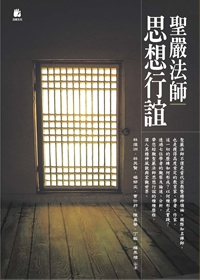
聖嚴法師思想行誼
本書所收錄的七篇論文,是從教育、著作、戒律思想、理念推動等角度,讓讀者多面向、立體地瞭解聖嚴法師人格的堅毅性、生命的豐富性,和其對宗教熱烈的使命感。從〈台灣佛教高等教育的推手聖嚴法師〉文中,一覽法師辛勤耕耘台灣佛教高等教育之全貌。〈尋求菩薩戒的新典範〉和〈淺論釋聖嚴博士的律學與史學〉,探討法師如何為了傳統戒律適應現代生活型態的需求,提出新詮釋。〈法鼓十年〉及〈聖嚴法師「建設人間淨土」理念根源〉,則溯源法師如何以佛教教育,作為法鼓山的發展主軸,來關懷世人與續佛慧命。〈《正信的佛教》──聖嚴法師流通最廣的著作〉一文,分析法師對佛法的體證及經論的熟稔,為社會大眾提供足以確立正信的核心問題。〈當代台灣旅遊文學中的僧侶記遊〉則將研究視角聚焦於法師「寰遊自傳系列」的文學作品,剖析法師如何經由禪修的主持,為漢傳佛教在歐、美世界建基立業與定位的遊化行腳。閱讀本書,七位國內頂尖的佛學學者,將引領您深入聖嚴法師致力於建設人間淨土的宏觀及悲願,以及推動心靈環保的國際視野及深度的人文關懷。
作者
NT$
$390
|
78折

《妙雲集》修訂版(全套軟精裝24冊)
《妙雲集》全新電腦排版新書,全套上中下編共24冊。全套包含:1 般若經講記(修訂版)2 寶積經講記(修訂版)3 勝鬘經講記(修訂版)4 藥師經講記(修訂版)5 中觀論頌講記(修訂版)6 攝大乘論講記(修訂版)7 大乘起信論講記(修訂版)8 佛法概論(修訂版)9 中觀今論(修訂版)10 唯識學探源(修訂版)11 性空學探源(修訂版)12 成佛之道(修訂版)13 太虛大師年譜(修訂版)14 佛在人間(修訂版)15 學佛三要(修訂版)16 以佛法研究佛法(修訂版)17 淨土與禪(修訂版)18 青年的佛教(修訂版)19 我之宗教觀(修訂版)20 無諍之辯(修訂版)21 教制教典與教學(修訂版)22 佛教史地考論(修訂版)23 華雨香雲(修訂版)24 佛法是救世之光(修訂版)
作者
NT$
$4,080
|
85折

成佛之道(增注本精裝)
佛法是理智的宗教,不僅是信仰的。所以義理的開導,或是修持的指示,都是通過理性,而有豐富的,正確的內容。由於通過理性的隨機適應,自由抉擇,所以弘傳中的佛法,可說是多彩多姿的。但這在一般人的心目中,容易引起二項觀念,不能完整的把握佛法。那二項是: 一、佛的教說,菩薩與祖師們的弘傳,都是適應不同的時間地區,不同的根性好樂,而給以適宜的教導。所以方便多門,或淺或深,或事或理……有些是不相同的,有些還似乎是矛盾的。適應不同根性的不同教法,真是萬花筒一樣,初學者不能統攝條貫,每有不知如何是好的感覺。 二、由於眾多的教說,有內在的關聯性,常從一端而說到其他。如衣服一樣,提起衣領(當然這是最適當的),拉住袖口,或扯到衣襟,都可以得到衣服的全體。但在一般人,對一一法門的應機特性,一一法門的淺深次第,一一法門的相互關聯,每被忽略而籠統的覺得都是差不多的。這種雜多而又差不多的觀感,會引起相反的同一傾向。有以為:彼此相同,所以一法就等於一切。這樣,不需要廣修遍學,一經一佛一咒的佛法,大大的發展起來。其實是不能完滿的把握佛法,取一滴水而棄大海,卻自以為大海都在這裡。有的,不能完滿的總持佛法,對自己多少理會的法門,讚揚到極點,覺得這是最殊勝的,最究竟的。有了這,就有了一切;或以為有了這,就不需要別的。總之,佛法的多彩多姿,適化無方,凡不能統攝總貫,不能始終條理,都會犯上偏取部分而棄全體的過失。這種家風,使佛教走上空疏貧乏的末運! 佛法的統貫條理,對於一般信眾的持行來說,原是不能苛求的。但弘傳佛法的大德們,是不能不有的必要勝解。這才能應機說法,而始終保持佛法的完整性,不致於落入雜亂與偏向的窠臼。對於這,天臺與賢首宗,是有功績的!因為臺賢大師們,統攝了全部佛法,而組成淺深的進修歷程,顯出彼此間的差別,又顯出彼此間的關聯。這難怪過去學教的法師,不是天臺四教,就是賢首五教了!但臺賢的重心在圓教,直入圓教,才是臺賢大師們的真正意趣,所以仍不免偏取。這如太虛大師說:「賢臺雖可以小始終頓,藏通別圓,位攝所餘佛言,然既為劣機而設,非勝根所必須。縱曰圓人無不可用為圓法,亦唯俟不獲已時始一援之,而學者又誰肯劣根自居,於是亦皆被棄」。虛大師深感於中國佛教末流的空疏貧乏,所以以「五乘共法」,「三乘共法」,「大乘不共法」,統攝一切佛法,開顯由人而成佛的正道。這與西藏宗喀巴大師,宗承印度的中觀與瑜伽,以「共下士道」,「共中士道」,「上士道」,而綜貫成佛的菩提道次第,恰好相合。所以對:「福德資糧,則人天具攝;智慧資糧,則聲緣相協;律及經論,皆所依止;僅取一分,不成菩提」的全體佛教,虛大師給以非常的讚仰。這樣的圓滿佛教,應該是值得積極弘揚的佛教。 如來說法,總是先說『端正法』──布施,持戒,離欲生天(定)。然後對有出世可能的,授以出世法門。由於佛法的重心在出世(出世是勝過世間一般的意思),所以集經者,對於佛的「端正法」,總是略而不詳。古典阿毘曇,還以五戒為首,而後起的阿毘曇,也就不見了。這種以二乘法為本的傾向,宗喀巴大師也不能免,所以他說的共下士法,把「念死」作為入道的要門。其實,不念死,未嘗不能熏修人天善業。這樣的下士道,雖順於厭離的二乘,但不一定順於悲濟的大乘道。對於這,虛大師深入佛乘,獨具隻眼,揭示了如來出世的真實意趣──教導人類,由人生而直趣佛道。所以著重熏修十善正行,不廢世間資生事業,依人乘正行而趣向佛乘,而不以厭離(如念死)為初學的法門。人乘正行而趣向佛道,也就是攝得五乘共法,三乘共法功德而趣入佛道。但由於某些眾生的根性偏狹怯弱,佛(及古德們)這才對於大乘,旁立二乘究竟的方便道。在大乘法中,也旁開由天乘行而入佛乘,由二乘行而入佛乘的方便道。所以從虛大師抉擇開示的全體佛教來說,一切無非成佛的法門。這不但綜貫了五乘共法,三乘共法,大乘不共法的三階,而且還綜貫了正常道與方便道的一切。圓滿顯示了佛道次第的全貌,導歸於究竟無上的佛地。 從前在香港時,就想依據虛大師的開示,參考宗喀巴的菩提道次,綜合在法藏中的管窺一斑,寫一部簡要的『成佛之道』,綜貫一切佛法,而歸於一乘。這一直到民國四十三年,在臺灣善導寺的共修會中,才由淺而深,編幾句偈頌,一面編,一面講。但為了事緣,特別是大乘部分,非常的簡略。四十六年秋,把過去編的偈頌,修正補寫,為女眾佛學院講說。四十七年冬,再加修正刪補,開始為自己所編的偈頌,寫下簡單的解說。去年底,在善光寺度舊曆年,這才全部脫稿。算起來,已經過六個年頭了!這部二十萬字的成佛之道,正在排印流通,所以略說本書的意趣──綜貫一切佛法而向於佛道,以為序。 中華民國四十九年十月序
作者
NT$
$204
|
85折


印度之佛教(精裝)
印度之佛教,自以釋尊之本教為淳樸、深簡、平實。然適應時代之聲聞行,無以應世求,應學釋尊本行之菩薩道。中期佛教之緣起性空(即緣起無我之深化),雖已啟梵化之機,而意象多允當。龍樹集其成,其說菩薩也: 1.三乘同入無餘涅槃而發菩提心,其精神為「忘己為人」。 2.抑他力為卑怯,「自力不由他」,其精神為「盡其在我」。 3.三阿僧祇劫有限有量,其精神為「任重致遠」。菩薩之真精神可學,略可於此見之。龍樹有革新僧團之志,事未成而可師。能立本 於根本佛教之淳樸,宏闡中期佛教之行解(梵化之機應慎),攝取後期佛教之確當者,庶足以復興佛教而暢佛之本懷也歟! 佛教創始於印度釋迦牟尼,乃釋尊本其獨特之深見,應人類之共欲,陶冶印度文化而樹立者。其在印度,凡流行千六百年而斬。因地而異,因人而異,因時而異,離合錯綜極其變。法海汪洋,入之者輒莫知方隅焉。試聚世界佛徒於一堂,叩其所學,察其所行,則將見彼此之不同,遠出吾人意料外。此雖以適應異族文化而有所變,然其根本之差別,實以承受印度之佛教者異也。以是欲知佛教之本質及其流變,應於印度佛教中求之
作者
NT$
$213
|
85折

太虛大師選集(上中下) 精裝本
太虛大師,以護教護國為事,四十年如一日,悲心深重,近代佛教界一人而已!大師之著述講說,嘗集為「太虛大師全書」,六十四冊,讀者每以文繁義廣為難。大師之學行,足為今日佛教之南針者特多,因編選集以問題。
作者
NT$
$680
|
85折

如來藏之研究(精裝)
如來藏之研究自序抗戰期間,我寫了『唯識學探源』,『性空學探源』二書。為了探求大乘三系的淵源,還想寫一部『如來藏學探源』,由於抗戰結束了,種種因緣,沒有能寫出。來臺灣以後,在經論的探求中,才理解到:緣起與空,唯識熏變,在『阿含經』與部派佛教中,發見其淵源,而如來藏(即佛性)說,卻是大乘佛教的不共法,是「別教」。在如來藏說的開展中,與『阿含經』說的「心清淨,為客塵所染」相結合,而如來藏的原始說,是真我。眾生身心相續中的如來藏我,是「法身遍在」,「涅槃常住」的信仰,通過法法平等、法法涉入的初期大乘經說而引發出來;在初期大乘的開展中,從多方面露出這一思想的端倪。龍樹的大乘論中,還沒有明確的說到如來藏與佛性,所以這是後期大乘。西元三世紀以下,正是印度梵文學復興的時代,印度大乘佛教,也就適應此一思潮,而說「如來之藏」,明確的說:「我者,即是如來藏義;一切眾生悉有佛性,即是我義」。一切眾生有如來藏我,在中國佛教界,從來不曾感到意外,只是信受讚歎,但印度佛教界可不同了!常住不變的,妙樂的「我」,是眾生的生命自體;轉迷妄而達「梵我一如」,得真解脫,是印度神教思想的主流。釋尊為人類說法,從眾生的蘊界處中,觀一切為緣所生法,無常故苦,苦故無我無我所;依空無我得解脫,顯出了不共世間,超越世間的佛法。從部派到初期大乘佛教,說明上有無邊的方便不同,而依空無我得解脫,還是被公認的。現在說,一切眾生的蘊界處中,有常住、清淨的如來藏我,這是極不平常的教說!印度佛教有著悠久的傳統,沒有忘卻釋尊教法的大乘者,對於如來藏我,起來給以合理的解說:如來藏是約真如空性說的,或約緣起空說的。這樣,如來藏出纏的佛,可以名為「大我」(或約八自在說),而眾生位上的如來藏,被解說為「無我如來之藏」了。一切眾生有(與如來藏同義)佛性,被解說為「當有」了。這是印度大乘佛教的如來藏說(不過,眾生的如來藏我,秘密大乘佛教中,發展為「本初佛」,與印度的梵我一如,可說達到了一致的地步)。我在『初期大乘佛教之起源與開展』的寫作過程中,附帶集錄些有關如來藏佛性說的資料。拿來整理一下,再補充些後期大乘經論的抉擇,題為『如來藏之研究』,作為從前想寫而沒有寫的『如來藏學探源』,補足了從前的一番心願!
作者
NT$
$255
|
85折

初期大乘佛教之起源與開展(精裝)
【初期大乘佛教之起源與開展自序】 大乘佛法的淵源,大乘初期的開展情形,大乘是否佛說,在佛教發展史、思想史上,是一個互相關聯的,根本而又重要的大問題!這一問題,近代佛教的研究者,還在初步探究的階段。近代佛教學者不少,但費在巴利文、藏文、梵文聖典的心力太多了!而這一問題,巴利三藏所能提貢的幫助,是微不足道的。梵文大乘經,保存下來的,雖說不少,然在數量眾多的大乘經中,也顯得殘闕不全。藏文佛典,重於「祕密大乘佛教」;屬於「大乘佛教」的聖典,在西元七世紀以後,才開始陸續翻譯出來。這與現存的梵文大乘經一樣,在長期流傳中,受到後代思想的影響,都或多或少的有了些變化,不足以代表大乘初期的實態。對於這一問題,華文的大乘聖典,從後漢支婁迦讖,到西晉竺法護,在西元二、三世紀譯出的,數量不少的大乘經,是相當早的。再比對西元二、三世紀間,龍樹論所引述的大乘經,對「初期大乘」(約自西元前五0年,到西元二00年)的多方面發展,成為當時的思想主流,是可以解答這一問題的主要依據。而且,聲聞乘的經與律,華譯所傳,不是屬於一派的;在印度大陸傳出大乘的機運中,這些部派的經律,也更多的露出大乘佛法的端倪。 所以,惟有重視華文聖典,研究華文聖典,對於印度佛教史上,根本而又重要的大問題,才能漸漸的明白出來! 民國三十一年,我在『印度之佛教』中,對這些問題,曾有過論述。我的修學歷程,是從「三論」、「唯識」,進而研究到聲聞的「阿毘達磨」。那時,我是著重論典的,所以在『印度之佛教』中,以大乘三系來說明大乘佛教;以龍樹的「性空唯名論」,代表初期大乘。然不久就理解到,在佛法中,不論是聲聞乘或大乘,都是先有經而後有論的。經是應機的,以修行為主的。 對種種經典,經過整理、抉擇、會通、解說,發展而成有系統的論義,論是以理解為主的。我們依論義去讀經,可以得到通經的不少方便,然經典的傳出與發展,不是研究論義所能了解的。龍樹論義近於初期大乘經,然以龍樹論代表初期大乘經,卻是不妥當的。同時,從「佛法」而演進到「大乘佛法」的主要因素,在『印度之佛教』中,也沒有好好的說明。我發現了這些缺失,所以沒有再版流通,一直想重寫而有所修正。由於近十年來的衰病,寫作幾乎停頓,現在本書脫稿,雖不免疏略,總算完成了多年來未了的心願。
作者
NT$
$510
|
85折

原始佛教聖典之集成(精裝)
寫這部書的基本觀念,首先是,依佛教固有的傳說為依據,從固有傳說的啟發中,而作經律集成過程的研究。我確信,華文聖典──代表不同部派的經律,比之巴利聖典(屬於一派) 的單一性,應有更多的比較價值。所以從種種華文經律與巴利聖典的比較,以窺見其次第發展的過程。經律是結集所成的。結集是等誦,是共同審定,是有部類與次第組織的。所以結集的研究,著重於部類的、組織的研究;從延續的、開展的過程中,理解經律部類的逐漸完成。結集有原始的(第一)結集,再(第二)結集,公認的結集與公認的聖典,是相關的、同時的。佛教還有不斷的(第三,第四等)結集,不是佛教界所公認的,也與部派間獨有的部類相關。結集是這樣的一而再,再而三的進行,聖典部類的集成,也當然有其先後。說到先後,提出了材料與結構,主體與附屬,內容與形式的不一致性。決不能據附屬的,形式的部分,片面的論斷為古形新形。論結集,應該著眼於組織(結構)的、主體的。 研究經律集成所得的結論,是這樣:法(經)與律,原始結集是分別結集的,卻同樣的以「修多羅」(散文)為主體,稱為「相應」;附以偈頌的「祇夜」,名為「雜」。 律部方面,波羅提木叉(五部──八部,即『戒經』)為修多羅,附以「法隨順偈」(雜頌)。到第二結集時,波羅提木叉的分別,解說,是「記說」。「祇夜」部分,漸獨立為「雜誦」(摩得勒伽)。依「雜誦」而類集為「七法」、「八法」,或「大品、小品」,成為犍度部,那是以後的事,上座部律師的業績。經部(法)方面:原始結集的,是修多羅(相應)四大部,祇夜(雜)八部。接著,有「弟子所說」,「如來所說」──「記說」。「修多羅」,「祇夜」,「記說」,這三部分的綜合,成為根本的「相應教」。與「記說」同時,不屬於(相應教的)祇夜的偈頌,如「伽陀」,「優陀那」,都成立了。「本事」,「本生」,「方廣」,「希法」,也先後集成。到了再結集的時代,以「修多羅相應」為取捨的最高準繩,綜合傳誦於佛教界的聖教,共同審定而再為結集。本著「弟子所說」的意趣,集為「中部」;本著「祇夜」的意趣,集為「長部」;本著「如來所說」的意趣,而集為「增一部」;固有的相應教,稱為「相應部」。四部、四阿含的成立,是再結集的時代,部派還沒有分化的時代。 經研究而得的合理認識,佛法不只是佛所說的。從佛的三業(身語意)大用而表達出來的佛法,是早於結集就存在的。原始的佛教聖典,是以佛陀的三業德用為本源;以僧伽為中心,統攝七眾弟子,推動覺化的救世大業。經弟子的領會,實行,用定形的文句表達出來,經當時大會的審定,確定為佛法,聖典。結集──共同審定出來的聖典,代表了當時佛教界公認的佛法。一般所說的原始聖典,也是經長期的一再結集而成,巴利聖典也沒有例外。這只是部派未分以前的(現有各派的聖典,都增入部派所改編的,或自部特有的部分),為一切部派所公認的,而並不是聖典的一切。因為部派分化後,不同部派,不同地區,不同時代的佛教開展中,從佛弟子(也有在家的)心中──經內心體證,而適應當時當地,集成定形文句而傳誦於佛教界,到處都是,代表了這一部派,這一地區,這一時代所公認的佛法。佛教聖典,從原始結集以來,一直就是這樣的。所以佛教聖典,不應該有真偽問題,而只是了義不了義,方便與真實的問題。說得更分明些,那就是隨(世間)好樂,隨時宜,隨對治,隨勝義的問題。所以最後說:「佛法在流傳中,一直不斷的集成聖典,一切都是適應眾生的佛法」。
作者
NT$
$340
|
85折

學佛三要(精裝)
學佛之根本意趣人生所為何事平常人只說學佛,但為什麼要學佛?其根本意趣究竟何在?這一問題是應該明白的。可以說:學佛並不是無意義,無目的,而是要獲得一種高尚、圓滿的成果。學佛的而能夠深刻的理解到學佛的根本意趣,進而感覺到非學佛不可,有這種堅強的信念,才能真正走向學佛之路,而不在佛門邊緣歇腳,或者走入歧途。人生存於世間,究竟所為何事?有何意義?這要從吾人本身去觀察,唯有這樣才能把握住學佛的意趣,因為佛法就是解決人生的根本方案。也可說:這是一切高等宗教所共同的,皆由此而產生的。但人生究竟所為何事?有何意義?唯有佛法才能完滿的解答。一、茫茫生死事難知:人從最初出生開始以至老死為止,匆匆數十年中,終日渾渾噩噩,究竟生從何來?死往何去?誰也不能答覆這一問題。所以只能說糊塗的來又糊塗的去,人就在這糊塗中過去。甚至夫婦的配偶,也每是無意的似乎偶然的結成;一生事業,也每是糊塗的做去,最初也未必有個一定的計劃,很少由自己的主意而成就。西洋某哲學家,對這茫茫人生,有一個妙喻,他說:某處有兩座聳峻的高山,山下是一條很深長的溪流,兩山的中間有一條狹長的小橋結連著,人就佇立在這座橋上前進。向前山遠眺去,是雲霧瀰漫,一片糊塗;向後山遠矚去,又是煙霧沈沈;向下看去,深邃莫測。有的人走上三兩步,就掉下深淵;有些人走了一半路程,也不幸掉下去。就是走近對面山邊,也還是難以倖免落入茫茫的深淵。掉下去究竟去向何處,誰也不知道,這正是茫茫人生的最好的寫照。學佛就是對此糊塗人生,有一徹底的認識。這人生問題,雖然也可以不必去研究,如一隻海船,從此海岸駛往很遠的目的地,在茫茫的大海中可以糊塗的向前航行。但是,漫無方向的亂闖,這是一件極危險的事。佛法,就是說明了這人生從何來,死往何去,現在怎樣行去,才能安登光明彼岸的問題。二、碌碌終生何所得:人生碌碌忙了幾十年,從小就忙,一直忙到老死,到底忙出什麼成績來?這是值得反省的,很有意義的問題。可是不忙又不成,多少人無事也要忙,問他忙個什麼?他是無以答覆你,但總之不能不忙。年輕人大概不會這樣想的,他們以為前途是充滿了無限的光明。一到中年以後,對此碌碌人生就有所感觸。我不是要諸位不要忙,而要探討忙了有何所得。世俗說:「人生好似採花蜂,採得百花成蜜後,到老辛苦一場空」。在忙碌中確曾獲得了高官、財富、地位,但不久就失去了,好像什麼都是空歡喜,什麼都毫無成就。老年人對此,特別有著深刻的體驗,如兒女小時個個都跟隨在身邊,一等長大了,也就各個營謀個己的獨立生活去了。這一問題往往容易使人生起悲觀消極,萎靡頹廢的觀念,但佛法卻並不如此。三、孳孳行善復何益:關於勸人行善,不但佛教這樣,儒家、耶、回教等,無不教人行善止惡的,所謂「為善唯恐不及」。可是行善究竟有什麼好處呢?道德究竟有什麼價值?平時說:「行善得善果,作惡得惡報」,這是因果的定律。中國人對於行善的觀念,多建立在家庭中,如父母行善作福,其子孫必多昌隆,「積善之家,必有餘慶」。其實並不如此,有父母良善而子孫大惡,有父母很壞而子孫忠孝。如古代堯帝秉性仁慈而丹朱性情傲慢;又如瞽瞍為人頑劣而其子舜帝大孝,就是一例。約個人說:這社會上往往是壞人容易得勢,好人每每被欺侮、吃虧。如孔子的道德學問,難道不好嗎?可是,當他周遊列國時,曾經幾乎被餓死,政治上也無法舒展抱負。反之,大惡盜蹠,竟能橫行於當時。這樣看來,善惡與禍患,有什麼必然規律?為什麼要行善呢?這唯有佛法建立三世因果,才能解決這些問題。所以說:一切宗教勸人行善的出發點是一致的,而與佛法的結論卻是不同。學佛只管孳孳行善,也許目前所遭遇的是不利、困惑,但將來善業成熟,自然會感到美滿的善果。能這樣,才算合乎佛教的精神。四、逐逐此心安不得:說來這實在是一件不著邊際的苦事,我人的心總是向外貪求,終日是為著色聲貨利名聞權力在馳求。為什麼要這樣?為了心滿意足。如一個缺乏衣食的人,他必須獲得金錢才能解決生活的困難。可是一等他獲得足夠的衣食後,他仍然是不滿足,進一步又要講求衣食質料的美好,出門要有新型的轎車,住的要有精美的大廈。等到一切都到了手,心中還是不滿足。人心永久是這樣的,終日追求,沒有滿足的一天。如馬奔走一樣,後足著地,前足早又掛空,決不會有四足一齊著地的。人心不足,總覺得他人樣樣比我好,其實不然。學問家為了追求更多的學問,他也是不滿足的。為一國之主的,雖有絕大權威,他也還是不滿足的,有他說不出的苦。人不能獲得滿足,內心就永久得不到安樂。平常說:要安樂就得滿足,其實人心從來就不滿足,怎能得到安樂呢?一般宗教給人安慰,使人滿足,安慰也可說是一般宗教的共同點。如西洋宗教教人信就得救,得救了自然就會滿足,內心也就得安寧。把人當小孩一樣看待,小孩子,你聽我話,不要哭,給你玩具。其實問題沒有得到解決,因為人心的不滿足,不是外來的給予所能滿足的。唯有佛法,教人先要了解生死究竟是怎麼一回事,碌碌終生究有何所得?行善復有何利益?如何才能獲得內心滿足和安樂?從這些問題去審察,才能把握住佛法的核心,也才能真正獲得安樂。
作者
NT$
$153
|
85折


內觀禪修(修訂版)
《身念住內觀法》以及《禪修者與內觀》二部份。《身念住內觀法》介紹南傳佛教大師阿姜念的內觀方法。其特色是不斷地觀察整個身體,直到真正明瞭心為止。在日常生活中,必須時時保持如理作意,防止貪瞋的生起,進而滅除痛苦。原文是凡拉達摩法師由英文譯成中文,今簡化科判並特別編印出其核心的理論、實修與成果。《禪修者與內觀》介紹南傳佛教大師孫倫.古恭法師的內觀方法。他的方法重視身上的感受,並且特別針對苦受下手,以堅毅的精進去觀察它,最後體驗其無常、無我的特性,由此得到解脫。善見法師親赴緬甸學習此方法,並抽空將英文單行本譯成中文,供喜好禪修者分享。
作者簡介
阿姜念〈AchaanNaeb〉
生於西元一八九七年一月三十一日。她的父親巴雅.蘇達雅隆滾,是當時堪甲那布里省省長,她的母親名為昆瑩.布拉。西元一九三一年,阿姜念三十四歲時,她的一次經驗改變了她的一生,有一次當她看某件東西時,突然體會到「看」的實相,當下她體會到不是她在看,而是無「我」。這使她相信斷除煩惱和滅苦的唯一方法就是保持在當下。那時她還沒有學習佛法或修持四念住禪觀的經驗,於是她找善知識教她四念住禪觀業處,她找到曼谷布拉寺的一位緬甸巴頓塔威拉沙比丘,於西元一九三二年開始修行,四個月之後她就成就了,然後她研究阿毗達磨並成為一位重要的佛學專家,她是第一位將阿毗達磨的教法傳入泰國的人。三十幾年的時間,她在包括衝布里省的布堪甲那南在內的許多禪修中心指導四念住內觀禪修法。阿姜念逝世於西元一九八三年十月六日,享年八十六歲。
作者
NT$
$213
|
85折

浮標(愛藏本)
照亮行船人的浮標與海鷗、海豹,三個「家在海上」的好友間,發人省思的生命對話。 《浮標》是一則來自海洋的自由詩。悠遊大海的水手作家布魯斯貝倫,透過一盞照亮行船的浮標,看深藍中令人屏息的綠光;體驗沒有星星的夜晚暴風雨撞破天衣時,叱咋黑幕的炫麗色彩與生命威脅;低吟源於大海創始之初的「鯨魚之歌」;化解海鷗與海豹這對一天飛、一游海的歡喜冤家間,因「觀點」相悖,而硬是結下的尷尬情節;並對海洋污染的束手無策與大海的無處可逃而黯然傷神…… ●作者簡介: ‧布魯斯貝倫 一名悠游海洋的水手與潛水專家。在一次夜航中,貝倫與叔叔保羅在加州佛朗岬角附近初遇浮標!貝倫於加州長堤出生,畢業於舊金山州立大學。從事過水電工、電腦軟體設計師、保姆、廚師等各領域的工作,並由過往的豐富經驗中,自理出一套精采的工作手冊。近年來投入寫作,成為一名全職作家,已出版的幾本作品包括幾本發人省思的繪本及一套神秘作品。 ‧洛爾科隆 一位值得喝采的當代插畫家。科隆的作品散見於無數書本封面、雜誌及報紙等,並贏得多次「插畫家協會」、「紐約時報最佳繪本書」等年度大獎。洛爾科隆為道地紐約客,從小於現代藝術之都耳濡目染,並附波多黎各學習商業藝術,之後在位於佛羅里達的教育電台從事動畫、布偶及佈景設計工作。
作者
NT$
$136
|
85折

大家來拜大悲懺!(圖解本)
為什麼我們需要懺悔?大悲懺拜的是什麼?懺的是什麼?又是向誰來懺悔?大悲懺該怎麼拜懺?該如何懺悔?拜懺為什麼可以消災解厄? 拜大悲懺可得哪些功德?修行為什麼要從懺悔開始?不同的罪過要用不同的懺法嗎?整個拜懺過程就是觀想過程,要如何觀想呢?學習佛法有兩條路徑,一是讀佛經,一是參加法會。在台灣,幾乎每個佛教徒都讀過《心經》,同樣的,十個佛教徒至少有八個拜過大悲懺呢!《大悲懺》是以持誦觀世音菩薩的大悲咒來懺罪消業,自宋朝起盛行千年不墜,可見其力量之宏大,當今世人消災祈福安頓身心,大悲懺是最方便的法門。在僅僅兩個小時的大悲懺法會中,拜懺者透過經行、禮拜、唱念,此時,佛法不再只是文字、思維,而是以身體所有感覺來掌握、體悟……。本書分成三大部分41個單元,深入探討大悲懺,從大悲懺的演變、懺法的基本知識、懺本的製作,到懺本解析等,不但能讓經常拜懺者瞭解懺文唱誦的意思,掌握懺法的精髓,更讓沒參加過拜懺法會的人也能一看就懂,很快融入拜懺的情境。本書特色.以圖解方式解構大悲懺的文本,人人都能讀懂大悲懺。.教你拜懺的正確觀念、方法與步驟,掌握拜懺要領,融入懺儀的內涵與精髓。.用最親切的方式講解拜懺動作、唱誦、觀想和儀禮,即使沒接觸過拜懺,也能快速掌握拜懺要領。.用最淺顯的方式傳達佛教懺法的基本概念,如因果、造業、懺悔、無我……
作者簡介
李坤寅畢業於天主教輔仁大學宗教系,宗教研究所。中華佛學研究所選修。曾任職於中華電子佛典學會及多項國科會專案研究助理。著有《開始讀懂佛經》。
作者
NT$
$272
|
85折
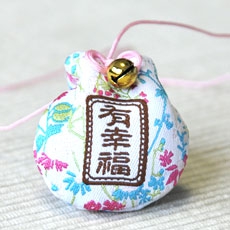
小錦囊御守|有幸福
心中知足就有幸福。
產品特色 .繡有「有幸福」之小錦囊御守。.吊卡上印有聖嚴法師法語,可做為書籤,時時提醒自己,時時充滿法喜。.御守可吊掛在車上、背袋上、手機上,也可當過年過節的裝飾品,送禮自用兩相宜。
產品規格.內容:吊飾1個 .尺寸:寬約 4 x 3.9公分.重量:約 5公克.產地:臺灣製造
注意事項.因拍攝關係,圖片顏色略有差異,請以實際商品為主。
NT$
$100
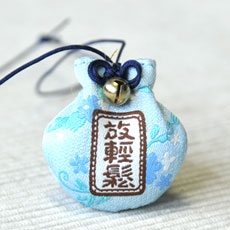
小錦囊御守|放輕鬆
時時處處放鬆身心,超越自我,就能解脫自在。
產品特色 .繡有「放輕鬆」之小錦囊御守。.吊卡上印有聖嚴法師法語,可做為書籤,時時提醒自己,時時充滿法喜。.御守可吊掛在車上、背袋上、手機上,也可當過年過節的裝飾品,送禮自用兩相宜。
產品規格.內容:吊飾1個 .尺寸:寬約 4 x 3.9公分.重量:約 5公克.產地:臺灣製造
注意事項.因拍攝關係,圖片顏色略有差異,請以實際商品為主。
NT$
$100

法鼓鐘聲
智慧的鐘聲如一把心鑰,為身處紛擾紅塵的眾人,敲響了暮鼓晨鐘,開啟人生新視野,照見心中的那一方清淨地!「我既不是用冷眼看待世間,也沒有以狂熱迷戀世間,而是常用佛法所示的清涼的智慧和溫暖的慈悲來關心世間。」 ──聖嚴法師家庭、社會上大大小小的事,總是在各個媒體、各種場合上討論得沸沸揚揚,而事情仍是似真又假、似是而非,令人困惑不已。哪裡才能找到一種出自清淨心靈的智慧、出自清淨眼睛的觀看,為我們帶來一些些清醒與明白、自在與包容?聖嚴法師在本書中要和我們探討的,即是現實人生中這些包羅萬象的議題,例如夫妻、朋友的相處之道;正確的宗教、死亡觀念;以及社會上的家暴、吸毒與婚外情……等。書中簡單的話語,蘊含著發人省思的道理。這智慧的鐘聲,清亮而悠遠,純淨而美好,為我們的心帶來如夢醒般的豁然開朗、如獲至寶般的喜悅。
作者簡介
聖嚴法師(1930~2009年)聖嚴法師1930年生於江蘇南通,1943年於狼山出家,後因戰亂投身軍旅,十年後再次披剃出家。曾於高雄美濃閉關六年,隨後留學日本,獲立正大學文學博士學位。1975年應邀赴美弘法。1989年創建法鼓山,並於2005年開創繼起漢傳禪佛教的「中華禪法鼓宗」。聖嚴法師是一位思想家、作家暨國際知名禪師,曾獲臺灣《天下》雜誌遴選為「四百年來臺灣最具影響力的五十位人士」之一。著作豐富,中、英、日文著作達百餘種,先後獲頒中山文藝獎、中山學術獎、總統文化獎及社會各界的諸多獎項。聖嚴法師提出「提昇人的品質,建設人間淨土」的理念,主張以大學院、大普化、大關懷三大教育推動全面教育,相繼創辦中華佛學研究所、法鼓佛教學院、僧伽大學、法鼓大學等院校,也以豐富的禪修經驗、正信的佛法觀念和方法指導東、西方人士修行。法師著重以現代人的語言和觀點普傳佛法,陸續提出「心靈環保」、「四種環保」、「心五四運動」、「心六倫」等社會運動,近年來更致力於國際弘化工作,參與國際性會談,促進宗教交流,提倡建立全球性倫理,致力於世界的和平。其寬闊胸襟與國際化視野,深獲海內外肯定。
作者
NT$
$140
|
78折
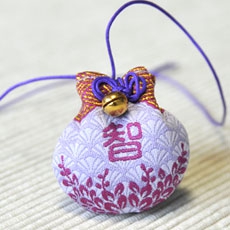
小錦囊御守|智
自我中心愈少,智慧就會增長,慈悲心也會愈增加,煩惱也就愈少,過失也就愈少。
產品特色 .繡有「智」之小錦囊御守。.吊卡上印有聖嚴法師法語,可做為書籤,時時提醒自己,時時充滿法喜。.御守可吊掛在車上、背袋上、手機上,也可當過年過節的裝飾品,送禮自用兩相宜。
產品規格.內容:吊飾1個 .尺寸:寬約 4 x 3.9公分.重量:約 5公克.產地:臺灣製造
注意事項.因拍攝關係,圖片顏色略有差異,請以實際商品為主。
NT$
$100

彩虹秋天-CD(兒童音樂/心靈音樂)
☆大朋友小朋友同心感受 充滿童心 童趣 童話的兒童世界☆知名作詞家魏嵐與暢銷兒童專輯《佛國的小腳ㄚ》、《童心菩提心》作曲家張蔚乾攜手合作量身打造屬於兒童的快樂歌曲 童言童語唱出赤子之心 特別收錄五首卡拉伴唱版讓小朋友輕鬆在家成為Super Star兒童心靈的純真、簡單、透明,有著對大自然的無限熱愛和不思議的驚奇望著天上的星星、門前的大樹、路邊的小花都會生出自己的想像和語言春天的雨滴、夏天的知了、秋天的色彩、冬天的雪花都會讓他們充滿好奇童話故事的小王子、綠野仙蹤的桃樂絲以及有著無數法寶的多啦A夢帶給孩子們無窮的快樂與純真的赤子之心十首歌,十種純真快樂大手和小手,用幸福顏料一筆筆畫出童年的彩虹秋天【製作群】●作詞:魏嵐中國著名兒歌詞作家,中央電視臺高級編輯,曾獲得中國百佳電視藝術工作者稱號。創作的少兒歌曲,多首獲得中國國家政府獎及專業獎。●作曲:張蔚乾八歲開始學習古典鋼琴,持有英國皇家音樂學院鋼琴演奏第八級優異文憑及英國三一音樂學院高級鋼琴演奏文憑。中學期間積極參加學校軍銅樂隊和藝術歌曲表演活動,畢業於馬來西亞博特拉大學,考獲音樂工藝榮譽學士。曾擔任馬佛青總會文化委員會理事和太平佛教會總務。現為政府中學音樂教師,擔任太平佛教會兒童和成人合唱團義務總指導和海潮匯佛曲音樂會義務音樂總監。1994年馬華公會主辦之全馬愛國歌曲優秀獎《爸爸》、馬來西亞教育部主題曲比賽優秀獎《Bahtera Pendidikan》;1995年曾經榮獲馬佛青總會主辦之全國佛曲創作比賽亞軍《和樂淨土》;2007年人間音緣馬來西亞總決賽入圍《人生面面觀》;2008年馬來西亞娛協獎最佳兒童歌曲原創獎兩首歌曲入圍《菩薩有千手》和《數呼吸》。2009年太平佛教會50週年紀念《海潮匯》佛曲弘法會音樂總監,2010年《海潮匯—慧燈普照》佛曲弘法會音樂總監及2012年《海潮匯—梵唱三慧》佛曲弘法會音樂總監。迄今已經出版之現代佛曲專輯:《童心菩提心》(2004)、《擺渡》(2006)、《佛國的小腳丫》(2007)、《人間有佛》(2007-太平佛教會成立五十週年而出品)、《紅色的吉祥菩提》(2009)、《海潮匯》(2009),《吟唱大自然》和《潮向初心》(2010-馬來西亞佛青總會為籌募普照寺籌建基金而出品),《禮敬觀》(2011)和《梵唱三慧》(2012-檳城三慧講堂為紀念竺摩法師一百年冥誕而出品)。風潮唱片全球代理發行以下專輯:《童心菩提心》、《佛國的小腳丫》、《大自然的孩兒》和《禮敬觀》。曾為馬來西亞佛教青年總會出版的小學一年級至六年級佛學課本譜曲數十首;也曾經為馬來西亞兩所幼兒園譜寫園歌和兩所佛教會創作會歌。十多年來不時受馬來西亞各佛教團體,大專和中小學佛學會邀請主持教師研修班、各大專佛學營、中小學佛學營之佛曲教唱、佛曲講課或佛曲分享。
演出者
編曲/作詞
魏嵐
NT$
$323
|
85折

佛陀佛陀請開門
佛陀說:我是人,我曾經充滿痛苦,也經歷了你們正在經歷的麻煩。透過心靈之旅,我達到了證悟的境界,遠離了苦和苦因。所以你們也辦得到。我可以為你們指出到達這個境界的道路,但這一切都掌握在你自己手中。你如何抵達、多快抵達、能夠掌握多少,都操縱在你。《佛陀佛陀請開門》是「那瀾陀菩提佛學研習課程」系列的第一本書。竹慶本樂仁波切所教授、指導的「那瀾陀菩提佛學研習課程」,是傳統佛法教育在西方傳播、翻譯和改編適應多年的成果。如果身處現代生活中想要「了解佛法」,進而「完整修習」,不被「佛學術語」嚇跑,符合科技時代中「掌握精要」的檢驗,又能與「現今情感經驗呼應」,這一套佛法教材,完全符合了這樣的需求。仁波切說,一開始,自心猶如一匹野馬,「我們不需要讓牠變得更駿美、更強壯、更聰明,牠們一開始就已經是了。」但如果只是不斷聞思,而欠缺禪修的體驗,「就像我們聞到了烘焙餅乾的香味,香氣濃郁而迷人,但我們的肚子仍舊空空如也。」中間,培養正念覺察是很重要的,否則「情緒猶如小偷和扒手,總在找機會下手,只要一有機會就偷走我們自心的寧靜。」最後,如果我們尚未認出自心本性,就還是需要一條「修道」和某種「成果」,「就像帶酩酊大醉的朋友回家,這醉鬼到了自家門口還大嚷大叫,說自己住在別處,最後只好拖著他繞了幾條街再回來,他才以為『到家』了。」除了以現代語彙生動而清新的講述佛法,最重要的是本書每一章每一主題,都有一個段落,循序漸進,導引讀者進行簡單、細膩卻具威力的實際禪修。這套珍貴的佛法研習系列,實是人們引頸渴盼、期待已久的至寶。
作者簡介
竹慶本樂仁波切(Dzogchen Ponlop Rinpoche)是藏傳佛教寧瑪派與噶舉派新一代大師中最出色的學者與老師之一,亦是一位實修的成就者、書法家、視覺藝術家和詩人。學習時期的本樂仁波切,在尊貴的第十六世大寶法王、頂果欽哲仁波切、堪布竹清嘉措仁波切等多位大師座下領受教法與訓練,同時成為大圓滿與大手印兩大傳承的持有者。本樂仁波切的教學方式幽默清新,飽含傳承自其根本上師 竹清仁波切的豐沛力量以及不拘形式的原創力,深受東西方弟子愛戴。 本樂仁波切是「那瀾陀菩提佛法中心」與「正知國際學院」創辦人。已出版的中文著作有《狂野的覺醒》、《離死之心》、《洞徹的智慧》、《叛逆的佛陀》等書。
作者
NT$
$323
|
85折
正在載入更多商品......