搜尋結果
共
3383
筆符合商品
排序
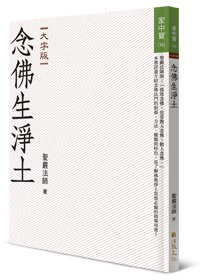
念佛生淨土 (大字版)
聖嚴法師說:「我常念佛,也常教人念佛,勸人念佛。」本書詳盡介紹念佛法門的根源、方法、種類與特色,是了解佛教淨土思想必備的指導用書!這是聖嚴法師第一本深入介紹念佛法門的專著!佛教修行法門號稱有八萬四千種,其中以阿彌陀佛的淨土修行法門,最受中國人的歡迎和崇信。主要是它的方法非常簡單,隨時隨地只要念佛,就可以得到利益。修行者不分對象、程度,也不必考慮自身所做功德的多寡,更不必擔心自身修證的功力大小,只要對阿彌陀佛的本願有信心,立誓發願即可。這樣一個不論時地、不揀根機的修行法門,雖然方法、觀念皆極為簡易,但事實上,念佛法門從原始佛教到大乘佛教,都有重要且數量龐大的經論依據,其深刻的內涵不容忽視;而正因為其方法單純、易用,最適合被龐大資訊淹沒的忙碌現代人使用。
作者簡介
聖嚴法師(1930年-2009年)聖嚴法師1930年生於江蘇南通,1943年於狼山出家,後因戰亂投身軍旅,十年後再次披剃出家。曾於高雄美濃閉關六年,隨後留學日本,獲立正大學文學博士學位。1975年應邀赴美弘法。1989年創建法鼓山,並於2005年開創繼起漢傳禪佛教的「中華禪法鼓宗」。聖嚴法師是一位思想家、作家暨國際知名禪師,曾獲臺灣《天下》雜誌遴選為「四百年來臺灣最具影響力的五十位人士」之一。著作豐富,中、英、日文著作達百餘種,先後獲頒中山文藝獎、中山學術獎、總統文化獎及社會各界的諸多獎項。聖嚴法師提出「提昇人的品質,建設人間淨土」的理念,主張以大學院、大普化、大關懷三大教育推動全面教育,相繼創辦中華佛學研究所、法鼓文理學院、僧伽大學等院校,也以豐富的禪修經驗、正信的佛法觀念和方法指導東、西方人士修行。法師著重以現代人的語言和觀點普傳佛法,陸續提出「心靈環保」、「四種環保」、「心五四運動」、「心六倫」等社會運動,並積極推展國際弘化工作,參與國際性會談,促進宗教交流,提倡建立全球性倫理,致力世界和平。其寬闊胸襟與國際化視野,深獲海內外肯定。
作者
NT$
$117
|
78折

智慧100
消解煩惱的具體方法智慧之眼和世俗之眼有何不同?為何最大的敵人竟是自己?如何步步成功、念念成功?人生如戲,為何要假戲真演?如何得到不死之藥?聖嚴法師將佛經中的偈語,轉化成簡短易讀的篇章,融以現代生活中的事例,展現出歷久彌新、寬廣自在的智慧;名漫畫家朱德庸先生,以其專擅的幽默風格,首次創作深富禪味的插畫,讓我們透過輕鬆柔性的語句,以及具有思想深度的插圖,直奔經偈中的智慧殿堂。
作者簡介
聖嚴法師(1930~2009年)聖嚴法師1930年生於江蘇南通,1943年於狼山出家,後因戰亂投身軍旅,十年後再次披剃出家。曾於高雄美濃閉關六年,隨後留學日本,獲立正大學文學博士學位。1975年應邀赴美弘法。1989年創建法鼓山,並於2005年開創繼起漢傳禪佛教的「中華禪法鼓宗」。聖嚴法師是一位思想家、作家暨國際知名禪師,曾獲臺灣《天下》雜誌遴選為「四百年來臺灣最具影響力的五十位人士」之一。著作豐富,中、英、日文著作達百餘種,先後獲頒中山文藝獎、中山學術獎、總統文化獎及社會各界的諸多獎項。聖嚴法師提出「提昇人的品質,建設人間淨土」的理念,主張以大學院、大普化、大關懷三大教育推動全面教育,相繼創辦中華佛學研究所、法鼓文理學院、僧伽大學等院校,也以豐富的禪修經驗、正信的佛法觀念和方法指導東、西方人士修行。法師著重以現代人的語言和觀點普傳佛法,陸續提出「心靈環保」、「四種環保」、「心五四運動」、「心六倫」等社會運動,並積極推展國際弘化工作,參與國際性會談,促進宗教交流,提倡建立全球性倫理,致力世界和平。其寬闊胸襟與國際化視野,深獲海內外肯定。
作者
NT$
$234
|
78折
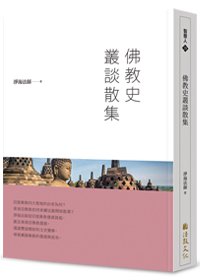
佛教史叢談散集
印度佛教四大聖地的由來為何?東南亞佛教如何承續法脈開枝散葉?淨海法師從印度佛教發源談起,廣及東南亞佛教發展。透過豐富精彩的文史寶庫,尋根溯源佛教的發源與流布。
藍毘尼園、鹿野苑、菩提伽耶……,為何總是吸引絡繹不絕的朝聖人潮?東南亞佛教藝術有哪些特色?中國古籍中對於佛教交流的敘述有哪些?泰國王朝的更迭和佛教信仰有關?為了推廣佛法,淨海法師曾留學泰國學習巴利文,鑽研相關史料多年,筆耕不輟。經由長年研究考證,以叢談彙編方式介紹佛教的發源與流傳。內容包括:印度佛教四大聖地、印尼古代佛教史考、馬來西亞早期佛教略史、雲南上座部佛教傳入略考、南傳上座部佛教的互相依存關係、東南亞古代孟族人對南傳佛教先驅的貢獻。並收錄所翻譯的〈泰國佛教史〉,介紹泰國佛教概況。全書論述引經據典,且涵蓋軼事雜談,除提供認識佛教史的實用參考,引人入勝的精彩介紹,讓人彷彿回到歷史現場。
作者簡介
淨海法師
一九三一年出生江蘇泰縣。九歲出家,十六歲寶華山受戒,後就讀武進天寧寺佛學院。
一九四九年到臺灣親近慈航法師,於彌勒內院修學十年。一九六○年赴泰國學習泰文及巴利文,受南傳比丘戒,住進泰寺僧團,並入朱拉隆功佛教大學攻讀。一九六九年轉赴日本,入東京立正大學研究,獲佛教學碩士學位。
一九七二年受邀赴紐約弘法,一九七八年抱著拓荒精神去到美國南部休士頓,與師友合創德州佛教會,接著建築玉佛寺、美洲菩提中心,推行現代化多元性弘法活動,不分任何宗派和種族。現任德州佛教會會長、德州佛教書院院長。著有《唯識第一課--大乘廣五蘊論略解》、《南傳佛教史》、《覺海觀覽》等作品,並譯有《真理的語言──法句經》、《佛陀畫傳》等譯作。
作者
NT$
$359
|
78折

菩薩行證至彼岸
我們讀的是有關自己的心識的故事。諸佛、菩薩、上師眾、老師、教法等,就好比明鏡一般,映現出我們的臉龐,讓我們認出自己。最終,你的容顏、你的色身、你的心等,在這面清淨無瑕的鏡子裡,看到佛五智分分明明映現其中。《菩薩行證至彼岸》是「那瀾陀菩提佛學研習課程」中文版「大乘教法系列」的完結篇,內容主要分為三個部分,第一部份,是針對經過了完整大乘修道的行者,以精要的龍樹菩薩五大因,幫助行者躍入「空性、無我」的至要確信;第二部分,則以《入中論》導引行者確立菩薩十地的修持精華,不論是世智所能理解的或超越凡俗概念的;最後第三部分,再次挈要一擊,說明超凡入聖的關鍵即在於將蘊與識轉化為佛智。本樂仁波切對於這三個層面的法教,既能嚴密精要的傳授經論中的重點,又能在行者經歷了漫長的修道旅程後,給予精神導師或心靈善友的鼓舞。最後,與所有讀者一同迎向無比的信心,說法者與領受者,一同站在清澈湛晰的明鏡之前,心對心的由菩薩行證的舟楫上,跨出最後一步,登上那大樂、恆常豐饒、自由解脫之岸。
純淨無瑕的花苞,已在煩惱污泥中蓄勢待發,等待我們以敬信之力,讓花莖伸出、高舉,緣於清淨的祈願與成熟的行持,蓮花,世間最美麗的悲智之花,終將無染地綻放。
作者簡介
竹慶本樂仁波切(Dzogchen Ponlop Rinpoche)是藏傳佛教寧瑪派與噶舉派新一代大師中最出色的學者與老師之一,亦是一位實修的成就者、書法家、視覺藝術家和詩人。學習時期的本樂仁波切,在尊貴的第十六世大寶法王、頂果欽哲仁波切、堪布竹清嘉措仁波切等多位大師座下領受教法與訓練,同時成為大圓滿與大手印兩大傳承的持有者。本樂仁波切的教學方式幽默清新,飽含傳承自其根本上師 竹清仁波切的豐沛力量以及不拘形式的原創力,深受東西方弟子愛戴。 本樂仁波切是「那瀾陀菩提佛學中心」與「正知國際學院」創辦人。已出版的中文著作除了本課程系列,還有《狂野的覺醒》、《離死之心》、《普賢王如來祈願文》、《叛逆的佛陀》,以及那瀾陀菩提佛學研習課程系列《佛陀佛陀請開門》等九本書。
譯者
江涵芠
NT$
$323
|
85折

楞嚴經淺釋(三冊)
《楞嚴經》,素有「開悟楞嚴」之譽,是中國禪宗的核心典籍;內容顯密兼照,包括直指人心、何勞肯綮的頓悟法門、二十五圓通的漸修次第以及〈楞嚴咒〉修法等深具中國特色的大乘佛法。全書共六十餘萬言,分上中下三冊出版,夢參老和尚並親書〈楞嚴經淺釋〉為書名。上冊656頁,內容為《楞嚴經》一至三卷經文,包括「七處徵心」、「十番顯見」等唯心辯證義理。中冊435頁,內容為四至六卷經文,包括「二十五圓通」、「文殊揀選圓通」等修行法門;下冊527頁,內容為七至十卷經文,包括「楞嚴咒」、「五十陰魔」等具體的修持法門與反覆究詰的禪定危機。本書特色《楞嚴經》譯體古雅,宛若南華齊物奇文,學者難以一窺堂奧,面對深繁皴染的文句,夢參老和尚以九十四歲高齡開演楞嚴大意,用疏淡的方式凸顯《楞嚴經》的典雅莊嚴,希冀大家能在楞嚴大法中,信仰妙明真體,「銷我億劫顛倒想,不歷僧祇獲法身」。本書之編輯整理,採用《楞嚴經》十卷經文的架構,內文義理章節則為簡要的次架構,主要是參考明雪浪洪恩的略圖,並酌予修訂,不另立傳統甲乙丙丁樹狀科判,以收綱舉目張之效。
作者
NT$
$1,428
|
85折

胡桃木窗花吊飾|福慧傳家
福慧傳家修福修慧,安心安家;六度萬行,傳心傳家。
產品規格.內容:吊飾一個.顏色:中國結顏色-紅色.材質:胡桃木.尺寸:約 10 x 2.5公分.重量:約 6公克 (含包裝).產地:臺灣製造
注意事項.請勿撞擊及重壓,避免木片破裂。.商品圖檔顏色因拍照光線關係會略有不同,請以實際商品顏色為準。
NT$
$80

胡桃木窗花吊飾|光明遠大
光明遠大智慧轉境,自心光明;慈悲利他,希望遠大。
產品規格.內容:吊飾一個.顏色:中國結顏色-綠色.材質:胡桃木.尺寸:約 11 x 1.8公分.重量:約 6公克 (含包裝).產地:臺灣製造
注意事項.請勿撞擊及重壓,避免木片破裂。.商品圖檔顏色因拍照光線關係會略有不同,請以實際商品顏色為準。
NT$
$80

胡桃木窗花吊飾|真大吉祥
真大吉祥安心、安身、安家、安業;真心自在,廣大吉祥。
產品規格.內容:吊飾一個.顏色:中國結顏色-藍色.材質:胡桃木.尺寸:約 11 x 2公分.重量:約 6公克 (含包裝).產地:臺灣製造
注意事項.請勿撞擊及重壓,避免木片破裂。.商品圖檔顏色因拍照光線關係會略有不同,請以實際商品顏色為準。
NT$
$80

禪門
禪宗的極致,以無門為門,不用任何方法。禪修的觀念是:認識自我、肯定自我、成長自我、消融自我。以「有」為入手方便,以「無」為禪修方向,以努力修行的過程為永久的目標。禪修方法是︰放鬆身心,集中、統一、放下身心世界、超越於有無的兩邊,能夠徹底超越,便是大悟徹底。──聖嚴
作者簡介
聖嚴法師(1930~2009年)聖嚴法師1930年生於江蘇南通,1943年於狼山出家,後因戰亂投身軍旅,十年後再次披剃出家。曾於高雄美濃閉關六年,隨後留學日本,獲立正大學文學博士學位。1975年應邀赴美弘法。1989年創建法鼓山,並於2005年開創繼起漢傳禪佛教的「中華禪法鼓宗」。聖嚴法師是一位思想家、作家暨國際知名禪師,曾獲臺灣《天下》雜誌遴選為「四百年來臺灣最具影響力的五十位人士」之一。著作豐富,中、英、日文著作達百餘種,先後獲頒中山文藝獎、中山學術獎、總統文化獎及社會各界的諸多獎項。聖嚴法師提出「提昇人的品質,建設人間淨土」的理念,主張以大學院、大普化、大關懷三大教育推動全面教育,相繼創辦中華佛學研究所、法鼓文理學院、僧伽大學等院校,也以豐富的禪修經驗、正信的佛法觀念和方法指導東、西方人士修行。法師著重以現代人的語言和觀點普傳佛法,陸續提出「心靈環保」、「四種環保」、「心五四運動」、「心六倫」等社會運動,並積極推展國際弘化工作,參與國際性會談,促進宗教交流,提倡建立全球性倫理,致力世界和平。其寬闊胸襟與國際化視野,深獲海內外肯定。
作者
NT$
$156
|
78折

怎麼鬆
找到呼吸,回到當下,回到內在的平靜之島。本書從禪法的角度重新定義什麼是放鬆,為什麼人需要在快轉的生活與熙攘的環境裡暫停下來,回到自身,體驗平靜。人在壓力大的時候,不僅是自己不快樂、失去創造力,也讓周遭的人不快樂。一行禪師點出幾項小技巧,讓我們的生活回歸平衡的狀態。不論身在何處,透過療癒、休憩、獨處、不忙碌的短暫禪觀練習,輕易重拾放鬆的喜悅。《怎麼鬆》是【跟一行禪師過日常】系列的第五本,提供簡單明瞭的指導,任何想要探索正念禪修的人都能深受啟發。書末「休息與放鬆的禪修」列出實際可行的步驟,讓你感受何謂「內在本有的療癒智慧,扎根在當下」。繁體中文版佐以台灣知名插畫家王春子的作品,陪伴你重新體驗「鬆」的單純與美好。
作者簡介
一行禪師(Thich Nhat Hanh)一九二六年生於越南,十六歲在慈孝寺出家,一九四九年受具足戒,為臨濟禪宗第四十二代、越南了觀禪師第八代傳人。一九六○年赴美普林斯頓大學研讀比較宗教學,並於哥倫比亞大學、康乃爾大學講學。持續推動反戰運動。一九六七年,美國黑人民權領袖馬丁‧路德‧金恩提名他角逐諾貝爾和平獎。一九七三年越南政府取消他的護照,自此離開越南,流亡法國。目前住在法國南部的禪修中心「梅村」(一九八二年創立),由僧俗弟子協助到世界各地帶領禪修活動,宣揚正念生活的藝術。他是目前世界上最著名的禪師之一,教導正念禪修長達七十餘年,暢銷作品包括《幸福》(Happiness)和《當下自在》(Being Peace)。
譯者簡介
張怡沁台大政治系學士,紐約大學碩士,曾任新聞記者、金融公關與出版編輯,現專事翻譯與修習瑜伽哲學。
作者
譯者
張怡沁
NT$
$136
|
85折

怎麼愛
我們彼此傾聽,為彼此而在。
本書從禪法的角度重新定義什麼是愛,萃取人類最強烈情感的成分。一行禪師以一貫清晰的理路、慈悲的感染力及幽默感,分享了戀愛、親密關係、孩子與家庭、迷戀等許多層面的智慧訣竅,也提供獨自練習或與伴侶一同練習的禪觀方式,幫助你擴展愛的能力。知道如何滋養愛,人際關係的許多關卡也就迎刃而解。
《怎麼愛》是【跟一行禪師過日常】系列的第三本,提供簡單明瞭的指導,任何想要探索正念禪修的人都能深受啟發。書末「增長真愛的練習」列出實際可行的步驟,讓你感受何謂「為彼此而在」。
繁體中文版佐以台灣知名插畫家王春子的作品,陪伴你重新體驗「愛」的單純與美好。
作者簡介
一行禪師(Thich Nhat Hanh)一九二六年生於越南,十六歲在慈孝寺出家,一九四九年受具足戒,為臨濟禪宗第四十二代、越南了觀禪師第八代傳人。一九六○年赴美普林斯頓大學研讀比較宗教學,並於哥倫比亞大學、康乃爾大學講學。持續推動反戰運動。一九六七年,美國黑人民權領袖馬丁‧路德‧金恩提名他角逐諾貝爾和平獎。一九七三年越南政府取消他的護照,自此離開越南,流亡法國。一九八二年在法國南部建設禪修道場「梅村」。他是目前世界上最著名的禪師之一,教導正念禪修長達七十餘年,暢銷作品包括《和好:療癒你的內在小孩》(Reconciliation)和《培養愛心》(Cultivating the Mind of Love)。
譯者簡介
吳茵茵台大外文系學士,師大翻譯研究所碩士。受教於鄭振煌教授,譯有《正念》、《禪呼吸》、《當和尚遇到鑽石2》等十餘本書。
作者
譯者
吳茵茵
NT$
$136
|
85折

怎麼走
在每個步伐中,都可以找到答案。本書從禪法的角度重新定義什麼是走路。用清楚的覺察接觸地球的時候,我們便停止「夢遊」,完整地來到當下。一行禪師讓我們瞭解,透過行走這項每日都會做的事,能重新發現神奇有意思的事物、表達感謝,還可以減少痛苦。他與我們分享了走路的修持方式、走路時的禪觀,還有一些小故事,說明每一步都能提高專注、洞察力,還有活著的喜悅。《怎麼走》是【跟一行禪師過日常】系列的第四本,提供簡單明瞭的指導,任何想要探索正念禪修的人都能深受啟發。書末的「行禪」列出實際可行的步驟,讓你感受何謂「天堂就在腳下」。繁體中文版佐以台灣知名插畫家王春子的作品,陪伴你重新體驗「走」的單純與美好。
作者簡介
一行禪師(Thich Nhat Hanh)一九二六年生於越南,十六歲在慈孝寺出家,一九四九年受具足戒,為臨濟禪宗第四十二代、越南了觀禪師第八代傳人。一九六○年赴美普林斯頓大學研讀比較宗教學,並於哥倫比亞大學、康乃爾大學講學。持續推動反戰運動。一九六七年,美國黑人民權領袖馬丁‧路德‧金恩提名他角逐諾貝爾和平獎。一九七三年越南政府取消他的護照,自此離開越南,流亡法國。目前住在法國南部的禪修中心「梅村」(一九八二年創立),由僧俗弟子協助到世界各地帶領禪修活動,宣揚正念生活的藝術。他是目前世界上最著名的禪師之一,教導正念禪修長達七十餘年,暢銷作品包括《正念急救箱》(The Mindfulness Survival Kit)和《自在》(Be Free Where You Are)。
譯者簡介
張怡沁台大政治系學士,紐約大學碩士,曾任新聞記者、金融公關與出版編輯,現專事翻譯與修習瑜伽哲學。
作者
譯者
張怡沁
NT$
$136
|
85折

正念
本書為夢參老和尚開示錄第四集,定名為「正念」,取自《華嚴經》〈梵行品〉的正念天子,藉此權表夢參老和尚隨機說法的空性智慧與大願悲心。這些年來,老和尚在五台山圓滿開講《華嚴經》等大乘經論,精神轉為深沉厚重,弘法時聲如洪鐘、底氣十足,往往令聞法者激動欲泣,又能在一股凝重的歷史意識當中,萃煉出清明的學佛信心。為此,我們彙整老和尚九十歲後在海內外各地的隨機講話。文稿內容,由短至長、由淺入深,由世間的事法至出世間的理法,最後總結為深具個人風格的修行法門,勾勒出老和尚出家八十年的弘法身影與講法境界。介紹夢參老和尚個人風格的修行法門、弘法身影與講法境界。
NT$
$153
|
85折
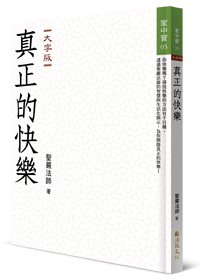
真正的快樂 (大字版)
看清苦與樂的本質,找到自在面對人生的方法想要的得不到,討厭的卻必須接受,相愛的人必須分離,仇恨的人卻要合作,「生老病死」更是人生無可避免之苦。生命中,有沒有一種永恆而真正的快樂?人與人之間的關係,叫作「人間」,釋迦牟尼佛就是體會了人間的各種痛苦、煩惱,才悟道成佛。事實上,佛法所說的「八苦」中的「怨憎會」與「愛別離」,就是兩種來自人際關係的痛苦,這也是每個人都無法避免的。佛法所說的「苦」,實際上是人的憂、悲、苦、惱等情緒反應,一般人感受到的快樂,都是因為滿足了「五欲」——眼、耳、鼻、舌、身——而得來的欲樂。欲樂的「樂」都包含著「苦」在其中,是「樂中帶苦」,但是我們大多數人卻對這樣的事實毫無所知。苦與樂的差別,主要取決於心中主觀的感受,並不在於身體的感受或外在的事件。在生活中「照見五蘊皆空」,並沒有想像中那麼難。當我們漸漸放棄自我中心的煩惱,就能隨時隨地感受到豁然開朗、清涼自在的快樂。解脫的快樂,並不一定要等到徹底解脫時才能得到,只要朝著這個方向走,每走一步就會有走一步的快樂,而且一點都不是勉強得來的。心念一轉,馬上就是柳暗花明又一村的光明前景!有了聖嚴法師的開心妙法,快樂將不再只是被外境左右的情緒反應,而是一種深刻的內在智慧力、慈悲力,成為我們的美好生活態度。
作者簡介
聖嚴法師(1930〜2009年)1930年生於江蘇南通,1943年於狼山出家。曾於高雄美濃閉關六年,隨後留學日本,獲立正大學文學博士學位。1975年應邀赴美弘法。1989年創建法鼓山,並於2005年開創繼起漢傳禪佛教的「中華禪法鼓宗」。聖嚴法師是一位思想家、作家暨國際知名禪師,著作豐富,中、英、日文著作達百餘種,先後獲頒中山文藝獎、中山學術獎、總統文化獎及社會各界的諸多獎項。聖嚴法師提出「提昇人的品質,建設人間淨土」的理念,相繼創辦中華佛學研究所、法鼓文理學院、僧伽大學等院校,也以豐富的禪修經驗、正信的佛法觀念和方法指導東、西方人士修行。法師著重以現代人的語言和觀點普傳佛法,陸續提出「心靈環保」、「四種環保」、「心五四運動」、「心六倫」等社會運動,更致力於國際弘化工作,其寬闊胸襟與國際化視野,深獲海內外肯定。
本書適合在這些時刻閱讀
開始意識到短暫的享樂,與內心的安定、佛法所說的解脫之樂,有所不同。
經歷生病、年老或與親近的人分離,想從佛法理解無常與聚散,減少占有與執著。
面對得失或未能如願的事,學習少欲知足,同時保有努力的方向。
遭遇批評與挫折時,發現自己的心情容易受到外境牽動,想學習觀察並轉化內心感受。
想理解幫助他人與自身快樂的關係,讓生活多一分關懷與奉獻。
作者
NT$
$140
|
78折
禪觀生死
六道輪迴,幾番生死?人生無常,珍惜人身,觀心無心,觀我無我,轉迷為悟,今生了生死!生從何來?死往何去?如果不建立「了生死」的禪修目標,終日茫然,如何解開生死謎團?《禪觀生死》是繼程法師指導法鼓山僧伽大學禪七的開示,提供建立修行目標與體系的具體方法,共分十一講:一、做好調身基本工;二、面對修行的障礙;三、老實用功打地基;四、用話頭和默照鍊心;五、立定修行的目標;六、觀生死以建立修行體系;七、無常無我破生死;八、修行的經典依據;九、禪觀智慧滅輪迴;十、珍惜修行的福報;十一、具足修行的力量。生死雖可幡然頓悟,修行必須踏實漸進。具備大信心、大願心、大憤心,以此深心用功,不迷失方向!立定目標,解行並重,禪觀生死,不再輪迴!
作者簡介
釋繼程一九五五年生於馬來西亞,一九七八年依止竺摩上人出家,同年赴臺灣松山寺受具足戒,並於佛光山中國佛教研究院研究部進修。期間曾親近印順長老、星雲法師,並於聖嚴法師門下修習禪法,成為法子。返回馬來西亞後,曾閉關一千日;出關後,活躍於大馬佛教界,曾擔任馬來西亞佛教青年總會總會長、馬來西亞佛教僧伽總會副主席等職;並創辦主持大專佛青生活營、教師佛學生活營、靜七、大專靜七、精進靜七、禪十等禪修課程。近年並前往臺、美、歐等地,指導禪修活動。
作者
NT$
$234
|
78折

線香座-綠色
一瓣清香遍法界拈香供佛,是藉此薰染自性清淨,貼近佛菩薩本懷。在清爽芬芳的氛圍中,塵世的紛擾、糾葛逐漸褪去,取而代之的,是身心的輕逸、持穩;凝神靜觀裊裊香煙,藉此,人天的距離被拉近了,諸佛菩薩如現眼前,懷慰著眾生的疾苦。香,可謂是凡界與聖者間的信使。
產品特色.純手工製作。.輕巧易於攜帶,方便旅行使用。
產品規格.材質:陶土.顏色:綠色 (款式隨機出貨,不接受挑款).尺寸:直徑約 3公分 x 寬下緣直徑約 3.5公分.重量:約 18公克
注意事項.款式隨機出貨,恕不接受挑款。.本產品係純手工製作,形狀及釉色略有差異,以實際收到商品為主。.商品圖為示意圖,不包含線香和線香座。
NT$
$50
聖嚴法師學佛入門三書
暢銷百萬冊,學佛必讀經典之作!離苦得樂,從這裡開始!聖嚴法師以實修實證的素養、深厚的學術背景,親自解說佛陀教義、修行觀念及修持方法,內容簡單扼要,論述明確,更能受用於生活中!三書簡介《佛教入門》從佛傳、教義及修持方法,全面掌握入門關鍵!涵蓋四聖諦、十二因緣等基本教義解說;日常修持方法;觀音法門簡說等。讀者可在最經濟的時間內,理解佛教核心。特別推薦聖嚴法師說佛陀小傳,精彩必讀。《正信的佛教》佛法這麼好,誤解的人這麼多!佛教歷經二千多年的傳播後,摻雜了許多異質及曲解的成分。聖嚴法師以七十個一般人認為淺顯,但卻實際重要的問題為引導,幫助我們輕鬆進入佛陀的世界。《學佛群疑》解答學佛疑惑,一窺佛教真貌的最佳指南!聖嚴法師透過簡單易懂的文字,以經論為基礎,加以辯證剖析,全方面解答生活性、實用性,以及知識學問上的學佛疑問。
作者簡介
聖嚴法師(1930-2009年)聖嚴法師1930年生於江蘇南通,1943年於狼山出家,後因戰亂投身軍旅,十年後再次披剃出家。曾於高雄美濃閉關六年,隨後留學日本,獲立正大學文學博士學位。1975年應邀赴美弘法。1989年創建法鼓山,並於2005年開創繼起漢傳禪佛教的「中華禪法鼓宗」。聖嚴法師是一位思想家、作家暨國際知名禪師,曾獲臺灣《天下》雜誌遴選為「四百年來臺灣最具影響力的五十位人士」之一。著作豐富,中、英、日文著作達百餘種,先後獲頒中山文藝獎、中山學術獎、總統文化獎及社會各界的諸多獎項。聖嚴法師提出「提昇人的品質,建設人間淨土」的理念,主張以大學院、大普化、大關懷三大教育推動全面教育,相繼創辦中華佛學研究所、法鼓文理學院、僧伽大學等院校,也以豐富的禪修經驗、正信的佛法觀念和方法指導東、西方人士修行。法師著重以現代人的語言和觀點普傳佛法,陸續提出「心靈環保」、「四種環保」、「心五四運動」、「心六倫」等社會運動,並積極推展國際弘化工作,參與國際性會談,促進宗教交流,提倡建立全球性倫理,致力世界和平。其寬闊胸襟與國際化視野,深獲海內外肯定。
作者
NT$
$450
|
75折
禪的體驗.禪的開示(四版)
坐禪的功效,能使人將浮動的情緒,轉化為清明而平靜的情操。基於調身、調息、調心的三原則,有用大、小乘共通的各種觀行法,有用內、外道通用的呼吸法,也有用印度及中國的各種柔軟健身法。所以無論何人,只要真的有心學習,最高可以進入「無」的境界,其次可以得定,再次可得身心輕安,至少也能學會一套非常實用的健身方法。 ──聖嚴
作者簡介
聖嚴法師(1930~2009年)聖嚴法師1930年生於江蘇南通,1943年於狼山出家,後因戰亂投身軍旅,十年後再次披剃出家。曾於高雄美濃閉關六年,隨後留學日本,獲立正大學文學博士學位。1975年應邀赴美弘法。1989年創建法鼓山,並於2005年開創繼起漢傳禪佛教的「中華禪法鼓宗」。聖嚴法師是一位思想家、作家暨國際知名禪師,曾獲臺灣《天下》雜誌遴選為「四百年來臺灣最具影響力的五十位人士」之一。著作豐富,中、英、日文著作達百餘種,先後獲頒中山文藝獎、中山學術獎、總統文化獎及社會各界的諸多獎項。聖嚴法師提出「提昇人的品質,建設人間淨土」的理念,主張以大學院、大普化、大關懷三大教育推動全面教育,相繼創辦中華佛學研究所、法鼓文理學院、僧伽大學等院校,也以豐富的禪修經驗、正信的佛法觀念和方法指導東、西方人士修行。法師著重以現代人的語言和觀點普傳佛法,陸續提出「心靈環保」、「四種環保」、「心五四運動」、「心六倫」等社會運動,並積極推展國際弘化工作,參與國際性會談,促進宗教交流,提倡建立全球性倫理,致力世界和平。其寬闊胸襟與國際化視野,深獲海內外肯定。
本書適合在這些時刻閱讀
對禪產生好奇,想要瞭解它的源流、目的與練習方法。
正在練習坐禪,想釐清姿勢、呼吸與調心如何配合。
接觸話頭或公案,想理解中國禪宗如何引導修行。
在禪修中遇到疑惑,想知道應如何看待身心反應與特殊體驗。
已有修行經驗,想進一步理解禪定、無我與日常生活的關係。
作者
NT$
$250
|
78折
正在載入更多商品......