搜尋結果
共
248
筆符合商品
排序

般若波羅蜜多心經.歡喜念佛.文殊師利菩薩金榜題名歌(童音集)-CD
藉由兒童清新嘹亮的聲音來表達莊嚴的佛曲,有一種截然不同的味道,賦予了佛曲另一番的新意。
(1)般若波羅蜜多心經
心經是三藏十二部經典精華的濃縮,亦是大乘道六度最後成就的大法,所謂三世諸佛以般若波羅蜜多故,得阿耨多羅三藐三菩提,不修般若無法成就,所以說般若法門是佛法的中心點,都是告訴一切眾生如何以智慧成就法身解脫的法門。心經雖然只有短短的268個字,但是卻將宇宙的真理及人生的哲學都濃縮在其中,從崇尚開悟到空觀思想的理述及致祈願完成(到彼岸)的實踐,無限深途的哲理,皆蘊含在短短的幾個字當中,令我們不得不讚嘆佛菩薩超然的智慧。
(2)歡喜念佛
大陸福州開元寺住持上提下潤法師來台開示:念佛須靠個人修持的工夫,轉末那識為清淨光明,普照十方唯心自性無礙。故創念此曲與大家分享,一念阿彌陀佛則清淨光明遍照十方法界,不怕念起只怕覺遲,修行就是轉末那識才能明心見性。
此曲透過小朋友純真嘹亮的讚佛聲,使念佛聲深入人心,促使清涼的佛法融入娑婆平實的生活中,從中攝受佛法的甘美。
(3)文殊師利菩薩金榜題名歌
文殊師利菩薩又稱曼殊師利、五髻文殊、妙吉祥菩薩,密號吉祥金剛、般若金剛,簡稱文殊為七佛之師,主司「智」為世尊所有子中之上首,故又有文殊師利法王子之稱。
文菩薩騎青獅示威猛智慧,持慧劍表斬除一切癡妄煩惱愚癡;有時示現五髻之童子相,五頂髻表五佛五金剛智,又有天真無邪赤子之心,童子之意。
修持文殊法可斬除妄念,增強記憶力,念行者、聽者、觀者聰明,得妙辯才智,在本曲的音樂律令中,可震盪開發莘莘學子的左右大腦,並在潛移默化中使學子及家人皆進入文殊菩薩的磁埸裡,願闔府吉祥圓滿,學子金榜題名。
NT$
$213
|
85折

童樂會-CD(童音佛曲)
★ 特別收錄『心定和尚』作詞之《佛館讚》作品 ★ CD+DVD超值回饋,給您影音雙享受在幸福的時光隧道裡以純摯童音 唱出清恬純淨的歌聲讓童聲留住了童心可愛百分百YOUNG到最高點流行樂界製作人李秉宗,為童樂注入活潑新意再次跨越題材打造新式童樂專輯運用華爾滋、Basa Nova,動聽的旋律巧妙融入生活情境,加入滿滿愛的祝福在簡單童樂的背後,蘊藏著細膩的人生哲理邀請大朋友、小朋友ㄧ起來遊歷音符與歡樂交織的童樂世界
NT$
$272
|
85折
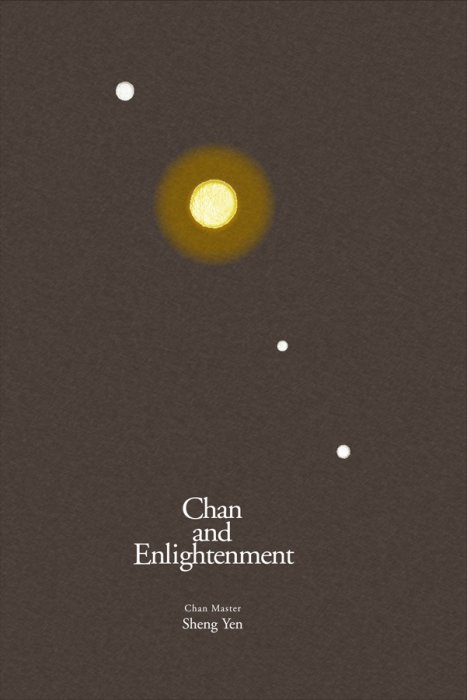
Chan and Enlightenment 禪與悟(英文版)
Chan enlightenment is attained through a sudden encounter; or, it may come about spontaneously after serious and sincere investigation and introspection. Chan philosophy represents a clear current that is empty yet responsive, detached and magnanimous, open and broad-minded, bright and luminous. Chan as a way of life is positive and progressive, free and easy, simple and modest, confident and comfortable. Chan as a way of thinking is to let go of selfishness, self-deceit, self-pity, self-arrogance, and self-confinement, and only then can there be complete boundless freedom. Chan methods teach people to first practice knowing the self, affirming the self, and then shattering the self, and thus the enlightened state will appear. —Master Sheng Yen—
作者簡介
Master Sheng Yen 聖嚴法師(1930~2009年)
聖嚴法師1930年生於江蘇南通,1943年於狼山出家,後因戰亂投身軍旅,十年後再次披剃出家。曾於高雄美濃閉關六年,隨後留學日本,獲立正大學文學博士學位。1975年應邀赴美弘法。1989年創建法鼓山,並於2005年開創繼起漢傳禪佛教的「中華禪法鼓宗」。
聖嚴法師是一位思想家、作家暨國際知名禪師,曾獲臺灣《天下》雜誌遴選為「四百年來臺灣最具影響力的五十位人士」之一。著作豐富,中、英、日文著作達百餘種,先後獲頒中山文藝獎、中山學術獎、總統文化獎及社會各界的諸多獎項。
聖嚴法師提出「提昇人的品質,建設人間淨土」的理念,主張以大學院、大普化、大關懷三大教育推動全面教育,相繼創辦中華佛學研究所、法鼓佛教學院、僧伽大學、法鼓大學等院校,也以豐富的禪修經驗、正信的佛法觀念和方法指導東、西方人士修行。
法師著重以現代人的語言和觀點普傳佛法,陸續提出「心靈環保」、「四種環保」、「心五四運動」、「心六倫」等社會運動,並積極推展國際弘化工作,參與國際性會談,促進宗教交流,提倡建立全球性倫理,致力世界和平。其寬闊胸襟與國際化視野,深獲海內外肯定。
Master Sheng Yen was born in 1930 and became a monk in 1943. He conducted a six-year solitary retreat, after which he went to Japan for further study and obtained a doctorate in Buddhist literature at Rissho University. In 1975, he began sharing the Dharma in the US, and in 1989, founded the Dharma Drum Lineage of Chan Buddhism. He authored more than 100 publications in Chinese, English, and Japanese, and received the Sun Yat-sen Art and Literary Award, the Sun Yat-sen Academic Award, and the Presidential Cultural Award, among other honorary awards. He proposed the vision of “uplifting the character of humanity and building a pure land on earth,” founded the Chung Hwa Institute of Buddhist Studies, Dharma Drum Buddhist College, Dharma Drum Sangha University, and Dharma Drum University. Experienced in Chan using correct approaches, he guided practice in both the West and East. Popularizing the Dharma in modern language, the Master initiated movements including Protecting the Spiritual Environment, Four Kinds of Environmentalism, the Fivefold Spiritual Renaissance Campaign, and the Six Ethics of the Mind. He shared the Dharma globally with a broadminded perspective, winning him worldwide recognition.
NT$
$510
|
85折
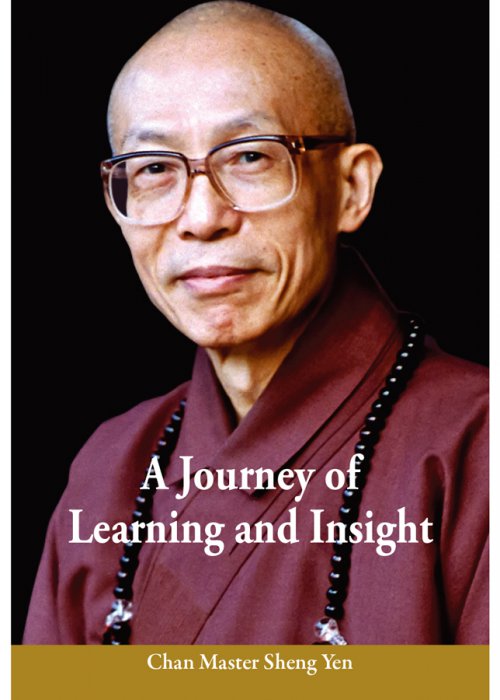
A Journey of Learning and Insight: An Autobiography of Chan Master Sheng Yen 聖嚴法師學思歷程(英譯版)
生命路徑總在不期然之處轉彎,彷彿是為了讓我們看見更廣闊的風景……歷經大環境不斷變遷的聖嚴法師,本著最初的願心,面對人生中的高山深壑,以佛法為地圖,做為指引個人安頓身心之道;進而將他對佛法的踐行領悟,透過義理分明的文字,為現代人描繪出生命智慧的藏寶圖。
本書由聖嚴法師娓娓道來其一生的學習歷程,以及隨順因緣全力投入生命中不同角色的各種轉折,經過文字的闡述及解行並重的生命實踐,使現代人得以親近佛法善知識,領受佛法做為人生指引的妙用。
本書為英文版,為《法鼓全集》英譯計畫中的第一部英文出版品。期待能以此英譯系列向廣大的西方讀者推廣漢傳佛教與禪法。
I am an ordinary Buddhist monk born in 1930 at a village in Jiangsu Province, Nantong County. The second year after my birth, there was a great flooding of the Yangzi River, which washed away our home and everything we owned. We were impoverished. My family then moved to the south bank of the Yangzi River. I was always weak in physique and prone to illness since childhood. I entered school at the age of nine, and left school when I was thirteen. I became a monk when I was thirteen. The basic education I received was equivalent to that of a fourth grade primary school student. While the other teenagers were studying at high school and university, I was busy working as a younmonk and performing ritual services. Later, I served in the military for the country. Nevertheless, since I was young, I realized the importance of knowledge and education. Therefore, during my time in service, I would take hold of any opportunity for self-study, and read many books. After leaving the army and spending six years in solitary retreat, having met the educational requirements along with my published work, I was enrolled in Rissho University in Tokyo. There, within six years time, I completed both a master’s and a doctoral degree in Buddhist Literature. From the time I realized that the sutras are used to provide knowledge and methods to purify society and the human mind, I felt lament. I thought, “The Dharma is so good, yet so few people know about it, and so many people misunderstand it.” Ordinary people treat Buddhadharma as something secular or mystical; at best they treat it as an academic study. Actually, Buddhism is a religion that applies wisdom and compassion to purify the human world. Thus, I vowed to use contemporary ideas and language to introduce to others the true meaning of the Dharma that was forgotten, and to revive the spirit of Shakyamuni Buddha. — From the Author’s Preface
作者簡介:
Master Sheng Yen 聖嚴法師(1930~2009年)
聖嚴法師1930年生於江蘇南通,1943年於狼山出家,後因戰亂投身軍旅,十年後再次披剃出家。曾於高雄美濃閉關六年,隨後留學日本,獲立正大學文學博士學位。1975年應邀赴美弘法。1989年創建法鼓山,並於2005年開創繼起漢傳禪佛教的「中華禪法鼓宗」。
聖嚴法師是一位思想家、作家暨國際知名禪師,曾獲臺灣《天下》雜誌遴選為「四百年來臺灣最具影響力的五十位人士」之一。著作豐富,中、英、日文著作達百餘種,先後獲頒中山文藝獎、中山學術獎、總統文化獎及社會各界的諸多獎項。
聖嚴法師提出「提昇人的品質,建設人間淨土」的理念,主張以大學院、大普化、大關懷三大教育推動全面教育,相繼創辦中華佛學研究所、法鼓佛教學院、僧伽大學、法鼓大學等院校,也以豐富的禪修經驗、正信的佛法觀念和方法指導東、西方人士修行。
法師著重以現代人的語言和觀點普傳佛法,陸續提出「心靈環保」、「四種環保」、「心五四運動」、「心六倫」等社會運動,近年來更致力於國際弘化工作,參與國際性會談,促進宗教交流,提倡建立全球性倫理,致力於世界的和平。其寬闊胸襟與國際化視野,深獲海內外肯定。
NT$
$340
|
85折

DHARMA DRUM : The Life And Heart of Chan Practice 法鼓(英文版)
In Buddhism, awakening from the long dream of life means realizing your self-nature… Although we may understand that our lives are dreamlike, we still bear responsibility for this sleeping and waking dream We must make our minds simple, peaceful, and tranquil Sincere and rigorous practice lets us calm both body and mind, which in turn allows us, day by day, to reduce our karmic obstructions”
NT$
$536
|
85折

There Is No Suffering 心的經典:心經新釋 (英文版)
There is no suffering, no cause of suffering, no cessation of suffering, and no path There is no wisdom and no attainmentThe Heart Sutra, just over a page long, distills the teachings of the Buddha to their purest essence Perhaps the best known of all Buddhist sutras, it is recited in Buddhist centers and monasteries around the world Emphasizing a living wisdom directly experienced, the schools of Chan have revered the Heart Sutra for its concise expression of the core realization of the Buddha.There Is No Suffering is Chan Master Sheng Yen’s commentary on the Heart Sutru He speaks on the sutra from the Chan point of view, and presents it as a series of contemplation methods, encouraging readers to experience it directly through meditation and daily life In this way, reading the Heart Sutra becomes more than just an intellectual exercise; it becomes a wisdom inherent within each of us Whether one wants a better understanding of Buddhist concepts or a deepened meditation practice, this commentary on the Heart Sutra can help.
NT$
$468
|
85折
Integrating Chinese Buddhism: A Study of Yongming Yanshou’s Guanxin Xuanshu
本書首先介紹永明延壽(904–976)所處之五代時期吳越國的歷史背景,分析吳越諸王與佛教之關係,並敘述《觀心玄樞》完整文本之發現過程。本書主要之主題為探討永明延壽如何以禪宗之「觀心」為「玄樞」,統攝天台、華嚴和淨土之思想與修行,永明延壽之思想為我們欲了解中國佛教發展,從唐朝演變至宋朝之重要橋樑。
本書亦包含了《觀心玄樞》完整文本之內容、校勘、英譯和註解,本書所依《觀心玄樞》之底本為日本天理大學圖書館所藏第十一世紀之手抄本,本書封面圖案即為此手抄本之首頁。
作者
NT$
$391
|
85折

人生246期:解讀如來真實語,大家一起來學Buddhist Language
解讀如來真實語──大家一起來學Buddhist Language
語言不僅是溝通的工具,也是讓人深入經藏的方法,因此,從魏晉南北朝開始,中國許多高僧大德、有志之士均孜孜不倦學習梵文、巴利文等曾在印度流傳的語言,希望藉由語言隔閡的解除,更親近佛法、瞭解佛典真義。近年來,台灣各道場致力推廣佛學教育,也間接帶動佛教徒學習佛典語言的興趣。本期《人生》除了為讀者介紹學習佛典語言的實用資訊外,也將分享佛典語言、當代語言的學習樂趣和收穫。
登陸火星尋找生命,是近來非常熱門的話題,生命形成過程如何?火星上真的會有生命嗎?惠敏法師在本期「人生新視界」專欄,帶您一窺生命的起源,並從佛法角度觀照生命奧秘。
作者
NT$
$150
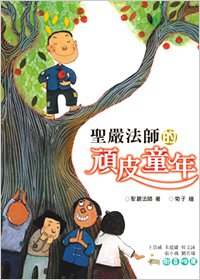
電子書 | 聖嚴法師的頑皮童年
心靈環保‧生活環保‧禮儀環保‧自然環保種下一顆顆心靈環保的種子,開展孩子的生命視野,提升品格行動力!《聖嚴法師的頑皮童年》是給大人與小孩的心靈啟蒙書,看故事的插畫,讓每個小孩看看師父、也想想自己;聽故事的敘述,讓每個大人想想自己、再看看師父。本書收錄了二十五篇聖嚴法師的頑皮故事,讓你看到聖嚴法師如何從一個小頑童變成小沙彌,並進了佛學院,改變了他的一生!聖嚴法師的童年不但趣事多,糗事更多。當他沒有新衣新鞋穿時,如何開心過新年?全班同學為什麼會共吃一根香蕉?為什麼當了「英雄」還要被老師打手心?他想要當懶牛還是好牛?聖嚴法師拜觀音如何拜出智慧?他原本什麼課都聽不懂,為什麼後來功課會變好?※本書入選「好書大家讀」故事文學組(國小中高年級)※張小燕.侯文詠.劉若瑀.王浩威 聯合推薦※法鼓山教師聯誼會推薦※以心傳心的生命教育——常寬法師導讀菊子為這些故事繪製了四十二張精彩插圖,讓法師筆下的人物充滿活潑的生命色彩。讓我們一起進入聖嚴法師的頑皮童年吧!◆ 編輯特色 ◆幸福人生要有「三Q」:「IQ」學習能力、「EQ」情緒管理能力,以及「MQ」道德的品質,後者即幫助人、利益人、關懷人。——聖嚴法師1989年聯合國教科文組織在「面向21世紀研討會」中指出:道德、倫理、價值觀的挑戰,將是21世紀人類面臨的首要挑戰。日本的教改報告書便進一步說明:道德情操和創造力,將決定21世紀年輕世代的未來命運。◆本書從品德閱讀,啟發兒童心靈教育與兒童創造力。● 品格教育 ● 道德教育 ● 價值教育種下一顆顆心靈環保的種子,培養未來領袖的內在氣質◆藉由心靈、生活、禮儀、自然等四個環保議題,分享生命教育的豐富內涵。◎【心靈環保】推薦閱讀:〈螃蟹〉、〈水牛〉、〈許願〉、〈擦窗戶〉、〈抄筆記〉、〈壁報徵文〉◎【生活環保】推薦閱讀:〈新年的新衣〉、〈分享香蕉〉、〈做制服〉、〈懶牛〉、〈兩個瞎子〉、〈大鴨與小鴨〉、〈珍惜生命〉、〈蓄勢而發〉◎【禮儀環保】推薦閱讀:〈不做賊骨頭就好〉、〈逃學〉、〈不當英雄了〉、〈小頭鬼〉、〈夢〉、〈拜觀音〉、〈照顧老和尚〉◎【自然環保】推薦閱讀:〈折楊柳枝〉、〈代代相傳〉、〈省水〉、〈小聰明〉◆透過聖嚴法師的身教故事,培養關懷、信賴、責任、尊重、公平正義、誠實等品德基礎。◎【關懷】延伸閱讀:〈做制服〉、〈螃蟹〉、〈水牛〉、〈照顧老和尚〉、〈抄筆記〉◎【信賴】延伸閱讀:〈拜觀音〉、〈代代相傳〉、〈許願〉◎【責任】延伸閱讀:〈懶牛〉、〈兩個瞎子〉、〈省水〉、〈擦窗戶〉、〈壁報徵文〉◎【尊重】延伸閱讀:〈大鴨與小鴨〉、〈折楊柳枝〉、〈珍惜生命〉、〈蓄勢而發〉◎【公平正義】延伸閱讀:〈新年的新衣〉、〈分享香蕉〉、〈不當英雄了〉◎【誠實】延伸閱讀:〈不做賊骨頭就好〉、〈逃學〉、〈小頭鬼〉、〈夢〉、〈小聰明〉
作者
NT$
$224
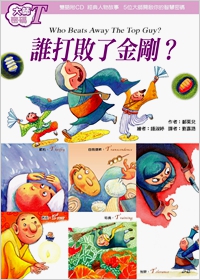
電子書 | 大師密碼T:誰打敗了金剛?(經典人物故事系列)
佛教青少年繪本《大師密碼T》為全彩精裝的中英雙語故事書(附CD),故事精彩、印刷精美、插畫精緻。書中收錄德山、滴水、僧導、弘忍與空也五個大師故事,萃取大師的人格密碼,除可培養優秀、美好人格,還可以邊讀故事邊學習英語,是陪伴青少年成長的優質讀本。 ◆◆ 精美插畫‧美的饗宴 ◆◆ 《大師密碼T》是插畫家鍾淑婷的最新力作,長於塑造故事人物的淑婷,筆下人物總有一種幽默的趣味感。不論畫的是大師還是小人物,每一個都畫得活靈活現,連壞人都變得可愛了!用色豐富飽滿的她,這次再度施展她的「彩色佛法」,除了把麻繩變麵條、變長鬍鬚,還有許多創意點子等你來一起遊戲。 ◆◆《大師密碼T》收錄五篇精彩的大師故事 ◆◆ ★德山密碼:Transcendence自我提昇 ˙誰打敗了金剛? 自信滿滿的德山,滿腹的學問為什麼會被賣餅老太太的「一句話」打敗了? ★滴水密碼:Thrifty節約 ˙好大的小水滴 什麼老師這樣重要,讓滴水不惜在大雨中連站七天,只為了請老師收他為徒? ★僧導密碼:Trust信任 ˙終極大保鑣 手無寸鐵的僧導,面對來勢洶洶的大軍,他要如何退敵解救皇子? ★弘忍密碼:Training培養 ˙掃出一地的智慧 大師的老師可說是「大師中的大師」,看弘忍如何培養出「南惠能北神秀」兩位禪門巨柱? ★空也密碼:Tolerance包容 ˙把壞人哭成好人 哭一哭,壞人就變成好人了?看看空也有什麼法寶,能感化壞人?
作者
NT$
$266
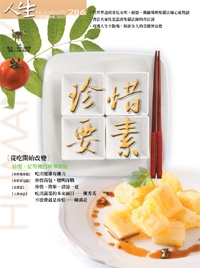
電子雜誌 | 人生286期:珍惜要素──吃得環保真有機
珍惜要素──吃得環保真有機不管在哪裡,「吃」一直是眾人矚目的焦點。進入二十一世紀,有「飢荒救星」之稱的基因食品,以及強調傳統、天然,由樂活、慢活風潮帶動的有機飲食。在這兩極端的趨勢下,如何取得「吃」的平衡呢?對佛教而言,飲食是為了滋養身體這個修行道器,除了強調健康,對於飲食的用量、時間,也有獨特看法。本專題以「珍惜」為主軸,結合現今環保概念,為現代人提出另一種飲食觀。本期「特別報導」將由名書法家杜忠誥深入導覽「遊心禪悅──法語‧墨緣‧興學」聖嚴法師書法展,闡明法師寫書法的精神與意義。「焦點話題」這次則藉由國家地理頻道駐會探險家維德.戴維斯(Wade Davis)和聖嚴法師對談「世界盡頭的光明」,帶您一起關懷人類精神困境和地球暖化議題。
作者
NT$
$69
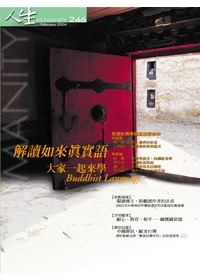
電子雜誌 | 人生246期:解讀如來真實語,大家一起來學Buddhist Language
解讀如來真實語──大家一起來學Buddhist Language
語言不僅是溝通的工具,也是讓人深入經藏的方法,因此,從魏晉南北朝開始,中國許多高僧大德、有志之士均孜孜不倦學習梵文、巴利文等曾在印度流傳的語言,希望藉由語言隔閡的解除,更親近佛法、瞭解佛典真義。近年來,台灣各道場致力推廣佛學教育,也間接帶動佛教徒學習佛典語言的興趣。本期《人生》除了為讀者介紹學習佛典語言的實用資訊外,也將分享佛典語言、當代語言的學習樂趣和收穫。
登陸火星尋找生命,是近來非常熱門的話題,生命形成過程如何?火星上真的會有生命嗎?惠敏法師在本期「人生新視界」專欄,帶您一窺生命的起源,並從佛法角度觀照生命奧秘。
作者
NT$
$69
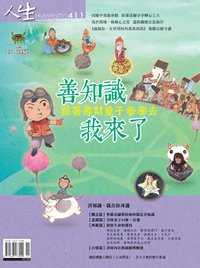
電子雜誌 | 人生411期:善知識,我來了!--跟著善財童子參學去
善知識,我來了!--跟著善財童子參學去
善知識,是修行路上重要的指引。
經典中關於尋訪善知識,最為人所熟知的,當屬《華嚴經》的善財童子五十三參,在文殊菩薩的指導下,他一路往南,展開參學之旅。讓我們隨著善財的腳步,上路吧!
善知識遍布海陸虛空,僧俗外道、天人菩薩。不同的善知識,傳授善財童子各種不同的「覺」技,堪稱圓滿生命的典範,即使在菩薩道上退卻信心、怯懦不前時,仍不忘引導我們走向內在的朝聖旅程,開啟自覺覺他、覺行圓滿的菩薩行。出發之前,別忘了聆聽聖嚴法師教導如何親近善知識,看待「善知識是好師友,惡知識是活教材」。
「人生講堂」常藻法師分享回馬來西亞擔任監院的過程中,如何隨順因緣、勇敢承擔的「轉心」工夫;「變心.辨心」帶您參與臺大醫院金山分院的遺族關懷,為世間種一株療心之花,體驗「不住心」的情懷;「電影與人生」介紹《謝謝你,在世界的角落找到我》,看男主角周作在戰爭中如觀音般守護妻子鈴,同時柔性地控訴戰爭;「農禪悟語」果祥法師寫下參訪日本福岡正信自然農園記行,從中師法佛教哲學,與天地共融的精神。
【本期專題】善知識,我來了——跟著善財童子參學去
善知識,就在你身邊
【觀念篇】聖嚴法師教你如何親近善知識 【認識篇】善財童子53參,出發 【典範篇】啟悟生命的覺技解脫長者、海幢比丘、勝熱婆羅門、慈行童女、具足優婆夷、鬻香長者、無厭足王、大光王、船師婆施羅、婆須蜜多女、觀自在菩薩、正趣菩薩、安住地神、婆珊婆演底主夜神【自覺篇】善財內在的超越與醒覺
BOX:連接佛國人間的〈入法界品〉、五十三參的修行意涵
【本期專欄】因緣中勇敢承擔 常藻法師分享轉心工夫為世間種一株療心之花 遺族關懷在北海岸《謝謝你,在世界的角落找到我》 像觀音般守護
作者
NT$
$69

大般涅槃經:解鎖情緒 心無罣礙
佛法如暗夜之明燈、苦海之船筏。現今世界局勢動盪不安,人心惶惶,可從佛法中找到安心安定的力量!《大般涅槃經》眾生本來具有佛性,透過修行,即可轉化煩惱苦痛,找回平靜又安然的心。
《大般涅槃經》是大乘佛教中闡述佛性思想的核心經典之一,揭示眾生皆有成佛的可能性。內容記錄佛陀入滅前的言行與教誨,囑咐弟子於其入滅後應以「法」為依止。此經提出佛性具備「常、樂、我、淨」四德,並探討一闡提是否具佛性的問題,並指出,佛性非外求所得,而是眾生本具。雖然眾生與佛同具清淨圓滿的本性,但因無明與煩惱覆蓋,尚未顯現。唯有透過修行與智慧的開展,才能破除障礙,顯現本有佛性,達至涅槃的自在與寧靜。
經中教導以正向積極的思惟與態度面對挑戰,以八正道與智慧了解、轉換、消除苦難,以智慧生活,建立智慧生命。從根源上,如果不製造煩惱,就沒有煩惱可生,也就沒有煩惱需要斷除,進而活出心無罣礙、自在安穩的智慧人生。
作者簡介
曾稚棉畢業於加拿大McMaster大學宗教學系,現任佛光大學佛教學系助理教授。青年時期即親近佛法,三十餘年來持續透過經典研讀、思想省思與教學實踐,體會佛法於生命中的深層意義。研究重心為中國佛性思想,關注中世紀佛教在中國文化脈絡中的發展,從經論與思想傳統中,探討佛教如何回應修行與人生的根本問題。近年投入書院教育,思考佛教結合心理學與教育的可能,協助學習者安頓情緒、培養覺照而安穩的人格。歷年開設課程:如來藏經典與思想、如來藏思想研究、天台與華嚴宗研究等,期盼於教學與著作中,引領讀者在理解佛法的同時,也能在日常生活中實踐佛法。
作者
NT$
$298
|
85折

心湖上的倒影:與丹津.葩默心靈對話(二版)
修行為什麼這麼困難?因為我們不認識自己的本來面目,不瞭解自己在生命中的角色,感覺和所有人是分離的。修行的目的是幫助我們瞭解自己和增進覺知,是為了啟發對自我的瞭解。一旦我們瞭解自己,就能瞭解他人,終止痛苦;一旦我們看見所有生命都被拘捕在這個陷阱裡,一種深深的慈悲心將自然生起,它會促使我們決心利益一切生命。──丹津.葩默曾經,我們在《雪洞》一書中,看到了丹津‧葩默努力不懈的修行毅力,並深受感動;在本書中,她以多年的修行體悟,為我們闡述禪修中對於止觀、覺知與心性應具備的正確知見,釐清藏傳佛教系統中上師、金剛乘與觀想的意義。此外,針對女性在佛教中的角色與定位,她也以專文討論,並期待獲得尊重與正視。丹津‧葩默用生動的譬喻和清澈的洞見,打破許多人對於禪修和藏傳佛教的錯誤觀念,以及生活與修行觀念的迷思,讓我們時刻保持覺知,以清明的心活在當下。
作者簡介
丹津.葩默Ani Tenzin Palmo,一九四三年出生於英國倫敦,二十歲時到印度旅行並遇見她的上師坎初仁波切,一九六四年成為當代西方女被授與藏傳佛教比丘尼的先驅之一,一九七六年至一九八八年間,她曾在喜瑪拉雅山洞穴獨居,閉關修行十二年。英國知名記者維琪‧麥肯基曾為丹津‧葩默撰寫傳記式的《雪洞》一書,她的事蹟便廣為人知。自一九九二年起,丹津‧葩默應世界各地邀請巡迴演講,並為興建尼院以及成立女性國際閉關中心募款。目前多半居住於陸續興建完成的印度道久迦措林尼寺院(Dongyu Garsal Ling Nummery)。
譯者簡介
葉文可生於台北,祖籍福建,目前居住加州,從事寫作近二十年,計有創作與翻譯十餘種。曾以長篇小說《菩提樹下》獲七十六年中山文藝獎,及中篇小說《風景》獲八十六年中央日報文學獎,其他並有散文《夏日的禪味》、《另一種感覺》等。近年懷抱靈修心境,從事翻譯工作,計有《人生中不可不想的事》、《慈悲》、《法輪常轉》、《智慧的能量》、《不說再見的靈魂》、《雪洞》等。
譯者
葉文可,審訂:鄭振煌
NT$
$383
|
85折

星星掉下來,爸爸你會接住嗎?
用愛接住孩子,體認生命的未知與改變
凱特格林威大獎提名插畫家.暖心力作!
「我會掉下去嗎?」種子問。會,不過,新的芽很快就會從你掉落的地方冒出來。
「我會掉下去嗎?」雨滴問。會,不過,你將讓溪流和池塘清新起來,並且充滿生命力。
「我會掉下去嗎?」花瓣問。會,可是你飄落下來所帶的香氣,能讓空氣充滿芬芳。
「我會掉下去嗎?」李子問。會,可是你甜美的紫色果實,將被採集和分享。
「爹地,我會掉下去嗎?」「有時候會,不過,我永遠會在這裡接住你。」
跟著小女孩與爸爸,一起走進自然世界,探索季節的變換和生命的奧祕。
充滿詩意與療癒力的故事,是一場關於正念與當下的溫柔對話,特別適合用來撫慰擔憂不安的情緒。
【編輯聊心室】寫給正在陪孩子長大的你
這本繪本以一句重複的提問開始:「我會掉下去嗎?」種子、雨滴、花瓣、甚至星星與影子,都一一發出這樣的疑問。
每一次落下,都伴隨著一個溫柔的答案:是的,你會掉下來——但落下之後,你會發芽、會滋養土地、會照亮黑夜、會成為森林的音樂。
書中沒有逃避不安,而是用自然萬物的變化教我們:掉下來並不等於消失,而是另一種存在的方式。
直到最後,孩子問:「爹地,我會掉下去嗎?」
爸爸回答:「有時候會,不過,我永遠會在這裡接住你。」
讀到這裡,我的心也跟著落下了,落進那分無論如何都不會放手的愛裡。
這本書表面上談的是自然的循環,實際上說的是:當孩子對未知感到害怕,我們能用怎樣的溫柔去回應。它提醒我:與其阻止孩子「掉下來」,不如讓他知道——無論發生什麼,你都會在他身邊,成為那雙永遠張開的手。
推薦給每一位正在陪孩子長大、偶爾也擔心自己不夠好的父母。
【繪本放大鏡】爸媽的愛,一直都在!
這是一則溫暖、快樂、令人欣慰的故事,講述了自然、成長、學習,最重要的是,當我們跌倒時,愛如何將我們扶起來。這本溫馨小品也適合爸媽在睡前和孩子分享。
無條件支持的愛,主要來自原生家庭,爸媽給予寶貝最直接的愛護和照顧。從對寶寶的細心呵護、學步兒的生活自理學習階段,到變成學校新鮮人,爸媽從孩子的人生的啟蒙老師,到退居幕後、成為探索人際關係的最佳軍師。陪伴與傾聽,向來是親子維繫關係中不可或缺的,親愛的爸媽,你準備好接住孩子的每一次落下了嗎?
本書特色
.聚焦孩子的 SEL 能力涵蓋情緒辨識、自我覺察、情緒管理與親密關係等社會情緒學習(SEL)能力,幫助孩子理解自己與他人,培養安全感與正向連結。
.親子對話溫柔有力量當孩子面對未知(如死亡、分離、長大)的疑問,父親始終以溫柔的言語回應,給予安定與希望,成為最溫柔而堅定的依靠。在變動的世界中,愛與陪伴是孩子最穩定的力量。
.自然循環與生命流動書中以「種子、雨滴、花瓣、星星」等自然事物擬人發問:「我會掉下去嗎?」象徵孩子對萬物終結與變化的疑慮。每個回答都溫柔指出:落下不是結束,而是新的開始。
.富有詩意的生命教育全書以詩句與優美場景傳遞「接受轉變、相信愛」的生命觀,引導孩子從自然萬物中學習勇敢、溫柔與希望,理解愛如何穿越改變,始終存在。
適讀年齡:3~6歲親子共讀,7歲以上自己讀,附注音
作者簡介
海倫.莫提姆(Helen Mortimer)
海倫一向熱愛文字。畢業之後,她從出版階梯的底層起步,享受往上攀爬的每一步,最後放眼即是繪本世界的美妙風景。她在英國牛津大學出版社工作了十五年,尋找像是蘿倫.柴爾德(Lauren Child)、布萊恩.懷德史密斯(Brian Wildsmith)、柯奇.保羅(Korky Paul)這類的作者和繪者。
海倫離開原本的工作崗位後,有更多時間寫作,讓她相當享受,還因此寫了不少童書,其中包括首部繪本《歐瑪、蜜蜂與我》(Omar, the Bees and Me),後續還有《恩佐、小燕子與我》(Enzo, the Swallows and Me)、《冬季願望》(The Winter Wish)等作品。
熱門家庭學習教育系列《大詞彙小書》(Big Words for Little People),由 克莉絲蒂娜・塔帕奈斯(Cristina Trapanese) 插圖,隨後推出了兩個新系列《數學詞彙小書》(Maths Words for Little People)和《科學詞彙小書》(Science Words for Little People)。
海倫在不忙寫作的時間,發揮身為自由編輯的所長,替範圍廣闊的出版客戶工作。她住在英國牛津郡鄉間。
繪者簡介
卡羅萊納.拉貝伊(Carolina Rabei)
卡羅萊納自小喜愛畫畫,學習美術,在摩爾多瓦獲得平面設計學士學位後,到知名的劍橋藝術學校攻讀童書插畫,得到學位且表現優異。她在英國劍橋附近的家中工作,從大自然及她的小兒子身上找到許多靈感。她喜歡從事各種各樣的項目,創造溫暖而溫馨的世界。
其作品常見傳統與現代技巧的獨特結合,第一本圖畫書作品即令人驚豔,是替英國詩人沃爾特‧德拉梅爾(Walter de la Mare)的詩作《雪》繪製插畫,出版後備受好評,獲得了英國凱特.格林威大獎的提名,並名列《獨立報》2011年「4至7歲最佳童書清單」之一。隨後,她繼續為費伯出版社(Faber)繪製了德拉梅爾的其他作品,如《夜行》、《夏日夜晚》和《銀色》。
卡羅萊納熱衷於參與多元創作專案,藝術風格融合了傳統與數位技術,展現獨特的視覺魅力。
譯者簡介
謝靜雯
專職譯者,譯有兒少書和繪本多冊。在小宇宙的繪本譯作有《穿著小黃鞋的狗》、《小騎士大戰內褲噴火龍》、《內褲噴火龍學認字》、《打敗可愛怪獸,就要睡》、《歡喜神奇的黃色巴士》等。
譯者
謝靜雯
NT$
$306
|
85折

在我忘記以前
媽媽的白頭髮,越來越多;我的身高,越來越高。直到某一天,媽媽忘記了,但我還記得⋯⋯本書以一封信作為開頭,用媽媽的視角看孩子長大的過程。孩子能從本書了解失智對家人的影響,學會珍惜與家人的美好時光。每個星期六,克萊兒的爸爸會帶她去一個奇特的地方。那裡沒有玩具或遊戲,所以克萊兒覺得無聊,比較喜歡待在家。但這一天出門前,克萊兒發現一封信,一切都因此變得不同…… 一則獻給大、小讀者的動人故事,提醒我們要珍視與所愛之人的回憶,享受每個當下的片刻。
本書特色.感人故事搭配別緻插畫,帶領孩子理解重要家人的改變,以及親子間的羈絆,是帶領孩子理解失智症,開啟親子對話的最佳繪本。.透過故事信中媽媽細膩的文字和回憶,娓娓道來一段段親子關係間溫柔的吉光片羽。.適合親子共讀,開啟對話,療癒心靈,和孩子探討失去、告別和接納情緒的動人繪本。.插畫中藏有精巧細節,在閱讀過程中,和孩子一起觀察,從溫暖的插畫中看見親子情感的交流。
*有注音
作者簡介
維克多桑多(Victor D.O. Santos)
出生於巴西,現居美國中西部,熱愛兒童文學,也是一名專業的語言學家。維克多的兒童文學生涯始於為兒子創作的第一本書《Dylan's Birthday Present》,自此開啟了他在圖畫書世界的旅程。維克多作品曾獲《科克斯評論》盛讚,也曾被評選為年度最佳書籍之一,目前他的作品譯本已在多個國家出版。
繪者簡介
安娜佛拉提(Anna Forlati)
出生於義大利帕多瓦,在威尼斯學習當代藝術與電影史,現為一位多產的兒童圖書插畫家,已出版作品逾40多本。目前,她的作品也在義大利及國際間廣泛展出,她同時在位於義大利馬切拉塔的藝術學院(Ars in Fabula)教授課程,指導有志成為插畫家的學生。
譯者
何俊宏
NT$
$272
|
85折

悲傷是一頭大象
悲傷是什麼?是大象?是鹿?是狐狸?是小老鼠?還是……?悲傷,是一份關於愛的禮物!獻給大小讀者的暖心療癒繪本 一本以動物為比喻,具象精準描摹情緒,又充滿詩意的溫柔繪本當悲傷初來乍到,就像一頭大象,如此龐大,幾乎占據所有空間,無法容納其他事物。但隨著時間過去,悲傷會漸漸變小,變成一隻鹿,一隻狐狸,然後是一隻老鼠,最後……變成一隻在黑暗中閃閃發光的螢火蟲,帶領我們回望充滿愛的回憶!
對於任何正在經歷悲傷的人們而言,這本情感細膩的作品是一份充滿同理且令人安心的撫慰。它傳遞給讀者一個暖心的訊息──悲傷的源頭,全都是愛。
本書特色
.一本安撫情緒的書:孩子們常常會對自己的情緒感到困惑,本書中輕柔的文本與圖像有助於讓這些情緒變得不那麼可怕。充滿希望但並不過度簡化的結局提供了一個令人安心的信息,即悲傷會隨著時間的推移而轉變。
.對悲傷的永恆反思:關於悲傷的永恆主題,以及優雅的藝術風格,使它非常適合任何正在處理失落感的人,無論是失去所愛的人、為寵物而傷心、經歷搬遷甚至流離失所的情緒震盪,或是應對社區或更廣大世界的損失。
.通俗易懂:全書以一種不與死亡直接產生關連的開放式敘述來涵蓋悲傷的主題,動人而誠實,提供父母和照顧者與孩子談論悲傷的方法和資源。
.適合所有年齡段的美麗繪本:傑出的文字和圖像予人一種舒緩的閱讀享受。就像其他優秀的兒童社會情緒學習書籍一樣,這本可愛的療癒繪本,固然對於孩子們應對新感受深具意義,也對成年人處理悲傷──包括自身或家人在失去親人時的情緒──一樣重要。
作者簡介
塔瑪拉.艾利斯.史密斯(Tamara Ellis Smith)
在美國佛蒙特美術學院取得兒童與青少年寫作的碩士學位,目前住在美國佛蒙特州的里奇蒙。
繪者簡介
南西.懷特塞茲(Nancy Whitesides)
是一位作家,也是自學的插畫家,除了數位創作,她也擅長水彩和不透明水彩等傳統技法。她在菲律賓出生、成長,目前住在美國加州。
譯者簡介
海狗房東
繪本作家與譯者,著有《他們的眼睛》、《發光的樹》、《小石頭的歌》、《媽媽是一朵雲》等繪本,以及散文集《也等雨停也在雨中行》。
譯者
海狗房東
NT$
$298
|
85折

一行禪師 活在正念的愛裡:從慈悲喜捨的練習中,學會愛自己也愛他人
全新改版‧經典重現
想要隨時都處在愛的境界中,不是異想天開。有了慈的專注、悲的專注、喜的專注、捨的專注,你就是活在宇宙中最美麗、最和平、最喜悅的境界。
一行禪師以他一貫慈悲卻帶有力量的言語,在書中不僅引用佛經故事、亦穿插生活日常,告訴我們「慈、悲、喜、捨」四無量心的教法,是通往愛的最佳捷徑!
禪師用仔細且實用的步驟,帶著我們以正念、頂禮、說愛語,甚至觀想等方式來修行四無量心,即刻運用就能處在愛的境界,擁有強大的內心力量。
全書深入淺出,讀來時而莞爾、時而感動,透過一行禪師的引領,我們可以不執著,能理解他人、能接納完美和不完美,隨時活在正念的愛裡!
佛陀曾說過,修行真愛有十一種好處:1. 好眠 2. 醒來時,感到心境光明舒坦 3. 不受惡夢騷擾 4. 廣受喜愛 5. 可見或不可見的生命都喜歡與之親近 6. 受諸神護佑 7. 不受火、毒、刀劍傷害,更不需特別防範 8. 很容易就可達禪觀境界 9. 容貌光明清淨 10. 過世時,心清念明 11. 往生梵天,繼續修行
作者簡介
一行禪師Thich Nhat Hanh
1926年 生於越南中部,十六歲時在慈孝寺當見習僧,為臨濟宗第四十二代傳人。後赴美研究並教學。1960年代 越戰期間返國從事和平運動,對於越南的年輕僧眾起了重大啟發,戰爭結束代表參加巴黎和談。越南赤化後,一直留在西方弘法,直至2005、2007年才分別返回越南。1967年 美國黑人民權領袖馬丁路德‧金恩提名他角逐諾貝爾和平獎。1982年 他在法國南部建立了「梅村」(Village Des Pruniers)禪修道場,並赴世界各地弘法。1995年 曾到台灣弘法並主持禪七法會。2011年 再次受邀來台進行寶島諦聽之旅,包括在花博戶外會場的「百人花博自在行禪」。2017年 推出首部紀錄片「正念的奇蹟」(Walk with me)。2022年1月22日 一行禪師於越南順化慈孝寺圓寂,享耆壽95歲。為當今國際社會中最具宗教影響力的僧人之一,以禪師、詩人、人道主義者聞名於世。著作超過一百本,都是教導人們在生活中實踐佛法,已在台灣出版的有:《你可以不生氣》《你可以不怕死》《正念的奇蹟》《觀照的奇蹟》《見佛殺佛》《祈禱的力量》《接觸大地》《回到家,我看見真心》《一行禪師講金剛經》《一行禪師談生命真正的快樂》《一行禪師談正念工作的奇蹟》《初戀三摩地》《一行禪師講阿彌陀經》《一行禪師講心經》《我真正的家,就在當下》《一行禪師 石童》等書。
譯者簡介
鄭維儀
加拿大約克大學社會系畢業,英國利茲大學神學和宗教研究系碩士及倫敦大學亞非學宗教系博士。曾任玄奘大學宗教學系副教授,現任佛光大學佛教學系副教授。譯有一行禪師另一本著作《愛,就要行動》。
譯者
鄭維儀
NT$
$298
|
85折

藏傳密續的真相:轉欲望為智慧大樂道
修道一定得苦行、一定要壓抑欲望、一定得遠離世俗種種?將一切享樂轉化為超凡的經驗,是藏傳密續的修行之法,也是成佛最快速之路。
藏傳密續的修行方式迥然不同。密續不但不把享樂和欲望視為必須全力規避的東西,反而肯定欲望所激起的強大能量,正是修行道上不可或缺的資源。
既然修行的目標不外是為了實現人類最高的潛能,所以密續設法把每一個經驗都轉化為實現潛能之道──不管其外表上看起來多麼離經叛道。
正因為我們這一生和欲望密不可分,所以我們有必要運用欲望龐大的能量,以期轉化生命,達到超凡的境界。
密續所有的修行法門,可以說都牽涉到轉化的原理。就密續來說,欲望正是推動我們到達最高目的地的燃料。
既然修行的目標是為了實現人類最高的潛能,所以密續設法把每一個經驗轉化為實現潛能之道──不管其外表上看起來多麼離經叛道。
只要本著清明的理智和從中萃取菁華的決心修學密續,必定能夠把大家所企求的完滿和內在的滿足,帶進自己的人生。
密續的功能在於把一切享樂轉化為出世間超凡的經驗,潛入深邃、洞澈實相的意識層。
密續強調讓人們盡情地享受世俗的享樂,同時把享受的能量導入迅速、有效的修行道,實現我們的潛能,成就無上正覺的佛果。這才是最善巧地運用我們人類寶貴潛能之道。
不管是禪修、課誦或其他任何活動,整個重點在於,發現人性的本源、進入深層的本性,觸及內心本源的全覺、無二現。
把目前這個痛苦和不滿足之源的人身,轉化為大樂道,成辦自他究竟的安樂。這是所有密續法門終極的目標。
作者簡介
圖敦‧耶喜喇嘛Lama Thubten Yeshe
1935年出生於西藏拉薩附近的托倫。六歲時進入色拉寺接受嚴謹的學術及精神教育。1959年中共接管西藏後,他逃到印度,在東北部的巴薩杜雅難民營完成教育。之後,定居於尼泊爾首都加德滿都不遠處的波達那塔附近。
耶喜喇嘛到了尼泊爾之後,開始竭誠地接引西方弟子。1971年,他和梭巴仁波切於柯磐寺開始了一年一度的「11月禪修課程」,吸引了日益增多的學生。之後這些弟子回到自己的國家,召集同好繼續修習佛法,在世界各地成立佛法中心,把佛法傳到西方社會。認識耶喜喇嘛的人,都非常讚嘆他開明、慈悲、溫馨、幽默、睿智、善巧的說法,和不遺餘力地弘法利生的精神。
1974年,耶喜喇嘛成立了「護持大乘法脈聯合會」。1984年,耶喜喇嘛圓寂於美國。他的轉世天津宇色仁波切在1985年出生,其父母是西班牙人。
更多耶喜喇嘛的資訊,請參考英文網站:www.lamayeshe.org
相關著作:《放過自己:揭開我執的騙局,找回心的自在》《看自己的心,比看電影精彩》
譯者簡介
釋妙喜
台大經濟系畢業,美國加州大學(UCLA)管理碩士。1991年擔任《法光雜誌》主編,1992年創辦經續雜誌並擔任主編。已經出版的譯著包括:《滿足之門》《心匙》《宗喀巴大師上師相應法》《愛是最究竟的康復》《親愛的喇嘛梭巴》《快樂的秘訣》《師心佛心》等。
譯者
釋妙喜
NT$
$298
|
85折
正在載入更多商品......