搜尋結果
共
843
筆符合商品
排序

當生命陷落時:與逆境共處的智慧
在世事丕變中,遇見無懼的真相★立斷煩惱、安住當下的開悟經典,暢銷逾20年,紀念版隆重上市!★收錄佩瑪.丘卓新版後記◎佩瑪經典佳句◎‧我們事實上並沒有什麼好失去的,只是我們被設定成有許多東西可以失去。‧要想對別人慈悲,先要對自己慈悲。‧如果能不為自己的憤怒所動,就更能認清痛苦的起因。苦的止息就從這裡開始。‧如果缺乏勇氣和自尊,我們就無法誠實而溫柔地看待自己,於是我們就會繼續活在無明中,因而對自己造成了最深的侵犯和傷害。‧如何處在當下,決定了我們的未來。換句話說,如果我們未來會活得快樂,那是因為我們現在渴望並且努力活得快樂。佩瑪.丘卓的教導,以溫柔觸動卻又清晰果決聞名。她將藏傳佛教修行法化為貼近現代生活的淺白字句,鼓勵陷入低潮的人們將逆境視為良機,習得立斷煩惱、安住當下的智慧。在這本經典著作中,佩瑪建議我們直視恐懼、發覺內在的慈悲心,方能安住於逆境,得著清醒。親近恐懼 試著打破慣性的逃離模式,保持好奇、觀察自己。所謂修行並不意味要打敗或贏過什麼,只是試著學習放鬆、學習不歸咎他人也不譴責自己,和此刻的經驗同在而不解離──對自己慈悲而敞開。發現菩提心 覺得痛苦的時候,試著深呼吸,在吸氣中想像所有跟自己一樣痛苦的人、想像自己吸收他們的痛苦,並在呼氣時想像你送給他們解脫與快樂。當你試著體會他人的痛苦而被觸動,就發現了菩提心、發現內心的溫柔地帶。這份人人都有且取之不盡的禮物,令人遠離疏離與僵固、發現自己擁有一份不死的愛。當下這一刻就是良師 在生命的任何時刻,無論情緒好壞、在工作或靜坐中,每一刻的經驗都讓我們更認識自己:知道自己卡在什麼地方、會為什麼事抓狂。清醒的活在這種覺察中,就如同有位良師同行,善待每個當下,就是療癒的開端。
作者簡介
佩瑪.丘卓 Pema Chödrön佩瑪‧丘卓為美國籍藏傳佛教金剛乘(vajrayana)阿尼,傳承自丘陽創巴仁波切的法脈,為加拿大新斯科夏省布里敦角甘波修道院常駐老師,該修道院是北美首座藏密修道院。她自一九七四年起常常在歐洲、澳洲、北美主持工作室、講座、冥思避靜。佩瑪將和平、諒解、慈悲的教義和修行法引進生活中的方式,清新易瞭、深受全球各地讀者喜愛,著有《當生命陷落時》、《轉逆境為喜悅》、《生命不再等待》、《生命如此美麗》、《不逃避的智慧》、《不被情緒綁架》等書(均為心靈工坊出版)。並曾和普利茲獎作家愛麗絲.華克就冥想經驗出版一個對談實況錄音(Pema Chödrön & Alice Walker in Conversation,1999),已出版為一本七頁的單行本。
譯者簡介
胡因夢名演員、作家與譯者,現從事身心靈的整合研究與治療,是國內重要的靈修思潮引介者,引介了克里希那穆提、肯恩.威爾伯、佩瑪.丘卓、A.H. 阿瑪斯,及現代占星學先驅史蒂芬.阿若優等多位靈修導師的作品及思想。著有《死亡與童女之舞》、《茵夢湖》、《古老的未來》等書,譯有《轉逆境為喜悅》、《與無常共處》、《生命之書》、《占星、心理學與四元素》等近二十餘本書,另審修過《璀璨的暗夜之旅》、《塔羅冥想》等書(後六本均為心靈工坊出版)。廖世德一九五三年生,長期從事翻譯工作,譯有《萬法簡史》及《故事.知識.權力》(心靈工坊出版)、《物理之舞》、《寶瓶同謀》(84年優良譯書)、《論自由》、《自然與生態》(以上兩本為85年優良譯書)及《不為人知的敵人》等近五十冊譯作。
譯者
胡因夢, 廖世德
NT$
$255
|
85折

遮陽帽-深藍色(男女共款)
任何狀況下,都要照顧好自己的心,保持內心的平穩與安定,就是心靈環保。
產品特色.加大帽沿,完美遮陽。.帽沿壓線設計,美觀大方。.布料輕薄、吸濕排汗、清涼舒適。.輕鬆收納好攜帶,適合各種活動配載。.調整扣環設計,方便調整帽圍。
產品規格.尺寸:F(適合頭圍:約 54~60公分).帽沿長度:約 13公分.材質:100%尼龍、臺灣製造.重量:約 65公克
建議保存方式.帽子長期收納時,請攤開平放,不可捲曲擠壓,易造成無法消除的壓痕。
洗滌方式.請詳見產品洗滌標說明。.請與同類顏色一起洗滌,建議水溫30℃手洗。.洗滌時注意不可:浸泡、漂白、熨燙、乾洗、烘乾、不可使用柔軟劑,洗後請立即平攤晾乾。
注意事項.吸濕排汗助劑功能並非長久有效,會因為洗滌次數及洗滌方式而漸漸減低功能。
NT$
$450
|
75折

三折帽-深藍色(男女共款)
任何狀況下,都要照顧好自己的心,保持內心的平穩與安定,就是心靈環保。
產品特色.吸濕排汗材質、適合各種活動配載。.帽眉三折設計、輕鬆收納、攜帶便利。
產品規格.尺寸:F(適合頭圍:約 54~60公分).材質:100%尼龍.重量:約 60公克.產地:臺灣製造
建議保存方式.帽子長期收納時,請攤開平放,不可捲曲擠壓,易造成無法消除的壓痕。
洗滌方式.請詳見產品洗滌標說明。.請與同類顏色一起洗滌,建議水溫30℃手洗。.洗滌時注意不可:浸泡、漂白、熨燙、乾洗、烘乾、不可使用柔軟劑,洗後請立即平攤晾乾。
注意事項.吸濕排汗助劑功能並非長久有效,會因為洗滌次數及洗滌方式而漸漸減低功能。
NT$
$315
|
75折
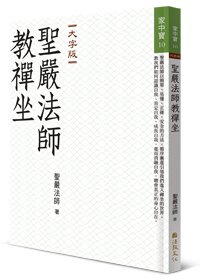
聖嚴法師教禪坐 (大字版)
聖嚴法師教導:簡單、易懂、正確、安全的禪修方法,引領我們進入禪坐的世界,體會真正的身心自在。‧ 健康的禪修觀念,因人而異的禪修層次‧ 灑脫自在, 又精進不懈的禪修精神‧ 以禪者的修養,活用於自我的調適及環境的因應現代人想在緊張的環境內求生存,就需要放鬆身心。然而,許多人希望放鬆自己的身心,卻沒有門徑。學習打坐,就能夠讓我們練習如何放鬆身心。禪是什麼?從字面的意義看,禪是一種「冥想」,並用冥想的方法達到入定的境界。禪的內容,則是很難用言語文字表達的,必須親身去體證。就像盲人問色,一個雙目從小就失明的人,想知道白色是什麼樣子?就有人告訴他像白布、白紙一樣的白,有人告訴他像白鵝、白鴿一樣的白,也有人告訴他像白雪、白粉一樣的白。結果這個盲人糊塗了,他原以為白色的潔白應該是很單純的,怎麼大家把它說成那麼複雜呢?原因是從未見過白色,所以任人怎麼說,他還是無法想像。對於尚未進入禪門的人,禪是不能用語言文字來說明的東西,也無法依靠語言文字的說明來了解它。但語言文字卻能引導或指示初學者如何去親自體驗它。學佛修禪的最基本要求,是先有自知之明,健全人格,建立信心,如果心理不正常、性格不穩定、觀念不清楚、行為不端正,而想藉禪修開悟,便會帶來走火入魔的危機。打坐的功能有三項:1. 身心平衡:就是身體平衡和心理平衡,這就是身心健康。如果一個人的身體強壯像水牛,心理脆弱像老鼠,就不能說健康。2. 精神穩定:精神的涵義比較難理解,那不是心理,也不是生理,但是跟身心有關,它會產生無形的功能,會從有形的行為表現出來。3. 智慧及慈悲的開發是什麼?如果有了身心統一,以及自己和宇宙統一的經驗,精神就能統一。如果把精神和身心的執著超越了,就有智慧力及慈悲心開發出來。這裡說的智慧不是知識,也不是學問,而是絕對的決斷力。
這本書可以幫助你
認識禪坐的基本方法與注意事項,理解調身、調息、調心如何配合。
學習數息、念佛等攝心方法,覺察到妄念出現時應如何調整,逐步培養專注與安定。
認識經行、立禪與動禪,原來在行住坐臥及日常動作中,也能保持清楚與放鬆。
建立禪修的正確觀念,理解身心感受、神通與開悟的區別。
從認識自己的能力與習氣出發,理解自我肯定、自我成長與自我消融。
你可以從這裡開始
想知道禪坐的基本方法?建議閱讀:〈禪修入門方法〉從暖身、七支坐法,到放鬆身心、數呼吸與起坐後的按摩,本節依序介紹入門練習。透過調身、調息與調心的說明,幫助你理解各項準備的用意,以及日常禪坐習慣時應注意的事項。
禪修一定要坐在蒲團上?建議閱讀:〈經行、立禪〉本節介紹如何在行走時清楚感覺腳步的移動與著地,以及站立時如何調整姿勢、運用熟悉的攝心方法。透過動中與靜中的練習,學習把心帶回正在做的事,也從集體經行中體會照顧自己步調、配合他人的意義。
禪坐時雜念不斷,可以用什麼方法處理?建議閱讀:〈對治妄念,禪修與神通〉聖嚴法師針對妄念持續浮現的情形,介紹調整数數方式、覺察念頭,以及注意動作與感觸等方法。本節也說明,用功時如何辨認偏離方法的念頭,並提醒讀者以恆心和毅力持續練習,讓禪修逐漸成為日常生活的一部分。
禪坐時有特殊感受,是開悟嗎?建議閱讀:〈對治妄念,禪修與神通〉聖嚴法師說明,神通感應與開悟解脫之間不能畫上等號,並提醒禪修者面對特殊經驗時,不宜貪著或追逐。本節將修行的重點帶回人格的健全與信心的建立,幫助你理解禪修正確觀念與老師指導的重要性。
禪修與佛法中的「無我」境界建議閱讀:〈自我肯定、自我提昇、自我消融〉本篇從認識自我、肯定自身價值談起,說明如何在現實生活中承擔責任、持續努力,再逐步放下對自我利益與成敗的執著。聖嚴法師也以包容、關懷與無私的態度,連結夫妻、親友間的相處,讓你理解自我消融如何從日常的自我成長中開始。
作者簡介
聖嚴法師(1930〜2009年)聖嚴法師1930年生於江蘇南通,1943年於狼山出家,後因戰亂投身軍旅,十年後再次披剃出家。曾於高雄美濃閉關六年,隨後留學日本,獲立正大學文學博士學位。1975年應邀赴美弘法。1989年創建法鼓山,並於2005年開創繼起漢傳禪佛教的「中華禪法鼓宗」。聖嚴法師是一位思想家、作家暨國際知名禪師,曾獲臺灣《天下》雜誌遴選為「四百年來臺灣最具影響力的五十位人士」之一。著作豐富,中、英、日文著作達百餘種,先後獲頒中山文藝獎、中山學術獎、總統文化獎及社會各界的諸多獎項。聖嚴法師提出「提昇人的品質,建設人間淨土」的理念,主張以大學院、大普化、大關懷三大教育推動全面教育,相繼創辦中華佛學研究所、法鼓文理學院、僧伽大學等院校,也以豐富的禪修經驗、正信的佛法觀念和方法指導東、西方人士修行。法師著重以現代人的語言和觀點普傳佛法,陸續提出「心靈環保」、「四種環保」、「心五四運動」、「心六倫」等社會運動,並積極推展國際弘化工作,參與國際性會談,促進宗教交流,提倡建立全球性倫理,致力世界和平。其寬闊胸襟與國際化視野,深獲海內外肯定。
作者
NT$
$140
|
78折
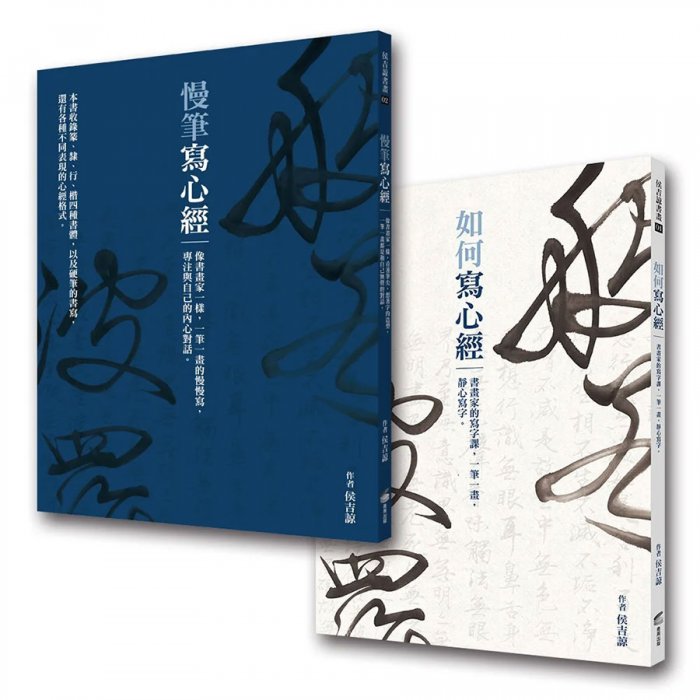
《如何寫心經》+《慢筆寫心經》(典藏侯吉諒書畫)
當代詩人、書畫家侯吉諒書法心經!《如何寫心經:書畫家的寫字課,一筆一畫,靜心寫字。》◎ 掌握以下的原則,即使沒練過書法,也可以把經文寫好:其一,只使用毛筆的筆尖寫字。其二,一筆一畫,不在乎好看,只要靜心寫字。其三,注意控制毛筆的含墨量,不要乾澀、也不要暈滲。《心經》是許多人最喜歡抄寫的佛經,不一定是因為宗教的信仰,而是一種人生的體悟,也是一種修行的方法。寫書法本來就有「修行」的功能。這個的修行,不只是宗教上的信仰,更多是學習超越世俗榮辱、克制喜怒哀樂、安靜自我身心的方法,使一個人的個性更成熟、思慮更完整豐富,性情更能容納異己。安靜寫字,會潛移默化一個人的思想、行為,以致改變個性,至少可以得到心靈片刻的安寧。《慢筆寫心經:像書畫家一樣,一筆一畫的慢慢寫,專注與自己的內心對話。》本書收錄篆、隸、行、楷四種書體,以及硬筆(鋼筆字、原子筆字)的書寫,還有各種不同表現的心經格式,具有一定參考價值。書寫〈心經〉的幾個層次: 書寫〈心經〉有幾個層次,從寫字的技術來說,要先一字一字,一詞一詞,然後再一句一句,慢慢熟悉每個字的寫法。 等到一句句都熟悉了,就可以通篇的書寫,不一定要一次寫完全部的經文,重點是寫的時候都要很專心,要心無旁騖。 把心思專注在寫字這件事上,看著筆尖,想著字的造型,一筆一畫的慢慢寫,只要這樣做,就可以很快達到忘我的境界。寫經的紙張,不管寫得好壞,都要標上日期、整齊收好,日積月累,可以看到自己下了多少功夫,也是一種成就。寫經的生活美學:寫字的當下沒有我的意識,但一個人的生命、修養、喜怒、哀樂,都透過筆墨、轉化為字跡,在紙上靜止的流動。
●作者簡介
侯吉諒他是當代詩人、散文家、兼擅書畫與篆刻,為前故宮副院長、文人畫大師江兆申的鍾愛弟子。已在台灣、日本、美國舉辦多次個展,於二○○四年應邀至美國華盛頓展覽,並於馬里蘭大學、美國國務院演講及創作示範。他精通古典與近代詩文、書法、繪畫、篆刻,為難得一見之全方位創作者,博雅的文學修養、喜愛攝影、音樂,長期接觸中西方各種藝術,作品中具深入古典且極為強烈的當代意識,別具溫潤的風姿及驚人的創造力,融合詩書畫印、文學「五絕」藝事,實踐會古通今,成為其創作風格與特色。侯吉諒不斷創造美麗動人的作品,潛心詩歌散文創作,致志推展台灣書法教育。首創以數學、幾何、物理、力學來解析書法觀念及賞析。暢銷著作一覽:《如何寫書法》、《紙上太極》、《石上書法》(木馬)《侯吉諒書法講堂:漢字結構分析》(聯經)《如何看懂行書》(商周) 相關著作 《如何看懂行書──就字論字:從王羲之到文徵明行書風格比較分析》 《慢筆寫心經:像書畫家一樣,一筆一畫的慢慢寫,專注與自己的內心對話。》 《如何寫心經:書畫家的寫字課,一筆一畫,靜心寫字。》
NT$
$680
|
85折

五色蔬果自然養生法
* 書中部份食譜調味含酒吃補≠健康
天天吃人蔘雞湯等補品的你,確定真的補到了強壯的身體嗎?順應自然,才是老祖宗流傳的樂活食法!人在最放鬆的時候,面對壓力最能應付自如。當身體機能出現狀況,自在地面對環境所給予的,最容易達到身體的平衡,也是最不傷害身體的方式。古代醫者運用五行五色,把人體和自然環境統一起來,在四季更迭、二十四節氣變化中,與五臟緊密相連在一起,形成人體的代謝規律。透過五色食物的進食,讓人體與宇宙之間形成一個相互收受、應通的關係,充分展現「天人合一」的觀念,自然的養生。因此,藥補不如食補:在春天時候多食綠色食物,可以養肝;初夏時候多食紅色食物,可以養心;長夏時候多食黃色食物,可以養脾;秋天時候多食白色食物,可以養肺;冬天時候多食黑色食物,可以養腎。五行五色多蔬果,以天然、無副作用的進食方式,讓你的身體與環境達到一個最和諧的身心狀況,快樂養生。
作者簡介
王茜為健康養生類手機報資深編輯,主要主要負責20餘萬用戶的《家庭醫學》手機報的策劃與撰寫,及專欄目的規劃與整合。掌握了專題策劃能力,撰寫過多個專題。對於中醫養生、穴位按摩、飲食調理等方面均有頗深研究。曾獨立製作《高考特刊》專題、《黃帝內經》專題、《黃金周》專題、《養腎專刊》、《十二時辰養生法》增刊;及撰寫《白話經典》專欄,用最易讓讀者理解的語言來詮釋中醫經典《黃帝內經》等。
作者
NT$
$238
|
85折

達賴喇嘛說金剛經(二版)
你的心,是煤炭或鑽石?痛苦時,你以為心像煤炭,黑暗、沈重又脆弱。其實,你的心像鑽石,透明、閃亮又堅不可摧,因為心的本質是空性、是佛性,煩惱只是暫時的遮障。重點是:如何把煤炭還原成鑽石?
送給世界一顆鑽石世上最堅固的是鑽石,世上最堅不可摧的是空性。鑽石,就是金剛;像金剛般的生命真相,就是空性。《金剛經》中,佛陀送給世界一顆鑽石:證悟空性的智慧,尤其是由菩提心所攝持的勝義菩提心,能斷一切障,能證一切法的本質,因為安住空性,不受任何損傷,所以稱為「金剛」。來讀《金剛經》因為空性,心靈才得以淨化,福德才能積聚,因果世界才能運作,我們才能成佛。負面情緒源於執著「我」的心和自我中心。對真實本質的理解,會消除這顆執著的心,菩提心會自然消融自我中心。如日光般照耀的菩提心修習觀音瑜伽到圓滿覺悟時,我們也就成為一位觀音菩薩。真正修持菩提心的人,擁有極度的快樂、滿足、信心。像日光消除黑暗,菩提心消除了自我中心造作的過錯。解脫的三線道以出離心、菩提心、空正見,引領我們向解脫而去。你必須看到終結痛苦的可能性,然後你渴望獲得解脫,更渴望幫助所有眾生解。但前提是:「你要對空性有所理解。」
作者簡介
第十四世達賴喇嘛本名丹增嘉措(Tenzin Gyatso), 1935 年生於青海省安多,兩歲時被認證為第十三世達賴喇嘛的轉世。1959 年流亡印度,在達蘭薩拉(Dharamsala)成立西藏流亡政府至今。達賴喇嘛為中藏和平奮鬥,在1989 年榮獲諾貝爾和平獎。此外,他更放眼世界,關懷地球,致力提倡慈悲、寬恕、包容、知足及自律等等,以佛教為本的價值觀,促進世界各大宗教傳統之間的和諧,為人類的心靈幸福不斷地努力。曾三度來台弘法,在台也擁有廣大具信弟子。
譯者簡介
呂家茵輔仁大學新聞系學士、英國倫敦大學區域研究碩士,譯有《修心:七種自利利他的心靈煉金術》、《活哲學:12位大師的「生命復甦術」》。
譯者
呂家茵
NT$
$332
|
85折
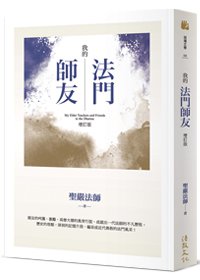
我的法門師友(增訂版)
師友的呵護、激勵,高僧大德的風骨行誼,成就出一代法師的不凡歷程。歷史的容顏,深刻的記憶片段,編纂成近代佛教的法門風采!
當代佛教慧命的延續,有賴於一群高僧大德的默默耕耘,努力地傳戒、講經、辦學、發行書刊及教化眾生,才能將漢傳佛教推廣於世界各地。而一位法師的成長,常是經由各方師友的呵護,才能有所成就。
從為聖嚴法師剃度的東初老和尚、法脈傳承的靈源老和尚、愛護提拔的智光長老、授業解惑的坂本幸男先生,到亦師亦友的張曼濤先生等……,聖嚴法師珍惜這些過往因緣,更加重視他們的潛德願行,因此,記述眾師友的流風遺範,期待為歷史留下記錄,以為後人典範。
諸位高僧大德在法師的筆下,互動情誼躍然紙上,真摰感人。
「當我校閱之時,竟有數度覺得視線模糊,用手輕揉,才發覺是在流淚!可不是嗎?我的這一生,豈不就是從這些師友的影響中走過來的?」──聖嚴法師〈自序〉
作者簡介
聖嚴法師(1930〜2009年)
聖嚴法師1930年生於江蘇南通,1943年於狼山出家,後因戰亂投身軍旅,十年後再次披剃出家。曾於高雄美濃閉關六年,隨後留學日本,獲立正大學文學博士學位。1975年應邀赴美弘法。1989年創建法鼓山,並於2005年開創繼起漢傳禪佛教的「中華禪法鼓宗」。
聖嚴法師是一位思想家、作家暨國際知名禪師,曾獲臺灣《天下》雜誌遴選為「四百年來臺灣最具影響力的五十位人士」之一。著作豐富,中、英、日文著作達百餘種,先後獲頒中山文藝獎、中山學術獎、總統文化獎及社會各界的諸多獎項。
聖嚴法師提出「提昇人的品質,建設人間淨土」的理念,主張以大學院、大普化、大關懷三大教育推動全面教育,相繼創辦中華佛學研究所、法鼓文理學院、僧伽大學等院校,也以豐富的禪修經驗、正信的佛法觀念和方法指導東、西方人士修行。
法師著重以現代人的語言和觀點普傳佛法,陸續提出「心靈環保」、「四種環保」、「心五四運動」、「心六倫」等社會運動,並積極推展國際弘化工作,參與國際性會談,促進宗教交流,提倡建立全球性倫理,致力世界和平。其寬闊胸襟與國際化視野,深獲海內外肯定。
作者
NT$
$296
|
78折

平安「檜木」念珠(8mm/108顆)
產品規格.材質:天然檜木珠(黃檜) 約 8mm x 108顆 + 12mm x 3顆 + 16mm x 1顆.尺寸:內徑周長約 87公分.重量:約18公克.產地:台灣製造
注意事項.木珠為天然材質,每顆顏色、紋路、烙印深淺皆不相同,屬正常現象。.木珠為手工車製,每顆尺寸稍有差異,屬正常現象。.結繩為消耗材,斷繩請自行更換。.因光線關係,圖片顏色略有差異,請以實際商品為主。
正確使用念珠
戴念珠本身不是壞事,可是,真正的目的究竟是什麼?我把它分成三種類別加以說明:一種是信仰的,一種是心理的,還有一種是屬於風氣的。站在信仰的角度講,好處很多。因為手上有念珠,就會經常想到自己是個佛教徒,自己的身、口、意等三方面,自然而然都會檢點,不要把佛教徒的形象弄壞了。其次,你掛了念珠,還可以影響其他人。其他人不管是不是佛教徒,如果看到掛念珠的人講話、動作、表情不像是一個佛教徒的表現時,就會有人要求你:「你是一個佛教徒,怎麼也會這個樣子?」提醒掛念珠的人應該檢點。當我們要持誦佛號、咒語時,手上有串念珠也很方便。通常是一串大的、一串小的,大的念珠念一串、小的念珠數一個。大珠、小珠一起算,非常有用。第二種是心理上的作用。有的人掛的念珠是經過出家師父、上師或有修行的人加持過的,他們相信,把加持過的念珠掛在身上,有避邪、化災難為吉祥的作用,這使得戴念珠的人心理上覺得很平安、很安全。這樣也很好,至少心理上不會那麼恐慌。這和有人去神廟裡求護身符或掛在車上的小香袋,作用完全一樣。第三種是時髦、風氣、潮流。這樣的情形也沒有什麼不好,這樣的人漸漸地也很可能成為佛教徒。另外,還有因為自己身體某個部分有障礙,他們相信寶石磁場很強,戴了之後可以調整身體。這種想法是有病除病、沒病強身,念珠變成健康器材。這種心態也沒什麼不好。不過,我想最好的方法還是真正地有信仰,信仰三寶和佛教,而把念珠當作修行佛法時使用的一個道具、器材。──摘自:聖嚴法師《法鼓鐘聲》
NT$
$850

平安「檜木」念珠(6mm/108顆)
產品規格.材質:天然檜木珠(黃檜) 6mm x 108顆 / 8mm x 3顆 / 12mm x 1顆.尺寸:內徑周長約 63公分.重量:約 6.3公克.產地:台灣製造
注意事項.木珠為天然材質,每顆顏色、紋路、烙印深淺皆不相同,屬正常現象。.木珠為手工車製,每顆尺寸稍有差異,屬正常現象。.結繩為消耗材,斷繩請自行更換。.因光線關係,圖片顏色略有差異,請以實際商品為主。
正確使用念珠
戴念珠本身不是壞事,可是,真正的目的究竟是什麼?我把它分成三種類別加以說明:一種是信仰的,一種是心理的,還有一種是屬於風氣的。站在信仰的角度講,好處很多。因為手上有念珠,就會經常想到自己是個佛教徒,自己的身、口、意等三方面,自然而然都會檢點,不要把佛教徒的形象弄壞了。其次,你掛了念珠,還可以影響其他人。其他人不管是不是佛教徒,如果看到掛念珠的人講話、動作、表情不像是一個佛教徒的表現時,就會有人要求你:「你是一個佛教徒,怎麼也會這個樣子?」提醒掛念珠的人應該檢點。當我們要持誦佛號、咒語時,手上有串念珠也很方便。通常是一串大的、一串小的,大的念珠念一串、小的念珠數一個。大珠、小珠一起算,非常有用。第二種是心理上的作用。有的人掛的念珠是經過出家師父、上師或有修行的人加持過的,他們相信,把加持過的念珠掛在身上,有避邪、化災難為吉祥的作用,這使得戴念珠的人心理上覺得很平安、很安全。這樣也很好,至少心理上不會那麼恐慌。這和有人去神廟裡求護身符或掛在車上的小香袋,作用完全一樣。第三種是時髦、風氣、潮流。這樣的情形也沒有什麼不好,這樣的人漸漸地也很可能成為佛教徒。另外,還有因為自己身體某個部分有障礙,他們相信寶石磁場很強,戴了之後可以調整身體。這種想法是有病除病、沒病強身,念珠變成健康器材。這種心態也沒什麼不好。不過,我想最好的方法還是真正地有信仰,信仰三寶和佛教,而把念珠當作修行佛法時使用的一個道具、器材。──摘自:聖嚴法師《法鼓鐘聲》
NT$
$750

平安「檜木」手珠(20mm大尺寸/12顆)男款
.建議適合手圍:壯實身型產品規格.材質:天然檜木珠(黃檜) 20mm x 11顆 + 20mm x 1顆.尺寸:內徑周長約 18公分.重量:約 25公克.產地:台灣製造
注意事項.木珠為天然材質,每顆顏色、紋路、烙印深淺皆不相同,屬正常現象。.木珠為手工車製,每顆尺寸稍有差異,屬正常現象。.結繩為消耗材,斷繩請自行更換。.因光線關係,圖片顏色略有差異,請以實際商品為主。
正確使用念珠
戴念珠本身不是壞事,可是,真正的目的究竟是什麼?我把它分成三種類別加以說明:一種是信仰的,一種是心理的,還有一種是屬於風氣的。站在信仰的角度講,好處很多。因為手上有念珠,就會經常想到自己是個佛教徒,自己的身、口、意等三方面,自然而然都會檢點,不要把佛教徒的形象弄壞了。其次,你掛了念珠,還可以影響其他人。其他人不管是不是佛教徒,如果看到掛念珠的人講話、動作、表情不像是一個佛教徒的表現時,就會有人要求你:「你是一個佛教徒,怎麼也會這個樣子?」提醒掛念珠的人應該檢點。當我們要持誦佛號、咒語時,手上有串念珠也很方便。通常是一串大的、一串小的,大的念珠念一串、小的念珠數一個。大珠、小珠一起算,非常有用。第二種是心理上的作用。有的人掛的念珠是經過出家師父、上師或有修行的人加持過的,他們相信,把加持過的念珠掛在身上,有避邪、化災難為吉祥的作用,這使得戴念珠的人心理上覺得很平安、很安全。這樣也很好,至少心理上不會那麼恐慌。這和有人去神廟裡求護身符或掛在車上的小香袋,作用完全一樣。第三種是時髦、風氣、潮流。這樣的情形也沒有什麼不好,這樣的人漸漸地也很可能成為佛教徒。另外,還有因為自己身體某個部分有障礙,他們相信寶石磁場很強,戴了之後可以調整身體。這種想法是有病除病、沒病強身,念珠變成健康器材。這種心態也沒什麼不好。不過,我想最好的方法還是真正地有信仰,信仰三寶和佛教,而把念珠當作修行佛法時使用的一個道具、器材。──摘自:聖嚴法師《法鼓鐘聲》
NT$
$420

平安「檜木」手珠(16mm大尺寸/15顆)男款
.建議適合手圍:勻稱或高大身型產品規格.材質:天然檜木珠(黃檜) 16mm x 14顆 / 16mm x 1顆.尺寸:內徑周長約 18.5公分.重量:約 16公克.產地:臺灣製造
注意事項.木珠為天然材質,每顆顏色、紋路、烙印深淺皆不相同,屬正常現象。.木珠為手工車製,每顆尺寸稍有差異,屬正常現象。.結繩為消耗材,斷繩請自行更換。.因光線關係,圖片顏色略有差異,請以實際商品為主。
正確使用念珠
戴念珠本身不是壞事,可是,真正的目的究竟是什麼?我把它分成三種類別加以說明:一種是信仰的,一種是心理的,還有一種是屬於風氣的。站在信仰的角度講,好處很多。因為手上有念珠,就會經常想到自己是個佛教徒,自己的身、口、意等三方面,自然而然都會檢點,不要把佛教徒的形象弄壞了。其次,你掛了念珠,還可以影響其他人。其他人不管是不是佛教徒,如果看到掛念珠的人講話、動作、表情不像是一個佛教徒的表現時,就會有人要求你:「你是一個佛教徒,怎麼也會這個樣子?」提醒掛念珠的人應該檢點。當我們要持誦佛號、咒語時,手上有串念珠也很方便。通常是一串大的、一串小的,大的念珠念一串、小的念珠數一個。大珠、小珠一起算,非常有用。第二種是心理上的作用。有的人掛的念珠是經過出家師父、上師或有修行的人加持過的,他們相信,把加持過的念珠掛在身上,有避邪、化災難為吉祥的作用,這使得戴念珠的人心理上覺得很平安、很安全。這樣也很好,至少心理上不會那麼恐慌。這和有人去神廟裡求護身符或掛在車上的小香袋,作用完全一樣。第三種是時髦、風氣、潮流。這樣的情形也沒有什麼不好,這樣的人漸漸地也很可能成為佛教徒。另外,還有因為自己身體某個部分有障礙,他們相信寶石磁場很強,戴了之後可以調整身體。這種想法是有病除病、沒病強身,念珠變成健康器材。這種心態也沒什麼不好。不過,我想最好的方法還是真正地有信仰,信仰三寶和佛教,而把念珠當作修行佛法時使用的一個道具、器材。──摘自:聖嚴法師《法鼓鐘聲》
NT$
$280

平安「檜木」手珠(12mm/18顆)男款
.建議適合手圍:偏瘦身型產品規格.材質:天然檜木珠(黃檜) 約12mm x 17顆 + 12mm x 1顆.尺寸:內徑周長約 17 公分.重量:約 8.5公克.產地:台灣製造
注意事項.木珠為天然材質,每顆顏色、紋路、烙印深淺皆不相同,屬正常現象。.木珠為手工車製,每顆尺寸稍有差異,屬正常現象。.結繩為消耗材,斷繩請自行更換。.因光線關係,圖片顏色略有差異,請以實際商品為主。
正確使用念珠
戴念珠本身不是壞事,可是,真正的目的究竟是什麼?我把它分成三種類別加以說明:一種是信仰的,一種是心理的,還有一種是屬於風氣的。站在信仰的角度講,好處很多。因為手上有念珠,就會經常想到自己是個佛教徒,自己的身、口、意等三方面,自然而然都會檢點,不要把佛教徒的形象弄壞了。其次,你掛了念珠,還可以影響其他人。其他人不管是不是佛教徒,如果看到掛念珠的人講話、動作、表情不像是一個佛教徒的表現時,就會有人要求你:「你是一個佛教徒,怎麼也會這個樣子?」提醒掛念珠的人應該檢點。當我們要持誦佛號、咒語時,手上有串念珠也很方便。通常是一串大的、一串小的,大的念珠念一串、小的念珠數一個。大珠、小珠一起算,非常有用。第二種是心理上的作用。有的人掛的念珠是經過出家師父、上師或有修行的人加持過的,他們相信,把加持過的念珠掛在身上,有避邪、化災難為吉祥的作用,這使得戴念珠的人心理上覺得很平安、很安全。這樣也很好,至少心理上不會那麼恐慌。這和有人去神廟裡求護身符或掛在車上的小香袋,作用完全一樣。第三種是時髦、風氣、潮流。這樣的情形也沒有什麼不好,這樣的人漸漸地也很可能成為佛教徒。另外,還有因為自己身體某個部分有障礙,他們相信寶石磁場很強,戴了之後可以調整身體。這種想法是有病除病、沒病強身,念珠變成健康器材。這種心態也沒什麼不好。不過,我想最好的方法還是真正地有信仰,信仰三寶和佛教,而把念珠當作修行佛法時使用的一個道具、器材。──摘自:聖嚴法師《法鼓鐘聲》
NT$
$240

平安「檜木」手珠(8mm/24顆)女款
.建議適合手圍:勻稱或偏瘦身型產品規格.材質:天然檜木珠(黃檜) 8mm x 23顆 / 12mm x 1顆.尺寸:內徑周長約 16.5公分.重量:約 5公克.產地:臺灣製造
注意事項.木珠為天然材質,每顆顏色、紋路、烙印深淺皆不相同,屬正常現象。.木珠為手工車製,每顆尺寸稍有差異,屬正常現象。.結繩為消耗材,斷繩請自行更換。.因光線關係,圖片顏色略有差異,請以實際商品為主。
正確使用念珠
戴念珠本身不是壞事,可是,真正的目的究竟是什麼?我把它分成三種類別加以說明:一種是信仰的,一種是心理的,還有一種是屬於風氣的。站在信仰的角度講,好處很多。因為手上有念珠,就會經常想到自己是個佛教徒,自己的身、口、意等三方面,自然而然都會檢點,不要把佛教徒的形象弄壞了。其次,你掛了念珠,還可以影響其他人。其他人不管是不是佛教徒,如果看到掛念珠的人講話、動作、表情不像是一個佛教徒的表現時,就會有人要求你:「你是一個佛教徒,怎麼也會這個樣子?」提醒掛念珠的人應該檢點。當我們要持誦佛號、咒語時,手上有串念珠也很方便。通常是一串大的、一串小的,大的念珠念一串、小的念珠數一個。大珠、小珠一起算,非常有用。第二種是心理上的作用。有的人掛的念珠是經過出家師父、上師或有修行的人加持過的,他們相信,把加持過的念珠掛在身上,有避邪、化災難為吉祥的作用,這使得戴念珠的人心理上覺得很平安、很安全。這樣也很好,至少心理上不會那麼恐慌。這和有人去神廟裡求護身符或掛在車上的小香袋,作用完全一樣。第三種是時髦、風氣、潮流。這樣的情形也沒有什麼不好,這樣的人漸漸地也很可能成為佛教徒。另外,還有因為自己身體某個部分有障礙,他們相信寶石磁場很強,戴了之後可以調整身體。這種想法是有病除病、沒病強身,念珠變成健康器材。這種心態也沒什麼不好。不過,我想最好的方法還是真正地有信仰,信仰三寶和佛教,而把念珠當作修行佛法時使用的一個道具、器材。──摘自:聖嚴法師《法鼓鐘聲》
NT$
$220

平安「檜木」手珠(6mm/22顆)童款
產品規格.材質:天然檜木珠(黃檜) 約 6mm x 21顆 + 12mm x 1顆.尺寸:內徑周長約 11公分.重量:約 3.2公克.產地:台灣製造
注意事項.商品圖檔顏色因拍照光線關係會略有不同,請以實際商品顏色為準。.木珠為天然材質,每顆顏色、紋路、烙印深淺皆不相同,屬正常現象。.木珠為手工車製,每顆尺寸稍有差異,屬正常現象。
正確使用念珠
戴念珠本身不是壞事,可是,真正的目的究竟是什麼?我把它分成三種類別加以說明:一種是信仰的,一種是心理的,還有一種是屬於風氣的。站在信仰的角度講,好處很多。因為手上有念珠,就會經常想到自己是個佛教徒,自己的身、口、意等三方面,自然而然都會檢點,不要把佛教徒的形象弄壞了。其次,你掛了念珠,還可以影響其他人。其他人不管是不是佛教徒,如果看到掛念珠的人講話、動作、表情不像是一個佛教徒的表現時,就會有人要求你:「你是一個佛教徒,怎麼也會這個樣子?」提醒掛念珠的人應該檢點。當我們要持誦佛號、咒語時,手上有串念珠也很方便。通常是一串大的、一串小的,大的念珠念一串、小的念珠數一個。大珠、小珠一起算,非常有用。第二種是心理上的作用。有的人掛的念珠是經過出家師父、上師或有修行的人加持過的,他們相信,把加持過的念珠掛在身上,有避邪、化災難為吉祥的作用,這使得戴念珠的人心理上覺得很平安、很安全。這樣也很好,至少心理上不會那麼恐慌。這和有人去神廟裡求護身符或掛在車上的小香袋,作用完全一樣。第三種是時髦、風氣、潮流。
——摘自:聖嚴法師《法鼓鐘聲》
NT$
$200
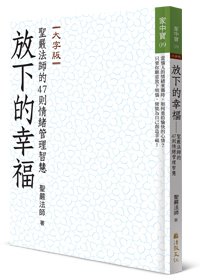
放下的幸福:聖嚴法師的47則情緒管理智慧 (大字版)
情緒來了,怎麼辦?幸福,可以從「放下」開始。情緒管理 × 佛法智慧 × 幸福生活
人人都在追求幸福,卻常常一邊追,一邊被情緒與執著困住。遇到不順心的人事,忍不住生氣;明明得到了想要的東西,心裡還是不滿足;面對未知與變化,難免恐懼、憂心……。為什麼擁有得更多,心卻未必更快樂?
聖嚴法師從日常生活中最常見的情緒煩惱談起,帶我們看見五種偷走幸福的情緒黑洞——貪、瞋、癡、慢、疑,並以佛法智慧提供具體的方法,幫助我們重新理解情緒、調整心態,學習放下執著。
「動情緒是划不來的,因為最後倒楣的還是自己。」「很多煩惱都是沒有必要的。」「忍並不是忍氣吞聲地受委屈,而是克制自己的衝動,不要馬上做出反應。」
當我們清楚情緒從何而來,懂得鬆開過度的欲求、憤怒、比較與猜疑,心就有了重新選擇的空間。
真正的幸福,不必依賴外在的人、事、物。心態決定命運,換一個觀念,就能改變結果。只要善用方法,一一化解心中的執著,便能處在清楚、愉快與平靜的狀態。心放下了,幸福就來了。
▍本書特色
• 一句智慧,打開一個心結聖嚴法師善於用簡潔有力的語言,釐清一般人容易混淆的觀念,讀來直接、清晰,也值得反覆思考。
• 不只是說理,更提供層次分明的解決之道書中提供多種簡單、實用的日常覺察練習。當怒火來襲時專注於呼吸、在焦慮時轉換念頭,或是透過念佛號轉移情緒,讓你在呼吸與舉手投足之間,體驗「生活即修行」的充實與安定。
• 重建內在平靜,找回「不外求」的快樂幸福不在變幻無常的情緒感受,也不必向外尋找。從書中的智慧出發,慢慢看見自己的執著與不安。「不懂就說不懂」,少一點逞強與猜疑;相信因緣,放下不必要的焦慮與恐懼。換個觀念看事情,幸福可以很從容、很簡單。
很多事情,不需要一直放在心上。很多情緒,也不必每一次都跟著走。現在,就從放下開始,讀懂聖嚴法師寫給你的幸福心法。
這本書可以幫助你
覺察情緒與念頭的變化,學習逐步讓心安定的方法。
分辨需要與想要,調整心態,讓努力有更自在的方向。
面對衝突與不如意,練習緩和怒氣、釐清問題,對環境做出適當的回應。
在比較與自我懷疑中,認識自己的能力與限制,培養踏實的自信。
面對未來的不確定,學習做好準備、專注當下,把心力放在可以實踐的事上。
你可以從這裡開始
情緒一來就難以平靜,該從哪裡著手?建議閱讀:〈情緒從哪裡來?〉聖嚴法師從散步、喝水、找朋友談談等日常方法談起,進一步引導讀者觀察念頭的生起與消失。本篇提供由淺入深的練習方向,讓你先緩和情緒,再逐步學習覺察,減少被煩惱牽動的時候。
想努力追求美好生活,卻也感到疲憊?建議閱讀:〈轉貪心為願心〉從分辨「需要」與「想要」開始,聖嚴法師說明欣賞美好事物、追求生活品質的動機,如何在過度占有與執著中變成煩惱。本篇也指出,期待與追求可以朝向付出、奉獻,轉為讓自己與他人共同成長的願心,幫助你重新思考努力的方向。
遇到不合理的對待,該如何回應才恰當?建議閱讀:〈逆境要忍,順境也要忍〉面對衝突時,可以先緩下衝動,瞭解發生了什麼,再選擇適當的時機回應。本篇釐清忍辱與忍氣吞聲的差別,也介紹把注意力放在呼吸上的方法,幫助你在怒氣升起時,為自己留下思考與處理問題的空間。
看見別人好像過得更好,想找回對自己的信心?建議閱讀:〈是自信,還是自負?〉聖嚴法師從比較帶來的失落談起,說明自信建立在對自身能力的瞭解,也提醒我們,事情的成就需要各種因緣配合。本篇引導你看見自己的能力與眼前的機會,練習把注意力放回能做的事,減少以別人的成就衡量自己。
經常為還沒發生的事擔心,無法安心?建議閱讀:〈自信度過每一天〉面對無法完全掌握的未來,聖嚴法師提出從瞭解自己的處境、為可預見的事情預作準備著手。本篇也提到,即使準備周全,仍可能遇到意料之外的變化,提醒你辨別無效的反覆擔憂,把心力用在當下能做的事上。
作者簡介
聖嚴法師(1930~2009年)聖嚴法師1930年生於江蘇南通,1943年於狼山出家,後因戰亂投身軍旅,十年後再次披剃出家。曾於高雄美濃閉關六年,隨後留學日本,獲立正大學文學博士學位。1975年應邀赴美弘法。1989年創建法鼓山,並於2005年開創繼起漢傳禪佛教的「中華禪法鼓宗」。聖嚴法師是一位思想家、作家暨國際知名禪師,曾獲臺灣《天下》雜誌遴選為「四百年來臺灣最具影響力的五十位人士」之一。著作豐富,中、英、日文著作達百餘種,先後獲頒中山文藝獎、中山學術獎、總統文化獎及社會各界的諸多獎項。聖嚴法師提出「提昇人的品質,建設人間淨土」的理念,主張以大學院、大普化、大關懷三大教育推動全面教育,相繼創辦中華佛學研究所、法鼓文理學院、僧伽大學等院校,也以豐富的禪修經驗、正信的佛法觀念和方法指導東、西方人士修行。法師著重以現代人的語言和觀點普傳佛法,陸續提出「心靈環保」、「四種環保」、「心五四運動」、「心六倫」等社會運動,並積極推展國際弘化工作,參與國際性會談,促進宗教交流,提倡建立全球性倫理,致力世界和平。其寬闊胸襟與國際化視野,深獲海內外肯定。
作者
NT$
$140
|
78折

我為你祝福-CD(二版)
一句我為你祝福,人人都有幸福
聖嚴法師 作詞王建勛 作曲王建勛、江俊彥 製作
一句簡單的祝福,是彼此的心靈補給站,傳遞了溫暖,也擁抱了幸福!
聖嚴法師將祝福,化為四首歌詞,透過知名音樂家王建勛的巧心譜曲,成為生活中人人可實踐的幸福美好。不論是和風輕拂的〈我為你祝福〉,知足常樂的〈要不要〉,希望光明的〈環保列車〉,或是安己安人的〈平安歌〉,在輕快溫馨的旋律中,你我一起傳遞這份祝福,祝福人人平安又快樂,世界和平又幸福。
作者簡介
聖嚴法師(1930─2009)
聖嚴法師1930年生於江蘇南通,1943年於狼山出家。曾於高雄美濃閉關六年,隨後留學日本,獲立正大學文學博士學位。1975年應邀赴美弘法。1989年創建法鼓山,並於2005年開創繼起漢傳禪佛教的「中華禪法鼓宗」。
聖嚴法師是一位思想家、作家暨國際知名禪師,著作豐富,中、英、日文著作達百餘種,先後獲頒中山文藝獎、中山學術獎、總統文化獎及社會各界的諸多獎項。
聖嚴法師提出「提昇人的品質,建設人間淨土」的理念,相繼創辦中華佛學研究所、法鼓文理學院、僧伽大學等院校,也以豐富的禪修經驗、正信的佛法觀念和方法指導東、西方人士修行。法師著重以現代人的語言和觀點普傳佛法,陸續提出「心靈環保」、「四種環保」、「心五四運動」、「心六倫」等社會運動,更致力於國際弘化工作,其寬闊胸襟與國際化視野,深獲海內外肯定。
王建勛(1962─2009)
出生於臺北,新北市人。畢生積極推廣佛教音樂,與陳振國先生以「天龍二部」重唱之名號,以生活的、文化的、藝術的、關懷的、佛教的理念,傳唱許多膾炙人口的佛曲。
曾為法鼓山製作聖嚴法師作詞之《我為你祝福》、《平安歌》專輯;並為多個宗教團體如大愛電視台、生命電視台作曲配樂,長期與著名作詞家莊奴合作。歷年來出版之《如來心》、《燃燈之歌》、《迎佛牙》、《寒山僧蹤》、《心中要有佛》、《花開見佛》、《大家來做阿彌陀佛》、《慈悲智慧》等作品,以清新、活潑、溫馨的風格,廣受社會大眾的喜愛與肯定。
演出者
NT$
$250
|
78折

法鼓文化手提袋(中)
◆產品規格:【顏色】牛皮紙原色【尺寸】約32 x 11 x 26.7 cm【產地】台灣製造
◆注意事項:.商品圖檔顏色因拍照光線關係會略有不同,請以實際商品顏色為準。
NT$
$20

法鼓文化手提袋(小)
◆產品規格:【顏色】牛皮紙原色【尺寸】約19 x 7 x 24.3 cm【產地】台灣製造
◆注意事項:.商品圖檔顏色因拍照光線關係會略有不同,請以實際商品顏色為準。
NT$
$15
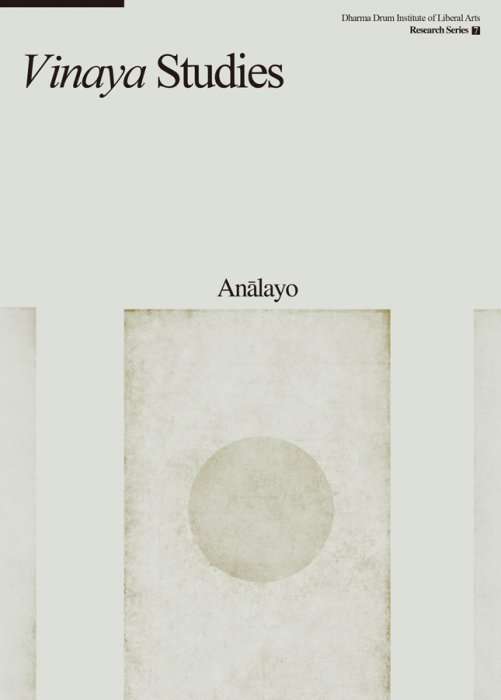
(英文版) 戒律研究 Vinaya Studies
The present book collects research papers by Bhikkhu Anālayo related to Vinaya. Recurrent topics are the nature of Vinaya narrative and the overlap between discourse and Vinaya material, both of which have significant ramifications for the use of such textual material by the modern scholar. In addition, topics taken up in the course of this book are the legal consequences of pārājika, the mass suicide of monks, the tale of Vessantara's lavish giving, the impact of the account of the first saṅgīti on attitudes towards Vinaya rules, the account of the foundation of the order of bhikkhunīs, and the legal dimensions of the revival of the bhikkhunī order.
作者簡介
Bhikkhu Anālayowas born in Germany in 1962 and ordained in Sri Lanka in 1995. He completed a Ph.D. thesis at the University of Peradeniya (Sri Lanka) in 2000 and a habilitation thesis at the University of Marburg (Germany) in 2007. At present he is a professor at the University of Hamburg, Numata Center for Buddhist Studies (Germany).
作者
NT$
$351
|
78折
正在載入更多商品......