搜尋結果
共
168
筆符合商品
排序
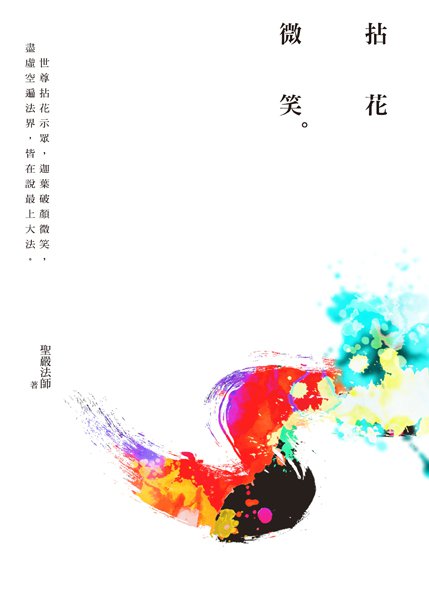
電子書 | 拈花微笑(四版)
世尊拈花示眾,迦葉破顏微笑,盡虛空遍法界,皆在說最上大法。
本書是以淺近的語文,表達常人都能看懂的佛法,由基礎的佛學常識,到專門的禪學思想,由一般生活中實用的禪學修養,到長期專修的禪修境界,做了層次化的介紹。 ──聖嚴
作者簡介:聖嚴法師(1930-2009年)
聖嚴法師1930年生於江蘇南通,1943年於狼山出家,後因戰亂投身軍旅,十年後再次披剃出家。曾於高雄美濃閉關六年,隨後留學日本,獲立正大學文學博士學位。1975年應邀赴美弘法。1989年創建法鼓山,並於2005年開創繼起漢傳禪佛教的「中華禪法鼓宗」。
聖嚴法師是一位思想家、作家暨國際知名禪師,曾獲臺灣《天下》雜誌遴選為「四百年來臺灣最具影響力的五十位人士」之一。著作豐富,中、英、日文著作達百餘種,先後獲頒中山文藝獎、中山學術獎、總統文化獎及社會各界的諸多獎項。
聖嚴法師提出「提昇人的品質,建設人間淨土」的理念,主張以大學院、大普化、大關懷三大教育推動全面教育,相繼創辦中華佛學研究所、法鼓文理學院、僧伽大學等院校,也以豐富的禪修經驗、正信的佛法觀念和方法指導東、西方人士修行。
法師著重以現代人的語言和觀點普傳佛法,陸續提出「心靈環保」、「四種環保」、「心五四運動」、「心六倫」等社會運動,並積極推展國際弘化工作,參與國際性會談,促進宗教交流,提倡建立全球性倫理,致力世界和平。其寬闊胸襟與國際化視野,深獲海內外肯定。
作者
NT$
$210
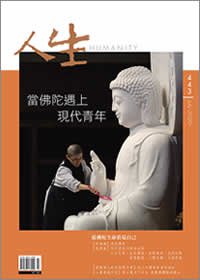
電子雜誌 | 人生443期:當佛陀遇上現代青年
【當佛陀遇上現代青年】夢想、愛情、人際關係等煩惱,存在每個年輕世代,佛陀覺醒之前,也是一個懷著厭離心的青年,他是如何看待這些跨越千年的難題呢?當佛陀遇上現代青年會碰撞出怎樣的火花?走進佛陀的生命故事,看佛陀如何在出走與抉擇中,愈來愈接近自己。現在青年最在意的生活事件為何?根據本刊對法鼓山世界青年會及一般社青的調查顯示,高達50%的青年最關心「自我價值」,包括工作、夢想、學業、生命意義、自我認識等,其次依序關注生死、經濟、愛情、人際關係、外貌等項目。透過青年法師針對前述六大主題,分享他們從佛陀一生的歷程所得到啟發,慢慢解開對生命的疑問,盼年輕人能在佛法中看清楚生命的方向,找到生命的意義。「菩提道上的女性修行者」,繼上期介紹不同傳承的女性修行者面臨的現況與挑戰,本期繼續向悟因長老尼、傑尊瑪丹津葩默與達摩難陀法師請益,談女性在修行上的優勢,以及弘法的期許。頂著碩士光環下田去,「心農業進行式」張顥嚴教不諳農事的妻子種地瓜葉,讓他意外學了一課,在菜園領受四攝法,更體會到,要推廣友善環境的自然農法,必須先用身口意去感動身邊的人。
從佛陀生命看見自己【認識篇】遇見佛陀【提問篇】現代青年VS青年法師六大叩問:生命價值、金錢確幸、生死功課、愛情難題、人際互動、外貌形象【菩提道上的女性修行者】向三大傳承長老尼請法【心農業進行式】碩士農夫下田去 菜園裡體驗四攝法
作者
NT$
$69
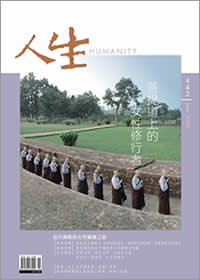
電子雜誌 | 人生442期:菩提道上的女性修行者
【菩提道上 的 女性修行者】當代佛教的女性賦權之路● 經典中的女性智慧、女禪師的機鋒妙語● 性別平權視角下的佛教女性觀● 向三大傳承的女性修行人請法
【專欄推薦】◆ 聖嚴法師:智慧與福報◆ 佛學線上:南條文雄對近代佛教學的影響◆ 佛學新視界:無常、無我、寂滅之生命節律◆ 疫外人生:蛋糕師傅廖胤威直擊紐約重災區◆ 影評:刺激1995——在泥濘中綻放蓮花◆ 素料理:茭白猴頭菇&茭白筍鍋貼
作者
NT$
$69
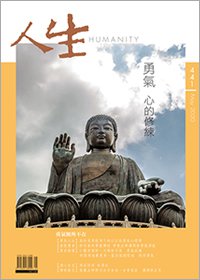
電子雜誌 | 人生441期:勇氣 心的修練
【勇氣‧心的修練】
小至個人選擇,大至防疫政策決定,背後都是責任的承擔、付諸行動的魄力。本期探討「勇氣的修練」!
“這時人類才理解,老天只需要一根手指頭,地球的免疫力就開始啟動。人類才想起,自己是地球的客人,不是主人。”
“不怕雨、不怕風、不畏嚴寒酷暑。身體硬朗,無欲無嗔,總是恬靜地笑著。——宮澤賢治”
【專欄推薦】
◆ 聖嚴法師:以「四福」轉化心念◆ 勇氣心測:你是哪個類型的佛菩薩?◆ 禪修正見:心的運作方式◆ 影評:教宗的承繼——信仰不可承受之重◆ 素料理:地瓜煎餅 & 五彩地瓜
作者
NT$
$69
電子書 | 動靜皆自在(二版)
以平實的人生為基礎,少煩少惱為宗旨,輕鬆自在過生活。
中國禪宗史上的許多祖師,都以為平常日用即禪。不論出家在家,若能將禪宗的觀念和方法,用之於日常生活,縱然處身於萬丈的紅塵之中,也會體驗到安定灑脫又活潑自然的人生境界。 ──聖嚴
作者簡介:
聖嚴法師(1930-2009年)
聖嚴法師1930年生於江蘇南通,1943年於狼山出家,後因戰亂投身軍旅,十年後再次披剃出家。曾於高雄美濃閉關六年,隨後留學日本,獲立正大學文學博士學位。1975年應邀赴美弘法。1989年創建法鼓山,並於2005年開創繼起漢傳禪佛教的「中華禪法鼓宗」。
聖嚴法師是一位思想家、作家暨國際知名禪師,曾獲臺灣《天下》雜誌遴選為「四百年來臺灣最具影響力的五十位人士」之一。著作豐富,中、英、日文著作達百餘種,先後獲頒中山文藝獎、中山學術獎、總統文化獎及社會各界的諸多獎項。
聖嚴法師提出「提昇人的品質,建設人間淨土」的理念,主張以大學院、大普化、大關懷三大教育推動全面教育,相繼創辦中華佛學研究所、法鼓文理學院、僧伽大學等院校,也以豐富的禪修經驗、正信的佛法觀念和方法指導東、西方人士修行。
法師著重以現代人的語言和觀點普傳佛法,陸續提出「心靈環保」、「四種環保」、「心五四運動」、「心六倫」等社會運動,並積極推展國際弘化工作,參與國際性會談,促進宗教交流,提倡建立全球性倫理,致力世界和平。其寬闊胸襟與國際化視野,深獲海內外肯定。
作者
NT$
$140
電子書 | 禪門
禪宗的極致,以無門為門,不用任何方法。
禪修的觀念是:認識自我、肯定自我、成長自我、消融自我。以「有」為入手方便,以「無」為禪修方向,以努力修行的過程為永久的目標。
禪修方法是︰放鬆身心,集中、統一、放下身心世界、超越於有無的兩邊,能夠徹底超越,便是大悟徹底。 ──聖嚴
作者簡介:
聖嚴法師(1930~2009年)
聖嚴法師1930年生於江蘇南通,1943年於狼山出家,後因戰亂投身軍旅,十年後再次披剃出家。曾於高雄美濃閉關六年,隨後留學日本,獲立正大學文學博士學位。1975年應邀赴美弘法。1989年創建法鼓山,並於2005年開創繼起漢傳禪佛教的「中華禪法鼓宗」。
聖嚴法師是一位思想家、作家暨國際知名禪師,曾獲臺灣《天下》雜誌遴選為「四百年來臺灣最具影響力的五十位人士」之一。著作豐富,中、英、日文著作達百餘種,先後獲頒中山文藝獎、中山學術獎、總統文化獎及社會各界的諸多獎項。
聖嚴法師提出「提昇人的品質,建設人間淨土」的理念,主張以大學院、大普化、大關懷三大教育推動全面教育,相繼創辦中華佛學研究所、法鼓文理學院、僧伽大學等院校,也以豐富的禪修經驗、正信的佛法觀念和方法指導東、西方人士修行。
法師著重以現代人的語言和觀點普傳佛法,陸續提出「心靈環保」、「四種環保」、「心五四運動」、「心六倫」等社會運動,並積極推展國際弘化工作,參與國際性會談,促進宗教交流,提倡建立全球性倫理,致力世界和平。其寬闊胸襟與國際化視野,深獲海內外肯定。
作者
NT$
$140
電子書 | 禪鑰
禪是給你一把鑰匙,你必須自尋門戶、自投鎖孔、自開悟門!
古人多將龐大的佛言祖語喻為導迷標月的手指,可惜的是,世人雖然渴望見到月亮的光輝,反被多姿多彩、爭豔鬥妍的指陣所迷。大家指望從禪籍中,悟到一些「本來面目」的消息,竟被陷入文字障中不能自拔又不自知。讓那些古怪有趣的瘋言瘋語,弄得眼花撩亂,還真以為是摸到了自己的鼻子,就在嘴唇的上邊。 ──聖嚴
作者簡介:
聖嚴法師(1930~2009年)
聖嚴法師1930年生於江蘇南通,1943年於狼山出家,後因戰亂投身軍旅,十年後再次披剃出家。曾於高雄美濃閉關六年,隨後留學日本,獲立正大學文學博士學位。1975年應邀赴美弘法。1989年創建法鼓山,並於2005年開創繼起漢傳禪佛教的「中華禪法鼓宗」。
聖嚴法師是一位思想家、作家暨國際知名禪師,曾獲臺灣《天下》雜誌遴選為「四百年來臺灣最具影響力的五十位人士」之一。著作豐富,中、英、日文著作達百餘種,先後獲頒中山文藝獎、中山學術獎、總統文化獎及社會各界的諸多獎項。
聖嚴法師提出「提昇人的品質,建設人間淨土」的理念,主張以大學院、大普化、大關懷三大教育推動全面教育,相繼創辦中華佛學研究所、法鼓文理學院、僧伽大學等院校,也以豐富的禪修經驗、正信的佛法觀念和方法指導東、西方人士修行。
法師著重以現代人的語言和觀點普傳佛法,陸續提出「心靈環保」、「四種環保」、「心五四運動」、「心六倫」等社會運動,並積極推展國際弘化工作,參與國際性會談,促進宗教交流,提倡建立全球性倫理,致力世界和平。其寬闊胸襟與國際化視野,深獲海內外肯定。
作者
NT$
$140
電子書 | 禪與悟(三版)
禪宗的悟,或是不假階梯,一觸即悟;或是苦參實究,突然自發。
禪的思想是:空靈、豁達、開闊、明朗的人間清流。禪的生活是:積極、自在、簡樸、自適的安心方式。禪的理念是教人:首先學著放下自私、自欺、自怨、自慢、自我枷鎖,才能海闊天空地任運飛翔。禪的方法是教人:首先練習認識自我、肯定自我,然後粉碎自我,才是悟境的現前。 ──聖嚴
作者簡介:
聖嚴法師(1930~2009年)
聖嚴法師1930年生於江蘇南通,1943年於狼山出家,後因戰亂投身軍旅,十年後再次披剃出家。曾於高雄美濃閉關六年,隨後留學日本,獲立正大學文學博士學位。1975年應邀赴美弘法。1989年創建法鼓山,並於2005年開創繼起漢傳禪佛教的「中華禪法鼓宗」。
聖嚴法師是一位思想家、作家暨國際知名禪師,曾獲臺灣《天下》雜誌遴選為「四百年來臺灣最具影響力的五十位人士」之一。著作豐富,中、英、日文著作達百餘種,先後獲頒中山文藝獎、中山學術獎、總統文化獎及社會各界的諸多獎項。
聖嚴法師提出「提昇人的品質,建設人間淨土」的理念,主張以大學院、大普化、大關懷三大教育推動全面教育,相繼創辦中華佛學研究所、法鼓文理學院、僧伽大學等院校,也以豐富的禪修經驗、正信的佛法觀念和方法指導東、西方人士修行。
法師著重以現代人的語言和觀點普傳佛法,陸續提出「心靈環保」、「四種環保」、「心五四運動」、「心六倫」等社會運動,並積極推展國際弘化工作,參與國際性會談,促進宗教交流,提倡建立全球性倫理,致力世界和平。其寬闊胸襟與國際化視野,深獲海內外肯定。
作者
NT$
$224
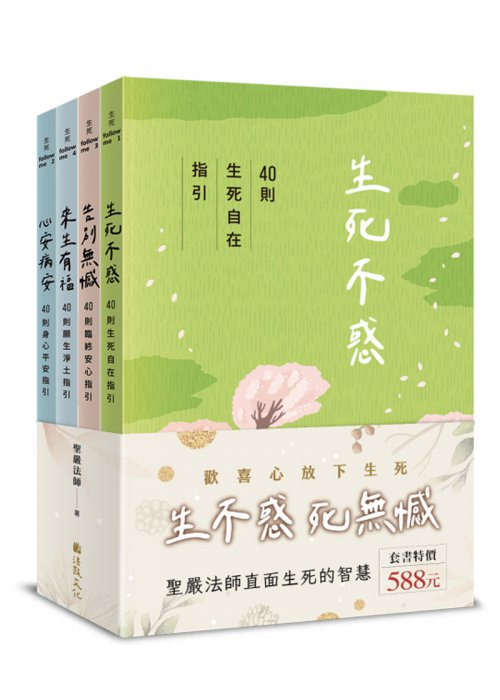
「生不惑、死無憾」生死有福套書 (全四冊)
最美的祝福歡喜心放下生死
「衰老與死亡看起來是很悲傷的事情,但即使是悲傷,也是持續生滅的。」「人之所以害怕死亡,是因為不知死後該何去何從?」「若有定力,便知天下本來無事,好好處理便是。」生命的每一階段,都有一定的任務。當每一個階段的任務結束,必須進入另一階段時,便是生命之光的無限延伸。關於生死,讓我們放下擔憂或輕忽的心,關懷他人、造福自己、勇敢面對;永遠需要給自己一個希望。聖嚴法師的智慧生死觀,讓我們的生命旅程更自在平安!「生不惑、死無憾」生死有福套書(全四冊)《生死不惑——40則生死自在指引》建立正確的生死觀。活在當下,面對生死!《心安病安——40則身心平安指引》生病是一場真正的修行。活得快樂,病得健康!《告別無憾——40則臨終安心指引》讓祝福代替悲傷,圓滿無憾。告別是一種放下的智慧!《來生有福——40則願生淨土指引》為來生做最好的準備。放下生死,迎向新生!
作者簡介
聖嚴法師(1930~2009年)1930年生於江蘇南通,1943年於狼山出家,後因戰亂投身軍旅,十年後再次披剃出家。曾於高雄美濃閉關六年,隨後留學日本,獲立正大學文學博士學位。1975年應邀赴美弘法。1989年創建法鼓山,並於2005年開創繼起漢傳禪佛教的「中華禪法鼓宗」。聖嚴法師是一位思想家、作家暨國際知名禪師,曾獲臺灣《天下》雜誌遴選為「四百年來臺灣最具影響力的五十位人士」之一。著作豐富,中、英、日文著作達百餘種,先後獲頒中山文藝獎、中山學術獎、總統文化獎及社會各界的諸多獎項。聖嚴法師提出「提昇人的品質,建設人間淨土」的理念,主張以大學院、大普化、大關懷三大教育推動全面教育,相繼創辦中華佛學研究所、法鼓文理學院、僧伽大學等院校,也以豐富的禪修經驗、正信的佛法觀念和方法指導東、西方人士修行。法師著重以現代人的語言和觀點普傳佛法,陸續提出「心靈環保」、「四種環保」、「心五四運動」、「心六倫」等社會運動,並積極推展國際弘化工作,參與國際性會談,促進宗教交流,提倡建立全球性倫理,致力世界和平。其寬闊胸襟與國際化視野,深獲海內外肯定。
作者
NT$
$588
|
74折
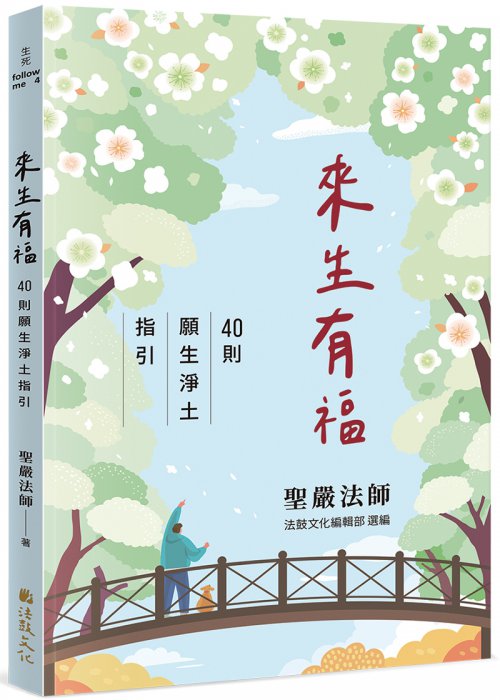
來生有福:40則願生淨土指引
來生是一種光明的希望,迎向新生,放下生死!面對未知的下一世,你是否擔心來生去處?死後的世界充滿神祕感,人們之所以害怕死亡,正是因為不知道自己來生是什麼樣的世界。佛教稱死亡為「往生」,表示死後是有未來的。此生的句點,可為來生佛國淨土的起點。如果生命的下一站是佛國淨土,那便只有滿心歡喜而沒有擔憂了。佛教相信有前生,但是不需要透過算命或神通去追問,因為最重要的是今生的努力。面對來生,也不需要擔憂將上天堂或下地獄,因為佛法就是解脫六道生死輪迴的方法,並提供往生淨土世界的道路。面對生死大業,聖嚴法師勉勵我們說:「活著時,要珍惜生命,感激生存,感恩生活,要好好地運用我們有限的這個生命旅程;死亡時,要心存感謝、充滿喜悅,要無懼、無憂、無悔、無怨、滿懷著悲願心,迎向光明的前程。」生死是一體的,出生的同時,生命就已在倒數計時,因此,我們要隨時做好面對死亡的準備,而最好的準備便是往生佛國淨土。因為念佛修行和培養福報,能讓我們的心與佛相應,不但來生有福,得以往生西方,今生也能活在美好的人間淨土!
作者簡介
聖嚴法師(1930〜2009年)嚴法師1930年生於江蘇南通,1943年於狼山出家。曾於高雄美濃閉關六年,隨後留學日本,獲立正大學文學博士學位。1975年應邀赴美弘法。1989年創建法鼓山,並於2005年開創繼起漢傳禪佛教的「中華禪法鼓宗」。聖嚴法師是一位思想家、作家暨國際知名禪師,著作豐富,中、英、日文著作達百餘種,先後獲頒中山文藝獎、中山學術獎、總統文化獎及社會各界的諸多獎項。聖嚴法師提出「提昇人的品質,建設人間淨土」的理念,相繼創辦中華佛學研究所、法鼓文理學院、僧伽大學等院校,也以豐富的禪修經驗、正信的佛法觀念和方法指導東、西方人士修行。法師著重以現代人的語言和觀點普傳佛法,陸續提出「心靈環保」、「四種環保」、「心五四運動」、「心六倫」等社會運動,更致力於國際弘化工作,其寬闊胸襟與國際化視野,深獲海內外肯定。
作者
NT$
$170
|
85折
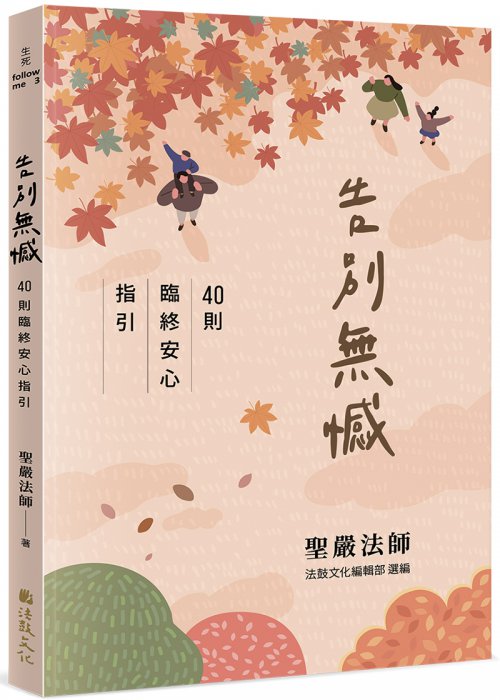
告別無憾:40則臨終安心指引
生命是暫時的任務,生死只是一個過程,讓祝福代替悲傷,臨終也可以很莊嚴、很有尊嚴。「死亡不是喜事,也不是喪事,而是莊嚴的佛事。」——聖嚴法師。建立正確的生死觀,便能「善生」,做好死亡規畫、接受臨終關懷,便能「善別」,告別是一種放下的智慧。聖嚴法師的40則臨終安心指引,從不同的面向探索臨終關懷,圓滿人生的最後一程。安心準備生死大事,佛法超度必得平安,放下此生,迎向新生!# 生涯規畫應納入死亡規畫# 照顧最後的平安與尊嚴# 臨終病患的佛法照顧# 如何面對意外的生離死別?# 最大的福報
作者簡介
聖嚴法師(1930〜2009年)1930年生於江蘇南通,1943年於狼山出家。曾於高雄美濃閉關六年,隨後留學日本,獲立正大學文學博士學位。1975年應邀赴美弘法。1989年創建法鼓山,並於2005年開創繼起漢傳禪佛教的「中華禪法鼓宗」。聖嚴法師是一位思想家、作家暨國際知名禪師,著作豐富,中、英、日文著作達百餘種,先後獲頒中山文藝獎、中山學術獎、總統文化獎及社會各界的諸多獎項。聖嚴法師提出「提昇人的品質,建設人間淨土」的理念,相繼創辦中華佛學研究所、法鼓文理學院、僧伽大學等院校,也以豐富的禪修經驗、正信的佛法觀念和方法指導東、西方人士修行。法師著重以現代人的語言和觀點普傳佛法,陸續提出「心靈環保」、「四種環保」、「心五四運動」、「心六倫」等社會運動,更致力於國際弘化工作,其寬闊胸襟與國際化視野,深獲海內外肯定。
作者
NT$
$170
|
85折

心安病安:40則身心平安指引
在醫學發達的今天,活得長壽已不是難事,重要的是要活得莊嚴,活得快樂自在。生病,是一場真正的修行。本書從多面向探索身心疾苦,以佛法為藥,療癒不安的心,使我們豁然開朗,活得快樂,病得健康!「我很忙,總能找出時間,完成應做的工作。我常病,總能調整身心,猶如健康地活著。」——聖嚴法師生病是人生的隨堂考,讓我們練習接受生死無常。聖嚴法師雖然一生病痛纏身,卻能病而不苦。一般人都將生病視為倒楣的事,只能無奈接受,聖嚴法師卻反而鼓勵我們轉念,若能心懷感恩,珍惜生病的修行機會,就能因禍得福,轉危為安。一個人如果找不到安心之道,伴隨著年老而來的就是病苦。如能擁有智慧的生死觀,不但能病得很健康,也不會因為怕老,執著於追求留住青春,而能老得很自在、很幸福。聖嚴法師提醒我們:「健康不一定是身上沒有病,而是在思想上要有智慧,即是『活得快樂、病得健康』。」法師認為真正的「健康」,是心理的健康重於身體的健壯,所以應當將生活的挫折,轉換成自我磨鍊。我們學佛後可透過生病的機會,學習善觀因緣、因果的法則,並修福修慧來提昇生命品質。正如法師所說:「面對果報、接受果報、改善果報,這才是最好的治病之道。」有時生病會讓我們直面生死,卻可從中體驗無常,而有豁達開朗的生死態度。願我們都能心安定、身自在,通過病的考驗,鍛鍊成一位生命智者。
作者簡介
聖嚴法師(1930〜2009年)聖嚴法師1930年生於江蘇南通,1943年於狼山出家。曾於高雄美濃閉關六年,隨後留學日本,獲立正大學文學博士學位。1975年應邀赴美弘法。1989年創建法鼓山,並於2005年開創繼起漢傳禪佛教的「中華禪法鼓宗」。聖嚴法師是一位思想家、作家暨國際知名禪師,著作豐富,中、英、日文著作達百餘種,先後獲頒中山文藝獎、中山學術獎、總統文化獎及社會各界的諸多獎項。聖嚴法師提出「提昇人的品質,建設人間淨土」的理念,相繼創辦中華佛學研究所、法鼓文理學院、僧伽大學等院校,也以豐富的禪修經驗、正信的佛法觀念和方法指導東、西方人士修行。法師著重以現代人的語言和觀點普傳佛法,陸續提出「心靈環保」、「四種環保」、「心五四運動」、「心六倫」等社會運動,更致力於國際弘化工作,其寬闊胸襟與國際化視野,深獲海內外肯定。
作者
NT$
$170
|
85折
生死不惑:40則生死自在指引
未來有希望,生死不茫然聖嚴法師直面生死的智慧面對親人或朋友的死亡,我們心裡一定不會快樂,就算是佛陀也一樣。在這本書中,聖嚴法師用40則指引,從不同的角度探索生死,引導讀者思考人生的意義,探索生死謎題,從生死徬徨轉為生死自在。你將學習到如何建立正確的生死觀,從而化解種種的擔憂、誤解和困惑。你將認識死亡的三種層次,從而走向超越生死的境界。你也會明白,活著的每一刻都是珍貴的,而死亡是生命旅程中不可或缺的一部分。面對生死,我們必須珍惜當下,才能活出真正自在的人生。書中提到,生命的意義不在於目的,而在於過程。只有當我們正確面對死亡,才能活得更加快樂與充實。無論是佛教徒還是非佛教徒,本書都將對你產生深遠的影響。◆ 死亡就像是工作一天累了,需要休息、睡覺,去洗個澡就睡了。如果能把死亡和睡覺看成相同的層次和狀況,就很自然,也用不著害怕了。◆ 對許多人而言,衰老與死亡看起來是很悲傷的事情,但即使是悲傷,也是持續生滅的。如果對死亡一直抱持悲傷的態度,那麼也一定會持續將悲傷帶到生命中。◆ 即使一生一帆風順的人,在他們的心裡,仍有苦惱,仍感懷疑:「為什麼好像孤零零地被生在這個世界上?」因此,我們在聽到佛法之後,就應該了解生到世界上來,是因為自己的往昔因緣所造成,不是受制於他人。能不能有辦法來改善自己、提昇生命,才是重要的課題。◆ 人的每一段生命劇本會不同,但困境會重複;自殺是對生命的毀約,因為你臨陣脫逃,沒有按照劇本演出。◆ 有人常說:「生命無價。」勸人愛惜生命,雖有道理,但還不夠具有說服力。生命不是用價值看,而是義務。生命再苦,也要過完,就是面對它、接受它、處理它,最後放下它。◆ 能生則必須求生,非死不可則當歡喜地接受;感恩生存,也當感謝死亡。◆ 我們的人生價值,就是讓自己幸福、平安、健康、快樂,同時也讓跟我們相關的人平安、幸福、健康、快樂,這是我們的目的。
作者簡介
聖嚴法師(1930〜2009年)聖嚴法師1930年生於江蘇南通,1943年於狼山出家。曾於高雄美濃閉關六年,隨後留學日本,獲立正大學文學博士學位。1975年應邀赴美弘法。1989年創建法鼓山,並於2005年開創繼起漢傳禪佛教的「中華禪法鼓宗」。聖嚴法師是一位思想家、作家暨國際知名禪師,著作豐富,中、英、日文著作達百餘種,先後獲頒中山文藝獎、中山學術獎、總統文化獎及社會各界的諸多獎項。聖嚴法師提出「提昇人的品質,建設人間淨土」的理念,相繼創辦中華佛學研究所、法鼓文理學院、僧伽大學等院校,也以豐富的禪修經驗、正信的佛法觀念和方法指導東、西方人士修行。法師著重以現代人的語言和觀點普傳佛法,陸續提出「心靈環保」、「四種環保」、「心五四運動」、「心六倫」等社會運動,更致力於國際弘化工作,其寬闊胸襟與國際化視野,深獲海內外肯定。
作者
NT$
$170
|
85折
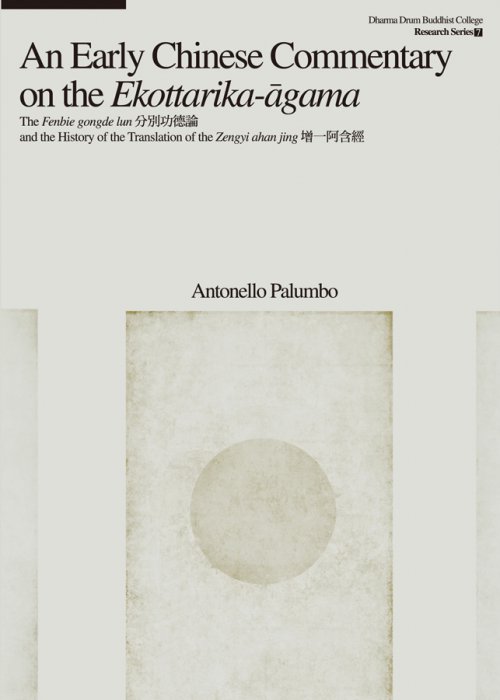
An Early Chinese Commentary on the Ekottarika-āgama
This study reassesses an old problem in the history of Chinese Buddhism, the origins and nature of the Zengyi ahan jing 增一阿含經 (Taishō 125). It does so by a close investigation of the Chinese translation of the Ekottarika-āgama at the end of the fourth century and of its most important witness, the Fenbie gongde lun 分別功德論 (Taishō 1507). It is argued that the latter document, whose original title was Zengyi ahan jing shu 增一阿含經疏, should be seen as an unfinished commentary to the newly translated collection, produced within the original translation team (including Dao’an 道安, Zhu Fonian 竺佛念 and the Indo-Bactrian master Dharmananda) during the tumultuous end of the Qin秦 empire of Fu Jian苻堅in A.D. 385. This reconstruction yields further insights into the cultural origins of the Chinese Ekottarika-āgama, and its broader significance for the history of Buddhism.
作者簡介
Antonello Palumbo is Lecturer in Chinese Religions at the School of Oriental and African Studies, University of London
NT$
$391
|
85折

Things Pertaining to Bodhi: The Thirty-Seven Aids to Enlightenment 三十七道品:菩提之路
The Thirty-seven Aids to Enlightenment are a set of fundamental teachings of Buddhism in the form of a list. The list’s seeming simplicity belies the fact that it is in fact a kind of road map to enlightenment for anyone who follows it with diligence and sincerity. The Thirty-seven Aids comprise seven practices conducive to awakening. Each of the seven practices is itself a set of elements, which add up to the total of thirty-seven: (1) The Four Foundations of Mindfulness, (2) The Four Proper Exertions, (3) The Four Steps to Magical Powers, (4) The Five Roots, (5) The Five Powers, (6) The Seven Factors of Enlightenment, and (7) The Noble Eightfold Path. Master Sheng Yen’s down-to-earth teachings take the reader on a progression through each of the practices—many of which are familiar to all major schools of Buddhism—illustrating how they relate to the reader’s own practice on the path toward enlightenment.
作者
NT$
$791
|
85折
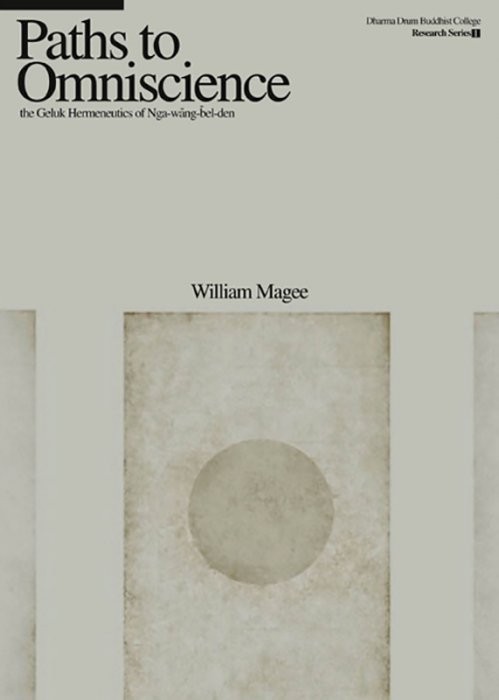
Paths to Omniscience: the Geluk Hermeneutics of Nga-wāng-bel-den
Buddhism suggests that it is possible to investigate the nature of reality ourselves; but to do so one needs to differentiate definitive teachings from those of interpretable meaning. William Magee’s book, Paths to Omniscience, discusses a number of topics related to the interpretation of scripture according to Dzong-ka-ba, Jam-yang-shay-ba, Nga-w?ng-bel-den, and other great scholars of the Geluk world. Paths to Omniscience also addresses the Geluk approach to the practice of hermeneutics. Even within the lineage itself, scholars have not always agreed about interpretation of scripture. Paths to Omniscience describes intricate maneuvers enlivening the spirited controversies of these emminent Lamas. Paths to Omniscience also includes translations of thirty annotations from Nga-w?ng-bel-den’s Annotations for (Jam-yang-shay-ba’s) "Great Exposition of Tenets". These annotations show how diverse and wide-ranging a great commentarial author can be in his treatment of the basic text. Far from being mere footnotes to Jam-yang-shay-ba, the Annotations can instead be viewed as a seminar on his Great Exposition of Tenets.
NT$
$383
|
85折

The Poetry of Enlightenment 開悟的詩偈(英文版)
To my knowledge there are no anthologies of Ch’an poetry in Chinese, Japanese or English which describe in detail the method of practice and the experience of Ch’an Furthermore, there are few prose sources in English dealing with the same topics On the other hand, there are numerous books in English that relate the episodes of the kung-ans(koans)The prevailing view that comes from reading these stories is that the practice of Ch’an is methodless, and since there is no way to describe the experience of Ch’an, it is suggested that we just go ahead and practice by studying the kung-ans The purpose of these poems is different in that they specifically show you how to practice, what attitudes to cultivate and what pitfalls to beware of Finally, they attempt to describe the ineffable experience of Ch’an itself These poems flow directly from the minds of the enlightened Ch’an masters; we get a glimpse into their experience at the time of, and after their enlightenment In contrast, in reading a kung-an we get an objective story of what happened and we don’t really know what was in their minds. It is my hope that this collection of poems will give those who are interested in the practice a new way of looking at Ch’an and a more balanced view of the scope of Ch’an literature The present selection is offered to make this tradition available to Western readers who may otherwise not be aware of their existence.
NT$
$536
|
85折

星星掉下來,爸爸你會接住嗎?
用愛接住孩子,體認生命的未知與改變
凱特格林威大獎提名插畫家.暖心力作!
「我會掉下去嗎?」種子問。會,不過,新的芽很快就會從你掉落的地方冒出來。
「我會掉下去嗎?」雨滴問。會,不過,你將讓溪流和池塘清新起來,並且充滿生命力。
「我會掉下去嗎?」花瓣問。會,可是你飄落下來所帶的香氣,能讓空氣充滿芬芳。
「我會掉下去嗎?」李子問。會,可是你甜美的紫色果實,將被採集和分享。
「爹地,我會掉下去嗎?」「有時候會,不過,我永遠會在這裡接住你。」
跟著小女孩與爸爸,一起走進自然世界,探索季節的變換和生命的奧祕。
充滿詩意與療癒力的故事,是一場關於正念與當下的溫柔對話,特別適合用來撫慰擔憂不安的情緒。
【編輯聊心室】寫給正在陪孩子長大的你
這本繪本以一句重複的提問開始:「我會掉下去嗎?」種子、雨滴、花瓣、甚至星星與影子,都一一發出這樣的疑問。
每一次落下,都伴隨著一個溫柔的答案:是的,你會掉下來——但落下之後,你會發芽、會滋養土地、會照亮黑夜、會成為森林的音樂。
書中沒有逃避不安,而是用自然萬物的變化教我們:掉下來並不等於消失,而是另一種存在的方式。
直到最後,孩子問:「爹地,我會掉下去嗎?」
爸爸回答:「有時候會,不過,我永遠會在這裡接住你。」
讀到這裡,我的心也跟著落下了,落進那分無論如何都不會放手的愛裡。
這本書表面上談的是自然的循環,實際上說的是:當孩子對未知感到害怕,我們能用怎樣的溫柔去回應。它提醒我:與其阻止孩子「掉下來」,不如讓他知道——無論發生什麼,你都會在他身邊,成為那雙永遠張開的手。
推薦給每一位正在陪孩子長大、偶爾也擔心自己不夠好的父母。
【繪本放大鏡】爸媽的愛,一直都在!
這是一則溫暖、快樂、令人欣慰的故事,講述了自然、成長、學習,最重要的是,當我們跌倒時,愛如何將我們扶起來。這本溫馨小品也適合爸媽在睡前和孩子分享。
無條件支持的愛,主要來自原生家庭,爸媽給予寶貝最直接的愛護和照顧。從對寶寶的細心呵護、學步兒的生活自理學習階段,到變成學校新鮮人,爸媽從孩子的人生的啟蒙老師,到退居幕後、成為探索人際關係的最佳軍師。陪伴與傾聽,向來是親子維繫關係中不可或缺的,親愛的爸媽,你準備好接住孩子的每一次落下了嗎?
本書特色
.聚焦孩子的 SEL 能力涵蓋情緒辨識、自我覺察、情緒管理與親密關係等社會情緒學習(SEL)能力,幫助孩子理解自己與他人,培養安全感與正向連結。
.親子對話溫柔有力量當孩子面對未知(如死亡、分離、長大)的疑問,父親始終以溫柔的言語回應,給予安定與希望,成為最溫柔而堅定的依靠。在變動的世界中,愛與陪伴是孩子最穩定的力量。
.自然循環與生命流動書中以「種子、雨滴、花瓣、星星」等自然事物擬人發問:「我會掉下去嗎?」象徵孩子對萬物終結與變化的疑慮。每個回答都溫柔指出:落下不是結束,而是新的開始。
.富有詩意的生命教育全書以詩句與優美場景傳遞「接受轉變、相信愛」的生命觀,引導孩子從自然萬物中學習勇敢、溫柔與希望,理解愛如何穿越改變,始終存在。
適讀年齡:3~6歲親子共讀,7歲以上自己讀,附注音
作者簡介
海倫.莫提姆(Helen Mortimer)
海倫一向熱愛文字。畢業之後,她從出版階梯的底層起步,享受往上攀爬的每一步,最後放眼即是繪本世界的美妙風景。她在英國牛津大學出版社工作了十五年,尋找像是蘿倫.柴爾德(Lauren Child)、布萊恩.懷德史密斯(Brian Wildsmith)、柯奇.保羅(Korky Paul)這類的作者和繪者。
海倫離開原本的工作崗位後,有更多時間寫作,讓她相當享受,還因此寫了不少童書,其中包括首部繪本《歐瑪、蜜蜂與我》(Omar, the Bees and Me),後續還有《恩佐、小燕子與我》(Enzo, the Swallows and Me)、《冬季願望》(The Winter Wish)等作品。
熱門家庭學習教育系列《大詞彙小書》(Big Words for Little People),由 克莉絲蒂娜・塔帕奈斯(Cristina Trapanese) 插圖,隨後推出了兩個新系列《數學詞彙小書》(Maths Words for Little People)和《科學詞彙小書》(Science Words for Little People)。
海倫在不忙寫作的時間,發揮身為自由編輯的所長,替範圍廣闊的出版客戶工作。她住在英國牛津郡鄉間。
繪者簡介
卡羅萊納.拉貝伊(Carolina Rabei)
卡羅萊納自小喜愛畫畫,學習美術,在摩爾多瓦獲得平面設計學士學位後,到知名的劍橋藝術學校攻讀童書插畫,得到學位且表現優異。她在英國劍橋附近的家中工作,從大自然及她的小兒子身上找到許多靈感。她喜歡從事各種各樣的項目,創造溫暖而溫馨的世界。
其作品常見傳統與現代技巧的獨特結合,第一本圖畫書作品即令人驚豔,是替英國詩人沃爾特‧德拉梅爾(Walter de la Mare)的詩作《雪》繪製插畫,出版後備受好評,獲得了英國凱特.格林威大獎的提名,並名列《獨立報》2011年「4至7歲最佳童書清單」之一。隨後,她繼續為費伯出版社(Faber)繪製了德拉梅爾的其他作品,如《夜行》、《夏日夜晚》和《銀色》。
卡羅萊納熱衷於參與多元創作專案,藝術風格融合了傳統與數位技術,展現獨特的視覺魅力。
譯者簡介
謝靜雯
專職譯者,譯有兒少書和繪本多冊。在小宇宙的繪本譯作有《穿著小黃鞋的狗》、《小騎士大戰內褲噴火龍》、《內褲噴火龍學認字》、《打敗可愛怪獸,就要睡》、《歡喜神奇的黃色巴士》等。
譯者
謝靜雯
NT$
$281
|
78折

餐桌上的幸福溝通課:有效改善蔬食者與非蔬食者間關係之指南
即使「純素」是你基本的信念,但並不意味你只能和蔬食者在一起。相反的,與那些有不同想法的人密切合作,更振奮人心。當你保持開放與好奇心,用愛試著去理解其他人,將愛放在信念之前,這份愛將能超越信念,讓你能更優雅且有智慧地經營各種關係,進而與他人達成更令人滿意的溝通。蔬食者和非蔬食者經常會覺得彼此生活在不同的世界,然而兩者之間的關係和溝通破裂並非不可避免,使用正確的工具,就可以培養、修復甚至加強健康的關係連結。在現今社會中,許多蔬食者感受不到被理解和尊重,他們最在乎且珍視的信念未被看見,而當他們試圖談論這個話題時,經常會被拒於門外,因而感到沮喪。葷食者可能感覺與蔬食者沒有交集,不完全理解他們的信念,挫敗感由此而生,蔓延到彼此的互動之中。在本書中,國際知名的食物心理學專家和長期關係教練梅樂妮·喬伊(Melanie Joy)博士提供了易於理解、實用的建議,讓您能夠:.學習建立健康關係的原則和工具.了解如何在飲食方面最具挑戰性的話題上進行有效溝通.認識到不論是否身為蔬食者,自己的心理狀態會如何影響您與他人以及您與自己的關係
作者簡介
梅樂妮.喬伊 Melanie Joy, PhD麻州大學波士頓分校心理學與社會學教授。榮獲賽布魯克(Saybrook)研究所社會心理學博士學位,哈佛教育研究所教學與課程的教育碩士學位。為知名純素運動人士,名氣主要來自於宣導肉食主義一詞。在麻州大學波士頓分校擔任心理學與社會學教授,2010年創辦「摒棄肉食主義」——亦稱「肉食主義覺醒行動」——的非營利倡導團體,擔任主席一職。著有《動物行動的戰略(Strategic Action for Animals)》、《盲目的肉食主義:我們愛狗卻吃豬、穿牛皮?(Why We Love Dogs, Eat Pigs, and Wear Cows: An Introduction to Carnism)》一書。作品詳情請見 melaniejoy.org 與 carnism.org。
譯者簡介
留漪(張家珮)瑜珈行者,喜親近自然、自助旅行、吸貓及體驗精彩人生。台灣大學藥學系畢業,中華民國高考藥師。曾任台灣動物權遊行、世界動物權日等大型運動總召,共同創辦台灣友善動物協會(Kindness to Animals, KiTA),並於全球200位提名者中脫穎而出,獲頒「全球動物權運動之幕後英雄獎」,將台灣動物權(Animal Rights)及維根運動(Vegan Movement)與國際接軌,及展現全食物蔬食(Whole Food Plant-based diet)的力量,盼幫助更多人迎向身心健康。在投入數年後漸漸體悟,向外走是一段永無止境的旅程,心智永遠找不到解答。每個人只有從內在改變自己,人類的生活質量才會真正改變,生命也將成為喜悅的展現,轉而踏上探索深沉內在的轉化之路。「愛並非關乎某個人,愛不是某種行為,愛是你存在的方式。」— Sadhguru(薩古魯)
譯者
留漪(張家珮)
NT$
$383
|
85折

蝴蝶 想著今天過每一天
把孩子無法意會的「珍惜時間」換個說法其實就是把握每一刻,做你想做和該做的事別再說等一下、晚一點、等到以後……「現在」就開始吧!經過了漫長的等待,一隻美麗的蝴蝶破蛹而出,來到這個世上。蝴蝶很快地展開初次飛行,一路上他認識了「明天」將會結出果實的花兒、「六個月」後就會飛向遙遠國度的鳥兒、在池塘裡悠游了「好多年」的鴨子、「幾千年來」始終如一的小石頭……年輕的蝴蝶似懂非懂的聽著新朋友們說起這個名為「時間」的東西,但是不論大家談論的是多麼久遠的以後,還是很快就會到來的等一下,蝴蝶一點也不在意,因為他有好多事情要做,好多東西想看,還有好多東西等著他去發現……他一分一秒都捨不得浪費,更不想把時間花在等待。 當人們想著事情可以明天去做、夢想可以留到未來實現,在蝴蝶的世界裡,卻沒有等一下、晚一點或者以後,因為他相信「時間」就是現在,就是當下……蝴蝶說:「我只想要精彩地活在今天,讓今天成為我生命中最美的一天!」和我們相比,蝴蝶在這個世上能夠停留的時間非常短暫,但是他卻從不可惜或者抱怨自己的時間不夠,緊緊抓住每分每秒,把握每一次飛翔的機會,開創屬於自己的世界,活出生命的無限可能。蝴蝶用輕盈而堅定的姿態實踐了「活在當下」的意義,提醒我們別再瞻前顧後,專注當下,每一個人都能夠活出精采的每一天!★ 跟著蝴蝶飛翔,生命的時鐘原來可以這麼不一樣。一本真摯而深刻的生命教育繪本!★ 《跟著爸媽媽旅行的溫暖回憶》繪者再次施展魔法,引領讀者走入大自然的綺麗風光!
作者簡介
克里斯汀.梅禾費耶(Christian Merveille)克里斯汀來自比利時,是一名創作歌手也是作家。他創作的歌曲與書籍在法語區國家廣泛流傳,作品也時常出現於法語教材中,是著名法語兒童雜誌Doremi, Pomme d’Api的合作夥伴。
繪者簡介:
伊恩.德埃伊(Ian De Haes)出生於比利時,在那慕爾H.E.A.J.高等學院學習電腦繪圖後,至布魯塞爾的聖路克藝術學院主修插畫。他熱愛童書繪本插畫創作,同時也是平面設計師、畫家,還專精於數位修圖及產品設計。於大穎出版的其他作品有《跟著爸爸媽媽旅行的溫暖回憶》、《我找到不怕黑夜的方法了》等書。
譯者簡介:
謝孟渝(Mandy Hsieh)台灣人。現居義大利,曾旅居求學法國4年。從事法語教學,著有法語學習書籍,亦累積多本翻譯作品。希望透過語言的力量為讀者敞開另一個文化的大門。
譯者
謝孟渝
NT$
$281
|
85折
正在載入更多商品......