搜尋結果
共
338
筆符合商品
排序

現代佛法十人(一):現代中國佛教之父:楊仁山
改變近代佛教發展的十位大師,若要了解他們的生平、他們帶來的影響、他們如何重振佛教,必不能錯過的經典文選!★ ★ ★楊仁山──現代中國佛教之父,開創了當代佛教研究新紀元的劃時代大師楊仁山出身於官宦世家,科舉功名一蹴可幾的他,因為偶遇一部《大乘起信論》走上終身護持、推廣佛法的路。他沒有出家,卻以自己的人脈和資源,在國內融會譚嗣同、章太炎等一時之選的學者參與佛法討論;在國際進行佛經的交換出版,以及佛教文化的國際交流。他的「祇洹精舍」雖然只辦了短短兩年時間,就學的人數也只有僧俗十來人而已,但其中太虛和歐陽竟無兩位,分別為清末民初的出家學僧和在家佛教學者打開了新路,對接下來佛教的發展有決定性的影響。楊仁山對於現代漢傳佛教的發展,可說起了關鍵的影響作用。本書除介紹楊仁山的生平之外,並收錄他的重要論述文章、以及與友人來往書信,可以體會這位影響現代佛教甚深之修行者,其思想與氣魄。套書特色《現代佛法十人》套書:楊仁山、太虛、歐陽竟無、虛雲、弘一、印光、圓瑛、呂澂、法尊、慈航.了解漢傳佛教如何從清末的衰頹至民國後的中興,再到現今的發揚光大,必不可錯過認識這十位佛學大師.無論隸屬何種教派、任何修行程度,本書皆為理解漢傳佛學橫切面的經典鉅著.民初四大師:虛雲、弘一、印光與太虛法師的精華文選皆收錄此中.聖嚴法師、星雲法師、證嚴法師、惟覺法師等影響臺灣佛學的重要宗教家,皆與十位大師有所師承或因緣.提供理解禪宗、臨濟宗、淨土宗、律宗在近代教義發展演變的途徑.漢傳佛教如何進入西藏、且藏傳佛教在近代的漢譯路線為何,也在本套書中可覓得解答
作者介紹
主編者簡介洪啟嵩國際知名禪學大師。年幼深感生死無常,十歲起參學各派禪法,尋求生命昇華超越之道。二十歲開始教授禪定,海內外從學者無數。其一生修持、講學、著述不輟,足跡遍佈全球。除應邀於臺灣政府機關及大學、企業講學,並應邀至美國哈佛大學、麻省理工學院、俄亥俄大學,中國北京、人民、清華大學,上海師範大學、復旦大學等世界知名學府演講。並於印度菩提伽耶、美國佛教會、麻州佛教會、大同雲岡石窟、廣東南華寺、嵩山少林寺等地,講學及主持禪七。創辦南玥覺性藝術文化基金會、印度菩提伽耶全佛公益信託,現任中國佛教會學術委員會主任委員、中華大學講座教授、臺灣不丹文化經濟協會榮譽會長。畢生致力以禪推展人類普遍之覺性運動,開啟覺性地球,二〇〇九與二〇一〇年分別獲舊金山市政府、不丹王國頒發榮譽狀,二〇一八年完成「世紀大佛」巨畫,獲金氏世界紀錄認證「世界最大畫作」,面積超過一萬兩千平方公尺,二〇二〇年獲諾貝爾和平獎提名。歷年來在大小乘禪法、顯密教禪法、南傳北傳禪法、教下與宗門禪法、漢藏佛學禪法等均有深入與系統講授。著有《放鬆禪法》、《睡夢禪法》、《坐禪之道》、《禪觀秘要》、《如何修持心經》、《前未來》、《天天都成功》、《愛情的22個關鍵辭》、《送你一首渡河的歌》、《送你一首財富的歌》、《送你一首智慧的歌》及《飲一杯心茶》、觀音傳十萬史詩系列首部曲《楊枝淨水》、《佛經地圖:百經卷》等近三百部。黃啟霖臺大哲學系及國家發展研究所畢,一九八三年與洪啟嵩成立文殊佛教文化中心、文殊出版社,一九八九年擔任中央電台編譯至今。譯書有《圓滿之愛──達賴喇嘛訪美演講集》(時報文化)、《開創時代的政治巨人》系列之毛澤東、周恩來、鄧小平、達賴喇嘛(鹿橋文化)。
作者
NT$
$323
|
85折
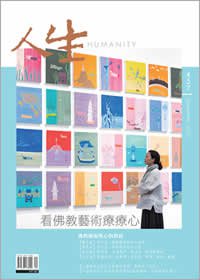
人生457期:看佛教藝術療療心
看佛教藝術療療心新冠疫情使得人際更顯疏離,內心潛伏著不安、恐懼的情緒,卻也多了獨處與寧靜,正是開啟與心對話的契機,佛教藝術正是一把啟動身心療癒的鑰匙。賴文英從四聖諦談佛教圖像是藉由心意識造作的美感經驗,開發內在本有的覺性,為身心療癒提供一條自覺覺他的道路;郭祐孟帶我們走進佛教藝術的歷史軌跡,了解石窟造像與禪觀修行的關係。林保堯老師領著我們散步新疆克孜爾石窟、甘肅敦煌莫高窟,賞析壁畫中演繹的佛身相好、佛土莊嚴;跟著郭金福、惠風上雲端,飽覽博物館佛像,與古人「聊聊」心,也「療療」自己的心。寬謙法師、藝術家胡軍軍、曾亞琪分享學佛因緣,繼而觀佛、畫佛,從佛教藝術中深入佛法教義,探索生命實相。今年春雨遲遲不來,還好自然農法種植的茶樹有「根性」,順利挺過乾旱;五月大雨過後,茶樹紛紛冒出新芽,充滿生機,請看張顥嚴的「心農業進行式」。「平安湯之味」來碗竹笙猴菇煲香梨,暖胃也暖心;再試試常見食材素肚的創意吃法,為秋節加點新鮮。佛教藝術與心的對話【觀念篇】賴文英:佛教藝術與身心療癒【歷史篇】郭祐孟:為禪觀而造的石窟【賞析篇】林保堯 石窟散步、郭金福 雲端觀佛趣【分享篇】寬謙法師、胡軍軍、曾亞琪 學佛、觀佛、畫佛【心農業進行式】自然農法茶樹 果然有「根性」!【平安湯之味】竹笙猴菇煲香梨&創意捲餅 中秋暖胃也暖心
作者
NT$
$30
|
17折
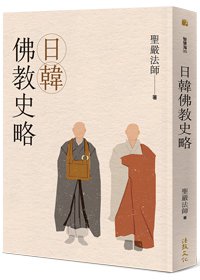
日韓佛教史略
◆ 罕見難得的日本、韓國佛教史。◆ 史料完整、考證詳實,加上聖嚴法師獨特的文筆見地,出版後即受到大眾的喜愛,多次再版,並深獲學術界好評。聖嚴法師認為,在了解佛法和研究戒律時,不能忽略佛教歷史的演變,於是深深感覺到確實有必要編寫一部能為現代人所接受的佛教通史,促使法師以無比的熱忱投入佛教史的編寫。本書為日、韓佛教史,中國著名各大宗派,都曾在其歷史上開花結果且大師輩出,尤其法師以生動流暢的文字,介紹了兩國近200位的高僧,得以讓我們一窺日、韓佛法的東傳丶流布與開展,以及對政經、文化的深遠影響。本書特色‧ 聖嚴法師編寫,視野精要宏觀,適合現代人閱讀。‧ 結合歷史、哲學、宗教與文學,內容深入淺出,史料豐富詳實。‧ 附錄:越南、美國、錫蘭佛教史略說。
作者簡介
聖嚴法師(1930〜2009年)1930年生於江蘇南通,1943年於狼山出家,後因戰亂投身軍旅,十年後再次披剃出家。曾於高雄美濃閉關六年,隨後留學日本,獲立正大學文學博士學位。1975年應邀赴美弘法。1989年創建法鼓山,並於2005年開創繼起漢傳禪佛教的「中華禪法鼓宗」。聖嚴法師是一位思想家、作家暨國際知名禪師,曾獲臺灣《天下》雜誌遴選為「四百年來臺灣最具影響力的五十位人士」之一。著作豐富,中、英、日文著作達百餘種,先後獲頒中山文藝獎、中山學術獎、總統文化獎及社會各界的諸多獎項。聖嚴法師提出「提昇人的品質,建設人間淨土」的理念,主張以大學院、大普化、大關懷三大教育推動全面教育,相繼創辦中華佛學研究所、法鼓文理學院、僧伽大學等院校,也以豐富的禪修經驗、正信的佛法觀念和方法指導東、西方人士修行。法師著重以現代人的語言和觀點普傳佛法,陸續提出「心靈環保」、「四種環保」、「心五四運動」、「心六倫」等社會運動,並積極推展國際弘化工作,參與國際性會談,促進宗教交流,提倡建立全球性倫理,致力世界和平。其寬闊胸襟與國際化視野,深獲海內外肯定。
作者
NT$
$272
|
85折

圖解佛教禪定與解脫:決定佛陀證悟的關鍵【修訂版】
每段生命轉生命中,您不一定有如此的殊勝因緣。我們要做對的事,然後一步一步把事做對。解開千年以來佛教禪修最爭議的問題-到底要進入多深層的禪定,才能證悟涅槃?誤以為深層禪定即涅槃,這錯誤的觀念將造成無有出期的輪迴。禪修者如何掌握定中起觀,止觀雙運的微妙之處?禪定產生的頂級喜樂究竟會不會障礙證悟?其他宗教的靈修方式到底與佛教有何關係?禪修的次第要如何呢?書中最後將分析佛陀所教導的禪修法,解開一連串的謎。你將從本書找到改變你生命的解答…
作者簡介
釋洞恆學歷:(1)圓光佛學院、研究所畢業。(2)斯里蘭卡培樂峌尼亞大學哲學(佛學)博士。經歷:曾任圓光佛研所圖書館館長、圓光學報執行編輯,並於台灣佛教文物特藏室、漢傳佛教圖像文獻研究室擔任助理。現於圓光佛學院及研究所教授巴利文、巴漢經典選讀、原始佛教禪定學、佛學英文等。心歷:恭謙嚴謹又有智慧的洞恆法師,深知禪定之於解脫的重要性,又自古以來,每位行者經驗不一,留下許多關於證悟的謎團。法師從原始佛教經典巴利尼卡雅與漢譯阿含經,去研究分析佛陀禪修歷程。又應學生請求,將積累多年研究心血,精練出《圖解佛教禪定與解脫》。
作者
NT$
$493
|
85折

器物的象徵:佛教打造的中國物質世界
豐贍有趣的一幅佛教物質文化圖景開啟宏觀視角,淺入深出、一氣呵成行文雅緻親和、涉獵探索獨特引領讀者跳脫「常識」與「通識」此部歷久彌新的漢學經典對西方人的佛教研究,具有承先啟後的地位對東方人習以為常的物事感官,撬開縫隙,露出穎奇亮點它找回我們漸漸喪失了的挖掘故事的契機從具有靈力的舍利、佛像,到佛教象徵物的念珠、如意、僧伽衣具和被佛教功德觀念引導的書籍、寺院、橋梁擴及受佛教影響的椅子、糖和茶……交融深度靈識與閱讀興味的遍路之旅柯嘉豪教授——全美最優秀的佛教研究學者之一柯嘉豪教授是美國史丹佛大學宗教研究系的教授,是世界聞名的漢學家。本書為其最重要的代表作,書中討論了佛教的傳入如何影響中國的物質文化,從而深刻地改變了固有的生活方式,角度非常新穎且具有啟發性。柯嘉豪教授說:「雖然佛教懷疑感官享受和棄絕物質世界的態度總是無處不在,然而如果我們拋下這眾多繁奧的教義和義理,轉而看一看佛教被實踐的方式,就不難發現物質性物品在佛教中的重要性。」在此書之前,西方學者撰寫中國通史時,除了提到佛教在思想、信仰以及儀式等方面的激蕩外,很少強調佛教曾影響中國的物質文化;同時,也很少留意佛教的流傳與物質文化間的關係,因此本書在西方的佛教研究,具有承先啟後的地位。而此書對從小就習慣佛教存在的臺灣讀者來說,其最重要的價值是引領讀者從一個較宏觀的角度來看佛教對我們日常物質文化的影響,促使我們思索宗教物品在信仰與生活中所扮演的角色,此外,內容出乎意料地生動有趣。再者,「如果不是作者從普通常識中撬開那一絲縫隙,我們或許也就想當然地接受了那些所謂的『常識』,喪失了挖掘物品背後精彩故事的契機。」
作者介紹
作者簡介柯嘉豪(John Kieschnick)美國史丹佛大學宗教研究系教授 (The Robert H.N. Ho Family Foundation Professor of Buddhist Studies) 。研究方向為中國佛教,尤其關注佛教文化史。另著有The Eminent Monk: Buddhist Ideals in Medieval Chinese Hagiography(University of Hawaii Press,1997)。
譯者
趙悠, 陳瑞峰, 董浩暉, 宋京, 楊增
NT$
$442
|
85折

圖解百字明:藏傳佛教第一咒,讓一百尊佛菩薩幫你清除負面能量【暢銷經典版】
學習金剛乘的基本功課消除累世負面能量的最佳入門咒語採用唐代僧侶金剛智的原始譯版,還原更準確的念誦在一字一句解析之後,教導如何「觀修獨尊相」、「雙身相金剛薩埵」若能在了解咒語含意之下念誦,同時搭配觀想就可以呼喚並連結宇宙諸佛菩薩的能量讓正面能量累積的功效增加百倍以上!.念誦咒王百字明,等於祈請一切諸佛菩薩,念誦一切諸佛菩薩心咒,淨除一切障蔽與負面業行。.過去印度和西藏的大成就者消除業障,都是實修金剛薩埵百字明,因此稱其為懺罪之王。.逐字逐句解析「百字明」、「短咒」、「種子字」,充分掌握金剛薩埵根本咒的原貌原意與精髓。.圖像式拆解金剛薩埵獨尊、雙身觀想的每一個步驟,修持者能夠清晰、快速地融入觀修情境。◎誰是金剛薩埵?金剛薩埵是本質如鑽石般純淨的本初佛,代表諸佛之始,擁有堅固不變、歷劫百生而不壞的特質。祂是每個人本來就具有的菩提心之具體表現,其性質堅固如金剛,無法摧毀破壞。◎為什麼要念誦金剛薩埵百字明?百字明總集了一切智慧與大力,是淨化惡業第一咒,含括一切咒語的精髓,能掃除修行障礙,幫助修持者清除累世輪迴所積累的惡業罪障,同時有助於累積功德、應對世俗世界、改變精神世界,並生出無量福德智慧。「百字明」可歸納為十一句結構,從開始第一句的「虔誠誓約」咒句,到第二句本尊金剛薩埵的顯現,接著是內在能量的持續累積,由「堅定安固」到「在心與業的榮耀閃亮」,進而獲得實際的清淨功德。當體會一切的圓滿之後,第十句咒句祈請金剛薩埵不要捨棄,而最後第十一句的大三昧耶,更是要讓真誠的心維持源源不絕的能量。金剛乘修學者若能學習了解「百字明」字句含意,在念誦該咒以呼喚、連結宇宙諸佛菩薩的能量來進行懺悔、清除罪業時,必能更具信心與效力。本書首先藉由藏傳佛教大師帶領我們認識因果業力、掌握金剛薩埵法的修持要點後,再以圖解的方式展開五個篇章,引導每個學習者了解為什麼要開始修習金剛薩埵法,並逐句深入解析金剛薩埵百字明的意義、金剛薩埵獨尊觀修法、金剛薩埵雙身觀修法、金剛薩埵種子字等,讓經常口誦百字明的學習者深入了解百字明、短咒、種子字的意義,掌握其精髓;更讓觀修金剛薩埵本尊法的學習者,透過圖像式的解析能一看就懂,很快融入觀想的情境。
作者簡介
張宏實藏傳佛教、唐卡藝術研究者。擅長運用電腦工具以及各種圖解、圖表解析法,探討佛教經典和佛教藝術。曾多次參與國際性藏傳佛教藝術展覽的作品翻譯與解說工作,包括:「慈悲與智慧:藏傳佛教藝術大展」、「清宮祕藏:承德避暑山莊藏傳佛教文物展 」、「祕境寶藏:達賴喇嘛珍藏文物展」、「美的沉思:中國佛雕藝術」等。個人著作圖解金剛經【暢銷經典版】(2020)圖解心經【暢銷經典版】(2019)圖解無上瑜伽(2009)圖解西藏生死書(2005)探索西藏唐卡:揭開藏傳佛教即身成佛的祕密(2004)藏珠之樂2:古代神秘的眼珠與護身符(2000)藏珠之樂1(1999)探索唐卡.佛部與菩薩部(1998)璀璨琉璃.戰國古珠(1997)古域瑰寶.聖眼傳奇(1996)西藏神域.辟邪瑰寶(1995)滄海遺玉.細說琥珀(1994)
作者
NT$
$323
|
85折
聖嚴研究第十四輯:聖嚴法師與禪學研究
漢傳佛教具有開創性、消融性,正是現代世界所需。第七屆漢傳佛教與聖嚴思想國際學術研討會,以「敘事、傳播與現代社會」為主題,邀請國內、外學者共同討論,提供人們漢傳佛教生活實踐之道,共創美好世界新活力。本書精選研討會八篇論文,分為「明代佛教研究」和「禪門修證指要」二大篇。明代佛教在中國佛教史上有融會各宗、承先啟後的重要地位,聖嚴法師即是明末佛教研究先驅,論文收錄明末大師蕅益智旭著作研究、晚明居士佛教研究等。《禪門修證指要》是聖嚴法師所彙整的禪學思想史資料,也是禪修的重要指南,論文中對《禪門修證指要》的發明與創新,及其獨特的禪學思想,有諸多精彩討論。
作者簡介
徐聖心 國立臺灣大學中國文學系教授李 瑄 四川大學中國俗文化研究所教授簡凱廷 國立成功大學中國文學系專案助理教授王啟元 復旦大學中華古籍保護研究院副研究員廖肇亨 中央研究院中國文哲研究所研究員張德偉 廣州暨南大學哲學系副教授周玟觀 國立中興大學中國文學系副教授蒲傑聖 美國布朗大學宗教系助理教授
作者
NT$
$306
|
85折
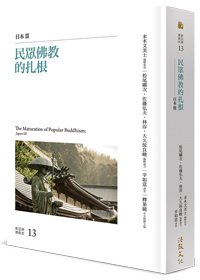
民眾佛教的扎根:日本III
日本學界嶄新論述‧多樣的思想文化風貌江戶幕府將佛教納入政府系統化管理,一方面又建立嚴格的寺院制度,鼓勵僧人進行學術研究;在相對和平的歲月中,江戶佛教取得長足的發展,又與民眾的日常生活息息相關。甚至日本近代化的進程中,佛教也扮演了積極的作用。在此同時,佛教與儒家或天主教等佛教外部人士的論爭,也提供了一個認識近世思想流派交鋒或互攝的各種可能性,激盪出多樣的思想文化風貌。本書對近世佛教的思想義理、詩文繪畫等探討,都有精彩突出的表現。◆ 精彩收錄第一章 天主教與佛教【專欄】秀吉的征韓與佛第二章 近世國家與佛教【專欄】天海的遺產:天海版《一切經》木活字第三章 佛教與江戶諸思想【專欄】文人與佛教:京都文人僧在寶曆時期所發揮的功能第四章 教學進展與佛教改革運動【專欄】黃檗版《大藏經》第五章 幕府寺社奉行與勸募宗教者——山伏、虛無僧、陰陽師【專欄】《血盆經》 松下みどり第六章 「葬式佛教」的形成【專欄】四國八十八處寺院的札所與空海十大弟子畫像特論І 透過佛像所見的古代日本佛教【專欄】若沖的佛畫特論Ⅱ 佛教建築的變遷「新亞洲佛教史」系列日本佛教學界近年來最大規模的結集,動員超過兩百位菁英學者,跳脫過去的宗派中心主義或歷史文獻學的限制,結合學術界最新的研究成果,呈現佛教研究範式的革新。除了教理教義、文獻語言、史料分析等傳統研究,在思維創新上更兼融了美術、考古、文藝、民俗等多領域的觀點,為佛教在亞洲遼闊的時空歷程,勾勒出更豐富、更多元的整合面貌。
作者簡介
黑住真(東京大學大學院教授)大桑齊(大谷大學名譽教授)曾根原理(東北大學學術資源研究公開中心助教)水上文義(財團法人東方研究會研究員)前田勉(愛知教育大學教授)中野三敏(九州大學名譽教授)西村玲(財團法人東方研究會研究員)渡邊麻里子(弘前大學副教授)林淳(愛知學院大學教授)松下みどり(日本女子大學兼任講師)岩田重則(東京學藝大學教授)真鍋俊照(四國大學教授)長岡龍作(東北大學大學院教授)辻惟雄(東京大學名譽教授)藤井惠介(東京大學大學院教授)
譯者簡介
辛如意臺北市人,政治大學新聞系畢業,名古屋大學國際開發研究所碩士畢業,同研究所博士肄業。翻譯著作有《蓬勃發展的中世佛教——日本II》、《日本佛教的基礎——日本I》、《佛教的東傳與中國化——中國I 南北朝》、《中國文化中的佛教——中國III 宋元明清》、《中國佛教研究入門》、《風月秦淮——中國遊里空間》、《空色勾玉》、《白鳥異傳》、《薄紅天女》、《風神祕抄》、《川之光》等書。
譯者
辛如意;中文版總主編:釋果鏡
NT$
$553
|
85折
承先啟後的中華禪法鼓宗
「中華禪法鼓宗」是法鼓山傳承的定位、宗風;由此開啟人間性、生活化的世界禪佛教!本書由聖嚴法師清楚說明:‧法鼓山的禪法傳承——臨濟、曹洞二大法脈,以及承襲之後的創新。‧法鼓山的修行與傳法,以及聖嚴法師對於漢傳佛教的使命感與責任心。【我的使命與責任】 聖嚴法師晚近因為有人指評漢傳佛教的缺失,是在於沒有修證次第及教學次第,甚至也不合印度阿含、中觀等之法義,於是便有人對於漢傳佛教失去研修的信心。其實並非如此簡單地便可將漢傳佛教揚棄,如若真的如此不堪,漢傳佛教兩千年來的光輝歷史,又是如何形成的呢?聖嚴一生所致力者,似乎涵蓋禪、淨、律、密以及各宗各派的教理教史,相當龐雜,其實我一向不會只為了學問的研究而做研究,必是為了佛法的實用而做研究,是為了使得傳統的中、印佛教諸宗,如何落實到現代人的一般生活之中,如何使得多數的現代人看懂,而且能應用佛法的智慧,是我畢生的使命和責任。我們知道,佛教原同一味,即是解脫味,唯其經歷印度大、小乘諸論師以及中國諸宗各大善知識的整理、修證、體悟,而化為文字的寶典,都是我們應當學習的資糧。只緣我是漢傳佛教的子孫,必須珍惜漢傳佛教的遺產,故自我創立中華佛學研究所伊始,即以「立足中華,放眼世界」,做為所訓的開端語。我們若拋開了漢傳的華文佛教而高談與世界的現代佛教接軌,恐怕很難找到自己被他人尊重的立場了!既然有人指責漢傳佛教之流弊,也就有人否定漢傳佛教之價值,並主張以印、藏佛教來取代漢傳佛教,或以之來批判修正漢傳佛教。我則不然,我是承接印度佛教根本思想,肯定藏傳佛教優良面,卻以漢傳佛教做為立足點,漢傳佛教之好是在於有其消融性、包容性、適應性、人間的普及性以及社會的接納性。因此我是將印度佛教(包括巴利語系)乃至藏傳佛教引為漢傳佛教的源頭活水,來滋潤助長漢傳佛教的發揚光大於現今及未來的世界。否則若以印度佛教及他系佛教來批判修正漢傳佛教,便等於為漢傳佛教舉辦告別式了。這種態度不僅是人類智慧遺產的損失,也是佛教歷史的憾事。何況人類文化的歷史是向前演進的,一定有其演進過程的必要性及合理性,如果再把歷史倒轉來走,回到其源頭豈不是僅剩下根本的原始佛教,而凡是發展的部派佛教以及印、漢、藏的各派大乘佛教,都要被修正或拋棄了呢?
作者簡介
聖嚴法師(1930〜2009年)1930年生於江蘇南通,1943年於狼山出家。曾於高雄美濃閉關六年,隨後留學日本,獲立正大學文學博士學位。1975年應邀赴美弘法。1989年創建法鼓山,並於2005年開創繼起漢傳禪佛教的「中華禪法鼓宗」。聖嚴法師是一位思想家、作家暨國際知名禪師,著作豐富,中、英、日文著作達百餘種,先後獲頒中山文藝獎、中山學術獎、總統文化獎及社會各界的諸多獎項。聖嚴法師提出「提昇人的品質,建設人間淨土」的理念,相繼創辦中華佛學研究所、法鼓文理學院、僧伽大學等院校,也以豐富的禪修經驗、正信的佛法觀念和方法指導東、西方人士修行。法師著重以現代人的語言和觀點普傳佛法,陸續提出「心靈環保」、「四種環保」、「心五四運動」、「心六倫」等社會運動,更致力於國際弘化工作,其寬闊胸襟與國際化視野,深獲海內外肯定。
作者
NT$
$153
|
85折

近世的佛教:開展新視界的思想與文化
在日本江戶時代寺檀制度下,因中國黃檗宗傳入及出版文化影響,日本近世佛教產生富活力之轉變,一新眾人觀感。末木文美士為日本知名佛教學者,主要研究領域為佛教學,以及以佛教為核心的日本思想史。主要著作包括《平安初期仏教思想の研究:安然の思想形成を中心として》(春秋社,1995)及《鎌倉仏教形成論:思想史の立場から》(法藏館,1998),近年來則將研究視野擴展至日本近現代的佛教思想。本書出自日本知名人文領域專門出版社吉川弘文館「歷史文化Library」系列,以深入淺出的概說方式,向一般民眾介绍學界的最新研究成果。本書以日本近世佛教為主題,副標題「開展新視界的思想與文化」,徹底顛覆既有對江戶時代佛教的認識。一般認為江戶時代的日本佛教,在幕府的支配下不斷墮落,思想上沒有任何發展,全然被同時期的儒教、國學等思想體系取代。然而,作者在本書中透過各種資料說明,在江戶時代寺檀制度下,佛教雖然受到管理,卻因為中國傳入的黃檗宗以及出版文化的蓬勃發展,而產生富有活力的轉變。作者透過從中世到近世的宗教思想演變,描繪出不同以往認識的近世佛教樣貌。
作者
譯者
郭珮君
NT$
$255
|
85折
聖嚴研究第十三輯:聖嚴法師圓寂十週年國際研討會論文集
面對日新月異的時代發展、社會需求,漢傳佛教如何繼往開來?聖嚴法師指引的漢傳佛教生活智慧,不但是人類的安身立命之道,更能與時俱進,提供全方位的生命關懷,開創幸福的美好未來。聖嚴法師圓寂十週年(二○一九)舉辦之「佛法與社會科學」國際研討會,邀請近百位海內外學者發表「佛法」與「社會科學」的跨領域研究論文,提供漢傳佛教的智慧於各領域運用與研究,開創人人都能安心、安身、安家、安業的幸福社會。本書精選研討會的四篇專題演講、十一篇論文,橫跨佛法於經濟、公共治理、財務會計企管與社會學等四領域之研究,多方面深度探討聖嚴法師「建設人間淨土」的社會關懷和實踐方法。議題包括:社會學和佛法智慧的修持經濟富足與心靈安樂佛法與永續發展正念影響情緒平衡之研究「緣起領導」管理模式正念對工作家庭間情緒溢出調節功能的初探……等
作者簡介
Joel Magnuson獨立經濟學者Frances Berry美國佛羅里達州立大學Askew公共行政與政策學院教授Simon S.M. Ho香港恆生大學校長Richard Madsen美國加州大學聖地牙哥分校社會學系榮譽教授許永河國立成功大學經濟學系教授尤淨纓元智大學管理學院國企學群助理教授賴子珍元智大學管理學院國企學群副教授江靜儀銘傳大學經濟與金融學系助理教授朱金池中央警察大學行政警察學系教授兼警政管理學院院長吳志軒香港大學佛學研究中心名譽助理教授李啟華天主教輔仁大學會計學系副教授彭奕農國立臺北大學企管系助理教授陳思伃台北大學企業管理學系碩士陳定銘法鼓文理學院人文社會學群教授兼學群長徐郁雯國立中央大學客家學院客家語文暨社會科學學系博士生陳維武澳洲墨爾本大學社會工作系博士生/副研究員王宣曆美國哥倫比亞大學宗教學博士Rebecca S. K. Li美國新澤西大學人文社會科學學院社會學與人類學系副教授(依文章順序排列)
作者
NT$
$553
|
85折
聖嚴法師中華禪法鼓宗禪法研究
本書為果暉法師發表的論文五篇,深度探索中華禪法鼓宗的思想源流與修行學理。五篇論文,原則上都是學術性論文,但也都兼具有修行上的實用性,這也是我做學術研究的本意所在。 ——釋果暉實用方便的漢傳禪法聖嚴法師在西方弘揚漢傳禪佛教三十年,無非為以禪法為內涵來建立起全球性心靈價值。聖嚴法師幾乎每一次開示禪法或者演講禪學時,用「小我、大我、無我」之三層次來講解的比例相當高。雖然用的名詞不一樣,但幾乎都與這三個層次是相應的。這三個層次雖然講從小我開始修行,如果在小我之前,就是指沒有修行的一般人的層次,所以經常是在有妄想心、散亂心的狀態,那也就是散亂的我。用基本的禪修方法,可以體會到稍為安定的我時,從而認識到禪修前的我是多麼散亂、多麼不安定。從認識自我的過程之中體會到修行的好處,並且有必要繼續修行以不斷地提昇自我,這雖還是「小我」的層次,但是對一般人而言,已有相當地受用。法師畢生以復興承自禪宗六祖惠能大師之漢傳禪佛教悲願。特別是根據「無我之如來藏」方便,開創簡樸、扼要的「小我、大我、無我」之具有人間性、實用性、適應性之漢傳禪法,並將其弘傳至東西方。不僅如此,法師更將其弘揚禪法的歷程、內容記錄下來,成為一本一本的禪修著作供世人參考運用。法師也表明這些著作:「不是學問而是修行用的。這些書不是論文,但是,這些資料都是經過學術考證而來的,它的功能是實踐的。」 這都再次顯示法師於著作之撰寫,雖運用了學術方法,但其最終悲願是:要將他所體驗到的佛法、禪法毫不保留地與世人分享。本書收錄中文論文3篇、英文論文2篇原發表於各屆的聖嚴思想研討會,經審核後,刊於各輯《聖嚴研究》,今合集以方便讀者閱讀。一、聖嚴法師之漢傳佛教復興運動——以漢傳禪佛教為中心二、漢傳禪佛教之起源與開展——中華禪法鼓宗默照禪修行體系之建構三、中華禪法鼓宗話頭禪學理思想之研究——兼論宗密的九對頓漸四、A Study on the Phenomenon of “Sweating All Over” and the Process during Chan (Zen) Enlightenment: Historical Examples and the Case of Master Sheng Yen’s Meditation Experience 五、Master Sheng Yen’s Chan Thought and Contemporary Society: A Preliminary Exploration
作者簡介
釋果暉1958年出生於臺灣雲林,1985年在法鼓山創辦人聖嚴法師座下出家,2005年獲日本立正大學文學博士。歷任聖嚴法師侍者、祕書、禪坐會輔導師、農禪寺都監、法鼓山僧伽大學院長、法鼓山僧團副住持及法鼓文理學院佛教學系系主任,並為聖嚴法師2005年傳法法子。2018年接任法鼓山僧團第六任方丈。1997年赴日本立正大學深造,博士論文題為「修行道之研究——以《佛說大安般守意經》為中心」,研究專長包括禪定學、安世高研究、初期漢譯禪經研究、生死學等。身為聖嚴法師接引的第一批禪修弟子、法鼓山僧團初建的第一代成員,果暉法師發願承接聖嚴法師的悲願,弘揚漢傳禪佛教,利益眾生。
作者
NT$
$289
|
85折

悉達多的花園──佛系熱帶植物誌:日常中的佛教典故、植物園與花草眾相
第一本從植物學視角深入賞析80種佛典與傳說裡的花草眾相
《看不見的雨林》、《舌尖上的東協》作者──胖胖樹最新生態與人文力作佛教起源於印度半島,屬亞洲熱帶雨林區域,因此在佛經或佛教故事當中,常出現亞洲的熱帶花草、樹木。佛教的創始者釋迦牟尼,本名悉達多,據佛經記載,佛祖的出生、悟道、傳道、涅槃,都有樹木依傍身側。後來這些樹木也成為佛門聖樹,種於寺院旁,寓意佛法。佛經中還記載諸多印度當地物產,反映當時風土民情,如胡椒、薑、薑黃、芝麻、芒果;更有眾多阿育吠陀藥用植物。除此之外,佛教的傳說、法器、祭祀中,也充滿了熱帶植物身影。為了讓讀者便於理解佛教文化與佛系植物,胖胖樹將全書分為兩大部、十四章。第一部從生活中的電影、戲劇、小說、漫畫,挖掘其中所蘊藏的佛教典故與世界觀,第二部介紹栽種有這些佛系植物的植物園與院校,讓人得以親見佛典與傳說中的婆娑身影。每一章跟著主題收列80種佛教花草與聖樹。期許從生活中容易被忽略的佛教典故出發,透過照片與趣味的小故事,認識佛教植物的燦爛。"在透過本書的植物介紹而「見花是花」之外, 更能層層昇華,從實相離岸至無我的宇宙觀。 猶如繁花落下,悟覺善美的彼岸意境。" ──董景生博士文化、佛教界真心推薦(依姓名與首字筆畫排序)心保和尚 佛光山寺住持 果暉法師 法鼓山方丈董景生 林業試驗所植物園組組長謝哲青 作家、知名節目主持人【關於佛教、印度、熱帶植物的小故事】‧航海王、霹靂布袋戲、金庸小說……蘊含佛教世界觀?‧到天竺取經的玄奘法師竟是斜槓達人,身兼佛學家、翻譯家、地理學家、民族植物學家!‧日常生活中常聽到的瑜伽、阿育吠陀跟佛教有什麼關聯?‧台灣早期的植物分類學如何受到佛經的影響?而台灣研究佛教植物的先驅,竟是兩位篤信基督教的日籍學者?‧佛寺旁常栽種的佛祖涅槃之樹,不是佛經裡的娑羅樹本尊?‧在台灣「惡名昭彰」的黑板樹,竟是佛教傳說裡的聖樹?‧日本傳說通往冥界路旁的「彼岸花」,佛經裡其實並未記載?‧成語「曇花一現」主角──佛教與印度教的聖樹「優曇華」是無花果?‧同是外來植物,為什麼有的冠上「胡」字,如胡麻、胡荽?有的則冠以「番」字,如番茄、番石榴?【本書特色】1. 從大眾熟悉的影視、典故、文學作品挖掘其蘊藏的佛教文化,介紹佛祖生平、佛教世界觀、印度物產、佛陀與高僧……帶出植物背後的寓意。2.收錄80種源自佛經與佛教傳說的花草與聖樹,輔以彩色照片,列舉佛經出處與植物學知識,並且簡要介紹阿育吠陀的藥用知識。3. 詳細考證每一種植物的梵文名稱,並透過對植物本身的觀察,與佛經裡所描述的植物形態比對查證。同時也指出一些被張冠李戴的聖樹,並推敲部分無法尋得出處的植物。4. 哪裡能欣賞這些佛教植物?台北植物園設置有佛教植物區,彰化植物園栽植三聖樹,此外還有竹山下坪熱帶植物園、美濃雙溪熱帶樹木園、台灣大學、中興大學,推薦讀者六個適合踏青、探尋佛緣的地方。
作者介紹
作者簡介胖胖樹 王瑞閔作家、插畫家暨熱帶雨林植物愛好者。座右銘「如果一輩子只能做好一件事,希望此生可以為台灣留下更多活的文化資產(熱帶植物)」。從孩提至今,夢想打造一座熱帶雨林植物園。為了實現夢想,自大學起一方面不斷蒐羅考證相關資料與文獻;一方面尋找失落的熱帶雨林植物,足跡遍布全台。同時,也將這些熱帶植物的記錄分享在臉書與部落格「胖胖樹的熱帶雨林」。為籌措實現夢想的資金,台大森林研究所畢業後還進入房仲業工作五年。三十歲,為了讓更多人了解自己的夢想,矢志成為作家,並在2018年完成第一本著作──十八萬字的圖文書《看不見的雨林──福爾摩沙雨林植物誌》,之後第二本書《舌尖上的東協──東南亞美食與蔬果植物誌》與第三本書《悉達多的花園──佛系熱帶植物誌》也分別於2019年與2020年出版。﹝胖胖樹的熱帶雨林﹞胖是半、月二字組成。樹是一種生長緩慢的生命型態。取名胖胖樹,是提醒自己人生多數時候並不圓滿,也有警惕自己不自滿的意思,並要求自己要像樹一樣有耐心,雖然慢,仍要日日學習、成長。就像這十多年來對自己夢想的承諾,也許不被了解,也許困難重重,仍舊堅持著,希望有一天兩個胖字可以成就一輪明月。部落格:https://raywang1016.pixnet.net/blog臉書:胖胖樹的熱帶雨林(Fat-Fat Tree Tropical Rainforest)《看不見的雨林──福爾摩沙雨林植物誌:漂洋來台的雨林植物,如何扎根台灣,建構你我的歷史文明、生活日常》‧Openbook 2018年度好書 美好生活書‧博客來2018年度百大選書‧第43屆金鼎獎「優良出版品推薦」與「圖書編輯獎」《舌尖上的東協──東南亞美食與蔬果植物誌:既熟悉又陌生,那些悄然融入台灣土地的南洋植物與料理》‧Openbook 2019年度好書 美好生活書‧OKAPI 2019年第二季書籍好設計
作者
NT$
$553
|
85折

阿毘達磨佛教思想論
全球最新中文譯本知名佛教學者 江燦騰教授專文導讀東亞現代佛學研究權威——木村泰賢,奠基於《阿毘達磨論之研究》文獻辯證,以阿毘達磨為論述中心,從佛陀、宇宙、世界、心理、倫理、修道等六個主題,有系統地說明各部派的起源與發展,並予以比較、檢討,深入經藏,探求阿毘達磨真義。木村泰賢畢生致力研究阿毘達磨佛教思想,先前已將前人研究阿毘達磨佛教的文獻資料寫成《阿毘達磨論之研究》一書,並另有諸多著述是為了闡明大小乘思想上的關聯而作的準備,本書可謂是阿毘達磨佛教研究的精髓之作。
作者簡介木村泰賢(1881-1930)生於日本岩手縣,日本曹洞宗僧侶,為岩手縣東慈寺住持。佛教學者,東京帝國大學(今東京大學)文學博士與教授。後歷任曹洞宗大學(今駒澤大學)講師、日本女子大學講師、東京帝國大學講師。1918年,以《印度六派哲學》一書,獲得日本學士院恩賜獎。他是日本研究印度哲學及佛學的權威,著有《印度哲學宗教史》、《印度六派哲學》、《原始佛教思想論》、《阿毘達磨論之研究》、《人生的解脫與佛教思想》等,歿後出刊的《木村泰賢全集》六卷到現在仍對佛教學界有莫大的貢獻與影響。譯者簡介釋依觀臺南人,十八歲剃度,就讀於佛光山東方佛教學院,剃度恩師是星雲大師。曾參與中華佛教百科文獻基金會出版的《中華佛教百科全書》以及嘉豐出版社的《廣說佛教語大辭典》之編纂。出版過的翻譯書籍有:《天台思想史》、《天台大師之研究》、《阿毗達磨之研究》、《大乘佛教之研究》、《佛教論理與實踐》、《密教經教儀軌解說》、《梵我思辨:木村泰賢之印度六派哲學》、《印度哲學宗教史》新譯本、《阿毘達磨論之研究》、《原始佛教思想論》。
作者
譯者
釋依觀
NT$
$536
|
85折

手繪圖解.佛教史:不可不知的88則經典佛學知識 ╳ 100幅趣味插畫,秒懂深奧佛學,離苦得樂不遠矣!
淺顯易懂的敘述口吻 ╳ 一目瞭然的圖表插畫將佛教的歷史文化精華,以最易懂的圖解方式呈現給你!#此佛系非彼佛系 #圖解你應該知道的佛教史豆知識 ✦ 你認識台灣兩大宗教之一的佛教嗎──西元前6世紀佛陀創立佛教,流傳至今已有2千5百多年,是世界三大宗教之一,也是其中起源最早的,歷史背景悠久,開枝散葉於世界各地。台灣深受漢傳佛教的影響,長期交融之下甚至已佛道不分,比如道教出現了佛教的如來佛祖和觀音菩薩、佛教的伽藍神之一也成了道教中的關公。佛道之間有各自的思想與特色,在長時間的發展中,不免有互相影響之處。時至今日,我們對於最初佛教的成立與觀念、南傳佛教和藏傳佛教等各宗派的特色,以及知名僧侶的故事等應該知道的知識,卻多半少有認識。✦ 讓佛陀走過的軌跡更親切有趣──雖然時有耳聞現代人脫離宗教信仰,認為這是一種過時的迷信,但其實佛陀的教義蘊含著真正的平靜與持久的幸福,其傳遞的智識能為人生帶來真正的自由,值得細細深入探討。本書旨在趣味性,以圖解的方式淺顯易懂地解說佛教歷史演變、典籍內容與風俗習慣,幫你掌握佛教發展重點與轉折,透過故事或相關的提問,讓讀者對佛教不再是模糊的了解,能稍領略佛教原始本義,讓佛陀走過的軌跡更親切有趣,是一本讀得懂、用得到的佛教史入門書!◎ 何謂佛教?佛陀最初為何出家──➔ 佛陀的十大弟子是誰?➔ 佛、菩薩、阿羅漢有什麼不同?➔ 佛教的宇宙觀?◎ 吃得苦中苦方為人上人?佛陀眼中的「苦」是什麼──➔ 認識何謂「無明」、「五蘊」➔ 究竟有什麼苦?又有多少種苦?◎ 人生就是一場修行!但是要修行什麼──➔ 何謂修行的「八正道」?➔ 如何觀「四念處」?➔ 「波羅蜜」是什麼?✦ 閱讀本書你將能學到‧ 佛教「濫觴」、「發展」與「派別」──掌握佛教發展重點與轉折‧ 區分佛教的「神祇」及其來由──認識菩薩、阿羅漢、護法神與金剛等‧ 建構佛典的「宇宙觀」──大千世界的組成內容‧ 認識佛教「修行的法門與境界」──菩薩與羅漢的各種修行法門,擺脫無明癡愚‧ 佛教「代表性人物」──中國四大譯經師、第一位沙彌及各教派的重要人物等
編者簡介西北佛學研究社醉心於中國思想,認為思想的價值在於與時俱進,每個時代都該有其最適合的詮釋。插畫者簡介EnLin生於高雄,一位愛做白日夢的女孩。業餘時間兼職插畫工作者,喜歡透過畫筆表達內心世界。
作者
NT$
$272
|
85折
蓬勃發展的中世佛教:日本II
★ 探究日本院政時期至戰國時代的佛教史。★ 日本學界動員菁英學者的結集,作者群以整體觀點,依各別專攻的主題領域,進行層層闡述,為議論豐富、可讀性極高的論著。日本中世佛教,一般稱為「鎌倉新佛教」,禪宗從中國傳入,為日本佛教帶來新生。‧ 武士階層大力提倡禪宗,以助鞏固統治權。‧ 法然、親鸞、道元、日蓮、一遍等人,為抵抗舊佛教勢力而大為活躍。‧ 念佛法門的推廣,普及至庶民階層。‧ 宗派的架構確立,祖師們的言論思想,成為後人研究的重點。◆日本學界嶄新論述◆精彩收錄第一章 顯密佛教的發展【專欄】「聖教」世界第二章 新佛教形成【專欄】未來記第三章 佛教徒推行的社會活動【專欄】持經者第四章 儀禮與神話【專欄】夢第五章 室町文化與佛教【專欄】禪畫的世界第六章 一揆與佛教【專欄】地圖特論 變化中的日本佛教觀【專欄】立川流
作者簡介
蓑輪顯量 東京大學大學院教授阿部泰郎 名古屋大學大學院教授前川健一 東京大學大學院醫學系研究科GCOE「UT-CBEL」特任研究員小峯和明 立教大學教授松尾剛次 山形大學教授菊地大樹 東京大學史料編纂所副教授伊藤聰 茨城大學教授河東仁 立教大學教授原田正俊 關西大學教授島尾新 多摩美術大學教授神田千里 東洋大學教授黑田日出男 立正大學教授佐藤弘夫 東北大學大學院教授彌永信美 佛教學者
譯者簡介
辛如意臺北市人,政治大學新聞系畢業,名古屋大學國際開發研究所碩士畢業,同研究所博士肄業。翻譯著作有《日本佛教的基礎——日本I》、《佛教的東傳與中國化——中國I 南北朝》、《中國文化中的佛教——中國III 宋元明清》、《中國佛教研究入門》、《風月秦淮——中國遊里空間》、《空色勾玉》、《白鳥異傳》、《薄紅天女》、《風神祕抄》、《川之光》等書。
譯者
辛如意
NT$
$510
|
85折

印度佛教史
總結學術界在印度佛教方面的主要研究成果詳盡敘述印度佛教源流的生成與後續宗派發展本書是有關印度佛教的通史。全書從原始佛教論述到密教後期,也能注意到歷史發展之承先啟後的特質,讓讀者在展讀過後,可以對印度佛教的發展與流變有一通盤、均勻而不偏倚的理解。這部書能譯介到漢傳佛教學術界是值得讚嘆的,對國內學術基準的建立與學術共識的形成,應該是有益的;對客觀的佛教研究,應該也會有正面的影響。--法鼓山‧中華佛學研究所 藍吉富平川彰教授的名著《印度佛教史》以「原始佛教」、「部派佛教」、「初期大乘佛教」、「後期大乘佛教」、「密教」等五章,來論述印度佛教源流之生成,令鑒往知來;並探究佛陀本懷與宗派發展,使本末有序。此書各種議題考名責實,參考資料鉅細靡遺,內容調理分明,文筆深入淺出,不僅是學者專家之參考必備,也是初學大眾的入門指南。--法鼓文理學院校長 惠敏法師
作者簡介平川 彰東京帝國大學文學部印度哲學梵文科畢業,曾任東京大學教授、早稻田大學文學部教授、國際佛教大學院大學教授、理事長。著有《律藏的研究》《原始佛教的研究》《初期大乘佛教的研究》《大乘起信論》《印度、中國、日本佛教通史》《平川彰著作集》。為日本國寶級、世界聞名的佛教研究學者。譯者簡介釋大田(莊崑木)東京大學博士研究。
作者
譯者
釋大田(莊崑木)
NT$
$808
|
85折
聖嚴研究第十二輯
漢傳佛教的智慧,能否適應於現代社會?聖嚴法師的修行方式、能否實踐人間淨土?
二○一八年舉辦第七屆聖嚴思想國際學術研討會,以「敘事、傳播與現代社會」為主題,廣邀各界學者參與討論,以多重的宏觀視野,呈現出聖嚴法師的人間淨土願景——不只是漢傳佛教的理想社會,更是人人都能同享的幸福世界。
本書精選研討會的八篇論文,議題包括: 聖嚴法師的殯葬革新社會運動聖嚴法師何以接受澫益智旭的天台學聖嚴法師《大乘止觀法門之研究》寫作背景研究佛法與公司財務管理四福與企業永續發展佛法與快樂經濟佛教的幸福觀佛法與心理治療典範轉移可能性之探討
除深入的天台思想比較,更有貼切現代社會現況的殯葬文化、經濟學、心理治療等等實用觀察。
作者簡介
周柔含慈濟大學宗教與人文研究所副教授
郭朝順佛光大學佛教學系教授
林佩瑩輔仁大學宗教學系助理教授
詹場國立臺北大學金融與合作經營學系副教授
謝俊魁東海大學國際經營與貿易學系副教授
顏美惠自由研究者
江靜儀銘傳大學經濟與金融學系助理教授
許永河國立成功大學經濟學系教授
楊蓓法鼓文理學院人文社會學群副教授
(依文章順序排列)
作者
NT$
$357
|
85折
(英文版) 悟吧!在世界佛教村 Global Buddhist Awakening
Taiwan went through an intense period of social change in 1949. The island's politics, economy, ethnicity …… had undergone considerable change. In response this period of tumultuous change, Master Dong Chu founded the "Humanity" magazine to help people cope.
Seventy years later, "Humanity" had weathered being shelved, relaunched and redesigned. It still continues to publish topics that help people cope with the changes in today's world monthly. As "Humanity" approaches its 70th anniversary, it is encountering a different kind of changing world. 27 June 2018, with the aim of sharing the diversity of spiritual practices, we invited dharma masters from different traditions to share the compassion and wisdom of Buddhadharma. The full texts of the keynote speeches and panels are included in this special issue of " Awakening in the Global Buddhist Village".
"Humanity's" guiding teacher, Master Sheng Yen, dedicated his life to bringing Chinese Chan Buddhism to the West. Many Westerners who became his students twenty to thirty years ago continue to follow his footsteps, engage in self cultivation and teaching, establish centers and transmit the lineage. How did they discover Chan Buddhism and how did they find their teacher, Master Sheng Yen? These stories of the teacher and the student are very inspirational.
In the twenty first century, on this 70th anniversary of "Humanity" magazine, Buddhism has spread around the world resembling a global Buddhist village. From the United States of America, Bhikkhu Bodhi described his process of transformation from a traditional monastic to that of a social advocator because he witnessed the oppression of human beings caused by the current social systems; to Italy's Bhikkhun? Dhammadinn? who shared about her journey of how she went from learning dancing to engaging in Buddhist research and ultimately to becoming a female monastic.
Contributing to the world in our capacity of Chinese Chan Buddhism, "Humanity"70 along with the Buddhist Dharma family all over the world and our friends on the same path, let us "Awaken in the Global Buddhist Village"!
About the Humanity magazine
Founded in 1949, Humanity magazine was the first Buddhist magazine published and released in Taiwan. Founded by Ven. Dong Chu and later continued by his disciple Master Sheng Yen, it has been one of the most influential magazines in Taiwan’s Buddhist circles.
Humanity magazine concerns itself about contemporary development of Buddhism, and puts an emphasis on the uplifting of people’s minds and spiritual lives. Each month’s topic not only touches upon various social phenomena, but also explores from Buddhist concepts to worldly studies, to encourage readers to search their inner beings and incorporate Buddhist practice into their daily lives. For cover and layout design, the magazine has invited outstanding illustrators to help render an elegant yet fun style, thus through pages allowing readers to slow down and find a space for spiritual relaxation, self-transformation, and the enjoyment of purity and freedom by applying the Dharma in life.
The magazine had been discontinued for a while due to Master Sheng Yen’s solitary retreat practice. When it was reissued in 1982, as an encouragement, he wrote:
Seek progress in the ordinary life and see the glory of life in hardship.
Seek development in harmony and see the hope in the hard work.
Seek abundance in peace and calm and see the solemness in the training.
Seek wisdom in silence and see the compassionate aspiration in the proactive commitment.
In the future, the Humanity magazine will continue to uphold Master Sheng Yen’s encouragements and expectations, to keep on sharing Buddhist wisdom and compassion, to help bring brightness and hope to the world.
作者
NT$
$442
|
85折
雲水十方—淨海法師佛教文集
親近充滿慈悲與智慧的長老善知識,聽聞正法,生歡喜心,而信奉受行!
淨海法師的弘法步履,廣及世界各地,他乘願行向十方,雲水自在,期望無論東方或西方,都能實現美好的人間淨土。
本書精選法師筆耕半世紀的文章,跟著長老學佛精進,身心安樂!
【佛學篇】介紹基礎佛法概論,並解析重要佛典、佛學作品。【修行篇】涵蓋佛法的種種修行實踐,提供修行指南。【道誼篇】緬懷與師長道友的道情法誼。【雜文篇】包括書序、新聞感懷,及祝福開示等。【初級佛學課程】12堂精要的基礎佛學教材。
作者簡介
淨海法師
一九三一年出生江蘇泰縣。九歲出家,十六歲寶華山受戒,後就讀武進天寧寺佛學院。
一九四九年到臺灣親近慈航法師,於彌勒內院修學十年。一九六○年赴泰國學習泰文及巴利文,受南傳比丘戒,住進泰寺僧團,並入朱拉隆功佛教大學攻讀。一九六九年轉赴日本,入東京立正大學研究,獲佛教學碩士學位。
一九七二年受邀赴紐約弘法,一九七八年抱著拓荒精神去到美國南部休士頓,與師友合創德州佛教會,先後興建佛光寺、玉佛寺及美洲菩提中心;不分任何宗派和種族,推行現代化多元性弘法活動。現任德州佛教會傳燈長老、德州佛教書院院長。著有《唯識第一課——大乘廣五蘊論略解》、《南傳佛教史》、《覺海觀覽》、《佛國留學紀實》、《佛教史叢談散集》、《西方各國佛教略史》等作品,並譯有《真理的語言──法句經》、《佛陀畫傳》等譯作。
作者
NT$
$391
|
85折
正在載入更多商品......