商品分類
搜尋結果
共
78
筆符合商品
排序

陪你善終:跟隨臨床宗教師走入靈性困擾與靈性照顧之旅
探索「善終」旅程,描摹出獨一無二的生死智慧圖像補上一堂人人必修的生命課題當摯愛的親友面臨死亡,如何協助他們走完人生?當留下來的家屬面臨失落,如何陪伴他們走過悲傷?邀請你跟隨臨床宗教師的腳步,走入末期病人的靈性世界,看見生死變化、靈性跌宕昇華的歷程……認識生命終了的靈性課題,走出不一樣的生命樣貌……善終,沒有所謂的SOP,卻有可遵循的脈絡指引,善終,從好好活著、好好道別開始……面對醫療的極限,死亡的不可逆,末期病人往往有看不見、說不出的痛或苦,甚至連自己都不自覺,也就是現代醫學難以解釋、臨床上常見的「靈性課題」或「靈性困擾」。《陪你善終》結集十多位臨床宗教師數十年實務經驗與中西論點,深刻描繪末期病人生死變化歷程,超過一百七十則臨床真實故事與引導智慧,陪伴照顧無數病人安詳告別人生,生死都尊嚴。書中的每一位臨終病人,以身示範,用生命教會我們了悟生死,為每位珍視生命的讀者提供善終指引。當摯愛的親友面臨死亡,如何協助他們走完人生?當留下來的家屬面臨失落,如何陪伴他們走過悲傷?邀請您跟隨臨床宗教師的腳步,走入末期病人的靈性世界,看見生死變化、靈性跌宕昇華的歷程,認識走向生命終了的靈性課題,進而學習如何協助他們(摯愛的家人)走完人生,以及如何陪伴喪親家屬(或自己或親友)走過悲傷……補上一堂人人必修的生命課題,走出不一樣的生命樣貌……關於臨床宗教師臨床宗教師,經專業培訓,站在安寧靈性照顧第一線,最了解如何陪伴末期病人善別、善終。他們主要責任是維持病人的生命力,協助病人面對「靈性課題」(生死困頓),啟發病人內在生命力量,克服死亡恐懼,引導病人「瀕死前的準備」,以及「來生準備」。臨床宗教師雖然不是治癒者,卻是安寧療護專業團隊的核心成員之一,和醫護人員角色不同而形成互補,主要是超越宗教——靈性層面的陪伴照顧。
作者簡介
釋慧哲‧ 二○○○年參加臨床佛教宗教師培訓;蓮花基金會臨床宗教師甄審委員長。‧ 私立智光高級商工職業學校專任教師、教學組長、導師、教務主任、校長;圓光佛學院、福嚴佛學院、佛光山基隆與福山佛學院、萬佛寺中華佛教佛學院授課;社團法人普門慈幼慈善會理事長。‧ 佛光山東方佛教學院畢、輔仁大學畢、政大教研所暑期進修。釋普安‧ 二○○六年參加臨床佛教宗教師培訓;蓮花基金會臨床佛教宗教師督導‧ 台灣臨床佛學研究協會專業發展委員會主任委員;大林慈濟醫院臨床宗教師顧問。‧ 南華大學生死學系助理教授;南華大學生死學研究所碩士。釋宏琳 ‧ 二○○四年參加臨床佛教宗教師培訓;曾任台大安寧病房臨床宗教師培訓帶領法師。‧ 圓光佛學大學畢。釋慈廣‧ 二○○五年參加佛臨床佛教宗教師培訓;台灣臨床佛學研究協會第一屆理事、專業發展委員會、學術出版委員會委員‧ 玄奘大學宗教學研究所碩士釋法成‧ 二○○一年參加佛教臨床佛教宗教師培訓。‧ 台北市立大學人體研究倫理委員會委員、台北榮民總醫院人體試驗委員會;曾任職龍潭衛生所。‧ 佛光山叢林學院、圓光佛學院畢。釋照量‧ 二○○九年參加臨床佛教宗教師培訓。‧ 衛生福利部桃園醫院倫理委員會委員。曾任台大醫院護理師、嘉義市東區衛生所護士長、台北市政府衛生局醫護管理處醫政股長、玄奘大學通識生命教育兼任助理教授。‧ 高雄醫學院護理學系、華梵大學東方人文思想研究所碩士、中央大學哲學研究所博士。主要研究領域:佛教哲學、生命倫理學、臨終關懷。釋⾒溟‧ 二○○九年參加臨床佛教宗教師培訓。‧ 淨覺苑住持。‧ 中台女眾佛教學院研究所結業。釋演晧‧ 二○○七年參與臨床佛教宗教師培訓。‧ 元亨佛學院、香光尼眾佛學院、空中大學、法鼓文理學院生命教育碩士。‧ 現於香港慈山寺領職。釋純寬‧ 二○○七年參與臨床佛教宗教師培訓;台灣臨床佛學研究協會教育發展委員會委員。‧ 慈濟大學宗教與人文研究所副教授、輔仁大學長期照顧在職專班兼任副教授;曾任日本佛教大學社會福祉學課員研究、兼任講師。‧ 日本京都佛教大學社會福祉研究所碩士、博士;專長與研究領域:臨終社會工作、靈性照顧與悲傷關懷、社會福利、志願服務。釋恆礎‧ 二○○三年參與臨床宗教師培訓。‧ 美國紐約伯萊得藝術學院碩士。釋印融‧ 二○○七年參與臨床佛教宗教師培訓。‧ 香光尼眾佛學院畢。
作者
NT$
$408
|
85折
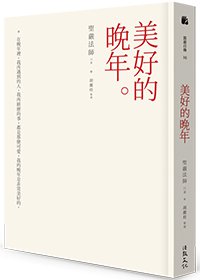
美好的晚年
以病痛示現色身的成住壞空。原來所謂的「美好」,並不在於外境與人事物的順遂,而是一種心境,一種看待生命的眼目與視角。本書由聖嚴法師親自口述,記載圓寂前的生活點滴。書中我們看到法師幾度面臨生死邊沿,飽受病痛摧折,卻不放棄生命意志,實踐他所發「盡形壽,獻生命」的願。即使抱病,每日活動行程依舊密集,以願力超越體力,完成了種種不可能的重任。不論他所經歷的人事如何、所承受的病苦如何,都感覺可愛,也因此為本書取名《美好的晚年》。「這本書,等我走了以後再出吧!」口述告一段落,法師忽作是語,語氣還是那般輕和。他回憶的口吻如此風輕雲淡,可是每一行程發生的當下,卻是極其深刻而豐偉。全書忠實呈現法師的口述回憶,是記憶裡那些可愛的人與可愛的事交會的因緣。【我的晚年是非常美好的】 ——聖嚴法師我的晚年生活,多半是在臺灣度過的,唯一的一次遠行,是在二○○六年深秋去了一趟美國。在臺灣,我的責任都交付出去了,我的任務沒有了,而要做的事好像也沒有了。可是還是有一些事要做,這些事我多半是被動的,主動的很少。我主動要做的,是發起一些社會運動,這是我很高興、很歡喜做的事,所以做起來很輕鬆;而被動的事,我只是應對而已,不需要花太多心血。主動的事是興趣,被動的事是任務,興趣和任務都不是負擔,所以我把這段期間的生活,稱為「美好的晚年」。在這個晚年,不再有任何事逼得我非做不可,我可以做的就做,不必做或者沒有想到要做的事,也就不去管它了。在晚年裡,我所遇到的人,我所經歷的事,都是那麼可愛,如果有些不甚可愛的人、不甚可愛的事讓我遇上了,還是覺得可愛。因此,我的晚年是非常美好的。二○○八年四月二十九日口述於中正精舍
作者簡介
聖嚴法師(1930〜2009年)
1930年生於江蘇南通,1943年於狼山出家,後因戰亂投身軍旅,十年後再次披剃出家。曾于高雄美濃閉關六年,隨後留學日本,獲立正大學文學博士學位。1975年應邀赴美弘法。1989年創建法鼓山,並於2005年開創繼起漢傳禪佛教的「中華禪法鼓宗」。聖嚴法師是一位思想家、作家暨國際知名禪師,曾獲臺灣《天下》雜誌遴選為「四百年來臺灣最具影響力的五十位人士」之一。著作豐富,中、英、日文著作達百餘種,先後獲頒中山文藝獎、中山學術獎、總統文化獎及社會各界的諸多獎項。聖嚴法師提出「提升人的品質,建設人間淨土」的理念,主張以大學院、大普化、大關懷三大教育推動全面教育,相繼創辦中華佛學研究所、法鼓文理學院、僧伽大學等院校,也以豐富的禪修經驗、正信的佛法觀念和方法指導東、西方人士修行。法師著重以現代人的語言和觀點普傳佛法,陸續提出「心靈環保」、「四種環保」、「心五四運動」、「心六倫」等社會運動,並極推展國際弘化工作,參與國際性會談,促進宗教交流,提倡建立全球性倫理,致力世界和平。其寬闊胸襟與國際化視野,深獲海內外肯定。
作者
NT$
$383
|
85折
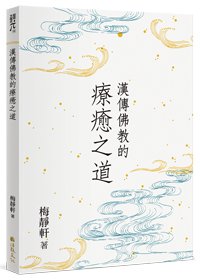
漢傳佛教的療癒之道
本書揭示古今醫學始終遺漏的珍貴寶藏。如能善用法藥,病痛本身就是一條療癒之道,治癒我們迷途的心。梅靜軒博士這本《漢傳佛教的療癒之道》是中國佛教醫學的一本優質入門書。對於了解中國佛教醫學這個領域,有助首度接觸者建立鳥瞰式的圖景,想繼續深入者亦可藉以開發研究方向。——黃國清教授〈導讀〉本書揭示古今中外醫學始終遺漏的重要領域,也正是佛陀內明教育與醫方明的亮點,對當今失序不寧的世界,實為一帖起死回生的妙藥。——姜淑惠(無著健康之道創辦人)肉體疾患源頭在心,糾結不只現世,更可回溯累世所造諸業習。本書剖析生命本質,提出法藥:懺悔、經懺、正念,正是輾轉求治不得癒者的救命寶筏。——李璧如(建中堂中醫診所醫師)「佛教醫學」是佛學研究中的一個新興領域,也可被歸類在人文醫學的範疇下。這領域嘗試探究與生、老、病、死息息相關的各種問題。無論是從教義思維、經典解讀、宗教實踐或社會文化等面向切入,分析與面對生死、疾病治療有關的一切。從古至今,無人能逃脫死神的羅網。死亡,是所有人類共同的永恆課題。疾病也從來不只是肉體細胞的變異、腐朽;疾病所牽動的不安煩惱,是更巨大的難關。佛法並非萬靈丹,卻可以是一帖解藥,解答了生老病死,解答了困頓無常,解答了緣起、生滅。因為法藥的洗禮,人生可以闊達,可以寧靜致遠、寂靜安詳。當代拜數位資源與技術的進步,如今藏經遍布在雲端、在指間,隨手可得。我們或許可以嘗試先從經典文本、教義思想、佛門人物、寺院機構、佛法實踐等不同面向來探討。透過經典與教義的梳理,我們將能對生死、對疾病的本質有一種法的觀察視角,進而掌握形色變異之苦的消解之道。又從佛教實踐角度來說,關注醫療有助於我們了解過去佛教僧俗修行者與社群之間,共同面對各種疾病的方式與努力。漢傳佛教的療癒之道——◇佛典醫療:從佛教經典介紹佛教醫學思想。◇佛法觀病:探究疾病成因和診治。◇佛門仁醫:中國六朝、隋唐、宋代、明清的佛門醫者著作和行醫。◇寺院療病:介紹重要的寺院醫療慈善機構,包括療養院、藥藏局、少林武僧、竹林女科。◇法的藥方:介紹漢傳佛教寺院提供的療法。
作者簡介
梅靜軒德國波昂大學西藏學博士。曾任臺北科技大學通識中心兼任助理教授、法鼓佛教學院專任助理教授。現為法鼓文理學院佛教學系副教授、《法鼓佛學學報》執行編輯、中華佛學研究所兼任副研究員、「法的療癒資料庫——佛教醫事文獻資料庫研究與建置專案」協同主持人,並執行其他與禪修、佛教療癒相關研究計畫。學術領域為西藏宗教、文化與歷史。近年研究興趣主題為佛教身體觀、佛教療癒傳統、漢藏佛教交流與對話等。
作者
NT$
$247
|
85折
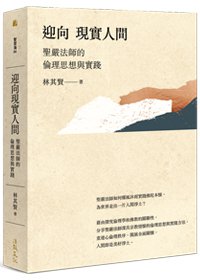
迎向現實人間—聖嚴法師的倫理思想與實踐
★ 人間即是美好淨土:聖嚴法師在現實人間的理想實踐。★ 以應用倫理學的角度,探討聖嚴法師的人文思想精神,與具體實踐行動。「我們能把地球淨化以後,地球也未嘗不能稱為極樂世界,筆者以為,為了免除『十萬億佛土』的長途跋涉,我們應該因地制宜,在人間努力,使人間成為淨土,成為佛國。」——聖嚴法師(1957年,28歲)首次提出學佛者應該要「在人間努力,使人間成為淨土、成為佛國」的呼籲。聖嚴法師做為太虛大師、印順長老、東初老人等諸位長老的傳承接續者,以倫理關懷為其思想主軸,思想性格擁有明顯的現實感,對社會趨勢與當代議題,都有貼近的觀察與掌握。心靈的貧困,會帶給人類毀滅性的災難,遠比物質的貧窮,具有更為嚴重的威脅。如果觀念和信仰的問題不能解決,貧困地區永遠是貧困的;因為大家都沒有安全感,所以由防衛性的措施,演變成攻擊性的戰爭,而戰爭便使人類淪於飢餓貧窮;周而復始,永無了期!聖嚴法師終其一生為建設人間淨土努力不輟,教法從早期深邃到晚近淺白,無一不在回應變動社會的倫理需求,其掌握時代的脈動性,並適時提出具體方針,為引領社會迎向「人間淨土」做了最好的示範。林其賢教授從法鼓宗的創建、組織經營、大普化教育的建置、菩薩戒新詮與生死關懷為例,探討其思想特色與規畫實踐,從中尋繹倫理關懷之核心準則,並探究其在面對社會發展問題的具體回應。◆ 從現實人間出發的倫理關懷一、人間佛教思想的傳承弘揚與實踐二、繼承與發揚:聖嚴法師人間淨土思想的抉擇三、從小我到大我看法鼓宗的創建四、從組織倫理談佛教團體的經營五、聖嚴法師大普化教育的實踐——以聖嚴書院課程規畫為例六、聖嚴法師的情感倫理觀——從情感向度談「提昇人的品質」七、尋求菩薩戒的新典範八、全面展開的生死關懷
作者簡介
林其賢現任:國立屏東大學中文系副教授學歷:國立中正大學中文所博士中學時因導師啟蒙學佛,先後依李炳南、劉梅生等大德學法,並從懺雲法師、星雲法師、聖嚴法師受皈戒。曾任大學佛學社社長、大專佛學社團指導老師;歷任聖嚴教育基金會董事、法鼓山僧伽大學教師,並參與聖嚴書院之規畫與建置。著有:《李卓吾事蹟繫年》、《李卓吾的佛學與世學》、《聖嚴法師年譜》。
作者
NT$
$408
|
85折

電子書 | 美好的晚年
以病痛示現色身的成住壞空。原來所謂的「美好」,並不在於外境與人事物的順遂,而是一種心境,一種看待生命的眼目與視角。本書由聖嚴法師親自口述,記載圓寂前的生活點滴。書中我們看到法師幾度面臨生死邊沿,飽受病痛摧折,卻不放棄生命意志,實踐他所發「盡形壽,獻生命」的願。即使抱病,每日活動行程依舊密集,以願力超越體力,完成了種種不可能的重任。不論他所經歷的人事如何、所承受的病苦如何,都感覺可愛,也因此為本書取名《美好的晚年》。「這本書,等我走了以後再出吧!」口述告一段落,法師忽作是語,語氣還是那般輕和。他回憶的口吻如此風輕雲淡,可是每一行程發生的當下,卻是極其深刻而豐偉。全書忠實呈現法師的口述回憶,是記憶裡那些可愛的人與可愛的事交會的因緣。【我的晚年是非常美好的】 ——聖嚴法師我的晚年生活,多半是在臺灣度過的,唯一的一次遠行,是在二○○六年深秋去了一趟美國。在臺灣,我的責任都交付出去了,我的任務沒有了,而要做的事好像也沒有了。可是還是有一些事要做,這些事我多半是被動的,主動的很少。我主動要做的,是發起一些社會運動,這是我很高興、很歡喜做的事,所以做起來很輕鬆;而被動的事,我只是應對而已,不需要花太多心血。主動的事是興趣,被動的事是任務,興趣和任務都不是負擔,所以我把這段期間的生活,稱為「美好的晚年」。在這個晚年,不再有任何事逼得我非做不可,我可以做的就做,不必做或者沒有想到要做的事,也就不去管它了。在晚年裡,我所遇到的人,我所經歷的事,都是那麼可愛,如果有些不甚可愛的人、不甚可愛的事讓我遇上了,還是覺得可愛。因此,我的晚年是非常美好的。二○○八年四月二十九日口述於中正精舍
作者簡介
聖嚴法師(1930〜2009年)
1930年生於江蘇南通,1943年於狼山出家,後因戰亂投身軍旅,十年後再次披剃出家。曾于高雄美濃閉關六年,隨後留學日本,獲立正大學文學博士學位。1975年應邀赴美弘法。1989年創建法鼓山,並於2005年開創繼起漢傳禪佛教的「中華禪法鼓宗」。聖嚴法師是一位思想家、作家暨國際知名禪師,曾獲臺灣《天下》雜誌遴選為「四百年來臺灣最具影響力的五十位人士」之一。著作豐富,中、英、日文著作達百餘種,先後獲頒中山文藝獎、中山學術獎、總統文化獎及社會各界的諸多獎項。聖嚴法師提出「提升人的品質,建設人間淨土」的理念,主張以大學院、大普化、大關懷三大教育推動全面教育,相繼創辦中華佛學研究所、法鼓文理學院、僧伽大學等院校,也以豐富的禪修經驗、正信的佛法觀念和方法指導東、西方人士修行。法師著重以現代人的語言和觀點普傳佛法,陸續提出「心靈環保」、「四種環保」、「心五四運動」、「心六倫」等社會運動,並極推展國際弘化工作,參與國際性會談,促進宗教交流,提倡建立全球性倫理,致力世界和平。其寬闊胸襟與國際化視野,深獲海內外肯定。
作者
NT$
$315
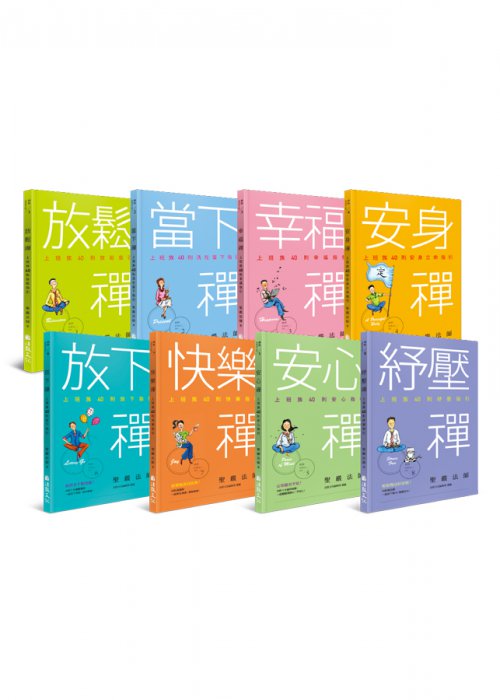
《禪修FOLLOW ME》8冊特惠組合
掌握深層自信,享受每一天的快樂與平衡觀照自己、觀照世界,讓工作成為你的幸福存摺「我每天都會告訴自己:『今天是一個好日子,雖然可能會遇到一些麻煩,但這對我而言是正面的機會,我要感謝它給我歷練的機會。』」——聖嚴法師如果問:「誰給你最大的工作壓力?」答案應該就是自己。工作有壓力是正常的,但是心可以不被順境、逆境所左右。放下執著,就能釋放工作潛力。「放下」,並非「放棄」,而是放下心中的執著和成見,放下自己的主觀看法和喜好。我們與其說是放不下工作而煩惱,實則往往是放不下自己。聖嚴法師的四它心法:面對它、接受它、處理它、放下它,已經成為眾多人達成最佳工作狀態的心靈法則。套書精選聖嚴法師深具啟發的開示,專為解決上班族常見的煩惱,提供多種有效的放鬆禪法與紓壓心法,透過工作禪的訓練,讓工作變得輕鬆愉快,並以智慧應對種種困境。透過觀照自我和世界,掌握深層自信。工作與其聽天由命,不如隨順因緣、掌握因緣、創造因緣,開創自己的道路。透過工作,讓家人、同事、社會都因我們的努力而得到幸福。如果說工作是一份儲蓄、是一本存摺,我們所存入的絕不只是薪水,還有成長的智慧、奉獻的心力、廣結的人緣……,掌握每次藉事練心的培福機會,讓工作成為我們的幸福存摺! 組合內含:《放鬆禪:上班族40則放鬆指引》放鬆,是精進而從容自在。隨時隨地把波動的心安定下來,與壓力和平共處,享受慢活的創意與專注的高效率。《當下禪:上班族40則活在當下指引》當下,是最好的時段,這是時間管理的創新詮釋。鍛鍊自己一心無二用,時時刻刻全力以赴,步步都是進步的立足點。《幸福禪:上班族40則幸福指引》幸福,是自我肯定的微笑曲線。永遠保持平常心,融入未知的全球化世界,樂在學習,與創造力經濟接軌。《安身禪:上班族40則安身立命指引》安身,是動靜平衡的管理哲學。在瞬息萬變中,鍛鍊觀照自己、觀照世界的簡約法則,每個當下都是創新的原點。《安心禪:上班族40則安心指引》安心,是心平氣和的淡定智慧。在煩惱中練習正念與轉念,以境遇為師,啟發自我修復、自我導航的正向潛能。《放下禪:上班族40則放下指引》放下,是隨時得、隨時捨的歡喜心。思惟彈性來自因緣觀,以及分析力、組織力、同理心的高度協作,面對重重關卡,自然能舉重若輕。《快樂禪:上班族40則快樂指引》快樂,是與人為善的溝通藝術。語言不一定能達成共識,自我肯定的自知之明,自他平等的尊重、理解、如實接納,即是多元化與深刻國際化的素養。《紓壓禪:上班族40則紓壓指引》紓壓,是正念隨喜的深層自信。善觀因緣及因果,淡化煩惱與得失,不論處於職場的天堂或地獄,與自己同在,日日是好日。
NT$
$888
|
74折
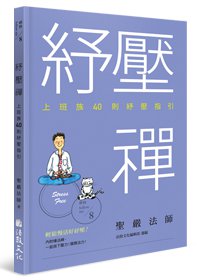
紓壓禪:上班族40則紓壓指引
紓壓,是正念隨喜的深層自信。善觀因緣及因果,淡化煩惱與得失,不論處於職場的天堂或地獄,與自己同在,日日是好日。輕鬆慢活好紓壓!內附慢活禪,一起放下壓力!展開活力!工作壓力大嗎?如何轉危為安呢?何不立即體驗紓壓禪的紓壓妙法,讓你把壓力轉為活力!本書針對上班族的種種事業壓力問題:難關難過、六神無主、東怕西怕、手忙腳亂……,精選聖嚴法師40則紓壓指引,透過不同面向的紓壓禪,以平常心面對順逆境,盡其在我,你就能鬆一口氣,解除壓力,工作從此真輕鬆!
作者簡介
聖嚴法師(1930~2009年)聖嚴法師1930年生於江蘇南通,1943年於狼山出家。曾於高雄美濃閉關六年,隨後留學日本,獲立正大學文學博士學位。1975年應邀赴美弘法。1989年創建法鼓山,並於2005年開創繼起漢傳禪佛教的「中華禪法鼓宗」。聖嚴法師是一位思想家、作家暨國際知名禪師,著作豐富,中、英、日文著作達百餘種,先後獲頒中山文藝獎、中山學術獎、總統文化獎及社會各界的諸多獎項。聖嚴法師提出「提昇人的品質,建設人間淨土」的理念,相繼創辦中華佛學研究所、法鼓佛教學院、僧伽大學、法鼓大學等院校,也以豐富的禪修經驗、正信的佛法觀念和方法指導東、西方人士修行。法師著重以現代人的語言和觀點普傳佛法,陸續提出「心靈環保」、「四種環保」、「心五四運動」、「心六倫」等社會運動,更致力於國際弘化工作,其寬闊胸襟與國際化視野,深獲海內外肯定。
NT$
$128
|
85折
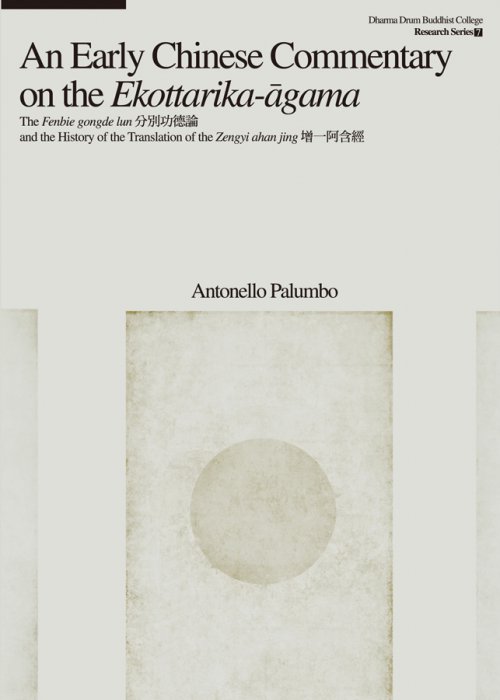
An Early Chinese Commentary on the Ekottarika-āgama
This study reassesses an old problem in the history of Chinese Buddhism, the origins and nature of the Zengyi ahan jing 增一阿含經 (Taishō 125). It does so by a close investigation of the Chinese translation of the Ekottarika-āgama at the end of the fourth century and of its most important witness, the Fenbie gongde lun 分別功德論 (Taishō 1507). It is argued that the latter document, whose original title was Zengyi ahan jing shu 增一阿含經疏, should be seen as an unfinished commentary to the newly translated collection, produced within the original translation team (including Dao’an 道安, Zhu Fonian 竺佛念 and the Indo-Bactrian master Dharmananda) during the tumultuous end of the Qin秦 empire of Fu Jian苻堅in A.D. 385. This reconstruction yields further insights into the cultural origins of the Chinese Ekottarika-āgama, and its broader significance for the history of Buddhism.
作者簡介
Antonello Palumbo is Lecturer in Chinese Religions at the School of Oriental and African Studies, University of London
NT$
$391
|
85折
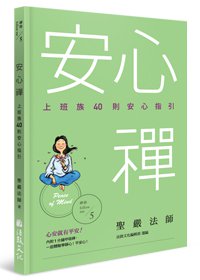
安心禪:上班族40則安心指引
安心,是心平氣和的淡定智慧。在煩惱中練習正念與轉念,以境遇為師,啟發自我修復、自我導航的正向潛能。心安就有平安! 內附1分鐘呼吸禪,一起體驗寧靜心!平安心!工作總是不安心嗎?無法平心靜氣面對波濤洶湧的煩惱?何不立即體驗安心禪的安心妙法,讓你轉煩惱為智慧!本書針對上班族的種種煩惱不安問題:心亂如麻、自尋煩惱、怒火攻心、疑神疑鬼、情緒多變……,精選聖嚴法師40則安心指引,透過不同面向的安心禪,學會調心的方法,化解情緒不安,不再心隨境轉,你就能時時安心工作,處處平安如意,工作從此少煩惱!
作者簡介
聖嚴法師(1930~2009年)聖嚴法師1930年生於江蘇南通,1943年於狼山出家。曾於高雄美濃閉關六年,隨後留學日本,獲立正大學文學博士學位。1975年應邀赴美弘法。1989年創建法鼓山,並於2005年開創繼起漢傳禪佛教的「中華禪法鼓宗」。聖嚴法師是一位思想家、作家暨國際知名禪師,著作豐富,中、英、日文著作達百餘種,先後獲頒中山文藝獎、中山學術獎、總統文化獎及社會各界的諸多獎項。聖嚴法師提出「提昇人的品質,建設人間淨土」的理念,相繼創辦中華佛學研究所、法鼓佛教學院、僧伽大學、法鼓大學等院校,也以豐富的禪修經驗、正信的佛法觀念和方法指導東、西方人士修行。法師著重以現代人的語言和觀點普傳佛法,陸續提出「心靈環保」、「四種環保」、「心五四運動」、「心六倫」等社會運動,更致力於國際弘化工作,其寬闊胸襟與國際化視野,深獲海內外肯定。
NT$
$128
|
85折
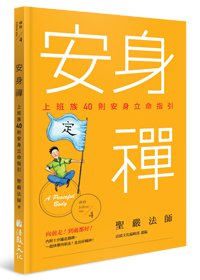
安身禪:上班族40則安身立命指引
安身,是動靜平衡的管理哲學。在瞬息萬變中,鍛鍊觀照自己、觀照世界的簡約法則,每個當下都是創新的原點。向前走!到處都好!內附1分鐘走路禪,一起快樂向前走!走出好精神!找不到好工作嗎?生涯規畫趕不上人生變化?何不立即體驗安身禪的安定自在,讓你不再徬惶不安想換工作!本書針對上班族的種種就業焦慮問題:是不是入錯行、該不該換工作、中年失業、找不到容身之地……,精選聖嚴法師40則安身立命指引,透過不同面向的安身禪,找到工作立足點,建立人生大方向,讓你安心就定位,工作從此突飛猛進!
作者簡介
聖嚴法師(1930~2009年)聖嚴法師1930年生於江蘇南通,1943年於狼山出家。曾於高雄美濃閉關六年,隨後留學日本,獲立正大學文學博士學位。1975年應邀赴美弘法。1989年創建法鼓山,並於2005年開創繼起漢傳禪佛教的「中華禪法鼓宗」。聖嚴法師是一位思想家、作家暨國際知名禪師,著作豐富,中、英、日文著作達百餘種,先後獲頒中山文藝獎、中山學術獎、總統文化獎及社會各界的諸多獎項。聖嚴法師提出「提昇人的品質,建設人間淨土」的理念,相繼創辦中華佛學研究所、法鼓佛教學院、僧伽大學、法鼓大學等院校,也以豐富的禪修經驗、正信的佛法觀念和方法指導東、西方人士修行。法師著重以現代人的語言和觀點普傳佛法,陸續提出「心靈環保」、「四種環保」、「心五四運動」、「心六倫」等社會運動,更致力於國際弘化工作,其寬闊胸襟與國際化視野,深獲海內外肯定。
NT$
$128
|
85折

Things Pertaining to Bodhi: The Thirty-Seven Aids to Enlightenment 三十七道品:菩提之路
The Thirty-seven Aids to Enlightenment are a set of fundamental teachings of Buddhism in the form of a list. The list’s seeming simplicity belies the fact that it is in fact a kind of road map to enlightenment for anyone who follows it with diligence and sincerity. The Thirty-seven Aids comprise seven practices conducive to awakening. Each of the seven practices is itself a set of elements, which add up to the total of thirty-seven: (1) The Four Foundations of Mindfulness, (2) The Four Proper Exertions, (3) The Four Steps to Magical Powers, (4) The Five Roots, (5) The Five Powers, (6) The Seven Factors of Enlightenment, and (7) The Noble Eightfold Path. Master Sheng Yen’s down-to-earth teachings take the reader on a progression through each of the practices—many of which are familiar to all major schools of Buddhism—illustrating how they relate to the reader’s own practice on the path toward enlightenment.
作者
NT$
$791
|
85折
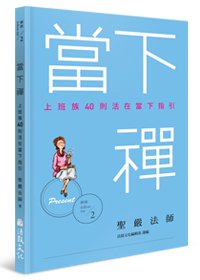
當下禪:上班族40則活在當下指引
當下,是最好的時段,這是時間管理的創新詮釋。鍛鍊自己一心無二用,時時刻刻全力以赴,步步都是進步的立足點。工作總是亂成一團嗎?想東想西反而忘東忘西,無法專心做事?何不立即體驗當下禪的專注法,讓你隨時收心,不再手忙腳亂!本書針對上班族的種種分心恍神問題:一心多用、舉棋不定、不切實際、好高騖遠、愛做白日夢……,精選聖嚴法師40則活在當下指引,透過不同面向的專注禪,體驗身心合一、活在當下的安定力,立即轉危為安。有了當下禪專注每一刻、掌握每一次機會,工作從此效率高!
作者簡介
聖嚴法師(1930~2009年)聖嚴法師1930年生於江蘇南通,1943年於狼山出家。曾於高雄美濃閉關六年,隨後留學日本,獲立正大學文學博士學位。1975年應邀赴美弘法。1989年創建法鼓山,並於2005年開創繼起漢傳禪佛教的「中華禪法鼓宗」。聖嚴法師是一位思想家、作家暨國際知名禪師,著作豐富,中、英、日文著作達百餘種,先後獲頒中山文藝獎、中山學術獎、總統文化獎及社會各界的諸多獎項。聖嚴法師提出「提昇人的品質,建設人間淨土」的理念,相繼創辦中華佛學研究所、法鼓佛教學院、僧伽大學、法鼓大學等院校,也以豐富的禪修經驗、正信的佛法觀念和方法指導東、西方人士修行。法師著重以現代人的語言和觀點普傳佛法,陸續提出「心靈環保」、「四種環保」、「心五四運動」、「心六倫」等社會運動,近年來更致力於國際弘化工作,其寬闊胸襟與國際化視野,深獲海內外肯定。
NT$
$128
|
85折
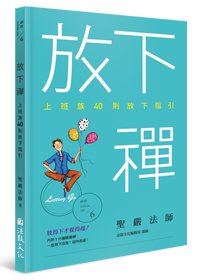
放下禪:上班族40則放下指引
放下,是隨時得、隨時捨的歡喜心。思惟彈性來自因緣觀,以及分析力、組織力、同理心的高度協作,面對重重關卡,自然能舉重若輕。放得下才提得起!內附1分鐘睡覺禪,一起放下成敗!迎向希望!工作總是放不下嗎?凡事非你不可?何不立即體驗放下禪的放下智慧,讓你放得下成敗,提得起未來!本書針對上班族的種種執著問題:患得患失、固執己見、只許成功不許失敗……,精選聖嚴法師40則放下指引,透過不同面向的放下禪,學會調柔自己的方法,放下執著、放下得失,你就能放下自我,成就大眾,工作從此得自在!
作者簡介
聖嚴法師(1930~2009年)聖嚴法師1930年生於江蘇南通,1943年於狼山出家。曾於高雄美濃閉關六年,隨後留學日本,獲立正大學文學博士學位。1975年應邀赴美弘法。1989年創建法鼓山,並於2005年開創繼起漢傳禪佛教的「中華禪法鼓宗」。聖嚴法師是一位思想家、作家暨國際知名禪師,著作豐富,中、英、日文著作達百餘種,先後獲頒中山文藝獎、中山學術獎、總統文化獎及社會各界的諸多獎項。聖嚴法師提出「提昇人的品質,建設人間淨土」的理念,相繼創辦中華佛學研究所、法鼓佛教學院、僧伽大學、法鼓大學等院校,也以豐富的禪修經驗、正信的佛法觀念和方法指導東、西方人士修行。法師著重以現代人的語言和觀點普傳佛法,陸續提出「心靈環保」、「四種環保」、「心五四運動」、「心六倫」等社會運動,更致力於國際弘化工作,其寬闊胸襟與國際化視野,深獲海內外肯定。
NT$
$128
|
85折
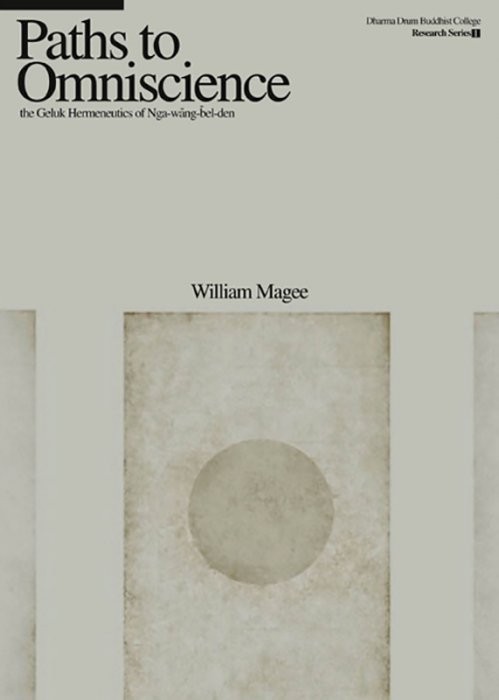
Paths to Omniscience: the Geluk Hermeneutics of Nga-wāng-bel-den
Buddhism suggests that it is possible to investigate the nature of reality ourselves; but to do so one needs to differentiate definitive teachings from those of interpretable meaning. William Magee’s book, Paths to Omniscience, discusses a number of topics related to the interpretation of scripture according to Dzong-ka-ba, Jam-yang-shay-ba, Nga-w?ng-bel-den, and other great scholars of the Geluk world. Paths to Omniscience also addresses the Geluk approach to the practice of hermeneutics. Even within the lineage itself, scholars have not always agreed about interpretation of scripture. Paths to Omniscience describes intricate maneuvers enlivening the spirited controversies of these emminent Lamas. Paths to Omniscience also includes translations of thirty annotations from Nga-w?ng-bel-den’s Annotations for (Jam-yang-shay-ba’s) "Great Exposition of Tenets". These annotations show how diverse and wide-ranging a great commentarial author can be in his treatment of the basic text. Far from being mere footnotes to Jam-yang-shay-ba, the Annotations can instead be viewed as a seminar on his Great Exposition of Tenets.
NT$
$383
|
85折

The Poetry of Enlightenment 開悟的詩偈(英文版)
To my knowledge there are no anthologies of Ch’an poetry in Chinese, Japanese or English which describe in detail the method of practice and the experience of Ch’an Furthermore, there are few prose sources in English dealing with the same topics On the other hand, there are numerous books in English that relate the episodes of the kung-ans(koans)The prevailing view that comes from reading these stories is that the practice of Ch’an is methodless, and since there is no way to describe the experience of Ch’an, it is suggested that we just go ahead and practice by studying the kung-ans The purpose of these poems is different in that they specifically show you how to practice, what attitudes to cultivate and what pitfalls to beware of Finally, they attempt to describe the ineffable experience of Ch’an itself These poems flow directly from the minds of the enlightened Ch’an masters; we get a glimpse into their experience at the time of, and after their enlightenment In contrast, in reading a kung-an we get an objective story of what happened and we don’t really know what was in their minds. It is my hope that this collection of poems will give those who are interested in the practice a new way of looking at Ch’an and a more balanced view of the scope of Ch’an literature The present selection is offered to make this tradition available to Western readers who may otherwise not be aware of their existence.
NT$
$536
|
85折
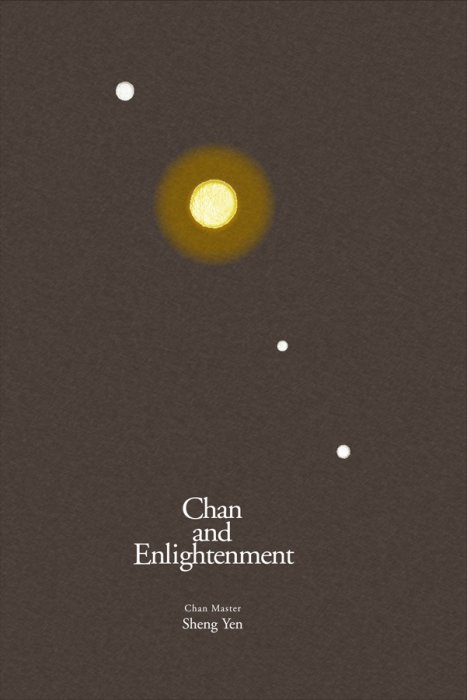
Chan and Enlightenment 禪與悟(英文版)
Chan enlightenment is attained through a sudden encounter; or, it may come about spontaneously after serious and sincere investigation and introspection. Chan philosophy represents a clear current that is empty yet responsive, detached and magnanimous, open and broad-minded, bright and luminous. Chan as a way of life is positive and progressive, free and easy, simple and modest, confident and comfortable. Chan as a way of thinking is to let go of selfishness, self-deceit, self-pity, self-arrogance, and self-confinement, and only then can there be complete boundless freedom. Chan methods teach people to first practice knowing the self, affirming the self, and then shattering the self, and thus the enlightened state will appear. —Master Sheng Yen—
作者簡介
Master Sheng Yen 聖嚴法師(1930~2009年)
聖嚴法師1930年生於江蘇南通,1943年於狼山出家,後因戰亂投身軍旅,十年後再次披剃出家。曾於高雄美濃閉關六年,隨後留學日本,獲立正大學文學博士學位。1975年應邀赴美弘法。1989年創建法鼓山,並於2005年開創繼起漢傳禪佛教的「中華禪法鼓宗」。
聖嚴法師是一位思想家、作家暨國際知名禪師,曾獲臺灣《天下》雜誌遴選為「四百年來臺灣最具影響力的五十位人士」之一。著作豐富,中、英、日文著作達百餘種,先後獲頒中山文藝獎、中山學術獎、總統文化獎及社會各界的諸多獎項。
聖嚴法師提出「提昇人的品質,建設人間淨土」的理念,主張以大學院、大普化、大關懷三大教育推動全面教育,相繼創辦中華佛學研究所、法鼓佛教學院、僧伽大學、法鼓大學等院校,也以豐富的禪修經驗、正信的佛法觀念和方法指導東、西方人士修行。
法師著重以現代人的語言和觀點普傳佛法,陸續提出「心靈環保」、「四種環保」、「心五四運動」、「心六倫」等社會運動,並積極推展國際弘化工作,參與國際性會談,促進宗教交流,提倡建立全球性倫理,致力世界和平。其寬闊胸襟與國際化視野,深獲海內外肯定。
Master Sheng Yen was born in 1930 and became a monk in 1943. He conducted a six-year solitary retreat, after which he went to Japan for further study and obtained a doctorate in Buddhist literature at Rissho University. In 1975, he began sharing the Dharma in the US, and in 1989, founded the Dharma Drum Lineage of Chan Buddhism. He authored more than 100 publications in Chinese, English, and Japanese, and received the Sun Yat-sen Art and Literary Award, the Sun Yat-sen Academic Award, and the Presidential Cultural Award, among other honorary awards. He proposed the vision of “uplifting the character of humanity and building a pure land on earth,” founded the Chung Hwa Institute of Buddhist Studies, Dharma Drum Buddhist College, Dharma Drum Sangha University, and Dharma Drum University. Experienced in Chan using correct approaches, he guided practice in both the West and East. Popularizing the Dharma in modern language, the Master initiated movements including Protecting the Spiritual Environment, Four Kinds of Environmentalism, the Fivefold Spiritual Renaissance Campaign, and the Six Ethics of the Mind. He shared the Dharma globally with a broadminded perspective, winning him worldwide recognition.
NT$
$510
|
85折
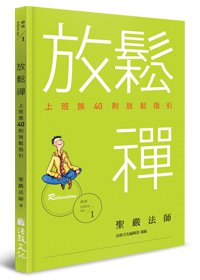
放鬆禪:上班族40則放鬆指引
放鬆,是精進而從容自在。隨時隨地把波動的心安定下來,與壓力和平共處,享受慢活的創意與專注的高效率。上班族一定要等到放假日,才能放鬆自己嗎?何不立即體驗放鬆禪的紓壓法,還你工作好元氣!本書針對上班族的種種緊張壓力問題:工作做不完、時間不夠用、頭腦焦慮、失眠……,精選聖嚴法師40則放鬆指引,透過不同面向的放鬆禪,讓人輕鬆化解緊張壓力。有了放鬆禪調整工作節奏、紓解身心壓力,工作從此免緊張!
作者簡介
聖嚴法師(1930~2009年)聖嚴法師1930年生於江蘇南通,1943年於狼山出家。曾於高雄美濃閉關六年,隨後留學日本,獲立正大學文學博士學位。1975年應邀赴美弘法。1989年創建法鼓山,並於2005年開創繼起漢傳禪佛教的「中華禪法鼓宗」。聖嚴法師是一位思想家、作家暨國際知名禪師,著作豐富,中、英、日文著作達百餘種,先後獲頒中山文藝獎、中山學術獎、總統文化獎及社會各界的諸多獎項。聖嚴法師提出「提昇人的品質,建設人間淨土」的理念,相繼創辦中華佛學研究所、法鼓佛教學院、僧伽大學、法鼓大學等院校,也以豐富的禪修經驗、正信的佛法觀念和方法指導東、西方人士修行。法師著重以現代人的語言和觀點普傳佛法,陸續提出「心靈環保」、「四種環保」、「心五四運動」、「心六倫」等社會運動,更致力於國際弘化工作,其寬闊胸襟與國際化視野,深獲海內外肯定。
NT$
$128
|
85折
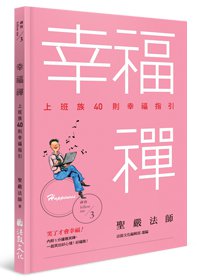
幸福禪:上班族40則幸福指引
幸福,是自我肯定的微笑曲線。永遠保持平常心,融入未知的全球化世界,樂在學習,與創造力經濟接軌。笑了才會幸福!內附1分鐘微笑禪,一起笑出好心情!好福氣!工作不開心嗎?不知為誰辛苦為誰忙?何不立即體驗幸福禪的快樂心法,讓你開心微笑面對工作!本書針對上班族的種種苦惱問題:工作不快樂、沒賺錢福氣、缺少好運、不得人緣……,精選聖嚴法師40則幸福指引,透過不同面向的幸福禪,學會知福、惜福、培福、種福等好方法,讓你樂在工作,福氣多多,工作從此好運開!
作者簡介
聖嚴法師(1930~2009年)聖嚴法師1930年生於江蘇南通,1943年於狼山出家。曾於高雄美濃閉關六年,隨後留學日本,獲立正大學文學博士學位。1975年應邀赴美弘法。1989年創建法鼓山,並於2005年開創繼起漢傳禪佛教的「中華禪法鼓宗」。聖嚴法師是一位思想家、作家暨國際知名禪師,著作豐富,中、英、日文著作達百餘種,先後獲頒中山文藝獎、中山學術獎、總統文化獎及社會各界的諸多獎項。聖嚴法師提出「提昇人的品質,建設人間淨土」的理念,相繼創辦中華佛學研究所、法鼓佛教學院、僧伽大學、法鼓大學等院校,也以豐富的禪修經驗、正信的佛法觀念和方法指導東、西方人士修行。法師著重以現代人的語言和觀點普傳佛法,陸續提出「心靈環保」、「四種環保」、「心五四運動」、「心六倫」等社會運動,更致力於國際弘化工作,其寬闊胸襟與國際化視野,深獲海內外肯定。
NT$
$128
|
85折
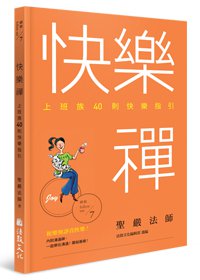
快樂禪:上班族40則快樂指引
快樂,是與人為善的溝通藝術。語言不一定能達成共識,自我肯定的自知之明,自他平等的尊重、理解、如實接納,即是多元化與深刻國際化的素養。和樂無諍真快樂!內附溝通禪,一起樂在溝通!廣結善緣!工作開心嗎?希望大家看到你都變得快樂嗎?何不立即體驗快樂禪的快樂妙法,讓你把壞心情變成好心情!本書針對上班族的種種悶悶不樂問題:情緒不安、人緣不佳、吵架失和、溝通不良……,精選聖嚴法師40則快樂指引,透過不同面向的快樂禪,學會離苦得樂的方法,化敵為友,和樂相處,你就能念念心安樂,處處遇貴人,工作從此真開心!
作者簡介
聖嚴法師(1930~2009年)聖嚴法師1930年生於江蘇南通,1943年於狼山出家。曾於高雄美濃閉關六年,隨後留學日本,獲立正大學文學博士學位。1975年應邀赴美弘法。1989年創建法鼓山,並於2005年開創繼起漢傳禪佛教的「中華禪法鼓宗」。聖嚴法師是一位思想家、作家暨國際知名禪師,著作豐富,中、英、日文著作達百餘種,先後獲頒中山文藝獎、中山學術獎、總統文化獎及社會各界的諸多獎項。聖嚴法師提出「提昇人的品質,建設人間淨土」的理念,相繼創辦中華佛學研究所、法鼓佛教學院、僧伽大學、法鼓大學等院校,也以豐富的禪修經驗、正信的佛法觀念和方法指導東、西方人士修行。法師著重以現代人的語言和觀點普傳佛法,陸續提出「心靈環保」、「四種環保」、「心五四運動」、「心六倫」等社會運動,更致力於國際弘化工作,其寬闊胸襟與國際化視野,深獲海內外肯定。
NT$
$128
|
85折
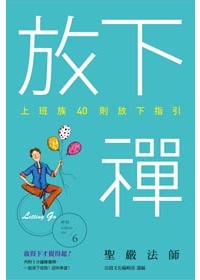
電子書 | 放下禪:上班族40則放下指引
放下,是隨時得、隨時捨的歡喜心。思惟彈性來自因緣觀,以及分析力、組織力、同理心的高度協作,面對重重關卡,自然能舉重若輕。
放得下才提得起! 內附1分鐘睡覺禪,一起放下成敗!迎向希望!
工作總是放不下嗎?凡事非你不可? 何不立即體驗放下禪的放下智慧,讓你放得下成敗,提得起未來!
本書針對上班族的種種執著問題:患得患失、固執己見、只許成功不許失敗……,精選聖嚴法師40則放下指引,透過不同面向的放下禪,學會調柔自己的方法,放下執著、放下得失,你就能放下自我,成就大眾,工作從此得自在!
作者簡介:
聖嚴法師(1930~2009年)
聖嚴法師1930年生於江蘇南通,1943年於狼山出家。曾於高雄美濃閉關六年,隨後留學日本,獲立正大學文學博士學位。1975年應邀赴美弘法。1989年創建法鼓山,並於2005年開創繼起漢傳禪佛教的「中華禪法鼓宗」。
聖嚴法師是一位思想家、作家暨國際知名禪師,著作豐富,中、英、日文著作達百餘種,先後獲頒中山文藝獎、中山學術獎、總統文化獎及社會各界的諸多獎項。
聖嚴法師提出「提昇人的品質,建設人間淨土」的理念,相繼創辦中華佛學研究所、法鼓佛教學院、僧伽大學、法鼓大學等院校,也以豐富的禪修經驗、正信的佛法觀念和方法指導東、西方人士修行。法師著重以現代人的語言和觀點普傳佛法,陸續提出「心靈環保」、「四種環保」、「心五四運動」、「心六倫」等社會運動,更致力於國際弘化工作,其寬闊胸襟與國際化視野,深獲海內外肯定。
NT$
$105
正在載入更多商品......