搜尋結果
共
390
筆符合商品
排序
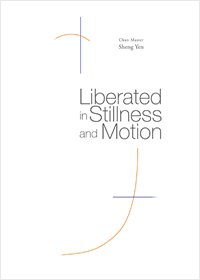
Liberated in Stillness and Motion 動靜皆自在(英文版)
Live a life of ease and freedom, on the basis of peace and solidity, with the principle of being less agitated and affected.
Many masters in the history of Chinese Chan Buddhism emphasized practice as daily living. Whether monastic or lay, a follower uses the concepts and methods of Chan in daily life. By doing so, one experiences calmness and ease while being spontaneous and lively amidst mundane reality. Chan is not a religion, not a philosophy, and surely not mysterious or weird sorcery. It is the wisdom of living, the cultivation of body and mind, and a principle and guideline for spiritual development. It is also the best method for influencing and purifying the environment.--Master Sheng Yen
作者簡介
Master Sheng Yen (1930-2009)
Master Sheng Yen was born in 1930 and became a monk in 1943. He conducted a six-year solitary retreat, after which he went to Japan for further study and obtained a doctorate in Buddhist literature at Rissho University. In 1975, he began sharing the Dharma in the US, and in 1989, founded the Dharma Drum Mountain organization. In 2005, he established the Dharma Drum Lineage of Chan Buddhism, as an effort to reinvent Chinese Buddhism.
He authored more than 100 publications in Chinese, English, and Japanese, and received the Sun Yat-sen Art and Literary Award, the Sun Yat-sen Academic Award, and the Presidential Cultural Award, among other honorary awards.
He proposed the vision of "uplifting the character of humanity and building a pure land on earth," founded the Chung-Hwa Institute of Buddhist Studies, Dharma Drum Institute of Liberal Arts, and Dharma Drum Sangha University. Experienced in Chan using correct approaches, he guided practice in both the West and East. Popularizing the Dharma in modern language, the Master initiated movements including Protecting the Spiritual Environment, Four Kinds of Environmentalism, the Fivefold Spiritual Renaissance Campaign, and the Six Ethics of the Mind. He shared the Dharma globally with a broadminded perspective, winning him worldwide recognition.
作者
NT$
$306
|
85折

電子書 | 美好的晚年
以病痛示現色身的成住壞空。原來所謂的「美好」,並不在於外境與人事物的順遂,而是一種心境,一種看待生命的眼目與視角。本書由聖嚴法師親自口述,記載圓寂前的生活點滴。書中我們看到法師幾度面臨生死邊沿,飽受病痛摧折,卻不放棄生命意志,實踐他所發「盡形壽,獻生命」的願。即使抱病,每日活動行程依舊密集,以願力超越體力,完成了種種不可能的重任。不論他所經歷的人事如何、所承受的病苦如何,都感覺可愛,也因此為本書取名《美好的晚年》。「這本書,等我走了以後再出吧!」口述告一段落,法師忽作是語,語氣還是那般輕和。他回憶的口吻如此風輕雲淡,可是每一行程發生的當下,卻是極其深刻而豐偉。全書忠實呈現法師的口述回憶,是記憶裡那些可愛的人與可愛的事交會的因緣。【我的晚年是非常美好的】 ——聖嚴法師我的晚年生活,多半是在臺灣度過的,唯一的一次遠行,是在二○○六年深秋去了一趟美國。在臺灣,我的責任都交付出去了,我的任務沒有了,而要做的事好像也沒有了。可是還是有一些事要做,這些事我多半是被動的,主動的很少。我主動要做的,是發起一些社會運動,這是我很高興、很歡喜做的事,所以做起來很輕鬆;而被動的事,我只是應對而已,不需要花太多心血。主動的事是興趣,被動的事是任務,興趣和任務都不是負擔,所以我把這段期間的生活,稱為「美好的晚年」。在這個晚年,不再有任何事逼得我非做不可,我可以做的就做,不必做或者沒有想到要做的事,也就不去管它了。在晚年裡,我所遇到的人,我所經歷的事,都是那麼可愛,如果有些不甚可愛的人、不甚可愛的事讓我遇上了,還是覺得可愛。因此,我的晚年是非常美好的。二○○八年四月二十九日口述於中正精舍
作者簡介
聖嚴法師(1930〜2009年)
1930年生於江蘇南通,1943年於狼山出家,後因戰亂投身軍旅,十年後再次披剃出家。曾于高雄美濃閉關六年,隨後留學日本,獲立正大學文學博士學位。1975年應邀赴美弘法。1989年創建法鼓山,並於2005年開創繼起漢傳禪佛教的「中華禪法鼓宗」。聖嚴法師是一位思想家、作家暨國際知名禪師,曾獲臺灣《天下》雜誌遴選為「四百年來臺灣最具影響力的五十位人士」之一。著作豐富,中、英、日文著作達百餘種,先後獲頒中山文藝獎、中山學術獎、總統文化獎及社會各界的諸多獎項。聖嚴法師提出「提升人的品質,建設人間淨土」的理念,主張以大學院、大普化、大關懷三大教育推動全面教育,相繼創辦中華佛學研究所、法鼓文理學院、僧伽大學等院校,也以豐富的禪修經驗、正信的佛法觀念和方法指導東、西方人士修行。法師著重以現代人的語言和觀點普傳佛法,陸續提出「心靈環保」、「四種環保」、「心五四運動」、「心六倫」等社會運動,並極推展國際弘化工作,參與國際性會談,促進宗教交流,提倡建立全球性倫理,致力世界和平。其寬闊胸襟與國際化視野,深獲海內外肯定。
作者
NT$
$315
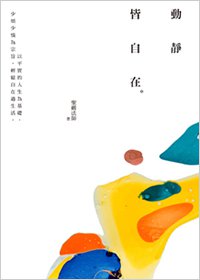
電子書 | 動靜皆自在(二版)
以平實的人生為基礎,少煩少惱為宗旨,輕鬆自在過生活。
中國禪宗史上的許多祖師,都以為平常日用即禪。不論出家在家,若能將禪宗的觀念和方法,用之於日常生活,縱然處身於萬丈的紅塵之中,也會體驗到安定灑脫又活潑自然的人生境界。 ──聖嚴
作者簡介:
聖嚴法師(1930-2009年)
聖嚴法師1930年生於江蘇南通,1943年於狼山出家,後因戰亂投身軍旅,十年後再次披剃出家。曾於高雄美濃閉關六年,隨後留學日本,獲立正大學文學博士學位。1975年應邀赴美弘法。1989年創建法鼓山,並於2005年開創繼起漢傳禪佛教的「中華禪法鼓宗」。
聖嚴法師是一位思想家、作家暨國際知名禪師,曾獲臺灣《天下》雜誌遴選為「四百年來臺灣最具影響力的五十位人士」之一。著作豐富,中、英、日文著作達百餘種,先後獲頒中山文藝獎、中山學術獎、總統文化獎及社會各界的諸多獎項。
聖嚴法師提出「提昇人的品質,建設人間淨土」的理念,主張以大學院、大普化、大關懷三大教育推動全面教育,相繼創辦中華佛學研究所、法鼓文理學院、僧伽大學等院校,也以豐富的禪修經驗、正信的佛法觀念和方法指導東、西方人士修行。
法師著重以現代人的語言和觀點普傳佛法,陸續提出「心靈環保」、「四種環保」、「心五四運動」、「心六倫」等社會運動,並積極推展國際弘化工作,參與國際性會談,促進宗教交流,提倡建立全球性倫理,致力世界和平。其寬闊胸襟與國際化視野,深獲海內外肯定。
作者
NT$
$140
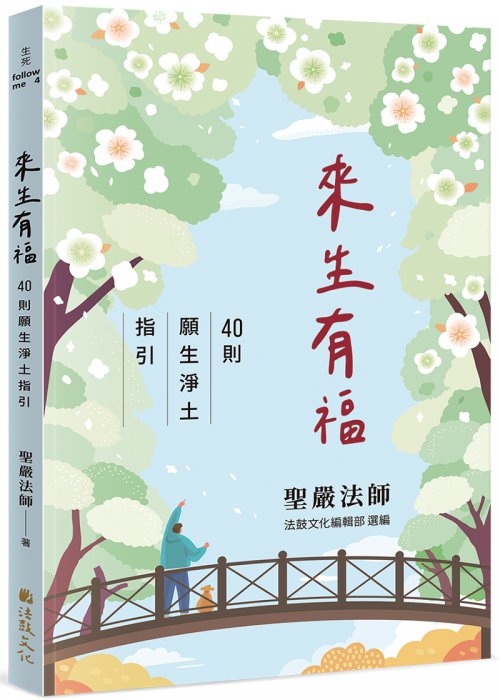
來生有福:40則願生淨土指引
來生是一種光明的希望,迎向新生,放下生死!面對未知的下一世,你是否擔心來生去處?死後的世界充滿神祕感,人們之所以害怕死亡,正是因為不知道自己來生是什麼樣的世界。佛教稱死亡為「往生」,表示死後是有未來的。此生的句點,可為來生佛國淨土的起點。如果生命的下一站是佛國淨土,那便只有滿心歡喜而沒有擔憂了。佛教相信有前生,但是不需要透過算命或神通去追問,因為最重要的是今生的努力。面對來生,也不需要擔憂將上天堂或下地獄,因為佛法就是解脫六道生死輪迴的方法,並提供往生淨土世界的道路。面對生死大業,聖嚴法師勉勵我們說:「活著時,要珍惜生命,感激生存,感恩生活,要好好地運用我們有限的這個生命旅程;死亡時,要心存感謝、充滿喜悅,要無懼、無憂、無悔、無怨、滿懷著悲願心,迎向光明的前程。」生死是一體的,出生的同時,生命就已在倒數計時,因此,我們要隨時做好面對死亡的準備,而最好的準備便是往生佛國淨土。因為念佛修行和培養福報,能讓我們的心與佛相應,不但來生有福,得以往生西方,今生也能活在美好的人間淨土!
作者簡介
聖嚴法師(1930〜2009年)嚴法師1930年生於江蘇南通,1943年於狼山出家。曾於高雄美濃閉關六年,隨後留學日本,獲立正大學文學博士學位。1975年應邀赴美弘法。1989年創建法鼓山,並於2005年開創繼起漢傳禪佛教的「中華禪法鼓宗」。聖嚴法師是一位思想家、作家暨國際知名禪師,著作豐富,中、英、日文著作達百餘種,先後獲頒中山文藝獎、中山學術獎、總統文化獎及社會各界的諸多獎項。聖嚴法師提出「提昇人的品質,建設人間淨土」的理念,相繼創辦中華佛學研究所、法鼓文理學院、僧伽大學等院校,也以豐富的禪修經驗、正信的佛法觀念和方法指導東、西方人士修行。法師著重以現代人的語言和觀點普傳佛法,陸續提出「心靈環保」、「四種環保」、「心五四運動」、「心六倫」等社會運動,更致力於國際弘化工作,其寬闊胸襟與國際化視野,深獲海內外肯定。
作者
NT$
$170
|
85折
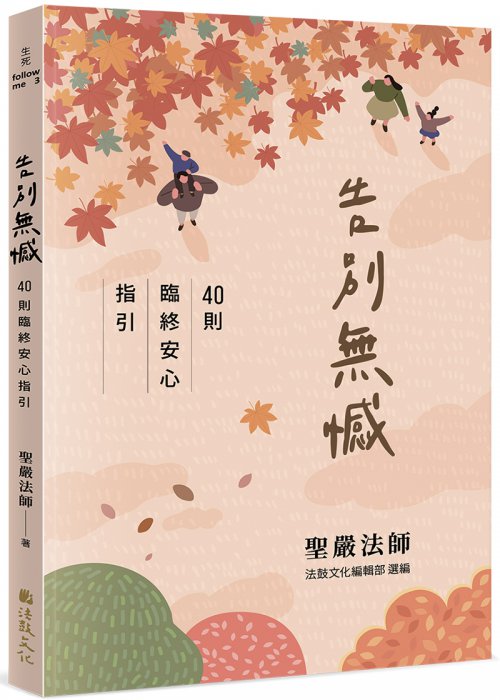
告別無憾:40則臨終安心指引
生命是暫時的任務,生死只是一個過程,讓祝福代替悲傷,臨終也可以很莊嚴、很有尊嚴。「死亡不是喜事,也不是喪事,而是莊嚴的佛事。」——聖嚴法師。建立正確的生死觀,便能「善生」,做好死亡規畫、接受臨終關懷,便能「善別」,告別是一種放下的智慧。聖嚴法師的40則臨終安心指引,從不同的面向探索臨終關懷,圓滿人生的最後一程。安心準備生死大事,佛法超度必得平安,放下此生,迎向新生!# 生涯規畫應納入死亡規畫# 照顧最後的平安與尊嚴# 臨終病患的佛法照顧# 如何面對意外的生離死別?# 最大的福報
作者簡介
聖嚴法師(1930〜2009年)1930年生於江蘇南通,1943年於狼山出家。曾於高雄美濃閉關六年,隨後留學日本,獲立正大學文學博士學位。1975年應邀赴美弘法。1989年創建法鼓山,並於2005年開創繼起漢傳禪佛教的「中華禪法鼓宗」。聖嚴法師是一位思想家、作家暨國際知名禪師,著作豐富,中、英、日文著作達百餘種,先後獲頒中山文藝獎、中山學術獎、總統文化獎及社會各界的諸多獎項。聖嚴法師提出「提昇人的品質,建設人間淨土」的理念,相繼創辦中華佛學研究所、法鼓文理學院、僧伽大學等院校,也以豐富的禪修經驗、正信的佛法觀念和方法指導東、西方人士修行。法師著重以現代人的語言和觀點普傳佛法,陸續提出「心靈環保」、「四種環保」、「心五四運動」、「心六倫」等社會運動,更致力於國際弘化工作,其寬闊胸襟與國際化視野,深獲海內外肯定。
作者
NT$
$170
|
85折

佛教中陰身思想之源流與發展
為今生劃下圓滿句點,以奔向美好的來生。迎向來世的關鍵時刻,中陰身如何完成死後的轉生任務?中陰身(中有)是為了轉生而存在的一種生命狀態。中陰身轉生歷程的考察,其積極意義在於:深入了解轉生過程的心念情境,是受到業力影響的事實。生老病死的人生課題,本來就是不可分段切割的,當這一期生命結束之時,我們是否有能力在臨終時提起正念、平靜以對?臨終時的覺性培養,必須奠基於個人平日的生活態度,以及覺知當下的能力。一旦認清這個事實,我們將會更願意在生前,謹慎抉擇自己的思想行為,並儲備資糧。以期在生命最終的關鍵時刻,奔向更圓滿的來生。本書是由《學佛五講》的作者,弘講佛法三十餘年的常延法師所撰寫,甫一完稿,就收到出版社的出版合約,但被當時正準備出家的常延法師所擱置了。近年來因為法師關注老年安養問題,認為老人安養議題與中陰身探討,具有不可思議的關聯性,因此再次促成出版因緣。本書初步完成漢傳、藏傳、南傳佛教對於中陰身議題的整理和研究。在宗教信仰方面,透過中陰身內涵特質的整理,有助於讀者區別中陰身和靈魂、鬼魅、亡靈的不同。尤其對中陰身「轉身歷程」和「身心情境」的詳細描述,讓我們明白臨終時,中陰身被業力影響的實際狀況,為臨終關懷實務提供堅實的理論依據。.個人自修、臨終關懷工作者的重要參考.本書推薦給活在無常迅速中的每一個人
作者簡介
釋常延俗名林孟穎,1955年出生於南投竹山,1979年東吳大學中文系畢業,1985年中華佛學研究所結業,2005年佛光大學宗教學研究所碩士。2006年依止法鼓山聖嚴法師出家,隔年於月眉山靈泉禪寺受具足戒。出家前,曾擔任臺南開元禪學院、嘉義般若佛學院、臺北華嚴專宗學院、嘉義妙雲蘭若、北投農禪寺,以及中華佛研所佛學教育推廣中心佛學講師,並為法鼓山信眾講授佛學課程。出家後曾任教於法鼓山僧伽大學,以及法鼓佛教學院。2015年因關心老年安養議題而投考法鼓文理學院社區再造學程,進行跨領域研究,致力於以培養覺性照顧能力為核心理念的社區淨土之建設工作。三十年來,法師以佛法弘講為主,除了法鼓文化出版的有聲書《學佛五講》、《八大人覺經導讀》之外,在網站上可以連結到的影音課程有:「佛遺教經導讀」(臺灣)、「維摩經導讀」(西雅圖)、「金剛經講座」(西雅圖)、「心經指要──心識的解構與重建」(西雅圖)、「法鼓全集導讀系列之慧學I、II」(臺灣)。專題演講影音有:「眼前當下皆自在」(臺灣)、「時時處處自在安樂──漢傳禪法的正念修行」(溫哥華)、「浩蕩赴前程的佛教生死觀──從中陰身談起」(西雅圖)、「醫心禪法療癒系列之佛教生死觀」(香港)。
作者
NT$
$323
|
85折

心安病安:40則身心平安指引
在醫學發達的今天,活得長壽已不是難事,重要的是要活得莊嚴,活得快樂自在。生病,是一場真正的修行。本書從多面向探索身心疾苦,以佛法為藥,療癒不安的心,使我們豁然開朗,活得快樂,病得健康!「我很忙,總能找出時間,完成應做的工作。我常病,總能調整身心,猶如健康地活著。」——聖嚴法師生病是人生的隨堂考,讓我們練習接受生死無常。聖嚴法師雖然一生病痛纏身,卻能病而不苦。一般人都將生病視為倒楣的事,只能無奈接受,聖嚴法師卻反而鼓勵我們轉念,若能心懷感恩,珍惜生病的修行機會,就能因禍得福,轉危為安。一個人如果找不到安心之道,伴隨著年老而來的就是病苦。如能擁有智慧的生死觀,不但能病得很健康,也不會因為怕老,執著於追求留住青春,而能老得很自在、很幸福。聖嚴法師提醒我們:「健康不一定是身上沒有病,而是在思想上要有智慧,即是『活得快樂、病得健康』。」法師認為真正的「健康」,是心理的健康重於身體的健壯,所以應當將生活的挫折,轉換成自我磨鍊。我們學佛後可透過生病的機會,學習善觀因緣、因果的法則,並修福修慧來提昇生命品質。正如法師所說:「面對果報、接受果報、改善果報,這才是最好的治病之道。」有時生病會讓我們直面生死,卻可從中體驗無常,而有豁達開朗的生死態度。願我們都能心安定、身自在,通過病的考驗,鍛鍊成一位生命智者。
作者簡介
聖嚴法師(1930〜2009年)聖嚴法師1930年生於江蘇南通,1943年於狼山出家。曾於高雄美濃閉關六年,隨後留學日本,獲立正大學文學博士學位。1975年應邀赴美弘法。1989年創建法鼓山,並於2005年開創繼起漢傳禪佛教的「中華禪法鼓宗」。聖嚴法師是一位思想家、作家暨國際知名禪師,著作豐富,中、英、日文著作達百餘種,先後獲頒中山文藝獎、中山學術獎、總統文化獎及社會各界的諸多獎項。聖嚴法師提出「提昇人的品質,建設人間淨土」的理念,相繼創辦中華佛學研究所、法鼓文理學院、僧伽大學等院校,也以豐富的禪修經驗、正信的佛法觀念和方法指導東、西方人士修行。法師著重以現代人的語言和觀點普傳佛法,陸續提出「心靈環保」、「四種環保」、「心五四運動」、「心六倫」等社會運動,更致力於國際弘化工作,其寬闊胸襟與國際化視野,深獲海內外肯定。
作者
NT$
$170
|
85折

陪你善終:跟隨臨床宗教師走入靈性困擾與靈性照顧之旅
探索「善終」旅程,描摹出獨一無二的生死智慧圖像補上一堂人人必修的生命課題當摯愛的親友面臨死亡,如何協助他們走完人生?當留下來的家屬面臨失落,如何陪伴他們走過悲傷?邀請你跟隨臨床宗教師的腳步,走入末期病人的靈性世界,看見生死變化、靈性跌宕昇華的歷程……認識生命終了的靈性課題,走出不一樣的生命樣貌……善終,沒有所謂的SOP,卻有可遵循的脈絡指引,善終,從好好活著、好好道別開始……面對醫療的極限,死亡的不可逆,末期病人往往有看不見、說不出的痛或苦,甚至連自己都不自覺,也就是現代醫學難以解釋、臨床上常見的「靈性課題」或「靈性困擾」。《陪你善終》結集十多位臨床宗教師數十年實務經驗與中西論點,深刻描繪末期病人生死變化歷程,超過一百七十則臨床真實故事與引導智慧,陪伴照顧無數病人安詳告別人生,生死都尊嚴。書中的每一位臨終病人,以身示範,用生命教會我們了悟生死,為每位珍視生命的讀者提供善終指引。當摯愛的親友面臨死亡,如何協助他們走完人生?當留下來的家屬面臨失落,如何陪伴他們走過悲傷?邀請您跟隨臨床宗教師的腳步,走入末期病人的靈性世界,看見生死變化、靈性跌宕昇華的歷程,認識走向生命終了的靈性課題,進而學習如何協助他們(摯愛的家人)走完人生,以及如何陪伴喪親家屬(或自己或親友)走過悲傷……補上一堂人人必修的生命課題,走出不一樣的生命樣貌……關於臨床宗教師臨床宗教師,經專業培訓,站在安寧靈性照顧第一線,最了解如何陪伴末期病人善別、善終。他們主要責任是維持病人的生命力,協助病人面對「靈性課題」(生死困頓),啟發病人內在生命力量,克服死亡恐懼,引導病人「瀕死前的準備」,以及「來生準備」。臨床宗教師雖然不是治癒者,卻是安寧療護專業團隊的核心成員之一,和醫護人員角色不同而形成互補,主要是超越宗教——靈性層面的陪伴照顧。
作者簡介
釋慧哲‧ 二○○○年參加臨床佛教宗教師培訓;蓮花基金會臨床宗教師甄審委員長。‧ 私立智光高級商工職業學校專任教師、教學組長、導師、教務主任、校長;圓光佛學院、福嚴佛學院、佛光山基隆與福山佛學院、萬佛寺中華佛教佛學院授課;社團法人普門慈幼慈善會理事長。‧ 佛光山東方佛教學院畢、輔仁大學畢、政大教研所暑期進修。釋普安‧ 二○○六年參加臨床佛教宗教師培訓;蓮花基金會臨床佛教宗教師督導‧ 台灣臨床佛學研究協會專業發展委員會主任委員;大林慈濟醫院臨床宗教師顧問。‧ 南華大學生死學系助理教授;南華大學生死學研究所碩士。釋宏琳 ‧ 二○○四年參加臨床佛教宗教師培訓;曾任台大安寧病房臨床宗教師培訓帶領法師。‧ 圓光佛學大學畢。釋慈廣‧ 二○○五年參加佛臨床佛教宗教師培訓;台灣臨床佛學研究協會第一屆理事、專業發展委員會、學術出版委員會委員‧ 玄奘大學宗教學研究所碩士釋法成‧ 二○○一年參加佛教臨床佛教宗教師培訓。‧ 台北市立大學人體研究倫理委員會委員、台北榮民總醫院人體試驗委員會;曾任職龍潭衛生所。‧ 佛光山叢林學院、圓光佛學院畢。釋照量‧ 二○○九年參加臨床佛教宗教師培訓。‧ 衛生福利部桃園醫院倫理委員會委員。曾任台大醫院護理師、嘉義市東區衛生所護士長、台北市政府衛生局醫護管理處醫政股長、玄奘大學通識生命教育兼任助理教授。‧ 高雄醫學院護理學系、華梵大學東方人文思想研究所碩士、中央大學哲學研究所博士。主要研究領域:佛教哲學、生命倫理學、臨終關懷。釋⾒溟‧ 二○○九年參加臨床佛教宗教師培訓。‧ 淨覺苑住持。‧ 中台女眾佛教學院研究所結業。釋演晧‧ 二○○七年參與臨床佛教宗教師培訓。‧ 元亨佛學院、香光尼眾佛學院、空中大學、法鼓文理學院生命教育碩士。‧ 現於香港慈山寺領職。釋純寬‧ 二○○七年參與臨床佛教宗教師培訓;台灣臨床佛學研究協會教育發展委員會委員。‧ 慈濟大學宗教與人文研究所副教授、輔仁大學長期照顧在職專班兼任副教授;曾任日本佛教大學社會福祉學課員研究、兼任講師。‧ 日本京都佛教大學社會福祉研究所碩士、博士;專長與研究領域:臨終社會工作、靈性照顧與悲傷關懷、社會福利、志願服務。釋恆礎‧ 二○○三年參與臨床宗教師培訓。‧ 美國紐約伯萊得藝術學院碩士。釋印融‧ 二○○七年參與臨床佛教宗教師培訓。‧ 香光尼眾佛學院畢。
作者
NT$
$408
|
85折
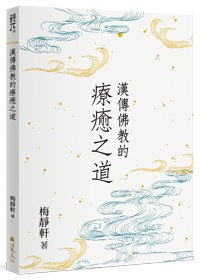
漢傳佛教的療癒之道
本書揭示古今醫學始終遺漏的珍貴寶藏。如能善用法藥,病痛本身就是一條療癒之道,治癒我們迷途的心。梅靜軒博士這本《漢傳佛教的療癒之道》是中國佛教醫學的一本優質入門書。對於了解中國佛教醫學這個領域,有助首度接觸者建立鳥瞰式的圖景,想繼續深入者亦可藉以開發研究方向。——黃國清教授〈導讀〉本書揭示古今中外醫學始終遺漏的重要領域,也正是佛陀內明教育與醫方明的亮點,對當今失序不寧的世界,實為一帖起死回生的妙藥。——姜淑惠(無著健康之道創辦人)肉體疾患源頭在心,糾結不只現世,更可回溯累世所造諸業習。本書剖析生命本質,提出法藥:懺悔、經懺、正念,正是輾轉求治不得癒者的救命寶筏。——李璧如(建中堂中醫診所醫師)「佛教醫學」是佛學研究中的一個新興領域,也可被歸類在人文醫學的範疇下。這領域嘗試探究與生、老、病、死息息相關的各種問題。無論是從教義思維、經典解讀、宗教實踐或社會文化等面向切入,分析與面對生死、疾病治療有關的一切。從古至今,無人能逃脫死神的羅網。死亡,是所有人類共同的永恆課題。疾病也從來不只是肉體細胞的變異、腐朽;疾病所牽動的不安煩惱,是更巨大的難關。佛法並非萬靈丹,卻可以是一帖解藥,解答了生老病死,解答了困頓無常,解答了緣起、生滅。因為法藥的洗禮,人生可以闊達,可以寧靜致遠、寂靜安詳。當代拜數位資源與技術的進步,如今藏經遍布在雲端、在指間,隨手可得。我們或許可以嘗試先從經典文本、教義思想、佛門人物、寺院機構、佛法實踐等不同面向來探討。透過經典與教義的梳理,我們將能對生死、對疾病的本質有一種法的觀察視角,進而掌握形色變異之苦的消解之道。又從佛教實踐角度來說,關注醫療有助於我們了解過去佛教僧俗修行者與社群之間,共同面對各種疾病的方式與努力。漢傳佛教的療癒之道——◇佛典醫療:從佛教經典介紹佛教醫學思想。◇佛法觀病:探究疾病成因和診治。◇佛門仁醫:中國六朝、隋唐、宋代、明清的佛門醫者著作和行醫。◇寺院療病:介紹重要的寺院醫療慈善機構,包括療養院、藥藏局、少林武僧、竹林女科。◇法的藥方:介紹漢傳佛教寺院提供的療法。
作者簡介
梅靜軒德國波昂大學西藏學博士。曾任臺北科技大學通識中心兼任助理教授、法鼓佛教學院專任助理教授。現為法鼓文理學院佛教學系副教授、《法鼓佛學學報》執行編輯、中華佛學研究所兼任副研究員、「法的療癒資料庫——佛教醫事文獻資料庫研究與建置專案」協同主持人,並執行其他與禪修、佛教療癒相關研究計畫。學術領域為西藏宗教、文化與歷史。近年研究興趣主題為佛教身體觀、佛教療癒傳統、漢藏佛教交流與對話等。
作者
NT$
$247
|
85折
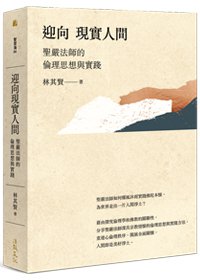
迎向現實人間—聖嚴法師的倫理思想與實踐
★ 人間即是美好淨土:聖嚴法師在現實人間的理想實踐。★ 以應用倫理學的角度,探討聖嚴法師的人文思想精神,與具體實踐行動。「我們能把地球淨化以後,地球也未嘗不能稱為極樂世界,筆者以為,為了免除『十萬億佛土』的長途跋涉,我們應該因地制宜,在人間努力,使人間成為淨土,成為佛國。」——聖嚴法師(1957年,28歲)首次提出學佛者應該要「在人間努力,使人間成為淨土、成為佛國」的呼籲。聖嚴法師做為太虛大師、印順長老、東初老人等諸位長老的傳承接續者,以倫理關懷為其思想主軸,思想性格擁有明顯的現實感,對社會趨勢與當代議題,都有貼近的觀察與掌握。心靈的貧困,會帶給人類毀滅性的災難,遠比物質的貧窮,具有更為嚴重的威脅。如果觀念和信仰的問題不能解決,貧困地區永遠是貧困的;因為大家都沒有安全感,所以由防衛性的措施,演變成攻擊性的戰爭,而戰爭便使人類淪於飢餓貧窮;周而復始,永無了期!聖嚴法師終其一生為建設人間淨土努力不輟,教法從早期深邃到晚近淺白,無一不在回應變動社會的倫理需求,其掌握時代的脈動性,並適時提出具體方針,為引領社會迎向「人間淨土」做了最好的示範。林其賢教授從法鼓宗的創建、組織經營、大普化教育的建置、菩薩戒新詮與生死關懷為例,探討其思想特色與規畫實踐,從中尋繹倫理關懷之核心準則,並探究其在面對社會發展問題的具體回應。◆ 從現實人間出發的倫理關懷一、人間佛教思想的傳承弘揚與實踐二、繼承與發揚:聖嚴法師人間淨土思想的抉擇三、從小我到大我看法鼓宗的創建四、從組織倫理談佛教團體的經營五、聖嚴法師大普化教育的實踐——以聖嚴書院課程規畫為例六、聖嚴法師的情感倫理觀——從情感向度談「提昇人的品質」七、尋求菩薩戒的新典範八、全面展開的生死關懷
作者簡介
林其賢現任:國立屏東大學中文系副教授學歷:國立中正大學中文所博士中學時因導師啟蒙學佛,先後依李炳南、劉梅生等大德學法,並從懺雲法師、星雲法師、聖嚴法師受皈戒。曾任大學佛學社社長、大專佛學社團指導老師;歷任聖嚴教育基金會董事、法鼓山僧伽大學教師,並參與聖嚴書院之規畫與建置。著有:《李卓吾事蹟繫年》、《李卓吾的佛學與世學》、《聖嚴法師年譜》。
作者
NT$
$408
|
85折

日日好 小方巾卡片組 | 自在(藍)
一條方巾,一畝福田
安身安心,日日是好日
「經常保持身心的健康,隨時運用佛法的觀念和方法調整自己,與他人和諧相處,那麼每天的生活就會如禪宗祖師所說的『日日是好日』。」 —— 聖嚴法師《法鼓山的方向:弘化》
每天洗手、擦汗、用餐,這些習以為常的生活片刻,都可以是修行的起點;
透過攤平、摺疊方巾的簡單動作,讓專注力回到眼前當下,拭去塵勞,回歸內心的清淨。
「日日好 方巾卡片組」共 8 款設計,附贈法鼓山典藏卡片,陪伴您時時拂心塵,隨處安心、隨處自在。
實踐心靈環保的清淨生活
擦拭吸水好乾爽:出門在外隨身攜帶,洗手、流汗後立即擦乾,減少使用擦手紙,愛護地球資源。
喝水用餐好莊嚴:在喝水與用餐時,作為茶杯墊或包覆環保餐具,方便隨時吸水與擦拭,保持清淨莊嚴。
防塵蓋布好整潔:下班離開辦公室時,蓋在電腦鍵盤上或是話機上,防塵又整潔。
領巾保暖好安定:在外上課、參加禪修時,可作為領巾、小披肩,幫助肩頸保暖,安定自在。
產品特色
100%純棉,觸感柔軟,顏色淡雅沉靜。
全系列共 8 款,包含大、小方巾兩種尺寸(大方巾約50x50公分、小方巾約30x30公分)。
附贈典藏卡片,可作為桌面擺飾或祝福賀卡,為自己與親友送上一份安定的祝福。
無偶氮、無甲醛、無螢光劑,全程臺灣生產製造。
【大方巾系列 4款】法鼓山特色建築物圖樣,清淨莊嚴
法華鐘(桔)
金剛經牆(紫)
水月道場(藍)
法鼓山大殿(灰)
【小方巾系列 4款】平安、幸福、自在、智慧,正念安定
平安(桔)
幸福(紫)
自在(藍)
智慧(灰)
產品規格.內容:藍色小方巾一條+典藏卡片一張.材質:100%棉、紙卡.尺寸:約 30x30公分 ±0.5% (不含包裝).重量:約 11.5公克 (不含包裝).產地:全程臺灣生產製造
注意事項.請使用中性清潔劑,不可漂白.洗後皺摺狀為棉紗布特性.因拍攝光線關係略有色差,請以實際商品為準
NT$
$88

般若波羅蜜多心經:轉角遇見觀自在
佛法如暗夜之明燈、苦海之船筏。現今世界局勢動盪不安,人心惶惶,可從佛法中找到安心安定的力量!《般若心經》全文僅有262字,卻道出人生的真理實相,唯有照見五蘊皆空,方能度一切苦厄。
本書以千古傳誦的《般若波羅蜜多心經》為依歸,根據玄奘大師譯本重啟般若智慧之門。短短二百六十字的《心經》涵攝《大般若經》精義,道出「色即是空,空即是色」的生命真相。這不只是誦讀的經文,更是一面照見自心的明鏡、一把安頓身心的鑰匙。作者林佩瑩以清晰白話筆法,結合生活故事與日常譬喻,啟迪讀者如何在繁忙與困頓之中,看見轉機。觀自在不在遠方,就在每一次情緒翻湧之際;般若智慧,也藏於每一個人生轉角。翻開此書,不僅幫助你讀懂《心經》,更牽引你把經文走進生活。當煩惱現前,由色觀空;當壓力升起,返觀自心。讓《心經》不再只是背誦的聲音,在轉角處,與觀自在相遇;在當下,轉煩惱為菩提。
作者簡介
林佩瑩國立政治大學宗教研究所副教授,研究領域為東亞佛教,側重文獻與思想的傳遞,涵蓋議題涉及禪宗、天台、菩薩戒文獻、文化交流與認同等。譯有《致你:日本禪宗大師澤木興道的生活哲學》、《觀音:菩薩中國化的演變》等作,以及「唐代台州之中日佛教交流網絡」、「新羅崔致遠《四山碑銘》中的禪宗祖師觀」、"Pure Land, Zen, and Kegon Perceptions of China in 20th Century Japan: Buddhist Influence on Japanese Sinology" 等學術論文十多篇。
作者
NT$
$298
|
85折

快樂來自八正道:斷除渴愛與無明,活出自在、喜樂與平衡
對自己的快樂負起責任!若要踏上這趟旅程,需要向內連結自己的心。 德寶法師以平易近人的表達方式,從禪修實踐的角度解說八正道。 唯有認出真正的快樂,行於中道,才能獲得心的安穩與智慧,徹底解脫人生的痛苦。 真正的快樂來自斷除「渴愛」,但要單憑意志力來消滅渴愛並不可行,因此,佛陀有更好的作法,亦即「漸次修習八正道」。
佛陀以幫助人們開發初階正見(第一步)與正思惟(第二步)來展開教學。這些心理技巧幫助我們分辨道德與不道德的思想與行為,以及分辨善行與傷害、糾纏我們的行為。
當我們修習正確心態時,便可開始將逐步提升的知見用在正語(第三步)、正業(第四步)與正命(第五步)上,這些實際的善戒行將使我們的心趨向調柔、無礙、喜悅與淨信。由於惡行的干擾開始消退,「定」乃得以生起。
定有三個步驟。第一是正精進(第六步),它將心集中在解脫道的其餘各步上,這種精進在禪坐妄念紛飛時尤其需要。其次是正念(第七步),要想擁有正念,必須在每一剎那都有一些善定才行,這樣心才能持續接觸變化的諸境。正定(第八步)允許我們把心無間斷地集中在一個對象或觀念上,因為它是清淨心,無貪與無瞋,所以能帶給我們深入觀察實相所需的心理強度。 雖然佛陀的八正道是由一連串相續的階段組成,但它的運作更像螺旋狀,每一步都深化與加強其他各步。在螺旋之道的每一個轉折,你都對自己的身、口、意行更加負責。
本書的精華,在於作者將八正道從初學到開悟前的所有相關重點,都以禪修實踐的角度解說,不僅告訴你,快樂的內在生活「八正道」是什麼而已,更重要的是教你如何將八正道實際運用在日常生活的各個面向。
此外,作者以深厚的佛教學養和豐富的禪修指導經驗,對於每個道支可能產生的誤解或偏見,都加以精闢解說辯證。對資深佛教學者而言,作者融合南傳教理的詮釋和貼近現代人的思考方式,令人耳目一新。 ◎八正道的精髓
.正見──使我們了解因果,知道不善行將導致苦果,善行將導致樂果。 .正思惟──能幫助我們檢視日常生活中不健康的思惟模式,以放捨、慈愛與悲憫等善念,斷除執著、瞋恨與殘酷等惡念。 .正語──幫助我們斷除妄語、兩舌、惡口與綺語等說話的壞習慣,以真實、向上提升、和善且中肯的語言,帶來和諧的快樂。 .正業──教我們遵守符合道德原則的五戒,避免殘酷與暴力循環,並且布施與悲憫他人,享受符合道德原則的快樂。 .正命──指從事不會妨礙心靈成長或造成他人傷害的工作,帶來利益自他的快樂。 .正精進──用於防止未生的惡法、斷除已生的惡法、修習未生的善法、維持已生的善法上,為我們帶來斷惡修善的快樂。 .正念──是時時刻刻注意當下,保持覺知,以內在的慧眼發現一切事物與眾生皆依因緣而存在,沒有什麼可執著或憎惡。 .正定──幫助我們突破這些對象的表象,清楚認知它們的無常、苦與無我,那麼我們的貪、瞋、癡煩惱都將永遠消失,達到覺悟的究竟快樂。 【各界推薦】.德寶法師有著迷人的語調與平易近人的表達方式,當他鮮活地呈現佛陀的覺悟地圖──八正道時,很難不令人喜歡。──《香巴拉太陽報》(Shambhala Sun) .有「老師之師」美譽的德寶法師,深入佛陀最深奧的教法──八正道,以簡明的語言提供修習正念的具體忠告。──《那普拉評論》(NAPRA Review) .法師使用一種美好而豐富多元的說故事風格來闡明他的教法。它反映出一個獻身於解脫之道的行者的溫柔與慈悲。──《求索之心》(Inquiring Mind) .德寶法師擅長以適合當代人的語氣,表達他在教法上清晰聰敏的洞察,本書是深入淺出的佛教讀物典範。──《三輪:佛教評論》(Tricycle: The Buddhist Review) .這是一本以一種直接與令人信服的方式撰寫而成的佛教入門書,充滿放諸四海皆準的智慧。──《前言雜誌》(Foreword Magazine) .對真正有志於安樂之道者來說,德寶法師的美妙新書是實用且貼切的指導。──雪倫.薩爾茲堡(Sharon Salzberg),著有《慈愛:革命性的喜悅藝術》(Lovingkindness: The Revolutionary Art of Happiness) .清晰且簡單明瞭,讀者只會覺得過快樂的生活竟是如此可行且實際。──約瑟夫.葛斯汀(Joseph Goldstein),著有《觀禪──解脫的修行》(Insight Meditation: The Practice of Freedom)
作者簡介
德寶法師(Bhante Henepola Gunaratana)他是北美地區地位最高的錫蘭上座部長老,也是西維吉尼亞修行協會(Bhavana Society)的創辦人。 德寶法師十二歲時在斯里蘭卡出家,成為佛教僧侶,後來在美國大學(American University)獲得哲學博士學位。他經常巡迴北美、歐洲與澳洲各地講學,並帶領禪修閉關。現住於西維吉尼亞修行協會。 其著作《平靜的第一堂課:觀呼吸》(Mindfulness in Plain English)已被翻譯成好幾種語言,並在世界各地出版。《正念之旅》(Journey to Mindfulness)則為德寶法師的自傳。
譯者簡介
賴隆彥海洋大學造船系畢業,中華佛學研究所研究。 曾任中華佛學研究所藏文講師、智光工商德育老師、佛光出版社資深編輯、普門雜誌社資深編輯。 譯作:《森林中的法語》、《阿姜查的禪修世界》、《禪是心靈妙境》、《佛陀的聖弟子傳》、《平靜的第一堂課:觀呼吸》、《無常》等書。
作者
譯者
賴隆彥
NT$
$383
|
85折

歇心靜坐:從初學到深入的靜坐七法,開啟通往內在自由之道(新版)
放鬆、敞開心 讓澄澈與簡單 自然浮現當代一○八藏密大師之一的格龍仁波切,將修心的最關鍵步驟,精心編纂成七階段的靜坐實修指引,從基礎逐步深化,引你進入大圓滿禪修。當世界一天天變得更擁擠、更繁忙,困擾我們的問題也越變越多。這些壓力導致我們的行為經常失衡,自由的感覺蕩然無存!若以靜坐等方式,許多問題都會減輕,甚至迎刃而解。蘇菲派詩人魯米(Jalal al-Din Rumi)說:「昨天我很聰明,因此我想改變世界。今天我有了智慧,所以我正在改變自己。」靜坐就是改變自己的方式,雖是小小的行動,但力道強勁!不只能夠釋放壓力,還可以化解憂愁與抑鬱,矯正諸多失衡,為自己創造一種有意義的生活模式,使我們內在與外在世界都安詳和諧。本書依序呈現的七種靜坐,是一條通往內在自由的道路。它是為「現代人」而設計的,對於任何一個人的生命與靈性開展,都有幫助。作者格龍仁波切出生於西藏最高、最偏遠的地區。他在那兒的成長環境中,並沒有我們現代生活裡經歷的大部分干擾。因此當他到了西方社會,與目眩神搖的複雜性相遇,並開始在這裡教學的時候,他發現大部分學生根本無法放鬆到足夠的深度,進入靜坐核心。他們也沒有辦法察覺各種傳統靜坐竅訣之間的微妙差異與連結:那些竅訣最終應當會將一切導向最深度的放鬆──證悟。瀰漫在我們社會中的匆忙、壓力、與焦慮,很自然地影響到了修習禪坐的我們。因此,發展深度放鬆,成為這七種靜坐修行體系的首要重點。本書先談靜坐,把哲學性或技巧性的題材以及定義減到最少,只在相關靜坐的章節中隨文介紹。除了介紹七個階段的靜坐,還插入「法義回顧」單元,把法理做了更詳細的解說,並且提供了背景資料。真正的靜坐覺受有一種殊勝的感受,所以要避免被我們從事日常事務(我們的計畫、工作、休閒……等)時慣有的大綱、目標、期望等氣氛帶著跑。本書的呈現方式,避開了上述現象,因此禪修者遵循這本實用而細緻入微的指導書籍自學,將可獲致良好成效。當然,大部分人若欲達到最高證悟,最好有一位具格師長的引導。但是,對於一位誠心勤勉的學生來說,這本書一樣很有成效。★靜坐小語
.靜坐有助於增進你每一個片刻的生活品質,並不只在有壓力的時候。.這七種靜坐的精髓是放鬆──放鬆我們的心,敞開它,讓澄澈與簡單自然浮現。.釋放壓力與焦慮也是禪修的可喜副產品,但是完全的寧靜與自由(「證悟」本身)才是禪修的目標。.通往放鬆之鑰是「簡單」。.禪修應成為生活的一部分,這七種靜坐提供了一座連接正式禪座與動中修禪的橋樑。.耐性是靜坐的關鍵元素,當求取成果的急躁平息下來,我們原本擁有的品質才會浮現。.如果我們一進入靜坐就希望獲得成果,我們只是在增加自己的散漫。與其增添更多,此時我們應試著少做一點。.只要隨時找個幾分鐘時間,感受一下內心的寧靜,不管心中現起什麼,都對它全然開放,你將可以發展出這種內在的柔性。
.若能善用這種精神能量,我們等於在以一種殊勝的方式補養自己。如果你能每天這樣自我滋補一段較長的時間,那非常好;但假如你每天只有五分鐘或十分鐘空閒,幫助仍然很大。你不必剛開始起步就是個「完美禪修者」,所有你需要做的,只是讓心(heart)與意(mind)達成協議:「歇息吧!此刻沒有理由跟隨念頭漫遊,也不需要擔憂。且讓我們放鬆,並且開啟。」你甚至完全沒有必要關閉念頭,儘管與它們共處,但不要過度關切或是介入。要徹底的敞開,然後放鬆在其中,就可以了。.念頭會在靜坐中出現,那是因為心有能量。念頭是心的自然表述。如果你不被它們打亂,而與它們一同安住,它們變成靜坐的一種天然助緣,並且提供能量。所以,對於念頭,我們要處之泰然──隨它們去。不要參與它們。留在當下。.念頭與情緒的生起本身並不是個問題,把事情攪亂的,是我們對它們的反應。.靜坐也像游泳,你選擇什麼泳式游過水去並沒有關係。你和水連結在一起。你享受從水中穿越,享受那個感覺,但並不特別留意手和腳在做些什麼動作,你比較進入那種與水成為一體的感官知覺。
作者簡介
格龍仁波切Dza Kilung Rinpoche扎•格龍祖古晉美丹真曲紮仁波切(H. E. Dza Kilung Tulku Jigme Tendzin Chodrak Rinpoche,簡稱格龍仁波切)是晉美俄察降措(H. H. Jikmé Ngotsar Gyatso)的第五任轉世,後者是十八世紀一位已開悟大修行者,並在東藏康巴的雜曲卡(Dzachuka)地區建立了格龍寺(Kilung Monastery)。仁波切在年少時即被正式尋認為一位祖古(轉世修行者),並經頂果欽則仁波切(H. H. Dilgo Khyentse Rinpoche)、多智欽仁波切(H. H. Dodrupchen Rinpoche)、佐欽仁波切(H. E. Dzogchen Rinpoche)等認證為第五世格龍仁波切。仁波切在十幾歲的青少年時期就完成了一次三年閉關,並於十七歲時接掌格龍寺。格龍仁波切於1993年前往印度的佛教聖地,展開一個短期的朝聖之旅,出乎意料的,這趟旅程延長到了七年。在印度的期間,他遇到一些西方學生,他們邀請仁波切到美國來教學。1998年,仁波切前往美國,在西雅圖地區集結了僧伽團體,並開始把他的時間分配給格龍寺以及西方國家的弘法之旅,迄今去到的地區已包括歐洲、南美洲、印度、東南亞以及亞洲各地。仁波切目前住在美國西雅圖北面的惠德比島(Whidbey Island)上。格龍仁波切是格龍基金會(Kilung Foundation)的創始主任,在回應西方社會希求佛法教導之呼喚的同時,他也把人道救援送往東藏的雜曲卡地區。
譯者簡介
張圓笙三個聰慧女兒的媽媽,台大食品科學碩士,還念過兒童文學與特殊教育,當過食衛署官員,做過與科學、教育、出版、佛學相關的各種工作,寫過書,得過獎,學佛很久。2009年底疾病奪走第二個女兒的生命,親嚐苦與無常,開始深入探究真相,遇到影響深遠的師長雪歌仁波切,學習藏傳格魯教法。2015年底,即將花甲之年,準備迎接孫女誕生,忽然接獲九年前有一天座下學習之緣、未曾聯絡的格龍仁波切電郵,因而有了深讀與翻譯本書的機會,收穫之大,非筆墨得以形容!也願有緣人都能共享。
作者
譯者
張圓笙
NT$
$323
|
85折

一行禪師 活在正念的愛裡:從慈悲喜捨的練習中,學會愛自己也愛他人
全新改版‧經典重現
想要隨時都處在愛的境界中,不是異想天開。有了慈的專注、悲的專注、喜的專注、捨的專注,你就是活在宇宙中最美麗、最和平、最喜悅的境界。
一行禪師以他一貫慈悲卻帶有力量的言語,在書中不僅引用佛經故事、亦穿插生活日常,告訴我們「慈、悲、喜、捨」四無量心的教法,是通往愛的最佳捷徑!
禪師用仔細且實用的步驟,帶著我們以正念、頂禮、說愛語,甚至觀想等方式來修行四無量心,即刻運用就能處在愛的境界,擁有強大的內心力量。
全書深入淺出,讀來時而莞爾、時而感動,透過一行禪師的引領,我們可以不執著,能理解他人、能接納完美和不完美,隨時活在正念的愛裡!
佛陀曾說過,修行真愛有十一種好處:1. 好眠 2. 醒來時,感到心境光明舒坦 3. 不受惡夢騷擾 4. 廣受喜愛 5. 可見或不可見的生命都喜歡與之親近 6. 受諸神護佑 7. 不受火、毒、刀劍傷害,更不需特別防範 8. 很容易就可達禪觀境界 9. 容貌光明清淨 10. 過世時,心清念明 11. 往生梵天,繼續修行
作者簡介
一行禪師Thich Nhat Hanh
1926年 生於越南中部,十六歲時在慈孝寺當見習僧,為臨濟宗第四十二代傳人。後赴美研究並教學。1960年代 越戰期間返國從事和平運動,對於越南的年輕僧眾起了重大啟發,戰爭結束代表參加巴黎和談。越南赤化後,一直留在西方弘法,直至2005、2007年才分別返回越南。1967年 美國黑人民權領袖馬丁路德‧金恩提名他角逐諾貝爾和平獎。1982年 他在法國南部建立了「梅村」(Village Des Pruniers)禪修道場,並赴世界各地弘法。1995年 曾到台灣弘法並主持禪七法會。2011年 再次受邀來台進行寶島諦聽之旅,包括在花博戶外會場的「百人花博自在行禪」。2017年 推出首部紀錄片「正念的奇蹟」(Walk with me)。2022年1月22日 一行禪師於越南順化慈孝寺圓寂,享耆壽95歲。為當今國際社會中最具宗教影響力的僧人之一,以禪師、詩人、人道主義者聞名於世。著作超過一百本,都是教導人們在生活中實踐佛法,已在台灣出版的有:《你可以不生氣》《你可以不怕死》《正念的奇蹟》《觀照的奇蹟》《見佛殺佛》《祈禱的力量》《接觸大地》《回到家,我看見真心》《一行禪師講金剛經》《一行禪師談生命真正的快樂》《一行禪師談正念工作的奇蹟》《初戀三摩地》《一行禪師講阿彌陀經》《一行禪師講心經》《我真正的家,就在當下》《一行禪師 石童》等書。
譯者簡介
鄭維儀
加拿大約克大學社會系畢業,英國利茲大學神學和宗教研究系碩士及倫敦大學亞非學宗教系博士。曾任玄奘大學宗教學系副教授,現任佛光大學佛教學系副教授。譯有一行禪師另一本著作《愛,就要行動》。
譯者
鄭維儀
NT$
$298
|
85折

自在溝通:人我互動,從心出發
從看見內在開始打開自在的人際關係以「覺察」直探人際問題根源的溝通之道,不但是自我成長的基礎,也必能創造愉快又自在的人際關係!在人際互動中,我們常在「表達自己」與「了解他人」之間掙扎,在「滿足自我需求」與「扮演角色期待」之間徘徊。其實,人際關係並非單純的技巧運用,而是一場深刻的自我探索歷程。唯有回到內在,看清自己對關係的渴望與恐懼,溝通才會真正自然流動。楊蓓以其心理學、社會學背景與多年輔導實務,剖析我們在人際中常見的心理現象,如投射、控制、討好、自我否定等,搭配溫柔而有效的覺察練習——放鬆、放緩、專注、創造空間、保持好奇……,建構出一套圓融而實際的溝通學,讓我們在複雜的關係網中重新找回自己。在人際的紛擾中,最需要的不是更多技巧,而是一顆願意看見自己、聽懂他人的心。真正的溝通,從回歸「真心誠意」開始,也從對自己的深刻覺察展開。唯有自他、內外皆無礙的雙向疏通,才能幫助我們在每一段關係中成長,創造更圓滿的人際連結!
作者簡介
楊蓓
美國田納西大學教育心理與輔導博士。曾任東海大學社會工作系講師、國立中興大學法商學院學生輔導中心主任、國立臺北大學社會工作學系副教授兼系主任、法鼓大學籌備處副教授、華人伴侶與家族治療協會第二屆理事長、實踐大學社會工作學系副教授、聖嚴教育基金會執行長、董事。現任法鼓文理學院特聘副教授兼生命教育碩士學程主任、中華佛學研究所學術咨詢委員。專長領域為:團體動力與行動研究、家族治療、生命敘事、禪修與生命轉化等,並擔任助人專業工作者之督導、訓練與諮詢多年。著有《親密、孤獨與自由──關於人生的25道習題》、《叛逆中年》、《交心──自利利他的助人法則》、《烽火家人──從原生家庭看自我成長》、《熟年真好》、《翻轉人生的禪機》(法鼓文化)、《勇氣與自由》(心靈工坊)等書。
作者
NT$
$255
|
85折

寫.阿彌陀經 (A4好寫大字本)
淨土不只在他方,更在當下此時此刻。阿彌陀經解決的不只是往生未知的焦慮,更多的是透過堅定的心念信願,對現世人生指引學得安樂自在。。「處處彌陀佛,家家觀世音」。流傳甚廣的這句俗諺,說的就是彌陀法門在東亞地區的盛行風貌。〈南無阿彌陀佛〉這一句稱呼,不單單只是宗教意涵,其中更包含了無量的祝福心意。人生在世有各種苦,生、老、病、死、愛別離、怨憎會、求不得、五陰熾盛。無常與苦伴生,人總是感到不快樂,各種生命困苦中,死亡是障礙的極致,面對死亡的不安,對往生之後的無從知曉,更是人生最徬徨無從處理的問題。《阿彌陀經》裡講述了一個往生之後的美好境地:「其國眾生無有眾苦,但受諸樂,故名極樂。」在那裡,沒有種種煩擾的苦,只有光明無量的樂。阿彌陀的梵語「Amita」,意指「無量」,阿彌陀佛同時也是「無量光佛」、「無量壽佛」。而阿彌陀經裡的世界,是安樂淨土,光明無量。如何能到這樣的世界?唐朝詩人白居易的《念佛偈》說了一個簡便易行的方法:「何以度心眼。一句阿彌陀。行也阿彌陀。坐也阿彌陀。旦夕清淨心。但念阿彌陀。」專心信願的唸誦,臨終之後可以去到阿彌陀經的極樂淨土淨土彌陀法門成為大多數人對死後未知世界的指引,可以將「一切恐懼,為作大安」。《阿彌陀經》解決的並不只是往生未知的焦慮,更多的是對現世人生的指引,除了有心念還要有信願。有口無心不行,有心無願不行,回到當下一念,念念不離心,學得安樂自在。【關於阿彌陀經】《阿彌陀經》為淨土三經之一(另外二經是佛陀在耆闍崛山所說《無量壽經》,王舍城所說《觀無量壽經》)。這部佛經最大的特色是「無問自說」。不是弟子啟請而是佛陀主動宣說,因為此經「易行難信」,必須由佛陀自行開示,否則無人能信。姚秦 ‧鳩摩羅什的《阿彌陀經》譯本,稱為《佛說阿彌陀經》,也是流傳最廣最通行的譯本。《寫‧阿彌陀經》的摹寫範本,採用的即是鳩摩羅什的譯本。《寫.阿彌陀經》A4好寫大開本,共可書寫“九次”《阿彌陀經》。透過書寫阿彌陀經,練習信願成就。※※※※※※※※※※※※※※※※※※※※※※※※※※※※※※※※※藉由專心摹寫,收斂自己紛雜的心緒,在呼吸落筆之間收束意念,修習定的工夫。在方格框架之間寫下靜與動的平衡,心也得到了安然自在。一筆一畫,為自己或別人祝禱祈願,豐盛自我的內在生命。【特殊裝幀設計】◆裝幀採用糊頭包裝,每一本皆是手工裝訂,選用不易殘膠的膠裝,可撕可保存。◆封面採用特選〈厚磅美術紙〉:紙紋細緻且保有手感,搭配燙金工藝,呈現雅致沉靜美感。◆內頁使用高級米色高級道林紙:易於書寫,墨不透背。適用鋼筆、原子筆、鋼珠筆、自來水筆等各種用筆。
作者簡介【範帖書寫】張明明張明明老師,宜蘭人。長年習字,師事書法名家陳鏡聰先生、江育民先生。多次獲得美展書法類優選,參加當代書藝展聯展。抄經寫字練習不輟。著有《寫心經》、《寫 ‧藥師經》、《寫 ‧金剛經》、《寫 ‧觀世音菩薩普門品》
NT$
$323
|
85折

寫.阿彌陀經 (25k標準本)
透過易行的念佛法門,親近阿彌陀佛,念佛的同時也修習信願堅定,如此才能親近光明無量。透過一邊摹寫一邊唸誦,將《阿彌陀經》深印在身體記憶中,與阿彌陀佛心心相印,信願圓滿。「處處彌陀佛,家家觀世音」。流傳甚廣的這句俗諺,說的就是彌陀法門在東亞地區的盛行風貌。〈南無阿彌陀佛〉的這一句稱呼,不單單只是宗教意涵,其中更包含了無量的祝福心意。人生在世有各種苦,生、老、病、死、愛別離、怨憎會、求不得、五陰熾盛。無常與苦伴生,人總是感到不快樂,各種生命困苦中,死亡是障礙的極致,面對死亡的不安,對往生之後的無從知曉,更是人生最徬徨無從處理的問題。《阿彌陀經》裡講述了一個往生之後的美好境地:「其國眾生無有眾苦,但受諸樂,故名極樂。」在那裡,沒有種種煩擾的苦,只有光明無量的樂。阿彌陀的梵語「Amita」,意指「無量」,阿彌陀佛同時也是「無量光佛」、「無量壽佛」。而阿彌陀經裡的世界,是安樂淨土,光明無量。如何能到這樣的世界?唐朝詩人白居易的《念佛偈》說了一個簡便易行的方法:「何以度心眼。一句阿彌陀。行也阿彌陀。坐也阿彌陀。旦夕清淨心。但念阿彌陀。」專心信願的唸誦,臨終之後可以去到阿彌陀經的極樂淨土淨土彌陀法門成為大多數人對死後未知世界的指引,可以將「一切恐懼,為作大安」。《阿彌陀經》解決的並不只是往生未知的焦慮,更多的是對現世人生的指引,除了有心念還要有信願。有口無心不行,有心無願不行,回到當下一念,念念不離心,學得安樂自在。【關於阿彌陀經】《阿彌陀經》為淨土三經之一(另外二經是佛陀在耆闍崛山所說《無量壽經》,王舍城所說《觀無量壽經》)。這部佛經最大的特色是「無問自說」。不是弟子啟請而是佛陀主動宣說,因為此經「易行難信」,必須由佛陀自行開示,否則無人能信。姚秦 ‧鳩摩羅什的《阿彌陀經》譯本,稱為《佛說阿彌陀經》,也是流傳最廣最通行的譯本。本次《寫‧阿彌陀經》的摹寫範本,採用的即是鳩摩羅什的譯本。藉由專心摹寫,收斂自己紛雜的心緒,在呼吸落筆之間收束意念,修習定的工夫。在方格框架之間寫下靜與動的平衡,心也得到了安然自在。一筆一畫,為自己或別人祝禱祈願,豐盛自我的內在生命。【特殊裝幀設計】◆ 封面採用特選〈厚磅美術紙〉:紙紋細緻且保有手感的美術紙,搭配燙金工藝,呈現雅致沉靜美感。◆ 穿線裸背膠裝:180度完全攤平,每一頁都能平整展開,頁面服貼不回彈,方便書寫。◆ 內頁使用日本上質紙:易於書寫,墨不透背。適用鋼筆、原子筆、鋼珠筆、自來水筆等各種用筆。◆ 本版《寫‧阿彌陀經》共可書寫十一遍。範帖書寫:張明明張明明老師,宜蘭人。長年習字,師事書法名家陳鏡聰先生、江育民先生。多次獲得美展書法類優選,參加當代書藝展聯展。抄經寫字練習不輟。
NT$
$238
|
85折

好讀雜阿含經 第三冊:實修實證自在解脫 (卷二十一至卷三十)
★《好讀 雜阿含經》為「台大獅子吼站」20年讀經會成果集結,以現代人易懂易學的方式,帶大家深入研讀《雜阿含經》。★ 本冊主題「實修實證、自在解脫」,為佛陀教導的實修方法;並節錄《相應部尼柯耶》經文中譯,以補足漢譯本「念處相應」、「正勤相應」……等佚失,讀者切莫錯過。從人天善道的修持,到究竟解脫之道,《雜阿含經》忠實記載佛陀最初的根本教法與叮囑,是研習佛法必讀的經典,只要識字就能讀。本冊為佛陀教導實修的方法:觀呼吸、四念處、七覺支、八正道,以及止觀、三三昧等,都是相當重要的修行法門,值得細細品嘗、用心實修。其中尤以四念處是禪修的重要基礎,經上說多修習、勤修習四念處能夠讓眾生清淨,超越憂悲苦惱,通達正道乃至體證涅槃。為方便讀者熟悉《雜阿含經》所提到的古印度重要國家和城市,能隨著佛陀弘法行腳的足跡,學習法義,本冊新增「佛陀時代城邑地圖」供對照參考。◎ 好讀推薦《好讀 雜阿含經》是由科技人成立的台大獅子吼佛學專站,多年以來進行線上讀書會、經過長期相互切磋琢磨而完成的一部古典今讀現代註釋書。其嚴謹和精準很符合科學精神,而其無私的法施更是佛法的實踐。 ——釋恆清(台大佛學研究中心創辦人)《好讀 雜阿含經》深入淺出、古今輝映,是劃時代、開創性的讀經會成果,也是電子佛典未來的發展方向。 ——釋惠敏(法鼓文理學院校長)《阿含經》是三乘共依的聖典,中觀系的《中論》、《大智度論》都引用《阿含經》說明緣起中道深義,瑜伽系的《瑜伽師地論.攝事分》更廣釋《雜阿含經》,可見大乘論師對《阿含經》的重視。本書綜合讀書會之討論,並參照漢譯各版三藏以及南傳的相對應經文,簡明扼要以白話加註解說,值得參考。 ——釋厚觀(福嚴佛學院院長)本書於自學研讀《雜阿含經》者,猶如一本小型的工具書,更匯集了多位善知識的修行心得,提供讀者現實生活中的觀察與應用實例。 ——釋自衍(香光尼眾佛學院圖書館館長)◎ 好讀亮點:讓經藏變得容易解讀‧ 原文標點/清晰註解‧ 白話導讀/圖表解說‧ 對應經典/以經解經‧ 讀經拾得/生活應用◎ 線上共讀《雜阿含經》忠實記載佛陀最初的根本教法與叮囑,從人天善道的修持,到究竟解脫之道,是研習佛法的必讀經典,只要識字就能讀。《好讀 雜阿含經》以現代人易懂易學的方式,讓佛法核心教義變得容易閱讀、人人想讀。初學者在閱讀本書時,可先由「導讀」學習基礎知識,以方便進入經文的情境中、領會佛陀的開示。若在讀經當中有疑問或想法,除了就近請教寺院或法師,Facebook的用戶也可加入「大家來讀經」http://facebook.com/groups/budadigest/社團,一同研討。沒有Facebook帳號的同學則可上「台大獅子吼佛學專站」http://buddhaspace.org上的「獅子吼讀經班」版,線上讀經班於每週末進行線上語音討論。本書的線上版另有「進階辨正」,提供複雜或有疑義的詞句分析及詳細辨正資訊。這些資訊由於較為深奧或蕪雜,並沒有在印出的書本上,有志尋根究柢者可逕行參閱線上版。
編者簡介
台大獅子吼佛學專站1995年成立於台大佛學研究中心,是華人世界至今歷史最悠久的佛法討論專站,也是至今少數不隸屬特定宗派及道場的佛教討論園地。台大獅子吼站以釋迦牟尼佛教法為中心、不營利、不分宗派及道場,而由眾佛子以和合僧眾的風格經營,群策群力。站上的討論,提倡「深入經藏、以經解經」的思辨方法,另外並秉持「依法不依人」的立場,探索佛陀原義,提供清淨的討論空間。台大獅子吼站也扮演了接引初機的平台,站友們勉勵以淺白的文字讓初學佛者更能參與討論,增進對佛法的認識。「深入經藏」是三皈依中常念的一句話,在台大獅子吼站裡,每週都有讀經的進度,每次的讀經都不長,經中的文言文或專有名詞更無須懼怕,因為在站上大家可以深入討論。深入討論的最重要方法就是本站「以經解經」的方式,所依據的就是CBETA電子大藏經,為學佛者人人可以立刻查找所需的經說,並提出見解的最佳工具。根據佛陀說法純一滿淨、不異語的特性,善用電子大藏經來以經解經並交叉比對,可以避免掉入人云亦云的泥淖。也因此,台大獅子吼站上的討論找出了許多具決定性的佛陀教法,這也是在末世能難能可貴地顯示佛世尊獅子吼正法的方式之一。「接引初機」也是台大獅吼站的作用之一,在站上參與共同研修的人都是同學相稱,和樂融融,期許做到世尊對於僧團和合無諍的要求。許多初學佛的人由於看到經文就心生艱難想,於是只想拜一拜佛就了事,對於佛理了無興趣;想深入的人又苦於無法深入解析經文,而不了了之。台大獅子吼站諸位先學者常以生花妙筆,用簡單有趣的小故事、生動活潑的譬喻將佛經的義理、典故一一描繪,令想學佛法的初學者無障礙地進入佛法的門內,快速地趕上進度,覺得學佛實在有趣而不枯燥,學佛真正有用而不是口號。獅子吼站的設立並不是為了名或利,純是學佛者討論佛法的「虛空善法堂」,可說是五濁惡世裡一處清淨佛剎。想知道更多學佛的資訊,歡迎光臨台大獅子吼站:http://buddhaspace.org 或 http://facebook.com/groups/budahelp
作者
譯者
劉宋 求那跋陀羅尊者
NT$
$978
|
85折

60K隨身記事本|福慧自在
修福修慧,大家平安健康;六度萬行,人人身心自在。
產品規格.內容:隨身記事本1本.材質:畫刊紙/內頁:橫線.尺寸:約 8.5 x 15公分.重量:約 40公克 (含包裝).產地:臺灣生產製造.包裝:OPP袋
注意事項.商品圖檔顏色因拍照光線關係會略有不同,請以實際商品顏色為準。
NT$
$40
正在載入更多商品......