搜尋結果
共
146
筆符合商品
排序

Micro USB充電連接線 (2022念佛機適用)
產品規格.內容:Micro USB專用充電連接線1條.顏色:白色.長度:約 100 ±0.5公分.材質:PVC塑料/銅.重量:約 20.4公克(含包裝).產地:中國(臺灣監製).用途:充電用
注意事項.商品圖檔顏色因拍照光線關係會略有不同,請以實際商品顏色為準。
NT$
$80
(英文版) 增壹阿含研究 Ekottarika-āgama Studies
The present book collects research papers by Bhikkhu Anālayo with translations of Ekottarika-āgama discourses and comparative studies of their Pāli parallels, together with three appendices on the terms Mahāyāna, Hīnayāna, and Theravāda. Several papers study aspects of the Ekottarika-āgama as a collection distinct from other Nikāya and Āgama collections. In addition, topics taken up in the course of this book are seclusion, the lion's roar, the wheel-turning king, Paccekabuddhas, and the four noble truths, as well as depictions of accomplished nuns and their significance.
作者簡介
Bhikkhu Anālayo was born in Germany in 1962 and ordained in Sri Lanka in 1995. He completed a Ph.D. thesis at the University of Peradeniya (Sri Lanka) in 2000 and a habilitation thesis at the University of Marburg (Germany) in 2007. At present he is a professor at the University of Hamburg, Numata Center for Buddhist Studies (Germany).
作者
NT$
$530
|
78折

達賴喇嘛尊者開示佛子行三十七頌
《佛子行三十七頌》為藏傳佛教最重要的入門經典,是六百年前西藏無著賢上師,為學佛者撰寫的菩薩行心要,以精簡扼要的頌文,教導佛子們調伏內心,秉持善心,執守善行。其重要性,是初入佛者必修習,學佛者每日精進的重要著作。本書集結達賴尊者分別於一九七三年、一九七四與一九八五年,在菩提迦耶聖地傳法之記錄而成。借由殊勝因緣,學習上師的教法,聞授佛法的總義、大乘的教理,期望學佛者如實修行,成為真正的佛弟子。在戰爭、傷害與天災人禍頻傳的惡劣時代裡,透過尊者講解《佛子行三十七頌》,領會教理、持久修行,將私心轉為慈悲,感受內心的平靜,促使後世安樂。
作者簡介
第十四世達賴喇嘛His Holiness the Dalai Lama
一九三五年生於西藏東部的安多(Amdo),兩歲時經認證為第十三世達賴喇嘛的轉世靈童。一九五九年,被迫離開西藏,展開流亡生涯,並於印度達蘭薩拉(Dharamsala)成立流亡政府,一九八九年獲諾貝爾和平獎。成為世界公民,他致力提倡慈悲、寬恕、關愛等普世價值,促進世界主要宗教間的和諧及相互了解;作為佛教徒,他以修持、講說菩提心及空正見,護持佛陀教法;身為藏人,他為藏人爭取自由與公義,並努力保存西藏文化。
譯者簡介
蔣揚仁欽
達賴喇嘛首席華語翻譯,出生台北,原名黃春元。一九八九年到印度辯經學院(藏傳佛教大學)留學,主修藏傳佛法達十五年;一九九七年藏傳佛教大學畢業,二○○一年獲藏傳佛教碩士,二○○四年獲「無別大教授師」學位(同等格西學位)。二○○五年起任職於達賴喇嘛辦公室中文部,並成立法相譯經院,翻譯達賴喇嘛講授之《菩提道次第廣論》。二○一四年取得哈佛大學博士學位。
作者
譯者
蔣揚仁欽
NT$
$238
|
85折
(英文版) 雜阿含研究 Saṃyukta-āgama Studies
The present book collects research papers by Bhikkhu Anālayo with translations of Saṃyukta-āgama discourses and comparative studies of their Pāli parallels, together with two appendices on the relationship between commentary and discourse as well as on the Udāna collection. Topics taken up in the course of the studies are the four noble truths as a diagnostic scheme, concern for the welfare of others, the transfer of merit, humour, Aṅgulimāla, teachings to laity, attitudes towards nuns, arahants and suicide, teaching and awakening, the gender-inclusiveness of the address 'monk', the acrobat simile, mindfulness of breathing, the Buddha's first discourse, self-cremation, and the Buddha's visit to his mother in the Heaven of the Thirty-three.
作者簡介
Bhikkhu Anālayowas born in Germany in 1962 and ordained in Sri Lanka in 1995. He completed a Ph.D. thesis at the University of Peradeniya (Sri Lanka) in 2000 and a habilitation thesis at the University of Marburg (Germany) in 2007. At present he is a professor at the University of Hamburg, Numata Center for Buddhist Studies (Germany), and a researcher at the Dharma Drum Institute of Liberal Arts (Taiwan).
作者
NT$
$484
|
78折
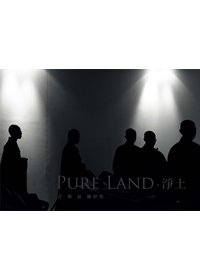
Pure Land.淨土:許朝益攝影集
淨土的經緯不可測量,只能在心中探索,有佛無佛、出世入世……,直至出入自在,當下即是淨土!
很多人都對淨土充滿著嚮往,在擾擾紅塵希望能覓得一方心靈淨土。許朝益透過他的攝影鏡頭,帶著讀者一起尋找與探索淨土世界。由入世到出世,由不淨轉清淨,藉由種種修行方法,學習佛的智慧,洗滌種種煩惱,讓身心重新蛻變,充滿光明的力量。《Pure Land.淨土》既是一條建設外在淨土的道路,也是一條開展內在淨土的道路!
作者簡介
許朝益 Charles﹙Chao-Yee﹚Hsu
1963年 生於臺灣臺北1985年 中原大學工業工程學士1994年 美國威斯康辛州立大學麥迪遜校區 製造系統工程碩士(Ms, University of Wisconsin – Madison, USA)2011年 視丘攝影藝術學院結業(FOTOSOFT Institute of Photography, Taipei)
作者
NT$
$374
|
78折

解脫,從這裡開始:阿底峽尊者《要義定攝》之開示
脫離輪迴,才能得到真正的快樂阿底峽尊者的弟子仲.敦巴的轉世,以及大寶法王噶瑪巴的攝政法太子第十二世國師嘉察仁波切的第一本中文書
在浩瀚如海經教中,如何找到解脫輪迴的快捷之道?阿底峽尊者以二十頌,總攝佛陀教理的精髓,讓你懂得取捨之道,創造正能量,同時,幫助初學者勾勒解脫藍圖,還原與佛無二無別的本然面貌。
◆輪迴是痛苦的,但人類掌握了解脫之鑰人類之中,最重要且最危險的能力,就是「造業」。所有投生六道的業因,可說都在人道之中形成,因此,佛陀為了救濟六道痛苦,而選擇投生人間,藉由宣說佛法,來引導眾生達到解脫果位。所以想要獲得解脫,依靠觀修之力及在人間行善修業最易如願。
◆跟著阿底峽尊者,掌握佛教三藏十二部精華阿底峽尊者最受後世感念讚揚的,便是精闢開示出「道次第」道理的《菩提道燈論》,尊者在攝集《菩提道燈論》精華要義之後,再著作了此《要義定攝》。它不只是闡明了佛教基本教義,更是一套通往解脫的完整修學之道,千年來影響所有的藏傳佛教徒。
◆國師嘉察仁波切將自身體悟,融會貫通於開示中開示上師:第十二世嘉察仁波切,即是《要義定攝》作者阿底峽尊者之心子:仲‧敦巴尊者的轉世,同時也是大寶法王噶瑪巴的攝政法太子、噶舉傳承的重要上師,以及身為經教及實修兩大傳承的公認大成就者,他終身秉持書中的實修引導,以累世凝聚之學養、智慧及修為,在講解阿底峽尊者偈文時,將自身體悟之智慧心髓,融會貫通於本開示中,精闢且詳盡的解析尊者所規劃的解脫藍圖。
本書是第十二世嘉察仁波切針對十一世紀初影響藏傳佛教深遠的阿底峽尊者的著作《要義定攝》所作的開示。 阿底峽尊者是十一世紀初藏傳佛教偉大的上師,也是西藏後弘期貢獻最大的上師,尊者以《菩提道燈論》一書,奠定融合顯、密三乘經教、且可融會共修之快捷成佛路徑,並針對五濁惡世修行難的艱困局勢,再以更精鍊之二十頌偈文,集結《菩提道燈論》之法義精華,也就是本書開示之文本:《要義定攝》。
《要義定攝》以「輪迴」及「解脫」兩個層次來論說,並依序闡述了「方便」、「智慧」兩大車軌,及「五道、六度」和「三身果位」等直至成佛的一切路徑。書中循序漸進、深入淺出地鋪陳修行的次第,將顯密三乘佛教應備的基本觀念統攝於一,成為囊括了佛教大小十二部、三藏十二部精華的一套完整修學之道。
這套凝聚成就者苦心及經驗、在從起步到證悟的完整路徑,讓難以精讀厚重佛經,或修持路上方向及步驟混亂、見樹不見林的修學者,能夠提綱挈領、快速精準的找到學習的座標及切實易行的方法。
作者簡介
第十二世國師嘉察仁波切(Gyaltsab Rinpoche)
嘉察仁波切被視為是大勢至菩薩及密乘金剛手菩薩的化身,同時也是阿難尊者的化身,並被追認為是蓮花生大士二十五位大弟子之一的喀千.貝吉.旺丘、阿底峽尊者的弟子仲.敦巴.嘉尾.炯涅(Drom Tonpa Gyalwei Jungne, 1004-1064,仲.敦巴尊者)、密勒日巴(Milarepa)尊者「如月」般的大弟子惹瓊巴(Rechungpa)等大成就者的化身。
1954年生於西藏尼木縣,三歲時由第十六世大寶法王噶瑪巴認證為嘉察仁波切的轉世。六歲時,跟隨十六世法王從西藏移居至錫金,並在十六世法王跟前,求受到噶舉傳承所有共同及不共的灌頂、口傳、竅訣等,圓滿一切聞思及覺受,成為近代不分教派公認的大成就者之一。
十七世法王噶瑪巴曾說:「我在嘉察仁波切近前,領受了諸多灌頂、口傳及竅訣,不同於其他的上師,仁波切的性格率直,完全不沾染世間八風,像仁波切這樣,身語意不受絲毫染污的賢哲上師,在現今這個渾濁不堪的惡世,可說是稀有難得,因此,我一直都尊敬他。」
仁波切一生履行十六世法王的聖願,為法王守護錫金隆德寺,同時擔任隆德寺佛學院院長一職,為噶舉僧俗二弟子傳授顯密大論,以及灌頂授戒,並為弘揚傳承教法,先後至美國、歐洲、馬來西亞、台灣、香港等世界各地創辦中心。西元1988年,在錫金創建了根本道場:大吉祥寺,同時開辦了經學院、閉關房及尼師寺等。
自2000年第十七世大寶法王噶瑪巴抵達印度後,嘉察仁波切多次專程至印度,為第十七世噶瑪巴呈回從第十六世噶瑪巴處得到的所有灌頂、口傳與竅訣,延續猶如黃金珠鬘般的清淨實修傳承,並依第十七世噶瑪巴的囑咐,持續住持隆德寺。
譯者簡介
倫多祖古(Lungtok Tulku)
《因為你,我在這裡:第一世噶瑪巴杜松虔巴傳記與教言》譯者。
作者
譯者
倫多祖古(Lungtok Tulku)
NT$
$238
|
85折

天眼通第一:阿那律尊者
王族的後裔、不知人間疾苦的阿那律,求道心堅,拒絕少女的求婚,卻在佛陀講經時打瞌睡而遭喝斥,他懺悔立願:「從今以後,盡形壽,我再不睡眠!」精誠一意的修行而失明,大覺完人的佛陀,慈心親為他縫製三衣,並教其修習金剛照明三昧。獲證天眼通、見得三千大千世界的阿那律,林中寂靜無諍的修道、感化群盜皈依佛,為眾生請示八大人覺行法門;精進不懈的精神、安祥自在的修行傳道,阿那律尊者不愧為佛陀時大弟子之一。
作者
NT$
$119
|
85折
Madhyama-āgama Studies
The present book collects various research papers by Bhikkhu Anālayo with translations of Madhyama-āgama discourses and a comparative study of their Pāli parallels, together with a brief discussion, found in the appendix, of the school affiliation of the Madhyama-āgama and its relation to the Majjhima-nikāya. The main emphasis in these studies is on detecting possible transmission errors in the Pāli versions through the help of the parallel Madhyama-āgama discourse. Topics taken up in the course of the different studies are the Buddha’s decision to teach, the role of investigation in early Buddhism, the notion of a recluse, the relationship between tranquillity and insight, the lateness of the dictum that a woman cannot be a Buddha, the beginnings of the Abhidharma, meditation on emptiness in early Buddhism, the development of the arahant ideal, the canonical account of the founding of the order of nuns, and the relationship between karma and liberation.
作者簡介
Bhikkhu Anālayo was born in Germany in 1962 and ordained in Sri Lanka in 1995. He completed a Ph.D. thesis at the University of Peradeniya (Sri Lanka) in 2000 and a habilitation thesis at the University of Marburg (Germany) in 2007. At present, he teaches at the Center for Buddhist Studies, University of Hamburg, and researches at Dharma Drum Buddhist College (Taiwan).
作者
NT$
$507
|
78折

智慧第一:舍利弗尊者
大智大慧、神力超群的舍利弗尊者,一聞「諸法因緣生,諸法因緣滅」,便皈依佛陀座下。他,證悟法性,少欲知足;勇猛精進,常修禪定;為教為人,弘法度生;他,宣揚正法,降伏外道;胸懷寬廣,忍辱化敵;獲證解脫,無諸苦惱。他的肉身雖已涅盤,精神卻永在人間!
作者
NT$
$119
|
85折

論議第一:迦旃延尊者
迦旃延生於公元前五世紀,西印度阿槃提國人。他未出家前曾跟隨舅舅阿私陀仙人學習,阿私陀仙人臨命終前要迦旃延禮佛出家,怎奈飽學多聞的迦旃延,一念慢心起,將舅舅的遺言拋到九霄雲外。面對神祕的碑文,迦旃延苦苦思索,究竟答案是什麼?佛陀、佛陀,他想起了佛陀。迦旃延出家後,勤行不懈,證得阿羅漢果位。由於他善於分析法義、擅長說法,因此於佛弟子當中有「論議第一」的雅號。迦旃延的教化事蹟,在原始佛教裡頗為有名,如教貧苦無依的老婦賣貧;以智慧感化愛殺出家人的惡生王……
作者
NT$
$119
|
85折

多聞第一:阿難陀尊者
阿難陀尊者,生於西元前六世紀,古印度人,是佛陀的堂弟,幼年出家,是佛陀的常隨弟子。他記憶力強,對佛陀說的法都能朗朗記誦。但是,容貌端正,溫和善良的他,卻為情所擾,幸運的是佛陀總是在緊要關頭,一語點醒夢中人。佛陀涅槃,大迦葉尊者召集五百羅漢結集經典,阿難尊者因煩惱未斷,被拒絕參加,為此,他發憤用功,終於在一天夜裡,當他腳已離地、頭未落枕之際,豁然開悟。佛法如大海,流入阿難心,如是我聞、如是我聞……佛陀說的法,如是流傳下來。
作者
NT$
$119
|
85折

不出世的奇葩:南傳佛教第一人,佛使尊者
不畏權勢逆轉潮流,解脫眾生的苦難 尊者不畏權勢進行不流俗的革新運動,以佛法精義重構社會,逆轉腐化的潮流,解脫眾生的苦難。他強調對於佛法要做理性分析,同時要把佛法應用在日常生活上,佛法是世間的療藥,工作就是修行,並且以空心來工作。 涅槃是痛苦的息滅,尊者用凡夫層次的佛教,直接表示道、果、涅槃於此世、現在、眼前就可證得。 活在大自然的智慧 佛使比丘自1932年成立解脫自在園開始,至1993年圓寂為止,大半生都在森林中度過,他認為修法必須選擇自然的環境,因為森林是心靈全新感受的泉源。於大自然中,他觀察到萬事萬物本來如是,一切都只是緣起,包括生、老、病、死也是大自然中的一部分,只是“自然”,只是“法”。他以身教教導弟子要保持正念,準備死亡。他對自己的體悟,充分表現在對自己生命的態度上。 佛使比丘終其一生殫精竭慮要建立和詮釋原始佛教的純正要義。他精研巴利三藏(尤其是經藏),再根據教法修行,然後把所證得的滅苦方法開示給眾生,他的目標是要為目前及未來的研究與修行,制訂一套完整的參考體系。他的方法,總是那麼合乎科學、直截了當、實際可行。 雖然他只受過10年的正式教育和初級的巴厘文教育,卻榮獲泰國各大學頒贈6個榮譽博士學位。他的著作和演講紀錄,擺滿了泰國國立圖書館的一個房間,影響著了泰國佛教徒。泰國社會中的進步派,尤其是年輕人,深深受到他的教法和大公無私的典範所啟發。自從1960年代以來,教育、社會福利和農村發展等各界的推動者和思想家,都在接受著他的教法和開示。尊者每週於電臺廣播弘法,演講“斷尾狗的教育”,以斷了尾巴的狗走路就會不平衡為比喻,強調教育的重要與影響性,喚醒大眾重新思考教育的問題,以求根本解決之道。 一生堅持3個心願 佛使比丘一生堅持3個心願:一、教導人類破除自私;二、希望每個宗教都能互相瞭解;三、希望每個宗教徒都能進入其信仰的核心。 自從成立解脫自在園以來,他研究了佛教的一切法門,並涉獵其他宗教,這種興趣著重在實務上的體驗,而非學術上的研究。他從不站在佛教的立場抨擊別的宗教,反而強調各個宗教的信仰者要思維該宗教的精髓,將該宗教的真正精神活出來。因為他認為每個宗教的產生都是要解決人類的痛苦,若人能進入該宗教的核心,人自然就能解決他自己的痛苦。 1993年5月25日,佛使比丘因腦溢血而昏迷,身體情況由此轉壞,於7月8日圓寂,9月29日茶毗,享年87歲。臨終前他留下遺書:“我要依循聖戒來處理我的身體。”在他生病之前,最常開示的主題就是“涅槃”,他宣說涅槃是貪、瞋、癡的止息,也是人人所應追求的最高境界,他如此解釋涅槃:不再有“我”、“我所有”的執著,不增不減,心寂靜安樂。 佛使比丘給弟弟法使居士的信 佛使比丘於1937年離開曼谷前寫了幾封信于他的弟弟(法使居士),表達了他求法的決心。部分內容如下: “……我無法向你確定歸期,不過這將是最後一次在曼谷修學。我希望找到一個遠離外在與內在干擾的修行場所,讓我詳細驗證曾經學過的佛法課題,並且希望對佛法多些瞭解……我正在找一個修行場所,好讓我短暫停留並且整理教典約5、6個月…… 我現在要說一件稱得上是無價的幸運事。我認識一位元朋友,不經討論,他就能分享我對生命的看法,我們可以共同奮鬥。我們一致認定不可能在曼谷找到清淨。 打從出生到有這種感觸之前,我們一直與世浮沉,從今以後,我再也不隨波逐流了,我要遠離世俗尋求清淨,並跟隨最近才剛發現的聖人足跡而行。如果我們執意隨俗浮沉,就會離佛法真理越來越遠,即使再生千百次也追不上。現在我們再也不隨俗了,除了色身還依靠世俗之外,精神方面將儘量超越世俗,如此才能立刻體會清淨。 我們也發現對親友和信徒的掛礙,會破壞安樂和清淨的追尋,而現在的我們正決心要找到這種安樂與清淨,並把它們傳達給我們關懷的人;如果時時擔心六親眷屬,也許壯志未酬身先死了。所以我們將效法佛陀,佛陀曾經自述,雖然他的父母因為捨不得而淚流滿面,他還是出家尋找清淨。做了這個決定後,我們又解開了另一個心結,希望親屬們也能接受我這項決定,縱使彼此可能無法再見面了……” 佛使比丘離開曼谷前所寫的最後一封信,部分內容如下: “目前這裡的狀況改變得非常快。厭惡偏離正道、厭惡曼谷的想法,已從一人擴展到其他人,他們的人數從二、三到更多,我相當訝異,因為從來沒有期望過有人會相信我並跟著我做。這些人也徹底地改變了觀念,例如:他們不怕自己的師父生氣;再者,他們也不怕讓父母失望;最後,只要能遵循通往清淨的道路,就算死也不怕了。我知道只靠以前和現在流行的法門,無法引領我們親見如來……” 另一段文裡,佛使比丘提到一個可供研究和探索佛法的地方: “……除了考慮自己的家鄉本裡安鎮以外,我現在毫無頭緒,不知道從那裡去找一個適合學習的地方,所以我想請你幫忙。我需要有人護持我全心研學,但請大家就當作我根本不在家鄉一樣。膳宿方面也請稍作改變,也就是說,如果不方便,提供魚醬拌飯也就可以了,佛弟子的要求從來不會超過這些。我曾經向朋友證明,幾乎所有阿羅漢都靠米糠飯沾點醋,或拌發酸的醬菜汁過活,他們只有醋當調味品,我剛剛所說的魚醬飯已經比他們好多了。現在我們正試著吃這種食物,並且覺得繼續這樣吃下去,不會有任何問題……” 我在解脫自在園的日子 文:佛使比丘(本文乃佛使比丘於1943年35歲時,為紀念解脫自在園十年而寫的著作,經節錄如下。) 【大自然給我的教誨】 解脫自在園的創立以及我在那兒獨修,只有幾位志同道合的朋友知道,當地的居民,大部分都不明白我們的用意,某些人可能就自己猜想我們要做什麼。在那兒的最初幾天,當我早上出去托缽時,他們的小孩會跑開而且很激動地大叫:“瘋和尚來了!瘋和尚來了!”他們認為我有精神病。 起初我在解脫自在園所住的地方,只是一個有泥土地、茅草頂、鐵皮牆的小茅舍。在寂靜的夜晚,獨處於隱僻處的滋味,實在無法用語言敘述清楚,也無法向一個不曾居住于森林中隱僻小屋的人說明白。一旦你意識到將獨處於沒有任何庇護的地方時,似乎立刻就有一股力量把你的意志攫走,所以當突然的干擾或喧囂第一次發生時,你會無法避免地受到驚嚇。但是,隨著個人意志力的增強、覺察速度的加快及對情況較熟悉後,所有的意外將漸漸化為平常。因此,你必須給自己最少7天的時間練習對抗恐懼,直到有滿意的結果。 早期,在我離開村莊隱居于森林的日子裡,所有的事情都令我沉思,這些新的感覺多到無法一一寫下來。而那些具有深刻意涵與難題的情景,只有未經人為改變的大自然才能提供。隨著歲月的流逝,解脫自在園一點一滴地被改變,多年來形成的變異,已無法重現當年給我許多痛苦教誨的原始風貌。今日解脫自在園的周遭環境涼爽舒適,但已不能回復往日的景況,幾乎無法給學習自然的人任何激發思考的教誨,然而這也是因為我們學習其他事務,而取代了向大自然學習的機會。 【夜晚的心靈最清醒】 所有的生物在晚上真的都睡著了嗎?絕對不是!透過學習自然,我們會發現夜晚竟是整個世界最活躍的時刻,那是非常微妙的清醒狀態。我發現幾乎所有的動物在夜裡都是清醒的,並且工作忙碌,喧囂不下於白天,只有“世俗的人”與某些動物才會昏睡。對“修法的人”而言,夜晚的心靈最清醒,因為白天幾乎全心在生活瑣事上打轉,而無法深入安住于寧靜中;到了夜晚,一切俗事已了,生機再現,心靈也比白天更清醒,因此內心充滿著能看清事物的光明,也喚起了活力。他們的身體也許入睡了,但心靈總是醒著的,隨時準備去觀察萬物實相,而且不會覺得疲倦。相反地,白天有各種工作要做,有客人要招待,還要幫助別人,由此所產生的疲憊感會使人頭昏腦脹,精疲力盡,並且心智遲鈍,就像是昏睡一般,這與深夜時分的寧靜大不相同。 因此,我有一個看法:“法”不像世俗界一樣在夜晚入睡,卻在很多方面與世俗界正好相反。事實上,有些小動物在夜晚保持清醒,並且活力充沛。 【品嘗全新的心靈滋味】 獨處時再好不過的是:練習清醒並控制自己保持清醒,而在任何時候都能隨心所欲。一旦身心安適于森林的環境,人的心力就更容易集中,達到像孩子遊戲時全神貫注的機會也大增,因為此時不需花費很大的功夫就能集中心力。 在寂靜的森林裡,詳細觀察大多數(即使不是全部)的課題,思路會更通暢、更連貫,所寫的文章也比較生動,然而是否每個人都有同感,這就需要進一步觀察和印證了。誰都會相信,要品嘗各種不同的、全新的心靈滋味,在曼谷那種人煙稠密的地方是絕對不可能的,在那樣的地方,風氣就是一種障礙,因為彌漫在高密度環境中的意識之流,總是與森林中的完全相反。所以,修法的地點也很重要。關於這一點,我曾說過,由於必須直接向大自然學習,我們只有儘量設法住得愈靠近自然,才可能達到這種理想,就像我當初選擇了解脫自在園一樣。 【體會一無所有的考驗】 身外之物也值得探討。初到解脫自在園時,我所有的家當只有一個化緣用的缽、可供飲水的銅制缽蓋、提井水的小桶子、必需的衣物和擺在佛前的一盞椰子油燈,這油燈以茶杯充當,提供每天的照明。我認為自己相當渺小,卻像鳥兒般地自由。我的思路通暢無礙,但也可以一無所思,內心只有難以形容的輕安,充滿愉悅而且從不厭倦,就像啜飲非常清洌的水一般。打從我出生那天起,從未感受到依循這種方式生活時所得到的輕安——好像身體完全不存在了。到此為止的一切狀況,我都覺得滿意,以致足以克服對未來的憂慮。我有信心,不必打擾別人或請求別人幫忙,就可以找到安樂與滿足。我甚至異想天開地認為自己可以單獨活在世上,或者像喜馬拉雅山上的瑜伽行者般,不與任何人來往。 後來,我的家當增多了,因為想要出版《佛教》雜誌,就必須有紙、鉛筆和一些書,那時內心偶爾會起衝突。例如外出時,我就必須把借來的書收藏在箱子裡,並且把門關好、鎖上,直到回家看見書還在,才能鬆口氣。這兩種心情常起衝突,有時令我生起放棄繼續出版雜誌的念頭。最後它們達成協議,而這種妥協也是來自我一無所有時的輕安經驗,兩袖清風固然能使內心產生前所未有的輕安,卻也能生起一種智慧,告訴我這種內心的輕安是由於割捨和不執著。 不執著應該不僅是因為身無長物,沒什麼東西可以執著,更是因為對自己所擁有的一切不執著。那麼,擁有一些足以利益更多人的東西,卻沒有執著的負擔,可能做到嗎?這是很值得嘗試的。 當我腦中生起這個富挑戰性的想法時,很自然地就產生一份勇氣和樂趣,想要承擔某種具有約束力的使命。這時,有個念頭在心中浮現:不要放棄這項新發現的快樂,但另一個念頭卻要我向它妥協,以免失去任何一方面。最後,我終於能夠兩者兼顧。我初次體驗到完全割捨的滋味,給了我重大的啟示,那就是當需要增添物品時,我知道要如何取捨。這與我從前只知道要執取而不知道如何放下,已大不相同了。 有意從事心靈訓練的人,一定要以正念、正知及敏銳的觀察來通過這項考驗。因為從內心體驗所得的知識,和由閱讀書籍推論所得的知識相當不同。因此我想提醒正進行這一階段修行的同修們,一定要盡全力以最嚴謹的訓練,通過“擁有”和“一無所有”的考驗。 ●作者簡介: 鄭振煌居士 臺灣臺南縣人,1945 年出生。國立臺灣大學外國語文學系學士,國立政治大學新聞研究所碩士。現任中華維鬘學會理事長、中華佛教居士會副理事長、淨覺僧伽大學大乗佛教研究所所長等職。畢生以弘法利生為志業。推展居士菩薩道及佛教現代化、國際化、學術化、生活化;並長年主持佛學講座、研習營及禪修營。 已出版書籍《佛使比丘:南傳佛教第一人》、《心之旅承──中陰教授》、《當修行者遇上大師》、《直指法身》、《藏密度亡經》、《修心與慈觀》、《心靜煩惱心熄》、《聖道修習》、《武藝中的禪》、《何來宗教》、《法味》、《佛教在中國》、《慧眼初開》、《觀音──半個亞洲的信仰》、《菩提樹的心木》、《了義炬》、《觀呼吸》、《人生錦囊》、《學佛釋疑》、《心如熾火》、《認識藏傳佛教》、《心靈甘露》、《西藏生死書》、《心靈神醫》、《意識的歧路》、《達賴喇嘛談心經》、《達賴喇嘛在哈佛》、《古銅佛像》、《心地觀經》(末三品,英譯本)、《行願──玄奘的故事》(英譯本)、《孔子聖蹟圖》(英譯本)、《水月禪心》(英譯本)、《肢體語言》等三十二部譯著;小冊子有《禪修與心靈淨化》、《空性與心靈療癒》、《開心之鑰──轉念》、《菩薩道的修行》、《居士佛教》、《在家學佛》、《一心三觀》、《死後的真相》、《阿彌陀經的治療法門》、《從死亡談生命》、《西藏佛教簡介》、《西藏佛教的修行道》等十二種;另有中英專文千餘篇發表於海內外報刊雜誌。 商品編號:1150231591
作者
NT$
$213
|
85折

吉祥喜金剛:密勒日巴尊者
密勒日巴,西藏人,他幼年喪父,父親留下龐大的家產,豈料親友不僅將家產占為己有,更虐待孤兒寡母。密勒日巴為了復仇,施放咒術、降雹,殺人無數,後來有所覺悟,生起了學習正法的念頭。為了學習正法,他受盡折磨,心中不禁吶喊「我這顆心應該是鐵做的,否則早該破裂而死。」後來終於得到馬爾巴的無上灌頂和修行口訣,之後,他過著凡人無法想像的苦行,終至解脫。有西藏詩聖之稱的密勒日巴,他的一生,從滿心瞋恨到解脫自在,說明了只要斷然終止惡業,終能成佛。
作者
NT$
$119
|
85折

解空第一:須菩提尊者
主角須菩提尊者,生於古印度貴族,從小反應敏捷,但是發起脾氣,像火山爆發,岩漿亂噴,他想改又改不了,親朋好友視他如惡魔。於是他遠離人群,到山林裡修行,奈何連風吹鳥鳴,他都無法忍受……後來須菩提遇見佛陀,不僅改掉壞脾氣,還成為佛陀座下最不喜歡與人爭論的比丘。須菩提入在空三昧中,一句話也沒說,天人為何說他善說般若,對他華雨讚歎?原來,尊者無說,天人無聞,是真般若。畫家度魯畫風線條簡單,卻能把須菩提尊者的生命注入畫裡,更將尊者對「空」的領悟,表現得淋漓盡致。
作者
NT$
$119
|
85折
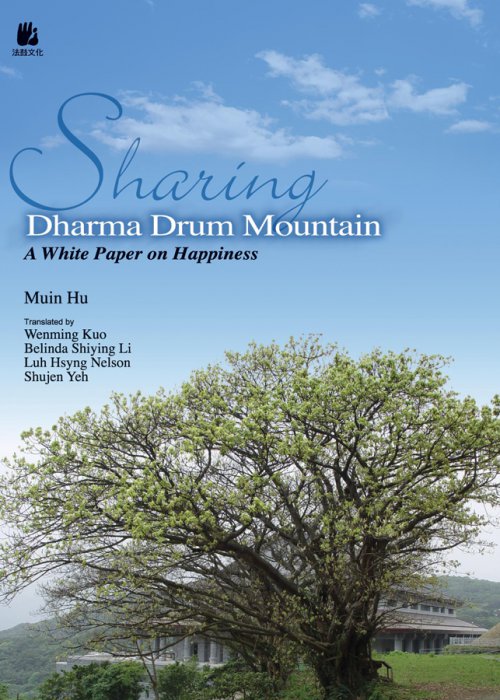
Sharing Dharma Drum Mountain
分享法鼓山的英文翻譯版。本書記錄法鼓山佛教體系的由來、前身、創建的經過以及未來的展望。法鼓山創建於1989年,以「提昇人的品質,建設人間淨土」為理念,透過內在修持、現代文教活動、人文社會的建立、推動心靈環保,開發人人心中的智慧與慈悲。法鼓山的硬體工程亦同時開展。時值2005年,法鼓山的第一期工程即將落成,這是法鼓山新紀元的開始,也是法鼓山長久以來一個想望的實現。當此夢想開花結果的前夕,邀請大家來分享法鼓山,分享法鼓山由來的心願。
作者
NT$
$140
|
78折
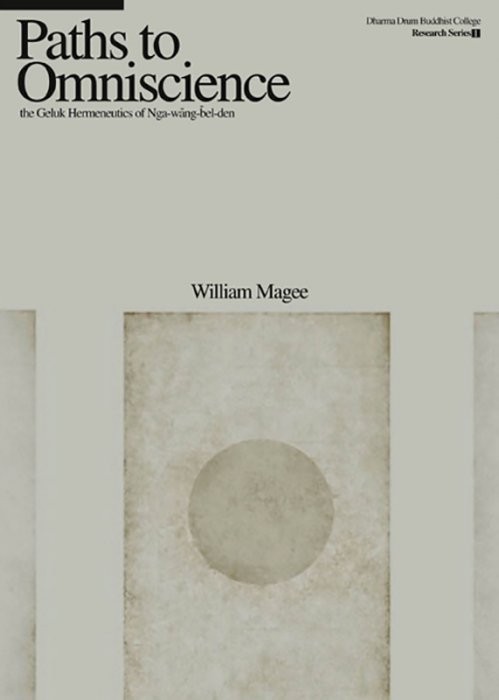
Paths to Omniscience: the Geluk Hermeneutics of Nga-wāng-bel-den
Buddhism suggests that it is possible to investigate the nature of reality ourselves; but to do so one needs to differentiate definitive teachings from those of interpretable meaning. William Magee’s book, Paths to Omniscience, discusses a number of topics related to the interpretation of scripture according to Dzong-ka-ba, Jam-yang-shay-ba, Nga-w?ng-bel-den, and other great scholars of the Geluk world. Paths to Omniscience also addresses the Geluk approach to the practice of hermeneutics. Even within the lineage itself, scholars have not always agreed about interpretation of scripture. Paths to Omniscience describes intricate maneuvers enlivening the spirited controversies of these emminent Lamas. Paths to Omniscience also includes translations of thirty annotations from Nga-w?ng-bel-den’s Annotations for (Jam-yang-shay-ba’s) "Great Exposition of Tenets". These annotations show how diverse and wide-ranging a great commentarial author can be in his treatment of the basic text. Far from being mere footnotes to Jam-yang-shay-ba, the Annotations can instead be viewed as a seminar on his Great Exposition of Tenets.
NT$
$351
|
78折

知禮大師傳:四明尊者
唐末天下戰亂頻仍,天台宗的典籍大多散佚,其後諦觀法師等自朝鮮。 唐末天下戰亂頻仍,天台宗的典籍大多散佚,其後諦觀法師等自朝鮮、日本攜回天台典籍,造成天台學復興的盛況。由於對原籍看法不一,遂導致觀點的岐異。久之,乃有山家、山外的對峙,為了中興天台,釐清台宗教義,以四明知禮大師等人為首的天台正統山家派,與慶昭、智圓法師等為首的山外派,展開對天台四祖智顗大師的《金光明經玄義》廣略二本真偽問題的論爭……。 知禮大師,北宋天台宗僧。四明(浙江鄞縣)人,俗性金。七歲喪母,逐發願出家,十五歲受具足戒,專究律點。二十歲,從寶雲義通大師學天台教典,甫經一月,便能自蔣《心經》。末久,名撼四方,淨侶雲集。並於四明山保恩院(延慶寺),專事懺講四十餘年,學徒遍於東南。 ●作者簡介: 郭梅,杭州師範學院副教授、文學碩士、作家,著有《我心如舟》等文集、專注近二十種。 吳志翔,浙江教育報刊社編輯、記者、作家、文學碩士,武漢大學哲學學院在讀博士生。著有隨筆集《憂鬱的享受》等。 商品編號:1150520991
作者
NT$
$213
|
85折
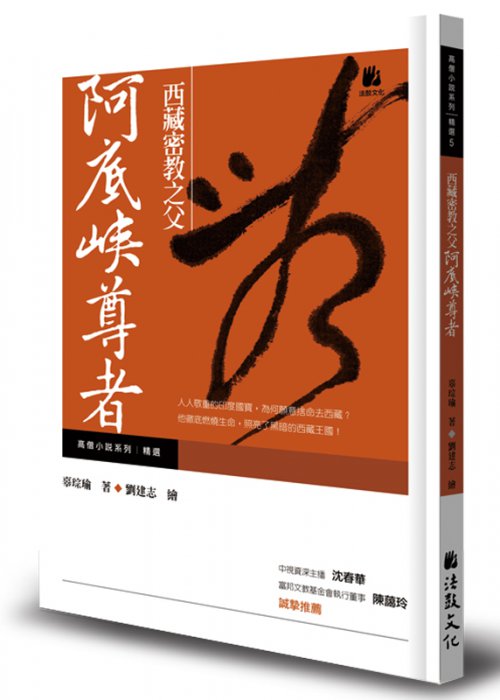
西藏密教之父:阿底峽尊者
人人敬重的印度國寶,為何願意捨命去西藏?他徹底燃燒生命,照亮了黑暗的西藏王國!東印度王子阿底峽,出生之日天降落花,日照彩霞聞妙聲,群魔化成毒蠍,卻無法傷害他。聰明宿慧,修學拜師三十年,身掌印度一○八所寺院鑰匙,人稱為「頂莊嚴」,是印度的國寶。為弘佛法,近六十高齡,不畏途中峻嶺和盜匪,仍願遠赴神祕香格里拉西藏。阿底峽尊者為藏人帶來佛法的復興,點出先顯後密的次第,開啟藏地的傳承,成為藏傳佛教的第一中興人物……。
作者簡介
辜琮瑜文化大學哲學博士,曾任法鼓文化《人生》雜誌主編、醒吾技術學院助理教授;現任法鼓大學籌備處助理教授,並擔任法鼓山佛學推廣中心宗教、心靈課程講師。著有《聖嚴法師的禪學思想》、《根本沒煩惱》、《活著活著就笑了》、《都市叢林備忘錄》、《如何Handle你的主管》等書,合著有《生死美學》、《哲學與人生‧生命的安頓》。目前生命與生活中的關鍵字是:書寫、敍事、生命教育、佛法。
繪者簡介
劉建志1966年生於雲林縣北港。自學繪畫,常受邀為國內知名作家文章繪製插圖。1999年築「一澄舍中」殊畫坊,期以摹古畫風重飾佛經圖像。2008年並受「法鼓山大悲心水陸法會」籌備小組力邀,創作水陸畫系列。代表作品有:法鼓文化《高僧小說系列》、靜思文化——小沙彌系列、皇冠版《吳姐姐講歷史故事》、中國兒童故事大百科三十六鉅冊等。曾榮獲1995年中華民國視覺設計展「插畫創作」金牌獎、1997年中華兒童文學獎「美術類」年度。
作者
NT$
$133
|
78折

Footprints in the Snow : The Autobiography of a Chinese Buddhist Monk (雪中足跡英文版精裝)
Master Sheng-Yen has devoted much of his life to spreading the teachings of Chinese Buddhism—a practice that antedates the more familiar Japanese and Tibetan traditions—throughout the world. He became known in the United States after he began founding meditation centers here in 1980. Now in his late seventies, he tells the remarkable story of his life and spiritual education in FOOTPRINTS IN THE SNOW. From descriptions of the private world of Buddhist masters to first-hand accounts of Chinese history, it is a rare document that is both an important look at China’s past and a compelling spiritual journey across a lifetime.Sheng-Yen’s story is of a life lived in the last years of the Republic of China, the Sino-Japanese War, and the founding of the People’s Republic of China. An eye-opening slice of modern history as well as an authoritative introduction to an ancient religious tradition, FOOTPRINTS IN THE SNOW will appeal to spiritual seekers, travelers who want to understand more about China, or anyone looking for a fascinating story.
NT$
$893
|
85折
A Comparative Study of the Majjhima-nikāya Vol.1 Vol.2
The present book is a textual study in early Buddhism, which compares the Pali discourses of the Majjhima-nikāya with their parallels preserved in Chinese, Sanskrit and Tibetan etc.
作者簡介
Bhikkhu Anālayo was born in Germany in 1962 and ordained in Sri Lanka in 1995. He completed a Ph.D. thesis at the University of Peradeniya (Sri Lanka) in 2000 and a habilitation thesis at the University of Marburg (Germany) in 2007. At present, he teaches at the Center for Buddhist Studies, University of Hamburg, and researches at Dharma Drum Buddhist College (Taiwan).
作者
NT$
$1,170
|
78折
正在載入更多商品......