搜尋結果
共
3409
筆符合商品
排序
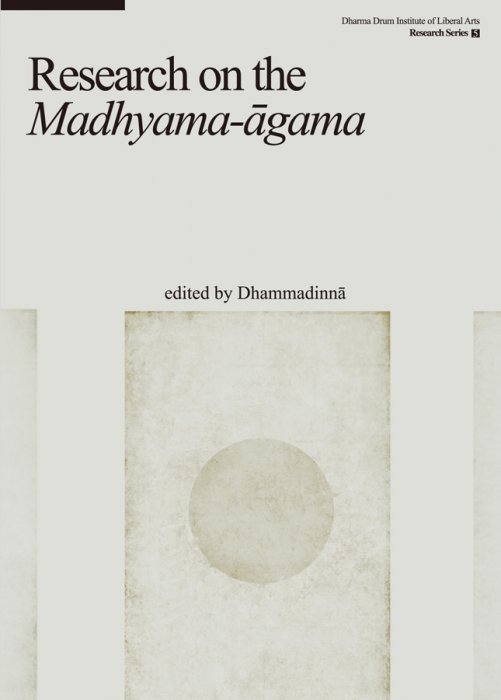
(英文版) 中阿含經研究論文集 Research on the Madhyama-āgama
This is the third volume of proceedings of the Āgama seminars convened by the Āgama Research Group at the Dharma Drum Institute of Liberal Arts (formerly Dharma Drum Buddhist College). It collects academic contributions on various aspects related to the Middle-length Collec¬tions of discourses (sūtras, suttas) transmitted by different early Buddhist lineages of reciters, preserved in their Indic originals in Gandhari, Pali and Sanskrit as well as in Chinese and Tibetan translations.
作者簡介
About the editor:Bhikkhunī DhammadinnāDharma Drum Institute of Liberal Arts
About the contributors:
Mark Allon & Blair SilverlockUniversity of Sydney
Bhikkhu AnālayoUniversity of Hamburg
Roderick S. BucknellUniversity of Queensland
Jin-il Chung(鄭鎮一)Göttingen Academy of Sciences
Takamichi Fukita(吹田隆道)Bukkyō University
Jen-jou Hung(洪振洲)Dharma Drum Institute of Liberal Arts
Seishi Karashima(辛嶋靜志)The International Research Institute forAdvanced Buddhology at Soka University
Michael RadichVictoria University of Wellington
Richard SalomonUniversity of Washington
Peter SkillingÉcole française d’Extrême-Orient
Ingo StrauchUniversity of Lausanne
作者
NT$
$351
|
78折
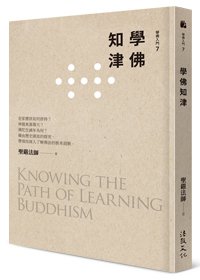
學佛知津
★聖嚴法師《正信的佛教》延伸閱讀,更深入佛法精髓。★提供最基本的佛教常識,幫助讀者在最短時間內,一窺佛教究竟。★不可不讀「學佛入門名篇」‧ 神通的境界與功用 ‧為什麼要做佛事?‧ 怎樣做一個居士? ‧怎樣修持解脫道?在佛的一生之中,並非沒有不如意事,但他總是以慈祥溫和的態度,處之泰然。他的悲心願力之偉大堅強,卻又不是任何一位宗教家所能比擬,和平中正而剛毅不屈。成了佛的釋尊,絕不是以此而想求得什麼,乃是以身示範,做為弟子們的榜樣而已!人若能與釋尊一樣之時,他也必已成佛了。而一個居士,雖然皈依了三寶,仍是在家的俗人,既是俗人,就該照著俗人的生活軌範去生活,而且要比沒有信佛的俗人生活得更積極、更和諧、更美滿、更有朝氣、更有活力。唯有如此,才能使得自己愉快,使得他人敬仰,並使他人樂意來接受自己的影響。◎本書為聖嚴法師寫作《正信的佛教》的同時期產物,也是為了相同的目的而寫,只是更加專題化、更加深入。透過本書,讀者可以# 具體掌握修持的要領# 深入了解原始佛教# 明瞭佛教典故,豐富你的學佛人生
作者簡介
聖嚴法師(1930-2009年)聖嚴法師1930年生於江蘇南通,1943年於狼山出家,後因戰亂投身軍旅,十年後再次披剃出家。曾於高雄美濃閉關六年,隨後留學日本,獲立正大學文學博士學位。1975年應邀赴美弘法。1989年創建法鼓山,並於2005年開創繼起漢傳禪佛教的「中華禪法鼓宗」。聖嚴法師是一位思想家、作家暨國際知名禪師,曾獲臺灣《天下》雜誌遴選為「四百年來臺灣最具影響力的五十位人士」之一。著作豐富,中、英、日文著作達百餘種,先後獲頒中山文藝獎、中山學術獎、總統文化獎及社會各界的諸多獎項。聖嚴法師提出「提昇人的品質,建設人間淨土」的理念,主張以大學院、大普化、大關懷三大教育推動全面教育,相繼創辦中華佛學研究所、法鼓文理學院、僧伽大學等院校,也以豐富的禪修經驗、正信的佛法觀念和方法指導東、西方人士修行。法師著重以現代人的語言和觀點普傳佛法,陸續提出「心靈環保」、「四種環保」、「心五四運動」、「心六倫」等社會運動,並積極推展國際弘化工作,參與國際性會談,促進宗教交流,提倡建立全球性倫理,致力世界和平。其寬闊胸襟與國際化視野,深獲海內外肯定。
作者
NT$
$187
|
78折
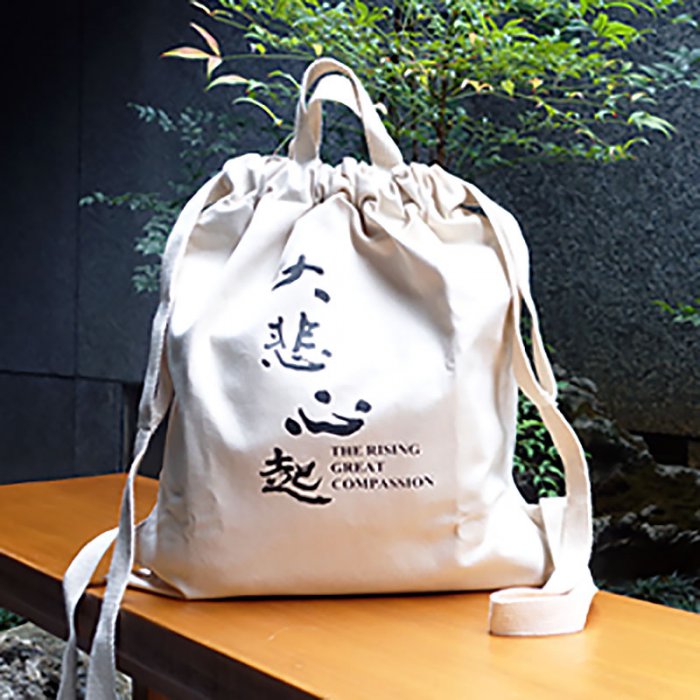
大悲心起|純棉後背包-原胚色
質樸內斂的人文環保包嚮往減法生活,就從每天使用的包包袋袋著手。
產品特色.經典版後背包.大容量、可後背或手提。.純棉厚胚布、環保耐用。
產品規格.內容:純棉胚布包1個.顏色:原胚色.材質:100%棉.尺寸:約寬 39.5 x 高 44.5公分 (不含提把).重量:約 221公克.產地:臺灣生產製造
注意事項.可清水洗滌,避免乾洗、烘乾、熨燙及漂白。.本商品圖檔顏色因拍照光線關係會略有不同,請以實際商品顏色為準。
NT$
$360

可提式木棉蒲團
以簡單、易懂、正確、安全的方法,循序漸進引領我們進入禪坐的世界,體會身心自在。使用蒲團,讓膝與地相連,臀部與兩膝成為三個著力支點,可以坐得穩固,不會向後仰,腰桿自動挺直,是禪坐初學者的一大利器。
產品規格.內容:可提蒲團一個.顏色:面套:咖啡色/內棉表布:胚布色.材質:面套:100%棉/內棉表布:100%棉胚布/內棉填充:100%天然木棉花.尺寸:直徑約 35 x 高約 10公分 .重量:約 710公克.產地:臺灣製造注意事項.因光線關係,圖片顏色略有差異,請以實際商品為主。.內棉上有黑色小點或黑色籽實,乃自然現象,請安心使用。清潔保養方式面套.可清水手洗.不可用化學藥劑漂白.不可熨燙.不可乾洗.不可烘乾.請單獨洗滌。不可浸泡,洗後脫水,並拉平陰乾,首次洗滌商品縮率約5%左右。內棉.不可水洗.不可乾洗.不可烘乾.不可漂白.請加上面套使用,並每月定期曝曬並拍打,保持天然棉的蓬鬆度。
NT$
$700

60K隨身記事本|福慧傳家
修福修慧,安心安家;六度萬行,傳心傳家。
產品規格.內容:隨身記事本1本.材質:畫刊紙/內頁:橫線.尺寸:約 8.5 x 15公分.重量:約 40公克 (含包裝).產地:臺灣生產製造.包裝:OPP袋
注意事項.商品圖檔顏色因拍照光線關係會略有不同,請以實際商品顏色為準。
NT$
$40
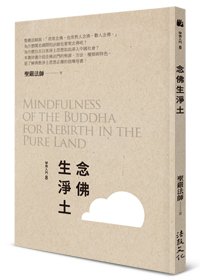
念佛生淨土
聖嚴法師說:「我常念佛,也常教人念佛,勸人念佛。」為什麼聞名國際的法師也要常念佛呢?為什麼自古以來淨土思想如此深入中國社會?本書詳盡介紹念佛法門的根源、方法、種類與特色,是了解佛教淨土思想必備的指導用書!這是聖嚴法師第一本深入介紹念佛法門的專著!佛教修行法門號稱有八萬四千種,其中以阿彌陀佛的淨土修行法門,最受中國人的歡迎和崇信。主要是它的方法非常簡單,隨時隨地只要念佛,就可以得到利益。修行者不分對象、程度,也不必考慮自身所做功德的多寡,更不必擔心自身修證的功力大小,只要對阿彌陀佛的本願有信心,立誓發願即可。這樣一個不論時地、不揀根機的修行法門,雖然方法、觀念皆極為簡易,但事實上,念佛法門從原始佛教到大乘佛教,都有重要且數量龐大的經論依據,其深刻的內涵不容忽視;而正因為其方法單純、易用,最適合被龐大資訊淹沒的忙碌現代人使用。
作者簡介
聖嚴法師(1930〜2009年)聖嚴法師1930年生於江蘇南通,1943年於狼山出家,後因戰亂投身軍旅,十年後再次披剃出家。曾於高雄美濃閉關六年,隨後留學日本,獲立正大學文學博士學位。1975年應邀赴美弘法。1989年創建法鼓山,並於2005年開創繼起漢傳禪佛教的「中華禪法鼓宗」。聖嚴法師是一位思想家、作家暨國際知名禪師,曾獲臺灣《天下》雜誌遴選為「四百年來臺灣最具影響力的五十位人士」之一。著作豐富,中、英、日文著作達百餘種,先後獲頒中山文藝獎、中山學術獎、總統文化獎及社會各界的諸多獎項。聖嚴法師提出「提昇人的品質,建設人間淨土」的理念,主張以大學院、大普化、大關懷三大教育推動全面教育,相繼創辦中華佛學研究所、法鼓文理學院、僧伽大學等院校,也以豐富的禪修經驗、正信的佛法觀念和方法指導東、西方人士修行。法師著重以現代人的語言和觀點普傳佛法,陸續提出「心靈環保」、「四種環保」、「心五四運動」、「心六倫」等社會運動,並積極推展國際弘化工作,參與國際性會談,促進宗教交流,提倡建立全球性倫理,致力世界和平。其寬闊胸襟與國際化視野,深獲海內外肯定。
作者
NT$
$117
|
78折
念佛生淨土 (大字版)
聖嚴法師說:「我常念佛,也常教人念佛,勸人念佛。」本書詳盡介紹念佛法門的根源、方法、種類與特色,是了解佛教淨土思想必備的指導用書!這是聖嚴法師第一本深入介紹念佛法門的專著!佛教修行法門號稱有八萬四千種,其中以阿彌陀佛的淨土修行法門,最受中國人的歡迎和崇信。主要是它的方法非常簡單,隨時隨地只要念佛,就可以得到利益。修行者不分對象、程度,也不必考慮自身所做功德的多寡,更不必擔心自身修證的功力大小,只要對阿彌陀佛的本願有信心,立誓發願即可。這樣一個不論時地、不揀根機的修行法門,雖然方法、觀念皆極為簡易,但事實上,念佛法門從原始佛教到大乘佛教,都有重要且數量龐大的經論依據,其深刻的內涵不容忽視;而正因為其方法單純、易用,最適合被龐大資訊淹沒的忙碌現代人使用。
作者簡介
聖嚴法師(1930年-2009年)聖嚴法師1930年生於江蘇南通,1943年於狼山出家,後因戰亂投身軍旅,十年後再次披剃出家。曾於高雄美濃閉關六年,隨後留學日本,獲立正大學文學博士學位。1975年應邀赴美弘法。1989年創建法鼓山,並於2005年開創繼起漢傳禪佛教的「中華禪法鼓宗」。聖嚴法師是一位思想家、作家暨國際知名禪師,曾獲臺灣《天下》雜誌遴選為「四百年來臺灣最具影響力的五十位人士」之一。著作豐富,中、英、日文著作達百餘種,先後獲頒中山文藝獎、中山學術獎、總統文化獎及社會各界的諸多獎項。聖嚴法師提出「提昇人的品質,建設人間淨土」的理念,主張以大學院、大普化、大關懷三大教育推動全面教育,相繼創辦中華佛學研究所、法鼓文理學院、僧伽大學等院校,也以豐富的禪修經驗、正信的佛法觀念和方法指導東、西方人士修行。法師著重以現代人的語言和觀點普傳佛法,陸續提出「心靈環保」、「四種環保」、「心五四運動」、「心六倫」等社會運動,並積極推展國際弘化工作,參與國際性會談,促進宗教交流,提倡建立全球性倫理,致力世界和平。其寬闊胸襟與國際化視野,深獲海內外肯定。
作者
NT$
$117
|
78折

智慧100
消解煩惱的具體方法智慧之眼和世俗之眼有何不同?為何最大的敵人竟是自己?如何步步成功、念念成功?人生如戲,為何要假戲真演?如何得到不死之藥?聖嚴法師將佛經中的偈語,轉化成簡短易讀的篇章,融以現代生活中的事例,展現出歷久彌新、寬廣自在的智慧;名漫畫家朱德庸先生,以其專擅的幽默風格,首次創作深富禪味的插畫,讓我們透過輕鬆柔性的語句,以及具有思想深度的插圖,直奔經偈中的智慧殿堂。
作者簡介
聖嚴法師(1930~2009年)聖嚴法師1930年生於江蘇南通,1943年於狼山出家,後因戰亂投身軍旅,十年後再次披剃出家。曾於高雄美濃閉關六年,隨後留學日本,獲立正大學文學博士學位。1975年應邀赴美弘法。1989年創建法鼓山,並於2005年開創繼起漢傳禪佛教的「中華禪法鼓宗」。聖嚴法師是一位思想家、作家暨國際知名禪師,曾獲臺灣《天下》雜誌遴選為「四百年來臺灣最具影響力的五十位人士」之一。著作豐富,中、英、日文著作達百餘種,先後獲頒中山文藝獎、中山學術獎、總統文化獎及社會各界的諸多獎項。聖嚴法師提出「提昇人的品質,建設人間淨土」的理念,主張以大學院、大普化、大關懷三大教育推動全面教育,相繼創辦中華佛學研究所、法鼓文理學院、僧伽大學等院校,也以豐富的禪修經驗、正信的佛法觀念和方法指導東、西方人士修行。法師著重以現代人的語言和觀點普傳佛法,陸續提出「心靈環保」、「四種環保」、「心五四運動」、「心六倫」等社會運動,並積極推展國際弘化工作,參與國際性會談,促進宗教交流,提倡建立全球性倫理,致力世界和平。其寬闊胸襟與國際化視野,深獲海內外肯定。
作者
NT$
$234
|
78折
佛教史叢談散集
印度佛教四大聖地的由來為何?東南亞佛教如何承續法脈開枝散葉?淨海法師從印度佛教發源談起,廣及東南亞佛教發展。透過豐富精彩的文史寶庫,尋根溯源佛教的發源與流布。
藍毘尼園、鹿野苑、菩提伽耶……,為何總是吸引絡繹不絕的朝聖人潮?東南亞佛教藝術有哪些特色?中國古籍中對於佛教交流的敘述有哪些?泰國王朝的更迭和佛教信仰有關?為了推廣佛法,淨海法師曾留學泰國學習巴利文,鑽研相關史料多年,筆耕不輟。經由長年研究考證,以叢談彙編方式介紹佛教的發源與流傳。內容包括:印度佛教四大聖地、印尼古代佛教史考、馬來西亞早期佛教略史、雲南上座部佛教傳入略考、南傳上座部佛教的互相依存關係、東南亞古代孟族人對南傳佛教先驅的貢獻。並收錄所翻譯的〈泰國佛教史〉,介紹泰國佛教概況。全書論述引經據典,且涵蓋軼事雜談,除提供認識佛教史的實用參考,引人入勝的精彩介紹,讓人彷彿回到歷史現場。
作者簡介
淨海法師
一九三一年出生江蘇泰縣。九歲出家,十六歲寶華山受戒,後就讀武進天寧寺佛學院。
一九四九年到臺灣親近慈航法師,於彌勒內院修學十年。一九六○年赴泰國學習泰文及巴利文,受南傳比丘戒,住進泰寺僧團,並入朱拉隆功佛教大學攻讀。一九六九年轉赴日本,入東京立正大學研究,獲佛教學碩士學位。
一九七二年受邀赴紐約弘法,一九七八年抱著拓荒精神去到美國南部休士頓,與師友合創德州佛教會,接著建築玉佛寺、美洲菩提中心,推行現代化多元性弘法活動,不分任何宗派和種族。現任德州佛教會會長、德州佛教書院院長。著有《唯識第一課--大乘廣五蘊論略解》、《南傳佛教史》、《覺海觀覽》等作品,並譯有《真理的語言──法句經》、《佛陀畫傳》等譯作。
作者
NT$
$359
|
78折

胡桃木窗花吊飾|福慧傳家
福慧傳家修福修慧,安心安家;六度萬行,傳心傳家。
產品規格.內容:吊飾一個.顏色:中國結顏色-紅色.材質:胡桃木.尺寸:約 10 x 2.5公分.重量:約 6公克 (含包裝).產地:臺灣製造
注意事項.請勿撞擊及重壓,避免木片破裂。.商品圖檔顏色因拍照光線關係會略有不同,請以實際商品顏色為準。
NT$
$80

胡桃木窗花吊飾|光明遠大
光明遠大智慧轉境,自心光明;慈悲利他,希望遠大。
產品規格.內容:吊飾一個.顏色:中國結顏色-綠色.材質:胡桃木.尺寸:約 11 x 1.8公分.重量:約 6公克 (含包裝).產地:臺灣製造
注意事項.請勿撞擊及重壓,避免木片破裂。.商品圖檔顏色因拍照光線關係會略有不同,請以實際商品顏色為準。
NT$
$80

胡桃木窗花吊飾|真大吉祥
真大吉祥安心、安身、安家、安業;真心自在,廣大吉祥。
產品規格.內容:吊飾一個.顏色:中國結顏色-藍色.材質:胡桃木.尺寸:約 11 x 2公分.重量:約 6公克 (含包裝).產地:臺灣製造
注意事項.請勿撞擊及重壓,避免木片破裂。.商品圖檔顏色因拍照光線關係會略有不同,請以實際商品顏色為準。
NT$
$80

禪門
禪宗的極致,以無門為門,不用任何方法。禪修的觀念是:認識自我、肯定自我、成長自我、消融自我。以「有」為入手方便,以「無」為禪修方向,以努力修行的過程為永久的目標。禪修方法是︰放鬆身心,集中、統一、放下身心世界、超越於有無的兩邊,能夠徹底超越,便是大悟徹底。──聖嚴
作者簡介
聖嚴法師(1930~2009年)聖嚴法師1930年生於江蘇南通,1943年於狼山出家,後因戰亂投身軍旅,十年後再次披剃出家。曾於高雄美濃閉關六年,隨後留學日本,獲立正大學文學博士學位。1975年應邀赴美弘法。1989年創建法鼓山,並於2005年開創繼起漢傳禪佛教的「中華禪法鼓宗」。聖嚴法師是一位思想家、作家暨國際知名禪師,曾獲臺灣《天下》雜誌遴選為「四百年來臺灣最具影響力的五十位人士」之一。著作豐富,中、英、日文著作達百餘種,先後獲頒中山文藝獎、中山學術獎、總統文化獎及社會各界的諸多獎項。聖嚴法師提出「提昇人的品質,建設人間淨土」的理念,主張以大學院、大普化、大關懷三大教育推動全面教育,相繼創辦中華佛學研究所、法鼓文理學院、僧伽大學等院校,也以豐富的禪修經驗、正信的佛法觀念和方法指導東、西方人士修行。法師著重以現代人的語言和觀點普傳佛法,陸續提出「心靈環保」、「四種環保」、「心五四運動」、「心六倫」等社會運動,並積極推展國際弘化工作,參與國際性會談,促進宗教交流,提倡建立全球性倫理,致力世界和平。其寬闊胸襟與國際化視野,深獲海內外肯定。
作者
NT$
$156
|
78折
真正的快樂 (大字版)
看清苦與樂的本質,找到自在面對人生的方法想要的得不到,討厭的卻必須接受,相愛的人必須分離,仇恨的人卻要合作,「生老病死」更是人生無可避免之苦。生命中,有沒有一種永恆而真正的快樂?人與人之間的關係,叫作「人間」,釋迦牟尼佛就是體會了人間的各種痛苦、煩惱,才悟道成佛。事實上,佛法所說的「八苦」中的「怨憎會」與「愛別離」,就是兩種來自人際關係的痛苦,這也是每個人都無法避免的。佛法所說的「苦」,實際上是人的憂、悲、苦、惱等情緒反應,一般人感受到的快樂,都是因為滿足了「五欲」——眼、耳、鼻、舌、身——而得來的欲樂。欲樂的「樂」都包含著「苦」在其中,是「樂中帶苦」,但是我們大多數人卻對這樣的事實毫無所知。苦與樂的差別,主要取決於心中主觀的感受,並不在於身體的感受或外在的事件。在生活中「照見五蘊皆空」,並沒有想像中那麼難。當我們漸漸放棄自我中心的煩惱,就能隨時隨地感受到豁然開朗、清涼自在的快樂。解脫的快樂,並不一定要等到徹底解脫時才能得到,只要朝著這個方向走,每走一步就會有走一步的快樂,而且一點都不是勉強得來的。心念一轉,馬上就是柳暗花明又一村的光明前景!有了聖嚴法師的開心妙法,快樂將不再只是被外境左右的情緒反應,而是一種深刻的內在智慧力、慈悲力,成為我們的美好生活態度。
作者簡介
聖嚴法師(1930〜2009年)1930年生於江蘇南通,1943年於狼山出家。曾於高雄美濃閉關六年,隨後留學日本,獲立正大學文學博士學位。1975年應邀赴美弘法。1989年創建法鼓山,並於2005年開創繼起漢傳禪佛教的「中華禪法鼓宗」。聖嚴法師是一位思想家、作家暨國際知名禪師,著作豐富,中、英、日文著作達百餘種,先後獲頒中山文藝獎、中山學術獎、總統文化獎及社會各界的諸多獎項。聖嚴法師提出「提昇人的品質,建設人間淨土」的理念,相繼創辦中華佛學研究所、法鼓文理學院、僧伽大學等院校,也以豐富的禪修經驗、正信的佛法觀念和方法指導東、西方人士修行。法師著重以現代人的語言和觀點普傳佛法,陸續提出「心靈環保」、「四種環保」、「心五四運動」、「心六倫」等社會運動,更致力於國際弘化工作,其寬闊胸襟與國際化視野,深獲海內外肯定。
本書適合在這些時刻閱讀
開始意識到短暫的享樂,與內心的安定、佛法所說的解脫之樂,有所不同。
經歷生病、年老或與親近的人分離,想從佛法理解無常與聚散,減少占有與執著。
面對得失或未能如願的事,學習少欲知足,同時保有努力的方向。
遭遇批評與挫折時,發現自己的心情容易受到外境牽動,想學習觀察並轉化內心感受。
想理解幫助他人與自身快樂的關係,讓生活多一分關懷與奉獻。
作者
NT$
$140
|
78折
禪觀生死
六道輪迴,幾番生死?人生無常,珍惜人身,觀心無心,觀我無我,轉迷為悟,今生了生死!生從何來?死往何去?如果不建立「了生死」的禪修目標,終日茫然,如何解開生死謎團?《禪觀生死》是繼程法師指導法鼓山僧伽大學禪七的開示,提供建立修行目標與體系的具體方法,共分十一講:一、做好調身基本工;二、面對修行的障礙;三、老實用功打地基;四、用話頭和默照鍊心;五、立定修行的目標;六、觀生死以建立修行體系;七、無常無我破生死;八、修行的經典依據;九、禪觀智慧滅輪迴;十、珍惜修行的福報;十一、具足修行的力量。生死雖可幡然頓悟,修行必須踏實漸進。具備大信心、大願心、大憤心,以此深心用功,不迷失方向!立定目標,解行並重,禪觀生死,不再輪迴!
作者簡介
釋繼程一九五五年生於馬來西亞,一九七八年依止竺摩上人出家,同年赴臺灣松山寺受具足戒,並於佛光山中國佛教研究院研究部進修。期間曾親近印順長老、星雲法師,並於聖嚴法師門下修習禪法,成為法子。返回馬來西亞後,曾閉關一千日;出關後,活躍於大馬佛教界,曾擔任馬來西亞佛教青年總會總會長、馬來西亞佛教僧伽總會副主席等職;並創辦主持大專佛青生活營、教師佛學生活營、靜七、大專靜七、精進靜七、禪十等禪修課程。近年並前往臺、美、歐等地,指導禪修活動。
作者
NT$
$234
|
78折

線香座-綠色
一瓣清香遍法界拈香供佛,是藉此薰染自性清淨,貼近佛菩薩本懷。在清爽芬芳的氛圍中,塵世的紛擾、糾葛逐漸褪去,取而代之的,是身心的輕逸、持穩;凝神靜觀裊裊香煙,藉此,人天的距離被拉近了,諸佛菩薩如現眼前,懷慰著眾生的疾苦。香,可謂是凡界與聖者間的信使。
產品特色.純手工製作。.輕巧易於攜帶,方便旅行使用。
產品規格.材質:陶土.顏色:綠色 (款式隨機出貨,不接受挑款).尺寸:直徑約 3公分 x 寬下緣直徑約 3.5公分.重量:約 18公克
注意事項.款式隨機出貨,恕不接受挑款。.本產品係純手工製作,形狀及釉色略有差異,以實際收到商品為主。.商品圖為示意圖,不包含線香和線香座。
NT$
$50
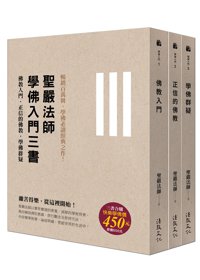
聖嚴法師學佛入門三書
暢銷百萬冊,學佛必讀經典之作!離苦得樂,從這裡開始!聖嚴法師以實修實證的素養、深厚的學術背景,親自解說佛陀教義、修行觀念及修持方法,內容簡單扼要,論述明確,更能受用於生活中!三書簡介《佛教入門》從佛傳、教義及修持方法,全面掌握入門關鍵!涵蓋四聖諦、十二因緣等基本教義解說;日常修持方法;觀音法門簡說等。讀者可在最經濟的時間內,理解佛教核心。特別推薦聖嚴法師說佛陀小傳,精彩必讀。《正信的佛教》佛法這麼好,誤解的人這麼多!佛教歷經二千多年的傳播後,摻雜了許多異質及曲解的成分。聖嚴法師以七十個一般人認為淺顯,但卻實際重要的問題為引導,幫助我們輕鬆進入佛陀的世界。《學佛群疑》解答學佛疑惑,一窺佛教真貌的最佳指南!聖嚴法師透過簡單易懂的文字,以經論為基礎,加以辯證剖析,全方面解答生活性、實用性,以及知識學問上的學佛疑問。
作者簡介
聖嚴法師(1930-2009年)聖嚴法師1930年生於江蘇南通,1943年於狼山出家,後因戰亂投身軍旅,十年後再次披剃出家。曾於高雄美濃閉關六年,隨後留學日本,獲立正大學文學博士學位。1975年應邀赴美弘法。1989年創建法鼓山,並於2005年開創繼起漢傳禪佛教的「中華禪法鼓宗」。聖嚴法師是一位思想家、作家暨國際知名禪師,曾獲臺灣《天下》雜誌遴選為「四百年來臺灣最具影響力的五十位人士」之一。著作豐富,中、英、日文著作達百餘種,先後獲頒中山文藝獎、中山學術獎、總統文化獎及社會各界的諸多獎項。聖嚴法師提出「提昇人的品質,建設人間淨土」的理念,主張以大學院、大普化、大關懷三大教育推動全面教育,相繼創辦中華佛學研究所、法鼓文理學院、僧伽大學等院校,也以豐富的禪修經驗、正信的佛法觀念和方法指導東、西方人士修行。法師著重以現代人的語言和觀點普傳佛法,陸續提出「心靈環保」、「四種環保」、「心五四運動」、「心六倫」等社會運動,並積極推展國際弘化工作,參與國際性會談,促進宗教交流,提倡建立全球性倫理,致力世界和平。其寬闊胸襟與國際化視野,深獲海內外肯定。
作者
NT$
$450
|
75折
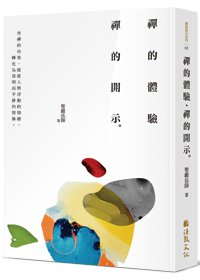
禪的體驗.禪的開示(四版)
坐禪的功效,能使人將浮動的情緒,轉化為清明而平靜的情操。基於調身、調息、調心的三原則,有用大、小乘共通的各種觀行法,有用內、外道通用的呼吸法,也有用印度及中國的各種柔軟健身法。所以無論何人,只要真的有心學習,最高可以進入「無」的境界,其次可以得定,再次可得身心輕安,至少也能學會一套非常實用的健身方法。 ──聖嚴
作者簡介
聖嚴法師(1930~2009年)聖嚴法師1930年生於江蘇南通,1943年於狼山出家,後因戰亂投身軍旅,十年後再次披剃出家。曾於高雄美濃閉關六年,隨後留學日本,獲立正大學文學博士學位。1975年應邀赴美弘法。1989年創建法鼓山,並於2005年開創繼起漢傳禪佛教的「中華禪法鼓宗」。聖嚴法師是一位思想家、作家暨國際知名禪師,曾獲臺灣《天下》雜誌遴選為「四百年來臺灣最具影響力的五十位人士」之一。著作豐富,中、英、日文著作達百餘種,先後獲頒中山文藝獎、中山學術獎、總統文化獎及社會各界的諸多獎項。聖嚴法師提出「提昇人的品質,建設人間淨土」的理念,主張以大學院、大普化、大關懷三大教育推動全面教育,相繼創辦中華佛學研究所、法鼓文理學院、僧伽大學等院校,也以豐富的禪修經驗、正信的佛法觀念和方法指導東、西方人士修行。法師著重以現代人的語言和觀點普傳佛法,陸續提出「心靈環保」、「四種環保」、「心五四運動」、「心六倫」等社會運動,並積極推展國際弘化工作,參與國際性會談,促進宗教交流,提倡建立全球性倫理,致力世界和平。其寬闊胸襟與國際化視野,深獲海內外肯定。
本書適合在這些時刻閱讀
對禪產生好奇,想要瞭解它的源流、目的與練習方法。
正在練習坐禪,想釐清姿勢、呼吸與調心如何配合。
接觸話頭或公案,想理解中國禪宗如何引導修行。
在禪修中遇到疑惑,想知道應如何看待身心反應與特殊體驗。
已有修行經驗,想進一步理解禪定、無我與日常生活的關係。
作者
NT$
$250
|
78折
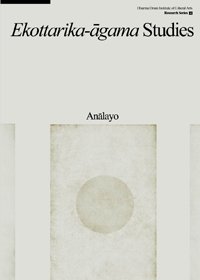
(英文版) 增壹阿含研究 Ekottarika-āgama Studies
The present book collects research papers by Bhikkhu Anālayo with translations of Ekottarika-āgama discourses and comparative studies of their Pāli parallels, together with three appendices on the terms Mahāyāna, Hīnayāna, and Theravāda. Several papers study aspects of the Ekottarika-āgama as a collection distinct from other Nikāya and Āgama collections. In addition, topics taken up in the course of this book are seclusion, the lion's roar, the wheel-turning king, Paccekabuddhas, and the four noble truths, as well as depictions of accomplished nuns and their significance.
作者簡介
Bhikkhu Anālayo was born in Germany in 1962 and ordained in Sri Lanka in 1995. He completed a Ph.D. thesis at the University of Peradeniya (Sri Lanka) in 2000 and a habilitation thesis at the University of Marburg (Germany) in 2007. At present he is a professor at the University of Hamburg, Numata Center for Buddhist Studies (Germany).
作者
NT$
$530
|
78折

和心在一起-CD
聽見自己,世界才會聽見你
種子萌發的時候會產生一系列的物質變化心田萌芽的時候努力過程難免有甜酸苦辣讓年輕的心沐浴在溫暖佛法裡找回生活原有的自在
繪者簡介
(麵包)羅永泰(1930~2009年)
繪圖,原創設計來自馬來西亞,畢業於新加坡南洋藝術學院(NAFA),修讀純美術與攝影,現從事兒童美術教育工作。2012年開始插圖創作,創造小人物「小瓜」。他曾創作的繪本包括《我的披風》、《國王與國王》、《蝸牛與氣球》等。2013年曾參與馬來西亞,新山陳旭年街「飛五」畫展。2015年受邀前往臺灣臺南「舊烘爐咖啡館」,首次帶著「小瓜」出國舉辦個人作品展:《老店鋪,小瓜夢》2016年入選臺北《2016年亞洲插畫年展》。同年,在新山參與《繪出千語》畫展。
rotikok今年首度與法鼓山合作繪本,畫風設計以簡約、清新、零負擔的手繪呈現,使故事擁有更大的想像空間。他認為,創作的道路是長遠的。一路上免感到沮喪、難過、灰心,無力的情緒不時偷襲,那就休息一下,發呆一下,想想初衷,愛自己所選擇,往往一切就ok了。
NT$
$250
|
78折
正在載入更多商品......