搜尋結果
共
2339
筆符合商品
排序
佛教與中國文化
佛教與中國文化密不可分,要了解中國文化,不可不認識佛教。東初老和尚詳解中國文化的佛教珍寶,讓我們繼往開來,開創新文化!
佛教與中國文化的關係密切,佛教帶來了前所未有的全新思考、創造活力,豐富了中國文化寶藏,而佛教在中國化的過程裡,也茁壯了發展力量。東初老和尚致力於發揚佛教文化與復興中華文化,為研究佛學與中國文化的文化先鋒,《佛教與中國文化》一書具有承先啟後的重要意義。內容豐富多元,主要研究年代自漢代開展至明清,橫跨兩千年,詳述中國文化與佛教交流、蛻變的發展歷程,是一部波瀾壯闊的精彩文化史。
本書探究主題包括:一、文學:佛教對中國翻譯文學、小說、聲韻學、變文、寶卷等的影響;二、思想:佛教與儒家、道家、玄學、理學的融合,以及漢代佛學思想、僧肇與道生的佛學思想;三、文化:佛教與中國民俗、衣冠的關係。
東初老和尚深入探討佛教與中國文化的交融與影響,並旁徵博引許多珍貴文獻資料,讓人易於理解佛教與中國文化的發展歷史、文學瑰寶、思想精華,進而思考現代文化如何繼往開來,氣象一新。
作者簡介
東初老和尚1907年,出生於江蘇泰縣曲塘鎮。十三歲時,由泰縣姜堰鎮觀音庵的靜禪老和尚披剃出家,誦習教法。自幼勤讀強記,自律甚嚴,又寫得一手好文章,智慧超邁,對於經史百家之學也頗多涉獵,許為弘揚佛法的龍象。
1928年,到鎮江竹林寺的佛學院求學;1929年,到寶華山隆昌寺,受具足戒。隨即又到福建廈門,進入太虛大師所創辦的閩南佛學院繼續深造,先後期的同學有印順、竺摩、戒德、默如、慈航、雨曇、覺民等法師,都是一時的俊秀。孺慕在當時佛教界的最高學府中,對日後的治學和弘化研究工作,產生了一定的影響。
東初老和尚是太虛大師的學生,在擔任鎮江焦山定慧寺監院及方丈期間,創辦了佛學院及佛學期刊。1949年來臺之後,創辦了《人生》雜誌;1955年,倡導影印《大正新脩大藏經》,社會各界政要賢達百餘人發起響應,重興佛教文化;1965年,又創辦了《佛教文化》季刊;1967年,中華學術院聘請為該院佛學研究所顧問,從此少問外務,專事佛教著作。晚年,老和尚深感護教弘法必須以歷史為基礎,盡力精心完成了《中日佛教交通史》、《中印佛教交通史》、《中國佛教近代史》三部鉅著。
他的一生對佛教的文化教育,抱有深切的使命感,以及崇高的宗教情操,於此可見一斑。
作者
NT$
$110
|
5折
中國文化中的佛教:中國III 宋元明清
佛教在中國文化歷史性的重要轉型時期,總是扮演關鍵性的角色。從唐宋到晚清,在佛教的刺激之下,宋代新儒家深入探討心性之學,此外,文學、藝術、民俗等面向,莫不皆受影響。從知識菁英的哲學思辨到庶民百姓的日常生活,佛教普及到中國各個角落的不同階層。天台、華嚴、禪等宗派,雖然都發韌於中國,卻也成為東亞文化交流中最重要的載體,在各國開花結果。此書從思想史、文化史、民眾史的角度出發,省思中國傳統佛教發展的軌跡,嘗試勾勒佛教樣貌傳承迄今所形成的文化脈絡。並將宋、元、明、清的佛教史,提供一個精彩的全觀圖像。
作者簡介
土田健次郎——早稻田大學文學學術院教授小島毅——東京大學副教授野口善敬——花園大學教授馬淵昌也——學習院大學教授陳繼東——青山學院大學教授程正——駒澤大學副教授西尾賢隆——花園大學教授磯部祐子——富山大學教授肥田路美——早稻田大學文學學術院教授張文良——中國人民大學佛教與宗教學理論研究所副教授陳繼東——青山學院大學教授邢東風——愛媛大學教授
作者簡介
辛如意臺北市人,政治大學新聞系畢業,名古屋大學國際開發研究所碩士畢業,同研究所博士肄業。翻譯著作有《民眾佛教的扎根——日本III》、《蓬勃發展的中世佛教——日本II》、《日本佛教的基礎——日本I》、《佛教在漢字文化圈的流布——朝鮮半島、越南》、《佛教的東傳與中國化——中國I 南北朝》、《中國文化中的佛教——中國III 宋元明清》、《中國佛教研究入門》、《風月秦淮——中國遊里空間》、《空色勾玉》、《白鳥異傳》、《薄紅天女》、《風神祕抄》、《川之光》等書。
譯者
辛如意
NT$
$406
|
78折
創意佛藝好好玩:20種佛教手作藝術輕鬆上手
20種創意實用的手作佛藝,教你從書畫基礎開始,學會自由應用好本領,輕鬆打造禪味的生活美學。
佛藝的生活趣味,無所不在!喜氣洋洋的春聯,若親筆揮毫法語分贈親友,就能廣結善緣過新年!在陶杯、陶盤、印章、紙扇、衣服上,創作佛畫、書寫禪詩,更是匠心獨具的好禮物!
佛教藝術看似一門博大精深的學問,想要自己動手試試看,其實並沒有想像中那麼難,可以輕鬆簡單地從中國書畫基礎開始,在練習中體會創作的奧妙。本書收錄了吳大仁老師20種佛藝手作示範,內容包括臨帖、書法、禪畫、篆刻、拓印、陶藝、木刻、題字摺扇,以及製作鈔經本、春聯、燈籠、手繪衣服……,種類豐富多元,可自由變化應用。
全書以方便的工具、簡單的作法為原則,能快速掌握創作要領,輕鬆揮灑佛藝美學,讓你的生活充滿自在禪意!
作者簡介
口述.示範者:吳大仁現任華梵大學中文系助理教授、佛教蓮花基金會董事、圓光佛學院大學部老師、中華民國書法教學研究學會顧問等多項職務,擅長書法、篆刻、禪畫創作,自許「以書畫弘揚佛法,以篆刻契悟禪心」,創作力豐富,迄今已於海內外舉辦20次個展。
撰稿.攝影者:張錦德文化大學中文系文藝組畢業,中國文學博士候選人,曾任法鼓山《人生》雜誌採訪組長,現任臺北市文化局《文化快遞》、《文化快遞MAP》特約採訪。喜歡到處旅行、拍拍照,用文字寫下人生百態。
攝影者:李東陽從事攝影工作二十餘年,現為法鼓文化特約攝影、里金館攝影工場攝影師、自然本質花草皂作皂師。
NT$
$311
|
78折
南傳佛教史
金碧輝煌的佛塔與佛寺,是人們對南傳佛教國家的印象,其實他們所擁有的珍貴法寶更值得尋寶。本書詳述南傳佛教兩千多年波瀾壯闊的弘法歷程,看遍國族興衰、看透無常流轉,佛陀的金色世界始終光明燦爛!充滿神祕宗教氣息的南傳佛教國家:斯里蘭卡、緬甸、泰國、柬埔寨、寮國,以及中國雲南傣族,讓所有參訪的人們,深深好奇這些聖地古蹟究竟有過哪些輝煌歷史?本書為你揭開南傳佛教世界的神祕面紗!作者淨海法師曾赴泰國學習泰文、巴利文,並攻讀泰國的佛教大學。由於南傳佛教史的中文資料非常有限,淨海法師不畏困難,發願為大眾寫一本翔實的南傳佛教史。全書分為六大篇章:第一篇,斯里蘭卡佛教史;第二篇,緬甸佛教史;第三篇,泰國佛教史;第四篇,柬埔寨佛教史;第五篇,寮國佛教史;第六篇,中國雲南上座部佛教史。介紹各國佛教初期至近現代的發展歷程,並佐以豐富的註釋、地圖,文末附有巴利文獻簡介、南傳佛教部派略表、南傳佛教大事年表、中文索引、外文專有名詞中譯對照表。本書內容豐富廣博,有系統地介紹南傳佛教相關國族的文化歷史沿革與發展,帶你走進南傳佛教世界,一睹南傳佛教的精彩面貌!
作者簡介
淨海法師一九三一年出生江蘇泰縣。九歲出家,十六歲寶華山受戒,後就讀武進天寧寺佛學院。一九四九年到臺灣親近慈航法師,於彌勒內院修學十年。一九六○年赴泰國學習泰文及巴利文,受南傳比丘戒,住進泰寺僧團,並入朱拉隆功佛教大學攻讀。一九六九年轉赴日本,入東京立正大學研究,獲佛教學碩士學位。一九七二年受邀赴紐約弘法,一九七八年抱著拓荒精神去到美國南部休士頓,與師友合創德州佛教會,接著建築玉佛寺、美洲菩提中心,推行現代化多元性弘法活動,不分任何宗派和種族。現任德州佛教會會長、德州佛教書院院長。著有《唯識第一課--大乘廣五蘊論略解》、《覺海觀覽》等作品,並譯有《真理的語言──法句經》、《佛陀畫傳》等譯作。
作者
NT$
$686
|
78折
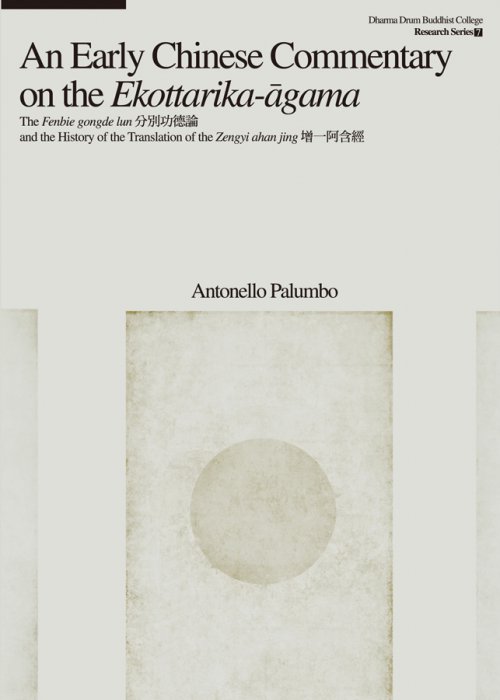
An Early Chinese Commentary on the Ekottarika-āgama
This study reassesses an old problem in the history of Chinese Buddhism, the origins and nature of the Zengyi ahan jing 增一阿含經 (Taishō 125). It does so by a close investigation of the Chinese translation of the Ekottarika-āgama at the end of the fourth century and of its most important witness, the Fenbie gongde lun 分別功德論 (Taishō 1507). It is argued that the latter document, whose original title was Zengyi ahan jing shu 增一阿含經疏, should be seen as an unfinished commentary to the newly translated collection, produced within the original translation team (including Dao’an 道安, Zhu Fonian 竺佛念 and the Indo-Bactrian master Dharmananda) during the tumultuous end of the Qin秦 empire of Fu Jian苻堅in A.D. 385. This reconstruction yields further insights into the cultural origins of the Chinese Ekottarika-āgama, and its broader significance for the history of Buddhism.
作者簡介
Antonello Palumbo is Lecturer in Chinese Religions at the School of Oriental and African Studies, University of London
NT$
$359
|
78折
Madhyama-āgama Studies
The present book collects various research papers by Bhikkhu Anālayo with translations of Madhyama-āgama discourses and a comparative study of their Pāli parallels, together with a brief discussion, found in the appendix, of the school affiliation of the Madhyama-āgama and its relation to the Majjhima-nikāya. The main emphasis in these studies is on detecting possible transmission errors in the Pāli versions through the help of the parallel Madhyama-āgama discourse. Topics taken up in the course of the different studies are the Buddha’s decision to teach, the role of investigation in early Buddhism, the notion of a recluse, the relationship between tranquillity and insight, the lateness of the dictum that a woman cannot be a Buddha, the beginnings of the Abhidharma, meditation on emptiness in early Buddhism, the development of the arahant ideal, the canonical account of the founding of the order of nuns, and the relationship between karma and liberation.
作者簡介
Bhikkhu Anālayo was born in Germany in 1962 and ordained in Sri Lanka in 1995. He completed a Ph.D. thesis at the University of Peradeniya (Sri Lanka) in 2000 and a habilitation thesis at the University of Marburg (Germany) in 2007. At present, he teaches at the Center for Buddhist Studies, University of Hamburg, and researches at Dharma Drum Buddhist College (Taiwan).
作者
NT$
$507
|
78折
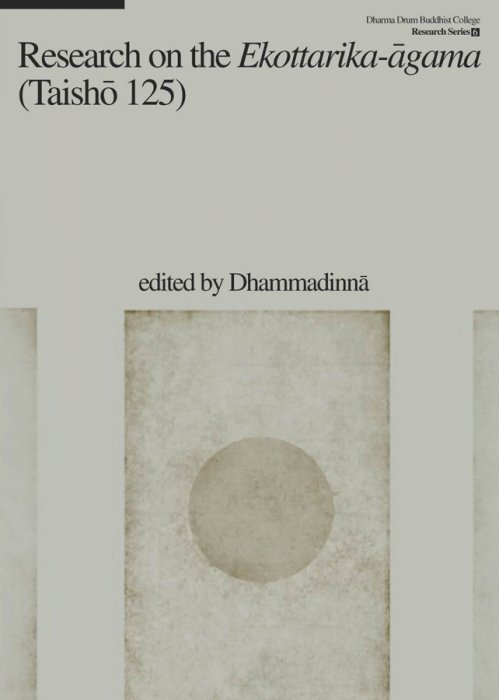
Research on the Ekottarika-āgama (Taishō 125)
This volume contains the proceedings of a workshop on the Chinese translation of the Ekottarika-āgama, the Zengyi ahan jing (增壹阿含經), Taishō no. 125, held at Dharma Drum Buddhist College in April 2012. The papers included focus on different aspects of the translation of this early Buddhist canonical collection: its school affiliation; the relationship of its textual materials to Indian Mahāsāṃghika and Mahāyāna milieux; the incorporation of late elements in the course of revisions or additions effected in China; collaborative quantitative text analysis and authorship attribution applied to verify the philological hypothesis of later additions to the collection; structural aspects that can be reconstructed on the basis of its summary stanzas and of scriptural quotations in other works.
作者簡介
Bhikkhu AnālayoUniversity of Hamburg, GermanyDharma Drum Buddhist College (法鼓佛教學院), Taiwan
Satoshi Hiraoka (平岡 聡)Kyōto Bunkyō University (京都文教大学), Japan
Jenjou Hung (洪振洲)Dharma Drum Buddhist College (法鼓佛教學院), Taiwan
Tsefu Kuan (關則富)Yuan Ze University (元智大學), Taiwan
Ken Su(蘇錦坤)Hsinchu City (新竹市), Taiwan
NT$
$273
|
78折

人生354期:佛教節慶好修行
佛教節慶好修行
農曆春節到了,許多人從除夕到十五,都會到寺院走春,參加普佛、祈福法會、禪修活動等。您可知道佛教有哪些節慶?這些節日怎麼來的?寺院有哪些修行活動?本期依四季介紹佛教節慶、典故和寺院的修行活動,讓您可以依時節安排修行功課,把握因緣參加道場共修,學習佛菩薩的聖德與悲願,精進用功,增長福慧資糧。「遇見西洋僧」進入連載倒數,常聞法師參加生平第一次話頭禪,體驗猶如中陰身的四十九天。春節到了,「禪味點心坊」教大家自己做「年味點心」,太妃核桃、燕麥手工餅,入口清爽無負擔。「電影與人生」來到巴黎,觀看一齣又一齣的戲中戲,看《花都魅影》中每個角色轉換,如同一次現世輪迴。
作者
NT$
$150
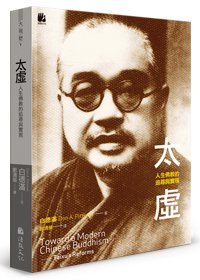
太虛:人生佛教的追尋與實現
本書是第一部研究太虛大師佛教改革始末的英文專書。作者除了大量引用原始中文資料外,亦引用了許多西方學者與傳教士的評論,包括太虛思想萌芽的歷史背景、一生的行止與全球性的弘法嘗試,以及其大乘佛教思想的願景架構與遺澤等,研究範圍十分完整,兼具東、西方及跨宗教的觀點與分析,為讀者提供了有別於坊間同類書籍的珍貴資料。太虛大師是二十世紀最重要、最具爭議性的佛教改革家與思想家。他於民初發起以「人生佛教」思想為主軸的佛教復興運動,試圖改革僧伽制度、提倡積極參與社會活動,以菩薩行在這個世界建立淨土,並實現成佛的誓願。他在當時的佛教界與文化界掀起了一番驚濤駭浪,所獲褒貶不一,甚至曾有保守派人士視他為危險分子。太虛自認在佛教改革上是失敗的,然而在他圓寂半個世紀後的今天,他所撒下的「人生佛教」種子,經歷了風雨飄搖的動盪年代,已然在台灣佛教界生根並且開花、結果。無論歷史如何評論他的成敗,不容置疑的是,他的影響力此刻正塑造著漢傳佛教的現代面貌。
作者簡介
白德滿(Don A. Pittman)范德比爾特大學(Vanderbilt University)文學碩士,芝加哥大學(University of Chicago)哲學博士。曾於1994至2000年落腳南台灣,擔任台南神學院的神學系主任與宗教學教授,同一時期於台北擔任台灣神學院客座教授,亦講授於菲律賓馬尼拉的東南亞神學研究院(South East Asia Graduate School of Religion)。目前,他是美國奧克拉荷馬州菲利浦神學院(Phillips Theological Seminary)的宗教歷史學教授與學術副校長。
譯者簡介
鄭清榮台灣雲林人,淡江大學美國研究所碩士,曾任中時晚報國際新聞中心主任。著有《郭曉晤長壽祕訣》(原水)、《鐵漢慈顏-台灣重機鉅子紀金標打造金豐傳奇》(上游),譯有《基因與命運》(原水)、《超覺玄祕體驗》、《危險激情》、《輕鬆說不》、《論人性》(時報)、《抓住心靈時刻》、《另類家庭》(天下)。興趣為寫作、翻譯與氣功。
NT$
$359
|
78折

人生363期:太虛大師 人生佛教真實踐
太虛大師 人生佛教真實踐
聖嚴法師曾說:「近代的人物之中,我最佩服的是太虛大師。」為什麼呢?太虛大師一生「志在整理僧伽制度,行在瑜伽菩薩戒本」,奠定人生佛教的基礎。大師本著宗教師濟世度世的悲願,積極回應時代需求,在思想中涵容時代新思潮,高喴改革創新,為近代中國佛教史上留下五項突出的事功:新式教育、文字宣傳、僧伽革命、名流支援與國際呼應。法鼓山「建設人間淨土」的理念,就是根據大師的思想而來,從建立現代化僧團、落實教育關懷,來實踐大師未竟的悲願,可說是大師「人生佛教」的後繼者。本期專題從人格特質、大師講堂、大師法門師友、影響貢獻等不同面向,來紀念一代宗教師。象岡道場監院常聞法師看中國武俠片長大,也學中國功夫,「西洋僧New Talk」,跟著西洋僧一起練「功夫」,體會禪武不二。「法相萬千」介紹「光照大千──絲綢之路的佛教藝術特展」,讓我們貼近珍寶,上一堂絲路佛國活歷史。中國書法人人愛,那份瀟灑寫意,讓人心生嚮往,「佛藝好修行」吳大仁老師教大家「現代書法」,寫出禿筆、斑駁如塗鴉般的藝術效果,甚至拖把、宣紙也能寫。
作者
NT$
$150
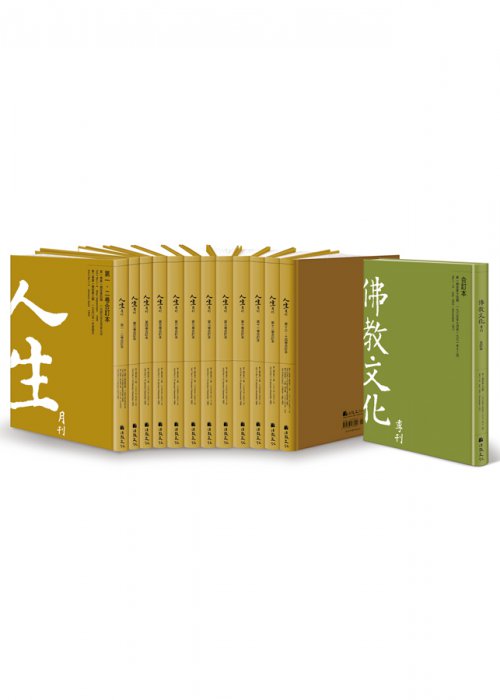
人生月刊+佛教文化季刊【人生復刻版】組合(共13冊)【內頁泛黃】
《人生》月刊《人生》月刊於一九四九年五月十日發行第一卷第一期,至一九六二年五月發行第十四卷第五期後停刊(註:此次合訂復刻本,第十四卷僅發現第二、三期、第五期,餘則佚失),曾任主編者有東初老人、張少齊、圓明法師、廣慈法師、幻生法師、心悟法師、成一法師、星雲法師、性如法師、楊白衣等。一九六○年聖嚴法師接下主編工作,一九六一年因聖嚴法師南下閉關,人力無以為繼,後又出刊數期,終告暫時停刊。《人生》月刊就像一部台灣近代佛教史的縮影,與台灣近代佛教發展關係密切的祖師大德,一一在此舞台上現身,以文字為弘法護法竭盡心力。雜誌中的佛教新聞,為台灣佛教保存了豐富的文獻史料;詩稿、小說、遊記、散文等文學創作,讀來無不令人驚豔於作者的文采;佛教論文、講經等文稿,則讓我們讚歎其學識淵博及深入經藏的工夫。《人生》月刊,為台灣佛教留下了最重要、最燦爛的一頁。《人生》月刊早年曾結集出版合訂本,但歷經半個世紀之後,已取閱不易。為了讓這套難得的文化資產得以繼續流傳,法鼓文化決定以復刻的方式,將一九四九年至一九六二年的《人生》月刊合訂本重新出版,共計十四卷十二冊。我們刻意保存了早期印刷的樣貌,泛黃的紙張、樸拙的鉛字,讓讀者在翻閱中,重新體會當時出版的艱辛,重新發現這份刊物的歷史意義,重新感受當年佛教界如何在蓽路藍縷中,護衛佛法慧命的火苗而努力。《佛教文化》季刊《佛教文化》季刊從一九六五年至一九七一年停刊為止,共出版十四期,篇幅由第一期的十八頁,逐漸增張至三十二頁。歷任編輯有方甯書、林江濤等人。綜觀這十四期的《佛教文化》,文章內容多為紮實的論文,可以深刻感受到東初老人堅持「發揚歷史文化,復興中華佛教」理想的足跡。再從出刊時間來看,雖然在第一期的〈編者報告〉中即提到,這份刊物以不定期或三個月為一期的方式出刊,而事實上,經常是超過三個月或更久才出刊,甚至在第十四期與第十三期,中間還間隔了兩年,足見人力、物力實之困窘,也益發顯出東初老人為了佛教文化的弘揚,備極艱辛,仍不放棄的精神。《佛教文化》季刊雖已停刊數十載,但其內容至今仍是重要的論述,法鼓文化以復刻的形式重新發行這十四期的合訂本,將讓讀者可以感受到當年出刊時的樣貌,也讓後世的讀者瞭解在當時時空背景下,以及文字弘法的不易與難辛。19*26cm 裝訂圓背精裝
NT$
$2,980
|
25折
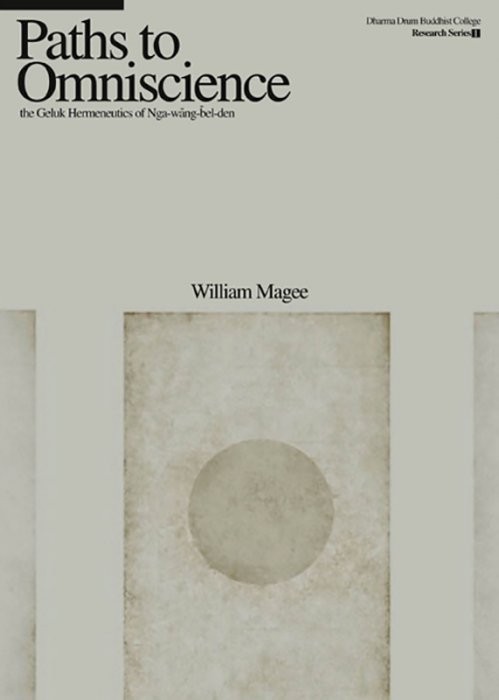
Paths to Omniscience: the Geluk Hermeneutics of Nga-wāng-bel-den
Buddhism suggests that it is possible to investigate the nature of reality ourselves; but to do so one needs to differentiate definitive teachings from those of interpretable meaning. William Magee’s book, Paths to Omniscience, discusses a number of topics related to the interpretation of scripture according to Dzong-ka-ba, Jam-yang-shay-ba, Nga-w?ng-bel-den, and other great scholars of the Geluk world. Paths to Omniscience also addresses the Geluk approach to the practice of hermeneutics. Even within the lineage itself, scholars have not always agreed about interpretation of scripture. Paths to Omniscience describes intricate maneuvers enlivening the spirited controversies of these emminent Lamas. Paths to Omniscience also includes translations of thirty annotations from Nga-w?ng-bel-den’s Annotations for (Jam-yang-shay-ba’s) "Great Exposition of Tenets". These annotations show how diverse and wide-ranging a great commentarial author can be in his treatment of the basic text. Far from being mere footnotes to Jam-yang-shay-ba, the Annotations can instead be viewed as a seminar on his Great Exposition of Tenets.
NT$
$351
|
78折
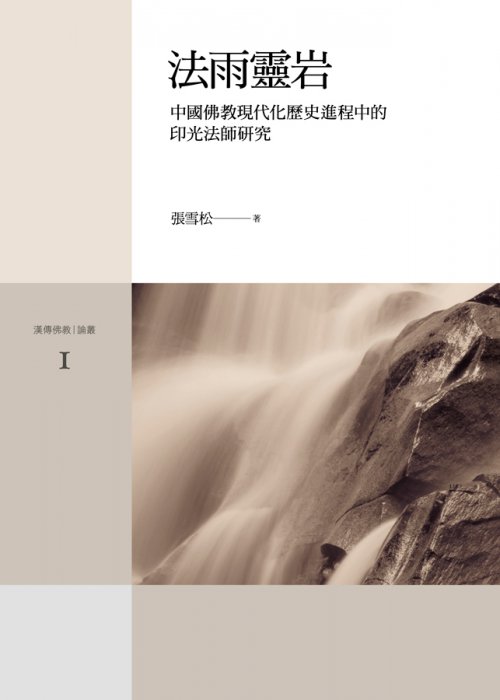
法雨靈岩:中國佛教現代化歷史進程中的印光法師研究
印光法師(1862-1940),在中國近現代佛教史上具有重大的影響,圓寂後被公推爲中國淨土宗十三祖,本書力圖通過對印光法師的重新解讀,加深對中國近現代佛教史的理解,拓寬國際學界對淨土信仰的認識。印光法師在二十世紀二、三十年代,就利用現代化的交通、郵政系統,在全國各省市,乃至海外編織起龐大的佛教網路,這絕非是我們一般心目中「保守僧人」所能為。這些不應該成為近現代佛教史研究中「被遺忘的角落」,通過印光法師,我們能夠看到近現代佛教史更加豐富多彩的一面。「帶業往生」還是「消業往生」,「散心念佛」還是「一心不亂」,這些都是近現代淨土宗教義爭論最為核心的問題,通過本書,我們亦可窺知印光法師在這些問題上獨到的見解。
作者簡介
張雪松
筆名雨山,北京人。在香港中文大學文化及宗教研究系獲得博士學位後,供職於中國人民大學佛教與宗教學理論研究所。先後在《溫暖人間》(香港)、《中國民族報·宗教週刊》開設專欄,翻譯出版過《天藍色的彼岸》等文學作品。
作者
NT$
$225
|
5折

人生351期:妙音傳法音:來聽佛教音樂
妙音傳法音──來聽佛教音樂
還記得太虛大師寫詞、弘一法師所譜曲的〈三寶歌〉嗎?梵唄與佛曲到底有什麼不同?弘揚佛法為什麼需要音樂?本期專題從歷史來看梵唄與佛曲發展的淵源;透過Q&A來解答大眾對佛教音樂定義的疑惑,認識梵唄與佛曲的不同;藉由觀察佛教教團發展出的佛教讚唄團、音樂手語劇,來看臺灣佛教音樂的創新與發展;還有佛曲創作人奕睆、歌手孟庭葦與音樂製作人戴維雄分享,他們與佛教音樂的結緣經過與影響。另外,關於佛教音樂知識補充站,介紹佛教首位音樂家馬鳴菩薩、敦煌壁畫中伎樂飛天演變、古代流行的佛曲,以及當代大師的佛曲創作,包括了太虛大師、弘一法師、星雲法師與聖嚴法師 。佛教徒可以養寵物嗎?帶寵物做早晚課有用嗎?「學佛新手Q&A」讓人不再困擾。正逢法鼓山大悲心水陸法會啟建之際,「佛藝好修行」吳大仁老師所指導的手工線裝書,非常適合書法鈔經。對視障者來說,每踏出一步都需要勇氣,前面充斥著有形與無形的障礙,「電影與人生」介紹《逆光飛翔》,一個視障青年與愛跳舞女孩相伴跨越障礙,縱使逆著光,也要朝著夢想前進。
作者
NT$
$150

純真‧覺醒:佛教青年的青春之歌-CD
當青年遇到佛陀 世界一切都變得不一樣前方的天空陽光更燦爛 遠方的未來正向無盡處延伸……年輕的心,總是不斷地在冒險、在尋找,試著為自己的人生找一個依歸。在佛陀的世界裡,他們找到了最單純也最真實的自我!他們用音符與歌聲,與我們一起分享他們的喜悅!
演出者
NT$
$250
|
78折

人生342期:龍,真大吉祥──佛教怎麼看龍
龍,真大吉祥──佛教怎麼看龍
2012年,正逢十二生肖中最受歡迎的龍年。龍,對「龍的傳人」漢民族,是吉祥與祈願平安的象徵,也是文化的圖騰。佛教怎麼看龍眾呢?龍在佛典中占有重要的角色,龍是敬信三寶的護法善神,佛典中記載著許多關於龍的典故。本專題從聖嚴師父談龍,並從佛教、文化、藝術等面向來認識龍,穿插介紹佛陀如何降龍,龍女如何成佛,八大龍王是哪八位,還有有趣的龍王經典,「大家來接龍」的填字遊戲,為讀者補充「龍知識」和關於龍的佛教典故。「人生座談會」由惠敏法師、陶晶瑩、鄭石岩對談幸福密碼,帶您開啟幸福的生命智慧。「解讀心靈環保」林其賢看「四它」與四念處的接軌應用。「佛學人物」介紹法鼓佛教學院助理教授鄧偉仁,從南洋斯里蘭卡、印度,一路赴美留學,獲得哈佛博士學位,以開闊視野投入佛學研究的學思歷程。
作者
NT$
$150
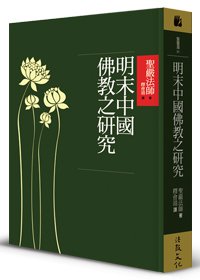
明末中國佛教之研究
整體而言,著者掌握了向來從未有人研究過智旭的整體像狀。以往的研究者,都一致認定智旭是明末一位傑出的天台學者,但著者認為他不僅是一位佛教學者,根本就是一位虔誠、堅定而徹底的佛教生活實踐者。著者所掌握到的此一新見解,著實應給予崇高的評價。──鎌田茂雄本書不僅徹底闡述智旭個人的事蹟與思想,也於中國近代佛教史上尚未研究周全之處,投下一道強大的光柱,這正是應該向學術界鄭重推薦的優秀著述。──金倉圓照蕅益智旭,為明末佛教「四大師」(紫柏真可、雲棲袾宏、憨山德清)之一,是一位梵行卓越又義學高深的一代宗師。他的整個生涯,在生活行履方面,是以《梵網經》為中心;在信仰行為方面,是以《地藏菩薩本願經》和《占察善惡業報經》為中心;在教理哲學思想方面,則是以《楞嚴經》為中心,而成就其一生的思想體系。本書是聖嚴法師於一九七五年完成的日本博士論文,為法師細讀蕅益大師現存五十一種、計二百二十八卷著作的研究成果。內容主要探究大師一生的信仰、思想、學理,乃至修行境界。全書二十餘萬言,共分五大章:智旭的時代背景、智旭的生涯、智旭的宗教實踐、智旭的著作,以及智旭思想的形成與發展,全書結構嚴謹、論理縝密。透過聖嚴法師淵博的學識及獨到的見地,引領讀者深入蕅益大師的內心世界,體解大師「事事為道業,處處為眾生」的悲心宏願。
作者簡介
聖嚴法師(1930〜2009年)聖嚴法師1930年生於江蘇南通,1943年於狼山出家,後因戰亂投身軍旅,十年後再次披剃出家。曾於高雄美濃閉關六年,隨後留學日本,獲立正大學文學博士學位。1975年應邀赴美弘法。1989年創建法鼓山,並於2005年開創繼起漢傳禪佛教的「中華禪法鼓宗」。聖嚴法師是一位思想家、作家暨國際知名禪師,曾獲臺灣《天下》雜誌遴選為「四百年來臺灣最具影響力的五十位人士」之一。著作豐富,中、英、日文著作達百餘種,先後獲頒中山文藝獎、中山學術獎、總統文化獎及社會各界的諸多獎項。聖嚴法師提出「提昇人的品質,建設人間淨土」的理念,主張以大學院、大普化、大關懷三大教育推動全面教育,相繼創辦中華佛學研究所、法鼓文理學院、僧伽大學等院校,也以豐富的禪修經驗、正信的佛法觀念和方法指導東、西方人士修行。法師著重以現代人的語言和觀點普傳佛法,陸續提出「心靈環保」、「四種環保」、「心五四運動」、「心六倫」等社會運動,並積極推展國際弘化工作,參與國際性會談,促進宗教交流,提倡建立全球性倫理,致力世界和平。其寬闊胸襟與國際化視野,深獲海內外肯定。
作者
譯者
釋會靖(關世謙)
NT$
$515
|
78折
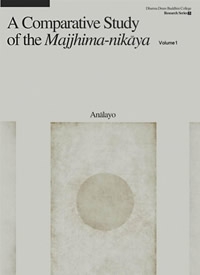
A Comparative Study of the Majjhima-nikāya Vol.1 Vol.2
The present book is a textual study in early Buddhism, which compares the Pali discourses of the Majjhima-nikāya with their parallels preserved in Chinese, Sanskrit and Tibetan etc.
作者簡介
Bhikkhu Anālayo was born in Germany in 1962 and ordained in Sri Lanka in 1995. He completed a Ph.D. thesis at the University of Peradeniya (Sri Lanka) in 2000 and a habilitation thesis at the University of Marburg (Germany) in 2007. At present, he teaches at the Center for Buddhist Studies, University of Hamburg, and researches at Dharma Drum Buddhist College (Taiwan).
作者
NT$
$1,170
|
78折

人生352期:阿閦佛教你不生氣
阿閦佛教你不生氣
2002年法鼓山捐贈阿閦佛首於山東神通寺四門塔,2012年圓滿十週年,法鼓山大殿的三寶佛也因阿閦佛流轉來臺的因緣,即以阿閦佛為造像藍本。阿閦佛慈悲溫藹的臉龐與笑容,發願對眾生不起瞋恚、廣度眾生,是我們行菩薩道的典範。本期專題分別從「認識阿閦佛」、「阿閦佛的容顏」、「妙喜在人間」三大主題,來介紹阿閦佛(Akshobhya)為何又稱不動如來?阿閦佛不起瞋恚的法寶是什麼?阿閦佛所發的「不瞋」本願、妙喜淨土的修行環境、造像演變與行化人間。此外,還有阿閦佛小學堂的Q&A,與鴦掘摩、專吃憤怒的夜叉等「不瞋」等經典故事。在日常生活中,人們可以用慈悲觀、念佛法門等,來學習阿閦佛的精神。「人生行旅」香港作家李子玉分享,她如何用「四它」跳脫憂鬱輪迴。什麼是「業病」?學佛以後,「障礙」特別多?「學佛新手Q&A」讓你了解修行為何帶三分病。十月三十一日是西洋萬聖節,「象岡傳真」看象岡道場監院常聞法師不搞鬼、施「佛」法。
作者
NT$
$150
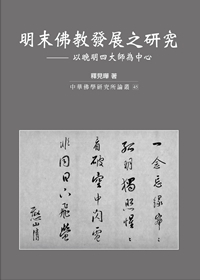
明末佛教發展之研究:以晚明四大師為中心
晚明佛教被稱為「佛教的復興」,意旨此時出現四位祖師級僧人——雲棲祩宏、蕅益智旭、憨山德清、紫柏達觀。這四位晚明大師,為了回應時代、佛教危機、人心需求,不論在利眾生行的「人間菩薩」事行、真摯而奮力的實踐修行家的宗教生活等個人身行方面,或對教界、蒼生、社會的關懷方面,皆使晚明佛教有耳目一新之感,帶來一番新氣象。但明、清佛教在中國佛教史研究上,有時卻被視為「衰微期」,所以本書旨在探究晚明佛教之復興意涵。晚明佛教處於朝代交替之際,在動亂的時局中卻展現出佛教曾有的生命力,那是明、清佛教發展史上的奇葩,曇花一現後,直至民初太虛等人的興起,乃再度挽救佛教、免於危亡,而重新開創佛教另一種新氣象。
作者
NT$
$234
|
78折
正在載入更多商品......