搜尋結果
共
970
筆符合商品
排序

無邪不摧金剛經:無事不辦輕鬆行
研修金剛經讓你輕鬆過日子本書將金剛經的內容歸納成四個主題:空性、生活、工作與圓覺
《金剛經》是一兩千年前的作品,是六百卷《大般若經》的一品。屬於大乘佛法,而大乘佛法是成佛之法,強調以空正見行菩薩道,超越以緣起見遺世出塵的解脫道。
二千年前的作品,是否還能夠應用到二十一世紀的今天?這是一個很大的課題。我們生活在二十一世紀,為什麼要讀一兩千年前的作品?一兩千年前的經典,真的可以對我們人生起到關鍵的作用嗎?
本書將經的內容歸納成四個主題:空性、生活、工作與圓覺。
第一章「金剛經與空性」:空性是《金剛經》的中心思想,也是大乘佛法的中心思想。佛所說的一切法包含體、相、用三部分。《金剛經》的體是空性;相是光明,教我們不要執著一切,分別一切;用是六度萬行,圓滿成佛。
空性智慧是從因、道、果而安立的。因是「發阿耨多羅三藐三菩提心」;道是「無所住而生其心,如是降伏其心」,也就是修行的過程;果是「十方三世一切諸佛皆從此經出」。唯有建立正確的空性正見,我們才能夠成就一切善法;如果我們對空性有所誤解,就會生起惡法。只要能夠了知自己的心與心所面對的境皆是空性,我們就能夠無念、無相、無住。
第二章「金剛經與生活」:修行要成功,就一定要將修行與生活打成一片,要將空性應用在日常生活中。《金剛經》提示我們:「諸菩薩摩訶薩,應如是生清淨心,不應住色生心,不應住聲香味觸法生心,應無所住而生其心。」不管面對任何情境,我們都不要分別,也不要住相;不分別故能客觀,不住相故可觀照三世與十方的因果對待關係。只要以空性智慧對待一切,我們當下就解脫了,同時能解決一切問題。
第三章「金剛經與工作」:為了維持生計,我們一定要工作,要以空性智慧讓我們的工作更有意義。工作首先要知道生存之道、勝利之道,才能立於不敗之地。如果是公司或組織的領導者,就要護念付囑人才,更要有氣度,才能功成而弗居,為而不恃,長而不宰,因為成功不必在我,功力絕不唐捐。
只要有一技在身,就勝過億萬財富。要完成一件工作,除了要具備六成就外,更要尊道貴德,只問耕耘,不問收穫。此外,更要不斷腦力激盪,以零極限的心態不斷創新,方可不被別人取代。
第四章「金剛經與圓覺」:圓覺是圓滿覺悟,就是成佛,是人生的終極目標。修行過程,從發心、降心、住心至成佛,一定要掌握修行要旨,以法、戒為師,對三寶具深信心,才能「一念淨心,見佛多種善根」。我們要理事圓融,不斷求取進步,以臻無相、無功用行。
心、佛、眾生三無差別,人生的一切完全是操之在我。《金剛經》一再提醒我們:不要墮於斷滅相,不要墮於頑空的執著,所以要空有不二,無住而生心,才是積極的人生!
作者簡介
鄭振煌居士
臺灣臺南縣人,1945 年出生。國立臺灣大學外國語文學系學士,國立政治大學新聞研究所碩士。現任中華維鬘學會理事長、中華佛教居士會副理事長、淨覺僧伽大學大乗佛教研究所所長等職。畢生以弘法利生為志業。推展居士菩薩道及佛教現代化、國際化、學術化、生活化;並長年主持佛學講座、研習營及禪修營。
已出版書籍《佛使比丘:南傳佛教第一人》、《心之旅承──中陰教授》、《當修行者遇上大師》、《直指法身》、《藏密度亡經》、《修心與慈觀》、《心靜煩惱心熄》、《聖道修習》、《武藝中的禪》、《何來宗教》、《法味》、《佛教在中國》、《慧眼初開》、《觀音──半個亞洲的信仰》、《菩提樹的心木》、《了義炬》、《觀呼吸》、《人生錦囊》、《學佛釋疑》、《心如熾火》、《認識藏傳佛教》、《心靈甘露》、《西藏生死書》、《心靈神醫》、《意識的歧路》、《達賴喇嘛談心經》、《達賴喇嘛在哈佛》、《古銅佛像》、《心地觀經》(末三品,英譯本)、《行願──玄奘的故事》(英譯本)、《孔子聖蹟圖》(英譯本)、《水月禪心》(英譯本)、《肢體語言》等三十二部譯著;小冊子有《禪修與心靈淨化》、《空性與心靈療癒》、《開心之鑰──轉念》、《菩薩道的修行》、《居士佛教》、《在家學佛》、《一心三觀》、《死後的真相》、《阿彌陀經的治療法門》、《從死亡談生命》、《西藏佛教簡介》、《西藏佛教的修行道》等十二種;另有中英專文千餘篇發表於海內外報刊雜誌。
作者
NT$
$298
|
85折

宗教療癒與生命超越經驗
宗教療癒發生在有別於現實的「他界」,這一直是余德慧教授的主張,而他全部關於療癒的思考,也是從「how」的角度不斷探問進抵他界的各種徑路之機巧,並對不同修行的「境界」進行現象學描述。本書分為輯一與輯二,各自是余德慧教授在不同時期對於同一問題意識的不同思索。
「輯一、現實之非」整理自2007年余教授在心靈工坊文化公司的四次私塾講座:「從後現代觀點看心靈療癒」。余教授以自身經驗作為理解的引渡,從夢幻空間、無為之道、生命美學、柔適照顧等議題,探討「非現實」的性質及進入方式。
「輯二、幻化生成」是2012年慈濟大學宗教與人文研究所的「宗教療癒」課程錄音謄稿,為余教授最後的研究成果。余教授對「療癒」的思索,從早期的詮釋現象心理學,到後來的身體轉向,研究思路幾經轉折,最終通過法國後現代哲學家德勒茲(G. Deleuze)「純粹內在性」的思想洗禮,發展出獨特的宗教療癒論述。余教授如同德勒茲,是一位繁複概念的生產者,他們都以新的概念工具箱,提取符合脈絡的器用之道,以解除既有學科界限,引導我們進入個人存在的核心體驗,去看見超越的∕超驗的啟悟之可能。
余教授後期對於宗教療癒的關懷,毋寧是古老心理學的歸返;他的宗教療癒與生命超越路線,解除教門的教義視野,穿越不同的認識論界限,以無目的之目的,激發讀者在解疆域後的遊牧活動,尋找自身的修行療癒之道。
●作者簡介:
余德慧教授(1951.1.10――2012.9.7)
台灣屏東人,台灣大學臨床心理學博士。曾任台灣大學心理學系副教授、東華大學族群關係與文化研究所教授、東華大學諮商與輔導學系(現更名為諮商與臨床心理學系)創系主任、慈濟大學宗教與人文研究所教授,主要教授:本土心理學、文化心理學、人文諮商、宗教現象學、宗教療癒等課程。
余德慧是台灣心理學界的另類份子,才情出眾,學通古今,曾任台灣第一本人文心理雜誌《張老師月刊》總編輯,擔任總編輯期間,開創新穎的本土心理學研究領域,多次榮獲行政院新聞局頒發的雜誌類金鼎獎。他在《張老師月刊》撰寫的刊頭文章,至今仍令人印象深刻,其優美的文學作品《生命夢屋》、《情話色語》、《觀山觀雲觀生死》、《生命宛若幽靜長河》、《生命史學》、《生死無盡》均由此集結成書。他同時擔任張老師出版社總顧問,暢銷書《前世今生》、《西藏生死書》的出版即出於他的策劃。
2000年成立的心靈工坊文化公司,余德慧是主要的催生者之一,並擔任諮詢顧問召集人,將身心靈整體療癒的觀念帶進出版界,引進探討生病心理學的《病床邊的溫柔》、省思醫療倫理的《醫院裡的哲學家》、探究生命終極關懷的《道德的重量》,以及他最珍愛的靈性療癒經典《好走:臨終時刻的心靈轉化》等前衛好書。他在人文臨床、生死學、臨終照護、宗教療癒的創作也非常豐富,中晚期的重要著作有:《詮釋現象心理學》、《生死學十四講》、《台灣巫宗教的心靈療遇》、《臨終心理與陪伴研究》等。其重要書評,則在其逝世一週年時,集結成《生命詩情》。
2012年9月7日,在愛妻顧瑜君教授及慈濟醫療團隊的柔適照顧之下,浸潤在靈性恩寵之中,泰然離世。
NT$
$306
|
85折
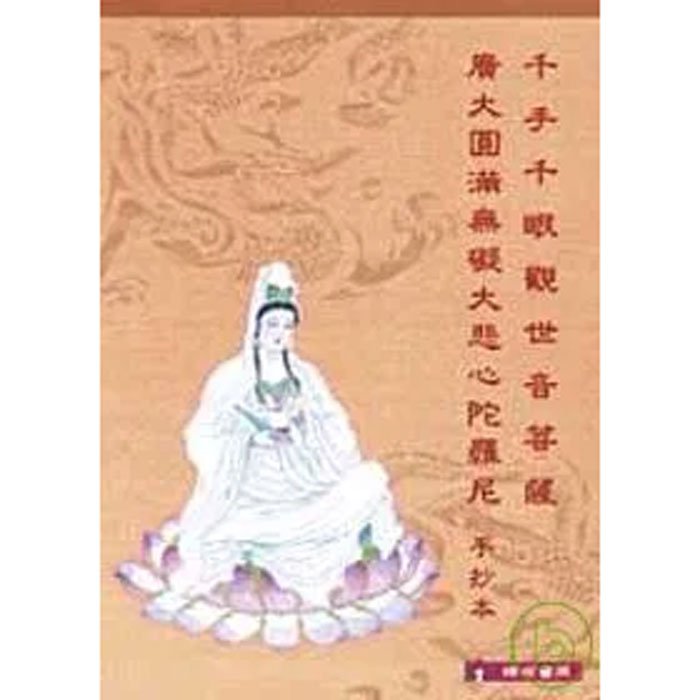
大悲咒 手抄本
「千手千眼觀世音菩薩廣大圓滿無礙大悲心陀羅尼」簡稱「大悲咒」。 此咒共計八十四句,除『娑囉娑囉』表『五濁惡世』外,其餘八十三句,均代表觀世音菩薩顯示八十三種法相,渡化眾生。雖咒文雷同之句甚多,但每句所顯示菩薩法相卻各有不同,所以其作用亦均殊異。 此咒係觀世音菩薩受之於千光王靜住如來佛,當時觀世音菩薩始住初地,一聞此咒,立超第八地,乃發誓言『若我當來,堪能利益安樂一切眾生者,令我即時身生千手千眼具足』,願已,千手千眼即時應皆具足,這是『千手千眼觀世音菩薩廣大圓滿無礙大悲心陀羅尼』名稱的由來。
NT$
$43
|
86折
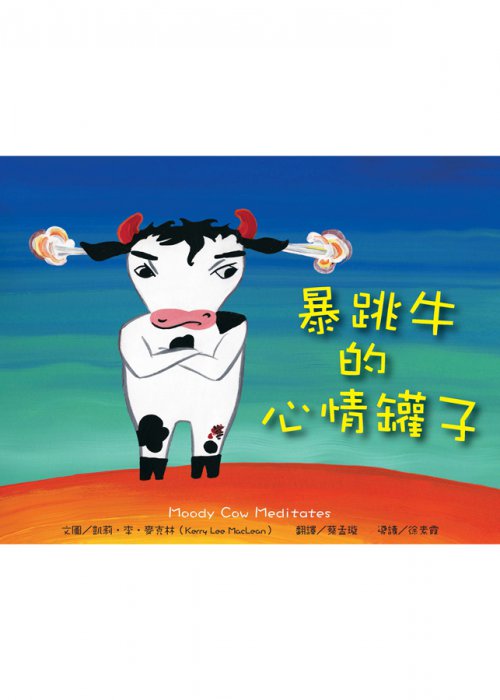
暴跳牛的心情罐子
☆ 兒童禪修精選‧亞馬遜4.5顆星評價☆ 親子共讀:有效的情緒引導、同理關懷,讓孩子恢復平靜!☆ 簡單材料,和孩子一起製作「心情罐子」;每天只要幾分鐘,不再煩亂暴躁。
【愛發脾氣的暴跳小牛】
「這一切都要從某一個很討厭、很倒楣的日子開始。那一天,每件事都不對勁!」
繪本的主角是一隻擬人化的小牛。他做了惡夢,醒來卻找不到媽媽;妹妹在他的滑板上亂畫;他扯了妹妹的尾巴,妹妹故意絆他一跤,他又把妹妹的洋娃娃頭髮剪光;於是,他就錯過了上學的公車,只好在下雪天騎著腳踏車上學……。
小牛彼得的心情變得超級差,「超級火大的!啊!!我再也受不了了!!」
!他拿起棒球,砸向窗戶——故 意 的!
媽媽只好請牛爺爺出馬,來解救暴跳小牛。
爺爺不僅傳授小牛恢復平靜的祕訣,更教他製作好玩的「心情罐子」,可以清楚看見心裡到處亂飛的生氣念頭。這個「心情罐子」裡,到底裝了什麽神奇的東西呢?
【在抒發與專注中,平靜下來】
作者本身是五個孩子的媽,帶領自己的孩子和其他學童禪修多年,深諳調伏暴躁憤怒兒童的要領。她在故事後段,安排充滿智慧的爺爺出場,藉由一罐清水和一小碟細細的亮片,陪伴著暴跳小牛,引導他述說事情發生的經過。
將一撮撮亮片(代表憤怒的心),依次沉入清水中,用力搖晃罐子,細心觀察小亮片飛舞、沉澱,在這個抒發與專注的過程中,疏導孩子的情緒、給予安慰,讓憤怒的心漸漸平復。
和孩子一起DIY有趣的「心情罐子」,並進行親子禪吧!
作者簡介
凱莉‧李‧麥克林(Kerry Lee MacLean)
凱莉擁有美國那洛巴大學(Naropa University)心理學學士學位。凱莉自十四歲起開始固定禪修,並有二十多年禪修指導經驗。她自一九九八年起開始主持「香巴拉兒童成年儀式」(Shambhala Children's Rites of Passage),並且協助佛教社群發展兒童與家庭禪修的教育計畫。
曾著作並繪製獲獎的《科羅拉多小豬》(Pigs Over Colorado)系列繪本以及《家庭禪修書》(The Family Meditation Book),另繪有《和平小豬學禪修》(Peaceful Piggy Meditation)、《貪心猴和快樂熊貓》(Mindful Monkey, Happy Panda)等書。
凱莉也是五個孩子的媽,這五個快樂、有趣、貼心、聰明又好心的孩子叫凱麗、泰莎、葛瑞格、蘇菲與安卓,他們全在母親的著作過程中幫上了忙。她生活中最喜悅的事就是在科羅拉多州的博德市(Boulder)教小朋友禪修。她目前和魔術師先生海特還有她的臭狗歐薩住在博德市。
譯者簡介
蔡孟璇
人類。大學讀外文系,碩士讀語言學,但都不包括動物的語言,因此翻譯本系列童書前特地赴動物園與小侄女家中惡補、進修,獲得許多指導與啓發。曾任出版社編輯多年,編輯並翻譯身心靈類相關書籍多冊,如《新好生活》、《心靈能量》、《當女人是一隻鳥》等,現為自由譯者。曾獲第二十三屆與第二十五屆梁實秋文學獎譯文組評審獎。
NT$
$187
|
85折
真大吉祥:安心、安身、安家、安業;真心自在,廣大吉祥
為了求得平安吉祥,你會做什麼?從環境求安全?問神明斷禍福?或是到處蒐集吉祥物?聖嚴法師提醒我們,這種「似是而非」的平安既不可靠,也不真實!法師指出,究竟平安可藉由「四安」獲得:少欲知足而安心;勤儉放鬆而安身; 相愛互助以安家;修養身、口、意以安業。當這四種安定力量在生命中沉澱、發酵,散發出內外祥和的氣息,即是真實不虛的大吉祥!
作者簡介
聖嚴法師(1930~2009年)聖嚴法師1930年生於江蘇南通,1943年於狼山出家,後因戰亂投身軍旅,十年後再次披剃出家。曾於高雄美濃閉關六年,隨後留學日本,獲立正大學文學博士學位。1975年應邀赴美弘法。1989年創建法鼓山,並於2005年開創繼起漢傳禪佛教的「中華禪法鼓宗」。聖嚴法師是一位思想家、作家暨國際知名禪師,曾獲台灣《天下》雜誌遴選為「四百年來台灣最具影響力的五十位人士」之一。著作豐富,中、英、日文著作達百餘種,先後獲頒中山文藝獎、中山學術獎、總統文化獎及社會各界的諸多獎項。聖嚴法師提出「提昇人的品質,建設人間淨土」的理念,主張以大學院、大普化、大關懷三大教育推動全面教育,相繼創辦中華佛學研究所、法鼓佛教學院、僧伽大學、法鼓大學等院校,也以豐富的禪修經驗、正信的佛法觀念和方法指導東、西方人士修行。法師著重以現代人的語言和觀點普傳佛法,陸續提出「心靈環保」、「四種環保」、「心五四運動」、「心六倫」等社會運動,近年來更致力於國際弘化工作,參與國際性會談,促進宗教交流,提倡建立全球性倫理,致力於世界的和平。其寬闊胸襟與國際化視野,深獲海內外肯定。
作者
NT$
$85
|
85折

生命如此美麗:在逆境中安頓身心
世事瞬息萬變 時局動盪不安 一套安頓身心的簡易法門 是你我內心的渴望 本書正是此刻你我最需要的「安心祕笈」 ★西方最具影響力的比丘尼作家佩瑪‧丘卓,著作暢銷全球,擅長以生活化的語言,提供現代人立斷煩惱的解脫道! ★亞馬遜網站五顆星評價,銷量直逼《達賴喇嘛人生智慧》與作者的經典《當生命陷落時》! 這是個不安的年代。政治、經濟屢現變局,人們迷惘掙扎。為求安頓,人總是尋求解答和確定感。但佩瑪‧丘卓指出,依附慣有的思維來應對變動,反易加劇對立與不安。《生命如此美麗》書中,佩瑪再次融合藏密的立斷智慧與西方心理學的詮釋技法,闡明在動盪年代中安頓身心的法門。 佩瑪開示了傳統佛教的「三律儀」(Three Vows),亦即人人皆可立下的三個誓願,藉以學習「不傷害」、「守護彼此,關懷眾生」、「如實擁抱世界」的智慧。她以一貫的溫柔筆觸講解三律儀的精髓,並提出具體修行方法,任何人隨時隨地都可依循。 生命就像危機四伏的湍流,這三個誓願使我們不被舊有模式綑綁,勇於直接踏入急流,全然無懼地安住當下,並會使我們自然而然地渴望幫助別人,給予關懷支持。一如佩瑪所說:「三律儀是幫助我們踏入無依無恃之境的強大支柱,踏上這旅程是為了自己、我們所愛的人、我們的敵人,以及所有的人。」 在變動不居的世上,我們不能再當獨行俠,而應協助彼此安住在急流中央。這正是生命如此美好的真義。 【名人推薦】 胡因夢/作家、譯者、心靈成長課程講師 胡海國/臺灣大學醫學院名譽教授、精神健康基金會董事長 張淑芬/台積電志工社社長 陳德中/諮商心理師、台灣正念工坊執行長 陳藹玲/富邦文教基金會董事 雷叔雲/自由撰稿人、心理與宗教書籍譯者 鼓舞推薦(按姓氏筆劃排列) 佩瑪‧丘卓的開示,向來不僅以佛教徒為對象,她一直在召喚著所有的心靈勇士!──雷叔雲(心靈、宗教類書籍翻譯人) 佩瑪‧丘卓應用佛法的智慧來擺脫根深柢固的習性反應。她對人類的艱困處境所懷的慈悲心,以及對自身挫敗所持的坦誠態度,令人讚佩。──《出版人週刊》(Publishers Weekly) 我喜愛她寫的所有東西。就算是一直傳達同樣的訊息,她永遠都能找到新鮮的方式將之表達。我的生命因她而更美好了。──By Irma Vazquez 老實說,我不時為了即將面對的未知感到焦慮,而這本是我所讀過,最能幫助我解除憂慮、看見新視野的書。我「強烈地」向每一個想要放鬆釋懷,想要安然於變動處境的人推薦此書。 ──By Mars 佩瑪‧丘卓的著作,對無數試圖在這個亂世中為自己的存有尋找依恃的人,很有幫助。──By Bill Moyer ●作者簡介: 佩瑪‧丘卓(Pema Chodron,本名Deirdre Blomfield-Brown) 1936年生於紐約,是藏傳佛教界一位享有盛名的美國人。她是丘揚‧創巴仁波切的弟子、經正式任命的比丘尼,也是傳承創巴所創立的香巴拉佛教的導師。丘卓現任加拿大甘波修道院的住持,該院為北美第一座藏密修道院。 佩瑪‧丘卓畢業於加州大學柏克萊分校,皈依佛門前曾在加州和新墨西哥州的小學任教。離婚後,丘卓開始潛修佛法,1974年起開始追隨丘揚‧創巴,直到1987年他辭世為止。1981年,丘卓經十六世大寶法王任命成為正式比丘尼,而創巴之子在1992年繼承父親在香巴拉的領導地位後不久,即任命丘卓為最高階的指導師。 1984年丘卓來到甘波修道院,兩年後升任院長,並開始提筆寫作。著作包括《當生命陷落時:與逆境共處的智慧》、《轉逆境為喜悅:與恐懼共處的智慧》、《與無常共處:108篇生活智慧》、《不逃避的智慧》、《生命不再等待》《不被情緒綁架:擺脫你的慣性與恐懼》等(以上中譯本由心靈工坊出版),在西方和台灣都掀起閱讀熱潮。丘卓亦經常在歐洲、澳洲、北美各地主持工作坊、講座、禪修,擅長以生活化的語言分享實修體認,幫助人們面對悲苦與無常,尋找生命的解脫之道。 ●譯者簡介: 傅馨芳 美國伊利諾大學教育心理哲學博士,國立高雄師範大學英語系退休副教授。譯作有《快樂女人從自主開始》、《走出宮殿的女科學家》(再版:《情緒分子的奇幻世界》)、《信念的力量:新生物學給我們的啟示》、《星星的孩子:自閉天才的圖像思考》、《存乎一心》等。 商品編號:1150190601
NT$
$238
|
85折
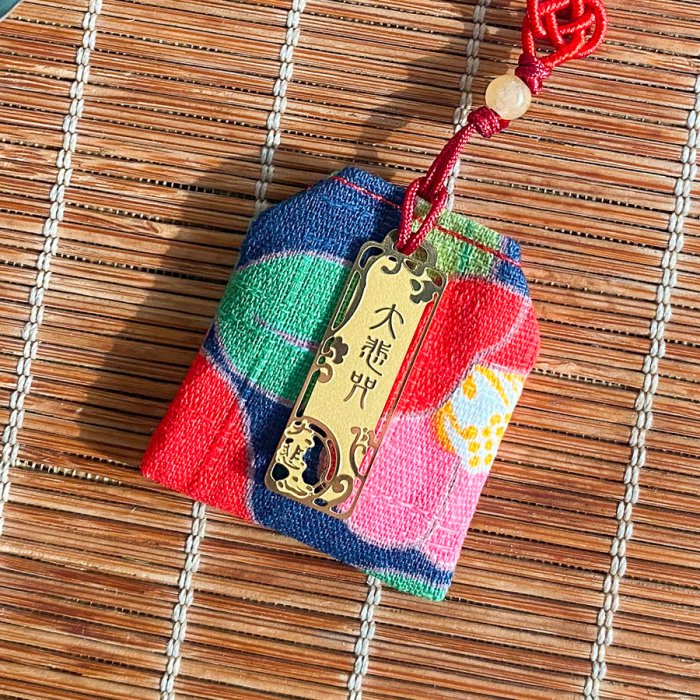
大悲心經典御守|大悲咒
〈大悲咒〉是觀音菩薩為救度眾生而在佛前誦出的咒語,持誦〈大悲咒〉,能夠消除罪障、遠離病難,得到觀音菩薩的慈悲護念。
產品規格.內容:御守1個、内附紙製小經文-大悲咒.材質:純棉印花棉布 ,純銅金屬片,中國結.御守尺寸:2.8 x 3.5公分.產地:臺灣
保養方式.本品以手工製作,手感細緻,請避免彎折,勿以水清洗。
注意事項.因每批御守製作關係,每個御守花色各有不同,商品示意圖謹供參考,請以實際供貨為準。
NT$
$100

高山寺的夢僧:明惠法師的夢境探索之旅
在日本文化史上,明惠法師是以主觀方式積極探索個人內在體驗的第一人! 貫穿他一生為數龐大的夢紀錄,是世界精神史上極稀有的珍貴遺產! 明惠是日本鐮倉時代的名僧。那是一個動盪不安的年代,也是靈性極度活潑的時代。天皇政權轉移到以武士為主的幕府手中,向來從屬於上流社會的佛教,也下降到一般民眾的內心扎根,名僧輩出,各自以創新的思想活躍著。 1191年,明惠十九歲,開始撰寫《夢記》。當外在世界產生劇烈變動的時刻,明惠卻認真地向內沉澱、探索,持續長達四十年,與夢共生。 明惠一生未立宗派,但其華嚴思想強烈影響了日本人的日常倫理。更重要的是,貫穿他一生為數龐大的夢紀錄,成了世界精神史上極稀有的珍貴遺產。 「終生持續記錄自己的夢,所需要的『心』的能量,遠超過我們想像。」日本第一位榮格分析師河合隼雄深感讚嘆的是,明惠不僅記夢,也自我解夢,從中發現內在心靈的追尋與生存意義。 「從事夢分析不但需要強大的理性力量,更必須超越理性,勇敢地面對非理性的世界。如果理性的力量不足,容易被無意識吞噬;但如果一昧地固執於理性,則很難發現夢的意義。明惠能夠對自己進行夢的分析,是非常稀有的現象。」 明惠的夢與他的生活完美地融合在一起,有如一幅繪卷;夢與現實,如同縱向與橫向的絲線,將他的生命交織成偉大的作品。河合隼雄認為,明惠的一生正是榮格所說的個體化與自我實現過程的精彩範例。 【得獎紀錄】 ※榮獲日本首屆新潮學藝獎,河合隼雄又一代表作,理解日本深層文化最佳祕徑 以榮格派心理分析觀點,重新詮釋幕府時代名僧畢生夢紀錄,見解精闢,值得再三閱讀 【名人推薦】 ‧王浩威 ‧吳佳璇 ‧楊蓓 ‧蔡昌雄 ‧鄧惠文 聯合推薦 ●作者簡介: 河合隼雄(Hayao Kawai, 1928-2007) 出生於日本兵庫縣,畢業於京都大學數學系。1962年赴瑞士蘇黎世榮格學院學習,是第一位取得榮格分析師資格的日本人。持有世界沙遊學會執照,為該會創始人之一,也是日本沙遊治療的主要推動者。曾任京都大學教育學院院長、國際日本文化研究中心所長、日本文化廳廳長、日本臨床心理醫師學會會長、京都大學榮譽教授等職。 河合隼雄以深厚的心理學知識為基礎,長年針對日本文學、政治、教育、社會問題等不同領域進行論述、對話。除了《日本人的傳說與心靈》(心靈工坊)一書曾榮獲大佛次郎獎,本書亦榮獲首屆新潮學藝獎。著作甚鉅,包括《河合隼雄著作集》、《佛教與心理治療藝術》(心靈工坊)、《村上春樹去見河合隼雄》(時報)、《原來如此的對話》(時報)、《走進小孩的內心世界》(天下)等。 商品編號:1150190511
NT$
$340
|
85折

法鼓山之美II:法華之美、溪流之美-DVD
法鼓山之美IIThe Beauty of Dharma Drum Mountain法華之美‧溪流之美The Beauty of the Lotus Bell and Streams一進入法鼓山世界佛教教育園區,便能感受到人間淨土的力量。每一處都充滿悠然禪味,每一步都讓人感到安心自在,可以靜觀天地萬物的蓬勃生機,體驗清淨心靈,這便是最自然的境教陶冶。Enter the Dharma Drum Mountain World Center for Buddhist Education, where you can feel the power of a pure land on earth. Where every inch of ground is infused with the flavor of Chan, and every step brings peace and ease. Contemplate the vitality of nature, and experience a purity of soul, in the most natural environment for personal learning and cultivation.1.法華之美The Beauty of the Lotus Bell矗立在法鼓山的法華鐘,是整部《法華經》的縮影,融合了古今名家的書法和繪畫藝術,堪稱傳統工藝與現代科技的完美結合,古樸莊重,不僅是法鼓山的鎮山之寶,也是世界級的藝術創作作品。Situated on Dharma Drum Mountain, the Lotus Bell, cast with the entire text of the Lotus Sutra, features calligraphy and painting by prominent artists in a perfect marriage of traditional craftsmanship and modern technology. Simple and dignified, it is a treasure of Dharma Drum Mountain and a world-class work of art. 2.溪流之美Beauty of the Streams法鼓山園區有法印溪和曹源溪雙溪環抱,匯流成龍溪,淙淙溪水,終年不竭。法鼓山不但以護岸工程保護山林野溪,並巧用溪流沖刷而下的石塊布置園區,形成渾然天成美景。無論是聽溪、觀瀑、賞水、經行、禪坐,都是體驗生活禪味的絕佳場景。The Dharma Drum Mountain complex is surrounded by the sound of Fayin Stream and Caoyuan Stream, which converge to form Dragon Stream. Dharma Drum Mountain has preserved the forest and streams with a river-bank protection project, and used stones washed down by the streams to create a beautifully natural and scenic landscape. Whether listening to the stream, watching the waterfalls, admiring the water, or sitting in meditation on a rock, the complex is an ideal environment to experience Chan in daily life.
NT$
$170
|
85折
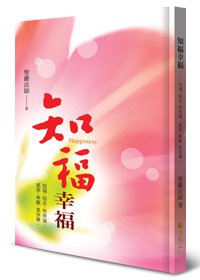
知福幸福:知福、知足,有幸福;感恩、奉獻,真快樂
人生的尋尋覓覓,要找的不過是一份幸福。但幸福到底是什麼?許多人到頭來都發現,幸福,和外在的追尋根本無關。聖嚴法師叮嚀我們,不停地滿足欲望絕對無法獲得幸福。有智慧的人能藉著看見當下的美好、珍惜眼前所有、常懷感恩之心,讓幸福的感受在心中不斷滋長、茁壯。幸福,其實就在一念之間。只要你用心體察就會明白:人生,因知福、知足而幸福;因感恩、付出而快樂!
作者簡介
聖嚴法師(1930~2009年)聖嚴法師1930年生於江蘇南通,1943年於狼山出家,後因戰亂投身軍旅,十年後再次披剃出家。曾於高雄美濃閉關六年,隨後留學日本,獲立正大學文學博士學位。1975年應邀赴美弘法。1989年創建法鼓山,並於2005年開創繼起漢傳禪佛教的「中華禪法鼓宗」。聖嚴法師是一位思想家、作家暨國際知名禪師,曾獲台灣《天下》雜誌遴選為「四百年來台灣最具影響力的五十位人士」之一。著作豐富,中、英、日文著作達百餘種,先後獲頒中山文藝獎、中山學術獎、總統文化獎及社會各界的諸多獎項。聖嚴法師提出「提昇人的品質,建設人間淨土」的理念,主張以大學院、大普化、大關懷三大教育推動全面教育,相繼創辦中華佛學研究所、法鼓佛教學院、僧伽大學、法鼓大學等院校,也以豐富的禪修經驗、正信的佛法觀念和方法指導東、西方人士修行。法師著重以現代人的語言和觀點普傳佛法,陸續提出「心靈環保」、「四種環保」、「心五四運動」、「心六倫」等社會運動,近年來更致力於國際弘化工作,參與國際性會談,促進宗教交流,提倡建立全球性倫理,致力於世界的和平。其寬闊胸襟與國際化視野,深獲海內外肯定。
作者
NT$
$85
|
85折
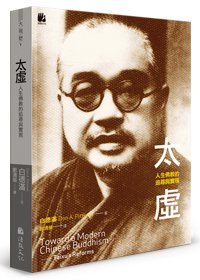
太虛:人生佛教的追尋與實現
本書是第一部研究太虛大師佛教改革始末的英文專書。作者除了大量引用原始中文資料外,亦引用了許多西方學者與傳教士的評論,包括太虛思想萌芽的歷史背景、一生的行止與全球性的弘法嘗試,以及其大乘佛教思想的願景架構與遺澤等,研究範圍十分完整,兼具東、西方及跨宗教的觀點與分析,為讀者提供了有別於坊間同類書籍的珍貴資料。太虛大師是二十世紀最重要、最具爭議性的佛教改革家與思想家。他於民初發起以「人生佛教」思想為主軸的佛教復興運動,試圖改革僧伽制度、提倡積極參與社會活動,以菩薩行在這個世界建立淨土,並實現成佛的誓願。他在當時的佛教界與文化界掀起了一番驚濤駭浪,所獲褒貶不一,甚至曾有保守派人士視他為危險分子。太虛自認在佛教改革上是失敗的,然而在他圓寂半個世紀後的今天,他所撒下的「人生佛教」種子,經歷了風雨飄搖的動盪年代,已然在台灣佛教界生根並且開花、結果。無論歷史如何評論他的成敗,不容置疑的是,他的影響力此刻正塑造著漢傳佛教的現代面貌。
作者簡介
白德滿(Don A. Pittman)范德比爾特大學(Vanderbilt University)文學碩士,芝加哥大學(University of Chicago)哲學博士。曾於1994至2000年落腳南台灣,擔任台南神學院的神學系主任與宗教學教授,同一時期於台北擔任台灣神學院客座教授,亦講授於菲律賓馬尼拉的東南亞神學研究院(South East Asia Graduate School of Religion)。目前,他是美國奧克拉荷馬州菲利浦神學院(Phillips Theological Seminary)的宗教歷史學教授與學術副校長。
譯者簡介
鄭清榮台灣雲林人,淡江大學美國研究所碩士,曾任中時晚報國際新聞中心主任。著有《郭曉晤長壽祕訣》(原水)、《鐵漢慈顏-台灣重機鉅子紀金標打造金豐傳奇》(上游),譯有《基因與命運》(原水)、《超覺玄祕體驗》、《危險激情》、《輕鬆說不》、《論人性》(時報)、《抓住心靈時刻》、《另類家庭》(天下)。興趣為寫作、翻譯與氣功。
NT$
$391
|
85折
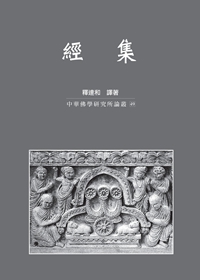
經集
《經集》是南傳佛教巴利文三藏的重要經典,屬於「五部」(長部、中部、相應部、增支部、小部) 中的「小部」,是最接近原始佛教的經文彚編。全書由〈蛇品〉、〈小品〉、〈大品〉、〈義品〉及〈彼岸道品〉等五品、七十經組成,共收錄了一千一百四十九偈及少部分長行(散文)。它的主要內容為佛陀與牧人、農夫、婆羅門、國王、夜叉、仙人、比丘的對話,思想簡單樸素而易懂,闡述佛教的倫理道德觀,充分反映了原始佛教的風貌,為研究原始佛教者提供了珍貴的參考資料。此外,其譬喻說理的詩歌形式,在佛教文學上亦具有重要價值。在南傳佛教國家中,與《法句經》一樣廣為傳誦。
譯者簡介
釋達和1932年生於苗栗縣通霄鎮1977年獲得日本駒澤大學文學碩士學位。歷任華梵、中華、法光、圓光佛學研究所,以及佛光山叢林佛學院部講師。目前致力於從事迻譯佛教書籍,著有〈原始佛教的緣起思想〉、〈原始佛教的根本教法──四法印〉等論文。譯有《印度佛教史概說》、《初期大乘佛教的研究》、《佛教的原點》、《巴利語佛典精選》等書。
作者
NT$
$238
|
85折
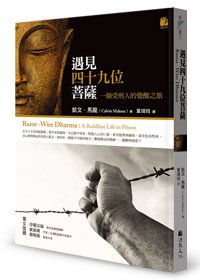
遇見四十九位菩薩:一個受刑人的覺醒之旅
鐵窗中的覺醒與自由坐牢的感覺就像Eagles樂團的歌曲<Hotel California>,一遍又一遍重覆:「你隨時喜歡都可以退房,但你永遠離不開。」貪瞋癡長期侵蝕著作者的心靈,直到他發現解藥就在自己身上......在令人不安的監獄裡,要平安度過每一天已經不容易,對他人心存仁慈,更可能帶來麻煩,甚至危及性命。決心修習佛法的受刑人凱文,如何在一個最不可能的地方,體現佛法的精神──覺醒與慈悲?十多年的牢獄生涯,凱文曾怯懦、無助,也曾因弟弟凍死街頭、母親遭詐騙而幾乎被仇恨所吞噬。但是,覺察的心讓他清楚看見:自我如何輕易地被無知與慣性所主宰,做出害人害己的行為。凱文將獄友們當成老師與菩薩,踏上了一段自我探索之旅,不但有能力幫助獄友,也為自己找到了快樂。這些故事,是這段充滿勇氣與自省的漫長旅程中,最精采而動人的註腳。旅途雖然艱辛,但是凱文向我們保證:轉化自己的負面情緒,所帶來的回報將是源源不絕、無法估量的。
作者簡介
凱文.馬龍 (Calvin Malone)
一九五一年生於德國慕尼黑,父親是非裔美國人,母親是德國人。七歲的時候舉家搬至加州蒙利市(Monterey),進入當地小學二年級就讀。凱文當時只會說德語,但一年後就能說流利的英語。他畢業於瓦拉瓦區大學(Walla Walla Community College),主修歐洲歷史,也曾到歐洲各地旅行。入獄後不久開始修習佛教,撰寫獄中的生活體驗。他的文章曾發表於各教雜誌和叢刊,目前致力於發展「受刑人出獄過渡計劃」,並為全美各地的佛教受刑人製作佛珠。凱文目前正在撰寫一本與佛教有關的小說。
譯者簡介
葉琦玲
台灣花蓮人,畢業於舊金山州立大學人類學系,從年輕時代起即愛好到世界各地旅行,曾撰寫《印尼---失落在地平線外的雨季》、《埔里/日月潭》、《羅馬尼亞的天空》、《阿波羅的情話》等書,以及翻譯遊記《旅向曙光》。現旅居美國,長年擔任香港《星島日報》美西分社新聞翻譯。
NT$
$289
|
85折
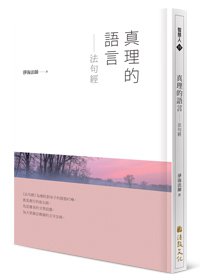
真理的語言:法句經
《法句經》為佛陀對弟子的殷殷叮嚀,既是修行的座右銘,也是優美的文學詩篇,為大眾廣泛傳誦的文字念珠。雖然讀誦百首偈,若是無義語,不如一首有義偈,讀後得到寂靜。——摘自《法句經》《法句經》摘錄了佛陀在兩千五百年前所說的話語精華,是古代印度佛教長老們記錄佛陀教法的偈語,句句都是佛陀啟示我們的格言,是一本文字樸質但說理平易易懂的偈頌集,富有極強的感化力。《法句經》全經共分為二十六品,包括:〈雙對品〉、〈不放逸品〉、〈心品〉、〈花品〉、〈愚人品〉、〈賢哲品〉、〈阿羅漢品〉、〈愛好品〉、〈忿怒品〉、〈象品〉、〈愛欲品〉、〈比丘品〉、〈婆羅門品〉……等,每一品透過巧妙的譬喻,引導讀者有層次地省思自己的身心行為,讓人容易理解佛陀的法語智慧。淨海法師直接由巴利語原典轉譯為中文詩句,譯文精闢優美,讀誦受持,必能得益匪淺,可為佛教倫理道德的寶典,修學佛法的入門書。
作者簡介
淨海法師一九三一年出生江蘇泰縣。九歲出家,十六歲寶華山受戒,後就讀武進天寧寺佛學院。一九四九年到臺灣親近慈航法師,於彌勒內院修學十年。一九六○年赴泰國學習泰文及巴利文,受南傳比丘戒,住進泰寺僧團,並入朱拉隆功佛教大學攻讀。一九六九年轉赴日本,入東京立正大學研究,獲佛教學碩士學位。一九七二年受邀赴紐約弘法,一九七八年抱著拓荒精神去到美國南部休士頓,與師友合創德州佛教會,接著建築玉佛寺、美洲菩提中心,推行現代化多元性弘法活動,不分任何宗派和種族。現任德州佛教會會長、德州佛教書院院長。著有《唯識第一課:大乘廣五蘊論略解》、《南傳佛教史》、《覺海觀覽》等作品,並譯有《佛陀畫傳》等譯作。
作者
NT$
$238
|
85折

阿姜查的禪修世界:戒
不論你是不是佛教徒,這本書都將帶給你真正的平靜。對於關心阿姜查教法的讀者,這一套三本的《阿姜查的禪修世界》是不可不擁有的完整輯錄。這套書將歷來發行過的阿姜查英文出版品,依戒、定、慧三學重新整編,在阿姜查逝世十週年的時候紀念出版。實為阿姜查最完整的法語輯錄。對於不認識阿姜查的讀者來說,阿姜查的這套書,讀來輕鬆幽默,卻蘊意深遠;即使是不修習佛法的讀者,也可以在其中盡情欣賞一個親切長者的智慧風采。阿姜查是現代南傳佛教森林派的偉大行者,早年受過完整的傳統僧侶教育,通過最高級的正規佛學課程考試,但最後卻放棄學業,選擇了森林苦行僧的方式來追求佛法上的證悟。他的追隨者無數,上至王公貴族,下至販夫走卒,他都能以適切的方式教導,時而嚴厲,時而風趣,直戳你心底深處。阿姜查的教導,不強調任何形式的打坐,而以隨時觀察自己的心為主,他要我們明白,死亡是無可逃避的,唯一的出路就是訓練自己的心,安住於無為法中。只有這樣解脫才是可能的。阿姜查圓寂後,他的喪禮有一百萬人參加,其中包括泰國國王與王后。而他的法教,也隨著他眾多的西方弟子散播到世界各地。此次將南傳佛教大師阿姜查說法的語錄合輯,共分為戒、定、慧三冊,內容是阿姜查對於「戒、定、慧」的真實體驗,而非只是對經典的詮釋,此為第一部「戒」。本書深刻釐清一般人對「戒」的排拒和疑惑,其實戒律,是對我們尚不穩定的心予以保護它的目的不是為了掌控,而是讓我們隨時保持覺知和觀照所以,犯戒非關道德的懲罰,只是顯示自己正念還不夠。
NT$
$187
|
85折

不完美的禮物:放下「應該」的你,擁抱真實的自己
別再ㄍ一ㄥ了! 放下完美主義,饒過自己吧! 「快樂」比「完美」更重要! ◎亞馬遜網站四顆半星熱烈好評,自助類排行榜超級暢銷書! ◎幫助無數讀者勇敢活出自己,重新獲得自尊、自信、創造力、喜樂、感恩心,與人真誠聯結。作者布朗博士在TED的演講「脆弱的力量」,超過800萬人次點閱。 ◎ 作者蒐集全美數以萬計18到87歲形形色色男女的故事,探索人類內心的小魔怪:完美主義、羞愧感、恐懼的影響力,藉此告訴讀者:別再ㄍㄧㄥ了!放下完美主義,饒過自己吧!「快樂」比「完美」更重要! ◎作者是一流的演說家、暢銷書作家、知名學者,也曾是個不允許自己失控或出錯的完美主義者。但她勇敢改變了!她發現:「休息、玩樂、直覺、歸屬、創造、感恩」,遠比「保持完美」更重要。她學會放下種種的「應該」,擁抱不完美的自己,走向全心投入的滿足生活。作者現身說法,對讀者更具鼓舞力。 ◎這本書是一張請帖,邀請你卸下完美主義,張開雙臂,迎接快樂又真實的自己! ◎書中附有布朗博士提供的討論題綱,在閱讀或自組讀書會時,可刺激思考火花,提升實踐力。 ◎布朗博士將「擁抱不完美的自己」當作一趟珍貴的心靈旅程,提出十大路標,幫助讀者確立方向,每一步都朝向真實和快樂! NO.1 管別人怎麼想:擁抱真實的自己 NO.2 放下完美主義:對自己仁慈 NO.3 停止麻木、放下無力感:呼喚靈性復原力 NO.4 放下匱乏,不要黑暗:培養感恩和喜樂 NO.5 不確定也沒關係:直覺力和信心 NO.6 放棄比較:開啟創造力 NO.7 放鬆,才會快樂:玩樂與休息 NO.8 停止焦慮的生活型態:冷靜與平靜 NO.9 放下自我懷疑和「應該」:在工作中看見意義 NO.10 形象放一邊,偶爾失控一下:歡笑、歌唱、舞蹈之必要 【名人推薦】 周志建(心理博士、資深心理師) 張德芬(身心靈作家) 彭樹君(作家) 鄧惠文(精神科醫師、廣播節目主持人) 賴佩霞(魅麗雜誌發行人、心理諮詢師、企業培訓師、暨南大學國際關係博士候選人) 盧蘇偉(世紀領袖文教基金會創辦人) 謝文宜(實踐大學社會工作學系副教授) ●作者簡介: 布芮尼.布朗博士(Brene Brown Ph. D.) 是知名學者、暢銷書作家,任教於休士頓大學社會工作研究院。她花了十二年時間研究人類心靈的脆弱性、勇氣、價值感以及羞愧感。她的研究結果被PBS公共電視網、歐普拉節目、NPR、CNN、華盛頓郵報、紐約時報廣泛報導。 2008年,她成為休士頓酗酒與藥物防治學會的行為健康常駐學者。她的文章經常出現在《Self》雜誌、《ELLE 雜誌》以及美國許多報紙上。她也是美國各地廣播節目時常邀請的對象,並被《休士頓女性雜誌》指名為「2009年最具影響力的女性」之一。 布芮尼2010年的TEDxHouston演說「脆弱的力量」(The Power of Vulnerability)是TED網站上最受歡迎的節目之一,已有超過八百萬人點閱。她也在2012年TED conference上受邀演講,主題就是《不完美的禮物》書中所談的:羞愧感、勇氣與創新。 布芮尼的每本書都躍居暢銷書。除了《不完美的禮物》,她另著有-- ★《我以為只有我(但並不是):完美主義、不足感和權力的真相》(I Thought It Was Just Me (but it isn’t): Telling the Truth About Perfectionism, Inadequacy, and Power) (Gotham, 2007) ★《全心全意的勇氣:敢於脆弱的勇氣如何改變了我們的生活、愛、親職和領導》(Daring Greatly: How the Courage to Be Vulnerable Transforms the Way We Live, Love, Parent, and Lead) (Gotham, 2012) ★連結 (Connections, 2009)。這份心理教育課程正由心理衛生與成癮專業人士在美國大力推展。 布芮尼目前定居休士頓,與丈夫史狄夫及一對年輕兒女同住。 布芮尼在TED演講.脆弱的力量 (★★★★★) www.ted.com/talks/lang/zh-tw/brene_brown_on_vulnerability.html 布芮尼在TED演講.聆聽羞愧感 (★★★★) www.ted.com/talks/brene_brown_listening_to_shame.html 商品編號:1150190531
NT$
$255
|
85折

你可以不怕死
死亡,一切將終結或者靈魂將永存?在本書中,一行禪師從他自己的體證裡,提出了有別於虛無論和靈魂永生的另類觀點和生命態度。你會發現,死亡不是句點,透過深觀修持的體悟,你會發現超越死亡的秘密。一行禪師邀約我們進行深觀修持,這樣我們才能發現在永恆和虛無的「中道」裡所埋藏的自由和喜悅。身為一位詩人,他探索生命的悖論,輕柔地掀起幻象--誤把「生」、「死」和「自我」當真--的面紗,讓我們在自己的人生中首度有機會認清:生、死、來、去,都只是我們製造出來的概念,而這些幻象也就是我們苦難的源頭。一旦洞察萬事萬物皆是「不生,不滅;無來,無去;無同,無異;無存在,無不存在」,就能體認到自己是無法被摧毀,因而也就能「重生般」地享受和欣賞人生了。他也分享了一種簡易而有效的「觸摸大地」修持方式,來破除所有人為的概念:一、 觀想自己站在時間的縱軸上,你的精神導師、血緣上的祖先、精神子嗣及血緣上的子孫,都是你的一部份。你就是他們,他們就是你。一旦解除你和祖先子嗣是分開的概念,你就能捨棄了時間的概念。二、 觀想自己站在空間的橫軸上,與諸佛菩薩相應,發現他們正在你的體內,而你就是他們在時空>中的化身,你是這些菩薩的一隻手臂,而你的手臂可以伸向地球最黑暗的角落。四處都有朋友可以充當你的手臂,你以可以變成他們的手臂。當你不在認為子己和諸佛菩薩、受苦的眾生、動植物及其他是物是分開時,你也就捨棄了空間的概念。三、 你不再認為你就是自己的身體,你也就不再受制於生死的概念。若是懂得修持不生不滅的實相,你會發現死亡和恐懼都不是實存的,存在的只有不斷在延續中的無量化身。
作者簡介
一行禪師(Thich Nhat Hanh)
當今國際社會中最具宗教影響力的僧人之一,以禪師、詩人、人道主義者聞名於世。1926年生於越南中部,16歲時在歸原寺當見習僧,後來赴美研究並教學。越戰期間返國從事和平運動,對於越南的年輕僧眾起了重大啟發,戰爭結束代表參加巴黎和談。越南赤化以後,被放逐至今仍不得回國。但長期以來,一直從事救援難民的工作。1967年美國黑人民權領袖馬丁路德‧金恩提名他角逐諾貝爾和平獎。1982年他在法國南部建立了「梅村」(Plum Village)禪修道場,並赴世界各地弘法。1995年曾到台灣弘法並主持禪七法會。著作超過八十本,都是教導人們在生活中實踐佛法,已在台灣出版的有《你可以不生氣》、《與生命相約》、《愛的箴言》、《生生基督世世佛》、《步步安樂行》等。
NT$
$213
|
85折

一心走路:步行在佛陀的淨土中
心能往千向,但於此幽徑,吾安穩而行;
步步和風吹,步步花綻放。走路是一般人生活中最普遍、最頻繁的活動,一行禪師以「像佛陀一樣走路」作為本書的主軸,告訴我們,走路本身就是一種修行,從走路之中,自有我們尋尋覓覓的正見、正念和智慧。每個人內在都有一個佛陀,只要我們不斷向內洞察自己的心,讓心趨向於良善的事物,保持正念地安住當下,並為心識注入快樂的習慣,那麼,當遇到困難時,根本無須擔心,因為我們內在的佛陀將會伸出援手,讓我們自生命的功課中獲得療癒與平靜。一行禪師同時強調創造力、觀想與禪修的重要,並提供具體的修行方法,讓我們的心靈清明,身心和諧。文中同時穿插引自佛陀傳記的故事,以及一行禪師日常生活的經驗與觀察,從平凡的事例中,為我們指引出發人省思的觀點。
作者簡介
一行禪師(Thich Nhat Hanh)
1926年生於越南中部,十六歲時在慈孝寺當見習憎,後來赴美研究並教學。越戰期間返國從事和平運動,對於越南的年輕僧眾起了重大啟發,戰爭結束代表參加巴黎和談。越南赤化後,一行禪師被放逐海外,在2005年第一次回返越南,2007年2月至5月也再次回到越南。1967年美國黑人民權領袖馬丁路德‧金恩提名他角逐諾貝爾和平獎。1982年他在法國南部建立了「梅村」禪修道場。1995年曾到台灣弘法並主持禪七法會。一行禪師是當今國際社會中最具宗教影響力的僧人之一,以禪師、詩人、人道主義者聞名於世。著作超過一百本,都是教導人們在生活中實踐佛法,已在台灣出版的有:《生生基督世世佛》、《步步安樂行》、《與生命相約》、《你可以不生氣》、《你可以不怕死》、《正念的奇蹟》、《觀照的奇蹟》、《見佛殺佛》、《橘子禪》、《你可以,愛》、《祈禱的力量》。
譯者簡介
賴隆彥
海洋大學造船系畢業,中華佛學研究所研究。曾任中華佛學研究所藏文講師、智光工商德育老師、佛光出版社資深編輯、普門雜誌社資深編輯。譯作:《森林中的法語》、《阿姜查的禪修世界》(戒、定、慧)、《佛陀的聖弟子傳》、《正念的四個練習》、《無常》、《正念之道》等(以上皆由橡樹林文化出版)。
譯者
賴隆彥
NT$
$238
|
85折

精進大悲咒-CD
觀世音菩薩的法門就是觀世音菩薩自己修行、得道的方法。〈大悲咒〉匯集了觀世音菩薩無量劫以來所有一切修持的功德,所以持誦〈大悲咒〉就等於獲得了觀世音菩薩無量劫以來所修一切功德力的加持,這力量非常大。不過,觀世音菩薩在《大悲心陀羅尼經》中告訴我們,誦持〈大悲咒〉應該先要對眾生起慈悲心。因此要得到觀世音菩薩的救濟,除了仰仗觀世音菩薩的慈悲願力,給我們平安、給我們力量,更要學觀世音菩薩,先發起無上慈悲心,「無緣大慈,同體大悲」,希望所有眾生都能離苦得樂;為了利益眾生,而成就所有一切功德,這就是大悲觀世音菩薩的修行法門。
歡迎前往音樂串流平台購買聆聽
演出者
NT$
$170
|
85折

法鼓山之美:建築之美、佛像之美-DVD
【法鼓山之美DVD】The Beauty of Dharma Drum Mountain法鼓山世界佛教教育園區,自然景觀與人文建築相互融合,每一處景觀、每一方建設,都是深度的人文精神與心靈環保的實踐。期望透過影像的導覽,分享法鼓山自然與人文之美,並體驗法鼓山境教中無盡的禪味。At Dharma Drum Mountain World Center for Buddhist Education, natural landscape and man-made architecture integrate in harmony. Every scenery and every setting reveal the spirit of humanities and the protection of spiritual environment. With this video guide, we share with you the center’s natural environment and humanistic beauty and hope that you will experience the flavor of Chan emanating from all corners of this setting.內含二段影片:1.【建築之美】單元長度:15分50秒The Beauty of Architecture 山林間隱隱浮現的青灰與赭紅,妝點著北海岸原生的灌木林、百合花叢與溪水活泉。法鼓山的建築群,簡潔優雅、清新開闊。它的每一磚、每一瓦,都包含著尊重生命的心意,它與大自然共生息,它是人間的淨土。With the blue-gray and reddish brown colors emerging in the midst of the mountains and decorating the bushes, lily groves, and sparkling streams, the architecture is simple, yet elegant, refreshing, and expansive. Every brick and tile of the construct signifies the notion of reverence for life, harmony with nature, and the groundwork of establishing a pure land on earth.2.【佛像之美】單元長度:16分13秒 The Beauty of Buddha Images佛像之美,不僅在於其藝術價值,更在於它能讓觀者生起對佛法的信心、領悟佛菩薩的慈悲願力。法鼓山的佛菩薩垂目含笑,彷彿在溫柔地聆聽著眾生的煩惱和願望。古樸的造型,或立或坐,無不莊嚴。佛前的人們,不知不覺中將身心安定了下來,世界也美麗了起來……。The beauty of Buddha images are not only merely about the art works value, but also an inspiration serve to evoke in thefor viewers to give rise to the faith in the Dharma, enabling them to relate to and to feel compassionate vows of Buddhas and bodhisattvas’ compassion and vows. The images of Buddhas and bodhisattvas at Dharma Drum Mountain, with their eyes cast down and, smiling, represent manifest their tenderness tender heart in hearing the afflictions and wishes from all sentient beings. Modest and simple, Either standing or sitting, the modest and simple images radiate majesty and solemnness, enabling visitors to calm down theirthe body and mind of all visitors.
演出者
NT$
$170
|
85折
正在載入更多商品......