搜尋結果
共
970
筆符合商品
排序

平安「檜木」念珠(6mm/108顆)
產品規格.材質:天然檜木珠(黃檜) 6mm x 108顆 / 8mm x 3顆 / 12mm x 1顆.尺寸:內徑周長約 63公分.重量:約 6.3公克.產地:台灣製造
注意事項.木珠為天然材質,每顆顏色、紋路、烙印深淺皆不相同,屬正常現象。.木珠為手工車製,每顆尺寸稍有差異,屬正常現象。.結繩為消耗材,斷繩請自行更換。.因光線關係,圖片顏色略有差異,請以實際商品為主。
正確使用念珠
戴念珠本身不是壞事,可是,真正的目的究竟是什麼?我把它分成三種類別加以說明:一種是信仰的,一種是心理的,還有一種是屬於風氣的。站在信仰的角度講,好處很多。因為手上有念珠,就會經常想到自己是個佛教徒,自己的身、口、意等三方面,自然而然都會檢點,不要把佛教徒的形象弄壞了。其次,你掛了念珠,還可以影響其他人。其他人不管是不是佛教徒,如果看到掛念珠的人講話、動作、表情不像是一個佛教徒的表現時,就會有人要求你:「你是一個佛教徒,怎麼也會這個樣子?」提醒掛念珠的人應該檢點。當我們要持誦佛號、咒語時,手上有串念珠也很方便。通常是一串大的、一串小的,大的念珠念一串、小的念珠數一個。大珠、小珠一起算,非常有用。第二種是心理上的作用。有的人掛的念珠是經過出家師父、上師或有修行的人加持過的,他們相信,把加持過的念珠掛在身上,有避邪、化災難為吉祥的作用,這使得戴念珠的人心理上覺得很平安、很安全。這樣也很好,至少心理上不會那麼恐慌。這和有人去神廟裡求護身符或掛在車上的小香袋,作用完全一樣。第三種是時髦、風氣、潮流。這樣的情形也沒有什麼不好,這樣的人漸漸地也很可能成為佛教徒。另外,還有因為自己身體某個部分有障礙,他們相信寶石磁場很強,戴了之後可以調整身體。這種想法是有病除病、沒病強身,念珠變成健康器材。這種心態也沒什麼不好。不過,我想最好的方法還是真正地有信仰,信仰三寶和佛教,而把念珠當作修行佛法時使用的一個道具、器材。──摘自:聖嚴法師《法鼓鐘聲》
NT$
$750

平安「檜木」手珠(20mm大尺寸/12顆)男款
.建議適合手圍:壯實身型產品規格.材質:天然檜木珠(黃檜) 20mm x 11顆 + 20mm x 1顆.尺寸:內徑周長約 18公分.重量:約 25公克.產地:台灣製造
注意事項.木珠為天然材質,每顆顏色、紋路、烙印深淺皆不相同,屬正常現象。.木珠為手工車製,每顆尺寸稍有差異,屬正常現象。.結繩為消耗材,斷繩請自行更換。.因光線關係,圖片顏色略有差異,請以實際商品為主。
正確使用念珠
戴念珠本身不是壞事,可是,真正的目的究竟是什麼?我把它分成三種類別加以說明:一種是信仰的,一種是心理的,還有一種是屬於風氣的。站在信仰的角度講,好處很多。因為手上有念珠,就會經常想到自己是個佛教徒,自己的身、口、意等三方面,自然而然都會檢點,不要把佛教徒的形象弄壞了。其次,你掛了念珠,還可以影響其他人。其他人不管是不是佛教徒,如果看到掛念珠的人講話、動作、表情不像是一個佛教徒的表現時,就會有人要求你:「你是一個佛教徒,怎麼也會這個樣子?」提醒掛念珠的人應該檢點。當我們要持誦佛號、咒語時,手上有串念珠也很方便。通常是一串大的、一串小的,大的念珠念一串、小的念珠數一個。大珠、小珠一起算,非常有用。第二種是心理上的作用。有的人掛的念珠是經過出家師父、上師或有修行的人加持過的,他們相信,把加持過的念珠掛在身上,有避邪、化災難為吉祥的作用,這使得戴念珠的人心理上覺得很平安、很安全。這樣也很好,至少心理上不會那麼恐慌。這和有人去神廟裡求護身符或掛在車上的小香袋,作用完全一樣。第三種是時髦、風氣、潮流。這樣的情形也沒有什麼不好,這樣的人漸漸地也很可能成為佛教徒。另外,還有因為自己身體某個部分有障礙,他們相信寶石磁場很強,戴了之後可以調整身體。這種想法是有病除病、沒病強身,念珠變成健康器材。這種心態也沒什麼不好。不過,我想最好的方法還是真正地有信仰,信仰三寶和佛教,而把念珠當作修行佛法時使用的一個道具、器材。──摘自:聖嚴法師《法鼓鐘聲》
NT$
$420

平安「檜木」手珠(16mm大尺寸/15顆)男款
.建議適合手圍:勻稱或高大身型產品規格.材質:天然檜木珠(黃檜) 16mm x 14顆 / 16mm x 1顆.尺寸:內徑周長約 18.5公分.重量:約 16公克.產地:臺灣製造
注意事項.木珠為天然材質,每顆顏色、紋路、烙印深淺皆不相同,屬正常現象。.木珠為手工車製,每顆尺寸稍有差異,屬正常現象。.結繩為消耗材,斷繩請自行更換。.因光線關係,圖片顏色略有差異,請以實際商品為主。
正確使用念珠
戴念珠本身不是壞事,可是,真正的目的究竟是什麼?我把它分成三種類別加以說明:一種是信仰的,一種是心理的,還有一種是屬於風氣的。站在信仰的角度講,好處很多。因為手上有念珠,就會經常想到自己是個佛教徒,自己的身、口、意等三方面,自然而然都會檢點,不要把佛教徒的形象弄壞了。其次,你掛了念珠,還可以影響其他人。其他人不管是不是佛教徒,如果看到掛念珠的人講話、動作、表情不像是一個佛教徒的表現時,就會有人要求你:「你是一個佛教徒,怎麼也會這個樣子?」提醒掛念珠的人應該檢點。當我們要持誦佛號、咒語時,手上有串念珠也很方便。通常是一串大的、一串小的,大的念珠念一串、小的念珠數一個。大珠、小珠一起算,非常有用。第二種是心理上的作用。有的人掛的念珠是經過出家師父、上師或有修行的人加持過的,他們相信,把加持過的念珠掛在身上,有避邪、化災難為吉祥的作用,這使得戴念珠的人心理上覺得很平安、很安全。這樣也很好,至少心理上不會那麼恐慌。這和有人去神廟裡求護身符或掛在車上的小香袋,作用完全一樣。第三種是時髦、風氣、潮流。這樣的情形也沒有什麼不好,這樣的人漸漸地也很可能成為佛教徒。另外,還有因為自己身體某個部分有障礙,他們相信寶石磁場很強,戴了之後可以調整身體。這種想法是有病除病、沒病強身,念珠變成健康器材。這種心態也沒什麼不好。不過,我想最好的方法還是真正地有信仰,信仰三寶和佛教,而把念珠當作修行佛法時使用的一個道具、器材。──摘自:聖嚴法師《法鼓鐘聲》
NT$
$280

平安「檜木」手珠(12mm/18顆)男款
.建議適合手圍:偏瘦身型產品規格.材質:天然檜木珠(黃檜) 約12mm x 17顆 + 12mm x 1顆.尺寸:內徑周長約 17 公分.重量:約 8.5公克.產地:台灣製造
注意事項.木珠為天然材質,每顆顏色、紋路、烙印深淺皆不相同,屬正常現象。.木珠為手工車製,每顆尺寸稍有差異,屬正常現象。.結繩為消耗材,斷繩請自行更換。.因光線關係,圖片顏色略有差異,請以實際商品為主。
正確使用念珠
戴念珠本身不是壞事,可是,真正的目的究竟是什麼?我把它分成三種類別加以說明:一種是信仰的,一種是心理的,還有一種是屬於風氣的。站在信仰的角度講,好處很多。因為手上有念珠,就會經常想到自己是個佛教徒,自己的身、口、意等三方面,自然而然都會檢點,不要把佛教徒的形象弄壞了。其次,你掛了念珠,還可以影響其他人。其他人不管是不是佛教徒,如果看到掛念珠的人講話、動作、表情不像是一個佛教徒的表現時,就會有人要求你:「你是一個佛教徒,怎麼也會這個樣子?」提醒掛念珠的人應該檢點。當我們要持誦佛號、咒語時,手上有串念珠也很方便。通常是一串大的、一串小的,大的念珠念一串、小的念珠數一個。大珠、小珠一起算,非常有用。第二種是心理上的作用。有的人掛的念珠是經過出家師父、上師或有修行的人加持過的,他們相信,把加持過的念珠掛在身上,有避邪、化災難為吉祥的作用,這使得戴念珠的人心理上覺得很平安、很安全。這樣也很好,至少心理上不會那麼恐慌。這和有人去神廟裡求護身符或掛在車上的小香袋,作用完全一樣。第三種是時髦、風氣、潮流。這樣的情形也沒有什麼不好,這樣的人漸漸地也很可能成為佛教徒。另外,還有因為自己身體某個部分有障礙,他們相信寶石磁場很強,戴了之後可以調整身體。這種想法是有病除病、沒病強身,念珠變成健康器材。這種心態也沒什麼不好。不過,我想最好的方法還是真正地有信仰,信仰三寶和佛教,而把念珠當作修行佛法時使用的一個道具、器材。──摘自:聖嚴法師《法鼓鐘聲》
NT$
$240

平安「檜木」手珠(8mm/24顆)女款
.建議適合手圍:勻稱或偏瘦身型產品規格.材質:天然檜木珠(黃檜) 8mm x 23顆 / 12mm x 1顆.尺寸:內徑周長約 16.5公分.重量:約 5公克.產地:臺灣製造
注意事項.木珠為天然材質,每顆顏色、紋路、烙印深淺皆不相同,屬正常現象。.木珠為手工車製,每顆尺寸稍有差異,屬正常現象。.結繩為消耗材,斷繩請自行更換。.因光線關係,圖片顏色略有差異,請以實際商品為主。
正確使用念珠
戴念珠本身不是壞事,可是,真正的目的究竟是什麼?我把它分成三種類別加以說明:一種是信仰的,一種是心理的,還有一種是屬於風氣的。站在信仰的角度講,好處很多。因為手上有念珠,就會經常想到自己是個佛教徒,自己的身、口、意等三方面,自然而然都會檢點,不要把佛教徒的形象弄壞了。其次,你掛了念珠,還可以影響其他人。其他人不管是不是佛教徒,如果看到掛念珠的人講話、動作、表情不像是一個佛教徒的表現時,就會有人要求你:「你是一個佛教徒,怎麼也會這個樣子?」提醒掛念珠的人應該檢點。當我們要持誦佛號、咒語時,手上有串念珠也很方便。通常是一串大的、一串小的,大的念珠念一串、小的念珠數一個。大珠、小珠一起算,非常有用。第二種是心理上的作用。有的人掛的念珠是經過出家師父、上師或有修行的人加持過的,他們相信,把加持過的念珠掛在身上,有避邪、化災難為吉祥的作用,這使得戴念珠的人心理上覺得很平安、很安全。這樣也很好,至少心理上不會那麼恐慌。這和有人去神廟裡求護身符或掛在車上的小香袋,作用完全一樣。第三種是時髦、風氣、潮流。這樣的情形也沒有什麼不好,這樣的人漸漸地也很可能成為佛教徒。另外,還有因為自己身體某個部分有障礙,他們相信寶石磁場很強,戴了之後可以調整身體。這種想法是有病除病、沒病強身,念珠變成健康器材。這種心態也沒什麼不好。不過,我想最好的方法還是真正地有信仰,信仰三寶和佛教,而把念珠當作修行佛法時使用的一個道具、器材。──摘自:聖嚴法師《法鼓鐘聲》
NT$
$220

平安「檜木」手珠(6mm/22顆)童款
產品規格.材質:天然檜木珠(黃檜) 約 6mm x 21顆 + 12mm x 1顆.尺寸:內徑周長約 11公分.重量:約 3.2公克.產地:台灣製造
注意事項.商品圖檔顏色因拍照光線關係會略有不同,請以實際商品顏色為準。.木珠為天然材質,每顆顏色、紋路、烙印深淺皆不相同,屬正常現象。.木珠為手工車製,每顆尺寸稍有差異,屬正常現象。
正確使用念珠
戴念珠本身不是壞事,可是,真正的目的究竟是什麼?我把它分成三種類別加以說明:一種是信仰的,一種是心理的,還有一種是屬於風氣的。站在信仰的角度講,好處很多。因為手上有念珠,就會經常想到自己是個佛教徒,自己的身、口、意等三方面,自然而然都會檢點,不要把佛教徒的形象弄壞了。其次,你掛了念珠,還可以影響其他人。其他人不管是不是佛教徒,如果看到掛念珠的人講話、動作、表情不像是一個佛教徒的表現時,就會有人要求你:「你是一個佛教徒,怎麼也會這個樣子?」提醒掛念珠的人應該檢點。當我們要持誦佛號、咒語時,手上有串念珠也很方便。通常是一串大的、一串小的,大的念珠念一串、小的念珠數一個。大珠、小珠一起算,非常有用。第二種是心理上的作用。有的人掛的念珠是經過出家師父、上師或有修行的人加持過的,他們相信,把加持過的念珠掛在身上,有避邪、化災難為吉祥的作用,這使得戴念珠的人心理上覺得很平安、很安全。這樣也很好,至少心理上不會那麼恐慌。這和有人去神廟裡求護身符或掛在車上的小香袋,作用完全一樣。第三種是時髦、風氣、潮流。
——摘自:聖嚴法師《法鼓鐘聲》
NT$
$200
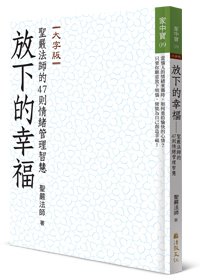
放下的幸福:聖嚴法師的47則情緒管理智慧 (大字版)
當惱人的情緒來襲時,如何重拾愉快的心情?只要你願意放下煩惱,便能為自己創造幸福!你想要控制情緒,卻被情緒反撲而陷入困境嗎?情緒從哪裡來?該如何面對浪潮洶湧的情緒波濤?聖嚴法師在本書中,不但說明情緒的根源是來自於煩惱「五毒」──貪、瞋、癡、慢、疑;並以佛法的觀念和方法,幫助我們在面對各種情緒干擾時,能夠將貪欲轉成願心,以慈心化解瞋心,以謙虛去除慢心……,讓我們的心可以放下得自在,擁有一個幸福的人生!
作者簡介
聖嚴法師(1930~2009年)聖嚴法師1930年生於江蘇南通,1943年於狼山出家,後因戰亂投身軍旅,十年後再次披剃出家。曾於高雄美濃閉關六年,隨後留學日本,獲立正大學文學博士學位。1975年應邀赴美弘法。1989年創建法鼓山,並於2005年開創繼起漢傳禪佛教的「中華禪法鼓宗」。聖嚴法師是一位思想家、作家暨國際知名禪師,曾獲臺灣《天下》雜誌遴選為「四百年來臺灣最具影響力的五十位人士」之一。著作豐富,中、英、日文著作達百餘種,先後獲頒中山文藝獎、中山學術獎、總統文化獎及社會各界的諸多獎項。聖嚴法師提出「提昇人的品質,建設人間淨土」的理念,主張以大學院、大普化、大關懷三大教育推動全面教育,相繼創辦中華佛學研究所、法鼓文理學院、僧伽大學等院校,也以豐富的禪修經驗、正信的佛法觀念和方法指導東、西方人士修行。法師著重以現代人的語言和觀點普傳佛法,陸續提出「心靈環保」、「四種環保」、「心五四運動」、「心六倫」等社會運動,並積極推展國際弘化工作,參與國際性會談,促進宗教交流,提倡建立全球性倫理,致力世界和平。其寬闊胸襟與國際化視野,深獲海內外肯定。
作者
NT$
$153
|
85折

法鼓文化手提袋(中)
◆產品規格:【顏色】牛皮紙原色【尺寸】約32 x 11 x 26.7 cm【產地】台灣製造
◆注意事項:.商品圖檔顏色因拍照光線關係會略有不同,請以實際商品顏色為準。
NT$
$20

法鼓文化手提袋(小)
◆產品規格:【顏色】牛皮紙原色【尺寸】約19 x 7 x 24.3 cm【產地】台灣製造
◆注意事項:.商品圖檔顏色因拍照光線關係會略有不同,請以實際商品顏色為準。
NT$
$15
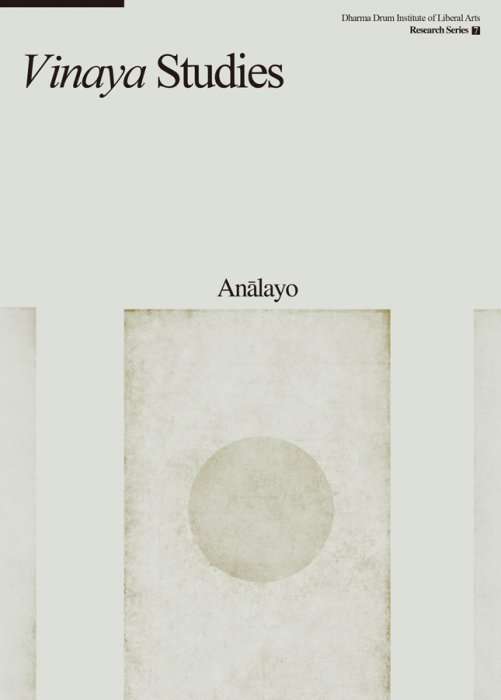
(英文版) 戒律研究 Vinaya Studies
The present book collects research papers by Bhikkhu Anālayo related to Vinaya. Recurrent topics are the nature of Vinaya narrative and the overlap between discourse and Vinaya material, both of which have significant ramifications for the use of such textual material by the modern scholar. In addition, topics taken up in the course of this book are the legal consequences of pārājika, the mass suicide of monks, the tale of Vessantara's lavish giving, the impact of the account of the first saṅgīti on attitudes towards Vinaya rules, the account of the foundation of the order of bhikkhunīs, and the legal dimensions of the revival of the bhikkhunī order.
作者簡介
Bhikkhu Anālayowas born in Germany in 1962 and ordained in Sri Lanka in 1995. He completed a Ph.D. thesis at the University of Peradeniya (Sri Lanka) in 2000 and a habilitation thesis at the University of Marburg (Germany) in 2007. At present he is a professor at the University of Hamburg, Numata Center for Buddhist Studies (Germany).
作者
NT$
$383
|
85折
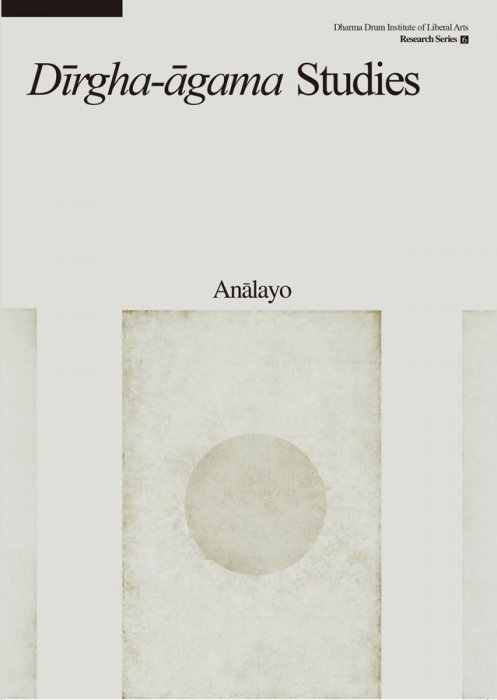
(英文版) 長阿含研究Dīrgha-āgama Studies
The present book collects research papers by Bhikkhu Anālayo containing translations of Dīrgha-āgama discourses and comparative studies of their Pāli parallels (as well as relevant Sanskrit fragments), together with three appendices. Several chapters and the appendices are devoted to examining aspects of the early Buddhist oral transmission. In addition, topics taken up in the course of this book are the analysis of views in the Brahmajāla, healing in early Buddhism, the Buddha's last meditation, his display of fire miracles, levitation, debating strategies, and the future Buddha Maitreya.
作者簡介
Bhikkhu Anālayowas born in Germany in 1962 and ordained in Sri Lanka in 1995. He completed a Ph.D. thesis at the University of Peradeniya (Sri Lanka) in 2000 and a habilitation thesis at the University of Marburg (Germany) in 2007. At present he is a professor at the University of Hamburg, Numata Center for Buddhist Studies (Germany).
作者
NT$
$595
|
85折

死亡如此靠近(新修版)
《死亡如此靠近》(新修版):30篇真實故事,每篇新增蘇絢慧動人的心靈手札。當走到最後一刻,如何讓生命的盡頭是愛,而非悲傷、苦痛與遺憾?兒子起身至媽媽耳旁輕輕說了一聲:「媽媽,你安心的走吧!」並轉身對我說:「我已把我要說的話說完。」「不會有遺憾?」我問。「不會有遺憾。」他回答。我知道,他正在對母親做一種宣告;他會繼續勇敢的活在人世間,繼續他未完的人生旅程,學習著獨立與成長。當死亡來臨,病人家屬如何不讓「疲憊」與「無力感」啃蝕彼此的愛?當病人想談談死亡、談談後事、談談未竟之事時,家人如何不因害怕而迴避閃躲?甚至家人如何一起面對、分擔家人離去的悲傷與痛苦?而病人本身,該如何面對疾病的痛苦與難耐?如何與生命裡的憤恨、怨懟和解?又如何以愛彌補巨大的遺憾?當死亡來臨,身體的疼痛、心裡的恐懼不斷撕裂,有那麼多未竟之事,有那麼多糾葛的情緒,排山倒海。曾擔任安寧病房社工師的蘇絢慧,彷若病患與情緒之間、病患與病患家屬之間的橋梁,在她的溫柔傾聽、陪伴與協助溝通下,離去的人與留下的人,因為找回愛,而少了遺憾,多了祝福與放下。死亡,終究是生命裡最艱難的一堂課,但讓我們即使走過最錐心刺痛的離別,留下的仍是愛。本書特色:◎ 知名諮商心理師.悲傷療癒專家蘇絢慧,以最溫柔、溫暖又同理的角度,陪伴,並傾聽安寧病房裡受著無數煎熬的病患與病患家屬。◎ 死亡往往不是悲劇本身。真正的悲劇是死亡發生時,才發現許多該做的事並沒去做;許多想說的話也沒有機會去說了。死去的人留下太多遺憾及未完之事,活著的人也保留許多遺憾和未完之事。◎ 生命的盡頭是愛,因為死亡不是終點,死亡讓我們更謙卑、更珍惜、更學習如何生。
作者簡介
蘇絢慧國立台北教育大學心理與諮商研究所碩士。曾任醫學中心社會服務室與安寧療護臨床社工師、協談中心諮商心理師,前後經歷十三年。除此之外,曾兼任大學學生諮商中心、社區諮商機構諮商心理師工作,目前為獨立執業心理師。與各助人單位、基金會與協會長期合作開辦專業訓練課程、生命探索與成長課程。特別聚焦在失落經驗探索與悲傷轉化、自我情感滋養照顧與生命早年傷痛療癒的主題上,以此舉辦各類型工作坊、演講與社會哀傷文化改善的宣導活動。推動足跡遍及台灣各地外,目前也與馬來西亞及中國的專業機構合作發展滋養華人心靈工作,落實善生、善終、善別、善待的生命課題學習。網路主持:FB「同哀傷」社群專頁、「同哀傷社團」。已出版出籍:《死亡如此靠近》(2001,大塊文化,已絕版)入圍金鼎獎文學類優良好書《請容許我悲傷》(2003,張老師文化)入圍金鼎獎社會科學類優良好書《這人生》(2004,張老師文化)《生命河流》(2005,張老師文化)《喪慟夢》(2007,張老師文化)入圍金鼎獎社會科學類優良好書《於是,我可以說再見──悲傷療癒心靈地圖》(2008,寶瓶文化)《因愛誕生──一段父親帶我回家的路》(2009,寶瓶文化)《當傷痛來臨──陪伴的修練》(2011,寶瓶文化)《愛,一直都在》(2012,張老師文化)《其實我們都受傷了──在關係中療癒傷痛,學習成長》(2013,寶瓶文化)獲103年衛福部國民健康署優良讀物獎《其實你沒有學會愛自己──練習以愛,重新陪自己長大》(2014,寶瓶文化)獲103年衛福部國民健康署優良讀物獎
作者
NT$
$272
|
85折

Micro USB充電連接線 (2022念佛機適用)
產品規格.內容:Micro USB專用充電連接線1條.顏色:白色.長度:約 100 ±0.5公分.材質:PVC塑料/銅.重量:約 20.4公克(含包裝).產地:中國(臺灣監製).用途:充電用
注意事項.商品圖檔顏色因拍照光線關係會略有不同,請以實際商品顏色為準。
NT$
$80
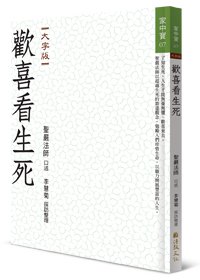
歡喜看生死 (大字版)
了知生死,人生才能無憂無懼,歡喜來去。聖嚴法師以超越生死的豁達觀念,勉勵人們珍惜生命,以願力開展豐富的人生。一般人對於未來不確定的命運與財產,多半會精心安排,甚至不必要地擔憂,然而對生命中唯一確知的一件事--死亡,卻多所避諱,既不了解也常未預先準備。這個矛盾的現象透露出人對生命太過執著,對死亡太過抗拒。雖然生死是必然的因果關係,但是聖嚴法師以修行多年的智慧,提出佛教超越生死的豁達觀念,教導大家以願力來豐富生命,時時抱持活在當下的態度,便能真正掌握自己的心念,進而無懼於生死,開展出更廣闊、更完整的人生。法師勉勵我們,生時珍惜生命,抱著「以他為我」的無我精神,成長自己、成就他人;死時莊嚴安詳、無憂無懼。如此歡喜看生死,生死皆歡喜!
作者簡介
聖嚴法師(1930~2009年)聖嚴法師1930年生於江蘇南通,1943年於狼山出家,後因戰亂投身軍旅,十年後再次披剃出家。曾於高雄美濃閉關六年,隨後留學日本,獲立正大學文學博士學位。1975年應邀赴美弘法。1989年創建法鼓山,並於2005年開創繼起漢傳禪佛教的「中華禪法鼓宗」。聖嚴法師是一位思想家、作家暨國際知名禪師,曾獲臺灣《天下》雜誌遴選為「四百年來臺灣最具影響力的五十位人士」之一。著作豐富,中、英、日文著作達百餘種,先後獲頒中山文藝獎、中山學術獎、總統文化獎及社會各界的諸多獎項。聖嚴法師提出「提昇人的品質,建設人間淨土」的理念,主張以大學院、大普化、大關懷三大教育推動全面教育,相繼創辦中華佛學研究所、法鼓文理學院、僧伽大學等院校,也以豐富的禪修經驗、正信的佛法觀念和方法指導東、西方人士修行。法師著重以現代人的語言和觀點普傳佛法,陸續提出「心靈環保」、「四種環保」、「心五四運動」、「心六倫」等社會運動,並積極推展國際弘化工作,參與國際性會談,促進宗教交流,提倡建立全球性倫理,致力世界和平。其寬闊胸襟與國際化視野,深獲海內外肯定。
作者
NT$
$153
|
85折
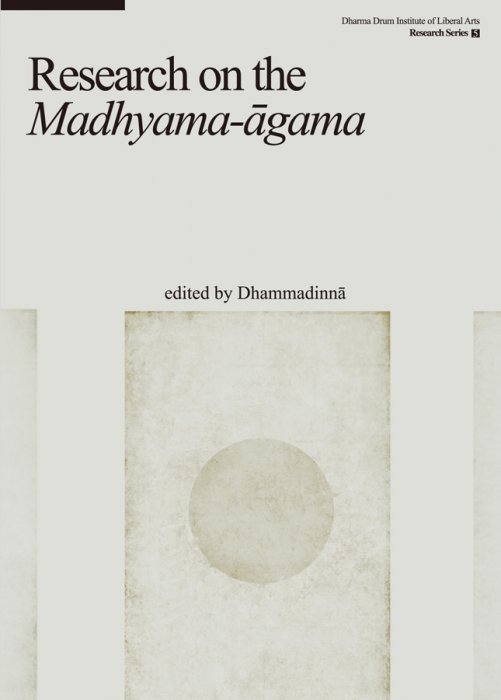
(英文版) 中阿含經研究論文集 Research on the Madhyama-āgama
This is the third volume of proceedings of the Āgama seminars convened by the Āgama Research Group at the Dharma Drum Institute of Liberal Arts (formerly Dharma Drum Buddhist College). It collects academic contributions on various aspects related to the Middle-length Collec¬tions of discourses (sūtras, suttas) transmitted by different early Buddhist lineages of reciters, preserved in their Indic originals in Gandhari, Pali and Sanskrit as well as in Chinese and Tibetan translations.
作者簡介
About the editor:Bhikkhunī DhammadinnāDharma Drum Institute of Liberal Arts
About the contributors:
Mark Allon & Blair SilverlockUniversity of Sydney
Bhikkhu AnālayoUniversity of Hamburg
Roderick S. BucknellUniversity of Queensland
Jin-il Chung(鄭鎮一)Göttingen Academy of Sciences
Takamichi Fukita(吹田隆道)Bukkyō University
Jen-jou Hung(洪振洲)Dharma Drum Institute of Liberal Arts
Seishi Karashima(辛嶋靜志)The International Research Institute forAdvanced Buddhology at Soka University
Michael RadichVictoria University of Wellington
Richard SalomonUniversity of Washington
Peter SkillingÉcole française d’Extrême-Orient
Ingo StrauchUniversity of Lausanne
作者
NT$
$383
|
85折
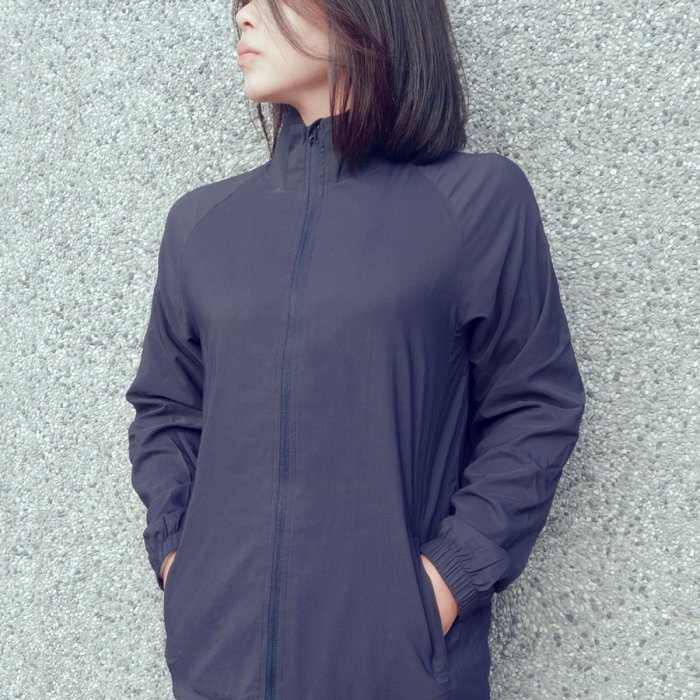
春秋薄外套-深藍色(尺寸:XXL)
任何狀況下,都要照顧好自己的心,保持內心的平穩與安定,就是心靈環保。
產品特色 .輕量、舒適、柔軟、好攜帶。.下擺抽繩設計,可調鬆緊。.內裡透氣網眼布,不黏貼皮膚。.後背透氣開口,舒服較不悶熱。.側邊拉鍊口袋,使用方便避免物品掉落。.無肩線設計(拉格蘭袖),方便大動作的活動,舒適自在。.布面採「撥水」處理(無防水功能),使水滴在布料上形成圓球狀(荷葉效應),不會立即透濕衣物。
產品規格.內容:春秋薄外套1件.顏色:深藍.材質:表布:100%尼龍(Nylon) / 裡布:100%聚酯纖維(Polyester mesh).尺寸:請見產品尺寸表.重量:約238.5公克(不含包裝).產地:原料:臺灣製造/製造地:越南製造.包裝:PP袋
洗滌方式.深淺色衣物請分開洗滌,不可浸泡。.洗滌前,請將拉鍊關上;洗後請立即晾乾。.請勿使用漂白劑、螢光增白劑及衣物柔軟劑,以免破壞布料。
注意事項.商品圖檔顏色因拍照光線關係會略有不同,請以實際商品顏色為準。.撥水處理並非長久有效,會因洗滌次數及洗滌方式而漸漸減低功能。
NT$
$890
|
7折
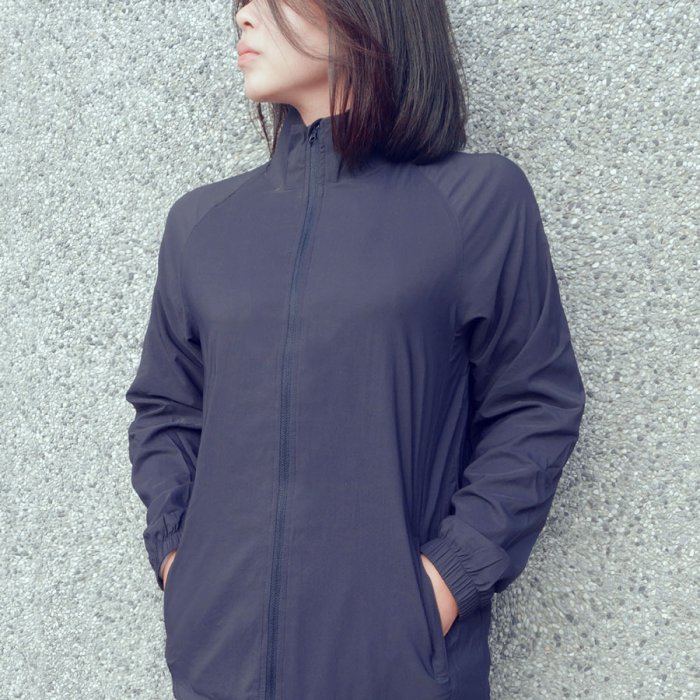
春秋薄外套-深藍色(尺寸:XL)
任何狀況下,都要照顧好自己的心,保持內心的平穩與安定,就是心靈環保。
產品特色 .輕量、舒適、柔軟、好攜帶。.下擺抽繩設計,可調鬆緊。.內裡透氣網眼布,不黏貼皮膚。.後背透氣開口,舒服較不悶熱。.側邊拉鍊口袋,使用方便避免物品掉落。.無肩線設計(拉格蘭袖),方便大動作的活動,舒適自在。.布面採「撥水」處理(無防水功能),使水滴在布料上形成圓球狀(荷葉效應),不會立即透濕衣物。
產品規格.內容:春秋薄外套1件.顏色:深藍.材質:表布:100%尼龍 (Nylon)/裡布:100%聚酯纖維 (Polyester mesh).尺寸:請見產品尺寸表.重量:約 238.5公克(不含包裝).產地:原料:臺灣製造/製造地:越南製造.包裝:PP袋
洗滌方式.深淺色衣物請分開洗滌,不可浸泡。.洗滌前,請將拉鍊關上;洗後請立即晾乾。.請勿使用漂白劑、螢光增白劑及衣物柔軟劑,以免破壞布料。
注意事項.商品圖檔顏色因拍照光線關係會略有不同,請以實際商品顏色為準。.撥水處理並非長久有效,會因洗滌次數及洗滌方式而漸漸減低功能。
NT$
$890
|
7折
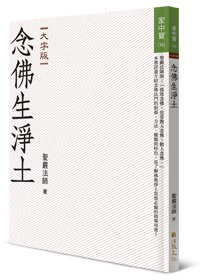
念佛生淨土 (大字版)
聖嚴法師說:「我常念佛,也常教人念佛,勸人念佛。」本書詳盡介紹念佛法門的根源、方法、種類與特色,是了解佛教淨土思想必備的指導用書!這是聖嚴法師第一本深入介紹念佛法門的專著!佛教修行法門號稱有八萬四千種,其中以阿彌陀佛的淨土修行法門,最受中國人的歡迎和崇信。主要是它的方法非常簡單,隨時隨地只要念佛,就可以得到利益。修行者不分對象、程度,也不必考慮自身所做功德的多寡,更不必擔心自身修證的功力大小,只要對阿彌陀佛的本願有信心,立誓發願即可。這樣一個不論時地、不揀根機的修行法門,雖然方法、觀念皆極為簡易,但事實上,念佛法門從原始佛教到大乘佛教,都有重要且數量龐大的經論依據,其深刻的內涵不容忽視;而正因為其方法單純、易用,最適合被龐大資訊淹沒的忙碌現代人使用。
作者簡介
聖嚴法師(1930年-2009年)聖嚴法師1930年生於江蘇南通,1943年於狼山出家,後因戰亂投身軍旅,十年後再次披剃出家。曾於高雄美濃閉關六年,隨後留學日本,獲立正大學文學博士學位。1975年應邀赴美弘法。1989年創建法鼓山,並於2005年開創繼起漢傳禪佛教的「中華禪法鼓宗」。聖嚴法師是一位思想家、作家暨國際知名禪師,曾獲臺灣《天下》雜誌遴選為「四百年來臺灣最具影響力的五十位人士」之一。著作豐富,中、英、日文著作達百餘種,先後獲頒中山文藝獎、中山學術獎、總統文化獎及社會各界的諸多獎項。聖嚴法師提出「提昇人的品質,建設人間淨土」的理念,主張以大學院、大普化、大關懷三大教育推動全面教育,相繼創辦中華佛學研究所、法鼓文理學院、僧伽大學等院校,也以豐富的禪修經驗、正信的佛法觀念和方法指導東、西方人士修行。法師著重以現代人的語言和觀點普傳佛法,陸續提出「心靈環保」、「四種環保」、「心五四運動」、「心六倫」等社會運動,並積極推展國際弘化工作,參與國際性會談,促進宗教交流,提倡建立全球性倫理,致力世界和平。其寬闊胸襟與國際化視野,深獲海內外肯定。
作者
NT$
$128
|
85折

楞嚴經淺釋(三冊)
《楞嚴經》,素有「開悟楞嚴」之譽,是中國禪宗的核心典籍;內容顯密兼照,包括直指人心、何勞肯綮的頓悟法門、二十五圓通的漸修次第以及〈楞嚴咒〉修法等深具中國特色的大乘佛法。全書共六十餘萬言,分上中下三冊出版,夢參老和尚並親書〈楞嚴經淺釋〉為書名。上冊656頁,內容為《楞嚴經》一至三卷經文,包括「七處徵心」、「十番顯見」等唯心辯證義理。中冊435頁,內容為四至六卷經文,包括「二十五圓通」、「文殊揀選圓通」等修行法門;下冊527頁,內容為七至十卷經文,包括「楞嚴咒」、「五十陰魔」等具體的修持法門與反覆究詰的禪定危機。本書特色《楞嚴經》譯體古雅,宛若南華齊物奇文,學者難以一窺堂奧,面對深繁皴染的文句,夢參老和尚以九十四歲高齡開演楞嚴大意,用疏淡的方式凸顯《楞嚴經》的典雅莊嚴,希冀大家能在楞嚴大法中,信仰妙明真體,「銷我億劫顛倒想,不歷僧祇獲法身」。本書之編輯整理,採用《楞嚴經》十卷經文的架構,內文義理章節則為簡要的次架構,主要是參考明雪浪洪恩的略圖,並酌予修訂,不另立傳統甲乙丙丁樹狀科判,以收綱舉目張之效。
作者
NT$
$1,428
|
85折
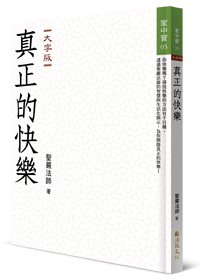
真正的快樂 (大字版)
看清苦與樂的本質,找到自在面對人生的方法想要的得不到,討厭的卻必須接受,相愛的人必須分離,仇恨的人卻要合作,「生老病死」更是人生無可避免之苦。生命中,有沒有一種永恆而真正的快樂?人與人之間的關係,叫作「人間」,釋迦牟尼佛就是體會了人間的各種痛苦、煩惱,才悟道成佛。事實上,佛法所說的「八苦」中的「怨憎會」與「愛別離」,就是兩種來自人際關係的痛苦,這也是每個人都無法避免的。佛法所說的「苦」,實際上是人的憂、悲、苦、惱等情緒反應,一般人感受到的快樂,都是因為滿足了「五欲」——眼、耳、鼻、舌、身——而得來的欲樂。欲樂的「樂」都包含著「苦」在其中,是「樂中帶苦」,但是我們大多數人卻對這樣的事實毫無所知。苦與樂的差別,主要取決於心中主觀的感受,並不在於身體的感受或外在的事件。在生活中「照見五蘊皆空」,並沒有想像中那麼難。當我們漸漸放棄自我中心的煩惱,就能隨時隨地感受到豁然開朗、清涼自在的快樂。解脫的快樂,並不一定要等到徹底解脫時才能得到,只要朝著這個方向走,每走一步就會有走一步的快樂,而且一點都不是勉強得來的。心念一轉,馬上就是柳暗花明又一村的光明前景!有了聖嚴法師的開心妙法,快樂將不再只是被外境左右的情緒反應,而是一種深刻的內在智慧力、慈悲力,成為我們的美好生活態度。
作者簡介
聖嚴法師(1930〜2009年)1930年生於江蘇南通,1943年於狼山出家。曾於高雄美濃閉關六年,隨後留學日本,獲立正大學文學博士學位。1975年應邀赴美弘法。1989年創建法鼓山,並於2005年開創繼起漢傳禪佛教的「中華禪法鼓宗」。聖嚴法師是一位思想家、作家暨國際知名禪師,著作豐富,中、英、日文著作達百餘種,先後獲頒中山文藝獎、中山學術獎、總統文化獎及社會各界的諸多獎項。聖嚴法師提出「提昇人的品質,建設人間淨土」的理念,相繼創辦中華佛學研究所、法鼓文理學院、僧伽大學等院校,也以豐富的禪修經驗、正信的佛法觀念和方法指導東、西方人士修行。法師著重以現代人的語言和觀點普傳佛法,陸續提出「心靈環保」、「四種環保」、「心五四運動」、「心六倫」等社會運動,更致力於國際弘化工作,其寬闊胸襟與國際化視野,深獲海內外肯定。
作者
NT$
$153
|
85折
正在載入更多商品......