搜尋結果
共
3403
筆符合商品
排序

Things Pertaining to Bodhi: The Thirty-Seven Aids to Enlightenment 三十七道品:菩提之路
The Thirty-seven Aids to Enlightenment are a set of fundamental teachings of Buddhism in the form of a list. The list’s seeming simplicity belies the fact that it is in fact a kind of road map to enlightenment for anyone who follows it with diligence and sincerity. The Thirty-seven Aids comprise seven practices conducive to awakening. Each of the seven practices is itself a set of elements, which add up to the total of thirty-seven: (1) The Four Foundations of Mindfulness, (2) The Four Proper Exertions, (3) The Four Steps to Magical Powers, (4) The Five Roots, (5) The Five Powers, (6) The Seven Factors of Enlightenment, and (7) The Noble Eightfold Path. Master Sheng Yen’s down-to-earth teachings take the reader on a progression through each of the practices—many of which are familiar to all major schools of Buddhism—illustrating how they relate to the reader’s own practice on the path toward enlightenment.
作者
NT$
$791
|
85折

趙州從諗大師傳:八十猶行腳
道法自然、超塵越俗,呈現明心見性、斷執無礙的朗朗宗風。 從諗大師(公元七七八-八九七)唐代禪僧。幼年於曹州滬通院出家,五十歲方始雲遊四方。後至池陽參拜南泉普院,深契南泉禪法,道法自然、超塵越俗,呈現明心見性、斷執無礙的朗朗宗風。 ●作者簡介: 陳白夜,一九五六年生,杭州人。一九八五年畢業於杭州大學中文系,獲文學碩士學位。現任浙江廣播電視大學文科部副主任、副教授。曾出版有《法顯大師傳》等專著。 商品編號:1150520641
作者
NT$
$213
|
85折

人生362期:印光大師 老實修行念佛好
印光大師 老實修行念佛好
大力鼓勵「老實念佛」的印光大師,自稱「常慚愧僧」,一生幾乎都在法雨、靈巖關房中,一個「死」字貼在額顱,一聲佛號都攝六根、一枝健筆教化人心、一心念佛不須臾離。印光大師書信弘法,提倡敦倫盡分的在家佛教,使契理契機的「持名念佛」法門,深植亂世人心,並影響至今。本期專題從印光精神、修行提要、靈巖故事、影響貢獻等不同面向,學習大師老實修行的「始終如一」。象岡道場監院常聞法師前進校園弘法,發現美國大學生很苦悶,「西洋僧New Talk」帶您一起了解大學生到底在悶什麼。「禪味點心坊」這次端上夜市小吃天婦羅、蚵仔煎素素看,邀大家一起體驗小吃魅力。《失魂》不落魄,「電影與人生」與您一起踏上漂泊心靈的歸程,身心合一,找到生命實相。
作者
NT$
$150

人生354期:佛教節慶好修行
佛教節慶好修行
農曆春節到了,許多人從除夕到十五,都會到寺院走春,參加普佛、祈福法會、禪修活動等。您可知道佛教有哪些節慶?這些節日怎麼來的?寺院有哪些修行活動?本期依四季介紹佛教節慶、典故和寺院的修行活動,讓您可以依時節安排修行功課,把握因緣參加道場共修,學習佛菩薩的聖德與悲願,精進用功,增長福慧資糧。「遇見西洋僧」進入連載倒數,常聞法師參加生平第一次話頭禪,體驗猶如中陰身的四十九天。春節到了,「禪味點心坊」教大家自己做「年味點心」,太妃核桃、燕麥手工餅,入口清爽無負擔。「電影與人生」來到巴黎,觀看一齣又一齣的戲中戲,看《花都魅影》中每個角色轉換,如同一次現世輪迴。
作者
NT$
$150

陶製大悲心陶圓盤:直徑10cm(臥香)
一瓣清香遍法界拈香供佛,是藉此薰染自性清淨,貼近佛菩薩本懷。在清爽芬芳的氛圍中,塵世的紛擾、糾葛逐漸褪去,取而代之的,是身心的輕逸、持穩;凝神靜觀裊裊香煙,藉此,人天的距離被拉近了,諸佛菩薩如現眼前,懷慰著眾生的疾苦。香,可謂是凡界與聖者間的信使。
產品特色.手做陶圓盤,刻印「大悲心」字樣。.可選擇直接插入短線香,或加線香座一起使用。
產品規格.材質:陶土.尺寸:直徑約 10公分.重量:約 200公克.產地:台灣製造
注意事項.本商品為示意圖,不含線香座。.本產品係純手工製作,形狀及釉色略有差異,以實際收到商品為主。
NT$
$371
|
95折
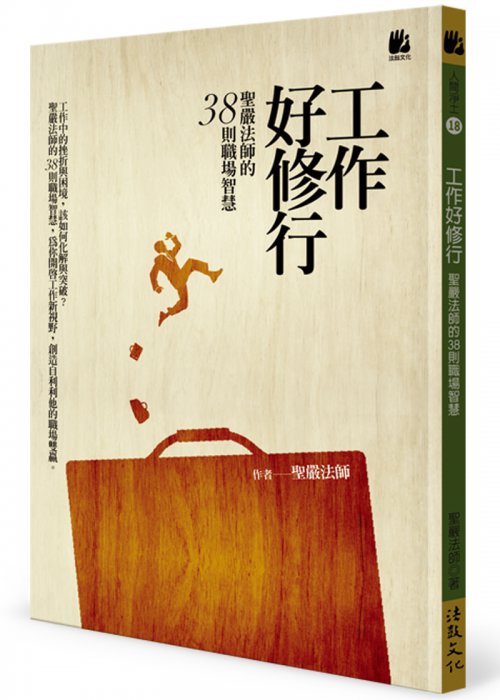
工作好修行:聖嚴法師的38則職場智慧
工作中的挫折與困境,該如何化解與突破?聖嚴法師的38則職場智慧,為你開啟工作新視野,創造自利利他的職場雙贏。你知道佛法的古老智慧,已足夠讓你在競爭激烈的現代職場游刃有餘、得心應手嗎?二千五百年前,佛陀成功領導了超過千人的龐大僧團,規模足可比擬現今的大企業,他的領導哲學是什麼?聖嚴法師在本書中分享將佛法活用在工作上的智慧心法,說明工作的意義、做事的藝術、人際相處,以及團隊合作的原則,建議我們以「隨順因緣」的求職觀適應環境、減輕壓力;以「良性競爭」取代以搶奪為目的的「動物性競爭」;以佛陀的「調琴論」保持不鬆不緊的生活平衡感。最後,法師一一說明六個讓彼此和樂相處的觀念,也就是佛陀帶領團隊的原則「六和敬」。無論你是正在謀職中,或是工作穩定的員工、主管、企業家,亦或有意創業,都能從本書獲得寶貴的啟發。現在,就讓佛陀與聖嚴法師來做你的職場顧問,讓你不僅工作事半功倍,更能領會工作好修行的訣竅!
作者簡介
聖嚴法師(1930~2009年)聖嚴法師1930年生於江蘇南通,1943年於狼山出家,後因戰亂投身軍旅,十年後再次披剃出家。曾於高雄美濃閉關六年,隨後留學日本,獲立正大學文學博士學位。1975年應邀赴美弘法。1989年創建法鼓山,並於2005年開創繼起漢傳禪佛教的「中華禪法鼓宗」。聖嚴法師是一位思想家、作家暨國際知名禪師,曾獲台灣《天下》雜誌遴選為「四百年來台灣最具影響力的五十位人士」之一。著作豐富,中、英、日文著作達百餘種,先後獲頒中山文藝獎、中山學術獎、總統文化獎及社會各界的諸多獎項。聖嚴法師提出「提昇人的品質,建設人間淨土」的理念,主張以大學院、大普化、大關懷三大教育推動全面教育,相繼創辦中華佛學研究所、法鼓佛教學院、僧伽大學、法鼓大學等院校,也以豐富的禪修經驗、正信的佛法觀念和方法指導東、西方人士修行。法師著重以現代人的語言和觀點普傳佛法,陸續提出「心靈環保」、「四種環保」、「心五四運動」、「心六倫」等社會運動,近年來更致力於國際弘化工作,參與國際性會談,促進宗教交流,提倡建立全球性倫理,致力於世界的和平。其寬闊胸襟與國際化視野,深獲海內外肯定。本書緣起於聖嚴法師為《天下》雜誌所寫的「人生管理」專欄,為工商管理人士在經營管理、人際關係、人生價值觀等面向,提出超脫非黑即白的觀點,讓人生多了圓融與智慧。
本書適合在這些時刻閱讀
想重新理解工作的意義,並將修行融入日常工作中。
面對工作變動,想用較安定的心態評估下一步。
工作繁忙、時程緊迫,應如何分辨輕重緩急,專注做好眼前的事。
與同事或主管意見不同,想學習更妥當的溝通與相處方式。
當帶領團隊,需要思考如何凝聚共識、照顧成員並共享成果。
作者
NT$
$126
|
7折
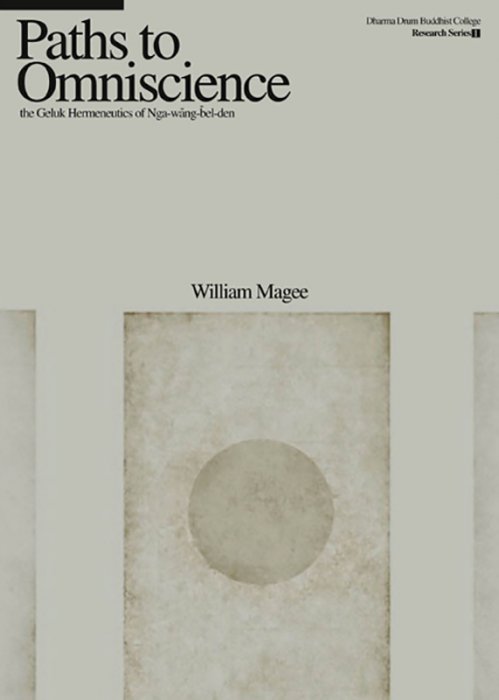
Paths to Omniscience: the Geluk Hermeneutics of Nga-wāng-bel-den
Buddhism suggests that it is possible to investigate the nature of reality ourselves; but to do so one needs to differentiate definitive teachings from those of interpretable meaning. William Magee’s book, Paths to Omniscience, discusses a number of topics related to the interpretation of scripture according to Dzong-ka-ba, Jam-yang-shay-ba, Nga-w?ng-bel-den, and other great scholars of the Geluk world. Paths to Omniscience also addresses the Geluk approach to the practice of hermeneutics. Even within the lineage itself, scholars have not always agreed about interpretation of scripture. Paths to Omniscience describes intricate maneuvers enlivening the spirited controversies of these emminent Lamas. Paths to Omniscience also includes translations of thirty annotations from Nga-w?ng-bel-den’s Annotations for (Jam-yang-shay-ba’s) "Great Exposition of Tenets". These annotations show how diverse and wide-ranging a great commentarial author can be in his treatment of the basic text. Far from being mere footnotes to Jam-yang-shay-ba, the Annotations can instead be viewed as a seminar on his Great Exposition of Tenets.
NT$
$383
|
85折

海青(黑色,體重53公斤以上者):身高162~164公分
海青是佛教徒的正式禮服,在參加法會、念佛共修、助念,或其他佛教活動時穿著。顏色有黃、黑兩種,黑色是僧俗二眾禮佛時所穿。海青一名的由來,出自唐詩人李白的詩:「翩翩舞廣袖,似鳥海東來。」另一說法是海字表廣大,穿起袍來,佛弟子的心量似大海般廣闊包容一切;青即內心清淨,諸法不染。故名海青。
產品規格.尺寸:適合身高162~164公分,體重53公斤以上者.顏色:黑色 .材質:100% Polyester聚酯纖維.產地:臺灣布料、中國縫製
洗滌方式.深淺色請分開洗滌。.請使用細網洗衣袋,弱速輕脫水,勿大力搓揉,不可烘乾。.請使用中性清潔劑,請勿浸泡,避免使用柔軟劑及漂白劑以免破壞布料。
注意事項.海青依身高不同,有十八種尺寸提供訂購。.車工細緻、布料舒適透氣而不透內層衣物。.唯每批布料略有些微差異,商品請以實際收到為主;若非常在意差異,歡迎至全臺行願館現場參觀選購。
NT$
$980
|
85折

海青(黑色,體重53公斤以上者):身高159~161公分
海青是佛教徒的正式禮服,在參加法會、念佛共修、助念,或其他佛教活動時穿著。顏色有黃、黑兩種,黑色是僧俗二眾禮佛時所穿。海青一名的由來,出自唐詩人李白的詩:「翩翩舞廣袖,似鳥海東來。」另一說法是海字表廣大,穿起袍來,佛弟子的心量似大海般廣闊包容一切;青即內心清淨,諸法不染。故名海青。
產品規格.尺寸:適合身高159~161公分,體重53公斤以上者.顏色:黑色 .材質:100% Polyester聚酯纖維.產地:臺灣布料、中國縫製
洗滌方式.深淺色請分開洗滌。.請使用細網洗衣袋,弱速輕脫水,勿大力搓揉,不可烘乾。.請使用中性清潔劑,請勿浸泡,避免使用柔軟劑及漂白劑以免破壞布料。
注意事項.海青依身高不同,有十八種尺寸提供訂購。.車工細緻、布料舒適透氣而不透內層衣物。.唯每批布料略有些微差異,商品請以實際收到為主;若非常在意差異,歡迎至全臺行願館現場參觀選購。
NT$
$980
|
85折

海青(黑色,體重53公斤以上者):身高157~158公分
海青是佛教徒的正式禮服,在參加法會、念佛共修、助念,或其他佛教活動時穿著。顏色有黃、黑兩種,黑色是僧俗二眾禮佛時所穿。海青一名的由來,出自唐詩人李白的詩:「翩翩舞廣袖,似鳥海東來。」另一說法是海字表廣大,穿起袍來,佛弟子的心量似大海般廣闊包容一切;青即內心清淨,諸法不染。故名海青。
產品規格.尺寸:適合身高157~158公分,體重53公斤以上者.顏色:黑色 .材質:100% Polyester聚酯纖維.產地:臺灣布料、中國縫製
洗滌方式.深淺色請分開洗滌。.請使用細網洗衣袋,弱速輕脫水,勿大力搓揉,不可烘乾。.請使用中性清潔劑,請勿浸泡,避免使用柔軟劑及漂白劑以免破壞布料。
注意事項.海青依身高不同,有十八種尺寸提供訂購。.車工細緻、布料舒適透氣而不透內層衣物。.唯每批布料略有些微差異,商品請以實際收到為主;若非常在意差異,歡迎至全臺行願館現場參觀選購。
NT$
$980
|
85折

海青(黑色,體重53公斤以上者):身高155~156公分
海青是佛教徒的正式禮服,在參加法會、念佛共修、助念,或其他佛教活動時穿著。顏色有黃、黑兩種,黑色是僧俗二眾禮佛時所穿。海青一名的由來,出自唐詩人李白的詩:「翩翩舞廣袖,似鳥海東來。」另一說法是海字表廣大,穿起袍來,佛弟子的心量似大海般廣闊包容一切;青即內心清淨,諸法不染。故名海青。
產品規格.尺寸:適合身高155~156公分,體重53公斤以上者.顏色:黑色 .材質:100% Polyester聚酯纖維.產地:臺灣布料、中國縫製
洗滌方式.深淺色請分開洗滌。.請使用細網洗衣袋,弱速輕脫水,勿大力搓揉,不可烘乾。.請使用中性清潔劑,請勿浸泡,避免使用柔軟劑及漂白劑以免破壞布料。
注意事項.海青依身高不同,有十八種尺寸提供訂購。.車工細緻、布料舒適透氣而不透內層衣物。.唯每批布料略有些微差異,商品請以實際收到為主;若非常在意差異,歡迎至全臺行願館現場參觀選購。
NT$
$980
|
85折

海青(黑色,體重53公斤以上者):身高152~154公分
海青是佛教徒的正式禮服,在參加法會、念佛共修、助念,或其他佛教活動時穿著。顏色有黃、黑兩種,黑色是僧俗二眾禮佛時所穿。海青一名的由來,出自唐詩人李白的詩:「翩翩舞廣袖,似鳥海東來。」另一說法是海字表廣大,穿起袍來,佛弟子的心量似大海般廣闊包容一切;青即內心清淨,諸法不染。故名海青。
產品規格.尺寸:適合身高152~154公分,體重53公斤以上者.顏色:黑色 .材質:100% Polyester聚酯纖維.產地:臺灣布料、中國縫製
洗滌方式.深淺色請分開洗滌。.請使用細網洗衣袋,弱速輕脫水,勿大力搓揉,不可烘乾。.請使用中性清潔劑,請勿浸泡,避免使用柔軟劑及漂白劑以免破壞布料。
注意事項.海青依身高不同,有十八種尺寸提供訂購。.車工細緻、布料舒適透氣而不透內層衣物。.唯每批布料略有些微差異,商品請以實際收到為主;若非常在意差異,歡迎至全臺行願館現場參觀選購。
NT$
$980
|
85折

海青(黑色,體重53公斤以上者):身高149~151公分
海青是佛教徒的正式禮服,在參加法會、念佛共修、助念,或其他佛教活動時穿著。顏色有黃、黑兩種,黑色是僧俗二眾禮佛時所穿。海青一名的由來,出自唐詩人李白的詩:「翩翩舞廣袖,似鳥海東來。」另一說法是海字表廣大,穿起袍來,佛弟子的心量似大海般廣闊包容一切;青即內心清淨,諸法不染。故名海青。
產品規格.尺寸:適合身高149~151公分,體重53公斤以上者.顏色:黑色 .材質:100% Polyester聚酯纖維.產地:臺灣布料、中國縫製
洗滌方式.深淺色請分開洗滌。.請使用細網洗衣袋,弱速輕脫水,勿大力搓揉,不可烘乾。.請使用中性清潔劑,請勿浸泡,避免使用柔軟劑及漂白劑以免破壞布料。
注意事項.海青依身高不同,有十八種尺寸提供訂購。.車工細緻、布料舒適透氣而不透內層衣物。.唯每批布料略有些微差異,商品請以實際收到為主;若非常在意差異,歡迎至全臺行願館現場參觀選購。
NT$
$980
|
85折

海青(黑色,體重53公斤以上者):身高177~178公分
海青是佛教徒的正式禮服,在參加法會、念佛共修、助念,或其他佛教活動時穿著。顏色有黃、黑兩種,黑色是僧俗二眾禮佛時所穿。海青一名的由來,出自唐詩人李白的詩:「翩翩舞廣袖,似鳥海東來。」另一說法是海字表廣大,穿起袍來,佛弟子的心量似大海般廣闊包容一切;青即內心清淨,諸法不染。故名海青。
產品規格.尺寸:適合身高177~178公分,體重53公斤以上者.顏色:黑色 .材質:100% Polyester聚酯纖維.產地:臺灣布料、中國縫製
洗滌方式.深淺色請分開洗滌。.請使用細網洗衣袋,弱速輕脫水,勿大力搓揉,不可烘乾。.請使用中性清潔劑,請勿浸泡,避免使用柔軟劑及漂白劑以免破壞布料。
注意事項.海青依身高不同,有十八種尺寸提供訂購。.車工細緻、布料舒適透氣而不透內層衣物。.唯每批布料略有些微差異,商品請以實際收到為主;若非常在意差異,歡迎至全臺行願館現場參觀選購。
NT$
$980
|
85折

海青(黑色,體重53公斤以上者):身高175~176公分
海青是佛教徒的正式禮服,在參加法會、念佛共修、助念,或其他佛教活動時穿著。顏色有黃、黑兩種,黑色是僧俗二眾禮佛時所穿。海青一名的由來,出自唐詩人李白的詩:「翩翩舞廣袖,似鳥海東來。」另一說法是海字表廣大,穿起袍來,佛弟子的心量似大海般廣闊包容一切;青即內心清淨,諸法不染。故名海青。
產品規格.尺寸:適合身高175~176公分,體重53公斤以上者.顏色:黑色 .材質:100% Polyester聚酯纖維.產地:臺灣布料、中國縫製
洗滌方式.深淺色請分開洗滌。.請使用細網洗衣袋,弱速輕脫水,勿大力搓揉,不可烘乾。.請使用中性清潔劑,請勿浸泡,避免使用柔軟劑及漂白劑以免破壞布料。
注意事項.海青依身高不同,有十八種尺寸提供訂購。.車工細緻、布料舒適透氣而不透內層衣物。.唯每批布料略有些微差異,商品請以實際收到為主;若非常在意差異,歡迎至全臺行願館現場參觀選購。
NT$
$980
|
85折

海青(黑色,體重53公斤以上者):身高172~174公分
海青是佛教徒的正式禮服,在參加法會、念佛共修、助念,或其他佛教活動時穿著。顏色有黃、黑兩種,黑色是僧俗二眾禮佛時所穿。海青一名的由來,出自唐詩人李白的詩:「翩翩舞廣袖,似鳥海東來。」另一說法是海字表廣大,穿起袍來,佛弟子的心量似大海般廣闊包容一切;青即內心清淨,諸法不染。故名海青。
產品規格.尺寸:適合身高172~174公分,體重53公斤以上者.顏色:黑色 .材質:100% Polyester聚酯纖維.產地:臺灣布料、中國縫製
洗滌方式.深淺色請分開洗滌。.請使用細網洗衣袋,弱速輕脫水,勿大力搓揉,不可烘乾。.請使用中性清潔劑,請勿浸泡,避免使用柔軟劑及漂白劑以免破壞布料。
注意事項.海青依身高不同,有十八種尺寸提供訂購。.車工細緻、布料舒適透氣而不透內層衣物。.唯每批布料略有些微差異,商品請以實際收到為主;若非常在意差異,歡迎至全臺行願館現場參觀選購。
NT$
$980
|
85折

海青(黑色,體重53公斤以上者):身高170~171公分
海青是佛教徒的正式禮服,在參加法會、念佛共修、助念,或其他佛教活動時穿著。顏色有黃、黑兩種,黑色是僧俗二眾禮佛時所穿。海青一名的由來,出自唐詩人李白的詩:「翩翩舞廣袖,似鳥海東來。」另一說法是海字表廣大,穿起袍來,佛弟子的心量似大海般廣闊包容一切;青即內心清淨,諸法不染。故名海青。
產品規格.尺寸:適合身高170~171公分,體重53公斤以上者.顏色:黑色 .材質:100% Polyester聚酯纖維.產地:臺灣布料、中國縫製
洗滌方式.深淺色請分開洗滌。.請使用細網洗衣袋,弱速輕脫水,勿大力搓揉,不可烘乾。.請使用中性清潔劑,請勿浸泡,避免使用柔軟劑及漂白劑以免破壞布料。
注意事項.海青依身高不同,有十八種尺寸提供訂購。.車工細緻、布料舒適透氣而不透內層衣物。.唯每批布料略有些微差異,商品請以實際收到為主;若非常在意差異,歡迎至全臺行願館現場參觀選購。
NT$
$980
|
85折

海青(黑色,體重53公斤以上者):身高167~169公分
海青是佛教徒的正式禮服,在參加法會、念佛共修、助念,或其他佛教活動時穿著。顏色有黃、黑兩種,黑色是僧俗二眾禮佛時所穿。海青一名的由來,出自唐詩人李白的詩:「翩翩舞廣袖,似鳥海東來。」另一說法是海字表廣大,穿起袍來,佛弟子的心量似大海般廣闊包容一切;青即內心清淨,諸法不染。故名海青。
產品規格.尺寸:適合身高167~169公分,體重53公斤以上者.顏色:黑色 .材質:100% Polyester聚酯纖維.產地:臺灣布料、中國縫製
洗滌方式.深淺色請分開洗滌。.請使用細網洗衣袋,弱速輕脫水,勿大力搓揉,不可烘乾。.請使用中性清潔劑,請勿浸泡,避免使用柔軟劑及漂白劑以免破壞布料。
注意事項.海青依身高不同,有十八種尺寸提供訂購。.車工細緻、布料舒適透氣而不透內層衣物。.唯每批布料略有些微差異,商品請以實際收到為主;若非常在意差異,歡迎至全臺行願館現場參觀選購。
NT$
$980
|
85折

海青(黑色,體重53公斤以上者):身高165~166公分
海青是佛教徒的正式禮服,在參加法會、念佛共修、助念,或其他佛教活動時穿著。顏色有黃、黑兩種,黑色是僧俗二眾禮佛時所穿。海青一名的由來,出自唐詩人李白的詩:「翩翩舞廣袖,似鳥海東來。」另一說法是海字表廣大,穿起袍來,佛弟子的心量似大海般廣闊包容一切;青即內心清淨,諸法不染。故名海青。
產品規格.尺寸:適合身高165~166公分,體重53公斤以上者.顏色:黑色 .材質:100% Polyester聚酯纖維.產地:臺灣布料、中國縫製
洗滌方式.深淺色請分開洗滌。.請使用細網洗衣袋,弱速輕脫水,勿大力搓揉,不可烘乾。.請使用中性清潔劑,請勿浸泡,避免使用柔軟劑及漂白劑以免破壞布料。
注意事項.海青依身高不同,有十八種尺寸提供訂購。.車工細緻、布料舒適透氣而不透內層衣物。.唯每批布料略有些微差異,商品請以實際收到為主;若非常在意差異,歡迎至全臺行願館現場參觀選購。
NT$
$980
|
85折

海青(黑色,體重53公斤以上者):身高186~187公分
海青是佛教徒的正式禮服,在參加法會、念佛共修、助念,或其他佛教活動時穿著。顏色有黃、黑兩種,黑色是僧俗二眾禮佛時所穿。海青一名的由來,出自唐詩人李白的詩:「翩翩舞廣袖,似鳥海東來。」另一說法是海字表廣大,穿起袍來,佛弟子的心量似大海般廣闊包容一切;青即內心清淨,諸法不染。故名海青。
產品規格.尺寸:適合身高186~187公分,體重53公斤以上者.顏色:黑色 .材質:100% Polyester聚酯纖維.產地:臺灣布料、中國縫製
洗滌方式.深淺色請分開洗滌。.請使用細網洗衣袋,弱速輕脫水,勿大力搓揉,不可烘乾。.請使用中性清潔劑,請勿浸泡,避免使用柔軟劑及漂白劑以免破壞布料。
注意事項.海青依身高不同,有十八種尺寸提供訂購。.車工細緻、布料舒適透氣而不透內層衣物。.唯每批布料略有些微差異,商品請以實際收到為主;若非常在意差異,歡迎至全臺行願館現場參觀選購。
NT$
$980
|
85折
正在載入更多商品......