搜尋結果
共
1156
筆符合商品
排序

人生340期:觀音菩薩的六大慈悲密碼
觀音菩薩的六大慈悲密碼慈悲,成就無限可能 【提示1:信仰層次】念觀音‧求觀音‧學觀音‧做觀音【提示2:生活應用】解碼觀音的慈悲深意【提示3:修持法門】廣開一切方便的觀音法門【提示4:弘傳應化】與眾生最有緣的菩薩【提示5:造像說法】慈顏觀音多變化【提示6:當代創作】再見觀音三十三應化身觀音菩薩的六大慈悲密碼四大菩薩之中,觀音菩薩是人氣最高、弘傳最廣,也是與信眾最有緣的菩薩。「家家觀音,戶戶彌陀」的俗諺,說明了二千年來,觀音信仰遍及半個亞洲的景況,已是人們最熟悉的「國民菩薩」。〈普門品〉、〈大悲咒〉、〈六字大明咒〉、《心經》、《楞嚴經》等,更是佛教徒耳熟能詳的咒語與經典。本專題精選聖嚴法師的〈念觀音‧求觀音‧學觀音‧做觀音〉,還有從生活應用、修持法門、弘傳應化、造像說法、當代創作等提示,引導大家了解觀音的六大慈悲密碼。此外,還有觀音名號、觀音數字密碼、各地普陀山的解碼。讀了常聞法師出家的心路歷程,您是否好奇法師的現況?在象岡道場擔任執事的常聞法師,本期起在「遇見西洋僧」陸續捎來生活隨筆,分享象岡的生活點滴。人生主廚陳滿花最新出版的《時尚蔬食》,教您用常見在地食材玩時尚,揮灑簡單、健康、創意的「食尚」美學,「禪味廚房」為您搶先曝光。
作者
NT$
$150

人生337期:文殊菩薩的五堂智慧課
文殊菩薩的五堂智慧課智慧課上的阿闍梨【第一堂課】開發智慧的五個觀念【第二堂課】智慧善巧的文殊精神【第三堂課】如何修持文殊法門?【第四堂課】跟著文殊菩薩到各地說法【第五堂課】走進文殊造像藝術世界從佛典故事認識文殊菩薩文殊菩薩的經典四大菩薩之一、象徵智慧的文殊菩薩,不但位居諸菩薩之首,也是四大菩薩中第一位來到神州大陸。對大乘佛教而言,善用機鋒、方便的文殊菩薩,地位舉足輕重,幾乎所有大乘經典裡,都可看見文殊菩薩的身影。本期專題從觀念、認識、修行、弘傳、藝術等面向介紹文殊菩薩,了解文殊信仰對我們的生活、文化產生的影響,並學習文殊精神,無論在家庭、職場以及做人處事,都能自度度人。有「觀音老人」之稱的悟明法師,以一○二歲高齡圓寂,「當代關懷」由《菩提長青》雜誌發行人闞正宗撰文緬懷法師學觀音、做觀音的一生。一部完全沒有對白的電影,卻展現無聲的說法力量,「電影與人生」介紹《靈魂的四段旅程》,透過牧羊人、小山羊、大樹、木炭的生命轉移,訴說生命的輪迴與真諦。新專欄「佛法關鍵字」由專精多種佛典語言的許洋主教授,介紹常見的佛教術語,透過梵文文法和語義的解析,帶我們簡易並迅速掌握佛法深妙,首期介紹最常見的「般若」。
作者
NT$
$150

Things Pertaining to Bodhi: The Thirty-Seven Aids to Enlightenment 三十七道品:菩提之路
The Thirty-seven Aids to Enlightenment are a set of fundamental teachings of Buddhism in the form of a list. The list’s seeming simplicity belies the fact that it is in fact a kind of road map to enlightenment for anyone who follows it with diligence and sincerity. The Thirty-seven Aids comprise seven practices conducive to awakening. Each of the seven practices is itself a set of elements, which add up to the total of thirty-seven: (1) The Four Foundations of Mindfulness, (2) The Four Proper Exertions, (3) The Four Steps to Magical Powers, (4) The Five Roots, (5) The Five Powers, (6) The Seven Factors of Enlightenment, and (7) The Noble Eightfold Path. Master Sheng Yen’s down-to-earth teachings take the reader on a progression through each of the practices—many of which are familiar to all major schools of Buddhism—illustrating how they relate to the reader’s own practice on the path toward enlightenment.
作者
NT$
$791
|
85折

人生349期:大勢至菩薩的五大精進指要
大勢至菩薩的五大精進指要大勢至菩薩名列八大菩薩之一,也是「西方三聖」之一,與觀音菩薩分別為阿彌陀佛的左右脅侍。觀音菩薩為「慈悲」象徵,大勢至菩薩代表的則是「智慧」。本專題從聖嚴法師講念佛三昧、相關經典介紹、現代勢至、修行法門、弘傳應化、造像說法來認識大勢至菩薩。其中,大勢至菩薩因地以念佛修行證果,《楞嚴經‧大勢至菩薩念佛圓通章》是淨土五經之一;全文只有244字,被視為淨土信仰的《心經》,以「都攝六根,淨念相繼」修習念佛三昧。此外,大勢至菩薩又稱得大勢、大精進菩薩,點出了學佛者的態度,要不斷精進增上。江蘇南通狼山為大勢至菩薩的道場,聖嚴法師初次出家即是在此處。繼「漢傳禪法在西方」後,「智慧人生」登場,今年是心靈環保二十年,讓我們重溫聖嚴法師對心靈環保的開示。傳燈法會上傳唱「南無度人師菩薩摩訶薩」的音聲,來自法鼓佛教學院學生康吉良,「人生行旅」分享他放棄高薪工作報考佛教學院,並在佛教音樂重拾熱情的生命故事。
作者
NT$
$150

聖嚴法師墨寶書籤|墨綠色
安和豐富發現心靈的安和 體驗生命的豐富。 產品特色.一次收足聖嚴法師6幅經典墨寶。.沿壓線處裁剪,即可輕鬆DIY六幅墨寶書籤。.滿載聖嚴法師的祝福與勉勵,送禮自用兩相宜。
使用說明 .可拆解成書籤。.可自行裝框裱褙典藏。 .可摺疊 (經書折法) 成小型屏風。產品規格.材質:紙.尺寸:寬 11.7 x 長 30公分 .包裝:1入 / OPP袋.製造地:台灣注意事項
.產品為紙製品,請勿置於高溫、潮濕及日照處。.因拍攝光線關係略有色差,請以實際商品為準。
NT$
$80

生命如此美麗:在逆境中安頓身心
世事瞬息萬變 時局動盪不安 一套安頓身心的簡易法門 是你我內心的渴望 本書正是此刻你我最需要的「安心祕笈」 ★西方最具影響力的比丘尼作家佩瑪‧丘卓,著作暢銷全球,擅長以生活化的語言,提供現代人立斷煩惱的解脫道! ★亞馬遜網站五顆星評價,銷量直逼《達賴喇嘛人生智慧》與作者的經典《當生命陷落時》! 這是個不安的年代。政治、經濟屢現變局,人們迷惘掙扎。為求安頓,人總是尋求解答和確定感。但佩瑪‧丘卓指出,依附慣有的思維來應對變動,反易加劇對立與不安。《生命如此美麗》書中,佩瑪再次融合藏密的立斷智慧與西方心理學的詮釋技法,闡明在動盪年代中安頓身心的法門。 佩瑪開示了傳統佛教的「三律儀」(Three Vows),亦即人人皆可立下的三個誓願,藉以學習「不傷害」、「守護彼此,關懷眾生」、「如實擁抱世界」的智慧。她以一貫的溫柔筆觸講解三律儀的精髓,並提出具體修行方法,任何人隨時隨地都可依循。 生命就像危機四伏的湍流,這三個誓願使我們不被舊有模式綑綁,勇於直接踏入急流,全然無懼地安住當下,並會使我們自然而然地渴望幫助別人,給予關懷支持。一如佩瑪所說:「三律儀是幫助我們踏入無依無恃之境的強大支柱,踏上這旅程是為了自己、我們所愛的人、我們的敵人,以及所有的人。」 在變動不居的世上,我們不能再當獨行俠,而應協助彼此安住在急流中央。這正是生命如此美好的真義。 【名人推薦】 胡因夢/作家、譯者、心靈成長課程講師 胡海國/臺灣大學醫學院名譽教授、精神健康基金會董事長 張淑芬/台積電志工社社長 陳德中/諮商心理師、台灣正念工坊執行長 陳藹玲/富邦文教基金會董事 雷叔雲/自由撰稿人、心理與宗教書籍譯者 鼓舞推薦(按姓氏筆劃排列) 佩瑪‧丘卓的開示,向來不僅以佛教徒為對象,她一直在召喚著所有的心靈勇士!──雷叔雲(心靈、宗教類書籍翻譯人) 佩瑪‧丘卓應用佛法的智慧來擺脫根深柢固的習性反應。她對人類的艱困處境所懷的慈悲心,以及對自身挫敗所持的坦誠態度,令人讚佩。──《出版人週刊》(Publishers Weekly) 我喜愛她寫的所有東西。就算是一直傳達同樣的訊息,她永遠都能找到新鮮的方式將之表達。我的生命因她而更美好了。──By Irma Vazquez 老實說,我不時為了即將面對的未知感到焦慮,而這本是我所讀過,最能幫助我解除憂慮、看見新視野的書。我「強烈地」向每一個想要放鬆釋懷,想要安然於變動處境的人推薦此書。 ──By Mars 佩瑪‧丘卓的著作,對無數試圖在這個亂世中為自己的存有尋找依恃的人,很有幫助。──By Bill Moyer ●作者簡介: 佩瑪‧丘卓(Pema Chodron,本名Deirdre Blomfield-Brown) 1936年生於紐約,是藏傳佛教界一位享有盛名的美國人。她是丘揚‧創巴仁波切的弟子、經正式任命的比丘尼,也是傳承創巴所創立的香巴拉佛教的導師。丘卓現任加拿大甘波修道院的住持,該院為北美第一座藏密修道院。 佩瑪‧丘卓畢業於加州大學柏克萊分校,皈依佛門前曾在加州和新墨西哥州的小學任教。離婚後,丘卓開始潛修佛法,1974年起開始追隨丘揚‧創巴,直到1987年他辭世為止。1981年,丘卓經十六世大寶法王任命成為正式比丘尼,而創巴之子在1992年繼承父親在香巴拉的領導地位後不久,即任命丘卓為最高階的指導師。 1984年丘卓來到甘波修道院,兩年後升任院長,並開始提筆寫作。著作包括《當生命陷落時:與逆境共處的智慧》、《轉逆境為喜悅:與恐懼共處的智慧》、《與無常共處:108篇生活智慧》、《不逃避的智慧》、《生命不再等待》《不被情緒綁架:擺脫你的慣性與恐懼》等(以上中譯本由心靈工坊出版),在西方和台灣都掀起閱讀熱潮。丘卓亦經常在歐洲、澳洲、北美各地主持工作坊、講座、禪修,擅長以生活化的語言分享實修體認,幫助人們面對悲苦與無常,尋找生命的解脫之道。 ●譯者簡介: 傅馨芳 美國伊利諾大學教育心理哲學博士,國立高雄師範大學英語系退休副教授。譯作有《快樂女人從自主開始》、《走出宮殿的女科學家》(再版:《情緒分子的奇幻世界》)、《信念的力量:新生物學給我們的啟示》、《星星的孩子:自閉天才的圖像思考》、《存乎一心》等。 商品編號:1150190601
NT$
$238
|
85折
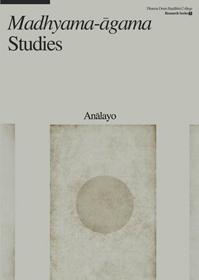
Madhyama-āgama Studies
The present book collects various research papers by Bhikkhu Anālayo with translations of Madhyama-āgama discourses and a comparative study of their Pāli parallels, together with a brief discussion, found in the appendix, of the school affiliation of the Madhyama-āgama and its relation to the Majjhima-nikāya. The main emphasis in these studies is on detecting possible transmission errors in the Pāli versions through the help of the parallel Madhyama-āgama discourse. Topics taken up in the course of the different studies are the Buddha’s decision to teach, the role of investigation in early Buddhism, the notion of a recluse, the relationship between tranquillity and insight, the lateness of the dictum that a woman cannot be a Buddha, the beginnings of the Abhidharma, meditation on emptiness in early Buddhism, the development of the arahant ideal, the canonical account of the founding of the order of nuns, and the relationship between karma and liberation.
作者簡介
Bhikkhu Anālayo was born in Germany in 1962 and ordained in Sri Lanka in 1995. He completed a Ph.D. thesis at the University of Peradeniya (Sri Lanka) in 2000 and a habilitation thesis at the University of Marburg (Germany) in 2007. At present, he teaches at the Center for Buddhist Studies, University of Hamburg, and researches at Dharma Drum Buddhist College (Taiwan).
作者
NT$
$553
|
85折
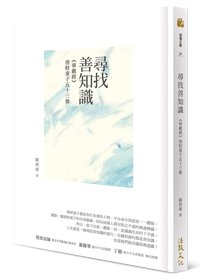
尋找善知識:《華嚴經》善財童子五十三參
善財童子參訪各行各業的人物,不分身分高低皆一一禮敬。禮敬,讓善財童子的生命圓滿,因為每個人都有取之不盡的無盡寶藏,所以,放下自我,禮敬一切,是圓滿生命的下手處。人生就是一場尋訪善知識的旅行,有緣相會的都是善知識,但看我們能否識得無盡藏!《華嚴經》無限浩瀚、究竟圓滿的佛境界,向來是追求心靈智慧者所嚮往的。而〈入法界品〉中善財童子五十三參的故事,堪稱經中最為人熟知、表現之情境也最為豐富的篇章,內容講述的是善財童子為了求道而參訪各式各樣的人物,從中獲得智慧啟蒙的過程。本書作者擁有深厚的華嚴研究背景,但她在本書卻以容易被現代人接受的文學手法,重新詮釋這些精彩動人的故事。書中將龐大的五十三參內容分為四大部,分別呼應「自然本真的回歸」、「大隱於市的脫俗」、「覺醒的夢中遊戲」,以及「萬法的圓滿具足」的境界,以此爬梳並探討善知識所展現的生命智慧與生活藝術。隨著作者優美流暢的文字,莊嚴華美的意境鋪展眼前,讀者也彷彿伴著善財童子踏上一段尋訪善知識的旅程,心中對圓融智慧的體會,也隨之漸行漸深……。
作者簡介
陳琪瑛國立臺灣師範大學文學博士,著有《《華嚴經.入法界品》空間美感的當代詮釋》一書,和碩士論文〈《華嚴經》美學之研究〉,以及〈《華嚴經》文學美的表現〉、〈善財童子參訪圖研究〉、〈由《莊子》的「凝神」談文學創作的美感心靈〉、〈夢中若不覺,枉作夢一場——由《枕中記》談唐人小說中的佛學思想〉等單篇論文數十篇。
作者
NT$
$272
|
85折

菩薩真義:觀世音菩薩救世精神.地藏菩薩本願經概說
什麼是觀音精神?什麼是地藏精神?東初老和尚以精闢解經,讓我們明白菩薩真義,教我們求菩薩、學菩薩、做菩薩!觀音菩薩與地藏菩薩是中國人最熟悉、最感親切的兩大菩薩。在遇到困境時,最先求助的對象,往往不是觀音菩薩,就是地藏菩薩。但是求菩薩不如學菩薩、做菩薩,自救救人,能夠如此,便是理解菩薩真義。如同東初老和尚所說:「我們不僅以觀世音菩薩為信仰對象,更要以觀世音菩薩的慈悲心為心,以觀世音菩薩的願力為願力,以救度一切眾生為心願,使人人都成為活觀世音菩薩。」 本書結集自東初老和尚著作《觀世音菩薩救世精神》、《地藏菩薩本願經概說》,是想學習觀音與地藏兩大菩薩心法與願行,必讀的重要指南。《觀世音菩薩救世精神》介紹觀音菩薩名稱由來,並旁徵博引許多重要經論資料,說明菩薩造像的特徵意義,但不論是三十三觀音或千手觀音,觀音菩薩的千百億化身,都來自他的廣大悲願心,才有傳世不絕的感應故事。《地藏菩薩本願經概說》則以《地藏菩薩本願經》為本,從地藏菩薩救世精神、救母悲願介紹地藏菩薩的度眾願心由來,詳細解說修持本經的殊勝利益,讓人轉煩惱地獄為菩薩淨土。體會觀音與地藏兩大菩薩的精神,我們也可以成為菩薩的千百億化身,隨時成為別人的觀音、別人的地藏!
作者簡介
東初老和尚1907年,出生於江蘇泰縣曲塘鎮。十三歲時,由泰縣姜堰鎮觀音庵的靜禪老和尚披剃出家,誦習教法。自幼勤讀強記,自律甚嚴,又寫得一手好文章,智慧超邁,對於經史百家之學也頗多涉獵,許為弘揚佛法的龍象。1928年,到鎮江竹林寺的佛學院求學;1929年,到寶華山隆昌寺,受具足戒。隨即又到福建廈門,進入太虛大師所創辦的閩南佛學院繼續深造,先後期的同學有印順、竺摩、戒德、默如、慈航、雨曇、覺民等法師,都是一時的俊秀。孺慕在當時佛教界的最高學府中,對日後的治學和弘化工作,產生了一定的影響。東初老和尚是太虛大師的學生,在擔任鎮江焦山定慧寺監院及方丈期間,創辦了佛學院及佛學期刊。1949年來臺之後,創辦了《人生》雜誌;1955年,倡導影印《大正新脩大藏經》,社會各界政要賢達百餘人發起響應,重興佛教文化;1965年,又創辦了《佛教文化》季刊;1967年,中華學術院聘請為該院佛學研究所顧問,從此少問外務,專事佛教著作。晚年,老和尚深感護教弘法必須以歷史為基礎,盡力精心完成了《中日佛教交通史》、《中印佛教交通史》、《中國佛教近代史》三部鉅著。他的一生對佛教的文化教育,抱有深切的使命感,以及崇高的宗教情操,於此可見一斑。
作者
NT$
$153
|
85折

高山寺的夢僧:明惠法師的夢境探索之旅
在日本文化史上,明惠法師是以主觀方式積極探索個人內在體驗的第一人! 貫穿他一生為數龐大的夢紀錄,是世界精神史上極稀有的珍貴遺產! 明惠是日本鐮倉時代的名僧。那是一個動盪不安的年代,也是靈性極度活潑的時代。天皇政權轉移到以武士為主的幕府手中,向來從屬於上流社會的佛教,也下降到一般民眾的內心扎根,名僧輩出,各自以創新的思想活躍著。 1191年,明惠十九歲,開始撰寫《夢記》。當外在世界產生劇烈變動的時刻,明惠卻認真地向內沉澱、探索,持續長達四十年,與夢共生。 明惠一生未立宗派,但其華嚴思想強烈影響了日本人的日常倫理。更重要的是,貫穿他一生為數龐大的夢紀錄,成了世界精神史上極稀有的珍貴遺產。 「終生持續記錄自己的夢,所需要的『心』的能量,遠超過我們想像。」日本第一位榮格分析師河合隼雄深感讚嘆的是,明惠不僅記夢,也自我解夢,從中發現內在心靈的追尋與生存意義。 「從事夢分析不但需要強大的理性力量,更必須超越理性,勇敢地面對非理性的世界。如果理性的力量不足,容易被無意識吞噬;但如果一昧地固執於理性,則很難發現夢的意義。明惠能夠對自己進行夢的分析,是非常稀有的現象。」 明惠的夢與他的生活完美地融合在一起,有如一幅繪卷;夢與現實,如同縱向與橫向的絲線,將他的生命交織成偉大的作品。河合隼雄認為,明惠的一生正是榮格所說的個體化與自我實現過程的精彩範例。 【得獎紀錄】 ※榮獲日本首屆新潮學藝獎,河合隼雄又一代表作,理解日本深層文化最佳祕徑 以榮格派心理分析觀點,重新詮釋幕府時代名僧畢生夢紀錄,見解精闢,值得再三閱讀 【名人推薦】 ‧王浩威 ‧吳佳璇 ‧楊蓓 ‧蔡昌雄 ‧鄧惠文 聯合推薦 ●作者簡介: 河合隼雄(Hayao Kawai, 1928-2007) 出生於日本兵庫縣,畢業於京都大學數學系。1962年赴瑞士蘇黎世榮格學院學習,是第一位取得榮格分析師資格的日本人。持有世界沙遊學會執照,為該會創始人之一,也是日本沙遊治療的主要推動者。曾任京都大學教育學院院長、國際日本文化研究中心所長、日本文化廳廳長、日本臨床心理醫師學會會長、京都大學榮譽教授等職。 河合隼雄以深厚的心理學知識為基礎,長年針對日本文學、政治、教育、社會問題等不同領域進行論述、對話。除了《日本人的傳說與心靈》(心靈工坊)一書曾榮獲大佛次郎獎,本書亦榮獲首屆新潮學藝獎。著作甚鉅,包括《河合隼雄著作集》、《佛教與心理治療藝術》(心靈工坊)、《村上春樹去見河合隼雄》(時報)、《原來如此的對話》(時報)、《走進小孩的內心世界》(天下)等。 商品編號:1150190511
NT$
$340
|
85折

中觀第一人:龍樹菩薩
本書以漫畫方式呈現,主角龍樹菩薩,生於西元二世紀,南印度婆羅門族。從小聰穎過人。龍樹年少輕狂,是愛欲?是好奇?他與好友三人學得隱身術,進入王宮,侵犯宮中佳麗,國王大怒,下令斬殺,好友皆喪命,只有龍樹死裡逃生……他終於悟到「欲」為苦本,於是當下立誓,皈依佛門,剃髮出家。龍樹一生充滿傳奇,他艱辛奮鬥,終於開悟。他畢生以中觀思想闡揚菩薩道,為當時僧團注入新血,被中國佛教推崇為八宗共祖。
林鑫畫風清新,這是他繼《璀璨的蓮華-智者大師》又一嘔心瀝血之作。
作者
NT$
$119
|
85折

人生338期:地藏菩薩的五大寶藏
地藏菩薩的五大寶藏大願,開發地藏寶藏之鑰【第一寶藏:發願】學地藏菩薩發願【第二寶藏:聖德】地藏本願現代啓示錄【第三寶藏:法門】地藏法門的修持方法【第四寶藏:應化】地藏菩薩無所不在的守護【第五寶藏:造像】地藏信仰的文化烙印【地藏與我】黃鳳英、蕭志鴻、游淑惠從高僧故事認識地藏菩薩佛菩薩小學堂大師說地藏三經繼文殊菩薩後,本期介紹的是地藏菩薩。「眾生度盡,方證菩提;地獄不空,誓不成佛」,地藏菩薩的大願,許多人都耳熟能詳,其精神與形象已深植佛教徒的腦海;加上《地藏經》與中國孝道精神契合,更為蕅益大師、印光法師、弘一法師、印順導師等祖師大德弘揚的經典;而地藏本願所展現的承擔力、意志力、續航力,還涵括了家庭倫理、臨終關懷、大地觀,與現代生活息息相關。本期從發願、聖德、法門、應化、造像等面向,來挖掘地藏菩薩的五個寶藏。家庭,是生命的歸屬,還是一輩子的牽絆?新專欄「人生何處可為家」,由楊蓓老師為我們剖析生命初始的原生家庭。接引者的善巧與智慧,是學佛與禪修路上的關鍵性因素,「書香人生」導讀《練心工夫》,引領我們一窺仔細而完整的「禪門修證全書」。歷代祖師大德的精嚴與幽默,總為後人所津津樂道,「巨浪迴瀾」介紹你所不知道的蓮宗八祖雲棲祩宏。
作者
NT$
$150
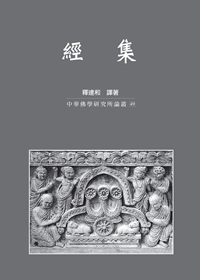
經集
《經集》是南傳佛教巴利文三藏的重要經典,屬於「五部」(長部、中部、相應部、增支部、小部) 中的「小部」,是最接近原始佛教的經文彚編。全書由〈蛇品〉、〈小品〉、〈大品〉、〈義品〉及〈彼岸道品〉等五品、七十經組成,共收錄了一千一百四十九偈及少部分長行(散文)。它的主要內容為佛陀與牧人、農夫、婆羅門、國王、夜叉、仙人、比丘的對話,思想簡單樸素而易懂,闡述佛教的倫理道德觀,充分反映了原始佛教的風貌,為研究原始佛教者提供了珍貴的參考資料。此外,其譬喻說理的詩歌形式,在佛教文學上亦具有重要價值。在南傳佛教國家中,與《法句經》一樣廣為傳誦。
譯者簡介
釋達和1932年生於苗栗縣通霄鎮1977年獲得日本駒澤大學文學碩士學位。歷任華梵、中華、法光、圓光佛學研究所,以及佛光山叢林佛學院部講師。目前致力於從事迻譯佛教書籍,著有〈原始佛教的緣起思想〉、〈原始佛教的根本教法──四法印〉等論文。譯有《印度佛教史概說》、《初期大乘佛教的研究》、《佛教的原點》、《巴利語佛典精選》等書。
作者
NT$
$238
|
85折
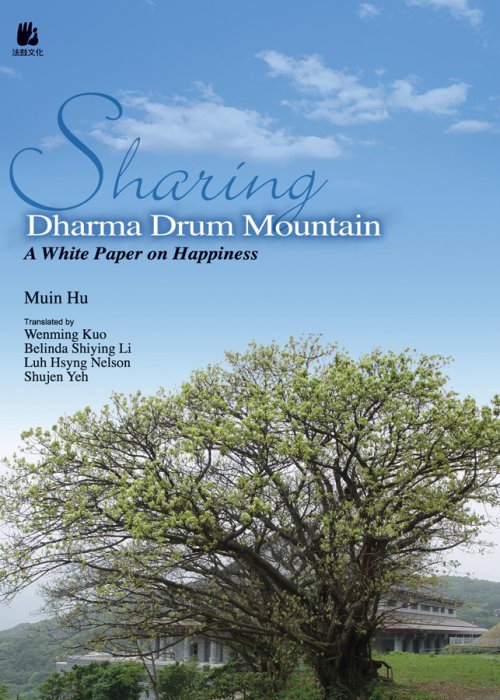
Sharing Dharma Drum Mountain
分享法鼓山的英文翻譯版。本書記錄法鼓山佛教體系的由來、前身、創建的經過以及未來的展望。法鼓山創建於1989年,以「提昇人的品質,建設人間淨土」為理念,透過內在修持、現代文教活動、人文社會的建立、推動心靈環保,開發人人心中的智慧與慈悲。法鼓山的硬體工程亦同時開展。時值2005年,法鼓山的第一期工程即將落成,這是法鼓山新紀元的開始,也是法鼓山長久以來一個想望的實現。當此夢想開花結果的前夕,邀請大家來分享法鼓山,分享法鼓山由來的心願。
作者
NT$
$153
|
85折

當光亮照破黑暗:達賴喇嘛講《入菩薩行論》
寂天《入菩薩行論》是大乘佛教最重要的精神與哲學典籍之一,也是達賴喇嘛尊者鼓舞自己的精神與力量的最大泉源。「各種層面的佛陀教法,目的均是為了開發智慧。」 「第二世紀的印度祖師龍樹說,對於精神發展而言,信心和理智兩者都是關鍵要素,這兩者中,信仰是基礎。然而他很清楚地說,要讓信心有足夠的力量,驅使我們在精神方面有所進展,我們需要理智,也就是一個可以讓我們辨認正道並培養深刻洞見的能力。但是瞭解不應只停留在知識與理智的層面,應該結合你的內心與心靈,這樣才會對行為產生直接的衝繫,否則你對佛教的研究將純粹只是理智上的,對你的態度、行為或生活方式將沒有絲毫影響。」──達賴喇嘛本書是達賴喇嘛於一九九三年法國南部講寂天《入菩薩行論》〈智慧品〉的內容集結。此次講法的特別之處,在於尊者使用兩部論點相左的參考書分析有情與現象的究竟本質,引導讀者認識佛教修行上開發智慧的重要性。尊者在說法中將個人體悟及實踐的經驗及心得點綴於其中;書中並收入尊者帶領讀者做觀修的方法,對於內容的了解是一項有利的輔助。
作者簡介
達賴喇嘛(H. H. Dalai Lama)1935年7月6日誕生於青海湟中祈家川,俗名拉木頓珠。1937年尋訪團出發尋找十二世達賴喇嘛的轉世。1939年尋訪團帶著年幼的達賴前往拉薩。1940年舉行坐床大典,嗣位為達賴喇嘛,成為藏人的精神領袖,不久剃度為沙彌。1950年10月,中共入侵西藏。11月,達賴喇嘛即位掌管政權,曾向聯合國申請援助,卻遭拒絕。1951年中共宣稱完成「和平解放」西藏,成為中共自治區。1954年達賴喇嘛正式受比丘戒。中共邀請達賴喇嘛訪問中國大陸。1959年獲格西學位(相當於博士學位)。3月10日,拉薩發起大規模抗暴行動,中共以大軍鎮壓。達賴喇嘛請示涅沖神諭,於17日獲得指示,帶著藏人流亡至印度。1960年抵達達蘭莎拉,成立西藏人民代表大會。1961年西藏流亡政府頒佈「西藏憲法草案綱領」。達賴喇嘛加入一條規定,只要國民大會三分之二票數通過,就可以解除達賴喇嘛職權。1963年西藏政府頒佈第一部民主的西藏憲法,包含佛教慈悲戒殺及容忍的教義,並成功安置十萬西藏難胞。1989年堅持以和平方式為西藏爭取自由,獲諾貝爾和平獎。1992年西藏流亡政府開始與台灣有正式的官方接觸。1997年、2001年兩度訪台弘揚佛法。
譯者簡介
廖本聖
淡江大學化學碩士,中華佛研所畢業。現任中華佛研所專任助理研究員及藏文老師。
作者
NT$
$255
|
85折

聽見菩薩-CD
在紅塵最繁華處,聽見菩薩最深的慈悲,守護每一顆心。獻給 每一顆在紅塵中行走的心靈「菩薩在哪裡?在心裡。」──聖嚴法師【菩薩。覺有情】這兩個字,來自印度梵文budhi-sattva的譯音,全譯是「菩提薩埵」,意思是「覺有情」。眾生有情,卻常迷失在紅塵繁華中,而不自覺,菩薩有情,卻是不度盡眾生,誓不取正覺。於是,有情眾生在如夢幻泡影般的浮沉人生中,因為菩薩的慈悲深情,有了覺醒的可能。如果說,菩薩是在紅塵中澆息熱惱灼火,在迷途中指路點燈,那麼,當以至真的智慧,至善的慈悲,盡心為他人付出時,誰人不是菩薩呢?走在正覺的路上,且讓我們一起攜手,同向菩薩行。
製作者簡介
Ed Yen(嚴子貿)畢業於國立藝術學院戲劇系(現台北藝術大學),主修劇場音效配樂。歷年任職於國內各唱片公司,擔任華語專輯唱片企劃、製作、錄音製作工程等;並曾遠赴世界各地,從事短期音樂專輯製作。
近年協助華語歌手參加國際音樂策展,推廣國際音樂交流合作商務。作品曾榮獲中時1997、1998年度評鑑最佳唱片製作、中華人交流協會評鑑最佳唱片製作......等,成績斐然。李俊賢畢業於實踐大學音樂系,聲樂師事楊冬春教授,鋼琴師事陳玉芸教授,為法鼓山合唱團創辦人之一。曾任台北市華岡藝術學校音樂指導「合唱指揮課程」、法鼓山合唱團團長、法鼓文化公司影視部藝術總監及顧問、全民電台「音樂嘉年華」古典音樂節目製作及主持人。曾為法鼓山製作「聖嚴法師佛曲集」、「叩鐘偈」、「佛曲心韻」等專輯。目前任教於新店高中、羅東高中音樂班及法鼓山合唱團指導老師。
演出者
NT$
$255
|
85折

純棉筷匙袋
產品特色.可將湯匙或筷子收進布套內,以免髒汙。.布套可水洗。.可收納筷子、湯匙…等。
產品規格.內容:棉胚布套一個.顏色:胚布色.材質:棉胚布.尺寸:布套:約寬 5.5 x 高 23.5公分 + 扁棉繩 20公分,正面印刷四福logo.重量:約 10公克.製造地:臺灣
注意事項.布套首次洗滌,洗後商品尺寸會比原尺寸略小,但不影響使用功能。.初期洗滌若產生味道及淡黃色水,乃天然純棉胚布洗滌之正常現象,胚布將會越洗越白。.布套洗滌可清水手洗,不可用化學藥劑漂白,不可熨燙,不可乾洗,不可烘乾。
NT$
$24
|
96折

大乘傳法人:龍樹菩薩
天之驕子闖下大禍,遭遇生死劇變,如何蛻變為悲智雙全的菩薩,成為大乘佛教的鼻祖?聰明絕頂的少年龍樹,利用隱身術與好友大鬧皇宮,年少輕狂所犯下的錯誤,要付出什麼代價才能彌補?白雪皚皚的雄偉雪山,神祕的龍宮藏於雪湖之底,一心懺罪的苦行龍樹,如何潛入龍宮獲得無盡寶藏?大乘菩薩千百化身,處處接引龍樹步入正途,曾經為愛犯錯、為欲受苦的龍樹,終於圓成菩薩道,獲得解脫自在,成為大乘佛教始祖,中國八宗共祖……。
作者簡介
徐潔
1973年生,台灣省彰化縣人,輔仁大學德文系畢業,柏林自由大學藝術史碩士,曾任編輯、翻譯,現服務於美術館。著有《佛教改革家──太虛大師》、《中國第一宗──天台九祖》、《蓮邦領航員──淨土十三祖》等(法鼓文化出版),譯有《把我的生命獻給你》、《路卡斯之死》(法鼓文化出版),《古堡中的小精靈》、《菲利貓的世界》(玉山社出版),《奶奶》、《阿湯的柺杖》(宇宙光出版)等十餘種德文書籍。
作者簡介
劉建志
1966年生於雲林縣北港。自學繪畫,常受邀為國內知名作家文章繪製插圖。1999年築「一澄舍中」殊畫坊,期以摹古畫風重飾佛經圖像。2008年並受「法鼓山大悲心水陸法會」籌備小組力邀,創作水陸畫系列。代表作品有:法鼓文化《高僧小說系列》、靜思文化——小沙彌系列、皇冠版《吳姐姐講歷史故事》、中國兒童故事大百科三十六鉅冊等。曾榮獲1995年中華民國視覺設計展「插畫創作」金牌獎、1997年中華兒童文學獎「美術類」年度。
作者
NT$
$153
|
85折
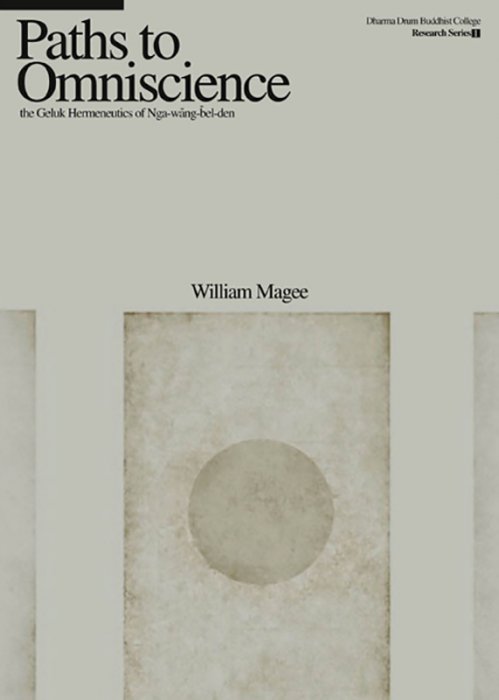
Paths to Omniscience: the Geluk Hermeneutics of Nga-wāng-bel-den
Buddhism suggests that it is possible to investigate the nature of reality ourselves; but to do so one needs to differentiate definitive teachings from those of interpretable meaning. William Magee’s book, Paths to Omniscience, discusses a number of topics related to the interpretation of scripture according to Dzong-ka-ba, Jam-yang-shay-ba, Nga-w?ng-bel-den, and other great scholars of the Geluk world. Paths to Omniscience also addresses the Geluk approach to the practice of hermeneutics. Even within the lineage itself, scholars have not always agreed about interpretation of scripture. Paths to Omniscience describes intricate maneuvers enlivening the spirited controversies of these emminent Lamas. Paths to Omniscience also includes translations of thirty annotations from Nga-w?ng-bel-den’s Annotations for (Jam-yang-shay-ba’s) "Great Exposition of Tenets". These annotations show how diverse and wide-ranging a great commentarial author can be in his treatment of the basic text. Far from being mere footnotes to Jam-yang-shay-ba, the Annotations can instead be viewed as a seminar on his Great Exposition of Tenets.
NT$
$383
|
85折

多功能隨身餐提袋|綠色
產品特色.貼心設計-質地輕、攜帶方便,防潑水、柔軟耐磨,多隔袋、創意收納,放用品、放環保餐具。.多功能設計-攜帶方便,可做便當袋、外出休閒袋及盥洗袋等…用途。產品規格.內容:多功能隨身餐提袋(橘色) 一個.顏色:黑 + 綠.材質:表面布黑色,100%尼龍斜紋布;內裡布綠色/橘色,100%尼龍.袋身尺寸: 約 19 x 19 x 14公分.重量:約 81公克.產地:台灣製造洗滌方式.清水手洗.不可用化學藥劑漂白.不可熨燙、不可乾洗、不可烘乾注意事項.因拍攝光線關係略有色差,請以實際商品為準。
NT$
$266
|
95折
正在載入更多商品......