搜尋結果
共
1156
筆符合商品
排序

萬用收納盒|心中知足就有幸福(綠色)
心中知足就有幸福
產品特色.可堆疊,攜帶方便。.盒內凸型設計,方便拿取、瀝乾;文具、餐具、盥洗用具……輕鬆收納帶著走!.五款法語可選。
產品規格.顏色:盒體 / 透明黑;法語 / 橘色.材質:食品級PP材質 (耐熱 120度).尺寸:約 23.5 × 6 × 2.8公分 (內徑長約 22公分) .重量:約 66.5公克,含包裝約 68.5公克.產地:中國製造
注意事項.請用中性清潔劑搭配海綿清洗,避免刮傷表面。.可用於烘碗機。.不可置於明火高溫處,不可微波,不可使用洗碗機。
NT$
$57
|
95折

The Infinite Mirror 寶鏡無境(英文版)
Here is the inimitable Master Sheng Yen at his best, illuminating the ancient texts of the Chinese Zen tradition to show how wonderfully practical they really are, even for us today. The texts, written by two of the founders of the Ts’ao-tung sect of Chan Buddhism, are poems entitled Inquiry into Matching Halves and Song of the Precious Mirror Samadhi. Both emphasize the Chan view that wisdom is not separate from vexation, and both speak of the levels of awareness through which one must pass on the way to realization. Both are also works of Buddhist philosophy that can serve as guides to spiritual practice for anyone.
作者
NT$
$646
|
85折

平安「檜木」手珠(6mm/22顆)童款
產品規格.材質:天然檜木珠(黃檜) 約 6mm x 21顆 + 12mm x 1顆.尺寸:內徑周長約 11公分.重量:約 3.2公克.產地:台灣製造
注意事項.商品圖檔顏色因拍照光線關係會略有不同,請以實際商品顏色為準。.木珠為天然材質,每顆顏色、紋路、烙印深淺皆不相同,屬正常現象。.木珠為手工車製,每顆尺寸稍有差異,屬正常現象。
正確使用念珠
戴念珠本身不是壞事,可是,真正的目的究竟是什麼?我把它分成三種類別加以說明:一種是信仰的,一種是心理的,還有一種是屬於風氣的。站在信仰的角度講,好處很多。因為手上有念珠,就會經常想到自己是個佛教徒,自己的身、口、意等三方面,自然而然都會檢點,不要把佛教徒的形象弄壞了。其次,你掛了念珠,還可以影響其他人。其他人不管是不是佛教徒,如果看到掛念珠的人講話、動作、表情不像是一個佛教徒的表現時,就會有人要求你:「你是一個佛教徒,怎麼也會這個樣子?」提醒掛念珠的人應該檢點。當我們要持誦佛號、咒語時,手上有串念珠也很方便。通常是一串大的、一串小的,大的念珠念一串、小的念珠數一個。大珠、小珠一起算,非常有用。第二種是心理上的作用。有的人掛的念珠是經過出家師父、上師或有修行的人加持過的,他們相信,把加持過的念珠掛在身上,有避邪、化災難為吉祥的作用,這使得戴念珠的人心理上覺得很平安、很安全。這樣也很好,至少心理上不會那麼恐慌。這和有人去神廟裡求護身符或掛在車上的小香袋,作用完全一樣。第三種是時髦、風氣、潮流。
——摘自:聖嚴法師《法鼓鐘聲》
NT$
$190
|
95折
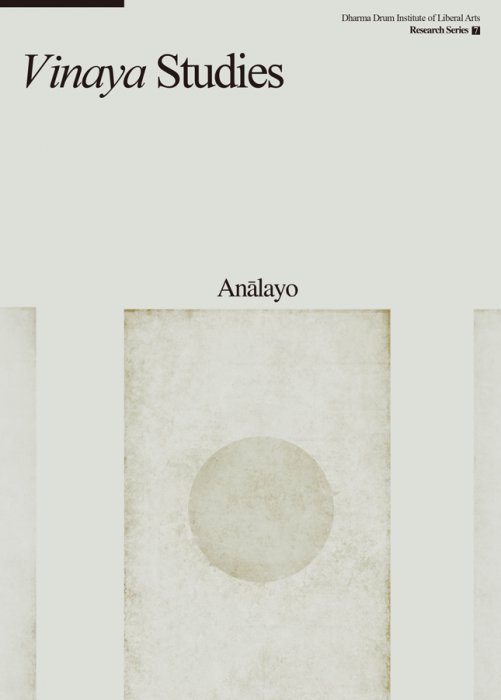
(英文版) 戒律研究 Vinaya Studies
The present book collects research papers by Bhikkhu Anālayo related to Vinaya. Recurrent topics are the nature of Vinaya narrative and the overlap between discourse and Vinaya material, both of which have significant ramifications for the use of such textual material by the modern scholar. In addition, topics taken up in the course of this book are the legal consequences of pārājika, the mass suicide of monks, the tale of Vessantara's lavish giving, the impact of the account of the first saṅgīti on attitudes towards Vinaya rules, the account of the foundation of the order of bhikkhunīs, and the legal dimensions of the revival of the bhikkhunī order.
作者簡介
Bhikkhu Anālayowas born in Germany in 1962 and ordained in Sri Lanka in 1995. He completed a Ph.D. thesis at the University of Peradeniya (Sri Lanka) in 2000 and a habilitation thesis at the University of Marburg (Germany) in 2007. At present he is a professor at the University of Hamburg, Numata Center for Buddhist Studies (Germany).
作者
NT$
$383
|
85折
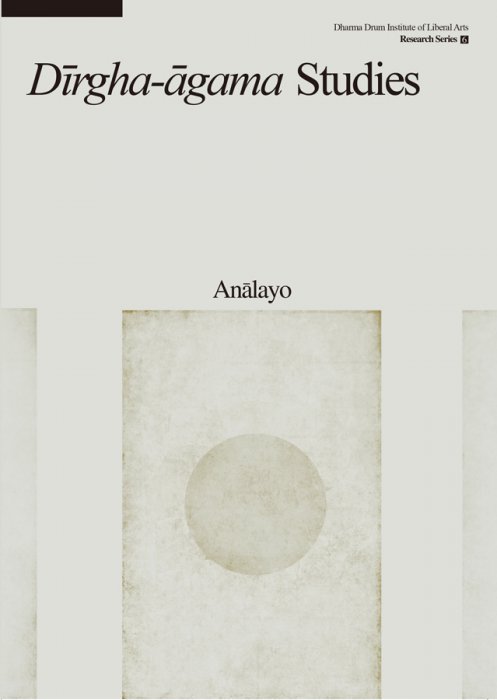
(英文版) 長阿含研究Dīrgha-āgama Studies
The present book collects research papers by Bhikkhu Anālayo containing translations of Dīrgha-āgama discourses and comparative studies of their Pāli parallels (as well as relevant Sanskrit fragments), together with three appendices. Several chapters and the appendices are devoted to examining aspects of the early Buddhist oral transmission. In addition, topics taken up in the course of this book are the analysis of views in the Brahmajāla, healing in early Buddhism, the Buddha's last meditation, his display of fire miracles, levitation, debating strategies, and the future Buddha Maitreya.
作者簡介
Bhikkhu Anālayowas born in Germany in 1962 and ordained in Sri Lanka in 1995. He completed a Ph.D. thesis at the University of Peradeniya (Sri Lanka) in 2000 and a habilitation thesis at the University of Marburg (Germany) in 2007. At present he is a professor at the University of Hamburg, Numata Center for Buddhist Studies (Germany).
作者
NT$
$595
|
85折
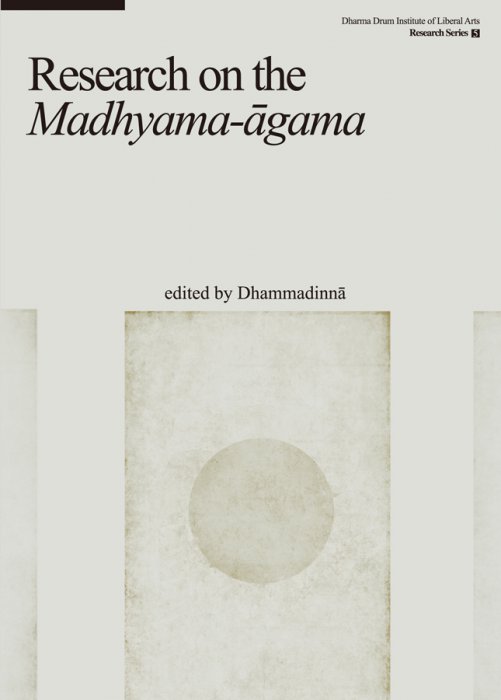
(英文版) 中阿含經研究論文集 Research on the Madhyama-āgama
This is the third volume of proceedings of the Āgama seminars convened by the Āgama Research Group at the Dharma Drum Institute of Liberal Arts (formerly Dharma Drum Buddhist College). It collects academic contributions on various aspects related to the Middle-length Collec¬tions of discourses (sūtras, suttas) transmitted by different early Buddhist lineages of reciters, preserved in their Indic originals in Gandhari, Pali and Sanskrit as well as in Chinese and Tibetan translations.
作者簡介
About the editor:Bhikkhunī DhammadinnāDharma Drum Institute of Liberal Arts
About the contributors:
Mark Allon & Blair SilverlockUniversity of Sydney
Bhikkhu AnālayoUniversity of Hamburg
Roderick S. BucknellUniversity of Queensland
Jin-il Chung(鄭鎮一)Göttingen Academy of Sciences
Takamichi Fukita(吹田隆道)Bukkyō University
Jen-jou Hung(洪振洲)Dharma Drum Institute of Liberal Arts
Seishi Karashima(辛嶋靜志)The International Research Institute forAdvanced Buddhology at Soka University
Michael RadichVictoria University of Wellington
Richard SalomonUniversity of Washington
Peter SkillingÉcole française d’Extrême-Orient
Ingo StrauchUniversity of Lausanne
作者
NT$
$383
|
85折
(英文版) 增壹阿含研究 Ekottarika-āgama Studies
The present book collects research papers by Bhikkhu Anālayo with translations of Ekottarika-āgama discourses and comparative studies of their Pāli parallels, together with three appendices on the terms Mahāyāna, Hīnayāna, and Theravāda. Several papers study aspects of the Ekottarika-āgama as a collection distinct from other Nikāya and Āgama collections. In addition, topics taken up in the course of this book are seclusion, the lion's roar, the wheel-turning king, Paccekabuddhas, and the four noble truths, as well as depictions of accomplished nuns and their significance.
作者簡介
Bhikkhu Anālayo was born in Germany in 1962 and ordained in Sri Lanka in 1995. He completed a Ph.D. thesis at the University of Peradeniya (Sri Lanka) in 2000 and a habilitation thesis at the University of Marburg (Germany) in 2007. At present he is a professor at the University of Hamburg, Numata Center for Buddhist Studies (Germany).
作者
NT$
$578
|
85折
Liberated in Stillness and Motion 動靜皆自在(英文版)
Live a life of ease and freedom, on the basis of peace and solidity, with the principle of being less agitated and affected.
Many masters in the history of Chinese Chan Buddhism emphasized practice as daily living. Whether monastic or lay, a follower uses the concepts and methods of Chan in daily life. By doing so, one experiences calmness and ease while being spontaneous and lively amidst mundane reality. Chan is not a religion, not a philosophy, and surely not mysterious or weird sorcery. It is the wisdom of living, the cultivation of body and mind, and a principle and guideline for spiritual development. It is also the best method for influencing and purifying the environment.--Master Sheng Yen
作者簡介
Master Sheng Yen (1930-2009)
Master Sheng Yen was born in 1930 and became a monk in 1943. He conducted a six-year solitary retreat, after which he went to Japan for further study and obtained a doctorate in Buddhist literature at Rissho University. In 1975, he began sharing the Dharma in the US, and in 1989, founded the Dharma Drum Mountain organization. In 2005, he established the Dharma Drum Lineage of Chan Buddhism, as an effort to reinvent Chinese Buddhism.
He authored more than 100 publications in Chinese, English, and Japanese, and received the Sun Yat-sen Art and Literary Award, the Sun Yat-sen Academic Award, and the Presidential Cultural Award, among other honorary awards.
He proposed the vision of "uplifting the character of humanity and building a pure land on earth," founded the Chung-Hwa Institute of Buddhist Studies, Dharma Drum Institute of Liberal Arts, and Dharma Drum Sangha University. Experienced in Chan using correct approaches, he guided practice in both the West and East. Popularizing the Dharma in modern language, the Master initiated movements including Protecting the Spiritual Environment, Four Kinds of Environmentalism, the Fivefold Spiritual Renaissance Campaign, and the Six Ethics of the Mind. He shared the Dharma globally with a broadminded perspective, winning him worldwide recognition.
作者
NT$
$306
|
85折

NT$
$170
|
85折
(英文版) 雜阿含研究 Saṃyukta-āgama Studies
The present book collects research papers by Bhikkhu Anālayo with translations of Saṃyukta-āgama discourses and comparative studies of their Pāli parallels, together with two appendices on the relationship between commentary and discourse as well as on the Udāna collection. Topics taken up in the course of the studies are the four noble truths as a diagnostic scheme, concern for the welfare of others, the transfer of merit, humour, Aṅgulimāla, teachings to laity, attitudes towards nuns, arahants and suicide, teaching and awakening, the gender-inclusiveness of the address 'monk', the acrobat simile, mindfulness of breathing, the Buddha's first discourse, self-cremation, and the Buddha's visit to his mother in the Heaven of the Thirty-three.
作者簡介
Bhikkhu Anālayowas born in Germany in 1962 and ordained in Sri Lanka in 1995. He completed a Ph.D. thesis at the University of Peradeniya (Sri Lanka) in 2000 and a habilitation thesis at the University of Marburg (Germany) in 2007. At present he is a professor at the University of Hamburg, Numata Center for Buddhist Studies (Germany), and a researcher at the Dharma Drum Institute of Liberal Arts (Taiwan).
作者
NT$
$527
|
85折

智慧光‧清淨‧金剛(童音集)-CD
智慧光大勢至菩薩是阿彌陀佛的右脅侍者,又稱得大勢至菩薩或大精進菩薩,簡稱為勢至。據 『 觀無量壽經 』 說︰祂以智慧之光普照一切,使人得到無上力量、威勢自在。本曲由知名作曲、編曲老師戴維雄作曲、編曲,將佛教音樂融入現代的曲風,以華麗的音樂品味,帶領眾生翩然進入佛教世界。清淨當虔誠的心燃起一切皆有佛法的渡化與攝受,眾佛菩薩亦如水中的明月,時時散發著溫韾的光芒,讓您感受到無比的溫暖和喜樂,讓心念隨著天樂般的佛曲,化作朵朵清蓮,清淨無瑕。本集以傳統梵唄曲調加以改編,以抒情柔和的曲調讓您由舒緩的心境,斷除一切生活中產生的無明煩惱,在和諧清淨的音聲中,唱頌出內心虔誠的祈願。金剛音樂的生命來自不斷創新與融合,本曲以心靈體悟的大白傘蓋佛母咒為主軸,是一張專為現代人打造的心靈盛宴。本曲製作不但採用各式傳統樂器,並融合各種印度樂器。獨特的曲風,配合柔亮純美的新穎唱頌風格,展現出空靈柔美的質感,使每一個音符都宛如天籟之音。諸佛說法,必具因緣,其所說法,統各曰經,經之真心,是名為咒。此咒乃大密宗最秘密之法,功能鎮護國家,退卻強敵,息災解難,為衛國之寶。往昔修羅逼帝釋宮、帝釋求救於佛,佛悲憫之,頂現法身無敵金剛佛母,手持大白傘蓋,宣說大白傘蓋陀羅尼,修羅懼退,是為釋尊宣說大白傘蓋佛母之因緣。修習大白傘蓋法,能驅遣一切邪魔,擁護行者。遮止戰爭,免除諸難、諸病,並保護行旅。
NT$
$213
|
85折
The World of Chan 禪的世界(英文版)
Chan is not necessarily any one thing, nor does Chan affirm or deny anything. However, whatever you need, Chan gives to you.
For regular meditators, this book provides basic sitting meditation techniques. Exceptionally busy people are advised to try and use the Chan cultivation methods in this book to harmonize themselves, and dissolve their attachment to "self." From relaxing the body and mind for as little as three minutes to attending to body and mind throughout daily life, these methods show the simplicity and practicality of expedient Chan methods.--Master Sheng Yen
作者簡介
Master Sheng Yen (1930-2009)
聖嚴法師1930年生於江蘇南通,1943年於狼山出家,後因戰亂投身軍旅,十年後再次披剃出家。曾於高雄美濃閉關六年,隨後留學日本,獲立正大學文學博士學位。1975年應邀赴美弘法。1989年創建法鼓山,並於2005年開創繼起漢傳禪佛教的「中華禪法鼓宗」。
聖嚴法師是一位思想家、作家暨國際知名禪師,曾獲臺灣《天下》雜誌遴選為「四百年來臺灣最具影響力的五十位人士」之一。著作豐富,中、英、日文著作達百餘種,先後獲頒中山文藝獎、中山學術獎、總統文化獎及社會各界的諸多獎項。
聖嚴法師提出「提昇人的品質,建設人間淨土」的理念,主張以大學院、大普化、大關懷三大教育推動全面教育,相繼創辦中華佛學研究所、法鼓佛教學院、僧伽大學、法鼓大學等院校,也以豐富的禪修經驗、正信的佛法觀念和方法指導東、西方人士修行。
法師著重以現代人的語言和觀點普傳佛法,陸續提出「心靈環保」、「四種環保」、「心五四運動」、「心六倫」等社會運動,並積極推展國際弘化工作,參與國際性會談,促進宗教交流,提倡建立全球性倫理,致力世界和平。其寬闊胸襟與國際化視野,深獲海內外肯定。
Master Sheng Yen was born in 1930 and became a monk in 1943. He conducted a six-year solitary retreat, after which he went to Japan for further study and obtained a doctorate in Buddhist literature at Rissho University. In 1975, he began sharing the Dharma in the US, and in 1989, founded the Dharma Drum Lineage of Chan Buddhism.
He authored more than 100 publications in Chinese, English, and Japanese, and received the Sun Yat-sen Art and Literary Award, the Sun Yat-sen Academic Award, and the Presidential Cultural Award, among other honorary awards.
He proposed the vision of “uplifting the character of humanity and building a pure land on earth,” founded the Chung Hwa Institute of Buddhist Studies, Dharma Drum Buddhist College, Dharma Drum Sangha University, and Dharma Drum University. Experienced in Chan using correct approaches, he guided practice in both the West and East. Popularizing the Dharma in modern language, the Master initiated movements including Protecting the Spiritual Environment, Four Kinds of Environmentalism, the Fivefold Spiritual Renaissance Campaign, and the Six Ethics of the Mind. He shared the Dharma globally with a broadminded perspective, winning him worldwide recognition.
作者
NT$
$510
|
85折
(英文版) 長阿含經研究論文集 Research on the Dīrgha-āgama
This is the second volume of proceedings of the Āgama seminars convened by the Āgama Research Group at the Dharma Drum Institute of Liberal Arts (formerly Dharma Drum Buddhist College). On this occasion, the Āgama Research Group met to discuss the early collections of long discourses transmitted by the different Buddhist schools. Thanks to the discovery and ongoing publication of the incomplete Sanskrit Dīrgha-āgama manu¬script from Gilgit, three different versions of the Collec¬tion of Long Discourses are now avail¬able for comparative study: the Pali Dīgha-nikāya transmitted within the Theravāda tradition, the just-mentioned Dīrgha-āgama in Sanskrit, identified as Sar¬vās¬ti-vāda or Mūlasarvāstivāda, and the Chinese translation of an Indic Dīrgha-āgama (長阿含經), generally considered to be affiliated with the Dhar¬ma¬¬guptakas. The six papers collected here focus on research on these various incarnations of the collections of long discourses in comparative perspective.
作者簡介
About the editor:Sāmaṇerī DhammadinnāDharma Drum Institute of Liberal Arts
About the contributors:Bhikkhu AnālayoNumata Center for Buddhist Studies, University of Hamburg &Dharma Drum Institute of Liberal Arts
Roderick S. BucknellUniversity of Queensland
Toshiichi Endo (遠藤敏一)Centre of Buddhist Studies,The University of Hong KongJens-Uwe HartmannLudwig-Maximilians-Universität of Munich
Jen-jou Hung (洪振洲)Dharma Drum Institute of Liberal Arts
Seishi Karashima (辛嶋靜志)The International Research Institute for Advanced Buddhologyat Soka University
作者
NT$
$272
|
85折

古梵文觀世音菩薩咒語全集(附教學CD)
感通觀世音菩薩慈悲威神的力量。 修持觀音法門一定要收藏的咒語全集。
古梵文觀世音菩薩咒語全集,收錄170首觀世音菩薩的咒語,全部出自《房山石經》第二十八冊《釋教最上乘秘密藏陀羅尼集》第十一卷至二十卷之觀世音菩薩咒文。
許多研究咒語專家都一致肯定「持誦咒語原音是感通的基礎」,因此,咒語之「原音」也可說是持誦感通的根本,希望修持者皆能以標準梵音或近似梵音來念誦咒語。乾隆在《同文韻統》的序文中也說:持咒若不依梵音,就不符合「咒語不翻」的本意。這也是呼應持咒以古梵音為標準的原則。 根據科學對持咒的實驗,只要修持者專心一意念誦,必能達成統一身心的狀態,甚至有禪定效果。咒語同樣可作為一種物質材料同自然界的其他聲音一樣具有物理性,一切聲音都是由物體震動而產生的一種能量轉換。從生命學角度去看,不同的聲音可構成不同的物質、不同的場。從物理聲學的觀點來看,人類發聲器官可發出的音素可以說是無窮無境的。一句好聽的歌曲和一句祥和的祝辭,可以讓我們喚來一天的祥和及寧靜。而不同的是咒語帶有更加複雜的顯性及隱性資訊,它能突破時間、空間的限制,與宇宙中深藏的精神內核同步和吻合,是一種特殊的天人合一聯繫工具。
本書特色
念對了,更有效(附教學CD)本書採用古梵文、羅馬拼音及漢文對照,有助於讀者能夠迅速了解咒語原義。咒語原音本是自印度梵文,由於千年來中國咒語五不翻原則,造成今日咒語發音的多重版本。雖然虔誠持誦也是一種修持,但是如果可以正確的持誦咒語原音,除了能加速持誦之感通;亦可深入了解咒語的原音與原義之關係,對實修的助益更大。
為了令古梵文原音重現,本書特聘請斯里蘭卡Davuldena Nanissana法師,對於古梵文的修正與讀誦給予指導。
作者簡介
簡豐祺
簡豐祺居士,今出家為僧,法號「法豐」法師。法師大學時代受教於懺雲師父,28歲專心靜坐,至39歲略有境界。不久即為鬼神魔障所縛,遍訪各地寺廟和高僧大德,仍不得解脫。最後才想到要借助楞嚴咒力,但是讀誦國語版的楞嚴咒,覺得「效力不彰」。後始追尋梵文本的楞嚴咒。經過多年的修改和持誦,最後終於找到比較合意的版本。之後越誦越起勁,越有信心,除了在最初幾年以退卻鬼神障而唸誦外,漸漸地持咒轉變成為清除本身業障,亦即密教所言黑業氣。除此之外,亦以咒力救助他人。
作者
NT$
$578
|
85折

地藏菩薩本願經(台語教學佛經)-3CD(不分售)
台語教學佛經3-地藏菩薩本願經-3CD(不分售)陰陽兩利消業解厄-本<慈悟寺台語佛經教學>系列專輯係由天母慈悟寺法師指導音聲莊嚴和諧、清朗流暢讀誦氣韻優美、聲勢綿貫通篇流露空靈之美令人聽了如飲甘露,無比殊勝圓妙不可思議。不只是您初學讀經極佳的入門作品也是您深入經藏進而成就菩提道業的最佳輔助工具。【曲目】1.香讚(香雲彌布至南無香雲蓋菩薩摩訶薩)2.南無本師釋迦牟尼佛(三稱)3.淨口業、淨身業、安土地、普供養真言4.禮敬文(南無十方一切佛至南無護法諸天菩薩)5.開經偈6.地藏菩薩本願經卷上(至分身集會品第二:皆因地藏菩薩教化)7.地藏菩薩本願經卷上(自分身集會品第二:以如來神力故至卷終)8.七佛滅罪真言(三遍)9.讚偈(神通遊戲至南無地藏王菩薩摩訶薩)10.回向文11.首讚:皈命十方一切佛、法、僧,法輪常轉度眾生12.南無三寶尊菩薩摩訶薩13.南無大願地藏王菩薩摩訶薩(三稱)14.地藏菩薩本願經卷中(至如來讚歎品第六)15.地藏菩薩本願經卷中(自利益存亡品第七至卷終)16.七佛滅罪真言(三遍)17.讚偈(光明正大至南無地藏王菩薩摩訶薩)18.回向文19.首讚:準提神咒20.南無大願地藏王菩薩(三稱)21.地藏菩薩本願經卷下(至見聞利益品第十二:因果將熟遇佛授記)22.地藏菩薩本願經卷下(自見聞利益品第十二:汝今具大慈悲至卷終)23.七佛滅罪真言(三遍)24.補闕真言(三遍)25.讚偈(四宏普被至南無地藏王菩薩摩訶薩)26.回向文
NT$
$510
|
85折

觀世音菩薩普門品(國語教學佛經)-CD
國語教學佛經5-觀世音菩薩普門品-CD本國語佛經教學專輯係由台北玉佛寺釋果如法師敬念,法師音聲嘹亮莊嚴,虔誠讀誦圓融,經過現代錄音技術重新處理,呈現更悠揚絕佳的音質表現。令人聞之法喜充滿,神定心清。不但是初學者的極佳入門作品,也將是您深入經藏進而成就菩提道業的最佳輔助工具。
演出者
NT$
$170
|
85折

地藏菩薩本願經(國語版)-3CD(不分售)
國語課誦佛經8-地藏菩薩本願經1-3(國語版)-3CD(不分售)陰陽兩利‧消業解厄-<地藏經>是佛門的孝經,是世尊為報答親恩,於忉利天為母說法﹔是一部殊勝的大乘佛教經典。<地藏經>揭示因果報應,並顯揚地藏菩薩的大悲大願。持誦地藏經,瞻禮讚嘆地藏形象,或聞名號,獲福無量。實為學佛修行的重要資糧。台北玉佛寺創立於民國76年,住持為釋果如法師,這是由男眾法師主唱的梵唄系列,誦唱聲宏嘹亮,合聲搭配精湛,展現綿密的整體氣勢,音韻及節奏富於美感且充滿變化,令人神清心定。【曲目】CD1:1.香讚2.南無本師釋迦牟尼佛(三稱)3.淨口業.淨意業.淨身業.安土地.普供養.淨三業真言4.南無常住十方佛、法、僧.南無本師釋迦牟尼佛.南無大悲觀世音菩薩.5.開經偈.覺林菩薩偈6.讚頌(「稽首本然淨心地」至「大悲大願大聖大慈本尊地藏菩薩摩訶薩」)7.地藏菩薩本願經卷上(至觀眾生業緣品第三「或有佛法」)8.地藏菩薩本願經卷上(自觀眾生業緣品第三「或無佛法」至卷上畢)9.七佛滅罪真言(三遍)10.「如來慈愍」讚11.「大士誓願不可測」讚CD2:1.南無本師釋迦牟尼佛(三稱)2.地藏菩薩本願經卷中(至利益存亡品第七「是長者久證無生」)3.地藏菩薩本願經卷中(自利益存亡品第七「化度十方現長者身」至卷中畢)4.七佛滅罪真言(三遍)5.「普賢啟問」讚6.「大士誓願不可測」讚CD3:1.南無本師釋迦牟尼佛(三稱)2.地藏菩薩本願經卷下(至見聞利益品第十二「是人畢竟而得菩薩摩頂授記」)3.地藏菩薩本願經卷下(自見聞利益品第十二「復次觀世音菩薩」至卷終)4.七佛滅罪真言(三遍)5.「地藏本誓」讚6.回向偈7.三皈依
演出者
NT$
$510
|
85折

觀世音菩薩普門品(台語教學佛經)-CD
台語教學佛經1-觀世音菩薩普門品-CD增長智慧所求如願-本<慈悟寺台語佛經教學>系列專輯係由天母慈悟寺法師指導音聲莊嚴和諧、清朗流暢讀誦氣韻優美、聲勢綿貫通篇流露空靈之美令人聽了如飲甘露,無比殊勝圓妙不可思議。不只是您初學讀經極佳的入門作品也是您深入經藏進而成就菩提道業的最佳輔助工具。
NT$
$170
|
85折

觀音菩薩讚(台語版)-CD
般若心曲13-觀音菩薩讚(台語版)-CD在此三千大千世界,有無量千萬億菩薩,其中觀世音菩薩與我們彷彿特別有緣。觀世音菩薩又號觀自在、圓通大士、施無畏者。祂以大自在神通之力,於十方國土應化現身、隨機說法;以大圓通清淨之耳根,尋聲救苦、廣度群迷。祂能現一一形、誦一一咒,其形其咒,皆能以無畏施於六道眾生,使其苦難皆蒙度脫。持觀世音菩薩之名號,與受持六十二恆河沙數菩薩之名號,二者福德無異。可見觀世音菩薩之功德巍巍,不可思議。這首《觀音菩薩讚》文辭美妙,旋律亦流麗宛轉,聞之如和風拂面,令人神清氣爽,喜悅油然而生;可以彷彿想像在「念彼觀音力」、「常願常瞻仰」之後,那一種「火燄化紅蓮」、「滅除煩惱燄」的觀喜心。只要心中有觀世音菩薩,只要誠心念其名號,祂就隨時在你身邊。這是觀世音菩薩接應眾生的殊勝法門;這一點,讓我們對這曲讚偈有了更深的意會。
演出者
NT$
$170
|
85折

有機棉 短袖V領衫「照」|紫色-XL
產品特色.簡約V領版型,無論平日、禪修皆可舒適穿著。.使用100﹪有機棉,通過歐盟OE、GOTS認證(驗證字號:C809578GOTS-01.2009).纖維不經化學處理,不含螢光劑、甲醛(福馬林)等有害物質,是友善環境的綠色產品.採用立體斜紋布,更加透氣、保暖;修行褲兩側均有口袋,腰部為鬆緊褲頭加綁帶。.正面衣角繡有弘一大師『照』書法字,安定身心。
產品規格.尺寸:XL.顏色:紫色.材質:100%有機棉.產地:100%有機棉紗(土耳其進口)、臺灣製造洗滌方式.機器洗 水溫40度.請勿使用漂白水.請勿烘乾.手擰或弱速脫水後,陰涼處平放乾燥
注意事項.因光線關係,圖片顏色略有差異,請以實際商品為主。.有其它顏色可選擇:灰色-「觀」
NT$
$520
正在載入更多商品......