搜尋結果
共
389
筆符合商品
排序
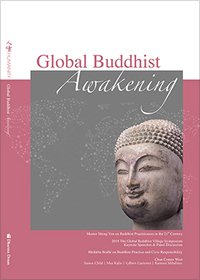
(英文版) 悟吧!在世界佛教村 Global Buddhist Awakening
Taiwan went through an intense period of social change in 1949. The island's politics, economy, ethnicity …… had undergone considerable change. In response this period of tumultuous change, Master Dong Chu founded the "Humanity" magazine to help people cope.
Seventy years later, "Humanity" had weathered being shelved, relaunched and redesigned. It still continues to publish topics that help people cope with the changes in today's world monthly. As "Humanity" approaches its 70th anniversary, it is encountering a different kind of changing world. 27 June 2018, with the aim of sharing the diversity of spiritual practices, we invited dharma masters from different traditions to share the compassion and wisdom of Buddhadharma. The full texts of the keynote speeches and panels are included in this special issue of " Awakening in the Global Buddhist Village".
"Humanity's" guiding teacher, Master Sheng Yen, dedicated his life to bringing Chinese Chan Buddhism to the West. Many Westerners who became his students twenty to thirty years ago continue to follow his footsteps, engage in self cultivation and teaching, establish centers and transmit the lineage. How did they discover Chan Buddhism and how did they find their teacher, Master Sheng Yen? These stories of the teacher and the student are very inspirational.
In the twenty first century, on this 70th anniversary of "Humanity" magazine, Buddhism has spread around the world resembling a global Buddhist village. From the United States of America, Bhikkhu Bodhi described his process of transformation from a traditional monastic to that of a social advocator because he witnessed the oppression of human beings caused by the current social systems; to Italy's Bhikkhun? Dhammadinn? who shared about her journey of how she went from learning dancing to engaging in Buddhist research and ultimately to becoming a female monastic.
Contributing to the world in our capacity of Chinese Chan Buddhism, "Humanity"70 along with the Buddhist Dharma family all over the world and our friends on the same path, let us "Awaken in the Global Buddhist Village"!
About the Humanity magazine
Founded in 1949, Humanity magazine was the first Buddhist magazine published and released in Taiwan. Founded by Ven. Dong Chu and later continued by his disciple Master Sheng Yen, it has been one of the most influential magazines in Taiwan’s Buddhist circles.
Humanity magazine concerns itself about contemporary development of Buddhism, and puts an emphasis on the uplifting of people’s minds and spiritual lives. Each month’s topic not only touches upon various social phenomena, but also explores from Buddhist concepts to worldly studies, to encourage readers to search their inner beings and incorporate Buddhist practice into their daily lives. For cover and layout design, the magazine has invited outstanding illustrators to help render an elegant yet fun style, thus through pages allowing readers to slow down and find a space for spiritual relaxation, self-transformation, and the enjoyment of purity and freedom by applying the Dharma in life.
The magazine had been discontinued for a while due to Master Sheng Yen’s solitary retreat practice. When it was reissued in 1982, as an encouragement, he wrote:
Seek progress in the ordinary life and see the glory of life in hardship.
Seek development in harmony and see the hope in the hard work.
Seek abundance in peace and calm and see the solemness in the training.
Seek wisdom in silence and see the compassionate aspiration in the proactive commitment.
In the future, the Humanity magazine will continue to uphold Master Sheng Yen’s encouragements and expectations, to keep on sharing Buddhist wisdom and compassion, to help bring brightness and hope to the world.
作者
NT$
$442
|
85折

普賢菩薩小百科
普賢菩薩是中國佛教四大菩薩之一,是象徵理德、行德的菩薩,與文殊菩薩的智德、正德相對應,是娑婆世界釋迦牟尼佛的右、左脅侍,稱為「釋迦三尊」。
普賢菩薩是踐行佛法的代表,普賢十大行願是學佛者的基本信念。經由此書,您可以知道:◎普賢菩薩的前世:在久遠過去有個刪提嵐世界,住世的佛名號寶藏如來;此世界上有轉輪聖王無諍念,他有一千個兒子,第八個兒子名叫泯圖。這位無諍念王就是阿彌陀佛的過去生,泯圖是普賢菩薩的過去生。這也就是說,普賢曾是阿彌陀佛的兒子,而且與觀音、文殊、地藏等也曾經是兄弟。◎普賢菩薩的模樣:《華嚴經》中說:「普賢身相如虛空。」這對一般人是難以想像的,所以人們在造像時進行了簡化,從而出現了我們常見的普賢像——頭戴寶冠,身著彩色天衣,手持蓮花,花上有佛經,面如滿月。◎普賢菩薩的坐騎:六牙白象是普賢的專駕,主要因為《法華經》的流行:其中普賢對佛陀承諾,自己要乘六牙白象王,保護世上那些在佛陀滅度後能受持《法華經》者。白象長有六根大長牙也是深有含義的,《普賢觀經》說,白象的六牙寓意佛教所強調的六種修成正果的方法(六度),白象的四足代表四種禪定(四如意)。◎普賢菩薩給大家的保證:在《華嚴經》中,普賢講說了十大行願後,對參加華藏海會的諸大菩薩說:堅定信行普賢十大行願者在臨死時刻,雖然原來的財富、權勢、美色等等什麼也帶不走,但有普賢十大行願相伴不離,將引導他於一剎那中即得往生極樂世界,見諸菩薩圍繞,自己生於蓮花中,並得到佛的授記,此後極長的時間裡到十方世界普度眾生,最終成就佛果。
本書共分為兩部分來介紹普賢菩薩:
看圖說普賢:從各地收藏品及造像,以及早期到現今普賢造型的演變,來了解普賢信仰的流行、信眾對於普賢的概念,進一步看普賢的影響力。
普賢檔案:共有信仰、歷史、修持、應化及資訊五個檔案,以44個問題來涵蓋普賢菩薩在佛教中的身份、地位,以及法門的發展,另外也收錄了音信眾誠心信仰而產生的感應道交的神奇故事。
書中還有更多精采故事和圖片,讓您更親近普賢菩薩。
作者簡介
崔人元
曾就讀於南京大學、北京大學,為中國科學院博士。從周紹良(原中國佛教協會副主席)等大善知識和卻西活佛等高僧研習佛教。曾經主編《中國佛教之旅》(10卷),譯《西方的智慧》、《時時刻刻》等。
作者
NT$
$357
|
85折

平心靜氣:達賴喇嘛講《入菩薩行論》〈安忍品〉
我們常會陷入某種怒不可遏的情況,心靈與行為完全被嗔怒之火所控制,造成諸多苦難紛爭與暴力,還傷害了身邊所愛之人,而打破這一切惡性循環的出口,就是「安忍」!
寂天菩薩的經典著作《入菩薩行》,至今仍是最能代表佛陀精神的奠基之作,深遠影響著印度文化與西藏四大教派。達賴喇嘛以其〈安忍品〉為開示的核心主軸,告訴我們如何對治情緒、培養安忍性情,以及實際的操作方法。
達賴喇嘛將教會我們* 當他人傷害我,要正視的是其行為背後的元兇──嗔恨心。* 當討厭的人被讚美,不該心生忌妒,而是隨喜讚嘆。* 因為體會生命本質為苦,所以能以慈悲與愛來利益眾生。
安忍不是逆來順受、不是一昧接受生命中的痛苦與橫逆,而是一種對抗逆境的堅定態度!因為你理解情緒其來有自、事件有因果關係,所以能以沉穩且包容的態度面對他人,能從苦難經驗中尋覓到積極的深意。
當我們愈能看透事件背後緣起因果的律則,生起內省覺察力,愈能讓心靈沉穩、平靜自然地與他人相處,在靈性的成長上,也愈能有所提升。
作者簡介
達賴喇嘛(Dalai Lama)
是藏族人民和藏傳佛教的精神領袖。1935年誕生在安多省古本寺附近的塔澤;兩歲時,被發現是達賴十三世的轉世靈童1950年因中華人民共和國入侵西藏,曾向聯合國申請援助,卻遭拒絕1959年展開流亡生涯,並憑著一已之力行走各地,將愛與慈悲等真理傳送至各處1989年諾貝爾和平獎得主1997和2001曾訪台開示達賴喇嘛致力提倡慈悲、寬恕、關愛等普世價值,促進世界主要宗教傳統間的和諧及相互了解;作為佛教徒,他以修持、講說菩提心及空正見,護持佛陀教法;身為藏人,他為藏人爭取自由與公義,並努力保存西藏文化。
譯者簡介
周和君
台灣大學哲學系畢業,美國紐約新社會研究院社會研究所碩士。曾任紐約中國新聞音樂廣播網節目主持人及新聞編譯、播報,新潮流雜誌社採訪編輯,曉園出版社文史部編審,目前專事翻譯,譯有《千福年天書》、《B的故事》(遠流)、《隱居士》及《古者的智慧》(歡熹文化)等書。許芳菊
政大中文系畢業、美國威斯康辛大學新聞研究所碩士曾任:天下雜誌副總編輯、康健雜誌總編輯、 親子天下總主筆目前為:自由作家、譯者。長年在財經、健康、教育教養的領域裡報導探索,亦同時著迷於心理分析、宗教、神話與身心之間的關連。喜愛榮格、坎伯、ㄧ行禪師、達賴喇嘛與村上春樹。
譯者
周和君、許芳菊
NT$
$323
|
85折
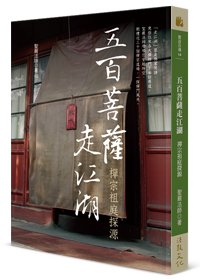
五百菩薩走江湖:禪宗祖庭探源
「走江湖」原是佛家用語,指為了求法尋道而遊歷參訪。聖嚴法師親筆寫下,參訪禪宗祖庭與古蹟的精彩遊記,一窺禪門的各家風光!★ 跟聖嚴法師一起「走江湖」!
對政治領袖的帝王而言,將國土名為「江山」;對禪門的修行人而言,大陸東南各省的道場所在,名為「江湖」,興法雲、震法雷、布法雨的龍象人才,不論是潛龍在淵、飛龍在天、臥龍在崗,都是在此江湖的活水之中孕育產生。我們雖因障重福薄,未能恭逢禪宗盛世,有緣前往巡禮江湖遺址,也可獲得不少的啟示。我們法鼓山的僧俗四眾,都以「萬行菩薩」的心行悲願,來自勉勉人,此行五百人,也都以菩薩行自我期許,並且以現前的菩薩、未來的諸佛,禮敬所見、所遇的每一個人。這是本書之所以名為《五百菩薩走江湖》的因緣了。——聖嚴法師
作者簡介
聖嚴法師(1930〜2009年)聖嚴法師1930年生於江蘇南通,1943年於狼山出家,後因戰亂投身軍旅,十年後再次披剃出家。曾於高雄美濃閉關六年,隨後留學日本,獲立正大學文學博士學位。1975年應邀赴美弘法。1989年創建法鼓山,並於2005年開創繼起漢傳禪佛教的「中華禪法鼓宗」。聖嚴法師是一位思想家、作家暨國際知名禪師,曾獲臺灣《天下》雜誌遴選為「四百年來臺灣最具影響力的五十位人士」之一。著作豐富,中、英、日文著作達百餘種,先後獲頒中山文藝獎、中山學術獎、總統文化獎及社會各界的諸多獎項。聖嚴法師提出「提昇人的品質,建設人間淨土」的理念,主張以大學院、大普化、大關懷三大教育推動全面教育,相繼創辦中華佛學研究所、法鼓文理學院、僧伽大學等院校,也以豐富的禪修經驗、正信的佛法觀念和方法指導東、西方人士修行。法師著重以現代人的語言和觀點普傳佛法,陸續提出「心靈環保」、「四種環保」、「心五四運動」、「心六倫」等社會運動,並積極推展國際弘化工作,參與國際性會談,促進宗教交流,提倡建立全球性倫理,致力世界和平。其寬闊胸襟與國際化視野,深獲海內外肯定。
作者
NT$
$238
|
85折
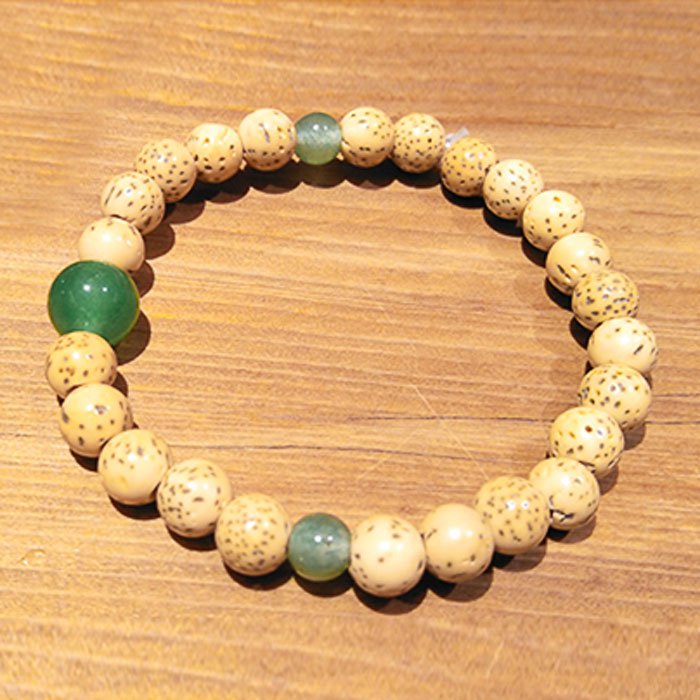
「星月菩提子+東菱玉」手珠(6mm/27顆)童款
產品規格 .材質:星月菩提子 6mm × 24顆/東菱玉 8mm × 1顆;5mm × 2顆.尺寸:內徑周長約 13公分.重量:約 4公克.產地:印度/南非
注意事項.菩提子為天然材質,每顆顏色、形狀深淺皆不相同,天然寶石有結晶紋路或點,直徑在±0.5mm內,屬於正常現象。.請存放於乾燥陰涼處,避免高溫及撞撃。使用時請儘量避免火源及拉扯。.本產品為量產製程,無法提供穿線服務。.商品圖檔顏色因拍照光線及電腦螢幕差異略有不同,請以實際商品顏色為準。
正確使用念珠
戴念珠本身不是壞事,可是,真正的目的究竟是什麼?我把它分成三種類別加以說明:一種是信仰的,一種是心理的,還有一種是屬於風氣的。站在信仰的角度講,好處很多。因為手上有念珠,就會經常想到自己是個佛教徒,自己的身、口、意等三方面,自然而然都會檢點,不要把佛教徒的形象弄壞了。其次,你掛了念珠,還可以影響其他人。其他人不管是不是佛教徒,如果看到掛念珠的人講話、動作、表情不像是一個佛教徒的表現時,就會有人要求你:「你是一個佛教徒,怎麼也會這個樣子?」提醒掛念珠的人應該檢點。當我們要持誦佛號、咒語時,手上有串念珠也很方便。通常是一串大的、一串小的,大的念珠念一串、小的念珠數一個。大珠、小珠一起算,非常有用。第二種是心理上的作用。有的人掛的念珠是經過出家師父、上師或有修行的人加持過的,他們相信,把加持過的念珠掛在身上,有避邪、化災難為吉祥的作用,這使得戴念珠的人心理上覺得很平安、很安全。這樣也很好,至少心理上不會那麼恐慌。這和有人去神廟裡求護身符或掛在車上的小香袋,作用完全一樣。第三種是時髦、風氣、潮流。這樣的情形也沒有什麼不好,這樣的人漸漸地也很可能成為佛教徒。另外,還有因為自己身體某個部分有障礙,他們相信寶石磁場很強,戴了之後可以調整身體。這種想法是有病除病、沒病強身,念珠變成健康器材。這種心態也沒什麼不好。不過,我想最好的方法還是真正地有信仰,信仰三寶和佛教,而把念珠當作修行佛法時使用的一個道具、器材。──摘自:聖嚴法師《法鼓鐘聲》
NT$
$250
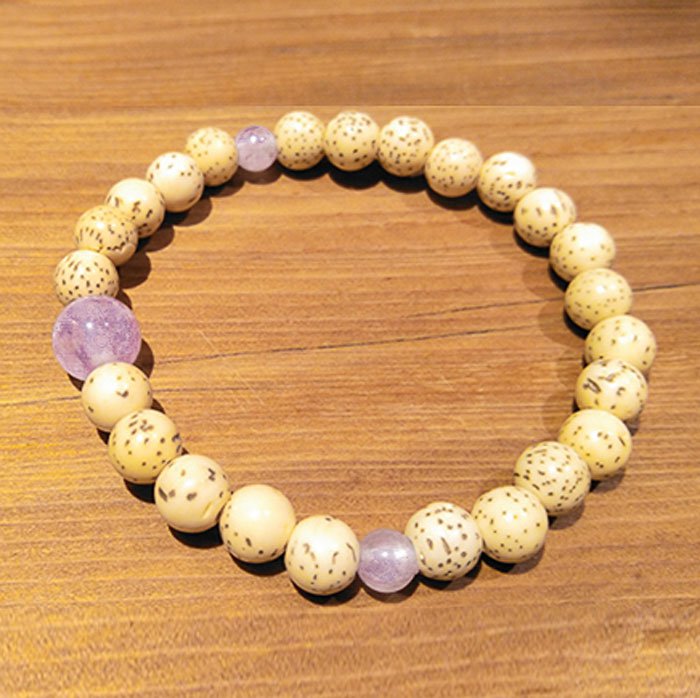
「星月菩提子+紫玉」手珠(6mm/27顆)童款
產品規格 .材質:星月菩提子 6mm × 24顆/紫玉 8mm × 1顆、5mm × 2顆.尺寸:內徑周長約 13公分.重量:約 5公克.產地:印度/南非
注意事項.菩提子為天然材質,每顆顏色、形狀深淺皆不相同,天然寶石有結晶紋路或點,直徑在±0.5mm內,屬於正常現象。.請存放於乾燥陰涼處,避免高溫及撞撃。使用時請儘量避免火源及拉扯。.本產品為量產製程,無法提供穿線服務。.商品圖檔顏色因拍照光線及電腦螢幕差異略有不同,請以實際商品顏色為準。
正確使用念珠
戴念珠本身不是壞事,可是,真正的目的究竟是什麼?我把它分成三種類別加以說明:一種是信仰的,一種是心理的,還有一種是屬於風氣的。站在信仰的角度講,好處很多。因為手上有念珠,就會經常想到自己是個佛教徒,自己的身、口、意等三方面,自然而然都會檢點,不要把佛教徒的形象弄壞了。其次,你掛了念珠,還可以影響其他人。其他人不管是不是佛教徒,如果看到掛念珠的人講話、動作、表情不像是一個佛教徒的表現時,就會有人要求你:「你是一個佛教徒,怎麼也會這個樣子?」提醒掛念珠的人應該檢點。當我們要持誦佛號、咒語時,手上有串念珠也很方便。通常是一串大的、一串小的,大的念珠念一串、小的念珠數一個。大珠、小珠一起算,非常有用。第二種是心理上的作用。有的人掛的念珠是經過出家師父、上師或有修行的人加持過的,他們相信,把加持過的念珠掛在身上,有避邪、化災難為吉祥的作用,這使得戴念珠的人心理上覺得很平安、很安全。這樣也很好,至少心理上不會那麼恐慌。這和有人去神廟裡求護身符或掛在車上的小香袋,作用完全一樣。第三種是時髦、風氣、潮流。這樣的情形也沒有什麼不好,這樣的人漸漸地也很可能成為佛教徒。另外,還有因為自己身體某個部分有障礙,他們相信寶石磁場很強,戴了之後可以調整身體。這種想法是有病除病、沒病強身,念珠變成健康器材。這種心態也沒什麼不好。不過,我想最好的方法還是真正地有信仰,信仰三寶和佛教,而把念珠當作修行佛法時使用的一個道具、器材。──摘自:聖嚴法師《法鼓鐘聲》
NT$
$250
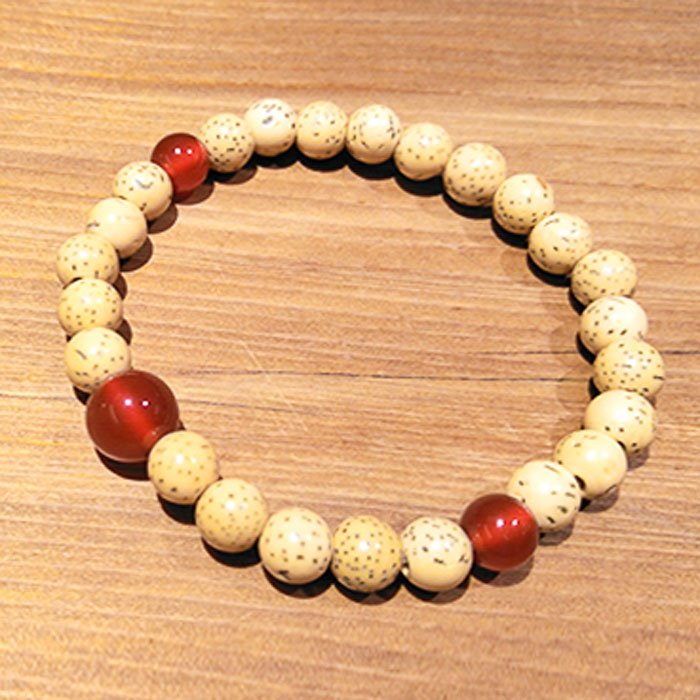
「星月菩提子+紅瑪瑙」手珠(6mm/27顆)童款
產品規格 .材質:星月菩提子 6mm × 24顆/紅瑪瑙 8mm × 1顆、5mm × 2顆.尺寸:內徑周長約 13公分.重量:約 5公克.產地:印度/巴西
注意事項.菩提子為天然材質,每顆顏色、形狀深淺皆不相同,天然寶石有結晶紋路或點,直徑在±0.5mm內,屬於正常現象。.請存放於乾燥陰涼處,避免高溫及撞撃。使用時請儘量避免火源及拉扯。.本產品為量產製程,無法提供穿線服務。.商品圖檔顏色因拍照光線及電腦螢幕差異略有不同,請以實際商品顏色為準。
正確使用念珠
戴念珠本身不是壞事,可是,真正的目的究竟是什麼?我把它分成三種類別加以說明:一種是信仰的,一種是心理的,還有一種是屬於風氣的。站在信仰的角度講,好處很多。因為手上有念珠,就會經常想到自己是個佛教徒,自己的身、口、意等三方面,自然而然都會檢點,不要把佛教徒的形象弄壞了。其次,你掛了念珠,還可以影響其他人。其他人不管是不是佛教徒,如果看到掛念珠的人講話、動作、表情不像是一個佛教徒的表現時,就會有人要求你:「你是一個佛教徒,怎麼也會這個樣子?」提醒掛念珠的人應該檢點。當我們要持誦佛號、咒語時,手上有串念珠也很方便。通常是一串大的、一串小的,大的念珠念一串、小的念珠數一個。大珠、小珠一起算,非常有用。第二種是心理上的作用。有的人掛的念珠是經過出家師父、上師或有修行的人加持過的,他們相信,把加持過的念珠掛在身上,有避邪、化災難為吉祥的作用,這使得戴念珠的人心理上覺得很平安、很安全。這樣也很好,至少心理上不會那麼恐慌。這和有人去神廟裡求護身符或掛在車上的小香袋,作用完全一樣。第三種是時髦、風氣、潮流。這樣的情形也沒有什麼不好,這樣的人漸漸地也很可能成為佛教徒。另外,還有因為自己身體某個部分有障礙,他們相信寶石磁場很強,戴了之後可以調整身體。這種想法是有病除病、沒病強身,念珠變成健康器材。這種心態也沒什麼不好。不過,我想最好的方法還是真正地有信仰,信仰三寶和佛教,而把念珠當作修行佛法時使用的一個道具、器材。──摘自:聖嚴法師《法鼓鐘聲》
NT$
$250
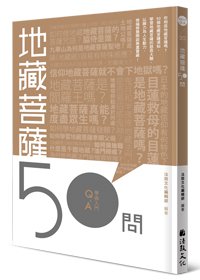
地藏菩薩50問
果慨法師導讀——
大家都知道地藏菩薩願力不思議,但因種種迷思而無法深入地藏法門,所以我發願要將自己所知道的地藏法門,盡量分享給大家受益。由於農禪寺地藏法會的說法因緣,更讓我有機會探究《地藏經》的經義,心中真是充滿了無限的感恩及感動,地藏菩薩並非救地獄罪苦眾生而已,更積極的是要讓眾生不墮地獄。所謂的地獄,重點不在於是否真有地獄,而是當我們在造惡業時,地獄也同時在形成,可說是人造地獄。天堂或地獄,其實就在內心的方寸之間,能夠一念覺知,不被世間的煩惱困擾,那就是遠離地獄了(摘錄)。 眾生度盡,方證菩提
佛陀入滅前,將娑婆世界的我們,託付給地藏菩薩,只要能生起一個小小的善念,地藏菩薩便會護念我們,直到成佛。地藏菩薩是掌管地獄的閻羅王?《地藏經》易招感鬼神,愈誦心裡就愈發毛?
《地藏菩薩50問》釐清了很多似是而非的觀念,簡單明瞭地介紹地藏法門的信仰與修行方法。初學者若能及早閱讀本書,便能明白地藏菩薩的願力不可思議,不再因恐懼而錯失良機,及早深入地藏法門修福修慧。起源於印度神話的地神信仰
地藏信仰起源於印度吠陀神話的地神傳說,可能源自《梨俱吠陀》的地神比里底毘,即地天信仰。地天是十二天之一,為守護大地之神。大地能孕育萬物,而女性有生育力量,所以地神比里底毘以大地之母的形象出現在人間,當人們需要祈求財富、健康或對治怨敵時,便召請地神守護。 地神在原始佛教時期,皈依了佛陀,變成佛教的守護者,大乘佛教興起後,轉化為地藏菩薩,除了守護大地,更守護人們的心地。 中國地藏成為幽冥教主
在中國,地藏菩薩死後救度的形象深入民心,主要是《地藏經》中特別強調地獄救度的大悲本願,地藏菩薩獲得閻羅天子、諸大鬼王的護持助化,使得地藏信仰與十王信仰產生了合流的現象。加上地藏菩薩在冥界救苦救難的靈驗故事,屢屢被傳頌,自此以後,地藏菩薩不僅只是救苦的沙門菩薩,更成為閻羅十王的上首,幽冥界的教主。《地藏經》是一部生命使用手冊
聖嚴法師認為:「地藏菩薩的大慈悲願,能夠解決一切凡夫眾生生前、死後的問題,提供成佛之前的所有修行法門。」不論生病、惡夢、臨終、往生……,《地藏經》提供了從生到死的完整生命關懷。特別在五濁惡世、魔強法弱的現在,更應加強自我提醒,依地藏法門持戒,守護自己的身心,照顧他人的平安。 地藏法門依地藏三經《占察經》、《十輪經》、《地藏經》開展而來,不論誦經持咒、拜懺,或是禪觀等,都能幫助我們懺罪除障、消災增福,行菩薩道。
作者
NT$
$136
|
85折
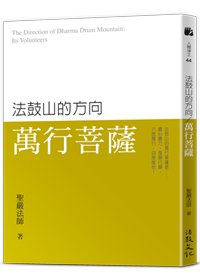
法鼓山的方向:萬行菩薩
# 發心發願,就能產生不可思議的力量,如果你不發心、不發願,你就沒有時間來奉獻,也找不到人、想不出什麼辦法來,因為你根本沒有想要成事,沒有想要找人!# 法鼓山所一再倡導的「佛法」,就是教我們心平氣和,身心愉快;教我們把日子過得充實有意義,幸福少煩惱。# 能夠直接做好關懷工作的人,才是福慧雙修的人,才是成長得快、受益得多的人,那就是我們的好鼓手,也是在推廣法鼓山理念的萬行菩薩。【對護法菩薩的關懷信】諸位菩薩:阿彌陀佛!我明天就上飛機,前往紐約,接下來,又是一連串為世界和平、為弘法利生、為法鼓山理念的推廣而忙碌。在我出國之前,特別寫下這封信,當你收到這封信的時候,我人已在國外,但是我的關懷永遠沒有離開你們。我非常地感恩你們,也對你們感到非常地抱歉,一向以來你們付出得那麼地多,但是我的關懷卻總是不夠;所以這次回國,我特別到全省各區進行巡迴關懷,我相信我到的時候你有在場,也見到了師父,感受到師父的關懷,如果你這次沒到,我期盼你也能看到這封信。在這裡,我要特別地拜託大家─要把關懷做好,關懷好你自己、關懷好你的家庭、關懷好你的勸募會員,並勉勵勸募會員關懷好他們所照顧的護持會員及與你相接觸的所有的人。另外也請你們一定要看《法鼓》雜誌,鼓勵會員們多看《法鼓》雜誌,為什麼要看《法鼓》雜誌呢?因為我的時間及體力,沒有辦法時時到各地去關懷大家,但是從《法鼓》雜誌上,可以感受到師父對大家的關心及關懷,也可以看到法鼓山最近為淨化社會做了些什麼事;法鼓山菩薩對哪些事、哪些人做了什麼關懷;還有哪些人、哪些事需要我們大家一起來關懷。師父非常關心你們的身心是否平安?這次到各地關懷時,有的菩薩師父見到了,但有些菩薩師父並沒有見到,或許在忙吧!但是我還是想把我的關懷再一次地傳達給你,也請你一起來做好關懷的工作。因為我親身的體驗,能夠直接做好關懷工作的人,才是福慧雙修的人,才是成長得快、受益得多的人,那就是我們的好鼓手,也是在推廣法鼓山理念的萬行菩薩。祝福大家 心安就有平安!聖嚴 手啟二○○三年四月十五日
作者簡介
聖嚴法師(1930~2009年)聖嚴法師1930年生於江蘇南通,1943年於狼山出家,後因戰亂投身軍旅,十年後再次披剃出家。曾於高雄美濃閉關六年,隨後留學日本,獲立正大學文學博士學位。1975年應邀赴美弘法。1989年創建法鼓山,並於2005年開創繼起漢傳禪佛教的「中華禪法鼓宗」。聖嚴法師是一位思想家、作家暨國際知名禪師,曾獲臺灣《天下》雜誌遴選為「四百年來臺灣最具影響力的五十位人士」之一。著作豐富,中、英、日文著作達百餘種,先後獲頒中山文藝獎、中山學術獎、總統文化獎及社會各界的諸多獎項。聖嚴法師提出「提昇人的品質,建設人間淨土」的理念,主張以大學院、大普化、大關懷三大教育推動全面教育,相繼創辦中華佛學研究所、法鼓文理學院、僧伽大學等院校,也以豐富的禪修經驗、正信的佛法觀念和方法指導東、西方人士修行。法師著重以現代人的語言和觀點普傳佛法,陸續提出「心靈環保」、「四種環保」、「心五四運動」、「心六倫」等社會運動,並積極推展國際弘化工作,參與國際性會談,促進宗教交流,提倡建立全球性倫理,致力世界和平。其寬闊胸襟與國際化視野,深獲海內外肯定。聖嚴法師的《大法鼓》電視弘法節目,播出已逾十餘年,實用且生活化的內容,深獲觀眾的好評。本書結集自該節目內容,藉由探討「貪、瞋、癡、慢、疑」五種煩惱根源,為大家解開生活中的情緒困擾。
作者
NT$
$187
|
85折

人生424期:拔苦予樂的菩薩行者
拔苦予樂的菩薩行者慈悲與智慧是菩薩行者的雙翼,其中,「慈」是予樂──給人安樂;「悲」是拔苦──救濟人的痛苦、苦難,聖嚴法師說菩薩是最積極的,透過六度萬行,主動給予世人幸福安樂。2018年國際關懷生命獎得主與提名者持續關懷與溫暖社會的故事,猶如菩薩在人間的示現:成立三十多年的天主教善牧基金會,開辦過中途之家、中輟學園等,執行長湯靜蓮修女握過超過一萬雙孩子的手,用愛給需要的人一個家。身障發明家劉大潭,不僅善用創意達成自己人生三個願望,更從關懷出發,用發明幫助弱勢者,走出一片天。被學生暱稱為「空空媽咪」的國姓國中校長林家如,帶著孩子在一艘船上前進,衝破青春的迷惘與困境。南投縣生活重建協會理事長邱慶禧,雖然也是九二一受災戶,卻奮不顧身地協助救災,進而為鄉里獨居老人送餐,相信自己即使是一個黑手,也能為社會福利盡心力,十九年來給予鄉親溫暖的關懷。佛教傳到西方如何貼近西方人的需要?面臨何種挑戰?「人生Café」由美國舊金山禪中心的雷.安德生與克羅埃西亞法集禪修中心的查可.安德列塞維克,對談學佛、傳承、弘揚佛法時所遇到的考驗與歷練。「焦點話題」分享92歲的一行禪師返回越南祖庭慈孝寺常住,讓正念在故鄉延續。靜坐革命在美國方興未艾,「國際視窗」常諗法師探討禪在當代美國的發展。「電影不散場」介紹日本畫壇隱士《仙人畫家:熊谷守一》的故事,一輩子堅守「無一物」的生活哲學。【本期專題】拔苦予樂的菩薩行者 菩薩最積極 聖嚴法師談積極的人生觀 不忍,是菩薩天性! 善牧基金會:用愛,給需要的人一個家 劉大潭:用關懷來發明 林家如:和孩子同乘一艘船 邱慶禧:匯聚善緣,讓在地人安居【本期專欄】 雷.安德生與查可對談 禪在西方的挑戰與轉化 帶正念回家 一行禪師返回越南祖庭常住 韓國最大比丘尼道場 千年古剎虎踞山雲門寺 「靜坐革命」方興未艾 探索禪在當代美國
作者
NT$
$180

十種幸福之道:佛說妙慧童女經 / 勝鬘經十大受
本書有兩部經典的內容:《十種幸福之道──佛說妙慧童女經》、《勝鬘經十大受》。
《十種幸福之道──佛說妙慧童女經》,載於《大寶積經》中,所以也可稱為《大寶積妙慧童女經》。八歲妙慧童女,面貌秀麗,行動舉止端莊溫和。一次,佛陀說法時,她從容不迫地走到佛前,右繞三匝,頂禮三拜,並向佛陀提出十大問題,震驚全座,即:「如何才能獲得端正的身體?如何才能獲得大富大貴?如何才能免除眷屬不和?如何才能像佛陀一樣端坐大寶蓮花?如何才能遊諸國土,禮敬諸佛?如何能夠沒有冤家對頭?如何講話才能令人生信?如何修持佛法才能免除障礙?如何才能降伏煩惱魔障?如何才能見佛聞法?」
佛陀對妙慧童女開示了獲得幸福的方法。
《勝鬘經十大受》,敘述勝鬘夫人善根深厚,初次聞法就能與佛陀相應,在佛前發了十個修行菩薩道之誓願。大師以平易近人的文字和精采生動的故事,將其演繹為現代人可以受持、實踐之法;是女性解脫、成佛的寶典。
從中印證修行無分男女,只要有承擔的勇氣和決心,人人都能有所成就。
本書特色
《大寶積妙慧童女經》是多年以前,星雲大師為佛光山叢林學院的學生上課所講的一部經典。大師講說這部經典,其實是有一些緣由的。一者,佛經中常說修行路上「願捨女身」,令一些女性感到困惑,以為自己在修行這條路上,比男性矮了一截;二者,過去社會男女兩性未臻平等,所以想藉由推廣這部經典來提升女性的地位。
《妙慧童女經》,可以視為:佛為「英雄出少年」的年輕人而說,為女性生起希有勇猛之心而說,為追求富足與安樂的眾生而說,更是為眾生的生權、平等和解脫而說。
書名:《十種幸福之道──佛說妙慧童女經》,是希望大家都能由此入佛知見,從佛陀的智慧中得到富足和安樂,成為人間最幸福的人!
《勝鬘經十大受》,闡述勝鬘夫人宣誓受持「十大受」亦即「十大戒」、「十大弘誓」,彰顯菩薩道發願之力、善美之心,為人格圓滿所必須。有願就有力量,期勉人人都來做勝鬘夫人,發勝鬘十大願。
作者簡介
星雲法師
江蘇江都人,一九二七年生。十二歲時於南京棲霞山禮宜興大覺寺志開上人出家,一九四七年於焦山佛學院畢業,為臨濟宗第四十八代傳人。
一九四九年春來台,曾主編《人生雜誌》、《覺世旬刊》、《今日佛教》等佛教刊物。一九七六年開創佛光山,秉持人間佛教理念,致力於佛教教育、文化、慈善、弘法事業,陸續於全球創件兩百多餘所寺院到場、十六所佛教學院,以及普門、智光、均頭、均一等中小學,並於美國、台灣、澳洲創辦西來、佛光、南華及南天等大學。
一九八五年,自佛光山開山宗長一職退位,四處雲遊弘法,一九九二年於洛杉磯成立國際佛光會世界總會。一九九五年,榮獲全印度佛教大會頒贈象徵佛教界的諾貝爾獎──佛寶獎。一九九七年,在義大利梵蒂岡與天主教教宗若望保祿二世進行世紀宗教對話。二ooo年創辦佛教第一份日報《人間福報》。
大師著作等身,著有《釋迦牟尼佛傳》、《十大弟子傳》、《星雲大師演講集》、《星雲禪話》、《佛教叢書》、《佛光教科書》、《往事百語》、《佛光祈願文》、《佛光菜根譚》、《六祖壇經講話》、《迷悟之間》等,並翻譯成英、日、德、法、西、葡、韓、泰、錫蘭等十餘種語言,流通世界各地。
作者
NT$
$255
|
85折
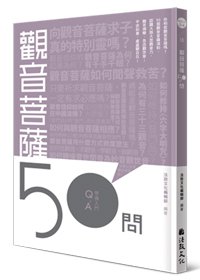
觀音菩薩50問
你相信觀音菩薩嗎?50個觀音菩薩須知,認識大慈大悲觀音力,離苦得樂,念念觀世音!平安如意,處處觀自在!信仰觀音菩薩總是遇到這樣的問題:佛教的觀音信仰與民間信仰有何不同?如何念觀音、求觀音、學觀音、做觀音?觀音菩薩早已成佛,為何還稱為菩薩?你想知道:觀世音菩薩為何名為「觀世音」?觀音菩薩為何有千手千眼?如何學觀音菩薩聞聲救苦,觀世自在?本書針對學佛新手,量身設計50個觀音菩薩入門問題,共分四大單元:1. 相信觀音聞聲救苦2. 認識觀音大慈大悲3. 學習觀音有方法4. 成為觀音千手千眼幫你掌握學習觀音法門的要領,學觀音,做觀音!
作者
NT$
$153
|
85折

The Infinite Mirror 寶鏡無境(英文版)
Here is the inimitable Master Sheng Yen at his best, illuminating the ancient texts of the Chinese Zen tradition to show how wonderfully practical they really are, even for us today. The texts, written by two of the founders of the Ts’ao-tung sect of Chan Buddhism, are poems entitled Inquiry into Matching Halves and Song of the Precious Mirror Samadhi. Both emphasize the Chan view that wisdom is not separate from vexation, and both speak of the levels of awareness through which one must pass on the way to realization. Both are also works of Buddhist philosophy that can serve as guides to spiritual practice for anyone.
作者
NT$
$646
|
85折
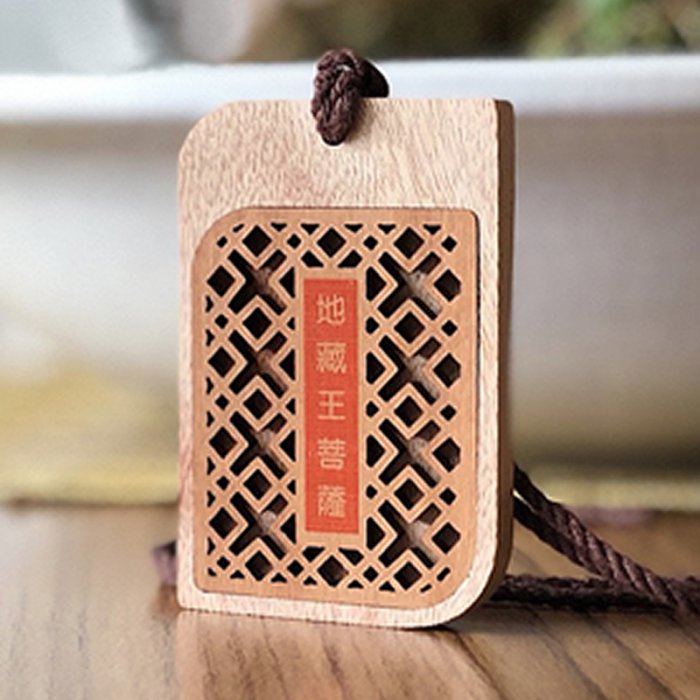
平安無事牌原木吊飾|地藏王菩薩
修念佛法門者,正在念佛時,將心中所有一切雜念放下,只管專心念佛號,此心即與佛相應,那時的心中,便沒有恐懼、懷疑、貪、瞋、驕傲等的雜念起伏。若能更進一步,一時之間,全部雜念離你而去,此時便與佛的淨土相應。一念相應一念見淨土,二念相應二念是淨土,念念相應念念住淨土。
產品特色 .可隨身攜帶或懸掛祈福平安無事,同時提醒自己時時老實念佛。.樟木紋路細緻精美,富含天然香氣。
產品規格.內容:地藏王菩薩-平安無事牌1個.顏色:原木+局部橘色印色.材質成分:天然樟木、櫻桃木、特多棉繩.尺寸:木牌約 6 x 4 x 0.6公分;吊繩吊掛長度約 24公分.重量:約 8~9公克.產品製造地:臺灣生產製造
保存方式.清潔時請用棉質布擦拭,請勿使用清潔劑或具揮發性溶劑清潔。.請勿與具香精成分的物品一起存放,以免影響樟木天然的香氣。
注意事項.應避免陽光直射,以免產品變色或變形。.請勿與硬物或用力敲打撞擊,以免造成結構毀損。.請勿接觸到化學溶劑,以免變色或毀損。.請勿接觸到水,或置放於潮濕的地方,以免受潮變形。.天然木材均會有木紋、色差、小木節、小黑點等,此為天然木料的特色。.因光線關係,圖片顏色略有差異,請以實際商品為主。
NT$
$180
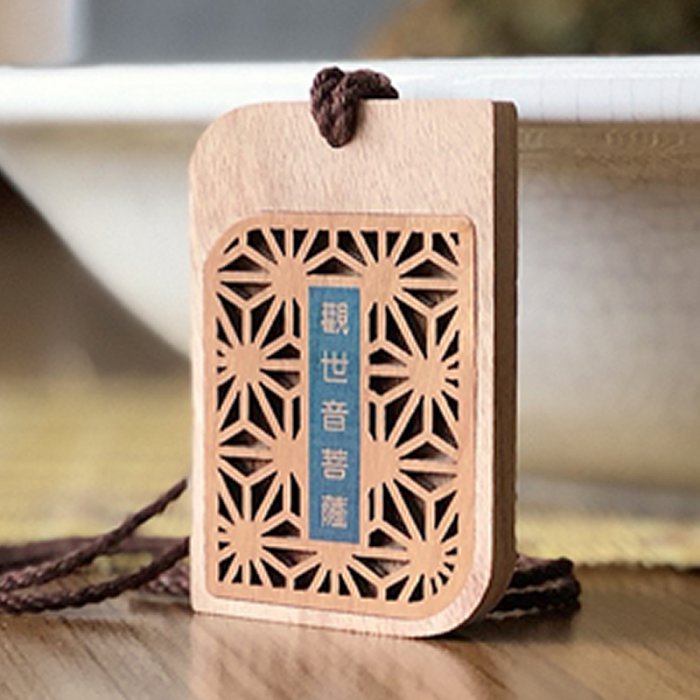
平安無事牌原木吊飾|觀世音菩薩
修念佛法門者,正在念佛時,將心中所有一切雜念放下,只管專心念佛號,此心即與佛相應,那時的心中,便沒有恐懼、懷疑、貪、瞋、驕傲等的雜念起伏。若能更進一步,一時之間,全部雜念離你而去,此時便與佛的淨土相應。一念相應一念見淨土,二念相應二念是淨土,念念相應念念住淨土。
產品特色 .可隨身攜帶或懸掛祈福平安無事,同時提醒自己時時老實念佛。.樟木紋路細緻精美,富含天然香氣。
產品規格.內容:觀世音菩薩-平安無事牌1個.顏色:原木 + 局部藍色印色.材質成分:天然樟木、櫻桃木、特多棉繩.尺寸:木牌約 6 x 4 x 0.6公分;吊繩吊掛長度約 24公分.重量:約 8~9公克.產品製造地:臺灣生產製造
保存方式.清潔時請用棉質布擦拭,請勿使用清潔劑或具揮發性溶劑清潔。.請勿與具香精成分的物品一起存放,以免影響樟木天然的香氣。
注意事項.應避免陽光直射,以免產品變色或變形。.請勿與硬物或用力敲打撞擊,以免造成結構毀損。.請勿接觸到化學溶劑,以免變色或毀損。.請勿接觸到水,或置放於潮濕的地方,以免受潮變形。.天然木材均會有木紋、色差、小木節、小黑點等,此為天然木料的特色。.因光線關係,圖片顏色略有差異,請以實際商品為主。
NT$
$180
人生411期:善知識,我來了!--跟著善財童子參學去
善知識,我來了!--跟著善財童子參學去
善知識,是修行路上重要的指引。
經典中關於尋訪善知識,最為人所熟知的,當屬《華嚴經》的善財童子五十三參,在文殊菩薩的指導下,他一路往南,展開參學之旅。讓我們隨著善財的腳步,上路吧!
善知識遍布海陸虛空,僧俗外道、天人菩薩。不同的善知識,傳授善財童子各種不同的「覺」技,堪稱圓滿生命的典範,即使在菩薩道上退卻信心、怯懦不前時,仍不忘引導我們走向內在的朝聖旅程,開啟自覺覺他、覺行圓滿的菩薩行。出發之前,別忘了聆聽聖嚴法師教導如何親近善知識,看待「善知識是好師友,惡知識是活教材」。
「人生講堂」常藻法師分享回馬來西亞擔任監院的過程中,如何隨順因緣、勇敢承擔的「轉心」工夫;「變心.辨心」帶您參與臺大醫院金山分院的遺族關懷,為世間種一株療心之花,體驗「不住心」的情懷;「電影與人生」介紹《謝謝你,在世界的角落找到我》,看男主角周作在戰爭中如觀音般守護妻子鈴,同時柔性地控訴戰爭;「農禪悟語」果祥法師寫下參訪日本福岡正信自然農園記行,從中師法佛教哲學,與天地共融的精神。
【本期專題】善知識,我來了——跟著善財童子參學去
善知識,就在你身邊
【觀念篇】聖嚴法師教你如何親近善知識 【認識篇】善財童子53參,出發 【典範篇】啟悟生命的覺技解脫長者、海幢比丘、勝熱婆羅門、慈行童女、具足優婆夷、鬻香長者、無厭足王、大光王、船師婆施羅、婆須蜜多女、觀自在菩薩、正趣菩薩、安住地神、婆珊婆演底主夜神【自覺篇】善財內在的超越與醒覺
BOX:連接佛國人間的〈入法界品〉、五十三參的修行意涵
【本期專欄】因緣中勇敢承擔 常藻法師分享轉心工夫為世間種一株療心之花 遺族關懷在北海岸《謝謝你,在世界的角落找到我》 像觀音般守護
作者
NT$
$180

平安「檜木」手珠(6mm/22顆)童款
產品規格.材質:天然檜木珠(黃檜) 約 6mm x 21顆 + 12mm x 1顆.尺寸:內徑周長約 11公分.重量:約 3.2公克.產地:台灣製造
注意事項.商品圖檔顏色因拍照光線關係會略有不同,請以實際商品顏色為準。.木珠為天然材質,每顆顏色、紋路、烙印深淺皆不相同,屬正常現象。.木珠為手工車製,每顆尺寸稍有差異,屬正常現象。
正確使用念珠
戴念珠本身不是壞事,可是,真正的目的究竟是什麼?我把它分成三種類別加以說明:一種是信仰的,一種是心理的,還有一種是屬於風氣的。站在信仰的角度講,好處很多。因為手上有念珠,就會經常想到自己是個佛教徒,自己的身、口、意等三方面,自然而然都會檢點,不要把佛教徒的形象弄壞了。其次,你掛了念珠,還可以影響其他人。其他人不管是不是佛教徒,如果看到掛念珠的人講話、動作、表情不像是一個佛教徒的表現時,就會有人要求你:「你是一個佛教徒,怎麼也會這個樣子?」提醒掛念珠的人應該檢點。當我們要持誦佛號、咒語時,手上有串念珠也很方便。通常是一串大的、一串小的,大的念珠念一串、小的念珠數一個。大珠、小珠一起算,非常有用。第二種是心理上的作用。有的人掛的念珠是經過出家師父、上師或有修行的人加持過的,他們相信,把加持過的念珠掛在身上,有避邪、化災難為吉祥的作用,這使得戴念珠的人心理上覺得很平安、很安全。這樣也很好,至少心理上不會那麼恐慌。這和有人去神廟裡求護身符或掛在車上的小香袋,作用完全一樣。第三種是時髦、風氣、潮流。
——摘自:聖嚴法師《法鼓鐘聲》
NT$
$200
(英文版) 戒律研究 Vinaya Studies
The present book collects research papers by Bhikkhu Anālayo related to Vinaya. Recurrent topics are the nature of Vinaya narrative and the overlap between discourse and Vinaya material, both of which have significant ramifications for the use of such textual material by the modern scholar. In addition, topics taken up in the course of this book are the legal consequences of pārājika, the mass suicide of monks, the tale of Vessantara's lavish giving, the impact of the account of the first saṅgīti on attitudes towards Vinaya rules, the account of the foundation of the order of bhikkhunīs, and the legal dimensions of the revival of the bhikkhunī order.
作者簡介
Bhikkhu Anālayowas born in Germany in 1962 and ordained in Sri Lanka in 1995. He completed a Ph.D. thesis at the University of Peradeniya (Sri Lanka) in 2000 and a habilitation thesis at the University of Marburg (Germany) in 2007. At present he is a professor at the University of Hamburg, Numata Center for Buddhist Studies (Germany).
作者
NT$
$383
|
85折
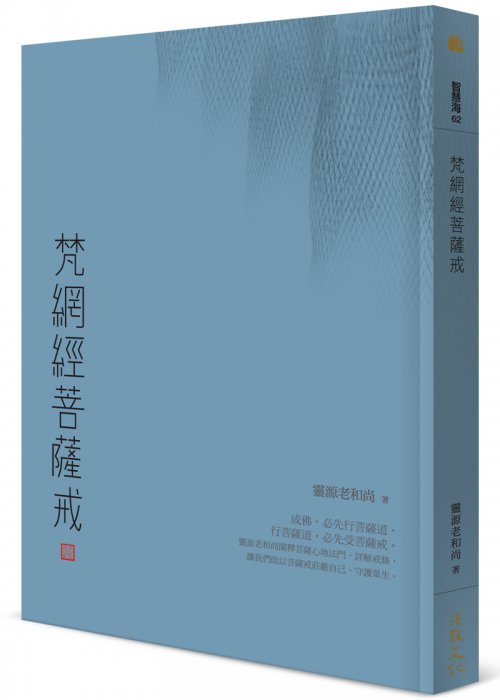
梵網經菩薩戒
成佛,必先行菩薩道,行菩薩道,必先受菩薩戒。靈源老和尚闡釋菩薩心地法門,詳解戒條,讓我們能以菩薩戒莊嚴自己、守護眾生。
《梵網經》的菩薩戒,為一切佛子之根本;回到心地法門,發起無上菩提心!
修學佛法,要發願成佛,菩薩戒是諸佛之本源;受菩薩戒是為學習菩薩精神,提醒自我止惡、行善,利益一切眾生。
本書為繼《梵網經菩薩道》之後,續編近代高僧靈源老和尚著作《佛說梵網經集義句解》後半部,內容為《梵網經‧菩薩心地品》下卷〈心地戒〉的菩薩戒白話註解,原經文與句解採上、下欄編排,條理分明;句解時廣泛參考諸家大師著作,重新詮釋,內容精粹。
全書統整菩薩次第修道的十處法門,並詳解菩薩應受持的戒律,包括十重三聚淨戒、十門四十八輕戒,透過理解菩薩心地法門要旨,明白持戒精神和方法,從而改善身、口、意,使言行舉止更沉穩安定,提昇人品,成為清淨自心、守護他人的菩薩,真正實踐自利利他的菩薩道。
此心地大戒,諸佛所共證,以戒為師,以心印心,成就無上智海!
作者簡介
靈源老和尚(1902~1988年)1902年生於浙江臨海縣,幼年多病,母親誠心誦念觀音菩薩聖號,奇蹟式自癒,自此在母親教導下,開始學習念誦佛號。1932年,赴福建鼓山湧泉寺,依止虛雲老和尚披剃出家。翌年受具足戒,後入法界學院,親近慈舟法師,聽八十卷《華嚴經》,研四分大律等。
1947年,奉虛雲老和尚之召至廣州南華寺,翌年任住持,復住江西雲門寺。1949年,駐錫香港大嶼山寶蓮寺。1953年秋,前往臺灣,住基隆佛教講堂,次年於基隆市郊興建十方大覺禪寺。1964年春,傳授三壇大戒,嗣辦大覺佛學院,親授《梵網經》、《五教儀開蒙》、《大乘起信論》、《八識規矩頌》。1988年,圓寂於十方大覺禪寺。
老和尚儉樸持身,行履謹嚴,恆將念佛為參禪工夫,畢生專志,精勤不倦。佛學、文學兼優,亦善書畫藝術,尤其工於人物,不論佛像、菩薩像、羅漢、高僧像,無不栩栩如生,風格別樹。著作有《山居雜語》、《淨業綱要》、《靈源夢話集》、《梵網經集義句解》、《心經集註》,以及《佛菩薩聖像畫集》等。
作者
NT$
$238
|
85折
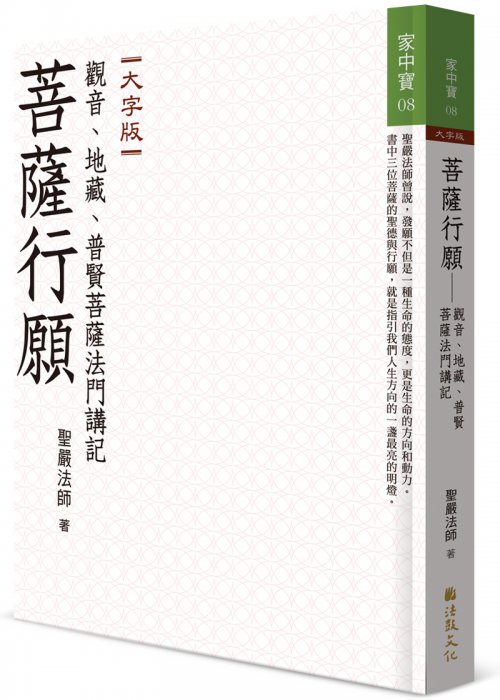
菩薩行願:觀音、地藏、普賢菩薩法門講記 (大字版)
聖嚴法師曾說,發願不但是一種生命的態度,更是生命的方向和動力。書中三位菩薩的聖德與行願,就是指引我們人生方向的一盞最亮的明燈。《菩薩行願》的內容分為〈觀世音菩薩普門品〉、地藏菩薩大願法門、〈普賢菩薩行願讚〉以及普賢菩薩十大願四大部分。聖嚴法師在本書針對菩薩行願的主題,將三位菩薩的慈悲願力,以旁徵博引的方式,做了精闢的註解。〈普門品〉是《法華經》中與漢地最有緣的一品,它說明了觀世音菩薩名號的來由,以及菩薩如何隨類應化、普門示現、廣度眾生。介紹地藏菩薩法門的經典包括《占察善惡業報經》、《大乘大集地藏十輪經》,與《地藏菩薩本願經》,本書擷取三經中與地藏菩薩本誓願力相關的經文,分別加以解說。普賢行願是《華嚴經》中很重要的一部分。〈普賢菩薩行願讚〉可謂《華嚴經》的心要,普賢十大願更是有「十大願王」的美譽。本書囊括了三位各具特色的大願菩薩及其相關經文與探討,是讀者認識菩薩行願的最佳入門書。
作者簡介
聖嚴法師(1930〜2009年)聖嚴法師1930年生於江蘇南通,1943年於狼山出家,後因戰亂投身軍旅,十年後再次披剃出家。曾於高雄美濃閉關六年,隨後留學日本,獲立正大學文學博士學位。1975年應邀赴美弘法。1989年創建法鼓山,並於2005年開創繼起漢傳禪佛教的「中華禪法鼓宗」。聖嚴法師是一位思想家、作家暨國際知名禪師,曾獲臺灣《天下》雜誌遴選為「四百年來臺灣最具影響力的五十位人士」之一。著作豐富,中、英、日文著作達百餘種,先後獲頒中山文藝獎、中山學術獎、總統文化獎及社會各界的諸多獎項。聖嚴法師提出「提昇人的品質,建設人間淨土」的理念,主張以大學院、大普化、大關懷三大教育推動全面教育,相繼創辦中華佛學研究所、法鼓文理學院、僧伽大學等院校,也以豐富的禪修經驗、正信的佛法觀念和方法指導東、西方人士修行。法師著重以現代人的語言和觀點普傳佛法,陸續提出「心靈環保」、「四種環保」、「心五四運動」、「心六倫」等社會運動,並積極推展國際弘化工作,參與國際性會談,促進宗教交流,提倡建立全球性倫理,致力世界和平。其寬闊胸襟與國際化視野,深獲海內外肯定。
作者
NT$
$221
|
85折
正在載入更多商品......