搜尋結果
共
3409
筆符合商品
排序

「老山檀香」微盤香(16環)
每一念心,無非佛心,圓滿慈悲六度,在布施間成就萬行。一瓣清香遍法界,供佛.修行.結緣。檀香之味清和溫潤,能使人身心放鬆,神氣安定。
產品特色.採用100%天然原料,遵循古法人工製作,每盒的色澤、尺寸、重量、味道都會有差異,存放時間也會讓香氣與顏色產生變化,愈陳愈香,此為100%天然手工製香的特色。
產品規格.成分:100%天然印度老山頭粉、100%天然樹皮黏粉.尺寸:每盒尺寸約寬 7.6 x 長 9.1 x 高 2.6公分.重量:約 26.5公克 (約16環)/含盒重量約 50.5公克.產地:原料:印度/製造地:臺灣.每環可燃燒約2小時,會依燃燒環境不同產生差異
注意事項.商品圖檔顏色因拍照光線關係會略有不同,請以實際商品顏色為準。.請存放於通風乾燥處,避免潮濕、重摔、碰撞。
NT$
$155

被討厭的勇氣:自我啟發之父「阿德勒」的教導
★讓人生為之一變的全新經典,終於誕生!★日本亞馬遜年度冠軍書,連續300天長踞暢銷榜,街頭巷尾人手一冊!★榮獲日本2014年商業書大賞第三名,作者古賀史健榮獲評審特別獎!★獲選《經理人》雜誌2014年4月商管選書。★戴爾.卡內基:「阿德勒是畢生研究人類及其潛力的偉大心理學家!」★與佛洛依德、榮格齊名,並稱「心理學三巨頭」。阿德勒除了是心理學發展承先啟後之人,更堪稱自我啟發之父!
所謂的自由,就是被別人討厭。有人討厭你,正是你行使自由、依照自己的生活方針過日子的標記。
為什麼人們一直無法改變?為什麼自卑感總是揮之不去?為什麼我們總是活在別人的期待之下?為什麼現在無法真實感受到幸福?或許是因為,我們缺少了被別人討厭的勇氣!
一名憤世嫉俗的年輕人來到哲學家的小屋。當他聽聞哲學家主張「世界無比單純,人人都能幸福」,便決心前來推翻這種謬論。這個世界明明複雜混亂,哪裡單純了?如果幸福真的這麼容易,為什麼他還會過得這麼痛苦?
他們開始了你來我往的思考與論辯。年輕人原以為哲學家不過是昧於現實的昏庸老頭,但是一夜又一夜過去後,年輕人反而陷入沉思:這世界到底是什麼樣子?「所謂的自由,就是被別人討厭。」哲學家說。怎麼會這樣?怎麼會有人想被別人討厭?想得到真正的自由,又為什麼非得被別人討厭不可呢?這個世界,究竟是單純,還是複雜?人,到底能不能得到幸福?……
問題不在於「世界」是什麼樣子,而在於「你」是什麼樣子。
阿爾弗雷德.阿德勒(Alfred Adler,1870-1937)
出生於維也納,是一位醫師、心理學家、兒童教育家,也是「個體心理學」的創始人,與佛洛伊德、榮格同為心理學三巨頭之一。他相信人的一切行為都有目的,並認為每個人都是不同的個體,研究過程也應該以個人的特殊心理經驗為對象。阿德勒的學說讓心理學從「生物性」轉向「社會性」,對心理學發展具有相當重要的意義,許多治療學派也都引用他的學說,他更被奉為家族治療的鼻祖。
●作者簡介:
岸見一郎
哲學家。1956年生於京都,居於京都。高中開始以哲學為志向,進入大學後,經常成為老師家中的不速之客,不時與老師展開唇槍舌戰。京都大學研究所文學研究科博士課程結業。除了專攻哲學(西洋古代哲學,尤其是柏拉圖哲學)外,1989年起開始研究阿德勒心理學。積極從事阿德勒心理學及古代哲學的著述、演講,並擔任多家醫院精神科的「年輕人」心理諮商,同時也是日本阿德勒心理學會認定的諮商師與顧問。
古賀史健
自由撰稿人。1973年生。專門以聽寫記錄的方式從事書籍撰寫,參與過許多暢銷的商業書刊,以及非小說類書籍的出版。所撰寫的訪談稿,向來以臨場感及節奏感十足而頗受好評。
●譯者簡介:
葉小燕
日語教學與翻譯工作是我快樂的泉源。目前為兼職譯者、日語教師、臺灣高等法院特約通譯。
作者
譯者
葉小燕
NT$
$255
|
85折

Things Pertaining to Bodhi: The Thirty-Seven Aids to Enlightenment 三十七道品:菩提之路
The Thirty-seven Aids to Enlightenment are a set of fundamental teachings of Buddhism in the form of a list. The list’s seeming simplicity belies the fact that it is in fact a kind of road map to enlightenment for anyone who follows it with diligence and sincerity. The Thirty-seven Aids comprise seven practices conducive to awakening. Each of the seven practices is itself a set of elements, which add up to the total of thirty-seven: (1) The Four Foundations of Mindfulness, (2) The Four Proper Exertions, (3) The Four Steps to Magical Powers, (4) The Five Roots, (5) The Five Powers, (6) The Seven Factors of Enlightenment, and (7) The Noble Eightfold Path. Master Sheng Yen’s down-to-earth teachings take the reader on a progression through each of the practices—many of which are familiar to all major schools of Buddhism—illustrating how they relate to the reader’s own practice on the path toward enlightenment.
作者
NT$
$791
|
85折

有機棉 短袖V領衫「照」|紫色-M
產品特色.簡約V領版型,無論平日、禪修皆可舒適穿著。.使用100﹪有機棉,通過歐盟OE、GOTS認證(驗證字號:C809578GOTS-01.2009).纖維不經化學處理,不含螢光劑、甲醛(福馬林)等有害物質,是友善環境的綠色產品.採用立體斜紋布,更加透氣、保暖;修行褲兩側均有口袋,腰部為鬆緊褲頭加綁帶。.正面衣角繡有弘一大師『照』書法字,安定身心。
產品規格.尺寸:M.顏色:紫色.材質:100%有機棉.產地:100%有機棉紗(土耳其進口)、臺灣製造洗滌方式.機器洗 水溫40度.請勿使用漂白水.請勿烘乾.手擰或弱速脫水後,陰涼處平放乾燥
注意事項.因光線關係,圖片顏色略有差異,請以實際商品為主。.有其它顏色可選擇:灰色-「觀」
NT$
$520

「多彩紅玉髓」手珠(8mm/23顆)女款
.建議適合手圍:勻稱或偏瘦身型產品規格.材質:多彩紅玉髓 8mm x 23顆.線材:蠶絲線 (人造合成纖維).尺寸:內徑周長約 16公分.重量:約17.1公克.產地:馬達加斯加.包裝:一只入,使用紗袋包裝
注意事項.請勿撞擊及重摔。.天然寶石有結晶紋路或點,且直徑在±0.5mm內,屬於正常現象。.結繩為消耗材,斷繩請自行更換。.因光線關係,圖片顏色略有差異,請以實際商品為主。
正確使用念珠
戴念珠本身不是壞事,可是,真正的目的究竟是什麼?我把它分成三種類別加以說明:一種是信仰的,一種是心理的,還有一種是屬於風氣的。站在信仰的角度講,好處很多。因為手上有念珠,就會經常想到自己是個佛教徒,自己的身、口、意等三方面,自然而然都會檢點,不要把佛教徒的形象弄壞了。其次,你掛了念珠,還可以影響其他人。其他人不管是不是佛教徒,如果看到掛念珠的人講話、動作、表情不像是一個佛教徒的表現時,就會有人要求你:「你是一個佛教徒,怎麼也會這個樣子?」提醒掛念珠的人應該檢點。當我們要持誦佛號、咒語時,手上有串念珠也很方便。通常是一串大的、一串小的,大的念珠念一串、小的念珠數一個。大珠、小珠一起算,非常有用。第二種是心理上的作用。有的人掛的念珠是經過出家師父、上師或有修行的人加持過的,他們相信,把加持過的念珠掛在身上,有避邪、化災難為吉祥的作用,這使得戴念珠的人心理上覺得很平安、很安全。這樣也很好,至少心理上不會那麼恐慌。這和有人去神廟裡求護身符或掛在車上的小香袋,作用完全一樣。第三種是時髦、風氣、潮流。
——摘自:聖嚴法師《法鼓鐘聲》
NT$
$300
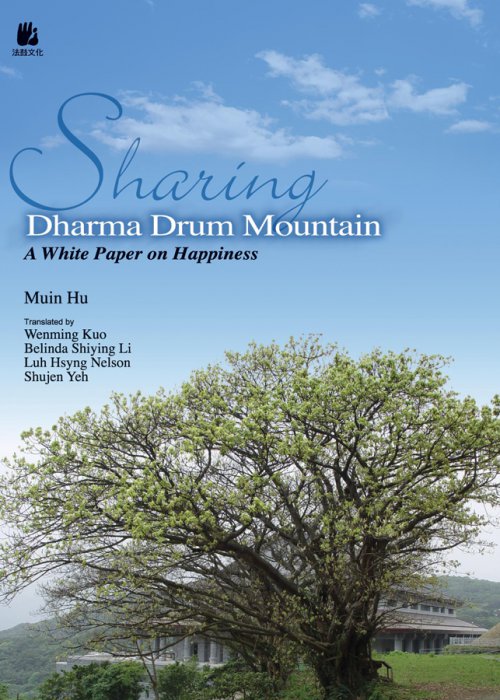
Sharing Dharma Drum Mountain
分享法鼓山的英文翻譯版。本書記錄法鼓山佛教體系的由來、前身、創建的經過以及未來的展望。法鼓山創建於1989年,以「提昇人的品質,建設人間淨土」為理念,透過內在修持、現代文教活動、人文社會的建立、推動心靈環保,開發人人心中的智慧與慈悲。法鼓山的硬體工程亦同時開展。時值2005年,法鼓山的第一期工程即將落成,這是法鼓山新紀元的開始,也是法鼓山長久以來一個想望的實現。當此夢想開花結果的前夕,邀請大家來分享法鼓山,分享法鼓山由來的心願。
作者
NT$
$140
|
78折
元代中峰明本禪師之研究
元代佛教向來甚少為人所知,其漢地佛教之探討更是乏人問津。其中,有「江南古佛」之譽的中峰明本禪師,為弘揚臨濟看話禪法之佼佼者,是當時漢地佛教中舉足輕重的人物。其《三時繫念佛事》對後世影響深遠,至今仍廣受沿用於超薦法會中。明本禪師的思想非常多元且圓融,他將禪與各家學說加以會通,泯除彼此之歧異,例如會通禪淨,重新詮釋禪淨四料揀;並主張密、教、律、禪四宗乃共傳一佛之旨,從中調和禪宗與他宗之間的對立與爭執,為禪宗爭取與他宗同等地位。本書即以明本禪師為研究對象,透過探討其生平事蹟、著作及思想,嘗試從中更具體地瞭解元代禪宗的思想內涵,並初窺元代佛教的全貌,期作為日後深入研究元代漢地佛教之起點。
作者
NT$
$312
|
78折

有機棉 短袖V領衫「觀」|灰色-M
產品特色.簡約V領版型,無論平日、禪修皆可舒適穿著。.使用100﹪有機棉,通過歐盟OE、GOTS認證。(驗證字號:C809578GOTS-01.2009).纖維不經化學處理,不含螢光劑、甲醛(福馬林)等有害物質,是友善環境的綠色產品.採用立體斜紋布,更加透氣、保暖;修行褲兩側均有口袋,腰部為鬆緊褲頭加綁帶。.正面衣角繡有弘一大師『觀』書法字,安定身心。
產品規格.尺寸:M.顏色:灰色.材質:100%有機棉.產地:100%有機棉紗(土耳其進口)、臺灣製造洗滌方式.機器洗 水溫40度.請勿使用漂白水.請勿烘乾.手擰或弱速脫水後,陰涼處平放乾燥
注意事項.因光線關係,圖片顏色略有差異,請以實際商品為主。.有其它顏色可選擇:紫色-「照」
NT$
$520
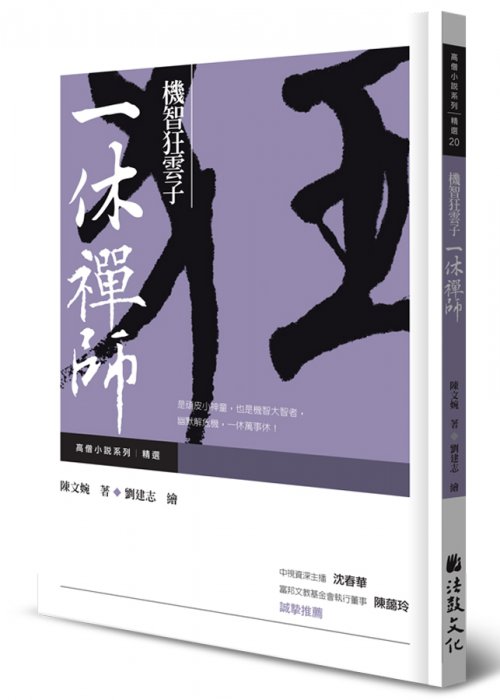
機智狂雲子:一休禪師
是頑皮小神童,也是機智大智者,幽默解危機,一休萬事休!狂、狂、狂,狂出人間真性情;悟、悟、悟,悟出苦空無常性。他本是皇家胤嗣,琵琶湖上乍聞鴉鳴,瞬時間生死大夢轉分明。當機立教、妙法無窮,僧衣開口吃飯,浪子也能回頭。嘻笑怒罵、遊戲人間,骷髏尚能醒世:「當心!當心呦——」身心安樂、兩袖輕飄,一休禪師行跡遍處,吉野的櫻花隨風至處……。
作者簡介
陳文婉
1953年生,台中縣人。畢業於日本武藏野音樂大學器樂學科,主修鋼琴,從事音樂教育研究工作多年。基於興趣,在翻譯與文學創作上亦涉獵頗深,譯有志文出版社《牧民谷系列》,聯經出版社《友誼多雲轉晴》及台英世界親子圖畫書《我也要背背》、《小美一個人看家》、《我能做什麼事》、《不愛上學的皮皮》、《偵探貓世界尋寶記》、《偵探貓十二個月日記》等,並著有《兒童音樂節奏教育》等書。
繪者簡介
劉建志
1966年生於雲林縣北港。自學繪畫,常受邀為國內知名作家文章繪製插圖。1999年築「一澄舍中」殊畫坊,期以摹古畫風重飾佛經圖像。2008年並受「法鼓山大悲心水陸法會」籌備小組力邀,創作水陸畫系列。代表作品有:法鼓文化《高僧小說系列》、靜思文化——小沙彌系列、皇冠版《吳姐姐講歷史故事》、中國兒童故事大百科三十六鉅冊等。曾榮獲1995年中華民國視覺設計展「插畫創作」金牌獎、1997年中華兒童文學獎「美術類」年度。
作者
NT$
$140
|
78折

「多彩紅玉髓+紅瑪瑙」念珠(6mm/108顆)
產品規格.材質:多彩紅玉髓 6mm x 108顆 / 紅瑪瑙 7mm x 3顆.重量:約41.5公克.產地:馬達加斯加.包裝:一只入,使用紗袋包裝
注意事項.請勿撞擊及重摔。.天然寶石有結晶紋路或點,且直徑在±0.5mm內,屬於正常現象。.結繩為消耗材,斷繩請自行更換。.因光線關係,圖片顏色略有差異,請以實際商品為主。
正確使用念珠
戴念珠本身不是壞事,可是,真正的目的究竟是什麼?我把它分成三種類別加以說明:一種是信仰的,一種是心理的,還有一種是屬於風氣的。站在信仰的角度講,好處很多。因為手上有念珠,就會經常想到自己是個佛教徒,自己的身、口、意等三方面,自然而然都會檢點,不要把佛教徒的形象弄壞了。其次,你掛了念珠,還可以影響其他人。其他人不管是不是佛教徒,如果看到掛念珠的人講話、動作、表情不像是一個佛教徒的表現時,就會有人要求你:「你是一個佛教徒,怎麼也會這個樣子?」提醒掛念珠的人應該檢點。當我們要持誦佛號、咒語時,手上有串念珠也很方便。通常是一串大的、一串小的,大的念珠念一串、小的念珠數一個。大珠、小珠一起算,非常有用。第二種是心理上的作用。有的人掛的念珠是經過出家師父、上師或有修行的人加持過的,他們相信,把加持過的念珠掛在身上,有避邪、化災難為吉祥的作用,這使得戴念珠的人心理上覺得很平安、很安全。這樣也很好,至少心理上不會那麼恐慌。這和有人去神廟裡求護身符或掛在車上的小香袋,作用完全一樣。第三種是時髦、風氣、潮流。這樣的情形也沒有什麼不好,這樣的人漸漸地也很可能成為佛教徒。另外,還有因為自己身體某個部分有障礙,他們相信寶石磁場很強,戴了之後可以調整身體。這種想法是有病除病、沒病強身,念珠變成健康器材。這種心態也沒什麼不好。不過,我想最好的方法還是真正地有信仰,信仰三寶和佛教,而把念珠當作修行佛法時使用的一個道具、器材。──摘自:聖嚴法師《法鼓鐘聲》
NT$
$1,380

「紅玉髓」手珠(10mm/19顆)女款
.建議適合手圍:勻稱或豐滿身型
產品規格.材質:紅玉髓 10mm x 19顆.線材:蠶絲線 (人造合成纖維).尺寸:內徑周長約 16.5公分
.重量:約 26.5公克.產地:馬達加斯加.包裝:一只入,使用紗袋包裝
注意事項.請勿撞擊及重摔。.天然寶石有結晶紋路或點,且直徑在±0.5mm內,屬於正常現象。.結繩為消耗材,斷繩請自行更換。.因光線關係,圖片顏色略有差異,請以實際商品為主。
正確使用念珠
戴念珠本身不是壞事,可是,真正的目的究竟是什麼?我把它分成三種類別加以說明:一種是信仰的,一種是心理的,還有一種是屬於風氣的。站在信仰的角度講,好處很多。因為手上有念珠,就會經常想到自己是個佛教徒,自己的身、口、意等三方面,自然而然都會檢點,不要把佛教徒的形象弄壞了。其次,你掛了念珠,還可以影響其他人。其他人不管是不是佛教徒,如果看到掛念珠的人講話、動作、表情不像是一個佛教徒的表現時,就會有人要求你:「你是一個佛教徒,怎麼也會這個樣子?」提醒掛念珠的人應該檢點。當我們要持誦佛號、咒語時,手上有串念珠也很方便。通常是一串大的、一串小的,大的念珠念一串、小的念珠數一個。大珠、小珠一起算,非常有用。第二種是心理上的作用。有的人掛的念珠是經過出家師父、上師或有修行的人加持過的,他們相信,把加持過的念珠掛在身上,有避邪、化災難為吉祥的作用,這使得戴念珠的人心理上覺得很平安、很安全。這樣也很好,至少心理上不會那麼恐慌。這和有人去神廟裡求護身符或掛在車上的小香袋,作用完全一樣。第三種是時髦、風氣、潮流。
——摘自:聖嚴法師《法鼓鐘聲》
NT$
$480
大慧宗杲禪師法語
大慧宗杲(1089-1163)是禪宗史上一位非常重要的禪師,他的主要貢獻,在於提出「看話頭」的禪法,即後人所稱的「看話禪」或「話頭禪」。從史料記載來看,話頭禪的起源也許可以追溯至六祖惠能大師,但是真正開始教人「看話頭」的是大慧宗杲禪師。中國南宋以後的禪宗諸祖大多用此禪法,這也是中國禪宗特有的、主要的修行法門。本書共收錄六十五則大慧宗杲禪師的法語,其中大部分是由請法者呈交卷軸向禪師求指示,禪師親筆在卷軸內寫下開示。其內容包含參禪修行所必須具備的心態、應避免的禪病、正確看話頭的方法,以及用功得力時的體會、開悟的狀態,悟後的境界等。對於學習參話頭的行者而言,大慧宗杲禪師的開示紀錄是非常重要、值得參考的資源。
作者簡介
大慧宗杲
字曇晦,號妙喜、雲門。生於北宋元祐四年(1089),寂於南宋隆興元年(1163)。以提倡「看話禪」而聞名於世,孝宗御賜「大慧禪師」之號。所遺留的著作,主要有《大慧普覺禪師語錄》三十卷、《大慧普覺禪師普說》四卷與《正法眼藏》三卷。
編註者簡介
中華佛學研究所
由聖嚴法師創辦於1985年,主要從事佛教人才的培養、佛教學術研究與出版交流。自2009年起,承繼創辦人的遺願,專心致力於「漢傳佛教」研究之推動。
作者
NT$
$150
|
5折
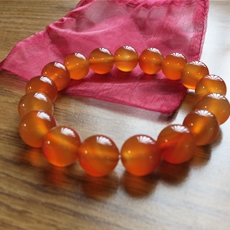
「紅玉髓」手珠(12mm/17顆)男款
.建議適合手圍:偏瘦身型產品規格.材質:紅玉髓 12mm x 17顆.線材:蠶絲線 (人造合成纖維).尺寸:內徑周長約 17公分.重量:約 42.8公克.產地:馬達加斯加.包裝:一只入,使用紗袋包裝
注意事項.請勿撞擊及重摔。.天然寶石有結晶紋路或點,且直徑在±0.5mm內,屬於正常現象。.結繩為消耗材,斷繩請自行更換。.因光線關係,圖片顏色略有差異,請以實際商品為主。
正確使用念珠
戴念珠本身不是壞事,可是,真正的目的究竟是什麼?我把它分成三種類別加以說明:一種是信仰的,一種是心理的,還有一種是屬於風氣的。站在信仰的角度講,好處很多。因為手上有念珠,就會經常想到自己是個佛教徒,自己的身、口、意等三方面,自然而然都會檢點,不要把佛教徒的形象弄壞了。其次,你掛了念珠,還可以影響其他人。其他人不管是不是佛教徒,如果看到掛念珠的人講話、動作、表情不像是一個佛教徒的表現時,就會有人要求你:「你是一個佛教徒,怎麼也會這個樣子?」提醒掛念珠的人應該檢點。當我們要持誦佛號、咒語時,手上有串念珠也很方便。通常是一串大的、一串小的,大的念珠念一串、小的念珠數一個。大珠、小珠一起算,非常有用。第二種是心理上的作用。有的人掛的念珠是經過出家師父、上師或有修行的人加持過的,他們相信,把加持過的念珠掛在身上,有避邪、化災難為吉祥的作用,這使得戴念珠的人心理上覺得很平安、很安全。這樣也很好,至少心理上不會那麼恐慌。這和有人去神廟裡求護身符或掛在車上的小香袋,作用完全一樣。第三種是時髦、風氣、潮流。
——摘自:聖嚴法師《法鼓鐘聲》
NT$
$680

一心走路:步行在佛陀的淨土中
心能往千向,但於此幽徑,吾安穩而行;
步步和風吹,步步花綻放。走路是一般人生活中最普遍、最頻繁的活動,一行禪師以「像佛陀一樣走路」作為本書的主軸,告訴我們,走路本身就是一種修行,從走路之中,自有我們尋尋覓覓的正見、正念和智慧。每個人內在都有一個佛陀,只要我們不斷向內洞察自己的心,讓心趨向於良善的事物,保持正念地安住當下,並為心識注入快樂的習慣,那麼,當遇到困難時,根本無須擔心,因為我們內在的佛陀將會伸出援手,讓我們自生命的功課中獲得療癒與平靜。一行禪師同時強調創造力、觀想與禪修的重要,並提供具體的修行方法,讓我們的心靈清明,身心和諧。文中同時穿插引自佛陀傳記的故事,以及一行禪師日常生活的經驗與觀察,從平凡的事例中,為我們指引出發人省思的觀點。
作者簡介
一行禪師(Thich Nhat Hanh)
1926年生於越南中部,十六歲時在慈孝寺當見習憎,後來赴美研究並教學。越戰期間返國從事和平運動,對於越南的年輕僧眾起了重大啟發,戰爭結束代表參加巴黎和談。越南赤化後,一行禪師被放逐海外,在2005年第一次回返越南,2007年2月至5月也再次回到越南。1967年美國黑人民權領袖馬丁路德‧金恩提名他角逐諾貝爾和平獎。1982年他在法國南部建立了「梅村」禪修道場。1995年曾到台灣弘法並主持禪七法會。一行禪師是當今國際社會中最具宗教影響力的僧人之一,以禪師、詩人、人道主義者聞名於世。著作超過一百本,都是教導人們在生活中實踐佛法,已在台灣出版的有:《生生基督世世佛》、《步步安樂行》、《與生命相約》、《你可以不生氣》、《你可以不怕死》、《正念的奇蹟》、《觀照的奇蹟》、《見佛殺佛》、《橘子禪》、《你可以,愛》、《祈禱的力量》。
譯者簡介
賴隆彥
海洋大學造船系畢業,中華佛學研究所研究。曾任中華佛學研究所藏文講師、智光工商德育老師、佛光出版社資深編輯、普門雜誌社資深編輯。譯作:《森林中的法語》、《阿姜查的禪修世界》(戒、定、慧)、《佛陀的聖弟子傳》、《正念的四個練習》、《無常》、《正念之道》等(以上皆由橡樹林文化出版)。
譯者
賴隆彥
NT$
$238
|
85折

Footprints in the Snow : The Autobiography of a Chinese Buddhist Monk (雪中足跡英文版精裝)
Master Sheng-Yen has devoted much of his life to spreading the teachings of Chinese Buddhism—a practice that antedates the more familiar Japanese and Tibetan traditions—throughout the world. He became known in the United States after he began founding meditation centers here in 1980. Now in his late seventies, he tells the remarkable story of his life and spiritual education in FOOTPRINTS IN THE SNOW. From descriptions of the private world of Buddhist masters to first-hand accounts of Chinese history, it is a rare document that is both an important look at China’s past and a compelling spiritual journey across a lifetime.Sheng-Yen’s story is of a life lived in the last years of the Republic of China, the Sino-Japanese War, and the founding of the People’s Republic of China. An eye-opening slice of modern history as well as an authoritative introduction to an ancient religious tradition, FOOTPRINTS IN THE SNOW will appeal to spiritual seekers, travelers who want to understand more about China, or anyone looking for a fascinating story.
NT$
$893
|
85折

人生306期:春耕心靈
春耕心靈春天,是一年的開始,也是農家開始耕種的季節。正如農夫為了豐收必須辛勤耕種,修行人想要成就佛道,一樣要精進地耕耘心田,同樣要經歷鬆土、播種、灌溉的過程,才能使智慧的種子得以發芽。本期專題由專研阿含的楊郁文,與專研唯識的蔡伯郎,剖析耕田與學佛之間的關連,並有果晨法師、林惠蘭現身說法,分享在田野間、盆栽裡的耕心修行。「大雨天,你說雨總會停的;大風天,你說風總是會轉向的;天黑了,你說明天依然會天亮的」,迎接牛年春節,「人生導師」特別摘錄聖嚴法師〈只要心安就有平安〉一文,與大家一同迎向充滿希望的2009年。還記得2008年師父與太空人米契爾博士展開科學與靈性的對談,到底米契爾的太空神秘經驗是不是開悟呢?【人生座談會】摘錄兩人的精彩對話,以餉讀者。
作者
NT$
$150

人生305期:解開牛環心自在
解開牛環心自在牛自古與人類關係密切,在農業文明長河中,牛默默耕耘服務人類;當形容一個人吃苦耐勞,我們會說這個人跟牛一樣任勞任怨;但當一個人固執己見,我們會用牛來形容這個人脾氣倔強。人們一方面歌頌牛,一方面卻奴役著牛,趁著牛年之際,正是重新審視看待「牛」──這一有情的好時機。本期專題從牛的典故、禪宗看牛、面面觀牛,讓大家瞭解牛無好壞,是心有了分別;唯有放下執著的心,方能解開牛環,讓心還原本來面目,得到真正的大自在。不安的時代,讓人覺得幸福遙不可及,但真的是這樣嗎?「人生書摘」摘錄聖嚴師父的新書《放下的幸福──聖嚴法師的47則情緒管理智慧》,告訴我們不必依賴任何外在的人事物,一樣能有真正的幸福。觀世音菩薩是佛教中最為人熟悉的菩薩,但有關觀音信仰的起源,卻是眾說紛紜,本期「觀音探源」特別選錄觀音研究權威于君方教授大作《觀音──印度菩薩在中國的演變》,讓讀者更瞭解與我們息息相關的觀音起源。
作者
NT$
$150

Attaining the Way : A Guide to the Practice of Chan Buddhism 參悟之道 (英文版)
A Guide to the Practice of Chan BuddhismThis is an inspiring guide to the practice of Chan (Chinese Zen) in the words of four great masters of that tradition. It includes teachings from contemporary masters Xuyun and Sheng Yen, and from Jiexian and Boshan of the Ming Dynasty (1368–1644). Though the texts were written over a period of hundreds of years, they are all remarkably lucid and are perfect for beginners as well as more advanced practitioners today. All the main points of spiritual practice are covered: philosophical foundations, methods, approaches to problems and obstacles—all aimed at helping the student attain the way to enlightenment.本書結集了四位禪師的禪修指導,包括明代曹洞宗的博山(無異元來)禪師、臨濟宗的晦山戒顯禪師的禪法,以及近代虛雲法師與聖嚴法師的禪法。內容涵括修行的各個面向,包括哲學基礎、實修方法、問題與障礙的解決,以及如何將修行融入生活中等。書中的資訊無論是對禪修初學者或已經深入修行的人,都能有所助益。
作者簡介
聖嚴法師,一九三○年出生,少年出家,曾於高雄山中閉關六年,並留學日本,獲得立正大學文學博士學位,曾任雜誌編輯、教授、所長以及譯經院院長等,創辦中華佛學研究所、創建法鼓山、僧伽大學、法鼓大學以及社會大學等,在國內設立禪修、文教、慈善等基金會,而分支道場亦遍及於歐、亞、美、澳等各大洲。他是一位教育家、作家,更是一位宗教家和國際知名的禪師,長年在國內外推動「心靈環保」、「種族和諧」及「世界和平」等工作不餘遺力。他所獲得的榮譽獎項中,包括總統文化獎、行政院文化獎、行政院社會領袖和風獎、中山文藝創作獎、中山學術著作獎、斐德烈二世和平獎等十多種。出版著作一百多種,已有十多種語言的譯著。他曾應邀為《中華日報》、《中央日報》、《聯合報》、《中國時報》、《自由時報》等各大報紙,及《天下》、《康健》等雜誌撰寫專欄。
NT$
$833
|
85折

禪淨雙修:永明延壽禪師
有禪無淨土,十人九蹉路,陰境若現前,瞥爾隨他去。無禪有淨土,萬修萬人去,但得見彌陀,何愁不開悟。有禪有淨土,猶如戴角虎,現世為人師,來生作佛祖。無禪無淨土,銅床並鐵柱,萬劫與千生,沒個人依怙。永明延壽禪師,昔日華亭鎮將,市曹問斬,臨時釋放,是何原因?官官相護?純為護生?柴薪落地,豁然開悟,百八佛事,執為常課,放贖生靈,稱念佛號,施食鬼神,精進不懈,莊嚴淨土,宛如彌勒菩薩,下生娑婆世界。他,天柱峰習定,鷃雀築巢,如如不動,他,懺堂中繞佛,普賢現前,決意修淨,禪淨雙修始祖,「四料簡」影響後世禪林,廣蒐博覽群籍,《宗鏡錄》調和各宗分歧,著作流傳遠播朝鮮,為修學佛法另闢途徑。
作者
NT$
$119
|
85折
正在載入更多商品......