搜尋結果
共
503
筆符合商品
排序

覺情書:聖嚴法師談世間情
什麼是情?在我們的生活中,似乎離不開情,無論是男女的愛情、家庭的親情或是朋友的友情,情都與我們密切相關。情可以產生正面的能量,創造美好的人生;也能成為困擾你我的苦果,如愛恨交集,苦不堪言!我們該如何面對世間情?聖嚴法師以佛法的智慧,將你我生活中遇到的問題,如:自我情緒管理、婚姻相處、親子關係、交友原則、愛情本質等,轉化為78帖心靈良方。這些觀點簡單易懂,卻能點醒紅塵俗世的我們,開啟對於情、對於人生的不一樣的體驗。就如書中所說:「要從『有情』而成『菩薩』,如此就成為『覺有情』了。」
作者簡介
聖嚴法師(1930~2009年)聖嚴法師1930年生於江蘇南通,1943年於狼山出家,後因戰亂投身軍旅,十年後再次披剃出家。曾於高雄美濃閉關六年,隨後留學日本,獲立正大學文學博士學位。1975年應邀赴美弘法。1989年創建法鼓山,並於2005年開創繼起漢傳禪佛教的「中華禪法鼓宗」。聖嚴法師是一位思想家、作家暨國際知名禪師,曾獲臺灣《天下》雜誌遴選為「四百年來臺灣最具影響力的五十位人士」之一。著作豐富,中、英、日文著作達百餘種,先後獲頒中山文藝獎、中山學術獎、總統文化獎及社會各界的諸多獎項。聖嚴法師提出「提昇人的品質,建設人間淨土」的理念,主張以大學院、大普化、大關懷三大教育推動全面教育,相繼創辦中華佛學研究所、法鼓文理學院、僧伽大學等院校,也以豐富的禪修經驗、正信的佛法觀念和方法指導東、西方人士修行。法師著重以現代人的語言和觀點普傳佛法,陸續提出「心靈環保」、「四種環保」、「心五四運動」、「心六倫」等社會運動,並積極推展國際弘化工作,參與國際性會談,促進宗教交流,提倡建立全球性倫理,致力世界和平。其寬闊胸襟與國際化視野,深獲海內外肯定。
作者
NT$
$140
|
78折

帶著禪心去上班:聖嚴法師的禪式工作學
將禪法帶進辦公室,突破朝九晚五的有限鐘點,以無限的活力、無限的創意,迎接每一個挑戰!手機帶了嗎?錢包、電腦、公事包都帶了嗎?再檢查一下,「禪心」帶了沒?工作上面對的人際關係如此多元,各種挑戰與競爭來自四面八方,然而,只要在工作中不忘用「禪」的觀念和方法面對,就能有一股安心的力量,讓我們在職場上能夠不受外境風雨的影響,工作起來左右逢源、事半功倍。心活了,工作自然精神飽滿、活力充沛!聖嚴法師的禪式工作學,融合禪修的方法和觀念,在本書中以34則提問,把職場上人人都會遇到的問題及瓶頸,化為清明的智慧心、柔軟的慈悲心,分享以禪心來工作的良方。在充滿挑戰的職場生活中,有了禪法作為安心的方法,就能找到源源不絕的工作熱忱,讓每一天的職場生活,都能歡喜又富足。
作者簡介
聖嚴法師(1930~2009年)聖嚴法師1930年生於江蘇南通,1943年於狼山出家,後因戰亂投身軍旅,十年後再次披剃出家。曾於高雄美濃閉關六年,隨後留學日本,獲立正大學文學博士學位。1975年應邀赴美弘法。1989年創建法鼓山,並於2005年開創繼起漢傳禪佛教的「中華禪法鼓宗」。聖嚴法師是一位思想家、作家暨國際知名禪師,曾獲台灣《天下》雜誌遴選為「四百年來台灣最具影響力的五十位人士」之一。著作豐富,中、英、日文著作達百餘種,先後獲頒中山文藝獎、中山學術獎、總統文化獎及社會各界的諸多獎項。聖嚴法師提出「提昇人的品質,建設人間淨土」的理念,主張以大學院、大普化、大關懷三大教育推動全面教育,相繼創辦中華佛學研究所、法鼓佛教學院、僧伽大學、法鼓大學等院校,也以豐富的禪修經驗、正信的佛法觀念和方法指導東、西方人士修行。法師著重以現代人的語言和觀點普傳佛法,陸續提出「心靈環保」、「四種環保」、「心五四運動」、「心六倫」等社會運動,近年來更致力於國際弘化工作,參與國際性會談,促進宗教交流,提倡建立全球性倫理,致力於世界的和平。其寬闊胸襟與國際化視野,深獲海內外肯定。
作者
NT$
$126
|
7折
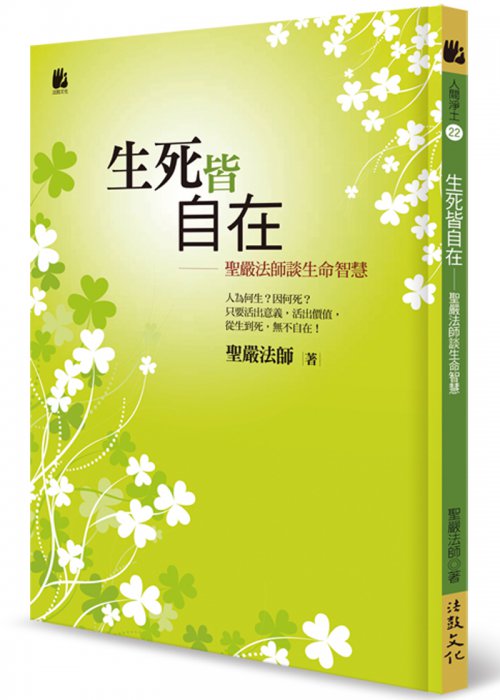
生死皆自在:聖嚴法師談生命智慧
人,因何生?因何死?因何能夠從生到死,無不自在?本書即是生死議題的問與答,聖嚴法師提出了他的智慧觀察與解決之道。我們都以為自己擁有生命的主控權,然而,生命卻是照著自己既定的軌跡不停地往前走──從出生、成長、年老,到死亡。生命之旅很可能會在每個人不注意的時候,悄然到站。若要避免虛度此生,就必須在匆匆忙忙的例行生活中,偶爾停下腳步,好好地想一想:如何善用生命,讓它活得快樂自在,活得更有價值?聖嚴法師在書中與我們分享自己一路艱辛走來的人生經歷,告訴我們如何在顛簸的路上,仍能運用佛法的智慧發揮生命的最大價值,如何能苦也自在、樂也自在、老也自在、病也自在,甚至在生命即將到站前,依然自在。如果你對生死感到迷惘,記得細細體會書中的話,它們會為你打開生命的另一扇門,帶你通往生死皆自在的人生風景。
作者
NT$
$140
|
78折
無法之法:聖嚴法師默照禪法旨要
默照就像一面鏡子,形影自由自在地在面前出現,它卻保持完全靜止。任何方法都能把心安住在當下一刻,但運用默照甚至連當下一刻都能放下。——聖嚴法師默照,是禪宗與大乘佛教中最奧妙的修行之一,歷史悠久而複雜,可上溯到印度佛教中的止觀雙運,也與藏傳佛教中的大圓滿、大手印相應。《無法之法》提供一個獨特的閱讀情境:跟隨著聖嚴法師的默照指導,我們將穿透文字,體驗——完全處於當下的覺知狀態。而法師對於宏智正覺禪師詩偈的開示,則引領讀者層層深入「默照同時」的修練與實證,體悟動中有靜、定中有慧的無我智慧。《無法之法》是聖嚴法師指導「默照」禪修法門之作。「默照禪」是中國曹洞宗之著名修行法門,一度由宏智正覺禪師所弘揚,後來又再度湮沒。聖嚴法師承繼曹洞宗與臨濟宗兩個法脈,自1990年代起,將默照的修行過程重新梳理,並建立簡要分明的次第,希望這個教法能更容易為現代人理解運用,並再次復興。本書共分為三部分,第一部分是法師於1998、1999年在紐約象岡主持的兩次默照禪七開示記錄。第二和第三部分是法師對《宏智正覺禪師廣錄》的多則開示。書中法師為修行者澄清許多觀點、方法和實證狀態,因此不僅包含理論的闡釋,更多的是對禪修期間真實情境的回應。法師指出,一旦你放下一切,不讓心住於任何東西,默照的開悟境界就會現前。也因此,默照被稱為「無法之法」,它直接指向每個人本具的圓滿智慧。
作者簡介
聖嚴法師(1930~2009年)聖嚴法師1930年生於江蘇南通,1943年於狼山出家。曾於高雄美濃閉關六年,隨後留學日本,獲立正大學文學博士學位。1975年應邀赴美弘法。1989年創建法鼓山,並於2005年開創繼起漢傳禪佛教的「中華禪法鼓宗」。聖嚴法師是一位思想家、作家暨國際知名禪師,著作豐富,中、英、日文著作達百餘種,先後獲頒中山文藝獎、中山學術獎、總統文化獎及社會各界的諸多獎項。聖嚴法師提出「提昇人的品質,建設人間淨土」的理念,相繼創辦中華佛學研究所、法鼓佛教學院、僧伽大學、法鼓大學等院校,也以豐富的禪修經驗、正信的佛法觀念和方法指導東、西方人士修行。法師著重以現代人的語言和觀點普傳佛法,陸續提出「心靈環保」、「四種環保」、「心五四運動」、「心六倫」等社會運動,近年來更致力於國際弘化工作,其寬闊胸襟與國際化視野,深獲海內外肯定。
譯者簡介
單德興台灣大學外文研究所博士,1988年在聖嚴法師座下皈依三寶,現任中央研究院歐美研究所研究員,中華民國比較文學學會理事長,曾任中華民國英美文學學會理事長,加州大學、哈佛大學、紐約大學、伯明罕大學訪問學人及傅爾布萊特資深訪問學人,第六屆梁實秋文學獎譯文組首獎,第三十屆金鼎獎最佳翻譯人獎。著有《銘刻與再現》、《對話與交流》、《反動與重演》、《邊緣與中心》、《越界與創新》、《我打禪家走過》等,譯有《文學心路》、《知識分子論》、《格理弗遊記》、《禪的智慧》、《禪無所求》等。研究領域包括比較文學、亞美文學、翻譯研究。
作者
譯者
單德興
NT$
$154
|
7折

Footprints in the Snow : The Autobiography of a Chinese Buddhist Monk (雪中足跡英文版精裝)
Master Sheng-Yen has devoted much of his life to spreading the teachings of Chinese Buddhism—a practice that antedates the more familiar Japanese and Tibetan traditions—throughout the world. He became known in the United States after he began founding meditation centers here in 1980. Now in his late seventies, he tells the remarkable story of his life and spiritual education in FOOTPRINTS IN THE SNOW. From descriptions of the private world of Buddhist masters to first-hand accounts of Chinese history, it is a rare document that is both an important look at China’s past and a compelling spiritual journey across a lifetime.Sheng-Yen’s story is of a life lived in the last years of the Republic of China, the Sino-Japanese War, and the founding of the People’s Republic of China. An eye-opening slice of modern history as well as an authoritative introduction to an ancient religious tradition, FOOTPRINTS IN THE SNOW will appeal to spiritual seekers, travelers who want to understand more about China, or anyone looking for a fascinating story.
NT$
$893
|
85折
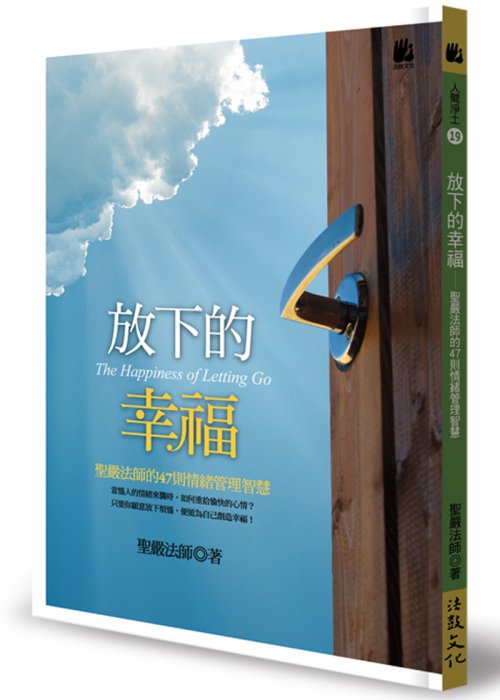
放下的幸福:聖嚴法師的47則情緒管理智慧
你想要控制情緒,卻被情緒反撲而陷入困境嗎?情緒從哪裡來?該如何面對浪潮洶湧的情緒波濤?聖嚴法師在本書中,不但說明情緒的根源是來自於煩惱「五毒」──貪、瞋、癡、慢、疑;並以佛法的觀念和方法,幫助我們在面對各種情緒干擾時,能夠將貪欲轉成願心,以慈心化解瞋心,以謙虛去除慢心……讓我們的心可以放下得自在,擁有一個幸福的人生!
這本書可以幫助你
覺察情緒與念頭的變化,學習逐步讓心安定的方法。
分辨需要與想要,調整心態,讓努力有更自在的方向。
面對衝突與不如意,練習緩和怒氣、釐清問題,對環境做出適當的回應。
在比較與自我懷疑中,認識自己的能力與限制,培養踏實的自信。
面對未來的不確定,學習做好準備、專注當下,把心力放在可以實踐的事上。
你可以從這裡開始
情緒一來就難以平靜,該從哪裡著手?建議閱讀:〈情緒從哪裡來?〉聖嚴法師從散步、喝水、找朋友談談等日常方法談起,進一步引導讀者觀察念頭的生起與消失。本篇提供由淺入深的練習方向,讓你先緩和情緒,再逐步學習覺察,減少被煩惱牽動的時候。
想努力追求美好生活,卻也感到疲憊?建議閱讀:〈轉貪心為願心〉從分辨「需要」與「想要」開始,聖嚴法師說明欣賞美好事物、追求生活品質的動機,如何在過度占有與執著中變成煩惱。本篇也指出,期待與追求可以朝向付出、奉獻,轉為讓自己與他人共同成長的願心,幫助你重新思考努力的方向。
遇到不合理的對待,該如何回應才恰當?建議閱讀:〈逆境要忍,順境也要忍〉面對衝突時,可以先緩下衝動,瞭解發生了什麼,再選擇適當的時機回應。本篇釐清忍辱與忍氣吞聲的差別,也介紹把注意力放在呼吸上的方法,幫助你在怒氣升起時,為自己留下思考與處理問題的空間。
看見別人好像過得更好,想找回對自己的信心?建議閱讀:〈是自信,還是自負?〉聖嚴法師從比較帶來的失落談起,說明自信建立在對自身能力的瞭解,也提醒我們,事情的成就需要各種因緣配合。本篇引導你看見自己的能力與眼前的機會,練習把注意力放回能做的事,減少以別人的成就衡量自己。
經常為還沒發生的事擔心,無法安心?建議閱讀:〈自信度過每一天〉面對無法完全掌握的未來,聖嚴法師提出從瞭解自己的處境、為可預見的事情預作準備著手。本篇也提到,即使準備周全,仍可能遇到意料之外的變化,提醒你辨別無效的反覆擔憂,把心力用在當下能做的事上。
作者簡介
聖嚴法師(1930~2009年)聖嚴法師1930年生於江蘇南通,1943年於狼山出家,後因戰亂投身軍旅,十年後再次披剃出家。曾於高雄美濃閉關六年,隨後留學日本,獲立正大學文學博士學位。1975年應邀赴美弘法。1989年創建法鼓山,並於2005年開創繼起漢傳禪佛教的「中華禪法鼓宗」。聖嚴法師是一位思想家、作家暨國際知名禪師,曾獲臺灣《天下》雜誌遴選為「四百年來臺灣最具影響力的五十位人士」之一。著作豐富,中、英、日文著作達百餘種,先後獲頒中山文藝獎、中山學術獎、總統文化獎及社會各界的諸多獎項。聖嚴法師提出「提昇人的品質,建設人間淨土」的理念,主張以大學院、大普化、大關懷三大教育推動全面教育,相繼創辦中華佛學研究所、法鼓文理學院、僧伽大學等院校,也以豐富的禪修經驗、正信的佛法觀念和方法指導東、西方人士修行。法師著重以現代人的語言和觀點普傳佛法,陸續提出「心靈環保」、「四種環保」、「心五四運動」、「心六倫」等社會運動,並積極推展國際弘化工作,參與國際性會談,促進宗教交流,提倡建立全球性倫理,致力世界和平。其寬闊胸襟與國際化視野,深獲海內外肯定。
作者
NT$
$126
|
7折
心在哪裡?:聖嚴法師西方禪修指導
禪宗初祖達摩祖師由印度西來,將禪法傳入中土,聖嚴法師則在千載之後,將中國禪宗弘傳於美國,東西半球的時空文化雖大不同,但皆是助人解開一個謎題——心在哪裡?想要知道答案,不需要盲修瞎練,只要尋著聖嚴法師指月之指,便能看見明確的禪修道路。本書是聖嚴法師於八○年代在美國指導禪法時,所做的關於禪法實修和禪修心態的開示,內容分為四大類:(一)需要修行嗎?(二)禪修之路;(三)路上風光;(四)本來面目。從如何發現煩惱心、如何展開禪修道路、掌握禪修的必備條件、禪修道路上的四大障礙、觀空五層次的歷程,到明白原來萬法唯心造。將煩惱心轉為智慧心,直至無心可覓,聖嚴法師為禪者指出最安全無陷阱的修心方向。
作者簡介
聖嚴法師(1930~2009年)聖嚴法師1930年生於江蘇南通,1943年於狼山出家,後因戰亂投身軍旅,十年後再次披剃出家。曾於高雄美濃閉關六年,隨後留學日本,獲立正大學文學博士學位。1975年應邀赴美弘法。1989年創建法鼓山,並於2005年開創繼起漢傳禪佛教的「中華禪法鼓宗」。聖嚴法師是一位思想家、作家暨國際知名禪師,曾獲臺灣《天下》雜誌遴選為「四百年來臺灣最具影響力的五十位人士」之一。著作豐富,中、英、日文著作達百餘種,先後獲頒中山文藝獎、中山學術獎、總統文化獎及社會各界的諸多獎項。聖嚴法師提出「提昇人的品質,建設人間淨土」的理念,主張以大學院、大普化、大關懷三大教育推動全面教育,相繼創辦中華佛學研究所、法鼓佛教學院、僧伽大學、法鼓大學等院校,也以豐富的禪修經驗、正信的佛法觀念和方法指導東、西方人士修行。法師著重以現代人的語言和觀點普傳佛法,陸續提出「心靈環保」、「四種環保」、「心五四運動」、「心六倫」等社會運動,近年來更致力於國際弘化工作,參與國際性會談,促進宗教交流,提倡建立全球性倫理,致力於世界的和平。其寬闊胸襟與國際化視野,深獲海內外肯定。
作者
譯者
法鼓山國際編譯組
NT$
$125
|
78折
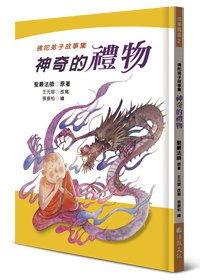
神奇的禮物:佛陀弟子故事集
有一群人在收到佛陀送的神奇禮物後,人生從此變得不一樣!人人嘲笑的笨孩子,變成人人敬重的大智者;世界上最倒楣的人,轉惡運為好運;陷害佛陀的人,反過來拜佛陀為師;小貧童變成家財萬貫的大富翁……。本書改編自聖嚴法師所寫《聖者的故事》書中的八篇佛陀弟子故事,邀請童書作家王元容與插畫家張振松,以生動活潑的兒童文學手法,重現佛陀的眾弟子們人生如何大逆轉的故事。佛陀為什麼會讓他們的人生大不同呢? 快來一起拆閱佛陀送的神奇禮物吧!
作者簡介
原著:聖嚴法師(1930~2009年)聖嚴法師1930年生於江蘇南通,1943年於狼山出家。曾於高雄美濃閉關六年,隨後留學日本,獲立正大學文學博士學位。1975年應邀赴美弘法。1989年創建法鼓山,並於2005年開創繼起漢傳禪佛教的「中華禪法鼓宗」。聖嚴法師是一位思想家、作家暨國際知名禪師,著作豐富,中、英、日文著作達百餘種,先後獲頒中山文藝獎、中山學術獎、總統文化獎及社會各界的諸多獎項。聖嚴法師提出「提昇人的品質,建設人間淨土」的理念,相繼創辦中華佛學研究所、法鼓佛教學院、僧伽大學、法鼓大學等院校,也以豐富的禪修經驗、正信的佛法觀念和方法指導東、西方人士修行。法師著重以現代人的語言和觀點普傳佛法,陸續提出「心靈環保」、「四種環保」、「心五四運動」、「心六倫」等社會運動,近年來更致力於國際弘化工作,其寬闊胸襟與國際化視野,深獲海內外肯定。改寫:王元容文化大學中文系文藝創作組畢業,目前為資深童書編輯。以為孩子寫書、寫故事為人生志向,希望能透過故事擴大孩子們的視野,了解親近自然的樂趣。代表作品有:《蠅蠅飛》、《白蘿蔔‧紅蘿蔔》、《有趣的繩子》……等。
繪者簡介
張振松
嘉義人,復興商工畢業,曾任職多家童書出版社、宏廣動畫公司。作品種類多元,創作力豐沛,《目連救母》、《土地公捉迷藏》、《學校一百歲》、《黑母雞找蛋》、《第一次送禮物》……,其中《阿金的菜刀》與《等待霧散的戴勝鳥》為自寫自畫的創作。
NT$
$140
|
78折

寶鏡無境:石頭希遷〈參同契〉、洞山良价〈寶鏡三昧歌〉新詮
本書為聖嚴法師在美國「佛法開示班」中,針對唐代石頭希遷禪師的〈參同契〉和洞山良价禪師的〈寶鏡三昧歌〉所做的開示。石頭希遷的〈參同契〉與洞山良价的〈寶鏡三昧歌〉,一向被公認為是曹洞宗最重要的兩篇著作。〈參同契〉為一首五言偈頌,共二百二十字。此偈內容點出,修行者唯有藉由不斷地精進修行,破除煩惱,才能使自心如皎潔的一輪明月。〈寶鏡三昧歌〉則是一首四言偈頌,共三百七十六字。全詩告訴我們,人人皆有自性寶鏡,只因被煩惱遮蔽,而失去映照能力;若能拭去心鏡上的塵埃,寶鏡即能再顯明淨。在複雜多變的現代社會,若能善解、運用〈參同契〉及〈寶鏡三昧歌〉的禪理,並在生活中時時修行,即能化煩惱為菩提,體驗真正的禪悅。聖嚴法師的精進默照禪中國曹洞宗的修行心要「有時我看到自己的煩惱像冬天暴風雪中的雪花, 飄落在我的心鏡上, 但透過不斷的修行,我讓自己的心鏡保持溫暖, 而雪片很快就融化了。」——聖嚴法師〈參同契〉石頭希遷禪師◎著竺土大仙心,東西密相付。人根有利鈍,道無南北祖。靈源明皎潔,枝派暗流注。執事元是迷,契理亦非悟。門門一切境,迴互不迴互。迴而更相涉,不爾依位住。色本殊質象,聲元異樂苦。暗合上中言,明明清濁句。四大性自復,如子得其母。火熱風動搖,水濕地堅固。眼色耳音聲,鼻香舌鹹醋。然依一一法,依根葉分布。本末須歸宗,尊卑用其語。當明中有暗,勿以暗相遇;當暗中有明,勿以明相覩。明暗各相對,比如前後步。萬物自有功,當言用及處。事存函蓋合,理應箭鋒拄。承言須會宗,勿自立規矩。觸目不會道,運足焉知路?進步非近遠,迷隔山河固。謹白參玄人,光陰莫虛度。〈寶鏡三昧歌〉洞山良价禪師◎著如是之法,佛祖密付。汝今得之,宜善保護。銀盌盛雪,明月藏鷺,類之不齊,混則知處。意不在言,來機亦赴。動成窠臼,差落顧佇。背觸俱非,如大火聚。但形文彩,即屬染污。夜半正明,天曉不露。為物作則,用拔諸苦。雖非有為,不是無語。如臨寶鏡,形影相睹。汝不是渠,渠正是汝。如世嬰兒,五相完具。不去不來,不起不住。婆婆和和,有句無句。終不得物,語未正故。重離六爻,偏正回互,疊而為三,變盡成五。如荎草味,如金剛杵。正中妙挾,敲唱雙舉。通宗通途,挾帶挾路。錯然則吉,不可犯忤。天真而妙,不屬迷悟。因緣時節,寂然昭著。細入無間,大絕方所。毫忽之差,不應律呂。今有頓漸,緣立宗趣。宗趣分矣,即是規矩。宗通趣極,真常流注。外寂中搖,係駒伏鼠。先聖悲之,為法檀度。隨其顛倒,以緇為素;顛倒想滅,肯心自許。要合古轍,請觀前古。佛道垂成,十劫觀樹。如虎之缺,如馬之馵。以有下劣,寶几珍御;以有驚異,黧奴白牯。羿以巧力,射中百步;箭鋒相值,巧力何預?木人方歌,石女起舞;非情識到,寧容思慮?臣奉於君,子順於父;不順非孝,不奉非輔。潛行密用,如愚如魯;但能相續,名主中主。
作者簡介
聖嚴法師(1930~2009年)1930年出生,十三歲出家修行。曾於高雄山中閉關六年,並留學日本,獲得立正大學文學博士學位。曾任雜誌編輯、教授、研究所所長以及譯經院院長等。創辦中華佛學研究所、創建法鼓山、僧伽大學、法鼓大學以及社會大學等。在國內設立禪修、文教、慈善等基金會,分支道場遍及於歐、亞、美、澳等各大洲。他是一位教育家、作家,更是一位宗教家和國際知名禪師,長年在國內外為推動「心靈環保」、「種族和諧」及「世界和平」等工作不遺餘力。聖嚴法師所獲得的榮譽獎項中,包括總統文化獎、行政院文化獎、社會運動和風獎之傑出社會運動領袖獎、中山文藝創作獎、中山學術著作獎、斐德烈二世和平獎等十多種。出版著作一百多種,已有十多種語言的譯著。他曾經應邀為《中華日報》、《中央日報》、《聯合報》、《中國時報》、《自由時報》等各大報紙,及《天下》、《康健》等雜誌撰寫專欄。本書為聖嚴法師在美國「佛法開示班」中,針對唐代石頭希遷禪師的〈參同契〉和洞山良价禪師的〈寶鏡三昧歌〉所做的開示。
譯者簡介
釋果醒1953年出生於台灣省高雄縣。1984年親近聖嚴法師學習禪法。1986年跟隨聖嚴法師出家。1991年至泰國學習南傳禪法一年。1987-2001年前後擔任法鼓山農禪寺禪坐會輔導師近八年。1987-2007年參與台灣、美國及東南亞等地舉辦的禪七,及協助聖嚴法師指導各種禪七、禪四十九約五十餘次。2001-2007年法鼓山僧伽大學的禪修指導老師。現任法鼓山禪修副都監,法鼓山禪堂堂主及傳燈院監院。
作者
譯者
釋果醒
NT$
$105
|
7折
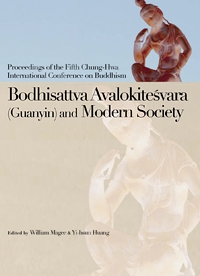
觀世音菩薩與現代社會:第五屆中華國際佛學會英文論文集
本書為法鼓山中華佛學研究所主辦,第五屆中華國際佛學會議:「觀世音菩薩與現代社會」之會後論文集,收錄法鼓山創辦人聖嚴法師的開幕致辭〈觀世音菩薩與現代社會〉、于君方教授的專題演講〈觀音菩薩與中國文化〉和與會學者、專家之多篇專文。第五屆中華國際佛學會議─「觀世音菩薩與現代社會」,係由法鼓山中華佛學研究所主辦,於2006年3月舉行,此次會議為慶祝法鼓山落成的活動之一,為法鼓山世界佛教教育園區歷史的里程碑之一。本佛學會議英文論文集共收錄了法鼓山創辦人聖嚴法師的開幕致辭、于君方教授的專題演講和其他九位國外與會學者專家之英文論文,例如︰Jose Ignacio Cabezon, Edward Crangle, Jeffrey Hopkins, Miriam Levering, Jan Nattier, Shunzo Onoda, Petra Hildegard Rosch, Dorothy C.Wong, Shi Zhuru等等。
作者簡介
作者:釋聖嚴等主編:William Magee、黃繹勳
作者
NT$
$281
|
78折

Attaining the Way : A Guide to the Practice of Chan Buddhism 參悟之道 (英文版)
A Guide to the Practice of Chan BuddhismThis is an inspiring guide to the practice of Chan (Chinese Zen) in the words of four great masters of that tradition. It includes teachings from contemporary masters Xuyun and Sheng Yen, and from Jiexian and Boshan of the Ming Dynasty (1368–1644). Though the texts were written over a period of hundreds of years, they are all remarkably lucid and are perfect for beginners as well as more advanced practitioners today. All the main points of spiritual practice are covered: philosophical foundations, methods, approaches to problems and obstacles—all aimed at helping the student attain the way to enlightenment.本書結集了四位禪師的禪修指導,包括明代曹洞宗的博山(無異元來)禪師、臨濟宗的晦山戒顯禪師的禪法,以及近代虛雲法師與聖嚴法師的禪法。內容涵括修行的各個面向,包括哲學基礎、實修方法、問題與障礙的解決,以及如何將修行融入生活中等。書中的資訊無論是對禪修初學者或已經深入修行的人,都能有所助益。
作者簡介
聖嚴法師,一九三○年出生,少年出家,曾於高雄山中閉關六年,並留學日本,獲得立正大學文學博士學位,曾任雜誌編輯、教授、所長以及譯經院院長等,創辦中華佛學研究所、創建法鼓山、僧伽大學、法鼓大學以及社會大學等,在國內設立禪修、文教、慈善等基金會,而分支道場亦遍及於歐、亞、美、澳等各大洲。他是一位教育家、作家,更是一位宗教家和國際知名的禪師,長年在國內外推動「心靈環保」、「種族和諧」及「世界和平」等工作不餘遺力。他所獲得的榮譽獎項中,包括總統文化獎、行政院文化獎、行政院社會領袖和風獎、中山文藝創作獎、中山學術著作獎、斐德烈二世和平獎等十多種。出版著作一百多種,已有十多種語言的譯著。他曾應邀為《中華日報》、《中央日報》、《聯合報》、《中國時報》、《自由時報》等各大報紙,及《天下》、《康健》等雜誌撰寫專欄。
NT$
$833
|
85折
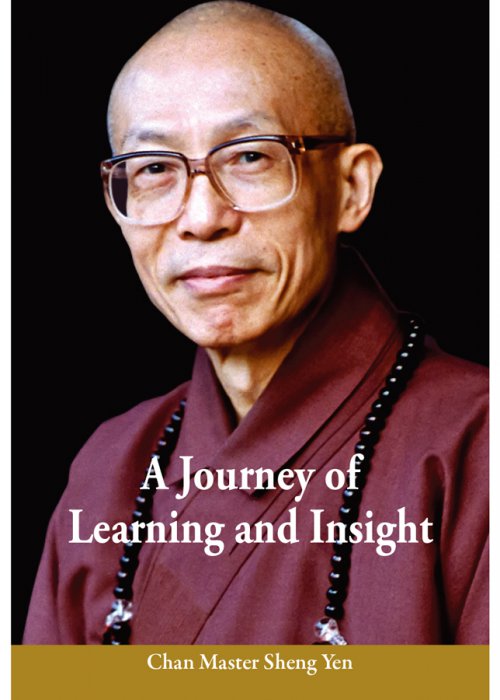
A Journey of Learning and Insight: An Autobiography of Chan Master Sheng Yen 聖嚴法師學思歷程(英譯版)
生命路徑總在不期然之處轉彎,彷彿是為了讓我們看見更廣闊的風景……歷經大環境不斷變遷的聖嚴法師,本著最初的願心,面對人生中的高山深壑,以佛法為地圖,做為指引個人安頓身心之道;進而將他對佛法的踐行領悟,透過義理分明的文字,為現代人描繪出生命智慧的藏寶圖。
本書由聖嚴法師娓娓道來其一生的學習歷程,以及隨順因緣全力投入生命中不同角色的各種轉折,經過文字的闡述及解行並重的生命實踐,使現代人得以親近佛法善知識,領受佛法做為人生指引的妙用。
本書為英文版,為《法鼓全集》英譯計畫中的第一部英文出版品。期待能以此英譯系列向廣大的西方讀者推廣漢傳佛教與禪法。
I am an ordinary Buddhist monk born in 1930 at a village in Jiangsu Province, Nantong County. The second year after my birth, there was a great flooding of the Yangzi River, which washed away our home and everything we owned. We were impoverished. My family then moved to the south bank of the Yangzi River. I was always weak in physique and prone to illness since childhood. I entered school at the age of nine, and left school when I was thirteen. I became a monk when I was thirteen. The basic education I received was equivalent to that of a fourth grade primary school student. While the other teenagers were studying at high school and university, I was busy working as a younmonk and performing ritual services. Later, I served in the military for the country. Nevertheless, since I was young, I realized the importance of knowledge and education. Therefore, during my time in service, I would take hold of any opportunity for self-study, and read many books. After leaving the army and spending six years in solitary retreat, having met the educational requirements along with my published work, I was enrolled in Rissho University in Tokyo. There, within six years time, I completed both a master’s and a doctoral degree in Buddhist Literature. From the time I realized that the sutras are used to provide knowledge and methods to purify society and the human mind, I felt lament. I thought, “The Dharma is so good, yet so few people know about it, and so many people misunderstand it.” Ordinary people treat Buddhadharma as something secular or mystical; at best they treat it as an academic study. Actually, Buddhism is a religion that applies wisdom and compassion to purify the human world. Thus, I vowed to use contemporary ideas and language to introduce to others the true meaning of the Dharma that was forgotten, and to revive the spirit of Shakyamuni Buddha. — From the Author’s Preface
作者簡介:
Master Sheng Yen 聖嚴法師(1930~2009年)
聖嚴法師1930年生於江蘇南通,1943年於狼山出家,後因戰亂投身軍旅,十年後再次披剃出家。曾於高雄美濃閉關六年,隨後留學日本,獲立正大學文學博士學位。1975年應邀赴美弘法。1989年創建法鼓山,並於2005年開創繼起漢傳禪佛教的「中華禪法鼓宗」。
聖嚴法師是一位思想家、作家暨國際知名禪師,曾獲臺灣《天下》雜誌遴選為「四百年來臺灣最具影響力的五十位人士」之一。著作豐富,中、英、日文著作達百餘種,先後獲頒中山文藝獎、中山學術獎、總統文化獎及社會各界的諸多獎項。
聖嚴法師提出「提昇人的品質,建設人間淨土」的理念,主張以大學院、大普化、大關懷三大教育推動全面教育,相繼創辦中華佛學研究所、法鼓佛教學院、僧伽大學、法鼓大學等院校,也以豐富的禪修經驗、正信的佛法觀念和方法指導東、西方人士修行。
法師著重以現代人的語言和觀點普傳佛法,陸續提出「心靈環保」、「四種環保」、「心五四運動」、「心六倫」等社會運動,近年來更致力於國際弘化工作,參與國際性會談,促進宗教交流,提倡建立全球性倫理,致力於世界的和平。其寬闊胸襟與國際化視野,深獲海內外肯定。
NT$
$312
|
78折

大法鼓全套:人間悟語-DVD
感情生活、工作事業、心靈成長,時時刻刻都牽動著你我的喜怒哀樂,面對這人生的三大課題,各種的挑戰,該如何自處?怎樣才能獲得解決之道?且看聖嚴法師以禪法獨到的智慧,教你一一化解迷津,帶領你超越困境,把握生命的契機,處處皆得自在。《大法鼓─人間悟語》DVD共10片70集,為聖嚴法師在《大法鼓》電視節目中的雋永法語,現經重新分類彙整,重現精華的開示內容。【精選十大主題】1 自我成長每個人都在追求自我成長,但是最大的成長,通常都是在成就他人中,同時成就自我。別人就是我們最好的鏡子,可以幫助我們反觀自己、修正自己。而一個懂得自我成長的人,生活必定充滿朝氣,擁有快樂之道。2 心情放輕鬆現代人身心緊張、情緒不安,以致於失眠、頭痛等問題變得愈來愈普遍。與其事後透過芳香療法、指壓按摩等外在的補救,不如在覺察到自己的情緒時,就立即以佛法先止息煩惱。時時保持好心情,煩惱自然就消失。3 放下執著 不再嫉妒有的人執著工作,有的人執著感情,凡是執著,都會諒人不得自在。特別是當妒火中燒時,更是讓人痛苦不已。如果能夠放下自己也放下別人,就能夠心無罫礙,生活圓滿。4 透視情感 愛得自在人都需要感情的滋潤,但是感情卻最容易讓人受傷。面對感情,不只要慈悲,也要有智慧,才不會愛到起煩惱,無法掙脫七情六欲。佛法的感情觀,提供我們愛得自在愉快的方法。5 辦公室哲學辦公室雖然人多事雜,卻是借事練心最好的地方。以耐煩的心面對抱怨,以柔軟的心協調溝通,將挫折視為成功的助緣,歡喜接受每個成長機會。能夠具有這樣的心態,不論位居主管或是部屬,做事都能得心應手。6 企業經營之道老闆的位子不好坐,一方面要懂得經營,另一方面要懂得人心,企業才能長久穩當。經營之道不僅與金錢有關,人才更是重要的財富,好的領導者不只能用對人,並且可以贏得人心,受到真正的敬,成為一流企業家。7 樂在工作中能夠保持愉快的心情、學習的態度,工作就會成為有趣的事情和成長的動力,不會讓人覺得壓力重重。即使面對充滿挑戰的工作,在處理的過程裡,也能夠因為身心輕鬆自在,而忙得快樂、累得歡喜。8 禪修應具備的正知見學禪最好的方式,就是腳踏實地一門深入。除了可以讓自己心無旁騖的安心學習,更不會有走岔路的問題。掌握正確的觀念,學習正確的方法,要想體驗清涼的禪心,無非就是水到渠成。9 學習禪法 開始打坐禪法人人可學,在各種禪修方法中,以「數呼吸」最為方便易學。雖然簡單,卻是所有方法最重要、最根本的基礎。透過體驗一呼一吸,可以幫助放鬆身心,一步一步深入禪門妙境。10 生活處處都是禪許多人學了禪法後,人生變得煥然一新。不但懂得如何化解自己的煩惱、排解別人的困難,也開始欣賞起這個世界了。其間的奧秘,可能只在轉念之間,世界立即豁然開朗。----------------------◆ 經典學院 ◆ 最古典的智慧,最現代的用法======================
演出者
NT$
$850
|
71折

DHARMA DRUM : The Life And Heart of Chan Practice 法鼓(英文版)
In Buddhism, awakening from the long dream of life means realizing your self-nature… Although we may understand that our lives are dreamlike, we still bear responsibility for this sleeping and waking dream We must make our minds simple, peaceful, and tranquil Sincere and rigorous practice lets us calm both body and mind, which in turn allows us, day by day, to reduce our karmic obstructions”
NT$
$536
|
85折

There Is No Suffering 心的經典:心經新釋 (英文版)
There is no suffering, no cause of suffering, no cessation of suffering, and no path There is no wisdom and no attainmentThe Heart Sutra, just over a page long, distills the teachings of the Buddha to their purest essence Perhaps the best known of all Buddhist sutras, it is recited in Buddhist centers and monasteries around the world Emphasizing a living wisdom directly experienced, the schools of Chan have revered the Heart Sutra for its concise expression of the core realization of the Buddha.There Is No Suffering is Chan Master Sheng Yen’s commentary on the Heart Sutru He speaks on the sutra from the Chan point of view, and presents it as a series of contemplation methods, encouraging readers to experience it directly through meditation and daily life In this way, reading the Heart Sutra becomes more than just an intellectual exercise; it becomes a wisdom inherent within each of us Whether one wants a better understanding of Buddhist concepts or a deepened meditation practice, this commentary on the Heart Sutra can help.
NT$
$468
|
85折
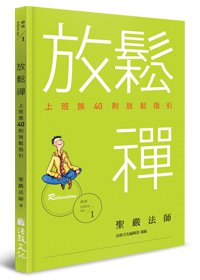
放鬆禪:上班族40則放鬆指引
放鬆,是精進而從容自在。隨時隨地把波動的心安定下來,與壓力和平共處,享受慢活的創意與專注的高效率。上班族一定要等到放假日,才能放鬆自己嗎?何不立即體驗放鬆禪的紓壓法,還你工作好元氣!本書針對上班族的種種緊張壓力問題:工作做不完、時間不夠用、頭腦焦慮、失眠……,精選聖嚴法師40則放鬆指引,透過不同面向的放鬆禪,讓人輕鬆化解緊張壓力。有了放鬆禪調整工作節奏、紓解身心壓力,工作從此免緊張!
作者簡介
聖嚴法師(1930~2009年)聖嚴法師1930年生於江蘇南通,1943年於狼山出家。曾於高雄美濃閉關六年,隨後留學日本,獲立正大學文學博士學位。1975年應邀赴美弘法。1989年創建法鼓山,並於2005年開創繼起漢傳禪佛教的「中華禪法鼓宗」。聖嚴法師是一位思想家、作家暨國際知名禪師,著作豐富,中、英、日文著作達百餘種,先後獲頒中山文藝獎、中山學術獎、總統文化獎及社會各界的諸多獎項。聖嚴法師提出「提昇人的品質,建設人間淨土」的理念,相繼創辦中華佛學研究所、法鼓佛教學院、僧伽大學、法鼓大學等院校,也以豐富的禪修經驗、正信的佛法觀念和方法指導東、西方人士修行。法師著重以現代人的語言和觀點普傳佛法,陸續提出「心靈環保」、「四種環保」、「心五四運動」、「心六倫」等社會運動,更致力於國際弘化工作,其寬闊胸襟與國際化視野,深獲海內外肯定。
NT$
$117
|
78折
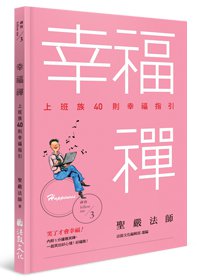
幸福禪:上班族40則幸福指引
幸福,是自我肯定的微笑曲線。永遠保持平常心,融入未知的全球化世界,樂在學習,與創造力經濟接軌。笑了才會幸福!內附1分鐘微笑禪,一起笑出好心情!好福氣!工作不開心嗎?不知為誰辛苦為誰忙?何不立即體驗幸福禪的快樂心法,讓你開心微笑面對工作!本書針對上班族的種種苦惱問題:工作不快樂、沒賺錢福氣、缺少好運、不得人緣……,精選聖嚴法師40則幸福指引,透過不同面向的幸福禪,學會知福、惜福、培福、種福等好方法,讓你樂在工作,福氣多多,工作從此好運開!
作者簡介
聖嚴法師(1930~2009年)聖嚴法師1930年生於江蘇南通,1943年於狼山出家。曾於高雄美濃閉關六年,隨後留學日本,獲立正大學文學博士學位。1975年應邀赴美弘法。1989年創建法鼓山,並於2005年開創繼起漢傳禪佛教的「中華禪法鼓宗」。聖嚴法師是一位思想家、作家暨國際知名禪師,著作豐富,中、英、日文著作達百餘種,先後獲頒中山文藝獎、中山學術獎、總統文化獎及社會各界的諸多獎項。聖嚴法師提出「提昇人的品質,建設人間淨土」的理念,相繼創辦中華佛學研究所、法鼓佛教學院、僧伽大學、法鼓大學等院校,也以豐富的禪修經驗、正信的佛法觀念和方法指導東、西方人士修行。法師著重以現代人的語言和觀點普傳佛法,陸續提出「心靈環保」、「四種環保」、「心五四運動」、「心六倫」等社會運動,更致力於國際弘化工作,其寬闊胸襟與國際化視野,深獲海內外肯定。
NT$
$117
|
78折
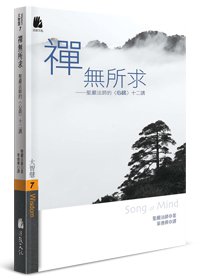
禪無所求:聖嚴法師的〈心銘〉十二講
本書是聖嚴法師在美國多次禪七中的開示集結,旨在闡釋牛頭法融禪師的〈心銘〉詩偈。聖嚴法師以自身豐富的禪修經驗,釐清開悟者與各階段修行者的境界層次,指出修行者所應具備的正確態度,與應避免落入的陷阱,並從實修的角度,詳盡地解說止與觀、定與慧、話頭與公案的本質與作用,為這首古老詩偈中所敘述的玄妙禪境,開闢了一條解行並重的修行大道。「修行的重點應該放在過程,而不是結果。 有目標是好的,但在修行時,就要把目標放在一旁,只管修行。 修行就像旅行:你和其他旅人來到同一座機場展開旅程。 每個航班都有自己的起飛時間、目的地和抵達時間。 你買自己的機票,坐上自己的位子,其他人則坐上他們的位子。 一旦上路,就沒必要擔心路途或抵達的時間。 你終會到達目的地,就像其他人一樣。」──聖嚴
作者簡介
聖嚴法師(1930~2009年)一九三○年出生,少年出家,曾於高雄山中閉關六年,並留學日本,獲得立正大學文學博士學位,曾任雜誌編輯、教授、所長以及譯經院院長等,創辦中華佛學研究所、創建法鼓山、僧伽大學、法鼓大學以及社會大學等,在國內設立禪修、文教、慈善等基金會,而分支道場亦遍及於歐、亞、美、澳等各大洲。他是一位教育家、作家,更是一位宗教家和國際知名的禪師,長年在國內外推動「心靈環保」、「種族和諧」及「世界和平」等工作不餘遺力。他所獲得的榮譽獎項中,包括總統文化獎、行政院文化獎、行政院社會領袖和風獎、中山文藝創作獎、中山學術著作獎、斐德烈二世和平獎等十多種。出版著作一百多種,已有十多種語言的譯著。他曾應邀為《中華日報》、《中央日報》、《聯合報》、《中國時報》、《自由時報》等各大報紙,及《天下》、《康健》等雜誌撰寫專欄。本書為聖嚴法師在美國多次禪七中,針對牛頭法融禪師的〈心銘〉所做的開示。
譯者簡介
單德興祖籍山東省嶧縣,一九五五年出生於台灣省南投縣,台灣大學外文研究所博士,一九八八年皈依聖嚴法師,現任中央研究院歐美研究所研究員,曾任中華民國英美文學學會理事長,美國加州大學爾灣校區、哈佛大學、紐約大學、英國伯明罕大學訪問學人。著有《銘刻與再現》、《對話與交流》、《反動與重演》、《我打禪家走過》,譯有《知識分子論》、《禪的智慧》、《格理弗遊記》、《權力、政治與文化》等,並獲得九十五年(第三十屆)金鼎獎最佳翻譯人獎。研究領域包括美國文學史、華美文學、比較文學、文化研究、翻譯研究。
作者
譯者
單德興
NT$
$218
|
78折
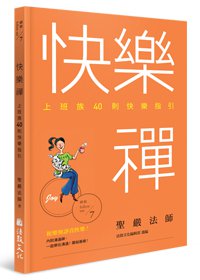
快樂禪:上班族40則快樂指引
快樂,是與人為善的溝通藝術。語言不一定能達成共識,自我肯定的自知之明,自他平等的尊重、理解、如實接納,即是多元化與深刻國際化的素養。和樂無諍真快樂!內附溝通禪,一起樂在溝通!廣結善緣!工作開心嗎?希望大家看到你都變得快樂嗎?何不立即體驗快樂禪的快樂妙法,讓你把壞心情變成好心情!本書針對上班族的種種悶悶不樂問題:情緒不安、人緣不佳、吵架失和、溝通不良……,精選聖嚴法師40則快樂指引,透過不同面向的快樂禪,學會離苦得樂的方法,化敵為友,和樂相處,你就能念念心安樂,處處遇貴人,工作從此真開心!
作者簡介
聖嚴法師(1930~2009年)聖嚴法師1930年生於江蘇南通,1943年於狼山出家。曾於高雄美濃閉關六年,隨後留學日本,獲立正大學文學博士學位。1975年應邀赴美弘法。1989年創建法鼓山,並於2005年開創繼起漢傳禪佛教的「中華禪法鼓宗」。聖嚴法師是一位思想家、作家暨國際知名禪師,著作豐富,中、英、日文著作達百餘種,先後獲頒中山文藝獎、中山學術獎、總統文化獎及社會各界的諸多獎項。聖嚴法師提出「提昇人的品質,建設人間淨土」的理念,相繼創辦中華佛學研究所、法鼓佛教學院、僧伽大學、法鼓大學等院校,也以豐富的禪修經驗、正信的佛法觀念和方法指導東、西方人士修行。法師著重以現代人的語言和觀點普傳佛法,陸續提出「心靈環保」、「四種環保」、「心五四運動」、「心六倫」等社會運動,更致力於國際弘化工作,其寬闊胸襟與國際化視野,深獲海內外肯定。
NT$
$117
|
78折

電子書 | 工作好修行:聖嚴法師的38則職場智慧 (二版)
入世修行 × 職場實踐每天上班,修行也在工作中
「人不可能離開工作,而且愈是有理想,愈是對生活抱持積極態度的人,工作愈是做不完。但是,你還要有本事活得很愉快。」——聖嚴法師
二千五百年前,佛陀成功領導了超過千人的龐大僧團,規模堪比現今的大企業。佛陀不僅是覺者,更是一位深諳人性的領導者,而佛法的古老智慧,已足夠讓你在競爭激烈的現代職場中,遊刃有餘、得心應手。
在忙碌與壓力交織的日常中,我們為了生活,總把工作擺在第一位,而修行則要等到有空、放假、甚至退休之後,再去尋找內心的平靜。但,如果你的辦公室,就是最好的禪堂呢?
將深刻的佛法化為具體的職場心法,聖嚴法師為我們解說工作的意義、做事的藝術、人際相處,以及團隊合作等原則;針對上班族最感疲憊的「情緒內耗」、「競爭焦慮」與「人際溝通」等,給予直指人心的解方。如:
◆ 工作心法:以「隨順因緣」面對環境;以「專注當下」化解焦慮、提升效率。◆ 做事的藝術:運用佛陀的「調琴論」,在努力與放鬆之間,找到鬆緊得宜的平衡。◆ 競爭升級:以「良性競爭」取代掠奪式比較,從對抗走向共好,創造雙贏而非消耗。◆ 人際與團隊:實踐佛陀帶領團隊的「六和敬」,建立更有溫度、更高效的合作關係。
修行不在遠方,就在你處理每一封郵件、挑戰每一個任務的當下。
每天上班,其實在修心。把工作做好,就是在修行。每一次共事,都是成就彼此的契機。
無論你是工作穩定的員工、主管、企業家,或是正在謀職、有意創業者,都能從本書獲得寶貴的啟發。
現在,就讓佛陀與聖嚴法師來做你的職場顧問,解鎖職場與心靈的雙贏兩利祕訣。
作者簡介
聖嚴法師(1930~2009年)聖嚴法師1930年生於江蘇南通,1943年於狼山出家,後因戰亂投身軍旅,十年後再次披剃出家。曾於高雄美濃閉關六年,隨後留學日本,獲立正大學文學博士學位。1975年應邀赴美弘法。1989年創建法鼓山,並於2005年開創繼起漢傳禪佛教的「中華禪法鼓宗」。聖嚴法師是一位思想家、作家暨國際知名禪師,曾獲臺灣《天下》雜誌遴選為「四百年來臺灣最具影響力的五十位人士」之一。著作豐富,中、英、日文著作達百餘種,先後獲頒中山文藝獎、中山學術獎、總統文化獎及社會各界的諸多獎項。聖嚴法師提出「提昇人的品質,建設人間淨土」的理念,主張以大學院、大普化、大關懷三大教育推動全面教育,相繼創辦中華佛學研究所、法鼓文理學院、僧伽大學等院校,也以豐富的禪修經驗、正信的佛法觀念和方法指導東、西方人士修行。法師著重以現代人的語言和觀點普傳佛法,陸續提出「心靈環保」、「四種環保」、「心五四運動」、「心六倫」等社會運動,並積極推展國際弘化工作,參與國際性會談,促進宗教交流,提倡建立全球性倫理,致力世界和平。其寬闊胸襟與國際化視野,深獲海內外肯定。
本書適合在這些時刻閱讀
想重新理解工作的意義,並將修行融入日常工作中。
面對工作變動,想用較安定的心態評估下一步。
工作繁忙、時程緊迫,應如何分辨輕重緩急,專注做好眼前的事。
與同事或主管意見不同,想學習更妥當的溝通與相處方式。
當帶領團隊,需要思考如何凝聚共識、照顧成員並共享成果。
作者
NT$
$140
正在載入更多商品......