搜尋結果
共
503
筆符合商品
排序

寶鏡無境:石頭希遷〈參同契〉、洞山良价〈寶鏡三昧歌〉新詮(二版)
煩惱與智慧,並無不同開悟之後,世界並不會停止下雪 聖嚴法師講解禪宗千年修行心要,教你在複雜多變的世間,修剪執著,融雪為水,照見寂而常照的自性寶鏡。 「有時我看到自己的煩惱像冬天暴風雪中的雪花,飄落在我的心鏡上,但透過不斷的修行,我讓自己的心鏡保持溫暖,而雪片很快就融化了。」——聖嚴法師
◆ 聖嚴法師「默照禪」的重要思想源流
默照禪與話頭禪,是聖嚴法師最具代表性的禪法。其中,默照禪所強調的「寂而常照、照而常寂」,正與曹洞宗一脈相承。 本書以石頭希遷〈參同契〉與洞山良价〈寶鏡三昧歌〉為核心,深入闡述曹洞宗的修行精神,是理解聖嚴法師默照禪思想的重要著作。 ◆ 曹洞宗兩大心要的珍貴現代新詮 〈參同契〉與〈寶鏡三昧歌〉是歷代禪門公認為曹洞宗最重要的兩篇著作,影響深遠。然而,兩篇作品義理深奧、隱喻繁富,完整而深入的白話解說極為罕見,現代讀者難以窺其全貌。 聖嚴法師以禪修實證的視角,結合佛法義理與現代語言,帶領讀者進入曹洞宗的修行世界,體會古老禪偈歷久彌新的智慧。 ◆ 千年禪典映照現代人生,體驗真正的禪悅 開悟之後,是否就能一悟永悟?如何面對生命中不停落下的雪花? 二篇詩偈共同指出:人人本具佛性,但仍須透過持續不斷的修行,才能使智慧現前、煩惱消融。本書不僅談覺悟,更談覺悟之後如何安住、如何保任、如何在日常生活中實踐禪法,是一部兼具理論深度與修行指引的經典之作。 〈參同契〉直指三世諸佛同證的心境,並善用陰陽、明暗的引申寓意,說明默照禪的修行經驗與開悟的五種層次。此偈內容點出,修行者唯有藉由不斷地精進修行,破除煩惱,才能使自心如皎潔的一輪明月。 〈寶鏡三昧歌〉告訴我們,人人皆有自性寶鏡,只因被煩惱遮蔽,而失去映照能力;若能拭去心鏡上的塵埃,寶鏡即能再顯明淨。全詩融合易經的生命哲理與禪的直觀,引導精進修行者悟入心、佛、眾生的本性,超越煩惱與禪定的執著,體會寂而常照的寶鏡妙用。 在複雜多變的現代社會,若能善用〈參同契〉及〈寶鏡三昧歌〉的禪理,並落實於生活中,即能化煩惱為菩提,體驗真正的禪悅。 ◆ 英文版暢銷多年,中文版新版經典重現 本書英文版《The Infinite Mirror》多年前即於美國出版,至今仍持續流通,足見其歷久彌新的思想價值。此次推出中文新版,並同步發行電子書,讓更多讀者得以重新認識這部禪宗經典新詮之作。
作者簡介
聖嚴法師(1930~2009年)聖嚴法師1930年生於江蘇南通,1943年於狼山出家,後因戰亂投身軍旅,十年後再次披剃出家。曾於高雄美濃閉關六年,隨後留學日本,獲立正大學文學博士學位。1975年應邀赴美弘法。1989年創建法鼓山,並於2005年開創繼起漢傳禪佛教的「中華禪法鼓宗」。聖嚴法師是一位思想家、作家暨國際知名禪師,曾獲臺灣《天下》雜誌遴選為「四百年來臺灣最具影響力的五十位人士」之一。著作豐富,中、英、日文著作達百餘種,先後獲頒中山文藝獎、中山學術獎、總統文化獎及社會各界的諸多獎項。聖嚴法師提出「提昇人的品質,建設人間淨土」的理念,主張以大學院、大普化、大關懷三大教育推動全面教育,相繼創辦中華佛學研究所、法鼓文理學院、僧伽大學等院校,也以豐富的禪修經驗、正信的佛法觀念和方法指導東、西方人士修行。法師著重以現代人的語言和觀點普傳佛法,陸續提出「心靈環保」、「四種環保」、「心五四運動」、「心六倫」等社會運動,並積極推展國際弘化工作,參與國際性會談,促進宗教交流,提倡建立全球性倫理,致力世界和平。其寬闊胸襟與國際化視野,深獲海內外肯定。
譯者簡介
釋果醒1953年出生於臺灣高雄,1984年追隨法鼓山創辦人聖嚴法師習禪,1986年於法師座下出家,2005年成為聖嚴法師傳法法子。曾任法鼓山農禪寺禪坐會和禪修推廣中心輔導法師、美國紐約東初禪寺兼象岡道場住持、禪修中心副都監及禪堂堂主。現任法鼓山副住持。三十三歲出家,自云人生「三三來遲」,出家後,對漢傳經典及禪宗體用心法,融會貫通。2011年起,結合《楞嚴經》、《圓覺經》、《維摩詰經》、《六祖壇經》等經教,於臺灣、美國、澳洲、莫斯科、波蘭、香港、新加坡等地,帶領止觀、默照、話頭、念佛禪等禪修活動,經常為海內外各地人士宣講無我心法。著有《楞嚴禪心》、《一人一世界:楞嚴生活》等書。
作者
譯者
釋果醒
NT$
$156
|
78折

寶鏡無境:石頭希遷〈參同契〉、洞山良价〈寶鏡三昧歌〉新詮
本書為聖嚴法師在美國「佛法開示班」中,針對唐代石頭希遷禪師的〈參同契〉和洞山良价禪師的〈寶鏡三昧歌〉所做的開示。石頭希遷的〈參同契〉與洞山良价的〈寶鏡三昧歌〉,一向被公認為是曹洞宗最重要的兩篇著作。〈參同契〉為一首五言偈頌,共二百二十字。此偈內容點出,修行者唯有藉由不斷地精進修行,破除煩惱,才能使自心如皎潔的一輪明月。〈寶鏡三昧歌〉則是一首四言偈頌,共三百七十六字。全詩告訴我們,人人皆有自性寶鏡,只因被煩惱遮蔽,而失去映照能力;若能拭去心鏡上的塵埃,寶鏡即能再顯明淨。在複雜多變的現代社會,若能善解、運用〈參同契〉及〈寶鏡三昧歌〉的禪理,並在生活中時時修行,即能化煩惱為菩提,體驗真正的禪悅。聖嚴法師的精進默照禪中國曹洞宗的修行心要「有時我看到自己的煩惱像冬天暴風雪中的雪花, 飄落在我的心鏡上, 但透過不斷的修行,我讓自己的心鏡保持溫暖, 而雪片很快就融化了。」——聖嚴法師〈參同契〉石頭希遷禪師◎著竺土大仙心,東西密相付。人根有利鈍,道無南北祖。靈源明皎潔,枝派暗流注。執事元是迷,契理亦非悟。門門一切境,迴互不迴互。迴而更相涉,不爾依位住。色本殊質象,聲元異樂苦。暗合上中言,明明清濁句。四大性自復,如子得其母。火熱風動搖,水濕地堅固。眼色耳音聲,鼻香舌鹹醋。然依一一法,依根葉分布。本末須歸宗,尊卑用其語。當明中有暗,勿以暗相遇;當暗中有明,勿以明相覩。明暗各相對,比如前後步。萬物自有功,當言用及處。事存函蓋合,理應箭鋒拄。承言須會宗,勿自立規矩。觸目不會道,運足焉知路?進步非近遠,迷隔山河固。謹白參玄人,光陰莫虛度。〈寶鏡三昧歌〉洞山良价禪師◎著如是之法,佛祖密付。汝今得之,宜善保護。銀盌盛雪,明月藏鷺,類之不齊,混則知處。意不在言,來機亦赴。動成窠臼,差落顧佇。背觸俱非,如大火聚。但形文彩,即屬染污。夜半正明,天曉不露。為物作則,用拔諸苦。雖非有為,不是無語。如臨寶鏡,形影相睹。汝不是渠,渠正是汝。如世嬰兒,五相完具。不去不來,不起不住。婆婆和和,有句無句。終不得物,語未正故。重離六爻,偏正回互,疊而為三,變盡成五。如荎草味,如金剛杵。正中妙挾,敲唱雙舉。通宗通途,挾帶挾路。錯然則吉,不可犯忤。天真而妙,不屬迷悟。因緣時節,寂然昭著。細入無間,大絕方所。毫忽之差,不應律呂。今有頓漸,緣立宗趣。宗趣分矣,即是規矩。宗通趣極,真常流注。外寂中搖,係駒伏鼠。先聖悲之,為法檀度。隨其顛倒,以緇為素;顛倒想滅,肯心自許。要合古轍,請觀前古。佛道垂成,十劫觀樹。如虎之缺,如馬之馵。以有下劣,寶几珍御;以有驚異,黧奴白牯。羿以巧力,射中百步;箭鋒相值,巧力何預?木人方歌,石女起舞;非情識到,寧容思慮?臣奉於君,子順於父;不順非孝,不奉非輔。潛行密用,如愚如魯;但能相續,名主中主。
作者簡介
聖嚴法師(1930~2009年)1930年出生,十三歲出家修行。曾於高雄山中閉關六年,並留學日本,獲得立正大學文學博士學位。曾任雜誌編輯、教授、研究所所長以及譯經院院長等。創辦中華佛學研究所、創建法鼓山、僧伽大學、法鼓大學以及社會大學等。在國內設立禪修、文教、慈善等基金會,分支道場遍及於歐、亞、美、澳等各大洲。他是一位教育家、作家,更是一位宗教家和國際知名禪師,長年在國內外為推動「心靈環保」、「種族和諧」及「世界和平」等工作不遺餘力。聖嚴法師所獲得的榮譽獎項中,包括總統文化獎、行政院文化獎、社會運動和風獎之傑出社會運動領袖獎、中山文藝創作獎、中山學術著作獎、斐德烈二世和平獎等十多種。出版著作一百多種,已有十多種語言的譯著。他曾經應邀為《中華日報》、《中央日報》、《聯合報》、《中國時報》、《自由時報》等各大報紙,及《天下》、《康健》等雜誌撰寫專欄。本書為聖嚴法師在美國「佛法開示班」中,針對唐代石頭希遷禪師的〈參同契〉和洞山良价禪師的〈寶鏡三昧歌〉所做的開示。
譯者簡介
釋果醒1953年出生於台灣省高雄縣。1984年親近聖嚴法師學習禪法。1986年跟隨聖嚴法師出家。1991年至泰國學習南傳禪法一年。1987-2001年前後擔任法鼓山農禪寺禪坐會輔導師近八年。1987-2007年參與台灣、美國及東南亞等地舉辦的禪七,及協助聖嚴法師指導各種禪七、禪四十九約五十餘次。2001-2007年法鼓山僧伽大學的禪修指導老師。現任法鼓山禪修副都監,法鼓山禪堂堂主及傳燈院監院。
作者
譯者
釋果醒
NT$
$105
|
7折

電子書 | 寶鏡無境:石頭希遷〈參同契〉、洞山良价〈寶鏡三昧歌〉新詮
本書為聖嚴法師在美國「佛法開示班」中,針對唐代石頭希遷禪師的〈參同契〉和洞山良价禪師的〈寶鏡三昧歌〉所做的開示。
石頭希遷的〈參同契〉與洞山良价的〈寶鏡三昧歌〉,一向被公認為是曹洞宗最重要的兩篇著作。〈參同契〉為一首五言偈頌,共二百二十字。此偈內容點出,修行者唯有藉由不斷地精進修行,破除煩惱,才能使自心如皎潔的一輪明月。〈寶鏡三昧歌〉則是一首四言偈頌,共三百七十六字。全詩告訴我們,人人皆有自性寶鏡,只因被煩惱遮蔽,而失去映照能力;若能拭去心鏡上的塵埃,寶鏡即能再顯明淨。
在複雜多變的現代社會,若能善解、運用〈參同契〉及〈寶鏡三昧歌〉的禪理,並在生活中時時修行,即能化煩惱為菩提,體驗真正的禪悅。
聖嚴法師的精進默照禪中國曹洞宗的修行心要
「有時我看到自己的煩惱像冬天暴風雪中的雪花, 飄落在我的心鏡上, 但透過不斷的修行,我讓自己的心鏡保持溫暖, 而雪片很快就融化了。」 ——聖嚴法師
〈參同契〉石頭希遷禪師◎著
竺土大仙心,東西密相付。人根有利鈍,道無南北祖。靈源明皎潔,枝派暗流注。執事元是迷,契理亦非悟。門門一切境,迴互不迴互。迴而更相涉,不爾依位住。色本殊質象,聲元異樂苦。暗合上中言,明明清濁句。四大性自復,如子得其母。火熱風動搖,水濕地堅固。眼色耳音聲,鼻香舌鹹醋。然依一一法,依根葉分布。本末須歸宗,尊卑用其語。當明中有暗,勿以暗相遇;當暗中有明,勿以明相覩。明暗各相對,比如前後步。萬物自有功,當言用及處。事存函蓋合,理應箭鋒拄。承言須會宗,勿自立規矩。觸目不會道,運足焉知路?進步非近遠,迷隔山河固。謹白參玄人,光陰莫虛度。
〈寶鏡三昧歌〉洞山良价禪師◎著
如是之法,佛祖密付。汝今得之,宜善保護。銀盌盛雪,明月藏鷺,類之不齊,混則知處。意不在言,來機亦赴。動成窠臼,差落顧佇。背觸俱非,如大火聚。但形文彩,即屬染污。夜半正明,天曉不露。為物作則,用拔諸苦。雖非有為,不是無語。如臨寶鏡,形影相睹。汝不是渠,渠正是汝。如世嬰兒,五相完具。不去不來,不起不住。婆婆和和,有句無句。終不得物,語未正故。重離六爻,偏正回互,疊而為三,變盡成五。如荎草味,如金剛杵。正中妙挾,敲唱雙舉。通宗通途,挾帶挾路。錯然則吉,不可犯忤。天真而妙,不屬迷悟。因緣時節,寂然昭著。細入無間,大絕方所。毫忽之差,不應律呂。今有頓漸,緣立宗趣。宗趣分矣,即是規矩。宗通趣極,真常流注。外寂中搖,係駒伏鼠。先聖悲之,為法檀度。隨其顛倒,以緇為素;顛倒想滅,肯心自許。要合古轍,請觀前古。佛道垂成,十劫觀樹。如虎之缺,如馬之馵。以有下劣,寶几珍御;以有驚異,黧奴白牯。羿以巧力,射中百步;箭鋒相值,巧力何預?木人方歌,石女起舞;非情識到,寧容思慮?臣奉於君,子順於父;不順非孝,不奉非輔。潛行密用,如愚如魯;但能相續,名主中主。
作者簡介:
聖嚴法師
1930年出生,十三歲出家修行。曾於高雄山中閉關六年,並留學日本,獲得立正大學文學博士學位。曾任雜誌編輯、教授、研究所所長以及譯經院院長等。
創辦中華佛學研究所、創建法鼓山、僧伽大學、法鼓大學以及社會大學等。在國內設立禪修、文教、慈善等基金會,分支道場遍及於歐、亞、美、澳等各大洲。
他是一位教育家、作家,更是一位宗教家和國際知名禪師,長年在國內外為推動「心靈環保」、「種族和諧」及「世界和平」等工作不遺餘力。
聖嚴法師所獲得的榮譽獎項中,包括總統文化獎、行政院文化獎、社會運動和風獎之傑出社會運動領袖獎、中山文藝創作獎、中山學術著作獎、斐德烈二世和平獎等十多種。
出版著作一百多種,已有十多種語言的譯著。他曾經應邀為《中華日報》、《中央日報》、《聯合報》、《中國時報》、《自由時報》等各大報紙,及《天下》、《康健》等雜誌撰寫專欄。
本書為聖嚴法師在美國「佛法開示班」中,針對唐代石頭希遷禪師的〈參同契〉和洞山良价禪師的〈寶鏡三昧歌〉所做的開示。
譯者簡介:
釋果醒1953年出生於台灣省高雄縣。1984年親近聖嚴法師學習禪法。1986年跟隨聖嚴法師出家。1991年至泰國學習南傳禪法一年。1987-2001年前後擔任法鼓山農禪寺禪坐會輔導師近八年。1987-2007年參與台灣、美國及東南亞等地舉辦的禪七,及協助聖嚴法師指導各種禪七、禪四十九約五十餘次。2001-2007年法鼓山僧伽大學的禪修指導老師。現任法鼓山禪修副都監,法鼓山禪堂堂主及傳燈院監院。
作者
譯者
釋果醒
NT$
$105
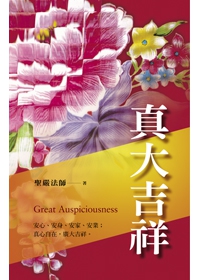
真大吉祥:安心、安身、安家、安業;真心自在,廣大吉祥
為了求得平安吉祥,你會做什麼?從環境求安全?問神明斷禍福?或是到處蒐集吉祥物?聖嚴法師提醒我們,這種「似是而非」的平安既不可靠,也不真實!法師指出,究竟平安可藉由「四安」獲得:少欲知足而安心;勤儉放鬆而安身; 相愛互助以安家;修養身、口、意以安業。當這四種安定力量在生命中沉澱、發酵,散發出內外祥和的氣息,即是真實不虛的大吉祥!
作者簡介
聖嚴法師(1930~2009年)聖嚴法師1930年生於江蘇南通,1943年於狼山出家,後因戰亂投身軍旅,十年後再次披剃出家。曾於高雄美濃閉關六年,隨後留學日本,獲立正大學文學博士學位。1975年應邀赴美弘法。1989年創建法鼓山,並於2005年開創繼起漢傳禪佛教的「中華禪法鼓宗」。聖嚴法師是一位思想家、作家暨國際知名禪師,曾獲台灣《天下》雜誌遴選為「四百年來台灣最具影響力的五十位人士」之一。著作豐富,中、英、日文著作達百餘種,先後獲頒中山文藝獎、中山學術獎、總統文化獎及社會各界的諸多獎項。聖嚴法師提出「提昇人的品質,建設人間淨土」的理念,主張以大學院、大普化、大關懷三大教育推動全面教育,相繼創辦中華佛學研究所、法鼓佛教學院、僧伽大學、法鼓大學等院校,也以豐富的禪修經驗、正信的佛法觀念和方法指導東、西方人士修行。法師著重以現代人的語言和觀點普傳佛法,陸續提出「心靈環保」、「四種環保」、「心五四運動」、「心六倫」等社會運動,近年來更致力於國際弘化工作,參與國際性會談,促進宗教交流,提倡建立全球性倫理,致力於世界的和平。其寬闊胸襟與國際化視野,深獲海內外肯定。
作者
NT$
$78
|
78折
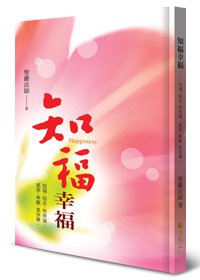
知福幸福:知福、知足,有幸福;感恩、奉獻,真快樂
人生的尋尋覓覓,要找的不過是一份幸福。但幸福到底是什麼?許多人到頭來都發現,幸福,和外在的追尋根本無關。聖嚴法師叮嚀我們,不停地滿足欲望絕對無法獲得幸福。有智慧的人能藉著看見當下的美好、珍惜眼前所有、常懷感恩之心,讓幸福的感受在心中不斷滋長、茁壯。幸福,其實就在一念之間。只要你用心體察就會明白:人生,因知福、知足而幸福;因感恩、付出而快樂!
作者簡介
聖嚴法師(1930~2009年)聖嚴法師1930年生於江蘇南通,1943年於狼山出家,後因戰亂投身軍旅,十年後再次披剃出家。曾於高雄美濃閉關六年,隨後留學日本,獲立正大學文學博士學位。1975年應邀赴美弘法。1989年創建法鼓山,並於2005年開創繼起漢傳禪佛教的「中華禪法鼓宗」。聖嚴法師是一位思想家、作家暨國際知名禪師,曾獲台灣《天下》雜誌遴選為「四百年來台灣最具影響力的五十位人士」之一。著作豐富,中、英、日文著作達百餘種,先後獲頒中山文藝獎、中山學術獎、總統文化獎及社會各界的諸多獎項。聖嚴法師提出「提昇人的品質,建設人間淨土」的理念,主張以大學院、大普化、大關懷三大教育推動全面教育,相繼創辦中華佛學研究所、法鼓佛教學院、僧伽大學、法鼓大學等院校,也以豐富的禪修經驗、正信的佛法觀念和方法指導東、西方人士修行。法師著重以現代人的語言和觀點普傳佛法,陸續提出「心靈環保」、「四種環保」、「心五四運動」、「心六倫」等社會運動,近年來更致力於國際弘化工作,參與國際性會談,促進宗教交流,提倡建立全球性倫理,致力於世界的和平。其寬闊胸襟與國際化視野,深獲海內外肯定。
作者
NT$
$78
|
78折
電子書 | 真大吉祥:安心、安身、安家、安業;真心自在,廣大吉祥。
為了求得平安吉祥,你會做什麼? 從環境求安全?問神明斷禍福? 或是到處蒐集吉祥物? 聖嚴法師提醒我們, 這種「似是而非」的平安既不可靠,也不真實! 法師指出,究竟平安可藉由「四安」獲得: 少欲知足而安心;勤儉放鬆而安身; 相愛互助以安家;修養身、口、意以安業。 當這四種安定力量在生命中沉澱、發酵, 散發出內外祥和的氣息, 即是真實不虛的大吉祥!
作者簡介: 聖嚴法師(1930~2009年) 聖嚴法師1930年生於江蘇南通,1943年於狼山出家,後因戰亂投身軍旅,十年後再次披剃出家。曾於高雄美濃閉關六年,隨後留學日本,獲立正大學文學博士學位。1975年應邀赴美弘法。1989年創建法鼓山,並於2005年開創繼起漢傳禪佛教的「中華禪法鼓宗」。 聖嚴法師是一位思想家、作家暨國際知名禪師,曾獲台灣《天下》雜誌遴選為「四百年來台灣最具影響力的五十位人士」之一。著作豐富,中、英、日文著作達百餘種,先後獲頒中山文藝獎、中山學術獎、總統文化獎及社會各界的諸多獎項。 聖嚴法師提出「提昇人的品質,建設人間淨土」的理念,主張以大學院、大普化、大關懷三大教育推動全面教育,相繼創辦中華佛學研究所、法鼓佛教學院、僧伽大學、法鼓大學等院校,也以豐富的禪修經驗、正信的佛法觀念和方法指導東、西方人士修行。 法師著重以現代人的語言和觀點普傳佛法,陸續提出「心靈環保」、「四種環保」、「心五四運動」、「心六倫」等社會運動,近年來更致力於國際弘化工作,參與國際性會談,促進宗教交流,提倡建立全球性倫理,致力於世界的和平。其寬闊胸襟與國際化視野,深獲海內外肯定。
作者
NT$
$70
電子書 | 知福幸福:知福、知足,有幸福;感恩、奉獻,真快樂
人生的尋尋覓覓,要找的不過是一份幸福。但幸福到底是什麼?許多人到頭來都發現,幸福,和外在的追尋根本無關。聖嚴法師叮嚀我們,不停地滿足欲望絕對無法獲得幸福。有智慧的人能藉著看見當下的美好、珍惜眼前所有、常懷感恩之心,讓幸福的感受在心中不斷滋長、茁壯。幸福,其實就在一念之間。只要你用心體察就會明白:人生,因知福、知足而幸福;因感恩、付出而快樂!
作者簡介:聖嚴法師(1930~2009年)聖嚴法師1930年生於江蘇南通,1943年於狼山出家,後因戰亂投身軍旅,十年後再次披剃出家。曾於高雄美濃閉關六年,隨後留學日本,獲立正大學文學博士學位。1975年應邀赴美弘法。1989年創建法鼓山,並於2005年開創繼起漢傳禪佛教的「中華禪法鼓宗」。聖嚴法師是一位思想家、作家暨國際知名禪師,曾獲台灣《天下》雜誌遴選為「四百年來台灣最具影響力的五十位人士」之一。著作豐富,中、英、日文著作達百餘種,先後獲頒中山文藝獎、中山學術獎、總統文化獎及社會各界的諸多獎項。聖嚴法師提出「提昇人的品質,建設人間淨土」的理念,主張以大學院、大普化、大關懷三大教育推動全面教育,相繼創辦中華佛學研究所、法鼓佛教學院、僧伽大學、法鼓大學等院校,也以豐富的禪修經驗、正信的佛法觀念和方法指導東、西方人士修行。法師著重以現代人的語言和觀點普傳佛法,陸續提出「心靈環保」、「四種環保」、「心五四運動」、「心六倫」等社會運動,近年來更致力於國際弘化工作,參與國際性會談,促進宗教交流,提倡建立全球性倫理,致力於世界的和平。其寬闊胸襟與國際化視野,深獲海內外肯定。
作者
NT$
$70
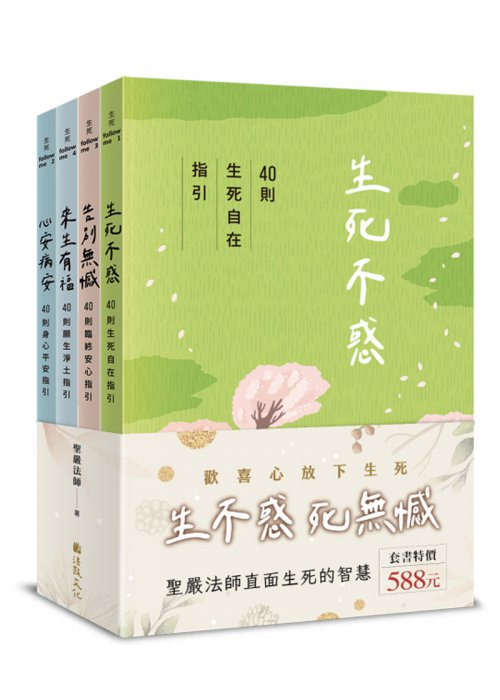
「生不惑、死無憾」生死有福套書 (全四冊)
最美的祝福歡喜心放下生死
「衰老與死亡看起來是很悲傷的事情,但即使是悲傷,也是持續生滅的。」「人之所以害怕死亡,是因為不知死後該何去何從?」「若有定力,便知天下本來無事,好好處理便是。」生命的每一階段,都有一定的任務。當每一個階段的任務結束,必須進入另一階段時,便是生命之光的無限延伸。關於生死,讓我們放下擔憂或輕忽的心,關懷他人、造福自己、勇敢面對;永遠需要給自己一個希望。聖嚴法師的智慧生死觀,讓我們的生命旅程更自在平安!「生不惑、死無憾」生死有福套書(全四冊)《生死不惑——40則生死自在指引》建立正確的生死觀。活在當下,面對生死!《心安病安——40則身心平安指引》生病是一場真正的修行。活得快樂,病得健康!《告別無憾——40則臨終安心指引》讓祝福代替悲傷,圓滿無憾。告別是一種放下的智慧!《來生有福——40則願生淨土指引》為來生做最好的準備。放下生死,迎向新生!
作者簡介
聖嚴法師(1930~2009年)1930年生於江蘇南通,1943年於狼山出家,後因戰亂投身軍旅,十年後再次披剃出家。曾於高雄美濃閉關六年,隨後留學日本,獲立正大學文學博士學位。1975年應邀赴美弘法。1989年創建法鼓山,並於2005年開創繼起漢傳禪佛教的「中華禪法鼓宗」。聖嚴法師是一位思想家、作家暨國際知名禪師,曾獲臺灣《天下》雜誌遴選為「四百年來臺灣最具影響力的五十位人士」之一。著作豐富,中、英、日文著作達百餘種,先後獲頒中山文藝獎、中山學術獎、總統文化獎及社會各界的諸多獎項。聖嚴法師提出「提昇人的品質,建設人間淨土」的理念,主張以大學院、大普化、大關懷三大教育推動全面教育,相繼創辦中華佛學研究所、法鼓文理學院、僧伽大學等院校,也以豐富的禪修經驗、正信的佛法觀念和方法指導東、西方人士修行。法師著重以現代人的語言和觀點普傳佛法,陸續提出「心靈環保」、「四種環保」、「心五四運動」、「心六倫」等社會運動,並積極推展國際弘化工作,參與國際性會談,促進宗教交流,提倡建立全球性倫理,致力世界和平。其寬闊胸襟與國際化視野,深獲海內外肯定。
作者
NT$
$588
|
74折
佛陀遺教:四十二章經、佛遺教經、八大人覺經講記 (大字版)
佛遺教三經,是佛陀最後的付囑,是僧俗四眾生活與修行的方針。沒有艱深的理論,只是非常簡潔地開示修行方法,且文辭簡約、方便誦持,也特別適合初學佛者閱讀。《四十二章經》、《佛遺教經》、《八大人覺經》因內容有其共通性,適合參照修習,一般合稱「佛遺教三經」。在本書的三篇〈前言〉中,聖嚴法師明白指出了這三部經的重要性。《四十二章經》是一部編輯而成的最早漢譯佛典,內容含攝大、小乘思想。法師說:「如果能充分了解這部經,並且照著去做,實際上已得佛法大概。」《佛遺教經》則是佛陀一生說法制戒的最後提醒。聖嚴法師與這部經有很深的因緣,從小沙彌時期開始便經常誦讀,法師指出,若不懂此經,「對佛法的認識和實踐將會有所偏差」。至於《八大人覺經》,可說是佛法的精義所在、自覺覺他的聖道行。法師稱此經「內容豐實,組織嚴謹,如此簡短精要,除了《心經》,於諸經之中尚無能出其右者」。聖嚴法師的講經方式是以一般人所熟悉的「分段標題」取代傳統的「分科法」。內容釋義方面,不站在任何宗派的立場,而是從現代人的角度出發,直接回歸佛陀的本懷,以切合時代背景的詮釋,讓一般大眾能應用在每日生活中。以《佛遺教經》為例,經中的若干規定對漢地寺院與叢林型態的僧眾而言,不免有為難之處,使得有些僧眾對於是否弘揚此經陷入了兩難。法師主張,戒律有其時代性,我們應從佛陀制戒的精神與宗旨契入,而非死板地執著於經中的文字,才能沒有顧慮地弘揚《佛遺教經》。這即是「古為今用」,它不但是聖嚴法師的解經特色,也向來是法師說法的原則。佛陀如良醫,為眾生開出了八萬四千種藥方;佛陀又如慈母,臨別前不忘殷切叮嚀。今天,閱讀聖嚴法師的解經講記,我們彷彿踏著前人的腳印繼承了一份源自千百年前的精神遺產。解脫的藥方早已開出,使用方法也已經解釋清楚,就等著我們去領悟、去實踐,把這份遺教綿延不斷地傳遞下去。
作者簡介
聖嚴法師(1930~2009年)1930年生於江蘇南通,1943年於狼山出家,後因戰亂投身軍旅,十年後再次披剃出家。曾於高雄美濃閉關六年,隨後留學日本,獲立正大學文學博士學位。1975年應邀赴美弘法。1989年創建法鼓山,並於2005年開創繼起漢傳禪佛教的「中華禪法鼓宗」。聖嚴法師是一位思想家、作家暨國際知名禪師,曾獲臺灣《天下》雜誌遴選為「四百年來臺灣最具影響力的五十位人士」之一。著作豐富,中、英、日文著作達百餘種,先後獲頒中山文藝獎、中山學術獎、總統文化獎及社會各界的諸多獎項。聖嚴法師提出「提昇人的品質,建設人間淨土」的理念,主張以大學院、大普化、大關懷三大教育推動全面教育,相繼創辦中華佛學研究所、法鼓文理學院、僧伽大學等院校,也以豐富的禪修經驗、正信的佛法觀念和方法指導東、西方人士修行。法師著重以現代人的語言和觀點普傳佛法,陸續提出「心靈環保」、「四種環保」、「心五四運動」、「心六倫」等社會運動,並積極推展國際弘化工作,參與國際性會談,促進宗教交流,提倡建立全球性倫理,致力世界和平。其寬闊胸襟與國際化視野,深獲海內外肯定。
作者
NT$
$203
|
78折
佛陀遺教:四十二章經、佛遺教經、八大人覺經講記
佛遺教三經,是佛陀最後的付囑,是僧俗四眾生活與修行的方針。沒有艱深的理論,只是非常簡潔地開示修行方法,且文辭簡約、方便誦持,也特別適合初學佛者閱讀。《四十二章經》、《佛遺教經》、《八大人覺經》因內容有其共通性,適合參照修習,一般合稱「佛遺教三經」。在本書的三篇〈前言〉中,聖嚴法師明白指出了這三部經的重要性。《四十二章經》是一部編輯而成的最早漢譯佛典,內容含攝大、小乘思想。法師說:「如果能充分了解這部經,並且照著去做,實際上已得佛法大概。」《佛遺教經》則是佛陀一生說法制戒的最後提醒。聖嚴法師與這部經有很深的因緣,從小沙彌時期開始便經常誦讀,法師指出,若不懂此經,「對佛法的認識和實踐將會有所偏差」。至於《八大人覺經》,可說是佛法的精義所在、自覺覺他的聖道行。法師稱此經「內容豐實,組織嚴謹,如此簡短精要,除了《心經》,於諸經之中尚無能出其右者」。聖嚴法師的講經方式是以一般人所熟悉的「分段標題」取代傳統的「分科法」。內容釋義方面,不站在任何宗派的立場,而是從現代人的角度出發,直接回歸佛陀的本懷,以切合時代背景的詮釋,讓一般大眾能應用在每日生活中。以《佛遺教經》為例,經中的若干規定對漢地寺院與叢林型態的僧眾而言,不免有為難之處,使得有些僧眾對於是否弘揚此經陷入了兩難。法師主張,戒律有其時代性,我們應從佛陀制戒的精神與宗旨契入,而非死板地執著於經中的文字,才能沒有顧慮地弘揚《佛遺教經》。這即是「古為今用」,它不但是聖嚴法師的解經特色,也向來是法師說法的原則。佛陀如良醫,為眾生開出了八萬四千種藥方;佛陀又如慈母,臨別前不忘殷切叮嚀。今天,閱讀聖嚴法師的解經講記,我們彷彿踏著前人的腳印繼承了一份源自千百年前的精神遺產。解脫的藥方早已開出,使用方法也已經解釋清楚,就等著我們去領悟、去實踐,把這份遺教綿延不斷地傳遞下去。
作者簡介
聖嚴法師(1930~2009年)1930年生於江蘇南通,1943年於狼山出家,後因戰亂投身軍旅,十年後再次披剃出家。曾於高雄美濃閉關六年,隨後留學日本,獲立正大學文學博士學位。1975年應邀赴美弘法。1989年創建法鼓山,並於2005年開創繼起漢傳禪佛教的「中華禪法鼓宗」。聖嚴法師是一位思想家、作家暨國際知名禪師,曾獲臺灣《天下》雜誌遴選為「四百年來臺灣最具影響力的五十位人士」之一。著作豐富,中、英、日文著作達百餘種,先後獲頒中山文藝獎、中山學術獎、總統文化獎及社會各界的諸多獎項。聖嚴法師提出「提昇人的品質,建設人間淨土」的理念,主張以大學院、大普化、大關懷三大教育推動全面教育,相繼創辦中華佛學研究所、法鼓文理學院、僧伽大學等院校,也以豐富的禪修經驗、正信的佛法觀念和方法指導東、西方人士修行。法師著重以現代人的語言和觀點普傳佛法,陸續提出「心靈環保」、「四種環保」、「心五四運動」、「心六倫」等社會運動,並積極推展國際弘化工作,參與國際性會談,促進宗教交流,提倡建立全球性倫理,致力世界和平。其寬闊胸襟與國際化視野,深獲海內外肯定。
作者
NT$
$156
|
78折
佛法綱要:四聖諦、六波羅蜜、四弘誓願講記
《佛法綱要》是修行成佛的根本。若能在日常生活中,如實觀照、如實行履、如實發願,終能斷煩惱、解脫而成佛。面對無量法門,該如何擇定修行的起點呢?《佛法綱要》可說是八萬四千法門的總綱,涵括四聖諦、六波羅蜜與〈四弘誓願〉,是修行的入門起點,也是成佛的圓滿終點。聖嚴法師在本書中做了詳盡的叮囑與解說。「四聖諦」即苦、集、滅、道四種真實的道理,是大、小乘共同的根基。雖是初學者的入門必修,卻是久學者最後才能證悟者。「六波羅蜜」即布施、持戒、忍辱、精進、禪定、般若等六種超越生死的修行方法,可以讓人從煩惱的娑婆世界,度脫至永無痛苦的涅槃。〈四弘誓願〉是四個成佛的基本條件,佛弟子精進修學的指標,諸佛皆依此發願成佛。掌握佛法綱要,修行道路將如佛陀親自帶路般清楚無礙。「聖嚴師父的講記,有幾個特色:說法非常契合現代人的情境,經常以人們心中習以為常的煩惱為出發點,直探人內心深處矛盾的問題所在;或以入世心時刻叮嚀讀者,佛法應貼近日常生活,務必考量到對自己、家人和環境的關心是否足夠。在明白易懂的解說中,不失深度。廣引專業而有深度的經論,做為詮釋佛法的依據。這對已經有佛法基礎的讀者而言,可以有所依循,藉以一窺佛教義理嚴密體系之堂奧,並掌握重點。」 ——越建東教授導讀
作者簡介
聖嚴法師(1930~2009年)1930年生於江蘇南通,1943年於狼山出家,後因戰亂投身軍旅,十年後再次披剃出家。曾於高雄美濃閉關六年,隨後留學日本,獲立正大學文學博士學位。1975年應邀赴美弘法。1989年創建法鼓山,並於2005年開創繼起漢傳禪佛教的「中華禪法鼓宗」。聖嚴法師是一位思想家、作家暨國際知名禪師,曾獲臺灣《天下》雜誌遴選為「四百年來臺灣最具影響力的五十位人士」之一。著作豐富,中、英、日文著作達百餘種,先後獲頒中山文藝獎、中山學術獎、總統文化獎及社會各界的諸多獎項。聖嚴法師提出「提昇人的品質,建設人間淨土」的理念,主張以大學院、大普化、大關懷三大教育推動全面教育,相繼創辦中華佛學研究所、法鼓文理學院、僧伽大學等院校,也以豐富的禪修經驗、正信的佛法觀念和方法指導東、西方人士修行。法師著重以現代人的語言和觀點普傳佛法,陸續提出「心靈環保」、「四種環保」、「心五四運動」、「心六倫」等社會運動,並積極推展國際弘化工作,參與國際性會談,促進宗教交流,提倡建立全球性倫理,致力世界和平。其寬闊胸襟與國際化視野,深獲海內外肯定。
作者
NT$
$117
|
78折
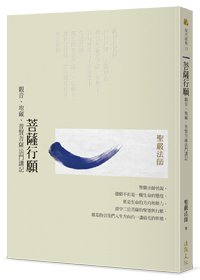
菩薩行願:觀音、地藏、普賢菩薩法門講記
〈普門品〉、《地藏經》、〈普賢十大願〉等,觀音、地藏、普賢菩薩,流傳最廣的重要經典;一生必讀,聖嚴法師最精闢實用、入理入心的解說。「發願,不但是一種生命的態度,更是生命的方向和動力。」——聖嚴法師
三位菩薩的「願」,是能指引我們人生方向最亮的一盞明燈!觀世音菩薩因曾發願,如果將來自己能利益、安樂眾生,便立刻長出千手千眼,因此以「千處祈求千處應」的示現,成為廣大佛子千百年來的心靈依怙。地藏菩薩的無盡誓願,是在五濁惡世與無佛世界度眾生,而且發願在眾生度盡後,才願成佛。普賢菩薩的十大願,則是菩薩諸願中最尊貴的,因而有「普賢願王」之稱。聖嚴法師為三位菩薩的大行與大願,提供了清楚、扼要的概觀。法師講經一向顧及現代人的需求,總是以一般大眾最容易接受的方式,使讀者獲得最大的利益。本書囊括了三位各具特色的菩薩及其重要經典,是讀者認識觀音菩薩、地藏菩薩、普賢菩薩的最佳入門書。收錄聖嚴法師講記——◇觀音菩薩:〈觀世音菩薩普門品〉我們修行觀音法門,第一要口念觀世音菩薩,第二要身拜觀世音菩薩,第三要心想觀世音菩薩的慈悲,便能得到觀世音菩薩的感應。◇地藏菩薩:《地藏菩薩本願經》、《占察善惡業報經》、《大乘大集地藏十輪經》地藏菩薩的本誓願力,便是要使眾生滅除所有重罪而得安穩;若心不自在安穩,這種人便是業障深重,應該要修行地藏法門,從障礙中得解脫。◇普賢菩薩:〈普賢菩薩行願讚〉、〈普賢菩薩十大願〉《華嚴經》說,普賢菩薩的身體猶如虛空,三世諸佛的法身,也是普賢的法身。亦收錄普賢菩薩「十種威力」與「圓滿七海」,資訊完整而豐富。
作者簡介
聖嚴法師(1930~2009年)聖嚴法師1930年生於江蘇南通,1943年於狼山出家,後因戰亂投身軍旅,十年後再次披剃出家。曾於高雄美濃閉關六年,隨後留學日本,獲立正大學文學博士學位。1975年應邀赴美弘法。1989年創建法鼓山,並於2005年開創繼起漢傳禪佛教的「中華禪法鼓宗」。聖嚴法師是一位思想家、作家暨國際知名禪師,曾獲臺灣《天下》雜誌遴選為「四百年來臺灣最具影響力的五十位人士」之一。著作豐富,中、英、日文著作達百餘種,先後獲頒中山文藝獎、中山學術獎、總統文化獎及社會各界的諸多獎項。聖嚴法師提出「提昇人的品質,建設人間淨土」的理念,主張以大學院、大普化、大關懷三大教育推動全面教育,相繼創辦中華佛學研究所、法鼓文理學院、僧伽大學等院校,也以豐富的禪修經驗、正信的佛法觀念和方法指導東、西方人士修行。法師著重以現代人的語言和觀點普傳佛法,陸續提出「心靈環保」、「四種環保」、「心五四運動」、「心六倫」等社會運動,並積極推展國際弘化工作,參與國際性會談,促進宗教交流,提倡建立全球性倫理,致力世界和平。其寬闊胸襟與國際化視野,深獲海內外肯定。
作者
NT$
$203
|
78折
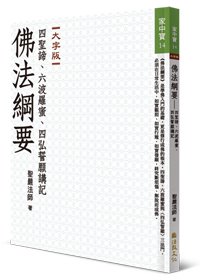
佛法綱要:四聖諦、六波羅蜜、四弘誓願講記 (大字版)
★聖嚴師父講《佛法綱要》有幾個特色:非常契合現代人的情境,經常以人們習以為常的煩惱為出發點,直探內心深處的矛盾所在;並時刻叮嚀聽眾或讀者,佛法應貼近日常生活,務必考量到對自己、家人和環境的關心是否足夠。法師幽默有趣的舉例中,不乏嚴肅的關懷,讀者很容易感受到其親切的說法,同時也反省到,自己是否能在種種的善巧說法、精密的剖析中,得到受用。在明白易懂的解說裡,亦不失深度,廣引專業而有深度的經論,做為詮釋佛法的依據。這對已經有佛法基礎的讀者而言,可以有所依循,藉以一窺佛教義理嚴密體系之堂奧,並掌握重點。★《佛法綱要》是修行成佛的根本「四聖諦」、「六波羅蜜」與〈四弘誓願〉三法門,必須在日常生活中,如實觀照、如實行履、如實發願,終能斷煩惱、解脫而成佛。聖嚴法師做了詳盡地叮囑與解說。掌握佛法綱要,修行道路將如佛陀親自帶路般清楚無礙。◇「四聖諦」即苦、集、滅、道四種真實的道理,是大、小乘共同的根基。雖是初學者的入門必修,卻是久學者最後才能證悟者。◇「六波羅蜜」即布施、持戒、忍辱、精進、禪定、般若等六種超越生死的修行方法,可以讓人從煩惱的娑婆世界,度脫至永無痛苦的涅槃。◇〈四弘誓願〉是四個成佛的基本條件、佛弟子精進修學的指標,諸佛皆依此發願成佛。◇ 收錄越建東教授導讀,幫助讀者更精確地掌握本書的修習核心。
作者簡介
聖嚴法師(1930~2009年)聖嚴法師1930年生於江蘇南通,1943年於狼山出家,後因戰亂投身軍旅,十年後再次披剃出家。曾於高雄美濃閉關六年,隨後留學日本,獲立正大學文學博士學位。1975年應邀赴美弘法。1989年創建法鼓山,並於2005年開創繼起漢傳禪佛教的「中華禪法鼓宗」。聖嚴法師是一位思想家、作家暨國際知名禪師,曾獲臺灣《天下》雜誌遴選為「四百年來臺灣最具影響力的五十位人士」之一。著作豐富,中、英、日文著作達百餘種,先後獲頒中山文藝獎、中山學術獎、總統文化獎及社會各界的諸多獎項。聖嚴法師提出「提昇人的品質,建設人間淨土」的理念,主張以大學院、大普化、大關懷三大教育推動全面教育,相繼創辦中華佛學研究所、法鼓文理學院、僧伽大學等院校,也以豐富的禪修經驗、正信的佛法觀念和方法指導東、西方人士修行。法師著重以現代人的語言和觀點普傳佛法,陸續提出「心靈環保」、「四種環保」、「心五四運動」、「心六倫」等社會運動,並積極推展國際弘化工作,參與國際性會談,促進宗教交流,提倡建立全球性倫理,致力世界和平。其寬闊胸襟與國際化視野,深獲海內外肯定。聖嚴法師的《大法鼓》電視弘法節目,播出已逾十餘年,實用且生活化的內容,深獲觀眾的好評。本書結集自該節目內容,藉由探討「貪、瞋、癡、慢、疑」五種煩惱根源,為大家解開生活中的情緒困擾。
作者
NT$
$117
|
78折
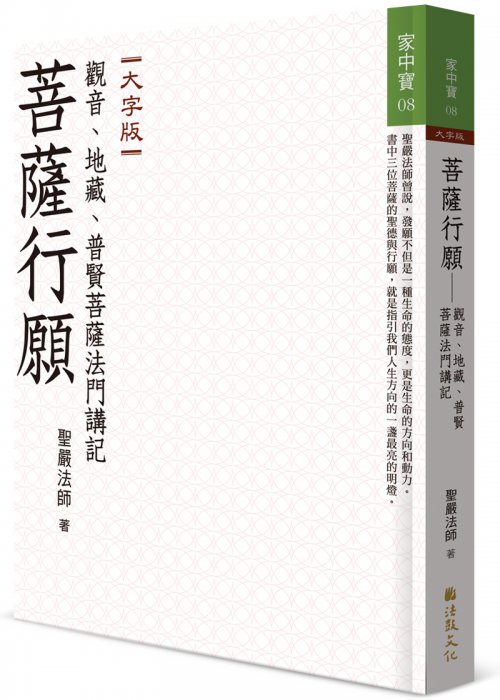
菩薩行願:觀音、地藏、普賢菩薩法門講記 (大字版)
聖嚴法師曾說,發願不但是一種生命的態度,更是生命的方向和動力。書中三位菩薩的聖德與行願,就是指引我們人生方向的一盞最亮的明燈。《菩薩行願》的內容分為〈觀世音菩薩普門品〉、地藏菩薩大願法門、〈普賢菩薩行願讚〉以及普賢菩薩十大願四大部分。聖嚴法師在本書針對菩薩行願的主題,將三位菩薩的慈悲願力,以旁徵博引的方式,做了精闢的註解。〈普門品〉是《法華經》中與漢地最有緣的一品,它說明了觀世音菩薩名號的來由,以及菩薩如何隨類應化、普門示現、廣度眾生。介紹地藏菩薩法門的經典包括《占察善惡業報經》、《大乘大集地藏十輪經》,與《地藏菩薩本願經》,本書擷取三經中與地藏菩薩本誓願力相關的經文,分別加以解說。普賢行願是《華嚴經》中很重要的一部分。〈普賢菩薩行願讚〉可謂《華嚴經》的心要,普賢十大願更是有「十大願王」的美譽。本書囊括了三位各具特色的大願菩薩及其相關經文與探討,是讀者認識菩薩行願的最佳入門書。
作者簡介
聖嚴法師(1930〜2009年)聖嚴法師1930年生於江蘇南通,1943年於狼山出家,後因戰亂投身軍旅,十年後再次披剃出家。曾於高雄美濃閉關六年,隨後留學日本,獲立正大學文學博士學位。1975年應邀赴美弘法。1989年創建法鼓山,並於2005年開創繼起漢傳禪佛教的「中華禪法鼓宗」。聖嚴法師是一位思想家、作家暨國際知名禪師,曾獲臺灣《天下》雜誌遴選為「四百年來臺灣最具影響力的五十位人士」之一。著作豐富,中、英、日文著作達百餘種,先後獲頒中山文藝獎、中山學術獎、總統文化獎及社會各界的諸多獎項。聖嚴法師提出「提昇人的品質,建設人間淨土」的理念,主張以大學院、大普化、大關懷三大教育推動全面教育,相繼創辦中華佛學研究所、法鼓文理學院、僧伽大學等院校,也以豐富的禪修經驗、正信的佛法觀念和方法指導東、西方人士修行。法師著重以現代人的語言和觀點普傳佛法,陸續提出「心靈環保」、「四種環保」、「心五四運動」、「心六倫」等社會運動,並積極推展國際弘化工作,參與國際性會談,促進宗教交流,提倡建立全球性倫理,致力世界和平。其寬闊胸襟與國際化視野,深獲海內外肯定。
作者
NT$
$203
|
78折


電子書 | 佛法綱要:四聖諦、六波羅蜜、四弘誓願講記(簡體版)
《佛法纲要》是修行成佛的根本。若能在日常生活中,如实观照、如实行履、如实发愿,终能断烦恼、解脱而成佛。
面对无量法门,该如何择定修行的起点呢?《佛法纲要》可说是八万四千法门的总纲,涵括四圣谛、六波罗蜜与〈四弘誓愿〉,是修行的入门起点,也是成佛的圆满终点。圣严法师在本书中做了详尽的叮嘱与解说。「四圣谛」即苦、集、灭、道四种真实的道理,是大、小乘共同的根基。虽是初学者的入门必修,却是久学者最后才能证悟者。「六波罗蜜」即布施、持戒、忍辱、精进、禅定、般若等六种超越生死的修行方法,可以让人从烦恼的娑婆世界,度脱至永无痛苦的涅槃。〈四弘誓愿〉是四个成佛的基本条件,佛弟子精进修学的指标,诸佛皆依此发愿成佛。掌握佛法纲要,修行道路将如佛陀亲自带路般清楚无碍。
「圣严师父的讲记,有几个特色:说法非常契合现代人的情境,经常以人们心中习以为常的烦恼为出发点,直探人内心深处矛盾的问题所在;或以入世心时刻叮咛读者,佛法应贴近日常生活,务必考量到对自己、家人和环境的关心是否足够。在明白易懂的解说中,不失深度。广引专业而有深度的经论,做为诠释佛法的依据。这对已经有佛法基础的读者而言,可以有所依循,借以一窥佛教义理严密体系之堂奥,并掌握重点。」 ——越建东教授导读
作者简介
圣严法师(1930~2009年)1930年生于江苏南通,1943年于狼山出家,后因战乱投身军旅,十年后再次披剃出家。曾于高雄美浓闭关六年,随后留学日本,获立正大学文学博士学位。1975年应邀赴美弘法。1989年创建法鼓山,并于2005年开创继起汉传禅佛教的「中华禅法鼓宗」。圣严法师是一位思想家、作家暨国际知名禅师,曾获臺湾《天下》杂誌遴选为「四百年来臺湾最具影响力的五十位人士」之一。着作丰富,中、英、日文着作达百馀种,先后获颁中山文艺奖、中山学术奖、总统文化奖及社会各界的诸多奖项。圣严法师提出「提昇人的品质,建设人间淨土」的理念,主张以大学院、大普化、大关怀三大教育推动全面教育,相继创办中华佛学研究所、法鼓文理学院、僧伽大学等院校,也以丰富的禅修经验、正信的佛法观念和方法指导东、西方人士修行。法师着重以现代人的语言和观点普传佛法,陆续提出「心灵环保」、「四种环保」、「心五四运动」、「心六伦」等社会运动,并积极推展国际弘化工作,参与国际性会谈,促进宗教交流,提倡建立全球性伦理,致力世界和平。其宽阔胸襟与国际化视野,深获海内外肯定。
作者
NT$
$126

電子書 | 菩薩行願:觀音、地藏、普賢菩薩法門講記(簡體版)
〈普门品〉、《地藏经》、〈普贤十大愿〉等,观音、地藏、普贤菩萨,流传最广的重要经典;一生必读,圣严法师最精辟实用、入理入心的解说。「发愿,不但是一种生命的态度,更是生命的方向和动力。 」——圣严法师三位菩萨的「愿」,是能指引我们人生方向最亮的一盏明灯!观世音菩萨因曾发愿,如果将来自己能利益、安乐众生,便立刻长出千手千眼,因此以千处祈求千处应的示现,成为广大佛子千百年来的心灵依怙。地藏菩萨的无尽誓愿,是在五浊恶世与无佛世界度众生,而且发愿在众生度尽后,才愿成佛。普贤菩萨的十大愿,则是菩萨诸愿中最尊贵的,因而有普贤愿王之称。圣严法师为三位菩萨的大行与大愿,提供了清楚、扼要的概观。 法师讲经一向顾及现代人的需求,总是以一般大众最容易接受的方式,使读者获得最大的利益。 本书囊括了三位各具特色的菩萨及其重要经典,是读者认识观音菩萨、地藏菩萨、普贤菩萨的最佳入门书。收录圣严法师讲记——◇观音菩萨:〈观世音菩萨普门品〉我们修行观音法门,第一要口念观世音菩萨,第二要身拜观世音菩萨,第三要心想观世音菩萨的慈悲,便能得到观世音菩萨的感应。◇地藏菩萨:《地藏菩萨本愿经》、《占察善恶业报经》、《大乘大集地藏十轮经》地藏菩萨的本誓愿力,便是要使众生灭除所有重罪而得安稳;若心不自在安稳,这种人便是业障深重,应该要修行地藏法门,从障碍中得解脱。◇普贤菩萨:〈普贤菩萨行愿赞〉、〈普贤菩萨十大愿〉《华严经》说,普贤菩萨的身体犹如虚空,三世诸佛的法身,也是普贤的法身。 亦收录普贤菩萨「十种威力」与「圆满七海」,信息完整而丰富。
作者简介:圣严法师(1930~2009年)圣严法师1930年生于江苏南通,1943年于狼山出家,后因战乱投身军旅,十年后再次披剃出家。 曾于高雄美浓闭关六年,随后留学日本,获立正大学文学博士学位。 1975年应邀赴美弘法。 1989年创建法鼓山,并于2005年开创继起汉传禅佛教的中华禅法鼓宗。圣严法师是一位思想家、作家暨国际知名禅师,曾获台湾《天下》杂志遴选为「四百年来台湾最具影响力的五十位人士」之一。 著作丰富,中、英、日文著作达百余种,先后获颁中山文艺奖、中山学术奖、总统文化奖及社会各界的诸多奖项。圣严法师提出「提升人的质量,建设人间净土」的理念,主张以大学院、大普化、大关怀三大教育推动全面教育,相继创办中华佛学研究所、法鼓文理学院、僧伽大学等院校,也以丰富的禅修经验、正信的佛法观念和方法指导东、西方人士修行。法师着重以现代人的语言和观点普传佛法,陆续提出《心灵环保》、《四种环保》、《心五四运动》、《心六伦》等社会运动,并积极推展国际弘化工作,参与国际性会谈,促进宗教交流,提倡建立全球性伦理,致力世界和平。 其宽阔胸襟与国际化视野,深获海内外肯定。
作者
NT$
$224
電子書 | 佛法綱要:四聖諦、六波羅蜜、四弘誓願講記(二版)
《佛法綱要》是修行成佛的根本。若能在日常生活中,如實觀照、如實行履、如實發願,終能斷煩惱、解脫而成佛。面對無量法門,該如何擇定修行的起點呢?《佛法綱要》可說是八萬四千法門的總綱,涵括四聖諦、六波羅蜜與〈四弘誓願〉,是修行的入門起點,也是成佛的圓滿終點。聖嚴法師在本書中做了詳盡的叮囑與解說。「四聖諦」即苦、集、滅、道四種真實的道理,是大、小乘共同的根基。雖是初學者的入門必修,卻是久學者最後才能證悟者。「六波羅蜜」即布施、持戒、忍辱、精進、禪定、般若等六種超越生死的修行方法,可以讓人從煩惱的娑婆世界,度脫至永無痛苦的涅槃。〈四弘誓願〉是四個成佛的基本條件,佛弟子精進修學的指標,諸佛皆依此發願成佛。掌握佛法綱要,修行道路將如佛陀親自帶路般清楚無礙。「聖嚴師父的講記,有幾個特色:說法非常契合現代人的情境,經常以人們心中習以為常的煩惱為出發點,直探人內心深處矛盾的問題所在;或以入世心時刻叮嚀讀者,佛法應貼近日常生活,務必考量到對自己、家人和環境的關心是否足夠。在明白易懂的解說中,不失深度。廣引專業而有深度的經論,做為詮釋佛法的依據。這對已經有佛法基礎的讀者而言,可以有所依循,藉以一窺佛教義理嚴密體系之堂奧,並掌握重點。」 ——越建東教授導讀
作者簡介:聖嚴法師(1930~2009年)1930年生於江蘇南通,1943年於狼山出家,後因戰亂投身軍旅,十年後再次披剃出家。曾於高雄美濃閉關六年,隨後留學日本,獲立正大學文學博士學位。1975年應邀赴美弘法。1989年創建法鼓山,並於2005年開創繼起漢傳禪佛教的「中華禪法鼓宗」。聖嚴法師是一位思想家、作家暨國際知名禪師,曾獲臺灣《天下》雜誌遴選為「四百年來臺灣最具影響力的五十位人士」之一。著作豐富,中、英、日文著作達百餘種,先後獲頒中山文藝獎、中山學術獎、總統文化獎及社會各界的諸多獎項。聖嚴法師提出「提昇人的品質,建設人間淨土」的理念,主張以大學院、大普化、大關懷三大教育推動全面教育,相繼創辦中華佛學研究所、法鼓文理學院、僧伽大學等院校,也以豐富的禪修經驗、正信的佛法觀念和方法指導東、西方人士修行。法師著重以現代人的語言和觀點普傳佛法,陸續提出「心靈環保」、「四種環保」、「心五四運動」、「心六倫」等社會運動,並積極推展國際弘化工作,參與國際性會談,促進宗教交流,提倡建立全球性倫理,致力世界和平。其寬闊胸襟與國際化視野,深獲海內外肯定。
作者
NT$
$105
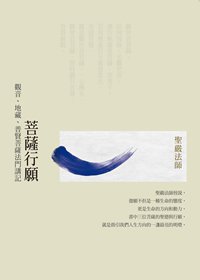
電子書 | 菩薩行願:觀音、地藏、普賢菩薩法門講記(二版)
〈普門品〉、《地藏經》、〈普賢十大願〉等,觀音、地藏、普賢菩薩,流傳最廣的重要經典;一生必讀,聖嚴法師最精闢實用、入理入心的解說。「發願,不但是一種生命的態度,更是生命的方向和動力。」——聖嚴法師三位菩薩的「願」,是能指引我們人生方向最亮的一盞明燈!觀世音菩薩因曾發願,如果將來自己能利益、安樂眾生,便立刻長出千手千眼,因此以「千處祈求千處應」的示現,成為廣大佛子千百年來的心靈依怙。地藏菩薩的無盡誓願,是在五濁惡世與無佛世界度眾生,而且發願在眾生度盡後,才願成佛。普賢菩薩的十大願,則是菩薩諸願中最尊貴的,因而有「普賢願王」之稱。聖嚴法師為三位菩薩的大行與大願,提供了清楚、扼要的概觀。法師講經一向顧及現代人的需求,總是以一般大眾最容易接受的方式,使讀者獲得最大的利益。本書囊括了三位各具特色的菩薩及其重要經典,是讀者認識觀音菩薩、地藏菩薩、普賢菩薩的最佳入門書。收錄聖嚴法師講記——◇觀音菩薩:〈觀世音菩薩普門品〉我們修行觀音法門,第一要口念觀世音菩薩,第二要身拜觀世音菩薩,第三要心想觀世音菩薩的慈悲,便能得到觀世音菩薩的感應。◇地藏菩薩:《地藏菩薩本願經》、《占察善惡業報經》、《大乘大集地藏十輪經》地藏菩薩的本誓願力,便是要使眾生滅除所有重罪而得安穩;若心不自在安穩,這種人便是業障深重,應該要修行地藏法門,從障礙中得解脫。◇普賢菩薩:〈普賢菩薩行願讚〉、〈普賢菩薩十大願〉《華嚴經》說,普賢菩薩的身體猶如虛空,三世諸佛的法身,也是普賢的法身。亦收錄普賢菩薩「十種威力」與「圓滿七海」,資訊完整而豐富。
作者簡介:聖嚴法師(1930~2009年)聖嚴法師1930年生於江蘇南通,1943年於狼山出家,後因戰亂投身軍旅,十年後再次披剃出家。曾於高雄美濃閉關六年,隨後留學日本,獲立正大學文學博士學位。1975年應邀赴美弘法。1989年創建法鼓山,並於2005年開創繼起漢傳禪佛教的「中華禪法鼓宗」。聖嚴法師是一位思想家、作家暨國際知名禪師,曾獲臺灣《天下》雜誌遴選為「四百年來臺灣最具影響力的五十位人士」之一。著作豐富,中、英、日文著作達百餘種,先後獲頒中山文藝獎、中山學術獎、總統文化獎及社會各界的諸多獎項。聖嚴法師提出「提昇人的品質,建設人間淨土」的理念,主張以大學院、大普化、大關懷三大教育推動全面教育,相繼創辦中華佛學研究所、法鼓文理學院、僧伽大學等院校,也以豐富的禪修經驗、正信的佛法觀念和方法指導東、西方人士修行。法師著重以現代人的語言和觀點普傳佛法,陸續提出「心靈環保」、「四種環保」、「心五四運動」、「心六倫」等社會運動,並積極推展國際弘化工作,參與國際性會談,促進宗教交流,提倡建立全球性倫理,致力世界和平。其寬闊胸襟與國際化視野,深獲海內外肯定。
作者
NT$
$182
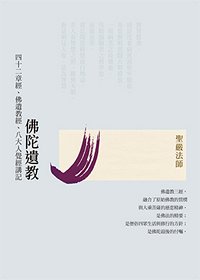
電子書 | 佛陀遺教:四十二章經、佛遺教經、八大人覺經講記(二版)
佛遺教三經,是佛陀最後的付囑,是僧俗四眾生活與修行的方針。沒有艱深的理論,只是非常簡潔地開示修行方法,且文辭簡約、方便誦持,也特別適合初學佛者閱讀。《四十二章經》、《佛遺教經》、《八大人覺經》因內容有其共通性,適合參照修習,一般合稱「佛遺教三經」。在本書的三篇〈前言〉中,聖嚴法師明白指出了這三部經的重要性。《四十二章經》是一部編輯而成的最早漢譯佛典,內容含攝大、小乘思想。法師說:「如果能充分了解這部經,並且照著去做,實際上已得佛法大概。」《佛遺教經》則是佛陀一生說法制戒的最後提醒。聖嚴法師與這部經有很深的因緣,從小沙彌時期開始便經常誦讀,法師指出,若不懂此經,「對佛法的認識和實踐將會有所偏差」。至於《八大人覺經》,可說是佛法的精義所在、自覺覺他的聖道行。法師稱此經「內容豐實,組織嚴謹,如此簡短精要,除了《心經》,於諸經之中尚無能出其右者」。聖嚴法師的講經方式是以一般人所熟悉的「分段標題」取代傳統的「分科法」。內容釋義方面,不站在任何宗派的立場,而是從現代人的角度出發,直接回歸佛陀的本懷,以切合時代背景的詮釋,讓一般大眾能應用在每日生活中。以《佛遺教經》為例,經中的若干規定對漢地寺院與叢林型態的僧眾而言,不免有為難之處,使得有些僧眾對於是否弘揚此經陷入了兩難。法師主張,戒律有其時代性,我們應從佛陀制戒的精神與宗旨契入,而非死板地執著於經中的文字,才能沒有顧慮地弘揚《佛遺教經》。這即是「古為今用」,它不但是聖嚴法師的解經特色,也向來是法師說法的原則。佛陀如良醫,為眾生開出了八萬四千種藥方;佛陀又如慈母,臨別前不忘殷切叮嚀。今天,閱讀聖嚴法師的解經講記,我們彷彿踏著前人的腳印繼承了一份源自千百年前的精神遺產。解脫的藥方早已開出,使用方法也已經解釋清楚,就等著我們去領悟、去實踐,把這份遺教綿延不斷地傳遞下去。
作者簡介:聖嚴法師(1930~2009年)1930年生於江蘇南通,1943年於狼山出家,後因戰亂投身軍旅,十年後再次披剃出家。曾於高雄美濃閉關六年,隨後留學日本,獲立正大學文學博士學位。1975年應邀赴美弘法。1989年創建法鼓山,並於2005年開創繼起漢傳禪佛教的「中華禪法鼓宗」。聖嚴法師是一位思想家、作家暨國際知名禪師,曾獲臺灣《天下》雜誌遴選為「四百年來臺灣最具影響力的五十位人士」之一。著作豐富,中、英、日文著作達百餘種,先後獲頒中山文藝獎、中山學術獎、總統文化獎及社會各界的諸多獎項。聖嚴法師提出「提昇人的品質,建設人間淨土」的理念,主張以大學院、大普化、大關懷三大教育推動全面教育,相繼創辦中華佛學研究所、法鼓文理學院、僧伽大學等院校,也以豐富的禪修經驗、正信的佛法觀念和方法指導東、西方人士修行。法師著重以現代人的語言和觀點普傳佛法,陸續提出「心靈環保」、「四種環保」、「心五四運動」、「心六倫」等社會運動,並積極推展國際弘化工作,參與國際性會談,促進宗教交流,提倡建立全球性倫理,致力世界和平。其寬闊胸襟與國際化視野,深獲海內外肯定。
作者
NT$
$140

電子書 | 忙得快樂、累得歡喜
在疲於奔命的職場裡,一忙就容易覺得心煩意亂,怎麼可能忙出快樂、累出歡喜呢?何不試試本書「忙人時間最多」的方法,換個角度來欣賞工作忙累的自己,你會發現:忙人其實是一種幸福。 「忙得快樂累得歡喜」,共收錄25篇輕鬆短文,相信在閱讀聖嚴法師幽默譬喻的過程中,就能發現歡喜生活的秘方。
作者
NT$
$69

不一樣的社會關懷(附VCD)【內頁泛黃】
家事、國事、天下事,事事都値得你我關心,在繽紛萬象中,以智慧的眼光去觀察,用慈悲的心態去瞭解,共同謀求解決問題、利益眾生之道,建構起不一樣的社會關懷。在不一樣的時代,應該有不一樣的思考方式面對問題。然而在眾聲喧嘩中,您是否也在迷惘中不知該何去何從?《不一樣的聲音系列》叢書,是將聖嚴師父廣受好評的【不一樣聲音】對談電視節目,精選5個主題並整理成文字,以佛法的智慧為主軸,提供給現代人新的積極面對的解決方法。《不一樣的聲音系列》叢書內容廣邀社會各界菁英與師父的對談紀錄,藉由他們寶貴的人生經驗提供不一樣的見解。你也可以像他們一樣思考,為自己開展出不一樣的人生風貌。
NT$
$187
|
78折

不一樣的生活主張 (附VCD)【內頁泛黃】
面對高低起伏、峰迴路轉、多采多姿的生活,什麼是需要堅持的原則?什麼是進退取捨的依據?只有以智慧面對自己、以慈悲包容別人,才能創造不一樣的生活主張。
NT$
$187
|
78折
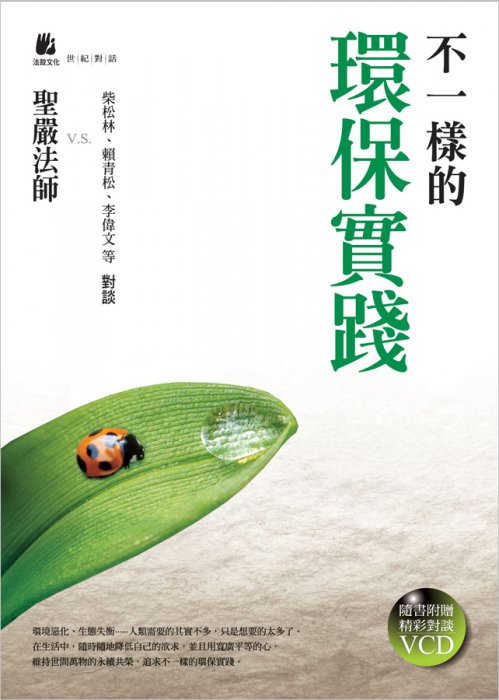
不一樣的環保實踐 (附VCD)【內頁泛黃】
環境惡化、生態失衡……人類需要的其實不多,只是想要的太多了。在生活中,隨時隨地降低自己的欲求,並且用寬廣平等的心,維持世間萬物的永續共榮,追求不一樣的環保實踐。
NT$
$187
|
78折
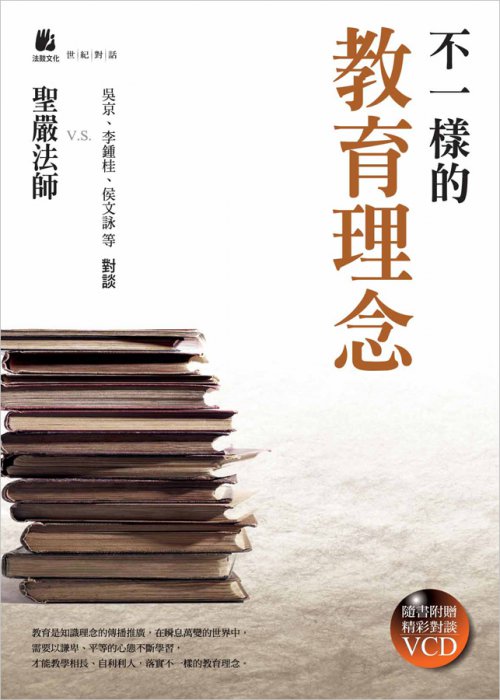
不一樣的教育理念(附VCD)【內頁泛黃】
教育是知識理念的傳播推廣,在瞬息萬變的世界中,需要以謙卑、平等的心態不斷學習,才能教學相長、自利利人,落實不一樣的教育理念。在不一樣的時代,應該有不一樣的思考方式面對問題。然而在眾聲喧嘩中,您是否也在迷惘中不知該何去何從?《不一樣的聲音系列》叢書,是將聖嚴師父廣受好評的【不一樣聲音】對談電視節目,精選5個主題並整理成文字,以佛法的智慧為主軸,提供給現代人新的積極面對的解決方法。《不一樣的聲音系列》叢書內容廣邀社會各界菁英與師父的對談紀錄,藉由他們寶貴的人生經驗提供不一樣的見解。你也可以像他們一樣思考,為自己開展出不一樣的人生風貎。
NT$
$187
|
78折
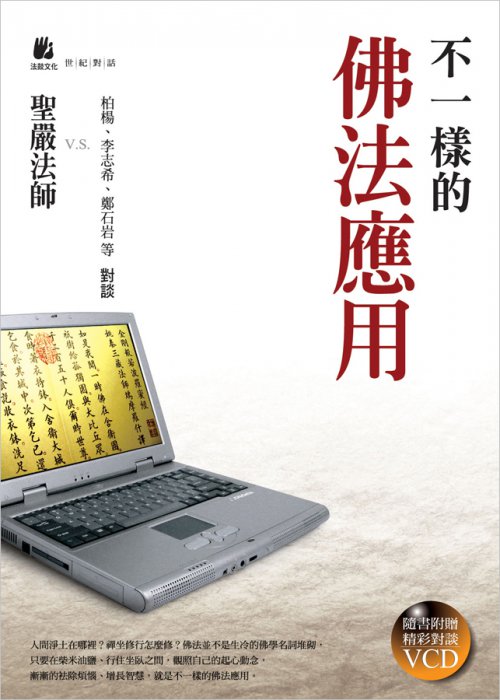
不一樣的佛法應用 (附VCD)【內頁泛黃】
人間淨土在哪裡?禪坐修行怎麼修?佛法並不是生冷的佛學名詞堆砌,只要在柴米油鹽、行住坐臥之間,觀照自己的起心動念,漸漸的袪除煩惱、增長智慧,就是不一樣的佛法應用。
NT$
$187
|
78折
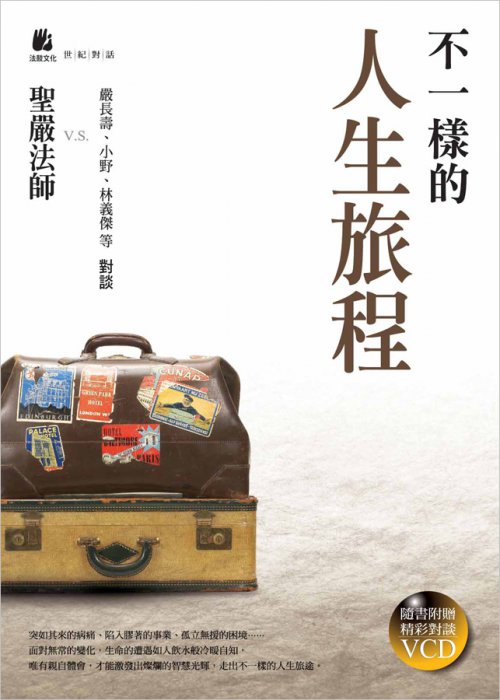
不一樣的人生旅程(附VCD)【內頁泛黃】
突如其來的病痛、陷入膠著的事業、孤立無援的困境……面對無常的變化,生命的遭遇如人飲水般冷暖自知,唯有親自體會,才能激發出燦爛的智慧光輝,走出不一樣的人生旅途。在不一樣的時代,應該有不一樣的思考方式面對問題。然而在眾聲喧嘩中,您是否也在迷惘中不知該何去何從?《不一樣的聲音系列》叢書,是將聖嚴師父廣受好評的【不一樣聲音】對談電視節目,精選5個主題並整理成文字,以佛法的智慧為主軸,提供給現代人新的積極面對的解決方法。《不一樣的聲音系列》叢書內容廣邀社會各界菁英與師父的對談紀錄,藉由他們寶貴的人生經驗提供不一樣的見解。你也可以像他們一樣思考,為自己開展出不一樣的人生風貌。
譯者
14.8x21 cm / 平裝附CD / 256頁 / 單色印刷
NT$
$187
|
78折
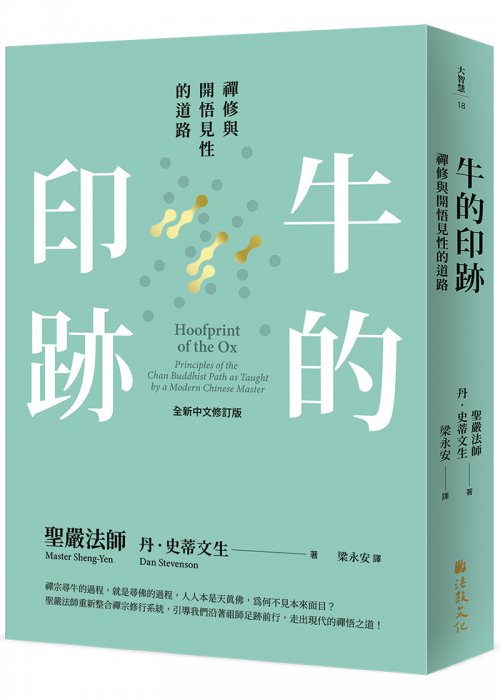
牛的印跡:禪修與開悟見性的道路
參透生命真相的修行寶典獲國際高度肯定本書為聖嚴法師禪法的思想精華!法師重新整合禪宗的修行系統,從「空」的概念,直入禪修與學佛之道,是理論與實踐並重的現代修行指南,在國際上獲得高度的肯定。佛陀及歷代禪宗祖師的禪修經驗,都是一場徹底的自我革命,一起踏上尋牛之旅,直至見性成佛!‧ 內容全面修訂並重新排版‧ 字級放大,閱讀更流暢舒適一本向全世界對佛教感興趣的大眾介紹禪修方法的作品。此書絕不只是聖嚴法師個人信仰的一個記錄,相反的,這些信仰能回應學禪者對禪修的某些誤解,這本書是有特別的話要說的。 ——丹.史蒂文生(Dan Stevenson)
作者簡介
聖嚴法師(1930~2009年)聖嚴法師1930年生於江蘇南通,1943年於狼山出家。曾於高雄美濃閉關六年,隨後留學日本,獲立正大學文學博士學位。1975年應邀赴美弘法。1989年創建法鼓山,並於2005年開創繼起漢傳禪佛教的「中華禪法鼓宗」。聖嚴法師是一位思想家、作家暨國際知名禪師,著作豐富,中、英、日文著作達百餘種,先後獲頒中山文藝獎、中山學術獎、總統文化獎及社會各界的諸多獎項。聖嚴法師提出「提昇人的品質,建設人間淨土」的理念,相繼創辦中華佛學研究所、法鼓文理學院、僧伽大學等院校,也以豐富的禪修經驗、正信的佛法觀念和方法指導東、西方人士修行。法師著重以現代人的語言和觀點普傳佛法,陸續提出「心靈環保」、「四種環保」、「心五四運動」、「心六倫」等社會運動,更致力於國際弘化工作,其寬闊胸襟與國際化視野,深獲海內外肯定。丹.史蒂文生博士DAN STEVENSON美國堪薩斯大學佛學、宗教學教授,是聖嚴法師赴美弘法第一批學生之一,跟隨聖嚴法師禪修近二十年,佛學與中文造詣均甚深厚。他彙集了聖嚴法師傳法的思想精華,抱著嚴謹的態度與法師合著本書,在國際上獲得高度的肯定。
譯者簡介
梁永安國立臺灣大學哲學碩士,專職譯者,譯有《他們說我是間諜》、《追求文明》、《人類破壞性的剖析》等。
作者
譯者
梁永安
NT$
$374
|
78折

法華世界MP3有聲書
【法華世界】MicroSD MP3有聲書這一部經就像蓮花那麼清淨,它宣說著非常微妙正確的佛法,因此叫作《妙法蓮華經》。*小提醒:1. 本產品適用各類MicroSD記憶卡插卡音箱。2. 因著作權因素,本產品內容有鎖碼保護,無法以電腦、手機讀取,敬請見諒。
內含:■ 修持儀軌:法華世界
■ MP3有聲書【MicroSD記憶卡】‧ 聖嚴法師講經‧ 法華世界 修持儀軌
曲目清單 :
演出者
NT$
$690
|
87折
聖嚴法師教觀音法門
念觀音,當下便有用,能寧靜、能安心。聖嚴法師解說:觀音菩薩七種修行法門;從身心觀照、禪定修行,到如何悟入自性,成就無上佛道!觀世音菩薩如同一輪皎潔的明月,從孩提童蒙,至剃度成長,乃至為僧、為師,始終映照著我的生命,以及修行的途軌。我如此一個普通的凡夫,只能以自己修行的法門,勸導大眾共同發心修持觀世音菩薩的法門,自利利他。 ——聖嚴法師【五蘊皆空,離一切苦】當痛苦煩惱無法解決,也不知何去何從之時念觀音,當下便有用,當下便能寧靜、能安心。不一定需要有所求、有所感應——有所求念觀音,很好;無所求念觀音,那是平常修行、念自家珍寶,那更好!它是鍊心之道,練習「無著」、「無執」與「無求」。忘了記數?也沒關係。若已養成習慣,日常已不斷、不住地念著,就毋須刻意再數。重點只是在於,恒常安住于觀世音菩薩聖號中,讓菩薩聖號流灌一己的身、口、意。當遇見得失、利害、瞋愛、毀譽等巨大煩惱的衝擊時,能於深刻的痛苦中,持念《心經》這句:「觀自在菩薩,行深般若波羅蜜多時,照見五蘊皆空,度一切苦厄。」倘記不得那麼長,即記「照見五蘊皆空,度一切苦厄」;倘仍太長,則縮短為「五蘊皆空,離一切苦」。五蘊皆空,離一切苦,一共僅有八個字,就把它當成咒語來念罷。於痛苦、煩惱,無法解決,也不知何去何從之時,即念這八個字。多念!多念!以信心而念、而持,苦即會少些,煩惱也將輕些。這是初步的狀況,非常有用!是我自身經驗過的。【練習】耳朵變成吸音板有什麼聲音就是什麼聲音。送過來便接受它,並不主動地尋找聲音,只是被動的,如同一隻吸音板一般——聲音到了板上,音就不見了,並不積澱、儲存於板上,也沒有反彈的作用。倘使有反彈的作用,那便不名為吸音板,而是「回音板」了。練習將我們的耳朵變成一隻吸音板,便這麼聽著、聽著……大的聲音不要抗拒,小的聲音也不用拼命去追。只是這樣聽著,聽到多少算多少。最重要的,不要給它任何「定名」,比如說這是女孩的叫聲,男孩以粗話罵人,狗在這邊吠,貓在那邊吵……也可能鳥啊、雞啊、牛啊,乃至於汽車聲、喇叭聲、電視、收音機、摩托車、冷氣機等各種各類的聲音都一齊充斥湧動,但是,不要給與任何名字,也不要分辨它。維持自己僅是一隻「吸音板」的角色,不尋找、追隨聲音,也不得與聲音作回應。吸音板自身是安靜、沒有聲音的。聲音到了這裡,自然不見了。為什麼不見了?因為我不產生第二個念頭,在想:「那是什麼聲音?該用什麼方式回應?」人家用粗話罵你,不要回應,因為我是個吸音板;人家以甜言蜜語阿諛你,也無庸反應,因為,我是個吸音板!只是了了分明,知道這是甜言蜜語,這是粗言惡語,這是欺騙的謊話……曉得這個聲音是什麼,卻在心裡不給它回應,那麼,便是一個真正會用功、會修行的人!如此,外境種種喧囂、嘈雜,種種有毒素、不衛生的聲音皆不能污染、刺激、挑逗、誘惑你。隨時隨刻,你將是非常自在的,因之,我稱之為「享受」。人們總是希望能享受優雅、優美的聲音,那令他們感到快樂。而我要說,練習這個法門的要點,只是以耳朵傾聽,心中不升起任何情緒,無論是痛苦、憂愁或興奮、激動,甚至連快樂都不要有。不反應,其實即是一種很寧靜的愉悅。那麼,記住罷!成為一隻吸音板,於眾聲喧嘩的現實中,你將是一個善於安頓、自在,而沒有壓力的人。以上是初步修行音聲法門,可以入淺定,可以避煩惱,但尚不能開智慧,不能得圓通。
作者簡介
聖嚴法師(1930-2009年)
1930年生於江蘇南通,1943年於狼山出家。曾於高雄美濃閉關六年,隨後留學日本,獲立正大學文學博士學位。1975年應邀赴美弘法。1989年創建法鼓山,並於2005年開創繼起漢傳禪佛教的「中華禪法鼓宗」。聖嚴法師是一位思想家、作家暨國際知名禪師,著作豐富,中、英、日文著作達百餘種,先後獲頒中山文藝獎、中山學術獎、總統文化獎及社會各界的諸多獎項。聖嚴法師提出「提昇人的品質,建設人間淨土」的理念,相繼創辦中華佛學研究所、法鼓文理學院、僧伽大學等院校,也以豐富的禪修經驗、正信的佛法觀念和方法指導東、西方人士修行。法師著重以現代人的語言和觀點普傳佛法,陸續提出「心靈環保」、「四種環保」、「心五四運動」、「心六倫」等社會運動,更致力於國際弘化工作,其寬闊胸襟與國際化視野,深獲海內外肯定。梁寒衣臺大外文系畢業。曾參與高棉、越南的難民救援工作;異域目睹的生存死亡觸發了她人道思考的寫作動機。作品由是格力獨具,風格釅烈。由於出身禪門,修學因以禪宗為髓腦,華嚴大教為終極。目前蟄隱山中,修行、寫作,並擔任文學與禪學講座。曾獲《聯合文學》小說新人中篇推薦獎、《普門文學》小說獎。著有《上卡拉OK的驢子》、《赫!我是一條龍》、《黑夜裡不斷抽長的犬齒》、《一個年輕的死》、《將名字寫于水上》、《雪色青缽》、《水仙的炎鏡》、《迦陵之音》、《無涯歌》。法師著重以現代人的語言和觀點普傳佛法,陸續提出「心靈環保」、「四種環保」、「心五四運動」、「心六倫」等社會運動,並積極推展國際弘化工作,參與國際性會談,促進宗教交流,提倡建立全球性倫理,致力世界和平。其寬闊胸襟與國際化視野,深獲海內外肯定。
作者
NT$
$140
|
78折

精進修行MP3有聲書
【精進修行】MicroSD MP3有聲書修行的過程就是目的。只要站定腳跟認清方向,一步一個坑,步步為營向前走去,每走一步,都是修行成果。
*小提醒:1. 本產品適用各類MicroSD記憶卡插卡音箱。2. 因著作權因素,本產品內容有鎖碼保護,無法以電腦、手機讀取,敬請見諒。
內含:■ 修持儀軌:精進修行
■ MP3有聲書【MicroSD記憶卡】‧ 聖嚴法師講經‧ 精進修行 修持儀軌
曲目清單 :
演出者
NT$
$690
|
87折

學佛入門MP3有聲書
【學佛入門】MicroSD MP3有聲書當我們皈依三寶,當我們學著用佛法,我們就已經開始走上圓滿的菩提大道了。
*小提醒:1. 本產品適用各類MicroSD記憶卡插卡音箱。2. 因著作權因素,本產品內容有鎖碼保護,無法以電腦、手機讀取,敬請見諒。
內含:■ 修持儀軌:學佛入門聖嚴法師 導讀法鼓文化編輯部 選編
■ MP3有聲書【MicroSD記憶卡】聖嚴法師講經‧四弘誓願 04:09:09‧普賢菩薩行願讚 04:19:22‧金剛經生活 06:30:00‧金剛經如是說 02:38:40‧佛說阿彌陀佛經 02:03:19‧華嚴經淨行品 03:42:52‧慈雲懺主淨土文 01:54:30‧地藏菩薩本願經 03:08:00‧維摩經生活 09:21:05學佛入門修持儀軌‧本師釋迦牟尼佛聖號 00:30:15‧阿彌陀佛聖號 01:00:08‧地藏王菩薩聖號 01:00:03‧藥師琉璃光如來聖號 01:00:11‧禪修早晚課 00:59:39
曲目清單 :
演出者
NT$
$690
|
87折
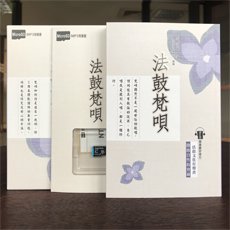
法鼓梵唄MP3有聲書
【法鼓梵唄】MicroSD MP3有聲書梵唄和修行是連在一起的,除了用來讚歎諸佛的無量功德,同時也是修定及安心的方法。*小提醒:1. 本產品適用各類MicroSD記憶卡插卡音箱。2. 因著作權因素,本產品內容有鎖碼保護,無法以電腦、手機讀取,敬請見諒。
內含:■ 修持儀軌:法鼓梵唄聖嚴法師 導讀法鼓文化編輯部 選編
■ MP3有聲書【MicroSD記憶卡】佛菩薩聖號‧阿彌陀佛聖號 01:00:08‧本師釋迦牟尼佛聖號 00:30:15‧觀世音菩薩聖號 00:32:49‧藥師琉璃光如來聖號 01:00:11‧地藏王菩薩聖號 01:00:02早晚課‧楞嚴早課 00:38:49‧大悲早課 00:34:40‧阿彌陀佛晚課 00:28:46‧禮佛大懺悔文晚課 00:31:13‧禪修早晚課 00:59:39 持咒‧精進大悲咒 00:28:04‧大家來學大悲咒 00:57:50精進修行‧精進拜願 00:30:22‧精進拜佛 00:29:31‧精進拜懺 00:31:39‧大悲懺 01:41:26‧叩鐘偈 00:57:08‧梵網經菩薩戒本 00:45:22法鼓山聖嚴法師梵唄集‧梵唄集緣起 00:06:05‧楞嚴咒 00:14:53‧佛說阿彌陀經 00:10:25‧大悲咒 00:03:57‧十小咒 00:03:15‧心經、往生咒 00:03:06‧禮佛懺悔文 00:10:15‧阿彌陀佛四字佛號 01:13:31
演出者
NT$
$690
|
87折

觀音法門MP3有聲書
【觀音法門】MicroSD MP3有聲書聽聖嚴法師講觀音菩薩故事和法門,依著儀軌,隨著梵音做定課,修觀音法門,學觀音自在無礙的智慧。*小提醒:1. 本產品適用各類MicroSD記憶卡插卡音箱。2. 因著作權因素,本產品內容有鎖碼保護,無法以電腦、手機讀取,敬請見諒。
內含:
■ 修持儀軌:觀音法門
聖嚴法師導讀法鼓文化編輯部 選編
■ MP3有聲書【MicroSD記憶卡】
聖嚴法師講經
˙心經生活 02:29:16˙心經觀自在 02:34:24˙觀世音菩薩普門品 02:32:01
觀音法門修持儀軌 法鼓山僧團錄製
˙觀世音菩薩聖號(唱誦) 00:02:58˙觀世音菩薩聖號(念誦) 00:03:02(特別收錄)˙心經(念誦) 00:07:37(特別收錄)˙觀世音菩薩普門品(念誦) 00:20:01(特別收錄)˙精進大悲咒(唱誦) 00:28:03˙大悲早課(唱誦) 00:34:36˙禪修早晚課(唱誦) 00:59:32˙大悲懺(唱誦) 01:41:26
演出者
NT$
$690
|
87折
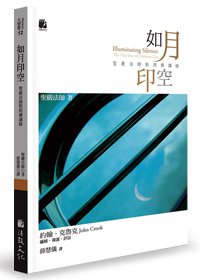
如月印空:聖嚴法師默照禪講錄
默照的修行,是以一種獨特的方式培養生命的洞察力,當漫無止盡的色、受、想、行、識漸漸平息下來,心——就具足覺悟自己、覺悟一切的能量。「默照禪」是由宋代宏智正覺禪師首倡並弘揚,為一種同時運用靜定與覺照的禪修法。本書是根據聖嚴法師於一九八九、一九九五年在英國威爾斯指導「默照禪七」的內容編輯而成,除了介紹禪的基本概念與默照的實修方法外,還包括編者約翰.克魯克描述個人修行心得的數篇短文,以及隨法師出遊的趣事,兼具修行歷程的知性面與感性面。禪修最重要的目標是徹見宇宙實相而醒悟,書中提到的千代野禪師,在一個月光皎潔的夜晚將手中的水桶掉落在地,桶面的月影瞬間破滅,他也在這一剎那開悟了。其實,每個人手中都提著一個裝滿了假象的無形桶子,唯有讓自己時時處於靜定而覺照之中,才有機會破除假象,品嘗「桶裡無水,水中無月──手中是空」的開悟滋味。歷歷不昧,一念萬年 當下覺知宇宙人生的實相默照禪法,默默觀照經驗的生起。心愈來愈沉靜,就像一池水完全靜止後,每一粒沙子都沉澱到池底,水變得透明清澈。這種透明清澈自然而然會變成開悟,毫不費力。——聖嚴法師
編者簡介
約翰˙克魯克博士(John Crook, PhD, DSc)1930年出生,英國知名生物學家與人類學家。1950年代開始接觸佛教並習禪,1993年於紐約「禪中心」接受聖嚴法師傳法,成為聖嚴法師的第一位西方法子。目前為「西方人禪修會」(Western Chan Fellowship)導師。著有The Evolution of Human Consciousness、Space in Mind、Himalayan Buddhist Villages、The Yogins of Ladakh、Hilltops of the Hong Kong Moon等書。
譯者簡介
薛慧儀國立台灣大學外國語文學系學士,英國University of Bath口筆譯碩士。曾任職於法鼓山文化中心國際翻譯室,現為大學兼職講師。譯作有:《禪門第一課》(法鼓文化)、《違法之徒》(春天出版)以及《桑果公園》(暫名,春天出版)等。
譯者
薛慧儀
NT$
$234
|
78折
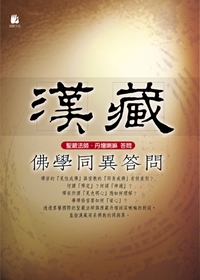
漢藏佛學同異答問
禪宗的「見性成佛」與密教的「即身成佛」有何差別?何謂「禪定」?何謂「神通」?禪宗所謂「見色明心」應如何理解?學禪修密要如何「安心」?透過享譽國際的聖嚴法師與西藏丹增諦深喇嘛的對談,直指漢藏兩系佛教的同與異。近年來藏密受到普遍的推廣,中國禪宗亦受到大眾的肯定與盛行,禪與密二者在修行次第上、方法上,各有其淵源與傳承。聖嚴法師與丹增諦深喇嘛就禪密在學理上、修行上及境界上的討論,針對問題層層入理,前後次第緊緊相扣。既有學理的思辨,也有修證的體悟,是難得一見的智慧法語。
作者
NT$
$125
|
78折
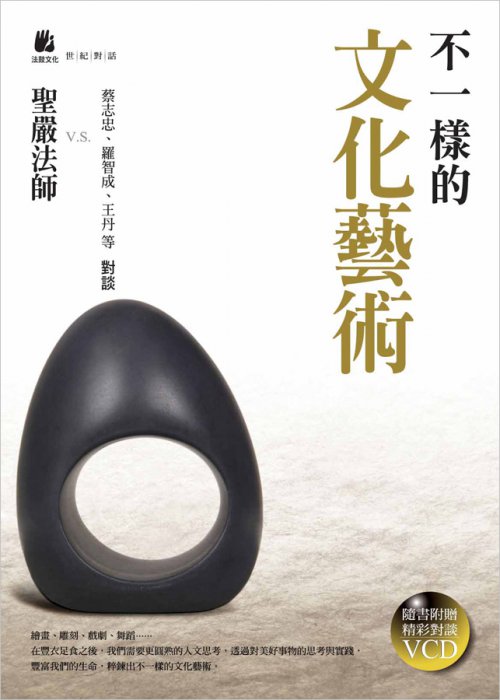
不一樣的文化藝術(附VCD)
繪畫、雕刻、戲劇、舞蹈……在豐衣足食之後,我們需要更圓熟的人文思考,透過對美好事物的思考與實踐,豐富我們的生命,粹鍊出不一樣的文化藝術。在不一樣的時代,應該有不一樣的思考方式面對問題。然而在眾聲喧嘩中,您是否也在迷惘中不知該何去何從?《不一樣的聲音系列》叢書,是將聖嚴師父廣受好評的【不一樣聲音】對談電視節目,精選5個主題並整理成文字,以佛法的智慧為主軸,提供給現代人新的積極面對的解決方法。《不一樣的聲音系列》叢書內容廣邀社會各界菁英與師父的對談紀錄,藉由他們寶貴的人生經驗提供不一樣的見解。你也可以像他們一樣思考,為自己開展出不一樣的人生風貌。
NT$
$156
|
78折
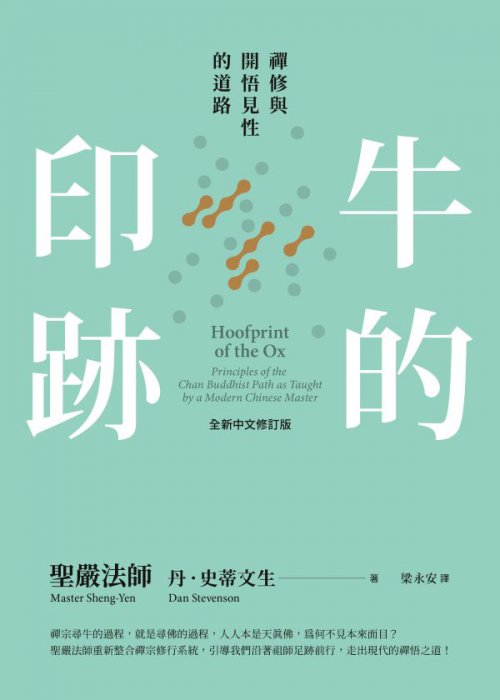
電子書 | 牛的印跡:禪修與開悟見性的道路
參透生命真相的修行寶典獲國際高度肯定本書為聖嚴法師禪法的思想精華!法師重新整合禪宗的修行系統,從「空」的概念,直入禪修與學佛之道,是理論與實踐並重的現代修行指南,在國際上獲得高度的肯定。佛陀及歷代禪宗祖師的禪修經驗,都是一場徹底的自我革命,一起踏上尋牛之旅,直至見性成佛!‧ 內容全面修訂並重新排版‧ 字級放大,閱讀更流暢舒適一本向全世界對佛教感興趣的大眾介紹禪修方法的作品。此書絕不只是聖嚴法師個人信仰的一個記錄,相反的,這些信仰能回應學禪者對禪修的某些誤解,這本書是有特別的話要說的。 ——丹.史蒂文生(Dan Stevenson)
作者介紹作者簡介聖嚴法師(1930~2009年)聖嚴法師1930年生於江蘇南通,1943年於狼山出家。曾於高雄美濃閉關六年,隨後留學日本,獲立正大學文學博士學位。1975年應邀赴美弘法。1989年創建法鼓山,並於2005年開創繼起漢傳禪佛教的「中華禪法鼓宗」。聖嚴法師是一位思想家、作家暨國際知名禪師,著作豐富,中、英、日文著作達百餘種,先後獲頒中山文藝獎、中山學術獎、總統文化獎及社會各界的諸多獎項。聖嚴法師提出「提昇人的品質,建設人間淨土」的理念,相繼創辦中華佛學研究所、法鼓文理學院、僧伽大學等院校,也以豐富的禪修經驗、正信的佛法觀念和方法指導東、西方人士修行。法師著重以現代人的語言和觀點普傳佛法,陸續提出「心靈環保」、「四種環保」、「心五四運動」、「心六倫」等社會運動,更致力於國際弘化工作,其寬闊胸襟與國際化視野,深獲海內外肯定。丹.史蒂文生博士DAN STEVENSON美國堪薩斯大學佛學、宗教學教授,是聖嚴法師赴美弘法第一批學生之一,跟隨聖嚴法師禪修近二十年,佛學與中文造詣均甚深厚。他彙集了聖嚴法師傳法的思想精華,抱著嚴謹的態度與法師合著本書,在國際上獲得高度的肯定。譯者簡介梁永安國立臺灣大學哲學碩士,專職譯者,譯有《他們說我是間諜》、《追求文明》、《人類破壞性的剖析》等。
作者
譯者
梁永安
NT$
$336
電子書 | 聖嚴法師教觀音法門(三版)
念觀音,當下便有用,能寧靜、能安心。聖嚴法師解說:觀音菩薩七種修行法門;從身心觀照、禪定修行,到如何悟入自性,成就無上佛道!觀世音菩薩如同一輪皎潔的明月,從孩提童蒙,至剃度成長,乃至為僧、為師,始終映照著我的生命,以及修行的途軌。我如此一個普通的凡夫,只能以自己修行的法門,勸導大眾共同發心修持觀世音菩薩的法門,自利利他。 ——聖嚴法師【五蘊皆空,離一切苦】當痛苦煩惱無法解決,也不知何去何從之時念觀音,當下便有用,當下便能寧靜、能安心。不一定需要有所求、有所感應——有所求念觀音,很好;無所求念觀音,那是平常修行、念自家珍寶,那更好!它是鍊心之道,練習「無著」、「無執」與「無求」。忘了記數?也沒關係。若已養成習慣,日常已不斷、不住地念著,就毋須刻意再數。重點只是在於,恒常安住于觀世音菩薩聖號中,讓菩薩聖號流灌一己的身、口、意。當遇見得失、利害、瞋愛、毀譽等巨大煩惱的衝擊時,能於深刻的痛苦中,持念《心經》這句:「觀自在菩薩,行深般若波羅蜜多時,照見五蘊皆空,度一切苦厄。」倘記不得那麼長,即記「照見五蘊皆空,度一切苦厄」;倘仍太長,則縮短為「五蘊皆空,離一切苦」。五蘊皆空,離一切苦,一共僅有八個字,就把它當成咒語來念罷。於痛苦、煩惱,無法解決,也不知何去何從之時,即念這八個字。多念!多念!以信心而念、而持,苦即會少些,煩惱也將輕些。這是初步的狀況,非常有用!是我自身經驗過的。【練習】耳朵變成吸音板有什麼聲音就是什麼聲音。送過來便接受它,並不主動地尋找聲音,只是被動的,如同一隻吸音板一般——聲音到了板上,音就不見了,並不積澱、儲存於板上,也沒有反彈的作用。倘使有反彈的作用,那便不名為吸音板,而是「回音板」了。練習將我們的耳朵變成一隻吸音板,便這麼聽著、聽著……大的聲音不要抗拒,小的聲音也不用拼命去追。只是這樣聽著,聽到多少算多少。最重要的,不要給它任何「定名」,比如說這是女孩的叫聲,男孩以粗話罵人,狗在這邊吠,貓在那邊吵……也可能鳥啊、雞啊、牛啊,乃至於汽車聲、喇叭聲、電視、收音機、摩托車、冷氣機等各種各類的聲音都一齊充斥湧動,但是,不要給與任何名字,也不要分辨它。維持自己僅是一隻「吸音板」的角色,不尋找、追隨聲音,也不得與聲音作回應。吸音板自身是安靜、沒有聲音的。聲音到了這裡,自然不見了。為什麼不見了?因為我不產生第二個念頭,在想:「那是什麼聲音?該用什麼方式回應?」人家用粗話罵你,不要回應,因為我是個吸音板;人家以甜言蜜語阿諛你,也無庸反應,因為,我是個吸音板!只是了了分明,知道這是甜言蜜語,這是粗言惡語,這是欺騙的謊話……曉得這個聲音是什麼,卻在心裡不給它回應,那麼,便是一個真正會用功、會修行的人!如此,外境種種喧囂、嘈雜,種種有毒素、不衛生的聲音皆不能污染、刺激、挑逗、誘惑你。隨時隨刻,你將是非常自在的,因之,我稱之為「享受」。人們總是希望能享受優雅、優美的聲音,那令他們感到快樂。而我要說,練習這個法門的要點,只是以耳朵傾聽,心中不升起任何情緒,無論是痛苦、憂愁或興奮、激動,甚至連快樂都不要有。不反應,其實即是一種很寧靜的愉悅。那麼,記住罷!成為一隻吸音板,於眾聲喧嘩的現實中,你將是一個善於安頓、自在,而沒有壓力的人。以上是初步修行音聲法門,可以入淺定,可以避煩惱,但尚不能開智慧,不能得圓通。
作者簡介:聖嚴法師(1930〜2009年)1930年生於江蘇南通,1943年於狼山出家。曾於高雄美濃閉關六年,隨後留學日本,獲立正大學文學博士學位。1975年應邀赴美弘法。1989年創建法鼓山,並於2005年開創繼起漢傳禪佛教的「中華禪法鼓宗」。聖嚴法師是一位思想家、作家暨國際知名禪師,著作豐富,中、英、日文著作達百餘種,先後獲頒中山文藝獎、中山學術獎、總統文化獎及社會各界的諸多獎項。聖嚴法師提出「提昇人的品質,建設人間淨土」的理念,相繼創辦中華佛學研究所、法鼓文理學院、僧伽大學等院校,也以豐富的禪修經驗、正信的佛法觀念和方法指導東、西方人士修行。法師著重以現代人的語言和觀點普傳佛法,陸續提出「心靈環保」、「四種環保」、「心五四運動」、「心六倫」等社會運動,更致力於國際弘化工作,其寬闊胸襟與國際化視野,深獲海內外肯定。梁寒衣臺大外文系畢業。曾參與高棉、越南的難民救援工作;異域目睹的生存死亡觸發了她人道思考的寫作動機。作品由是格力獨具,風格釅烈。由於出身禪門,修學因以禪宗為髓腦,華嚴大教為終極。目前蟄隱山中,修行、寫作,並擔任文學與禪學講座。曾獲《聯合文學》小說新人中篇推薦獎、《普門文學》小說獎。著有《上卡拉OK的驢子》、《赫!我是一條龍》、《黑夜裡不斷抽長的犬齒》、《一個年輕的死》、《將名字寫于水上》、《雪色青缽》、《水仙的炎鏡》、《迦陵之音》、《無涯歌》。法師著重以現代人的語言和觀點普傳佛法,陸續提出「心靈環保」、「四種環保」、「心五四運動」、「心六倫」等社會運動,並積極推展國際弘化工作,參與國際性會談,促進宗教交流,提倡建立全球性倫理,致力世界和平。其寬闊胸襟與國際化視野,深獲海內外肯定。
作者
NT$
$126
電子書 | 如月印空:聖嚴法師默照禪講錄
默照的修行, 是以一種獨特的方式培養生命的洞察力, 當漫無止盡的色、受、想、行、識漸漸平息下來, 心——就具足覺悟自己、覺悟一切的能量。 「默照禪」是由宋代宏智正覺禪師首倡並弘揚,為一種同時運用靜定與覺照的禪修法。 本書是根據聖嚴法師於一九八九、一九九五年在英國威爾斯指導「默照禪七」的內容編輯而成,除了介紹禪的基本概念與默照的實修方法外,還包括編者約翰.克魯克描述個人修行心得的數篇短文,以及隨法師出遊的趣事,兼具修行歷程的知性面與感性面。 禪修最重要的目標是徹見宇宙實相而醒悟,書中提到的千代野禪師,在一個月光皎潔的夜晚將手中的水桶掉落在地,桶面的月影瞬間破滅,他也在這一剎那開悟了。其實,每個人手中都提著一個裝滿了假象的無形桶子,唯有讓自己時時處於靜定而覺照之中,才有機會破除假象,品嘗「桶裡無水,水中無月──手中是空」的開悟滋味。 歷歷不昧,一念萬年 當下覺知宇宙人生的實相 默照禪法,默默觀照經驗的生起。 心愈來愈沉靜,就像一池水完全靜止後, 每一粒沙子都沉澱到池底,水變得透明清澈。 這種透明清澈自然而然會變成開悟,毫不費力。 ——聖嚴法師
◆本書特色◆ 在本書中,約翰˙克魯克以編輯角度,記錄聖嚴法師在英國威爾斯的禪七開示,分享個人修習靜定與覺照的心得,並藉由互動故事,呈現禪修者單純而深刻的內在特質。
編者簡介: 約翰˙克魯克博士(John Crook, PhD, DSc)
1930年出生,英國知名生物學家與人類學家。1950年代開始接觸佛教並習禪,1993年於紐約「禪中心」接受聖嚴法師傳法,成為聖嚴法師的第一位西方法子。目前為「西方人禪修會」(Western Chan Fellowship)導師。著有The Evolution of Human Consciousness、Space in Mind、Himalayan Buddhist Villages、The Yogins of Ladakh、Hilltops of the Hong Kong Moon等書。譯者簡介: 薛慧儀
國立台灣大學外國語文學系學士,英國University of Bath口筆譯碩士。曾任職於法鼓山文化中心國際翻譯室,現為大學兼職講師。譯作有:《禪門第一課》(法鼓文化)、《違法之徒》(春天出版)以及《桑果公園》(暫名,春天出版)等。
譯者
薛慧儀
NT$
$210

帶著禪心去上班:聖嚴法師的禪式工作學 (二版)
禪法能跨越時代,因為它對治的是人心本身!AI時代的禪心工作術獻給每位職場工作者的禪法智慧妙錦囊
工作可以從從容容、游刃有餘嗎?工作可以自信充實、身心自在,同時又保有熱情嗎?
科技便利,回歸人性的真實價值就愈珍貴;效率至上,平穩安定的內在力量就愈關鍵。
AI時代的核心技能——擺脫低效率的疲勞內耗,打造身心平衡的理想工作型態!用禪法保持頭腦清晰、情緒平穩,同時能夠追求更高的工作品質、創造更多的價值。
本書中,聖嚴法師將指導我們如何將禪修的觀念與方法運用於工作中,將職場常見的疑難雜症以禪法智慧一一化解,幫助職場工作者從日復一日、高壓緊繃的牢籠中解脫,重新打造身心平衡、長久穩定的工作型態。不僅和同事相處、開會溝通都能保持心平氣和,同時更能齊心創造出令人滿意的工作成果。
一個微小的轉變,就能影響每一天上班的狀態,進而改善整體的生活品質。心情愉悅、自在放鬆地完成工作,可以成為每個人的新日常。用最精準有效的方式,將職場煩惱轉化為生命智慧,無論您是剛出社會的職場新鮮人、還是身經百戰的成熟工作者,本書都值得一讀。
作者簡介
聖嚴法師(1930~2009年)聖嚴法師1930年生於江蘇南通,1943年於狼山出家,後因戰亂投身軍旅,十年後再次披剃出家。曾於高雄美濃閉關六年,隨後留學日本,獲立正大學文學博士學位。1975年應邀赴美弘法。1989年創建法鼓山,並於2005年開創繼起漢傳禪佛教的「中華禪法鼓宗」。聖嚴法師是一位思想家、作家暨國際知名禪師,曾獲臺灣《天下》雜誌遴選為「四百年來臺灣最具影響力的五十位人士」之一。著作豐富,中、英、日文著作達百餘種,先後獲頒中山文藝獎、中山學術獎、總統文化獎及社會各界的諸多獎項。聖嚴法師提出「提昇人的品質,建設人間淨土」的理念,主張以大學院、大普化、大關懷三大教育推動全面教育,相繼創辦中華佛學研究所、法鼓文理學院、僧伽大學等院校,也以豐富的禪修經驗、正信的佛法觀念和方法指導東、西方人士修行。法師著重以現代人的語言和觀點普傳佛法,陸續提出「心靈環保」、「四種環保」、「心五四運動」、「心六倫」等社會運動,並積極推展國際弘化工作,參與國際性會談,促進宗教交流,提倡建立全球性倫理,致力世界和平。其寬闊胸襟與國際化視野,深獲海內外肯定。
作者
NT$
$156
|
78折

祥樂豐足:知福惜福,生活自豐足;感恩報恩,祥樂滿人間
多也好,少也好,好到皆大歡喜。知福惜福的人,一生幸福!
◆找回內心的豐足
有的人常常想買新的東西,總是覺得錢不夠用;也有人僅能三餐溫飽,日子依然過得自在。
有些人豐衣足食,但依然覺得不快樂、空虛寂寞;也有人收入不高,卻常常做善事、歡喜布施。
聖嚴法師告訴我們,真正的快樂與豐足,其實應該由內心做起。當心靈豐足了,生活自然豐足!一位練習禪修的人,能夠把心安住於當下;心能夠安定,自然容易屏除外在的干擾,進而感受到生活中時時刻刻的滿足與充實。
學習四種祈福方法,並將觀念和行為落實在生活中,成為一位真正有福報的人!聖嚴法師提醒我們:「有福的人要惜福,沒有福的人要種福,福不夠的人要培福」。珍惜物品、惜福勤儉,卻是賺得了福報。自己擁有而用不到的物品,可以分享給身邊的人、社會上有需要的人,利益一切眾生。如此便是像播種一樣在自己的福田中種下更多種子,將來會培養出更多的福報,何樂而不為呢?
◆愈感恩,愈富有
若能從自身的觀念與想法、日常生活的點點滴滴做起,發自內心想要讓自己的生命變得更好,持續修福修慧;為他人、為社會抱持著祈福的心願,便能讓家庭及周遭環境得到向上、向善的力量。
用聖嚴法師的祥樂豐足心法,展開新的一年,祈願日日皆是平安喜悅的良辰吉日,處處都是祥和豐富的人間淨土!
作者簡介
聖嚴法師(1930~2009年)1930年生於江蘇南通,1943年於狼山出家。曾於高雄美濃閉關六年,隨後留學日本,獲立正大學文學博士學位。1975年應邀赴美弘法。1989年創建法鼓山,並於2005年開創繼起漢傳禪佛教的「中華禪法鼓宗」。聖嚴法師是一位思想家、作家暨國際知名禪師,著作豐富,中、英、日文著作達百餘種,先後獲頒中山文藝獎、中山學術獎、總統文化獎及社會各界的諸多獎項。聖嚴法師提出「提昇人的品質,建設人間淨土」的理念,相繼創辦中華佛學研究所、法鼓文理學院、僧伽大學等院校,也以豐富的禪修經驗、正信的佛法觀念和方法指導東、西方人士修行。法師著重以現代人的語言和觀點普傳佛法,陸續提出「心靈環保」、「四種環保」、「心五四運動」、「心六倫」等社會運動,更致力於國際弘化工作,其寬闊胸襟與國際化視野,深獲海內外肯定。
NT$
$78
|
78折

有大願力:一個微笑,一句祝福;人人行好願,讓人間淨土實現
善念帶來無限希望面對全球變局,未來會更好或更壞?從發好願開始,讓共業的世間,因共願而變好!
了解佛法之後,就能隨時在心平氣和的情形下生活!
發願是一種把握當下、不計得失地奉獻付出,是一種直下承擔,所以你的心不會總是在衡量自我利益中,猶疑掙扎、上下起伏,而是甘願地、平穩地歡喜承擔。
讓我們每天以——一個小小的善念,一個淺淺的微笑,一句溫暖的祝福,啟動願心願力。
法鼓山年度祝福 ◆ 有大願力 ◆一個微笑,一句祝福;人人行好願,讓人間淨土實現。
作者簡介
聖嚴法師(1930~2009年)1930年生於江蘇南通,1943年於狼山出家。曾於高雄美濃閉關六年,隨後留學日本,獲立正大學文學博士學位。1975年應邀赴美弘法。1989年創建法鼓山,並於2005年開創繼起漢傳禪佛教的「中華禪法鼓宗」。聖嚴法師是一位思想家、作家暨國際知名禪師,著作豐富,中、英、日文著作達百餘種,先後獲頒中山文藝獎、中山學術獎、總統文化獎及社會各界的諸多獎項。聖嚴法師提出「提昇人的品質,建設人間淨土」的理念,相繼創辦中華佛學研究所、法鼓文理學院、僧伽大學等院校,也以豐富的禪修經驗、正信的佛法觀念和方法指導東、西方人士修行。法師著重以現代人的語言和觀點普傳佛法,陸續提出「心靈環保」、「四種環保」、「心五四運動」、「心六倫」等社會運動,更致力於國際弘化工作,其寬闊胸襟與國際化視野,深獲海內外肯定。
NT$
$78
|
78折
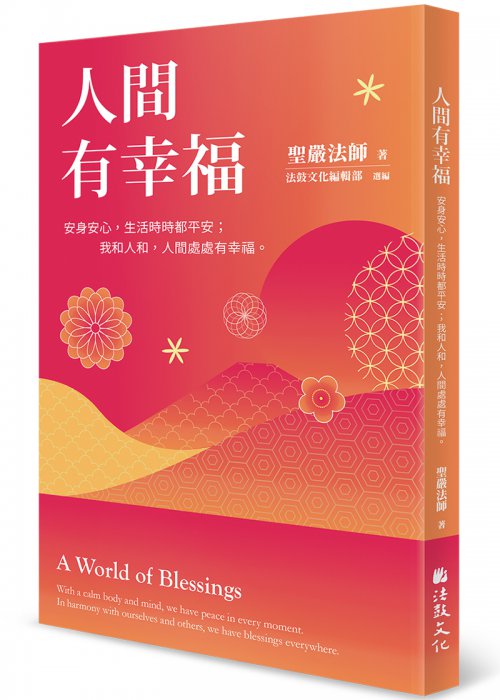
人間有幸福:安身安心,生活時時都平安;我和人和,人間處處有幸福
什麼是幸福?如何擁有幸福?知足是幸福的起點,欲望少一點,幸福就多一點。人生無論順境、逆境,時時感恩,念念惜福,福氣綿延不絕。以善念帶動善的循環,世界和諧安樂,生活歡喜共好,人間處處有幸福!
作者簡介
聖嚴法師(1930~2009年)1930年生於江蘇南通,1943年於狼山出家。曾於高雄美濃閉關六年,隨後留學日本,獲立正大學文學博士學位。1975年應邀赴美弘法。1989年創建法鼓山,並於2005年開創繼起漢傳禪佛教的「中華禪法鼓宗」。聖嚴法師是一位思想家、作家暨國際知名禪師,著作豐富,中、英、日文著作達百餘種,先後獲頒中山文藝獎、中山學術獎、總統文化獎及社會各界的諸多獎項。聖嚴法師提出「提昇人的品質,建設人間淨土」的理念,相繼創辦中華佛學研究所、法鼓文理學院、僧伽大學等院校,也以豐富的禪修經驗、正信的佛法觀念和方法指導東、西方人士修行。法師著重以現代人的語言和觀點普傳佛法,陸續提出「心靈環保」、「四種環保」、「心五四運動」、「心六倫」等社會運動,更致力於國際弘化工作,其寬闊胸襟與國際化視野,深獲海內外肯定。
NT$
$78
|
78折
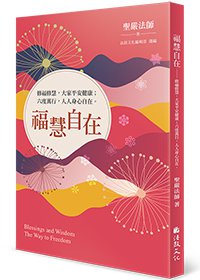
福慧自在:修福修慧,大家平安健康;六度萬行,人人身心自在
面對瞬息萬變的氣候天災、政經局勢,該如何安心生活呢?心轉變,世界亦隨之改變。本書精選聖嚴法師:使身心平安、福慧自在的心法。【觀念正確,隨時在幸福中】 聖嚴法師一般人拜佛都想祈求福報,但是有福報卻不一定有智慧,若無智慧,福報本身就可能帶給我們困擾。有福的人一定要有智慧,有了智慧,才知道如何運用福報和增長福報。因此佛教主張「福慧雙修」,主張「悲智雙運」,那才算是健康的修行。有錢可能有福,也極可能無福;沒錢可能無福,也很可能有福,差別是在於有沒有智慧。有錢又有智慧,知道如何善於賺錢、善於用錢,這種人是福慧雙全。曾有一位有錢的太太,在她丈夫去世之後,便把所有的財產均分給了子女,在她想來,兒孫都是她的,將來都會孝順。但到後來,她的晚景淒涼,錢在身邊的時候,錢是她的,兒女也是她的;一旦把錢分給了兒女,兒女和錢,都不屬於她的了。所以,有一位有福報又有智慧的老人告訴我:「老人應當有四要,第一要有老健康,第二要有老伴,第三要有老本,第四要有老友。」我告訴他:「最重要的還要有老智慧。」如果沒有智慧,可能什麼都有,就是沒有收放自如的快樂人生。像那位老太太把子女當成是自己的,把錢分給了子女,子女的錢自然也就等於是自己的了。事實上這位老太太的想法不錯,只是因緣的變化出乎意料。子女與老本,都不是絕對可信,如果有了智慧,那才可靠,沒有智慧就沒有福報。這也就是為什麼財布施的功德,不如法布施的功德之原因所在了。心安才有平安相對於混沌不明的大環境,個人內心的安穩、平靜,則顯得非常重要。我經常說:「心安才有平安。」如果內心不平安,無論外在的環境多麼舒適,仍會覺得痛苦。如果內心是平靜的,心不隨外境的影響波動,雖則身處惡劣的環境之中,還是非常的平安。我常抱持「逆向思考」及「正面解讀」的心態來面對各種現況,凡事往求生存、求生路的光明面努力,便可順勢而為,趁勢而起。觀念正確,隨時就是在幸福中;觀念不正確,就是自己把幸福放走了。(摘錄)
作者簡介
聖嚴法師(1930~2009年)1930年生於江蘇南通,1943年於狼山出家。曾於高雄美濃閉關六年,隨後留學日本,獲立正大學文學博士學位。1975年應邀赴美弘法。1989年創建法鼓山,並於2005年開創繼起漢傳禪佛教的「中華禪法鼓宗」。聖嚴法師是一位思想家、作家暨國際知名禪師,著作豐富,中、英、日文著作達百餘種,先後獲頒中山文藝獎、中山學術獎、總統文化獎及社會各界的諸多獎項。聖嚴法師提出「提昇人的品質,建設人間淨土」的理念,相繼創辦中華佛學研究所、法鼓文理學院、僧伽大學等院校,也以豐富的禪修經驗、正信的佛法觀念和方法指導東、西方人士修行。法師著重以現代人的語言和觀點普傳佛法,陸續提出「心靈環保」、「四種環保」、「心五四運動」、「心六倫」等社會運動,更致力於國際弘化工作,其寬闊胸襟與國際化視野,深獲海內外肯定。
NT$
$78
|
78折
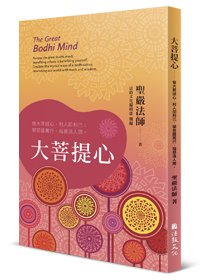
大菩提心:發大菩提心,利人即利己;學菩薩萬行,福慧滿人間
菩提心,是菩薩的心。發大菩提心,能擴大生命的格局,互為彼此的貴人,結真正的善緣!本書精選聖嚴法師智慧法語,鼓勵大家將生活危機,化為幸福轉機,發願相互扶持,以智慧安己,以慈悲待人,鍛鍊出開闊的人生視野和菩薩心量。量大福大,我們的心量有多大,福報就有多大。無論順境逆境,幸福的起點,就從發大菩提心開始!許願的人,等待菩薩的聞聲救苦;而發願的人,能成為聞聲救苦的菩薩。如果人生的著眼點,只關心自己的得失,生命的格局將十分有限;如果能胸懷眾生,生命的格局將無限廣大。在利他的願心中,為了有更多的奉獻能力,我們會不斷地自我成長,為自己、為大眾,帶來改變世界的信心和力量。聖嚴法師曾說:「多存好心、多說好話、多做好事、多結他人的善緣,自然能處處遇貴人,處處交好運了。」轉好運的最好辦法不是求神問卜,而是體會生活的意義及生命的價值。與其等待貴人相助,不如讓自己成為別人的貴人,願力愈大,成長愈快。心寬路就寬,如果我們能同發大菩提心,以成就他人來實現自我,將會發現每條路都是菩提大道,隨時隨地都能修福修慧,廣結善緣!
作者簡介
聖嚴法師(1930~2009年)1930年生於江蘇南通,1943年於狼山出家。曾於高雄美濃閉關六年,隨後留學日本,獲立正大學文學博士學位。1975年應邀赴美弘法。1989年創建法鼓山,並於2005年開創繼起漢傳禪佛教的「中華禪法鼓宗」。聖嚴法師是一位思想家、作家暨國際知名禪師,著作豐富,中、英、日文著作達百餘種,先後獲頒中山文藝獎、中山學術獎、總統文化獎及社會各界的諸多獎項。聖嚴法師提出「提昇人的品質,建設人間淨土」的理念,相繼創辦中華佛學研究所、法鼓文理學院、僧伽大學等院校,也以豐富的禪修經驗、正信的佛法觀念和方法指導東、西方人士修行。法師著重以現代人的語言和觀點普傳佛法,陸續提出「心靈環保」、「四種環保」、「心五四運動」、「心六倫」等社會運動,更致力於國際弘化工作,其寬闊胸襟與國際化視野,深獲海內外肯定。
NT$
$78
|
78折

帶著禪心去上班─聖嚴法師的禪式工作學 (簡體版)
将禅法带进办公室,以无限的活力、无限的创意,迎接每一个挑战!工作面对的人际关系、挑战与竞争来自四面八方,然而,只要在工作中不忘用“禅”的观念和方法面对,就有一股安心的力量,让我们在职场上不受外境风雨的影响,工作起来左右逢源、事半功倍。圣严法师的禅式工作学,融合禅修的方法和观念,书中以34则提问,将职场遇到的问题及瓶颈,化为清明的智慧心、柔软的慈悲心,分享以禅心来工作的良方,让我们找到源源不绝的工作热忱,每一天的职场生活都能欢喜又富足。出门前手机带了吗?钱包、笔记本、公文包都带了吗?请再检查一下,“禅心” 带了没?
作者簡介
圣严法师(1930~2009年)1930年生于江苏南通,1943年于狼山出家,后因战乱投身军旅,十年后再次披剃出家。曾于高雄美浓闭关六年,随后留学日本,获立正大学文学博士学位。1975年应邀赴美弘法。1989年创建法鼓山,并于2005年开创继起汉传禅佛教的“中华禅法鼓宗”。圣严法师是一位思想家、作家暨国际知名禅师,曾获台湾《天下》杂志遴选为“四百年来台湾最具影响力的五十位人士”之一。著作丰富,中、英、日文著作达百余种,先后获颁中山文艺奖、中山学术奖、总统文化奖及社会各界的诸多奖项。圣严法师提出“提升人的质量,建设人间净土”的理念,主张以大学院、大普化、大关怀三大教育推动全面教育,相继创办中华佛学研究所、法鼓文理学院、僧伽大学等院校,也以丰富的禅修经验、正信的佛法观念和方法指导东、西方人士修行。法师着重以现代人的语言和观点普传佛法,陆续提出“心灵环保”、“四种环保”、“心五四运动”、“心六伦”等社会运动,并积极推展国际弘化工作,参与国际性会谈,促进宗教交流,提倡建立全球性伦理,致力世界和平。其宽阔胸襟与国际化视野,深获海内外肯定。本书结集自圣严法师针对法鼓山专职的精神讲话,对于身在职场如道场的大众,提出在工作中提升自我、与团体共同成长的观念和方法,让大众在工作中安定身心。
作者
NT$
$156
|
78折
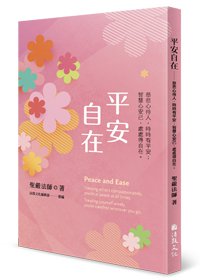
平安自在:慈悲心待人,時時有平安;智慧心安己,處處得自在。
佛法的運用和禪法的修行,就是要使我們生活得更平安。身心安定,好運自然來!「智慧財」與「功德財」過年期間,大家見面都會說「恭喜發財」,發什麼財呢?一是「智慧財」,一是「功德財」。多做好事,多給人方便,多念佛,這是功德財。在功德之中,其實也含有智慧。「智慧財」能夠化解自己的煩惱,有智慧的人,有錢也歡喜,沒有錢也歡喜。沒有智慧的人,即使有錢也不會歡喜,那就很苦。人人都希望發財,但若失去快樂,那就沒有意義。聖嚴師父祝福我們,自己要許一個新希望,想想今年要做什麼?每一個人都要許一個可以實踐的願望。世間人說「自助而後人助」,佛法說「種福而有福,培福就有福」。如何種福、培福?就要許願,並且要確實地實踐。隨時安心、隨念安心、隨遇安心,幸福無所不在!面對不確定的未來,只要心平安,身就自在!用簡單快樂的環保新生活,守護我們的美好世界。心靈環保——安己安人,希望無限。禮儀環保——互信互助,溫暖關懷。生活環保——知足常樂,找回幸福。自然環保——保護地球,珍惜淨土。
作者簡介
聖嚴法師(1930~2009年)聖嚴法師1930年生於江蘇南通,1943年於狼山出家,後因戰亂投身軍旅,十年後再次披剃出家。曾於高雄美濃閉關六年,隨後留學日本,獲立正大學文學博士學位。1975年應邀赴美弘法。1989年創建法鼓山,並於2005年開創繼起漢傳禪佛教的「中華禪法鼓宗」。聖嚴法師是一位思想家、作家暨國際知名禪師,曾獲台灣《天下》雜誌遴選為「四百年來台灣最具影響力的五十位人士」之一。著作豐富,中、英、日文著作達百餘種,先後獲頒中山文藝獎、中山學術獎、總統文化獎及社會各界的諸多獎項。聖嚴法師提出「提昇人的品質,建設人間淨土」的理念,主張以大學院、大普化、大關懷三大教育推動全面教育,相繼創辦中華佛學研究所、法鼓佛教學院、僧伽大學、法鼓大學等院校,也以豐富的禪修經驗、正信的佛法觀念和方法指導東、西方人士修行。法師著重以現代人的語言和觀點普傳佛法,陸續提出「心靈環保」、「四種環保」、「心五四運動」、「心六倫」等社會運動,近年來更致力於國際弘化工作,參與國際性會談,促進宗教交流,提倡建立全球性倫理,致力於世界的和平。其寬闊胸襟與國際化視野,深獲海內外肯定。
NT$
$78
|
78折
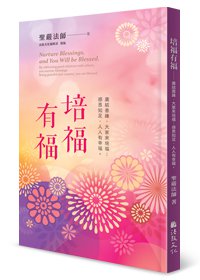
培福有福:廣結善緣,大家來培福;感恩知足,人人有幸福
◆ 聖嚴法師「培福有福」法語精選# 轉運,從改變觀念開始,得到生生世世的好觀念、好福報。# 做個有福之人,讓自己幸福,讓別人也幸福!# 沒有智慧,就多念「觀世音菩薩」;沒有福報,就多結人緣吧!現代人豐衣足食、生活便利,為什麼仍然覺得不快樂,想要努力追求幸福呢?如果能夠化解對於幸福的迷思,感恩知足並廣結善緣,就能培福有福。無論你身在哪裡,都會自在愉快,並帶給人希望力量。聖嚴法師曾說:「一個人如果不培福、惜福,卻老是在享福,福報就會愈來愈少,幸福的日子總有結束的一天。一個懂得知足、惜福、培福的人,當遭逢逆境時不會抱怨,在一帆風順時則懂得感謝,無論何時何地都感到心滿意足,才是個真正幸福的人。」好好珍惜福報,培養福報,就是有福之人。
作者簡介
聖嚴法師(1930~2009年)聖嚴法師1930年生於江蘇南通,1943年於狼山出家,後因戰亂投身軍旅,十年後再次披剃出家。曾於高雄美濃閉關六年,隨後留學日本,獲立正大學文學博士學位。1975年應邀赴美弘法。1989年創建法鼓山,並於2005年開創繼起漢傳禪佛教的「中華禪法鼓宗」。聖嚴法師是一位思想家、作家暨國際知名禪師,曾獲台灣《天下》雜誌遴選為「四百年來台灣最具影響力的五十位人士」之一。著作豐富,中、英、日文著作達百餘種,先後獲頒中山文藝獎、中山學術獎、總統文化獎及社會各界的諸多獎項。聖嚴法師提出「提昇人的品質,建設人間淨土」的理念,主張以大學院、大普化、大關懷三大教育推動全面教育,相繼創辦中華佛學研究所、法鼓佛教學院、僧伽大學、法鼓大學等院校,也以豐富的禪修經驗、正信的佛法觀念和方法指導東、西方人士修行。法師著重以現代人的語言和觀點普傳佛法,陸續提出「心靈環保」、「四種環保」、「心五四運動」、「心六倫」等社會運動,近年來更致力於國際弘化工作,參與國際性會談,促進宗教交流,提倡建立全球性倫理,致力於世界的和平。其寬闊胸襟與國際化視野,深獲海內外肯定。
NT$
$78
|
78折
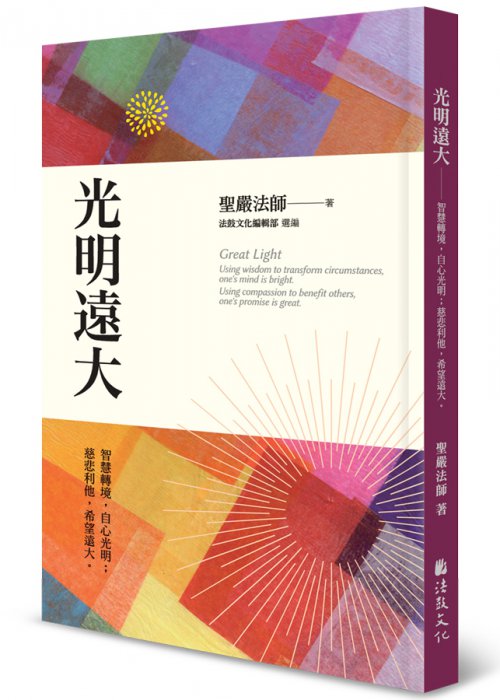
光明遠大:智慧轉境,自心光明;慈悲利他,希望遠大
看見世界的希望,先從讓心發光、發熱開始!心光明,世界就光明!願遠大,希望就遠大!隨著聖嚴法師的勉勵發願,展現改變生命力的四種行動:慈悲無我利他行、智慧轉境報恩行、自心光明修身行、希望遠大菩薩行,生命氣象從此好氣魄!智慧無我,跳脫自我小格局,慈悲利他,展開寬廣大方向,人生風景自然光明遠大!
作者簡介
聖嚴法師(1930-2009年)聖嚴法師1930年生於江蘇南通,1943年於狼山出家。曾於高雄美濃閉關六年,隨後留學日本,獲立正大學文學博士學位。1975年應邀赴美弘法。1989年創建法鼓山,並於2005年開創繼起漢傳禪佛教的「中華禪法鼓宗」。聖嚴法師是一位思想家、作家暨國際知名禪師,著作豐富,中、英、日文著作達百餘種,先後獲頒中山文藝獎、中山學術獎、總統文化獎及社會各界的諸多獎項。聖嚴法師提出「提昇人的品質,建設人間淨土」的理念,相繼創辦中華佛學研究所、法鼓佛教學院、僧伽大學、法鼓大學等院校,也以豐富的禪修經驗、正信的佛法觀念和方法指導東、西方人士修行。法師著重以現代人的語言和觀點普傳佛法,陸續提出「心靈環保」、「四種環保」、「心五四運動」、「心六倫」等社會運動,更致力於國際弘化工作,其寬闊胸襟與國際化視野,深獲海內外肯定。
NT$
$78
|
78折
和樂無諍:心平氣和,是非要溫柔;和樂平安,我為你祝福
幸福和諧的生活不必遠求,活用智慧面對問題、接受問題、處理問題與放下問題,就能轉危為安,共創美好新生活。聖嚴法師指出,人與人之間如果能夠——彼此尊重、彼此諒解、彼此寬容、彼此學習、彼此幫助,我們的世界,會有普遍與永久的和平。和平安樂,其實不在心外,而在每個人心中,學會反觀自照、開闊心量、自利利他,生命便常在和樂無諍的喜悅中。
作者簡介
聖嚴法師(1930~2009年)聖嚴法師1930年生於江蘇南通,1943年於狼山出家,後因戰亂投身軍旅,十年後再次披剃出家。曾於高雄美濃閉關六年,隨後留學日本,獲立正大學文學博士學位。1975年應邀赴美弘法。1989年創建法鼓山,並於2005年開創繼起漢傳禪佛教的「中華禪法鼓宗」。聖嚴法師是一位思想家、作家暨國際知名禪師,曾獲台灣《天下》雜誌遴選為「四百年來台灣最具影響力的五十位人士」之一。著作豐富,中、英、日文著作達百餘種,先後獲頒中山文藝獎、中山學術獎、總統文化獎及社會各界的諸多獎項。聖嚴法師提出「提昇人的品質,建設人間淨土」的理念,主張以大學院、大普化、大關懷三大教育推動全面教育,相繼創辦中華佛學研究所、法鼓佛教學院、僧伽大學、法鼓大學等院校,也以豐富的禪修經驗、正信的佛法觀念和方法指導東、西方人士修行。法師著重以現代人的語言和觀點普傳佛法,陸續提出「心靈環保」、「四種環保」、「心五四運動」、「心六倫」等社會運動,近年來更致力於國際弘化工作,參與國際性會談,促進宗教交流,提倡建立全球性倫理,致力於世界的和平。其寬闊胸襟與國際化視野,深獲海內外肯定。
NT$
$78
|
78折

帶著禪心去上班:聖嚴法師的禪式工作學
將禪法帶進辦公室,突破朝九晚五的有限鐘點,以無限的活力、無限的創意,迎接每一個挑戰!手機帶了嗎?錢包、電腦、公事包都帶了嗎?再檢查一下,「禪心」帶了沒?工作上面對的人際關係如此多元,各種挑戰與競爭來自四面八方,然而,只要在工作中不忘用「禪」的觀念和方法面對,就能有一股安心的力量,讓我們在職場上能夠不受外境風雨的影響,工作起來左右逢源、事半功倍。心活了,工作自然精神飽滿、活力充沛!聖嚴法師的禪式工作學,融合禪修的方法和觀念,在本書中以34則提問,把職場上人人都會遇到的問題及瓶頸,化為清明的智慧心、柔軟的慈悲心,分享以禪心來工作的良方。在充滿挑戰的職場生活中,有了禪法作為安心的方法,就能找到源源不絕的工作熱忱,讓每一天的職場生活,都能歡喜又富足。
作者簡介
聖嚴法師(1930~2009年)聖嚴法師1930年生於江蘇南通,1943年於狼山出家,後因戰亂投身軍旅,十年後再次披剃出家。曾於高雄美濃閉關六年,隨後留學日本,獲立正大學文學博士學位。1975年應邀赴美弘法。1989年創建法鼓山,並於2005年開創繼起漢傳禪佛教的「中華禪法鼓宗」。聖嚴法師是一位思想家、作家暨國際知名禪師,曾獲台灣《天下》雜誌遴選為「四百年來台灣最具影響力的五十位人士」之一。著作豐富,中、英、日文著作達百餘種,先後獲頒中山文藝獎、中山學術獎、總統文化獎及社會各界的諸多獎項。聖嚴法師提出「提昇人的品質,建設人間淨土」的理念,主張以大學院、大普化、大關懷三大教育推動全面教育,相繼創辦中華佛學研究所、法鼓佛教學院、僧伽大學、法鼓大學等院校,也以豐富的禪修經驗、正信的佛法觀念和方法指導東、西方人士修行。法師著重以現代人的語言和觀點普傳佛法,陸續提出「心靈環保」、「四種環保」、「心五四運動」、「心六倫」等社會運動,近年來更致力於國際弘化工作,參與國際性會談,促進宗教交流,提倡建立全球性倫理,致力於世界的和平。其寬闊胸襟與國際化視野,深獲海內外肯定。
作者
NT$
$126
|
7折


電子書 | 祥樂豐足:知福惜福,生活自豐足;感恩報恩,祥樂滿人間(簡體版)
多也好,少也好,好到皆大欢喜。知福惜福的人,一生幸福!
◆找回内心的丰足
有的人常常想买新的东西,总是觉得钱不够用;也有人仅能三餐温饱,日子依然过得自在。
有些人丰衣足食,但依然觉得不快乐、空虚寂寞;也有人收入不高,却常常做善事、欢喜布施。
圣严法师告诉我们,真正的快乐与丰足,其实应该由内心做起。当心灵丰足了,生活自然丰足!一位练习禅修的人,能够把心安住于当下;心能够安定,自然容易屏除外在的干扰,进而感受到生活中时时刻刻的满足与充实。
学习四种祈福方法,并将观念和行为落实在生活中,成为一位真正有福报的人!圣严法师提醒我们:「有福的人要惜福,没有福的人要种福,福不够的人要培福」。珍惜物品、惜福勤俭,却是赚得了福报。自己拥有而用不到的物品,可以分享给身边的人、社会上有需要的人,利益一切众生。如此便是像播种一样在自己的福田中种下更多种子,将来会培养出更多的福报,何乐而不为呢?
◆愈感恩,愈富有
若能从自身的观念与想法、日常生活的点点滴滴做起,发自内心想要让自己的生命变得更好,持续修福修慧;为他人、为社会抱持着祈福的心愿,便能让家庭及周遭环境得到向上、向善的力量。
用圣严法师的祥乐丰足心法,展开新的一年,祈愿日日皆是平安喜悦的良辰吉日,处处都是祥和丰富的人间净土!
作者簡介
圣严法师(1930~2009年)
1930年生于江苏南通,1943年于狼山出家。曾于高雄美浓闭关六年,随后留学日本,获立正大学文学博士学位。1975年应邀赴美弘法。1989年创建法鼓山,并于2005年开创继起汉传禅佛教的「中华禅法鼓宗」。
圣严法师是一位思想家、作家暨国际知名禅师,着作丰富,中、英、日文着作达百余种,先后获颁中山文艺奖、中山学术奖、总统文化奖及社会各界的诸多奖项。
圣严法师提出「提升人的品质,建设人间净土」的理念,相继创办中华佛学研究所、法鼓文理学院、僧伽大学等院校,也以丰富的禅修经验、正信的佛法观念和方法指导东、西方人士修行。法师着重以现代人的语言和观点普传佛法,陆续提出「心灵环保」、「四种环保」、「心五四运动」、「心六伦」等社会运动,更致力于国际弘化工作,其宽阔胸襟与国际化视野,深获海内外肯定。
NT$
$126

電子書 | 有大願力:一個微笑,一句祝福;人人行好願,讓人間淨土實現
善念帶來無限希望面對全球變局,未來會更好或更壞?從發好願開始,讓共業的世間,因共願而變好!
了解佛法之後,就能隨時在心平氣和的情形下生活!
發願是一種把握當下、不計得失地奉獻付出,是一種直下承擔,所以你的心不會總是在衡量自我利益中,猶疑掙扎、上下起伏,而是甘願地、平穩地歡喜承擔。
讓我們每天以——一個小小的善念,一個淺淺的微笑,一句溫暖的祝福,啟動願心願力。
法鼓山年度祝福 ◆ 有大願力 ◆一個微笑,一句祝福;人人行好願,讓人間淨土實現。
作者簡介:
聖嚴法師(1930~2009年)1930年生於江蘇南通,1943年於狼山出家。曾於高雄美濃閉關六年,隨後留學日本,獲立正大學文學博士學位。1975年應邀赴美弘法。1989年創建法鼓山,並於2005年開創繼起漢傳禪佛教的「中華禪法鼓宗」。聖嚴法師是一位思想家、作家暨國際知名禪師,著作豐富,中、英、日文著作達百餘種,先後獲頒中山文藝獎、中山學術獎、總統文化獎及社會各界的諸多獎項。聖嚴法師提出「提昇人的品質,建設人間淨土」的理念,相繼創辦中華佛學研究所、法鼓文理學院、僧伽大學等院校,也以豐富的禪修經驗、正信的佛法觀念和方法指導東、西方人士修行。法師著重以現代人的語言和觀點普傳佛法,陸續提出「心靈環保」、「四種環保」、「心五四運動」、「心六倫」等社會運動,更致力於國際弘化工作,其寬闊胸襟與國際化視野,深獲海內外肯定。
NT$
$70

電子書 | 有大願力:一個微笑,一句祝福;人人行好願,讓人間淨土實現(簡體版)
善念带来无限希望
面对全球变局,未来会更好或更坏?从发好愿开始,让共业的世间,因共愿而变好!
了解佛法之后,就能随时在心平气和的情形下生活!
发愿是一种把握当下、不计得失地奉献付出,是一种直下承担,所以你的心不会总是在衡量自我利益中,犹疑挣扎、上下起伏,而是甘愿地、平稳地欢喜承担。
让我们每天以——一个小小的善念,一个浅浅的微笑,一句温暖的祝福,启动愿心愿力。
法鼓山年度祝福 ◆ 有大愿力 ◆一个微笑,一句祝福;人人行好愿,让人间淨土实现。
作者簡介:
圣严法师(1930~2009年)
1930年生于江苏南通,1943年于狼山出家。曾于高雄美浓闭关六年,随后留学日本,获立正大学文学博士学位。1975年应邀赴美弘法。1989年创建法鼓山,并于2005年开创继起汉传禅佛教的「中华禅法鼓宗」。
圣严法师是一位思想家、作家暨国际知名禅师,着作丰富,中、英、日文着作达百馀种,先后获颁中山文艺奖、中山学术奖、总统文化奖及社会各界的诸多奖项。
圣严法师提出「提昇人的品质,建设人间淨土」的理念,相继创办中华佛学研究所、法鼓文理学院、僧伽大学等院校,也以丰富的禅修经验、正信的佛法观念和方法指导东、西方人士修行。法师着重以现代人的语言和观点普传佛法,陆续提出「心灵环保」、「四种环保」、「心五四运动」、「心六伦」等社会运动,更致力于国际弘化工作,其宽阔胸襟与国际化视野,深获海内外肯定。
NT$
$126
電子書 | 福慧自在:修福修慧,大家平安健康;六度萬行,人人身心自在(簡體版)
面对瞬息万变的气候天灾、政经局势,该如何安心生活呢?心转变,世界亦随之改变。本书精选圣严法师:使身心平安、福慧自在的心法。【观念正确,随时在幸福中】 圣严法师一般人拜佛都想祈求福报,但是有福报却不一定有智慧,若无智慧,福报本身就可能带给我们困扰。有福的人一定要有智慧,有了智慧,才知道如何运用福报和增长福报。因此佛教主张「福慧双修」,主张「悲智双运」,那才算是健康的修行。有钱可能有福,也极可能无福;没钱可能无福,也很可能有福,差别是在于有没有智慧。有钱又有智慧,知道如何善于赚钱、善于用钱,这种人是福慧双全。曾有一位有钱的太太,在她丈夫去世之后,便把所有的财产均分给了子女,在她想来,儿孙都是她的,将来都会孝顺。但到后来,她的晚景凄凉,钱在身边的时候,钱是她的,儿女也是她的;一旦把钱分给了儿女,儿女和钱,都不属于她的了。所以,有一位有福报又有智慧的老人告诉我:「老人应当有四要,第一要有老健康,第二要有老伴,第三要有老本,第四要有老友。」我告诉他:「最重要的还要有老智慧。」如果没有智慧,可能什么都有,就是没有收放自如的快乐人生。像那位老太太把子女当成是自己的,把钱分给了子女,子女的钱自然也就等于是自己的了。事实上这位老太太的想法不错,只是因缘的变化出乎意料。子女与老本,都不是绝对可信,如果有了智慧,那才可靠,没有智慧就没有福报。这也就是为什么财布施的功德,不如法布施的功德之原因所在了。心安才有平安相对于混沌不明的大环境,个人内心的安稳、平静,则显得非常重要。我经常说:「心安才有平安。」如果内心不平安,无论外在的环境多么舒适,仍会觉得痛苦。如果内心是平静的,心不随外境的影响波动,虽则身处恶劣的环境之中,还是非常的平安。我常抱持「逆向思考」及「正面解读」的心态来面对各种现况,凡事往求生存、求生路的光明面努力,便可顺势而为,趁势而起。观念正确,随时就是在幸福中;观念不正确,就是自己把幸福放走了。 (摘录)
作者简介:圣严法师(1930~2009年)1930年生于江苏南通,1943年于狼山出家。曾于高雄美浓闭关六年,随后留学日本,获立正大学文学博士学位。 1975年应邀赴美弘法。 1989年创建法鼓山,并于2005年开创继起汉传禅佛教的「中华禅法鼓宗」。圣严法师是一位思想家、作家暨国际知名禅师,著作丰富,中、英、日文著作达百余种,先后获颁中山文艺奖、中山学术奖、总统文化奖及社会各界的诸多奖项。圣严法师提出「提升人的品质,建设人间净土」的理念,相继创办中华佛学研究所、法鼓文理学院、僧伽大学等院校,也以丰富的禅修经验、正信的佛法观念和方法指导东、西方人士修行。法师着重以现代人的语言和观点普传佛法,陆续提出「心灵环保」、「四种环保」、「心五四运动」、「心六伦」等社会运动,更致力于国际弘化工作,其宽阔胸襟与国际化视野,深获海内外肯定。
NT$
$84
電子書 | 帶著禪心去上班─聖嚴法師的禪式工作學(簡體版)
将禅法带进办公室,以无限的活力、无限的创意,迎接每一个挑战!工作面对的人际关系、挑战与竞争来自四面八方,然而,只要在工作中不忘用“禅”的观念和方法面对,就有一股安心的力量,让我们在职场上不受外境风雨的影响,工作起来左右逢源、事半功倍。圣严法师的禅式工作学,融合禅修的方法和观念,书中以34则提问,将职场遇到的问题及瓶颈,化为清明的智慧心、柔软的慈悲心,分享以禅心来工作的良方,让我们找到源源不绝的工作热忱,每一天的职场生活都能欢喜又富足。出门前手机带了吗?钱包、笔记本、公文包都带了吗?请再检查一下,“禅心” 带了没?
作者簡介:圣严法师(1930~2009年)1930年生于江苏南通,1943年于狼山出家,后因战乱投身军旅,十年后再次披剃出家。曾于高雄美浓闭关六年,随后留学日本,获立正大学文学博士学位。1975年应邀赴美弘法。1989年创建法鼓山,并于2005年开创继起汉传禅佛教的“中华禅法鼓宗”。圣严法师是一位思想家、作家暨国际知名禅师,曾获台湾《天下》杂志遴选为“四百年来台湾最具影响力的五十位人士”之一。著作丰富,中、英、日文著作达百余种,先后获颁中山文艺奖、中山学术奖、总统文化奖及社会各界的诸多奖项。圣严法师提出“提升人的质量,建设人间净土”的理念,主张以大学院、大普化、大关怀三大教育推动全面教育,相继创办中华佛学研究所、法鼓文理学院、僧伽大学等院校,也以丰富的禅修经验、正信的佛法观念和方法指导东、西方人士修行。法师着重以现代人的语言和观点普传佛法,陆续提出“心灵环保”、“四种环保”、“心五四运动”、“心六伦”等社会运动,并积极推展国际弘化工作,参与国际性会谈,促进宗教交流,提倡建立全球性伦理,致力世界和平。其宽阔胸襟与国际化视野,深获海内外肯定。本书结集自圣严法师针对法鼓山专职的精神讲话,对于身在职场如道场的大众,提出在工作中提升自我、与团体共同成长的观念和方法,让大众在工作中安定身心。
作者
NT$
$140

電子書 | 別再執著了
世上沒有一成不變的事,現在覺得對的想法,一轉眼可能就改變了。在落入執著的陷阱時,要學會幫自己解套,別再執著了! 「別再執著了」,收錄25篇精采短文,從聖嚴法師開闊自在的法語中,體會放下而不執著的生活智慧。
作者
NT$
$69
電子書 | 光明遠大:智慧轉境,自心光明;慈悲利他,希望遠大。
看見世界的希望,先從讓心發光、發熱開始!心光明,世界就光明!願遠大,希望就遠大!
隨著聖嚴法師的勉勵發願,展現改變生命力的四種行動:慈悲無我利他行、智慧轉境報恩行、自心光明修身行、希望遠大菩薩行,生命氣象從此好氣魄!
智慧無我,跳脫自我小格局,慈悲利他,展開寬廣大方向,人生風景自然光明遠大!
作者簡介:
聖嚴法師(1930-2009年)
聖嚴法師1930年生於江蘇南通,1943年於狼山出家。曾於高雄美濃閉關六年,隨後留學日本,獲立正大學文學博士學位。1975年應邀赴美弘法。1989年創建法鼓山,並於2005年開創繼起漢傳禪佛教的「中華禪法鼓宗」。
聖嚴法師是一位思想家、作家暨國際知名禪師,著作豐富,中、英、日文著作達百餘種,先後獲頒中山文藝獎、中山學術獎、總統文化獎及社會各界的諸多獎項。
聖嚴法師提出「提昇人的品質,建設人間淨土」的理念,相繼創辦中華佛學研究所、法鼓佛教學院、僧伽大學、法鼓大學等院校,也以豐富的禪修經驗、正信的佛法觀念和方法指導東、西方人士修行。法師著重以現代人的語言和觀點普傳佛法,陸續提出「心靈環保」、「四種環保」、「心五四運動」、「心六倫」等社會運動,更致力於國際弘化工作,其寬闊胸襟與國際化視野,深獲海內外肯定。
NT$
$70

電子書 | 和樂無諍:心平氣和,是非要溫柔;和樂平安,我為你祝福。
幸福和諧的生活不必遠求,活用智慧面對問題、接受問題、處理問題與放下問題,就能轉危為安,共創美好新生活。聖嚴法師指出,人與人之間如果能夠——彼此尊重、彼此諒解、彼此寬容、彼此學習、彼此幫助,我們的世界,會有普遍與永久的和平。和平安樂,其實不在心外,而在每個人心中,學會反觀自照、開闊心量、自利利他,生命便常在和樂無諍的喜悅中。
作者簡介:聖嚴法師(1930~2009年)聖嚴法師1930年生於江蘇南通,1943年於狼山出家,後因戰亂投身軍旅,十年後再次披剃出家。曾於高雄美濃閉關六年,隨後留學日本,獲立正大學文學博士學位。1975年應邀赴美弘法。1989年創建法鼓山,並於2005年開創繼起漢傳禪佛教的「中華禪法鼓宗」。聖嚴法師是一位思想家、作家暨國際知名禪師,曾獲台灣《天下》雜誌遴選為「四百年來台灣最具影響力的五十位人士」之一。著作豐富,中、英、日文著作達百餘種,先後獲頒中山文藝獎、中山學術獎、總統文化獎及社會各界的諸多獎項。聖嚴法師提出「提昇人的品質,建設人間淨土」的理念,主張以大學院、大普化、大關懷三大教育推動全面教育,相繼創辦中華佛學研究所、法鼓佛教學院、僧伽大學、法鼓大學等院校,也以豐富的禪修經驗、正信的佛法觀念和方法指導東、西方人士修行。法師著重以現代人的語言和觀點普傳佛法,陸續提出「心靈環保」、「四種環保」、「心五四運動」、「心六倫」等社會運動,近年來更致力於國際弘化工作,參與國際性會談,促進宗教交流,提倡建立全球性倫理,致力於世界的和平。其寬闊胸襟與國際化視野,深獲海內外肯定。
NT$
$70

電子書 | 帶著禪心去上班:聖嚴法師的禪式工作學
將禪法帶進辦公室,突破朝九晚五的有限鐘點,以無限的活力、無限的創意,迎接每一個挑戰!手機帶了嗎?錢包、電腦、公事包都帶了嗎?再檢查一下,「禪心」帶了沒?工作上面對的人際關係如此多元,各種挑戰與競爭來自四面八方,然而,只要在工作中不忘用「禪」的觀念和方法面對,就能有一股安心的力量,讓我們在職場上能夠不受外境風雨的影響,工作起來左右逢源、事半功倍。心活了,工作自然精神飽滿、活力充沛!聖嚴法師的禪式工作學,融合禪修的方法和觀念,在本書中以34則提問,把職場上人人都會遇到的問題及瓶頸,化為清明的智慧心、柔軟的慈悲心,分享以禪心來工作的良方。在充滿挑戰的職場生活中,有了禪法作為安心的方法,就能找到源源不絕的工作熱忱,讓每一天的職場生活,都能歡喜又富足。
作者簡介:
聖嚴法師 (1930~2009年)聖嚴法師1930年生於江蘇南通,1943年於狼山出家,後因戰亂投身軍旅,十年後再次披剃出家。曾於高雄美濃閉關六年,隨後留學日本,獲立正大學文學博士學位。1975年應邀赴美弘法。1989年創建法鼓山,並於2005年開創繼起漢傳禪佛教的「中華禪法鼓宗」。 聖嚴法師是一位思想家、作家暨國際知名禪師,曾獲台灣《天下》雜誌遴選為「四百年來台灣最具影響力的五十位人士」之一。著作豐富,中、英、日文著作達百餘種,先後獲頒中山文藝獎、中山學術獎、總統文化獎及社會各界的諸多獎項。 聖嚴法師提出「提昇人的品質,建設人間淨土」的理念,主張以大學院、大普化、大關懷三大教育推動全面教育,相繼創辦中華佛學研究所、法鼓佛教學院、僧伽大學、法鼓大學等院校,也以豐富的禪修經驗、正信的佛法觀念和方法指導東、西方人士修行。 法師著重以現代人的語言和觀點普傳佛法,陸續提出「心靈環保」、「四種環保」、「心五四運動」、「心六倫」等社會運動,近年來更致力於國際弘化工作,參與國際性會談,促進宗教交流,提倡建立全球性倫理,致力於世界的和平。其寬闊胸襟與國際化視野,深獲海內外肯定。
作者
NT$
$126
平安自在:慈悲心待人,時時有平安;智慧心安己,處處得自在 (簡體版)
佛法的运用和禅法的修行,就是要使我们生活得更平安。身心安定,好运自然来!「智慧财」与「功德财」过年期间,大家见面都会说「恭喜发财」,发什么财呢?一是「智慧财」,一是「功德财」。多做好事,多给人方便,多念佛,这是功德财。在功德之中,其实也含有智慧。「智慧财」能够化解自己的烦恼,有智慧的人,有钱也欢喜,没有钱也欢喜。没有智慧的人,即使有钱也不会欢喜,那就很苦。人人都希望发财,但若失去快乐,那就没有意义。圣严师父祝福我们,自己要许一个新希望,想想今年要做什么?每一个人都要许一个可以实践的愿望。世间人说「自助而后人助」,佛法说「种福而有福,培福就有福」。如何种福、培福?就要许愿,并且要确实地实践。随时安心、随念安心、随遇安心,幸福无所不在!面对不确定的未来,只要心平安,身就自在!用简单快乐的环保新生活,守护我们的美好世界。心灵环保——安己安人,希望无限。礼仪环保——互信互助,温暖关怀。生活环保——知足常乐,找回幸福。自然环保——保护地球,珍惜净土。
作者簡介
圣严法师(1930~2009年)1930年生于江苏南通,1943年于狼山出家。曾于高雄美浓闭关六年,随后留学日本,获立正大学文学博士学位。1975年应邀赴美弘法。1989年创建法鼓山,并于2005年开创继起汉传禅佛教的「中华禅法鼓宗」。圣严法师是一位思想家、作家暨国际知名禅师,著作丰富,中、英、日文著作达百余种,先后获颁中山文艺奖、中山学术奖、总统文化奖及社会各界的诸多奖项。圣严法师提出「提升人的质量,建设人间净土」的理念,相继创办中华佛学研究所、法鼓文理学院、僧伽大学等院校,也以丰富的禅修经验、正信的佛法观念和方法指导东、西方人士修行。法师着重以现代人的语言和观点普传佛法,陆续提出「心灵环保」、「四种环保」、「心五四运动」、「心六伦」等社会运动,更致力于国际弘化工作,其宽阔胸襟与国际化视野,深获海内外肯定。
作者
NT$
$94
|
78折
培福有福:廣結善緣,大家來培福;感恩知足,人人有幸福 (簡體版)
每个人都希望幸福快乐、日日好日,如何成为有福之人呢?
人人都是有福之人,生命就是最大福报,若能广结善缘,布施奉献,说好话、做好事,处处都是福田!若能感恩知足,把握当下,存好心、发好愿,人人就有幸福!
作者簡介
圣严法师(1930~2009年)
圣严法师1930年生于江苏南通,1943年于狼山出家。曾于高雄美浓闭关六年,随后留学日本,获立正大学文学博士学位。 1975年应邀赴美弘法。 1989年创建法鼓山,并于2005年开创继起汉传禅佛教的「中华禅法鼓宗」。
圣严法师是一位思想家、作家暨国际知名禅师,著作丰富,中、英、日文著作达百余种,先后获颁中山文艺奖、中山学术奖、总统文化奖及社会各界的诸多奖项。
圣严法师提出「提升人的品质,建设人间净土」的理念,相继创办中华佛学研究所、法鼓文理学院、僧伽大学等院校,也以丰富的禅修经验、正信的佛法观念和方法指导东、西方人士修行。法师着重以现代人的语言和观点普传佛法,陆续提出「心灵环保」、「四种环保」、「心五四运动」、「心六伦」等社会运动,更致力于国际弘化工作,其宽阔胸襟与国际化视野,深获海内外肯定。
作者
NT$
$94
|
78折
祈願.發願.還願
發揮生命最大的力量,感受最真的喜悅,這就是發願的意義和價值。發願前先建立正確的態度,才能產生相應的力量,並且確實實踐它!‧ 有願必成的觀念與方法——很具體、很實用‧ 來法鼓山許願——「三佛‧三觀音‧一鐘」的造像與行願‧ 諸佛菩薩的願文選錄——我們嚮往的典範、效法的指南# 負責負責任是一種健康的心態,是一種良好的觀念。一個不負責任的人,心理不會健康,也不會活得很愉快。# 空願我們常常聽人說:「我希望、我想要、我願意……。」然而卻忘了「願」是一種對生命的承諾,最重要的是要實踐它。然而「說」總是比「做」容易,因此常常有人說了一大堆,卻完成不了多少,這就叫作「發空願」。如果是目標很遠、很難做到,但自己還是想做,也願意一步一步地往前走,那就沒有關係。# 單純的善念而發願的最高境界,是隨時隨地、沒有特定對象,盡虛空、遍法界的,只是一個單純的善念。就如《華嚴經.淨行品》中所述的一百四十一願,每一念都不離眾生,而且無論見到善的、惡的、汙穢的、清淨的,所生起的都是善念。這樣的善念是不為自己,且是不求回報的,因此,若能養成時時祈願、生起善念的習慣,就是最圓滿的大願。# 結下不可思議的緣分這是本小書將帶我們進入「諸佛菩薩美好的願海」,讓你與佛菩薩結下不可思議的緣分。願,是智慧與慈悲的實踐,讓我們一起祈願、發願,然後自動自發、樂在其中的「還願」修行吧!
NT$
$94
|
78折

好願在人間:許個好願,讓它實現;積極行願,造福人間
許個好願,讓它實現!聖嚴法師教你許願和還願。願望能帶來信心、帶來幸福,力量不可思議。以許願為始,重整物質與心靈的天秤,許願和還願,就是我們對生命的承諾。我相信任何人都不希望自己變成環境的附屬品,都希望做一個能夠主宰自己的人;不隨業力而轉,就要靠願心和願力來轉變。 ——聖嚴法師
作者簡介
聖嚴法師(1930-2009年)聖嚴法師1930年生於江蘇南通,1943年於狼山出家。曾於高雄美濃閉關六年,隨後留學日本,獲立正大學文學博士學位。1975年應邀赴美弘法。1989年創建法鼓山,並於2005年開創繼起漢傳禪佛教的「中華禪法鼓宗」。 聖嚴法師是一位思想家、作家暨國際知名禪師,著作豐富,中、英、日文著作達百餘種,先後獲頒中山文藝獎、中山學術獎、總統文化獎及社會各界的諸多獎項。聖嚴法師提出「提昇人的品質,建設人間淨土」的理念,相繼創辦中華佛學研究所、法鼓佛教學院、僧伽大學、法鼓大學等院校,也以豐富的禪修經驗、正信的佛法觀念和方法指導東、西方人士修行。法師著重以現代人的語言和觀點普傳佛法,陸續提出「心靈環保」、「四種環保」、「心五四運動」、「心六倫」等社會運動,更致力於國際弘化工作,其寬闊胸襟與國際化視野,深獲海內外肯定。
作者
NT$
$78
|
78折
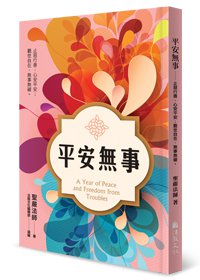
平安無事:止惡行善,心安平安;觀世自在,無事無礙
平安就是福,無事就自在。這是最平凡、最簡單的幸福,也是圓融無礙的處世智慧。在緊張忙碌的社會中,聖嚴法師的「四感」:感化、感動、感謝、感恩,是自安安人的妙方,用佛法感化自己,以行為感動他人,感恩順逆的因緣,感謝成長的機會,奉獻布施,自利利他,生活自然平安快樂!
作者簡介
聖嚴法師(1930~2009年)聖嚴法師1930年生於江蘇南通,1943年於狼山出家。曾於高雄美濃閉關六年,隨後留學日本,獲立正大學文學博士學位。1975年應邀赴美弘法。1989年創建法鼓山,並於2005年開創繼起漢傳禪佛教的「中華禪法鼓宗」。聖嚴法師是一位思想家、作家暨國際知名禪師,著作豐富,中、英、日文著作達百餘種,先後獲頒中山文藝獎、中山學術獎、總統文化獎及社會各界的諸多獎項。聖嚴法師提出「提昇人的品質,建設人間淨土」的理念,相繼創辦中華佛學研究所、法鼓文理學院、僧伽大學等院校,也以豐富的禪修經驗、正信的佛法觀念和方法指導東、西方人士修行。法師著重以現代人的語言和觀點普傳佛法,陸續提出「心靈環保」、「四種環保」、「心五四運動」、「心六倫」等社會運動,更致力於國際弘化工作,其寬闊胸襟與國際化視野,深獲海內外肯定。
作者
NT$
$78
|
78折
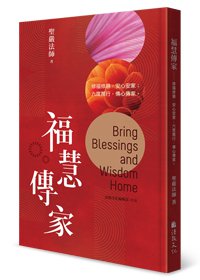
福慧傳家:修福修慧,安心安家;六度萬行,傳心傳家
家,不只是為了遮風避雨,更是家人心靈的依歸。身處忙碌紛亂的現代社會環境中,如何安心又安家?少欲知足能「安心」,放鬆勞動能「安身」,互敬互愛能「安家」,利人利己能「安業」。以聖嚴法師的「四安」心法修福修慧,待人處事,家和萬事興,福慧傳家風!
作者簡介
聖嚴法師(1930-2009年)聖嚴法師1930年生於江蘇南通,1943年於狼山出家。曾於高雄美濃閉關六年,隨後留學日本,獲立正大學文學博士學位。1975年應邀赴美弘法。1989年創建法鼓山,並於2005年開創繼起漢傳禪佛教的「中華禪法鼓宗」。 聖嚴法師是一位思想家、作家暨國際知名禪師,著作豐富,中、英、日文著作達百餘種,先後獲頒中山文藝獎、中山學術獎、總統文化獎及社會各界的諸多獎項。聖嚴法師提出「提昇人的品質,建設人間淨土」的理念,相繼創辦中華佛學研究所、法鼓佛教學院、僧伽大學、法鼓大學等院校,也以豐富的禪修經驗、正信的佛法觀念和方法指導東、西方人士修行。法師著重以現代人的語言和觀點普傳佛法,陸續提出「心靈環保」、「四種環保」、「心五四運動」、「心六倫」等社會運動,更致力於國際弘化工作,其寬闊胸襟與國際化視野,深獲海內外肯定。
作者
NT$
$78
|
78折

心.光明遠大:念念清淨,遍照光明;步步踏實,前程遠大
你希望自己前途無量嗎?聖嚴法師說,改變心就能改變生活。打造美好新生活,就從讓心光明遠大開始吧!心靈環保讓我們隨時隨地心清淨;禮儀環保發自真誠內心,人我交流和樂無諍;生活環保讓生活愈簡單愈幸福;自然環保能世界一家,共創地球大未來!當心變得光明,你會發現,世界也正對著你微笑!
作者簡介
聖嚴法師(1930-2009年)聖嚴法師1930年生於江蘇南通,1943年於狼山出家。曾於高雄美濃閉關六年,隨後留學日本,獲立正大學文學博士學位。1975年應邀赴美弘法。1989年創建法鼓山,並於2005年開創繼起漢傳禪佛教的「中華禪法鼓宗」。聖嚴法師是一位思想家、作家暨國際知名禪師,著作豐富,中、英、日文著作達百餘種,先後獲頒中山文藝獎、中山學術獎、總統文化獎及社會各界的諸多獎項。聖嚴法師提出「提昇人的品質,建設人間淨土」的理念,相繼創辦中華佛學研究所、法鼓文理學院、僧伽大學等院校,也以豐富的禪修經驗、正信的佛法觀念和方法指導東、西方人士修行。法師著重以現代人的語言和觀點普傳佛法,陸續提出「心靈環保」、「四種環保」、「心五四運動」、「心六倫」等社會運動,更致力於國際弘化工作,其寬闊胸襟與國際化視野,深獲海內外肯定。
作者
NT$
$78
|
78折
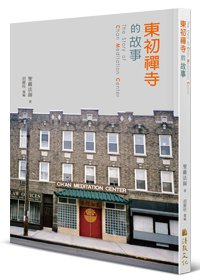
東初禪寺的故事
我常常回到我的原點,遇到任何困難的時候,我常常想到我是怎麼開始的?但求冬天凍不死,平常餓不死,這就夠了。--聖嚴
作者簡介
聖嚴法師(1930~2009年)
聖嚴法師1930年生於江蘇南通,1943年於狼山出家。曾於高雄美濃閉關六年,隨後留學日本,獲立正大學文學博士學位。1975年應邀赴美弘法。1989年創建法鼓山,並於2005年開創繼起漢傳禪佛教的「中華禪法鼓宗」。
聖嚴法師是一位思想家、作家暨國際知名禪師,著作豐富,中、英、日文著作達百餘種,先後獲頒中山文藝獎、中山學術獎、總統文化獎及社會各界的諸多獎項。
聖嚴法師提出「提昇人的品質,建設人間淨土」的理念,相繼創辦中華佛學研究所、法鼓佛教學院、僧伽大學、法鼓大學等院校,也以豐富的禪修經驗、正信的佛法觀念和方法指導東、西方人士修行。法師著重以現代人的語言和觀點普傳佛法,陸續提出「心靈環保」、「四種環保」、「心五四運動」、「心六倫」等社會運動,更致力於國際弘化工作,其寬闊胸襟與國際化視野,深獲海內外肯定。
NT$
$156
|
78折
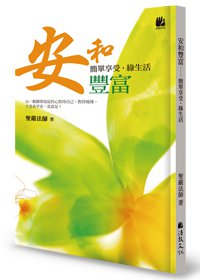
安和豐富:簡單享受,綠生活
以一顆簡單知足的心對待自己、對待地球,才是真平安、真富足!終日的追求與忙碌,何時才能安心享福?擁有多少才叫富足?聖嚴法師告訴我們,「安和豐富」的人生其實很簡單,它是一種心的感受與回饋行動,是對自己的福分與環境,深深地珍惜、滿足與感恩。懂得珍惜並樂於分享,能夠培福與種福,就不會製造地球的負擔,也不會一味累積自己身心的負擔,讓大家的生活都能安和豐富。這就是最徹底的環保,也是你我幸福的捷徑!
作者簡介
聖嚴法師(1930〜2009年)1930年生於江蘇南通。1943年於狼山出家,後因戰亂投身軍旅,十年後再次披剃出家。曾於高雄美濃閉關六年,隨後留學日本,獲立正大學文學博士學位。1975年應邀赴美弘法。1989年創建法鼓山,並於2005年開創繼起漢傳禪佛教的「中華禪法鼓宗」。聖嚴法師是一位思想家、作家暨國際知名禪師,曾獲台灣《天下》雜誌遴選為「四百年來台灣最具影響力的五十位人士」之一。著作豐富,中、英、日文著作達百餘種,先後獲頒中山文藝獎、中山學術獎、總統文化獎及社會各界的諸多獎項。聖嚴法師提出「提昇人的品質,建設人間淨土」的理念,主張以大學院、大普化、大關懷三大教育推動全面教育,相繼創辦中華佛學研究所、法鼓佛教學院、僧伽大學、法鼓大學等院校,也以豐富的禪修經驗、正信的佛法觀念和方法指導東、西方人士修行。法師著重以現代人的語言和觀點普傳佛法,陸續提出「心靈環保」、「四種環保」、「心五四運動」、「心六倫」等社會運動,近年來更致力於國際弘化工作,參與國際性會談,促進宗教交流,提倡建立全球性倫理,致力於世界的和平。其寬闊胸襟與國際化視野,深獲海內外肯定。
作者
NT$
$78
|
78折
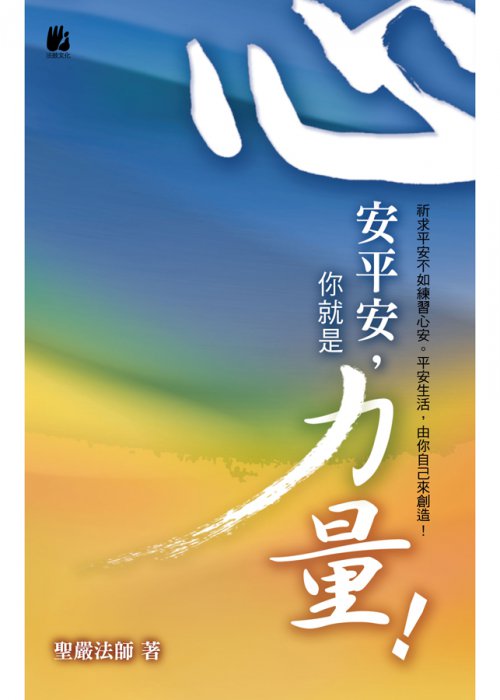
心安平安,你就是力量!
祈求平安不如練習心安。平安生活,由你自己來創造! 前途未卜,如何面對?紛亂的社會,如何自處? 只要心安,就有平安──這就是「求平安」的根本之道。 在這本小小的書中,聖嚴法師以一生修行的智慧, 與你分享最精華的安心原則與方法。 隨時隨處運用書中的觀念、練習書中的方法, 必能豐收甜美的平安果實。 平安不求人,「你」──已經擁有這份力量! 從逆境中,淬煉生命的智慧與力量 「我這一生似乎也沒做什麼壞事,但卻也遇到戰爭、水災、荒旱,以及各種各樣的挫折。 我是從災難之中走過來的,災難使得我有今天,災難使得我堅強, 即使我已經這麼大的年齡了,仍然要面臨許多災難。」 我告訴他們:「我並非喜歡災難,不過既然發生了,就該平心靜氣接受它, 然後繼續努力,保持活下去的勇氣,能夠如此,災難對我們來說就是一種成長了。」 ──聖嚴法師
作者
NT$
$78
|
78折


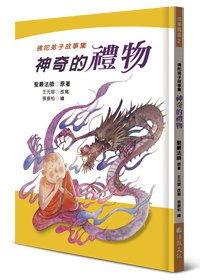
神奇的禮物:佛陀弟子故事集
有一群人在收到佛陀送的神奇禮物後,人生從此變得不一樣!人人嘲笑的笨孩子,變成人人敬重的大智者;世界上最倒楣的人,轉惡運為好運;陷害佛陀的人,反過來拜佛陀為師;小貧童變成家財萬貫的大富翁……。本書改編自聖嚴法師所寫《聖者的故事》書中的八篇佛陀弟子故事,邀請童書作家王元容與插畫家張振松,以生動活潑的兒童文學手法,重現佛陀的眾弟子們人生如何大逆轉的故事。佛陀為什麼會讓他們的人生大不同呢? 快來一起拆閱佛陀送的神奇禮物吧!
作者簡介
原著:聖嚴法師(1930~2009年)聖嚴法師1930年生於江蘇南通,1943年於狼山出家。曾於高雄美濃閉關六年,隨後留學日本,獲立正大學文學博士學位。1975年應邀赴美弘法。1989年創建法鼓山,並於2005年開創繼起漢傳禪佛教的「中華禪法鼓宗」。聖嚴法師是一位思想家、作家暨國際知名禪師,著作豐富,中、英、日文著作達百餘種,先後獲頒中山文藝獎、中山學術獎、總統文化獎及社會各界的諸多獎項。聖嚴法師提出「提昇人的品質,建設人間淨土」的理念,相繼創辦中華佛學研究所、法鼓佛教學院、僧伽大學、法鼓大學等院校,也以豐富的禪修經驗、正信的佛法觀念和方法指導東、西方人士修行。法師著重以現代人的語言和觀點普傳佛法,陸續提出「心靈環保」、「四種環保」、「心五四運動」、「心六倫」等社會運動,近年來更致力於國際弘化工作,其寬闊胸襟與國際化視野,深獲海內外肯定。改寫:王元容文化大學中文系文藝創作組畢業,目前為資深童書編輯。以為孩子寫書、寫故事為人生志向,希望能透過故事擴大孩子們的視野,了解親近自然的樂趣。代表作品有:《蠅蠅飛》、《白蘿蔔‧紅蘿蔔》、《有趣的繩子》……等。
繪者簡介
張振松
嘉義人,復興商工畢業,曾任職多家童書出版社、宏廣動畫公司。作品種類多元,創作力豐沛,《目連救母》、《土地公捉迷藏》、《學校一百歲》、《黑母雞找蛋》、《第一次送禮物》……,其中《阿金的菜刀》與《等待霧散的戴勝鳥》為自寫自畫的創作。
NT$
$140
|
78折
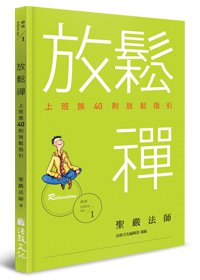
放鬆禪:上班族40則放鬆指引
放鬆,是精進而從容自在。隨時隨地把波動的心安定下來,與壓力和平共處,享受慢活的創意與專注的高效率。上班族一定要等到放假日,才能放鬆自己嗎?何不立即體驗放鬆禪的紓壓法,還你工作好元氣!本書針對上班族的種種緊張壓力問題:工作做不完、時間不夠用、頭腦焦慮、失眠……,精選聖嚴法師40則放鬆指引,透過不同面向的放鬆禪,讓人輕鬆化解緊張壓力。有了放鬆禪調整工作節奏、紓解身心壓力,工作從此免緊張!
作者簡介
聖嚴法師(1930~2009年)聖嚴法師1930年生於江蘇南通,1943年於狼山出家。曾於高雄美濃閉關六年,隨後留學日本,獲立正大學文學博士學位。1975年應邀赴美弘法。1989年創建法鼓山,並於2005年開創繼起漢傳禪佛教的「中華禪法鼓宗」。聖嚴法師是一位思想家、作家暨國際知名禪師,著作豐富,中、英、日文著作達百餘種,先後獲頒中山文藝獎、中山學術獎、總統文化獎及社會各界的諸多獎項。聖嚴法師提出「提昇人的品質,建設人間淨土」的理念,相繼創辦中華佛學研究所、法鼓佛教學院、僧伽大學、法鼓大學等院校,也以豐富的禪修經驗、正信的佛法觀念和方法指導東、西方人士修行。法師著重以現代人的語言和觀點普傳佛法,陸續提出「心靈環保」、「四種環保」、「心五四運動」、「心六倫」等社會運動,更致力於國際弘化工作,其寬闊胸襟與國際化視野,深獲海內外肯定。
NT$
$117
|
78折

電子書 | 祈願.發願.還願(二版)
★發揮生命最大的力量,感受最真的喜悅,這就是發願的意義和價值。★發願前先建立正確的態度,才能產生相應的力量,並且確實實踐它!
‧有願必成的觀念與方法——很具體、很實用‧來法鼓山許願——「三佛‧三觀音‧一鐘」的造像與行願‧諸佛菩薩的願文選錄——我們嚮往的典範、效法的指南
# 負責負責任是一種健康的心態,是一種良好的觀念。一個不負責任的人,心理不會健康,也不會活得很愉快。
# 空願我們常常聽人說:「我希望、我想要、我願意……。」然而卻忘了「願」是一種對生命的承諾,最重要的是要實踐它。然而「說」總是比「做」容易,因此常常有人說了一大堆,卻完成不了多少,這就叫作「發空願」。
如果是目標很遠、很難做到,但自己還是想做,也願意一步一步地往前走,那就沒有關係。
# 單純的善念而發願的最高境界,是隨時隨地、沒有特定對象,盡虛空、遍法界的,只是一個單純的善念。
就如《華嚴經.淨行品》中所述的一百四十一願,每一念都不離眾生,而且無論見到善的、惡的、汙穢的、清淨的,所生起的都是善念。這樣的善念是不為自己,且是不求回報的,因此,若能養成時時祈願、生起善念的習慣,就是最圓滿的大願。
# 結下不可思議的緣分這是本小書將帶我們進入「諸佛菩薩美好的願海」,讓你與佛菩薩結下不可思議的緣分。願,是智慧與慈悲的實踐,讓我們一起祈願、發願,然後自動自發、樂在其中的「還願」修行吧!
人生的目的是許願和還願,人生的意義是盡責和負責。
——聖嚴法師
NT$
$84
電子書 | 平安無事:止惡行善,心安平安;觀世自在,無事無礙。
平安就是福,無事就自在。這是最平凡、最簡單的幸福,也是圓融無礙的處世智慧。
在緊張忙碌的社會中,聖嚴法師的「四感」:感化、感動、感謝、感恩,是自安安人的妙方,用佛法感化自己,以行為感動他人,感恩順逆的因緣,感謝成長的機會,奉獻布施,自利利他,生活自然平安快樂!
作者簡介聖嚴法師(1930~2009年)
聖嚴法師1930年生於江蘇南通,1943年於狼山出家。曾於高雄美濃閉關六年,隨後留學日本,獲立正大學文學博士學位。1975年應邀赴美弘法。1989年創建法鼓山,並於2005年開創繼起漢傳禪佛教的「中華禪法鼓宗」。
聖嚴法師是一位思想家、作家暨國際知名禪師,著作豐富,中、英、日文著作達百餘種,先後獲頒中山文藝獎、中山學術獎、總統文化獎及社會各界的諸多獎項。
聖嚴法師提出「提昇人的品質,建設人間淨土」的理念,相繼創辦中華佛學研究所、法鼓文理學院、僧伽大學等院校,也以豐富的禪修經驗、正信的佛法觀念和方法指導東、西方人士修行。法師著重以現代人的語言和觀點普傳佛法,陸續提出「心靈環保」、「四種環保」、「心五四運動」、「心六倫」等社會運動,更致力於國際弘化工作,其寬闊胸襟與國際化視野,深獲海內外肯定。
作者
NT$
$70

電子書 | 好願在人間:許個好願,讓它實現;積極行願,造福人間。
許個好願,讓它實現!聖嚴法師教你許願和還願。
願望能帶來信心、帶來幸福,力量不可思議。以許願為始,重整物質與心靈的天秤,許願和還願,就是我們對生命的承諾。
我相信任何人都不希望自己變成環境的附屬品,都希望做一個能夠主宰自己的人;不隨業力而轉,就要靠願心和願力來轉變。 ——聖嚴法師
作者簡介:
聖嚴法師(1930-2009年)
聖嚴法師1930年生於江蘇南通,1943年於狼山出家。曾於高雄美濃閉關六年,隨後留學日本,獲立正大學文學博士學位。1975年應邀赴美弘法。1989年創建法鼓山,並於2005年開創繼起漢傳禪佛教的「中華禪法鼓宗」。
聖嚴法師是一位思想家、作家暨國際知名禪師,著作豐富,中、英、日文著作達百餘種,先後獲頒中山文藝獎、中山學術獎、總統文化獎及社會各界的諸多獎項。
聖嚴法師提出「提昇人的品質,建設人間淨土」的理念,相繼創辦中華佛學研究所、法鼓佛教學院、僧伽大學、法鼓大學等院校,也以豐富的禪修經驗、正信的佛法觀念和方法指導東、西方人士修行。法師著重以現代人的語言和觀點普傳佛法,陸續提出「心靈環保」、「四種環保」、「心五四運動」、「心六倫」等社會運動,更致力於國際弘化工作,其寬闊胸襟與國際化視野,深獲海內外肯定。
作者
NT$
$70

電子書 | 別再鬱卒啦!
人生起起伏伏, 常讓你陷入低潮,感到鬰卒嗎? 其實,沒有低潮,哪來人生的巔峰? 如能藉機鍛鍊自己的生命韌性, 就能突破關卡,超越自我, 別再鬰卒啦!
共收錄聖嚴法師25篇精采300字短文,並邀請名插畫家劉建志精心繪製溫馨細膩的插圖,生動描繪出新手父母育兒的種種趣事。本書除提供準媽媽、準爸爸如何做好胎教、照顧嬰兒,讓孩子由「小搗蛋」變成「小菩薩」,並且也針對新手父母的身心煩惱,像是爸爸吃孩子的醋、想打小孩出氣、生小孩會不會影響修行……等等問題,一一提供解惑妙法。
作者
NT$
$69

電子書 | 亂不了你的心
面對動盪不安的世界,你覺得沒有安全感嗎?世界本就是無常多變的,重要的是找到安心之道。以無常觀積極對應無常時局,再亂也「亂不了你的心」!
本書共收錄聖嚴法師25篇精采300字短文,並邀請名插畫家龔雲鵬精心繪製詼諧的插圖。
作者
NT$
$69

電子書 | 如何渡過苦日子
雖然經濟不景氣,還是要活得有朝氣!只要調整一下需要與想要,生活一樣過得很充實。且讓本書教你法寶:如何渡過苦日子!
本書共收錄聖嚴法師25篇精采300字短文,並邀請名插畫家林俐精心繪製詼諧的插圖。
作者
NT$
$69
電子書 | 別怕人生變化球
如果懂得無常,任何時刻都不致於絕望,也不致於輕易地得意忘形。「因緣生,因緣滅」,正是一切現象的 常規,也正是無常的原理。
本書共收錄聖嚴法師25篇精采300字短文,並邀請知名插畫家張振松精心繪製可愛逗趣的插圖,告訴讀者別怕人生的變化球。
作者
NT$
$69

電子書 | 人生,福氣啦!
福氣就像存錢筒,如果只進不出,轉眼就坐吃山空了。本書教你如何知福、惜福、培福、種福,讓福氣源源不絕,你的人生,從此福氣啦! 「人生,福氣啦」,收錄25篇培福短文,並以聖嚴法師智慧法語,指引我們每天知福、惜福、培福又種福。
作者
NT$
$69

電子書 | 家有青春狂飆兒
對待家中青少年時,可用三個原則:要關心不要擔心,要誘導不要控制,要商量不要權威。這樣,會讓孩子感覺到,背後有家庭的力量在全力支持他,他也會成長得更為踏實。
本書共收錄聖嚴法師25篇精采300字短文,並邀請知名插畫家張振松精心繪製可愛逗趣的插圖,讓讀者更能了解與尊重孩子。
作者
NT$
$69

電子書 | 恰到好處的欲望
如果我們能夠釐清「需要」與「想要」,然後再想一想「能不能要」、「該不該要」,就可以做出明智的抉擇了。
本書共收錄聖嚴法師25篇精采300字短文,並邀請知名插畫家沒格精心繪製可愛逗趣的插圖,告訴讀者了解恰到好處的慾望。
作者
NT$
$69

電子書 | 悠遊職場的智慧
在人際關係與公司管理兩者之間,該如何拿捏與處理?真正的慈悲是使對方得到利益;為了讓對方能得利,工作上不會出紕漏,那麼平時嚴加管理就是必要的了。
本書共收錄聖嚴法師25篇精采300字短文,並邀請知名插畫家簡漢平精心繪製可愛逗趣的插圖,告訴讀者如何悠遊職場的智慧。
作者
NT$
$69

電子書 | 心.光明遠大:念念清淨,遍照光明;步步踏實,前程遠大。
你希望自己前途無量嗎?聖嚴法師說,改變心就能改變生活。打造美好新生活,就從讓心光明遠大開始吧!
心靈環保讓我們隨時隨地心清淨;禮儀環保發自真誠內心,人我交流和樂無諍;生活環保讓生活愈簡單愈幸福;自然環保能世界一家,共創地球大未來!當心變得光明,你會發現,世界也正對著你微笑!
作者簡介:
聖嚴法師(1930-2009年)
聖嚴法師1930年生於江蘇南通,1943年於狼山出家。曾於高雄美濃閉關六年,隨後留學日本,獲立正大學文學博士學位。1975年應邀赴美弘法。1989年創建法鼓山,並於2005年開創繼起漢傳禪佛教的「中華禪法鼓宗」。
聖嚴法師是一位思想家、作家暨國際知名禪師,著作豐富,中、英、日文著作達百餘種,先後獲頒中山文藝獎、中山學術獎、總統文化獎及社會各界的諸多獎項。
聖嚴法師提出「提昇人的品質,建設人間淨土」的理念,相繼創辦中華佛學研究所、法鼓文理學院、僧伽大學等院校,也以豐富的禪修經驗、正信的佛法觀念和方法指導東、西方人士修行。法師著重以現代人的語言和觀點普傳佛法,陸續提出「心靈環保」、「四種環保」、「心五四運動」、「心六倫」等社會運動,更致力於國際弘化工作,其寬闊胸襟與國際化視野,深獲海內外肯定。
作者
NT$
$70

電子書 | 早原諒,早開心!
我們時常期望別人原諒自己,可是卻無法原諒別人。原諒別人很難嗎?與其滿腹怨氣,何不解開心結,早原諒,早開心! 「早原諒,早開心!」,收錄25篇開心短文,透過聖嚴法師清涼自在的引導,迎向開心光明的每一天。
作者
NT$
$69

電子書 | 積極人生,元氣滿分
你是個積極的人嗎?不論是偷懶消極,或是過度積極,都無法體會人生的美好。正確的積極是活在當下,以趕而不急的態度,化有限為無限,活出積極人生,元氣滿分! 本書共收錄聖嚴法師25篇精采300字短文,並邀請知名插畫家蘇力卡精心繪製詼諧的插圖,告訴您如何活出既積極又自在的人生。
作者
NT$
$69

NT$
$69

NT$
$69

電子書 | 放輕鬆,免緊張!
面對生活中的種種壓力,許多人經常神經緊繃、手忙腳亂,本書教你化解緊張的方法,兵來將擋、水來土掩,讓你放輕鬆,免緊張! 本書共收錄聖嚴法師25篇精采300字短文,並邀請名插畫家張振松精心繪製詼諧的插圖,與讀者分享解除緊張、身心放鬆的秘訣。
作者
NT$
$69
電子書 | 福慧傳家:修福修慧,安心安家;六度萬行,傳心傳家。
家,不只是為了遮風避雨,更是家人心靈的依歸。身處忙碌紛亂的現代社會環境中,如何安心又安家?
少欲知足能「安心」,放鬆勞動能「安身」,互敬互愛能「安家」,利人利己能「安業」。以聖嚴法師的「四安」心法修福修慧,待人處事,家和萬事興,福慧傳家風!
作者簡介:
聖嚴法師(1930-2009年)
聖嚴法師1930年生於江蘇南通,1943年於狼山出家。曾於高雄美濃閉關六年,隨後留學日本,獲立正大學文學博士學位。1975年應邀赴美弘法。1989年創建法鼓山,並於2005年開創繼起漢傳禪佛教的「中華禪法鼓宗」。
聖嚴法師是一位思想家、作家暨國際知名禪師,著作豐富,中、英、日文著作達百餘種,先後獲頒中山文藝獎、中山學術獎、總統文化獎及社會各界的諸多獎項。
聖嚴法師提出「提昇人的品質,建設人間淨土」的理念,相繼創辦中華佛學研究所、法鼓佛教學院、僧伽大學、法鼓大學等院校,也以豐富的禪修經驗、正信的佛法觀念和方法指導東、西方人士修行。法師著重以現代人的語言和觀點普傳佛法,陸續提出「心靈環保」、「四種環保」、「心五四運動」、「心六倫」等社會運動,更致力於國際弘化工作,其寬闊胸襟與國際化視野,深獲海內外肯定。
作者
NT$
$70
電子書 | 安和豐富:簡單享受,綠生活
以一顆簡單知足的心對待自己、對待地球, 才是真平安、真富足! ******* 終日的追求與忙碌,何時才能安心享福?擁有多少才叫富足? 聖嚴法師告訴我們,「安和豐富」的人生其實很簡單,它是一種心的感受與回饋行動,是對自己的福分與環境,深深地珍惜、滿足與感恩。 懂得珍惜並樂於分享,能夠培福與種福,就不會製造地球的負擔,也不會一味累積自己身心的負擔,讓大家的生活都能安和豐富。這就是最徹底的環保,也是你我幸福的捷徑!
作者簡介:
聖嚴法師(1930〜2009年) 1930年生於江蘇南通 1943年於狼山出家,後因戰亂投身軍旅,十年後再次披剃出家。曾於高雄美濃閉關六年,隨後留學日本,獲立正大學文學博士學位。1975年應邀赴美弘法。 1989年創建法鼓山,並於2005年開創繼起漢傳禪佛教的「中華禪法鼓宗」。聖嚴法師是一位思想家、作家暨國際知名禪師,曾獲台灣《天下》雜誌遴選為「四百年來台灣最具影響力的五十位人士」之一。著作豐富,中、英、日文著作達百餘種,先後獲頒中山文藝獎、中山學術獎、總統文化獎及社會各界的諸多獎項。聖嚴法師提出「提昇人的品質,建設人間淨土」的理念,主張以大學院、大普化、大關懷三大教育推動全面教育,相繼創辦中華佛學研究所、法鼓佛教學院、僧伽大學、法鼓大學等院校,也以豐富的禪修經驗、正信的佛法觀念和方法指導東、西方人士修行。法師著重以現代人的語言和觀點普傳佛法,陸續提出「心靈環保」、「四種環保」、「心五四運動」、「心六倫」等社會運動,近年來更致力於國際弘化工作,參與國際性會談,促進宗教交流,提倡建立全球性倫理,致力於世界的和平。其寬闊胸襟與國際化視野,深獲海內外肯定。
作者
NT$
$70

電子書 | 逆向思考,反敗為勝
好事、壞事、順境、逆境該如何面對呢?其實,對好、壞、順、逆的分別,只是一己的判斷而已。如果能保持開放的心態與鮮活的思維,時時都可以是新境界的開始,懂得逆向思考,就能反敗為勝。 本書共收錄聖嚴法師24篇精采300字短文,並邀請知名插畫家江長芳精心繪製詼諧的插圖,告訴讀者如何逆向思考,扭轉奇蹟。
作者
NT$
$69

電子書 | 心安平安,你就是力量!
祈求平安不如練習心安。平安生活,由你自己來創造! 前途未卜,如何面對?紛亂的社會,如何自處? 只要心安,就有平安──這就是「求平安」的根本之道。 在這本小小的書中,聖嚴法師以一生修行的智慧, 與你分享最精華的安心原則與方法。 隨時隨處運用書中的觀念、練習書中的方法, 必能豐收甜美的平安果實。 平安不求人,「你」──已經擁有這份力量! 從逆境中,淬煉生命的智慧與力量 「我這一生似乎也沒做什麼壞事,但卻也遇到戰爭、水災、荒旱,以及各種各樣的挫折。 我是從災難之中走過來的,災難使得我有今天,災難使得我堅強, 即使我已經這麼大的年齡了,仍然要面臨許多災難。」 我告訴他們:「我並非喜歡災難,不過既然發生了,就該平心靜氣接受它, 然後繼續努力,保持活下去的勇氣,能夠如此,災難對我們來說就是一種成長了。」 ──聖嚴法師
作者
NT$
$70
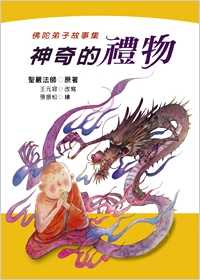
電子書 | 神奇的禮物:佛陀弟子故事集
有一群人在收到佛陀送的神奇禮物後,人生從此變得不一樣! 人人嘲笑的笨孩子,變成人人敬重的大智者; 世界上最倒楣的人,轉惡運為好運; 陷害佛陀的人,反過來拜佛陀為師; 小貧童變成家財萬貫的大富翁……。 本書改編自聖嚴法師所寫《聖者的故事》書中的八篇佛陀弟子故事,邀請童書作家王元容與插畫家張振松,以生動活潑的兒童文學手法,重現佛陀的眾弟子們人生如何大逆轉的故事。 佛陀為什麼會讓他們的人生大不同呢? 快來一起拆閱佛陀送的神奇禮物吧!
作者簡介: 原著:聖嚴法師(1930~2009年) 聖嚴法師1930年生於江蘇南通,1943年於狼山出家。曾於高雄美濃閉關六年,隨後留學日本,獲立正大學文學博士學位。1975年應邀赴美弘法。1989年創建法鼓山,並於2005年開創繼起漢傳禪佛教的「中華禪法鼓宗」。 聖嚴法師是一位思想家、作家暨國際知名禪師,著作豐富,中、英、日文著作達百餘種,先後獲頒中山文藝獎、中山學術獎、總統文化獎及社會各界的諸多獎項。 聖嚴法師提出「提昇人的品質,建設人間淨土」的理念,相繼創辦中華佛學研究所、法鼓佛教學院、僧伽大學、法鼓大學等院校,也以豐富的禪修經驗、正信的佛法觀念和方法指導東、西方人士修行。法師著重以現代人的語言和觀點普傳佛法,陸續提出「心靈環保」、「四種環保」、「心五四運動」、「心六倫」等社會運動,近年來更致力於國際弘化工作,其寬闊胸襟與國際化視野,深獲海內外肯定。 改寫:王元容 文化大學中文系文藝創作組畢業,目前為資深童書編輯。以為孩子寫書、寫故事為人生志向,希望能透過故事擴大孩子們的視野,了解親近自然的樂趣。代表作品有:《蠅蠅飛》、《白蘿蔔‧紅蘿蔔》、《有趣的繩子》……等。 繪者簡介: 張振松
嘉義人,復興商工畢業,曾任職多家童書出版社、宏廣動畫公司。作品種類多元,創作力豐沛,《目連救母》、《土地公捉迷藏》、《學校一百歲》、《黑母雞找蛋》、《第一次送禮物》……,其中《阿金的菜刀》與《等待霧散的戴勝鳥》為自寫自畫的創作。
NT$
$126

電子書 | 得心自在:心自在,身自在。身心自在,福慧自在。
自在何處尋?眾人希望享有自由無礙的生活,卻因煩雜瑣事牽絆而不可得。聖嚴法師曾說,「心」是我們的主人。我們要了解「心」,不要讓它受環境影響,才能得心自在。從法師提倡的心靈環保出發,並從中覺察到自己的起心動念,清楚知道自己的「需要」,化解個人欲望的「想要」,以及明白「能要」與「該要」,人生便能擁有明確的方向,心自在,身自在,處處皆能福慧自在。
作者簡介:聖嚴法師(1930~2009年)聖嚴法師1930年生於江蘇南通,1943年於狼山出家,後因戰亂投身軍旅,十年後再次披剃出家。曾於高雄美濃閉關六年,隨後留學日本,獲立正大學文學博士學位。1975年應邀赴美弘法。1989年創建法鼓山,並於2005年開創繼起漢傳禪佛教的「中華禪法鼓宗」。聖嚴法師是一位思想家、作家暨國際知名禪師,曾獲台灣《天下》雜誌遴選為「四百年來台灣最具影響力的五十位人士」之一。著作豐富,中、英、日文著作達百餘種,先後獲頒中山文藝獎、中山學術獎、總統文化獎及社會各界的諸多獎項。聖嚴法師提出「提昇人的品質,建設人間淨土」的理念,主張以大學院、大普化、大關懷三大教育推動全面教育,相繼創辦中華佛學研究所、法鼓佛教學院、僧伽大學、法鼓大學等院校,也以豐富的禪修經驗、正信的佛法觀念和方法指導東、西方人士修行。法師著重以現代人的語言和觀點普傳佛法,陸續提出「心靈環保」、「四種環保」、「心五四運動」、「心六倫」等社會運動,近年來更致力於國際弘化工作,參與國際性會談,促進宗教交流,提倡建立全球性倫理,致力於世界的和平。其寬闊胸襟與國際化視野,深獲海內外肯定。
NT$
$70
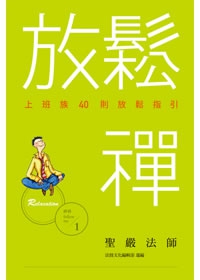
電子書 | 放鬆禪:上班族40則放鬆指引
放鬆,是精進而從容自在。隨時隨地把波動的心安定下來,與壓力和平共處,享受慢活的創意與專注的高效率。上班族一定要等到放假日,才能放鬆自己嗎?何不立即體驗放鬆禪的紓壓法,還你工作好元氣!本書針對上班族的種種緊張壓力問題:工作做不完、時間不夠用、頭腦焦慮、失眠……,精選聖嚴法師40則放鬆指引,透過不同面向的放鬆禪,讓人輕鬆化解緊張壓力。有了放鬆禪調整工作節奏、紓解身心壓力,工作從此免緊張!
作者簡介:聖嚴法師(1930~2009年)聖嚴法師1930年生於江蘇南通,1943年於狼山出家。曾於高雄美濃閉關六年,隨後留學日本,獲立正大學文學博士學位。1975年應邀赴美弘法。1989年創建法鼓山,並於2005年開創繼起漢傳禪佛教的「中華禪法鼓宗」。聖嚴法師是一位思想家、作家暨國際知名禪師,著作豐富,中、英、日文著作達百餘種,先後獲頒中山文藝獎、中山學術獎、總統文化獎及社會各界的諸多獎項。聖嚴法師提出「提昇人的品質,建設人間淨土」的理念,相繼創辦中華佛學研究所、法鼓佛教學院、僧伽大學、法鼓大學等院校,也以豐富的禪修經驗、正信的佛法觀念和方法指導東、西方人士修行。法師著重以現代人的語言和觀點普傳佛法,陸續提出「心靈環保」、「四種環保」、「心五四運動」、「心六倫」等社會運動,更致力於國際弘化工作,其寬闊胸襟與國際化視野,深獲海內外肯定。
NT$
$105

放下的幸福:聖嚴法師的47則情緒管理智慧(二版)
情緒來了,怎麼辦?幸福,可以從「放下」開始。情緒管理 × 佛法智慧 × 幸福生活
人人都在追求幸福,卻常常一邊追,一邊被情緒與執著困住。遇到不順心的人事,忍不住生氣;明明得到了想要的東西,心裡還是不滿足;面對未知與變化,難免恐懼、憂心……。為什麼擁有得更多,心卻未必更快樂?
聖嚴法師從日常生活中最常見的情緒煩惱談起,帶我們看見五種偷走幸福的情緒黑洞——貪、瞋、癡、慢、疑,並以佛法智慧提供具體的方法,幫助我們重新理解情緒、調整心態,學習放下執著。
「動情緒是划不來的,因為最後倒楣的還是自己。」「很多煩惱都是沒有必要的。」「忍並不是忍氣吞聲地受委屈,而是克制自己的衝動,不要馬上做出反應。」
當我們清楚情緒從何而來,懂得鬆開過度的欲求、憤怒、比較與猜疑,心就有了重新選擇的空間。
真正的幸福,不必依賴外在的人、事、物。心態決定命運,換一個觀念,就能改變結果。只要善用方法,一一化解心中的執著,便能處在清楚、愉快與平靜的狀態。心放下了,幸福就來了。
▍本書特色
• 一句智慧,打開一個心結聖嚴法師善於用簡潔有力的語言,釐清一般人容易混淆的觀念,讀來直接、清晰,也值得反覆思考。
• 不只是說理,更提供層次分明的解決之道書中提供多種簡單、實用的日常覺察練習。當怒火來襲時專注於呼吸、在焦慮時轉換念頭,或是透過念佛號轉移情緒,讓你在呼吸與舉手投足之間,體驗「生活即修行」的充實與安定。
• 重建內在平靜,找回「不外求」的快樂幸福不在變幻無常的情緒感受,也不必向外尋找。從書中的智慧出發,慢慢看見自己的執著與不安。「不懂就說不懂」,少一點逞強與猜疑;相信因緣,放下不必要的焦慮與恐懼。換個觀念看事情,幸福可以很從容、很簡單。
很多事情,不需要一直放在心上。很多情緒,也不必每一次都跟著走。現在,就從放下開始,讀懂聖嚴法師寫給你的幸福心法。
這本書可以幫助你
覺察情緒與念頭的變化,學習逐步讓心安定的方法。
分辨需要與想要,調整心態,讓努力有更自在的方向。
面對衝突與不如意,練習緩和怒氣、釐清問題,對環境做出適當的回應。
在比較與自我懷疑中,認識自己的能力與限制,培養踏實的自信。
面對未來的不確定,學習做好準備、專注當下,把心力放在可以實踐的事上。
你可以從這裡開始
情緒一來就難以平靜,該從哪裡著手?建議閱讀:〈情緒從哪裡來?〉聖嚴法師從散步、喝水、找朋友談談等日常方法談起,進一步引導讀者觀察念頭的生起與消失。本篇提供由淺入深的練習方向,讓你先緩和情緒,再逐步學習覺察,減少被煩惱牽動的時候。
想努力追求美好生活,卻也感到疲憊?建議閱讀:〈轉貪心為願心〉從分辨「需要」與「想要」開始,聖嚴法師說明欣賞美好事物、追求生活品質的動機,如何在過度占有與執著中變成煩惱。本篇也指出,期待與追求可以朝向付出、奉獻,轉為讓自己與他人共同成長的願心,幫助你重新思考努力的方向。
遇到不合理的對待,該如何回應才恰當?建議閱讀:〈逆境要忍,順境也要忍〉面對衝突時,可以先緩下衝動,瞭解發生了什麼,再選擇適當的時機回應。本篇釐清忍辱與忍氣吞聲的差別,也介紹把注意力放在呼吸上的方法,幫助你在怒氣升起時,為自己留下思考與處理問題的空間。
看見別人好像過得更好,想找回對自己的信心?建議閱讀:〈是自信,還是自負?〉聖嚴法師從比較帶來的失落談起,說明自信建立在對自身能力的瞭解,也提醒我們,事情的成就需要各種因緣配合。本篇引導你看見自己的能力與眼前的機會,練習把注意力放回能做的事,減少以別人的成就衡量自己。
經常為還沒發生的事擔心,無法安心?建議閱讀:〈自信度過每一天〉面對無法完全掌握的未來,聖嚴法師提出從瞭解自己的處境、為可預見的事情預作準備著手。本篇也提到,即使準備周全,仍可能遇到意料之外的變化,提醒你辨別無效的反覆擔憂,把心力用在當下能做的事上。
作者簡介
聖嚴法師(1930~2009年)聖嚴法師1930年生於江蘇南通,1943年於狼山出家,後因戰亂投身軍旅,十年後再次披剃出家。曾於高雄美濃閉關六年,隨後留學日本,獲立正大學文學博士學位。1975年應邀赴美弘法。1989年創建法鼓山,並於2005年開創繼起漢傳禪佛教的「中華禪法鼓宗」。聖嚴法師是一位思想家、作家暨國際知名禪師,曾獲臺灣《天下》雜誌遴選為「四百年來臺灣最具影響力的五十位人士」之一。著作豐富,中、英、日文著作達百餘種,先後獲頒中山文藝獎、中山學術獎、總統文化獎及社會各界的諸多獎項。聖嚴法師提出「提昇人的品質,建設人間淨土」的理念,主張以大學院、大普化、大關懷三大教育推動全面教育,相繼創辦中華佛學研究所、法鼓文理學院、僧伽大學等院校,也以豐富的禪修經驗、正信的佛法觀念和方法指導東、西方人士修行。法師著重以現代人的語言和觀點普傳佛法,陸續提出「心靈環保」、「四種環保」、「心五四運動」、「心六倫」等社會運動,並積極推展國際弘化工作,參與國際性會談,促進宗教交流,提倡建立全球性倫理,致力世界和平。其寬闊胸襟與國際化視野,深獲海內外肯定。
作者
NT$
$179
|
78折

聖嚴法師教默照禪 (大字版)
默照禪,為身處世間紛擾的大眾,提供了一個究竟的出路。初學或對默照禪法有興趣者,這是最完整的讀本。已有禪修經驗的讀者,時時重溫祖師語錄和法師精妙的講解,更能在解惑與陪伴中,引領您精進修行。願讀者得到清朗與寧靜,直至本地風光。【默照禪法】——聖嚴法師默照禪法是最容易用的修行方法,不需要像修次第禪觀那樣,一個次第一個次第地修。但是,默照禪法的功能是涵蓋著次第禪觀的。其內容非常直接,用的方法也非常簡單,只要掌握著不把自我意識的執著心放進去,說:「我好討厭、我好喜歡,這個真麻煩、那個真有趣⋯⋯。」不要有這些分別執著心,只是在運作、在活動,知道正在發生什麼狀況,並且恰如其分地正在處理這些狀況。不做瞻前顧後的妄想思索,當下是什麼便是什麼,那就跟本來面目相應了,這就是默照禪。心中無事,不受干擾——很多人都生活在夢裡默,是不要將一切現象,當成與你有關係,所以任何現象不會干擾到你,這就是「放捨諸相」。日常生活中的待人接物,行住坐臥,都還是有的,不是什麼事都不必做了,而是心中沒有什麼事可以讓自己牽掛的,所以默照,是承認一切都有,如果忽略現象的有,那就沒有照了。禪法是心法,主要的意思是心中不會受到任何事情干擾。一般人總是思前想後,不斷回憶著過去,總覺得許多機會沒有好好把握,或念著曾經做過的事、發過的財、出過的鋒頭;這一生不是在悔恨,就是在陶醉之中度過。要不然就是憂慮擔心著未來會發生什麼狀況,或者事情未到,就提前高興著美夢成真。夢,在想像之中總是太過美好了,很多人都是生活在夢裡,但是,一些空洞的夢想,對心理是負擔,對時間則是浪費。所以要「放捨諸相,休息萬事」,讓我們在用方法時只有「當下,當下……」,有了任何經驗就是「放下,放下……」,同時不斷地繼續用方法。這個方法練好的話,在日常生活中是很有用的。不論是夫妻吵架,或者跟長官、同事之間有衝突,都是清清楚楚,應該怎麼做就怎麼做,但是心不會產生痛苦、怨恨、混亂、煩惱。(摘錄)【解構時代的重新建構之道】——楊蓓 推薦序這不是一個安靜的時代,紛亂歧異、亢奮低迷......,太多的衝擊,讓現代人壓力叢生。默照禪法,為這個亂世提供一個究竟的出路。本書除了介紹默照禪的方法之外,更重要的是師父用各種角度的說明、譬喻,來協助禪眾掌握修習默照禪的態度,而這種態度的本身,即是默照、即是空觀。例如:「不除妄想,不求真」;一旦有了「除」或「求」的念頭,都與默照不相應,於是修行,不求開悟,也不害怕開悟。修行的時候,就只剩下單單純純的「默」與「照」,矛與盾都放下了,只剩下方法;到頭來,連方法也不見了。這讓我想起師父對空觀的闡釋:「不偏左,不偏右,也不執中。」這種態度,正是默照的處世智慧,也是現代人自心困頓的解脫之道。有人會說,這樣的處世智慧太難了,要何時才能修成?師父用幽默的譬喻告訴眾人:動物因為沒有前念、後念,所以對「當下」最敏銳,因此,常能預知災難的來臨。所以連「太難了」這一念都是妄念。不論修行或日常生活,如能法住法位,何來「偏」與「執」呢?(摘錄)☆ 聖嚴法師教默照禪# 默照禪的修行方法與階段、關鍵與問題# 禪修之真實情境的回應# 日常生活中的默照# 長蘆宗賾〈坐禪儀〉講要#《宏智禪師廣錄》、〈坐禪箴〉講要
作者簡介
聖嚴法師(1930~2009年)聖嚴法師1930年生於江蘇南通,1943年於狼山出家,後因戰亂投身軍旅,十年後再次披剃出家。曾於高雄美濃閉關六年,隨後留學日本,獲立正大學文學博士學位。1975年應邀赴美弘法。1989年創建法鼓山,並於2005年開創繼起漢傳禪佛教的「中華禪法鼓宗」。聖嚴法師是一位思想家、作家暨國際知名禪師,曾獲臺灣《天下》雜誌遴選為「四百年來臺灣最具影響力的五十位人士」之一。著作豐富,中、英、日文著作達百餘種,先後獲頒中山文藝獎、中山學術獎、總統文化獎及社會各界的諸多獎項。聖嚴法師提出「提昇人的品質,建設人間淨土」的理念,主張以大學院、大普化、大關懷三大教育推動全面教育,相繼創辦中華佛學研究所、法鼓文理學院、僧伽大學等院校,也以豐富的禪修經驗、正信的佛法觀念和方法指導東、西方人士修行。法師著重以現代人的語言和觀點普傳佛法,陸續提出「心靈環保」、「四種環保」、「心五四運動」、「心六倫」等社會運動,並積極推展國際弘化工作,參與國際性會談,促進宗教交流,提倡建立全球性倫理,致力世界和平。其寬闊胸襟與國際化視野,深獲海內外肯定。
作者
NT$
$272
|
85折

工作好修行:聖嚴法師的38則職場智慧 (二版)
入世修行 × 職場實踐每天上班,修行也在工作中
「人不可能離開工作,而且愈是有理想,愈是對生活抱持積極態度的人,工作愈是做不完。但是,你還要有本事活得很愉快。」——聖嚴法師
二千五百年前,佛陀成功領導了超過千人的龐大僧團,規模堪比現今的大企業。佛陀不僅是覺者,更是一位深諳人性的領導者,而佛法的古老智慧,已足夠讓你在競爭激烈的現代職場中,遊刃有餘、得心應手。
在忙碌與壓力交織的日常中,我們為了生活,總把工作擺在第一位,而修行則要等到有空、放假、甚至退休之後,再去尋找內心的平靜。但,如果你的辦公室,就是最好的禪堂呢?
將深刻的佛法化為具體的職場心法,聖嚴法師為我們解說工作的意義、做事的藝術、人際相處,以及團隊合作等原則;針對上班族最感疲憊的「情緒內耗」、「競爭焦慮」與「人際溝通」等,給予直指人心的解方。如:
◆ 工作心法:以「隨順因緣」面對環境;以「專注當下」化解焦慮、提升效率。◆ 做事的藝術:運用佛陀的「調琴論」,在努力與放鬆之間,找到鬆緊得宜的平衡。◆ 競爭升級:以「良性競爭」取代掠奪式比較,從對抗走向共好,創造雙贏而非消耗。◆ 人際與團隊:實踐佛陀帶領團隊的「六和敬」,建立更有溫度、更高效的合作關係。
修行不在遠方,就在你處理每一封郵件、挑戰每一個任務的當下。
每天上班,其實在修心。把工作做好,就是在修行。每一次共事,都是成就彼此的契機。
無論你是工作穩定的員工、主管、企業家,或是正在謀職、有意創業者,都能從本書獲得寶貴的啟發。
現在,就讓佛陀與聖嚴法師來做你的職場顧問,解鎖職場與心靈的雙贏兩利祕訣。
作者簡介
聖嚴法師(1930~2009年)聖嚴法師1930年生於江蘇南通,1943年於狼山出家,後因戰亂投身軍旅,十年後再次披剃出家。曾於高雄美濃閉關六年,隨後留學日本,獲立正大學文學博士學位。1975年應邀赴美弘法。1989年創建法鼓山,並於2005年開創繼起漢傳禪佛教的「中華禪法鼓宗」。聖嚴法師是一位思想家、作家暨國際知名禪師,曾獲臺灣《天下》雜誌遴選為「四百年來臺灣最具影響力的五十位人士」之一。著作豐富,中、英、日文著作達百餘種,先後獲頒中山文藝獎、中山學術獎、總統文化獎及社會各界的諸多獎項。聖嚴法師提出「提昇人的品質,建設人間淨土」的理念,主張以大學院、大普化、大關懷三大教育推動全面教育,相繼創辦中華佛學研究所、法鼓文理學院、僧伽大學等院校,也以豐富的禪修經驗、正信的佛法觀念和方法指導東、西方人士修行。法師著重以現代人的語言和觀點普傳佛法,陸續提出「心靈環保」、「四種環保」、「心五四運動」、「心六倫」等社會運動,並積極推展國際弘化工作,參與國際性會談,促進宗教交流,提倡建立全球性倫理,致力世界和平。其寬闊胸襟與國際化視野,深獲海內外肯定。
本書適合在這些時刻閱讀
想重新理解工作的意義,並將修行融入日常工作中。
面對工作變動,想用較安定的心態評估下一步。
工作繁忙、時程緊迫,應如何分辨輕重緩急,專注做好眼前的事。
與同事或主管意見不同,想學習更妥當的溝通與相處方式。
當帶領團隊,需要思考如何凝聚共識、照顧成員並共享成果。
作者
NT$
$156
|
78折

動靜皆自在 (新編二版)
以平實的人生為基礎,少煩少惱為宗旨,輕鬆自在過生活。中國禪宗史上的許多祖師,都以為平常日用即禪。不論出家在家,若能將禪宗的觀念和方法,用之於日常生活,縱然處身於萬丈的紅塵之中,也會體驗到安定灑脫又活潑自然的人生境界。 ──聖嚴
作者簡介
聖嚴法師(1930~2009年)聖嚴法師1930年生於江蘇南通,1943年於狼山出家,後因戰亂投身軍旅,十年後再次披剃出家。曾於高雄美濃閉關六年,隨後留學日本,獲立正大學文學博士學位。1975年應邀赴美弘法。1989年創建法鼓山,並於2005年開創繼起漢傳禪佛教的「中華禪法鼓宗」。聖嚴法師是一位思想家、作家暨國際知名禪師,曾獲臺灣《天下》雜誌遴選為「四百年來臺灣最具影響力的五十位人士」之一。著作豐富,中、英、日文著作達百餘種,先後獲頒中山文藝獎、中山學術獎、總統文化獎及社會各界的諸多獎項。聖嚴法師提出「提昇人的品質,建設人間淨土」的理念,主張以大學院、大普化、大關懷三大教育推動全面教育,相繼創辦中華佛學研究所、法鼓文理學院、僧伽大學等院校,也以豐富的禪修經驗、正信的佛法觀念和方法指導東、西方人士修行。法師著重以現代人的語言和觀點普傳佛法,陸續提出「心靈環保」、「四種環保」、「心五四運動」、「心六倫」等社會運動,並積極推展國際弘化工作,參與國際性會談,促進宗教交流,提倡建立全球性倫理,致力世界和平。其寬闊胸襟與國際化視野,深獲海內外肯定。
作者
NT$
$204
|
85折

歡喜看生死 (二版)
了知生死,方能無憂無懼關於快樂、命運與人生終點的深度對話
「師父,您快樂嗎?」從這個簡單卻直指人心的問題開始,聖嚴法師帶我們重新思考——什麼是快樂?為什麼而活?又該如何面對死亡?
現代人不一定怕死,怕的是活得不踏實、不明白此生的方向,或是在日常的焦慮中,忘了快樂的滋味。
在人生困頓時,我們會去看命理、算流年,卻往往在半信半疑中無所依循。聖嚴法師並不迴避命理的議題,而是教我們以正思惟來看待命理——既不迷信,也不否定,在因緣之中,看見自己可以承擔與轉化的力量。
法師以多年修行體證的智慧,談生命的意義,也談死亡的準備。他指出,當我們真正理解生死,便能以願力豐富當下,開展出更廣闊、更完整的人生。
這不是艱深的理論,是一堂從青春到晚年都受用的生命課。讓我們在活著的每一天都踏實安穩,也在面對最後一刻時,心安無憂。
——✦——
「聖嚴法師,當代高僧也。對佛法有精深的鑽研、對眾生懷抱無比的悲心,更能以現代思惟彰顯其善巧方便。在這本問答錄中,洞悉生死的智慧躍然紙上。」——鄭振煌
「聖嚴法師以一個修行人的身分,告訴讀者如何從生到死,沉穩持重地奉行正確的生活型態,正是臺灣此時此刻相當需要的精神指引。」——余德慧
「這本訪談錄,記載了人生不同階段該如何著力自修,命數是否天定,死亡前後該如何自處等等。在數個月的訪談中,我實在驚訝於聖嚴法師談吐之餘的氣定神閒,永遠單刀直入。」——李慧菊
▍一問一答,直面生命的核心問題
◆ 師父,您快樂嗎?(不一定怕死,但為什麼活?)◆ 生命的意義是什麼?(這個世代最普遍的空心感)◆ 命理的正思惟(人們最關心、也最迷惘的議題)◆ 死亡是怎麼回事?(我們真正害怕的是什麼?)◆ 如何安度最後旅程?(讓人真正放下的安心)
當觀念正確,心安住於當下,無論外在環境如何更迭、生命際遇如何流轉,我們都能以最從容的姿態,歡喜自在地走出屬於自己的道路。
作者簡介
聖嚴法師(1930~2009年)聖嚴法師1930年生於江蘇南通,1943年於狼山出家,後因戰亂投身軍旅,十年後再次披剃出家。曾於高雄美濃閉關六年,隨後留學日本,獲立正大學文學博士學位。1975年應邀赴美弘法。1989年創建法鼓山,並於2005年開創繼起漢傳禪佛教的「中華禪法鼓宗」。聖嚴法師是一位思想家、作家暨國際知名禪師,曾獲臺灣《天下》雜誌遴選為「四百年來臺灣最具影響力的五十位人士」之一。著作豐富,中、英、日文著作達百餘種,先後獲頒中山文藝獎、中山學術獎、總統文化獎及社會各界的諸多獎項。聖嚴法師提出「提昇人的品質,建設人間淨土」的理念,主張以大學院、大普化、大關懷三大教育推動全面教育,相繼創辦中華佛學研究所、法鼓文理學院、僧伽大學等院校,也以豐富的禪修經驗、正信的佛法觀念和方法指導東、西方人士修行。法師著重以現代人的語言和觀點普傳佛法,陸續提出「心靈環保」、「四種環保」、「心五四運動」、「心六倫」等社會運動,並積極推展國際弘化工作,參與國際性會談,促進宗教交流,提倡建立全球性倫理,致力世界和平。其寬闊胸襟與國際化視野,深獲海內外肯定。
NT$
$170
|
85折

智慧100 (大字版)
修煉 100 則讓心靈歸零的覺醒智慧找回最高效率的平靜
◆人生如戲,為何要假戲真演?◆如何步步成功、念念成功?◆為何最大的敵人是自己?◆開啟智慧之眼的關鍵是什麼?◆如何得到不死之藥?
從《法華經》、《華嚴經》、《大智度論》及《法句經》等重要佛教經典中,精選 100 則簡短的「偈語」(詩歌般的智慧短語),聖嚴法師以現代人的角度、口語化的方式,解說這些古老智慧在生活中的運用。
人心的本質與執著(貪、嗔、癡等)是跨越時代的,時至今日,AI 可以幫助我們更有效率,卻無法替我們承受壓力、處理情緒、安住內心。本書內容涵蓋了人際關係、金錢觀、挫折應對、欲望取捨等關鍵的人生課題,聖嚴法師將佛經中的偈語,化為親切易讀的簡短篇章,幫助我們看清世間現象背後的因果因緣,修學正知正見,修養正念正思,遠離無明煩惱。
不必長時間靜坐,不必精通佛學,一天讀一則,不論是通勤、午休或睡前,隨手翻開就能與智慧相遇。在人生的風浪中,看懂佛陀留下的答案,讀完就能馬上用在生活中,讓我們:在工作中清醒,在關係裡柔軟,在變局中從容,在人生裡看懂自己,於紅塵中見得自性清淨。
「本書是文學性的,也有一些思想性的味道,讀的時候,不妨多咀嚼咀嚼。」——聖嚴法師
作者簡介
聖嚴法師(1930~2009年)聖嚴法師1930年生於江蘇南通,1943年於狼山出家,後因戰亂投身軍旅,十年後再次披剃出家。曾於高雄美濃閉關六年,隨後留學日本,獲立正大學文學博士學位。1975年應邀赴美弘法。1989年創建法鼓山,並於2005年開創繼起漢傳禪佛教的「中華禪法鼓宗」。聖嚴法師是一位思想家、作家暨國際知名禪師,曾獲臺灣《天下》雜誌遴選為「四百年來臺灣最具影響力的五十位人士」之一。著作豐富,中、英、日文著作達百餘種,先後獲頒中山文藝獎、中山學術獎、總統文化獎及社會各界的諸多獎項。聖嚴法師提出「提昇人的品質,建設人間淨土」的理念,主張以大學院、大普化、大關懷三大教育推動全面教育,相繼創辦中華佛學研究所、法鼓文理學院、僧伽大學等院校,也以豐富的禪修經驗、正信的佛法觀念和方法指導東、西方人士修行。法師著重以現代人的語言和觀點普傳佛法,陸續提出「心靈環保」、「四種環保」、「心五四運動」、「心六倫」等社會運動,並積極推展國際弘化工作,參與國際性會談,促進宗教交流,提倡建立全球性倫理,致力世界和平。其寬闊胸襟與國際化視野,深獲海內外肯定。
作者
NT$
$281
|
78折

法鼓山故事
聖嚴法師口述歷史只為堅持「本來面目」聖嚴法師曾說,山河大地自有本來面目,而每個人的生活與生命,也在本來面目中。法鼓山園區的建築、佛像、步道等規畫配置,法師無不參與,只為堅持「本來面目」。本書為聖嚴法師晚年口述,隨行記錄胡麗桂整理。法鼓山是觀音菩薩護念的道場,聽聖嚴法師說法鼓山故事,字字句句,承載法鼓山從無到有的艱辛與欣慰,也見證人間淨土逐步實現的歷程。★書中收錄諸多書法、攝影,皆為聖嚴法師親作★「很少有人知道,法鼓山建築的各種各式建材,從室內到戶外,自屋牆、地板到門窗所用的每一種材料,甚至是一塊小石頭,都是由我挑選的。」「其實,我並沒有什麼一定的堅持,只是希望我們選用的建材能與金山的自然環境相調和;我也期待著,建材雖是時新的,卻能表現一種歲月的古感,使得建築物落成之初,就像是已經有人住過的老房子一般,不至顯得新穎、突兀;而且過了數十年之後,依然不會有太大的改變。」「『祈願觀音』一詞,是由我新創,在佛經或者佛教文獻不曾見過。」「至於誰來祈禱、誰來發願呢?當然是你我等凡夫眾生。」「我們法鼓山有許多事都是誤傳,如果我不講,恐怕以後都是誤傳。」「這本小書獻給所有關心法鼓山的讀者。」
作者簡介
聖嚴法師(1930~2009年)
聖嚴法師1930年生於江蘇南通,1943年於狼山出家,後因戰亂投身軍旅,十年後再次披剃出家。曾於高雄美濃閉關六年,隨後留學日本,獲立正大學文學博士學位。1975年應邀赴美弘法。1989年創建法鼓山,並於2005年開創繼起漢傳禪佛教的「中華禪法鼓宗」。聖嚴法師是一位思想家、作家暨國際知名禪師,曾獲臺灣《天下》雜誌遴選為「四百年來臺灣最具影響力的五十位人士」之一。著作豐富,中、英、日文著作達百餘種,先後獲頒中山文藝獎、中山學術獎、總統文化獎及社會各界的諸多獎項。聖嚴法師提出「提昇人的品質,建設人間淨土」的理念,主張以大學院、大普化、大關懷三大教育推動全面教育,相繼創辦中華佛學研究所、法鼓文理學院、僧伽大學等院校,也以豐富的禪修經驗、正信的佛法觀念和方法指導東、西方人士修行。法師著重以現代人的語言和觀點普傳佛法,陸續提出「心靈環保」、「四種環保」、「心五四運動」、「心六倫」等社會運動,並積極推展國際弘化工作,參與國際性會談,促進宗教交流,提倡建立全球性倫理,致力世界和平。其寬闊胸襟與國際化視野,深獲海內外肯定。
NT$
$218
|
78折

智慧之劍:永嘉證道歌講錄 (大字版)
大丈夫,秉慧劍,般若鋒兮金剛焰
〈永嘉證道歌〉為唐代永嘉玄覺禪師所作,為禪門最重要的經典之一,它清楚說明了悟前悟後的修行方法與態度,弘傳極廣,影響深遠。一般人缺乏智慧之劍來斬斷執著。然而,如果能夠停止分別心,將能顯露如鑽石(金剛)般不朽的智慧,就像亞瑟王的劍一樣鋒利。你只要像英雄一樣地揮舞這把金剛劍,就能切穿執著、虛假的教法,以及降伏妄想魔。本書為聖嚴法師在美國指導禪七期間,針對〈永嘉證道歌〉所作的開示結集。法師在闡釋詩偈的禪法意涵時,亦融入其獨到見解,幫助禪修者深入修行,體驗禪的不可思議之境。「〈永嘉證道歌〉不僅告訴我們要如何修行、如何過生活、如何看待這個世界,同時也告訴我們如何在佛道上自己幫助自己,以及如何在進入禪門後去幫助別人。基於以上這些理由,〈證道歌〉成為禪門中的經典,它和〈信心銘〉、〈寶鏡三昧歌〉和《六祖壇經》同樣重要並影響深遠。」——聖嚴法師
作者簡介
聖嚴法師(1930~2009年)聖嚴法師1930年生於江蘇南通,1943年於狼山出家,後因戰亂投身軍旅,十年後再次披剃出家。曾於高雄美濃閉關六年,隨後留學日本,獲立正大學文學博士學位。1975年應邀赴美弘法。1989年創建法鼓山,並於2005年開創繼起漢傳禪佛教的「中華禪法鼓宗」。聖嚴法師是一位思想家、作家暨國際知名禪師,曾獲臺灣《天下》雜誌遴選為「四百年來臺灣最具影響力的五十位人士」之一。著作豐富,中、英、日文著作達百餘種,先後獲頒中山文藝獎、中山學術獎、總統文化獎及社會各界的諸多獎項。聖嚴法師提出「提昇人的品質,建設人間淨土」的理念,主張以大學院、大普化、大關懷三大教育推動全面教育,相繼創辦中華佛學研究所、法鼓文理學院、僧伽大學等院校,也以豐富的禪修經驗、正信的佛法觀念和方法指導東、西方人士修行。法師著重以現代人的語言和觀點普傳佛法,陸續提出「心靈環保」、「四種環保」、「心五四運動」、「心六倫」等社會運動,並積極推展國際弘化工作,參與國際性會談,促進宗教交流,提倡建立全球性倫理,致力世界和平。其寬闊胸襟與國際化視野,深獲海內外肯定。
作者
譯者
莊國彬
NT$
$218
|
78折

無法之法:聖嚴法師默照禪法旨要 (二版)
任何方法都能把心安住在當下一刻,但運用默照甚至連當下一刻都能放下。—聖嚴法師—
《無法之法》是聖嚴法師指導「默照」禪修法門之作。「默照禪」是曹洞宗著名的修行法門,一度由宏智正覺禪師所弘揚,後來又再度湮沒。它是禪宗史與大乘佛教史中,發展出的最微妙深奧的修行之一,歷史悠久而複雜,可上溯到印度佛教中的止觀雙運,也與藏傳佛教中的大圓滿和大手印相應。
聖嚴法師承繼曹洞宗與臨濟宗兩個法脈,將默照的修行過程重新梳理,並建立簡要分明的次第,希望這個教法能更容易為現代人理解運用,並再次復興。聖嚴法師的禪法有系統、具實用,極為清楚,對當代修行人來說尤其如此。本書是法師闡明默照的修行與證悟之作。
法師早期的弟子能使用這種方法,是因為在密集的禪七中,法師總是置身於禪堂,觀察每個人的心態,隨時運用善巧方便來調整禪眾的修行。他的巨大能量和親臨現場通常就足以使修行者專注於方法上。後來,由於他身體衰弱又肩負其他工作,除了在晚上的開示之外,經常無法親臨禪堂,因此,在一九九○年代中期,他開始整理出更有系統的方便法門來教導默照,讓弟子能運用這種方法,而不需仰賴他在現場。
在本書中,聖嚴法師闡釋這種古老的修行,共分為三部分,第一部分是法師於在紐約象岡主持的兩次默照禪七開示記錄。第二和第三部分是法師對《宏智禪師廣錄》的多則開示。書中法師為修行者澄清許多觀點、方法和實證狀態,因此不僅包含理論的闡釋,更多的是對禪修期間真實情境的回應。法師指出,一旦你放下一切,不讓心住於任何東西,默照的開悟境界就會現前。也因此,默照被稱為「無法之法」,它直接指向每個人本具的圓滿智慧。
作者簡介
聖嚴法師(1930~2009年)聖嚴法師1930年生於江蘇南通,1943年於狼山出家。曾於高雄美濃閉關六年,隨後留學日本,獲立正大學文學博士學位。1975年應邀赴美弘法。1989年創建法鼓山,並於2005年開創繼起漢傳禪佛教的「中華禪法鼓宗」。聖嚴法師是一位思想家、作家暨國際知名禪師,著作豐富,中、英、日文著作達百餘種,先後獲頒中山文藝獎、中山學術獎、總統文化獎及社會各界的諸多獎項。聖嚴法師提出「提昇人的品質,建設人間淨土」的理念,相繼創辦中華佛學研究所、法鼓佛教學院、僧伽大學、法鼓大學等院校,也以豐富的禪修經驗、正信的佛法觀念和方法指導東、西方人士修行。法師著重以現代人的語言和觀點普傳佛法,陸續提出「心靈環保」、「四種環保」、「心五四運動」、「心六倫」等社會運動,近年來更致力於國際弘化工作,其寬闊胸襟與國際化視野,深獲海內外肯定。
譯者簡介
單德興臺灣大學外文研究所博士,1988年於聖嚴法師座下皈依之三寶弟子,曾任中央研究院歐美研究所特聘研究員,歐美研究所所長,中華民國英美文學學會理事長,中華民國比較文學學會理事長,曾獲國科會傑出研究獎,教育部學術獎,金鼎獎最佳翻譯人獎,梁實秋文學獎譯文組首獎,政治大學傑出校友。 著有《銘刻與再現》、《我打禪家走過》、《翻譯與脈絡》、《薩依德在台灣》、《與智者為伍》、《禪思.文思》、《法緣.書緣》、《王文興訪談集》等專書與訪談錄,譯有《文學心路》、《知識分子論》、《格理弗遊記》、《禪的智慧》、《禪無所求》、《無法之法》、《虛空粉碎》等。
作者
譯者
單德興
NT$
$226
|
78折

聖嚴法師墨寶復刻原木壁掛-心經(綠金)
《心經》的內容也代表全體佛法的心要,無異是一部簡明的佛法概論,從基礎佛法到究竟佛法均已闡明,所以是《大般若經》的心臟,也是一切佛法的核心。《心經》的心,即是智慧的空。許多人認為佛法講空,是厭世的,這是一種誤解。佛法讓我們從煩惱的苦難中得到解脫,讓我們一方面遇到環境的壓迫時,不會那麼地無奈、無助、失望、痛苦;更使自己從修行的方式和過程中,還能夠幫助他人解決苦難的問題。產品特色‧ 聖嚴法師心經墨寶復刻。‧ 採用灑金宣紙,手工絹印墨寶。‧ 臺灣師傅裱框手藝,採用天然松木,質感典雅大方。‧ 可壁掛佈置居家或辦公室及收藏。
產品說明‧ 內容:聖嚴法師心經墨寶復刻一幅‧ 材質:紙+松木+布+壓克力‧ 顏色:綠金‧ 壁掛尺寸:約寬 69.5 x 高37 x 厚 4.6公分‧ 重量:約 2600公克 (含包裝)‧ 產地:臺灣製造
注意事項‧ 請小心輕放,不可重壓。‧ 因拍攝光線關係略有色差,請以實際商品為準。
NT$
$3,980

聖嚴法師墨寶復刻原木壁掛-真有福
聖嚴法師說:「享福不是有福,惜福、培福,才真有福。」所以有福的人,應該分享給大家,而不是自己獨享,這才稱為真有福報。
產品特色.臺灣師傅裱框手藝,採用天然松木,擁有自然紋理,使用抓絲工藝增加木條層次感。.採用進口美術紙,手工絹印墨寶。.承載著法鼓山及聖嚴法師滿滿祝福,居家典藏、送禮最佳選擇。
產品規格.材質:進口美術紙/松木外框/壓克力.掛飾尺寸:約寬 20 x 高 48 x 厚 4.5公分.外包裝尺寸:寬 22.7 x 長 5 x 高 7公分.重量: 墨寶一幅約重 650公克 含包裝約重 900公克
注意事項.因拍攝地點及光線不同,顏色略有差異,請以實際商品為主。
NT$
$1,580

禪門第一課(二版)
使心澄淨,得到真正的自由。禪,是休息,更是覺醒!
本書原以英文出版,是聖嚴法師最具特色的一本禪修入門之作。法師從童年的特殊體驗說起,結合弘化過程中的智慧時刻,循序漸進地探討佛法中的核心議題,細膩剖析禪修的方法與層次。親切流暢的敘述,使讀者彷彿與法師對話,在閱讀中自然而然地奠下紮實的基礎,步上明亮的禪修大道!這本書不長,卻能讓你重新看生活、學禪修。禪不再遙不可及,它就在你生活的每一個角落裡。現在,就從《禪門第一課》開始,體驗禪修的自在美好吧! 「這本書希望能介紹流傳至今的禪宗內容,以幫助我們從苦難中解脫,並生起智慧與慈悲。佛法能幫助我們在日常生活中利用各種機會,轉變我們的視野、行為以及心,這樣我們便能免於痛苦,過著和諧的生活,最後,達到開悟的境界。」——聖嚴法師
作者簡介
聖嚴法師(1930~2009年)1930年生於江蘇南通,1943年於狼山出家。曾於高雄美濃閉關六年,隨後留學日本,獲立正大學文學博士學位。1975年應邀赴美弘法。1989年創建法鼓山,並於2005年開創繼起漢傳禪佛教的「中華禪法鼓宗」。聖嚴法師是一位思想家、作家暨國際知名禪師,著作豐富,中、英、日文著作達百餘種,先後獲頒中山文藝獎、中山學術獎、總統文化獎及社會各界的諸多獎項。聖嚴法師提出「提昇人的品質,建設人間淨土」的理念,相繼創辦中華佛學研究所、法鼓文理學院、僧伽大學等院校,也以豐富的禪修經驗、正信的佛法觀念和方法指導東、西方人士修行。法師著重以現代人的語言和觀點普傳佛法,陸續提出「心靈環保」、「四種環保」、「心五四運動」、「心六倫」等社會運動,更致力於國際弘化工作,其寬闊胸襟與國際化視野,深獲海內外肯定。
譯者簡介
薛慧儀臺大外文系學士,英國University of Bath口筆譯碩士。曾任職於法鼓山文化中心國際翻譯組,現為大學兼職講師。譯作尚有《如月印空──聖嚴法師默照禪講錄》與《亡者歸來》、《紐約新醫》(水靈文創)等。
作者
譯者
薛慧儀
NT$
$156
|
78折

聖嚴法師墨寶復刻原木壁掛-心經(紅銀)
《心經》的內容也代表了全體佛法的心要,無異是一部簡明的佛法概論,從基礎佛法到究竟佛法均已闡明,所以是《大般若經》的心臟,也是一切佛法的核心。《心經》的目的在分析人生、生命、生活的現象,皆離不開五蘊,然而雖在五蘊之內,卻能照見五蘊皆空,使得一切的苦厄獲得解脫;並且更深一層地指出,雖然知道五蘊組成的身心世界是空的,若能不執著於空,也不執著於有,便能夠落實於慈悲的實踐和智慧的超越。產品特色.聖嚴法師「心經」墨寶復刻。.採用灑金宣紙,手工絹印墨寶。.臺灣師傅裱框手藝,採用天然松木,質感典雅大方。.可壁掛,佈置居家或辦公室及收藏。
產品規格.內容:聖嚴法師心經墨寶復刻一幅.顏色:紅銀.材質:紙+松木+布+壓克力.壁掛尺寸:寬約 69.5 x 高約 37 x 厚度約 4.6公分.重量:約1900公克 (不含包裝).產地:臺灣製造.包裝:紙盒
注意事項.因光線關係,圖片顏色略有差異,請以實際商品為主。.請小心輕放,不可重壓。
NT$
$3,980

聖嚴法師教淨土法門 (大字版)
全面介紹彌陀信仰與淨土法門的特色與源流,以寬廣的淨土觀,同時實現自心淨土、佛國淨土、人間淨土。★ 淨土法門是遇深則深、遇淺則淺,它是非常有彈性的,這條路不能走,也可以走那條路,這就是大乘佛法的優美處。★ 修行的基本原則是鍊心,把雜亂的妄想心鍊成清淨的三昧心。菩提達摩祖師的禪修,即是念佛法門裡的無相念佛。★ 完整修行淨土法門‧ 修學佛法的基本知見‧ 有相念佛:往生西方淨土的修行‧ 無相念佛:念佛禪‧《阿彌陀經》、〈慈雲懺主淨土文〉講記【諸佛護念,彌陀相迎】我們多幸福、多幸運啊!只要聽到《阿彌陀經》、一句阿彌陀佛,或誦念《阿彌陀經》,就受到一切諸佛的照顧。常有人怨嘆:「我好可憐,都沒有人關心我。」你說:「我還有一切諸佛在護念。」你看多安全、多幸運,不僅僅是護念,而且一定能到西方極樂世界,然後得無上菩提心,不再退轉。因為淨土法門是這麼簡單,反而很不容易讓人相信,但是釋迦牟尼佛還是苦口婆心,不斷地介紹阿彌陀佛。在大乘經典中,除淨土三經外,提到阿彌陀佛的就有兩百七十多部。沒有任何一種法門、一尊佛、一尊菩薩,像阿彌陀佛一樣占有那麼大的分量和篇幅。可見釋迦牟尼佛是多麼不厭其煩,一次又一次地讚歎、介紹阿彌陀佛。【如何念佛?】 念佛要得念佛三昧,是在行住坐臥之中,二十四小時都不離佛號。但若沒有方法則不得要領,會念得很吃力,整個心也是散亂的。念的寫法是上「今」下「心」,今心就是現在心,每一個念頭都不離現在的心就叫作「念」。現在的心可能是雜念、邪念、惡念、妄念,但我們用淨念或正念——就是佛號,加以替換、轉化。念佛,就像用繩子把心和佛號綁在一起,或是用佛號把心和阿彌陀佛綁在一起。所以,心要貼著佛號,念念不離口,念念不離心,甚至用你的全身來念佛。如何以全身來念佛呢?耳朵聽著念佛的聲音,嘴巴跟著大家一起念,心則專注在佛號上。念佛最好微微睜開眼睛,閉著念比較容易產生幻境或妄念。雖說眼睛睜開,但也不要去看任何人事物,時時保持清醒,那麼眼睛也在念佛了。止靜時,雖然口中沒有念,可是心還是在念。西方極樂世界所有的聲音,都是在念佛、念法、念僧。不論是鳥叫、風吹、雨滴的聲音,或者是任何人、器物、機械的聲音,都要把它觀想成念佛的聲音。這樣我們的心心念念,每一剎那都與佛號在一起。【禪淨雙修】淨土的意思是沒有煩惱、沒有恐怖、沒有憂慮、沒有危險的地方。在那個地方到處都是安全的,處處都是快樂的,無憂無慮、無煩無惱;不管是所見、所聽、所接觸,無一不是莊嚴清淨的,所以叫作淨土。中國的禪宗從宋朝之後,都主張禪淨雙修。雖用禪的工夫,同時也願能夠往生西方的淨土。如果能夠以禪修工夫大徹大悟,即現法性身,住於法性的淨土,便得處處都是實相實報的淨土。如果此生沒有大徹大悟,求生西方極樂淨土,總比生於我們這個世界的煩惱穢土要好得多。可是我們所生的娑婆世界真的這麼壞嗎?有煩惱的時候它的確是五濁惡世,但是當我們能夠在一分鐘、一秒鐘之內煩惱不顯現,這個五濁惡世就跟佛的淨土相應了。所以我們還是要以禪修的工夫來除煩惱為第一要務,同時也依彌陀本願,願生西方淨土,兩者相輔相成,叫作禪淨雙修。
作者簡介
聖嚴法師(1930~2009年)聖嚴法師1930年生於江蘇南通,1943年於狼山出家,後因戰亂投身軍旅,十年後再次披剃出家。曾於高雄美濃閉關六年,隨後留學日本,獲立正大學文學博士學位。1975年應邀赴美弘法。1989年創建法鼓山,並於2005年開創繼起漢傳禪佛教的「中華禪法鼓宗」。聖嚴法師是一位思想家、作家暨國際知名禪師,曾獲臺灣《天下》雜誌遴選為「四百年來臺灣最具影響力的五十位人士」之一。著作豐富,中、英、日文著作達百餘種,先後獲頒中山文藝獎、中山學術獎、總統文化獎及社會各界的諸多獎項。聖嚴法師提出「提昇人的品質,建設人間淨土」的理念,主張以大學院、大普化、大關懷三大教育推動全面教育,相繼創辦中華佛學研究所、法鼓文理學院、僧伽大學等院校,也以豐富的禪修經驗、正信的佛法觀念和方法指導東、西方人士修行。法師著重以現代人的語言和觀點普傳佛法,陸續提出「心靈環保」、「四種環保」、「心五四運動」、「心六倫」等社會運動,並積極推展國際弘化工作,參與國際性會談,促進宗教交流,提倡建立全球性倫理,致力世界和平。其寬闊胸襟與國際化視野,深獲海內外肯定。
作者
NT$
$359
|
78折

人行道 (三版)
起心動念 皆修行十字街頭 好參禪
「一個有智慧的人,可以做出正確的判斷,在過與不及之間,恰到好處。 」
「修行就是徹底改變自己的習氣,讓自己做一個有理性、有智慧的人。」
聖嚴法師將多年修習佛法的智慧,化成四十一篇知性與感性兼具的短文,包含了如何在日常生活中修行、如何面對疾病、婚姻、工作,乃至宗教、政治等人生各面向的問題,希望用佛法的慈悲與智慧,陪伴我們在人生的旅途中,走得更平靜祥和,走得更有意義。
聖嚴法師的話語,是帶領我們走出困境的重要力量,無論身處順境或逆境,永遠是指引我們人生方向的明燈。佛法將成為我們心中最安定的力量,使我們的人生道路走得更加踏實與自在。
「這本小書中,沒有用艱深難懂的佛學名詞,向你傳播宗教信仰,但它確是將佛法的智慧和慈悲,化作大家都能接受的朋友了。」——聖嚴法師
作者簡介
聖嚴法師(1930~2009年)聖嚴法師1930年生於江蘇南通,1943年於狼山出家,後因戰亂投身軍旅,十年後再次披剃出家。曾於高雄美濃閉關六年,隨後留學日本,獲立正大學文學博士學位。1975年應邀赴美弘法。1989年創建法鼓山,並於2005年開創繼起漢傳禪佛教的「中華禪法鼓宗」。聖嚴法師是一位思想家、作家暨國際知名禪師,曾獲臺灣《天下》雜誌遴選為「四百年來臺灣最具影響力的五十位人士」之一。著作豐富,中、英、日文著作達百餘種,先後獲頒中山文藝獎、中山學術獎、總統文化獎及社會各界的諸多獎項。聖嚴法師提出「提昇人的品質,建設人間淨土」的理念,主張以大學院、大普化、大關懷三大教育推動全面教育,相繼創辦中華佛學研究所、法鼓文理學院、僧伽大學等院校,也以豐富的禪修經驗、正信的佛法觀念和方法指導東、西方人士修行。法師著重以現代人的語言和觀點普傳佛法,陸續提出「心靈環保」、「四種環保」、「心五四運動」、「心六倫」等社會運動,並積極推展國際弘化工作,參與國際性會談,促進宗教交流,提倡建立全球性倫理,致力世界和平。其寬闊胸襟與國際化視野,深獲海內外肯定。
作者
NT$
$140
|
78折

聖嚴法師墨寶復刻-有大願力(橘)
許願,是敦促我們前進的動力。每個人的一生,都應該為自己、為眾生、為未來,發清淨而遠大的願。我們若是能效法菩薩精神發願、行願、乃至滿願,便是許給自己與這個世界一個美好的未來。
產品特色.聖嚴法師「有大願力」墨寶復刻。.臺灣師傅裱框手藝,採用天然松木,質感典雅大方。.可壁掛,可站立,佈置居家或辦公室及收藏。
產品規格.內容:聖嚴法師「有大願力」墨寶復刻一幅/包裝:紙盒.顏色:橘 (木框:紫檀色).材質:紙 + 松木 + 布 + 壓克力.成品尺寸:寬約 17.5 x 高約 27.7 x 厚度約 1.5 (公分).重量:約 267公克 (不含盒).產地:臺灣製造
注意事項.因光線關係,圖片顏色略有差異,請以實際商品為主。.請小心輕放,不可重壓。
NT$
$980

聖嚴法師墨寶復刻-有大願力(金)
許願,是敦促我們前進的動力。每個人的一生,都應該為自己、為眾生、為未來,發清淨而遠大的願。我們若是能效法菩薩精神發願、行願、乃至滿願,便是許給自己與這個世界一個美好的未來。
產品特色.聖嚴法師「有大願力」墨寶復刻。.臺灣師傅裱框手藝,採用天然松木,質感典雅大方。.可壁掛,可站立,佈置居家或辦公室及收藏。
產品規格.內容:聖嚴法師「有大願力」墨寶復刻一幅/包裝:紙盒.顏色:金 (木框:柚木色).材質:紙 + 松木 + 布 + 壓克力.成品尺寸:寬約 17.5 x 高約 27.7 x 厚度約 1.5 (公分).重量:約 267公克 (不含盒).產地:臺灣製造
注意事項.因光線關係,圖片顏色略有差異,請以實際商品為主。.請小心輕放,不可重壓。
NT$
$980

聖嚴法師教話頭禪 (大字版)
話頭禪,是一種非常好、非常乾淨俐落,而無一絲牽掛的禪修方法。開悟前,修行用;開悟後,保任用。平時練習,可以安定身心,進而斷一切煩惱!「話」是語言,「頭」是根源,「話頭」是對生命問題的追根究柢,打破頭腦的慣常邏輯,領悟語言文字之前的本來面目。本書經過聖嚴法師細心審核,校改整編;講述系統完整,開示活潑生動,在閱讀上是享受,學習上是指南。第一篇 「話頭禪法」詳解及應用第二篇 象岡禪十開示(含《六祖壇經》的精要講解)第三篇 大慧宗杲〈宗乘七箇樣子〉講記話頭禪的功能一、治散亂與除昏沉二、使心集中和安定三、使心統一、入定四、能使我們開悟常用的四種話頭1. 念佛的是誰?2. 未出娘胎前的本來面目是誰?3. 拖著死屍走的是誰?4. 什麼是無?修行話頭禪時,無論參哪一句話頭,腦海裡出現的任何答案,都是自己的妄想,是從潛意識產生的。即使出現了上千、上萬個答案,都不是正確的答案。參話頭不是自己給話頭答案,也不是自己問自己;而是去問那句話頭,要那句話頭給你答案。只有無法以思想、語言、文字表達,而且能破無明、除執著的,才是真正的答案,所以千萬不要以為自己開悟了,因為開悟不是這個樣子。話頭‧一念三千將全部生命力量,投注於一句話頭上。這句話頭不僅是此世生命,一切能量、心力和體力的總合,也包含從無始以來,所有業力、願力,和所有因緣果報。話頭的功能,就是將這無始以來,一切的因緣果報、功德罪惡,用一句話頭將其粉碎。話頭是「金剛王寶劍」,它與虛空等量。只要用話頭,妄念就好像漫天飛舞的雪花,一到火山口,雪花就融化了,連蒸氣都消失無蹤。——聖嚴法師
作者簡介
聖嚴法師(1930~2009年)聖嚴法師1930年生於江蘇南通,1943年於狼山出家,後因戰亂投身軍旅,十年後再次披剃出家。曾於高雄美濃閉關六年,隨後留學日本,獲立正大學文學博士學位。1975年應邀赴美弘法。1989年創建法鼓山,並於2005年開創繼起漢傳禪佛教的「中華禪法鼓宗」。聖嚴法師是一位思想家、作家暨國際知名禪師,曾獲臺灣《天下》雜誌遴選為「四百年來臺灣最具影響力的五十位人士」之一。著作豐富,中、英、日文著作達百餘種,先後獲頒中山文藝獎、中山學術獎、總統文化獎及社會各界的諸多獎項。聖嚴法師提出「提昇人的品質,建設人間淨土」的理念,主張以大學院、大普化、大關懷三大教育推動全面教育,相繼創辦中華佛學研究所、法鼓文理學院、僧伽大學等院校,也以豐富的禪修經驗、正信的佛法觀念和方法指導東、西方人士修行。法師著重以現代人的語言和觀點普傳佛法,陸續提出「心靈環保」、「四種環保」、「心五四運動」、「心六倫」等社會運動,並積極推展國際弘化工作,參與國際性會談,促進宗教交流,提倡建立全球性倫理,致力世界和平。其寬闊胸襟與國際化視野,深獲海內外肯定。
作者
NT$
$281
|
78折

聖嚴法師學思歷程 (大字版)
生命路徑總在不期然之處轉彎彷彿為了讓我們看見更廣闊的風景
得獎紀錄.中山文藝創作獎.行政院圖書金鼎獎
面對人生中的高山深壑,法師以佛法為地圖來安頓身心,進而將對佛法的踐行領悟,透過義理分明的文字,為我們描繪出生命智慧的藏寶圖。
「我把日記比喻作雪地的腳印,當我記錄的時候,非常地深刻而鮮明,那是我人生的經歷和生命的過程。過了之後,往往又覺得並不重要。就像人在雪地行走時,一步一腳印,步步分明,走過之後不久,腳印便被繼續飄落的雪花淹沒;到了融雪之後,腳印也不會存在。
因為在漫天風雪的景況下,在野外留下的腳印,注意到它的人,恐怕不多;但是在大風雪中還能在野外向前邁進的人,絕不是要讓人家知道自己在雪地上留下的腳印,只要自己知道,為了既定的目標,必須冒雪趕路。」
「我發願,要用現代人的語言和觀點,介紹被大家遺忘了的佛教真義,讓我們重溫釋迦牟尼遊化人間時代的濟世本懷。就這樣,我便勤讀世間群書,尤其專攻佛典,不斷地讀書,也不斷地寫作。」——聖嚴法師
作者簡介
聖嚴法師(1930~2009年)聖嚴法師1930年生於江蘇南通,1943年於狼山出家,後因戰亂投身軍旅,十年後再次披剃出家。曾於高雄美濃閉關六年,隨後留學日本,獲立正大學文學博士學位。1975年應邀赴美弘法。1989年創建法鼓山,並於2005年開創繼起漢傳禪佛教的「中華禪法鼓宗」。聖嚴法師是一位思想家、作家暨國際知名禪師,曾獲臺灣《天下》雜誌遴選為「四百年來臺灣最具影響力的五十位人士」之一。著作豐富,中、英、日文著作達百餘種,先後獲頒中山文藝獎、中山學術獎、總統文化獎及社會各界的諸多獎項。聖嚴法師提出「提昇人的品質,建設人間淨土」的理念,主張以大學院、大普化、大關懷三大教育推動全面教育,相繼創辦中華佛學研究所、法鼓文理學院、僧伽大學等院校,也以豐富的禪修經驗、正信的佛法觀念和方法指導東、西方人士修行。法師著重以現代人的語言和觀點普傳佛法,陸續提出「心靈環保」、「四種環保」、「心五四運動」、「心六倫」等社會運動,並積極推展國際弘化工作,參與國際性會談,促進宗教交流,提倡建立全球性倫理,致力世界和平。其寬闊胸襟與國際化視野,深獲海內外肯定。
作者
NT$
$218
|
78折

聖嚴法師墨寶3D立體雕刻水晶桌飾-常念觀音菩薩
以觀世音菩薩的智慧面對世間事,處處自在心安。在時局困頓、變化無常的時期安穩自己的身心,外境亂而心不亂,你就能比別人更清明地看見未來。
產品特色.聖嚴法師墨寶「常念觀音菩薩,心安就有平安」。.給您祝福、平安的感覺,送禮、自用最佳的選擇。
產品規格.內容:聖嚴法師墨寶3D立體雕刻水晶桌飾1個.材質:人造水晶玻璃.尺寸:寬 9 x 高 11公分,下底寬 3公分,上底寬 1公分,斜梯形.產地:台灣
保養方式.請以細軟布擦拭清潔。
注意事項.請避免與硬物碰觸、刮傷。 .拿取請小心,避免摔傷破裂。.本產品為純手工研磨,測量尺寸略有差距,請以實際供貨為準。.因光線關係,圖片顏色略有差異,請以實際商品為主。
NT$
$860

真正的快樂(二版)
看清苦與樂的本質,找到自在面對人生的方法想要的得不到,討厭的卻必須接受,相愛的人必須分離,仇恨的人卻要合作,「生老病死」更是人生無可避免之苦。生命中,有沒有一種永恆而真正的快樂?人與人之間的關係,叫作「人間」,釋迦牟尼佛就是體會了人間的各種痛苦、煩惱,才悟道成佛。事實上,佛法所說的「八苦」中的「怨憎會」與「愛別離」,就是兩種來自人際關係的痛苦,這也是每個人都無法避免的。佛法所說的「苦」,實際上是人的憂、悲、苦、惱等情緒反應,一般人感受到的快樂,都是因為滿足了「五欲」——眼、耳、鼻、舌、身——而得來的欲樂。欲樂的「樂」都包含著「苦」在其中,是「樂中帶苦」,但是我們大多數人卻對這樣的事實毫無所知。苦與樂的差別,主要取決於心中主觀的感受,並不在於身體的感受或外在的事件。在生活中「照見五蘊皆空」,並沒有想像中那麼難。當我們漸漸放棄自我中心的煩惱,就能隨時隨地感受到豁然開朗、清涼自在的快樂。解脫的快樂,並不一定要等到徹底解脫時才能得到,只要朝著這個方向走,每走一步就會有走一步的快樂,而且一點都不是勉強得來的。心念一轉,馬上就是柳暗花明又一村的光明前景!有了聖嚴法師的開心妙法,快樂將不再只是被外境左右的情緒反應,而是一種深刻的內在智慧力、慈悲力,成為我們的美好生活態度。
作者簡介
聖嚴法師(1930〜2009年)1930年生於江蘇南通,1943年於狼山出家。曾於高雄美濃閉關六年,隨後留學日本,獲立正大學文學博士學位。1975年應邀赴美弘法。1989年創建法鼓山,並於2005年開創繼起漢傳禪佛教的「中華禪法鼓宗」。聖嚴法師是一位思想家、作家暨國際知名禪師,著作豐富,中、英、日文著作達百餘種,先後獲頒中山文藝獎、中山學術獎、總統文化獎及社會各界的諸多獎項。聖嚴法師提出「提昇人的品質,建設人間淨土」的理念,相繼創辦中華佛學研究所、法鼓文理學院、僧伽大學等院校,也以豐富的禪修經驗、正信的佛法觀念和方法指導東、西方人士修行。法師著重以現代人的語言和觀點普傳佛法,陸續提出「心靈環保」、「四種環保」、「心五四運動」、「心六倫」等社會運動,更致力於國際弘化工作,其寬闊胸襟與國際化視野,深獲海內外肯定。
本書適合在這些時刻閱讀
開始意識到短暫的享樂,與內心的安定、佛法所說的解脫之樂,有所不同。
經歷生病、年老或與親近的人分離,想從佛法理解無常與聚散,減少占有與執著。
面對得失或未能如願的事,學習少欲知足,同時保有努力的方向。
遭遇批評與挫折時,發現自己的心情容易受到外境牽動,想學習觀察並轉化內心感受。
想理解幫助他人與自身快樂的關係,讓生活多一分關懷與奉獻。
作者
NT$
$187
|
78折

人行道 (大字版)
起心動念皆修行十字街頭好參禪
哪裡是安步自在的人行大道?何處為安適自得的人間淨土?
走在人生路上,困惑、挫折在所難免,面對人際關係、家庭、乃至事業的種種問題及困擾時,一盞指引方向的明燈,時常是帶領我們走出困境的重要力量。
聖嚴法師將佛法的慈悲與智慧化作陪伴,無論身處順境或逆境,佛法都將成為我們心中最安定的力量,讓我們的人生道路,走得更加踏實與自在。
「本書的文字分量雖輕,它的價值還是有的。它為現代環境中的現代人,從日常生活的個人、家庭、婚姻、事業、工作、疾病,乃至政治、宗教、以及人際關係等所面臨的問題,提出了四十一個知性與感性並呈的答案,供給你做困惑時的參考。這本小書中,沒有用艱深難懂的佛學名詞,向你傳播宗教信仰,但它確是將佛法的智慧和慈悲,化作大家都能接受的朋友了。」——聖嚴法師
作者簡介
聖嚴法師(1930~2009年)聖嚴法師1930年生於江蘇南通,1943年於狼山出家,後因戰亂投身軍旅,十年後再次披剃出家。曾於高雄美濃閉關六年,隨後留學日本,獲立正大學文學博士學位。1975年應邀赴美弘法。1989年創建法鼓山,並於2005年開創繼起漢傳禪佛教的「中華禪法鼓宗」。聖嚴法師是一位思想家、作家暨國際知名禪師,曾獲臺灣《天下》雜誌遴選為「四百年來臺灣最具影響力的五十位人士」之一。著作豐富,中、英、日文著作達百餘種,先後獲頒中山文藝獎、中山學術獎、總統文化獎及社會各界的諸多獎項。聖嚴法師提出「提昇人的品質,建設人間淨土」的理念,主張以大學院、大普化、大關懷三大教育推動全面教育,相繼創辦中華佛學研究所、法鼓文理學院、僧伽大學等院校,也以豐富的禪修經驗、正信的佛法觀念和方法指導東、西方人士修行。法師著重以現代人的語言和觀點普傳佛法,陸續提出「心靈環保」、「四種環保」、「心五四運動」、「心六倫」等社會運動,並積極推展國際弘化工作,參與國際性會談,促進宗教交流,提倡建立全球性倫理,致力世界和平。其寬闊胸襟與國際化視野,深獲海內外肯定。
作者
NT$
$156
|
78折

從心溝通
不焦慮的溝通~完全實用的佛系人際對策聖嚴法師教你「利己利人」的溝通智慧@ 適讀對象‧ 上班族的強心劑‧ 各種菜鳥新鮮人的定心丸‧ 邊緣人、繭居族的人際救生圈‧ 家族、群組求生術# 絕對心有戚戚焉的溝通問題解答‧ 如何和不喜歡的人相處?‧ 遠離雙面人‧ 因為柔軟,所以堅強‧ 好人真的比較吃虧嗎?‧ 走自己的路,不必比較‧ 慈悲沒有敵人,智慧不起煩惱(從心溝通 總綱領)【不想溝通的人】人是群體的動物,不可能離群索居,除非你想成為與世隔絕的人,把自己關在一個獨立的空間裡,不想和任何人接觸,也不想請求任何人幫忙,那才不需要與人溝通,否則誰都免不了要與他人溝通。溝通很重要,可是在人與人相處的過程中,我們都會選擇與自己比較契合的人來往。總認為:反正不和某某人來往,不和某某人談話,一樣會有其他朋友,一樣可以過日子。於是就開始有所分別:這個人是我的朋友,那個人不是我的朋友;或是這班人都是壞人,我不願意和他們做朋友。像這樣的人,在腦子裡已經設定好標準,認定了某些人不夠朋友,或不是朋友,或是這些人都是出賣他、要占他便宜的,甚至覺得別人的水準太差,不夠資格做他的朋友。這種不願雙向溝通的人,要和他交朋友是很難的,因為,溝通一定是雙向的,如果只是單向的就不能稱作溝通,因為根本無從溝通起。照常理說,只要不是惡友、損友,交朋友應該是多多益善,但如果任憑你如何努力,對方還是不願接受你,仍然對你有敵意,那就不用再努力,只有暫不往來了。因為你不一定非得和他做朋友不可,更何況是他不願意和你來往,不願意接納你,如果你執意要和他來往,不但你很痛苦,他會更痛苦。事情到了這個地步,也是無可奈何的。不過,即使如此,也不要把對方當成敵人,心裡還是要把他當成朋友。【默擯】這就是佛法中所謂「默擯」的方式。「默」是沉默,「擯」就是驅逐,意思是他不生活在我的範圍裡,我也不生活在他的範圍裡,彼此互不干擾、涉入。因為既然沒有辦法溝通,那就不需要再強求了。尤其是當對方無理取鬧、不可理喻,你和他有理也講不通時,那只有用默擯的方式。可是等他回心轉意後,還是要將他視為朋友,不要因此而把他當成十惡不赦的人。【試探】另外,還有一種方式是「試探」。幾次試探後或許會發現,也許是因為你的方法、心態或言語讓對方誤會,以致於他無法接受。這時你必須先調整自我,調整到對方能夠接受的程度為止。但不能把自己完全變成別人期待的樣子,否則就失去了自己的立場與原則,連一般人也無法接受。你可以試著想辦法先適應對方,將自己的一部分改變,經過多次的適應調整,最後也許對方會回心轉意,願意主動或被動地與我們接觸。【結真正的善緣】佛教中有「結緣」的說法,意思就是人與人之間彼此支持、協助,共同走上良善、光明的道路。「慈悲沒有敵人,智慧不起煩惱」,慈悲的對象,除了慈悲別人,也要慈悲自己。因為不慈悲自己,會讓自己很痛苦。例如,有的人不肯原諒自己,於是就傷害自己。其實做錯事,改過就好,若是不斷責罰自己,就會一直陷在痛苦之中,這就是對自己不慈悲了。對別人也是一樣,如果態度不慈悲,可能就會一再地傷害他人。「智慧不起煩惱」這句話,則是讓人不起煩惱的方法。人在煩惱中糾纏,可說是最痛苦的事,因為煩惱就好像是自己在整自己般愚蠢,想要化解,就要運用佛法的空觀智慧,有了空觀的智慧,煩惱自然就沒有了。
作者簡介
聖嚴法師(1930~2009年)聖嚴法師1930年生於江蘇南通,1943年於狼山出家,後因戰亂投身軍旅,十年後再次披剃出家。曾於高雄美濃閉關六年,隨後留學日本,獲立正大學文學博士學位。1975年應邀赴美弘法。1989年創建法鼓山,並於2005年開創繼起漢傳禪佛教的「中華禪法鼓宗」。聖嚴法師是一位思想家、作家暨國際知名禪師,曾獲臺灣《天下》雜誌遴選為「四百年來臺灣最具影響力的五十位人士」之一。著作豐富,中、英、日文著作達百餘種,先後獲頒中山文藝獎、中山學術獎、總統文化獎及社會各界的諸多獎項。聖嚴法師提出「提昇人的品質,建設人間淨土」的理念,主張以大學院、大普化、大關懷三大教育推動全面教育,相繼創辦中華佛學研究所、法鼓文理學院、僧伽大學等院校,也以豐富的禪修經驗、正信的佛法觀念和方法指導東、西方人士修行。 法師著重以現代人的語言和觀點普傳佛法,陸續提出「心靈環保」、「四種環保」、「心五四運動」、「心六倫」等社會運動,並積極推展國際弘化工作,參與國際性會談,促進宗教交流,提倡建立全球性倫理,致力世界和平。其寬闊胸襟與國際化視野,深獲海內外肯定。
本書適合在這些時刻閱讀
與家人、朋友或同事溝通不順,想理解彼此的立場與需求。
想學習在表達意見或關心時,該如何說才能兼顧尊重與善意。
生活中因比較、嫉妒或怨恨而感到困擾,想練習欣賞他人、調整自己的心念。
面對難以相處的人,想學習包容,同時保有原則與適當的尺度。
想將佛法落實在日常生活中,學習關懷、付出與廣結善緣。
作者
NT$
$156
|
78折

聖嚴法師禪修指引 全13冊(特惠組合)
—禪修理論、操作與日常運用——達到安定灑脫又活潑充實的生命境界—
禪修,培養專注當下的生命力,享受真正的快樂。你想擁有嗎?從初階到高階,聖嚴法師為讀者作了層次分明的完整介紹!將正統禪修的觀念及禪修的方法,透過通俗易懂的文字,分享給有緣的現代大眾,分享禪法的利益。
「以淺近的語文,表達常人都能看懂的佛法,由基礎的佛學常識,到專門的禪學思想,由一般生活中實用的禪學修養,到長期專修的禪修境界,做了層次化的介紹。」 ——聖嚴法師◆ 聖嚴法師窮盡畢生之力,融合漢傳禪法精華,淬鍊出簡單、純淨、素樸的生活化禪法。◆ 涵蓋禪的思想理念、修行方法、生活實踐,以及禪宗典籍的論解。◆ 正確、安全的禪修方法,能幫助繁忙焦慮的現代人,身心回到平衡與健康。◆ 從入門到層層精進,從禪修中開發智慧與慈悲,找回人人本具的禪心與覺性。
【聖嚴法師禪修指引系列】初階指引從呼吸到放鬆——提昇身心能量與專注力《禪與悟》、《禪的生活》、《禪的世界》、《禪的理論與實踐》中階指引從「自我」到「無我」——中階禪修的成長與修練《拈花微笑》、《禪門》、《禪鑰》、《動靜皆自在》、《禪的體驗‧禪的開示》進階指引探究禪宗的涵義與精髓——進入進階禪修的境界《心的詩偈:信心銘講錄》、《神會禪師的悟境》、《禪門驪珠集》、《禪門修證指要》套書內容:1.《禪門修證指要》本書的編著,是以「述而不作」的態度,介紹禪門的重要文獻,逐篇從藏經中抄出,予以分段、分目、標點,並且抉擇取捨節略而加上我的附識。一則節省讀者的時間,能在數小時之中,一窺禪籍精華的原貌。二則便於闡揚禪籍精義的大德,輕易地得到已有新式標點的教材課本。三則使得有心於禪之修證的行者,在見地上有所依憑。四則是向已是禪師或將要成為禪師的大德,在鍛鍊法將及勘驗工夫方面,提供參考的資料。當然,最重要的,本書的編著,是給讀者看的,更是給我自己看的。我將置之於案頭,攜於行囊,溫習再溫習。2.《禪門驪珠集》本書是以對禪觀及禪門修證之有具體事蹟記載的禪者,為取材對象,共一百一十一位禪師的行誼及其修證體驗。所收諸禪師,自東晉迄現代,歷時一千五百五十年,其間禪的思想及禪的風格上,有許多變化,不僅淵遠流長,且又萬流奔海,波瀾壯闊,見出禪法的無盡大用。
3.《禪的體驗.禪的開示》基於調身、調息、調心的三原則,有用大、小乘共通的各種觀行法,有用內、外道通用的呼吸法,也有用印度及中國的各種柔軟健身法。所以無論何人,只要真的有心學習,最高可以進入「無」的境界,其次可以得定,再次可得身心輕安,至少也能學會一套非常實用的健身方法。4.《禪的生活》本書將禪的精神,貼切著現實人間的實際生活來講。藉以疏導人生的苦悶與無奈,指出如何達成灑脫自在、積極進取的生活目標。並鼓勵每一個人,都應從禪的修行及體驗中,級級提昇身心世界的品質。5.《拈花微笑》書是以淺近的語文,表達常人都能看懂的佛法,由基礎的佛學常識,到專門的禪學思想,由一般生活中實用的禪學修養,到長期專修的禪修境界,做了層次化的介紹。6.《禪與悟》禪的思想是:空靈、豁達、開闊、明朗的人間清流。禪的生活是:積極、自在、簡樸、自適的安心方式。禪的理念是教人:首先學著放下自私、自欺、自怨、自慢、自我枷鎖,才能海闊天空地任運飛翔。禪的方法是教人:首先練習認識自我、肯定自我,然後粉碎自我,才是悟境的現前。7.《心的詩偈:信心銘講錄》三祖僧璨是從徹悟的觀點來開示尋求真心的修行者,指引修行者如何把凡夫的分別心轉化為佛的無分別心,如何由有入空、轉垢為淨。他告訴我們修行時應如何修持、應抱持何種心態:心無愛憎,既不該否定煩惱,也不該尋求開悟。修行本身就是目的;只要不存其他目的,終能實現平等心——沒有分別,言語道斷,無行可修。8.《禪的世界》若能定時禪修者,本書提供了基本的禪坐方法;若是忙碌異常的人士,也不妨試著用本書中介紹的禪修觀念,調整自我,消融自我。從三分鐘的放鬆身心,到平常日用中的照顧身心,更見簡便實用的禪修方便。9.《禪鑰》古人多將龐大的佛言祖語喻為導迷標月的手指,可惜的是,世人雖然渴望見到月亮的光輝,反被多姿多彩、爭豔鬥妍的指陣所迷。大家指望從禪籍中,悟到一些「本來面目」的消息,竟被陷入文字障中不能自拔又不自知。讓那些古怪有趣的瘋言瘋語,弄得眼花撩亂,還真以為是摸到了自己的鼻子,就在嘴唇的上邊。10.《禪門》禪宗的極致,以無門為門,不用任何方法。禪修的觀念是:認識自我、肯定自我、成長自我、消融自我。以「有」為入手方便,以「無」為禪修方向,以努力修行的過程為永久的目標。禪修方法是︰放鬆身心,集中、統一、放下身心世界、超越於有無的兩邊,能夠徹底超越,便是大悟徹底。11.《動靜皆自在》中國禪宗史上的許多祖師,都以為平常日用即禪。不論出家在家,若能將禪宗的觀念和方法,用之於日常生活,縱然處身於萬丈的紅塵之中,也會體驗到安定灑脫又活潑自然的人生境界。12.《神會禪師的悟境》思想與實踐並重,解與行相呼相應,可以把它當作《壇經》的輔助來讀。「我從禪宗的角度,來看整體的佛法,就像是寫了一冊禪學的佛法概論。對於關心中國禪宗思想及其修證特色的讀者,應該會有幫助。若從我的解讀之中,發現了不同的看法,那是很正常的。如果因此而引起更多的人,從另一些角度認識〈顯宗記〉,我便完成了拋磚引玉的任務,因為我的目的就是希望神會禪師遺留在人間的智慧,能夠利益後人。」13.《禪的理論與實踐》想要讓心安定,不一定要藉由打坐,但是要持久地鍊心,打坐卻是最有幫助的。不經打坐就能在生活裡除煩惱,是有這個可能,然而,各位不要存有這種占便宜的心理。以我來說,二十八歲時,我已有很深的體驗,可是三十歲時,我仍閉關修行了六年,現在雖然老了,我還是經常打坐。
禪的修行,目的是要讓我們在生活中,能夠身心平安、少煩少惱,所以學到觀念、方法後,一定要經常練習,才能達此目的。一開始就想除煩惱,可能性並不大。
作者
NT$
$2,380
|
67折

完全證悟:聖嚴法師說《圓覺經》生活觀
沒有幻相的狀態就是智慧。——聖嚴法師
《圓覺經》是重量級的經典,文字優美,所描述的究竟佛境,是所有修行人的終極目標。經中,佛陀回應文殊師利等十二位大菩薩提出的問題,為我們開示如何透過種種方便,證悟此圓覺自性。
本書是聖嚴法師在美國針對一般大眾所做的《圓覺經》系列演講記錄。法師以有別於一般依循傳統註解的講經方式,透過禪的生活觀,以平實易懂的語言和實例,為聽眾講說《圓覺經》的利益與日常生活中的運用。
隨著菩薩與佛陀的一問一答,透過聖嚴法師的精彩詮釋,讀者彷彿參與了一場圓滿證悟的盛宴。
◆《完全證悟》法語選——「從無始來,有情眾生就有各種妄想。」「如果我們心無一物,那麼心外也即無一物。」「當心不動時,整個宇宙,從最小的微塵到最大的星系,都是不動的。」「所有的執著都有一個共通點——為我們的生活製造惱怒與騷動。」「我們都有執著,用現代的流行用語來說,都有各自的『癮』。」「無論好、壞,或是不好不壞,都是因緣聚散的結果。」「時間和空間都是一種執著。」「晚上所做的夢,是夢中的夢。」「佛與我們的差異,在於他們不會讓自己的心,障礙自己想做的事。」
作者簡介
聖嚴法師(1930~2009年)
聖嚴法師1930年生於江蘇南通,1943年於狼山出家。曾於高雄美濃閉關六年,隨後留學日本,獲立正大學文學博士學位。1975年應邀赴美弘法。1989年創建法鼓山,並於2005年開創繼起漢傳禪佛教的「中華禪法鼓宗」。
聖嚴法師是一位思想家、作家暨國際知名禪師,著作豐富,中、英、日文著作達百餘種,先後獲頒中山文藝獎、中山學術獎、總統文化獎及社會各界的諸多獎項。
聖嚴法師提出「提昇人的品質,建設人間淨土」的理念,相繼創辦中華佛學研究所、法鼓文理學院、僧伽大學等院校,也以豐富的禪修經驗、正信的佛法觀念和方法指導東、西方人士修行。法師著重以現代人的語言和觀點普傳佛法,陸續提出「心靈環保」、「四種環保」、「心五四運動」、「心六倫」等社會運動,更致力於國際弘化工作,其寬闊胸襟與國際化視野,深獲海內外肯定。
譯者簡介
釋常華
1966年出生於臺灣花蓮,國立成功大學化學系畢業、國立陽明醫學院生物化學碩士、美國北卡羅來納大學教堂山分校生物化學博士,曾在美國加州大學洛杉磯分校從事生物物理學研究。2004年依止聖嚴師父剃度出家。
葉文可
生於臺北,旅居美國,從事寫作,創作散文與小說,曾獲1987年中山文藝獎及1997年《中央日報》文學獎。近年懷抱靈修心態,參與翻譯工作,譯著計有《人生中不可不想的事》、《少年耶喜喇嘛》、《慈悲》、《法輪常轉》、《智慧的能量》、《雪洞》、《不說再見的靈魂》、《心湖上的倒影》、《西方的蓮花》。
作者
譯者
釋常華、葉文可譯;陳維武審訂
NT$
$296
|
78折

明末佛教研究 (三版)
全方位解讀明末佛教的精髓
聖嚴法師傾注全力,對明末佛教在禪宗、淨土、唯識及佛門人物,做了全面性的分類、研究和批判。
明末,是中國佛教融合以致於成熟的重要時期,在中國近代佛教思想史上具有承先啟後的關鍵地位。不僅在教內主張「性相融會」、「禪教合一」及禪淨律密的不可分割,對教外的儒道二教,也採取融通的疏導態度。而明末的諸大師,更有著容受一切佛法,等視各宗各派的寬闊心量。
本書為聖嚴法師繼東京立正大學博士論文《明末中國佛教之研究》後,同一範疇之持續研究成果。研究內容多在精讀、多讀的基礎上進行,書中收錄大量可用的資料,為後世學者提供了豐富的研究線索,是欲進入明末佛教研究領域的讀者們,不能錯過的經典著作。
作者簡介
聖嚴法師(1930~2009年)聖嚴法師1930年生於江蘇南通,1943年於狼山出家,後因戰亂投身軍旅,十年後再次披剃出家。曾於高雄美濃閉關六年,隨後留學日本,獲立正大學文學博士學位。1975年應邀赴美弘法。1989年創建法鼓山,並於2005年開創繼起漢傳禪佛教的「中華禪法鼓宗」。聖嚴法師是一位思想家、作家暨國際知名禪師,曾獲臺灣《天下》雜誌遴選為「四百年來臺灣最具影響力的五十位人士」之一。著作豐富,中、英、日文著作達百餘種,先後獲頒中山文藝獎、中山學術獎、總統文化獎及社會各界的諸多獎項。聖嚴法師提出「提昇人的品質,建設人間淨土」的理念,主張以大學院、大普化、大關懷三大教育推動全面教育,相繼創辦中華佛學研究所、法鼓文理學院、僧伽大學等院校,也以豐富的禪修經驗、正信的佛法觀念和方法指導東、西方人士修行。法師著重以現代人的語言和觀點普傳佛法,陸續提出「心靈環保」、「四種環保」、「心五四運動」、「心六倫」等社會運動,並積極推展國際弘化工作,參與國際性會談,促進宗教交流,提倡建立全球性倫理,致力世界和平。其寬闊胸襟與國際化視野,深獲海內外肯定。
作者
NT$
$296
|
78折

聖嚴法師學思歷程
生命路徑總在不期然之處轉彎彷彿為了讓我們看見更廣闊的風景
得獎紀錄.中山文藝創作獎.行政院圖書金鼎獎
面對人生中的高山深壑,法師以佛法為地圖來安頓身心,進而將對佛法的踐行領悟,透過義理分明的文字,為我們描繪出生命智慧的藏寶圖。
「我把日記比喻作雪地的腳印,當我記錄的時候,非常地深刻而鮮明,那是我人生的經歷和生命的過程。過了之後,往往又覺得並不重要。就像人在雪地行走時,一步一腳印,步步分明,走過之後不久,腳印便被繼續飄落的雪花淹沒;到了融雪之後,腳印也不會存在。
因為在漫天風雪的景況下,在野外留下的腳印,注意到它的人,恐怕不多;但是在大風雪中還能在野外向前邁進的人,絕不是要讓人家知道自己在雪地上留下的腳印,只要自己知道,為了既定的目標,必須冒雪趕路。」
「我發願,要用現代人的語言和觀點,介紹被大家遺忘了的佛教真義,讓我們重溫釋迦牟尼遊化人間時代的濟世本懷。就這樣,我便勤讀世間群書,尤其專攻佛典,不斷地讀書,也不斷地寫作。」
——聖嚴法師
作者簡介
聖嚴法師(1930~2009年)聖嚴法師1930年生於江蘇南通,1943年於狼山出家,後因戰亂投身軍旅,十年後再次披剃出家。曾於高雄美濃閉關六年,隨後留學日本,獲立正大學文學博士學位。1975年應邀赴美弘法。1989年創建法鼓山,並於2005年開創繼起漢傳禪佛教的「中華禪法鼓宗」。聖嚴法師是一位思想家、作家暨國際知名禪師,曾獲臺灣《天下》雜誌遴選為「四百年來臺灣最具影響力的五十位人士」之一。著作豐富,中、英、日文著作達百餘種,先後獲頒中山文藝獎、中山學術獎、總統文化獎及社會各界的諸多獎項。聖嚴法師提出「提昇人的品質,建設人間淨土」的理念,主張以大學院、大普化、大關懷三大教育推動全面教育,相繼創辦中華佛學研究所、法鼓文理學院、僧伽大學等院校,也以豐富的禪修經驗、正信的佛法觀念和方法指導東、西方人士修行。法師著重以現代人的語言和觀點普傳佛法,陸續提出「心靈環保」、「四種環保」、「心五四運動」、「心六倫」等社會運動,並積極推展國際弘化工作,參與國際性會談,促進宗教交流,提倡建立全球性倫理,致力世界和平。其寬闊胸襟與國際化視野,深獲海內外肯定。
作者
NT$
$172
|
78折

聖嚴法師 佛教史套書
結合歷史、哲學、宗教與文學最精要宏觀的視野聖嚴法師編寫的佛教史,由於史料完整、考證詳實,加上法師獨特的文筆見地,出版後即受到大眾喜愛,多次再版並深獲學術界好評,是文史哲愛好者和佛學研究者不容錯過的必讀之作。早在1960年代聖嚴法師即發覺,了解佛法和研究戒律時,不能忽略佛教歷史的演變,當時即深深感覺到,確實有編寫能被現代人所接受的佛教通史之必要,促使法師以無比的熱忱投入佛教史的編寫。
聖嚴法師「佛教史三書」▍考證精確詳實▍史料完整豐富▍文字優美流暢
《印度佛教史》印度,是釋迦牟尼佛的故鄉,佛教雖已在印度凋零不振,但在佛教史上,印度永遠都具有獨特的地位。現今主要的宗派,如北傳、南傳、藏傳佛教的思想教義,均在佛教行之印度的一千七百多年間,已完其大備。本書從不同的面向介紹佛教發展過程,是佛教溯源的最佳入門書。《西藏佛教史》西藏民族風格獨特強烈,深深吸引著世人,其實在佛法修持上,藏傳佛教結構謹嚴有序,以顯教為基礎,次第修行起,然後再入密法,而且極重實踐與長期苦修,完全沒有僥倖可言。本書切入其核心,揭開藏傳佛教真貌。《日韓佛教史略》本書為罕見難得的日本、韓國佛教史。佛教的傳入丶流布與開展,對兩國的政經、文化影響深遠,書中並介紹日韓近200位高僧。附錄為越南、美國、錫蘭佛教史略說。
作者簡介
聖嚴法師(1930〜2009年)1930年生於江蘇南通,1943年於狼山出家,後因戰亂投身軍旅,十年後再次披剃出家。曾於高雄美濃閉關六年,隨後留學日本,獲立正大學文學博士學位。1975年應邀赴美弘法。1989年創建法鼓山,並於2005年開創繼起漢傳禪佛教的「中華禪法鼓宗」。聖嚴法師是一位思想家、作家暨國際知名禪師,曾獲臺灣《天下》雜誌遴選為「四百年來臺灣最具影響力的五十位人士」之一。著作豐富,中、英、日文著作達百餘種,先後獲頒中山文藝獎、中山學術獎、總統文化獎及社會各界的諸多獎項。聖嚴法師提出「提昇人的品質,建設人間淨土」的理念,主張以大學院、大普化、大關懷三大教育推動全面教育,相繼創辦中華佛學研究所、法鼓文理學院、僧伽大學等院校,也以豐富的禪修經驗、正信的佛法觀念和方法指導東、西方人士修行。法師著重以現代人的語言和觀點普傳佛法,陸續提出「心靈環保」、「四種環保」、「心五四運動」、「心六倫」等社會運動,並積極推展國際弘化工作,參與國際性會談,促進宗教交流,提倡建立全球性倫理,致力世界和平。其寬闊胸襟與國際化視野,深獲海內外肯定。
作者
NT$
$780
|
78折

神通與人通:宗教人生 (大字版)
身心的安頓,心性的超脫,就在一念之間。神通真的法力無邊嗎?在瞬息萬變、錯綜複雜的時代裡,何處是人生的歸宿?本書收錄聖嚴法師談論「宗教與人生」議題的十八篇文章,針對東西方宗教的流傳、互動及觀念上的異同,以理性的態度提出了分析辯證。法師深切期許,「宗教與宗教之間,應該彼此諒解,互相尊重,不要抱著『有我無敵』或『有敵無我』的態度,去肆意攻擊或存心消滅。」法師以其深厚的修行經驗、敏銳的觀察力,點出人生的種種艱難苦痛,並經由其深雋智慧的帶領,我們得以超越人生的瓶頸,探尋終極圓滿的真理。
作者簡介
聖嚴法師(1930-2009年)聖嚴法師1930年生於江蘇南通,1943年於狼山出家,後因戰亂投身軍旅,十年後再次披剃出家。曾於高雄美濃閉關六年,隨後留學日本,獲立正大學文學博士學位。1975年應邀赴美弘法。1989年創建法鼓山,並於2005年開創繼起漢傳禪佛教的「中華禪法鼓宗」。聖嚴法師是一位思想家、作家暨國際知名禪師,曾獲臺灣《天下》雜誌遴選為「四百年來臺灣最具影響力的五十位人士」之一。著作豐富,中、英、日文著作達百餘種,先後獲頒中山文藝獎、中山學術獎、總統文化獎及社會各界的諸多獎項。聖嚴法師提出「提昇人的品質,建設人間淨土」的理念,主張以大學院、大普化、大關懷三大教育推動全面教育,相繼創辦中華佛學研究所、法鼓文理學院、僧伽大學等院校,也以豐富的禪修經驗、正信的佛法觀念和方法指導東、西方人士修行。法師著重以現代人的語言和觀點普傳佛法,陸續提出「心靈環保」、「四種環保」、「心五四運動」、「心六倫」等社會運動,並積極推展國際弘化工作,參與國際性會談,促進宗教交流,提倡建立全球性倫理,致力世界和平。其寬闊胸襟與國際化視野,深獲海內外肯定。
作者
NT$
$281
|
78折

西藏佛教史
神秘的傳承與智慧揭開藏傳佛教真貌平均高度在海拔四千公尺以上的西藏,由於其民族風格獨特強烈,一直深深吸引著世人。就國人而言,在好奇與一知半解下,轉世活佛、金剛上師和灌頂加持彷彿就已代表西藏。其實在佛法修持上,藏傳佛教結構謹嚴有序,以顯教為基礎,強調依照戒、定、慧三增上學,次第修行起,然後再入密法,而且極重實踐與長期苦修,完全沒有僥倖可言。《西藏佛教史》以歷史的角度,切入藏傳佛教的核心,一窺雪鄉的真貌。
作者簡介
聖嚴法師(1930〜2009年)1930年生於江蘇南通,1943年於狼山出家,後因戰亂投身軍旅,十年後再次披剃出家。曾於高雄美濃閉關六年,隨後留學日本,獲立正大學文學博士學位。1975年應邀赴美弘法。1989年創建法鼓山,並於2005年開創繼起漢傳禪佛教的「中華禪法鼓宗」。聖嚴法師是一位思想家、作家暨國際知名禪師,曾獲臺灣《天下》雜誌遴選為「四百年來臺灣最具影響力的五十位人士」之一。著作豐富,中、英、日文著作達百餘種,先後獲頒中山文藝獎、中山學術獎、總統文化獎及社會各界的諸多獎項。聖嚴法師提出「提昇人的品質,建設人間淨土」的理念,主張以大學院、大普化、大關懷三大教育推動全面教育,相繼創辦中華佛學研究所、法鼓文理學院、僧伽大學等院校,也以豐富的禪修經驗、正信的佛法觀念和方法指導東、西方人士修行。法師著重以現代人的語言和觀點普傳佛法,陸續提出「心靈環保」、「四種環保」、「心五四運動」、「心六倫」等社會運動,並積極推展國際弘化工作,參與國際性會談,促進宗教交流,提倡建立全球性倫理,致力世界和平。其寬闊胸襟與國際化視野,深獲海內外肯定。
作者
NT$
$218
|
78折

聖者的故事 (大字版)
大修行者們真實深刻的生命故事當善根成熟之時——有緣的,必定相會!聖嚴法師將散見於經律中所記載的聖徒事蹟,蒐集編寫成一則則生動的故事。運用淺顯通俗的文字,將二千多年前的歷史人物描寫得生動真切,歷歷在目。這些曾經活躍於佛陀時代的聖徒故事,偉大而可敬。大修行者們的人生跌宕起伏,無論貧賤富貴,終得佛陀的度化,展現了佛法平等普化的智慧。他們的行誼,亦為後世學佛人的典範,使我們獲得啟發,開啟智慧解脫的大門。有緣的必定相會賴吒和羅 愚路尊者 薄福善來 鴦掘摩羅室利笈多 貧生童子 佛母摩耶夫人 聖妃耶輸陀羅佛的姨母 蓮華色尼 迦葉之妻 法與姑娘附錄一:摩訶迦葉附錄二:六群比丘
作者簡介
聖嚴法師(1930〜2009年)聖嚴法師1930年生於江蘇南通,1943年於狼山出家,後因戰亂投身軍旅,十年後再次披剃出家。曾於高雄美濃閉關六年,隨後留學日本,獲立正大學文學博士學位。1975年應邀赴美弘法。1989年創建法鼓山,並於2005年開創繼起漢傳禪佛教的「中華禪法鼓宗」。聖嚴法師是一位思想家、作家暨國際知名禪師,曾獲臺灣《天下》雜誌遴選為「四百年來臺灣最具影響力的五十位人士」之一。著作豐富,中、英、日文著作達百餘種,先後獲頒中山文藝獎、中山學術獎、總統文化獎及社會各界的諸多獎項。聖嚴法師提出「提昇人的品質,建設人間淨土」的理念,主張以大學院、大普化、大關懷三大教育推動全面教育,相繼創辦中華佛學研究所、法鼓文理學院、僧伽大學等院校,也以豐富的禪修經驗、正信的佛法觀念和方法指導東、西方人士修行。法師著重以現代人的語言和觀點普傳佛法,陸續提出「心靈環保」、「四種環保」、「心五四運動」、「心六倫」等社會運動,並積極推展國際弘化工作,參與國際性會談,促進宗教交流,提倡建立全球性倫理,致力世界和平。其寬闊胸襟與國際化視野,深獲海內外肯定。
作者
NT$
$234
|
78折

拈花微笑
拈花示眾,迦葉破顏微笑盡虛空遍法界,皆在說最上大法本來,一個專精於禪修生活的人,不宜多涉人事及文字;雖然古代的偉大禪師們,多有道場以接眾安眾,並且通達經教以方便化眾,而像我這樣以推動佛教教育文化與禪修方法並重的人,實在不是傳統禪師的型範。雖然像日本禪宗史上的偉人道元及白隱,是兩位以多病知名的禪師,但絕大多數的禪者,確能予人以銅筋鐵骨、體魄健壯、山亭嶽峙的印象。而我個人,只因得到一些修持佛法的受用,往往能夠處於身心勞累而不厭煩,事雖多而心自寧,氣雖虛而不浮躁,體雖弱而不苦惱的狀態;常懷淨願而少惹私欲,成事不為己,失敗無所損。偶爾仍有煩惱習性在心中現起,幸而我時以慚愧心自勵,故能瞬息消逝。每以聖賢的心行自期,恆以悠悠的凡夫自居。禪宗固為頓悟法門,我的立場則講求層次分明,用以自警,勿以凡濫聖,勿以染亂淨,不得倒因為果而稱無上究竟,這也是我繼續出書的原因之一。因我要求自己的言論,務必要有經義及祖語的依據,雖然使用自己的文字工具,卻不敢僅以個人的禪修經驗來妄論佛法,此乃唯恐落於「離經一字,即同魔說」的情況而不自知。綜看本書,是以淺近的語文,表達常人都能看懂的佛法,由基礎的佛學常識,到專門的禪學思想,由一般生活中實用的禪學修養,到長期專修的禪修境界,做了層次化的介紹。 ——聖嚴法師
作者簡介
聖嚴法師(1930~2009年)聖嚴法師1930年生於江蘇南通,1943年於狼山出家,後因戰亂投身軍旅,十年後再次披剃出家。曾於高雄美濃閉關六年,隨後留學日本,獲立正大學文學博士學位。1975年應邀赴美弘法。1989年創建法鼓山,並於2005年開創繼起漢傳禪佛教的「中華禪法鼓宗」。聖嚴法師是一位思想家、作家暨國際知名禪師,曾獲臺灣《天下》雜誌遴選為「四百年來臺灣最具影響力的五十位人士」之一。著作豐富,中、英、日文著作達百餘種,先後獲頒中山文藝獎、中山學術獎、總統文化獎及社會各界的諸多獎項。聖嚴法師提出「提昇人的品質,建設人間淨土」的理念,主張以大學院、大普化、大關懷三大教育推動全面教育,相繼創辦中華佛學研究所、法鼓文理學院、僧伽大學等院校,也以豐富的禪修經驗、正信的佛法觀念和方法指導東、西方人士修行。法師著重以現代人的語言和觀點普傳佛法,陸續提出「心靈環保」、「四種環保」、「心五四運動」、「心六倫」等社會運動,並積極推展國際弘化工作,參與國際性會談,促進宗教交流,提倡建立全球性倫理,致力世界和平。其寬闊胸襟與國際化視野,深獲海內外肯定。
作者
NT$
$265
|
78折

禪的生活
在矛盾中求統一在來去之間超脫自在有一次,我在電視台接受訪問,被問起:「什麼是真實(reality)?」我說:「沒有這個東西,你不能找到它和抓住它。」但是我還是勸人到我這裡來聽講些關於真實的話,說不定你能發現那個東西。不過如果你一定要找那個東西,是沒有辦法找到的,最後一定會失望的。但你不去找它,即不知道真實是沒有的;所以雖說是沒有,還是要花一番苦工夫去找找看。所謂下了「踏破鐵鞋無覓處」的工夫之後,才會發覺「得來全不費工夫」的經驗是可貴的。本書將禪的精神,貼切著現實人間的實際生活來講,藉以疏導人生的苦悶與無奈,指出如何達成灑脫自在、積極進取的生活目標,鼓勵每一個人,都應從禪的修行及體驗中,級級提昇身心世界的品質。我寄望此書,能夠成為讀者們在人生修養方面的知音,也祈願此書是伴著讀者們共同修學佛法的益友。 ——聖嚴法師● 日常生活中根本沒有事,全是我在自言自語。● 戴了墨鏡看世界,連太陽也是黑暗的。若不能放下成見,就無法窺見禪門。● 如果不修行、不解脫,這夢便沒有醒的時候。● 一條蟲在地上爬,你看到牠是在爬,你的心不會跟著牠爬。● 任何事情照常發生,但你的心,不會跟著起動作、生分別,也不會留下任何事物的痕跡。● 每個人都有光。修行能使你的心力集中,心力愈是集中,光就散發得愈遠。
作者簡介
聖嚴法師(1930~2009年)
1930年生於江蘇南通,1943年於狼山出家,後因戰亂投身軍旅,十年後再次披剃出家。曾於高雄美濃閉關六年,隨後留學日本,獲立正大學文學博士學位。1975年應邀赴美弘法。1989年創建法鼓山,並於2005年開創繼起漢傳禪佛教的「中華禪法鼓宗」。聖嚴法師是一位思想家、作家暨國際知名禪師,曾獲臺灣《天下》雜誌遴選為「四百年來臺灣最具影響力的五十位人士」之一。著作豐富,中、英、日文著作達百餘種,先後獲頒中山文藝獎、中山學術獎、總統文化獎及社會各界的諸多獎項。聖嚴法師提出「提昇人的品質,建設人間淨土」的理念,主張以大學院、大普化、大關懷三大教育推動全面教育,相繼創辦中華佛學研究所、法鼓文理學院、僧伽大學等院校,也以豐富的禪修經驗、正信的佛法觀念和方法指導東、西方人士修行。法師著重以現代人的語言和觀點普傳佛法,陸續提出「心靈環保」、「四種環保」、「心五四運動」、「心六倫」等社會運動,並積極推展國際弘化工作,參與國際性會談,促進宗教交流,提倡建立全球性倫理,致力世界和平。其寬闊胸襟與國際化視野,深獲海內外肯定。
作者
NT$
$265
|
78折
人間世(三版)
現代人心中亟待的光明指引人世間,總有許許多多的無常,世間人,總在跌跌撞撞中成長。聖嚴法師以深刻的觀察,平易的智慧文字,為世間男女釋疑解惑,引你走向圓滿的人間世。當前的世界多元而分歧,社會步調急促且善變,令許多人生活備感壓力,甚至無所適從。聖嚴法師自生活中汲取真實的題材與最受大眾關心的話題,從個人生活如何紓解壓力、珍惜照顧自己、善用失業空檔,到人我關係中的走出感情挫折、建立和諧家庭、經營幸福婚姻、如何邁向成功等,提供了寶貴的建議。此外亦談到大環境的改善、佛教對占卜看法、如何看待預言、後現代佛教觀等議題,書中可以看到法師對於生命全體的關懷之心,滿溢字裡行間。期待人人皆能從中得到啟發,獲得真正的安心喜悅。「人生的價值,應建立在社會生命及歷史生命上,對自己的過去、現在、未來,都能做好本分中事,便能對自己的生命有所交代。你可以許這樣的好願:希望我此生中,不說謊、不造假、不投機取巧、不損人利己;我願盡分盡責隨分隨力,使自己健康平安快樂,使他人健康平安快樂。」──聖嚴法師
作者簡介
聖嚴法師(1930~2009年)1930年生於江蘇南通,1943年於狼山出家,後因戰亂投身軍旅,十年後再次披剃出家。曾於高雄美濃閉關六年,隨後留學日本,獲立正大學文學博士學位。1975年應邀赴美弘法。1989年創建法鼓山,並於2005年開創繼起漢傳禪佛教的「中華禪法鼓宗」。聖嚴法師是一位思想家、作家暨國際知名禪師,曾獲臺灣《天下》雜誌遴選為「四百年來臺灣最具影響力的五十位人士」之一。著作豐富,中、英、日文著作達百餘種,先後獲頒中山文藝獎、中山學術獎、總統文化獎及社會各界的諸多獎項。聖嚴法師提出「提昇人的品質,建設人間淨土」的理念,主張以大學院、大普化、大關懷三大教育推動全面教育,相繼創辦中華佛學研究所、法鼓文理學院、僧伽大學等院校,也以豐富的禪修經驗、正信的佛法觀念和方法指導東、西方人士修行。法師著重以現代人的語言和觀點普傳佛法,陸續提出「心靈環保」、「四種環保」、「心五四運動」、「心六倫」等社會運動,並積極推展國際弘化工作,參與國際性會談,促進宗教交流,提倡建立全球性倫理,致力世界和平。其寬闊胸襟與國際化視野,深獲海內外肯定。
作者
NT$
$203
|
78折
禪的智慧:與聖嚴法師心靈對話
法的目的,是指出:更好的生活、開悟與解脫之道。「面對一代高僧,西方人沒有文化上、心理上的包袱,不迷信權威,一切唯理是從,唯法是問。」——單德興/譯者「禪就是佛教,禪是修行佛法的一個方式。也許由於禪的直截了當,使人們認為它有異於佛教。我希望這個誤解能得到澄清。」——聖嚴法師◇叩疑、詰難、直指人心,本書為聖嚴法師與西方禪修者的對話集。◇法師以禪法的智慧、圓融的世理,撞擊出直指人心的師徒對話。對話中能清晰地感受到法師的真情與幽默,以佛法為本懷的智慧與慈悲。◇無論是對人生感到困惑、對禪法充滿好奇,或是已在修行路上的讀者,本書都會為您帶來啟發和指引,提供了解禪法,解答生命疑惑,以及修行指導的寶貴資源。「就某個意義而言,《禪的智慧》符合佛教的傳統,因為許多佛法就是兩千多年來透過師徒之間的對話來闡明。在佛經中,弟子和菩薩為了眾生而向佛陀發問,佛陀予以回答。禪師對於弟子有關修行與了悟的深入問題,一向抱持開放的態度。好奇和懷疑的心態並不限於現代,甚至在佛陀的時代,許多人都無法立即、毫無疑問地接受佛陀全部的教誨。其實,懷疑是人之常情。再者,有些事情如果沒有直接的體驗,實在很難、甚至不可能了解。有些弟子要求我更充分地解釋佛法。這很好,因為全盤接受我的說法,這種態度是有問題的。即使人們有相同的語言、訓練、文化,都還可能產生溝通不良的現象。那像我這樣來自臺灣的中國和尚,向大多是說英文的在家弟子講課,可以想見犯錯的空間大得多了!因此,如果弟子不問我,到頭來可能得到的是錯誤的訊息。幸運的是,弟子在我回答不明確時會要我澄清,舉出例證,讓事情不致顯得那麼神祕或抽象。為此,我感激我的弟子們,因為他們愈是要求我解釋清楚,就愈對所有的人有益。我們並沒有嘗試觸及有關佛教的所有議題,但我希望這些對話能幫著回答讀者的一些問題。我確信他們會提出更多的問題,而且有些人會不同意我的回答。那也很好。佛教要維持活力,就必須接受檢驗。我的觀念不是金科玉律。我只是一位佛教僧侶,謙虛地提供一己的見解,給那些有問題的人。如果這本書回答了你的一些問題,澄清了一些誤解,或激勵你禪修,那麼我的願望就達成了。我既不是無所不知,也不是西方文化的專家。我是佛教的法師,承襲了禪宗兩個宗派(曹洞宗與臨濟宗)的傳承。「傳承」意謂我的師父肯定了我的修行體驗。我具有佛教的文學博士,以中英文發表過有關佛教的文章。我沒有宣稱我的答案是終極的真理。然而,禪的原則是超越時空的。雖然我的回答來自於一輩子的研究和訓練,但我相信沒有違背佛法。」(聖嚴法師)
作者簡介
聖嚴法師(1930~2009年)聖嚴法師1930年生於江蘇南通,1943年於狼山出家。曾於高雄美濃閉關六年,隨後留學日本,獲立正大學文學博士學位。1975年應邀赴美弘法。1989年創建法鼓山,並於2005年開創繼起漢傳禪佛教的「中華禪法鼓宗」。聖嚴法師是一位思想家、作家暨國際知名禪師,著作豐富,中、英、日文著作達百餘種,先後獲頒中山文藝獎、中山學術獎、總統文化獎及社會各界的諸多獎項。聖嚴法師提出「提昇人的品質,建設人間淨土」的理念,相繼創辦中華佛學研究所、法鼓文理學院、僧伽大學等院校,也以豐富的禪修經驗、正信的佛法觀念和方法指導東、西方人士修行。法師著重以現代人的語言和觀點普傳佛法,陸續提出「心靈環保」、「四種環保」、「心五四運動」、「心六倫」等社會運動,更致力於國際弘化工作,其寬闊胸襟與國際化視野,深獲海內外肯定。
譯者簡介
單德興臺灣大學外文研究所博士,1988年於聖嚴法師座下皈依三寶,現任中央研究院歐美研究所特聘研究員,曾任歐美研究所所長,中華民國英美文學學會理事長,中華民國比較文學學會理事長,曾獲國科會傑出研究獎,教育部學術獎,金鼎獎最佳翻譯人獎,政治大學傑出校友。著有《銘刻與再現》、《我打禪家走過》、《翻譯與脈絡》、《薩依德在台灣》、《與智者為伍》、《禪思.文思》等專書與訪談錄,譯有《文學心路》、《知識分子論》、《格理弗遊記》、《禪的智慧》、《禪無所求》、《無法之法》、《虛空粉碎》等。
作者
譯者
單德興
NT$
$312
|
78折

禪鑰
禪是給你一把鑰匙,你必須自尋門戶、自投鎖孔、自開悟門!古人多將龐大的佛言祖語喻為導迷標月的手指,可惜的是,世人雖然渴望見到月亮的光輝,反被多姿多彩、爭豔鬥妍的指陣所迷。大家指望從禪籍中,悟到一些「本來面目」的消息,竟被陷入文字障中不能自拔又不自知。讓那些古怪有趣的瘋言瘋語,弄得眼花撩亂,還真以為是摸到了自己的鼻子,就在嘴唇的上邊。 ──聖嚴
作者簡介
聖嚴法師(1930~2009年)聖嚴法師1930年生於江蘇南通,1943年於狼山出家,後因戰亂投身軍旅,十年後再次披剃出家。曾於高雄美濃閉關六年,隨後留學日本,獲立正大學文學博士學位。1975年應邀赴美弘法。1989年創建法鼓山,並於2005年開創繼起漢傳禪佛教的「中華禪法鼓宗」。聖嚴法師是一位思想家、作家暨國際知名禪師,曾獲臺灣《天下》雜誌遴選為「四百年來臺灣最具影響力的五十位人士」之一。著作豐富,中、英、日文著作達百餘種,先後獲頒中山文藝獎、中山學術獎、總統文化獎及社會各界的諸多獎項。聖嚴法師提出「提昇人的品質,建設人間淨土」的理念,主張以大學院、大普化、大關懷三大教育推動全面教育,相繼創辦中華佛學研究所、法鼓文理學院、僧伽大學等院校,也以豐富的禪修經驗、正信的佛法觀念和方法指導東、西方人士修行。法師著重以現代人的語言和觀點普傳佛法,陸續提出「心靈環保」、「四種環保」、「心五四運動」、「心六倫」等社會運動,並積極推展國際弘化工作,參與國際性會談,促進宗教交流,提倡建立全球性倫理,致力世界和平。其寬闊胸襟與國際化視野,深獲海內外肯定。
作者
NT$
$187
|
78折
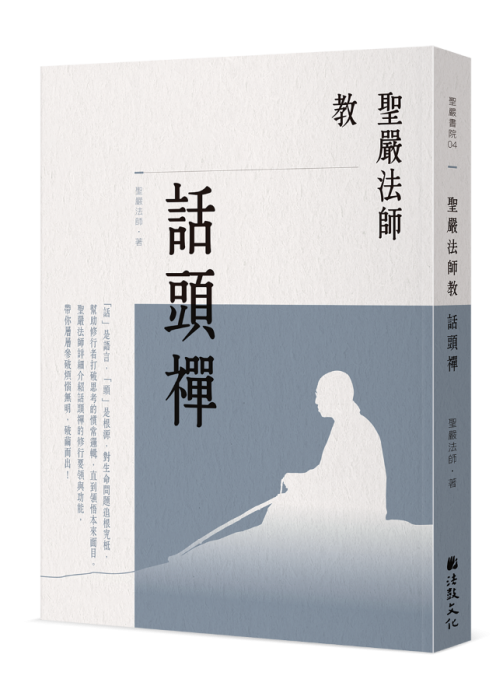
聖嚴法師教話頭禪
話頭禪,是一種非常好、非常乾淨俐落,而無一絲牽掛的禪修方法。開悟前,修行用;開悟後,保任用。平時練習,可以安定身心,進而斷一切煩惱!「話」是語言,「頭」是根源,「話頭」是對生命問題的追根究柢,打破頭腦的慣常邏輯,領悟語言文字之前的本來面目。本書經過聖嚴法師細心審核,校改整編;講述系統完整,開示活潑生動,在閱讀上是享受,學習上是指南。第一篇 「話頭禪法」詳解及應用第二篇 象岡禪十開示(含《六祖壇經》的精要講解)第三篇 大慧宗杲〈宗乘七箇樣子〉講記話頭禪的功能1、治散亂與除昏沉2、使心集中和安定3、使心統一、入定4、能使我們開悟常用的四種話頭1. 念佛的是誰?2. 未出娘胎前的本來面目是誰?3. 拖著死屍走的是誰?4. 什麼是無?話頭:一念三千修行話頭禪時,無論參哪一句話頭,腦海裡出現的任何答案,都是自己的妄想,是從潛意識產生的。即使出現了上千、上萬個答案,都不是正確的答案。參話頭不是自己給話頭答案,也不是自己問自己;而是去問那句話頭,要那句話頭給你答案。只有無法以思想、語言、文字表達,而且能破無明、除執著的,才是真正的答案,所以千萬不要以為自己開悟了,因為開悟不是這個樣子。將全部生命力量,投注於一句話頭上。這句話頭不僅是此世生命,一切能量、心力和體力的總合,也包含從無始以來,所有業力、願力,和所有因緣果報。話頭的功能,就是將這無始以來,一切的因緣果報、功德罪惡,用一句話頭將其粉碎。「話頭是『金剛王寶劍』,它與虛空等量。只要用話頭,妄念就好像漫天飛舞的雪花, 一到火山口,雪花就融化了,連蒸氣都消失無蹤。」——聖嚴法師
作者簡介
聖嚴法師(1930〜2009年)聖嚴法師1930年生於江蘇南通,1943年於狼山出家。曾於高雄美濃閉關六年,隨後留學日本,獲立正大學文學博士學位。1975年應邀赴美弘法。1989年創建法鼓山,並於2005年開創繼起漢傳禪佛教的「中華禪法鼓宗」。聖嚴法師是一位思想家、作家暨國際知名禪師,著作豐富,中、英、日文著作達百餘種,先後獲頒中山文藝獎、中山學術獎、總統文化獎及社會各界的諸多獎項。聖嚴法師提出「提昇人的品質,建設人間淨土」的理念,相繼創辦中華佛學研究所、法鼓文理學院、僧伽大學等院校,也以豐富的禪修經驗、正信的佛法觀念和方法指導東、西方人士修行。法師著重以現代人的語言和觀點普傳佛法,陸續提出「心靈環保」、「四種環保」、「心五四運動」、「心六倫」等社會運動,更致力於國際弘化工作,其寬闊胸襟與國際化視野,深獲海內外肯定。
作者
NT$
$273
|
78折

大乘止觀法門之研究
中國禪宗之先聲,天台宗的源流「這部書確是慧思禪師晚年集其畢生思想的大成之作。在其由教義的疏導而進入教儀的實修之諄諄善誘下,能使一個凡人,深入法海,親證法性。」——聖嚴法師慧思禪師的《大乘止觀法門》一書,既是天台教學與性具思想的濫觴,也是禪宗思想的先鋒;由止觀依止、止觀境界、止觀體狀、止觀斷得、止觀作用,來說明大乘止觀法門。聖嚴法師一向注重學行兼顧,悲智雙運,以學術研究做為修行的依準,來實踐佛陀的根本教義。本論著是法師留學日本期間所發表的碩士論文,深入探討國內教界甚少弘揚的《大乘止觀法門》,分析其組織和內容,製表考證,並深入探討大乘止觀的根本思想與特色。
作者簡介
聖嚴法師(1930〜2009年)嚴法師1930年生於江蘇南通,1943年於狼山出家。曾於高雄美濃閉關六年,隨後留學日本,獲立正大學文學博士學位。1975年應邀赴美弘法。1989年創建法鼓山,並於2005年開創繼起漢傳禪佛教的「中華禪法鼓宗」。聖嚴法師是一位思想家、作家暨國際知名禪師,著作豐富,中、英、日文著作達百餘種,先後獲頒中山文藝獎、中山學術獎、總統文化獎及社會各界的諸多獎項。聖嚴法師提出「提昇人的品質,建設人間淨土」的理念,相繼創辦中華佛學研究所、法鼓文理學院、僧伽大學等院校,也以豐富的禪修經驗、正信的佛法觀念和方法指導東、西方人士修行。法師著重以現代人的語言和觀點普傳佛法,陸續提出「心靈環保」、「四種環保」、「心五四運動」、「心六倫」等社會運動,更致力於國際弘化工作,其寬闊胸襟與國際化視野,深獲海內外肯定。
作者
NT$
$203
|
78折

聖嚴法師墨寶復刻原木壁掛-四它(大)
面對它 ─ 正視困境存在,不逃避不畏懼。接受它 ─ 接受困境磨鍊,不怨天不尤人。處理它 ─ 用智慧處理事,以慈悲對待人。放下它 ─ 盡心盡力就好,不計成敗得失。遇到任何麻煩、痛苦和危急時,只要能夠面對它、接受它、處理它、放下它,就能超越困境,不受困境左右,達到真正的自在,這也就是將禪的工夫運用在平常生活中。
產品特色.聖嚴法師「四它」墨寶復刻。.採用美術紙,手工絹印墨寶。.臺灣師傅裱框手藝,採用天然松木,擁有自然紋理,使用手染工藝增加木條質感。.可壁掛,佈置居家或辦公室典藏裝飾。
產品規格.內容:聖嚴法師四它(大)墨寶復刻一幅.材質:紙 + 松木 + 布 + 壓克力.壁掛尺寸:寬約 74.5 x 高約 36 x 厚度約 4.5公分.重量:墨寶一幅約重1800公克.包裝:紙盒
注意事項.因光線關係,圖片顏色略有差異,請以實際商品為主。.請小心輕放,不可重壓。
NT$
$3,680

來生有福:40則願生淨土指引
來生是一種光明的希望,迎向新生,放下生死!面對未知的下一世,你是否擔心來生去處?死後的世界充滿神祕感,人們之所以害怕死亡,正是因為不知道自己來生是什麼樣的世界。佛教稱死亡為「往生」,表示死後是有未來的。此生的句點,可為來生佛國淨土的起點。如果生命的下一站是佛國淨土,那便只有滿心歡喜而沒有擔憂了。佛教相信有前生,但是不需要透過算命或神通去追問,因為最重要的是今生的努力。面對來生,也不需要擔憂將上天堂或下地獄,因為佛法就是解脫六道生死輪迴的方法,並提供往生淨土世界的道路。面對生死大業,聖嚴法師勉勵我們說:「活著時,要珍惜生命,感激生存,感恩生活,要好好地運用我們有限的這個生命旅程;死亡時,要心存感謝、充滿喜悅,要無懼、無憂、無悔、無怨、滿懷著悲願心,迎向光明的前程。」生死是一體的,出生的同時,生命就已在倒數計時,因此,我們要隨時做好面對死亡的準備,而最好的準備便是往生佛國淨土。因為念佛修行和培養福報,能讓我們的心與佛相應,不但來生有福,得以往生西方,今生也能活在美好的人間淨土!
作者簡介
聖嚴法師(1930〜2009年)嚴法師1930年生於江蘇南通,1943年於狼山出家。曾於高雄美濃閉關六年,隨後留學日本,獲立正大學文學博士學位。1975年應邀赴美弘法。1989年創建法鼓山,並於2005年開創繼起漢傳禪佛教的「中華禪法鼓宗」。聖嚴法師是一位思想家、作家暨國際知名禪師,著作豐富,中、英、日文著作達百餘種,先後獲頒中山文藝獎、中山學術獎、總統文化獎及社會各界的諸多獎項。聖嚴法師提出「提昇人的品質,建設人間淨土」的理念,相繼創辦中華佛學研究所、法鼓文理學院、僧伽大學等院校,也以豐富的禪修經驗、正信的佛法觀念和方法指導東、西方人士修行。法師著重以現代人的語言和觀點普傳佛法,陸續提出「心靈環保」、「四種環保」、「心五四運動」、「心六倫」等社會運動,更致力於國際弘化工作,其寬闊胸襟與國際化視野,深獲海內外肯定。
作者
NT$
$156
|
78折
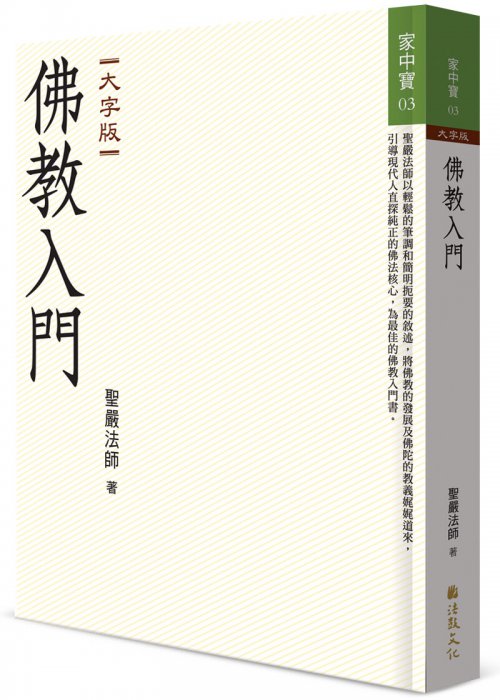
佛教入門 (大字版)
從佛傳、教義及修持方法,全面掌握入門關鍵!‧聖嚴法師說佛陀小傳,精彩必讀。‧四聖諦、十二因緣等基本教義解說。‧日常修持方法及觀音法門簡說。為了讓現代人在最經濟的時間內理解佛教,聖嚴法師以輕鬆的筆調和簡明扼要的敘述,勾勒出佛教的基本脈絡,還原佛教的根本面貌,引導現代人直探純正的佛法核心。特別推薦聖嚴法師說佛陀小傳,精彩必讀。本書分為三大單元──一、「佛陀示現」:佛陀的人格和思想、印度的環境、教團的發展和演變……二、「基本教義」:何謂四聖諦、五蘊、十二因緣、因果、唯名、唯心……三、「修持方法」:修行的層次和方法、學佛的基礎、在家居士如何學佛……文字流暢,解答詳盡,讓您無需疑惑,直接掌握正確的學佛方法與見解,在學佛道路上更加堅定,更有方向感。
作者簡介
聖嚴法師(1930〜2009年)聖嚴法師1930年生於江蘇南通,1943年於狼山出家,後因戰亂投身軍旅,十年後再次披剃出家。曾於高雄美濃閉關六年,隨後留學日本,獲立正大學文學博士學位。1975年應邀赴美弘法。1989年創建法鼓山,並於2005年開創繼起漢傳禪佛教的「中華禪法鼓宗」。聖嚴法師是一位思想家、作家暨國際知名禪師,曾獲臺灣《天下》雜誌遴選為「四百年來臺灣最具影響力的五十位人士」之一。著作豐富,中、英、日文著作達百餘種,先後獲頒中山文藝獎、中山學術獎、總統文化獎及社會各界的諸多獎項。聖嚴法師提出「提昇人的品質,建設人間淨土」的理念,主張以大學院、大普化、大關懷三大教育推動全面教育,相繼創辦中華佛學研究所、法鼓文理學院、僧伽大學等院校,也以豐富的禪修經驗、正信的佛法觀念和方法指導東、西方人士修行。法師著重以現代人的語言和觀點普傳佛法,陸續提出「心靈環保」、「四種環保」、「心五四運動」、「心六倫」等社會運動,並積極推展國際弘化工作,參與國際性會談,促進宗教交流,提倡建立全球性倫理,致力世界和平。其寬闊胸襟與國際化視野,深獲海內外肯定。
作者
NT$
$250
|
78折
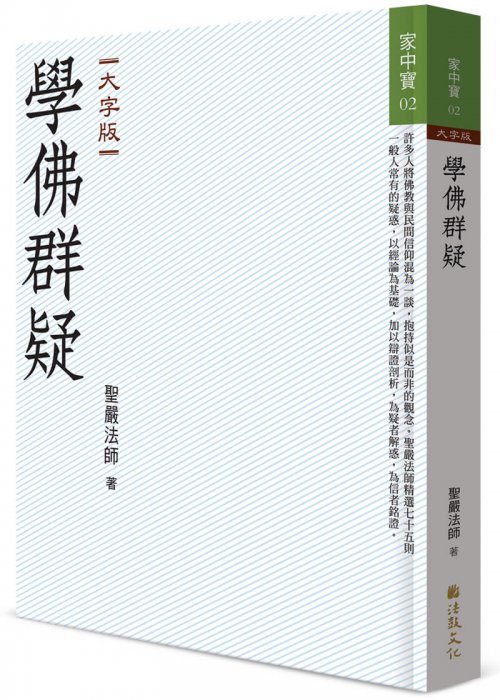
學佛群疑 (大字版)
解答學佛疑惑、一窺佛教真貌的最佳指南!「本書的內容,既是知識學問的,更是生活和實用的。依據基本經論的觀點,運用淺易通俗的文字,解答人人都想知道的實際問題。」——聖嚴法師許多人將佛教與民間信仰混為一談,抱持似是而非的觀念,法師精選一般人常有的疑惑,以經論為基礎,加以辯證剖析,讓您深入了解佛教精髓,掌握真正的佛教理念,在修行中更加自信明確。‧佛教對命相、風水的看法?‧學佛是否必須放棄現有生活的享受?‧消災、延生是可能的嗎?‧佛教徒可以有感情生活嗎?‧嬰靈作祟之說有根據嗎?‧卍字是什麼意思?‧佛教的生命觀、世界觀是合乎科學的嗎?……◆七十五個常見的學佛疑問◆全方面解答生活性、實用性及知識學問上的學佛疑點◆精準解答,淺顯易懂為《正信的佛教》之後,聖嚴法師另一本以問答的方式,解答佛教問題的經典著作。
作者簡介
聖嚴法師(1930-2009年)聖嚴法師1930年生於江蘇南通,1943年於狼山出家,後因戰亂投身軍旅,十年後再次披剃出家。曾於高雄美濃閉關六年,隨後留學日本,獲立正大學文學博士學位。1975年應邀赴美弘法。1989年創建法鼓山,並於2005年開創繼起漢傳禪佛教的「中華禪法鼓宗」。聖嚴法師是一位思想家、作家暨國際知名禪師,曾獲臺灣《天下》雜誌遴選為「四百年來臺灣最具影響力的五十位人士」之一。著作豐富,中、英、日文著作達百餘種,先後獲頒中山文藝獎、中山學術獎、總統文化獎及社會各界的諸多獎項。聖嚴法師提出「提昇人的品質,建設人間淨土」的理念,主張以大學院、大普化、大關懷三大教育推動全面教育,相繼創辦中華佛學研究所、法鼓文理學院、僧伽大學等院校,也以豐富的禪修經驗、正信的佛法觀念和方法指導東、西方人士修行。法師著重以現代人的語言和觀點普傳佛法,陸續提出「心靈環保」、「四種環保」、「心五四運動」、「心六倫」等社會運動,並積極推展國際弘化工作,參與國際性會談,促進宗教交流,提倡建立全球性倫理,致力世界和平。其寬闊胸襟與國際化視野,深獲海內外肯定。
作者
NT$
$226
|
78折
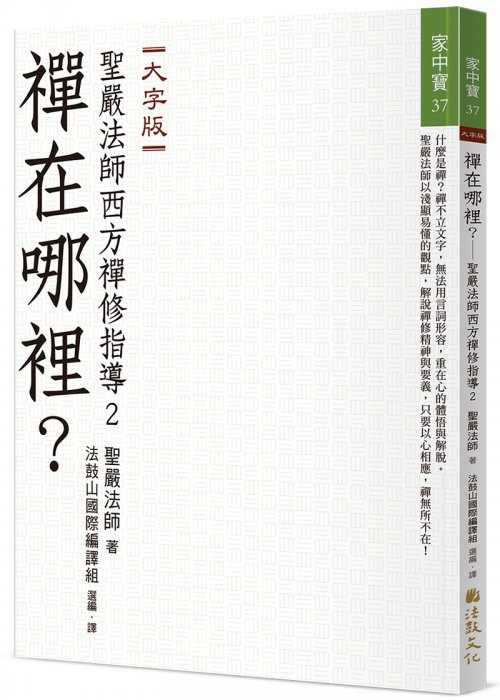
禪在哪裡?:聖嚴法師西方禪修指導2 (大字版)
以心相應,東西方的精彩碰撞!初學者必問,老參也需一探究竟。本書為聖嚴法師在美國教授禪法的開示精華,可以清楚地看到法師正值壯年的禪者風采,每每應機變換各種修行方法,大膽施設,撒放禪家手眼,任運自如。法師從禪的精神與觀點帶領我們認識禪,練習在日常生活與精進禪修中,雙管齊下,以禪法對治煩惱,進而以禪心面對命運、開創未來。活用聖嚴法師指導的禪法,「禪」將不再只是個抽象名詞,而是可消解煩惱的實用智慧,你在哪裡,禪就在那裡!
作者簡介
聖嚴法師(1930〜2009年)1930年生於江蘇南通,1943年於狼山出家,後因戰亂投身軍旅,十年後再次披剃出家。曾於高雄美濃閉關六年,隨後留學日本,獲立正大學文學博士學位。1975年應邀赴美弘法。1989年創建法鼓山,並於2005年開創繼起漢傳禪佛教的「中華禪法鼓宗」。聖嚴法師是一位思想家、作家暨國際知名禪師,曾獲臺灣《天下》雜誌遴選為「四百年來臺灣最具影響力的五十位人士」之一。著作豐富,中、英、日文著作達百餘種,先後獲頒中山文藝獎、中山學術獎、總統文化獎及社會各界的諸多獎項。聖嚴法師提出「提昇人的品質,建設人間淨土」的理念,主張以大學院、大普化、大關懷三大教育推動全面教育,相繼創辦中華佛學研究所、法鼓文理學院、僧伽大學等院校,也以豐富的禪修經驗、正信的佛法觀念和方法指導東、西方人士修行。法師著重以現代人的語言和觀點普傳佛法,陸續提出「心靈環保」、「四種環保」、「心五四運動」、「心六倫」等社會運動,並積極推展國際弘化工作,參與國際性會談,促進宗教交流,提倡建立全球性倫理,致力世界和平。其寬闊胸襟與國際化視野,深獲海內外肯定。
作者
譯者
法鼓山國際編譯組
NT$
$156
|
78折
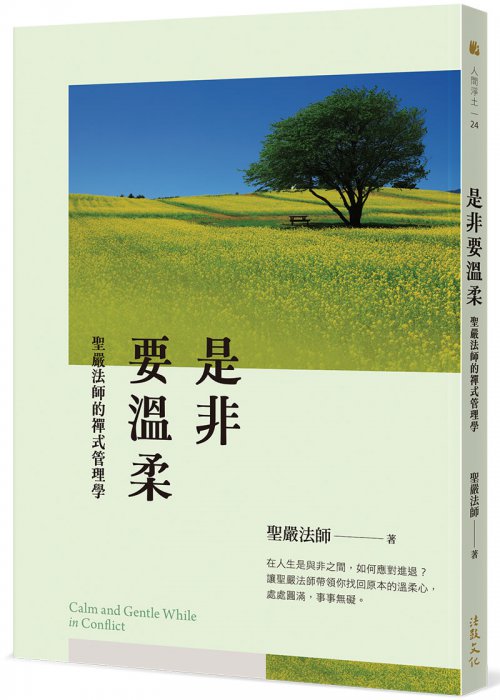
是非要溫柔:聖嚴法師的禪式管理學(三版)
傑出,來自胸襟的開闊!聖嚴法師教你人生平衡之道:融通溫柔,安心處世人生中的課題,往往不是非黑即白、對錯分明的是非題。只要環境因緣一改變,相同的題目,可能就有了截然不同的答案。是與非沒有絕對,但看是不是盡了全力,負起了責任;人與人之間不只是講道理、論公平,但用包容的心接納不同的意見。能用奉獻的心,以及智慧和毅力為社會服務,才是真正的功成名就。聖嚴法師在本書中,對於人生課題中的領導統馭、知人交友、身心健康等各方面,提出理性與感性、貪婪與進取、希望與壓力、積極與執著、圓融與正直之間,如何掌握分際的原則,以及安心、安身的最佳平衡點。讓我們的心不再充滿堅硬的對立。人生可以多情亦講理,溫柔看是非。◆ 聖嚴法師的禪式管理學——愈慈悲、愈智慧、愈無憂第一篇 多情須講理第二篇 安人先安心第三篇 企業家的人生大格局
作者簡介
聖嚴法師(1930~2009年)1930年生於江蘇南通,1943年於狼山出家,後因戰亂投身軍旅,十年後再次披剃出家。曾於高雄美濃閉關六年,隨後留學日本,獲立正大學文學博士學位。1975年應邀赴美弘法。1989年創建法鼓山,並於2005年開創繼起漢傳禪佛教的「中華禪法鼓宗」。聖嚴法師是一位思想家、作家暨國際知名禪師,曾獲臺灣《天下》雜誌遴選為「四百年來臺灣最具影響力的五十位人士」之一。著作豐富,中、英、日文著作達百餘種,先後獲頒中山文藝獎、中山學術獎、總統文化獎及社會各界的諸多獎項。聖嚴法師提出「提昇人的品質,建設人間淨土」的理念,主張以大學院、大普化、大關懷三大教育推動全面教育,相繼創辦中華佛學研究所、法鼓文理學院、僧伽大學等院校,也以豐富的禪修經驗、正信的佛法觀念和方法指導東、西方人士修行。法師著重以現代人的語言和觀點普傳佛法,陸續提出「心靈環保」、「四種環保」、「心五四運動」、「心六倫」等社會運動,並積極推展國際弘化工作,參與國際性會談,促進宗教交流,提倡建立全球性倫理,致力世界和平。其寬闊胸襟與國際化視野,深獲海內外肯定。
作者
NT$
$179
|
78折

找回自己 (大字版)
如果不是對人有極大的慈悲,怎能有如此的寬厚與包容?如果不是對世間有透徹的智慧,怎麼能有如此寬廣的視野?聖嚴法師這本充滿慈悲與智慧的書,將帶我們找回自己!想真正、徹底解決生命的問題,根源在自己的「心」。在心的議題上,聖嚴法師以極其細膩深刻的觀察,用幾個實例與故事,即揭露人性幽微的面向,又能以幽默的智慧化解,為人心找到出路。永遠,充滿溫暖的希望!聽聞一句,受用一生並非一定要看很多經典,或是上很多佛學的課程,才能得到佛法的好處。其實只要聽聞一句,甚至數句佛法,就可以轉變我們的人生觀,一生受用不盡。我在十幾歲時,聽到佛法中講述,如何把顛倒的觀念變成正念,我這才發現,一般人都是用顛倒的方向看世界,之所以顛倒的原因,是因為自私心。如果我們不以自私心看世界,就不會煩惱,也不會自以為理所當然地向這個世界有所要求。生命中沒有過多的要求,便會過得很快樂。就是因為這樣的觀念,讓我一生受用不盡,因此我對三寶產生無限的感恩,而希望能永遠奉獻三寶。另外,我們要感恩的是眾生。所謂的「眾生」,是指所有的人,包括我們生命中間接、直接接觸的人,乃至於古代及歷史上所有的人。古往今來,有很多的人我們根本不認識,也許連名字都不知道,但是我們卻都受過他們的恩惠。為什麼這麼說呢?人類的歷史文化和文明,不是一個人就能發明成就的,而是過去許許多多人的智慧與努力,所累積的結晶,才能讓今日的我們坐享其成,對於這些我們都要感恩。時時以感恩的心來過生活,「自我」就會消融。因為知道宇宙之大,個人實在是太渺小了,一個人所知、所能、所奉獻的,都是微不足道的,但反觀我們所接受的恩惠,卻太多、太大了。念佛,佛就和我在一起我們都聽過「高處不勝寒」、「時不我與」、「前不見古人,後不見來者」這類話,可見哲學家也有哲學家的寂寞,偉大人物也有偉大人物的寂寞。既然有寂寞感,就表示他們的生活並不是真正充實。從宗教的觀點來看,唯有宗教的信仰和宗教的修持,以及宗教生活的體驗,才是人類精神生活取之不盡,用之不竭的寶藏。人生才不會空虛,也不會感到寂寞。以我個人來說,雖然現在我是身無長物、孤單一人,表面上看起來好像很空虛,但是當我心中念佛時,佛就和我在一起;當我心中念菩薩時,菩薩就在我面前。同樣地,當我心中想到眾生時,眾生就跟我在一起;當我想到西方極樂世界時,當下我就如同在西方極樂世界了。如此一來,當然就不會感到空虛和寂寞。人的生命是很脆弱的,我們的時間、體力往往也不夠用,可是就是因為生命太短暫,能力也不足,所以更要充分地、積極地奉獻自己。如果能夠具備宗教的信心,那就更好了。但這個信心並不是虛無空洞的,而是透過自己的實踐與深刻體會得到的。不執著:真正的自由佛法中「常樂我淨」或「苦集滅道」等生、老、病、死的道理,起初我們把它當成真理、定見執持著,可是一旦運用這些真理幫助了自己,也幫助他人之後,就應該把它放下,才會得到真正的解脫。或許有人會問:如果學佛的人連佛法都不執著,會不會心無定見,是非不明、好壞不分?不會的!這樣的「不執著」,是已經歷經過「執著」的過程。放下之後並不表示沒有想法,只不過這已經提昇到另一個層次,而是以整體眾生的想法為想法,以當下環境的需求為需求,以整體的意見為意見。當你追求真理之後,又能將所追求的放下,而不執著一個非如何不可的真理,那才是真正的自由!
這本書可以幫助你
釐清人生方向,將生活與工作的規畫,延伸到內在人品的成長。
少一點與人比較,安心走自己的路。
保持積極,也為自己留點餘裕;練習專注當下,不把成敗全攬在自己身上。
認識自己的優點與限制,建立踏實的自信。
在認識自己、持續成長的同時,透過謙虛、感恩與付出,逐漸減少自我中心。
你可以從這裡開始
拚工作、拚生活,這樣忙碌值得嗎?建議閱讀:〈方向感〉生涯規畫應包括人格、涵養與生命品質的成長。本文帶你依據自己的能力、資源與所處環境,思考長遠的人生方向和可以調整的階段目標;從當下的立足點,找到值得持續投入的方向。
我很努力了,但還是害怕表現不夠好?建議閱讀:〈活在當下的積極〉這篇文章談到,過重的得失心與缺乏彈性的目標,會讓積極變成壓力。從安排工作的順序、專注眼前的事,到依能力調整目標、預留緩衝空間,學習在努力的過程中欣賞自己的付出,也接納結果的不確定。
看到別人有成就,覺得自己不如人?建議閱讀:〈大鴨大路,小鴨小路〉聖嚴法師以父親帶他看鴨子游水的故事,談不同條件的人如何走出各自的路。你可以學習他人的長處、讚歎他人的成就,也同時尊重自己的能力與步調,在持續努力中建立自我價值,減少比較帶來的壓力。
我還有很多不足,要怎麼有自信?建議閱讀:〈自知之明的自信〉自信可以建立在對自己的如實了解上,包括知道自己會什麼、不會什麼,以及目前有哪些限制。本篇文章說明,承認缺點與肯定自己可以同時進行;從覺察、修正到承擔責任,每一步都是自我成長的實踐。
要肯定自己,又要放下自我,聽起來矛盾?建議閱讀:〈用慚愧和謙虛來消融自我〉本文把「自我消融」帶回日常可練習的地方:看見自己的不足,感謝他人的協助,也體會個人成果背後的眾多因緣。透過謙虛、感恩、負責與奉獻,一點一滴減少自我中心,讓慈悲與智慧有更多發揮的空間。
作者簡介
聖嚴法師(1930〜2009年)1930年生於江蘇南通,1943年於狼山出家。曾於高雄美濃閉關六年,隨後留學日本,獲立正大學文學博士學位。1975年應邀赴美弘法。1989年創建法鼓山,並於2005年開創繼起漢傳禪佛教的「中華禪法鼓宗」。聖嚴法師是一位思想家、作家暨國際知名禪師,著作豐富,中、英、日文著作達百餘種,先後獲頒中山文藝獎、中山學術獎、總統文化獎及社會各界的諸多獎項。聖嚴法師提出「提昇人的品質,建設人間淨土」的理念,相繼創辦中華佛學研究所、法鼓文理學院、僧伽大學等院校,也以豐富的禪修經驗、正信的佛法觀念和方法指導東、西方人士修行。法師著重以現代人的語言和觀點普傳佛法,陸續提出「心靈環保」、「四種環保」、「心五四運動」、「心六倫」等社會運動,更致力於國際弘化工作,其寬闊胸襟與國際化視野,深獲海內外肯定。
作者
NT$
$172
|
78折

聖嚴法師墨寶原木桌飾-四它
面對它 ─ 正視困境存在,不逃避不畏懼。接受它 ─ 接受困境磨鍊,不怨天不尤人。處理它 ─ 用智慧處理事,以慈悲對待人。放下它 ─ 盡心盡力就好,不計成敗得失。遇到任何麻煩、痛苦和危急時,只要能夠面對它、接受它、處理它、放下它,就能超越困境,不受困境左右,達到真正的自在,這也就是將禪的工夫運用在平常生活中。
產品規格.材質:相思木.尺寸:寬約 11.1 x 高 8 x 下寬 3.8公分,斜梯形.重量:約318公克 (含盒).產地:台灣保養方式和注意事項.木頭為天然材質,紋路顏色皆不同,此為原木特色。.請勿撞擊及重摔。.請用軟刷清潔。.示意圖謹供參考,商品以實際供貨為準。
NT$
$750

告別無憾:40則臨終安心指引
生命是暫時的任務,生死只是一個過程,讓祝福代替悲傷,臨終也可以很莊嚴、很有尊嚴。「死亡不是喜事,也不是喪事,而是莊嚴的佛事。」——聖嚴法師。建立正確的生死觀,便能「善生」,做好死亡規畫、接受臨終關懷,便能「善別」,告別是一種放下的智慧。聖嚴法師的40則臨終安心指引,從不同的面向探索臨終關懷,圓滿人生的最後一程。安心準備生死大事,佛法超度必得平安,放下此生,迎向新生!# 生涯規畫應納入死亡規畫# 照顧最後的平安與尊嚴# 臨終病患的佛法照顧# 如何面對意外的生離死別?# 最大的福報
作者簡介
聖嚴法師(1930〜2009年)1930年生於江蘇南通,1943年於狼山出家。曾於高雄美濃閉關六年,隨後留學日本,獲立正大學文學博士學位。1975年應邀赴美弘法。1989年創建法鼓山,並於2005年開創繼起漢傳禪佛教的「中華禪法鼓宗」。聖嚴法師是一位思想家、作家暨國際知名禪師,著作豐富,中、英、日文著作達百餘種,先後獲頒中山文藝獎、中山學術獎、總統文化獎及社會各界的諸多獎項。聖嚴法師提出「提昇人的品質,建設人間淨土」的理念,相繼創辦中華佛學研究所、法鼓文理學院、僧伽大學等院校,也以豐富的禪修經驗、正信的佛法觀念和方法指導東、西方人士修行。法師著重以現代人的語言和觀點普傳佛法,陸續提出「心靈環保」、「四種環保」、「心五四運動」、「心六倫」等社會運動,更致力於國際弘化工作,其寬闊胸襟與國際化視野,深獲海內外肯定。
作者
NT$
$156
|
78折
三十七道品講記 (大字版)
通往覺悟之路的地圖能夠修成三十七道品,就能得解脫而證涅槃佛陀鼓勵我們依此修習,以建立清淨的梵行,並久遠流傳,讓大眾得到安樂與幸福。那些努力不懈地追求正法與戒律的人,將超越生死流轉,止息一切痛苦。這是成佛道路上的三十七種資糧、佛法的基礎修行方法。共分七個階段,依次為:四念處、四正勤、四如意足、五根、五力、七覺支,以及八正道。「道品」又稱「菩提分」、「覺支」,皆為追求智慧之意。《自誓三昧經》云:「三十七品具足佛事。」若能依此三十七法,循序修習有成,即可獲得解脫。原則上,三十七道品屬於聲聞法,但從大乘佛法的立場來看,它則是成佛的菩薩法。由於是次第法而非頓悟法門,自古以來少有禪師講解三十七道品。聖嚴法師在本書中嘗試將此次第法門,做為頓悟法門的基礎,以及修行的著手處,希望能利益更多不同根器的學佛者。「古來傳統的禪師們是很少講三十七道品的,因為這是次第法,而非頓悟法門。我則試著把次第法門當成頓悟法門的基礎,能頓則頓,不能當機開悟的人,就從三十七道品來著手修行練習,之後再用頓悟的禪法,與三十七道品接軌,那就很容易得力了。」 ——聖嚴法師
作者簡介
聖嚴法師(1930〜2009年)1930年生於江蘇南通,1943年於狼山出家,後因戰亂投身軍旅,十年後再次披剃出家。曾於高雄美濃閉關六年,隨後留學日本,獲立正大學文學博士學位。1975年應邀赴美弘法。1989年創建法鼓山,並於2005年開創繼起漢傳禪佛教的「中華禪法鼓宗」。聖嚴法師是一位思想家、作家暨國際知名禪師,曾獲臺灣《天下》雜誌遴選為「四百年來臺灣最具影響力的五十位人士」之一。著作豐富,中、英、日文著作達百餘種,先後獲頒中山文藝獎、中山學術獎、總統文化獎及社會各界的諸多獎項。聖嚴法師提出「提昇人的品質,建設人間淨土」的理念,主張以大學院、大普化、大關懷三大教育推動全面教育,相繼創辦中華佛學研究所、法鼓文理學院、僧伽大學等院校,也以豐富的禪修經驗、正信的佛法觀念和方法指導東、西方人士修行。法師著重以現代人的語言和觀點普傳佛法,陸續提出「心靈環保」、「四種環保」、「心五四運動」、「心六倫」等社會運動,並積極推展國際弘化工作,參與國際性會談,促進宗教交流,提倡建立全球性倫理,致力世界和平。其寬闊胸襟與國際化視野,深獲海內外肯定。
本書適合在這些時刻閱讀
已經接觸佛法或禪修,想進一步看清完整的修行次第。
想把佛法落實在言語、行為、工作、人際關係與日常選擇中。
聽過四念處、七覺支與八正道,想理解各項修行方法如何彼此連貫。
修行時有心精進,卻不容易持續,希望建立穩定而持續的用功方法。
想理解禪宗的頓悟法門,為何仍需要戒、定、慧與次第修行作為基礎。
作者
NT$
$265
|
78折

聖嚴法師墨寶復刻原木壁掛-四它(小)
面對它 ─ 正視困境存在,不逃避不畏懼。接受它 ─ 接受困境磨鍊,不怨天不尤人。處理它 ─ 用智慧處理事,以慈悲對待人。放下它 ─ 盡心盡力就好,不計成敗得失。遇到任何麻煩、痛苦和危急時,只要能夠面對它、接受它、處理它、放下它,就能超越困境,不受困境左右,達到真正的自在,這也就是將禪的工夫運用在平常生活中。
產品特色.聖嚴法師「四它」墨寶復刻。.銀色美術紙,手工絹印。.臺灣師傅裱框手藝,採用天然松木,擁有自然紋理,使用手染工藝增加木條質感。.厚框設計,可站立於桌面上,當壁掛居家佈置或辦公室典藏裝飾。
產品規格 .內容:聖嚴法師四它(小)墨寶復刻一幅.材質:美術紙/松木框/壓克力.尺寸:寬約 43 x 高約 21 x 厚約 4.3公分.重量:墨寶一幅約重 900公克,含包裝約 1200公克.包裝:紙盒
注意事項.因光線關係,圖片顏色略有差異,請以實際商品為主。.請小心輕放,不可重壓。
NT$
$1,680
正信的佛教 (大字版)
佛法這麼好,知道的人這麼少,誤解的人這麼多。——聖嚴法師暢銷百萬冊,學佛必讀經典之作!事實上,佛教的本質,並沒有正信和迷信的分別。為了導正觀念,探究佛法的真義,聖嚴法師提出七十項看似簡單,而實際重要的問題,讓人們真正了解佛教,一窺真貌。做為世界性的一大宗教和思想體系,佛教可說是非常特殊的。既是徹底的無神論,又絕對不同於唯物論。因此,佛教似宗教而又非宗教,類哲學而又非哲學,通科學而又非科學。這不但是佛教最迷人的地方,卻也是最容易造成誤解之處。書中提出七十個現代知識分子在佛教信仰及佛學理論上,常常遇到或想到的問題,例如:佛陀是創世主嗎?宇宙和生命從哪裡來的?佛教相信輪迴、超度嗎?因果定律的正確性?信佛一定要出家嗎?信仰佛教必須吃素嗎?教徒可以離婚嗎?佛教反對節育嗎?佛教是重男輕女的嗎?聖嚴法師以實修實證的素養,紮實的學術背景,透過簡單而易懂的文字,幫助讀者輕鬆進入佛陀的世界,一窺佛教的堂奧。
作者簡介
聖嚴法師(1930〜2009年)聖嚴法師1930年生於江蘇南通,1943年於狼山出家,後因戰亂投身軍旅,十年後再次披剃出家。曾於高雄美濃閉關六年,隨後留學日本,獲立正大學文學博士學位。1975年應邀赴美弘法。1989年創建法鼓山,並於2005年開創繼起漢傳禪佛教的「中華禪法鼓宗」。聖嚴法師是一位思想家、作家暨國際知名禪師,曾獲臺灣《天下》雜誌遴選為「四百年來臺灣最具影響力的五十位人士」之一。著作豐富,中、英、日文著作達百餘種,先後獲頒中山文藝獎、中山學術獎、總統文化獎及社會各界的諸多獎項。聖嚴法師提出「提昇人的品質,建設人間淨土」的理念,主張以大學院、大普化、大關懷三大教育推動全面教育,相繼創辦中華佛學研究所、法鼓文理學院、僧伽大學等院校,也以豐富的禪修經驗、正信的佛法觀念和方法指導東、西方人士修行。法師著重以現代人的語言和觀點普傳佛法,陸續提出「心靈環保」、「四種環保」、「心五四運動」、「心六倫」等社會運動,並積極推展國際弘化工作,參與國際性會談,促進宗教交流,提倡建立全球性倫理,致力世界和平。其寬闊胸襟與國際化視野,深獲海內外肯定。
作者
NT$
$156
|
78折
印度佛教史
多次再版,深受讀者喜愛及學術界好評在佛教史上,印度永遠都具有獨特的地位印度,是釋迦牟尼佛的故鄉。佛教雖已在印度凋零不振,但在佛教史上,印度永遠都具有獨特的地位,現今主要的宗派,如北傳、南傳、藏傳佛教的思想教義,均在佛教行之印度的一千七百多年間,完其大備。聖嚴法師編寫的印度佛教史,從不同面向介紹佛教在印度的整個發展過程,豐富詳實,優美流暢,讀來令人意猶未盡,是佛教溯源的最佳入門書。.緒說.釋迦世尊.原始佛教與三藏聖典.阿育王與大天.部派佛教的分張.大眾部及有部的教義.阿育王以後的王朝及佛教藝術.初期的大乘佛教.龍樹系的大乘佛教及其後的經典.無著系的大乘佛教.笈多王朝及其後的佛教.從密教盛行到近代佛教
作者簡介
聖嚴法師(1930〜2009年)1930年生於江蘇南通,1943年於狼山出家,後因戰亂投身軍旅,十年後再次披剃出家。曾於高雄美濃閉關六年,隨後留學日本,獲立正大學文學博士學位。1975年應邀赴美弘法。1989年創建法鼓山,並於2005年開創繼起漢傳禪佛教的「中華禪法鼓宗」。聖嚴法師是一位思想家、作家暨國際知名禪師,曾獲臺灣《天下》雜誌遴選為「四百年來臺灣最具影響力的五十位人士」之一。著作豐富,中、英、日文著作達百餘種,先後獲頒中山文藝獎、中山學術獎、總統文化獎及社會各界的諸多獎項。聖嚴法師提出「提昇人的品質,建設人間淨土」的理念,主張以大學院、大普化、大關懷三大教育推動全面教育,相繼創辦中華佛學研究所、法鼓文理學院、僧伽大學等院校,也以豐富的禪修經驗、正信的佛法觀念和方法指導東、西方人士修行。法師著重以現代人的語言和觀點普傳佛法,陸續提出「心靈環保」、「四種環保」、「心五四運動」、「心六倫」等社會運動,並積極推展國際弘化工作,參與國際性會談,促進宗教交流,提倡建立全球性倫理,致力世界和平。其寬闊胸襟與國際化視野,深獲海內外肯定。
作者
NT$
$312
|
78折

心安病安:40則身心平安指引
在醫學發達的今天,活得長壽已不是難事,重要的是要活得莊嚴,活得快樂自在。生病,是一場真正的修行。本書從多面向探索身心疾苦,以佛法為藥,療癒不安的心,使我們豁然開朗,活得快樂,病得健康!「我很忙,總能找出時間,完成應做的工作。我常病,總能調整身心,猶如健康地活著。」——聖嚴法師生病是人生的隨堂考,讓我們練習接受生死無常。聖嚴法師雖然一生病痛纏身,卻能病而不苦。一般人都將生病視為倒楣的事,只能無奈接受,聖嚴法師卻反而鼓勵我們轉念,若能心懷感恩,珍惜生病的修行機會,就能因禍得福,轉危為安。一個人如果找不到安心之道,伴隨著年老而來的就是病苦。如能擁有智慧的生死觀,不但能病得很健康,也不會因為怕老,執著於追求留住青春,而能老得很自在、很幸福。聖嚴法師提醒我們:「健康不一定是身上沒有病,而是在思想上要有智慧,即是『活得快樂、病得健康』。」法師認為真正的「健康」,是心理的健康重於身體的健壯,所以應當將生活的挫折,轉換成自我磨鍊。我們學佛後可透過生病的機會,學習善觀因緣、因果的法則,並修福修慧來提昇生命品質。正如法師所說:「面對果報、接受果報、改善果報,這才是最好的治病之道。」有時生病會讓我們直面生死,卻可從中體驗無常,而有豁達開朗的生死態度。願我們都能心安定、身自在,通過病的考驗,鍛鍊成一位生命智者。
作者簡介
聖嚴法師(1930〜2009年)聖嚴法師1930年生於江蘇南通,1943年於狼山出家。曾於高雄美濃閉關六年,隨後留學日本,獲立正大學文學博士學位。1975年應邀赴美弘法。1989年創建法鼓山,並於2005年開創繼起漢傳禪佛教的「中華禪法鼓宗」。聖嚴法師是一位思想家、作家暨國際知名禪師,著作豐富,中、英、日文著作達百餘種,先後獲頒中山文藝獎、中山學術獎、總統文化獎及社會各界的諸多獎項。聖嚴法師提出「提昇人的品質,建設人間淨土」的理念,相繼創辦中華佛學研究所、法鼓文理學院、僧伽大學等院校,也以豐富的禪修經驗、正信的佛法觀念和方法指導東、西方人士修行。法師著重以現代人的語言和觀點普傳佛法,陸續提出「心靈環保」、「四種環保」、「心五四運動」、「心六倫」等社會運動,更致力於國際弘化工作,其寬闊胸襟與國際化視野,深獲海內外肯定。
作者
NT$
$156
|
78折

聖嚴法師的頑皮童年
入選「好書大家讀」故事文學組 (國小中高年級)種下一顆顆心靈環保的種子,開展孩子的生命視野,提升品格行動力!《聖嚴法師的頑皮童年》是給大人與小孩的心靈啟蒙書,看故事的插畫,讓每個小孩看看師父、也想想自己;聽故事的敘述,讓每個大人想想自己、再看看師父。本書收錄了二十五篇聖嚴法師的頑皮故事,讓你看到聖嚴法師如何從一個小頑童變成小沙彌,並進了佛學院,改變了他的一生!聖嚴法師的童年不但趣事多,糗事更多。當他沒有新衣新鞋穿時,如何開心過新年?全班同學為什麼會共吃一根香蕉?為什麼當了「英雄」還要被老師打手心?他想要當懶牛還是好牛?聖嚴法師拜觀音如何拜出智慧?他原本什麼課都聽不懂,為什麼後來功課會變好?
種下一顆顆心靈環保的種子,培養未來領袖的內在氣質◆ 藉由心靈、生活、禮儀、自然等四個環保議題,分享生命教育的豐富內涵。◎【心靈環保】推薦閱讀:〈螃蟹〉、〈水牛〉、〈許願〉、〈擦窗戶〉、〈抄筆記〉、〈壁報徵文〉◎【生活環保】推薦閱讀:〈新年的新衣〉、〈分享香蕉〉、〈做制服〉、〈懶牛〉、〈兩個瞎子〉、〈大鴨與小鴨〉、〈珍惜生命〉、〈蓄勢而發〉◎【禮儀環保】推薦閱讀:〈不做賊骨頭就好〉、〈逃學〉、〈不當英雄了〉、〈小頭鬼〉、〈夢〉、〈拜觀音〉、〈照顧老和尚〉◎【自然環保】推薦閱讀:〈折楊柳枝〉、〈代代相傳〉、〈省水〉、〈小聰明〉◆ 透過聖嚴法師的身教故事,培養關懷、信賴、責任、尊重、公平正義、誠實等品德基礎。◎【關懷】延伸閱讀:〈做制服〉、〈螃蟹〉、〈水牛〉、〈照顧老和尚〉、〈抄筆記〉◎【信賴】延伸閱讀:〈拜觀音〉、〈代代相傳〉、〈許願〉◎【責任】延伸閱讀:〈懶牛〉、〈兩個瞎子〉、〈省水〉、〈擦窗戶〉、〈壁報徵文〉◎【尊重】延伸閱讀:〈大鴨與小鴨〉、〈折楊柳枝〉、〈珍惜生命〉、〈蓄勢而發〉◎【公平正義】延伸閱讀:〈新年的新衣〉、〈分享香蕉〉、〈不當英雄了〉◎【誠實】延伸閱讀:〈不做賊骨頭就好〉、〈逃學〉、〈小頭鬼〉、〈夢〉、〈小聰明〉
作者
NT$
$250
|
78折
華嚴心詮:原人論考釋
《原人論》是一部大格局、大架構的佛學導論。聖嚴法師的考釋,每每會提出對於論主的親切感受,並與今日的佛教所需而做詮釋。《華嚴經》在大乘佛教發展上,有著重要的地位,書中所提出的「十方成佛」及「修行十地」的理論,對佛教思想發展產生重要影響。《原人論》作者圭峰宗密,少通儒書,但儒學智識並不能滿足他對宇宙根本問題的追求,因緣際會過禪門、入華嚴,最終達到「外境內心,豁然無隔」之境。《原人論》是圭峰宗密晚期以圓融無礙思想,會通各家學說之作。藉由探究萬物之靈的人類從何而來,逐一析判儒、道、釋各家論點之偏執,指出直顯如來真性的一乘顯性教方為圓滿之真理,並進而會通本末,臻至三教圓融之境地。聖嚴法師旁徵博引古哲先智各家立論,並透過層次分明的註解,深入析解這些概念形成的脈絡以及根本義理,是現代修行者在回歸自性本源的路上,一個清晰而必備的指引。
作者簡介
聖嚴法師(1930~2009年)1930年生於江蘇南通,1943年於狼山出家,後因戰亂投身軍旅,十年後再次披剃出家。曾於高雄美濃閉關六年,隨後留學日本,獲立正大學文學博士學位。1975年應邀赴美弘法。1989年創建法鼓山,並於2005年開創繼起漢傳禪佛教的「中華禪法鼓宗」。聖嚴法師是一位思想家、作家暨國際知名禪師,曾獲臺灣《天下》雜誌遴選為「四百年來臺灣最具影響力的五十位人士」之一。著作豐富,中、英、日文著作達百餘種,先後獲頒中山文藝獎、中山學術獎、總統文化獎及社會各界的諸多獎項。聖嚴法師提出「提昇人的品質,建設人間淨土」的理念,主張以大學院、大普化、大關懷三大教育推動全面教育,相繼創辦中華佛學研究所、法鼓文理學院、僧伽大學等院校,也以豐富的禪修經驗、正信的佛法觀念和方法指導東、西方人士修行。法師著重以現代人的語言和觀點普傳佛法,陸續提出「心靈環保」、「四種環保」、「心五四運動」、「心六倫」等社會運動,並積極推展國際弘化工作,參與國際性會談,促進宗教交流,提倡建立全球性倫理,致力世界和平。其寬闊胸襟與國際化視野,深獲海內外肯定。
作者
NT$
$296
|
78折
禪的生活 (大字版)
在矛盾中求統一在來與去之間,超脫自在有一次,我在電視台接受訪問,被問起:「什麼是真實(reality)?」我說:「沒有這個東西,你不能找到它和抓住它。」但是我還是勸人到我這裡來聽講些關於真實的話,說不定你能發現那個東西。不過如果你一定要找那個東西,是沒有辦法找到的,最後一定會失望的。但你不去找它,即不知道真實是沒有的;所以雖說是沒有,還是要花一番苦工夫去找找看。所謂下了「踏破鐵鞋無覓處」的工夫之後,才會發覺「得來全不費工夫」的經驗是可貴的。本書將禪的精神,貼切著現實人間的實際生活來講,藉以疏導人生的苦悶與無奈,指出如何達成灑脫自在、積極進取的生活目標,鼓勵每一個人,都應從禪的修行及體驗中,級級提昇身心世界的品質。我寄望此書,能夠成為讀者們在人生修養方面的知音,也祈願此書是伴著讀者們共同修學佛法的益友。 ——聖嚴法師● 日常生活中根本沒有事,全是我在自言自語。● 戴了墨鏡看世界,連太陽也是黑暗的。若不能放下成見,就無法窺見禪門。● 如果不修行、不解脫,這夢便沒有醒的時候。● 一條蟲在地上爬,你看到牠是在爬,你的心不會跟著牠爬。● 任何事情照常發生,但你的心,不會跟著起動作、生分別,也不會留下任何事物的痕跡。● 每個人都有光。修行能使你的心力集中,心力愈是集中,光就散發得愈遠。
作者簡介
聖嚴法師(1930~2009年)1930年生於江蘇南通,1943年於狼山出家,後因戰亂投身軍旅,十年後再次披剃出家。曾於高雄美濃閉關六年,隨後留學日本,獲立正大學文學博士學位。1975年應邀赴美弘法。1989年創建法鼓山,並於2005年開創繼起漢傳禪佛教的「中華禪法鼓宗」。聖嚴法師是一位思想家、作家暨國際知名禪師,曾獲臺灣《天下》雜誌遴選為「四百年來臺灣最具影響力的五十位人士」之一。著作豐富,中、英、日文著作達百餘種,先後獲頒中山文藝獎、中山學術獎、總統文化獎及社會各界的諸多獎項。聖嚴法師提出「提昇人的品質,建設人間淨土」的理念,主張以大學院、大普化、大關懷三大教育推動全面教育,相繼創辦中華佛學研究所、法鼓文理學院、僧伽大學等院校,也以豐富的禪修經驗、正信的佛法觀念和方法指導東、西方人士修行。法師著重以現代人的語言和觀點普傳佛法,陸續提出「心靈環保」、「四種環保」、「心五四運動」、「心六倫」等社會運動,並積極推展國際弘化工作,參與國際性會談,促進宗教交流,提倡建立全球性倫理,致力世界和平。其寬闊胸襟與國際化視野,深獲海內外肯定。
作者
NT$
$312
|
78折
修行在紅塵:維摩經六講
維摩詰,是佛教徒最敬重的居士典範,他與我們同樣過著入世的生活,卻讓所有紅塵修行者,看見人間淨土的曙光。本書介紹維摩詰居士如何以入世的生活型態,過得自由自在的人生觀。《維摩經》是大乘經典中非常殊勝的一部,將人提昇到佛的層次,眾生(人)和佛在環境中並存。它是一部總攝大小五乘的大乘經典,也是一部優美的文學作品,像小說,也像戲劇。自古深受許多文學家所喜愛,唐朝的田園詩人王維,以摩詰為字,即是以維摩詰居士自許的意思。本經的舞臺是在印度當時六大名城之一的毘耶離城中。圍繞著這個中心演出的人員,包括釋迦世尊的諸大羅漢聲聞弟子,舍利弗、大目犍連、大迦葉、阿難等,以及彌勒、光嚴童子、持世、文殊等諸大菩薩。在第七〈觀眾生品〉中,演出一場非常精彩的天女散花,捉弄舍利弗尊者。這場法會的導演和主持人,便是釋迦牟尼世尊。主角是示現疾病相的維摩詰長者。這部經的特色是不用說教式及思辨性的方式表達,而是用文藝性、對話式的演出,因此讓人感到親切而樂於接受。且因文字簡鍊優美,富有超越及空靈的哲理,所以一直深受人們的喜愛。聖嚴法師說:「我不能算是《維摩經》的專家學者,但是我很喜愛《維摩經》的思想。所以我不是它的研究者,而是試著成為它的實踐者。」為了因應現代一般人的需要,使《維摩經》實用於一般人的日常生活之中;聖嚴法師以現代一般人都能聽懂的用語,配以生活中俯拾可得的經驗為例子,為心靈空虛及苦悶彷徨的現代人,介紹維摩詰居士如何以入世的生活型態,活出無拘無束、自由自在的人生觀。對於所有在滾滾紅塵中行走的「現代維摩詰」們,本書是入世慈悲、出世自在的最佳菩薩道指南。
作者簡介
聖嚴法師(1930~2009年)1930年生於江蘇南通,1943年於狼山出家,後因戰亂投身軍旅,十年後再次披剃出家。曾於高雄美濃閉關六年,隨後留學日本,獲立正大學文學博士學位。1975年應邀赴美弘法。1989年創建法鼓山,並於2005年開創繼起漢傳禪佛教的「中華禪法鼓宗」。聖嚴法師是一位思想家、作家暨國際知名禪師,曾獲臺灣《天下》雜誌遴選為「四百年來臺灣最具影響力的五十位人士」之一。著作豐富,中、英、日文著作達百餘種,先後獲頒中山文藝獎、中山學術獎、總統文化獎及社會各界的諸多獎項。聖嚴法師提出「提昇人的品質,建設人間淨土」的理念,主張以大學院、大普化、大關懷三大教育推動全面教育,相繼創辦中華佛學研究所、法鼓文理學院、僧伽大學等院校,也以豐富的禪修經驗、正信的佛法觀念和方法指導東、西方人士修行。法師著重以現代人的語言和觀點普傳佛法,陸續提出「心靈環保」、「四種環保」、「心五四運動」、「心六倫」等社會運動,並積極推展國際弘化工作,參與國際性會談,促進宗教交流,提倡建立全球性倫理,致力世界和平。其寬闊胸襟與國際化視野,深獲海內外肯定。
作者
NT$
$179
|
78折
天台心鑰:教觀綱宗貫註
天台學確是漢傳佛教的寶藏,只是被遺忘了。本書榮獲中山學術著作獎兩千年來漢傳佛教的智慧寶庫,若以教觀義理的深入影響而言,天台學可說是獨一無二。天台學組織嚴密、次第分明、脈絡清晰,尤其是天台大師們所留下來的著作,不僅數量龐大,且教義與觀行並重,理論與實修雙運,勘做為佛教未來全人類共同需要的藍本!《教觀綱宗》是明末蕅益智旭大師針對天台學撰寫的重要名著,兼具理論與方法,整合了大小諸乘的各家之說。因為智旭大師是學貫大、小乘諸系佛法的大通家,闡揚天台教觀並未墨守成規,所以《教觀綱宗》也可以說是明末時代的新天台學。聖嚴法師有鑒於這樣精簡扼要的天台珍寶,必須有人講解、註釋與發揚,故以現代治學的方法,將《教觀綱宗》重新分段標點,並加上白話翻譯、註釋和附圖。透過法師的註解,除了可以認識到天台學的大綱,更可領會全部佛法的組織體系及實踐步驟,所以本書非但是研究天台學者所必備,也是有心深入佛法者不可或缺之鑰!「我發願,要寫一冊讓自己看懂,也能讓廣大讀者們分享天台學智慧的書。」「本書可以做為讀者們自學之用,也可做為教學講授之用。」「我的註釋,往往就是一篇獨立的短論,可幫助讀者省了不少再去打破沙鍋問到底的死力氣。」 ——聖嚴法師
作者簡介
聖嚴法師(1930~2009年)1930年生於江蘇南通,1943年於狼山出家,後因戰亂投身軍旅,十年後再次披剃出家。曾於高雄美濃閉關六年,隨後留學日本,獲立正大學文學博士學位。1975年應邀赴美弘法。1989年創建法鼓山,並於2005年開創繼起漢傳禪佛教的「中華禪法鼓宗」。聖嚴法師是一位思想家、作家暨國際知名禪師,曾獲臺灣《天下》雜誌遴選為「四百年來臺灣最具影響力的五十位人士」之一。著作豐富,中、英、日文著作達百餘種,先後獲頒中山文藝獎、中山學術獎、總統文化獎及社會各界的諸多獎項。聖嚴法師提出「提昇人的品質,建設人間淨土」的理念,主張以大學院、大普化、大關懷三大教育推動全面教育,相繼創辦中華佛學研究所、法鼓文理學院、僧伽大學等院校,也以豐富的禪修經驗、正信的佛法觀念和方法指導東、西方人士修行。法師著重以現代人的語言和觀點普傳佛法,陸續提出「心靈環保」、「四種環保」、「心五四運動」、「心六倫」等社會運動,並積極推展國際弘化工作,參與國際性會談,促進宗教交流,提倡建立全球性倫理,致力世界和平。其寬闊胸襟與國際化視野,深獲海內外肯定。
作者
NT$
$328
|
78折
生死不惑:40則生死自在指引
未來有希望,生死不茫然聖嚴法師直面生死的智慧面對親人或朋友的死亡,我們心裡一定不會快樂,就算是佛陀也一樣。在這本書中,聖嚴法師用40則指引,從不同的角度探索生死,引導讀者思考人生的意義,探索生死謎題,從生死徬徨轉為生死自在。你將學習到如何建立正確的生死觀,從而化解種種的擔憂、誤解和困惑。你將認識死亡的三種層次,從而走向超越生死的境界。你也會明白,活著的每一刻都是珍貴的,而死亡是生命旅程中不可或缺的一部分。面對生死,我們必須珍惜當下,才能活出真正自在的人生。書中提到,生命的意義不在於目的,而在於過程。只有當我們正確面對死亡,才能活得更加快樂與充實。無論是佛教徒還是非佛教徒,本書都將對你產生深遠的影響。◆ 死亡就像是工作一天累了,需要休息、睡覺,去洗個澡就睡了。如果能把死亡和睡覺看成相同的層次和狀況,就很自然,也用不著害怕了。◆ 對許多人而言,衰老與死亡看起來是很悲傷的事情,但即使是悲傷,也是持續生滅的。如果對死亡一直抱持悲傷的態度,那麼也一定會持續將悲傷帶到生命中。◆ 即使一生一帆風順的人,在他們的心裡,仍有苦惱,仍感懷疑:「為什麼好像孤零零地被生在這個世界上?」因此,我們在聽到佛法之後,就應該了解生到世界上來,是因為自己的往昔因緣所造成,不是受制於他人。能不能有辦法來改善自己、提昇生命,才是重要的課題。◆ 人的每一段生命劇本會不同,但困境會重複;自殺是對生命的毀約,因為你臨陣脫逃,沒有按照劇本演出。◆ 有人常說:「生命無價。」勸人愛惜生命,雖有道理,但還不夠具有說服力。生命不是用價值看,而是義務。生命再苦,也要過完,就是面對它、接受它、處理它,最後放下它。◆ 能生則必須求生,非死不可則當歡喜地接受;感恩生存,也當感謝死亡。◆ 我們的人生價值,就是讓自己幸福、平安、健康、快樂,同時也讓跟我們相關的人平安、幸福、健康、快樂,這是我們的目的。
作者簡介
聖嚴法師(1930〜2009年)聖嚴法師1930年生於江蘇南通,1943年於狼山出家。曾於高雄美濃閉關六年,隨後留學日本,獲立正大學文學博士學位。1975年應邀赴美弘法。1989年創建法鼓山,並於2005年開創繼起漢傳禪佛教的「中華禪法鼓宗」。聖嚴法師是一位思想家、作家暨國際知名禪師,著作豐富,中、英、日文著作達百餘種,先後獲頒中山文藝獎、中山學術獎、總統文化獎及社會各界的諸多獎項。聖嚴法師提出「提昇人的品質,建設人間淨土」的理念,相繼創辦中華佛學研究所、法鼓文理學院、僧伽大學等院校,也以豐富的禪修經驗、正信的佛法觀念和方法指導東、西方人士修行。法師著重以現代人的語言和觀點普傳佛法,陸續提出「心靈環保」、「四種環保」、「心五四運動」、「心六倫」等社會運動,更致力於國際弘化工作,其寬闊胸襟與國際化視野,深獲海內外肯定。
作者
NT$
$156
|
78折

聖嚴法師教心經與觀音法門
聖嚴法師親授《心經》及觀音菩薩的七種修行方法。讓菩薩的智慧和祝福,陪我們共度生命中的每一刻。【聖嚴法師教心經與觀音法門】套書內含:受廣大讀者口碑肯定的經典作品。《心的經典:心經新釋》對於忙碌的人而言,《心經》是最易學習、持誦的經典,更是一部最佳的佛學概論,幫助我們在生活中開顯的智慧,過充實又超越的人生!《聖嚴法師教觀音法門》從日常生活的身心觀照,到由淺入深的禪定修行,七種修持方法,每一種都能讓觀音菩薩生生世世守護著我們。從煩惱疾苦,到永遠快樂、自由自在!◎加贈:平安鈔經本—心經透過靜心書寫,體驗輕淨安定的喜悅!
作者簡介
聖嚴法師(1930〜2009年)1930年生於江蘇南通,1943年於狼山出家,後因戰亂投身軍旅,十年後再次披剃出家。曾於高雄美濃閉關六年,隨後留學日本,獲立正大學文學博士學位。1975年應邀赴美弘法。1989年創建法鼓山,並於2005年開創繼起漢傳禪佛教的「中華禪法鼓宗」。聖嚴法師是一位思想家、作家暨國際知名禪師,曾獲臺灣《天下》雜誌遴選為「四百年來臺灣最具影響力的五十位人士」之一。著作豐富,中、英、日文著作達百餘種,先後獲頒中山文藝獎、中山學術獎、總統文化獎及社會各界的諸多獎項。聖嚴法師提出「提昇人的品質,建設人間淨土」的理念,主張以大學院、大普化、大關懷三大教育推動全面教育,相繼創辦中華佛學研究所、法鼓文理學院、僧伽大學等院校,也以豐富的禪修經驗、正信的佛法觀念和方法指導東、西方人士修行。法師著重以現代人的語言和觀點普傳佛法,陸續提出「心靈環保」、「四種環保」、「心五四運動」、「心六倫」等社會運動,並積極推展國際弘化工作,參與國際性會談,促進宗教交流,提倡建立全球性倫理,致力世界和平。其寬闊胸襟與國際化視野,深獲海內外肯定。
作者
NT$
$298
|
69折
平安的人間
聖嚴法師用正確的佛法,為人間的紛擾及苦惱,提出了紓解的看法和作法,將平安的種子,撒在每個人的心田。現代人生活在和平富裕社會中,卻不一定認為自己是「安全的」,常常覺得自己的生活充滿危機,需要透過追求財富、名望,讓自己感到平安。其實,向外追求的平安是不可靠的,唯有讓自己身心安定,並且抱持著積極樂觀的態度,才能擁有真正的「平安」。【身心平安——身心的平衡與安穩】 聖嚴法師世界可以是淨土,也可以是地獄,完全由你的心來決定。當我在指導禪修時,會鼓勵禪修者在任何情況下,都要保持內心充滿喜悅,這在佛教中稱為「隨喜」—隨境而喜、隨事而喜、隨人而喜。其實,這並不容易,因為賺錢、陞官、生孩子、娶媳婦、抱孫子時,一定可以隨喜。如果家中發生不順的事,或者聽到背後有人批評、指責你時,還能隨喜嗎?孟子說:「聞過則喜,知過必改。」聽到別人說你的過失時,還會歡喜,這是不簡單的,即使是修行人,雖然不會形之於色,也不會去反駁對方,但內心有時候還是會有一點點的波動。不能隨事、隨人、隨時而有喜悅感的話,倒楣受損的是自己。因為人家已經跟你過不去了,你還跟自己過不去,這不是很愚蠢嗎?不如將念頭一轉,自然可以體驗到「心淨國土淨」了。平常生活中,當你發現心中有矛盾、痛苦、不平衡的時候,首先要注意你的呼吸,然後注意你的心在想什麼?然後把自己客觀化,觀察自己為什麼會生氣?生的是什麼氣?看一看你生氣時的呼吸如何?心臟跳動得如何?接下來注意你自己的感覺,是不是很不舒服?也就是說,在內心不安定時,不妨馬上把心念移轉到觀照自己身體的種種反應,心情便會立刻平和下來。這種平衡與穩定身心的方法,非常有用,但是要經常練習。落實「心靈環保」,實際上就是運用佛法來調整我們的心;雖然不可能一下子就頓悟成佛,但至少可以用這些簡單的方法,使得身體平衡,心理平衡。
作者簡介
聖嚴法師(1930~2009年)1930年生於江蘇南通,1943年於狼山出家,後因戰亂投身軍旅,十年後再次披剃出家。曾於高雄美濃閉關六年,隨後留學日本,獲立正大學文學博士學位。1975年應邀赴美弘法。1989年創建法鼓山,並於2005年開創繼起漢傳禪佛教的「中華禪法鼓宗」。聖嚴法師是一位思想家、作家暨國際知名禪師,曾獲臺灣《天下》雜誌遴選為「四百年來臺灣最具影響力的五十位人士」之一。著作豐富,中、英、日文著作達百餘種,先後獲頒中山文藝獎、中山學術獎、總統文化獎及社會各界的諸多獎項。聖嚴法師提出「提昇人的品質,建設人間淨土」的理念,主張以大學院、大普化、大關懷三大教育推動全面教育,相繼創辦中華佛學研究所、法鼓文理學院、僧伽大學等院校,也以豐富的禪修經驗、正信的佛法觀念和方法指導東、西方人士修行。法師著重以現代人的語言和觀點普傳佛法,陸續提出「心靈環保」、「四種環保」、「心五四運動」、「心六倫」等社會運動,並積極推展國際弘化工作,參與國際性會談,促進宗教交流,提倡建立全球性倫理,致力世界和平。其寬闊胸襟與國際化視野,深獲海內外肯定。
作者
NT$
$156
|
78折
美好的晚年
以病痛示現色身的成住壞空。原來所謂的「美好」,並不在於外境與人事物的順遂,而是一種心境,一種看待生命的眼目與視角。本書由聖嚴法師親自口述,記載圓寂前的生活點滴。書中我們看到法師幾度面臨生死邊沿,飽受病痛摧折,卻不放棄生命意志,實踐他所發「盡形壽,獻生命」的願。即使抱病,每日活動行程依舊密集,以願力超越體力,完成了種種不可能的重任。不論他所經歷的人事如何、所承受的病苦如何,都感覺可愛,也因此為本書取名《美好的晚年》。「這本書,等我走了以後再出吧!」口述告一段落,法師忽作是語,語氣還是那般輕和。他回憶的口吻如此風輕雲淡,可是每一行程發生的當下,卻是極其深刻而豐偉。全書忠實呈現法師的口述回憶,是記憶裡那些可愛的人與可愛的事交會的因緣。【我的晚年是非常美好的】 ——聖嚴法師我的晚年生活,多半是在臺灣度過的,唯一的一次遠行,是在二○○六年深秋去了一趟美國。在臺灣,我的責任都交付出去了,我的任務沒有了,而要做的事好像也沒有了。可是還是有一些事要做,這些事我多半是被動的,主動的很少。我主動要做的,是發起一些社會運動,這是我很高興、很歡喜做的事,所以做起來很輕鬆;而被動的事,我只是應對而已,不需要花太多心血。主動的事是興趣,被動的事是任務,興趣和任務都不是負擔,所以我把這段期間的生活,稱為「美好的晚年」。在這個晚年,不再有任何事逼得我非做不可,我可以做的就做,不必做或者沒有想到要做的事,也就不去管它了。在晚年裡,我所遇到的人,我所經歷的事,都是那麼可愛,如果有些不甚可愛的人、不甚可愛的事讓我遇上了,還是覺得可愛。因此,我的晚年是非常美好的。二○○八年四月二十九日口述於中正精舍
作者簡介
聖嚴法師(1930〜2009年)
1930年生於江蘇南通,1943年於狼山出家,後因戰亂投身軍旅,十年後再次披剃出家。曾于高雄美濃閉關六年,隨後留學日本,獲立正大學文學博士學位。1975年應邀赴美弘法。1989年創建法鼓山,並於2005年開創繼起漢傳禪佛教的「中華禪法鼓宗」。聖嚴法師是一位思想家、作家暨國際知名禪師,曾獲臺灣《天下》雜誌遴選為「四百年來臺灣最具影響力的五十位人士」之一。著作豐富,中、英、日文著作達百餘種,先後獲頒中山文藝獎、中山學術獎、總統文化獎及社會各界的諸多獎項。聖嚴法師提出「提升人的品質,建設人間淨土」的理念,主張以大學院、大普化、大關懷三大教育推動全面教育,相繼創辦中華佛學研究所、法鼓文理學院、僧伽大學等院校,也以豐富的禪修經驗、正信的佛法觀念和方法指導東、西方人士修行。法師著重以現代人的語言和觀點普傳佛法,陸續提出「心靈環保」、「四種環保」、「心五四運動」、「心六倫」等社會運動,並極推展國際弘化工作,參與國際性會談,促進宗教交流,提倡建立全球性倫理,致力世界和平。其寬闊胸襟與國際化視野,深獲海內外肯定。
作者
NT$
$351
|
78折
三十七道品講記
通往覺悟之路的地圖能夠修成三十七道品,就能得解脫而證涅槃三十七道品是成佛道路上的三十七種資糧、佛法的基礎修行方法,共分七個階段,依次為:四念處、四正勤、四如意足、五根、五力、七覺支,以及八正道。「道品」又稱「菩提分」、「覺支」,皆為追求智慧之意。《自誓三昧經》云:「三十七品具足佛事。」若能依此三十七法,循序修習有成,即可獲得解脫。原則上,三十七道品屬於聲聞法,但從大乘佛法的立場來看,它則是成佛的菩薩法。由於是次第法而非頓悟法門,自古以來少有禪師講解三十七道品。聖嚴法師在本書中嘗試將此次第法門,做為頓悟法門的基礎,以及修行的著手處,希望能利益更多不同根器的學佛者。「古來傳統的禪師們是很少講三十七道品的,因為這是次第法,而非頓悟法門。我則試著把次第法門當成頓悟法門的基礎,能頓則頓,不能當機開悟的人,就從三十七道品來著手修行練習,之後再用頓悟的禪法,與三十七道品接軌,那就很容易得力了。」 ——聖嚴法師
作者簡介
聖嚴法師(1930~2009年)1930年生於江蘇南通,1943年於狼山出家,後因戰亂投身軍旅,十年後再次披剃出家。曾於高雄美濃閉關六年,隨後留學日本,獲立正大學文學博士學位。1975年應邀赴美弘法。1989年創建法鼓山,並於2005年開創繼起漢傳禪佛教的「中華禪法鼓宗」。聖嚴法師是一位思想家、作家暨國際知名禪師,曾獲臺灣《天下》雜誌遴選為「四百年來臺灣最具影響力的五十位人士」之一。著作豐富,中、英、日文著作達百餘種,先後獲頒中山文藝獎、中山學術獎、總統文化獎及社會各界的諸多獎項。聖嚴法師提出「提昇人的品質,建設人間淨土」的理念,主張以大學院、大普化、大關懷三大教育推動全面教育,相繼創辦中華佛學研究所、法鼓文理學院、僧伽大學等院校,也以豐富的禪修經驗、正信的佛法觀念和方法指導東、西方人士修行。法師著重以現代人的語言和觀點普傳佛法,陸續提出「心靈環保」、「四種環保」、「心五四運動」、「心六倫」等社會運動,並積極推展國際弘化工作,參與國際性會談,促進宗教交流,提倡建立全球性倫理,致力世界和平。其寬闊胸襟與國際化視野,深獲海內外肯定。
本書適合在這些時刻閱讀
已經接觸佛法或禪修,想進一步看清完整的修行次第。
想把佛法落實在言語、行為、工作、人際關係與日常選擇中。
聽過四念處、七覺支與八正道,想理解各項修行方法如何彼此連貫。
修行時有心精進,卻不容易持續,希望建立穩定而持續的用功方法。
想理解禪宗的頓悟法門,為何仍需要戒、定、慧與次第修行作為基礎。
作者
NT$
$250
|
78折
心在哪裡?:聖嚴法師西方禪修指導 (大字版)
想要知道答案,不需盲修瞎練。聖嚴法師為禪者指出——最安全無陷阱的修心方向;亦是老參久修者,可以時時拿起、處處受益的修行指要。本書內容為聖嚴法師在美國的禪修開示,此時,獲得博士學位後的聖嚴法師,學行已臻飽滿,正是蓄勢待發的時機,抵美後即展開了弘化施教,弟子多為西方大專青年,認真勤學,法師也盡心盡力,傾囊相授。每每應機變換各種修行方法,大膽施設,細心調教。禪期中,除了講述修行方法和禪師語錄外,苦、空、無常、無我和佛性等重要佛法觀念及戒、定、慧三學,也貫穿其中,一方面是落實解行並重的原則,另一方面是希望能夠導正當時美國社會普遍對禪法的誤解,認為禪法無經教義理的寶藏,僅僅是打坐修行而已。本書收錄的二十四篇開示,讓我們清楚地看到法師正值壯年的風采,撒放禪家手眼,任運自如。從開示的內容與聽眾的問答中,可見當時聽眾素質之淳良,因對象不同,目的有別,開示內容及接引的善巧也愈漸精彩。縱觀全書,清楚地呈現禪宗「直指人心」的頓悟法門,在「頓」中開出層次化的「漸」法教學,明確的階段進程,讓禪眾對禪修天地有全面性的了解,利於現代人學習。對已入禪門或修行得力的行者而言,或許會覺得法師正是對自己所說,亦是老參久修者,可以時時拿起,處處受益的修行指要。邀請讀者一同回到當時的時空因緣,做一回法師的早期弟子。
作者簡介
聖嚴法師(1930~2009年)1930年生於江蘇南通,1943年於狼山出家,後因戰亂投身軍旅,十年後再次披剃出家。曾于高雄美濃閉關六年,隨後留學日本,獲立正大學文學博士學位。1975年應邀赴美弘法。1989年創建法鼓山,並於2005年開創繼起漢傳禪佛教的「中華禪法鼓宗」。聖嚴法師是一位思想家、作家暨國際知名禪師,曾獲臺灣《天下》雜誌遴選為「四百年來臺灣最具影響力的五十位人士」之一。著作豐富,中、英、日文著作達百餘種,先後獲頒中山文藝獎、中山學術獎、總統文化獎及社會各界的諸多獎項。聖嚴法師提出「提升人的品質,建設人間淨土」的理念,主張以大學院、大普化、大關懷三大教育推動全面教育,相繼創辦中華佛學研究所、法鼓文理學院、僧伽大學等院校,也以豐富的禪修經驗、正信的佛法觀念和方法指導東、西方人士修行。法師著重以現代人的語言和觀點普傳佛法,陸續提出「心靈環保」、「四種環保」、「心五四運動」、「心六倫」等社會運動,並極推展國際弘化工作,參與國際性會談,促進宗教交流,提倡建立全球性倫理,致力世界和平。其寬闊胸襟與國際化視野,深獲海內外肯定。
作者
NT$
$156
|
78折
找回自己
聖嚴法師給年輕人、上班族、熟齡者的人生箴言;這本充滿慈悲與智慧的書,將帶我們找回自己!從內在的「反省」做起,規畫整個生命的「品質」,找到人生的「平衡點」,這才是圓滿的人生規畫。 ——聖嚴法師身處在多元而混亂的價值體系中,人人都想要更多的自由,卻因為一味向外馳求,而不知道原來所有問題的根源出在我們的心,所有的答案就在自己的心中。探討「心」的這個議題上,聖嚴法師有著極其細膩、深刻的觀察,往往幾個實例與故事,就不落痕跡地揭露人性幽微多變的面向,卻又能以幽默的智慧化解,為人心找到出路,永遠充滿溫暖的希望。如果不是對人有著極大的慈悲,怎能有如此的寬厚和包容?做為當代的心靈導師,聖嚴法師並不像一般的勵志書作者,高談個人的成功與成長。聖嚴法師是以宏觀的角度,從務實面出發,談論整體人類的目標,當全人類有了正確的方向,身處其中的個人,自然就能找到定位,而不會茫然失序。而且個人的成長就是整體人類的成長,個人的成功就是整個社會的成功,個人與全體不是互相對立牴觸,而是相攝相容、圓滿無礙的。如果不是對世間有透徹的智慧,怎能有如此寬廣的視野?《找回自己》就是這樣一本充滿慈悲與智慧的書,能夠帶領我們找回真正的自己。如果你能找回自己,就找到了全世界!
這本書可以幫助你
釐清人生方向,將生活與工作的規畫,延伸到內在人品的成長。
少一點與人比較,安心走自己的路。
保持積極,也為自己留點餘裕;練習專注當下,不把成敗全攬在自己身上。
認識自己的優點與限制,建立踏實的自信。
在認識自己、持續成長的同時,透過謙虛、感恩與付出,逐漸減少自我中心。
你可以從這裡開始
拚工作、拚生活,這樣忙碌值得嗎?建議閱讀:〈方向感〉生涯規畫應包括人格、涵養與生命品質的成長。本文帶你依據自己的能力、資源與所處環境,思考長遠的人生方向和可以調整的階段目標;從當下的立足點,找到值得持續投入的方向。
我很努力了,但還是害怕表現不夠好?建議閱讀:〈活在當下的積極〉這篇文章談到,過重的得失心與缺乏彈性的目標,會讓積極變成壓力。從安排工作的順序、專注眼前的事,到依能力調整目標、預留緩衝空間,學習在努力的過程中欣賞自己的付出,也接納結果的不確定。
看到別人有成就,覺得自己不如人?建議閱讀:〈大鴨大路,小鴨小路〉聖嚴法師以父親帶他看鴨子游水的故事,談不同條件的人如何走出各自的路。你可以學習他人的長處、讚歎他人的成就,也同時尊重自己的能力與步調,在持續努力中建立自我價值,減少比較帶來的壓力。
我還有很多不足,要怎麼有自信?建議閱讀:〈自知之明的自信〉自信可以建立在對自己的如實了解上,包括知道自己會什麼、不會什麼,以及目前有哪些限制。本篇文章說明,承認缺點與肯定自己可以同時進行;從覺察、修正到承擔責任,每一步都是自我成長的實踐。
要肯定自己,又要放下自我,聽起來矛盾?建議閱讀:〈用慚愧和謙虛來消融自我〉本文把「自我消融」帶回日常可練習的地方:看見自己的不足,感謝他人的協助,也體會個人成果背後的眾多因緣。透過謙虛、感恩、負責與奉獻,一點一滴減少自我中心,讓慈悲與智慧有更多發揮的空間。
作者簡介
聖嚴法師(1930〜2009年)1930年生於江蘇南通,1943年於狼山出家。曾於高雄美濃閉關六年,隨後留學日本,獲立正大學文學博士學位。1975年應邀赴美弘法。1989年創建法鼓山,並於2005年開創繼起漢傳禪佛教的「中華禪法鼓宗」。聖嚴法師是一位思想家、作家暨國際知名禪師,著作豐富,中、英、日文著作達百餘種,先後獲頒中山文藝獎、中山學術獎、總統文化獎及社會各界的諸多獎項。聖嚴法師提出「提昇人的品質,建設人間淨土」的理念,相繼創辦中華佛學研究所、法鼓文理學院、僧伽大學等院校,也以豐富的禪修經驗、正信的佛法觀念和方法指導東、西方人士修行。法師著重以現代人的語言和觀點普傳佛法,陸續提出「心靈環保」、「四種環保」、「心五四運動」、「心六倫」等社會運動,更致力於國際弘化工作,其寬闊胸襟與國際化視野,深獲海內外肯定。
作者
NT$
$156
|
78折
自家寶藏:如來藏經語體譯釋
跟著聖嚴法師讀《如來藏經》,願如此經莊嚴,智慧莊嚴,福德莊嚴!《如來藏經》是「如來藏思想」經典的代表,放眼未來世界佛教的發展,將以「如來藏思想」為主軸,既可滿足哲學思辨以及信仰的雙重要求,又能連接緣起性空的源頭,貫通究竟實在的諸法實相。《如來藏經》的內容,相當單純,全經以九種譬喻,說明眾生皆有佛性如來之藏,讓大家知道,一切眾生雖被煩惱覆蓋,迷失了成佛方向,而其「如來之藏,常住不變」。如來藏思想所闡述眾生皆有佛性的觀念,能使人願意接受一切眾生都是現前菩薩、未來佛,進而願意尊敬每一個人,能將順逆的兩種因緣,都看作是菩薩的現身說法,幫助自己改變對人生的態度。因為如來藏思想較能適應不同的文化,而被各種民族所接受,所以印度大乘傳入漢地後,最受中國歡迎且被發揚光大的,是和如來藏相關的宗派,例如禪宗、淨土、華藏、天台。揆諸當前世界佛教,最受歐美人士歡迎的日本禪、西藏密,也都和如來藏的信仰有關。本書是聖嚴法師對於《如來藏經》的語體譯釋,著眼於實踐方面的時代適應,採取短篇文章式的敘說及論例,能幫助讀者體悟不假外求的如來自性。
作者簡介
聖嚴法師(1930~2009年)1930年生於江蘇南通,1943年於狼山出家,後因戰亂投身軍旅,十年後再次披剃出家。曾於高雄美濃閉關六年,隨後留學日本,獲立正大學文學博士學位。1975年應邀赴美弘法。1989年創建法鼓山,並於2005年開創繼起漢傳禪佛教的「中華禪法鼓宗」。聖嚴法師是一位思想家、作家暨國際知名禪師,曾獲臺灣《天下》雜誌遴選為「四百年來臺灣最具影響力的五十位人士」之一。著作豐富,中、英、日文著作達百餘種,先後獲頒中山文藝獎、中山學術獎、總統文化獎及社會各界的諸多獎項。聖嚴法師提出「提昇人的品質,建設人間淨土」的理念,主張以大學院、大普化、大關懷三大教育推動全面教育,相繼創辦中華佛學研究所、法鼓文理學院、僧伽大學等院校,也以豐富的禪修經驗、正信的佛法觀念和方法指導東、西方人士修行。法師著重以現代人的語言和觀點普傳佛法,陸續提出「心靈環保」、「四種環保」、「心五四運動」、「心六倫」等社會運動,並積極推展國際弘化工作,參與國際性會談,促進宗教交流,提倡建立全球性倫理,致力世界和平。其寬闊胸襟與國際化視野,深獲海內外肯定。
作者
NT$
$156
|
78折
動靜皆自在 (大字版)
以平實的人生為基礎,少煩少惱為宗旨,輕鬆自在過生活。許多發心學佛的人,常誤以為,只有在佛前上香、禮拜、誦經,或是到深山古洞去閉關打坐才是修行,殊不知生活就是修行。禪宗主張應該將修行落實在日常生活中,對於日常一舉一動的每一個念頭,都要清清楚楚,明明白白的;不管是行住坐臥、吃飯、穿衣、待人接物都是修行。許多人以為:「成佛也不過如此,開悟也沒有什麼了不起!對我而言,開不開悟,沒有什麼不同!」然而一旦困境現前,煩惱纏繞時,就不免於掙扎之苦了。禪,在印度就是禪定,在中國才形成禪宗。其實不管佛教的哪一宗、哪一派,禪定都是共同修行的項目,凡是能夠使心清淨及安靜且生出智慧的,那就是禪。禪法,就是用來安心的觀念和方法。若能將禪宗的觀念和方法,用於日常生活,縱然處身於萬丈的紅塵之中,也會體驗到安定灑脫又活潑自然的人生境界。
作者簡介
聖嚴法師(1930~2009年)1930年生於江蘇南通,1943年於狼山出家,後因戰亂投身軍旅,十年後再次披剃出家。曾于高雄美濃閉關六年,隨後留學日本,獲立正大學文學博士學位。1975年應邀赴美弘法。1989年創建法鼓山,並於2005年開創繼起漢傳禪佛教的「中華禪法鼓宗」。聖嚴法師是一位思想家、作家暨國際知名禪師,曾獲臺灣《天下》雜誌遴選為「四百年來臺灣最具影響力的五十位人士」之一。著作豐富,中、英、日文著作達百餘種,先後獲頒中山文藝獎、中山學術獎、總統文化獎及社會各界的諸多獎項。聖嚴法師提出「提升人的品質,建設人間淨土」的理念,主張以大學院、大普化、大關懷三大教育推動全面教育,相繼創辦中華佛學研究所、法鼓文理學院、僧伽大學等院校,也以豐富的禪修經驗、正信的佛法觀念和方法指導東、西方人士修行。法師著重以現代人的語言和觀點普傳佛法,陸續提出「心靈環保」、「四種環保」、「心五四運動」、「心六倫」等社會運動,並積極推展國際弘化工作,參與國際性會談,促進宗教交流,提倡建立全球性倫理,致力世界和平。其寬闊胸襟與國際化視野,深獲海內外肯定。
作者
NT$
$203
|
78折

聖嚴法師墨寶復刻原木壁掛-好容易
佛法指導我們用智慧處理事情,用慈悲對待眾生;只要照著它逐步練習實踐,便能離苦得樂、自利利人。
我們可以選擇其中自己覺得容易做而且已經在做的,試著做起;時間久了,就能夠自然而然地,每日在日常生活中,或多或少地、或深或淺地流露出來。一項做到是一項的自我提昇;多項做到是多項的自我提昇;多次做到是多次的自我提昇;如能全部徹底做到,就是人成佛即成了。
產品特色.原木外框搭配手工木皮內框。.整體設計簡約.典雅.大方。.墨寶有聖嚴法師的落款及印鑑。.承載著法鼓山及聖嚴法師滿滿祝福,居家典藏、送禮最佳選擇。
產品規格.掛飾尺寸:約寬 20 x 高 48 x 厚度 4.5公分.外包裝尺寸:寬 22.7 x 長 50 x 高 7公分.材質:復刻版印刷/高級進口紙.重量: 墨寶一幅約重650公克 含包裝約重900公克
注意事項.因拍攝地點及光線不同,顏色略有差異,請以實際商品為主。
NT$
$1,580
佛法的知見與修行 (大字版)
★本書為聖嚴法師「佛法正知見」與「日常修行」的文章結集。★且修且行!讀者可練習用佛法來幫助自己,過清淨無憂、平安幸福的生活。# 佛法的三個層次:信仰→理解→實踐# 如何解脫,修禪定智慧# 相信因果,所以心平氣和# 不需擔心,只要用心# 內心平安,人人都友善● 知見與修行,是修學佛法的根本,缺一不可。【佛法的正知見篇——從信仰入手】佛法的基本原則,就是戒、定、慧三無漏學,除此之外,如果說還有什麼最高的、無上的大法,都是一時方便說。踏實的佛法觀點,不能離開戒、定、慧,從釋迦牟尼佛開始就是這個樣子。然而因為眾生根性的不同,有人重視戒律的受持,有人重視禪定的修持,有人重視慧學的熏聞。中國禪宗的祖師們不很講究呆板的戒條,也不很講究定的修持,而是特別著重於智慧的開發。可是凡得大悟的人,一定是非常清淨的人,身清淨、語清淨、心清淨,三業清淨,他才能夠真有智慧。如果說真智慧已開發,而三業不清淨,那種智慧仍是有問題的。至於佛教的「心法」,第一步,是檢點自己的心念,已想、將想、正想的每一個念頭都很清楚。【日常生活的修行篇——平安幸福 要靠自己】許多人認為我這個老和尚有修行,讓我祝福一下,好像比較靈驗一點,功德比較大一點,所以許多人身體不好,就希望請老和尚來為他們祝福一下,但是我有點懷疑:我的祝福,真的比你們的祝福有用嗎?有一對年輕夫婦請我祝福他們婚姻幸福,我對他們說:「祝福你們婚姻幸福!」可是他們一回去就吵了架,然後打電話給我:「師父,你的祝福沒有用,我們回來以後還是吵架。」我回答說:「我沒有說我的祝福一定有用,那是你們迷信;祝福以後,你們自己愛吵架,我有什麼辦法!」平安要靠自己。在宗教場合裡,無論是請宗教師,或是請神、佛、菩薩為我們祝福,這在心理上雖然有用,可是最可靠的,還是要從自己內心做起。除了希望別人祝福,我們也要祝福自己;當你要生氣、和別人吵架的時候,告訴自己不要這麼做。像上述的夫妻倆明明希望不要吵架,為什麼還要吵?將幸福交代給一個老和尚,自己卻沒有去經營自己的幸福,這是很顛倒、很奇怪的事,可是很多人就是這樣的人。這個世界需要佛法,自己實踐佛法是最可靠的,希望人家做到是不容易的。如果大家都能用智慧來處理事、以慈悲來對待人,自然能夠產生力量感動他人。
作者簡介
聖嚴法師(1930~2009年)1930年生於江蘇南通,1943年於狼山出家,後因戰亂投身軍旅,十年後再次披剃出家。曾于高雄美濃閉關六年,隨後留學日本,獲立正大學文學博士學位。1975年應邀赴美弘法。1989年創建法鼓山,並於2005年開創繼起漢傳禪佛教的「中華禪法鼓宗」。聖嚴法師是一位思想家、作家暨國際知名禪師,曾獲臺灣《天下》雜誌遴選為「四百年來臺灣最具影響力的五十位人士」之一。著作豐富,中、英、日文著作達百餘種,先後獲頒中山文藝獎、中山學術獎、總統文化獎及社會各界的諸多獎項。聖嚴法師提出「提升人的品質,建設人間淨土」的理念,主張以大學院、大普化、大關懷三大教育推動全面教育,相繼創辦中華佛學研究所、法鼓文理學院、僧伽大學等院校,也以豐富的禪修經驗、正信的佛法觀念和方法指導東、西方人士修行。法師著重以現代人的語言和觀點普傳佛法,陸續提出「心靈環保」、「四種環保」、「心五四運動」、「心六倫」等社會運動,並積極推展國際弘化工作,參與國際性會談,促進宗教交流,提倡建立全球性倫理,致力世界和平。其寬闊胸襟與國際化視野,深獲海內外肯定。
作者
NT$
$250
|
78折

聖嚴法師墨寶復刻原木壁掛-有幸福
幸福,其實就在一念之間。只要你用心體察就會明白:人生,因知福、知足而幸福;因感恩、付出而快樂!人生的尋尋覓覓,要找的不過是一份幸福。但幸福到底是什麼?許多人到頭來都發現,幸福,和外在的追尋根本無關。聖嚴法師叮嚀我們,不停地滿足欲望絕對無法獲得幸福。有智慧的人能藉著看見當下的美好、珍惜眼前所有、常懷感恩之心,讓幸福的感受在心中不斷滋長、茁壯。
產品特色.原木外框搭配手工木皮內框。.整體設計簡約.典雅.大方。.墨寶有聖嚴法師的落款及印鑑。.承載著法鼓山及聖嚴法師滿滿祝福,居家典藏、送禮最佳選擇。
產品規格.掛飾尺寸:約寬 20 x 高 48 x 厚 4.5公分.外包裝尺寸:寬 22.7 x 長 50 x 高 7公分.材質:復刻版印刷/高級進口紙.重量: 墨寶一幅約重600公克 含包裝約重850公克注意事項.因拍攝地點及光線不同,顏色略有差異,請以實際商品為主。
NT$
$1,580
禪門 (大字版)
—禪修觀念‧具體方法‧活用與實用—以「有」做入手的方便,以「無」為禪修的方向,以「努力修行」的過程,為永遠目標。對於今日社會中忙碌不已的人們來說,開悟固然不易,但是若得初嘗禪修的滋味,也就非常實惠。若不能很快地體驗到大悟徹底的無我自在,也不用著急,若能練習好放鬆身心的工夫,可穩定情緒,也可增長一些自知之明的自信心和自尊心了。這兩本書(編按:《禪鑰》、《禪門》)共收三十一篇文章,幾乎每篇都是介紹禪修的觀念和禪修的方法。不論你是不是佛教徒,也不管你是不是已有禪修的基礎認識,及哪一種程度的修行經驗,當你讀完之後,一定會有參考的價值。禪宗的極致,以無門為門,不用任何方法。初步的著力點,還是要用方法。這兩本書所收的具體方法,便是五停心、二入四行、禪七開示、平常生活、調身安心等。其餘的內容,無論用什麼字眼來做標示說明,都是貼緊著禪修的立場,向你介紹禪修觀念及禪修方法的活用與實用。這兩本書所收各篇,除了七篇尚未刊出過,其餘均曾發表於《人生》及《法鼓》兩種雜誌。刊出之時,僅有兩篇由我直接撰寫,其餘都是幾位僧俗弟子及信眾們,將我演講的錄音帶整理成文。半數已於刊出之前,經我看過、改過,甚至全篇重寫過,另半數由於我的時間不夠,未能仔細修潤。因此這回我從英國禪七返抵紐約,利用一週的課餘空檔,夜以繼日地花了一番手腳,便以《禪鑰》及《禪門》的面貌跟讀者相見了。 ——聖嚴法師
作者簡介
聖嚴法師(1930~2009年)聖嚴法師1930年生於江蘇南通,1943年於狼山出家,後因戰亂投身軍旅,十年後再次披剃出家。曾於高雄美濃閉關六年,隨後留學日本,獲立正大學文學博士學位。1975年應邀赴美弘法。1989年創建法鼓山,並於2005年開創繼起漢傳禪佛教的「中華禪法鼓宗」。聖嚴法師是一位思想家、作家暨國際知名禪師,曾獲臺灣《天下》雜誌遴選為「四百年來臺灣最具影響力的五十位人士」之一。著作豐富,中、英、日文著作達百餘種,先後獲頒中山文藝獎、中山學術獎、總統文化獎及社會各界的諸多獎項。聖嚴法師提出「提昇人的品質,建設人間淨土」的理念,主張以大學院、大普化、大關懷三大教育推動全面教育,相繼創辦中華佛學研究所、法鼓文理學院、僧伽大學等院校,也以豐富的禪修經驗、正信的佛法觀念和方法指導東、西方人士修行。法師著重以現代人的語言和觀點普傳佛法,陸續提出「心靈環保」、「四種環保」、「心五四運動」、「心六倫」等社會運動,並積極推展國際弘化工作,參與國際性會談,促進宗教交流,提倡建立全球性倫理,致力世界和平。其寬闊胸襟與國際化視野,深獲海內外肯定。
作者
NT$
$195
|
78折
幸福告別︰聖嚴法師談生死關懷 (大字版)
生死雖為正常事,但是不容易以平常心看待,有佛法的陪伴,清楚的方向,生死相逢時,你可以微笑著幸福告別!我很小就有死亡經驗,一次是從樹上摔下,一次是跌落河裡,立刻就沒氣息了。我的一生,經歷過幾次大災難,曾眼見屍橫遍野,那時就想到,死亡總有一天臨到我吧!死亡是人生的必然,我們可以做的,就是隨時準備死亡的到來。——聖嚴法師善終並不一定就是無痛、無病的往生,有病有痛也可以善終,只要觀念正確、正念分明,臨終可以很莊嚴也很有尊嚴。生死如日出日落,人生的聚散無常,讓人更珍惜時光、善用生命。我們的生命不只屬於自己,更與整個世界息息相關。溫暖別人,即是溫暖自己;關懷別人,即是關懷自己。種種生死聚散,都是豐富人生的成長。事實上,我們每一個人的生命,都與父母家人相繫,與同儕友人相親,也與社會國家和天地自然之間,有著密不可分的關係,沒有一個人是孤單的,也沒有一個生命是無依無援的。佛教認為,我們的生命是無限的。在時間上,有過去無量的生生世世,以及未來無量的生生世世,我們會一生一生地輪回下去,直到最究成佛為止,也就是最終的圓滿。空間上,在我們所處的地球,娑婆世界、三千大千世界之外,還有無量十方世界。生命與死亡是一體的兩面,所以生存與死亡,都是無限時空中的必然現象。我們要知道,死亡本身並不是一件可怕的事,死後還有另一個新的未來在等待著。就像白天工作太累,晚上非睡覺不可一樣,補充睡眠以後,第二天早上起床,又是嶄新的一天。聖嚴法師以佛法的智慧談生死關懷,面對生死大事,可以用祝福代替悲傷,生命有限,願力無限!死後不是一無所有,依然能幸福告別,乘願再來!◆從貪生怕死,到死生自在!‧佛教生死觀‧臨終關懷的理念與方法‧生前吉祥、死後致福的佛事‧超越生死得自在
作者簡介
聖嚴法師(1930~2009年)1930年生於江蘇南通,1943年於狼山出家,後因戰亂投身軍旅,十年後再次披剃出家。曾于高雄美濃閉關六年,隨後留學日本,獲立正大學文學博士學位。1975年應邀赴美弘法。1989年創建法鼓山,並於2005年開創繼起漢傳禪佛教的「中華禪法鼓宗」。聖嚴法師是一位思想家、作家暨國際知名禪師,曾獲臺灣《天下》雜誌遴選為「四百年來臺灣最具影響力的五十位人士」之一。著作豐富,中、英、日文著作達百餘種,先後獲頒中山文藝獎、中山學術獎、總統文化獎及社會各界的諸多獎項。聖嚴法師提出「提升人的品質,建設人間淨土」的理念,主張以大學院、大普化、大關懷三大教育推動全面教育,相繼創辦中華佛學研究所、法鼓文理學院、僧伽大學等院校,也以豐富的禪修經驗、正信的佛法觀念和方法指導東、西方人士修行。法師著重以現代人的語言和觀點普傳佛法,陸續提出「心靈環保」、「四種環保」、「心五四運動」、「心六倫」等社會運動,並積極推展國際弘化工作,參與國際性會談,促進宗教交流,提倡建立全球性倫理,致力世界和平。其寬闊胸襟與國際化視野,深獲海內外肯定。
作者
NT$
$172
|
78折
戒律學綱要
戒律是佛子生活中唯一的防腐劑「我要試用淺顯的文字,將戒律的內容,配上若干時代的觀念,以比較通俗的姿態,來跟大家見面。我是試著做復活戒律的工作,而不是食古不化的說教。」「我的目的,雖求通俗,但在盡可能不使讀者厭煩的情形下,仍將戒律學上各種主要的問題,做了應做的介紹與疏導。」 ——聖嚴法師佛制戒律,不僅有防非止惡之用,還有眾善奉行的積極面;聖嚴法師因應現時七眾佛子的需求,以淺顯的文字,配合時代的觀念,將各種戒律的淵源、性質、意義與作用,做了詳盡又有系統的介紹。本書的敘述方式,不拘滯於條文的呆板死守,在思想上接通佛陀根本教義,在生活上著重戒律的精神,使活用於時代的文化領域。書中內容既有通俗性,也含研究性,更具實用性;所以除了具足戒及式叉戒,其餘各戒均收錄最切實、最適應於普遍要求的受戒儀軌;不論是已受各種戒法的佛子,或是即將受各種戒法的讀者,均能提供「因時制宜,因地制宜」之指引。
作者簡介
聖嚴法師(1930〜2009年)1930年生於江蘇南通,1943年於狼山出家,後因戰亂投身軍旅,十年後再次披剃出家。曾於高雄美濃閉關六年,隨後留學日本,獲立正大學文學博士學位。1975年應邀赴美弘法。1989年創建法鼓山,並於2005年開創繼起漢傳禪佛教的「中華禪法鼓宗」。聖嚴法師是一位思想家、作家暨國際知名禪師,曾獲臺灣《天下》雜誌遴選為「四百年來臺灣最具影響力的五十位人士」之一。著作豐富,中、英、日文著作達百餘種,先後獲頒中山文藝獎、中山學術獎、總統文化獎及社會各界的諸多獎項。聖嚴法師提出「提昇人的品質,建設人間淨土」的理念,主張以大學院、大普化、大關懷三大教育推動全面教育,相繼創辦中華佛學研究所、法鼓文理學院、僧伽大學等院校,也以豐富的禪修經驗、正信的佛法觀念和方法指導東、西方人士修行。法師著重以現代人的語言和觀點普傳佛法,陸續提出「心靈環保」、「四種環保」、「心五四運動」、「心六倫」等社會運動,並積極推展國際弘化工作,參與國際性會談,促進宗教交流,提倡建立全球性倫理,致力世界和平。其寬闊胸襟與國際化視野,深獲海內外肯定。
作者
NT$
$273
|
78折
好心好世界:聖嚴法師談心靈環保
面對現今多變的世界,我們需要能隨時安心的方法。心靈環保——是聖嚴法師送給世人最珍貴的禮物。心靈環保不是一句口號,它是一種具體可行的生活方式。它是你心中的良善,當心充滿了光明與安定,連帶也能改變周圍的人與環境,有你在的地方,就是美好的世界!什麼是心靈環保?本書第一個篇章,彙編出心靈環保理念提倡的初衷、精要、歷史文化的傳承,到未來世界的展望,從中可以看到心靈環保的整體脈絡,也找出自己與心靈環保的內在連結。對於許多熟悉心靈環保,卻不知其所從來的讀者而言,可以了解聖嚴法師如何萃取佛法的精華、傳統的智慧,如何以慈悲的胸懷觀照世間,從而為當代人引領出一條清朗的道路。禪修的心靈環保心靈環保的精髓是禪法,聖嚴法師由淺入深探索禪的深邃要義,又從甚深法義中,找到心法在現實人間的入手處。禪修的觀念提點著生命的大方向;禪修的方法,則讓我們學習放鬆身心、體驗身心、統一身心與放下身心,並將此歷程與自我的肯定、認知、反省、成長、完成及消融對照整理。而在《金剛經》、《維摩經》與心靈環保的篇章中,聖嚴法師以層次分明的闡釋,讓我們從自我出發,淨化自己的心靈環境,進而將此世間化現為人間淨土。這也是環保的核心要義,唯有內修外化,才能在己身置放於人間之際,找到真正的平安與幸福。生活的心靈環保生命之中,總不免遭逢危機、困境,也會出現無奈、無助、焦慮等負面情緒,乃至種種身心躁動的煩惱,這時「生活的心靈環保」章節中的關鍵鑰匙,便是用以調伏、修整、鍛鍊的要訣,不但可轉化心念,也能成為自利利他的法寶。聖嚴法師透過短短的偈語,提供日用中隨處可自我提醒、觀照的觀念,也指出福田在哪裡,讓我們得以發願耕耘。經由諸多法語,在困境現前時,學會心與境的重新對待方式,一旦體會心不隨境轉的微妙心法,這些旅途中的點滴困厄或苦惱,也都將成為心靈提昇的資糧。世界的心靈環保除了上述從微觀的角度修補問題,聖嚴法師也提出一個廣大的視野,從宏觀、超越的視角,開闊、提昇心量,讓我們從自身出發,普化、淨化到全世界,讓慈悲與智慧的力量,帶著我們超越小我的局限,拉緊自我與世界相連的緊密關係,這就是「世界的心靈環保」單元所呈現的要義。
作者簡介
聖嚴法師(1930~2009年)1930年生於江蘇南通,1943年於狼山出家。曾於高雄美濃閉關六年,隨後留學日本,獲立正大學文學博士學位。1975年應邀赴美弘法。1989年創建法鼓山,並於2005年開創繼起漢傳禪佛教的「中華禪法鼓宗」。聖嚴法師是一位思想家、作家暨國際知名禪師,著作豐富,中、英、日文著作達百餘種,先後獲頒中山文藝獎、中山學術獎、總統文化獎及社會各界的諸多獎項。聖嚴法師提出「提昇人的品質,建設人間淨土」的理念,相繼創辦中華佛學研究所、法鼓文理學院、僧伽大學等院校,也以豐富的禪修經驗、正信的佛法觀念和方法指導東、西方人士修行。法師著重以現代人的語言和觀點普傳佛法,陸續提出「心靈環保」、「四種環保」、「心五四運動」、「心六倫」等社會運動,更致力於國際弘化工作,其寬闊胸襟與國際化視野,深獲海內外肯定。
作者
NT$
$172
|
78折
觀音妙智:觀音菩薩耳根圓通法門講要 (大字版)
耳根是六根之中最敏銳的感官,觀音菩薩又與娑婆世界的眾生最有緣,所以此「耳根圓通法門」最為殊勝方便、最容易成就、也最適合大眾修習。聖嚴法師逐句解說經文,包括觀世音菩薩的證道因緣、功德感應、耳根圓通法門的修行方法等,並說明在末世修行應注意的準則。法師晚年親自完成本書的修訂,是有心修持觀音法門者,此生必讀的珍貴之作。在一場佛陀說法的盛會中,觀世音菩薩曾向大眾介紹自己用以修行成道的禪修方法,這個方法是將耳根的聽聞對象由一般的外在聲音轉向內在的自性,體證萬法的自性本空,達到圓滿通達的大智慧境界,這個方法稱為「耳根圓通法門」,它也是所謂的「觀音法門」。這一段內容,記載於《楞嚴經》第六卷。《楞嚴經》共計十卷,涵蓋了多元的佛教思想,不僅解釋佛性,闡述宇宙、人生的形成與現象,亦介紹了各大菩薩的二十五種證道法門,其中以耳根圓通法門所占的篇幅最長、內容最豐富、流通也最廣。本書依據經文次第逐句探討,從觀音菩薩自述入道因緣、成就的境界、功德以及加持力談起,再描述觀音菩薩藉由「耳根圓通法門」,以聞、思、修入三摩地,成就無上佛道。接著,透過佛陀與文殊師利菩薩的問答,分別評析二十五種圓通法門的修行原理,並總結道:雖然每一種法門有所不同,所達成的境界卻是相同的。然而在末法時代,祈求出離娑婆世界的人,以修習觀音菩薩的「耳根圓通法門」最為方便、最容易成就。最後,為避免行者在修行過程中墮入魔境,佛陀提出了「斷淫、斷殺、斷偷、斷妄語」四種「清淨明誨」,做為行者所應堅持的淨戒準則。除了義理的探究之外,法師將深奧的經義內涵,帶入現實生活中,讓現代人能實際體會佛法的利益。書中所舉出的生活化譬喻和故事,將經文中的理論,轉化為每日生活中可隨時隨地實踐的材料。例如:我們能以聽聞聲音來攝心開始,把聲音當成單純的聲音,不添加自己的分別妄念。如果去計較、分別,產生好惡之心,就會產生各種煩惱。因此,若能「反聞聞自性」,聽聞來自本性的美妙樂音,進而聽見一切現象的本質-空性,就能息滅煩惱的烈火了。本書不但是聖嚴法師的《楞嚴》解經專書,也是有心深入觀音法門者,一份彌足珍貴的參考資料。
作者簡介
聖嚴法師(1930~2009年)1930年生於江蘇南通,1943年於狼山出家,後因戰亂投身軍旅,十年後再次披剃出家。曾於高雄美濃閉關六年,隨後留學日本,獲立正大學文學博士學位。1975年應邀赴美弘法。1989年創建法鼓山,並於2005年開創繼起漢傳禪佛教的「中華禪法鼓宗」。聖嚴法師是一位思想家、作家暨國際知名禪師,曾獲臺灣《天下》雜誌遴選為「四百年來臺灣最具影響力的五十位人士」之一。著作豐富,中、英、日文著作達百餘種,先後獲頒中山文藝獎、中山學術獎、總統文化獎及社會各界的諸多獎項。聖嚴法師提出「提昇人的品質,建設人間淨土」的理念,主張以大學院、大普化、大關懷三大教育推動全面教育,相繼創辦中華佛學研究所、法鼓文理學院、僧伽大學等院校,也以豐富的禪修經驗、正信的佛法觀念和方法指導東、西方人士修行。法師著重以現代人的語言和觀點普傳佛法,陸續提出「心靈環保」、「四種環保」、「心五四運動」、「心六倫」等社會運動,並積極推展國際弘化工作,參與國際性會談,促進宗教交流,提倡建立全球性倫理,致力世界和平。其寬闊胸襟與國際化視野,深獲海內外肯定。
作者
NT$
$273
|
78折
探索識界:八識規矩頌講記
唯識,是一門很有趣味的佛學。——聖嚴法師唯識學,被稱為佛教心理學以精確無比的解析,層次綿密的歸納,一探人類深邃心靈的運作祕密,發現生命真正的主宰!《八識規矩頌》是玄奘大師偉大的論著,內容討論八個識與一百個法的關係,是學習唯識學的入門經典。唯識是學習佛學名相及佛學組織的基礎。不僅重視人的心理分析,更說明如何由煩惱無明,轉為解脫智慧,如何從凡夫成就佛道,廣度眾生。可以說,唯識學便是基礎佛學。唯識學的名相較多,在中國佛教史上被稱為法相宗。正由於名相較多,所以由凡而聖的分位次第,極其明確,不致以凡濫聖,含混籠統。清楚說明三乘佛法的行位、果位,八個心識所扮演的角色功能。如不明白唯識而只修各種資糧加行,略有身心反應的覺受,便會濫作聖解。認識「識」的作用,可以讓我們面對各種現象、境界時,看清自己的起心動念、喜怒哀樂,不再迷惑。
作者簡介
聖嚴法師(1930~2009年)1930年生於江蘇南通,1943年於狼山出家,後因戰亂投身軍旅,十年後再次披剃出家。曾於高雄美濃閉關六年,隨後留學日本,獲立正大學文學博士學位。1975年應邀赴美弘法。1989年創建法鼓山,並於2005年開創繼起漢傳禪佛教的「中華禪法鼓宗」。聖嚴法師是一位思想家、作家暨國際知名禪師,曾獲臺灣《天下》雜誌遴選為「四百年來臺灣最具影響力的五十位人士」之一。著作豐富,中、英、日文著作達百餘種,先後獲頒中山文藝獎、中山學術獎、總統文化獎及社會各界的諸多獎項。聖嚴法師提出「提昇人的品質,建設人間淨土」的理念,主張以大學院、大普化、大關懷三大教育推動全面教育,相繼創辦中華佛學研究所、法鼓文理學院、僧伽大學等院校,也以豐富的禪修經驗、正信的佛法觀念和方法指導東、西方人士修行。法師著重以現代人的語言和觀點普傳佛法,陸續提出「心靈環保」、「四種環保」、「心五四運動」、「心六倫」等社會運動,並積極推展國際弘化工作,參與國際性會談,促進宗教交流,提倡建立全球性倫理,致力世界和平。其寬闊胸襟與國際化視野,深獲海內外肯定。
作者
NT$
$156
|
78折
菩薩戒指要
「我不會閉門造車,也不會標新立異,而是要努力回歸佛陀本懷的菩薩風範。」「戒律是佛子生活中唯一的防腐劑。 」——聖嚴法師適應時空的菩薩戒——有戒可犯是菩薩,無戒可犯是外道。好多人,因為讀了我寫的《戒律學綱要》,便發心受了菩薩戒。好多人,因為讀了《梵網菩薩戒本》,所以不敢貿然求受菩薩戒。好多人,因為只知受菩薩戒有大功德,卻不確知菩薩戒的真實內容是什麼?便受了菩薩戒。我在舉行受戒儀式之前,先讓信眾自由參加,聽我講解大乘佛教的三寶弟子對於受菩薩戒的重要性,以及菩薩戒的內容為何?然後讓大家自由決定,受戒或不受戒,結果決定受戒的人數,超過了預先報名登記的好多。由於這樣的菩薩戒,既能使人歡喜地發起菩薩誓願,種下修行菩薩道的正因,卻不會給受戒者帶來犯戒破戒的罪惡感的心理壓力,所以已經皈依了三寶的人,多會樂意接受。古人弘揚戒律,多半是講說戒律、註解戒律,我則是消化相關於戒律的龐大文獻,提出問題、理清問題。我從事大、小乘戒律的研探著作,已歷三十多年,目的是在通俗、簡易、實用。既不落於古人的陳軌,也不脫離古人的芳範;既希望使得讀者易看易懂,也要保留提供原始資料的根據。也就是說,我是做的溫故知新及推陳出新的工作,便利今人,古為今用。在普及推廣的原則下,仍不失其有學術基礎的內涵。自從我深入律藏以及古人的戒律註疏以來,知道以今日的時代環境,墨守完成於二千五百多年前印度境內的戒律條文,根本是不可能的事。但是,若無佛制的戒律,做為佛教徒的生活準則,清淨身、口、意三業的目的,也就很難達成。因此,我是注重佛陀制定戒律的精神,不主張死守其全部的戒律條文。本書的特色,是著眼於大乘菩薩戒的弘揚,以往的治律大家,多半是對僧尼的出家戒律下工夫,若注意到菩薩戒,便是對菩薩戒本或菩薩戒經做講解註釋的工作。我則是經過數十年的醞釀,待因緣成熟時,把菩薩戒做了全體整合與條理的工作。本書弘揚的,便是這種可大可久,遇淺即淺,遇深即深,在凡即凡,在聖即聖,而且一律以清淨三業、發菩提心、修菩薩道,為其根本精神的菩薩戒法。(摘錄)
作者簡介
聖嚴法師(1930〜2009年)1930年生於江蘇南通,1943年於狼山出家,後因戰亂投身軍旅,十年後再次披剃出家。曾於高雄美濃閉關六年,隨後留學日本,獲立正大學文學博士學位。1975年應邀赴美弘法。1989年創建法鼓山,並於2005年開創繼起漢傳禪佛教的「中華禪法鼓宗」。聖嚴法師是一位思想家、作家暨國際知名禪師,曾獲臺灣《天下》雜誌遴選為「四百年來臺灣最具影響力的五十位人士」之一。著作豐富,中、英、日文著作達百餘種,先後獲頒中山文藝獎、中山學術獎、總統文化獎及社會各界的諸多獎項。聖嚴法師提出「提昇人的品質,建設人間淨土」的理念,主張以大學院、大普化、大關懷三大教育推動全面教育,相繼創辦中華佛學研究所、法鼓文理學院、僧伽大學等院校,也以豐富的禪修經驗、正信的佛法觀念和方法指導東、西方人士修行。法師著重以現代人的語言和觀點普傳佛法,陸續提出「心靈環保」、「四種環保」、「心五四運動」、「心六倫」等社會運動,並積極推展國際弘化工作,參與國際性會談,促進宗教交流,提倡建立全球性倫理,致力世界和平。其寬闊胸襟與國際化視野,深獲海內外肯定。
作者
NT$
$172
|
78折
聖嚴法師教默照禪
最完整的默照禪修行專書,層次嚴謹、開示活潑。聖嚴法師與禪眾的機鋒對話,讀來尤其令人拍案叫絕;對禪修有興趣者及打坐老參們皆不可錯過。默照禪是最容易用的修行方法,不需要像修次第禪觀那樣,一個次第、一個次第地修。但是,默照禪法的功能是涵蓋著次第禪觀的。用的方法也非常簡單,只要掌握不把自我意識的執著心放進去,說:「我好討厭、我好喜歡,這個真麻煩、那個真有趣」等等,不要有這些分別執著心,只是在運作、在活動,知道正在發生什麼狀況,並且恰如其分地正在處理這些狀況。不做瞻前顧後的妄想思索,當下的什麼便是什麼,那就跟本來面目相應了。聖嚴法師同時傳承了禪宗的臨濟(話頭禪)、曹洞(默照禪)兩個法脈,早期以教導數息觀以及參話頭為主,到了一九八○年,開始在禪修期間指導默照禪法,陸續舉辦專修默照的禪七、禪十、禪十四、禪四十九。由於聖嚴法師在禪修期間的開示,都會依據參與禪眾的程度,及現場問答的互動而有所不同,所講授的風格、角度相當多樣,接引禪眾之善巧,運用禪法之靈活,讀者能從法師所開的不同之「門」進入,而又門門相通。本書為聖嚴法師多年傳授默照禪法的精華,希望透過本書,讀者在一窺禪門堂奧之餘,也能真正走入禪堂,親身體驗、實證默照禪法,並將禪修的觀念與方法,落實到日常生活中,為我們的人間,帶來安定的力量與真正的平安。# 默照禪法最佳指導手冊# 活潑潑的禪堂開示#〈坐禪儀〉、《宏智禪師廣錄》、〈坐禪箴〉講要
作者簡介
聖嚴法師(1930~2009年)1930年生於江蘇南通,1943年於狼山出家,後因戰亂投身軍旅,十年後再次披剃出家。曾於高雄美濃閉關六年,隨後留學日本,獲立正大學文學博士學位。1975年應邀赴美弘法。1989年創建法鼓山,並於2005年開創繼起漢傳禪佛教的「中華禪法鼓宗」。聖嚴法師是一位思想家、作家暨國際知名禪師,曾獲臺灣《天下》雜誌遴選為「四百年來臺灣最具影響力的五十位人士」之一。著作豐富,中、英、日文著作達百餘種,先後獲頒中山文藝獎、中山學術獎、總統文化獎及社會各界的諸多獎項。聖嚴法師提出「提昇人的品質,建設人間淨土」的理念,主張以大學院、大普化、大關懷三大教育推動全面教育,相繼創辦中華佛學研究所、法鼓文理學院、僧伽大學等院校,也以豐富的禪修經驗、正信的佛法觀念和方法指導東、西方人士修行。法師著重以現代人的語言和觀點普傳佛法,陸續提出「心靈環保」、「四種環保」、「心五四運動」、「心六倫」等社會運動,並積極推展國際弘化工作,參與國際性會談,促進宗教交流,提倡建立全球性倫理,致力世界和平。其寬闊胸襟與國際化視野,深獲海內外肯定。
作者
NT$
$218
|
78折

比較宗教學(精裝版)
本書堪稱宗教學聖典。聖嚴法師以其學通古今、演繹東西,傾力將歐亞古文明國度所衍生成熟的宗教派別,與原始宗教,依源流、內涵、經典分論;同時又作一統合論述鉅細靡遺。分立:原始宗教、未開化民族的宗教、古代民族的宗教、印度的宗教、中國的宗教、少數人的宗教、猶太教、基督教、伊斯蘭教及佛教十章、四十五節、二百四十七篇,其工程之浩繁,難以盡數,是為人類文明史中之最重要的文化資產之一。宗教一詞,未見於中國的古典文獻中,日本文獻中所言「利雷敬」是譯自英文Religion;我國接受西洋文化的輸入,初期藉助於日本為橋梁的很多,故對宗教一詞,也就接受下來。宗教的定義很難確定,中國《易經》的〈繫辭〉所說「神道設教」之意,或近似之。因此,宗教兩字用於佛教,殊不恰當,因為,佛教從來未將宗教兩字連起來用過。若以禪宗的立場,無言之教謂之宗,假言明宗謂之教,這與Religion的涵義,完全不同。其實,西洋的基督教,也不以利雷敬自居,因為根據宗教一詞的原義,乃是指原始人類的多神崇拜或自然崇拜,基督教卻是進化以後的人類信仰。但是,人類的信仰,均有一個共同的原則,也就是說,不論是原始宗教或進化的信仰,求取安慰乃是彼此一樣的。所以,從高級宗教的立場而言,雖皆不欲自命為宗教,從宗教學家的研究態度而言,仍將一切安慰的信仰,統入於宗教的範圍之內。可見,宗教學的範圍,是有廣狹的,各宗教學家的看法,也不能一致。單就對於各高級宗教的研究而言,它便成了比較宗教學;其實比較宗教學即是宗教學的同一個主題。因此,本書稱為比較宗教學,實則就是宗教學。本書特色1.本書堪稱「宗教聖典」。2. 2014年最新版本,由一代佛教界宗師、法鼓山創辦人聖嚴法師生前親自修訂。3. 人類文明史上最重要的非物質文化資產之一。4. 本書論及世界五大宗教源流、內涵、經典、宗師。內容目次為:(1)原始宗教、(2)未開化民族的宗教、(3)古代民族的宗教、(4)印度的宗教、(5)中國的宗教、(6)少數人的宗教、(7)猶太教、(8)基督教、(9)伊斯蘭教及(10)佛教。5. 經典燙金版。
作者簡介聖嚴法師一九三○年生於江蘇南通,俗名張保康、私塾學名志德。一九四三年在狼山廣教禪寺出家,法名常進。後服兵役十年,改名張採薇,以准尉退伍。一九四九年間跟隨國民政府來台。退伍後,於東初老人座下再度披剃出家,法字為「慧空」,法號為「聖嚴」。本書初版撰著完成於一九六八年,接著在一九六九年負笈東瀛,七年究學,取得日本立正大學佛教學部博士學位。聖嚴法師是台灣佛教宗派──法鼓山創辦人,也是禪宗曹洞宗的五十代傳人、臨濟宗的五十七代傳人。其佛學造詣之廣博深厚,無人能出其右,是為當代佛教宗師與佛學教育家。
作者
NT$
$723
|
85折
禪門第一課 (大字版)
你能看著手指一分鐘,不想事情嗎?如果不行,那麼你的心便是散亂的。◇認識禪的第一本書,使心澄淨,得到真正的自由。◇聖嚴法師親述禪修經歷與法脈傳承,特別親切可讀。#禪修的層次 #修行中最重要的議題#禪的修行方法 #人生觀與實際運用禪是一種精神上的休息,是一種不可言喻的智慧,但禪同時也是所有的現象:它無所不在,處處皆是。趙州禪師(西元778~897年,沒錯,他在世上活超過了一百年)在一則公案裡告訴我們這一點:一位比丘在趙州禪師的寺裡學佛,有一天他跑來問趙州:「弟子迷惘,請師父指示我。」趙州問他:「你今天吃粥了沒?」比丘回答:「吃了。」趙州說:「那洗缽去。」一聽到這句話,這位比丘就開悟了。如果你喝完一杯牛奶之後,我對你說:「請去洗洗你的杯子。」你認為自己會開悟嗎?今天大概全世界的父母都會對孩子這樣說,但是他們的孩子開悟了嗎?我們要記住這個故事的背景:這位比丘已經修行一段很長的時間。長時間修行的人,他的心是很坦誠、清淨的。我們做任何事情,都可以是禪修。也就是說,我們做的一切事情,沒有一件不是修行,但這其實不是那麼簡單。這本書希望能介紹流傳至今的禪宗內容,以幫助我們從苦難中解脫,並生起智慧與慈悲。佛法能幫助我們在日常生活中利用各種機會,轉變我們的視野、行為以及心,這樣我們便能免於痛苦,過著和諧的生活,最後,達到開悟的境界。(聖嚴法師)
作者簡介
聖嚴法師(1930~2009年)1930年生於江蘇南通,1943年於狼山出家,後因戰亂投身軍旅,十年後再次披剃出家。曾於高雄美濃閉關六年,隨後留學日本,獲立正大學文學博士學位。1975年應邀赴美弘法。1989年創建法鼓山,並於2005年開創繼起漢傳禪佛教的「中華禪法鼓宗」。聖嚴法師是一位思想家、作家暨國際知名禪師,曾獲臺灣《天下》雜誌遴選為「四百年來臺灣最具影響力的五十位人士」之一。著作豐富,中、英、日文著作達百餘種,先後獲頒中山文藝獎、中山學術獎、總統文化獎及社會各界的諸多獎項。聖嚴法師提出「提昇人的品質,建設人間淨土」的理念,主張以大學院、大普化、大關懷三大教育推動全面教育,相繼創辦中華佛學研究所、法鼓文理學院、僧伽大學等院校,也以豐富的禪修經驗、正信的佛法觀念和方法指導東、西方人士修行。法師著重以現代人的語言和觀點普傳佛法,陸續提出「心靈環保」、「四種環保」、「心五四運動」、「心六倫」等社會運動,並積極推展國際弘化工作,參與國際性會談,促進宗教交流,提倡建立全球性倫理,致力世界和平。其寬闊胸襟與國際化視野,深獲海內外肯定。
譯者簡介
薛慧儀臺大外文系學士,英國University of Bath口筆譯碩士。曾任職於法鼓山文化中心國際翻譯室,現為大學兼職講師。譯作有《享受退休》、《在樹上的父親》以及《26個妙朋友》。
作者
譯者
薛慧儀
NT$
$140
|
78折
修行在紅塵:維摩經六講 (大字版)
維摩詰,是佛教徒最敬重的居士典範,他與我們同樣過著入世的生活,卻讓所有紅塵修行者,看見人間淨土的曙光。本書介紹維摩詰居士如何以入世的生活型態,過得自由自在的人生觀。《維摩經》是大乘經典中非常殊勝的一部,將人提昇到佛的層次,眾生(人)和佛在環境中並存。它是一部總攝大小五乘的大乘經典,也是一部優美的文學作品,像小說,也像戲劇。自古深受許多文學家所喜愛,唐朝的田園詩人王維,以摩詰為字,即是以維摩詰居士自許的意思。這部經的特色是不用說教式及思辨性的方式表達,而是用文藝性、對話式的演出,因此讓人感到親切而樂於接受。舞臺是在印度當時六大名城之一的毘耶離城中。圍繞著這個中心演出的人員,包括釋迦世尊的諸大羅漢聲聞弟子,舍利弗、大目犍連、大迦葉、阿難等,以及彌勒、光嚴童子、持世、文殊等諸大菩薩。在第七〈觀眾生品〉中,演出一場非常精彩的天女散花,捉弄舍利弗尊者。這場法會的導演和主持人,便是釋迦牟尼世尊。主角是示現疾病相的維摩詰長者。聖嚴法師說:「我不能算是《維摩經》的專家學者,但是我很喜愛《維摩經》的思想。所以我不是它的研究者,而是試著成為它的實踐者。」為了因應現代一般人的需要,使《維摩經》實用於一般人的日常生活之中;聖嚴法師以現代一般人都能聽懂的用語,配以生活中俯拾可得的經驗為例子,為心靈空虛及苦悶彷徨的現代人,介紹維摩詰居士如何以入世的生活型態,活出無拘無束、自由自在的人生觀。對於所有在滾滾紅塵中行走的「現代維摩詰」,本書是入世慈悲、出世自在的最佳菩薩道指南。
作者簡介
聖嚴法師(1930~2009年)1930年生於江蘇南通,1943年於狼山出家,後因戰亂投身軍旅,十年後再次披剃出家。曾於高雄美濃閉關六年,隨後留學日本,獲立正大學文學博士學位。1975年應邀赴美弘法。1989年創建法鼓山,並於2005年開創繼起漢傳禪佛教的「中華禪法鼓宗」。聖嚴法師是一位思想家、作家暨國際知名禪師,曾獲臺灣《天下》雜誌遴選為「四百年來臺灣最具影響力的五十位人士」之一。著作豐富,中、英、日文著作達百餘種,先後獲頒中山文藝獎、中山學術獎、總統文化獎及社會各界的諸多獎項。聖嚴法師提出「提昇人的品質,建設人間淨土」的理念,主張以大學院、大普化、大關懷三大教育推動全面教育,相繼創辦中華佛學研究所、法鼓文理學院、僧伽大學等院校,也以豐富的禪修經驗、正信的佛法觀念和方法指導東、西方人士修行。法師著重以現代人的語言和觀點普傳佛法,陸續提出「心靈環保」、「四種環保」、「心五四運動」、「心六倫」等社會運動,並積極推展國際弘化工作,參與國際性會談,促進宗教交流,提倡建立全球性倫理,致力世界和平。其寬闊胸襟與國際化視野,深獲海內外肯定。
作者
NT$
$156
|
78折
是非要溫柔:聖嚴法師的禪式管理學 (大字版)
面對知人交友、職場管理、身心健康等人生課題,抉擇在圓融與正直、積極與執著、希望與壓力之間,聖嚴法師教你掌握分際原則,取得安心、安身的最佳平衡點!人生中的課題,往往不是非黑即白、對錯分明的是非題。只要環境因緣一改變,相同的題目,可能就有截然不同的答案。聖嚴法師的禪式管理學,讓我們的心不再充滿堅硬的對立,人生可以多情亦講理,溫柔看是非:# 職場的應對智慧在人際關係和個人修養方面,很多人都以為「圓融」是和「正直」對立的,其實不是如此。圓融是非常不容易達到的境界,而且應該是要從正直出發,才不會變成沒有原則。沒有原則的人,多半對於他人是有害的。真正的圓融一定先講正直,有所為、有所不為,同時又能有一種包容性,即使自己受到些許損害,也能包容;更不會動輒「得理不饒人」,擴大別人的不是,盯著別人的缺點不放。當然,假如是很大的問題,就還是要處理。例如,今天有一個人來找我,他說自己很掙扎,有一件事不曉得該不該做?要是做了,會覺得自己「不慈悲」,不做,又覺得自己會蒙受損失,於是遲遲下不了決斷。我對他說:「阿彌陀佛。我們講慈悲,自己損失一點沒有關係,但要是損失的程度讓自己都不能生存了,還要講慈悲嗎?那是害人,不是真正的慈悲。」為什麼呢?因為這樣一味地忍讓,只會讓對方得寸進尺。你要是不設法讓他停止,他還會傷害到更多的人。真正的「慈悲」應該是減低別人做壞事的機會,也同時幫助更多的人免於受害。# 在安定中保持危機感只要我們能夠居安思危、臨危不亂,腳踏實地往前走,光明還是多於黑暗,安全還是多於危險,所以我們應該多往好的方向看。就像我常常講的:山不轉,路會轉;路不轉,人可以轉;如果連路都沒有了,眼前就是懸崖峭壁,你回個頭,往回看,還是會有路的。所以人不轉,「心」可以轉,「觀念」也可以轉。人人都希望能夠「柳暗花明」,可是到了絕境的時候,往往根本沒有柳暗花明在等著你,你只能靠觀念的轉變。觀念的轉變,有時候是可以扭轉乾坤的。# 只要往前走,就永遠有路我有個觀念:凡事都要靠「緣」的成就。所謂的「因緣」,並不是迷信,而是指「客觀的、環境的自然因素」,要是這些因素都不允許你完成某項目標,也許就該退一步想想了。在某方面的「因」或許不成熟,在其他方面卻可能別有收穫,這就是「塞翁失馬,焉知非福」、「失之東隅,收之桑榆」。這其實都是「因緣」的變化,只要觀念能夠轉變,永遠都有希望,沒什麼好悲觀的。看哪一方面讓自己最能安心,而且對他人更有利益,就往這個方向走。現在還沒有發生的事就不需要緊張,只要檢討過去、計畫未來,面對當下,步步踏實地向前走去,便是人生的歷練,就是一種修行的生活。就因果的觀念來說,人只要往前走,就永遠有路,這條路斷了,還會有另外一條。真正的大企業家就能看到這一點,所以不會被一時的成敗限制住。◆聖嚴法師的禪式管理學——愈慈悲、愈智慧、愈無憂第一篇 多情須講理第二篇 安人先安心第三篇 企業家的人生大格局
作者簡介
聖嚴法師(1930~2009年)1930年生於江蘇南通,1943年於狼山出家,後因戰亂投身軍旅,十年後再次披剃出家。曾於高雄美濃閉關六年,隨後留學日本,獲立正大學文學博士學位。1975年應邀赴美弘法。1989年創建法鼓山,並於2005年開創繼起漢傳禪佛教的「中華禪法鼓宗」。聖嚴法師是一位思想家、作家暨國際知名禪師,曾獲臺灣《天下》雜誌遴選為「四百年來臺灣最具影響力的五十位人士」之一。著作豐富,中、英、日文著作達百餘種,先後獲頒中山文藝獎、中山學術獎、總統文化獎及社會各界的諸多獎項。聖嚴法師提出「提昇人的品質,建設人間淨土」的理念,主張以大學院、大普化、大關懷三大教育推動全面教育,相繼創辦中華佛學研究所、法鼓文理學院、僧伽大學等院校,也以豐富的禪修經驗、正信的佛法觀念和方法指導東、西方人士修行。法師著重以現代人的語言和觀點普傳佛法,陸續提出「心靈環保」、「四種環保」、「心五四運動」、「心六倫」等社會運動,並積極推展國際弘化工作,參與國際性會談,促進宗教交流,提倡建立全球性倫理,致力世界和平。其寬闊胸襟與國際化視野,深獲海內外肯定。本書緣起於聖嚴法師為《天下》雜誌所寫的「人生管理」專欄,為工商管理人士在經營管理、人際關係、人生價值觀等面向,提出超脫非黑即白的觀點,讓人生多了圓融與智慧。
作者
NT$
$156
|
78折
留日見聞
「留學見聞 ╳日本佛教評介」,聖嚴法師留日時期的傳記文學。聖嚴法師於中年閉關後,毅然決心赴日求學,為漢傳僧侶取得留日博士學位的第一人。留學期間不但致力於研究佛學,更親自走訪當時日本重要的修行道場和團體,留下研究現代日本佛教的第一手珍貴史料。本書為法師詳盡記錄之留學生活:堅持出家相、飲食問題、讀書寫作……,以及對日本佛教的深度觀察。◆ 留日見聞——聖嚴法師我到日本之後,由於生活緊迫,除了努力於語文及課業,尚得忙於炊洗採購,所以雖有幾家雜誌向我索稿,仍未能夠應命。不過,當我來日前夕,家師東初老人曾有一番訓示:盼我能效法顯、玄奘、義淨之西遊,或效空海、最澄、圓仁等之入唐。法顯之有《佛國記》,玄奘之有《大唐西域記》,義淨之有《南海寄歸內法傳》,均為印度歷史留下了珍貴的記載。空海返日而創真言宗,最澄東返建天台法幢;圓仁留下的著作,關於入唐記載的,以《入唐求法巡禮行記》一書最有名,當他入唐之時,正值唐武宗破滅佛法,他在中國也險遭池魚之殃,他在這書之中,記載了許多為中國史書所未載的當時的史實。此外,圓仁又留下了《日本國承和五年入唐求法目錄》、《入唐新求聖教目錄》、《入唐記》、《入唐諸家傳考》等書,均為當時唐代的中國佛教,保存了極為珍貴的史料。我來日本求法的年齡,正如義淨三藏西遊的年齡,但我豈敢和義淨三藏比較呢?在我的觀察,正如佛陀的預記,眾生的福慧質地—善根,去佛世愈遠,愈形澆薄,聖人不復出世,賢者亦難遭遇。生在今世的聖嚴,固由於略具少慧而為教界所重視,若生於隋、唐時代,求做智者、賢首、奘公、窺基等的入門弟子,恐怕尚不夠格哩!雖然如此,我也不敢自棄,我既生於今世,且能成為中國的比丘,又有機會到了日本,我就不能沒有責任了。所以,當我來日之後,除了對於書本的學習,尤其更重於日本佛教現狀的關注。假如僅在書本上下工夫,則正如一位大德所說:「要學日本佛教的研究態度,及其已得成果的利用,不必留日,也可學好。」因此,我在日本,凡是有關佛教的事物和現象,均愛蒐集和探問,在不損及日人的自尊心的限度內,日人也很樂意告訴我的。我雖沒有準備寫一部《入日求法巡禮記》,但我願意將蒐集到的資料彙集起來,逐篇地向國內報告。
作者簡介
聖嚴法師(1930〜2009年)1930年生於江蘇南通,1943年於狼山出家。曾於高雄美濃閉關六年,隨後留學日本,獲立正大學文學博士學位。1975年應邀赴美弘法。1989年創建法鼓山,並於2005年開創繼起漢傳禪佛教的「中華禪法鼓宗」。聖嚴法師是一位思想家、作家暨國際知名禪師,著作豐富,中、英、日文著作達百餘種,先後獲頒中山文藝獎、中山學術獎、總統文化獎及社會各界的諸多獎項。聖嚴法師提出「提昇人的品質,建設人間淨土」的理念,相繼創辦中華佛學研究所、法鼓文理學院、僧伽大學等院校,也以豐富的禪修經驗、正信的佛法觀念和方法指導東、西方人士修行。法師著重以現代人的語言和觀點普傳佛法,陸續提出「心靈環保」、「四種環保」、「心五四運動」、「心六倫」等社會運動,更致力於國際弘化工作,其寬闊胸襟與國際化視野,深獲海內外肯定。
作者
NT$
$374
|
78折
日韓佛教史略
◆ 罕見難得的日本、韓國佛教史。◆ 史料完整、考證詳實,加上聖嚴法師獨特的文筆見地,出版後即受到大眾的喜愛,多次再版,並深獲學術界好評。聖嚴法師認為,在了解佛法和研究戒律時,不能忽略佛教歷史的演變,於是深深感覺到確實有必要編寫一部能為現代人所接受的佛教通史,促使法師以無比的熱忱投入佛教史的編寫。本書為日、韓佛教史,中國著名各大宗派,都曾在其歷史上開花結果且大師輩出,尤其法師以生動流暢的文字,介紹了兩國近200位的高僧,得以讓我們一窺日、韓佛法的東傳丶流布與開展,以及對政經、文化的深遠影響。本書特色‧ 聖嚴法師編寫,視野精要宏觀,適合現代人閱讀。‧ 結合歷史、哲學、宗教與文學,內容深入淺出,史料豐富詳實。‧ 附錄:越南、美國、錫蘭佛教史略說。
作者簡介
聖嚴法師(1930〜2009年)1930年生於江蘇南通,1943年於狼山出家,後因戰亂投身軍旅,十年後再次披剃出家。曾於高雄美濃閉關六年,隨後留學日本,獲立正大學文學博士學位。1975年應邀赴美弘法。1989年創建法鼓山,並於2005年開創繼起漢傳禪佛教的「中華禪法鼓宗」。聖嚴法師是一位思想家、作家暨國際知名禪師,曾獲臺灣《天下》雜誌遴選為「四百年來臺灣最具影響力的五十位人士」之一。著作豐富,中、英、日文著作達百餘種,先後獲頒中山文藝獎、中山學術獎、總統文化獎及社會各界的諸多獎項。聖嚴法師提出「提昇人的品質,建設人間淨土」的理念,主張以大學院、大普化、大關懷三大教育推動全面教育,相繼創辦中華佛學研究所、法鼓文理學院、僧伽大學等院校,也以豐富的禪修經驗、正信的佛法觀念和方法指導東、西方人士修行。法師著重以現代人的語言和觀點普傳佛法,陸續提出「心靈環保」、「四種環保」、「心五四運動」、「心六倫」等社會運動,並積極推展國際弘化工作,參與國際性會談,促進宗教交流,提倡建立全球性倫理,致力世界和平。其寬闊胸襟與國際化視野,深獲海內外肯定。
作者
NT$
$250
|
78折
修行在紅塵:維摩經六講 (簡體版)
维摩诘是佛教徒最敬重的居士典范,他与我们同样过着入世生活,却让所有红尘修行者看见人间净土的曙光。舞台是在印度当时六大名城之一的毘耶离城中。围绕着这个中心演出的人员,包括释迦世尊的诸大罗汉声闻弟子,舍利弗、大目犍连、大迦叶、阿难等,以及弥勒、光严童子、持世、文殊等诸大菩萨。在第七〈观众生品〉中,演出一场非常精彩的天女散花,捉弄舍利弗尊者。这场法会的导演和主持人,便是释迦牟尼世尊。主角是示现疾病相的维摩诘长者。《维摩经》是一部总摄大小五乘的大乘经典,也是一部优美的文学作品,像小说,也像戏剧。自古深受许多文学家所喜爱,唐朝的田园诗人王维,以摩诘为字,即是以维摩诘居士自许的意思。这部经的特色是不用说教式及思辨性的方式表达,而是用文艺性、对话式的演出,因此让人感到亲切而乐于接受。圣严法师说:「我不能算是《维摩经》的专家学者,但是我很喜爱《维摩经》的思想。所以我不是它的研究者,而是试着成为它的实践者。」为了因应现代一般人的需要,使《维摩经》实用于一般人的日常生活之中;圣严法师以现代一般人都能听懂的用语,配以生活中俯拾可得的经验为例子,为心灵空虚及苦闷彷徨的现代人,介绍维摩诘居士如何以入世的生活型态,活出无拘无束、自由自在的人生观。对于所有在滚滚红尘中行走的“现代维摩诘”,本书是入世慈悲、出世自在的最佳菩萨道指南。
作者簡介
圣严法师(1930〜2009年)圣严法师1930年生于江苏南通,1943年于狼山出家,后因战乱投身军旅,十年后再次披剃出家。曾于高雄美浓闭关六年,随后留学日本,获立正大学文学博士学位。1975年应邀赴美弘法。1989年创建法鼓山,并于2005年开创继起汉传禅佛教的「中华禅法鼓宗」。圣严法师是一位思想家、作家暨国际知名禅师,曾获台湾《天下》杂志遴选为「四百年来台湾最具影响力的五十位人士」之一。著作丰富,中、英、日文著作达百余种,先后获颁中山文艺奖、中山学术奖、总统文化奖及社会各界的诸多奖项。圣严法师提出「提升人的质量,建设人间净土」的理念,主张以大学院、大普化、大关怀三大教育推动全面教育,相继创办中华佛学研究所、法鼓文理学院、僧伽大学等院校,也以丰富的禅修经验、正信的佛法观念和方法指导东、西方人士修行。法师着重以现代人的语言和观点普传佛法,陆续提出「心灵环保」、「四种环保」、「心五四运动」、「心六伦」等社会运动,并积极推展国际弘化工作,参与国际性会谈,促进宗教交流,提倡建立全球性伦理,致力世界和平。其宽阔胸襟与国际化视野,深获海内外肯定。
作者
NT$
$172
|
78折
漢傳佛教的智慧生活
從聖嚴法師與達賴喇嘛的對話展開,呈現漢傳佛教的豐富寶藏有人問文殊菩薩:「聽說,文殊你是三世一切諸佛之母,是三世一切諸佛之師,那麼你從初發菩提心以來,已有多麼久遠了?你還有多麼久遠才能成佛?」文殊菩薩反問:「這樣的問題,你已問多久了?還要問多久呢?」這是一般人都希望知道的問題,但就文殊菩薩而言,他知道,如果是用一般人的方式來回答,一定無法說明。既然宇宙是無限深廣、無限久遠的,從整體而言,沒有內在也沒有外在,沒有開端也沒有結束。以智慧看世間,世間的一切,便無前後的位子,也無數量的多少,也無你我之間屬性的矛盾。這個反詰的方式,演變成中國禪宗祖師用來幫助修行者開悟的利器。對於問話的人而言,無異是當頭棒喝,頓時會把向外攀緣的心念切斷,利根的人當下就可能開悟,否則的話,也會回頭來向內自詰,自我反問:「內在的自我,究竟是誰?」漢傳佛教是人間化的佛教,不只影響了中國文化的發展,更能適應世界需求普度眾生,讓所有的人都能開發出自己心中的智慧和慈悲。
作者簡介
聖嚴法師(1930〜2009年)1930年生於江蘇南通,1943年於狼山出家,後因戰亂投身軍旅,十年後再次披剃出家。曾於高雄美濃閉關六年,隨後留學日本,獲立正大學文學博士學位。1975年應邀赴美弘法。1989年創建法鼓山,並於2005年開創繼起漢傳禪佛教的「中華禪法鼓宗」。聖嚴法師是一位思想家、作家暨國際知名禪師,曾獲臺灣《天下》雜誌遴選為「四百年來臺灣最具影響力的五十位人士」之一。著作豐富,中、英、日文著作達百餘種,先後獲頒中山文藝獎、中山學術獎、總統文化獎及社會各界的諸多獎項。聖嚴法師提出「提昇人的品質,建設人間淨土」的理念,主張以大學院、大普化、大關懷三大教育推動全面教育,相繼創辦中華佛學研究所、法鼓文理學院、僧伽大學等院校,也以豐富的禪修經驗、正信的佛法觀念和方法指導東、西方人士修行。法師著重以現代人的語言和觀點普傳佛法,陸續提出「心靈環保」、「四種環保」、「心五四運動」、「心六倫」等社會運動,並積極推展國際弘化工作,參與國際性會談,促進宗教交流,提倡建立全球性倫理,致力世界和平。其寬闊胸襟與國際化視野,深獲海內外肯定。
作者
NT$
$125
|
78折
禪的理論與實踐 (大字版)
禪,是真正的現實主義——「禪的理論」 × 「禪的實踐」‧ 以智慧心,讓自己活得快樂一些,用慈悲心,讓他人活得幸福一些,這就是人的價值。‧ 禪修的觀念和方法,能開發智慧、減少煩惱,同時也能幫助他人,這是自利利他的兩得其益。就像我們對著風掃地,揚起許多灰塵吹到自己的臉上,卻還指責說:「這些灰塵怎麼汙染了我的身體、我的面孔了?」這對灰塵是不公平的,灰塵並沒有要汙染我們,那是我們自己把灰塵揚起來以後,吹到臉上的結果。我們常常像撿石頭砸自己的腳,明明知道不該做的事,不該說的話,不該起的念頭,往往還是會做、會說、會起,如果能用禪的修行方法,生活的品質自然就會提昇,它是一種安定的力量,是開發智慧的方法,是超越主觀與客觀的態度。不論是臨濟宗、曹洞宗的修行方法,目的都是要達成無我。無我是放下自我中心的煩惱,將執著、恐懼、憂慮之心消融化解,這時智慧和慈悲的心也就出現。智慧和慈悲出現,心就會平穩、快樂、明朗,這就是修行的結果。想要讓心安定,不一定要藉由打坐,但是要持久地鍊心,打坐卻是最有幫助的。不經打坐就能在生活裡除煩惱,是有這個可能,然而,各位不要存有這種占便宜的心理。以我來說,二十八歲時,我已有很深的體驗,可是三十歲時,我仍閉關修行了六年,現在雖然老了,我還是經常打坐。禪的修行,目的是要讓我們在生活中,能夠身心平安、少煩少惱,所以學到觀念、方法後,一定要經常練習,才能達此目的。一開始就想除煩惱,可能性並不大。(摘錄)
作者簡介
聖嚴法師(1930~2009年)1930年生於江蘇南通,1943年於狼山出家,後因戰亂投身軍旅,十年後再次披剃出家。曾於高雄美濃閉關六年,隨後留學日本,獲立正大學文學博士學位。1975年應邀赴美弘法。1989年創建法鼓山,並於2005年開創繼起漢傳禪佛教的「中華禪法鼓宗」。聖嚴法師是一位思想家、作家暨國際知名禪師,曾獲臺灣《天下》雜誌遴選為「四百年來臺灣最具影響力的五十位人士」之一。著作豐富,中、英、日文著作達百餘種,先後獲頒中山文藝獎、中山學術獎、總統文化獎及社會各界的諸多獎項。聖嚴法師提出「提昇人的品質,建設人間淨土」的理念,主張以大學院、大普化、大關懷三大教育推動全面教育,相繼創辦中華佛學研究所、法鼓文理學院、僧伽大學等院校,也以豐富的禪修經驗、正信的佛法觀念和方法指導東、西方人士修行。法師著重以現代人的語言和觀點普傳佛法,陸續提出「心靈環保」、「四種環保」、「心五四運動」、「心六倫」等社會運動,並積極推展國際弘化工作,參與國際性會談,促進宗教交流,提倡建立全球性倫理,致力世界和平。其寬闊胸襟與國際化視野,深獲海內外肯定。
作者
NT$
$187
|
78折
觀音妙智:觀音菩薩耳根圓通法門講要
聖嚴法師講解《楞嚴經》耳根圓通法門,內容包括:觀世音菩薩的證道因緣、功德感應、耳根圓通的修行方法,以及在末世修行應注意的準則等。解說中亦將經義的內涵,轉化為現實生活中,能隨時隨地實踐的材料,是有心修持觀音法門者,此生必讀的珍貴之作。本書由聖嚴法師親自完成修訂。在一場佛陀說法的盛會中,觀世音菩薩曾向大眾介紹自己用以修行成道的禪修方法,這個方法是將耳根的聽聞對象由一般的外在聲音轉向內在的自性,體證萬法的自性本空,達到圓滿通達的大智慧境界,這個方法稱為「耳根圓通法門」,它也是所謂的「觀音法門」。這一段內容,記載於《楞嚴經》第六卷。《楞嚴經》共計十卷,涵蓋了多元的佛教思想,不僅解釋佛性,闡述宇宙、人生的形成與現象,亦介紹了各大菩薩的二十五種證道法門,其中以耳根圓通法門所占的篇幅最長、內容最豐富、流通也最廣。本書依據經文次第逐句探討,從觀音菩薩自述入道因緣、成就的境界、功德以及加持力談起,再描述觀音菩薩藉由「耳根圓通法門」,以聞、思、修入三摩地,成就無上佛道。接著,透過佛陀與文殊師利菩薩的問答,分別評析二十五種圓通法門的修行原理,並總結道:雖然每一種法門有所不同,所達成的境界卻是相同的。而在末法時代,祈求出離娑婆世界的人,以修習觀音菩薩的「耳根圓通法門」最為方便、最容易成就。最後,為避免行者在修行過程中墮入魔境,佛陀提出了「斷淫、斷殺、斷偷、斷妄語」四種「清淨明誨」,做為行者所應堅持的淨戒準則。除了義理的探究之外,法師將深奧的經義內涵,帶入現實生活中,讓現代人能實際體會佛法的利益。書中所舉出的生活化譬喻和故事,將經文中的理論,轉化為每日生活中可隨時隨地實踐的材料。例如:我們能以聽聞聲音來攝心開始,把聲音當成單純的聲音,不添加自己的分別妄念。如果去計較、分別,產生好惡之心,就會產生各種煩惱。因此,若能「反聞聞自性」,聽聞來自本性的美妙樂音,進而聽見一切現象的本質-空性,就能息滅煩惱的烈火了。本書不但是聖嚴法師的《楞嚴》解經專書,也是有心深入觀音法門者,一份彌足珍貴的參考資料。
作者簡介
聖嚴法師(1930~2009年)1930年生於江蘇南通,1943年於狼山出家,後因戰亂投身軍旅,十年後再次披剃出家。曾於高雄美濃閉關六年,隨後留學日本,獲立正大學文學博士學位。1975年應邀赴美弘法。1989年創建法鼓山,並於2005年開創繼起漢傳禪佛教的「中華禪法鼓宗」。聖嚴法師是一位思想家、作家暨國際知名禪師,曾獲臺灣《天下》雜誌遴選為「四百年來臺灣最具影響力的五十位人士」之一。著作豐富,中、英、日文著作達百餘種,先後獲頒中山文藝獎、中山學術獎、總統文化獎及社會各界的諸多獎項。聖嚴法師提出「提昇人的品質,建設人間淨土」的理念,主張以大學院、大普化、大關懷三大教育推動全面教育,相繼創辦中華佛學研究所、法鼓文理學院、僧伽大學等院校,也以豐富的禪修經驗、正信的佛法觀念和方法指導東、西方人士修行。法師著重以現代人的語言和觀點普傳佛法,陸續提出「心靈環保」、「四種環保」、「心五四運動」、「心六倫」等社會運動,並積極推展國際弘化工作,參與國際性會談,促進宗教交流,提倡建立全球性倫理,致力世界和平。其寬闊胸襟與國際化視野,深獲海內外肯定。
作者
NT$
$234
|
78折
平安的人間 (大字版)
◆ 聖嚴法師用正確的佛法,為人間的紛擾及苦惱,提出紓解的看法和作法,將平安的種子,撒在每個人的心田。◆ 本書探討三個主題:1.四安 2.生命的教育 3.面對未來現代人生活在和平富裕社會中,卻不一定認為自己是「安全的」,常常覺得自己的生活充滿危機,需要透過追求財富、名望,讓自己感到平安。其實,向外追求的平安是不可靠的,唯有讓自己身心安定,並且抱持著積極樂觀的態度,才能擁有真正的「平安」。【身心平安——身心的平衡與安穩】 聖嚴法師世界可以是淨土,也可以是地獄,完全由你的心來決定。當我在指導禪修時,會鼓勵禪修者在任何情況下,都要保持內心充滿喜悅,這在佛教中稱為「隨喜」—隨境而喜、隨事而喜、隨人而喜。其實,這並不容易,因為賺錢、陞官、生孩子、娶媳婦、抱孫子時,一定可以隨喜。如果家中發生不順的事,或者聽到背後有人批評、指責你時,還能隨喜嗎?孟子說:「聞過則喜,知過必改。」聽到別人說你的過失時,還會歡喜,這是不簡單的,即使是修行人,雖然不會形之於色,也不會去反駁對方,但內心有時候還是會有一點點的波動。不能隨事、隨人、隨時而有喜悅感的話,倒楣受損的是自己。因為人家已經跟你過不去了,你還跟自己過不去,這不是很愚蠢嗎?不如將念頭一轉,自然可以體驗到「心淨國土淨」了。平常生活中,當你發現心中有矛盾、痛苦、不平衡的時候,首先要注意你的呼吸,然後注意你的心在想什麼?然後把自己客觀化,觀察自己為什麼會生氣?生的是什麼氣?看一看你生氣時的呼吸如何?心臟跳動得如何?接下來注意你自己的感覺,是不是很不舒服?也就是說,在內心不安定時,不妨馬上把心念移轉到觀照自己身體的種種反應,心情便會立刻平和下來。這種平衡與穩定身心的方法,非常有用,但是要經常練習。落實「心靈環保」,實際上就是運用佛法來調整我們的心;雖然不可能一下子就頓悟成佛,但至少可以用這些簡單的方法,使得身體平衡,心理平衡。
作者簡介
聖嚴法師(1930~2009年)1930年生於江蘇南通,1943年於狼山出家,後因戰亂投身軍旅,十年後再次披剃出家。曾於高雄美濃閉關六年,隨後留學日本,獲立正大學文學博士學位。1975年應邀赴美弘法。1989年創建法鼓山,並於2005年開創繼起漢傳禪佛教的「中華禪法鼓宗」。聖嚴法師是一位思想家、作家暨國際知名禪師,曾獲臺灣《天下》雜誌遴選為「四百年來臺灣最具影響力的五十位人士」之一。著作豐富,中、英、日文著作達百餘種,先後獲頒中山文藝獎、中山學術獎、總統文化獎及社會各界的諸多獎項。聖嚴法師提出「提昇人的品質,建設人間淨土」的理念,主張以大學院、大普化、大關懷三大教育推動全面教育,相繼創辦中華佛學研究所、法鼓文理學院、僧伽大學等院校,也以豐富的禪修經驗、正信的佛法觀念和方法指導東、西方人士修行。法師著重以現代人的語言和觀點普傳佛法,陸續提出「心靈環保」、「四種環保」、「心五四運動」、「心六倫」等社會運動,並積極推展國際弘化工作,參與國際性會談,促進宗教交流,提倡建立全球性倫理,致力世界和平。其寬闊胸襟與國際化視野,深獲海內外肯定。
作者
NT$
$140
|
78折
承先啟後的中華禪法鼓宗
「中華禪法鼓宗」是法鼓山傳承的定位、宗風;由此開啟人間性、生活化的世界禪佛教!本書由聖嚴法師清楚說明:‧法鼓山的禪法傳承——臨濟、曹洞二大法脈,以及承襲之後的創新。‧法鼓山的修行與傳法,以及聖嚴法師對於漢傳佛教的使命感與責任心。【我的使命與責任】 聖嚴法師晚近因為有人指評漢傳佛教的缺失,是在於沒有修證次第及教學次第,甚至也不合印度阿含、中觀等之法義,於是便有人對於漢傳佛教失去研修的信心。其實並非如此簡單地便可將漢傳佛教揚棄,如若真的如此不堪,漢傳佛教兩千年來的光輝歷史,又是如何形成的呢?聖嚴一生所致力者,似乎涵蓋禪、淨、律、密以及各宗各派的教理教史,相當龐雜,其實我一向不會只為了學問的研究而做研究,必是為了佛法的實用而做研究,是為了使得傳統的中、印佛教諸宗,如何落實到現代人的一般生活之中,如何使得多數的現代人看懂,而且能應用佛法的智慧,是我畢生的使命和責任。我們知道,佛教原同一味,即是解脫味,唯其經歷印度大、小乘諸論師以及中國諸宗各大善知識的整理、修證、體悟,而化為文字的寶典,都是我們應當學習的資糧。只緣我是漢傳佛教的子孫,必須珍惜漢傳佛教的遺產,故自我創立中華佛學研究所伊始,即以「立足中華,放眼世界」,做為所訓的開端語。我們若拋開了漢傳的華文佛教而高談與世界的現代佛教接軌,恐怕很難找到自己被他人尊重的立場了!既然有人指責漢傳佛教之流弊,也就有人否定漢傳佛教之價值,並主張以印、藏佛教來取代漢傳佛教,或以之來批判修正漢傳佛教。我則不然,我是承接印度佛教根本思想,肯定藏傳佛教優良面,卻以漢傳佛教做為立足點,漢傳佛教之好是在於有其消融性、包容性、適應性、人間的普及性以及社會的接納性。因此我是將印度佛教(包括巴利語系)乃至藏傳佛教引為漢傳佛教的源頭活水,來滋潤助長漢傳佛教的發揚光大於現今及未來的世界。否則若以印度佛教及他系佛教來批判修正漢傳佛教,便等於為漢傳佛教舉辦告別式了。這種態度不僅是人類智慧遺產的損失,也是佛教歷史的憾事。何況人類文化的歷史是向前演進的,一定有其演進過程的必要性及合理性,如果再把歷史倒轉來走,回到其源頭豈不是僅剩下根本的原始佛教,而凡是發展的部派佛教以及印、漢、藏的各派大乘佛教,都要被修正或拋棄了呢?
作者簡介
聖嚴法師(1930〜2009年)1930年生於江蘇南通,1943年於狼山出家。曾於高雄美濃閉關六年,隨後留學日本,獲立正大學文學博士學位。1975年應邀赴美弘法。1989年創建法鼓山,並於2005年開創繼起漢傳禪佛教的「中華禪法鼓宗」。聖嚴法師是一位思想家、作家暨國際知名禪師,著作豐富,中、英、日文著作達百餘種,先後獲頒中山文藝獎、中山學術獎、總統文化獎及社會各界的諸多獎項。聖嚴法師提出「提昇人的品質,建設人間淨土」的理念,相繼創辦中華佛學研究所、法鼓文理學院、僧伽大學等院校,也以豐富的禪修經驗、正信的佛法觀念和方法指導東、西方人士修行。法師著重以現代人的語言和觀點普傳佛法,陸續提出「心靈環保」、「四種環保」、「心五四運動」、「心六倫」等社會運動,更致力於國際弘化工作,其寬闊胸襟與國際化視野,深獲海內外肯定。
作者
NT$
$140
|
78折
絕妙說法:法華經講要
經中之王《法華經》包含所有佛說的道理,是大乘佛法的根本經典。佛陀善用譬喻,「法華七喻」的故事性、戲劇感都非常鮮明生動。聖嚴法師精采闡述、循序講解法華二十八品,引導讀者進入唯一佛乘的大法心要,並能運用在現代生活中,是非常有用且實用的佛法,這也是法師為我們講經的初心。如來一切所有之法、一切自在神力、一切秘要之藏、一切甚深之事《法華經》被尊為「經中之王」,在佛法的弘揚上地位崇高,其大開大合的思想模式,尤其受到中國佛教的歡迎,是一部流傳普遍、影響深遠的重要經典。釋迦牟尼佛因為聽了《法華經》,說了《法華經》,經過那麼長的時間受持、讀、誦《法華經》,所以最後成了佛。釋迦牟尼佛成佛的因緣很多,在他修行菩薩道的階段中,歷經那麼多佛的時代、佛的世界,以及親近聽聞過諸佛所說的法,最重要的還是《法華經》,他之所以能夠成佛,主要原因也是由於《法華經》。本書除了以現代人通用的語文,將經典原文略予譯介之外,更重要的是將經義內涵引用到現實生活中來。法師認為,通過依經解經的原則還嫌含糊,應該探及佛陀的本懷,以本經理解本經,之後才會發現,本經對我們現實世界的今日社會,到底有多少用處。比如相信眾生皆有佛性,眾所周知是基於《涅槃經》,其實在《法華經》中也可得到依據。又如歷劫成佛與立地成佛,看來有矛盾,可是就在《法華經》中並弘並傳。又如彌陀淨土與彌勒淨土,在中國佛教史上似乎各有弘傳的大師,卻在《法華經》中,先後出現;限制女性及讚揚女性,也並行不悖。人間淨土的思想、逆行菩薩的信仰,一切眾生的種種狀況,都有可能是諸佛菩薩化現說法的範例,其實都能在《法華經》中讀到。尤其《法華經》善用譬喻、巧說故事、經文流暢,除了專門的佛學名相,亦是優美的文學作品,有散文有詩偈,讀來一點也不枯燥。凡此種種,都是非常有用且實用的佛法。
作者簡介
聖嚴法師(1930~2009年)1930年生於江蘇南通,1943年於狼山出家,後因戰亂投身軍旅,十年後再次披剃出家。曾於高雄美濃閉關六年,隨後留學日本,獲立正大學文學博士學位。1975年應邀赴美弘法。1989年創建法鼓山,並於2005年開創繼起漢傳禪佛教的「中華禪法鼓宗」。聖嚴法師是一位思想家、作家暨國際知名禪師,曾獲臺灣《天下》雜誌遴選為「四百年來臺灣最具影響力的五十位人士」之一。著作豐富,中、英、日文著作達百餘種,先後獲頒中山文藝獎、中山學術獎、總統文化獎及社會各界的諸多獎項。聖嚴法師提出「提昇人的品質,建設人間淨土」的理念,主張以大學院、大普化、大關懷三大教育推動全面教育,相繼創辦中華佛學研究所、法鼓文理學院、僧伽大學等院校,也以豐富的禪修經驗、正信的佛法觀念和方法指導東、西方人士修行。法師著重以現代人的語言和觀點普傳佛法,陸續提出「心靈環保」、「四種環保」、「心五四運動」、「心六倫」等社會運動,並積極推展國際弘化工作,參與國際性會談,促進宗教交流,提倡建立全球性倫理,致力世界和平。其寬闊胸襟與國際化視野,深獲海內外肯定。
作者
NT$
$328
|
78折
法鼓全集2020紀念版全套108冊+聖嚴法師【福德智慧藏】墨寶復刻掛飾
「佛法是那麼好,誤解的人那麼多,知道的人又那麼少!」「我在執筆之時,先考慮的是讀者的閱讀興趣及閱讀效果。如果不能清晰地獲得有益的觀念和實用的知識,便等於浪費了讀者的時間。」——聖嚴法師聖嚴法師生命菁華正信佛教現代化具體呈現,修行必備的指南
集結聖嚴法師生命精華的【法鼓全集2020紀念版】,是法師中文著作最終的定稿版本,意義非凡。以正信佛法觀念為根本基礎,內容包含漢藏顯密,將佛教淵源流長的歷史、宗派精粹都包含其中,是百年難得一見,集世紀大成的佛法鉅著。聖嚴法師所提供安全且具體可行的觀念與方法,是現代人不容錯過的修行指南,在末法時代,更顯可貴。聖嚴師父在遺言上曾指示:「我的著作,除了已經出版刊行發表者,可收入全集之外,凡未經我覆閱的文稿,為免蕪濫,不再借手後人整理成書。」因此《法鼓全集2020紀念版》全面蒐錄已經出版刊行發表過的,以及尚未集結成書的文章;對於已經出版過的書籍,也藉此機會做全面篇目上的統整,以求更合乎閱讀邏輯。共計九輯一○八冊(含一冊目錄),超過千萬餘字,歷時十餘年編輯完成。佛法與當代社會全方位連結,完整呈現人間淨土的建設理念「打從我略知佛法的時候起,便立志要把博大精深的佛法,用現代人都能看懂的文字,和各種層面都能接受的觀點,寫出來奉獻給我們的時代社會。我的寫作目的,是站在讀者的立場,提供我的所學及所知。」聖嚴法師的這個悲願,讓他畢生的弘法步履,皆與當代社會的脈動連結,每本著作都是建設人間淨土理念的傳揚,法師以現代人的語言,所傳達的佛法智慧,宛如無形的安定力量,在險峻的現實環境中,提供安身立業的指引。兼具人文性、實用性、學術性的智慧寶藏,具參考與研讀價值《法鼓全集2020紀念版》編輯製作嚴謹,收錄聖嚴法師千萬餘字,堪稱最具人文性、實用性與學術性的當代佛學叢書。法師堅定持續的在忙碌的弘法行程中,著述不斷。這位戒律、教法、禪法兼備,推動人間淨土理念不遺餘力的大師,有著最精嚴的學術背景,厚實的修證工夫,廣博的教育理念,將其生活中的精粹,修行中的體驗,生命中的智慧,以邏輯論理的精確思維,清楚而鉅細的呈現在著作中。最難能可貴的是,讀者從各個篇章都可以獲得有益且實用的觀念與知識,同時產生共鳴。 永世受用、福慧雙修;兼具理論與實踐的佛學寶庫!每個人心中都有一座寶山,這座寶山,即是與佛相同的自性寶藏,即是聖嚴法師的智慧寶藏。無論是一般讀者、學佛禪修者,或是佛學研究者,《法鼓全集2020紀念版》讓我們走在修行佛法的正道,永世受用、福慧雙修,開啟每個人生生世世、最美好的福德智慧寶藏!◇ 正信佛教現代化的具體呈現,是學佛修行的必備指南。◇ 聖嚴法師思想菁華全收錄,是家家都值得珍藏的智慧寶藏。◇ 將佛法與當代社會全方位連結,完整呈現建設人間淨土的理念和實踐方法。◇ 具人文性、實用性、學術性,當代佛法的智慧寶藏,深具研讀價值。◇ 聖嚴法師中文著作最終定稿版本,超過千萬餘字,歷時十餘年編輯完成,廣博完整。
作者簡介
聖嚴法師(1930〜2009年)1930年生於江蘇南通,1943年於狼山出家,後因戰亂投身軍旅,十年後再次披剃出家。曾於高雄美濃閉關六年,隨後留學日本,獲立正大學文學博士學位。1975年應邀赴美弘法。1989年創建法鼓山,並於2005年開創繼起漢傳禪佛教的「中華禪法鼓宗」。聖嚴法師是一位思想家、作家暨國際知名禪師,曾獲臺灣《天下》雜誌遴選為「四百年來臺灣最具影響力的五十位人士」之一。著作豐富,中、英、日文著作達百餘種,先後獲頒中山文藝獎、中山學術獎、總統文化獎及社會各界的諸多獎項。聖嚴法師提出「提昇人的品質,建設人間淨土」的理念,主張以大學院、大普化、大關懷三大教育推動全面教育,相繼創辦中華佛學研究所、法鼓文理學院、僧伽大學等院校,也以豐富的禪修經驗、正信的佛法觀念和方法指導東、西方人士修行。法師著重以現代人的語言和觀點普傳佛法,陸續提出「心靈環保」、「四種環保」、「心五四運動」、「心六倫」等社會運動,並積極推展國際弘化工作,參與國際性會談,促進宗教交流,提倡建立全球性倫理,致力世界和平。其寬闊胸襟與國際化視野,深獲海內外肯定。
作者
NT$
$39,900
|
67折
人間淨土─理論與實踐
我們可能在這世界建設淨土的境界嗎?答案是可能的。若是不能,釋迦牟尼佛便不須在人間出現。我只是依據佛經及祖語,希望把人間淨土的思想,推展成為人人都能實踐的一種生活方式。 ——聖嚴法師地球是釋迦牟尼佛的淨土在淨土的層次之中,人間淨土最為脆弱,但卻是最為親切和基礎的起點。佛在人間成佛,至少釋迦佛是如此,將來的彌勒佛也會是如此。人間淨土,可分作兩個時期:1. 釋迦佛化世時期;2. 彌勒佛降生時期。聖嚴法師的淨土觀念,有層次的不同,而沒有一定的方域差別。人間淨土是最基本的,然後是天國淨土,還有他方佛國淨土,最高的是自心清淨的自性淨土。地球是釋迦牟尼佛的淨土,是有生有滅、有苦有樂、有善有惡的娑婆世界。釋迦牟尼佛以父母所生的身體,來到這裡,他的色身同樣也有生死,但是他看到的世界卻是淨土。反觀眾生的心因為不清淨,所以有煩惱、有苦。淨土就在人的心念中如果在日常生活中體驗佛法,哪怕一個念頭能與佛法的慈悲與解決煩惱的智慧相應,當下見到的,就是人間淨土。內心不清淨,充滿了恨、嫉妒、猜疑、貪欲與瞋恚,不論到哪個地方都不是淨土。就算把這些人送到西方極樂世界去,他在那裡也一定會嫉妒:「奇怪了,那些蓮花為什麼比我的大?」一定會驕傲:「你看看,我的蓮花還比他大一點。」所以到了西方極樂世界,蓮品有九品,只有上品的人看得到下品的,下品的人不會看得到上品,因為如果看到了,他就生起嫉妒心、貪求心,而忘了自己要好好修行才能蓮品高升。所以,西方極樂世界讓下品的人看不到上品,就是預防眾生到那邊去還帶著滿腦子的煩惱。那我們在人間是不是可以完成淨土的目標呢?聖嚴法師相信是可以的。人的心能夠改變自己的體驗,如果心是安靜的、和平的、慈悲的,即使世界沒有改變,你對環境的體會卻是不同凡響。智慧圓滿、慈悲圓滿的人,從他成道之後到涅槃為止,對他來說,我們的地球,並不是娑婆世界,而是佛國淨土。因此,聖嚴法師鼓勵大家要常隨佛學,要修學佛法,哪怕是學一點點,人間淨土便會在我們的心中一點一點地展現,不但自己體驗,還能夠把淨土的經驗分享給他人。「有人問我,想不想去西方極樂世界,我說那個地方那麼好,誰不想去呢?又有人問,這個世界是否想再來呢?我說這裡有這麼多人學佛,這麼多的朋友需要佛法,當然還會再來!事實上,如果你的心已得自由、已得解脫,這兩個世界是相同的,是無分彼此的。不過,一定要發願,不能隨波逐流,人家叫你去哪裡就去哪裡,甚至以為隨便去變狗、變牛、做強盜、做土匪都好,這就不對了。心,必須要有個方向,要發悲願,只要你不為自己增加困擾、罪惡,但願眾生脫離苦海,你在哪裡,哪裡就是淨土了。」 ——聖嚴法師
作者簡介
聖嚴法師(1930~2009年)1930年生於江蘇南通,1943年於狼山出家。曾於高雄美濃閉關六年,隨後留學日本,獲立正大學文學博士學位。1975年應邀赴美弘法。1989年創建法鼓山,並於2005年開創繼起漢傳禪佛教的「中華禪法鼓宗」。聖嚴法師是一位思想家、作家暨國際知名禪師,著作豐富,中、英、日文著作達百餘種,先後獲頒中山文藝獎、中山學術獎、總統文化獎及社會各界的諸多獎項。聖嚴法師提出「提昇人的品質,建設人間淨土」的理念,相繼創辦中華佛學研究所、法鼓文理學院、僧伽大學等院校,也以豐富的禪修經驗、正信的佛法觀念和方法指導東、西方人士修行。法師著重以現代人的語言和觀點普傳佛法,陸續提出「心靈環保」、「四種環保」、「心五四運動」、「心六倫」等社會運動,更致力於國際弘化工作,其寬闊胸襟與國際化視野,深獲海內外肯定。
作者
NT$
$195
|
78折
禪的體驗‧禪的開示(簡體版)
坐禅的功效,能将浮动的情绪,转化为清明而平静的情操。圣严法师详解# 禅修入门——调身、调呼吸、调心# 话头、公案、机锋、转语# 悟境、魔境、禅病# 禅修疑难问答基于调身、调息、调心的三原则,有用大、小乘共通的各种观行法,有用内、外道通用的呼吸法,也有用印度及中国的各种柔软健身法。所以无论何人,只要真的有心学习,最高可以进入「无」的境界,其次可以得定,再次可得身心轻安,至少也能学会一套非常实用的健身方法。 ──圣严法师修习禅法,需要选择明师。圣严法师说:明师,即是高明的师父,他自己必定有修证的经验,有正确的见地,有慈悲心,有教授弟子的方法和善巧。可是,佛法讲求一个「缘」字,由于对象的不同,虽是同一个师父,也会有明与不明的不同,例如初祖菩提达摩,对于二祖慧可,他是明师,对于梁武帝,他便不是明师。对于一个初学的禅者而言,如何选择明师,是一大难题。自以为是明师的人,固然不一定就是明师,却有更多连他们自己也不相信自己是明师的人,自欺欺人地挂起明师的招牌,初学者只有凭因缘的安排来得到他们的师父。所以,我虽不是世界上最高明的师父,也做了一些人的师父,也使得一些人得到了若干佛法的受用。我用一个比喻告诉我的弟子们,每一个师父,只是一大堆拐杖之中的一支拐杖,禅的初学者,就像一个双目失明的跛子,这个跛子需要一根拐杖,才能行走;但他没有办法识别那一大堆的拐杖之中究竟哪一根是最好,如果他希望得到其中最好的一根之后才开始行走的话,他便永远没有行走的可能了,因为他纵然捡出其中最好的一根,他也无力辨别。在这样的状况下,唯有依靠选择时的直感来做取舍;即使捡出了其中最坏的一根,总比一根也没有的好。我既不敢说我是世界上最高明的师父,也不想谦虚地说我是世界上最不高明的师父;对于有缘而正在亲近我的弟子而言,我应该就是他们最高明的师父。
作者簡介
圣严法师(1930~2009年)1930年生于江苏南通,1943年于狼山出家,后因战乱投身军旅,十年后再次披剃出家。曾于高雄美浓闭关六年,随后留学日本,获立正大学文学博士学位。1975年应邀赴美弘法。1989年创建法鼓山,并于2005年开创继起汉传禅佛教的「中华禅法鼓宗」。圣严法师是一位思想家、作家暨国际知名禅师,曾获台湾《天下》杂志遴选为「四百年来台湾最具影响力的五十位人士」之一。著作丰富,中、英、日文著作达百余种,先后获颁中山文艺奖、中山学术奖、总统文化奖及社会各界的诸多奖项。圣严法师提出「提升人的品质,建设人间净土」的理念,主张以大学院、大普化、大关怀三大教育推动全面教育,相继创办中华佛学研究所、法鼓文理学院、僧伽大学等院校,也以丰富的禅修经验、正信的佛法观念和方法指导东、西方人士修行。法师着重以现代人的语言和观点普传佛法,陆续提出「心灵环保」、「四种环保」、「心五四运动」、「心六伦」等社会运动,并积极推展国际弘化工作,参与国际性会谈,促进宗教交流,提倡建立全球性伦理,致力世界和平。其宽阔胸襟与国际化视野,深获海内外肯定。
本書適合在這些時刻閱讀
对禅产生好奇,想要了解它的源流、目的与练习方法。
正在练习坐禅,想厘清姿势、呼吸与调心如何配合。
接触话头或公案,想理解中国禅宗如何引导修行。
在禅修中遇到疑惑,想知道应如何看待身心反应与特殊体验。
已有修行经验,想进一步理解禅定、无我与日常生活的关系。
作者
NT$
$296
|
78折
48個願望─無量壽經講記 (大字版)
☆ 阿彌陀佛的成佛因緣、最殊勝莊嚴的極樂佛土☆ 讀《無量壽經》——無量光、無量壽、無量吉祥本書為聖嚴法師《無量壽經》講記,法師依據經論資料,刪修補充,並加上四十八願願文註釋而成書。清晰且充滿慈悲與智慧的解說,令人信心歡喜,願發菩提心,修菩薩行,往生淨土得到解脫自在!阿彌陀佛之所以能成為阿彌陀佛,是因為他在修行菩薩道的階段,曾經發下四十八個大願,最後不但修行成佛,也成就了西方極樂世界,救濟一切眾生。若想深入淨土思想,《無量壽經》是不能錯過的一部經典,被譯為漢文的年代最早、內容最豐富、被弘揚得也最早。《無量壽經》的主要內容,就是說明這四十八願的內容,以及介紹阿彌陀佛發願成就的西方極樂世界,種種殊勝的景況。還有我們要如何修行,才能進入西方極樂世界。每個人都需要找到自己的人生方向,才不會迷失在價值觀混亂的時代。如果能依著《無量壽經》的四十八個大願修持,不但能夠安定現世的生命,更能夠依願圓滿成佛之道的莊嚴功德。# 阿彌陀佛的成佛因緣# 西方極樂世界的殊勝景況# 四十八個大願的內容# 如何修行,才能往生極樂淨土?◆信心歡喜,諸佛護念,永不退轉「我們這個世界的凡夫眾生,心多散亂,向外攀緣,受環境的影響而起伏動搖,此所謂心隨境轉,不能自主。到了阿彌陀佛的安樂國土,一切設施,清淨莊嚴,一切音聲,念佛、法、僧,眾生的心,寧靜穩定,外在的環境、內在的心境,都與三十七道品相應,信願具足,決定悟道!」 ——聖嚴法師
作者簡介
聖嚴法師(1930~2009年)聖嚴法師1930年生於江蘇南通,1943年於狼山出家,後因戰亂投身軍旅,十年後再次披剃出家。曾於高雄美濃閉關六年,隨後留學日本,獲立正大學文學博士學位。1975年應邀赴美弘法。1989年創建法鼓山,並於2005年開創繼起漢傳禪佛教的「中華禪法鼓宗」。聖嚴法師是一位思想家、作家暨國際知名禪師,曾獲臺灣《天下》雜誌遴選為「四百年來臺灣最具影響力的五十位人士」之一。著作豐富,中、英、日文著作達百餘種,先後獲頒中山文藝獎、中山學術獎、總統文化獎及社會各界的諸多獎項。聖嚴法師提出「提昇人的品質,建設人間淨土」的理念,主張以大學院、大普化、大關懷三大教育推動全面教育,相繼創辦中華佛學研究所、法鼓文理學院、僧伽大學等院校,也以豐富的禪修經驗、正信的佛法觀念和方法指導東、西方人士修行。法師著重以現代人的語言和觀點普傳佛法,陸續提出「心靈環保」、「四種環保」、「心五四運動」、「心六倫」等社會運動,並積極推展國際弘化工作,參與國際性會談,促進宗教交流,提倡建立全球性倫理,致力世界和平。其寬闊胸襟與國際化視野,深獲海內外肯定。
作者
NT$
$125
|
78折
聖嚴法師教禪坐
聖嚴法師教導:簡單、易懂、正確、安全的禪修方法,引領我們進入禪坐的世界,體會真正的身心自在。‧ 健康的禪修觀念,因人而異的禪修層次‧ 灑脫自在, 又精進不懈的禪修精神‧ 以禪者的修養,活用於自我的調適及環境的因應現代人想在緊張的環境內求生存,就需要放鬆身心。然而,許多人希望放鬆自己的身心,卻沒有門徑。學習打坐,就能夠讓我們練習如何放鬆身心。禪是什麼?從字面的意義看,禪是一種「冥想」,並用冥想的方法達到入定的境界。禪的內容,則是很難用言語文字表達的,必須親身去體證。就像盲人問色,一個雙目從小就失明的人,想知道白色是什麼樣子?就有人告訴他像白布、白紙一樣的白,有人告訴他像白鵝、白鴿一樣的白,也有人告訴他像白雪、白粉一樣的白。結果這個盲人糊塗了,他原以為白色的潔白應該是很單純的,怎麼大家把它說成那麼複雜呢?原因是從未見過白色,所以任人怎麼說,他還是無法想像。對於尚未進入禪門的人,禪是不能用語言文字來說明的東西,也無法依靠語言文字的說明來了解它。但語言文字卻能引導或指示初學者如何去親自體驗它。學佛修禪的最基本要求,是先有自知之明,健全人格,建立信心,如果心理不正常、性格不穩定、觀念不清楚、行為不端正,而想藉禪修開悟,便會帶來走火入魔的危機。打坐的功能有三項:1. 身心平衡:就是身體平衡和心理平衡,這就是身心健康。如果一個人的身體強壯像水牛,心理脆弱像老鼠,就不能說健康。2. 精神穩定:精神的涵義比較難理解,那不是心理,也不是生理,但是跟身心有關,它會產生無形的功能,會從有形的行為表現出來。3. 智慧及慈悲的開發是什麼?如果有了身心統一,以及自己和宇宙統一的經驗,精神就能統一。如果把精神和身心的執著超越了,就有智慧力及慈悲心開發出來。這裡說的智慧不是知識,也不是學問,而是絕對的決斷力。
這本書可以幫助你
認識禪坐的基本方法與注意事項,理解調身、調息、調心如何配合。
學習數息、念佛等攝心方法,覺察到妄念出現時應如何調整,逐步培養專注與安定。
認識經行、立禪與動禪,原來在行住坐臥及日常動作中,也能保持清楚與放鬆。
建立禪修的正確觀念,理解身心感受、神通與開悟的區別。
從認識自己的能力與習氣出發,理解自我肯定、自我成長與自我消融。
你可以從這裡開始
想知道禪坐的基本方法?建議閱讀:〈禪修入門方法〉從暖身、七支坐法,到放鬆身心、數呼吸與起坐後的按摩,本節依序介紹入門練習。透過調身、調息與調心的說明,幫助你理解各項準備的用意,以及日常禪坐習慣時應注意的事項。
禪修一定要坐在蒲團上?建議閱讀:〈經行、立禪〉本節介紹如何在行走時清楚感覺腳步的移動與著地,以及站立時如何調整姿勢、運用熟悉的攝心方法。透過動中與靜中的練習,學習把心帶回正在做的事,也從集體經行中體會照顧自己步調、配合他人的意義。
禪坐時雜念不斷,可以用什麼方法處理?建議閱讀:〈對治妄念,禪修與神通〉聖嚴法師針對妄念持續浮現的情形,介紹調整数數方式、覺察念頭,以及注意動作與感觸等方法。本節也說明,用功時如何辨認偏離方法的念頭,並提醒讀者以恆心和毅力持續練習,讓禪修逐漸成為日常生活的一部分。
禪坐時有特殊感受,是開悟嗎?建議閱讀:〈對治妄念,禪修與神通〉聖嚴法師說明,神通感應與開悟解脫之間不能畫上等號,並提醒禪修者面對特殊經驗時,不宜貪著或追逐。本節將修行的重點帶回人格的健全與信心的建立,幫助你理解禪修正確觀念與老師指導的重要性。
禪修與佛法中的「無我」境界建議閱讀:〈自我肯定、自我提昇、自我消融〉本篇從認識自我、肯定自身價值談起,說明如何在現實生活中承擔責任、持續努力,再逐步放下對自我利益與成敗的執著。聖嚴法師也以包容、關懷與無私的態度,連結夫妻、親友間的相處,讓你理解自我消融如何從日常的自我成長中開始。
作者簡介
聖嚴法師(1930〜2009年)聖嚴法師1930年生於江蘇南通,1943年於狼山出家,後因戰亂投身軍旅,十年後再次披剃出家。曾於高雄美濃閉關六年,隨後留學日本,獲立正大學文學博士學位。1975年應邀赴美弘法。1989年創建法鼓山,並於2005年開創繼起漢傳禪佛教的「中華禪法鼓宗」。聖嚴法師是一位思想家、作家暨國際知名禪師,曾獲臺灣《天下》雜誌遴選為「四百年來臺灣最具影響力的五十位人士」之一。著作豐富,中、英、日文著作達百餘種,先後獲頒中山文藝獎、中山學術獎、總統文化獎及社會各界的諸多獎項。聖嚴法師提出「提昇人的品質,建設人間淨土」的理念,主張以大學院、大普化、大關懷三大教育推動全面教育,相繼創辦中華佛學研究所、法鼓文理學院、僧伽大學等院校,也以豐富的禪修經驗、正信的佛法觀念和方法指導東、西方人士修行。法師著重以現代人的語言和觀點普傳佛法,陸續提出「心靈環保」、「四種環保」、「心五四運動」、「心六倫」等社會運動,並積極推展國際弘化工作,參與國際性會談,促進宗教交流,提倡建立全球性倫理,致力世界和平。其寬闊胸襟與國際化視野,深獲海內外肯定。
作者
NT$
$140
|
78折
法鼓道風
◎ 本書為聖嚴法師給僧眾的叮嚀與勉勵,能認識法鼓山的僧眾養成及道風傳承。◎ 在家弟子,也可學習清淨的梵行,過著以佛法為中心的生活,讓生命更莊嚴、開朗、光明、快樂。「隋唐時代第一流人才在佛門,二十一世紀的菁英也是。」——聖嚴法師建設人間淨土,即是莊嚴佛國淨土
大乘佛教的目的,在於莊嚴清淨這個世界,讓這個世界成為佛國淨土。那麼,釋迦牟尼佛的佛土在哪裡?就是在娑婆世界,就在我們這個世界。我們這個世界就是釋迦牟尼的佛土。如果我們只想到西方淨土或東方淨土去,而不將這個世界建設成為淨土,是不是有些對不起釋迦牟尼佛?再請問諸位,當來下生彌勒尊佛會下生到哪裡?是的,就是我們想要趕快逃走的這個世界。當彌勒佛下生的時候,我們可能已經跑掉了。我的意思並不是念阿彌陀佛、念藥師佛不對、不好,這是一個方便;然而,我們不應該忽略了釋迦牟尼佛、彌勒佛的佛土就在這個娑婆世界,他們都是發願要莊嚴娑婆世界成為佛國淨土,這就是大乘佛教的精神!就是漢傳佛教的精神!太虛大師倡導「人成佛即成」的佛教,意思是:當我們做人做得成功了,我們就是和佛相應。「人成佛即成」所說的佛,並不是指究竟圓滿的佛,而是指成就了佛的功德。換言之,首先就是要把「人」做好,所以太虛大師主張「建設人間淨土」。法鼓山的理念有一句「建設人間淨土」,這句話最早提出的是太虛大師;還有一句「提昇人的品質」,意涵就是「人成佛即成」。「人成佛即成」且又提倡「建設人間淨土」,這兩句話彰顯了漢傳佛教的特色,也就是大乘佛教的精神所在。法鼓道風
以「慈悲」關懷人,以「智慧」處理事,以「和樂」同生活,以「尊敬」相對待。「悲智和敬」四字,即為法鼓道風。第一篇:出家的意義與目的第二篇:內修外弘,安己安人第三篇:僧伽大學培育僧才
作者簡介
聖嚴法師(1930~2009年)生於江蘇南通,1943年於狼山出家。曾於高雄美濃閉關六年,隨後留學日本,獲立正大學文學博士學位。1975年應邀赴美弘法。1989年創建法鼓山,並於2005年開創繼起漢傳禪佛教的「中華禪法鼓宗」。聖嚴法師是一位思想家、作家暨國際知名禪師,著作豐富,中、英、日文著作達百餘種,先後獲頒中山文藝獎、中山學術獎、總統文化獎及社會各界的諸多獎項。聖嚴法師提出「提昇人的品質,建設人間淨土」的理念,相繼創辦中華佛學研究所、法鼓文理學院、僧伽大學等院校,也以豐富的禪修經驗、正信的佛法觀念和方法指導東、西方人士修行。法師著重以現代人的語言和觀點普傳佛法,陸續提出「心靈環保」、「四種環保」、「心五四運動」、「心六倫」等社會運動,更致力於國際弘化工作,其寬闊胸襟與國際化視野,深獲海內外肯定。
作者
NT$
$156
|
78折
禪的智慧:與聖嚴法師心靈對話 (大字版)
法的目的,是指出:更好的生活、開悟與解脫之道。「面對一代高僧,西方人沒有文化上、心理上的包袱,不迷信權威,一切唯理是從,唯法是問。」——單德興/譯者「禪就是佛教,禪是修行佛法的一個方式。也許由於禪的直截了當,使人們認為它有異於佛教。我希望這個誤解能得到澄清。」——聖嚴法師◇叩疑、詰難、直指人心,本書為聖嚴法師與西方禪修者的對話集。◇法師以禪法的智慧、圓融的世理,撞擊出直指人心的師徒對話。對話中能清晰地感受到法師的真情與幽默,以佛法為本懷的智慧與慈悲。◇無論是對人生感到困惑、對禪法充滿好奇,或是已在修行路上的讀者,本書都會為您帶來啟發和指引,提供了解禪法,解答生命疑惑,以及修行指導的寶貴資源。「就某個意義而言,《禪的智慧》符合佛教的傳統,因為許多佛法就是兩千多年來透過師徒之間的對話來闡明。在佛經中,弟子和菩薩為了眾生而向佛陀發問,佛陀予以回答。禪師對於弟子有關修行與了悟的深入問題,一向抱持開放的態度。好奇和懷疑的心態並不限於現代,甚至在佛陀的時代,許多人都無法立即、毫無疑問地接受佛陀全部的教誨。其實,懷疑是人之常情。再者,有些事情如果沒有直接的體驗,實在很難、甚至不可能了解。有些弟子要求我更充分地解釋佛法。這很好,因為全盤接受我的說法,這種態度是有問題的。即使人們有相同的語言、訓練、文化,都還可能產生溝通不良的現象。那像我這樣來自臺灣的中國和尚,向大多是說英文的在家弟子講課,可以想見犯錯的空間大得多了!因此,如果弟子不問我,到頭來可能得到的是錯誤的訊息。幸運的是,弟子在我回答不明確時會要我澄清,舉出例證,讓事情不致顯得那麼神祕或抽象。為此,我感激我的弟子們,因為他們愈是要求我解釋清楚,就愈對所有的人有益。我們並沒有嘗試觸及有關佛教的所有議題,但我希望這些對話能幫著回答讀者的一些問題。我確信他們會提出更多的問題,而且有些人會不同意我的回答。那也很好。佛教要維持活力,就必須接受檢驗。我的觀念不是金科玉律。我只是一位佛教僧侶,謙虛地提供一己的見解,給那些有問題的人。如果這本書回答了你的一些問題,澄清了一些誤解,或激勵你禪修,那麼我的願望就達成了。我既不是無所不知,也不是西方文化的專家。我是佛教的法師,承襲了禪宗兩個宗派(曹洞宗與臨濟宗)的傳承。「傳承」意謂我的師父肯定了我的修行體驗。我具有佛教的文學博士,以中英文發表過有關佛教的文章。我沒有宣稱我的答案是終極的真理。然而,禪的原則是超越時空的。雖然我的回答來自於一輩子的研究和訓練,但我相信沒有違背佛法。」(聖嚴法師)
作者簡介
聖嚴法師(1930~2009年)聖嚴法師1930年生於江蘇南通,1943年於狼山出家。曾於高雄美濃閉關六年,隨後留學日本,獲立正大學文學博士學位。1975年應邀赴美弘法。1989年創建法鼓山,並於2005年開創繼起漢傳禪佛教的「中華禪法鼓宗」。聖嚴法師是一位思想家、作家暨國際知名禪師,著作豐富,中、英、日文著作達百餘種,先後獲頒中山文藝獎、中山學術獎、總統文化獎及社會各界的諸多獎項。聖嚴法師提出「提昇人的品質,建設人間淨土」的理念,相繼創辦中華佛學研究所、法鼓文理學院、僧伽大學等院校,也以豐富的禪修經驗、正信的佛法觀念和方法指導東、西方人士修行。法師著重以現代人的語言和觀點普傳佛法,陸續提出「心靈環保」、「四種環保」、「心五四運動」、「心六倫」等社會運動,更致力於國際弘化工作,其寬闊胸襟與國際化視野,深獲海內外肯定。
譯者簡介
單德興臺灣大學外文研究所博士,1988年於聖嚴法師座下皈依三寶,現任中央研究院歐美研究所特聘研究員,曾任歐美研究所所長,中華民國英美文學學會理事長,中華民國比較文學學會理事長,曾獲國科會傑出研究獎,教育部學術獎,金鼎獎最佳翻譯人獎,政治大學傑出校友。著有《銘刻與再現》、《我打禪家走過》、《翻譯與脈絡》、《薩依德在台灣》、《與智者為伍》、《禪思.文思》等專書與訪談錄,譯有《文學心路》、《知識分子論》、《格理弗遊記》、《禪的智慧》、《禪無所求》、《無法之法》、《虛空粉碎》等。
作者
譯者
單德興
NT$
$281
|
78折

幸福告別—聖嚴法師談生死關懷 (簡體版)
善终并不一定就是无痛、无病的往生,有病有痛也可以善终,只要观念正确、正念分明,临终可以很庄严也很有尊严。有人一生繁花似锦,有人一生茫然而过;无论过程如何,在最后一刻,都希望能幸福告别!我很小就有死亡经验,一次是从树上摔下,一次是跌落河里,立刻就没气息了。我的一生,经历过几次大灾难,曾眼见尸横遍野,那时就想到,死亡总有一天临到我吧!死亡是人生的必然,我们可以做的,就是随时准备死亡的到来。——圣严法师生死如日出日落,虽为正常事,却不容易以平常心看待,如何能豁达呢?人生的聚散无常,让人更珍惜时光、善用生命。我们的生命不只属于自己,更与整个世界息息相关。温暖别人,即是温暖自己;关怀别人,即是关怀自己。种种生死聚散,都是丰富人生的成长。生命一定有它的原因,也一定代表某些意义。它的目的是什么?最后会到哪儿去?又会成为什么呢?事实上,我们每一个人的生命,都与父母家人相系,与同侪友人相亲,也与社会国家和天地自然之间,有着密不可分的关系。没有一个人是孤单的,也没有一个生命是无依无援的......佛教认为,我们的生命是无限的。在时间上,有过去无量的生生世世,以及未来无量的生生世世;我们会一生一生地轮回下去,直到最究成佛为止,也就是最终的圆满。在空间上,我们所处的地球,娑婆世界、三千大千世界之外,还有无量十方世界......生命与死亡是一体的两面,所以生存与死亡,都是无限时空中的必然现象......我们要知道,死亡本身并不是一件可怕的事,死后还有另一个新的未来在等待着。就像白天工作太累,晚上非睡觉不可一样,补充睡眠以后,第二天早上起床,又是崭新的一天。圣严法师以佛法的智慧,与你分享面对生死的自安安人妙法,心安就有平安。面对生死大事,可以祝福代替悲伤,生命有限,愿力无限!死后不是一无所有,能幸福告别,乘愿再来!
作者簡介
圣严法师(1930~2009年)1930年生于江苏南通,1943年于狼山出家,后因战乱投身军旅,十年后再次披剃出家。曾于高雄美浓闭关六年,随后留学日本,获立正大学文学博士学位。1975年应邀赴美弘法。1989年创建法鼓山,并于2005年开创继起汉传禅佛教的「中华禅法鼓宗」。圣严法师是一位思想家、作家暨国际知名禅师,曾获台湾《天下》杂志遴选为「四百年来台湾最具影响力的五十位人士」之一。著作丰富,中、英、日文著作达百余种,先后获颁中山文艺奖、中山学术奖、总统文化奖及社会各界的诸多奖项。圣严法师提出「提升人的品质,建设人间净土」的理念,主张以大学院、大普化、大关怀三大教育推动全面教育,相继创办中华佛学研究所、法鼓文理学院、僧伽大学等院校,也以丰富的禅修经验、正信的佛法观念和方法指导东、西方人士修行。法师着重以现代人的语言和观点普传佛法,陆续提出「心灵环保」、「四种环保」、「心五四运动」、「心六伦」等社会运动,并积极推展国际弘化工作,参与国际性会谈,促进宗教交流,提倡建立全球性伦理,致力世界和平。其宽阔胸襟与国际化视野,深获海内外肯定。
作者
NT$
$172
|
78折
聖嚴法師教淨土法門
★次第架構完整的淨土實修讀本★ 從「有相念佛」悟入「無相念佛」,完成自心淨土、佛國淨土、人間淨土。從修習佛法的基本知見開始,介紹淨土法門的特色、源流始末,與實修方法;並收錄《阿彌陀經》、《慈雲懺主淨土文》講記。聖嚴法師傳授他對淨土法門的融攝與體悟,既有解門的基礎,又有行門的練習。閱讀此書,猶如親臨現場聆聽開示,接受法師的親自指導。在人間,不管是哪一個時代,都有許多人為或自然的狀況使得我們不快樂,使得環境不安定、不安全,其實用修行的方法都可以改變。因為大家不修行,內心很痛苦、很煩惱,所以才造成社會和世界的不安寧。如果修行,讓心清淨了,我們的環境也跟著清淨,這就是心淨國土淨。且內心清淨,會覺得世界並沒有那麼可怕、那麼討厭,那就是在人間淨土之中,然後再求生西方淨土就非常容易,也非常可靠。淨土法門是這麼簡單,反而很不容易讓人相信,但是釋迦牟尼佛還是苦口婆心,不斷地介紹阿彌陀佛。在大乘經典中,除淨土三經外,提到阿彌陀佛的就有兩百七十多部。沒有任何一種法門、一尊佛、一尊菩薩,像阿彌陀佛一樣占有那麼大的分量和篇幅。可見釋迦牟尼佛是多麼不厭其煩,一次又一次地讚歎、介紹阿彌陀佛。【完整修習淨土法門】# 修學佛法的正知見#「有相念佛」:往生西方淨土#「無相念佛」:念佛禪#《阿彌陀經》講記#〈慈雲懺主淨土文〉講記
作者簡介
聖嚴法師(1930〜2009年)1930年生於江蘇南通,1943年於狼山出家,後因戰亂投身軍旅,十年後再次披剃出家。曾於高雄美濃閉關六年,隨後留學日本,獲立正大學文學博士學位。1975年應邀赴美弘法。1989年創建法鼓山,並於2005年開創繼起漢傳禪佛教的「中華禪法鼓宗」。聖嚴法師是一位思想家、作家暨國際知名禪師,曾獲臺灣《天下》雜誌遴選為「四百年來臺灣最具影響力的五十位人士」之一。著作豐富,中、英、日文著作達百餘種,先後獲頒中山文藝獎、中山學術獎、總統文化獎及社會各界的諸多獎項。聖嚴法師提出「提昇人的品質,建設人間淨土」的理念,主張以大學院、大普化、大關懷三大教育推動全面教育,相繼創辦中華佛學研究所、法鼓文理學院、僧伽大學等院校,也以豐富的禪修經驗、正信的佛法觀念和方法指導東、西方人士修行。法師著重以現代人的語言和觀點普傳佛法,陸續提出「心靈環保」、「四種環保」、「心五四運動」、「心六倫」等社會運動,並積極推展國際弘化工作,參與國際性會談,促進宗教交流,提倡建立全球性倫理,致力世界和平。其寬闊胸襟與國際化視野,深獲海內外肯定。
作者
NT$
$304
|
78折
學術論考
‧ 學佛入門的進階閱讀。‧ 跟著聖嚴法師研習教理,精進佛學議題,為修行提升視野!‧ 聖嚴法師以論述考察的方式,將浩瀚的佛教思想文化,回應到當代議題與社會趨勢,不僅為佛學研究提供新思維,也是展望佛教未來的重要課題。◎與聖嚴法師一起多元思辨,為生命注入新思維與展望!【教理】5篇天台思想的一念三千密教考察禪的本質禪與禪宗以《法華經》為基礎的修行方法……等【論考】17篇探討佛教與科學、佛教藝術、佛教建築解析法顯大師、隱元禪師、印順長老的思想文化談近代佛教、臺灣佛教、漢傳佛教佛教在二十一世紀的社會功能與修行觀念……等
作者簡介
聖嚴法師(1930〜2009年)1930年生於江蘇南通,1943年於狼山出家,後因戰亂投身軍旅,十年後再次披剃出家。曾於高雄美濃閉關六年,隨後留學日本,獲立正大學文學博士學位。1975年應邀赴美弘法。1989年創建法鼓山,並於2005年開創繼起漢傳禪佛教的「中華禪法鼓宗」。聖嚴法師是一位思想家、作家暨國際知名禪師,曾獲臺灣《天下》雜誌遴選為「四百年來臺灣最具影響力的五十位人士」之一。著作豐富,中、英、日文著作達百餘種,先後獲頒中山文藝獎、中山學術獎、總統文化獎及社會各界的諸多獎項。聖嚴法師提出「提昇人的品質,建設人間淨土」的理念,主張以大學院、大普化、大關懷三大教育推動全面教育,相繼創辦中華佛學研究所、法鼓文理學院、僧伽大學等院校,也以豐富的禪修經驗、正信的佛法觀念和方法指導東、西方人士修行。法師著重以現代人的語言和觀點普傳佛法,陸續提出「心靈環保」、「四種環保」、「心五四運動」、「心六倫」等社會運動,並積極推展國際弘化工作,參與國際性會談,促進宗教交流,提倡建立全球性倫理,致力世界和平。其寬闊胸襟與國際化視野,深獲海內外肯定。
作者
NT$
$390
|
78折
48個願望:無量壽經講記 (簡體版)
若想深入净土思想,《无量寿经》是不能错过的一部经典,被译为汉文的年代最早、内容最丰富、被弘扬得也最早。☆ 读《无量寿经》——无量光、无量寿、无量吉祥!☆ 圣严法师讲经特色——最古典的智慧、最现代的用法。
阿弥陀佛之所以能成为阿弥陀佛,是因为他在修行菩萨道的阶段,曾经发下四十八个大愿,最后不但修行成佛,也成就了西方极乐世界,救济一切众生。
《无量寿经》的主要内容,就是说明这四十八愿的内容,以及介绍阿弥陀佛发愿成就的西方极乐世界,种种殊胜的景况。还有我们要如何修行,才能进入西方极乐世界。
每个人都需要找到自己的人生方向,才不会迷失在价值观混乱的时代。如果能依着《无量寿经》的四十八个大愿修持,不但能够安定现世的生命,更能够依愿圆满成佛之道的庄严功德。
# 阿弥陀佛成的佛因缘# 西方极乐世界的殊胜景况# 四十八个大愿的内容 # 如何修行,才能往生极乐净土?
◆信心欢喜,诸佛护念,永不退转◆我们这个世界的凡夫众生,心多散乱,向外攀缘,受环境的影响而起伏动摇,此所谓心随境转,不能自主。到了阿弥陀佛的安乐国土,一切设施,清净庄严,一切音声,念佛、法、僧,众生的心,宁静稳定,外在的环境、内在的心境,都与三十七道品相应,信愿具足,决定悟道! ——圣严法师
作者簡介
圣严法师(1930〜2009年)
圣严法师1930年生于江苏南通,1943年于狼山出家,后因战乱投身军旅,十年后再次披剃出家。曾于高雄美浓闭关六年,随后留学日本,获立正大学文学博士学位。1975年应邀赴美弘法。1989年创建法鼓山,并于2005年开创继起汉传禅佛教的「中华禅法鼓宗」。
圣严法师是一位思想家、作家暨国际知名禅师,曾获台湾《天下》杂志遴选为「四百年来台湾最具影响力的五十位人士」之一。著作丰富,中、英、日文著作达百余种,先后获颁中山文艺奖、中山学术奖、总统文化奖及社会各界的诸多奖项。
圣严法师提出「提升人的质量,建设人间净土」的理念,主张以大学院、大普化、大关怀三大教育推动全面教育,相继创办中华佛学研究所、法鼓文理学院、僧伽大学等院校,也以丰富的禅修经验、正信的佛法观念和方法指导东、西方人士修行。
法师着重以现代人的语言和观点普传佛法,陆续提出「心灵环保」、「四种环保」、「心五四运动」、「心六伦」等社会运动,并积极推展国际弘化工作,参与国际性会谈,促进宗教交流,提倡建立全球性伦理,致力世界和平。其宽阔胸襟与国际化视野,深获海内外肯定。
作者
NT$
$125
|
78折
禪的理論與實踐
「禪的理論」 × 「禪的實踐」‧ 禪,是真正的現實主義。‧ 禪境,不離現實生活,但問你心中有無牽掛障礙而已。‧ 禪修的觀念和方法,能開發智慧、減少煩惱,同時也能幫助他人,這是自利利他的兩得其益。就像我們對著風掃地,揚起許多灰塵吹到自己的臉上,卻還指責說:「這些灰塵怎麼汙染了我的身體、我的面孔了?」這對灰塵是不公平的,灰塵並沒有要汙染我們,那是我們自己把灰塵揚起來以後,吹到臉上的結果。我們常常像撿石頭砸自己的腳,明明知道不該做的事,不該說的話,不該起的念頭,往往還是會做、會說、會起,如果能用禪的修行方法,生活的品質自然就會提昇,它是一種安定的力量,是開發智慧的方法,是超越主觀與客觀的態度。智慧心,讓自己活得快樂;慈悲心,讓他人活得幸福。不論是臨濟宗、曹洞宗的修行方法,目的都是要達成無我。無我是放下自我中心的煩惱,將執著、恐懼、憂慮之心消融化解,這時智慧和慈悲的心也就出現。智慧和慈悲出現,心就會平穩、快樂、明朗,這就是修行的結果。想要讓心安定,不一定要藉由打坐,但是要持久地鍊心,打坐卻是最有幫助的。不經打坐就能在生活裡除煩惱,是有這個可能,然而,各位不要存有這種占便宜的心理。以我來說,二十八歲時,我已有很深的體驗,可是三十歲時,我仍閉關修行了六年,現在雖然老了,我還是經常打坐。禪的修行,目的是要讓我們在生活中,能夠身心平安、少煩少惱,所以學到觀念、方法後,一定要經常練習,才能達此目的。一開始就想除煩惱,可能性並不大。
作者簡介
聖嚴法師(1930~2009年)聖嚴法師1930年生於江蘇南通,1943年於狼山出家,後因戰亂投身軍旅,十年後再次披剃出家。曾於高雄美濃閉關六年,隨後留學日本,獲立正大學文學博士學位。1975年應邀赴美弘法。1989年創建法鼓山,並於2005年開創繼起漢傳禪佛教的「中華禪法鼓宗」。聖嚴法師是一位思想家、作家暨國際知名禪師,曾獲臺灣《天下》雜誌遴選為「四百年來臺灣最具影響力的五十位人士」之一。著作豐富,中、英、日文著作達百餘種,先後獲頒中山文藝獎、中山學術獎、總統文化獎及社會各界的諸多獎項。聖嚴法師提出「提昇人的品質,建設人間淨土」的理念,主張以大學院、大普化、大關懷三大教育推動全面教育,相繼創辦中華佛學研究所、法鼓文理學院、僧伽大學等院校,也以豐富的禪修經驗、正信的佛法觀念和方法指導東、西方人士修行。法師著重以現代人的語言和觀點普傳佛法,陸續提出「心靈環保」、「四種環保」、「心五四運動」、「心六倫」等社會運動,並積極推展國際弘化工作,參與國際性會談,促進宗教交流,提倡建立全球性倫理,致力世界和平。其寬闊胸襟與國際化視野,深獲海內外肯定。
作者
NT$
$172
|
78折
學佛知津 (大字版)
★聖嚴法師《正信的佛教》延伸閱讀,更深入佛法精髓。★提供最基本的佛教常識,幫助讀者在最短時間內,一窺佛教究竟。★不可不讀「學佛入門名篇」‧神通的境界與功用 ‧為什麼要做佛事?‧怎樣做一個居士? ‧怎樣修持解脫道?在佛的一生之中,並非沒有不如意事,但他總是以慈祥溫和的態度,處之泰然。他的悲心願力之偉大堅強,卻又不是任何一位宗教家所能比擬,和平中正而剛毅不屈。成了佛的釋尊,絕不是以此而想求得什麼,乃是以身示範,做為弟子們的榜樣而已!人若能與釋尊一樣之時,他也必已成佛了。而一個居士,雖然皈依了三寶,仍是在家的俗人,既是俗人,就該照著俗人的生活軌範去生活,而且要比沒有信佛的俗人生活得更積極、更和諧、更美滿、更有朝氣、更有活力。唯有如此,才能使得自己愉快,使得他人敬仰,並使他人樂意來接受自己的影響。◎本書為聖嚴法師寫作《正信的佛教》的同時期產物,也是為了相同的目的而寫,只是更加專題化、更加深入。透過本書,讀者可以:# 具體掌握修持的要領# 深入了解原始佛教# 明瞭佛教典故,豐富你的學佛人生
作者簡介
聖嚴法師(1930~2009年)聖嚴法師1930年生於江蘇南通,1943年於狼山出家,後因戰亂投身軍旅,十年後再次披剃出家。曾於高雄美濃閉關六年,隨後留學日本,獲立正大學文學博士學位。1975年應邀赴美弘法。1989年創建法鼓山,並於2005年開創繼起漢傳禪佛教的「中華禪法鼓宗」。聖嚴法師是一位思想家、作家暨國際知名禪師,曾獲臺灣《天下》雜誌遴選為「四百年來臺灣最具影響力的五十位人士」之一。著作豐富,中、英、日文著作達百餘種,先後獲頒中山文藝獎、中山學術獎、總統文化獎及社會各界的諸多獎項。聖嚴法師提出「提昇人的品質,建設人間淨土」的理念,主張以大學院、大普化、大關懷三大教育推動全面教育,相繼創辦中華佛學研究所、法鼓文理學院、僧伽大學等院校,也以豐富的禪修經驗、正信的佛法觀念和方法指導東、西方人士修行。法師著重以現代人的語言和觀點普傳佛法,陸續提出「心靈環保」、「四種環保」、「心五四運動」、「心六倫」等社會運動,並積極推展國際弘化工作,參與國際性會談,促進宗教交流,提倡建立全球性倫理,致力世界和平。其寬闊胸襟與國際化視野,深獲海內外肯定。
作者
NT$
$187
|
78折

心的經典:心經新釋
心的免疫力——無罣礙故,無有恐怖!由經文、禪解、實踐的角度,解讀《心經》260字的智慧精髓。從煩惱疾苦的此岸,到達沒有煩惱、永遠快樂、自由自在的彼岸。聖嚴法師講《心經》實在太吸引人了,聽眾特別多,連走道都坐滿了人,本書收錄聖嚴法師宣講《心經》的精彩內容。對於忙碌的現代人而言,《心經》不但是最易學習、持誦的經典,更是一部最佳的佛學概論,可以掌握佛法根本義理,在生活中開顯出心的智慧,以智慧度苦厄,過充實而超越的人生!《心經》禪解貫通佛學思想與禪修觀念,提供許多禪修的觀念與方法,可應用於禪的修習。《心經》講記由《心經》開展出佛教的人類觀、宇宙觀及三世因果觀……等,以此契入佛法的智慧,使我們對外在環境及人生價值,建構出更為寬廣的眼界。《心經》實踐緊扣現代人的生活,應用佛法提昇生命,行住坐臥皆安然自在。◆ 人類的生命是眾生之中最難得的果報 ◆眾生可分有形的和無形的兩大類,在佛法中有六道眾生的分類法,人及畜生等動物是有形的,其餘四類均非肉眼所能觀察,所以是無形的。人在六道中不是最好的,也不是最高的,但人類的身體是最可貴的。因為佛說︰「人身難得,佛法難聞。」在六道眾生中唯有人是能修行佛法的道器,即修道的工具。當我們還擁有人的身體時,要加以把握修行佛法;有朝一日變成為其他動物,或變成無形的眾生時,就難得有機會修行佛法了。我們法鼓山養了一隻狗,牠在我們做早晚課時一定參加,但是牠只能坐在大殿門外,不能進大殿來。有人講我們那隻狗懂佛法、有善根,我卻不這麼認為。那是因為我們大家都在大殿上,牠很孤單,所以就在大殿外等我們、陪我們。我們念〈大悲咒〉及《心經》,牠會念嗎?我相信牠不會,最多覺得喜歡,已是善根福報。所以,做了人以外的眾生是很可憐的。《心經》說的道理全是人的問題,是為「人」而講的。佛法是對人說的,因此得先得到人的身體,才有機會聽到佛法,懂得佛法,並且充分地修行佛法。譬如《心經》中所說的五蘊、十二因緣、十八界,全都是「人」才有此條件;人以外的其他眾生不具備五蘊、十二因緣及十八界那麼多的條件。有些人認為做人很辛苦,不如一死百了,死了以後大概就沒事了。我說,死了不得了!因為死了以後,佛法未學,業報未了,是多麼地可憐!◆ 度一切苦厄 ◆《心經》所講的三世十二因緣,就是以十二個階段,說明人類生命從過去世到現在世,再從現在世銜接到未來世的連續現象。人類的生命即如此再生再死地一再循環不已,此乃所謂人的生命的三世循環。因此,佛教徒的人生觀,應該是珍惜生命、積極生活的菩薩行。《心經》的智慧即是教我們如何實踐積極的人生觀,而又能超越於自我為中心的自私自利。簡單說,《心經》的內容是在說明人生的根源出自無明,生命的目的是為了成佛,生活的態度是要達到心無罣礙。因為有無明的煩惱,故而生死不已。如果「無明盡」,那就能成就阿耨多羅三藐三菩提,也就是成佛。而欲成佛,一定要在日常生活中做到心無罣礙。我們如果有了《心經》的智慧,便能像觀世音菩薩一樣,照見五蘊組成的身心皆空,當然也就能除一切苦難。這自然是真的,不是假的,沒有置疑的餘地。
作者簡介
聖嚴法師(1930~2009年)聖嚴法師1930年生於江蘇南通,1943年於狼山出家,後因戰亂投身軍旅,十年後再次披剃出家。曾於高雄美濃閉關六年,隨後留學日本,獲立正大學文學博士學位。1975年應邀赴美弘法。1989年創建法鼓山,並於2005年開創繼起漢傳禪佛教的「中華禪法鼓宗」。聖嚴法師是一位思想家、作家暨國際知名禪師,曾獲臺灣《天下》雜誌遴選為「四百年來臺灣最具影響力的五十位人士」之一。著作豐富,中、英、日文著作達百餘種,先後獲頒中山文藝獎、中山學術獎、總統文化獎及社會各界的諸多獎項。聖嚴法師提出「提昇人的品質,建設人間淨土」的理念,主張以大學院、大普化、大關懷三大教育推動全面教育,相繼創辦中華佛學研究所、法鼓文理學院、僧伽大學等院校,也以豐富的禪修經驗、正信的佛法觀念和方法指導東、西方人士修行。法師著重以現代人的語言和觀點普傳佛法,陸續提出「心靈環保」、「四種環保」、「心五四運動」、「心六倫」等社會運動,並積極推展國際弘化工作,參與國際性會談,促進宗教交流,提倡建立全球性倫理,致力世界和平。其寬闊胸襟與國際化視野,深獲海內外肯定。
作者
NT$
$172
|
78折

比較宗教學(平裝版)
《比較宗教學》堪稱宗教聖典。聖嚴法師以其學通古今、演繹東西,傾力將歐亞古文明國度所衍生成熟的宗教派別,與原始宗教,依源流、內涵、經典分論;同時又作一統合論述鉅細靡遺。分立:原始宗教、未開化民族的宗教、古代民族的宗教、印度的宗教、中國的宗教、少數人的宗教、猶太教、基督教、伊斯蘭教及佛教十章、四十五節、二百四十七篇,其工程之浩繁,難以盡數,是為人類文明史中之最重要的文化資產之一。 宗教一詞,未見於中國的古典文獻中,日本文獻中所言「利雷敬」是譯自英文Religion;我國接受西洋文化的輸入,初期藉助於日本為橋梁的很多,故對宗教一詞,也就接受下來。宗教的定義很難確定,中國《易經》的〈繫辭〉所說「神道設教」之意,或近似之。 因此,宗教兩字用於佛教,殊不恰當,因為,佛教從來未將宗教兩字連起來用過。若以禪宗的立場,無言之教謂之宗,假言明宗謂之教,這與Religion的涵義,完全不同。其實,西洋的基督教,也不以利雷敬自居,因為根據宗教一詞的原義,乃是指原始人類的多神崇拜或自然崇拜,基督教卻是進化以後的人類信仰。 但是,人類的信仰,均有一個共同的原則,也就是說,不論是原始宗教或進化的信仰,求取安慰乃是彼此一樣的。所以,從高級宗教的立場而言,雖皆不欲自命為宗教,從宗教學家的研究態度而言,仍將一切安慰的信仰,統入於宗教的範圍之內。 可見,宗教學的範圍,是有廣狹的,各宗教學家的看法,也不能一致。單就對於各高級宗教的研究而言,它便成了比較宗教學;其實比較宗教學即是宗教學的同一個主題。因此,本書稱為比較宗教學,實則就是宗教學。本書特色 1.2014年最新版本,由一代佛教界宗師、法鼓山創辦人聖嚴法師生前親自修訂,堪稱「宗教聖典」。 2.本書依據人文社會科學的角度,介紹世界性及歷史性宗教內涵與宗教現象。俾使未有宗教信仰的人士,獲取宗教學通識,也讓已有宗教信仰的人士,開展宗教領域宏觀。 3.書中論及世界五大宗教源流、內涵、經典、宗師。內容目次為:(1)原始宗教、(2)未開化民族的宗教、(3)古代民族的宗教、(4)印度的宗教、(5)中國的宗教、(6)少數人的宗教、(7)猶太教、(8)基督教、(9)伊斯蘭教及(10)佛教;為人類文明史上最重要的非物質文化資產之一。 4.同步提供經典燙金版,值得珍藏保存。
作者介紹
作者簡介聖嚴法師 一九三○年生於江蘇南通,俗名張保康、私塾學名志德。一九四三年在狼山廣教禪寺出家,法名常進。後服兵役十年,改名張採薇,以准尉退伍。一九四九年間跟隨國民政府來台。退伍後,於東初老人座下再度披剃出家,法字為「慧空」,法號為「聖嚴」。本書初版撰著完成於一九六八年,接著在一九六九年負笈東瀛,七年究學,取得日本立正大學佛教學部博士學位。聖嚴法師是台灣佛教宗派──法鼓山創辦人,也是禪宗曹洞宗的五十代傳人、臨濟宗的五十七代傳人。其佛學造詣之廣博深厚,無人能出其右,是為當代佛教宗師與佛學教育家。
作者
NT$
$391
|
85折
佛法的知見與修行
★ 本書為聖嚴法師「佛法正知見」與「日常修行」的文章結集。★ 且修且行!讀者可練習用佛法來幫助自己,過清淨無憂、平安幸福的生活。# 佛法的三個層次:信仰→理解→實踐# 如何解脫,修禪定智慧# 相信因果,所以心平氣和# 不需擔心,只要用心# 內心平安,人人都友善● 知見與修行,是修學佛法的根本,缺一不可。【佛法的正知見篇——從信仰入手】佛法的基本原則,就是戒、定、慧三無漏學,除此之外,如果說還有什麼最高的、無上的大法,都是一時方便說。踏實的佛法觀點,不能離開戒、定、慧,從釋迦牟尼佛開始就是這個樣子。然而因為眾生根性的不同,有人重視戒律的受持,有人重視禪定的修持,有人重視慧學的熏聞。中國禪宗的祖師們不很講究呆板的戒條,也不很講究定的修持,而是特別著重於智慧的開發。可是凡得大悟的人,一定是非常清淨的人,身清淨、語清淨、心清淨,三業清淨,他才能夠真有智慧。如果說真智慧已開發,而三業不清淨,那種智慧仍是有問題的。至於佛教的「心法」,第一步,是檢點自己的心念,已想、將想、正想的每一個念頭都很清楚。【日常生活的修行篇——平安幸福 要靠自己】許多人認為我這個老和尚有修行,讓我祝福一下,好像比較靈驗一點,功德比較大一點,所以許多人身體不好,就希望請老和尚來為他們祝福一下,但是我有點懷疑:我的祝福,真的比你們的祝福有用嗎?有一對年輕夫婦請我祝福他們婚姻幸福,我對他們說:「祝福你們婚姻幸福!」可是他們一回去就吵了架,然後打電話給我:「師父,你的祝福沒有用,我們回來以後還是吵架。」我回答說:「我沒有說我的祝福一定有用,那是你們迷信;祝福以後,你們自己愛吵架,我有什麼辦法!」平安要靠自己。在宗教場合裡,無論是請宗教師,或是請神、佛、菩薩為我們祝福,這在心理上雖然有用,可是最可靠的,還是要從自己內心做起。除了希望別人祝福,我們也要祝福自己;當你要生氣、和別人吵架的時候,告訴自己不要這麼做。像上述的夫妻倆明明希望不要吵架,為什麼還要吵?將幸福交代給一個老和尚,自己卻沒有去經營自己的幸福,這是很顛倒、很奇怪的事,可是很多人就是這樣的人。這個世界需要佛法,自己實踐佛法是最可靠的,希望人家做到是不容易的。如果大家都能用智慧來處理事、以慈悲來對待人,自然能夠產生力量感動他人。
作者簡介
聖嚴法師(1930-2009年)聖嚴法師1930年生於江蘇南通,1943年於狼山出家,後因戰亂投身軍旅,十年後再次披剃出家。曾於高雄美濃閉關六年,隨後留學日本,獲立正大學文學博士學位。1975年應邀赴美弘法。1989年創建法鼓山,並於2005年開創繼起漢傳禪佛教的「中華禪法鼓宗」。聖嚴法師是一位思想家、作家暨國際知名禪師,曾獲臺灣《天下》雜誌遴選為「四百年來臺灣最具影響力的五十位人士」之一。著作豐富,中、英、日文著作達百餘種,先後獲頒中山文藝獎、中山學術獎、總統文化獎及社會各界的諸多獎項。聖嚴法師提出「提昇人的品質,建設人間淨土」的理念,主張以大學院、大普化、大關懷三大教育推動全面教育,相繼創辦中華佛學研究所、法鼓文理學院、僧伽大學等院校,也以豐富的禪修經驗、正信的佛法觀念和方法指導東、西方人士修行。法師著重以現代人的語言和觀點普傳佛法,陸續提出「心靈環保」、「四種環保」、「心五四運動」、「心六倫」等社會運動,並積極推展國際弘化工作,參與國際性會談,促進宗教交流,提倡建立全球性倫理,致力世界和平。其寬闊胸襟與國際化視野,深獲海內外肯定。
作者
NT$
$195
|
78折
福慧自在—《金剛經》講記與《金剛經》生活 (大字版)
★ 為你安心的智慧,聖嚴法師教你:完全活用《金剛經》!★ 全新增修版,聖嚴法師最暢銷的《金剛經》解說合集。★ 在繁忙的生活中,依《金剛經》如實修行,能讓人身心自在,無入而不自得。《金剛經》是論「空」最透徹的佛經,卻也最難講述、最易被誤解。因文字簡煉優美,富有超越及空靈的哲理,所以一直深受人們的喜愛。經中有十八次講到「福德」二字,並以「般若波羅蜜」的智慧成就為經名,所以這是一部特別重視修福修慧的經典,同時也告訴我們,唯有全心全力地福慧雙修,始能速證解脫自在的無上佛果。聖嚴法師認為,佛經不是僅供信仰持誦,更當「如說修行」,應用於每一個人的日常生活之中。《金剛經》雖是佛法中的最高境界,如果能把修行經驗的層次厘清,便不難發現其切入現實生活的著力點了。# 觀念是空,但我們還在生活《金剛經》的全名是《金剛般若波羅蜜多經》,即是以智慧來幫助我們看清這世界是空的,既然一切是空的,我們還要執著些什麼呢?但是要知道,觀念上可以「空」,可是事實上我們還在生活,而且只有一部分的人有這樣的觀念,許多的人還沒有這樣的觀念。即使有「空」的觀念的人,說得到也不一定做得到,想得到也不一定能夠實踐。所以,如實修行是不容易的事。《金剛經》中的「無我」,就是《心經》中的「五蘊皆空」。不把個人的存在當作永恆不變、最重要、最可貴的;同時,也不要把環境中你、我、他的存在當成永恆不變的。如果能有這種認識,對自己的問題就不會放在心上,對於他人帶給你的煩惱,也就不會看得太嚴重。# 好的不喜歡,壞的不討厭從般若智慧的立場來看,五蘊世界是由因緣聚合而成的,只是暫時、臨時、不斷變化的,因緣聚則聚,因緣散則散。所以,不必把五蘊的身心或環境當作牢不可破、永恆不變的存在。遇到好的,不會興奮過度,遇到壞的,也不必太難過;花開,自有花謝,冬盡,自有春來。環境、現象皆是無常的,好好壞壞皆不必太認真,這就叫看破、看透、看穿。能夠這樣,就是有智慧的人。★收錄聖嚴法師最受歡迎的二部《金剛經》經典解說《金剛經》講記 從經名釋題開始認識《金剛經》,再以全經要義、思辨形式、無相離相、淨信功德等主題,帶領讀者層層深入《金剛經》真義。《金剛經》生活 以「心靈環保」、「自我提升」、「淨化社會」、「福慧自在」四大面向,層次漸進地分享如何運用《金剛經》智慧,在生活中時時好修行,人生因此福慧自在。
作者簡介
聖嚴法師(1930~2009年)聖嚴法師1930年生於江蘇南通,1943年於狼山出家,後因戰亂投身軍旅,十年後再次披剃出家。曾於高雄美濃閉關六年,隨後留學日本,獲立正大學文學博士學位。1975年應邀赴美弘法。1989年創建法鼓山,並於2005年開創繼起漢傳禪佛教的「中華禪法鼓宗」。聖嚴法師是一位思想家、作家暨國際知名禪師,曾獲臺灣《天下》雜誌遴選為「四百年來臺灣最具影響力的五十位人士」之一。著作豐富,中、英、日文著作達百餘種,先後獲頒中山文藝獎、中山學術獎、總統文化獎及社會各界的諸多獎項。聖嚴法師提出「提昇人的品質,建設人間淨土」的理念,主張以大學院、大普化、大關懷三大教育推動全面教育,相繼創辦中華佛學研究所、法鼓文理學院、僧伽大學等院校,也以豐富的禪修經驗、正信的佛法觀念和方法指導東、西方人士修行。法師著重以現代人的語言和觀點普傳佛法,陸續提出「心靈環保」、「四種環保」、「心五四運動」、「心六倫」等社會運動,並積極推展國際弘化工作,參與國際性會談,促進宗教交流,提倡建立全球性倫理,致力世界和平。其寬闊胸襟與國際化視野,深獲海內外肯定。
作者
NT$
$195
|
78折
48個願望:《無量壽經》講記
若想深入淨土思想,《無量壽經》是不能錯過的一部經典,被譯為漢文的年代最早、內容最豐富、被弘揚得也最早。
☆ 讀《無量壽經》——無量光、無量壽、無量吉祥!☆ 聖嚴法師講經特色——最古典的智慧、最現代的用法。 阿彌陀佛之所以能成為阿彌陀佛,是因為他在修行菩薩道的階段,曾經發下四十八個大願,最後不但修行成佛,也成就了西方極樂世界,救濟一切眾生。《無量壽經》的主要內容,就是說明這四十八願的內容,以及介紹阿彌陀佛發願成就的西方極樂世界,種種殊勝的景況。還有我們要如何修行,才能進入西方極樂世界。每個人都需要找到自己的人生方向,才不會迷失在價值觀混亂的時代。如果能依著《無量壽經》的四十八個大願修持,不但能夠安定現世的生命,更能夠依願圓滿成佛之道的莊嚴功德。# 阿彌陀佛的成佛因緣# 西方極樂世界的殊勝景況# 四十八個大願的內容# 如何修行,才能往生極樂淨土?◆信心歡喜,諸佛護念,永不退轉◆我們這個世界的凡夫眾生,心多散亂,向外攀緣,受環境的影響而起伏動搖,此所謂心隨境轉,不能自主。到了阿彌陀佛的安樂國土,一切設施,清淨莊嚴,一切音聲,念佛、法、僧,眾生的心,寧靜穩定,外在的環境、內在的心境,都與三十七道品相應,信願具足,決定悟道! ——聖嚴法師
作者簡介
聖嚴法師(1930~2009年)聖嚴法師1930年生於江蘇南通,1943年於狼山出家,後因戰亂投身軍旅,十年後再次披剃出家。曾於高雄美濃閉關六年,隨後留學日本,獲立正大學文學博士學位。1975年應邀赴美弘法。1989年創建法鼓山,並於2005年開創繼起漢傳禪佛教的「中華禪法鼓宗」。聖嚴法師是一位思想家、作家暨國際知名禪師,曾獲臺灣《天下》雜誌遴選為「四百年來臺灣最具影響力的五十位人士」之一。著作豐富,中、英、日文著作達百餘種,先後獲頒中山文藝獎、中山學術獎、總統文化獎及社會各界的諸多獎項。聖嚴法師提出「提昇人的品質,建設人間淨土」的理念,主張以大學院、大普化、大關懷三大教育推動全面教育,相繼創辦中華佛學研究所、法鼓文理學院、僧伽大學等院校,也以豐富的禪修經驗、正信的佛法觀念和方法指導東、西方人士修行。法師著重以現代人的語言和觀點普傳佛法,陸續提出「心靈環保」、「四種環保」、「心五四運動」、「心六倫」等社會運動,並積極推展國際弘化工作,參與國際性會談,促進宗教交流,提倡建立全球性倫理,致力世界和平。其寬闊胸襟與國際化視野,深獲海內外肯定。
作者
NT$
$125
|
78折
從心溝通 (大字版)
不焦慮的溝通~完全實用的佛系人際對策聖嚴法師教你「利己利人」的溝通智慧@適讀對象‧ 上班族的強心劑‧ 各種菜鳥新鮮人的定心丸‧ 邊緣人、繭居族的人際救生圈‧ 家族、群組求生術# 絕對心有戚戚焉的溝通問題解答‧ 如何和不喜歡的人相處?‧ 遠離雙面人‧ 因為柔軟,所以堅強‧ 好人真的比較吃虧嗎?‧ 走自己的路,不必比較‧ 慈悲沒有敵人,智慧不起煩惱(從心溝通 總綱領)【不想溝通的人】人是群體的動物,不可能離群索居,除非你想成為與世隔絕的人,把自己關在一個獨立的空間裡,不想和任何人接觸,也不想請求任何人幫忙,那才不需要與人溝通,否則誰都免不了要與他人溝通。溝通很重要,可是在人與人相處的過程中,我們都會選擇與自己比較契合的人來往。總認為:反正不和某某人來往,不和某某人談話,一樣會有其他朋友,一樣可以過日子。於是就開始有所分別:這個人是我的朋友,那個人不是我的朋友;或是這班人都是壞人,我不願意和他們做朋友。像這樣的人,在腦子裡已經設定好標準,認定了某些人不夠朋友,或不是朋友,或是這些人都是出賣他、要占他便宜的,甚至覺得別人的水準太差,不夠資格做他的朋友。這種不願雙向溝通的人,要和他交朋友是很難的,因為,溝通一定是雙向的,如果只是單向的就不能稱作溝通,因為根本無從溝通起。照常理說,只要不是惡友、損友,交朋友應該是多多益善,但如果任憑你如何努力,對方還是不願接受你,仍然對你有敵意,那就不用再努力,只有暫不往來了。因為你不一定非得和他做朋友不可,更何況是他不願意和你來往,不願意接納你,如果你執意要和他來往,不但你很痛苦,他會更痛苦。事情到了這個地步,也是無可奈何的。不過,即使如此,也不要把對方當成敵人,心裡還是要把他當成朋友。【默擯】這就是佛法中所謂「默擯」的方式。「默」是沉默,「擯」就是驅逐,意思是他不生活在我的範圍裡,我也不生活在他的範圍裡,彼此互不干擾、涉入。因為既然沒有辦法溝通,那就不需要再強求了。尤其是當對方無理取鬧、不可理喻,你和他有理也講不通時,那只有用默擯的方式。可是等他回心轉意後,還是要將他視為朋友,不要因此而把他當成十惡不赦的人。【試探】另外,還有一種方式是「試探」。幾次試探後或許會發現,也許是因為你的方法、心態或言語讓對方誤會,以致於他無法接受。這時你必須先調整自我,調整到對方能夠接受的程度為止。但不能把自己完全變成別人期待的樣子,否則就失去了自己的立場與原則,連一般人也無法接受。你可以試著想辦法先適應對方,將自己的一部分改變,經過多次的適應調整,最後也許對方會回心轉意,願意主動或被動地與我們接觸。【結真正的善緣】佛教中有「結緣」的說法,意思就是人與人之間彼此支持、協助,共同走上良善、光明的道路。「慈悲沒有敵人,智慧不起煩惱」,慈悲的對象,除了慈悲別人,也要慈悲自己。因為不慈悲自己,會讓自己很痛苦。例如,有的人不肯原諒自己,於是就傷害自己。其實做錯事,改過就好,若是不斷責罰自己,就會一直陷在痛苦之中,這就是對自己不慈悲了。對別人也是一樣,如果態度不慈悲,可能就會一再地傷害他人。「智慧不起煩惱」這句話,則是讓人不起煩惱的方法。人在煩惱中糾纏,可說是最痛苦的事,因為煩惱就好像是自己在整自己般愚蠢,想要化解,就要運用佛法的空觀智慧,有了空觀的智慧,煩惱自然就沒有了。
作者簡介
聖嚴法師(1930~2009年)聖嚴法師1930年生於江蘇南通,1943年於狼山出家,後因戰亂投身軍旅,十年後再次披剃出家。曾於高雄美濃閉關六年,隨後留學日本,獲立正大學文學博士學位。1975年應邀赴美弘法。1989年創建法鼓山,並於2005年開創繼起漢傳禪佛教的「中華禪法鼓宗」。聖嚴法師是一位思想家、作家暨國際知名禪師,曾獲臺灣《天下》雜誌遴選為「四百年來臺灣最具影響力的五十位人士」之一。著作豐富,中、英、日文著作達百餘種,先後獲頒中山文藝獎、中山學術獎、總統文化獎及社會各界的諸多獎項。聖嚴法師提出「提昇人的品質,建設人間淨土」的理念,主張以大學院、大普化、大關懷三大教育推動全面教育,相繼創辦中華佛學研究所、法鼓文理學院、僧伽大學等院校,也以豐富的禪修經驗、正信的佛法觀念和方法指導東、西方人士修行。法師著重以現代人的語言和觀點普傳佛法,陸續提出「心靈環保」、「四種環保」、「心五四運動」、「心六倫」等社會運動,並積極推展國際弘化工作,參與國際性會談,促進宗教交流,提倡建立全球性倫理,致力世界和平。其寬闊胸襟與國際化視野,深獲海內外肯定。聖嚴法師的電視弘法節目《大法鼓》播出逾十餘年,實用且生活化的內容,深獲觀眾的好評,本書即集結自該節目內容。
本書適合在這些時刻閱讀
與家人、朋友或同事溝通不順,想理解彼此的立場與需求。
想學習在表達意見或關心時,該如何說才能兼顧尊重與善意。
生活中因比較、嫉妒或怨恨而感到困擾,想練習欣賞他人、調整自己的心念。
面對難以相處的人,想學習包容,同時保有原則與適當的尺度。
想將佛法落實在日常生活中,學習關懷、付出與廣結善緣。
作者
NT$
$117
|
78折
聖嚴法師教默照禪(簡體版)
放下自我执着,是「默」,清清楚楚地知道,是「照」;默照禅的方法教你恰如其分地处理忧虑、烦恼、兴奋、快乐等情绪,让你无论在行住坐卧,或人际互动中,都能轻松体验默照禅法的无尽妙用。
默照禅法是最容易用的修行方法,不需要像修次第禅观那样,一个次第一个次第地修。
但是,默照禅法的功能是涵盖着次第禅观的。其内容是非常直接,用的方法也非常简单,只要掌握着不把自我意识的执着心放进去,说:「我好讨厌、我好喜欢,这个真麻烦、那个真有趣……。」不要有这些分别执着心,只是在运作、在活动,知道正在发生什么状况,并且恰如其分地正在处理这些状况。
不做瞻前顾后的妄想思索,当下是什么便是什么,那就跟本来面目相应了,这就是默照禅。
作者簡介
圣严法师(1930~2009年)
圣严法师1930年生于江苏南通,1943年于狼山出家。曾于高雄美浓闭关六年,随后留学日本,获立正大学文学博士学位。 1975年应邀赴美弘法。 1989年创建法鼓山,并于2005年开创继起汉传禅佛教的「中华禅法鼓宗」。
圣严法师是一位思想家、作家暨国际知名禅师,著作丰富,中、英、日文著作达百余种,先后获颁中山文艺奖、中山学术奖、总统文化奖及社会各界的诸多奖项。
圣严法师提出「提升人的品质,建设人间净土」的理念,相继创办中华佛学研究所、法鼓文理学院、僧伽大学等院校,也以丰富的禅修经验、正信的佛法观念和方法指导东、西方人士修行。法师着重以现代人的语言和观点普传佛法,陆续提出「心灵环保」、「四种环保」、「心五四运动」、「心六伦」等社会运动,更致力于国际弘化工作,其宽阔胸襟与国际化视野,深获海内外肯定。
作者
NT$
$234
|
78折
福慧自在:《金剛經》講記與《金剛經》生活
為你安心的智慧,聖嚴法師教你:完全活用《金剛經》!
全新增修版,收錄聖嚴法師最受歡迎的二部《金剛經》經典解說。在繁忙的生活中,依《金剛經》如實修行,能讓人身心自在,無入而不自得。 《金剛經》是論「空」最透徹的佛經,卻也最難講述、最易被誤解。因文字簡煉優美,富有超越及空靈的哲理,所以一直深受人們的喜愛。經中有十八次講到「福德」二字,並以「般若波羅蜜」的智慧成就為經名,所以這是一部特別重視修福修慧的經典,同時也告訴我們,唯有全心全力地福慧雙修,始能速證解脫自在的無上佛果。聖嚴法師認為,佛經不是僅供信仰持誦,更當「如說修行」,應用於每一個人的日常生活之中。《金剛經》雖是佛法中的最高境界,如果能把修行經驗的層次釐清,便不難發現其切入現實生活的著力點了。# 觀念是空,但我們還在生活《金剛經》的全名是《金剛般若波羅蜜多經》,即是以智慧來幫助我們看清這世界是空的,既然一切是空的,我們還要執著些什麼呢?但是要知道,觀念上可以「空」,可是事實上我們還在生活,而且只有一部分的人有這樣的觀念,許多的人還沒有這樣的觀念。即使有「空」的觀念的人,說得到也不一定做得到,想得到也不一定能夠實踐。所以,如實修行是不容易的事。《金剛經》中的「無我」,就是《心經》中的「五蘊皆空」。不把個人的存在當作永恆不變、最重要、最可貴的;同時,也不要把環境中你、我、他的存在當成永恆不變的。如果能有這種認識,對自己的問題就不會放在心上,對於他人帶給你的煩惱,也就不會看得太嚴重。# 好的不喜歡,壞的不討厭從般若智慧的立場來看,五蘊世界是由因緣聚合而成的,只是暫時、臨時、不斷變化的,因緣聚則聚,因緣散則散。所以,不必把五蘊的身心或環境當作牢不可破、永恆不變的存在。遇到好的,不會興奮過度,遇到壞的,也不必太難過;花開,自有花謝,冬盡,自有春來。環境、現象皆是無常的,好好壞壞皆不必太認真,這就叫看破、看透、看穿。能夠這樣,就是有智慧的人。★本書收錄:聖嚴法師最暢銷的二部《金剛經》經典解說《金剛經》講記從經名釋題開始認識《金剛經》,再以全經要義、思辨形式、無相離相、淨信功德等主題,帶領讀者層層深入《金剛經》真義。《金剛經》生活以「心靈環保」、「自我提昇」、「淨化社會」、「福慧自在」四大面向,層次漸進地分享如何運用《金剛經》智慧,在生活中時時好修行,人生因此福慧自在。
作者簡介
聖嚴法師(1930~2009年)聖嚴法師1930年生於江蘇南通,1943年於狼山出家,後因戰亂投身軍旅,十年後再次披剃出家。曾於高雄美濃閉關六年,隨後留學日本,獲立正大學文學博士學位。1975年應邀赴美弘法。1989年創建法鼓山,並於2005年開創繼起漢傳禪佛教的「中華禪法鼓宗」。聖嚴法師是一位思想家、作家暨國際知名禪師,曾獲臺灣《天下》雜誌遴選為「四百年來臺灣最具影響力的五十位人士」之一。著作豐富,中、英、日文著作達百餘種,先後獲頒中山文藝獎、中山學術獎、總統文化獎及社會各界的諸多獎項。聖嚴法師提出「提昇人的品質,建設人間淨土」的理念,主張以大學院、大普化、大關懷三大教育推動全面教育,相繼創辦中華佛學研究所、法鼓文理學院、僧伽大學等院校,也以豐富的禪修經驗、正信的佛法觀念和方法指導東、西方人士修行。法師著重以現代人的語言和觀點普傳佛法,陸續提出「心靈環保」、「四種環保」、「心五四運動」、「心六倫」等社會運動,並積極推展國際弘化工作,參與國際性會談,促進宗教交流,提倡建立全球性倫理,致力世界和平。其寬闊胸襟與國際化視野,深獲海內外肯定。
作者
NT$
$195
|
78折
神會禪師的悟境
聖嚴法師講〈顯宗記〉,從禪宗的角度,來看整體的佛法。本書可作為「禪學的佛法概論」閱讀。神會禪師對中國禪宗的貢獻,扮演著承先啟後的角色,六祖圓寂後,弟子雖多,能夠通宗通教,飽覽儒道群書,深入三藏教誨的大師像神會這樣的人,則不做第二位想。神會禪師俗家姓高,湖北省襄陽縣人,幼年時先跟家人及儒家老師學《詩》、《書》、《禮》、《易》、《春秋》五經。小小年紀就已是通達五經的儒家學者,又精通老莊的學問。因其讀過二十五史中的《漢書》,而從中得到了佛教的消息和利益,便到了國昌寺出家。出家之後,對於所有讀過的佛經,不但過目成誦,且對於經中的經義也隨即通曉,像這樣子的一位神童,大概就是菩薩再來吧。其著作〈顯宗記〉學植深厚,文字簡要,宗義明確。以《壇經》的「無念為宗」做主題,以般若、解脫、法身的涅槃三德做貫串,以大小三乘的道品行果為架構。思想與實踐並重,解與行相呼相應,可以把它當作《壇經》的輔助來讀。「我從禪宗的角度,來看整體的佛法,就像是寫了一冊禪學的佛法概論。對於關心中國禪宗思想及其修證特色的讀者,應該會有幫助。若從我的解讀之中,發現了不同的看法,那是很正常的。如果因此而引起更多的人,從另一些角度認識〈顯宗記〉,我便完成了拋磚引玉的任務,因為我的目的就是希望神會禪師遺留在人間的智慧,能夠利益後人。」 ——聖嚴法師
作者簡介
聖嚴法師(1930~2009年)聖嚴法師1930年生於江蘇南通,1943年於狼山出家,後因戰亂投身軍旅,十年後再次披剃出家。曾於高雄美濃閉關六年,隨後留學日本,獲立正大學文學博士學位。1975年應邀赴美弘法。1989年創建法鼓山,並於2005年開創繼起漢傳禪佛教的「中華禪法鼓宗」。聖嚴法師是一位思想家、作家暨國際知名禪師,曾獲臺灣《天下》雜誌遴選為「四百年來臺灣最具影響力的五十位人士」之一。著作豐富,中、英、日文著作達百餘種,先後獲頒中山文藝獎、中山學術獎、總統文化獎及社會各界的諸多獎項。聖嚴法師提出「提昇人的品質,建設人間淨土」的理念,主張以大學院、大普化、大關懷三大教育推動全面教育,相繼創辦中華佛學研究所、法鼓文理學院、僧伽大學等院校,也以豐富的禪修經驗、正信的佛法觀念和方法指導東、西方人士修行。法師著重以現代人的語言和觀點普傳佛法,陸續提出「心靈環保」、「四種環保」、「心五四運動」、「心六倫」等社會運動,並積極推展國際弘化工作,參與國際性會談,促進宗教交流,提倡建立全球性倫理,致力世界和平。其寬闊胸襟與國際化視野,深獲海內外肯定。
作者
NT$
$172
|
78折
聖嚴法師教淨土法門 (簡體版)
全面介绍弥陀信仰与淨土法门的特色与源流,以宽广的淨土观,同时实现自心淨土、佛国淨土、人间淨土。★ 淨土法门是遇深则深、遇浅则浅,它是非常有弹性的,这条路不能走,也可以走那条路,这就是大乘佛法的优美处。★ 修行的基本原则是鍊心,把杂乱的妄想心鍊成清淨的三昧心。菩提达摩祖师的禅修,即是念佛法门裡的无相念佛。★ 完整修行淨土法门.修学佛法的基本知见.有相念佛:往生西方淨土的修行.无相念佛:念佛禅.《阿弥陀经》、〈慈云忏主淨土文〉讲记【诸佛护念,弥陀相迎】我们多幸福、多幸运啊!只要听到《阿弥陀经》、一句阿弥陀佛,或诵念《阿弥陀经》,就受到一切诸佛的照顾。常有人怨叹:「我好可怜,都没有人关心我。」你说:「我还有一切诸佛在护念。」你看多安全、多幸运,不仅仅是护念,而且一定能到西方极乐世界,然后得无上菩提心,不再退转。因为淨土法门是这麽简单,反而很不容易让人相信,但是释迦牟尼佛还是苦口婆心,不断地介绍阿弥陀佛。在大乘经典中,除淨土三经外,提到阿弥陀佛的就有两百七十多部。没有任何一种法门、一尊佛、一尊菩萨,像阿弥陀佛一样占有那麽大的分量和篇幅。可见释迦牟尼佛是多麽不厌其烦,一次又一次地赞歎、介绍阿弥陀佛。【如何念佛?】 念佛要得念佛三昧,是在行住坐卧之中,二十四小时都不离佛号。但若没有方法则不得要领,会念得很吃力,整个心也是散乱的。念的写法是上「今」下「心」,今心就是现在心,每一个念头都不离现在的心就叫作「念」。现在的心可能是杂念、邪念、恶念、妄念,但我们用淨念或正念——就是佛号,加以替换、转化。念佛,就像用绳子把心和佛号绑在一起,或是用佛号把心和阿弥陀佛绑在一起。所以,心要贴着佛号,念念不离口,念念不离心,甚至用你的全身来念佛。如何以全身来念佛呢?耳朵听着念佛的声音,嘴巴跟着大家一起念,心则专注在佛号上。念佛最好微微睁开眼睛,闭着念比较容易产生幻境或妄念。虽说眼睛睁开,但也不要去看任何人事物,时时保持清醒,那麽眼睛也在念佛了。止静时,虽然口中没有念,可是心还是在念。西方极乐世界所有的声音,都是在念佛、念法、念僧。不论是鸟叫、风吹、雨滴的声音,或者是任何人、器物、机械的声音,都要把它观想成念佛的声音。这样我们的心心念念,每一刹那都与佛号在一起。【禅淨双修】淨土的意思是没有烦恼、没有恐怖、没有忧虑、没有危险的地方。在那个地方到处都是安全的,处处都是快乐的,无忧无虑、无烦无恼;不管是所见、所听、所接触,无一不是庄严清淨的,所以叫作淨土。中国的禅宗从宋朝之后,都主张禅淨双修。虽用禅的工夫,同时也愿能够往生西方的淨土。如果能够以禅修工夫大彻大悟,即现法性身,住于法性的淨土,便得处处都是实相实报的淨土。如果此生没有大彻大悟,求生西方极乐淨土,总比生于我们这个世界的烦恼秽土要好得多。可是我们所生的娑婆世界真的这麽坏吗?有烦恼的时候它的确是五浊恶世,但是当我们能够在一分钟、一秒钟之内烦恼不显现,这个五浊恶世就跟佛的淨土相应了。所以我们还是要以禅修的工夫来除烦恼为第一要务,同时也依弥陀本愿,愿生西方淨土,两者相辅相成,叫作禅淨双修。
作者簡介
圣严法师(1930~2009年)圣严法师1930年生于江苏南通,1943年于狼山出家,后因战乱投身军旅,十年后再次披剃出家。曾于高雄美浓闭关六年,随后留学日本,获立正大学文学博士学位。1975年应邀赴美弘法。1989年创建法鼓山,并于2005年开创继起汉传禅佛教的「中华禅法鼓宗」。圣严法师是一位思想家、作家暨国际知名禅师,曾获臺湾《天下》杂誌遴选为「四百年来臺湾最具影响力的五十位人士」之一。着作丰富,中、英、日文着作达百馀种,先后获颁中山文艺奖、中山学术奖、总统文化奖及社会各界的诸多奖项。圣严法师提出「提昇人的品质,建设人间淨土」的理念,主张以大学院、大普化、大关怀三大教育推动全面教育,相继创办中华佛学研究所、法鼓文理学院、僧伽大学等院校,也以丰富的禅修经验、正信的佛法观念和方法指导东、西方人士修行。法师着重以现代人的语言和观点普传佛法,陆续提出「心灵环保」、「四种环保」、「心五四运动」、「心六伦」等社会运动,并积极推展国际弘化工作,参与国际性会谈,促进宗教交流,提倡建立全球性伦理,致力世界和平。其宽阔胸襟与国际化视野,深获海内外肯定。
作者
NT$
$304
|
78折
聖嚴法師教觀音法門 (簡體版)
念观音,当下便有用,能宁静、能安心。劝大家一起念观音、拜观音,常于心中见观音。
★ 圣严法师解说:观音菩萨七种修行法门!
从持咒、读诵,到对身心的观照、禅定修行,乃至如何悟入自性,成就无上佛道,都做了简明扼要的说明。观世音菩萨如同一轮皎洁的明月,从孩提童蒙,至剃度成长,乃至为僧、为师,始终映照着我的生命,以及修行的途轨。我如此一个普通的凡夫,只能以自己修行的法门,劝导大众共同发心修持观世音菩萨的法门,自利利他。——圣严法师
【五蕴皆空,离一切苦】当痛苦烦恼无法解决,也不知何去何从之时
念观音,当下便有用,当下便能宁静、能安心。不一定需要有所求、有所感应——有所求念观音,很好;无所求念观音,那是平常修行、念自家珍宝,那更好!它是链心之道,练习「无着」、「无执」与「无求」。
忘了记数?也没关系。若已养成习惯,日常已不断、不住地念着,就毋须刻意再数。重点只是在于,恒常安住于观世音菩萨圣号中,让菩萨圣号流灌一己的身、口、意。
当遇见得失、利害、瞋爱、毁誉等巨大烦恼的冲击时,能于深刻的痛苦中,持念《心经》这句:「观自在菩萨,行深般若波罗蜜多时,照见五蕴皆空,度一切苦厄。」倘记不得那么长,即记「照见五蕴皆空,度一切苦厄」;倘仍太长,则缩短为「五蕴皆空,离一切苦」。
五蕴皆空,离一切苦,一共仅有八个字,就把它当成咒语来念罢。于痛苦、烦恼,无法解决,也不知何去何从之时,即念这八个字。多念!多念!以信心而念、而持,苦即会少些,烦恼也将轻些。这是初步的状况,非常有用!是我自身经验过的。
【练习】耳朵变成吸音板
有什么声音就是什么声音。送过来便接受它,并不主动地寻找声音,只是被动的,如同一只吸音板一般——声音到了板上,音就不见了,并不积淀、储存于板上,也没有反弹的作用。倘使有反弹的作用,那便不名为吸音板,而是「回音板」了。练习将我们的耳朵变成一只吸音板,便这么听着、听着……大的声音不要抗拒,小的声音也不用拼命去追。只是这样听着,听到多少算多少。
最重要的,不要给它任何「定名」,比如说这是女孩的叫声,男孩以粗话骂人,狗在这边吠,猫在那边吵……也可能鸟啊、鸡啊、牛啊,乃至于汽车声、喇叭声、电视、收音机、摩托车、冷气机等各种各类的声音都一齐充斥涌动,但是,不要给与任何名字,也不要分辨它。维持自己仅是一只「吸音板」的角色,不寻找、追随声音,也不得与声音作回应。
吸音板自身是安静、没有声音的。声音到了这里,自然不见了。为什么不见了?因为我不产生第二个念头,在想:「那是什么声音?该用什么方式回应?」人家用粗话骂你,不要回应,因为我是个吸音板;人家以甜言蜜语阿谀你,也无庸反应,因为,我是个吸音板!
只是了了分明,知道这是甜言蜜语,这是粗言恶语,这是欺骗的谎话……晓得这个声音是什么,却在心里不给它回应,那么,便是一个真正会用功、会修行的人!
如此,外境种种喧嚣、嘈杂,种种有毒素、不卫生的声音皆不能污染、刺激、挑逗、诱惑你。随时随刻,你将是非常自在的,因之,我称之为「享受」。
人们总是希望能享受优雅、优美的声音,那令他们感到快乐。而我要说,练习这个法门的要点,只是以耳朵倾听,心中不升起任何情绪,无论是痛苦、忧愁或兴奋、激动,甚至连快乐都不要有。
不反应,其实即是一种很宁静的愉悦。
那么,记住罢!成为一只吸音板,于众声喧哗的现实中,你将是一个善于安顿、自在,而没有压力的人。
以上是初步修行音声法门,可以入浅定,可以避烦恼,但尚不能开智慧,不能得圆通。
作者簡介
圣严法师(1930~2009年)
圣严法师1930年生于江苏南通,1943年于狼山出家。曾于高雄美浓闭关六年,随后留学日本,获立正大学文学博士学位。 1975年应邀赴美弘法。 1989年创建法鼓山,并于2005年开创继起汉传禅佛教的「中华禅法鼓宗」。
圣严法师是一位思想家、作家暨国际知名禅师,著作丰富,中、英、日文著作达百余种,先后获颁中山文艺奖、中山学术奖、总统文化奖及社会各界的诸多奖项。
圣严法师提出「提升人的品质,建设人间净土」的理念,相继创办中华佛学研究所、法鼓文理学院、僧伽大学等院校,也以丰富的禅修经验、正信的佛法观念和方法指导东、西方人士修行。法师着重以现代人的语言和观点普传佛法,陆续提出「心灵环保」、「四种环保」、「心五四运动」、「心六伦」等社会运动,更致力于国际弘化工作,其宽阔胸襟与国际化视野,深获海内外肯定。
梁寒衣
台大外文系毕业。曾参与高棉、越南的难民救援工作;异域目睹的生存死亡触发了她人道思考的写作动机。作品由是格力独具,风格酽烈。
由于出身禅门,修学因以禅宗为髓脑,华严大教为终极。
目前蛰隐山中,修行、写作,并担任文学与禅学讲座。曾获《联合文学》小说新人中篇推荐奖、《普门文学》小说奖。着有《上卡拉OK的驴子》、《赫!我是一条龙》、《黑夜里不断抽长的犬齿》、《一个年轻的死》、《将名字写于水上》、《雪色青钵》、《水仙的炎镜》、《迦陵之音》 、《无涯歌》。
作者
NT$
$125
|
78折
五百菩薩走江湖:禪宗祖庭探源
「走江湖」原是佛家用語,指為了求法尋道而遊歷參訪。聖嚴法師親筆寫下,參訪禪宗祖庭與古蹟的精彩遊記,一窺禪門的各家風光!★ 跟聖嚴法師一起「走江湖」!
對政治領袖的帝王而言,將國土名為「江山」;對禪門的修行人而言,大陸東南各省的道場所在,名為「江湖」,興法雲、震法雷、布法雨的龍象人才,不論是潛龍在淵、飛龍在天、臥龍在崗,都是在此江湖的活水之中孕育產生。我們雖因障重福薄,未能恭逢禪宗盛世,有緣前往巡禮江湖遺址,也可獲得不少的啟示。我們法鼓山的僧俗四眾,都以「萬行菩薩」的心行悲願,來自勉勉人,此行五百人,也都以菩薩行自我期許,並且以現前的菩薩、未來的諸佛,禮敬所見、所遇的每一個人。這是本書之所以名為《五百菩薩走江湖》的因緣了。——聖嚴法師
作者簡介
聖嚴法師(1930〜2009年)聖嚴法師1930年生於江蘇南通,1943年於狼山出家,後因戰亂投身軍旅,十年後再次披剃出家。曾於高雄美濃閉關六年,隨後留學日本,獲立正大學文學博士學位。1975年應邀赴美弘法。1989年創建法鼓山,並於2005年開創繼起漢傳禪佛教的「中華禪法鼓宗」。聖嚴法師是一位思想家、作家暨國際知名禪師,曾獲臺灣《天下》雜誌遴選為「四百年來臺灣最具影響力的五十位人士」之一。著作豐富,中、英、日文著作達百餘種,先後獲頒中山文藝獎、中山學術獎、總統文化獎及社會各界的諸多獎項。聖嚴法師提出「提昇人的品質,建設人間淨土」的理念,主張以大學院、大普化、大關懷三大教育推動全面教育,相繼創辦中華佛學研究所、法鼓文理學院、僧伽大學等院校,也以豐富的禪修經驗、正信的佛法觀念和方法指導東、西方人士修行。法師著重以現代人的語言和觀點普傳佛法,陸續提出「心靈環保」、「四種環保」、「心五四運動」、「心六倫」等社會運動,並積極推展國際弘化工作,參與國際性會談,促進宗教交流,提倡建立全球性倫理,致力世界和平。其寬闊胸襟與國際化視野,深獲海內外肯定。
作者
NT$
$218
|
78折
兩千年行腳
在這特別的一年裡,開創了許多國際歷史紀錄:聖嚴法師與達賴喇嘛的世紀大對談、遠赴俄羅斯教授默照禪法、被選為臺灣啟蒙運動的代表人物……。超越宗教領域,跨越文化隔閡,與全球共享心靈的成長!請你分擔我的辛勞、分享我的成長,其中有我感恩的熱汗和熱淚,也有我的祝福和期許。人間是永遠有希望的,只要我們發下宏願。——聖嚴
作者簡介
聖嚴法師(1930〜2009年)聖嚴法師1930年生於江蘇南通,1943年於狼山出家,後因戰亂投身軍旅,十年後再次披剃出家。曾於高雄美濃閉關六年,隨後留學日本,獲立正大學文學博士學位。1975年應邀赴美弘法。1989年創建法鼓山,並於2005年開創繼起漢傳禪佛教的「中華禪法鼓宗」。聖嚴法師是一位思想家、作家暨國際知名禪師,曾獲臺灣《天下》雜誌遴選為「四百年來臺灣最具影響力的五十位人士」之一。著作豐富,中、英、日文著作達百餘種,先後獲頒中山文藝獎、中山學術獎、總統文化獎及社會各界的諸多獎項。聖嚴法師提出「提昇人的品質,建設人間淨土」的理念,主張以大學院、大普化、大關懷三大教育推動全面教育,相繼創辦中華佛學研究所、法鼓文理學院、僧伽大學等院校,也以豐富的禪修經驗、正信的佛法觀念和方法指導東、西方人士修行。法師著重以現代人的語言和觀點普傳佛法,陸續提出「心靈環保」、「四種環保」、「心五四運動」、「心六倫」等社會運動,並積極推展國際弘化工作,參與國際性會談,促進宗教交流,提倡建立全球性倫理,致力世界和平。其寬闊胸襟與國際化視野,深獲海內外肯定。
作者
NT$
$195
|
78折
福慧自在:《金剛經》講記與《金剛經》生活 (簡體版)
★全新增修版,收录圣严法师最受欢迎的二部《金刚经》经典解说在繁忙的生活中,依《金刚经》如实修行,能让人身心自在,无入而不自得。
《金刚经》是论「空」最透彻的佛经,却也最难讲述、最易被误解。因文字简炼优美,富有超越及空灵的哲理,所以一直深受人们的喜爱。
经中有十八次讲到「福德」二字,并以「般若波罗蜜」的智慧成就为经名,所以这是一部特别重视修福修慧的经典,同时也告诉我们,唯有全心全力地福慧双修,始能速证解脱自在的无上佛果。
圣严法师认为,佛经不是仅供信仰持诵,更当「如说修行」,应用于每一个人的日常生活之中。《金刚经》虽是佛法中的最高境界,如果能把修行经验的层次釐清,便不难发现其切入现实生活的着力点了。
#观念是空,但我们还在生活
《金刚经》的全名是《金刚般若波罗蜜多经》,即是以智慧来帮助我们看清这世界是空的,既然一切是空的,我们还要执着些什麽呢?
但是要知道,观念上可以「空」,可是事实上我们还在生活,而且只有一部分的人有这样的观念,许多的人还没有这样的观念。即使有「空」的观念的人,说得到也不一定做得到,想得到也不一定能够实践。所以,如实修行是不容易的事。
《金刚经》中的「无我」,就是《心经》中的「五蕴皆空」。不把个人的存在当作永恆不变、最重要、最可贵的;同时,也不要把环境中你、我、他的存在当成永恆不变的。如果能有这种认识,对自己的问题就不会放在心上,对于他人带给你的烦恼,也就不会看得太严重。
# 好的不喜欢,坏的不讨厌
从般若智慧的立场来看,五蕴世界是由因缘聚合而成的,只是暂时、临时、不断变化的,因缘聚则聚,因缘散则散。所以,不必把五蕴的身心或环境当作牢不可破、永恆不变的存在。
遇到好的,不会兴奋过度,遇到坏的,也不必太难过;花开,自有花谢,冬尽,自有春来。环境、现象皆是无常的,好好坏坏皆不必太认真,这就叫看破、看透、看穿。能够这样,就是有智慧的人。
★本书收录:圣严法师最畅销的二部《金刚经》经典解说
《金刚经》讲记从经名释题开始认识《金刚经》,再以全经要义、思辨形式、无相离相、淨信功德等主题,带领读者层层深入《金刚经》真义。
《金刚经》生活以「心灵环保」、「自我提昇」、「淨化社会」、「福慧自在」四大面向,层次渐进地分享如何运用《金刚经》智慧,在生活中时时好修行,人生因此福慧自在。
作者簡介
圣严法师(1930〜2009年)
圣严法师1930年生于江苏南通,1943年于狼山出家,后因战乱投身军旅,十年后再次披剃出家。曾于高雄美浓闭关六年,随后留学日本,获立正大学文学博士学位。1975年应邀赴美弘法。1989年创建法鼓山,并于2005年开创继起汉传禅佛教的「中华禅法鼓宗」。
圣严法师是一位思想家、作家暨国际知名禅师,曾获台湾《天下》杂志遴选为「四百年来台湾最具影响力的五十位人士」之一。著作丰富,中、英、日文著作达百余种,先后获颁中山文艺奖、中山学术奖、总统文化奖及社会各界的诸多奖项。
圣严法师提出「提升人的质量,建设人间净土」的理念,主张以大学院、大普化、大关怀三大教育推动全面教育,相继创办中华佛学研究所、法鼓文理学院、僧伽大学等院校,也以丰富的禅修经验、正信的佛法观念和方法指导东、西方人士修行。
法师着重以现代人的语言和观点普传佛法,陆续提出「心灵环保」、「四种环保」、「心五四运动」、「心六伦」等社会运动,并积极推展国际弘化工作,参与国际性会谈,促进宗教交流,提倡建立全球性伦理,致力世界和平。其宽阔胸襟与国际化视野,深获海内外肯定。
作者
NT$
$195
|
78折

聖嚴法師墨寶復刻原木壁掛-走路健康
走路健康鍊身,更可修行鍊心,快走驅遣妄情,慢走發慧習定。首先放鬆放空,處於無事狀中。快走不作思想,快走身心一致,快走心在境中,快走心境雙忘。慢走垂眉抱拳,慢走呼吸舒暢,慢走意在腳步,不管沿途風光。對境不作取捨,必能心境兩忘。產品特色.聖嚴法師「走路健康」墨寶復刻。.採用美術紙,手工絹印。.臺灣師傅裱框手藝,採用天然松木,擁有自然紋理,使用手染工藝增加木條質感。.可當壁掛居家佈置或辦公室典藏裝飾。
產品規格.內容:聖嚴法師走路健康墨寶復刻一幅.材質:美術紙/松木框/壓克力.尺寸:寬約 83公分 x 高約 36公分 x 厚度約 4.5公分.重量:墨寶一幅約重 1600公克.包裝:紙盒
注意事項.因光線關係,圖片顏色略有差異,請以實際商品為主。.請小心輕放,不可重壓。
NT$
$3,300
《法鼓山的方向》全6冊 特惠組合
感謝你們與我聖嚴的宿世緣,跟著我來一同開創人間淨土:法鼓山——聖嚴法師組合內含:《法鼓山的方向:創建》+《法鼓山的方向:理念》+《法鼓山的方向:關懷》+《法鼓山的方向:弘化》+《法鼓山的方向:護法鼓手》+《法鼓山的方向:萬行菩薩》一。法鼓山的方向:理念提昇人的品質,建設人間淨土收錄聖嚴法師重要的法鼓山核心思想、使命與願景;是法鼓山的文化財,也是修行的根本。一念清淨,一念見淨土;念念清淨,處處淨土法鼓山的理念,是建設法鼓山的基礎,也是修行的根本:〈四眾佛子共勉語〉是法鼓山四眾弟子必背的「心經」,助人時時回歸法鼓山的方向。清楚法鼓山的理念、精神、方針與方法,便能凝聚「法鼓山的共識」。「心五四運動」的四安、四要、四它、四感、四福,是人人都需要的生活主張。法鼓山的四大堅持:堅持理念、堅持三大教育、堅持四種環保、堅持漢傳禪佛教,即是法鼓山不變的方向。面對多變的世界,只要理念不變,就能走進十方諸佛願海!走出一片人間淨土!★「心靈環保」是法鼓山的品牌——聖嚴法師創意並不是把舊的完全拋棄,而是要在舊的基礎上開發出新的創意來。未來的社會,不管是任何事物,沒有創意就會滅亡,因為缺乏創意,容易變成保守,保守等於是走向衰敗,這是一件非常可惜的事。法鼓山不跟人家比出家人數的多寡、比道場數量的多少、比事業的大小,我們站在自己的基礎上,做社會上需要做而還沒有人做的事情。因此,我們常常用心,清楚「今天這個社會需要什麼,而我們的能力能夠提供到什麼程度」,清楚自己的力量,量力而為,當力量不夠時,就要召募力量來成就藍海策略裡的事業。「心靈環保」、「心五四」、「心六倫」是法鼓山的藍海事業,我們法鼓山已經開創出來的事業都是藍海,裡面沒有紅海的惡性競爭,也永遠做不完,而且我們的品牌做出來以後,沒有人會搶。例如「心靈環保」,大家都知道「心靈環保」是法鼓山首倡的,一提到法鼓山,大家都會聯想到「心靈環保」。全臺灣所有的人都知道,我們提倡的「心靈環保」,是世間唯此一家,沒有其他分號。當然其他團體也可以宣揚心靈環保,但大家都知道他們只是第二、第三、第四;而做的時候,我們做得比他們好,因為我們在技術上、在觀念上以及資源上都比任何一個團體都強。「心靈環保」是法鼓山的品牌。※本書推薦給:對「人間淨土思想」、「法鼓山的創建理念」、「聖嚴法師」有興趣的一般讀者及學術研究者。
二。法鼓山的方向:創建法鼓山的創建是──來自聖嚴法師的發願,來自四眾弟子的護法,一師一門,同心同願,為十方大眾開啟正信學佛大門!來自聖嚴法師的發願、四眾弟子的護法介紹創建緣起與歷程,解說法鼓山的參學與導覽,以及教育興學、分支道場。法鼓山不是一座普通的寺院,而是一個學府,是一個提昇人品的修行中心。初創不易,守成維艱,幸有僧俗弟子同心同願、千手護持!願萬善齊資,普世和樂,這個世界到處因佛法的利益而快樂、和諧、富裕、知足。 同心同願,為十方大眾開啟正信學佛大門法鼓山的創建,是菩薩發心的起點,也是人間淨土的地基:認識法鼓山創建的因緣、目標,能抽發心中的菩提種子。參訪落成的法鼓山,入寶山探取無盡藏。今天不辦教育,佛教便沒有明天,所以法鼓山的教育建設,即是佛教的希望所在。法鼓山開枝散葉的分支道場,讓法鼓能夠普傳十方世界。 ★佛法那麼好,知道的人卻那麼少——聖嚴法師把佛經用來超度死人,不懂得給活人用。佛教因此變成死了的活化石,死了的宗教,這是很可憐的事。我就發願:我懂得多少佛法,一定全都告訴人。當時我正值十六、七、八歲,知道的佛法都講給別人聽,同時也會寫,發表在壁報和學生的刊物上。我的程度本來不好,進佛學院之後逐漸名列前茅。從小我就想到,文章寫出來就是要給別人看,自己並沒有什麼話要講,只看現在的人需要了解什麼樣的問題,需要聽到什麼樣的佛法,我才執筆。我在讀博士學位時生活很艱苦,住的地方很小,有時每天只吃一餐,有時吃兩餐。往往中午是沒有東西吃的,有時早餐沒吃,中午就吃兩片麵包果腹,晚上回去若很晚就不吃了。我在日本就這樣過了六年的留學生活。為什麼讀學位讀得這麼快?因為我覺得生命有限,去日本念書時快四十歲了,念完書四十五歲已經很老了,若不趕快念,恐怕沒有時間了。而且我的身體很不好,隨時都可能死掉;如果書沒讀完就死掉,那多可惜!又如何報答施主的恩?如何報答三寶的恩?我隨時隨地準備死,但尚未死以前,我傾全力報三寶的恩,為佛教的弘揚、推廣而努力。不論如何辛苦、如何忙碌,我都教人家修行,並且用文字推廣,用口頭宣揚,從不間斷。在美國也好,在臺灣也好,只要有時間,一定是在指導修行,以及寫書、寫文章。我在這裡請求諸位,我們今天廣大社會,也正在期望著你們,等待著你們一起來建設人間淨土。我願奉獻我的全部生命,來與大家共同推動法鼓山的理念,好讓人間淨土,在我們的生活環境中,早日實現。 ※本書推薦給:對「人間淨土思想」、「法鼓山的創建理念」、「聖嚴法師」有興趣的讀者及學術研究者。
三。《法鼓山的方向:弘化》符合現代世界需求的弘化方式,讓佛法智慧融入現在生活。人生的過程,都是一關一關在過,只要能夠運用佛法,用佛法化解煩惱,即是成長。這種成長過程,即是「好事」,若能用如此的心態來面對人生的過程,那麼,即是天天在面對好事了。娑婆世界是一個多災多難的地方,不論經濟、政治的狀況是好是壞,我們就是居住在一個經常有苦難發生的世界。但是,如果我們能夠用「心靈環保」和「心五四」的觀念、方法,那麼我們隨時隨地都會是平安的。用佛法化解煩惱,即是成長,即是「好事」。以此心態來面對人生,就是天天在面對好事了。四。《法鼓山的方向:關懷》分享佛法的安頓身心之道,才是真正圓滿的關懷。法鼓山的關懷是從人的出生就開始關懷,一直到臨終,乃至往生之後還要給予關懷。佛化家庭的家人互為同修菩薩,相互提攜,共同成長。銀髮族群經由佛法建立對生命更正確的認識,疏導年長者對死亡的疑慮,更能享受樂齡,把握當下。臨終關懷與佛化喪儀,對生者、亡者,都是修學佛法的時刻,可使亡者心開意解、得生佛國,也可使生者聞法修行。以佛教的立場來看,死亡不是喜事,也不是喪事,而是莊嚴的佛事。五。《法鼓山的方向:護法鼓手》法鼓山的護法鼓手是──擊慈悲智慧的鼓,開眾生成佛之路。哪裡有鼓手,那裡就有佛法!法鼓山的護法鼓手,是法鼓山精神的傳遞者,也是人間淨土的實踐者,只要認同法鼓山理念皆為鼓手:秉持法鼓山的核心精神,奉獻自我,成就大眾,發願盡形壽,獻生命。法鼓山僧團傳承法脈,培育僧才,發揚漢傳佛教智慧,開創世界佛教未來。眾生有盡,我願無窮。人人心中都有一面法鼓,護法鼓手發願喚醒人們同擊法音,共成佛道! 六。《法鼓山的方向:萬行菩薩》法鼓山的萬行菩薩是──盡心盡力,發願行願,六度萬行,自度度他!法鼓山的萬行菩薩,是難行能行、難捨能捨、難忍能忍,是發大悲願心的菩薩行者:勸募會員與護法會以佛法感化自己、感動他人,護持法鼓山、分享法鼓山。發心的義工菩薩以萬行菩薩精神,盡心盡力學習,同心同願奉獻。法鼓山是觀音道場,專職人員是菩薩化身,盡職盡分,普門大開,廣結善緣。萬行菩薩,是以成就他人來成長自己,而成為耕耘心地、廣種福田的人間菩薩。
作者簡介:聖嚴法師(1930~2009年)聖嚴法師1930年生於江蘇南通,1943年於狼山出家,後因戰亂投身軍旅,十年後再次披剃出家。曾於高雄美濃閉關六年,隨後留學日本,獲立正大學文學博士學位。1975年應邀赴美弘法。1989年創建法鼓山,並於2005年開創繼起漢傳禪佛教的「中華禪法鼓宗」。聖嚴法師是一位思想家、作家暨國際知名禪師,曾獲臺灣《天下》雜誌遴選為「四百年來臺灣最具影響力的五十位人士」之一。著作豐富,中、英、日文著作達百餘種,先後獲頒中山文藝獎、中山學術獎、總統文化獎及社會各界的諸多獎項。聖嚴法師提出「提昇人的品質,建設人間淨土」的理念,主張以大學院、大普化、大關懷三大教育推動全面教育,相繼創辦中華佛學研究所、法鼓文理學院、僧伽大學等院校,也以豐富的禪修經驗、正信的佛法觀念和方法指導東、西方人士修行。法師著重以現代人的語言和觀點普傳佛法,陸續提出「心靈環保」、「四種環保」、「心五四運動」、「心六倫」等社會運動,並積極推展國際弘化工作,參與國際性會談,促進宗教交流,提倡建立全球性倫理,致力世界和平。其寬闊胸襟與國際化視野,深獲海內外肯定。聖嚴法師的《大法鼓》電視弘法節目,播出已逾十餘年,實用且生活化的內容,深獲觀眾的好評。本書結集自該節目內容,藉由探討「貪、瞋、癡、慢、疑」五種煩惱根源,為大家解開生活中的情緒困擾。
作者
NT$
$800
|
69折
法鼓山的方向:萬行菩薩
# 發心發願,就能產生不可思議的力量,如果你不發心、不發願,你就沒有時間來奉獻,也找不到人、想不出什麼辦法來,因為你根本沒有想要成事,沒有想要找人!# 法鼓山所一再倡導的「佛法」,就是教我們心平氣和,身心愉快;教我們把日子過得充實有意義,幸福少煩惱。# 能夠直接做好關懷工作的人,才是福慧雙修的人,才是成長得快、受益得多的人,那就是我們的好鼓手,也是在推廣法鼓山理念的萬行菩薩。【對護法菩薩的關懷信】諸位菩薩:阿彌陀佛!我明天就上飛機,前往紐約,接下來,又是一連串為世界和平、為弘法利生、為法鼓山理念的推廣而忙碌。在我出國之前,特別寫下這封信,當你收到這封信的時候,我人已在國外,但是我的關懷永遠沒有離開你們。我非常地感恩你們,也對你們感到非常地抱歉,一向以來你們付出得那麼地多,但是我的關懷卻總是不夠;所以這次回國,我特別到全省各區進行巡迴關懷,我相信我到的時候你有在場,也見到了師父,感受到師父的關懷,如果你這次沒到,我期盼你也能看到這封信。在這裡,我要特別地拜託大家─要把關懷做好,關懷好你自己、關懷好你的家庭、關懷好你的勸募會員,並勉勵勸募會員關懷好他們所照顧的護持會員及與你相接觸的所有的人。另外也請你們一定要看《法鼓》雜誌,鼓勵會員們多看《法鼓》雜誌,為什麼要看《法鼓》雜誌呢?因為我的時間及體力,沒有辦法時時到各地去關懷大家,但是從《法鼓》雜誌上,可以感受到師父對大家的關心及關懷,也可以看到法鼓山最近為淨化社會做了些什麼事;法鼓山菩薩對哪些事、哪些人做了什麼關懷;還有哪些人、哪些事需要我們大家一起來關懷。師父非常關心你們的身心是否平安?這次到各地關懷時,有的菩薩師父見到了,但有些菩薩師父並沒有見到,或許在忙吧!但是我還是想把我的關懷再一次地傳達給你,也請你一起來做好關懷的工作。因為我親身的體驗,能夠直接做好關懷工作的人,才是福慧雙修的人,才是成長得快、受益得多的人,那就是我們的好鼓手,也是在推廣法鼓山理念的萬行菩薩。祝福大家 心安就有平安!聖嚴 手啟二○○三年四月十五日
作者簡介
聖嚴法師(1930~2009年)聖嚴法師1930年生於江蘇南通,1943年於狼山出家,後因戰亂投身軍旅,十年後再次披剃出家。曾於高雄美濃閉關六年,隨後留學日本,獲立正大學文學博士學位。1975年應邀赴美弘法。1989年創建法鼓山,並於2005年開創繼起漢傳禪佛教的「中華禪法鼓宗」。聖嚴法師是一位思想家、作家暨國際知名禪師,曾獲臺灣《天下》雜誌遴選為「四百年來臺灣最具影響力的五十位人士」之一。著作豐富,中、英、日文著作達百餘種,先後獲頒中山文藝獎、中山學術獎、總統文化獎及社會各界的諸多獎項。聖嚴法師提出「提昇人的品質,建設人間淨土」的理念,主張以大學院、大普化、大關懷三大教育推動全面教育,相繼創辦中華佛學研究所、法鼓文理學院、僧伽大學等院校,也以豐富的禪修經驗、正信的佛法觀念和方法指導東、西方人士修行。法師著重以現代人的語言和觀點普傳佛法,陸續提出「心靈環保」、「四種環保」、「心五四運動」、「心六倫」等社會運動,並積極推展國際弘化工作,參與國際性會談,促進宗教交流,提倡建立全球性倫理,致力世界和平。其寬闊胸襟與國際化視野,深獲海內外肯定。聖嚴法師的《大法鼓》電視弘法節目,播出已逾十餘年,實用且生活化的內容,深獲觀眾的好評。本書結集自該節目內容,藉由探討「貪、瞋、癡、慢、疑」五種煩惱根源,為大家解開生活中的情緒困擾。
作者
NT$
$172
|
78折
法鼓山的方向:護法鼓手
認同法鼓山的理念,皆為護法鼓手!
# 鼓手的期許
你在哪裡,佛法就在那裡;你在哪裡,佛堂就在那裡;你在哪裡,禪堂就在那裡;凡你所在之處,就是被佛的慈悲和智慧所關懷、照顧的地方。
# 我來吧
我對自己說:「急需要做、正要人做的事,我來吧!」這樣的願心,促使我入山閉關、赴日留學、遊化歐美,在臺灣奉獻而促成了法鼓山的團體,推動三大教育、四種環保,直到今天,雖已老病相侵,都還沒灰心、退心,可以說都是「我來吧!」的這股願心,在強有力地支撐著我。
我鼓勵法鼓山的悅眾菩薩要發悲願心,要珍惜、利用每一個因緣,以感恩慈悲的心對待每一個因緣之中所接觸到的眾生,用佛法的智慧、慈悲,為他們祝福、奉獻,使他們得到利益,我們因而成長,所以說:「利人便是利己。」
# 心生法生,心滅法滅
「心生法生,心滅法滅」,學習用佛法的智慧處理事情,用佛法的慈悲對待眾生,所有的項目,都難不倒你的。因為天堂地獄、淨土穢土,皆出於一念心的顛倒和不顛倒。
佛法是心法,所謂境由心生,相從心起,如果能夠以修行的方法,練習著心不隨境轉,而使境隨心轉,也就是不要人云亦云地隨著世俗人的觀念去思考,而學著用佛所說的觀念和方法來面對人間的一切現象,就會豁然開朗,不再搬石頭砸自己的腳,不再被一切的境界困擾,不再自害害人。
作者簡介
聖嚴法師(1930~2009年)
聖嚴法師1930年生於江蘇南通,1943年於狼山出家,後因戰亂投身軍旅,十年後再次披剃出家。曾於高雄美濃閉關六年,隨後留學日本,獲立正大學文學博士學位。1975年應邀赴美弘法。1989年創建法鼓山,並於2005年開創繼起漢傳禪佛教的「中華禪法鼓宗」。
聖嚴法師是一位思想家、作家暨國際知名禪師,曾獲臺灣《天下》雜誌遴選為「四百年來臺灣最具影響力的五十位人士」之一。著作豐富,中、英、日文著作達百餘種,先後獲頒中山文藝獎、中山學術獎、總統文化獎及社會各界的諸多獎項。
聖嚴法師提出「提昇人的品質,建設人間淨土」的理念,主張以大學院、大普化、大關懷三大教育推動全面教育,相繼創辦中華佛學研究所、法鼓文理學院、僧伽大學等院校,也以豐富的禪修經驗、正信的佛法觀念和方法指導東、西方人士修行。
法師著重以現代人的語言和觀點普傳佛法,陸續提出「心靈環保」、「四種環保」、「心五四運動」、「心六倫」等社會運動,並積極推展國際弘化工作,參與國際性會談,促進宗教交流,提倡建立全球性倫理,致力世界和平。其寬闊胸襟與國際化視野,深獲海內外肯定。
聖嚴法師的《大法鼓》電視弘法節目,播出已逾十餘年,實用且生活化的內容,深獲觀眾的好評。本書結集自該節目內容,藉由探討「貪、瞋、癡、慢、疑」五種煩惱根源,為大家解開生活中的情緒困擾。
作者
NT$
$140
|
78折
法源血源
法師返鄉重溫童年往事,登臨佛教古道場、四大名山,參訪龍門石窟、秦陵兵馬俑,憑弔昔日出家的道場,從恍如隔世的歷史場景中,溯尋出時代的悲情,人世的無常、佛教的滄桑。當我結束探親訪問的日程,回到僑居地紐約之後,不論白天或夢寢中,十九天的訪問過程,久久縈繞,揮之不去。所以不得已而執筆為文,本來只想寫幾千字,略抒胸中塊壘,想不到開始寫作之後,竟然欲罷不能,在數日之間,成稿盈篋,而完成了這本日記式的小書。究竟寫了什麼?想了什麼?請讀者諸君與我同遊吧!——聖嚴法師
作者簡介
聖嚴法師(1930~2009年)聖嚴法師1930年生於江蘇南通,1943年於狼山出家,後因戰亂投身軍旅,十年後再次披剃出家。曾於高雄美濃閉關六年,隨後留學日本,獲立正大學文學博士學位。1975年應邀赴美弘法。1989年創建法鼓山,並於2005年開創繼起漢傳禪佛教的「中華禪法鼓宗」。聖嚴法師是一位思想家、作家暨國際知名禪師,曾獲臺灣《天下》雜誌遴選為「四百年來臺灣最具影響力的五十位人士」之一。著作豐富,中、英、日文著作達百餘種,先後獲頒中山文藝獎、中山學術獎、總統文化獎及社會各界的諸多獎項。聖嚴法師提出「提昇人的品質,建設人間淨土」的理念,主張以大學院、大普化、大關懷三大教育推動全面教育,相繼創辦中華佛學研究所、法鼓文理學院、僧伽大學等院校,也以豐富的禪修經驗、正信的佛法觀念和方法指導東、西方人士修行。法師著重以現代人的語言和觀點普傳佛法,陸續提出「心靈環保」、「四種環保」、「心五四運動」、「心六倫」等社會運動,並積極推展國際弘化工作,參與國際性會談,促進宗教交流,提倡建立全球性倫理,致力世界和平。其寬闊胸襟與國際化視野,深獲海內外肯定。聖嚴法師的《大法鼓》電視弘法節目,播出已逾十餘年,實用且生活化的內容,深獲觀眾的好評。本書結集自該節目內容,藉由探討「貪、瞋、癡、慢、疑」五種煩惱根源,為大家解開生活中的情緒困擾。
作者
NT$
$140
|
78折
法鼓山的方向:弘化
符合現代世界需求的弘化方式,讓佛法智慧融入現在生活。
人生的過程,都是一關一關在過,只要能夠運用佛法,用佛法化解煩惱,即是成長。這種成長過程,即是「好事」,若能用如此的心態來面對人生的過程,那麼,即是天天在面對好事了。
娑婆世界是一個多災多難的地方,不論經濟、政治的狀況是好是壞,我們就是居住在一個經常有苦難發生的世界。但是,如果我們能夠用「心靈環保」和「心五四」的觀念、方法,那麼我們隨時隨地都會是平安的。
用佛法化解煩惱,即是成長,即是「好事」。以此心態來面對人生,就是天天在面對好事了。
作者簡介
聖嚴法師(1930~2009年)
聖嚴法師1930年生於江蘇南通,1943年於狼山出家,後因戰亂投身軍旅,十年後再次披剃出家。曾於高雄美濃閉關六年,隨後留學日本,獲立正大學文學博士學位。1975年應邀赴美弘法。1989年創建法鼓山,並於2005年開創繼起漢傳禪佛教的「中華禪法鼓宗」。
聖嚴法師是一位思想家、作家暨國際知名禪師,曾獲臺灣《天下》雜誌遴選為「四百年來臺灣最具影響力的五十位人士」之一。著作豐富,中、英、日文著作達百餘種,先後獲頒中山文藝獎、中山學術獎、總統文化獎及社會各界的諸多獎項。
聖嚴法師提出「提昇人的品質,建設人間淨土」的理念,主張以大學院、大普化、大關懷三大教育推動全面教育,相繼創辦中華佛學研究所、法鼓文理學院、僧伽大學等院校,也以豐富的禪修經驗、正信的佛法觀念和方法指導東、西方人士修行。
法師著重以現代人的語言和觀點普傳佛法,陸續提出「心靈環保」、「四種環保」、「心五四運動」、「心六倫」等社會運動,並積極推展國際弘化工作,參與國際性會談,促進宗教交流,提倡建立全球性倫理,致力世界和平。其寬闊胸襟與國際化視野,深獲海內外肯定。
聖嚴法師的《大法鼓》電視弘法節目,播出已逾十餘年,實用且生活化的內容,深獲觀眾的好評。本書結集自該節目內容,藉由探討「貪、瞋、癡、慢、疑」五種煩惱根源,為大家解開生活中的情緒困擾。
作者
NT$
$156
|
78折
法鼓山的方向:關懷
分享佛法的安頓身心之道,才是真正圓滿的關懷。
法鼓山的關懷是從人的出生就開始關懷,一直到臨終,乃至往生之後還要給予關懷。
佛化家庭的家人互為同修菩薩,相互提攜,共同成長。銀髮族群經由佛法建立對生命更正確的認識,疏導年長者對死亡的疑慮,更能享受樂齡,把握當下。臨終關懷與佛化喪儀,對生者、亡者,都是修學佛法的時刻,可使亡者心開意解、得生佛國,也可使生者聞法修行。以佛教的立場來看,死亡不是喜事,也不是喪事,而是莊嚴的佛事。
作者簡介
聖嚴法師(1930~2009年)
聖嚴法師1930年生於江蘇南通,1943年於狼山出家,後因戰亂投身軍旅,十年後再次披剃出家。曾於高雄美濃閉關六年,隨後留學日本,獲立正大學文學博士學位。1975年應邀赴美弘法。1989年創建法鼓山,並於2005年開創繼起漢傳禪佛教的「中華禪法鼓宗」。
聖嚴法師是一位思想家、作家暨國際知名禪師,曾獲臺灣《天下》雜誌遴選為「四百年來臺灣最具影響力的五十位人士」之一。著作豐富,中、英、日文著作達百餘種,先後獲頒中山文藝獎、中山學術獎、總統文化獎及社會各界的諸多獎項。
聖嚴法師提出「提昇人的品質,建設人間淨土」的理念,主張以大學院、大普化、大關懷三大教育推動全面教育,相繼創辦中華佛學研究所、法鼓文理學院、僧伽大學等院校,也以豐富的禪修經驗、正信的佛法觀念和方法指導東、西方人士修行。
法師著重以現代人的語言和觀點普傳佛法,陸續提出「心靈環保」、「四種環保」、「心五四運動」、「心六倫」等社會運動,並積極推展國際弘化工作,參與國際性會談,促進宗教交流,提倡建立全球性倫理,致力世界和平。其寬闊胸襟與國際化視野,深獲海內外肯定。
聖嚴法師的《大法鼓》電視弘法節目,播出已逾十餘年,實用且生活化的內容,深獲觀眾的好評。本書結集自該節目內容,藉由探討「貪、瞋、癡、慢、疑」五種煩惱根源,為大家解開生活中的情緒困擾。
作者
NT$
$140
|
78折
法鼓山的方向:創建
來自聖嚴法師的發願、四眾弟子的護法
介紹創建緣起與歷程,解說法鼓山的參學與導覽,以及教育興學、分支道場。法鼓山不是一座普通的寺院,而是一個學府,是一個提昇人品的修行中心。
初創不易,守成維艱,幸有僧俗弟子同心同願、千手護持!願萬善齊資,普世和樂,這個世界到處因佛法的利益而快樂、和諧、富裕、知足。
同心同願,為十方大眾開啟正信學佛大門
法鼓山的創建,是菩薩發心的起點,也是人間淨土的地基:認識法鼓山創建的因緣、目標,能抽發心中的菩提種子。參訪落成的法鼓山,入寶山探取無盡藏。今天不辦教育,佛教便沒有明天,所以法鼓山的教育建設,即是佛教的希望所在。法鼓山開枝散葉的分支道場,讓法鼓能夠普傳十方世界。
佛法那麼好,知道的人卻那麼少——聖嚴法師
把佛經用來超度死人,不懂得給活人用。佛教因此變成死了的活化石,死了的宗教,這是很可憐的事。我就發願:我懂得多少佛法,一定全都告訴人。當時我正值十六、七、八歲,知道的佛法都講給別人聽,同時也會寫,發表在壁報和學生的刊物上。我的程度本來不好,進佛學院之後逐漸名列前茅。
從小我就想到,文章寫出來就是要給別人看,自己並沒有什麼話要講,只看現在的人需要了解什麼樣的問題,需要聽到什麼樣的佛法,我才執筆。
我在讀博士學位時生活很艱苦,住的地方很小,有時每天只吃一餐,有時吃兩餐。往往中午是沒有東西吃的,有時早餐沒吃,中午就吃兩片麵包果腹,晚上回去若很晚就不吃了。我在日本就這樣過了六年的留學生活。為什麼讀學位讀得這麼快?因為我覺得生命有限,去日本念書時快四十歲了,念完書四十五歲已經很老了,若不趕快念,恐怕沒有時間了。而且我的身體很不好,隨時都可能死掉;如果書沒讀完就死掉,那多可惜!又如何報答施主的恩?如何報答三寶的恩?
我隨時隨地準備死,但尚未死以前,我傾全力報三寶的恩,為佛教的弘揚、推廣而努力。不論如何辛苦、如何忙碌,我都教人家修行,並且用文字推廣,用口頭宣揚,從不間斷。在美國也好,在臺灣也好,只要有時間,一定是在指導修行,以及寫書、寫文章。
我在這裡請求諸位,我們今天廣大社會,也正在期望著你們,等待著你們一起來建設人間淨土。我願奉獻我的全部生命,來與大家共同推動法鼓山的理念,好讓人間淨土,在我們的生活環境中,早日實現。
作者簡介
聖嚴法師(1930~2009年)
聖嚴法師1930年生於江蘇南通,1943年於狼山出家,後因戰亂投身軍旅,十年後再次披剃出家。曾於高雄美濃閉關六年,隨後留學日本,獲立正大學文學博士學位。1975年應邀赴美弘法。1989年創建法鼓山,並於2005年開創繼起漢傳禪佛教的「中華禪法鼓宗」。
聖嚴法師是一位思想家、作家暨國際知名禪師,曾獲臺灣《天下》雜誌遴選為「四百年來臺灣最具影響力的五十位人士」之一。著作豐富,中、英、日文著作達百餘種,先後獲頒中山文藝獎、中山學術獎、總統文化獎及社會各界的諸多獎項。
聖嚴法師提出「提昇人的品質,建設人間淨土」的理念,主張以大學院、大普化、大關懷三大教育推動全面教育,相繼創辦中華佛學研究所、法鼓文理學院、僧伽大學等院校,也以豐富的禪修經驗、正信的佛法觀念和方法指導東、西方人士修行。
法師著重以現代人的語言和觀點普傳佛法,陸續提出「心靈環保」、「四種環保」、「心五四運動」、「心六倫」等社會運動,並積極推展國際弘化工作,參與國際性會談,促進宗教交流,提倡建立全球性倫理,致力世界和平。其寬闊胸襟與國際化視野,深獲海內外肯定。
聖嚴法師的《大法鼓》電視弘法節目,播出已逾十餘年,實用且生活化的內容,深獲觀眾的好評。本書結集自該節目內容,藉由探討「貪、瞋、癡、慢、疑」五種煩惱根源,為大家解開生活中的情緒困擾。
作者
NT$
$172
|
78折
法鼓山的方向:理念
提昇人的品質,建設人間淨土
收錄聖嚴法師重要的法鼓山核心思想、使命與願景;是法鼓山的文化財,也是修行的根本。
一念清淨,一念見淨土;念念清淨,處處淨土
法鼓山的理念,是建設法鼓山的基礎,也是修行的根本:〈四眾佛子共勉語〉是法鼓山四眾弟子必背的「心經」,助人時時回歸法鼓山的方向。清楚法鼓山的理念、精神、方針與方法,便能凝聚「法鼓山的共識」。「心五四運動」的四安、四要、四它、四感、四福,是人人都需要的生活主張。法鼓山的四大堅持:堅持理念、堅持三大教育、堅持四種環保、堅持漢傳禪佛教,即是法鼓山不變的方向。
面對多變的世界,只要理念不變,就能走進十方諸佛願海!走出一片人間淨土!
「心靈環保」是法鼓山的品牌——聖嚴法師
創意並不是把舊的完全拋棄,而是要在舊的基礎上開發出新的創意來。未來的社會,不管是任何事物,沒有創意就會滅亡,因為缺乏創意,容易變成保守,保守等於是走向衰敗,這是一件非常可惜的事。
法鼓山不跟人家比出家人數的多寡、比道場數量的多少、比事業的大小,我們站在自己的基礎上,做社會上需要做而還沒有人做的事情。因此,我們常常用心,清楚「今天這個社會需要什麼,而我們的能力能夠提供到什麼程度」,清楚自己的力量,量力而為,當力量不夠時,就要召募力量來成就藍海策略裡的事業。
「心靈環保」、「心五四」、「心六倫」是法鼓山的藍海事業,我們法鼓山已經開創出來的事業都是藍海,裡面沒有紅海的惡性競爭,也永遠做不完,而且我們的品牌做出來以後,沒有人會搶。
例如「心靈環保」,大家都知道「心靈環保」是法鼓山首倡的,一提到法鼓山,大家都會聯想到「心靈環保」。全臺灣所有的人都知道,我們提倡的「心靈環保」,是世間唯此一家,沒有其他分號。當然其他團體也可以宣揚心靈環保,但大家都知道他們只是第二、第三、第四;而做的時候,我們做得比他們好,因為我們在技術上、在觀念上以及資源上都比任何一個團體都強。「心靈環保」是法鼓山的品牌。
作者簡介
聖嚴法師(1930~2009年)
聖嚴法師1930年生於江蘇南通,1943年於狼山出家,後因戰亂投身軍旅,十年後再次披剃出家。曾於高雄美濃閉關六年,隨後留學日本,獲立正大學文學博士學位。1975年應邀赴美弘法。1989年創建法鼓山,並於2005年開創繼起漢傳禪佛教的「中華禪法鼓宗」。
聖嚴法師是一位思想家、作家暨國際知名禪師,曾獲臺灣《天下》雜誌遴選為「四百年來臺灣最具影響力的五十位人士」之一。著作豐富,中、英、日文著作達百餘種,先後獲頒中山文藝獎、中山學術獎、總統文化獎及社會各界的諸多獎項。
聖嚴法師提出「提昇人的品質,建設人間淨土」的理念,主張以大學院、大普化、大關懷三大教育推動全面教育,相繼創辦中華佛學研究所、法鼓文理學院、僧伽大學等院校,也以豐富的禪修經驗、正信的佛法觀念和方法指導東、西方人士修行。
法師著重以現代人的語言和觀點普傳佛法,陸續提出「心靈環保」、「四種環保」、「心五四運動」、「心六倫」等社會運動,並積極推展國際弘化工作,參與國際性會談,促進宗教交流,提倡建立全球性倫理,致力世界和平。其寬闊胸襟與國際化視野,深獲海內外肯定。
聖嚴法師的《大法鼓》電視弘法節目,播出已逾十餘年,實用且生活化的內容,深獲觀眾的好評。本書結集自該節目內容,藉由探討「貪、瞋、癡、慢、疑」五種煩惱根源,為大家解開生活中的情緒困擾。
作者
NT$
$125
|
78折
心的經典:心經新釋 (簡體版)
《心经》是流传最广的一部佛经,以原始佛法为基础,大乘空义为核心,虽然只有二百六十个字,却是最精要的佛法概论与修行指南。
对於忙碌的现代人,《心经》可做为每日持诵的功课,掌握佛法的根本义理,在生活中开显出心的智慧,跨越有限的生命时空,开创无限的希望。
★圣严法师讲述《般若心经》要义
第一篇:禅解着重《心经》佛学思想与禅观的贯通,阐释禅修的方法及正确观念,可应用于禅的修习。
第二篇:讲记铺陈佛教的人类观丶宇宙观及三世因果观,使我们对外在环境及人生价值,建构出更为宽广的眼界。
第三篇:实践紧扣现代人的生活与人生价值,在生活中应用《心经》智慧,获致充实而超越的人生。
作者簡介
圣严法师(1930〜2009年)
圣严法师1930年生于江苏南通,1943年于狼山出家,后因战乱投身军旅,十年后再次披剃出家。曾于高雄美浓闭关六年,随后留学日本,获立正大学文学博士学位。1975年应邀赴美弘法。1989年创建法鼓山,并于2005年开创继起汉传禅佛教的「中华禅法鼓宗」。
圣严法师是一位思想家、作家暨国际知名禅师,曾获台湾《天下》杂志遴选为「四百年来台湾最具影响力的五十位人士」之一。著作丰富,中、英、日文著作达百余种,先后获颁中山文艺奖、中山学术奖、总统文化奖及社会各界的诸多奖项。
圣严法师提出「提升人的质量,建设人间净土」的理念,主张以大学院、大普化、大关怀三大教育推动全面教育,相继创办中华佛学研究所、法鼓文理学院、僧伽大学等院校,也以丰富的禅修经验、正信的佛法观念和方法指导东、西方人士修行。
法师着重以现代人的语言和观点普传佛法,陆续提出「心灵环保」、「四种环保」、「心五四运动」、「心六伦」等社会运动,并积极推展国际弘化工作,参与国际性会谈,促进宗教交流,提倡建立全球性伦理,致力世界和平。其宽阔胸襟与国际化视野,深获海内外肯定。
作者
NT$
$172
|
78折
律制生活
處身多變的社會,現代佛教徒如何持守戒律?本書深入探討教制,從出家投師到日常飲食,提供現代人具體可行的生活依止。佛陀時代距今已有二千五百多年,當年佛陀在印度所制定的戒律,是否仍能適用於現代的時空環境?聖嚴法師深入大、小乘戒律的研究,古人弘揚戒律,多半是講說與註解戒律,法師則是消化戒律的龐大文獻,提出問題、理清問題,使其簡易、通俗及實用。書中二十八篇「戒律」議題,皆是佛教界經常提出的疑惑,例如:出家與剃度的條件、做師授戒的條件、捨戒與還俗、比丘尼與八敬法……。聖嚴法師曾自言:「我是注重佛陀制定戒律的精神,不主張死守其全部的戒律條文。」本書除了有嚴謹的戒律原典資料,作者更詳細說明古今律制演變的來龍去脈,並還原佛陀制戒的精神,讓戒律在現代時空找到適應之道。
作者簡介
聖嚴法師(1930-2009年)聖嚴法師1930年生於江蘇南通,1943年於狼山出家,後因戰亂投身軍旅,十年後再次披剃出家。曾於高雄美濃閉關六年,隨後留學日本,獲立正大學文學博士學位。1975年應邀赴美弘法。1989年創建法鼓山,並於2005年開創繼起漢傳禪佛教的「中華禪法鼓宗」。聖嚴法師是一位思想家、作家暨國際知名禪師,曾獲臺灣《天下》雜誌遴選為「四百年來臺灣最具影響力的五十位人士」之一。著作豐富,中、英、日文著作達百餘種,先後獲頒中山文藝獎、中山學術獎、總統文化獎及社會各界的諸多獎項。聖嚴法師提出「提昇人的品質,建設人間淨土」的理念,主張以大學院、大普化、大關懷三大教育推動全面教育,相繼創辦中華佛學研究所、法鼓文理學院、僧伽大學等院校,也以豐富的禪修經驗、正信的佛法觀念和方法指導東、西方人士修行。法師著重以現代人的語言和觀點普傳佛法,陸續提出「心靈環保」、「四種環保」、「心五四運動」、「心六倫」等社會運動,並積極推展國際弘化工作,參與國際性會談,促進宗教交流,提倡建立全球性倫理,致力世界和平。其寬闊胸襟與國際化視野,深獲海內外肯定。
作者
NT$
$195
|
78折
抱疾遊高峰
聖嚴法師在邁入二十一世紀打破許多個人生命史紀錄,出席聯合國世界宗教及精神領袖高峰會議,與高科技、教育、文化、演藝界等各方頂尖人物座談,為淨化社會終身奉獻其慈悲與智慧,抱病中仍一一跨過其非凡的生命高峰!曾有一位傑出的登山家,於聖母峰歷劫歸來後告訴朋友們說:「高峰絕無坦途。」我以老病之身,活到七十一歲,才經歷到人生的高峰,旁觀者可能覺得風光,而我自己,雖非攀登極峰與死神賭命可比,由於體力不濟、學問淺薄、德養未充、業障太重,所以一路顛顛沛沛。博得這些榮譽,對於佛法的普及當然有用,於我個人的幻軀來說,無非是虛名而已!——聖嚴
作者簡介
聖嚴法師(1930〜2009年)聖嚴法師1930年生於江蘇南通,1943年於狼山出家,後因戰亂投身軍旅,十年後再次披剃出家。曾於高雄美濃閉關六年,隨後留學日本,獲立正大學文學博士學位。1975年應邀赴美弘法。1989年創建法鼓山,並於2005年開創繼起漢傳禪佛教的「中華禪法鼓宗」。聖嚴法師是一位思想家、作家暨國際知名禪師,曾獲臺灣《天下》雜誌遴選為「四百年來臺灣最具影響力的五十位人士」之一。著作豐富,中、英、日文著作達百餘種,先後獲頒中山文藝獎、中山學術獎、總統文化獎及社會各界的諸多獎項。聖嚴法師提出「提昇人的品質,建設人間淨土」的理念,主張以大學院、大普化、大關懷三大教育推動全面教育,相繼創辦中華佛學研究所、法鼓文理學院、僧伽大學等院校,也以豐富的禪修經驗、正信的佛法觀念和方法指導東、西方人士修行。法師著重以現代人的語言和觀點普傳佛法,陸續提出「心靈環保」、「四種環保」、「心五四運動」、「心六倫」等社會運動,並積極推展國際弘化工作,參與國際性會談,促進宗教交流,提倡建立全球性倫理,致力世界和平。其寬闊胸襟與國際化視野,深獲海內外肯定。
作者
NT$
$218
|
78折
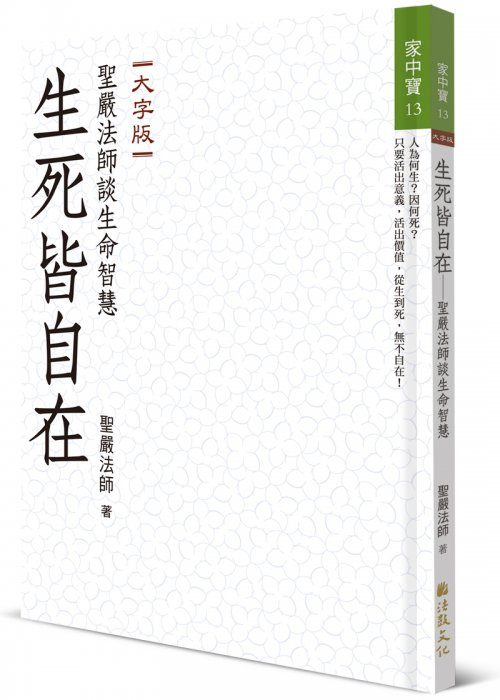
生死皆自在:聖嚴法師談生命智慧 (大字版)
人為何生?因何死?只要活出意義,活出價值,從生到死,無不自在!我們都以為自己擁有生命的主控權,然而,生命卻是照著自己既定的軌跡不停地往前走──從出生、成長、年老,到死亡。生命之旅很可能會在每個人不注意的時候,悄然到站。若要避免虛度此生,就必須在匆匆忙忙的例行生活中,偶爾停下腳步,好好地想一想:如何善用生命,讓它活得快樂自在,活得更有價值?聖嚴法師在書中與我們分享自己一路艱辛走來的人生經歷,告訴我們如何在顛簸的路上,仍能運用佛法的智慧發揮生命的最大價值,如何能苦也自在、樂也自在、老也自在、病也自在,甚至在生命即將到站前,依然自在。如果你對生死感到迷惘,記得細細體會書中的話,它們會為你打開生命的另一扇門,帶你通往生死皆自在的人生風景。
作者簡介
聖嚴法師(1930~2009年)聖嚴法師1930年生於江蘇南通,1943年於狼山出家,後因戰亂投身軍旅,十年後再次披剃出家。曾於高雄美濃閉關六年,隨後留學日本,獲立正大學文學博士學位。1975年應邀赴美弘法。1989年創建法鼓山,並於2005年開創繼起漢傳禪佛教的「中華禪法鼓宗」。聖嚴法師是一位思想家、作家暨國際知名禪師,曾獲臺灣《天下》雜誌遴選為「四百年來臺灣最具影響力的五十位人士」之一。著作豐富,中、英、日文著作達百餘種,先後獲頒中山文藝獎、中山學術獎、總統文化獎及社會各界的諸多獎項。聖嚴法師提出「提昇人的品質,建設人間淨土」的理念,主張以大學院、大普化、大關懷三大教育推動全面教育,相繼創辦中華佛學研究所、法鼓文理學院、僧伽大學等院校,也以豐富的禪修經驗、正信的佛法觀念和方法指導東、西方人士修行。法師著重以現代人的語言和觀點普傳佛法,陸續提出「心靈環保」、「四種環保」、「心五四運動」、「心六倫」等社會運動,並積極推展國際弘化工作,參與國際性會談,促進宗教交流,提倡建立全球性倫理,致力世界和平。其寬闊胸襟與國際化視野,深獲海內外肯定。聖嚴法師的《大法鼓》電視弘法節目,播出已逾十餘年,實用且生活化的內容,深獲觀眾的好評。本書結集自該節目內容,藉由探討「貪、瞋、癡、慢、疑」五種煩惱根源,為大家解開生活中的情緒困擾。
作者
NT$
$140
|
78折
幸福告別:聖嚴法師談生死關懷
善終並不一定就是無痛、無病的往生,有病有痛也可以善終,只要觀念正確、正念分明,臨終可以很莊嚴也很有尊嚴。有人一生繁花似錦,有人一生茫然而過;無論過程如何,在最後一刻,都希望能幸福告別!我很小就有死亡經驗,一次是從樹上摔下,一次是跌落河裡,立刻就沒氣息了。我的一生,經歷過幾次大災難,曾眼見屍橫遍野,那時就想到,死亡總有一天臨到我吧!死亡是人生的必然,我們可以做的,就是隨時準備死亡的到來。——聖嚴法師生死如日出日落,雖為正常事,卻不容易以平常心看待,如何能豁達呢?人生的聚散無常,讓人更珍惜時光、善用生命。我們的生命不只屬於自己,更與整個世界息息相關。溫暖別人,即是溫暖自己;關懷別人,即是關懷自己。種種生死聚散,都是豐富人生的成長。生命一定有它的原因,也一定代表某些意義。它的目的是什麼?最後會到哪兒去?又會成為什麼呢?事實上,我們每一個人的生命,都與父母家人相繫,與同儕友人相親,也與社會國家和天地自然之間,有著密不可分的關係。沒有一個人是孤單的,也沒有一個生命是無依無援的......佛教認為,我們的生命是無限的。在時間上,有過去無量的生生世世,以及未來無量的生生世世;我們會一生一生地輪迴下去,直到最究成佛為止,也就是最終的圓滿。在空間上,我們所處的地球,娑婆世界、三千大千世界之外,還有無量十方世界......生命與死亡是一體的兩面,所以生存與死亡,都是無限時空中的必然現象......我們要知道,死亡本身並不是一件可怕的事,死後還有另一個新的未來在等待著。就像白天工作太累,晚上非睡覺不可一樣,補充睡眠以後,第二天早上起床,又是嶄新的一天。聖嚴法師以佛法的智慧,與你分享面對生死的自安安人妙法,心安就有平安。面對生死大事,可以祝福代替悲傷,生命有限,願力無限!死後不是一無所有,能幸福告別,乘願再來!
作者簡介
聖嚴法師(1930~2009年)生於江蘇南通,1943年於狼山出家。曾於高雄美濃閉關六年,隨後留學日本,獲立正大學文學博士學位。1975年應邀赴美弘法。1989年創建法鼓山,並於2005年開創繼起漢傳禪佛教的「中華禪法鼓宗」。聖嚴法師是一位思想家、作家暨國際知名禪師,著作豐富,中、英、日文著作達百餘種,先後獲頒中山文藝獎、中山學術獎、總統文化獎及社會各界的諸多獎項。聖嚴法師提出「提昇人的品質,建設人間淨土」的理念,相繼創辦中華佛學研究所、法鼓文理學院、僧伽大學等院校,也以豐富的禪修經驗、正信的佛法觀念和方法指導東、西方人士修行。法師著重以現代人的語言和觀點普傳佛法,陸續提出「心靈環保」、「四種環保」、「心五四運動」、「心六倫」等社會運動,更致力於國際弘化工作,其寬闊胸襟與國際化視野,深獲海內外肯定。
NT$
$172
|
78折

禪的世界
禪並不一定是什麼,也不肯定或否定什麼,禪是你要什麼就給你什麼。若能定時禪修者,本書提供了基本的禪坐方法;若是忙碌異常的人士,也不妨試著用本書中介紹的禪修觀念,調整自我,消融自我。從三分鐘的放鬆身心,到平常日用中的照顧身心,更見簡便實用的禪修方便。——聖嚴
作者簡介
聖嚴法師(1930~2009年)聖嚴法師1930年生於江蘇南通,1943年於狼山出家,後因戰亂投身軍旅,十年後再次披剃出家。曾於高雄美濃閉關六年,隨後留學日本,獲立正大學文學博士學位。1975年應邀赴美弘法。1989年創建法鼓山,並於2005年開創繼起漢傳禪佛教的「中華禪法鼓宗」。聖嚴法師是一位思想家、作家暨國際知名禪師,曾獲臺灣《天下》雜誌遴選為「四百年來臺灣最具影響力的五十位人士」之一。著作豐富,中、英、日文著作達百餘種,先後獲頒中山文藝獎、中山學術獎、總統文化獎及社會各界的諸多獎項。聖嚴法師提出「提昇人的品質,建設人間淨土」的理念,主張以大學院、大普化、大關懷三大教育推動全面教育,相繼創辦中華佛學研究所、法鼓文理學院、僧伽大學等院校,也以豐富的禪修經驗、正信的佛法觀念和方法指導東、西方人士修行。法師著重以現代人的語言和觀點普傳佛法,陸續提出「心靈環保」、「四種環保」、「心五四運動」、「心六倫」等社會運動,並積極推展國際弘化工作,參與國際性會談,促進宗教交流,提倡建立全球性倫理,致力世界和平。其寬闊胸襟與國際化視野,深獲海內外肯定。
作者
NT$
$250
|
78折
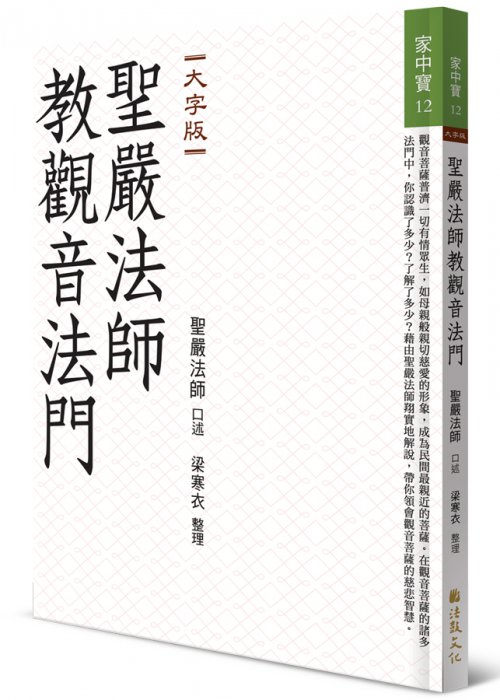
聖嚴法師教觀音法門 (大字版)
觀音菩薩普濟一切有情眾生,如母親般親切慈愛的形象,成為民間最親近的菩薩。在觀音菩薩的諸多法門中,你認識了多少?了解了多少?藉由聖嚴法師翔實地解說,帶你領會觀音菩薩的慈悲智慧。我自己,是修觀音法門的;方式很簡單,僅只是念觀音、拜觀音,心中恆常有觀音。也依此,勸大家一起念觀音、拜觀音,常於心中見觀音。我如此一個普通的凡夫,只能以自己修行的法門,勸導大眾共同發心修持觀世音菩薩的法門,自利利他。經由自己,觀世音菩薩悲智的力量--他的梵音、海潮音也從此傳播、弘揚出去;那麼,就某一方面說,自己也代表了觀世音菩薩;肯以此發心修持,實踐觀世音菩薩精神的每一個人,也都是觀世音菩薩的化身了。
作者簡介
聖嚴法師(1930〜2009年)聖嚴法師1930年生於江蘇南通,1943年於狼山出家,後因戰亂投身軍旅,十年後再次披剃出家。曾於高雄美濃閉關六年,隨後留學日本,獲立正大學文學博士學位。1975年應邀赴美弘法。1989年創建法鼓山,並於2005年開創繼起漢傳禪佛教的「中華禪法鼓宗」。聖嚴法師提出「提昇人的品質,建設人間淨土」的理念,主張以大學院、大普化、大關懷三大教育推動全面教育,相繼創辦中華佛學研究所、法鼓文理學院、僧伽大學等院校,也以豐富的禪修經驗、正信的佛法觀念和方法指導東、西方人士修行。法師著重以現代人的語言和觀點普傳佛法,陸續提出「心靈環保」、「四種環保」、「心五四運動」、「心六倫」等社會運動,並積極推展國際弘化工作,參與國際性會談,促進宗教交流,提倡建立全球性倫理,致力世界和平。其寬闊胸襟與國際化視野,深獲海內外肯定。
作者
NT$
$125
|
78折
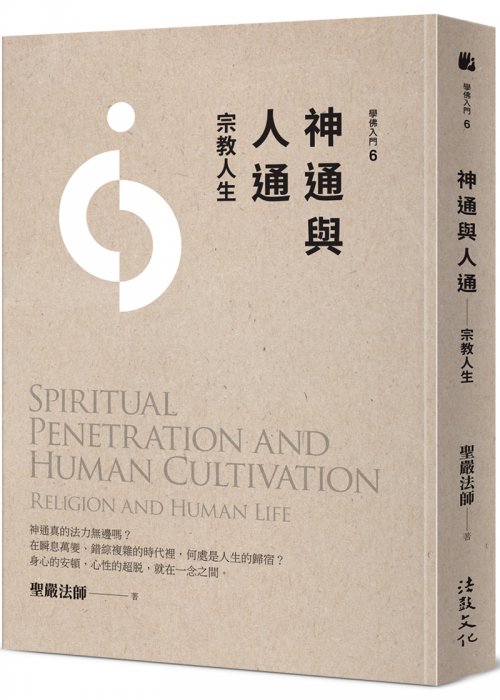
神通與人通:宗教人生
神通真的法力無邊嗎?在瞬息萬變、錯綜複雜的時代裡,何處是人生的歸宿?身心的安頓,心性的超脫,就在一念之間。本書收錄聖嚴法師談論「宗教與人生」議題的十八篇文章,針對東西方宗教的流傳、互動及觀念上的異同,以理性的態度提出了分析辯證。法師深切期許,「宗教與宗教之間,應該彼此諒解,互相尊重,不要抱著『有我無敵』或『有敵無我』的態度,去肆意攻擊或存心消滅。」並也以其深厚的修行經驗、敏銳的觀察力點出人生的種種艱難苦痛,經由其深雋智慧的帶領,我們得以超越人生的瓶頸,探尋終極圓滿的真理。
作者簡介
聖嚴法師(1930-2009年)聖嚴法師1930年生於江蘇南通,1943年於狼山出家,後因戰亂投身軍旅,十年後再次披剃出家。曾於高雄美濃閉關六年,隨後留學日本,獲立正大學文學博士學位。1975年應邀赴美弘法。1989年創建法鼓山,並於2005年開創繼起漢傳禪佛教的「中華禪法鼓宗」。聖嚴法師是一位思想家、作家暨國際知名禪師,曾獲臺灣《天下》雜誌遴選為「四百年來臺灣最具影響力的五十位人士」之一。著作豐富,中、英、日文著作達百餘種,先後獲頒中山文藝獎、中山學術獎、總統文化獎及社會各界的諸多獎項。聖嚴法師提出「提昇人的品質,建設人間淨土」的理念,主張以大學院、大普化、大關懷三大教育推動全面教育,相繼創辦中華佛學研究所、法鼓文理學院、僧伽大學等院校,也以豐富的禪修經驗、正信的佛法觀念和方法指導東、西方人士修行。法師著重以現代人的語言和觀點普傳佛法,陸續提出「心靈環保」、「四種環保」、「心五四運動」、「心六倫」等社會運動,並積極推展國際弘化工作,參與國際性會談,促進宗教交流,提倡建立全球性倫理,致力世界和平。其寬闊胸襟與國際化視野,深獲海內外肯定。
作者
NT$
$195
|
78折
聖嚴法師教禪坐 (大字版)
聖嚴法師教導:簡單、易懂、正確、安全的禪修方法,引領我們進入禪坐的世界,體會真正的身心自在。‧ 健康的禪修觀念,因人而異的禪修層次‧ 灑脫自在, 又精進不懈的禪修精神‧ 以禪者的修養,活用於自我的調適及環境的因應現代人想在緊張的環境內求生存,就需要放鬆身心。然而,許多人希望放鬆自己的身心,卻沒有門徑。學習打坐,就能夠讓我們練習如何放鬆身心。禪是什麼?從字面的意義看,禪是一種「冥想」,並用冥想的方法達到入定的境界。禪的內容,則是很難用言語文字表達的,必須親身去體證。就像盲人問色,一個雙目從小就失明的人,想知道白色是什麼樣子?就有人告訴他像白布、白紙一樣的白,有人告訴他像白鵝、白鴿一樣的白,也有人告訴他像白雪、白粉一樣的白。結果這個盲人糊塗了,他原以為白色的潔白應該是很單純的,怎麼大家把它說成那麼複雜呢?原因是從未見過白色,所以任人怎麼說,他還是無法想像。對於尚未進入禪門的人,禪是不能用語言文字來說明的東西,也無法依靠語言文字的說明來了解它。但語言文字卻能引導或指示初學者如何去親自體驗它。學佛修禪的最基本要求,是先有自知之明,健全人格,建立信心,如果心理不正常、性格不穩定、觀念不清楚、行為不端正,而想藉禪修開悟,便會帶來走火入魔的危機。打坐的功能有三項:1. 身心平衡:就是身體平衡和心理平衡,這就是身心健康。如果一個人的身體強壯像水牛,心理脆弱像老鼠,就不能說健康。2. 精神穩定:精神的涵義比較難理解,那不是心理,也不是生理,但是跟身心有關,它會產生無形的功能,會從有形的行為表現出來。3. 智慧及慈悲的開發是什麼?如果有了身心統一,以及自己和宇宙統一的經驗,精神就能統一。如果把精神和身心的執著超越了,就有智慧力及慈悲心開發出來。這裡說的智慧不是知識,也不是學問,而是絕對的決斷力。
這本書可以幫助你
認識禪坐的基本方法與注意事項,理解調身、調息、調心如何配合。
學習數息、念佛等攝心方法,覺察到妄念出現時應如何調整,逐步培養專注與安定。
認識經行、立禪與動禪,原來在行住坐臥及日常動作中,也能保持清楚與放鬆。
建立禪修的正確觀念,理解身心感受、神通與開悟的區別。
從認識自己的能力與習氣出發,理解自我肯定、自我成長與自我消融。
你可以從這裡開始
想知道禪坐的基本方法?建議閱讀:〈禪修入門方法〉從暖身、七支坐法,到放鬆身心、數呼吸與起坐後的按摩,本節依序介紹入門練習。透過調身、調息與調心的說明,幫助你理解各項準備的用意,以及日常禪坐習慣時應注意的事項。
禪修一定要坐在蒲團上?建議閱讀:〈經行、立禪〉本節介紹如何在行走時清楚感覺腳步的移動與著地,以及站立時如何調整姿勢、運用熟悉的攝心方法。透過動中與靜中的練習,學習把心帶回正在做的事,也從集體經行中體會照顧自己步調、配合他人的意義。
禪坐時雜念不斷,可以用什麼方法處理?建議閱讀:〈對治妄念,禪修與神通〉聖嚴法師針對妄念持續浮現的情形,介紹調整数數方式、覺察念頭,以及注意動作與感觸等方法。本節也說明,用功時如何辨認偏離方法的念頭,並提醒讀者以恆心和毅力持續練習,讓禪修逐漸成為日常生活的一部分。
禪坐時有特殊感受,是開悟嗎?建議閱讀:〈對治妄念,禪修與神通〉聖嚴法師說明,神通感應與開悟解脫之間不能畫上等號,並提醒禪修者面對特殊經驗時,不宜貪著或追逐。本節將修行的重點帶回人格的健全與信心的建立,幫助你理解禪修正確觀念與老師指導的重要性。
禪修與佛法中的「無我」境界建議閱讀:〈自我肯定、自我提昇、自我消融〉本篇從認識自我、肯定自身價值談起,說明如何在現實生活中承擔責任、持續努力,再逐步放下對自我利益與成敗的執著。聖嚴法師也以包容、關懷與無私的態度,連結夫妻、親友間的相處,讓你理解自我消融如何從日常的自我成長中開始。
作者簡介
聖嚴法師(1930〜2009年)聖嚴法師1930年生於江蘇南通,1943年於狼山出家,後因戰亂投身軍旅,十年後再次披剃出家。曾於高雄美濃閉關六年,隨後留學日本,獲立正大學文學博士學位。1975年應邀赴美弘法。1989年創建法鼓山,並於2005年開創繼起漢傳禪佛教的「中華禪法鼓宗」。聖嚴法師是一位思想家、作家暨國際知名禪師,曾獲臺灣《天下》雜誌遴選為「四百年來臺灣最具影響力的五十位人士」之一。著作豐富,中、英、日文著作達百餘種,先後獲頒中山文藝獎、中山學術獎、總統文化獎及社會各界的諸多獎項。聖嚴法師提出「提昇人的品質,建設人間淨土」的理念,主張以大學院、大普化、大關懷三大教育推動全面教育,相繼創辦中華佛學研究所、法鼓文理學院、僧伽大學等院校,也以豐富的禪修經驗、正信的佛法觀念和方法指導東、西方人士修行。法師著重以現代人的語言和觀點普傳佛法,陸續提出「心靈環保」、「四種環保」、「心五四運動」、「心六倫」等社會運動,並積極推展國際弘化工作,參與國際性會談,促進宗教交流,提倡建立全球性倫理,致力世界和平。其寬闊胸襟與國際化視野,深獲海內外肯定。
作者
NT$
$140
|
78折
我的法門師友(增訂版)
師友的呵護、激勵,高僧大德的風骨行誼,成就出一代法師的不凡歷程。歷史的容顏,深刻的記憶片段,編纂成近代佛教的法門風采!
當代佛教慧命的延續,有賴於一群高僧大德的默默耕耘,努力地傳戒、講經、辦學、發行書刊及教化眾生,才能將漢傳佛教推廣於世界各地。而一位法師的成長,常是經由各方師友的呵護,才能有所成就。
從為聖嚴法師剃度的東初老和尚、法脈傳承的靈源老和尚、愛護提拔的智光長老、授業解惑的坂本幸男先生,到亦師亦友的張曼濤先生等……,聖嚴法師珍惜這些過往因緣,更加重視他們的潛德願行,因此,記述眾師友的流風遺範,期待為歷史留下記錄,以為後人典範。
諸位高僧大德在法師的筆下,互動情誼躍然紙上,真摰感人。
「當我校閱之時,竟有數度覺得視線模糊,用手輕揉,才發覺是在流淚!可不是嗎?我的這一生,豈不就是從這些師友的影響中走過來的?」──聖嚴法師〈自序〉
作者簡介
聖嚴法師(1930〜2009年)
聖嚴法師1930年生於江蘇南通,1943年於狼山出家,後因戰亂投身軍旅,十年後再次披剃出家。曾於高雄美濃閉關六年,隨後留學日本,獲立正大學文學博士學位。1975年應邀赴美弘法。1989年創建法鼓山,並於2005年開創繼起漢傳禪佛教的「中華禪法鼓宗」。
聖嚴法師是一位思想家、作家暨國際知名禪師,曾獲臺灣《天下》雜誌遴選為「四百年來臺灣最具影響力的五十位人士」之一。著作豐富,中、英、日文著作達百餘種,先後獲頒中山文藝獎、中山學術獎、總統文化獎及社會各界的諸多獎項。
聖嚴法師提出「提昇人的品質,建設人間淨土」的理念,主張以大學院、大普化、大關懷三大教育推動全面教育,相繼創辦中華佛學研究所、法鼓文理學院、僧伽大學等院校,也以豐富的禪修經驗、正信的佛法觀念和方法指導東、西方人士修行。
法師著重以現代人的語言和觀點普傳佛法,陸續提出「心靈環保」、「四種環保」、「心五四運動」、「心六倫」等社會運動,並積極推展國際弘化工作,參與國際性會談,促進宗教交流,提倡建立全球性倫理,致力世界和平。其寬闊胸襟與國際化視野,深獲海內外肯定。
作者
NT$
$296
|
78折
聖者的故事
遣詞用字淺顯通俗,描摹人物真實深刻,嚴整少欲的摩訶迦葉,一生斑斕絢麗的蓮華色尼……,展現了佛陀教化的平等普化,也體現了聖徒們的偉大和可敬。聖嚴法師將散見於經律中所記載的聖徒事蹟,蒐集編寫成一則則生動的故事,運用淺顯通俗的文字,將二千多年前的歷史人物描寫得生動真切,歷歷在目。這些曾經活躍於佛陀時代的聖徒,包括:福薄貧賤卻修得阿羅漢果的善來、改邪歸正的室利笈多、比丘尼的創始之祖大道愛、堅持信念終得正果的愚路尊者……,他們的度化故事,展現了佛法平等普化的智慧;他們的行誼,得以為後世學佛人的典範。這些聖徒的故事,偉大而可敬,期待讀者亦能由其中獲得啟發,開啟智慧解脫的大門。
作者簡介
聖嚴法師(1930-2009年)聖嚴法師1930年生於江蘇南通,1943年於狼山出家,後因戰亂投身軍旅,十年後再次披剃出家。曾於高雄美濃閉關六年,隨後留學日本,獲立正大學文學博士學位。1975年應邀赴美弘法。1989年創建法鼓山,並於2005年開創繼起漢傳禪佛教的「中華禪法鼓宗」。聖嚴法師是一位思想家、作家暨國際知名禪師,曾獲臺灣《天下》雜誌遴選為「四百年來臺灣最具影響力的五十位人士」之一。著作豐富,中、英、日文著作達百餘種,先後獲頒中山文藝獎、中山學術獎、總統文化獎及社會各界的諸多獎項。聖嚴法師提出「提昇人的品質,建設人間淨土」的理念,主張以大學院、大普化、大關懷三大教育推動全面教育,相繼創辦中華佛學研究所、法鼓文理學院、僧伽大學等院校,也以豐富的禪修經驗、正信的佛法觀念和方法指導東、西方人士修行。法師著重以現代人的語言和觀點普傳佛法,陸續提出「心靈環保」、「四種環保」、「心五四運動」、「心六倫」等社會運動,並積極推展國際弘化工作,參與國際性會談,促進宗教交流,提倡建立全球性倫理,致力世界和平。其寬闊胸襟與國際化視野,深獲海內外肯定。
作者
NT$
$172
|
78折
放下的幸福:聖嚴法師的47則情緒管理智慧 (大字版)
情緒來了,怎麼辦?幸福,可以從「放下」開始。情緒管理 × 佛法智慧 × 幸福生活
人人都在追求幸福,卻常常一邊追,一邊被情緒與執著困住。遇到不順心的人事,忍不住生氣;明明得到了想要的東西,心裡還是不滿足;面對未知與變化,難免恐懼、憂心……。為什麼擁有得更多,心卻未必更快樂?
聖嚴法師從日常生活中最常見的情緒煩惱談起,帶我們看見五種偷走幸福的情緒黑洞——貪、瞋、癡、慢、疑,並以佛法智慧提供具體的方法,幫助我們重新理解情緒、調整心態,學習放下執著。
「動情緒是划不來的,因為最後倒楣的還是自己。」「很多煩惱都是沒有必要的。」「忍並不是忍氣吞聲地受委屈,而是克制自己的衝動,不要馬上做出反應。」
當我們清楚情緒從何而來,懂得鬆開過度的欲求、憤怒、比較與猜疑,心就有了重新選擇的空間。
真正的幸福,不必依賴外在的人、事、物。心態決定命運,換一個觀念,就能改變結果。只要善用方法,一一化解心中的執著,便能處在清楚、愉快與平靜的狀態。心放下了,幸福就來了。
▍本書特色
• 一句智慧,打開一個心結聖嚴法師善於用簡潔有力的語言,釐清一般人容易混淆的觀念,讀來直接、清晰,也值得反覆思考。
• 不只是說理,更提供層次分明的解決之道書中提供多種簡單、實用的日常覺察練習。當怒火來襲時專注於呼吸、在焦慮時轉換念頭,或是透過念佛號轉移情緒,讓你在呼吸與舉手投足之間,體驗「生活即修行」的充實與安定。
• 重建內在平靜,找回「不外求」的快樂幸福不在變幻無常的情緒感受,也不必向外尋找。從書中的智慧出發,慢慢看見自己的執著與不安。「不懂就說不懂」,少一點逞強與猜疑;相信因緣,放下不必要的焦慮與恐懼。換個觀念看事情,幸福可以很從容、很簡單。
很多事情,不需要一直放在心上。很多情緒,也不必每一次都跟著走。現在,就從放下開始,讀懂聖嚴法師寫給你的幸福心法。
這本書可以幫助你
覺察情緒與念頭的變化,學習逐步讓心安定的方法。
分辨需要與想要,調整心態,讓努力有更自在的方向。
面對衝突與不如意,練習緩和怒氣、釐清問題,對環境做出適當的回應。
在比較與自我懷疑中,認識自己的能力與限制,培養踏實的自信。
面對未來的不確定,學習做好準備、專注當下,把心力放在可以實踐的事上。
你可以從這裡開始
情緒一來就難以平靜,該從哪裡著手?建議閱讀:〈情緒從哪裡來?〉聖嚴法師從散步、喝水、找朋友談談等日常方法談起,進一步引導讀者觀察念頭的生起與消失。本篇提供由淺入深的練習方向,讓你先緩和情緒,再逐步學習覺察,減少被煩惱牽動的時候。
想努力追求美好生活,卻也感到疲憊?建議閱讀:〈轉貪心為願心〉從分辨「需要」與「想要」開始,聖嚴法師說明欣賞美好事物、追求生活品質的動機,如何在過度占有與執著中變成煩惱。本篇也指出,期待與追求可以朝向付出、奉獻,轉為讓自己與他人共同成長的願心,幫助你重新思考努力的方向。
遇到不合理的對待,該如何回應才恰當?建議閱讀:〈逆境要忍,順境也要忍〉面對衝突時,可以先緩下衝動,瞭解發生了什麼,再選擇適當的時機回應。本篇釐清忍辱與忍氣吞聲的差別,也介紹把注意力放在呼吸上的方法,幫助你在怒氣升起時,為自己留下思考與處理問題的空間。
看見別人好像過得更好,想找回對自己的信心?建議閱讀:〈是自信,還是自負?〉聖嚴法師從比較帶來的失落談起,說明自信建立在對自身能力的瞭解,也提醒我們,事情的成就需要各種因緣配合。本篇引導你看見自己的能力與眼前的機會,練習把注意力放回能做的事,減少以別人的成就衡量自己。
經常為還沒發生的事擔心,無法安心?建議閱讀:〈自信度過每一天〉面對無法完全掌握的未來,聖嚴法師提出從瞭解自己的處境、為可預見的事情預作準備著手。本篇也提到,即使準備周全,仍可能遇到意料之外的變化,提醒你辨別無效的反覆擔憂,把心力用在當下能做的事上。
作者簡介
聖嚴法師(1930~2009年)聖嚴法師1930年生於江蘇南通,1943年於狼山出家,後因戰亂投身軍旅,十年後再次披剃出家。曾於高雄美濃閉關六年,隨後留學日本,獲立正大學文學博士學位。1975年應邀赴美弘法。1989年創建法鼓山,並於2005年開創繼起漢傳禪佛教的「中華禪法鼓宗」。聖嚴法師是一位思想家、作家暨國際知名禪師,曾獲臺灣《天下》雜誌遴選為「四百年來臺灣最具影響力的五十位人士」之一。著作豐富,中、英、日文著作達百餘種,先後獲頒中山文藝獎、中山學術獎、總統文化獎及社會各界的諸多獎項。聖嚴法師提出「提昇人的品質,建設人間淨土」的理念,主張以大學院、大普化、大關懷三大教育推動全面教育,相繼創辦中華佛學研究所、法鼓文理學院、僧伽大學等院校,也以豐富的禪修經驗、正信的佛法觀念和方法指導東、西方人士修行。法師著重以現代人的語言和觀點普傳佛法,陸續提出「心靈環保」、「四種環保」、「心五四運動」、「心六倫」等社會運動,並積極推展國際弘化工作,參與國際性會談,促進宗教交流,提倡建立全球性倫理,致力世界和平。其寬闊胸襟與國際化視野,深獲海內外肯定。
作者
NT$
$140
|
78折
公案100
探索心靈的具體方法為什麼開悟後才知道鼻孔原來是向下的?兩頭泥牛怎麼會入海相鬥呢?野鴨子和鼻子痛有什麼關係?蚊子如何叮鐵牛?石頭怎麼會出汗?……這些迷團一樣的偈子,莫名其妙幾近瘋癲似的對話,看得令人眼花撩亂,卻是轉迷為悟、開發智慧的蹊徑,究竟這其中有著什麼樣驚天動地的玄機?千百年來膾炙人口的公案傳奇,且讓聖嚴法師帶領你,一朝看盡!
作者簡介
聖嚴法師(1930~2009年)聖嚴法師1930年生於江蘇南通,1943年於狼山出家,後因戰亂投身軍旅,十年後再次披剃出家。曾於高雄美濃閉關六年,隨後留學日本,獲立正大學文學博士學位。1975年應邀赴美弘法。1989年創建法鼓山,並於2005年開創繼起漢傳禪佛教的「中華禪法鼓宗」。聖嚴法師是一位思想家、作家暨國際知名禪師,曾獲臺灣《天下》雜誌遴選為「四百年來臺灣最具影響力的五十位人士」之一。著作豐富,中、英、日文著作達百餘種,先後獲頒中山文藝獎、中山學術獎、總統文化獎及社會各界的諸多獎項。聖嚴法師提出「提昇人的品質,建設人間淨土」的理念,主張以大學院、大普化、大關懷三大教育推動全面教育,相繼創辦中華佛學研究所、法鼓文理學院、僧伽大學等院校,也以豐富的禪修經驗、正信的佛法觀念和方法指導東、西方人士修行。法師著重以現代人的語言和觀點普傳佛法,陸續提出「心靈環保」、「四種環保」、「心五四運動」、「心六倫」等社會運動,並積極推展國際弘化工作,參與國際性會談,促進宗教交流,提倡建立全球性倫理,致力世界和平。其寬闊胸襟與國際化視野,深獲海內外肯定。
作者
NT$
$195
|
78折
禪門驪珠集
驪龍潛藏於深淵,頷下有明月之珠,所以喻為探驪得珠,形容禪境成就的可貴。本書是以對禪觀及禪門修證之有具體事蹟記載的禪者,為取材對象,共一百一十一位禪師的行誼及其修證體驗。所收諸禪師,自東晉迄現代,歷時一千五百五十年,其間禪的思想及禪的風格上,有許多變化,不僅淵遠流長,且又萬流奔海,波瀾壯闊,見出禪法的無盡大用。 ──聖嚴
作者簡介
聖嚴法師(1930~2009年)聖嚴法師1930年生於江蘇南通,1943年於狼山出家,後因戰亂投身軍旅,十年後再次披剃出家。曾於高雄美濃閉關六年,隨後留學日本,獲立正大學文學博士學位。1975年應邀赴美弘法。1989年創建法鼓山,並於2005年開創繼起漢傳禪佛教的「中華禪法鼓宗」。聖嚴法師是一位思想家、作家暨國際知名禪師,曾獲臺灣《天下》雜誌遴選為「四百年來臺灣最具影響力的五十位人士」之一。著作豐富,中、英、日文著作達百餘種,先後獲頒中山文藝獎、中山學術獎、總統文化獎及社會各界的諸多獎項。聖嚴法師提出「提昇人的品質,建設人間淨土」的理念,主張以大學院、大普化、大關懷三大教育推動全面教育,相繼創辦中華佛學研究所、法鼓文理學院、僧伽大學等院校,也以豐富的禪修經驗、正信的佛法觀念和方法指導東、西方人士修行。法師著重以現代人的語言和觀點普傳佛法,陸續提出「心靈環保」、「四種環保」、「心五四運動」、「心六倫」等社會運動,並積極推展國際弘化工作,參與國際性會談,促進宗教交流,提倡建立全球性倫理,致力世界和平。其寬闊胸襟與國際化視野,深獲海內外肯定。
作者
NT$
$296
|
78折
歡喜看生死 (大字版)
了知生死,人生才能無憂無懼,歡喜來去。聖嚴法師以超越生死的豁達觀念,勉勵人們珍惜生命,以願力開展豐富的人生。一般人對於未來不確定的命運與財產,多半會精心安排,甚至不必要地擔憂,然而對生命中唯一確知的一件事--死亡,卻多所避諱,既不了解也常未預先準備。這個矛盾的現象透露出人對生命太過執著,對死亡太過抗拒。雖然生死是必然的因果關係,但是聖嚴法師以修行多年的智慧,提出佛教超越生死的豁達觀念,教導大家以願力來豐富生命,時時抱持活在當下的態度,便能真正掌握自己的心念,進而無懼於生死,開展出更廣闊、更完整的人生。法師勉勵我們,生時珍惜生命,抱著「以他為我」的無我精神,成長自己、成就他人;死時莊嚴安詳、無憂無懼。如此歡喜看生死,生死皆歡喜!
作者簡介
聖嚴法師(1930~2009年)聖嚴法師1930年生於江蘇南通,1943年於狼山出家,後因戰亂投身軍旅,十年後再次披剃出家。曾於高雄美濃閉關六年,隨後留學日本,獲立正大學文學博士學位。1975年應邀赴美弘法。1989年創建法鼓山,並於2005年開創繼起漢傳禪佛教的「中華禪法鼓宗」。聖嚴法師是一位思想家、作家暨國際知名禪師,曾獲臺灣《天下》雜誌遴選為「四百年來臺灣最具影響力的五十位人士」之一。著作豐富,中、英、日文著作達百餘種,先後獲頒中山文藝獎、中山學術獎、總統文化獎及社會各界的諸多獎項。聖嚴法師提出「提昇人的品質,建設人間淨土」的理念,主張以大學院、大普化、大關懷三大教育推動全面教育,相繼創辦中華佛學研究所、法鼓文理學院、僧伽大學等院校,也以豐富的禪修經驗、正信的佛法觀念和方法指導東、西方人士修行。法師著重以現代人的語言和觀點普傳佛法,陸續提出「心靈環保」、「四種環保」、「心五四運動」、「心六倫」等社會運動,並積極推展國際弘化工作,參與國際性會談,促進宗教交流,提倡建立全球性倫理,致力世界和平。其寬闊胸襟與國際化視野,深獲海內外肯定。
作者
NT$
$140
|
78折
學佛知津
★聖嚴法師《正信的佛教》延伸閱讀,更深入佛法精髓。★提供最基本的佛教常識,幫助讀者在最短時間內,一窺佛教究竟。★不可不讀「學佛入門名篇」‧ 神通的境界與功用 ‧為什麼要做佛事?‧ 怎樣做一個居士? ‧怎樣修持解脫道?在佛的一生之中,並非沒有不如意事,但他總是以慈祥溫和的態度,處之泰然。他的悲心願力之偉大堅強,卻又不是任何一位宗教家所能比擬,和平中正而剛毅不屈。成了佛的釋尊,絕不是以此而想求得什麼,乃是以身示範,做為弟子們的榜樣而已!人若能與釋尊一樣之時,他也必已成佛了。而一個居士,雖然皈依了三寶,仍是在家的俗人,既是俗人,就該照著俗人的生活軌範去生活,而且要比沒有信佛的俗人生活得更積極、更和諧、更美滿、更有朝氣、更有活力。唯有如此,才能使得自己愉快,使得他人敬仰,並使他人樂意來接受自己的影響。◎本書為聖嚴法師寫作《正信的佛教》的同時期產物,也是為了相同的目的而寫,只是更加專題化、更加深入。透過本書,讀者可以# 具體掌握修持的要領# 深入了解原始佛教# 明瞭佛教典故,豐富你的學佛人生
作者簡介
聖嚴法師(1930-2009年)聖嚴法師1930年生於江蘇南通,1943年於狼山出家,後因戰亂投身軍旅,十年後再次披剃出家。曾於高雄美濃閉關六年,隨後留學日本,獲立正大學文學博士學位。1975年應邀赴美弘法。1989年創建法鼓山,並於2005年開創繼起漢傳禪佛教的「中華禪法鼓宗」。聖嚴法師是一位思想家、作家暨國際知名禪師,曾獲臺灣《天下》雜誌遴選為「四百年來臺灣最具影響力的五十位人士」之一。著作豐富,中、英、日文著作達百餘種,先後獲頒中山文藝獎、中山學術獎、總統文化獎及社會各界的諸多獎項。聖嚴法師提出「提昇人的品質,建設人間淨土」的理念,主張以大學院、大普化、大關懷三大教育推動全面教育,相繼創辦中華佛學研究所、法鼓文理學院、僧伽大學等院校,也以豐富的禪修經驗、正信的佛法觀念和方法指導東、西方人士修行。法師著重以現代人的語言和觀點普傳佛法,陸續提出「心靈環保」、「四種環保」、「心五四運動」、「心六倫」等社會運動,並積極推展國際弘化工作,參與國際性會談,促進宗教交流,提倡建立全球性倫理,致力世界和平。其寬闊胸襟與國際化視野,深獲海內外肯定。
作者
NT$
$187
|
78折
念佛生淨土
聖嚴法師說:「我常念佛,也常教人念佛,勸人念佛。」為什麼聞名國際的法師也要常念佛呢?為什麼自古以來淨土思想如此深入中國社會?本書詳盡介紹念佛法門的根源、方法、種類與特色,是了解佛教淨土思想必備的指導用書!這是聖嚴法師第一本深入介紹念佛法門的專著!佛教修行法門號稱有八萬四千種,其中以阿彌陀佛的淨土修行法門,最受中國人的歡迎和崇信。主要是它的方法非常簡單,隨時隨地只要念佛,就可以得到利益。修行者不分對象、程度,也不必考慮自身所做功德的多寡,更不必擔心自身修證的功力大小,只要對阿彌陀佛的本願有信心,立誓發願即可。這樣一個不論時地、不揀根機的修行法門,雖然方法、觀念皆極為簡易,但事實上,念佛法門從原始佛教到大乘佛教,都有重要且數量龐大的經論依據,其深刻的內涵不容忽視;而正因為其方法單純、易用,最適合被龐大資訊淹沒的忙碌現代人使用。
作者簡介
聖嚴法師(1930〜2009年)聖嚴法師1930年生於江蘇南通,1943年於狼山出家,後因戰亂投身軍旅,十年後再次披剃出家。曾於高雄美濃閉關六年,隨後留學日本,獲立正大學文學博士學位。1975年應邀赴美弘法。1989年創建法鼓山,並於2005年開創繼起漢傳禪佛教的「中華禪法鼓宗」。聖嚴法師是一位思想家、作家暨國際知名禪師,曾獲臺灣《天下》雜誌遴選為「四百年來臺灣最具影響力的五十位人士」之一。著作豐富,中、英、日文著作達百餘種,先後獲頒中山文藝獎、中山學術獎、總統文化獎及社會各界的諸多獎項。聖嚴法師提出「提昇人的品質,建設人間淨土」的理念,主張以大學院、大普化、大關懷三大教育推動全面教育,相繼創辦中華佛學研究所、法鼓文理學院、僧伽大學等院校,也以豐富的禪修經驗、正信的佛法觀念和方法指導東、西方人士修行。法師著重以現代人的語言和觀點普傳佛法,陸續提出「心靈環保」、「四種環保」、「心五四運動」、「心六倫」等社會運動,並積極推展國際弘化工作,參與國際性會談,促進宗教交流,提倡建立全球性倫理,致力世界和平。其寬闊胸襟與國際化視野,深獲海內外肯定。
作者
NT$
$117
|
78折
念佛生淨土 (大字版)
聖嚴法師說:「我常念佛,也常教人念佛,勸人念佛。」本書詳盡介紹念佛法門的根源、方法、種類與特色,是了解佛教淨土思想必備的指導用書!這是聖嚴法師第一本深入介紹念佛法門的專著!佛教修行法門號稱有八萬四千種,其中以阿彌陀佛的淨土修行法門,最受中國人的歡迎和崇信。主要是它的方法非常簡單,隨時隨地只要念佛,就可以得到利益。修行者不分對象、程度,也不必考慮自身所做功德的多寡,更不必擔心自身修證的功力大小,只要對阿彌陀佛的本願有信心,立誓發願即可。這樣一個不論時地、不揀根機的修行法門,雖然方法、觀念皆極為簡易,但事實上,念佛法門從原始佛教到大乘佛教,都有重要且數量龐大的經論依據,其深刻的內涵不容忽視;而正因為其方法單純、易用,最適合被龐大資訊淹沒的忙碌現代人使用。
作者簡介
聖嚴法師(1930年-2009年)聖嚴法師1930年生於江蘇南通,1943年於狼山出家,後因戰亂投身軍旅,十年後再次披剃出家。曾於高雄美濃閉關六年,隨後留學日本,獲立正大學文學博士學位。1975年應邀赴美弘法。1989年創建法鼓山,並於2005年開創繼起漢傳禪佛教的「中華禪法鼓宗」。聖嚴法師是一位思想家、作家暨國際知名禪師,曾獲臺灣《天下》雜誌遴選為「四百年來臺灣最具影響力的五十位人士」之一。著作豐富,中、英、日文著作達百餘種,先後獲頒中山文藝獎、中山學術獎、總統文化獎及社會各界的諸多獎項。聖嚴法師提出「提昇人的品質,建設人間淨土」的理念,主張以大學院、大普化、大關懷三大教育推動全面教育,相繼創辦中華佛學研究所、法鼓文理學院、僧伽大學等院校,也以豐富的禪修經驗、正信的佛法觀念和方法指導東、西方人士修行。法師著重以現代人的語言和觀點普傳佛法,陸續提出「心靈環保」、「四種環保」、「心五四運動」、「心六倫」等社會運動,並積極推展國際弘化工作,參與國際性會談,促進宗教交流,提倡建立全球性倫理,致力世界和平。其寬闊胸襟與國際化視野,深獲海內外肯定。
作者
NT$
$117
|
78折

智慧100
消解煩惱的具體方法智慧之眼和世俗之眼有何不同?為何最大的敵人竟是自己?如何步步成功、念念成功?人生如戲,為何要假戲真演?如何得到不死之藥?聖嚴法師將佛經中的偈語,轉化成簡短易讀的篇章,融以現代生活中的事例,展現出歷久彌新、寬廣自在的智慧;名漫畫家朱德庸先生,以其專擅的幽默風格,首次創作深富禪味的插畫,讓我們透過輕鬆柔性的語句,以及具有思想深度的插圖,直奔經偈中的智慧殿堂。
作者簡介
聖嚴法師(1930~2009年)聖嚴法師1930年生於江蘇南通,1943年於狼山出家,後因戰亂投身軍旅,十年後再次披剃出家。曾於高雄美濃閉關六年,隨後留學日本,獲立正大學文學博士學位。1975年應邀赴美弘法。1989年創建法鼓山,並於2005年開創繼起漢傳禪佛教的「中華禪法鼓宗」。聖嚴法師是一位思想家、作家暨國際知名禪師,曾獲臺灣《天下》雜誌遴選為「四百年來臺灣最具影響力的五十位人士」之一。著作豐富,中、英、日文著作達百餘種,先後獲頒中山文藝獎、中山學術獎、總統文化獎及社會各界的諸多獎項。聖嚴法師提出「提昇人的品質,建設人間淨土」的理念,主張以大學院、大普化、大關懷三大教育推動全面教育,相繼創辦中華佛學研究所、法鼓文理學院、僧伽大學等院校,也以豐富的禪修經驗、正信的佛法觀念和方法指導東、西方人士修行。法師著重以現代人的語言和觀點普傳佛法,陸續提出「心靈環保」、「四種環保」、「心五四運動」、「心六倫」等社會運動,並積極推展國際弘化工作,參與國際性會談,促進宗教交流,提倡建立全球性倫理,致力世界和平。其寬闊胸襟與國際化視野,深獲海內外肯定。
作者
NT$
$234
|
78折

禪門
禪宗的極致,以無門為門,不用任何方法。禪修的觀念是:認識自我、肯定自我、成長自我、消融自我。以「有」為入手方便,以「無」為禪修方向,以努力修行的過程為永久的目標。禪修方法是︰放鬆身心,集中、統一、放下身心世界、超越於有無的兩邊,能夠徹底超越,便是大悟徹底。──聖嚴
作者簡介
聖嚴法師(1930~2009年)聖嚴法師1930年生於江蘇南通,1943年於狼山出家,後因戰亂投身軍旅,十年後再次披剃出家。曾於高雄美濃閉關六年,隨後留學日本,獲立正大學文學博士學位。1975年應邀赴美弘法。1989年創建法鼓山,並於2005年開創繼起漢傳禪佛教的「中華禪法鼓宗」。聖嚴法師是一位思想家、作家暨國際知名禪師,曾獲臺灣《天下》雜誌遴選為「四百年來臺灣最具影響力的五十位人士」之一。著作豐富,中、英、日文著作達百餘種,先後獲頒中山文藝獎、中山學術獎、總統文化獎及社會各界的諸多獎項。聖嚴法師提出「提昇人的品質,建設人間淨土」的理念,主張以大學院、大普化、大關懷三大教育推動全面教育,相繼創辦中華佛學研究所、法鼓文理學院、僧伽大學等院校,也以豐富的禪修經驗、正信的佛法觀念和方法指導東、西方人士修行。法師著重以現代人的語言和觀點普傳佛法,陸續提出「心靈環保」、「四種環保」、「心五四運動」、「心六倫」等社會運動,並積極推展國際弘化工作,參與國際性會談,促進宗教交流,提倡建立全球性倫理,致力世界和平。其寬闊胸襟與國際化視野,深獲海內外肯定。
作者
NT$
$156
|
78折
真正的快樂 (大字版)
看清苦與樂的本質,找到自在面對人生的方法想要的得不到,討厭的卻必須接受,相愛的人必須分離,仇恨的人卻要合作,「生老病死」更是人生無可避免之苦。生命中,有沒有一種永恆而真正的快樂?人與人之間的關係,叫作「人間」,釋迦牟尼佛就是體會了人間的各種痛苦、煩惱,才悟道成佛。事實上,佛法所說的「八苦」中的「怨憎會」與「愛別離」,就是兩種來自人際關係的痛苦,這也是每個人都無法避免的。佛法所說的「苦」,實際上是人的憂、悲、苦、惱等情緒反應,一般人感受到的快樂,都是因為滿足了「五欲」——眼、耳、鼻、舌、身——而得來的欲樂。欲樂的「樂」都包含著「苦」在其中,是「樂中帶苦」,但是我們大多數人卻對這樣的事實毫無所知。苦與樂的差別,主要取決於心中主觀的感受,並不在於身體的感受或外在的事件。在生活中「照見五蘊皆空」,並沒有想像中那麼難。當我們漸漸放棄自我中心的煩惱,就能隨時隨地感受到豁然開朗、清涼自在的快樂。解脫的快樂,並不一定要等到徹底解脫時才能得到,只要朝著這個方向走,每走一步就會有走一步的快樂,而且一點都不是勉強得來的。心念一轉,馬上就是柳暗花明又一村的光明前景!有了聖嚴法師的開心妙法,快樂將不再只是被外境左右的情緒反應,而是一種深刻的內在智慧力、慈悲力,成為我們的美好生活態度。
作者簡介
聖嚴法師(1930〜2009年)1930年生於江蘇南通,1943年於狼山出家。曾於高雄美濃閉關六年,隨後留學日本,獲立正大學文學博士學位。1975年應邀赴美弘法。1989年創建法鼓山,並於2005年開創繼起漢傳禪佛教的「中華禪法鼓宗」。聖嚴法師是一位思想家、作家暨國際知名禪師,著作豐富,中、英、日文著作達百餘種,先後獲頒中山文藝獎、中山學術獎、總統文化獎及社會各界的諸多獎項。聖嚴法師提出「提昇人的品質,建設人間淨土」的理念,相繼創辦中華佛學研究所、法鼓文理學院、僧伽大學等院校,也以豐富的禪修經驗、正信的佛法觀念和方法指導東、西方人士修行。法師著重以現代人的語言和觀點普傳佛法,陸續提出「心靈環保」、「四種環保」、「心五四運動」、「心六倫」等社會運動,更致力於國際弘化工作,其寬闊胸襟與國際化視野,深獲海內外肯定。
本書適合在這些時刻閱讀
開始意識到短暫的享樂,與內心的安定、佛法所說的解脫之樂,有所不同。
經歷生病、年老或與親近的人分離,想從佛法理解無常與聚散,減少占有與執著。
面對得失或未能如願的事,學習少欲知足,同時保有努力的方向。
遭遇批評與挫折時,發現自己的心情容易受到外境牽動,想學習觀察並轉化內心感受。
想理解幫助他人與自身快樂的關係,讓生活多一分關懷與奉獻。
作者
NT$
$140
|
78折
聖嚴法師學佛入門三書
暢銷百萬冊,學佛必讀經典之作!離苦得樂,從這裡開始!聖嚴法師以實修實證的素養、深厚的學術背景,親自解說佛陀教義、修行觀念及修持方法,內容簡單扼要,論述明確,更能受用於生活中!三書簡介《佛教入門》從佛傳、教義及修持方法,全面掌握入門關鍵!涵蓋四聖諦、十二因緣等基本教義解說;日常修持方法;觀音法門簡說等。讀者可在最經濟的時間內,理解佛教核心。特別推薦聖嚴法師說佛陀小傳,精彩必讀。《正信的佛教》佛法這麼好,誤解的人這麼多!佛教歷經二千多年的傳播後,摻雜了許多異質及曲解的成分。聖嚴法師以七十個一般人認為淺顯,但卻實際重要的問題為引導,幫助我們輕鬆進入佛陀的世界。《學佛群疑》解答學佛疑惑,一窺佛教真貌的最佳指南!聖嚴法師透過簡單易懂的文字,以經論為基礎,加以辯證剖析,全方面解答生活性、實用性,以及知識學問上的學佛疑問。
作者簡介
聖嚴法師(1930-2009年)聖嚴法師1930年生於江蘇南通,1943年於狼山出家,後因戰亂投身軍旅,十年後再次披剃出家。曾於高雄美濃閉關六年,隨後留學日本,獲立正大學文學博士學位。1975年應邀赴美弘法。1989年創建法鼓山,並於2005年開創繼起漢傳禪佛教的「中華禪法鼓宗」。聖嚴法師是一位思想家、作家暨國際知名禪師,曾獲臺灣《天下》雜誌遴選為「四百年來臺灣最具影響力的五十位人士」之一。著作豐富,中、英、日文著作達百餘種,先後獲頒中山文藝獎、中山學術獎、總統文化獎及社會各界的諸多獎項。聖嚴法師提出「提昇人的品質,建設人間淨土」的理念,主張以大學院、大普化、大關懷三大教育推動全面教育,相繼創辦中華佛學研究所、法鼓文理學院、僧伽大學等院校,也以豐富的禪修經驗、正信的佛法觀念和方法指導東、西方人士修行。法師著重以現代人的語言和觀點普傳佛法,陸續提出「心靈環保」、「四種環保」、「心五四運動」、「心六倫」等社會運動,並積極推展國際弘化工作,參與國際性會談,促進宗教交流,提倡建立全球性倫理,致力世界和平。其寬闊胸襟與國際化視野,深獲海內外肯定。
作者
NT$
$450
|
75折
心的經典:心經新釋 (大字版)
《心經》是流傳最廣的一部佛經,以原始佛法為基礎,大乘空義為核心,雖然只有二百六十個字,卻是最精要的佛法概論與修行指南。《心經》雖然簡短,卻是大乘佛法的心要。內容說明人生的根源出自無明,生命的目的是為成佛,生活的態度是要達到心無罣礙。本書涵括了聖嚴法師三次宣講《心經》的內容。「心經禪解」著重佛學思想與禪觀的貫通,闡釋出許多禪修的方法及正確觀念,可以應用於禪的修習;「心經講記」舖陳出佛教的人類觀、宇宙觀及三世因果觀等等,讓人對外在環境及人生價值,建構出更為寬廣的眼界;而「心經實踐」則緊扣著現代人的生活、生命與人生價值,指引現代人在生活中,如何應用佛法提昇生命的價值,並獲致充實而超越的人生。對於忙碌的現代人而言,《心經》不但是最容易學習持誦的經典,更是一部最佳的佛學概論,可以掌握佛法根本義理,在生活中開顯出心的智慧,跨越有限的生命時空,開創無限的人生希望。
作者簡介
聖嚴法師(1930-2009年)聖嚴法師1930年生於江蘇南通,1943年於狼山出家,後因戰亂投身軍旅,十年後再次披剃出家。曾於高雄美濃閉關六年,隨後留學日本,獲立正大學文學博士學位。1975年應邀赴美弘法。1989年創建法鼓山,並於2005年開創繼起漢傳禪佛教的「中華禪法鼓宗」。聖嚴法師是一位思想家、作家暨國際知名禪師,曾獲臺灣《天下》雜誌遴選為「四百年來臺灣最具影響力的五十位人士」之一。著作豐富,中、英、日文著作達百餘種,先後獲頒中山文藝獎、中山學術獎、總統文化獎及社會各界的諸多獎項。聖嚴法師提出「提昇人的品質,建設人間淨土」的理念,主張以大學院、大普化、大關懷三大教育推動全面教育,相繼創辦中華佛學研究所、法鼓文理學院、僧伽大學等院校,也以豐富的禪修經驗、正信的佛法觀念和方法指導東、西方人士修行。法師著重以現代人的語言和觀點普傳佛法,陸續提出「心靈環保」、「四種環保」、「心五四運動」、「心六倫」等社會運動,並積極推展國際弘化工作,參與國際性會談,促進宗教交流,提倡建立全球性倫理,致力世界和平。其寬闊胸襟與國際化視野,深獲海內外肯定。
作者
NT$
$172
|
78折
禪的體驗.禪的開示(四版)
坐禪的功效,能使人將浮動的情緒,轉化為清明而平靜的情操。基於調身、調息、調心的三原則,有用大、小乘共通的各種觀行法,有用內、外道通用的呼吸法,也有用印度及中國的各種柔軟健身法。所以無論何人,只要真的有心學習,最高可以進入「無」的境界,其次可以得定,再次可得身心輕安,至少也能學會一套非常實用的健身方法。 ──聖嚴
作者簡介
聖嚴法師(1930~2009年)聖嚴法師1930年生於江蘇南通,1943年於狼山出家,後因戰亂投身軍旅,十年後再次披剃出家。曾於高雄美濃閉關六年,隨後留學日本,獲立正大學文學博士學位。1975年應邀赴美弘法。1989年創建法鼓山,並於2005年開創繼起漢傳禪佛教的「中華禪法鼓宗」。聖嚴法師是一位思想家、作家暨國際知名禪師,曾獲臺灣《天下》雜誌遴選為「四百年來臺灣最具影響力的五十位人士」之一。著作豐富,中、英、日文著作達百餘種,先後獲頒中山文藝獎、中山學術獎、總統文化獎及社會各界的諸多獎項。聖嚴法師提出「提昇人的品質,建設人間淨土」的理念,主張以大學院、大普化、大關懷三大教育推動全面教育,相繼創辦中華佛學研究所、法鼓文理學院、僧伽大學等院校,也以豐富的禪修經驗、正信的佛法觀念和方法指導東、西方人士修行。法師著重以現代人的語言和觀點普傳佛法,陸續提出「心靈環保」、「四種環保」、「心五四運動」、「心六倫」等社會運動,並積極推展國際弘化工作,參與國際性會談,促進宗教交流,提倡建立全球性倫理,致力世界和平。其寬闊胸襟與國際化視野,深獲海內外肯定。
本書適合在這些時刻閱讀
對禪產生好奇,想要瞭解它的源流、目的與練習方法。
正在練習坐禪,想釐清姿勢、呼吸與調心如何配合。
接觸話頭或公案,想理解中國禪宗如何引導修行。
在禪修中遇到疑惑,想知道應如何看待身心反應與特殊體驗。
已有修行經驗,想進一步理解禪定、無我與日常生活的關係。
作者
NT$
$250
|
78折
學佛群疑
在多元化的現代社會及各種風俗習慣的衝擊下,佛教正面臨著更多層面的挑戰和考驗。聖嚴法師精選七十五則一般人都可能有的疑惑,以經論為基礎,加以反覆的辨證剖析,為疑者解惑,為信者銘證。本書為《正信的佛教》之後,聖嚴法師另一本以問答的方式,解答佛教問題的經典著作。書中七十五個題目,主題廣泛,題題都觸及學佛人的疑點,個個都可能是誤導誤信的迷思。既是知識學問,更富生活性和實用性。其中包括:佛教對神通、異能的看法?對靈媒的看法?嬰靈作祟之中有根據嗎?佛教對風水、命相的看法?如何課誦?佛教徒可以有感情生活嗎?……等,以及佛教對科學、生命觀、世界觀、未來觀的認知。內容文字淺顯流暢,解答精闢詳細,是學佛人解惑入門的必備經典。
作者簡介
聖嚴法師(1930-2009年)聖嚴法師1930年生於江蘇南通,1943年於狼山出家,後因戰亂投身軍旅,十年後再次披剃出家。曾於高雄美濃閉關六年,隨後留學日本,獲立正大學文學博士學位。1975年應邀赴美弘法。1989年創建法鼓山,並於2005年開創繼起漢傳禪佛教的「中華禪法鼓宗」。聖嚴法師是一位思想家、作家暨國際知名禪師,曾獲臺灣《天下》雜誌遴選為「四百年來臺灣最具影響力的五十位人士」之一。著作豐富,中、英、日文著作達百餘種,先後獲頒中山文藝獎、中山學術獎、總統文化獎及社會各界的諸多獎項。聖嚴法師提出「提昇人的品質,建設人間淨土」的理念,主張以大學院、大普化、大關懷三大教育推動全面教育,相繼創辦中華佛學研究所、法鼓文理學院、僧伽大學等院校,也以豐富的禪修經驗、正信的佛法觀念和方法指導東、西方人士修行。法師著重以現代人的語言和觀點普傳佛法,陸續提出「心靈環保」、「四種環保」、「心五四運動」、「心六倫」等社會運動,並積極推展國際弘化工作,參與國際性會談,促進宗教交流,提倡建立全球性倫理,致力世界和平。其寬闊胸襟與國際化視野,深獲海內外肯定。
作者
NT$
$156
|
78折
佛教入門
為了讓忙碌的現代人,以最經濟的時間,對佛教有基本的認識,了解純正的佛法核心,聖嚴法師以輕鬆的筆調和簡明扼要的敘述,將佛教的發展及佛陀的教義娓娓道來。為最佳的佛教入門書。為了讓現代人在最經濟的時間內理解佛教,聖嚴法師根據當代佛教學界最新的研究成果,用深入淺出的筆法,勾勒出佛教的基本脈絡,還原佛教的根本面貌。本書分為三大單元──一、「佛陀示現」:佛陀的人格和思想、印度的環境、教團的發展和演變……二、「基本教義」:何謂四聖諦、五蘊、十二因緣、因果、唯名、唯心……三、「修持方法」:修行的層次和方法、學佛的基礎、在家居士如何學佛……內容簡單扼要,論述明確,對於任何想了解佛教的人,這是一本絕對不容錯過的佛學入門書!
作者簡介
聖嚴法師(1930-2009年)聖嚴法師1930年生於江蘇南通,1943年於狼山出家,後因戰亂投身軍旅,十年後再次披剃出家。曾於高雄美濃閉關六年,隨後留學日本,獲立正大學文學博士學位。1975年應邀赴美弘法。1989年創建法鼓山,並於2005年開創繼起漢傳禪佛教的「中華禪法鼓宗」。聖嚴法師是一位思想家、作家暨國際知名禪師,曾獲臺灣《天下》雜誌遴選為「四百年來臺灣最具影響力的五十位人士」之一。著作豐富,中、英、日文著作達百餘種,先後獲頒中山文藝獎、中山學術獎、總統文化獎及社會各界的諸多獎項。聖嚴法師提出「提昇人的品質,建設人間淨土」的理念,主張以大學院、大普化、大關懷三大教育推動全面教育,相繼創辦中華佛學研究所、法鼓文理學院、僧伽大學等院校,也以豐富的禪修經驗、正信的佛法觀念和方法指導東、西方人士修行。法師著重以現代人的語言和觀點普傳佛法,陸續提出「心靈環保」、「四種環保」、「心五四運動」、「心六倫」等社會運動,並積極推展國際弘化工作,參與國際性會談,促進宗教交流,提倡建立全球性倫理,致力世界和平。其寬闊胸襟與國際化視野,深獲海內外肯定。
作者
NT$
$195
|
78折

聖嚴說禪
啟發自性的具體方法磨磚怎能成鏡?坐禪豈能成佛?紅爐中可能有雪嗎?如何讓養在瓶中的鵝毫髮無傷離開瓶子?到底應該不落因果,還是不昧因果?為何會「飯籮邊坐餓死人,臨河渴死漢」?禪,就是你的本來面目。如果身心做不了主,便是迷失了自我,禪宗的禪語故事,即是歷代禪師轉迷成悟的關鍵。聖嚴法師以簡樸、淺顯的現代語彙,生動解說禪門祖師的千古智慧,原來「自家寶藏」就在自心中。
作者簡介
聖嚴法師(1930~2009年)聖嚴法師1930年生於江蘇南通,1943年於狼山出家,後因戰亂投身軍旅,十年後再次披剃出家。曾於高雄美濃閉關六年,隨後留學日本,獲立正大學文學博士學位。1975年應邀赴美弘法。1989年創建法鼓山,並於2005年開創繼起漢傳禪佛教的「中華禪法鼓宗」。聖嚴法師是一位思想家、作家暨國際知名禪師,曾獲臺灣《天下》雜誌遴選為「四百年來臺灣最具影響力的五十位人士」之一。著作豐富,中、英、日文著作達百餘種,先後獲頒中山文藝獎、中山學術獎、總統文化獎及社會各界的諸多獎項。聖嚴法師提出「提昇人的品質,建設人間淨土」的理念,主張以大學院、大普化、大關懷三大教育推動全面教育,相繼創辦中華佛學研究所、法鼓文理學院、僧伽大學等院校,也以豐富的禪修經驗、正信的佛法觀念和方法指導東、西方人士修行。法師著重以現代人的語言和觀點普傳佛法,陸續提出「心靈環保」、「四種環保」、「心五四運動」、「心六倫」等社會運動,並積極推展國際弘化工作,參與國際性會談,促進宗教交流,提倡建立全球性倫理,致力世界和平。其寬闊胸襟與國際化視野,深獲海內外肯定。
作者
NT$
$187
|
78折

本來面目:〈觀心銘〉講記
內心不起,外境不生。但凡有相,不是本真。 ──〈觀心銘〉禪宗二祖慧可曾說「覓心了不可得」,既然如此,為何還要觀心?又該從何觀起?〈觀心銘〉詩偈是禪修心要,指出修行皆離不開身和心,重點在於參究心的作用。聖嚴法師從觀心的「原則」、「方法」以及「悟境」來詮釋〈觀心銘〉,為禪修者建立正確而具體的修行觀念與方法,從有相的次第修行,體證無相的「心本是佛」。〈觀心銘〉不但適合時時自誦清心,透過聖嚴法師由淺入深的講解,更易理解禪法真義,照見本來面目。
作者簡介
聖嚴法師(1930~2009年)聖嚴法師1930年生於江蘇南通,1943年於狼山出家,後因戰亂投身軍旅,十年後再次披剃出家。曾於高雄美濃閉關六年,隨後留學日本,獲立正大學文學博士學位。1975年應邀赴美弘法。1989年創建法鼓山,並於2005年開創繼起漢傳禪佛教的「中華禪法鼓宗」。聖嚴法師是一位思想家、作家暨國際知名禪師,曾獲臺灣《天下》雜誌遴選為「四百年來臺灣最具影響力的五十位人士」之一。著作豐富,中、英、日文著作達百餘種,先後獲頒中山文藝獎、中山學術獎、總統文化獎及社會各界的諸多獎項。聖嚴法師提出「提昇人的品質,建設人間淨土」的理念,主張以大學院、大普化、大關懷三大教育推動全面教育,相繼創辦中華佛學研究所、法鼓文理學院、僧伽大學等院校,也以豐富的禪修經驗、正信的佛法觀念和方法指導東、西方人士修行。法師著重以現代人的語言和觀點普傳佛法,陸續提出「心靈環保」、「四種環保」、「心五四運動」、「心六倫」等社會運動,並積極推展國際弘化工作,參與國際性會談,促進宗教交流,提倡建立全球性倫理,致力世界和平。其寬闊胸襟與國際化視野,深獲海內外肯定。本書為聖嚴法師在美國主持禪七時,以明末憨山德清大師的〈觀心銘〉所做的開示。
作者
譯者
法鼓山國際編譯組
NT$
$117
|
78折
Liberated in Stillness and Motion 動靜皆自在(英文版)
Live a life of ease and freedom, on the basis of peace and solidity, with the principle of being less agitated and affected.
Many masters in the history of Chinese Chan Buddhism emphasized practice as daily living. Whether monastic or lay, a follower uses the concepts and methods of Chan in daily life. By doing so, one experiences calmness and ease while being spontaneous and lively amidst mundane reality. Chan is not a religion, not a philosophy, and surely not mysterious or weird sorcery. It is the wisdom of living, the cultivation of body and mind, and a principle and guideline for spiritual development. It is also the best method for influencing and purifying the environment.--Master Sheng Yen
作者簡介
Master Sheng Yen (1930-2009)
Master Sheng Yen was born in 1930 and became a monk in 1943. He conducted a six-year solitary retreat, after which he went to Japan for further study and obtained a doctorate in Buddhist literature at Rissho University. In 1975, he began sharing the Dharma in the US, and in 1989, founded the Dharma Drum Mountain organization. In 2005, he established the Dharma Drum Lineage of Chan Buddhism, as an effort to reinvent Chinese Buddhism.
He authored more than 100 publications in Chinese, English, and Japanese, and received the Sun Yat-sen Art and Literary Award, the Sun Yat-sen Academic Award, and the Presidential Cultural Award, among other honorary awards.
He proposed the vision of "uplifting the character of humanity and building a pure land on earth," founded the Chung-Hwa Institute of Buddhist Studies, Dharma Drum Institute of Liberal Arts, and Dharma Drum Sangha University. Experienced in Chan using correct approaches, he guided practice in both the West and East. Popularizing the Dharma in modern language, the Master initiated movements including Protecting the Spiritual Environment, Four Kinds of Environmentalism, the Fivefold Spiritual Renaissance Campaign, and the Six Ethics of the Mind. He shared the Dharma globally with a broadminded perspective, winning him worldwide recognition.
作者
NT$
$281
|
78折
禪門修證指要
以路標為目的地是愚癡,不依路標所指而前進,更加危險。本書的編著,是以「述而不作」的態度,介紹禪門的重要文獻,逐篇從藏經中抄出,予以分段、分目、標點,並且抉擇取捨節略而加上我的附識。一則節省讀者的時間,能在數小時之中,一窺禪籍精華的原貌。二則便於闡揚禪籍精義的大德,輕易地得到已有新式標點的教材課本。三則使得有心於禪之修證的行者,在見地上有所依憑。四則是向已是禪師或將要成為禪師的大德,在鍛鍊法將及勘驗工夫方面,提供參考的資料。當然,最重要的,本書的編著,是給讀者看的,更是給我自己看的。我將置之於案頭,攜於行囊,溫習再溫習。 ──聖嚴法師
作者簡介
聖嚴法師(1930-2009年)聖嚴法師1930年生於江蘇南通,1943年於狼山出家,後因戰亂投身軍旅,十年後再次披剃出家。曾於高雄美濃閉關六年,隨後留學日本,獲立正大學文學博士學位。1975年應邀赴美弘法。1989年創建法鼓山,並於2005年開創繼起漢傳禪佛教的「中華禪法鼓宗」。聖嚴法師是一位思想家、作家暨國際知名禪師,曾獲臺灣《天下》雜誌遴選為「四百年來臺灣最具影響力的五十位人士」之一。著作豐富,中、英、日文著作達百餘種,先後獲頒中山文藝獎、中山學術獎、總統文化獎及社會各界的諸多獎項。聖嚴法師提出「提昇人的品質,建設人間淨土」的理念,主張以大學院、大普化、大關懷三大教育推動全面教育,相繼創辦中華佛學研究所、法鼓文理學院、僧伽大學等院校,也以豐富的禪修經驗、正信的佛法觀念和方法指導東、西方人士修行。法師著重以現代人的語言和觀點普傳佛法,陸續提出「心靈環保」、「四種環保」、「心五四運動」、「心六倫」等社會運動,並積極推展國際弘化工作,參與國際性會談,促進宗教交流,提倡建立全球性倫理,致力世界和平。其寬闊胸襟與國際化視野,深獲海內外肯定。
作者
NT$
$234
|
78折
金山有鑛
由金山鄉法鼓山的建設,至美國舊金山的弘法,聖嚴法師進行一連串的遊化記行,便是以這樣的觀點為自家開鑛,助他人冶金,從中流露法師的弘願悲心。相信諸佛是鑛中的純金,相信眾生是純金在鑛中,鑛與金雖有別,同樣是金則無異。
我自己不善於寫遊記,只是喜歡讀遊記,尤其是那些具有思想深度、文學修養及史地知識的遊記,最令我心折。可以透過作者的觀察感受,便能達成淨化、美化、知性化、感性化這個現實世界的目的。我是凡夫,我所生活的環境,也跟常人相同,只是我用出家人的心地,站在佛法的立場,對所接觸的人事,多一分投入即多一分收穫,多一分關懷即多一分感受。
──聖嚴
作者簡介
聖嚴法師(1930〜2009年)
聖嚴法師1930年生於江蘇南通,1943年於狼山出家,後因戰亂投身軍旅,十年後再次披剃出家。曾於高雄美濃閉關六年,隨後留學日本,獲立正大學文學博士學位。1975年應邀赴美弘法。1989年創建法鼓山,並於2005年開創繼起漢傳禪佛教的「中華禪法鼓宗」。
聖嚴法師是一位思想家、作家暨國際知名禪師,曾獲臺灣《天下》雜誌遴選為「四百年來臺灣最具影響力的五十位人士」之一。著作豐富,中、英、日文著作達百餘種,先後獲頒中山文藝獎、中山學術獎、總統文化獎及社會各界的諸多獎項。
聖嚴法師提出「提昇人的品質,建設人間淨土」的理念,主張以大學院、大普化、大關懷三大教育推動全面教育,相繼創辦中華佛學研究所、法鼓文理學院、僧伽大學等院校,也以豐富的禪修經驗、正信的佛法觀念和方法指導東、西方人士修行。
法師著重以現代人的語言和觀點普傳佛法,陸續提出「心靈環保」、「四種環保」、「心五四運動」、「心六倫」等社會運動,並積極推展國際弘化工作,參與國際性會談,促進宗教交流,提倡建立全球性倫理,致力世界和平。其寬闊胸襟與國際化視野,深獲海內外肯定。
作者
NT$
$195
|
78折
禪與悟
禪宗的悟,或是不假階梯,一觸即悟;或是苦參實究,突然自發。禪的思想是:空靈、豁達、開闊、明朗的人間清流。禪的生活是:積極、自在、簡樸、自適的安心方式。禪的理念是教人:首先學著放下自私、自欺、自怨、自慢、自我枷鎖,才能海闊天空地任運飛翔。禪的方法是教人:首先練習認識自我、肯定自我,然後粉碎自我,才是悟境的現前。──聖嚴
作者簡介
聖嚴法師(1930~2009年)聖嚴法師1930年生於江蘇南通,1943年於狼山出家,後因戰亂投身軍旅,十年後再次披剃出家。曾於高雄美濃閉關六年,隨後留學日本,獲立正大學文學博士學位。1975年應邀赴美弘法。1989年創建法鼓山,並於2005年開創繼起漢傳禪佛教的「中華禪法鼓宗」。聖嚴法師是一位思想家、作家暨國際知名禪師,曾獲臺灣《天下》雜誌遴選為「四百年來臺灣最具影響力的五十位人士」之一。著作豐富,中、英、日文著作達百餘種,先後獲頒中山文藝獎、中山學術獎、總統文化獎及社會各界的諸多獎項。聖嚴法師提出「提昇人的品質,建設人間淨土」的理念,主張以大學院、大普化、大關懷三大教育推動全面教育,相繼創辦中華佛學研究所、法鼓文理學院、僧伽大學等院校,也以豐富的禪修經驗、正信的佛法觀念和方法指導東、西方人士修行。法師著重以現代人的語言和觀點普傳佛法,陸續提出「心靈環保」、「四種環保」、「心五四運動」、「心六倫」等社會運動,並積極推展國際弘化工作,參與國際性會談,促進宗教交流,提倡建立全球性倫理,致力世界和平。其寬闊胸襟與國際化視野,深獲海內外肯定。
作者
NT$
$250
|
78折

正信的佛教
佛教在歷經二千多年的傳播後,其根本精神在流布期間,摻雜諸多異質的成分,而有了曲解及湮沒。為了導正信念,究竟佛法的基本認知,書中列舉了七十項淺顯而實際重要的問題,讓人們真正了解佛教,一窺真貌。做為世界性的一大宗教和思想體系,佛教可說是非常特殊的。既是徹底的無神論,又絕對不同於唯物論。因此,佛教似宗教而又非宗教,類哲學而又非哲學,通科學而又非科學。這不但是佛教最迷人的地方,卻也是最容易造成誤解之處。書中提出七十個現代知識分子在佛教信仰及佛學理論上,常常遇到或想到的問題,看似淺顯,卻都是實際而且重要的,例如:佛陀是創世主嗎?宇宙和生命從哪裡來的?佛教相信輪迴、超度嗎?因果定律的正確性?信佛一定要出家嗎?信仰佛教必須吃素嗎?教徒可以離婚嗎?佛教反對節育嗎?佛教是重男輕女的嗎?……聖嚴法師以實修實證的素養,紮實的學術背景,透過簡單而易懂的文字,幫助讀者輕鬆進入佛陀的世界,一窺佛教的堂奧。
作者簡介
聖嚴法師(1930-2009年)聖嚴法師1930年生於江蘇南通,1943年於狼山出家,後因戰亂投身軍旅,十年後再次披剃出家。曾於高雄美濃閉關六年,隨後留學日本,獲立正大學文學博士學位。1975年應邀赴美弘法。1989年創建法鼓山,並於2005年開創繼起漢傳禪佛教的「中華禪法鼓宗」。聖嚴法師是一位思想家、作家暨國際知名禪師,曾獲臺灣《天下》雜誌遴選為「四百年來臺灣最具影響力的五十位人士」之一。著作豐富,中、英、日文著作達百餘種,先後獲頒中山文藝獎、中山學術獎、總統文化獎及社會各界的諸多獎項。聖嚴法師提出「提昇人的品質,建設人間淨土」的理念,主張以大學院、大普化、大關懷三大教育推動全面教育,相繼創辦中華佛學研究所、法鼓文理學院、僧伽大學等院校,也以豐富的禪修經驗、正信的佛法觀念和方法指導東、西方人士修行。法師著重以現代人的語言和觀點普傳佛法,陸續提出「心靈環保」、「四種環保」、「心五四運動」、「心六倫」等社會運動,並積極推展國際弘化工作,參與國際性會談,促進宗教交流,提倡建立全球性倫理,致力世界和平。其寬闊胸襟與國際化視野,深獲海內外肯定。
作者
NT$
$117
|
78折

心的詩偈:信心銘講錄
相信《信心銘》所講的每一句話,並照著去做,就能實證到無心的那個心。三祖僧璨是從徹悟的觀點來開示尋求真心的修行者,指引修行者如何把凡夫的分別心轉化為佛的無分別心,如何由有入空、轉垢為淨。他告訴我們修行時應如何修持、應抱持何種心態:心無愛憎,既不該否定煩惱,也不該尋求開悟。修行本身就是目的;只要不存其他目的,終能實現平等心——沒有分別,言語道斷,無行可修。──聖嚴
作者簡介
聖嚴法師(1930~2009年)聖嚴法師1930年生於江蘇南通,1943年於狼山出家,後因戰亂投身軍旅,十年後再次披剃出家。曾於高雄美濃閉關六年,隨後留學日本,獲立正大學文學博士學位。1975年應邀赴美弘法。1989年創建法鼓山,並於2005年開創繼起漢傳禪佛教的「中華禪法鼓宗」。聖嚴法師是一位思想家、作家暨國際知名禪師,曾獲臺灣《天下》雜誌遴選為「四百年來臺灣最具影響力的五十位人士」之一。著作豐富,中、英、日文著作達百餘種,先後獲頒中山文藝獎、中山學術獎、總統文化獎及社會各界的諸多獎項。聖嚴法師提出「提昇人的品質,建設人間淨土」的理念,主張以大學院、大普化、大關懷三大教育推動全面教育,相繼創辦中華佛學研究所、法鼓文理學院、僧伽大學等院校,也以豐富的禪修經驗、正信的佛法觀念和方法指導東、西方人士修行。法師著重以現代人的語言和觀點普傳佛法,陸續提出「心靈環保」、「四種環保」、「心五四運動」、「心六倫」等社會運動,並積極推展國際弘化工作,參與國際性會談,促進宗教交流,提倡建立全球性倫理,致力世界和平。其寬闊胸襟與國際化視野,深獲海內外肯定。
作者
NT$
$125
|
78折
空花水月
聖嚴法師以十一個月的時間走訪亞洲、美國和歐洲,其中菲律賓、波蘭、克羅埃西亞、義大利四國為生平初訪。首度接觸到達賴喇嘛、天主教教宗及歐洲的禪修人士;初次返回東京母校公開演講;紐約上州覓得象岡道場;這些事蹟都極具歷史文化價值。
我的任務是弘揚佛法,留下行腳過程的腳印,也是為了弘揚佛法,許多人希望見我一面都難。我的每一本遊記所載,便是以佛法與人接觸的實情,讀我的遊記,所得的訊息,要比僅僅見我一面豐富得多。
──聖嚴
作者簡介
聖嚴法師(1930〜2009年)
聖嚴法師1930年生於江蘇南通,1943年於狼山出家,後因戰亂投身軍旅,十年後再次披剃出家。曾於高雄美濃閉關六年,隨後留學日本,獲立正大學文學博士學位。1975年應邀赴美弘法。1989年創建法鼓山,並於2005年開創繼起漢傳禪佛教的「中華禪法鼓宗」。
聖嚴法師是一位思想家、作家暨國際知名禪師,曾獲臺灣《天下》雜誌遴選為「四百年來臺灣最具影響力的五十位人士」之一。著作豐富,中、英、日文著作達百餘種,先後獲頒中山文藝獎、中山學術獎、總統文化獎及社會各界的諸多獎項。
聖嚴法師提出「提昇人的品質,建設人間淨土」的理念,主張以大學院、大普化、大關懷三大教育推動全面教育,相繼創辦中華佛學研究所、法鼓文理學院、僧伽大學等院校,也以豐富的禪修經驗、正信的佛法觀念和方法指導東、西方人士修行。
法師著重以現代人的語言和觀點普傳佛法,陸續提出「心靈環保」、「四種環保」、「心五四運動」、「心六倫」等社會運動,並積極推展國際弘化工作,參與國際性會談,促進宗教交流,提倡建立全球性倫理,致力世界和平。其寬闊胸襟與國際化視野,深獲海內外肯定。
作者
NT$
$125
|
5折
步步蓮華
觀想所處環境、道場及所走的路,處處是蓮臺,步步有蓮華,我們所提倡的人間淨土,也就自然出現了。巡禮了一千多年來中國佛教的根源,臺灣佛教的法脈所在;走遍極富文藝創作、佛教人才輩出的江南風采。如果沒有歷代的古聖先賢,為我們留下了豐富的儀軌芳範以及他們的智慧財產,我們今日的人間社會就不堪想像。所以每到一處曾有高僧大德駐錫過的古道場,不僅要緬懷他們,禮敬他們,也希望學習他們。所謂見賢思齊,不應僅為自己受益而感恩,更應體驗他們為法忘軀的堅韌心和利益眾生的悲願心,試著來做更多自己當做而能做的佛事。
-- 聖嚴
作者簡介
聖嚴法師(1930〜2009年)
聖嚴法師1930年生於江蘇南通,1943年於狼山出家,後因戰亂投身軍旅,十年後再次披剃出家。曾於高雄美濃閉關六年,隨後留學日本,獲立正大學文學博士學位。1975年應邀赴美弘法。1989年創建法鼓山,並於2005年開創繼起漢傳禪佛教的「中華禪法鼓宗」。聖嚴法師是一位思想家、作家暨國際知名禪師,曾獲臺灣《天下》雜誌遴選為「四百年來臺灣最具影響力的五十位人士」之一。著作豐富,中、英、日文著作達百餘種,先後獲頒中山文藝獎、中山學術獎、總統文化獎及社會各界的諸多獎項。聖嚴法師提出「提昇人的品質,建設人間淨土」的理念,主張以大學院、大普化、大關懷三大教育推動全面教育,相繼創辦中華佛學研究所、法鼓文理學院、僧伽大學等院校,也以豐富的禪修經驗、正信的佛法觀念和方法指導東、西方人士修行。法師著重以現代人的語言和觀點普傳佛法,陸續提出「心靈環保」、「四種環保」、「心五四運動」、「心六倫」等社會運動,並積極推展國際弘化工作,參與國際性會談,促進宗教交流,提倡建立全球性倫理,致力世界和平。其寬闊胸襟與國際化視野,深獲海內外肯定。
作者
NT$
$218
|
78折
春夏秋冬
本遊記貫串著聖嚴法師亞、美、歐三洲的遊化行蹤,讓您一探日本、捷克、比利時、美國、臺灣等的佛教。隨著聖嚴法師廣博的見識、清新流暢的筆調,引領您追探世界佛教的堂奧。是一部佛教歷史的紀錄,更是一部引人深思的智慧寶典。
東京的夏天,太陽特別熱,而那間閣樓是西曬;冬天下雪時冷,融雪天更冷,而那間閣樓的窗戶,正好面迎西北風;秋天的東京雖好,也有悶熱的日子;唯有春天最舒服,可惜也照不到上午的春陽。不過我從未動過要搬家的念頭,因我曾見佛典中的記述說,有福德的菩薩雖住阿鼻地獄,猶如三禪天上,無福之人縱然被帶上三十三天,仍感水深火熱。對我而言,那是個「道場」。度過冬天,便是春天,度過夏天便是秋天,總是會有好日子在望。--聖嚴
作者簡介
聖嚴法師(1930〜2009年)
聖嚴法師1930年生於江蘇南通,1943年於狼山出家,後因戰亂投身軍旅,十年後再次披剃出家。曾於高雄美濃閉關六年,隨後留學日本,獲立正大學文學博士學位。1975年應邀赴美弘法。1989年創建法鼓山,並於2005年開創繼起漢傳禪佛教的「中華禪法鼓宗」。聖嚴法師是一位思想家、作家暨國際知名禪師,曾獲臺灣《天下》雜誌遴選為「四百年來臺灣最具影響力的五十位人士」之一。著作豐富,中、英、日文著作達百餘種,先後獲頒中山文藝獎、中山學術獎、總統文化獎及社會各界的諸多獎項。聖嚴法師提出「提昇人的品質,建設人間淨土」的理念,主張以大學院、大普化、大關懷三大教育推動全面教育,相繼創辦中華佛學研究所、法鼓佛教學院、僧伽大學、法鼓大學等院校,也以豐富的禪修經驗、正信的佛法觀念和方法指導東、西方人士修行。法師著重以現代人的語言和觀點普傳佛法,陸續提出「心靈環保」、「四種環保」、「心五四運動」、「心六倫」等社會運動,並積極推廣國際弘化工作,參與國際性會談,促進宗教交流,提倡建立全球性倫理,致力世界和平。其寬闊胸襟與國際化視野,深獲海內外肯定。
作者
NT$
$195
|
78折
行雲流水
本書焦點在敘述聖嚴法師率團訪問中國大陸的見聞及感想。攀登雞足山、峨嵋山、拉薩高原,處處留下綺麗、壯觀的鏡頭。不僅帶您暢遊故國河山,更帶您走入當代大師的心懷;在艱辛中見其悲願,在堅毅中見其禪慧,驗證生命即是一趟實踐佛法的旅程。對於佛法的修行者而言,山能居住,水能活命,雲自出岫,水自下流,無所謂山光水色之美,不過是因緣聚散現象。雲不留定處,水不住定相,當來則來,當去則去,當隱則隱,當現則現,自由自在,順應自然。所以出家僧侶把遊化生活,稱為雲水。行雲流水,本身無心,但都是同體的異形,因緣成水,因緣成雲,本性是空而變幻莫測。世人驚奇它的變幻,隨著產生聯想,所以被其陶醉,其實是被幻化所迷,一時之間忘卻現實的煩亂,故覺其美。-- 聖嚴
作者簡介
聖嚴法師(1930〜2009年)
聖嚴法師1930年生於江蘇南通,1943年於狼山出家,後因戰亂投身軍旅,十年後再次披剃出家。曾於高雄美濃閉關六年,隨後留學日本,獲立正大學文學博士學位。1975年應邀赴美弘法。1989年創建法鼓山,並於2005年開創繼起漢傳禪佛教的「中華禪法鼓宗」。聖嚴法師是一位思想家、作家暨國際知名禪師,曾獲臺灣《天下》雜誌遴選為「四百年來臺灣最具影響力的五十位人士」之一。著作豐富,中、英、日文著作達百餘種,先後獲頒中山文藝獎、中山學術獎、總統文化獎及社會各界的諸多獎項。聖嚴法師提出「提昇人的品質,建設人間淨土」的理念,主張以大學院、大普化、大關懷三大教育推動全面教育,相繼創辦中華佛學研究所、法鼓佛教學院、僧伽大學、法鼓大學等院校,也以豐富的禪修經驗、正信的佛法觀念和方法指導東、西方人士修行。法師著重以現代人的語言和觀點普傳佛法,陸續提出「心靈環保」、「四種環保」、「心五四運動」、「心六倫」等社會運動,近年來更致力於國際弘化工作,參與國際性會談,促進宗教交流,提倡建立全球性倫理,致力於世界的和平。其寬闊胸襟與國際化視野,深獲海內外肯定。
作者
NT$
$195
|
78折

The World of Chan 禪的世界(英文版)
Chan is not necessarily any one thing, nor does Chan affirm or deny anything. However, whatever you need, Chan gives to you.
For regular meditators, this book provides basic sitting meditation techniques. Exceptionally busy people are advised to try and use the Chan cultivation methods in this book to harmonize themselves, and dissolve their attachment to "self." From relaxing the body and mind for as little as three minutes to attending to body and mind throughout daily life, these methods show the simplicity and practicality of expedient Chan methods.--Master Sheng Yen
作者簡介
Master Sheng Yen (1930-2009)
聖嚴法師1930年生於江蘇南通,1943年於狼山出家,後因戰亂投身軍旅,十年後再次披剃出家。曾於高雄美濃閉關六年,隨後留學日本,獲立正大學文學博士學位。1975年應邀赴美弘法。1989年創建法鼓山,並於2005年開創繼起漢傳禪佛教的「中華禪法鼓宗」。
聖嚴法師是一位思想家、作家暨國際知名禪師,曾獲臺灣《天下》雜誌遴選為「四百年來臺灣最具影響力的五十位人士」之一。著作豐富,中、英、日文著作達百餘種,先後獲頒中山文藝獎、中山學術獎、總統文化獎及社會各界的諸多獎項。
聖嚴法師提出「提昇人的品質,建設人間淨土」的理念,主張以大學院、大普化、大關懷三大教育推動全面教育,相繼創辦中華佛學研究所、法鼓佛教學院、僧伽大學、法鼓大學等院校,也以豐富的禪修經驗、正信的佛法觀念和方法指導東、西方人士修行。
法師著重以現代人的語言和觀點普傳佛法,陸續提出「心靈環保」、「四種環保」、「心五四運動」、「心六倫」等社會運動,並積極推展國際弘化工作,參與國際性會談,促進宗教交流,提倡建立全球性倫理,致力世界和平。其寬闊胸襟與國際化視野,深獲海內外肯定。
Master Sheng Yen was born in 1930 and became a monk in 1943. He conducted a six-year solitary retreat, after which he went to Japan for further study and obtained a doctorate in Buddhist literature at Rissho University. In 1975, he began sharing the Dharma in the US, and in 1989, founded the Dharma Drum Lineage of Chan Buddhism.
He authored more than 100 publications in Chinese, English, and Japanese, and received the Sun Yat-sen Art and Literary Award, the Sun Yat-sen Academic Award, and the Presidential Cultural Award, among other honorary awards.
He proposed the vision of “uplifting the character of humanity and building a pure land on earth,” founded the Chung Hwa Institute of Buddhist Studies, Dharma Drum Buddhist College, Dharma Drum Sangha University, and Dharma Drum University. Experienced in Chan using correct approaches, he guided practice in both the West and East. Popularizing the Dharma in modern language, the Master initiated movements including Protecting the Spiritual Environment, Four Kinds of Environmentalism, the Fivefold Spiritual Renaissance Campaign, and the Six Ethics of the Mind. He shared the Dharma globally with a broadminded perspective, winning him worldwide recognition.
作者
NT$
$468
|
78折
火宅清涼
中國大陸上唐及遼金的古寺、明清時代的佛寺建築、房山石經的工程鉅構、藏傳佛教的名剎古寺、雲岡石窟、敦煌莫高窟、天水麥積山石窟……,在作者筆下一一展現其風華,更記錄了當地的風土民情,留下完整的旅行見聞、正確的歷史資料。
本書命名為《火宅清涼》,乃係採用第三十一篇的題名,因為我在五臺山發現建於「清涼聖境」的古道場,屢遭摧殘,歷盡滄桑,所以感慨地寫下了兩句話以激勵自己:「凡夫以煩惱製造了苦樂無常的三界火宅;聖者以慈悲建設了廣度眾生的清涼世界。」又說:「那些在此火宅之中建設清涼世界的大德高僧,一定已經知道,將來會有因緣,把他們所建的寺院摧毀破壞,但他們還是努力地建設。」--聖嚴
作者簡介
聖嚴法師(1930〜2009年)
聖嚴法師1930年生於江蘇南通,1943年於狼山出家,後因戰亂投身軍旅,十年後再次披剃出家。曾於高雄美濃閉關六年,隨後留學日本,獲立正大學文學博士學位。1975年應邀赴美弘法。1989年創建法鼓山,並於2005年開創繼起漢傳禪佛教的「中華禪法鼓宗」。
聖嚴法師是一位思想家、作家暨國際知名禪師,曾獲臺灣《天下》雜誌遴選為「四百年來臺灣最具影響力的五十位人士」之一。著作豐富,中、英、日文著作達百餘種,先後獲頒中山文藝獎、中山學術獎、總統文化獎及社會各界的諸多獎項。
聖嚴法師提出「提昇人的品質,建設人間淨土」的理念,主張以大學院、大普化、大關懷三大教育推動全面教育,相繼創辦中華佛學研究所、法鼓佛教學院、僧伽大學、法鼓大學等院校,也以豐富的禪修經驗、正信的佛法觀念和方法指導東、西方人士修行。
法師著重以現代人的語言和觀點普傳佛法,陸續提出「心靈環保」、「四種環保」、「心五四運動」、「心六倫」等社會運動,近年來更致力於國際弘化工作,參與國際性會談,促進宗教交流,提倡建立全球性倫理,致力於世界的和平。其寬闊胸襟與國際化視野,深獲海內外肯定。
作者
NT$
$250
|
78折
佛國之旅
從尼泊爾到印度,自恆河到尼連禪河、泰姬瑪哈陵與阿格拉堡……,溯尋印度的宗教和歷史,從釋尊的誕生、成道、說法、涅槃,一一巡禮了佛陀的遺蹤芳跡。佛教發源於印度,東漢明帝時代,佛教初傳入中國,經魏晉南北朝而大盛於隋唐,綿延迄今,也已將近兩千年了。身為一個佛教徒,能到印度民族的生活圈中看看,除了親身體驗佛陀弘化時的悲願及辛勞之外,也的確會有意想不到的新發現。雖然今日的印度,已見不到佛陀化世時代的崇佛盛況,佛陀時代的民族氣息,依然到處瀰漫;佛陀時代的自然環境,照舊鍾靈毓秀;巡禮釋尊的遺蹤芳跡,也能使我們緬懷嚮往而奮勉自勵。--聖嚴
作者簡介
聖嚴法師1930年生於江蘇南通,1943年於狼山出家,後因戰亂投身軍旅,十年後再次披剃出家。曾於高雄美濃閉關六年,隨後留學日本,獲立正大學文學博士學位。1975年應邀赴美弘法。1989年創建法鼓山,並於2005年開創繼起漢傳禪佛教的「中華禪法鼓宗」。聖嚴法師是一位思想家、作家暨國際知名禪師,曾獲臺灣《天下》雜誌遴選為「四百年來臺灣最具影響力的五十位人士」之一。著作豐富,中、英、日文著作達百餘種,先後獲頒中山文藝獎、中山學術獎、總統文化獎及社會各界的諸多獎項。聖嚴法師提出「提昇人的品質,建設人間淨土」的理念,主張以大學院、大普化、大關懷三大教育推動全面教育,相繼創辦中華佛學研究所、法鼓佛教學院、僧伽大學、法鼓大學等院校,也以豐富的禪修經驗、正信的佛法觀念和方法指導東、西方人士修行。法師著重以現代人的語言和觀點普傳佛法,陸續提出「心靈環保」、「四種環保」、「心五四運動」、「心六倫」等社會運動,近年來更致力於國際弘化工作,參與國際性會談,促進宗教交流,提倡建立全球性倫理,致力於世界的和平。其寬闊胸襟與國際化視野,深獲海內外肯定。
作者
NT$
$172
|
78折
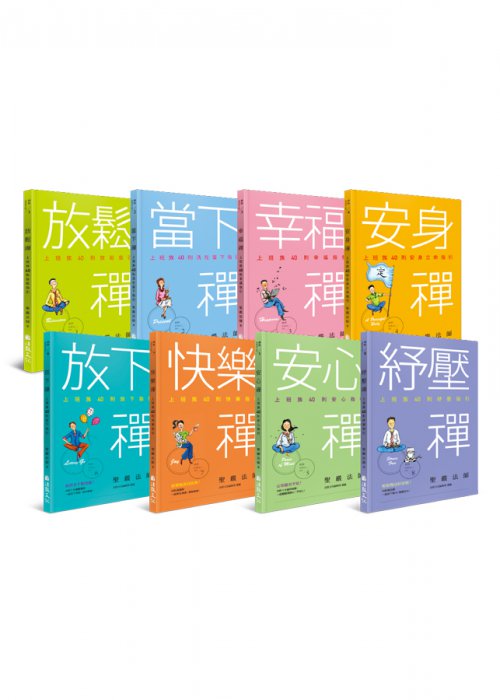
《禪修FOLLOW ME》8冊特惠組合
掌握深層自信,享受每一天的快樂與平衡觀照自己、觀照世界,讓工作成為你的幸福存摺「我每天都會告訴自己:『今天是一個好日子,雖然可能會遇到一些麻煩,但這對我而言是正面的機會,我要感謝它給我歷練的機會。』」——聖嚴法師如果問:「誰給你最大的工作壓力?」答案應該就是自己。工作有壓力是正常的,但是心可以不被順境、逆境所左右。放下執著,就能釋放工作潛力。「放下」,並非「放棄」,而是放下心中的執著和成見,放下自己的主觀看法和喜好。我們與其說是放不下工作而煩惱,實則往往是放不下自己。聖嚴法師的四它心法:面對它、接受它、處理它、放下它,已經成為眾多人達成最佳工作狀態的心靈法則。套書精選聖嚴法師深具啟發的開示,專為解決上班族常見的煩惱,提供多種有效的放鬆禪法與紓壓心法,透過工作禪的訓練,讓工作變得輕鬆愉快,並以智慧應對種種困境。透過觀照自我和世界,掌握深層自信。工作與其聽天由命,不如隨順因緣、掌握因緣、創造因緣,開創自己的道路。透過工作,讓家人、同事、社會都因我們的努力而得到幸福。如果說工作是一份儲蓄、是一本存摺,我們所存入的絕不只是薪水,還有成長的智慧、奉獻的心力、廣結的人緣……,掌握每次藉事練心的培福機會,讓工作成為我們的幸福存摺! 組合內含:《放鬆禪:上班族40則放鬆指引》放鬆,是精進而從容自在。隨時隨地把波動的心安定下來,與壓力和平共處,享受慢活的創意與專注的高效率。《當下禪:上班族40則活在當下指引》當下,是最好的時段,這是時間管理的創新詮釋。鍛鍊自己一心無二用,時時刻刻全力以赴,步步都是進步的立足點。《幸福禪:上班族40則幸福指引》幸福,是自我肯定的微笑曲線。永遠保持平常心,融入未知的全球化世界,樂在學習,與創造力經濟接軌。《安身禪:上班族40則安身立命指引》安身,是動靜平衡的管理哲學。在瞬息萬變中,鍛鍊觀照自己、觀照世界的簡約法則,每個當下都是創新的原點。《安心禪:上班族40則安心指引》安心,是心平氣和的淡定智慧。在煩惱中練習正念與轉念,以境遇為師,啟發自我修復、自我導航的正向潛能。《放下禪:上班族40則放下指引》放下,是隨時得、隨時捨的歡喜心。思惟彈性來自因緣觀,以及分析力、組織力、同理心的高度協作,面對重重關卡,自然能舉重若輕。《快樂禪:上班族40則快樂指引》快樂,是與人為善的溝通藝術。語言不一定能達成共識,自我肯定的自知之明,自他平等的尊重、理解、如實接納,即是多元化與深刻國際化的素養。《紓壓禪:上班族40則紓壓指引》紓壓,是正念隨喜的深層自信。善觀因緣及因果,淡化煩惱與得失,不論處於職場的天堂或地獄,與自己同在,日日是好日。
NT$
$888
|
74折
紓壓禪:上班族40則紓壓指引
紓壓,是正念隨喜的深層自信。善觀因緣及因果,淡化煩惱與得失,不論處於職場的天堂或地獄,與自己同在,日日是好日。輕鬆慢活好紓壓!內附慢活禪,一起放下壓力!展開活力!工作壓力大嗎?如何轉危為安呢?何不立即體驗紓壓禪的紓壓妙法,讓你把壓力轉為活力!本書針對上班族的種種事業壓力問題:難關難過、六神無主、東怕西怕、手忙腳亂……,精選聖嚴法師40則紓壓指引,透過不同面向的紓壓禪,以平常心面對順逆境,盡其在我,你就能鬆一口氣,解除壓力,工作從此真輕鬆!
作者簡介
聖嚴法師(1930~2009年)聖嚴法師1930年生於江蘇南通,1943年於狼山出家。曾於高雄美濃閉關六年,隨後留學日本,獲立正大學文學博士學位。1975年應邀赴美弘法。1989年創建法鼓山,並於2005年開創繼起漢傳禪佛教的「中華禪法鼓宗」。聖嚴法師是一位思想家、作家暨國際知名禪師,著作豐富,中、英、日文著作達百餘種,先後獲頒中山文藝獎、中山學術獎、總統文化獎及社會各界的諸多獎項。聖嚴法師提出「提昇人的品質,建設人間淨土」的理念,相繼創辦中華佛學研究所、法鼓佛教學院、僧伽大學、法鼓大學等院校,也以豐富的禪修經驗、正信的佛法觀念和方法指導東、西方人士修行。法師著重以現代人的語言和觀點普傳佛法,陸續提出「心靈環保」、「四種環保」、「心五四運動」、「心六倫」等社會運動,更致力於國際弘化工作,其寬闊胸襟與國際化視野,深獲海內外肯定。
NT$
$117
|
78折
安心禪:上班族40則安心指引
安心,是心平氣和的淡定智慧。在煩惱中練習正念與轉念,以境遇為師,啟發自我修復、自我導航的正向潛能。心安就有平安! 內附1分鐘呼吸禪,一起體驗寧靜心!平安心!工作總是不安心嗎?無法平心靜氣面對波濤洶湧的煩惱?何不立即體驗安心禪的安心妙法,讓你轉煩惱為智慧!本書針對上班族的種種煩惱不安問題:心亂如麻、自尋煩惱、怒火攻心、疑神疑鬼、情緒多變……,精選聖嚴法師40則安心指引,透過不同面向的安心禪,學會調心的方法,化解情緒不安,不再心隨境轉,你就能時時安心工作,處處平安如意,工作從此少煩惱!
作者簡介
聖嚴法師(1930~2009年)聖嚴法師1930年生於江蘇南通,1943年於狼山出家。曾於高雄美濃閉關六年,隨後留學日本,獲立正大學文學博士學位。1975年應邀赴美弘法。1989年創建法鼓山,並於2005年開創繼起漢傳禪佛教的「中華禪法鼓宗」。聖嚴法師是一位思想家、作家暨國際知名禪師,著作豐富,中、英、日文著作達百餘種,先後獲頒中山文藝獎、中山學術獎、總統文化獎及社會各界的諸多獎項。聖嚴法師提出「提昇人的品質,建設人間淨土」的理念,相繼創辦中華佛學研究所、法鼓佛教學院、僧伽大學、法鼓大學等院校,也以豐富的禪修經驗、正信的佛法觀念和方法指導東、西方人士修行。法師著重以現代人的語言和觀點普傳佛法,陸續提出「心靈環保」、「四種環保」、「心五四運動」、「心六倫」等社會運動,更致力於國際弘化工作,其寬闊胸襟與國際化視野,深獲海內外肯定。
NT$
$117
|
78折
安身禪:上班族40則安身立命指引
安身,是動靜平衡的管理哲學。在瞬息萬變中,鍛鍊觀照自己、觀照世界的簡約法則,每個當下都是創新的原點。向前走!到處都好!內附1分鐘走路禪,一起快樂向前走!走出好精神!找不到好工作嗎?生涯規畫趕不上人生變化?何不立即體驗安身禪的安定自在,讓你不再徬惶不安想換工作!本書針對上班族的種種就業焦慮問題:是不是入錯行、該不該換工作、中年失業、找不到容身之地……,精選聖嚴法師40則安身立命指引,透過不同面向的安身禪,找到工作立足點,建立人生大方向,讓你安心就定位,工作從此突飛猛進!
作者簡介
聖嚴法師(1930~2009年)聖嚴法師1930年生於江蘇南通,1943年於狼山出家。曾於高雄美濃閉關六年,隨後留學日本,獲立正大學文學博士學位。1975年應邀赴美弘法。1989年創建法鼓山,並於2005年開創繼起漢傳禪佛教的「中華禪法鼓宗」。聖嚴法師是一位思想家、作家暨國際知名禪師,著作豐富,中、英、日文著作達百餘種,先後獲頒中山文藝獎、中山學術獎、總統文化獎及社會各界的諸多獎項。聖嚴法師提出「提昇人的品質,建設人間淨土」的理念,相繼創辦中華佛學研究所、法鼓佛教學院、僧伽大學、法鼓大學等院校,也以豐富的禪修經驗、正信的佛法觀念和方法指導東、西方人士修行。法師著重以現代人的語言和觀點普傳佛法,陸續提出「心靈環保」、「四種環保」、「心五四運動」、「心六倫」等社會運動,更致力於國際弘化工作,其寬闊胸襟與國際化視野,深獲海內外肯定。
NT$
$117
|
78折

Things Pertaining to Bodhi: The Thirty-Seven Aids to Enlightenment 三十七道品:菩提之路
The Thirty-seven Aids to Enlightenment are a set of fundamental teachings of Buddhism in the form of a list. The list’s seeming simplicity belies the fact that it is in fact a kind of road map to enlightenment for anyone who follows it with diligence and sincerity. The Thirty-seven Aids comprise seven practices conducive to awakening. Each of the seven practices is itself a set of elements, which add up to the total of thirty-seven: (1) The Four Foundations of Mindfulness, (2) The Four Proper Exertions, (3) The Four Steps to Magical Powers, (4) The Five Roots, (5) The Five Powers, (6) The Seven Factors of Enlightenment, and (7) The Noble Eightfold Path. Master Sheng Yen’s down-to-earth teachings take the reader on a progression through each of the practices—many of which are familiar to all major schools of Buddhism—illustrating how they relate to the reader’s own practice on the path toward enlightenment.
作者
NT$
$791
|
85折

聖嚴法師墨寶書籤|墨綠色
安和豐富發現心靈的安和 體驗生命的豐富。 產品特色.一次收足聖嚴法師6幅經典墨寶。.沿壓線處裁剪,即可輕鬆DIY六幅墨寶書籤。.滿載聖嚴法師的祝福與勉勵,送禮自用兩相宜。
使用說明 .可拆解成書籤。.可自行裝框裱褙典藏。 .可摺疊 (經書折法) 成小型屏風。產品規格.材質:紙.尺寸:寬 11.7 x 長 30公分 .包裝:1入 / OPP袋.製造地:台灣注意事項
.產品為紙製品,請勿置於高溫、潮濕及日照處。.因拍攝光線關係略有色差,請以實際商品為準。
NT$
$70
|
88折
東西南北
從臺北到紐約,從香港到夏威夷;在皚皚白雪的洛磯山下演講,在哥斯大黎加與大使對話,在綿羊成群的威爾斯牧場主持禪修營……這一段佛法與文化交流的珍貴歷史紀錄,寫滿了聖嚴法師遊化世界的精彩與感動!本書是聖嚴法師的第五部遊記,書中所經過的行程時間不是最久,跨越的空間卻是最廣。短短一年零一個月的時間裡,法師遊歷亞、美、歐三洲,奔走東西兩個半球,步履南北五個國家,在令人驚歎的忙碌行程之中,仍不忘親自記述其所學、所見、所感,邀請讀者共赴這一場弘法盛宴,做他的知心道侶。翻開這一頁頁的點滴故事,我們彷彿忘卻了時空的阻隔,親炙法師為眾生傳道、解惑的風采,跟著他穿梭於各大學院校、寺院道場之間演講、參訪……與他一同上山下海,東西南北,將佛法的種子散播至四面八方……
作者簡介
聖嚴法師(1930〜2009年)聖嚴法師1930年生於江蘇南通,1943年於狼山出家,後因戰亂投身軍旅,十年後再次披剃出家。曾於高雄美濃閉關六年,隨後留學日本,獲立正大學文學博士學位。1975年應邀赴美弘法。1989年創建法鼓山,並於2005年開創繼起漢傳禪佛教的「中華禪法鼓宗」。聖嚴法師是一位思想家、作家暨國際知名禪師,曾獲臺灣《天下》雜誌遴選為「四百年來臺灣最具影響力的五十位人士」之一。著作豐富,中、英、日文著作達百餘種,先後獲頒中山文藝獎、中山學術獎、總統文化獎及社會各界的諸多獎項。聖嚴法師提出「提昇人的品質,建設人間淨土」的理念,主張以大學院、大普化、大關懷三大教育推動全面教育,相繼創辦中華佛學研究所、法鼓文理學院、僧伽大學等院校,也以豐富的禪修經驗、正信的佛法觀念和方法指導東、西方人士修行。法師著重以現代人的語言和觀點普傳佛法,陸續提出「心靈環保」、「四種環保」、「心五四運動」、「心六倫」等社會運動,並積極推展國際弘化工作,參與國際性會談,促進宗教交流,提倡建立全球性倫理,致力世界和平。其寬闊胸襟與國際化視野,深獲海內外肯定。
作者
NT$
$234
|
78折

聖嚴法師墨寶原木桌飾-應無所住
「應無所住而生其心」出自《金剛經》,六祖惠能大師即是聽到這句話而開悟。禪宗強調智慧,《金剛經》講的便是般若智慧。「無住」並不等於是無知無覺,而是不執著、無罣礙、自由自在。無住的心不但能夠照常運作,而且它的功能和反應遠比一般心中有執著、有煩惱的人,還要更清楚、更活潑。此時生起的心,即是智慧心、慈悲心。
產品規格.材質:相思木.尺寸:寬約 8 x 高 9.2 x 下寬 3.8公分,斜梯形.重量:約 303公克 (含盒).產地:台灣保養方式和注意事項.木頭為天然材質,紋路顏色皆不同,此為原木特色。.請勿撞擊及重摔。.請用軟刷清潔。.示意圖謹供參考,商品以實際供貨為準。
NT$
$580

當下禪:上班族40則活在當下指引
當下,是最好的時段,這是時間管理的創新詮釋。鍛鍊自己一心無二用,時時刻刻全力以赴,步步都是進步的立足點。工作總是亂成一團嗎?想東想西反而忘東忘西,無法專心做事?何不立即體驗當下禪的專注法,讓你隨時收心,不再手忙腳亂!本書針對上班族的種種分心恍神問題:一心多用、舉棋不定、不切實際、好高騖遠、愛做白日夢……,精選聖嚴法師40則活在當下指引,透過不同面向的專注禪,體驗身心合一、活在當下的安定力,立即轉危為安。有了當下禪專注每一刻、掌握每一次機會,工作從此效率高!
作者簡介
聖嚴法師(1930~2009年)聖嚴法師1930年生於江蘇南通,1943年於狼山出家。曾於高雄美濃閉關六年,隨後留學日本,獲立正大學文學博士學位。1975年應邀赴美弘法。1989年創建法鼓山,並於2005年開創繼起漢傳禪佛教的「中華禪法鼓宗」。聖嚴法師是一位思想家、作家暨國際知名禪師,著作豐富,中、英、日文著作達百餘種,先後獲頒中山文藝獎、中山學術獎、總統文化獎及社會各界的諸多獎項。聖嚴法師提出「提昇人的品質,建設人間淨土」的理念,相繼創辦中華佛學研究所、法鼓佛教學院、僧伽大學、法鼓大學等院校,也以豐富的禪修經驗、正信的佛法觀念和方法指導東、西方人士修行。法師著重以現代人的語言和觀點普傳佛法,陸續提出「心靈環保」、「四種環保」、「心五四運動」、「心六倫」等社會運動,近年來更致力於國際弘化工作,其寬闊胸襟與國際化視野,深獲海內外肯定。
NT$
$117
|
78折
放下禪:上班族40則放下指引
放下,是隨時得、隨時捨的歡喜心。思惟彈性來自因緣觀,以及分析力、組織力、同理心的高度協作,面對重重關卡,自然能舉重若輕。放得下才提得起!內附1分鐘睡覺禪,一起放下成敗!迎向希望!工作總是放不下嗎?凡事非你不可?何不立即體驗放下禪的放下智慧,讓你放得下成敗,提得起未來!本書針對上班族的種種執著問題:患得患失、固執己見、只許成功不許失敗……,精選聖嚴法師40則放下指引,透過不同面向的放下禪,學會調柔自己的方法,放下執著、放下得失,你就能放下自我,成就大眾,工作從此得自在!
作者簡介
聖嚴法師(1930~2009年)聖嚴法師1930年生於江蘇南通,1943年於狼山出家。曾於高雄美濃閉關六年,隨後留學日本,獲立正大學文學博士學位。1975年應邀赴美弘法。1989年創建法鼓山,並於2005年開創繼起漢傳禪佛教的「中華禪法鼓宗」。聖嚴法師是一位思想家、作家暨國際知名禪師,著作豐富,中、英、日文著作達百餘種,先後獲頒中山文藝獎、中山學術獎、總統文化獎及社會各界的諸多獎項。聖嚴法師提出「提昇人的品質,建設人間淨土」的理念,相繼創辦中華佛學研究所、法鼓佛教學院、僧伽大學、法鼓大學等院校,也以豐富的禪修經驗、正信的佛法觀念和方法指導東、西方人士修行。法師著重以現代人的語言和觀點普傳佛法,陸續提出「心靈環保」、「四種環保」、「心五四運動」、「心六倫」等社會運動,更致力於國際弘化工作,其寬闊胸襟與國際化視野,深獲海內外肯定。
NT$
$117
|
78折
我願無窮:美好的晚年開示集
虛空有盡,我願無窮。我今生做不完的事,願在未來無量生中繼續推動,我個人無法完成的事,勸請大家來共同推動。聖嚴法師是心靈環保的領航者,總是率先走在時代前端,為人們指引出安定人心的方向。即使晚年病痛纏身,也不影響他前瞻的遠見與睿智的行動,為不安世界帶來安定力量。本書收錄聖嚴法師從二○○五年到二○○九年圓寂前的重要開示,這些文稿見證了法師曾參與過的社會成長軌跡,他曾以無比的慈悲攝受力,撫平無數人受創的身心,更以開創性的建言,為世界搭起和平的橋梁。因著聖嚴法師的無窮願力,讓我們看到生命雖短暫,卻有願可相續,人生並非只是受苦受難的業報身,更應是救苦救難的菩薩行!
作者簡介
聖嚴法師(1930〜2009年)聖嚴法師1930年生於江蘇南通,1943年於狼山出家,後因戰亂投身軍旅,十年後再次披剃出家。曾於高雄美濃閉關六年,隨後留學日本,獲立正大學文學博士學位。1975年應邀赴美弘法。1989年創建法鼓山,並於2005年開創繼起漢傳禪佛教的「中華禪法鼓宗」。聖嚴法師是一位思想家、作家暨國際知名禪師,曾獲臺灣《天下》雜誌遴選為「四百年來臺灣最具影響力的五十位人士」之一。著作豐富,中、英、日文著作達百餘種,先後獲頒中山文藝獎、中山學術獎、總統文化獎及社會各界的諸多獎項。聖嚴法師提出「提昇人的品質,建設人間淨土」的理念,主張以大學院、大普化、大關懷三大教育推動全面教育,相繼創辦中華佛學研究所、法鼓文理學院、僧伽大學等院校,也以豐富的禪修經驗、正信的佛法觀念和方法指導東、西方人士修行。法師著重以現代人的語言和觀點普傳佛法,陸續提出「心靈環保」、「四種環保」、「心五四運動」、「心六倫」等社會運動,並積極推展國際弘化工作,參與國際性會談,促進宗教交流,提倡建立全球性倫理,致力世界和平。其寬闊胸襟與國際化視野,深獲海內外肯定。
作者
NT$
$234
|
78折

聖嚴法師墨寶祈福御守|心安平安(橘色)
只要心安,生活就有平安。
產品特色.「心安平安」祈福御守,採用聖嚴法師墨寶復刻。.希望以聖嚴法師墨寶結緣,傳達法鼓山及法師對世界的關懷與祝福。.可吊掛在車上、背袋上、手機上,也可當過年過節的裝飾品,送禮自用兩相宜。
產品規格.內容:吊飾1個,內放一本心經、大悲咒經文.材質:中國結、玉石.顏色:橘色.尺寸:御守寬約 4.5 x 高約 8公分 / 中國結:長度約 24.5公分.重量:約 10公克.產地:臺灣製造
NT$
$135

聖嚴法師墨寶祈福御守|心安平安(紫色)
只要心安,生活就有平安。
產品特色.「心安平安」祈福御守,採用聖嚴法師墨寶復刻。.希望以聖嚴法師墨寶結緣,傳達法鼓山及法師對世界的關懷與祝福。.可吊掛在車上、背袋上、手機上,也可當過年過節的裝飾品,送禮自用兩相宜。
產品規格.內容:吊飾1個,內放一本心經、大悲咒經文.材質:中國結、玉石.顏色:紫色.尺寸:御守寬約 4.5 x 高約 8公分 / 中國結:長度約 24.5公分.重量:約 10公克.產地:臺灣製造
NT$
$135

聖嚴法師墨寶祈福御守|知福幸福(紅色)
知福、知足,有幸福;感恩、奉獻,真快樂。
產品特色.「知福幸福」祈福御守,採用聖嚴法師墨寶復刻。.希望以聖嚴法師墨寶結緣,傳達法鼓山及法師對世界的關懷與祝福。.可吊掛在車上、背袋上、手機上,也可當過年過節的裝飾品,送禮自用兩相宜。
產品規格.內容:吊飾1個,內放一本普門品經文.材質:中國結、玉石.顏色:紅色.尺寸:御守寬約 4.5 x 高約 8公分 / 中國結:長度約 24.5公分.重量:約 10公克.產地:臺灣製造
NT$
$135

聖嚴法師墨寶祈福御守|知福幸福(藍色)
知福、知足,有幸福;感恩、奉獻,真快樂。
產品特色.「知福幸福」祈福御守,採用聖嚴法師墨寶復刻。.希望以聖嚴法師墨寶結緣,傳達法鼓山及法師對世界的關懷與祝福。.可吊掛在車上、背袋上、手機上,也可當過年過節的裝飾品,送禮自用兩相宜。
產品規格.內容:吊飾1個,內放一本普門品經文.材質:中國結、玉石.顏色:藍色.尺寸:御守寬約 4.5 x 高約 8公分 / 中國結:長度約 24.5公分.重量:約 10公克.產地:臺灣製造
NT$
$135
聖嚴法師墨寶祈福御守|幸福 (粉紅色)
如果我們的心,能有幾分鐘的統一,便會在幾分鐘之間,享受到無限的自由和幸福。
產品特色.御守上的「幸福」,採用聖嚴法師墨寶復刻。.希望以聖嚴法師墨寶結緣,傳達法鼓山及法師對世界的關懷與祝福。.可吊掛在車上、背袋上、手機上,也可當過年過節的裝飾品,送禮自用兩相宜。
產品規格.內容:吊飾1個.顏色:粉紅色.尺寸:御守寬約 2.8 x 高約 3公分 / 中國結:長度約 10公分.重量:約 5公克.產地:臺灣製造
NT$
$100
聖嚴法師墨寶祈福御守|平安(藏青色)
當自己的心是平安的,看到任何人都是友善的,看到這個世界也是平安的。
產品特色.御守上的「平安」,採用聖嚴法師墨寶復刻。.希望以聖嚴法師墨寶結緣,傳達法鼓山及法師對世界的關懷與祝福。.可吊掛在車上、背袋上、手機上,也可當過年過節的裝飾品,送禮自用兩相宜。
產品規格.內容:吊飾1個.顏色:藏青色.尺寸:御守寬約 2.8 x 高約 3公分 / 中國結:長度約 10公分.重量:約 5公克.產地:臺灣製造
NT$
$100
聖嚴法師墨寶祈福御守|平安(紅色)
當自己的心是平安的,看到任何人都是友善的,看到這個世界也是平安的。
產品特色.御守上的「平安」,採用聖嚴法師墨寶復刻。.希望以聖嚴法師墨寶結緣,傳達法鼓山及法師對世界的關懷與祝福。.可吊掛在手機上,也可當過年過節的裝飾品。
產品規格.內容:吊飾1個.顏色:紅色.尺寸:御守寬約 2.8 x 高約 3公分 / 中國結:長度約 10公分.重量:約 5公克.產地:臺灣製造
NT$
$100
聖嚴法師墨寶祈福御守|智慧 (紫色)
真心是沒有你我、利害、得失的。這真心實際上就是無心,就是智慧。
產品特色.御守上的「智慧」,採用聖嚴法師墨寶復刻。.希望以聖嚴法師墨寶結緣,傳達法鼓山及法師對世界的關懷與祝福。.可吊掛在車上、背袋上、手機上,也可當過年過節的裝飾品,送禮自用兩相宜。
產品規格.內容:吊飾1個.顏色:紫色.尺寸:御守寬約 2.8 x 高約 3公分 / 中國結:長度約 10公分.重量:約 5公克.產地:臺灣製造
NT$
$100
虛空粉碎:聖嚴法師話頭禪法旨要
「話頭禪」是藉由打破頭腦的慣性邏輯思惟,以達到開悟的修行法門。修行者不斷迫切詢問一個無解的問題,例如「什麼是無?」而生起巨大的疑團,最終問題本身與自我感徹底瓦解,「大地落沉,虛空粉碎」的開悟境界於焉現前。本書是聖嚴法師在美國帶領四次話頭禪修期間所做的開示結集,內容包括兩大部分。第一部分是闡釋話頭禪教法,例如修話頭的階段與身心現象、修行者的常見問題等,並強調禪修應具備的正確態度與觀念,如信心、持戒、中道、正見、菩提心與空性等;第二部分則是講解四段分別出自禪宗祖師憨山德清、黃龍悟新,以及大慧宗杲的語錄。法師指出,修話頭禪時:「關鍵在於放鬆,同時要有強烈的迫切感。對於生死大事必須認真,這就是參禪的方式。」
作者簡介
聖嚴法師(1930~2009年)聖嚴法師1930年生於江蘇南通,1943年於狼山出家,後因戰亂投身軍旅,十年後再次披剃出家。曾於高雄美濃閉關六年,隨後留學日本,獲立正大學文學博士學位。1975年應邀赴美弘法。1989年創建法鼓山,並於2005年開創繼起漢傳禪佛教的「中華禪法鼓宗」。聖嚴法師是一位思想家、作家暨國際知名禪師,曾獲台灣《天下》雜誌遴選為「四百年來台灣最具影響力的五十位人士」之一。著作豐富,中、英、日文著作達百餘種,先後獲頒中山文藝獎、中山學術獎、總統文化獎及社會各界的諸多獎項。聖嚴法師提出「提昇人的品質,建設人間淨土」的理念,主張以大學院、大普化、大關懷三大教育推動全面教育,相繼創辦中華佛學研究所、法鼓佛教學院、僧伽大學、法鼓大學等院校,也以豐富的禪修經驗、正信的佛法觀念和方法指導東、西方人士修行。法師著重以現代人的語言和觀點普傳佛法,陸續提出「心靈環保」、「四種環保」、「心五四運動」、「心六倫」等社會運動,近年來更致力於國際弘化工作,參與國際性會談,促進宗教交流,提倡建立全球性倫理,致力於世界的和平。其寬闊胸襟與國際化視野,深獲海內外肯定。
譯者簡介
單德興台灣大學外文研究所博士,1988年在聖嚴法師座下皈依三寶,現任中央研究院歐美研究所特聘研究員兼所長,曾任中華民國英美文學學會理事長與中華民國比較文學學會理事長,美國加州大學、哈佛大學、紐約大學、英國伯明罕大學訪問學人及傅爾布萊特資深訪問學人,曾獲第六屆梁實秋文學獎譯文組首獎,第三十屆金鼎獎最佳翻譯人獎,國科會傑出研究獎與教育部學術獎。著有《銘刻與再現》、《反動與重演》、《邊緣與中心》、《越界與創新》、《翻譯與脈絡》、《與智者為伍》、《我打禪家走過》等,譯有《文學心路》、《知識分子論》、《格理弗遊記》、《權力、政治與文化:薩依德訪談集》、《禪的智慧》、《禪無所求》、《無法之法》等。研究領域包括比較文學、亞美文學、翻譯研究、文化研究。
作者
譯者
單德興
NT$
$195
|
78折
禪在哪裡?:聖嚴法師西方禪修指導2
禪在哪裡?禪,重視心的解脫。空與因緣是禪法的基本觀念,三者密不可分。頓悟,是無法言說的智慧。漸修,則是透過報冤行、隨緣行、無所求行、稱法行,一點一滴地把自私心除掉,直觀諸法實相。在蒲團,在公案,還是在日常生活?初學者必問,老參也需一探究竟。本書集結聖嚴法師在美國教授禪法的開示精華,內容分為「什麼是禪?」、「禪與日常生活」、「以心相應」三大單元,從禪的精神與觀點帶領我們認識禪,練習在日常生活與精進禪修,雙管齊下以禪法對治煩惱,進而以禪心面對命運、開創未來。活用聖嚴法師指導的禪法,「禪」將不再只是個抽象名詞,而是可消解煩惱的實用智慧,你在哪裡,禪就在那裡!
作者簡介
聖嚴法師(1930~2009年)聖嚴法師1930年生於江蘇南通,1943年於狼山出家,後因戰亂投身軍旅,十年後再次披剃出家。曾於高雄美濃閉關六年,隨後留學日本,獲立正大學文學博士學位。1975年應邀赴美弘法。1989年創建法鼓山,並於2005年開創繼起漢傳禪佛教的「中華禪法鼓宗」。聖嚴法師是一位思想家、作家暨國際知名禪師,曾獲臺灣《天下》雜誌遴選為「四百年來臺灣最具影響力的五十位人士」之一。著作豐富,中、英、日文著作達百餘種,先後獲頒中山文藝獎、中山學術獎、總統文化獎及社會各界的諸多獎項。聖嚴法師提出「提昇人的品質,建設人間淨土」的理念,主張以大學院、大普化、大關懷三大教育推動全面教育,相繼創辦中華佛學研究所、法鼓佛教學院、僧伽大學、法鼓大學等院校,也以豐富的禪修經驗、正信的佛法觀念和方法指導東、西方人士修行。法師著重以現代人的語言和觀點普傳佛法,陸續提出「心靈環保」、「四種環保」、「心五四運動」、「心六倫」等社會運動,並積極推展國際弘化工作,參與國際性會談,促進宗教交流,提倡建立全球性倫理,致力世界和平。其寬闊胸襟與國際化視野,深獲海內外肯定。
作者
譯者
法鼓山國際編譯組
NT$
$117
|
78折

工作好修行:聖嚴法師的38則職場智慧
工作中的挫折與困境,該如何化解與突破?聖嚴法師的38則職場智慧,為你開啟工作新視野,創造自利利他的職場雙贏。你知道佛法的古老智慧,已足夠讓你在競爭激烈的現代職場游刃有餘、得心應手嗎?二千五百年前,佛陀成功領導了超過千人的龐大僧團,規模足可比擬現今的大企業,他的領導哲學是什麼?聖嚴法師在本書中分享將佛法活用在工作上的智慧心法,說明工作的意義、做事的藝術、人際相處,以及團隊合作的原則,建議我們以「隨順因緣」的求職觀適應環境、減輕壓力;以「良性競爭」取代以搶奪為目的的「動物性競爭」;以佛陀的「調琴論」保持不鬆不緊的生活平衡感。最後,法師一一說明六個讓彼此和樂相處的觀念,也就是佛陀帶領團隊的原則「六和敬」。無論你是正在謀職中,或是工作穩定的員工、主管、企業家,亦或有意創業,都能從本書獲得寶貴的啟發。現在,就讓佛陀與聖嚴法師來做你的職場顧問,讓你不僅工作事半功倍,更能領會工作好修行的訣竅!
作者簡介
聖嚴法師(1930~2009年)聖嚴法師1930年生於江蘇南通,1943年於狼山出家,後因戰亂投身軍旅,十年後再次披剃出家。曾於高雄美濃閉關六年,隨後留學日本,獲立正大學文學博士學位。1975年應邀赴美弘法。1989年創建法鼓山,並於2005年開創繼起漢傳禪佛教的「中華禪法鼓宗」。聖嚴法師是一位思想家、作家暨國際知名禪師,曾獲台灣《天下》雜誌遴選為「四百年來台灣最具影響力的五十位人士」之一。著作豐富,中、英、日文著作達百餘種,先後獲頒中山文藝獎、中山學術獎、總統文化獎及社會各界的諸多獎項。聖嚴法師提出「提昇人的品質,建設人間淨土」的理念,主張以大學院、大普化、大關懷三大教育推動全面教育,相繼創辦中華佛學研究所、法鼓佛教學院、僧伽大學、法鼓大學等院校,也以豐富的禪修經驗、正信的佛法觀念和方法指導東、西方人士修行。法師著重以現代人的語言和觀點普傳佛法,陸續提出「心靈環保」、「四種環保」、「心五四運動」、「心六倫」等社會運動,近年來更致力於國際弘化工作,參與國際性會談,促進宗教交流,提倡建立全球性倫理,致力於世界的和平。其寬闊胸襟與國際化視野,深獲海內外肯定。本書緣起於聖嚴法師為《天下》雜誌所寫的「人生管理」專欄,為工商管理人士在經營管理、人際關係、人生價值觀等面向,提出超脫非黑即白的觀點,讓人生多了圓融與智慧。
本書適合在這些時刻閱讀
想重新理解工作的意義,並將修行融入日常工作中。
面對工作變動,想用較安定的心態評估下一步。
工作繁忙、時程緊迫,應如何分辨輕重緩急,專注做好眼前的事。
與同事或主管意見不同,想學習更妥當的溝通與相處方式。
當帶領團隊,需要思考如何凝聚共識、照顧成員並共享成果。
作者
NT$
$126
|
7折
聖嚴法師墨寶3D立體雕刻水晶桌飾-四它
面對它 ─ 正視困境存在,不逃避不畏懼。接受它 ─ 接受困境磨鍊,不怨天不尤人。處理它 ─ 用智慧處理事,以慈悲對待人。放下它 ─ 盡心盡力就好,不計成敗得失。遇到任何麻煩、痛苦和危急時,只要能夠面對它、接受它、處理它、放下它,就能超越困境,不受困境左右,達到真正的自在,這也就是將禪的工夫運用在平常生活中。
產品規格.材質:人造水晶玻璃.尺寸:寬 9 x 高 11公分,下底寬 3公分,上底寬 1公分,斜梯形.產地:台灣
保養方式.請以細軟布擦拭清潔。
注意事項.請避免與硬物碰觸、刮傷。 .拿取請小心,避免摔傷破裂。.本產品為純手工研磨,測量尺寸略有差距,請以實際供貨為準。.因光線關係,圖片顏色略有差異,請以實際商品為主。
NT$
$780

智慧之劍:《永嘉證道歌》講錄
一般人缺乏智慧之劍來斬斷執著。然而,如果能夠停止你的分別心,你將能顯露如鑽石(金剛)般不朽的智慧,就像亞瑟王的劍一樣鋒利。你只要像英雄一樣的揮舞這把金剛劍,就能切穿執著、虛假的教法,以及降伏妄想魔。──聖嚴法師《永嘉證道歌》為唐代永嘉玄覺禪師所作,為禪門最重要的經典之一,它清楚說明了悟前悟後的修行方法與態度,弘傳極廣,影響深遠。本書為聖嚴法師在美國指導禪七期間,針對《永嘉證道歌》所作的開示結集。法師在闡釋詩偈的禪法意涵時,亦融入其獨到見解,幫助禪修者深入修行,體驗禪的不可思議之境。《永嘉證道歌》就像一把智慧寶劍,將為你我的修行之路,斬除各種荊棘障礙。
作者簡介
聖嚴法師(1930~2009年)一九三○年出生,十三歲出家修行。曾於高雄山中閉關六年,並留學日本,獲得立正大學文學博士學位。曾任雜誌編輯、教授、研究所所長以及譯經院院長等。創辦中華佛學研究所、創建法鼓山、僧伽大學、法鼓大學以及社會大學等。在國內設立禪修、文教、慈善等基金會,分支道場遍及於歐、亞、美、澳等各大洲。他是一位教育家、作家,更是一位宗教家和國際知名禪師,長年在國內外為推動「心靈環保」、「種族和諧」及「世界和平」等工作不遺餘力。聖嚴法師所獲得的榮譽獎項中,包括總統文化獎、行政院文化獎、社會運動和風獎之傑出社會運動領袖獎、中山文藝創作獎、中山學術著作獎、斐德烈二世和平獎等十多種。出版著作一百多種,已有十多種語言的譯著。他曾經應邀為《中華日報》、《中央日報》、《聯合報》、《中國時報》、《自由時報》等各大報紙,及《天下》、《康健》等雜誌撰寫專欄。本書為聖嚴法師在美國主持禪七期間中,針對唐代永嘉禪師的〈永嘉證道歌〉所做的開示。
譯者簡介
莊國彬國立中山大學中文系、法鼓山中華佛學研究所畢業,英國布里斯托大學神學與宗教學系博士。現任法鼓佛教研修學院助理教授,專長部派佛教、巴利語。譯有《以法為洲》一書。
作者
譯者
莊國彬
NT$
$172
|
78折

覺情書:聖嚴法師談世間情
什麼是情?在我們的生活中,似乎離不開情,無論是男女的愛情、家庭的親情或是朋友的友情,情都與我們密切相關。情可以產生正面的能量,創造美好的人生;也能成為困擾你我的苦果,如愛恨交集,苦不堪言!我們該如何面對世間情?聖嚴法師以佛法的智慧,將你我生活中遇到的問題,如:自我情緒管理、婚姻相處、親子關係、交友原則、愛情本質等,轉化為78帖心靈良方。這些觀點簡單易懂,卻能點醒紅塵俗世的我們,開啟對於情、對於人生的不一樣的體驗。就如書中所說:「要從『有情』而成『菩薩』,如此就成為『覺有情』了。」
作者簡介
聖嚴法師(1930~2009年)聖嚴法師1930年生於江蘇南通,1943年於狼山出家,後因戰亂投身軍旅,十年後再次披剃出家。曾於高雄美濃閉關六年,隨後留學日本,獲立正大學文學博士學位。1975年應邀赴美弘法。1989年創建法鼓山,並於2005年開創繼起漢傳禪佛教的「中華禪法鼓宗」。聖嚴法師是一位思想家、作家暨國際知名禪師,曾獲臺灣《天下》雜誌遴選為「四百年來臺灣最具影響力的五十位人士」之一。著作豐富,中、英、日文著作達百餘種,先後獲頒中山文藝獎、中山學術獎、總統文化獎及社會各界的諸多獎項。聖嚴法師提出「提昇人的品質,建設人間淨土」的理念,主張以大學院、大普化、大關懷三大教育推動全面教育,相繼創辦中華佛學研究所、法鼓文理學院、僧伽大學等院校,也以豐富的禪修經驗、正信的佛法觀念和方法指導東、西方人士修行。法師著重以現代人的語言和觀點普傳佛法,陸續提出「心靈環保」、「四種環保」、「心五四運動」、「心六倫」等社會運動,並積極推展國際弘化工作,參與國際性會談,促進宗教交流,提倡建立全球性倫理,致力世界和平。其寬闊胸襟與國際化視野,深獲海內外肯定。
作者
NT$
$140
|
78折

聽見菩薩-CD
在紅塵最繁華處,聽見菩薩最深的慈悲,守護每一顆心。獻給 每一顆在紅塵中行走的心靈「菩薩在哪裡?在心裡。」──聖嚴法師【菩薩。覺有情】這兩個字,來自印度梵文budhi-sattva的譯音,全譯是「菩提薩埵」,意思是「覺有情」。眾生有情,卻常迷失在紅塵繁華中,而不自覺,菩薩有情,卻是不度盡眾生,誓不取正覺。於是,有情眾生在如夢幻泡影般的浮沉人生中,因為菩薩的慈悲深情,有了覺醒的可能。如果說,菩薩是在紅塵中澆息熱惱灼火,在迷途中指路點燈,那麼,當以至真的智慧,至善的慈悲,盡心為他人付出時,誰人不是菩薩呢?走在正覺的路上,且讓我們一起攜手,同向菩薩行。
製作者簡介
Ed Yen(嚴子貿)畢業於國立藝術學院戲劇系(現台北藝術大學),主修劇場音效配樂。歷年任職於國內各唱片公司,擔任華語專輯唱片企劃、製作、錄音製作工程等;並曾遠赴世界各地,從事短期音樂專輯製作。
近年協助華語歌手參加國際音樂策展,推廣國際音樂交流合作商務。作品曾榮獲中時1997、1998年度評鑑最佳唱片製作、中華人交流協會評鑑最佳唱片製作......等,成績斐然。李俊賢畢業於實踐大學音樂系,聲樂師事楊冬春教授,鋼琴師事陳玉芸教授,為法鼓山合唱團創辦人之一。曾任台北市華岡藝術學校音樂指導「合唱指揮課程」、法鼓山合唱團團長、法鼓文化公司影視部藝術總監及顧問、全民電台「音樂嘉年華」古典音樂節目製作及主持人。曾為法鼓山製作「聖嚴法師佛曲集」、「叩鐘偈」、「佛曲心韻」等專輯。目前任教於新店高中、羅東高中音樂班及法鼓山合唱團指導老師。
演出者
NT$
$234
|
78折

歸程
☆ 聖嚴法師親撰自傳,真實感人,可見法師至情至性的一面。☆ 記述從童年到青年時代的成長點滴、心路歷程。☆ 今生的努力向善,可以改善現世的環境,從來不會感到悲觀和失望!江南 ◆ 鄉間的童年狼山 ◆ 小沙彌的夢上海 ◆ 經懺、學僧與從軍臺灣 ◆ 軍中十年、再度出家我在十四歲的時候,曾經為我的出家而編織過一個美麗的夢,那的確是一個夢,而且,那一場夢是幻滅得如此地快!狼山的環境,像畫一樣地優美,像詩一樣地可愛,可惜,我是生得晚了,去得遲了,當我上山的時候,那一幅畫已在剝落,那一首詩已在消失!正因為我是抱著欣賞畫與詩的夢想而去狼山的,那跟出家與學佛之間有著一段距離,所以我也畢竟沒有保住那個出家的身分。不過,那個夢是做錯了,那條路是走對的。所以繞了一個好大的圈子以後,依舊走上了原來的路。這個圈子繞得夠辛苦了,但也不是冤枉繞的,應該繞的圈子,不繞也是不行,否則的話,今日的我,又是怎樣了呢?站在一個佛教徒的立場,對於順境與逆境,都該看作使我努力昇拔的增上緣。所以,幫助我的也好,打擊我的也好,在當時,我雖不能沒有喜與怒的分別,事後想想,我倒覺得他們都是我的恩人了。沒有正面的援助,我是爬不起來的,沒有反面的阻撓,我是堅強不起來的,鋼是鍛鍊出來的,能說鍛鍊的境遇是不需要的嗎?最不容易爭取的事物,便是最可寶貴的事物,最可寶貴的事物,也必是最足以珍惜的事物。我能有機會再度出家,是興奮的、欣慰的、也是悲痛的,因為這是多麼難得的因緣!回憶我在十四歲的那年秋天,去南通狼山出家,既無為人之心,亦無為己之志,很少有可敬的原因,也沒有多少宗教的情緒,係出於一種偶然的機緣所促成。因此,後來的捨僧從戎,並且一去就是十年,好像也是早就註定了的。不過,我要特別強調,我的能夠再度出家,並且誓願再度出家,那是成因於童年曾經出家的緣故。致使我雖已經過了十年的風浪,這風浪之久,已超過了我初次出家時間的一倍,但仍念念不忘於出家身分的恢復。所以直到如今,對於童年出家時的環境和師長,猶覺歷歷如新,軍伍十年的生活,卻又恍如隔世了。
作者簡介
聖嚴法師(1930~2009年)聖嚴法師1930年生於江蘇南通,1943年於狼山出家,後因戰亂投身軍旅,十年後再次披剃出家。曾於高雄美濃閉關六年,隨後留學日本,獲立正大學文學博士學位。1975年應邀赴美弘法。1989年創建法鼓山,並於2005年開創繼起漢傳禪佛教的「中華禪法鼓宗」。聖嚴法師是一位思想家、作家暨國際知名禪師,曾獲臺灣《天下》雜誌遴選為「四百年來臺灣最具影響力的五十位人士」之一。著作豐富,中、英、日文著作達百餘種,先後獲頒中山文藝獎、中山學術獎、總統文化獎及社會各界的諸多獎項。聖嚴法師提出「提昇人的品質,建設人間淨土」的理念,主張以大學院、大普化、大關懷三大教育推動全面教育,相繼創辦中華佛學研究所、法鼓文理學院、僧伽大學等院校,也以豐富的禪修經驗、正信的佛法觀念和方法指導東、西方人士修行。法師著重以現代人的語言和觀點普傳佛法,陸續提出「心靈環保」、「四種環保」、「心五四運動」、「心六倫」等社會運動,並積極推展國際弘化工作,參與國際性會談,促進宗教交流,提倡建立全球性倫理,致力世界和平。其寬闊胸襟與國際化視野,深獲海內外肯定。
作者
NT$
$140
|
7折

聖嚴法師墨寶陶珠吊飾|知福幸福
知福幸福知福、知足,有幸福;感恩、奉獻,真快樂。
產品特色.復刻聖嚴法師墨寶設計。.可掛於手機上,也可當過年過節的裝飾品。
產品規格.內容:陶珠吊飾1個.材質:陶珠、中國結、玉石.顏色:白色陶珠上有粉紫色知福幸福字體;中國結-桃紅色.尺寸:陶珠孔徑:約 1.38公分;陶珠高度:約 1.15公分 中國結長度:約 11.5公分.重量:約 3公克.產地:臺灣製造
注意事項.因拍攝關係,圖片顏色略有差異,請以實際商品為主。
NT$
$60

聖嚴法師墨寶復刻原木壁掛-平安
真正的平安,是由於心安。心安有不同的層次,最基本的是身心放鬆所感到的心安;深一層是觀念上的平安。其實將平安與和平分享給大家,是我們每一個人都可以做、都應該做:首先,自己的心裡要平安;其次,我們每天要為全世界的人祈禱和平、祈禱平安;然後,見到每一個人都對他說:「我祝福你平安!」我們經常用喜悅的、友善的、關懷的心和態度,將自己的平安,分享給與我們接觸的人,以及所有的人,這樣的話,我們自己和周圍環境裡面的人,以及全世界的人,慢慢地都會得到平安。
產品特色.原木外框搭配手工木皮內框。.整體設計簡約.典雅.大方。.墨寶有聖嚴法師的落款及印鑑。.承載著法鼓山及聖嚴法師滿滿祝福,居家典藏、送禮最佳選擇。
產品規格.掛飾尺寸:約寬 43.8 x 高 43.8 x 厚 4.1公分.外包裝尺寸:約長 47 x 寬 47 x 高 6公分.材質:紙/松木/布/壓克力.重量:約1600公克 (含包裝).製造地:臺灣
注意事項.因拍攝地點及光線不同,顏色略有差異,請以實際商品為主。.小心輕放,不可重壓。
NT$
$2,400



法鼓鐘聲
智慧的鐘聲如一把心鑰,為身處紛擾紅塵的眾人,敲響了暮鼓晨鐘,開啟人生新視野,照見心中的那一方清淨地!「我既不是用冷眼看待世間,也沒有以狂熱迷戀世間,而是常用佛法所示的清涼的智慧和溫暖的慈悲來關心世間。」 ──聖嚴法師家庭、社會上大大小小的事,總是在各個媒體、各種場合上討論得沸沸揚揚,而事情仍是似真又假、似是而非,令人困惑不已。哪裡才能找到一種出自清淨心靈的智慧、出自清淨眼睛的觀看,為我們帶來一些些清醒與明白、自在與包容?聖嚴法師在本書中要和我們探討的,即是現實人生中這些包羅萬象的議題,例如夫妻、朋友的相處之道;正確的宗教、死亡觀念;以及社會上的家暴、吸毒與婚外情……等。書中簡單的話語,蘊含著發人省思的道理。這智慧的鐘聲,清亮而悠遠,純淨而美好,為我們的心帶來如夢醒般的豁然開朗、如獲至寶般的喜悅。
作者簡介
聖嚴法師(1930~2009年)聖嚴法師1930年生於江蘇南通,1943年於狼山出家,後因戰亂投身軍旅,十年後再次披剃出家。曾於高雄美濃閉關六年,隨後留學日本,獲立正大學文學博士學位。1975年應邀赴美弘法。1989年創建法鼓山,並於2005年開創繼起漢傳禪佛教的「中華禪法鼓宗」。聖嚴法師是一位思想家、作家暨國際知名禪師,曾獲臺灣《天下》雜誌遴選為「四百年來臺灣最具影響力的五十位人士」之一。著作豐富,中、英、日文著作達百餘種,先後獲頒中山文藝獎、中山學術獎、總統文化獎及社會各界的諸多獎項。聖嚴法師提出「提昇人的品質,建設人間淨土」的理念,主張以大學院、大普化、大關懷三大教育推動全面教育,相繼創辦中華佛學研究所、法鼓佛教學院、僧伽大學、法鼓大學等院校,也以豐富的禪修經驗、正信的佛法觀念和方法指導東、西方人士修行。法師著重以現代人的語言和觀點普傳佛法,陸續提出「心靈環保」、「四種環保」、「心五四運動」、「心六倫」等社會運動,近年來更致力於國際弘化工作,參與國際性會談,促進宗教交流,提倡建立全球性倫理,致力於世界的和平。其寬闊胸襟與國際化視野,深獲海內外肯定。
作者
NT$
$140
|
78折
生死皆自在:聖嚴法師談生命智慧
人,因何生?因何死?因何能夠從生到死,無不自在?本書即是生死議題的問與答,聖嚴法師提出了他的智慧觀察與解決之道。我們都以為自己擁有生命的主控權,然而,生命卻是照著自己既定的軌跡不停地往前走──從出生、成長、年老,到死亡。生命之旅很可能會在每個人不注意的時候,悄然到站。若要避免虛度此生,就必須在匆匆忙忙的例行生活中,偶爾停下腳步,好好地想一想:如何善用生命,讓它活得快樂自在,活得更有價值?聖嚴法師在書中與我們分享自己一路艱辛走來的人生經歷,告訴我們如何在顛簸的路上,仍能運用佛法的智慧發揮生命的最大價值,如何能苦也自在、樂也自在、老也自在、病也自在,甚至在生命即將到站前,依然自在。如果你對生死感到迷惘,記得細細體會書中的話,它們會為你打開生命的另一扇門,帶你通往生死皆自在的人生風景。
作者
NT$
$140
|
78折
禪修菁華集(全套七本)軟精裝特惠組合
禪是什麼?在許多人的心中,這是一門高深莫測的學問,讓人想不透,猜不出,說不清,講不明。聖嚴法師在這套【禪修菁華集】中,賦予禪最完整而嚴謹的解說,透過層次分明的主題,便可得禪法面貌的梗概。從禪的簡介開始,縱觀禪宗的法源遷流,橫析禪宗修行方法的精髓,引領讀者在生活中靈活地善用禪法,積極的經營人生,開創內在無私的慈悲與無我的智慧,完成生命的自在與完美。 《禪修菁華》全套七集,分成五大部:入門、觀念、法脈、方法及活用,其中方法又分:「公案.話頭」、「默照」、「五停心.四念處」。幫助您正確認識禪宗,安心學習禪法。以禪修精華,讓生命去蕪存菁。書中並附有出處索引,由此可再進一步研讀法師禪修原作品。閱讀本套書可以對禪宗建立完整、正確的認識,並可依循次第,作深入安全的修行與探源。【各書簡介】 《入門》貫穿禪宗思想體系,統觀各種禪修方法與次第,是禪法最精華版的完整介紹。禪法即是心法,文字不能言傳,然而經由貫穿禪宗思想脈絡的介紹,統觀各種禪修方法與實踐次第,可以得知禪法的整體輪廓,幫助您進入清明而靈活的佛法智慧。《觀念》正邪佛魔之間,就在是否掌握正確的觀念,也是一切佛法的核心與實踐。禪宗的修行,不在理論知識多寡,而在實踐體驗的淺深。其間,觀念才是最重要的核心,尤其在千變萬化的禪法運用中,唯有掌握正確的觀念,才能揀邪辨正,區分佛魔,才是平安健康,無限助益的最要保證。《法脈》佛陀拈花,尊者微笑,達摩東來,祖師悟道,唯有法脈相傳,才是真實佛教。禪門強調「不立文字、教外別傳」,禪的心法奧義,就在代代祖師們的心心相印間流傳。不知禪的源流,無法體會歷代禪師的興教苦心,亦不能真正實踐大乘佛法的菩薩精神,唯有法脈相傳,才是最真實的佛陀教化。●《公案.話頭》簡單的言語,動人的悟境,也是最容易被曲解誤用的方法,卻蘊含最豐富的禪機與佛性。「人在橋上走,橋流水不流。」什麼樣的人該參公案來修行?什麼樣的程度可用話頭來用功?禪門看似瘋狂的行為與言語,卻能讓人見性開悟,點亮內心深藏的智慧光芒。●《默照》默照不等於只管打坐,從寂靜中,朗朗觀照現代紅塵,直指佛法最真實的究竟。禪法的默照禪,絕非僅在字面的「只管打坐」,還要你不斷擴大心量,消融自我,達到開啟智慧的境地,真正體會到佛法最究竟的真義。●《五停心.四念處》佛教各種傳承,共通而基礎的修行法門,生活中,隨時隨地可用的解脫良方。五停心觀與四念處觀,是佛教各宗派所共通而基礎的修行法門。過程從安定散亂心、清淨身心,到發菩提心、開大智慧;是在生活中無論任何時刻,可以隨時善用的良方。●《活用》禪修不只打坐,更在起心動念與行住坐臥,自在活用,才能享有法喜禪悅的人生。禪的修行,不僅僅在蒲團上、道場中、寺院裡,更在日常生活的起心動念時。活用禪修的方法、禪修的觀念,你將發現,心所嚮往的清新自在,與生俱來,一直就不曾稍離片刻。
作者簡介
聖嚴法師(1930~2009年)聖嚴法師1930年生於江蘇南通,1943年於狼山出家。曾於高雄美濃閉關六年,隨後留學日本,獲立正大學文學博士學位。1975年應邀赴美弘法。1989年創建法鼓山,並於2005年開創繼起漢傳禪佛教的「中華禪法鼓宗」。聖嚴法師是一位思想家、作家暨國際知名禪師,著作豐富,中、英、日文著作達百餘種,先後獲頒中山文藝獎、中山學術獎、總統文化獎及社會各界的諸多獎項。聖嚴法師提出「提昇人的品質,建設人間淨土」的理念,相繼創辦中華佛學研究所、法鼓佛教學院、僧伽大學、法鼓大學等院校,也以豐富的禪修經驗、正信的佛法觀念和方法指導東、西方人士修行。法師著重以現代人的語言和觀點普傳佛法,陸續提出「心靈環保」、「四種環保」、「心五四運動」、「心六倫」等社會運動,近年來更致力於國際弘化工作,其寬闊胸襟與國際化視野,深獲海內外肯定。
作者
NT$
$1,560
|
78折

The Poetry of Enlightenment 開悟的詩偈(英文版)
To my knowledge there are no anthologies of Ch’an poetry in Chinese, Japanese or English which describe in detail the method of practice and the experience of Ch’an Furthermore, there are few prose sources in English dealing with the same topics On the other hand, there are numerous books in English that relate the episodes of the kung-ans(koans)The prevailing view that comes from reading these stories is that the practice of Ch’an is methodless, and since there is no way to describe the experience of Ch’an, it is suggested that we just go ahead and practice by studying the kung-ans The purpose of these poems is different in that they specifically show you how to practice, what attitudes to cultivate and what pitfalls to beware of Finally, they attempt to describe the ineffable experience of Ch’an itself These poems flow directly from the minds of the enlightened Ch’an masters; we get a glimpse into their experience at the time of, and after their enlightenment In contrast, in reading a kung-an we get an objective story of what happened and we don’t really know what was in their minds. It is my hope that this collection of poems will give those who are interested in the practice a new way of looking at Ch’an and a more balanced view of the scope of Ch’an literature The present selection is offered to make this tradition available to Western readers who may otherwise not be aware of their existence.
NT$
$536
|
85折
無法之法:聖嚴法師默照禪法旨要
默照就像一面鏡子,形影自由自在地在面前出現,它卻保持完全靜止。任何方法都能把心安住在當下一刻,但運用默照甚至連當下一刻都能放下。——聖嚴法師默照,是禪宗與大乘佛教中最奧妙的修行之一,歷史悠久而複雜,可上溯到印度佛教中的止觀雙運,也與藏傳佛教中的大圓滿、大手印相應。《無法之法》提供一個獨特的閱讀情境:跟隨著聖嚴法師的默照指導,我們將穿透文字,體驗——完全處於當下的覺知狀態。而法師對於宏智正覺禪師詩偈的開示,則引領讀者層層深入「默照同時」的修練與實證,體悟動中有靜、定中有慧的無我智慧。《無法之法》是聖嚴法師指導「默照」禪修法門之作。「默照禪」是中國曹洞宗之著名修行法門,一度由宏智正覺禪師所弘揚,後來又再度湮沒。聖嚴法師承繼曹洞宗與臨濟宗兩個法脈,自1990年代起,將默照的修行過程重新梳理,並建立簡要分明的次第,希望這個教法能更容易為現代人理解運用,並再次復興。本書共分為三部分,第一部分是法師於1998、1999年在紐約象岡主持的兩次默照禪七開示記錄。第二和第三部分是法師對《宏智正覺禪師廣錄》的多則開示。書中法師為修行者澄清許多觀點、方法和實證狀態,因此不僅包含理論的闡釋,更多的是對禪修期間真實情境的回應。法師指出,一旦你放下一切,不讓心住於任何東西,默照的開悟境界就會現前。也因此,默照被稱為「無法之法」,它直接指向每個人本具的圓滿智慧。
作者簡介
聖嚴法師(1930~2009年)聖嚴法師1930年生於江蘇南通,1943年於狼山出家。曾於高雄美濃閉關六年,隨後留學日本,獲立正大學文學博士學位。1975年應邀赴美弘法。1989年創建法鼓山,並於2005年開創繼起漢傳禪佛教的「中華禪法鼓宗」。聖嚴法師是一位思想家、作家暨國際知名禪師,著作豐富,中、英、日文著作達百餘種,先後獲頒中山文藝獎、中山學術獎、總統文化獎及社會各界的諸多獎項。聖嚴法師提出「提昇人的品質,建設人間淨土」的理念,相繼創辦中華佛學研究所、法鼓佛教學院、僧伽大學、法鼓大學等院校,也以豐富的禪修經驗、正信的佛法觀念和方法指導東、西方人士修行。法師著重以現代人的語言和觀點普傳佛法,陸續提出「心靈環保」、「四種環保」、「心五四運動」、「心六倫」等社會運動,近年來更致力於國際弘化工作,其寬闊胸襟與國際化視野,深獲海內外肯定。
譯者簡介
單德興台灣大學外文研究所博士,1988年在聖嚴法師座下皈依三寶,現任中央研究院歐美研究所研究員,中華民國比較文學學會理事長,曾任中華民國英美文學學會理事長,加州大學、哈佛大學、紐約大學、伯明罕大學訪問學人及傅爾布萊特資深訪問學人,第六屆梁實秋文學獎譯文組首獎,第三十屆金鼎獎最佳翻譯人獎。著有《銘刻與再現》、《對話與交流》、《反動與重演》、《邊緣與中心》、《越界與創新》、《我打禪家走過》等,譯有《文學心路》、《知識分子論》、《格理弗遊記》、《禪的智慧》、《禪無所求》等。研究領域包括比較文學、亞美文學、翻譯研究。
作者
譯者
單德興
NT$
$154
|
7折

Footprints in the Snow : The Autobiography of a Chinese Buddhist Monk (雪中足跡英文版精裝)
Master Sheng-Yen has devoted much of his life to spreading the teachings of Chinese Buddhism—a practice that antedates the more familiar Japanese and Tibetan traditions—throughout the world. He became known in the United States after he began founding meditation centers here in 1980. Now in his late seventies, he tells the remarkable story of his life and spiritual education in FOOTPRINTS IN THE SNOW. From descriptions of the private world of Buddhist masters to first-hand accounts of Chinese history, it is a rare document that is both an important look at China’s past and a compelling spiritual journey across a lifetime.Sheng-Yen’s story is of a life lived in the last years of the Republic of China, the Sino-Japanese War, and the founding of the People’s Republic of China. An eye-opening slice of modern history as well as an authoritative introduction to an ancient religious tradition, FOOTPRINTS IN THE SNOW will appeal to spiritual seekers, travelers who want to understand more about China, or anyone looking for a fascinating story.
NT$
$893
|
85折

Hoofprint of the Ox 牛的印跡(英文版)
From The Preface By Dan Stevenson EN. SHENG YEH is a master in the Caodong and Linji lineages of Chan〈Zen〉 school, who for twenty five years now has been guiding students from Taiwan, the United States, and Europe in the practice of Chan Buddhism. Hoofprint of the Ox provides a systematic introduction ─ in Sheng yen,s own words ─ to the principles that inform his particular style of Chan training.... In the final analysis, it is an unabashedly normative work ─ a book on Chan practice addressed to an English speaking audience with a personal interest in Buddhism. To the extent that this audience is also primarily Western, Hoofprint is more than passive report of Sheng yen,s personal convictions. It situates those convictions in responsive relation to specific expectations about Chen practice current among Western students, with specific points to be made.
NT$
$1,071
|
85折
明末中國佛教之研究
整體而言,著者掌握了向來從未有人研究過智旭的整體像狀。以往的研究者,都一致認定智旭是明末一位傑出的天台學者,但著者認為他不僅是一位佛教學者,根本就是一位虔誠、堅定而徹底的佛教生活實踐者。著者所掌握到的此一新見解,著實應給予崇高的評價。──鎌田茂雄本書不僅徹底闡述智旭個人的事蹟與思想,也於中國近代佛教史上尚未研究周全之處,投下一道強大的光柱,這正是應該向學術界鄭重推薦的優秀著述。──金倉圓照蕅益智旭,為明末佛教「四大師」(紫柏真可、雲棲袾宏、憨山德清)之一,是一位梵行卓越又義學高深的一代宗師。他的整個生涯,在生活行履方面,是以《梵網經》為中心;在信仰行為方面,是以《地藏菩薩本願經》和《占察善惡業報經》為中心;在教理哲學思想方面,則是以《楞嚴經》為中心,而成就其一生的思想體系。本書是聖嚴法師於一九七五年完成的日本博士論文,為法師細讀蕅益大師現存五十一種、計二百二十八卷著作的研究成果。內容主要探究大師一生的信仰、思想、學理,乃至修行境界。全書二十餘萬言,共分五大章:智旭的時代背景、智旭的生涯、智旭的宗教實踐、智旭的著作,以及智旭思想的形成與發展,全書結構嚴謹、論理縝密。透過聖嚴法師淵博的學識及獨到的見地,引領讀者深入蕅益大師的內心世界,體解大師「事事為道業,處處為眾生」的悲心宏願。
作者簡介
聖嚴法師(1930〜2009年)聖嚴法師1930年生於江蘇南通,1943年於狼山出家,後因戰亂投身軍旅,十年後再次披剃出家。曾於高雄美濃閉關六年,隨後留學日本,獲立正大學文學博士學位。1975年應邀赴美弘法。1989年創建法鼓山,並於2005年開創繼起漢傳禪佛教的「中華禪法鼓宗」。聖嚴法師是一位思想家、作家暨國際知名禪師,曾獲臺灣《天下》雜誌遴選為「四百年來臺灣最具影響力的五十位人士」之一。著作豐富,中、英、日文著作達百餘種,先後獲頒中山文藝獎、中山學術獎、總統文化獎及社會各界的諸多獎項。聖嚴法師提出「提昇人的品質,建設人間淨土」的理念,主張以大學院、大普化、大關懷三大教育推動全面教育,相繼創辦中華佛學研究所、法鼓文理學院、僧伽大學等院校,也以豐富的禪修經驗、正信的佛法觀念和方法指導東、西方人士修行。法師著重以現代人的語言和觀點普傳佛法,陸續提出「心靈環保」、「四種環保」、「心五四運動」、「心六倫」等社會運動,並積極推展國際弘化工作,參與國際性會談,促進宗教交流,提倡建立全球性倫理,致力世界和平。其寬闊胸襟與國際化視野,深獲海內外肯定。
作者
譯者
釋會靖(關世謙)
NT$
$515
|
78折
歡喜看生死
一般人對於未來不確定的命運與財產,多半會精心安排,甚至不必要地擔憂,然而對生命中唯一確知的一件事——死亡,卻多所避諱,既不了解也常未預先準備。這個矛盾的現象透露出人對生命太過執著,對死亡太過抗拒。雖然生死是必然的因果關係,但是聖嚴法師以修行多年的智慧,提出佛教超越生死的豁達觀念,教導大家以願力來豐富生命,時時抱持活在當下的態度,便能真正掌握自己的心念,進而無懼於生死,開展出更廣闊、更完整的人生。法師勉勵我們,生時珍惜生命,抱著「以他為我」的無我精神,成長自己、成就他人;死時莊嚴安詳、無憂無懼。如此歡喜看生死,生死皆歡喜!
NT$
$126
|
7折

用寧靜心擁抱世界
在滾滾紅塵中,如何安心做自己?只有清楚明白自己的心,才能不受外境風雨的影響,用寧靜心擁抱世界。本書共收錄聖嚴法師24篇精采300字短文,並邀請知名插畫家菊子精心繪製溫馨幽默的插圖,提供讀者在忙亂生活保持寧靜心的妙法。
作者
NT$
$77
|
78折
放下的幸福:聖嚴法師的47則情緒管理智慧
你想要控制情緒,卻被情緒反撲而陷入困境嗎?情緒從哪裡來?該如何面對浪潮洶湧的情緒波濤?聖嚴法師在本書中,不但說明情緒的根源是來自於煩惱「五毒」──貪、瞋、癡、慢、疑;並以佛法的觀念和方法,幫助我們在面對各種情緒干擾時,能夠將貪欲轉成願心,以慈心化解瞋心,以謙虛去除慢心……讓我們的心可以放下得自在,擁有一個幸福的人生!
這本書可以幫助你
覺察情緒與念頭的變化,學習逐步讓心安定的方法。
分辨需要與想要,調整心態,讓努力有更自在的方向。
面對衝突與不如意,練習緩和怒氣、釐清問題,對環境做出適當的回應。
在比較與自我懷疑中,認識自己的能力與限制,培養踏實的自信。
面對未來的不確定,學習做好準備、專注當下,把心力放在可以實踐的事上。
你可以從這裡開始
情緒一來就難以平靜,該從哪裡著手?建議閱讀:〈情緒從哪裡來?〉聖嚴法師從散步、喝水、找朋友談談等日常方法談起,進一步引導讀者觀察念頭的生起與消失。本篇提供由淺入深的練習方向,讓你先緩和情緒,再逐步學習覺察,減少被煩惱牽動的時候。
想努力追求美好生活,卻也感到疲憊?建議閱讀:〈轉貪心為願心〉從分辨「需要」與「想要」開始,聖嚴法師說明欣賞美好事物、追求生活品質的動機,如何在過度占有與執著中變成煩惱。本篇也指出,期待與追求可以朝向付出、奉獻,轉為讓自己與他人共同成長的願心,幫助你重新思考努力的方向。
遇到不合理的對待,該如何回應才恰當?建議閱讀:〈逆境要忍,順境也要忍〉面對衝突時,可以先緩下衝動,瞭解發生了什麼,再選擇適當的時機回應。本篇釐清忍辱與忍氣吞聲的差別,也介紹把注意力放在呼吸上的方法,幫助你在怒氣升起時,為自己留下思考與處理問題的空間。
看見別人好像過得更好,想找回對自己的信心?建議閱讀:〈是自信,還是自負?〉聖嚴法師從比較帶來的失落談起,說明自信建立在對自身能力的瞭解,也提醒我們,事情的成就需要各種因緣配合。本篇引導你看見自己的能力與眼前的機會,練習把注意力放回能做的事,減少以別人的成就衡量自己。
經常為還沒發生的事擔心,無法安心?建議閱讀:〈自信度過每一天〉面對無法完全掌握的未來,聖嚴法師提出從瞭解自己的處境、為可預見的事情預作準備著手。本篇也提到,即使準備周全,仍可能遇到意料之外的變化,提醒你辨別無效的反覆擔憂,把心力用在當下能做的事上。
作者簡介
聖嚴法師(1930~2009年)聖嚴法師1930年生於江蘇南通,1943年於狼山出家,後因戰亂投身軍旅,十年後再次披剃出家。曾於高雄美濃閉關六年,隨後留學日本,獲立正大學文學博士學位。1975年應邀赴美弘法。1989年創建法鼓山,並於2005年開創繼起漢傳禪佛教的「中華禪法鼓宗」。聖嚴法師是一位思想家、作家暨國際知名禪師,曾獲臺灣《天下》雜誌遴選為「四百年來臺灣最具影響力的五十位人士」之一。著作豐富,中、英、日文著作達百餘種,先後獲頒中山文藝獎、中山學術獎、總統文化獎及社會各界的諸多獎項。聖嚴法師提出「提昇人的品質,建設人間淨土」的理念,主張以大學院、大普化、大關懷三大教育推動全面教育,相繼創辦中華佛學研究所、法鼓文理學院、僧伽大學等院校,也以豐富的禪修經驗、正信的佛法觀念和方法指導東、西方人士修行。法師著重以現代人的語言和觀點普傳佛法,陸續提出「心靈環保」、「四種環保」、「心五四運動」、「心六倫」等社會運動,並積極推展國際弘化工作,參與國際性會談,促進宗教交流,提倡建立全球性倫理,致力世界和平。其寬闊胸襟與國際化視野,深獲海內外肯定。
作者
NT$
$126
|
7折
聖嚴法師教話頭禪
「話」是語言,「頭」是根源,話頭是對生命的問題追根究底,幫助修行者打破頭腦的慣常邏輯,直到領悟尚未有語言文字之前的本來面目。話頭被喻為「金剛王寶劍」,破魔障、斷妄念的威力驚人,聖嚴法師在本書中詳細介紹話頭禪的修行要領與功能,帶你層層參破煩惱無明,破繭而出!話頭禪的修行,是以一句話頭來達成下列目的:第一、話頭能治散亂與除昏沉;第二、話頭能使我們的心集中、安定;第三、話頭能使我們的心統一和入定;第四、話頭能使我們開悟。話頭是金剛王寶劍,這把寶劍是在有散亂心、煩惱心出現的時候用,並且在開悟之前用,開悟之後繼續用。為什麼開悟之後仍然要用?若是開悟之後執著自己的悟,就成了執迷不悟,所以悟後仍然需要繼續用話頭,這是「保任」。悟前悟後都能用,所以話頭是一種非常好、非常乾淨俐落,而無一絲牽掛的禪修方法。 ──聖嚴
作者簡介
聖嚴法師1930年出生,十三歲出家修行。曾於高雄山中閉關六年,並留學日本,獲得立正大學文學博士學位。曾任雜誌編輯、教授、研究所所長以及譯經院院長等。創辦中華佛學研究所、創建法鼓山、僧伽大學、法鼓大學以及社會大學等。在國內設立禪修、文教、慈善等基金會,分支道場遍及於歐、亞、美、澳等各大洲。他是一位教育家、作家,更是一位宗教家和國際知名禪師,長年在國內外為推動「心靈環保」、「種族和諧」及「世界和平」等工作不遺餘力。聖嚴法師所獲得的榮譽獎項中,包括總統文化獎、行政院文化獎、社會運動和風獎之傑出社會運動領袖獎、中山文藝創作獎、中山學術著作獎、斐德烈二世和平獎等十多種。出版著作一百多種,已有十多種語言的譯著。他曾經應邀為《中華日報》、《中央日報》、《聯合報》、《中國時報》、《自由時報》等各大報紙,及《天下》、《康健》等雜誌撰寫專欄。
作者
NT$
$182
|
7折







法鼓山聖嚴法師梵唄集-CD
聆聽聖嚴法師最真摯的唱誦深耕心中的一畝良田找回生命裏最深層的感動本集收錄了聖嚴法師空前絕後的二次梵唄教唱。首次錄音時間為1979年,法師時年五十歲,正處於「聲音還不錯」的階段;到了1992年,年過六十的法師為滿足弟子的請求,再進錄音室示範唱誦。因為是示範教學,首重發聲及換氣等要領掌握,非課誦領唱,誠為法師法音最珍貴之記錄。
歡迎前往音樂串流平台購買聆聽
演出者
NT$
$250
|
63折











心在哪裡?:聖嚴法師西方禪修指導
禪宗初祖達摩祖師由印度西來,將禪法傳入中土,聖嚴法師則在千載之後,將中國禪宗弘傳於美國,東西半球的時空文化雖大不同,但皆是助人解開一個謎題——心在哪裡?想要知道答案,不需要盲修瞎練,只要尋著聖嚴法師指月之指,便能看見明確的禪修道路。本書是聖嚴法師於八○年代在美國指導禪法時,所做的關於禪法實修和禪修心態的開示,內容分為四大類:(一)需要修行嗎?(二)禪修之路;(三)路上風光;(四)本來面目。從如何發現煩惱心、如何展開禪修道路、掌握禪修的必備條件、禪修道路上的四大障礙、觀空五層次的歷程,到明白原來萬法唯心造。將煩惱心轉為智慧心,直至無心可覓,聖嚴法師為禪者指出最安全無陷阱的修心方向。
作者簡介
聖嚴法師(1930~2009年)聖嚴法師1930年生於江蘇南通,1943年於狼山出家,後因戰亂投身軍旅,十年後再次披剃出家。曾於高雄美濃閉關六年,隨後留學日本,獲立正大學文學博士學位。1975年應邀赴美弘法。1989年創建法鼓山,並於2005年開創繼起漢傳禪佛教的「中華禪法鼓宗」。聖嚴法師是一位思想家、作家暨國際知名禪師,曾獲臺灣《天下》雜誌遴選為「四百年來臺灣最具影響力的五十位人士」之一。著作豐富,中、英、日文著作達百餘種,先後獲頒中山文藝獎、中山學術獎、總統文化獎及社會各界的諸多獎項。聖嚴法師提出「提昇人的品質,建設人間淨土」的理念,主張以大學院、大普化、大關懷三大教育推動全面教育,相繼創辦中華佛學研究所、法鼓佛教學院、僧伽大學、法鼓大學等院校,也以豐富的禪修經驗、正信的佛法觀念和方法指導東、西方人士修行。法師著重以現代人的語言和觀點普傳佛法,陸續提出「心靈環保」、「四種環保」、「心五四運動」、「心六倫」等社會運動,近年來更致力於國際弘化工作,參與國際性會談,促進宗教交流,提倡建立全球性倫理,致力於世界的和平。其寬闊胸襟與國際化視野,深獲海內外肯定。
作者
譯者
法鼓山國際編譯組
NT$
$125
|
78折

方外看紅塵
聖嚴法師以清淨智慧眼,帶您遍觀社會新聞萬象,跳脫一個個生活框框,看見不一樣的心世界!本書集結自聖嚴法師在《聯合報》連載的的受訪專欄「方外看紅塵」,由資深記者梁玉芳專訪,針對當時的社會現況及各項時事問題,為現代人提出最適切的解決良方。全書分為自我成長、社會關懷、家庭溝通以及生死大事四大類,從辦公室的人際溝通至家庭互動,或是現在最常引起討論的外籍新娘、複製人、預立遺囑等,聖嚴法師都以親切的文字將清涼智慧和溫暖關懷,轉化成具體且生活化的實踐方法。面對社會每天產生的不同問題,就像聖嚴法師所說的,以「四它」:「面對它、處理它、放下它」為方法,輔以智慧和慈悲,必能以清明心處理世事。
作者簡介
聖嚴法師(1930〜2009年)1930年生於江蘇南通,1943年於狼山出家。曾於高雄美濃閉關六年,隨後留學日本,獲立正大學文學博士學位。1975年應邀赴美弘法。1989年創建法鼓山,並於2005年開創繼起漢傳禪佛教的「中華禪法鼓宗」。聖嚴法師是一位思想家、作家暨國際知名禪師,著作豐富,中、英、日文著作達百餘種,先後獲頒中山文藝獎、中山學術獎、總統文化獎及社會各界的諸多獎項。聖嚴法師提出「提昇人的品質,建設人間淨土」的理念,相繼創辦中華佛學研究所、法鼓文理學院、僧伽大學等院校,也以豐富的禪修經驗、正信的佛法觀念和方法指導東、西方人士修行。法師著重以現代人的語言和觀點普傳佛法,陸續提出「心靈環保」、「四種環保」、「心五四運動」、「心六倫」等社會運動,更致力於國際弘化工作,其寬闊胸襟與國際化視野,深獲海內外肯定。
作者
NT$
$250
|
78折
觀世音菩薩與現代社會:第五屆中華國際佛學會英文論文集
本書為法鼓山中華佛學研究所主辦,第五屆中華國際佛學會議:「觀世音菩薩與現代社會」之會後論文集,收錄法鼓山創辦人聖嚴法師的開幕致辭〈觀世音菩薩與現代社會〉、于君方教授的專題演講〈觀音菩薩與中國文化〉和與會學者、專家之多篇專文。第五屆中華國際佛學會議─「觀世音菩薩與現代社會」,係由法鼓山中華佛學研究所主辦,於2006年3月舉行,此次會議為慶祝法鼓山落成的活動之一,為法鼓山世界佛教教育園區歷史的里程碑之一。本佛學會議英文論文集共收錄了法鼓山創辦人聖嚴法師的開幕致辭、于君方教授的專題演講和其他九位國外與會學者專家之英文論文,例如︰Jose Ignacio Cabezon, Edward Crangle, Jeffrey Hopkins, Miriam Levering, Jan Nattier, Shunzo Onoda, Petra Hildegard Rosch, Dorothy C.Wong, Shi Zhuru等等。
作者簡介
作者:釋聖嚴等主編:William Magee、黃繹勳
作者
NT$
$281
|
78折

真正的快樂
看清苦與樂的本質,找到自在面對人生的方法想要的得不到,討厭的卻必須接受,相愛的人必須分離,仇恨的人卻要合作,「生老病死」更是人生無可避免之苦。生命中,有沒有一種永恆而真正的快樂?人與人之間的關係,叫作「人間」,釋迦牟尼佛就是體會了人間的各種痛苦、煩惱,才悟道成佛。事實上,佛法所說的「八苦」中的「怨憎會」與「愛別離」,就是兩種來自人際關係的痛苦,這也是每個人都無法避免的。佛法所說的「苦」,實際上是人的憂、悲、苦、惱等情緒反應,一般人感受到的快樂,都是因為滿足了「五欲」——眼、耳、鼻、舌、身——而得來的欲樂。欲樂的「樂」都包含著「苦」在其中,是「樂中帶苦」,但是我們大多數人卻對這樣的事實毫無所知。苦與樂的差別,主要取決於心中主觀的感受,並不在於身體的感受或外在的事件。在生活中「照見五蘊皆空」,並沒有想像中那麼難。當我們漸漸放棄自我中心的煩惱,就能隨時隨地感受到豁然開朗、清涼自在的快樂。解脫的快樂,並不一定要等到徹底解脫時才能得到,只要朝著這個方向走,每走一步就會有走一步的快樂,而且一點都不是勉強得來的。心念一轉,馬上就是柳暗花明又一村的光明前景!有了聖嚴法師的開心妙法,快樂將不再只是被外境左右的情緒反應,而是一種深刻的內在智慧力、慈悲力,成為我們的美好生活態度。
作者簡介
聖嚴法師(1930〜2009年)1930年生於江蘇南通,1943年於狼山出家。曾於高雄美濃閉關六年,隨後留學日本,獲立正大學文學博士學位。1975年應邀赴美弘法。1989年創建法鼓山,並於2005年開創繼起漢傳禪佛教的「中華禪法鼓宗」。聖嚴法師是一位思想家、作家暨國際知名禪師,著作豐富,中、英、日文著作達百餘種,先後獲頒中山文藝獎、中山學術獎、總統文化獎及社會各界的諸多獎項。聖嚴法師提出「提昇人的品質,建設人間淨土」的理念,相繼創辦中華佛學研究所、法鼓文理學院、僧伽大學等院校,也以豐富的禪修經驗、正信的佛法觀念和方法指導東、西方人士修行。法師著重以現代人的語言和觀點普傳佛法,陸續提出「心靈環保」、「四種環保」、「心五四運動」、「心六倫」等社會運動,更致力於國際弘化工作,其寬闊胸襟與國際化視野,深獲海內外肯定。
本書適合在這些時刻閱讀
開始意識到短暫的享樂,與內心的安定、佛法所說的解脫之樂,有所不同。
經歷生病、年老或與親近的人分離,想從佛法理解無常與聚散,減少占有與執著。
面對得失或未能如願的事,學習少欲知足,同時保有努力的方向。
遭遇批評與挫折時,發現自己的心情容易受到外境牽動,想學習觀察並轉化內心感受。
想理解幫助他人與自身快樂的關係,讓生活多一分關懷與奉獻。
作者
NT$
$126
|
7折

Attaining the Way : A Guide to the Practice of Chan Buddhism 參悟之道 (英文版)
A Guide to the Practice of Chan BuddhismThis is an inspiring guide to the practice of Chan (Chinese Zen) in the words of four great masters of that tradition. It includes teachings from contemporary masters Xuyun and Sheng Yen, and from Jiexian and Boshan of the Ming Dynasty (1368–1644). Though the texts were written over a period of hundreds of years, they are all remarkably lucid and are perfect for beginners as well as more advanced practitioners today. All the main points of spiritual practice are covered: philosophical foundations, methods, approaches to problems and obstacles—all aimed at helping the student attain the way to enlightenment.本書結集了四位禪師的禪修指導,包括明代曹洞宗的博山(無異元來)禪師、臨濟宗的晦山戒顯禪師的禪法,以及近代虛雲法師與聖嚴法師的禪法。內容涵括修行的各個面向,包括哲學基礎、實修方法、問題與障礙的解決,以及如何將修行融入生活中等。書中的資訊無論是對禪修初學者或已經深入修行的人,都能有所助益。
作者簡介
聖嚴法師,一九三○年出生,少年出家,曾於高雄山中閉關六年,並留學日本,獲得立正大學文學博士學位,曾任雜誌編輯、教授、所長以及譯經院院長等,創辦中華佛學研究所、創建法鼓山、僧伽大學、法鼓大學以及社會大學等,在國內設立禪修、文教、慈善等基金會,而分支道場亦遍及於歐、亞、美、澳等各大洲。他是一位教育家、作家,更是一位宗教家和國際知名的禪師,長年在國內外推動「心靈環保」、「種族和諧」及「世界和平」等工作不餘遺力。他所獲得的榮譽獎項中,包括總統文化獎、行政院文化獎、行政院社會領袖和風獎、中山文藝創作獎、中山學術著作獎、斐德烈二世和平獎等十多種。出版著作一百多種,已有十多種語言的譯著。他曾應邀為《中華日報》、《中央日報》、《聯合報》、《中國時報》、《自由時報》等各大報紙,及《天下》、《康健》等雜誌撰寫專欄。
NT$
$833
|
85折

學佛五講-CD全套(特價)
為落實法鼓山開山宗旨:「大悲心起,開啟人人心中寶山」,聖嚴法師特別親自修訂講綱,指示常延法師針對一般社會大眾,於二○○六年全新開設《學佛五講》課程。
《學佛五講》是初學入門學佛的基石,將宗教的概念、佛法的正知正見、修行的方法等,編寫綱舉目張的架構。聽完這十二堂課,即能紮實地為修學佛法的歷程,奠定可深、可廣的基礎。
■ 《學佛五講》內容包含五個講綱:第一講〈宗教與佛教〉第二講〈佛法的正見〉第三講〈人間的佛教〉第四講〈生活的佛教〉第五講〈實修的佛教〉
自一九九二年法鼓山開設《學佛五講》課程以來,常延法師深入淺出的生動教學、風趣中不失莊嚴的講課風格,引導無數人走上信佛、學佛的生命之旅。本套有聲書,是二○○六年課程的實況錄音。共計12堂課24片光碟,並附有《學佛五講》的講綱、延伸閱讀、問題討論,方便聽講與自修,更適合讀書會共修。
■ 主講丨 常延法師 (林孟穎)
常延法師,俗名林孟穎,一九五五年出生於南投竹山,曾親近廣欽老和尚、懺雲法師、李炳南居士等大德,一九八二年開始追隨聖嚴法師修學佛法。二00六年於法鼓山依止聖嚴法師,隨佛出家修行。
東吳大學中文系畢業,中華佛學研究所結業,佛光人文社會學院宗教學研究所碩士。曾於開元禪學院、般若佛學院、華嚴專宗學院、妙雲蘭若等道場、以及法鼓山文教基金會、中華佛學研究所佛學教育推廣中心,擔任佛學講師。
其教學特點在於運用符合邏輯思辯性的現代語言,詮釋佛學專有名詞及理論,能將信仰、理論、實踐三者融合於教學中,其教學態度於莊嚴中又不失幽默,能讓聽聞者易於接受與瞭解。多年來,以其深入淺出的生動教學,引導無數人發菩提心,走向學佛成佛的光明大道。
NT$
$936
|
78折
Chan and Enlightenment 禪與悟(英文版)
Chan enlightenment is attained through a sudden encounter; or, it may come about spontaneously after serious and sincere investigation and introspection. Chan philosophy represents a clear current that is empty yet responsive, detached and magnanimous, open and broad-minded, bright and luminous. Chan as a way of life is positive and progressive, free and easy, simple and modest, confident and comfortable. Chan as a way of thinking is to let go of selfishness, self-deceit, self-pity, self-arrogance, and self-confinement, and only then can there be complete boundless freedom. Chan methods teach people to first practice knowing the self, affirming the self, and then shattering the self, and thus the enlightened state will appear. —Master Sheng Yen—
作者簡介
Master Sheng Yen 聖嚴法師(1930~2009年)
聖嚴法師1930年生於江蘇南通,1943年於狼山出家,後因戰亂投身軍旅,十年後再次披剃出家。曾於高雄美濃閉關六年,隨後留學日本,獲立正大學文學博士學位。1975年應邀赴美弘法。1989年創建法鼓山,並於2005年開創繼起漢傳禪佛教的「中華禪法鼓宗」。
聖嚴法師是一位思想家、作家暨國際知名禪師,曾獲臺灣《天下》雜誌遴選為「四百年來臺灣最具影響力的五十位人士」之一。著作豐富,中、英、日文著作達百餘種,先後獲頒中山文藝獎、中山學術獎、總統文化獎及社會各界的諸多獎項。
聖嚴法師提出「提昇人的品質,建設人間淨土」的理念,主張以大學院、大普化、大關懷三大教育推動全面教育,相繼創辦中華佛學研究所、法鼓佛教學院、僧伽大學、法鼓大學等院校,也以豐富的禪修經驗、正信的佛法觀念和方法指導東、西方人士修行。
法師著重以現代人的語言和觀點普傳佛法,陸續提出「心靈環保」、「四種環保」、「心五四運動」、「心六倫」等社會運動,並積極推展國際弘化工作,參與國際性會談,促進宗教交流,提倡建立全球性倫理,致力世界和平。其寬闊胸襟與國際化視野,深獲海內外肯定。
Master Sheng Yen was born in 1930 and became a monk in 1943. He conducted a six-year solitary retreat, after which he went to Japan for further study and obtained a doctorate in Buddhist literature at Rissho University. In 1975, he began sharing the Dharma in the US, and in 1989, founded the Dharma Drum Lineage of Chan Buddhism. He authored more than 100 publications in Chinese, English, and Japanese, and received the Sun Yat-sen Art and Literary Award, the Sun Yat-sen Academic Award, and the Presidential Cultural Award, among other honorary awards. He proposed the vision of “uplifting the character of humanity and building a pure land on earth,” founded the Chung Hwa Institute of Buddhist Studies, Dharma Drum Buddhist College, Dharma Drum Sangha University, and Dharma Drum University. Experienced in Chan using correct approaches, he guided practice in both the West and East. Popularizing the Dharma in modern language, the Master initiated movements including Protecting the Spiritual Environment, Four Kinds of Environmentalism, the Fivefold Spiritual Renaissance Campaign, and the Six Ethics of the Mind. He shared the Dharma globally with a broadminded perspective, winning him worldwide recognition.
NT$
$468
|
78折
聖嚴法師墨寶陶珠吊飾|真大吉祥
真大吉祥安心、安身、安家、安業;真心自在,廣大吉祥。
產品特色.復刻聖嚴法師墨寶設計。.可掛於手機上,也可當過年過節的裝飾品。
產品規格.內容:陶珠吊飾1個.材質:陶珠、中國結、玉石.顏色:白色陶珠上有橘色真大吉祥字體;中國結-綠色.尺寸:陶珠孔徑:約 1.38公分;陶珠高度:約 1.15公分 中國結長度:約 11.5公分.重量:約 3公克.產地:臺灣製造
注意事項.因拍攝關係,圖片顏色略有差異,請以實際商品為主。
NT$
$60
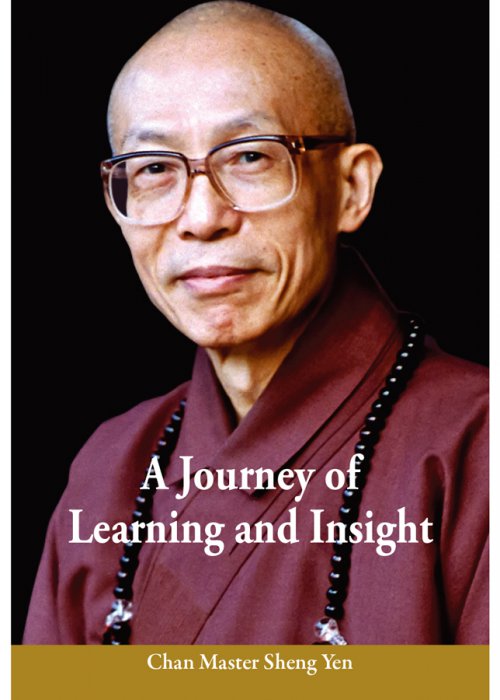
A Journey of Learning and Insight: An Autobiography of Chan Master Sheng Yen 聖嚴法師學思歷程(英譯版)
生命路徑總在不期然之處轉彎,彷彿是為了讓我們看見更廣闊的風景……歷經大環境不斷變遷的聖嚴法師,本著最初的願心,面對人生中的高山深壑,以佛法為地圖,做為指引個人安頓身心之道;進而將他對佛法的踐行領悟,透過義理分明的文字,為現代人描繪出生命智慧的藏寶圖。
本書由聖嚴法師娓娓道來其一生的學習歷程,以及隨順因緣全力投入生命中不同角色的各種轉折,經過文字的闡述及解行並重的生命實踐,使現代人得以親近佛法善知識,領受佛法做為人生指引的妙用。
本書為英文版,為《法鼓全集》英譯計畫中的第一部英文出版品。期待能以此英譯系列向廣大的西方讀者推廣漢傳佛教與禪法。
I am an ordinary Buddhist monk born in 1930 at a village in Jiangsu Province, Nantong County. The second year after my birth, there was a great flooding of the Yangzi River, which washed away our home and everything we owned. We were impoverished. My family then moved to the south bank of the Yangzi River. I was always weak in physique and prone to illness since childhood. I entered school at the age of nine, and left school when I was thirteen. I became a monk when I was thirteen. The basic education I received was equivalent to that of a fourth grade primary school student. While the other teenagers were studying at high school and university, I was busy working as a younmonk and performing ritual services. Later, I served in the military for the country. Nevertheless, since I was young, I realized the importance of knowledge and education. Therefore, during my time in service, I would take hold of any opportunity for self-study, and read many books. After leaving the army and spending six years in solitary retreat, having met the educational requirements along with my published work, I was enrolled in Rissho University in Tokyo. There, within six years time, I completed both a master’s and a doctoral degree in Buddhist Literature. From the time I realized that the sutras are used to provide knowledge and methods to purify society and the human mind, I felt lament. I thought, “The Dharma is so good, yet so few people know about it, and so many people misunderstand it.” Ordinary people treat Buddhadharma as something secular or mystical; at best they treat it as an academic study. Actually, Buddhism is a religion that applies wisdom and compassion to purify the human world. Thus, I vowed to use contemporary ideas and language to introduce to others the true meaning of the Dharma that was forgotten, and to revive the spirit of Shakyamuni Buddha. — From the Author’s Preface
作者簡介:
Master Sheng Yen 聖嚴法師(1930~2009年)
聖嚴法師1930年生於江蘇南通,1943年於狼山出家,後因戰亂投身軍旅,十年後再次披剃出家。曾於高雄美濃閉關六年,隨後留學日本,獲立正大學文學博士學位。1975年應邀赴美弘法。1989年創建法鼓山,並於2005年開創繼起漢傳禪佛教的「中華禪法鼓宗」。
聖嚴法師是一位思想家、作家暨國際知名禪師,曾獲臺灣《天下》雜誌遴選為「四百年來臺灣最具影響力的五十位人士」之一。著作豐富,中、英、日文著作達百餘種,先後獲頒中山文藝獎、中山學術獎、總統文化獎及社會各界的諸多獎項。
聖嚴法師提出「提昇人的品質,建設人間淨土」的理念,主張以大學院、大普化、大關懷三大教育推動全面教育,相繼創辦中華佛學研究所、法鼓佛教學院、僧伽大學、法鼓大學等院校,也以豐富的禪修經驗、正信的佛法觀念和方法指導東、西方人士修行。
法師著重以現代人的語言和觀點普傳佛法,陸續提出「心靈環保」、「四種環保」、「心五四運動」、「心六倫」等社會運動,近年來更致力於國際弘化工作,參與國際性會談,促進宗教交流,提倡建立全球性倫理,致力於世界的和平。其寬闊胸襟與國際化視野,深獲海內外肯定。
NT$
$312
|
78折


大法鼓全套:人間悟語-DVD
感情生活、工作事業、心靈成長,時時刻刻都牽動著你我的喜怒哀樂,面對這人生的三大課題,各種的挑戰,該如何自處?怎樣才能獲得解決之道?且看聖嚴法師以禪法獨到的智慧,教你一一化解迷津,帶領你超越困境,把握生命的契機,處處皆得自在。《大法鼓─人間悟語》DVD共10片70集,為聖嚴法師在《大法鼓》電視節目中的雋永法語,現經重新分類彙整,重現精華的開示內容。【精選十大主題】1 自我成長每個人都在追求自我成長,但是最大的成長,通常都是在成就他人中,同時成就自我。別人就是我們最好的鏡子,可以幫助我們反觀自己、修正自己。而一個懂得自我成長的人,生活必定充滿朝氣,擁有快樂之道。2 心情放輕鬆現代人身心緊張、情緒不安,以致於失眠、頭痛等問題變得愈來愈普遍。與其事後透過芳香療法、指壓按摩等外在的補救,不如在覺察到自己的情緒時,就立即以佛法先止息煩惱。時時保持好心情,煩惱自然就消失。3 放下執著 不再嫉妒有的人執著工作,有的人執著感情,凡是執著,都會諒人不得自在。特別是當妒火中燒時,更是讓人痛苦不已。如果能夠放下自己也放下別人,就能夠心無罫礙,生活圓滿。4 透視情感 愛得自在人都需要感情的滋潤,但是感情卻最容易讓人受傷。面對感情,不只要慈悲,也要有智慧,才不會愛到起煩惱,無法掙脫七情六欲。佛法的感情觀,提供我們愛得自在愉快的方法。5 辦公室哲學辦公室雖然人多事雜,卻是借事練心最好的地方。以耐煩的心面對抱怨,以柔軟的心協調溝通,將挫折視為成功的助緣,歡喜接受每個成長機會。能夠具有這樣的心態,不論位居主管或是部屬,做事都能得心應手。6 企業經營之道老闆的位子不好坐,一方面要懂得經營,另一方面要懂得人心,企業才能長久穩當。經營之道不僅與金錢有關,人才更是重要的財富,好的領導者不只能用對人,並且可以贏得人心,受到真正的敬,成為一流企業家。7 樂在工作中能夠保持愉快的心情、學習的態度,工作就會成為有趣的事情和成長的動力,不會讓人覺得壓力重重。即使面對充滿挑戰的工作,在處理的過程裡,也能夠因為身心輕鬆自在,而忙得快樂、累得歡喜。8 禪修應具備的正知見學禪最好的方式,就是腳踏實地一門深入。除了可以讓自己心無旁騖的安心學習,更不會有走岔路的問題。掌握正確的觀念,學習正確的方法,要想體驗清涼的禪心,無非就是水到渠成。9 學習禪法 開始打坐禪法人人可學,在各種禪修方法中,以「數呼吸」最為方便易學。雖然簡單,卻是所有方法最重要、最根本的基礎。透過體驗一呼一吸,可以幫助放鬆身心,一步一步深入禪門妙境。10 生活處處都是禪許多人學了禪法後,人生變得煥然一新。不但懂得如何化解自己的煩惱、排解別人的困難,也開始欣賞起這個世界了。其間的奧秘,可能只在轉念之間,世界立即豁然開朗。----------------------◆ 經典學院 ◆ 最古典的智慧,最現代的用法======================
演出者
NT$
$850
|
71折
聖嚴法師教淨土法門
聖嚴法師完整介紹彌陀信仰與淨土法門的特色與源流,探討執持名號與念佛禪的異同,引導修行者從「有相念佛」悟入「無相念佛」,以寬廣的淨土觀,同時實現自心淨土、佛國淨土、人間淨土。
修行的基本原則是鍊心,把雜亂的妄想心鍊成清淨的三昧心。無相念佛有兩個層次: 第一,有佛號,但不執著、不期求,就是念念念佛,一念不生。第二,不一定有佛號,可是心與佛相應。佛的心是無緣大慈、同體大悲、無我智慧,能念念相應就是無相念佛。這正是我們提倡的人間淨土。 ——聖嚴法師
◆ 融會大、小乘修行系統,闡明念佛法門本具的觀照特質◆ 特別收錄:《阿彌陀經》講記
念佛能使我們生起慈悲心、慚愧心、懺悔心、大悲願心、感恩迴向心,而這些都是成佛、修菩薩行,成就自心淨土的基礎,也是求生西方淨土不可缺少的資糧。在平常生活時,若能以慈悲心、感恩心、慚愧心來對待周遭所有認識或不認識的人,這樣我們所提倡的人間淨土就會在這個環境出現。因此,念佛可以完成三種淨土。--聖嚴法師
作者簡介
聖嚴法師(1930~2009年)
聖嚴法師1930年生於江蘇南通,1943年於狼山出家,後因戰亂投身軍旅,十年後再次披剃出家。曾於高雄美濃閉關六年,隨後留學日本,獲立正大學文學博士學位。1975年應邀赴美弘法。1989年創建法鼓山,並於2005年開創繼起漢傳禪佛教的「中華禪法鼓宗」。
聖嚴法師是一位思想家、作家暨國際知名禪師,曾獲臺灣《天下》雜誌遴選為「四百年來臺灣最具影響力的五十位人士」之一。著作豐富,中、英、日文著作達百餘種,先後獲頒中山文藝獎、中山學術獎、總統文化獎及社會各界的諸多獎項。
聖嚴法師提出「提昇人的品質,建設人間淨土」的理念,主張以大學院、大普化、大關懷三大教育推動全面教育,相繼創辦中華佛學研究所、法鼓文理學院、僧伽大學等院校,也以豐富的禪修經驗、正信的佛法觀念和方法指導東、西方人士修行。
法師著重以現代人的語言和觀點普傳佛法,陸續提出「心靈環保」、「四種環保」、「心五四運動」、「心六倫」等社會運動,並積極推展國際弘化工作,參與國際性會談,促進宗教交流,提倡建立全球性倫理,致力世界和平。其寬闊胸襟與國際化視野,深獲海內外肯定。
作者
NT$
$224
|
7折

DHARMA DRUM : The Life And Heart of Chan Practice 法鼓(英文版)
In Buddhism, awakening from the long dream of life means realizing your self-nature… Although we may understand that our lives are dreamlike, we still bear responsibility for this sleeping and waking dream We must make our minds simple, peaceful, and tranquil Sincere and rigorous practice lets us calm both body and mind, which in turn allows us, day by day, to reduce our karmic obstructions”
NT$
$536
|
85折

There Is No Suffering 心的經典:心經新釋 (英文版)
There is no suffering, no cause of suffering, no cessation of suffering, and no path There is no wisdom and no attainmentThe Heart Sutra, just over a page long, distills the teachings of the Buddha to their purest essence Perhaps the best known of all Buddhist sutras, it is recited in Buddhist centers and monasteries around the world Emphasizing a living wisdom directly experienced, the schools of Chan have revered the Heart Sutra for its concise expression of the core realization of the Buddha.There Is No Suffering is Chan Master Sheng Yen’s commentary on the Heart Sutru He speaks on the sutra from the Chan point of view, and presents it as a series of contemplation methods, encouraging readers to experience it directly through meditation and daily life In this way, reading the Heart Sutra becomes more than just an intellectual exercise; it becomes a wisdom inherent within each of us Whether one wants a better understanding of Buddhist concepts or a deepened meditation practice, this commentary on the Heart Sutra can help.
NT$
$468
|
85折
人行道
一個有智慧的人,可以做出正確的判斷,在過與不及之間,恰到好處。這樣,不論是雪中送炭,助人度過困厄,或是錦上添花,鼓勵人發起願心,在成功的基礎上再接再厲,更進一步,都是在日常生活中,舉手之勞就可以做得到的。──聖嚴走在人生的道路上,困惑、挫折在所難免,在面對人際關係、家庭、乃至事業的種種問題及困擾時,一盞指引方向的明燈,時常是帶領眾人走出困境的重要力量。聖嚴法師將多年修習佛法的智慧,化成四十一篇知性與感性兼具的短文,包含了如何在日常生活中修行、如何面對疾病、婚姻、工作,乃至宗教、政治等人生各面向的問題,希望用佛法的慈悲與智慧,陪伴人們在人生的旅途中,走得更平靜祥和,走得更有意義。
作者
NT$
$112
|
7折
法鼓晨音
農禪家風,聖嚴家教。晨光微曦中,只要聖嚴法師不出門的日子,吃過早餐後,是農禪寺法師們最珍視的一段時光,因為,法師會對全體出家弟子們談話。二十多年來,這些看似平常卻蘊含深意的話語,一直都是農禪寺出家法師們的「寶」,過去都只以影印文稿在常住法師之間流傳。這些內容,不但對出家弟子有幫助,對在家居士的居家修行也很有用,亦可從中看出聖嚴法師對弟子們慈悲的錘鍊,智慧的善巧,殷切的提攜。
作者簡介
聖嚴法師(1930〜2009年)聖嚴法師1930年生於江蘇南通,1943年於狼山出家,後因戰亂投身軍旅,十年後再次披剃出家。曾於高雄美濃閉關六年,隨後留學日本,獲立正大學文學博士學位。1975年應邀赴美弘法。1989年創建法鼓山,並於2005年開創繼起漢傳禪佛教的「中華禪法鼓宗」。聖嚴法師是一位思想家、作家暨國際知名禪師,曾獲臺灣《天下》雜誌遴選為「四百年來臺灣最具影響力的五十位人士」之一。著作豐富,中、英、日文著作達百餘種,先後獲頒中山文藝獎、中山學術獎、總統文化獎及社會各界的諸多獎項。聖嚴法師提出「提昇人的品質,建設人間淨土」的理念,主張以大學院、大普化、大關懷三大教育推動全面教育,相繼創辦中華佛學研究所、法鼓文理學院、僧伽大學等院校,也以豐富的禪修經驗、正信的佛法觀念和方法指導東、西方人士修行。法師著重以現代人的語言和觀點普傳佛法,陸續提出「心靈環保」、「四種環保」、「心五四運動」、「心六倫」等社會運動,並積極推展國際弘化工作,參與國際性會談,促進宗教交流,提倡建立全球性倫理,致力世界和平。其寬闊胸襟與國際化視野,深獲海內外肯定。
作者
NT$
$195
|
78折
基督教之研究
佛教的因果律就是宿命論嗎?漢譯的經典文義不通?佛教的亡靈追善是不可能的嗎?佛教與基督教是相衝突的嗎?聖嚴法師在基督教的質疑下,引發對基督教研究的興趣,做了若干佛教與基督教教義的分析與比較。文學博士聖嚴法師,以西方學者的見解,介紹西方人信仰的宗教;用基督教正統的素材,說明基督教內容的真貌;同時也對佛教與基督教之間的若干重要問題,作了客觀和理性的疏導。作者不想宣傳基督教,也無意攻擊基督教,衹是平心靜氣地加以分析研究,從歷史的角度,來考察基督教。
作者簡介
聖嚴法師(1930〜2009年)聖嚴法師1930年生於江蘇南通,1943年於狼山出家,後因戰亂投身軍旅,十年後再次披剃出家。曾於高雄美濃閉關六年,隨後留學日本,獲立正大學文學博士學位。1975年應邀赴美弘法。1989年創建法鼓山,並於2005年開創繼起漢傳禪佛教的「中華禪法鼓宗」。聖嚴法師是一位思想家、作家暨國際知名禪師,曾獲臺灣《天下》雜誌遴選為「四百年來臺灣最具影響力的五十位人士」之一。著作豐富,中、英、日文著作達百餘種,先後獲頒中山文藝獎、中山學術獎、總統文化獎及社會各界的諸多獎項。聖嚴法師提出「提昇人的品質,建設人間淨土」的理念,主張以大學院、大普化、大關懷三大教育推動全面教育,相繼創辦中華佛學研究所、法鼓文理學院、僧伽大學等院校,也以豐富的禪修經驗、正信的佛法觀念和方法指導東、西方人士修行。法師著重以現代人的語言和觀點普傳佛法,陸續提出「心靈環保」、「四種環保」、「心五四運動」、「心六倫」等社會運動,並積極推展國際弘化工作,參與國際性會談,促進宗教交流,提倡建立全球性倫理,致力世界和平。其寬闊胸襟與國際化視野,深獲海內外肯定。
作者
NT$
$195
|
78折
明末佛教研究
明末佛教在中國近代的佛教思想史上,具有承先啟後的關鍵地位。不僅在教內主張「性相融會」、「禪教合一」及禪淨律密的不可分割,也對教外的儒道二教,採取融通的疏導態度。而明末的諸大師,更有著容受一切佛法等視各宗各派的寬闊心量。明末,是中國佛教融合以致於成熟的重要時期。本書聖嚴法師傾注全力,對於明末佛教在禪宗、淨土唯識及佛門人物所做的全面性分類、研究和批判;也是欲進入明末佛教研究領域的讀者們,所不能錯過的經典著作。
作者簡介
聖嚴法師(1930〜2009年)聖嚴法師1930年生於江蘇南通,1943年於狼山出家,後因戰亂投身軍旅,十年後再次披剃出家。曾於高雄美濃閉關六年,隨後留學日本,獲立正大學文學博士學位。1975年應邀赴美弘法。1989年創建法鼓山,並於2005年開創繼起漢傳禪佛教的「中華禪法鼓宗」。聖嚴法師是一位思想家、作家暨國際知名禪師,曾獲臺灣《天下》雜誌遴選為「四百年來臺灣最具影響力的五十位人士」之一。著作豐富,中、英、日文著作達百餘種,先後獲頒中山文藝獎、中山學術獎、總統文化獎及社會各界的諸多獎項。聖嚴法師提出「提昇人的品質,建設人間淨土」的理念,主張以大學院、大普化、大關懷三大教育推動全面教育,相繼創辦中華佛學研究所、法鼓文理學院、僧伽大學等院校,也以豐富的禪修經驗、正信的佛法觀念和方法指導東、西方人士修行。法師著重以現代人的語言和觀點普傳佛法,陸續提出「心靈環保」、「四種環保」、「心五四運動」、「心六倫」等社會運動,並積極推展國際弘化工作,參與國際性會談,促進宗教交流,提倡建立全球性倫理,致力世界和平。其寬闊胸襟與國際化視野,深獲海內外肯定。
作者
NT$
$196
|
7折
禪門第一課
有一天我看見一條水蛇在追著一隻青蛙,蛇快要追到青蛙時,青蛙轉過頭來面對蛇。奇怪的是,這青蛙居然把自己獻給蛇吃,那景象十分難忘。我很納悶,想著:「那隻青蛙最後會怎麼樣呢?如果我是那隻青蛙,那我現在會在哪裡呢?」禪,是精神上的休息,是不可言喻的智慧。聖嚴法師以親身閱歷,指導佛法新鮮人,建立積極、自信的人生觀;在日常生活中,觀照自己、觀照眾生。修行中最重要的四個議題:苦、智慧、開悟、慈悲。禪,雖為佛教諸宗之一,所傳承下來的內容與精神,卻能體現佛法的全部內涵;雖以「無門」為法門,以不立文字為人所知,卻有著明確的修行方法與階段。本書原以英文出版,是聖嚴法師在西方為佛法新鮮人所作的開示記錄,聖嚴法師在書中簡要說明了禪宗的歷史源流、何謂禪、何謂佛法,並以自己的童年體驗與傳法時所遇到的現代人、事、物為例子,詳細探討了佛法中最重要的主題,如苦、智慧、開悟、慈悲的五個修行階段、禪修的三個層次等,為有興趣踏入禪門的讀者,上了扎實的第一堂課。「禪是一種精神上的休息,是一種不可言喻的智慧, 但禪同時也是所有的現象:它無所不在,處處皆是。 釋迦牟尼佛曾說,世間所有的法都是佛法; 我們也能這樣說:『世間所有的法都是禪的佛法。』」──聖嚴
作者簡介
聖嚴法師(1930~2009年)一九三○年出生,少年出家,曾於高雄山中閉關六年,並留學日本,獲得立正大學文學博士學位,曾任雜誌編輯、教授、所長以及譯經院院長等,創辦中華佛學研究所、創建法鼓山、僧伽大學、法鼓大學以及社會大學等,在國內設立禪修、文教、慈善等基金會,而分支道場亦遍及於歐、亞、美、澳等各大洲。他是一位教育家、作家,更是一位宗教家和國際知名的禪師,長年在國內外推動「心靈環保」、「種族和諧」及「世界和平」等工作不遺餘力。他所獲得的榮譽獎項中,包括總統文化獎、行政院文化獎、行政院社會領袖和風獎、中山文藝創作獎、中山學術著作獎、斐德烈二世和平獎等十多種。出版著作一百多種,已有十多種語言的譯著。他曾應邀為《中華日報》、《中央日報》、《聯合報》、《中國時報》、《自由時報》等各大報紙,及《天下》、《康健》等雜誌撰寫專欄。本書為聖嚴法師於美國為西方聽眾講說「禪」與佛法基礎觀念的開示集結。
譯者簡介
薛慧儀台大學外文系學士,英國University of Bath口筆譯碩士。曾任職於法鼓山文化中心國際翻譯室,現為大學兼職講師。譯作有《享受退休》(弘智)、《在樹上的父親》(小知堂)以及《26個妙朋友》(三民書局)。
作者
譯者
薛慧儀
NT$
$112
|
7折
幸福禪:上班族40則幸福指引
幸福,是自我肯定的微笑曲線。永遠保持平常心,融入未知的全球化世界,樂在學習,與創造力經濟接軌。笑了才會幸福!內附1分鐘微笑禪,一起笑出好心情!好福氣!工作不開心嗎?不知為誰辛苦為誰忙?何不立即體驗幸福禪的快樂心法,讓你開心微笑面對工作!本書針對上班族的種種苦惱問題:工作不快樂、沒賺錢福氣、缺少好運、不得人緣……,精選聖嚴法師40則幸福指引,透過不同面向的幸福禪,學會知福、惜福、培福、種福等好方法,讓你樂在工作,福氣多多,工作從此好運開!
作者簡介
聖嚴法師(1930~2009年)聖嚴法師1930年生於江蘇南通,1943年於狼山出家。曾於高雄美濃閉關六年,隨後留學日本,獲立正大學文學博士學位。1975年應邀赴美弘法。1989年創建法鼓山,並於2005年開創繼起漢傳禪佛教的「中華禪法鼓宗」。聖嚴法師是一位思想家、作家暨國際知名禪師,著作豐富,中、英、日文著作達百餘種,先後獲頒中山文藝獎、中山學術獎、總統文化獎及社會各界的諸多獎項。聖嚴法師提出「提昇人的品質,建設人間淨土」的理念,相繼創辦中華佛學研究所、法鼓佛教學院、僧伽大學、法鼓大學等院校,也以豐富的禪修經驗、正信的佛法觀念和方法指導東、西方人士修行。法師著重以現代人的語言和觀點普傳佛法,陸續提出「心靈環保」、「四種環保」、「心五四運動」、「心六倫」等社會運動,更致力於國際弘化工作,其寬闊胸襟與國際化視野,深獲海內外肯定。
NT$
$117
|
78折

聖嚴法師墨寶復刻原木壁掛-有大吉祥
隨時安心、隨念安心、隨遇安心,隨時隨地把心收回來,讓波動的心安定下來。希望佛法的「慈悲之光」、「智慧之光」,給人間帶來溫暖,讓人人都能身安、心安、家安、業安,即是真正可靠且究竟的平安。
.產品特色.原木外框搭配手工木皮內框。.整體設計簡約.典雅.大方。.墨寶有聖嚴法師的落款及印鑑。.承載著法鼓山及聖嚴法師滿滿祝福,居家典藏、送禮最佳選擇。
產品規格.掛飾尺寸:約寬 26.4 x 高 79 x 厚 4.3公分.外包裝尺寸:約寬 34.5 x 高 82 x 厚 6公分.材質:紙/松木/布/壓克力.重量:約2250公克 (含包裝).製造地:臺灣
注意事項.因拍攝地點及光線不同,顏色略有差異,請以實際商品為主。.小心輕放,不可重壓。
NT$
$3,800
禪無所求:聖嚴法師的〈心銘〉十二講
本書是聖嚴法師在美國多次禪七中的開示集結,旨在闡釋牛頭法融禪師的〈心銘〉詩偈。聖嚴法師以自身豐富的禪修經驗,釐清開悟者與各階段修行者的境界層次,指出修行者所應具備的正確態度,與應避免落入的陷阱,並從實修的角度,詳盡地解說止與觀、定與慧、話頭與公案的本質與作用,為這首古老詩偈中所敘述的玄妙禪境,開闢了一條解行並重的修行大道。「修行的重點應該放在過程,而不是結果。 有目標是好的,但在修行時,就要把目標放在一旁,只管修行。 修行就像旅行:你和其他旅人來到同一座機場展開旅程。 每個航班都有自己的起飛時間、目的地和抵達時間。 你買自己的機票,坐上自己的位子,其他人則坐上他們的位子。 一旦上路,就沒必要擔心路途或抵達的時間。 你終會到達目的地,就像其他人一樣。」──聖嚴
作者簡介
聖嚴法師(1930~2009年)一九三○年出生,少年出家,曾於高雄山中閉關六年,並留學日本,獲得立正大學文學博士學位,曾任雜誌編輯、教授、所長以及譯經院院長等,創辦中華佛學研究所、創建法鼓山、僧伽大學、法鼓大學以及社會大學等,在國內設立禪修、文教、慈善等基金會,而分支道場亦遍及於歐、亞、美、澳等各大洲。他是一位教育家、作家,更是一位宗教家和國際知名的禪師,長年在國內外推動「心靈環保」、「種族和諧」及「世界和平」等工作不餘遺力。他所獲得的榮譽獎項中,包括總統文化獎、行政院文化獎、行政院社會領袖和風獎、中山文藝創作獎、中山學術著作獎、斐德烈二世和平獎等十多種。出版著作一百多種,已有十多種語言的譯著。他曾應邀為《中華日報》、《中央日報》、《聯合報》、《中國時報》、《自由時報》等各大報紙,及《天下》、《康健》等雜誌撰寫專欄。本書為聖嚴法師在美國多次禪七中,針對牛頭法融禪師的〈心銘〉所做的開示。
譯者簡介
單德興祖籍山東省嶧縣,一九五五年出生於台灣省南投縣,台灣大學外文研究所博士,一九八八年皈依聖嚴法師,現任中央研究院歐美研究所研究員,曾任中華民國英美文學學會理事長,美國加州大學爾灣校區、哈佛大學、紐約大學、英國伯明罕大學訪問學人。著有《銘刻與再現》、《對話與交流》、《反動與重演》、《我打禪家走過》,譯有《知識分子論》、《禪的智慧》、《格理弗遊記》、《權力、政治與文化》等,並獲得九十五年(第三十屆)金鼎獎最佳翻譯人獎。研究領域包括美國文學史、華美文學、比較文學、文化研究、翻譯研究。
作者
譯者
單德興
NT$
$218
|
78折

從心溝通
不焦慮的溝通~完全實用的佛系人際對策聖嚴法師教你「利己利人」的溝通智慧@ 適讀對象‧ 上班族的強心劑‧ 各種菜鳥新鮮人的定心丸‧ 邊緣人、繭居族的人際救生圈‧ 家族、群組求生術# 絕對心有戚戚焉的溝通問題解答‧ 如何和不喜歡的人相處?‧ 遠離雙面人‧ 因為柔軟,所以堅強‧ 好人真的比較吃虧嗎?‧ 走自己的路,不必比較‧ 慈悲沒有敵人,智慧不起煩惱(從心溝通 總綱領)【不想溝通的人】人是群體的動物,不可能離群索居,除非你想成為與世隔絕的人,把自己關在一個獨立的空間裡,不想和任何人接觸,也不想請求任何人幫忙,那才不需要與人溝通,否則誰都免不了要與他人溝通。溝通很重要,可是在人與人相處的過程中,我們都會選擇與自己比較契合的人來往。總認為:反正不和某某人來往,不和某某人談話,一樣會有其他朋友,一樣可以過日子。於是就開始有所分別:這個人是我的朋友,那個人不是我的朋友;或是這班人都是壞人,我不願意和他們做朋友。像這樣的人,在腦子裡已經設定好標準,認定了某些人不夠朋友,或不是朋友,或是這些人都是出賣他、要占他便宜的,甚至覺得別人的水準太差,不夠資格做他的朋友。這種不願雙向溝通的人,要和他交朋友是很難的,因為,溝通一定是雙向的,如果只是單向的就不能稱作溝通,因為根本無從溝通起。照常理說,只要不是惡友、損友,交朋友應該是多多益善,但如果任憑你如何努力,對方還是不願接受你,仍然對你有敵意,那就不用再努力,只有暫不往來了。因為你不一定非得和他做朋友不可,更何況是他不願意和你來往,不願意接納你,如果你執意要和他來往,不但你很痛苦,他會更痛苦。事情到了這個地步,也是無可奈何的。不過,即使如此,也不要把對方當成敵人,心裡還是要把他當成朋友。【默擯】這就是佛法中所謂「默擯」的方式。「默」是沉默,「擯」就是驅逐,意思是他不生活在我的範圍裡,我也不生活在他的範圍裡,彼此互不干擾、涉入。因為既然沒有辦法溝通,那就不需要再強求了。尤其是當對方無理取鬧、不可理喻,你和他有理也講不通時,那只有用默擯的方式。可是等他回心轉意後,還是要將他視為朋友,不要因此而把他當成十惡不赦的人。【試探】另外,還有一種方式是「試探」。幾次試探後或許會發現,也許是因為你的方法、心態或言語讓對方誤會,以致於他無法接受。這時你必須先調整自我,調整到對方能夠接受的程度為止。但不能把自己完全變成別人期待的樣子,否則就失去了自己的立場與原則,連一般人也無法接受。你可以試著想辦法先適應對方,將自己的一部分改變,經過多次的適應調整,最後也許對方會回心轉意,願意主動或被動地與我們接觸。【結真正的善緣】佛教中有「結緣」的說法,意思就是人與人之間彼此支持、協助,共同走上良善、光明的道路。「慈悲沒有敵人,智慧不起煩惱」,慈悲的對象,除了慈悲別人,也要慈悲自己。因為不慈悲自己,會讓自己很痛苦。例如,有的人不肯原諒自己,於是就傷害自己。其實做錯事,改過就好,若是不斷責罰自己,就會一直陷在痛苦之中,這就是對自己不慈悲了。對別人也是一樣,如果態度不慈悲,可能就會一再地傷害他人。「智慧不起煩惱」這句話,則是讓人不起煩惱的方法。人在煩惱中糾纏,可說是最痛苦的事,因為煩惱就好像是自己在整自己般愚蠢,想要化解,就要運用佛法的空觀智慧,有了空觀的智慧,煩惱自然就沒有了。
作者簡介
聖嚴法師(1930~2009年)聖嚴法師1930年生於江蘇南通,1943年於狼山出家,後因戰亂投身軍旅,十年後再次披剃出家。曾於高雄美濃閉關六年,隨後留學日本,獲立正大學文學博士學位。1975年應邀赴美弘法。1989年創建法鼓山,並於2005年開創繼起漢傳禪佛教的「中華禪法鼓宗」。聖嚴法師是一位思想家、作家暨國際知名禪師,曾獲臺灣《天下》雜誌遴選為「四百年來臺灣最具影響力的五十位人士」之一。著作豐富,中、英、日文著作達百餘種,先後獲頒中山文藝獎、中山學術獎、總統文化獎及社會各界的諸多獎項。聖嚴法師提出「提昇人的品質,建設人間淨土」的理念,主張以大學院、大普化、大關懷三大教育推動全面教育,相繼創辦中華佛學研究所、法鼓文理學院、僧伽大學等院校,也以豐富的禪修經驗、正信的佛法觀念和方法指導東、西方人士修行。法師著重以現代人的語言和觀點普傳佛法,陸續提出「心靈環保」、「四種環保」、「心五四運動」、「心六倫」等社會運動,並積極推展國際弘化工作,參與國際性會談,促進宗教交流,提倡建立全球性倫理,致力世界和平。其寬闊胸襟與國際化視野,深獲海內外肯定。聖嚴法師的電視弘法節目《大法鼓》播出逾十餘年,實用且生活化的內容,深獲觀眾的好評,本書即集結自該節目內容。
本書適合在這些時刻閱讀
與家人、朋友或同事溝通不順,想理解彼此的立場與需求。
想學習在表達意見或關心時,該如何說才能兼顧尊重與善意。
生活中因比較、嫉妒或怨恨而感到困擾,想練習欣賞他人、調整自己的心念。
面對難以相處的人,想學習包容,同時保有原則與適當的尺度。
想將佛法落實在日常生活中,學習關懷、付出與廣結善緣。
作者
NT$
$105
|
7折




快樂禪:上班族40則快樂指引
快樂,是與人為善的溝通藝術。語言不一定能達成共識,自我肯定的自知之明,自他平等的尊重、理解、如實接納,即是多元化與深刻國際化的素養。和樂無諍真快樂!內附溝通禪,一起樂在溝通!廣結善緣!工作開心嗎?希望大家看到你都變得快樂嗎?何不立即體驗快樂禪的快樂妙法,讓你把壞心情變成好心情!本書針對上班族的種種悶悶不樂問題:情緒不安、人緣不佳、吵架失和、溝通不良……,精選聖嚴法師40則快樂指引,透過不同面向的快樂禪,學會離苦得樂的方法,化敵為友,和樂相處,你就能念念心安樂,處處遇貴人,工作從此真開心!
作者簡介
聖嚴法師(1930~2009年)聖嚴法師1930年生於江蘇南通,1943年於狼山出家。曾於高雄美濃閉關六年,隨後留學日本,獲立正大學文學博士學位。1975年應邀赴美弘法。1989年創建法鼓山,並於2005年開創繼起漢傳禪佛教的「中華禪法鼓宗」。聖嚴法師是一位思想家、作家暨國際知名禪師,著作豐富,中、英、日文著作達百餘種,先後獲頒中山文藝獎、中山學術獎、總統文化獎及社會各界的諸多獎項。聖嚴法師提出「提昇人的品質,建設人間淨土」的理念,相繼創辦中華佛學研究所、法鼓佛教學院、僧伽大學、法鼓大學等院校,也以豐富的禪修經驗、正信的佛法觀念和方法指導東、西方人士修行。法師著重以現代人的語言和觀點普傳佛法,陸續提出「心靈環保」、「四種環保」、「心五四運動」、「心六倫」等社會運動,更致力於國際弘化工作,其寬闊胸襟與國際化視野,深獲海內外肯定。
NT$
$117
|
78折


電子書 | 工作好修行:聖嚴法師的38則職場智慧 (二版)
入世修行 × 職場實踐每天上班,修行也在工作中
「人不可能離開工作,而且愈是有理想,愈是對生活抱持積極態度的人,工作愈是做不完。但是,你還要有本事活得很愉快。」——聖嚴法師
二千五百年前,佛陀成功領導了超過千人的龐大僧團,規模堪比現今的大企業。佛陀不僅是覺者,更是一位深諳人性的領導者,而佛法的古老智慧,已足夠讓你在競爭激烈的現代職場中,遊刃有餘、得心應手。
在忙碌與壓力交織的日常中,我們為了生活,總把工作擺在第一位,而修行則要等到有空、放假、甚至退休之後,再去尋找內心的平靜。但,如果你的辦公室,就是最好的禪堂呢?
將深刻的佛法化為具體的職場心法,聖嚴法師為我們解說工作的意義、做事的藝術、人際相處,以及團隊合作等原則;針對上班族最感疲憊的「情緒內耗」、「競爭焦慮」與「人際溝通」等,給予直指人心的解方。如:
◆ 工作心法:以「隨順因緣」面對環境;以「專注當下」化解焦慮、提升效率。◆ 做事的藝術:運用佛陀的「調琴論」,在努力與放鬆之間,找到鬆緊得宜的平衡。◆ 競爭升級:以「良性競爭」取代掠奪式比較,從對抗走向共好,創造雙贏而非消耗。◆ 人際與團隊:實踐佛陀帶領團隊的「六和敬」,建立更有溫度、更高效的合作關係。
修行不在遠方,就在你處理每一封郵件、挑戰每一個任務的當下。
每天上班,其實在修心。把工作做好,就是在修行。每一次共事,都是成就彼此的契機。
無論你是工作穩定的員工、主管、企業家,或是正在謀職、有意創業者,都能從本書獲得寶貴的啟發。
現在,就讓佛陀與聖嚴法師來做你的職場顧問,解鎖職場與心靈的雙贏兩利祕訣。
作者簡介
聖嚴法師(1930~2009年)聖嚴法師1930年生於江蘇南通,1943年於狼山出家,後因戰亂投身軍旅,十年後再次披剃出家。曾於高雄美濃閉關六年,隨後留學日本,獲立正大學文學博士學位。1975年應邀赴美弘法。1989年創建法鼓山,並於2005年開創繼起漢傳禪佛教的「中華禪法鼓宗」。聖嚴法師是一位思想家、作家暨國際知名禪師,曾獲臺灣《天下》雜誌遴選為「四百年來臺灣最具影響力的五十位人士」之一。著作豐富,中、英、日文著作達百餘種,先後獲頒中山文藝獎、中山學術獎、總統文化獎及社會各界的諸多獎項。聖嚴法師提出「提昇人的品質,建設人間淨土」的理念,主張以大學院、大普化、大關懷三大教育推動全面教育,相繼創辦中華佛學研究所、法鼓文理學院、僧伽大學等院校,也以豐富的禪修經驗、正信的佛法觀念和方法指導東、西方人士修行。法師著重以現代人的語言和觀點普傳佛法,陸續提出「心靈環保」、「四種環保」、「心五四運動」、「心六倫」等社會運動,並積極推展國際弘化工作,參與國際性會談,促進宗教交流,提倡建立全球性倫理,致力世界和平。其寬闊胸襟與國際化視野,深獲海內外肯定。
本書適合在這些時刻閱讀
想重新理解工作的意義,並將修行融入日常工作中。
面對工作變動,想用較安定的心態評估下一步。
工作繁忙、時程緊迫,應如何分辨輕重緩急,專注做好眼前的事。
與同事或主管意見不同,想學習更妥當的溝通與相處方式。
當帶領團隊,需要思考如何凝聚共識、照顧成員並共享成果。
作者
NT$
$140

電子書 | 印度佛教史 (四版)
多次再版,深受讀者喜愛及學術界好評在佛教史上,印度永遠都具有獨特的地位印度,是釋迦牟尼佛的故鄉。佛教雖已在印度凋零不振,但在佛教史上,印度永遠都具有獨特的地位,現今主要的宗派,如北傳、南傳、藏傳佛教的思想教義,均在佛教行之印度的一千七百多年間,完其大備。聖嚴法師編寫的印度佛教史,從不同面向介紹佛教在印度的整個發展過程,豐富詳實,優美流暢,讀來令人意猶未盡,是佛教溯源的最佳入門書。.緒說.釋迦世尊.原始佛教與三藏聖典.阿育王與大天.部派佛教的分張.大眾部及有部的教義.阿育王以後的王朝及佛教藝術.初期的大乘佛教.龍樹系的大乘佛教及其後的經典.無著系的大乘佛教.笈多王朝及其後的佛教.從密教盛行到近代佛教
作者簡介
聖嚴法師(1930〜2009年)1930年生於江蘇南通,1943年於狼山出家,後因戰亂投身軍旅,十年後再次披剃出家。曾於高雄美濃閉關六年,隨後留學日本,獲立正大學文學博士學位。1975年應邀赴美弘法。1989年創建法鼓山,並於2005年開創繼起漢傳禪佛教的「中華禪法鼓宗」。聖嚴法師是一位思想家、作家暨國際知名禪師,曾獲臺灣《天下》雜誌遴選為「四百年來臺灣最具影響力的五十位人士」之一。著作豐富,中、英、日文著作達百餘種,先後獲頒中山文藝獎、中山學術獎、總統文化獎及社會各界的諸多獎項。聖嚴法師提出「提昇人的品質,建設人間淨土」的理念,主張以大學院、大普化、大關懷三大教育推動全面教育,相繼創辦中華佛學研究所、法鼓文理學院、僧伽大學等院校,也以豐富的禪修經驗、正信的佛法觀念和方法指導東、西方人士修行。法師著重以現代人的語言和觀點普傳佛法,陸續提出「心靈環保」、「四種環保」、「心五四運動」、「心六倫」等社會運動,並積極推展國際弘化工作,參與國際性會談,促進宗教交流,提倡建立全球性倫理,致力世界和平。其寬闊胸襟與國際化視野,深獲海內外肯定。
作者
NT$
$280

電子書 | 歡喜看生死 (二版)
了知生死,方能無憂無懼關於快樂、命運與人生終點的深度對話
「師父,您快樂嗎?」從這個簡單卻直指人心的問題開始,聖嚴法師帶我們重新思考——什麼是快樂?為什麼而活?又該如何面對死亡?
現代人不一定怕死,怕的是活得不踏實、不明白此生的方向,或是在日常的焦慮中,忘了快樂的滋味。
在人生困頓時,我們會去看命理、算流年,卻往往在半信半疑中無所依循。聖嚴法師並不迴避命理的議題,而是教我們以正思惟來看待命理——既不迷信,也不否定,在因緣之中,看見自己可以承擔與轉化的力量。
法師以多年修行體證的智慧,談生命的意義,也談死亡的準備。他指出,當我們真正理解生死,便能以願力豐富當下,開展出更廣闊、更完整的人生。
這不是艱深的理論,是一堂從青春到晚年都受用的生命課。讓我們在活著的每一天都踏實安穩,也在面對最後一刻時,心安無憂。
——✦——
「聖嚴法師,當代高僧也。對佛法有精深的鑽研、對眾生懷抱無比的悲心,更能以現代思惟彰顯其善巧方便。在這本問答錄中,洞悉生死的智慧躍然紙上。」——鄭振煌
「聖嚴法師以一個修行人的身分,告訴讀者如何從生到死,沉穩持重地奉行正確的生活型態,正是臺灣此時此刻相當需要的精神指引。」——余德慧
「這本訪談錄,記載了人生不同階段該如何著力自修,命數是否天定,死亡前後該如何自處等等。在數個月的訪談中,我實在驚訝於聖嚴法師談吐之餘的氣定神閒,永遠單刀直入。」——李慧菊
▍一問一答,直面生命的核心問題
◆ 師父,您快樂嗎?(不一定怕死,但為什麼活?)◆ 生命的意義是什麼?(這個世代最普遍的空心感)◆ 命理的正思惟(人們最關心、也最迷惘的議題)◆ 死亡是怎麼回事?(我們真正害怕的是什麼?)◆ 如何安度最後旅程?(讓人真正放下的安心)
當觀念正確,心安住於當下,無論外在環境如何更迭、生命際遇如何流轉,我們都能以最從容的姿態,歡喜自在地走出屬於自己的道路。
作者簡介
聖嚴法師(1930~2009年)聖嚴法師1930年生於江蘇南通,1943年於狼山出家,後因戰亂投身軍旅,十年後再次披剃出家。曾於高雄美濃閉關六年,隨後留學日本,獲立正大學文學博士學位。1975年應邀赴美弘法。1989年創建法鼓山,並於2005年開創繼起漢傳禪佛教的「中華禪法鼓宗」。聖嚴法師是一位思想家、作家暨國際知名禪師,曾獲臺灣《天下》雜誌遴選為「四百年來臺灣最具影響力的五十位人士」之一。著作豐富,中、英、日文著作達百餘種,先後獲頒中山文藝獎、中山學術獎、總統文化獎及社會各界的諸多獎項。聖嚴法師提出「提昇人的品質,建設人間淨土」的理念,主張以大學院、大普化、大關懷三大教育推動全面教育,相繼創辦中華佛學研究所、法鼓文理學院、僧伽大學等院校,也以豐富的禪修經驗、正信的佛法觀念和方法指導東、西方人士修行。法師著重以現代人的語言和觀點普傳佛法,陸續提出「心靈環保」、「四種環保」、「心五四運動」、「心六倫」等社會運動,並積極推展國際弘化工作,參與國際性會談,促進宗教交流,提倡建立全球性倫理,致力世界和平。其寬闊胸襟與國際化視野,深獲海內外肯定。
NT$
$140

電子書 | 華嚴心詮:原人論考釋 (二版)
《原人論》是一部大格局、大架構的佛學導論。聖嚴法師的考釋,每每會提出對於論主的親切感受,並與今日的佛教所需而做詮釋。《華嚴經》在大乘佛教發展上,有著重要的地位,書中所提出的「十方成佛」及「修行十地」的理論,對佛教思想發展產生重要影響。《原人論》作者圭峰宗密,少通儒書,但儒學智識並不能滿足他對宇宙根本問題的追求,因緣際會過禪門、入華嚴,最終達到「外境內心,豁然無隔」之境。《原人論》是圭峰宗密晚期以圓融無礙思想,會通各家學說之作。藉由探究萬物之靈的人類從何而來,逐一析判儒、道、釋各家論點之偏執,指出直顯如來真性的一乘顯性教方為圓滿之真理,並進而會通本末,臻至三教圓融之境地。聖嚴法師旁徵博引古哲先智各家立論,並透過層次分明的註解,深入析解這些概念形成的脈絡以及根本義理,是現代修行者在回歸自性本源的路上,一個清晰而必備的指引。
作者簡介
聖嚴法師(1930~2009年)1930年生於江蘇南通,1943年於狼山出家,後因戰亂投身軍旅,十年後再次披剃出家。曾於高雄美濃閉關六年,隨後留學日本,獲立正大學文學博士學位。1975年應邀赴美弘法。1989年創建法鼓山,並於2005年開創繼起漢傳禪佛教的「中華禪法鼓宗」。聖嚴法師是一位思想家、作家暨國際知名禪師,曾獲臺灣《天下》雜誌遴選為「四百年來臺灣最具影響力的五十位人士」之一。著作豐富,中、英、日文著作達百餘種,先後獲頒中山文藝獎、中山學術獎、總統文化獎及社會各界的諸多獎項。聖嚴法師提出「提昇人的品質,建設人間淨土」的理念,主張以大學院、大普化、大關懷三大教育推動全面教育,相繼創辦中華佛學研究所、法鼓文理學院、僧伽大學等院校,也以豐富的禪修經驗、正信的佛法觀念和方法指導東、西方人士修行。法師著重以現代人的語言和觀點普傳佛法,陸續提出「心靈環保」、「四種環保」、「心五四運動」、「心六倫」等社會運動,並積極推展國際弘化工作,參與國際性會談,促進宗教交流,提倡建立全球性倫理,致力世界和平。其寬闊胸襟與國際化視野,深獲海內外肯定。
作者
NT$
$266

電子書 | 本当の楽しみとは
苦しみと喜びの本質をはっきりと見極め、人生を楽に生きる道を見つけなさい。欲しいものは手に入らない。嫌いなものは受け入れるしかない。恋人同士は別れなければならないが、憎み合う者同士は協力しなければならない。「生、老、病、そして死」は、人生において避けられない苦しみである。人生には、永遠で真の幸福というものは存在するのだろうか?人々の間の関係は「人間関係」と呼ばれます。釈迦牟尼仏は、人間関係におけるあらゆる苦しみや悩みを経験した後、悟りを開き、仏陀となりました。実際、仏教で説かれる「八つの苦しみ」、すなわち「憎む者と出会うこと」と「愛する人と別れること」は、人間関係から生じる二種類の苦しみであり、誰にとっても避けられないものです。仏教で語られる「苦しみ」とは、実際には心配、悲しみ、痛み、苦悩といった感情的な反応のことである。人々が一般的に経験する幸福は、「五つの欲望」が満たされることによってもたらされる。—— 目、耳、鼻、舌、体—— 欲望から生じる快楽。欲望における「快楽」には「苦しみ」が内包されている。それは「苦しみを伴う快楽」であるが、私たちのほとんどはこの事実に全く気づいていない。苦しみと喜びの違いは、主に個人の主観的な感情によって決まり、身体的な感覚や外部の出来事によって決まるものではありません。人生における五蘊の空性を悟ることは、想像するほど難しいことではありません。自己中心的な煩悩を徐々に手放していくことで、いつでもどこでも、悟り、清涼感、そして自由を体験することができるのです。解放の喜びは、完全な解放が達成されるまで待つ必要はありません。ただその方向へ進むだけで、一歩一歩に喜びが伴い、それは決して強制されるものではありません。心の変化は、明るく希望に満ちた未来を瞬時に明らかにしてくれるのです!聖厳大師の素晴らしい幸福法によって、喜びはもはや外部の状況に左右される感情的な反応ではなく、人生に対する美しい姿勢となる、深い内なる知恵と慈悲へと昇華されるでしょう。
作者簡介
聖厳法師(1930〜2009年)1930年、江蘇省南通市に生まれ、1943年に郎山で出家。高雄市美濃で6年間修行した後、日本に留学し、立正大学で文学博士号を取得。1975年、仏教の布教のため米国に招かれた。1989年に法鼓山を創設し、2005年には中国禅宗の伝統を受け継ぐ禅宗の一派である「中国禅法鼓派」を設立した。聖厳法師彼は思想家、作家であり、国際的に名高い禅僧でもあり、中国語、英語、日本語で100冊を超える著書を含む膨大な作品群を誇ります。孫文文学賞、孫文学術賞、大統領文化賞をはじめ、社会の様々な分野から数々の賞を受賞しています。聖厳法師彼は「人間性の向上と地上の浄土建設」という概念を提唱し、中華仏教研究所、法鼓芸術科学学院、僧伽大学などの機関を次々と設立した。また、瞑想における豊富な経験と正統的な仏教の理念と方法論を用いて、東西の人々を仏教の実践へと導いた。者は、現代人の言葉と視点で仏教を広めることを重視し、「環境保護への意識」「環境保護の四つの形態」「五四運動への意識」「六つの倫理への意識」といった社会運動を次々と提唱してきました。また、国際的な布教活動にも尽力しており、その広い視野と国際的な見識は国内外で高く評価されています。
作者
NT$
$70

電子書 | 工作好修行:聖嚴法師的38則職場智慧(簡體版)
工作中的挫折与困境,该如何化解与突破?圣严法师的38则职场智慧,为你开启工作新视野,创造自利利他的职场双赢。你知道佛法的古老智慧,已足够让你在竞争激烈的现代职场游刃有余、得心应手吗?二千五百年前,佛陀成功领导了超过千人的庞大僧团,规模足可比拟现今的大企业,他的领导哲学是什么?圣严法师在本书中分享将佛法活用在工作上的智慧心法,说明工作的意义、做事的艺术、人际相处,以及团队合作的原则,建议我们以「随顺因缘」的求职观适应环境、减轻压力;以「良性竞争」取代以抢夺为目的的「动物性竞争」;以佛陀的「调琴论」保持不松不紧的生活平衡感。最后,法师一一说明六个让彼此和乐相处的观念,也就是佛陀带领团队的原则「六和敬」。无论你是正在谋职中,或是工作稳定的员工、主管、企业家,亦或有意创业,都能从本书获得宝贵的启发。现在,就让佛陀与圣严法师来做你的职场顾问,让你不仅工作事半功倍,更能领会工作好修行的诀窍!
作者简介
圣严法师(1930~2009年)圣严法师1930年生于江苏南通,1943年于狼山出家,后因战乱投身军旅,十年后再次披剃出家。曾于高雄美浓闭关六年,随后留学日本,获立正大学文学博士学位。1975年应邀赴美弘法。1989年创建法鼓山,并于2005年开创继起汉传禅佛教的「中华禅法鼓宗」。圣严法师是一位思想家、作家暨国际知名禅师,曾获台湾《天下》杂志遴选为「四百年来台湾最具影响力的五十位人士」之一。着作丰富,中、英、日文着作达百余种,先后获颁中山文艺奖、中山学术奖、总统文化奖及社会各界的诸多奖项。圣严法师提出「提升人的品质,建设人间净土」的理念,主张以大学院、大普化、大关怀三大教育推动全面教育,相继创办中华佛学研究所、法鼓佛教学院、僧伽大学、法鼓大学等院校,也以丰富的禅修经验、正信的佛法观念和方法指导东、西方人士修行。法师着重以现代人的语言和观点普传佛法,陆续提出「心灵环保」、「四种环保」、「心五四运动」、「心六伦」等社会运动,近年来更致力于国际弘化工作,参与国际性会谈,促进宗教交流,提倡建立全球性伦理,致力于世界的和平。其宽阔胸襟与国际化视野,深获海内外肯定。本书缘起于圣严法师为《天下》杂志所写的「人生管理」专栏,为工商管理人士在经营管理、人际关系、人生价值观等面向,提出超脱非黑即白的观点,让人生多了圆融与智慧。
本書適合在這些時刻閱讀
想重新理解工作的意义,并将修行融入日常工作中。
面对工作变动,想用较安定的心态评估下一步。
工作繁忙、时程紧迫,应如何分辨轻重缓急,专注做好眼前的事。
与同事或主管意见不同,想学习更妥当的沟通与相处方式。
当带领团队,需要思考如何凝聚共识、照顾成员并共享成果。
作者
NT$
$126

電子書 | 法鼓山故事
聖嚴法師口述歷史只為堅持「本來面目」聖嚴法師曾說,山河大地自有本來面目,而每個人的生活與生命,也在本來面目中。法鼓山園區的建築、佛像、步道等規畫配置,法師無不參與,只為堅持「本來面目」。本書為聖嚴法師晚年口述,隨行記錄胡麗桂整理。法鼓山是觀音菩薩護念的道場,聽聖嚴法師說法鼓山故事,字字句句,承載法鼓山從無到有的艱辛與欣慰,也見證人間淨土逐步實現的歷程。★書中收錄諸多書法、攝影,皆為聖嚴法師親作★「很少有人知道,法鼓山建築的各種各式建材,從室內到戶外,自屋牆、地板到門窗所用的每一種材料,甚至是一塊小石頭,都是由我挑選的。」「其實,我並沒有什麼一定的堅持,只是希望我們選用的建材能與金山的自然環境相調和;我也期待著,建材雖是時新的,卻能表現一種歲月的古感,使得建築物落成之初,就像是已經有人住過的老房子一般,不至顯得新穎、突兀;而且過了數十年之後,依然不會有太大的改變。」「『祈願觀音』一詞,是由我新創,在佛經或者佛教文獻不曾見過。」「至於誰來祈禱、誰來發願呢?當然是你我等凡夫眾生。」「我們法鼓山有許多事都是誤傳,如果我不講,恐怕以後都是誤傳。」「這本小書獻給所有關心法鼓山的讀者。」
作者簡介
聖嚴法師(1930~2009年)
聖嚴法師1930年生於江蘇南通,1943年於狼山出家,後因戰亂投身軍旅,十年後再次披剃出家。曾於高雄美濃閉關六年,隨後留學日本,獲立正大學文學博士學位。1975年應邀赴美弘法。1989年創建法鼓山,並於2005年開創繼起漢傳禪佛教的「中華禪法鼓宗」。聖嚴法師是一位思想家、作家暨國際知名禪師,曾獲臺灣《天下》雜誌遴選為「四百年來臺灣最具影響力的五十位人士」之一。著作豐富,中、英、日文著作達百餘種,先後獲頒中山文藝獎、中山學術獎、總統文化獎及社會各界的諸多獎項。聖嚴法師提出「提昇人的品質,建設人間淨土」的理念,主張以大學院、大普化、大關懷三大教育推動全面教育,相繼創辦中華佛學研究所、法鼓文理學院、僧伽大學等院校,也以豐富的禪修經驗、正信的佛法觀念和方法指導東、西方人士修行。法師著重以現代人的語言和觀點普傳佛法,陸續提出「心靈環保」、「四種環保」、「心五四運動」、「心六倫」等社會運動,並積極推展國際弘化工作,參與國際性會談,促進宗教交流,提倡建立全球性倫理,致力世界和平。其寬闊胸襟與國際化視野,深獲海內外肯定。
NT$
$196

電子書 | 天台心鑰:教觀綱宗貫註
天台學確是漢傳佛教的寶藏,只是被遺忘了。本書榮獲中山學術著作獎兩千年來漢傳佛教的智慧寶庫,若以教觀義理的深入影響而言,天台學可說是獨一無二。天台學組織嚴密、次第分明、脈絡清晰,尤其是天台大師們所留下來的著作,不僅數量龐大,且教義與觀行並重,理論與實修雙運,勘做為佛教未來全人類共同需要的藍本!《教觀綱宗》是明末蕅益智旭大師針對天台學撰寫的重要名著,兼具理論與方法,整合了大小諸乘的各家之說。因為智旭大師是學貫大、小乘諸系佛法的大通家,闡揚天台教觀並未墨守成規,所以《教觀綱宗》也可以說是明末時代的新天台學。聖嚴法師有鑒於這樣精簡扼要的天台珍寶,必須有人講解、註釋與發揚,故以現代治學的方法,將《教觀綱宗》重新分段標點,並加上白話翻譯、註釋和附圖。透過法師的註解,除了可以認識到天台學的大綱,更可領會全部佛法的組織體系及實踐步驟,所以本書非但是研究天台學者所必備,也是有心深入佛法者不可或缺之鑰!「我發願,要寫一冊讓自己看懂,也能讓廣大讀者們分享天台學智慧的書。」「本書可以做為讀者們自學之用,也可做為教學講授之用。」「我的註釋,往往就是一篇獨立的短論,可幫助讀者省了不少再去打破沙鍋問到底的死力氣。」 ——聖嚴法師
作者簡介
聖嚴法師(1930~2009年)1930年生於江蘇南通,1943年於狼山出家,後因戰亂投身軍旅,十年後再次披剃出家。曾於高雄美濃閉關六年,隨後留學日本,獲立正大學文學博士學位。1975年應邀赴美弘法。1989年創建法鼓山,並於2005年開創繼起漢傳禪佛教的「中華禪法鼓宗」。聖嚴法師是一位思想家、作家暨國際知名禪師,曾獲臺灣《天下》雜誌遴選為「四百年來臺灣最具影響力的五十位人士」之一。著作豐富,中、英、日文著作達百餘種,先後獲頒中山文藝獎、中山學術獎、總統文化獎及社會各界的諸多獎項。聖嚴法師提出「提昇人的品質,建設人間淨土」的理念,主張以大學院、大普化、大關懷三大教育推動全面教育,相繼創辦中華佛學研究所、法鼓文理學院、僧伽大學等院校,也以豐富的禪修經驗、正信的佛法觀念和方法指導東、西方人士修行。法師著重以現代人的語言和觀點普傳佛法,陸續提出「心靈環保」、「四種環保」、「心五四運動」、「心六倫」等社會運動,並積極推展國際弘化工作,參與國際性會談,促進宗教交流,提倡建立全球性倫理,致力世界和平。其寬闊胸襟與國際化視野,深獲海內外肯定。
作者
NT$
$294

電子書 | 心的詩偈:信心銘講錄
相信《信心銘》所講的每一句話,並照著去做,就能實證到無心的那個心。三祖僧璨是從徹悟的觀點來開示尋求真心的修行者,指引修行者如何把凡夫的分別心轉化為佛的無分別心,如何由有入空、轉垢為淨。他告訴我們修行時應如何修持、應抱持何種心態:心無愛憎,既不該否定煩惱,也不該尋求開悟。修行本身就是目的;只要不存其他目的,終能實現平等心——沒有分別,言語道斷,無行可修。──聖嚴
作者簡介
聖嚴法師(1930~2009年)聖嚴法師1930年生於江蘇南通,1943年於狼山出家,後因戰亂投身軍旅,十年後再次披剃出家。曾於高雄美濃閉關六年,隨後留學日本,獲立正大學文學博士學位。1975年應邀赴美弘法。1989年創建法鼓山,並於2005年開創繼起漢傳禪佛教的「中華禪法鼓宗」。聖嚴法師是一位思想家、作家暨國際知名禪師,曾獲臺灣《天下》雜誌遴選為「四百年來臺灣最具影響力的五十位人士」之一。著作豐富,中、英、日文著作達百餘種,先後獲頒中山文藝獎、中山學術獎、總統文化獎及社會各界的諸多獎項。聖嚴法師提出「提昇人的品質,建設人間淨土」的理念,主張以大學院、大普化、大關懷三大教育推動全面教育,相繼創辦中華佛學研究所、法鼓文理學院、僧伽大學等院校,也以豐富的禪修經驗、正信的佛法觀念和方法指導東、西方人士修行。法師著重以現代人的語言和觀點普傳佛法,陸續提出「心靈環保」、「四種環保」、「心五四運動」、「心六倫」等社會運動,並積極推展國際弘化工作,參與國際性會談,促進宗教交流,提倡建立全球性倫理,致力世界和平。其寬闊胸襟與國際化視野,深獲海內外肯定。
作者
NT$
$112

電子書 | 神通與人通:宗教人生
神通真的法力無邊嗎?在瞬息萬變、錯綜複雜的時代裡,何處是人生的歸宿?身心的安頓,心性的超脫,就在一念之間。本書收錄聖嚴法師談論「宗教與人生」議題的十八篇文章,針對東西方宗教的流傳、互動及觀念上的異同,以理性的態度提出了分析辯證。法師深切期許,「宗教與宗教之間,應該彼此諒解,互相尊重,不要抱著『有我無敵』或『有敵無我』的態度,去肆意攻擊或存心消滅。」並也以其深厚的修行經驗、敏銳的觀察力點出人生的種種艱難苦痛,經由其深雋智慧的帶領,我們得以超越人生的瓶頸,探尋終極圓滿的真理。
作者簡介
聖嚴法師(1930-2009年)聖嚴法師1930年生於江蘇南通,1943年於狼山出家,後因戰亂投身軍旅,十年後再次披剃出家。曾於高雄美濃閉關六年,隨後留學日本,獲立正大學文學博士學位。1975年應邀赴美弘法。1989年創建法鼓山,並於2005年開創繼起漢傳禪佛教的「中華禪法鼓宗」。聖嚴法師是一位思想家、作家暨國際知名禪師,曾獲臺灣《天下》雜誌遴選為「四百年來臺灣最具影響力的五十位人士」之一。著作豐富,中、英、日文著作達百餘種,先後獲頒中山文藝獎、中山學術獎、總統文化獎及社會各界的諸多獎項。聖嚴法師提出「提昇人的品質,建設人間淨土」的理念,主張以大學院、大普化、大關懷三大教育推動全面教育,相繼創辦中華佛學研究所、法鼓文理學院、僧伽大學等院校,也以豐富的禪修經驗、正信的佛法觀念和方法指導東、西方人士修行。法師著重以現代人的語言和觀點普傳佛法,陸續提出「心靈環保」、「四種環保」、「心五四運動」、「心六倫」等社會運動,並積極推展國際弘化工作,參與國際性會談,促進宗教交流,提倡建立全球性倫理,致力世界和平。其寬闊胸襟與國際化視野,深獲海內外肯定。
作者
NT$
$175

電子書 | 正信的佛教
佛教在歷經二千多年的傳播後,其根本精神在流布期間,摻雜諸多異質的成分,而有了曲解及湮沒。為了導正信念,究竟佛法的基本認知,書中列舉了七十項淺顯而實際重要的問題,讓人們真正了解佛教,一窺真貌。做為世界性的一大宗教和思想體系,佛教可說是非常特殊的。既是徹底的無神論,又絕對不同於唯物論。因此,佛教似宗教而又非宗教,類哲學而又非哲學,通科學而又非科學。這不但是佛教最迷人的地方,卻也是最容易造成誤解之處。書中提出七十個現代知識分子在佛教信仰及佛學理論上,常常遇到或想到的問題,看似淺顯,卻都是實際而且重要的,例如:佛陀是創世主嗎?宇宙和生命從哪裡來的?佛教相信輪迴、超度嗎?因果定律的正確性?信佛一定要出家嗎?信仰佛教必須吃素嗎?教徒可以離婚嗎?佛教反對節育嗎?佛教是重男輕女的嗎?……聖嚴法師以實修實證的素養,紮實的學術背景,透過簡單而易懂的文字,幫助讀者輕鬆進入佛陀的世界,一窺佛教的堂奧。
作者簡介
聖嚴法師(1930-2009年)聖嚴法師1930年生於江蘇南通,1943年於狼山出家,後因戰亂投身軍旅,十年後再次披剃出家。曾於高雄美濃閉關六年,隨後留學日本,獲立正大學文學博士學位。1975年應邀赴美弘法。1989年創建法鼓山,並於2005年開創繼起漢傳禪佛教的「中華禪法鼓宗」。聖嚴法師是一位思想家、作家暨國際知名禪師,曾獲臺灣《天下》雜誌遴選為「四百年來臺灣最具影響力的五十位人士」之一。著作豐富,中、英、日文著作達百餘種,先後獲頒中山文藝獎、中山學術獎、總統文化獎及社會各界的諸多獎項。聖嚴法師提出「提昇人的品質,建設人間淨土」的理念,主張以大學院、大普化、大關懷三大教育推動全面教育,相繼創辦中華佛學研究所、法鼓文理學院、僧伽大學等院校,也以豐富的禪修經驗、正信的佛法觀念和方法指導東、西方人士修行。法師著重以現代人的語言和觀點普傳佛法,陸續提出「心靈環保」、「四種環保」、「心五四運動」、「心六倫」等社會運動,並積極推展國際弘化工作,參與國際性會談,促進宗教交流,提倡建立全球性倫理,致力世界和平。其寬闊胸襟與國際化視野,深獲海內外肯定。
作者
NT$
$105

電子書 | 禪的生活
在矛盾中求統一在來去之間超脫自在有一次,我在電視台接受訪問,被問起:「什麼是真實(reality)?」我說:「沒有這個東西,你不能找到它和抓住它。」但是我還是勸人到我這裡來聽講些關於真實的話,說不定你能發現那個東西。不過如果你一定要找那個東西,是沒有辦法找到的,最後一定會失望的。但你不去找它,即不知道真實是沒有的;所以雖說是沒有,還是要花一番苦工夫去找找看。所謂下了「踏破鐵鞋無覓處」的工夫之後,才會發覺「得來全不費工夫」的經驗是可貴的。本書將禪的精神,貼切著現實人間的實際生活來講,藉以疏導人生的苦悶與無奈,指出如何達成灑脫自在、積極進取的生活目標,鼓勵每一個人,都應從禪的修行及體驗中,級級提昇身心世界的品質。我寄望此書,能夠成為讀者們在人生修養方面的知音,也祈願此書是伴著讀者們共同修學佛法的益友。 ——聖嚴法師● 日常生活中根本沒有事,全是我在自言自語。● 戴了墨鏡看世界,連太陽也是黑暗的。若不能放下成見,就無法窺見禪門。● 如果不修行、不解脫,這夢便沒有醒的時候。● 一條蟲在地上爬,你看到牠是在爬,你的心不會跟著牠爬。● 任何事情照常發生,但你的心,不會跟著起動作、生分別,也不會留下任何事物的痕跡。● 每個人都有光。修行能使你的心力集中,心力愈是集中,光就散發得愈遠。
作者簡介
聖嚴法師(1930~2009年)
1930年生於江蘇南通,1943年於狼山出家,後因戰亂投身軍旅,十年後再次披剃出家。曾於高雄美濃閉關六年,隨後留學日本,獲立正大學文學博士學位。1975年應邀赴美弘法。1989年創建法鼓山,並於2005年開創繼起漢傳禪佛教的「中華禪法鼓宗」。聖嚴法師是一位思想家、作家暨國際知名禪師,曾獲臺灣《天下》雜誌遴選為「四百年來臺灣最具影響力的五十位人士」之一。著作豐富,中、英、日文著作達百餘種,先後獲頒中山文藝獎、中山學術獎、總統文化獎及社會各界的諸多獎項。聖嚴法師提出「提昇人的品質,建設人間淨土」的理念,主張以大學院、大普化、大關懷三大教育推動全面教育,相繼創辦中華佛學研究所、法鼓文理學院、僧伽大學等院校,也以豐富的禪修經驗、正信的佛法觀念和方法指導東、西方人士修行。法師著重以現代人的語言和觀點普傳佛法,陸續提出「心靈環保」、「四種環保」、「心五四運動」、「心六倫」等社會運動,並積極推展國際弘化工作,參與國際性會談,促進宗教交流,提倡建立全球性倫理,致力世界和平。其寬闊胸襟與國際化視野,深獲海內外肯定。
作者
NT$
$210

電子書 | 探索識界:八識規矩頌講記
唯識,是一門很有趣味的佛學。——聖嚴法師唯識學,被稱為佛教心理學以精確無比的解析,層次綿密的歸納,一探人類深邃心靈的運作祕密,發現生命真正的主宰!《八識規矩頌》是玄奘大師偉大的論著,內容討論八個識與一百個法的關係,是學習唯識學的入門經典。唯識是學習佛學名相及佛學組織的基礎。不僅重視人的心理分析,更說明如何由煩惱無明,轉為解脫智慧,如何從凡夫成就佛道,廣度眾生。可以說,唯識學便是基礎佛學。唯識學的名相較多,在中國佛教史上被稱為法相宗。正由於名相較多,所以由凡而聖的分位次第,極其明確,不致以凡濫聖,含混籠統。清楚說明三乘佛法的行位、果位,八個心識所扮演的角色功能。如不明白唯識而只修各種資糧加行,略有身心反應的覺受,便會濫作聖解。認識「識」的作用,可以讓我們面對各種現象、境界時,看清自己的起心動念、喜怒哀樂,不再迷惑。
作者簡介
聖嚴法師(1930~2009年)1930年生於江蘇南通,1943年於狼山出家,後因戰亂投身軍旅,十年後再次披剃出家。曾於高雄美濃閉關六年,隨後留學日本,獲立正大學文學博士學位。1975年應邀赴美弘法。1989年創建法鼓山,並於2005年開創繼起漢傳禪佛教的「中華禪法鼓宗」。聖嚴法師是一位思想家、作家暨國際知名禪師,曾獲臺灣《天下》雜誌遴選為「四百年來臺灣最具影響力的五十位人士」之一。著作豐富,中、英、日文著作達百餘種,先後獲頒中山文藝獎、中山學術獎、總統文化獎及社會各界的諸多獎項。聖嚴法師提出「提昇人的品質,建設人間淨土」的理念,主張以大學院、大普化、大關懷三大教育推動全面教育,相繼創辦中華佛學研究所、法鼓文理學院、僧伽大學等院校,也以豐富的禪修經驗、正信的佛法觀念和方法指導東、西方人士修行。法師著重以現代人的語言和觀點普傳佛法,陸續提出「心靈環保」、「四種環保」、「心五四運動」、「心六倫」等社會運動,並積極推展國際弘化工作,參與國際性會談,促進宗教交流,提倡建立全球性倫理,致力世界和平。其寬闊胸襟與國際化視野,深獲海內外肯定。
作者
NT$
$140

電子書 | 人行道 (三版)
起心動念 皆修行十字街頭 好參禪
「一個有智慧的人,可以做出正確的判斷,在過與不及之間,恰到好處。 」
「修行就是徹底改變自己的習氣,讓自己做一個有理性、有智慧的人。」
聖嚴法師將多年修習佛法的智慧,化成四十一篇知性與感性兼具的短文,包含了如何在日常生活中修行、如何面對疾病、婚姻、工作,乃至宗教、政治等人生各面向的問題,希望用佛法的慈悲與智慧,陪伴我們在人生的旅途中,走得更平靜祥和,走得更有意義。
聖嚴法師的話語,是帶領我們走出困境的重要力量,無論身處順境或逆境,永遠是指引我們人生方向的明燈。佛法將成為我們心中最安定的力量,使我們的人生道路走得更加踏實與自在。
「這本小書中,沒有用艱深難懂的佛學名詞,向你傳播宗教信仰,但它確是將佛法的智慧和慈悲,化作大家都能接受的朋友了。」——聖嚴法師
作者簡介
聖嚴法師(1930~2009年)聖嚴法師1930年生於江蘇南通,1943年於狼山出家,後因戰亂投身軍旅,十年後再次披剃出家。曾於高雄美濃閉關六年,隨後留學日本,獲立正大學文學博士學位。1975年應邀赴美弘法。1989年創建法鼓山,並於2005年開創繼起漢傳禪佛教的「中華禪法鼓宗」。聖嚴法師是一位思想家、作家暨國際知名禪師,曾獲臺灣《天下》雜誌遴選為「四百年來臺灣最具影響力的五十位人士」之一。著作豐富,中、英、日文著作達百餘種,先後獲頒中山文藝獎、中山學術獎、總統文化獎及社會各界的諸多獎項。聖嚴法師提出「提昇人的品質,建設人間淨土」的理念,主張以大學院、大普化、大關懷三大教育推動全面教育,相繼創辦中華佛學研究所、法鼓文理學院、僧伽大學等院校,也以豐富的禪修經驗、正信的佛法觀念和方法指導東、西方人士修行。法師著重以現代人的語言和觀點普傳佛法,陸續提出「心靈環保」、「四種環保」、「心五四運動」、「心六倫」等社會運動,並積極推展國際弘化工作,參與國際性會談,促進宗教交流,提倡建立全球性倫理,致力世界和平。其寬闊胸襟與國際化視野,深獲海內外肯定。
作者
NT$
$126

電子書 | 完全證悟:聖嚴法師說《圓覺經》生活觀 (二版)
沒有幻相的狀態就是智慧。——聖嚴法師
《圓覺經》是重量級的經典,文字優美,所描述的究竟佛境,是所有修行人的終極目標。經中,佛陀回應文殊師利等十二位大菩薩提出的問題,為我們開示如何透過種種方便,證悟此圓覺自性。
本書是聖嚴法師在美國針對一般大眾所做的《圓覺經》系列演講記錄。法師以有別於一般依循傳統註解的講經方式,透過禪的生活觀,以平實易懂的語言和實例,為聽眾講說《圓覺經》的利益與日常生活中的運用。
隨著菩薩與佛陀的一問一答,透過聖嚴法師的精彩詮釋,讀者彷彿參與了一場圓滿證悟的盛宴。
◆《完全證悟》法語選——「從無始來,有情眾生就有各種妄想。」「如果我們心無一物,那麼心外也即無一物。」「當心不動時,整個宇宙,從最小的微塵到最大的星系,都是不動的。」「所有的執著都有一個共通點——為我們的生活製造惱怒與騷動。」「我們都有執著,用現代的流行用語來說,都有各自的『癮』。」「無論好、壞,或是不好不壞,都是因緣聚散的結果。」「時間和空間都是一種執著。」「晚上所做的夢,是夢中的夢。」「佛與我們的差異,在於他們不會讓自己的心,障礙自己想做的事。」
作者簡介
聖嚴法師(1930~2009年)
聖嚴法師1930年生於江蘇南通,1943年於狼山出家。曾於高雄美濃閉關六年,隨後留學日本,獲立正大學文學博士學位。1975年應邀赴美弘法。1989年創建法鼓山,並於2005年開創繼起漢傳禪佛教的「中華禪法鼓宗」。
聖嚴法師是一位思想家、作家暨國際知名禪師,著作豐富,中、英、日文著作達百餘種,先後獲頒中山文藝獎、中山學術獎、總統文化獎及社會各界的諸多獎項。
聖嚴法師提出「提昇人的品質,建設人間淨土」的理念,相繼創辦中華佛學研究所、法鼓文理學院、僧伽大學等院校,也以豐富的禪修經驗、正信的佛法觀念和方法指導東、西方人士修行。法師著重以現代人的語言和觀點普傳佛法,陸續提出「心靈環保」、「四種環保」、「心五四運動」、「心六倫」等社會運動,更致力於國際弘化工作,其寬闊胸襟與國際化視野,深獲海內外肯定。
譯者簡介
釋常華
1966年出生於臺灣花蓮,國立成功大學化學系畢業、國立陽明醫學院生物化學碩士、美國北卡羅來納大學教堂山分校生物化學博士,曾在美國加州大學洛杉磯分校從事生物物理學研究。2004年依止聖嚴師父剃度出家。
葉文可
生於臺北,旅居美國,從事寫作,創作散文與小說,曾獲1987年中山文藝獎及1997年《中央日報》文學獎。近年懷抱靈修心態,參與翻譯工作,譯著計有《人生中不可不想的事》、《少年耶喜喇嘛》、《慈悲》、《法輪常轉》、《智慧的能量》、《雪洞》、《不說再見的靈魂》、《心湖上的倒影》、《西方的蓮花》。
作者
譯者
釋常華、葉文可譯;陳維武審訂
NT$
$266

電子書 | 禪門修證指要
以路標為目的地是愚癡,不依路標所指而前進,更加危險。本書的編著,是以「述而不作」的態度,介紹禪門的重要文獻,逐篇從藏經中抄出,予以分段、分目、標點,並且抉擇取捨節略而加上我的附識。一則節省讀者的時間,能在數小時之中,一窺禪籍精華的原貌。二則便於闡揚禪籍精義的大德,輕易地得到已有新式標點的教材課本。三則使得有心於禪之修證的行者,在見地上有所依憑。四則是向已是禪師或將要成為禪師的大德,在鍛鍊法將及勘驗工夫方面,提供參考的資料。當然,最重要的,本書的編著,是給讀者看的,更是給我自己看的。我將置之於案頭,攜於行囊,溫習再溫習。 ──聖嚴法師
作者簡介
聖嚴法師(1930-2009年)聖嚴法師1930年生於江蘇南通,1943年於狼山出家,後因戰亂投身軍旅,十年後再次披剃出家。曾於高雄美濃閉關六年,隨後留學日本,獲立正大學文學博士學位。1975年應邀赴美弘法。1989年創建法鼓山,並於2005年開創繼起漢傳禪佛教的「中華禪法鼓宗」。聖嚴法師是一位思想家、作家暨國際知名禪師,曾獲臺灣《天下》雜誌遴選為「四百年來臺灣最具影響力的五十位人士」之一。著作豐富,中、英、日文著作達百餘種,先後獲頒中山文藝獎、中山學術獎、總統文化獎及社會各界的諸多獎項。聖嚴法師提出「提昇人的品質,建設人間淨土」的理念,主張以大學院、大普化、大關懷三大教育推動全面教育,相繼創辦中華佛學研究所、法鼓文理學院、僧伽大學等院校,也以豐富的禪修經驗、正信的佛法觀念和方法指導東、西方人士修行。法師著重以現代人的語言和觀點普傳佛法,陸續提出「心靈環保」、「四種環保」、「心五四運動」、「心六倫」等社會運動,並積極推展國際弘化工作,參與國際性會談,促進宗教交流,提倡建立全球性倫理,致力世界和平。其寬闊胸襟與國際化視野,深獲海內外肯定。
作者
NT$
$210

電子書 | 學術論考(三版)
‧ 學佛入門的進階閱讀。‧ 跟著聖嚴法師研習教理,精進佛學議題,為修行提升視野!‧ 聖嚴法師以論述考察的方式,將浩瀚的佛教思想文化,回應到當代議題與社會趨勢,不僅為佛學研究提供新思維,也是展望佛教未來的重要課題。◎與聖嚴法師一起多元思辨,為生命注入新思維與展望!【教理】5篇天台思想的一念三千密教考察禪的本質禪與禪宗以《法華經》為基礎的修行方法……等【論考】17篇探討佛教與科學、佛教藝術、佛教建築解析法顯大師、隱元禪師、印順長老的思想文化談近代佛教、臺灣佛教、漢傳佛教佛教在二十一世紀的社會功能與修行觀念……等
作者簡介:聖嚴法師(1930〜2009年)1930年生於江蘇南通,1943年於狼山出家,後因戰亂投身軍旅,十年後再次披剃出家。曾於高雄美濃閉關六年,隨後留學日本,獲立正大學文學博士學位。1975年應邀赴美弘法。1989年創建法鼓山,並於2005年開創繼起漢傳禪佛教的「中華禪法鼓宗」。聖嚴法師是一位思想家、作家暨國際知名禪師,曾獲臺灣《天下》雜誌遴選為「四百年來臺灣最具影響力的五十位人士」之一。著作豐富,中、英、日文著作達百餘種,先後獲頒中山文藝獎、中山學術獎、總統文化獎及社會各界的諸多獎項。聖嚴法師提出「提昇人的品質,建設人間淨土」的理念,主張以大學院、大普化、大關懷三大教育推動全面教育,相繼創辦中華佛學研究所、法鼓文理學院、僧伽大學等院校,也以豐富的禪修經驗、正信的佛法觀念和方法指導東、西方人士修行。法師著重以現代人的語言和觀點普傳佛法,陸續提出「心靈環保」、「四種環保」、「心五四運動」、「心六倫」等社會運動,並積極推展國際弘化工作,參與國際性會談,促進宗教交流,提倡建立全球性倫理,致力世界和平。其寬闊胸襟與國際化視野,深獲海內外肯定。
作者
NT$
$350

電子書 | 修行在紅塵:維摩經六講(三版)
維摩詰,是佛教徒最敬重的居士典範,他與我們同樣過著入世的生活,卻讓所有紅塵修行者,看見人間淨土的曙光。本書介紹維摩詰居士如何以入世的生活型態,過得自由自在的人生觀。《維摩經》是大乘經典中非常殊勝的一部,將人提昇到佛的層次,眾生(人)和佛在環境中並存。它是一部總攝大小五乘的大乘經典,也是一部優美的文學作品,像小說,也像戲劇。自古深受許多文學家所喜愛,唐朝的田園詩人王維,以摩詰為字,即是以維摩詰居士自許的意思。本經的舞臺是在印度當時六大名城之一的毘耶離城中。圍繞著這個中心演出的人員,包括釋迦世尊的諸大羅漢聲聞弟子,舍利弗、大目犍連、大迦葉、阿難等,以及彌勒、光嚴童子、持世、文殊等諸大菩薩。在第七〈觀眾生品〉中,演出一場非常精彩的天女散花,捉弄舍利弗尊者。這場法會的導演和主持人,便是釋迦牟尼世尊。主角是示現疾病相的維摩詰長者。這部經的特色是不用說教式及思辨性的方式表達,而是用文藝性、對話式的演出,因此讓人感到親切而樂於接受。且因文字簡鍊優美,富有超越及空靈的哲理,所以一直深受人們的喜愛。聖嚴法師說:「我不能算是《維摩經》的專家學者,但是我很喜愛《維摩經》的思想。所以我不是它的研究者,而是試著成為它的實踐者。」為了因應現代一般人的需要,使《維摩經》實用於一般人的日常生活之中;聖嚴法師以現代一般人都能聽懂的用語,配以生活中俯拾可得的經驗為例子,為心靈空虛及苦悶彷徨的現代人,介紹維摩詰居士如何以入世的生活型態,活出無拘無束、自由自在的人生觀。對於所有在滾滾紅塵中行走的「現代維摩詰」們,本書是入世慈悲、出世自在的最佳菩薩道指南。
作者簡介:聖嚴法師(1930~2009年)1930年生於江蘇南通,1943年於狼山出家,後因戰亂投身軍旅,十年後再次披剃出家。曾於高雄美濃閉關六年,隨後留學日本,獲立正大學文學博士學位。1975年應邀赴美弘法。1989年創建法鼓山,並於2005年開創繼起漢傳禪佛教的「中華禪法鼓宗」。聖嚴法師是一位思想家、作家暨國際知名禪師,曾獲臺灣《天下》雜誌遴選為「四百年來臺灣最具影響力的五十位人士」之一。著作豐富,中、英、日文著作達百餘種,先後獲頒中山文藝獎、中山學術獎、總統文化獎及社會各界的諸多獎項。聖嚴法師提出「提昇人的品質,建設人間淨土」的理念,主張以大學院、大普化、大關懷三大教育推動全面教育,相繼創辦中華佛學研究所、法鼓文理學院、僧伽大學等院校,也以豐富的禪修經驗、正信的佛法觀念和方法指導東、西方人士修行。法師著重以現代人的語言和觀點普傳佛法,陸續提出「心靈環保」、「四種環保」、「心五四運動」、「心六倫」等社會運動,並積極推展國際弘化工作,參與國際性會談,促進宗教交流,提倡建立全球性倫理,致力世界和平。其寬闊胸襟與國際化視野,深獲海內外肯定。
作者
NT$
$161

電子書 | 方外看紅塵(簡體版)
圣严法师以清淨智慧眼,带您遍观社会新闻万象,跳脱一个个生活框框,看见不一样的心世界!
本书集结自圣严法师在《联合报》连载的的受访专栏「方外看红尘」,由资深记者梁玉芳专访,针对当时的社会现况及各项时事问题,为现代人提出最适切的解决良方。全书分为自我成长、社会关怀、家庭沟通以及生死大事四大类,从办公室的人际沟通至家庭互动,或是现在最常引起讨论的外籍新娘、複製人、预立遗嘱等,圣严法师都以亲切的文字将清凉智慧和温暖关怀,转化成具体且生活化的实践方法。面对社会每天产生的不同问题,就像圣严法师所说的,以「四它」:「面对它、处理它、放下它」为方法,辅以智慧和慈悲,必能以清明心处理世事。
作者簡介:
聖嚴法師(1930~2009年)1930年生於江蘇南通,1943年於狼山出家。曾於高雄美濃閉關六年,隨後留學日本,獲立正大學文學博士學位。1975年應邀赴美弘法。1989年創建法鼓山,並於2005年開創繼起漢傳禪佛教的「中華禪法鼓宗」。聖嚴法師是一位思想家、作家暨國際知名禪師,著作豐富,中、英、日文著作達百餘種,先後獲頒中山文藝獎、中山學術獎、總統文化獎及社會各界的諸多獎項。聖嚴法師提出「提昇人的品質,建設人間淨土」的理念,相繼創辦中華佛學研究所、法鼓文理學院、僧伽大學等院校,也以豐富的禪修經驗、正信的佛法觀念和方法指導東、西方人士修行。法師著重以現代人的語言和觀點普傳佛法,陸續提出「心靈環保」、「四種環保」、「心五四運動」、「心六倫」等社會運動,更致力於國際弘化工作,其寬闊胸襟與國際化視野,深獲海內外肯定。
NT$
$280

電子書 | 自家寶藏:如來藏經語體譯釋(簡體版)
跟着圣严法师读《如来藏经》,愿如此经庄严,智慧庄严,福德庄严!
《如来藏经》是「如来藏思想」经典的代表,放眼未来世界佛教的发展,将以「如来藏思想」为主轴,既可满足哲学思辨以及信仰的双重要求,又能连接缘起性空的源头,贯通究竟实在的诸法实相。
《如来藏经》的内容,相当单纯,全经以九种譬喻,说明众生皆有佛性如来之藏,让大家知道,一切众生虽被烦恼复盖,迷失了成佛方向,而其「如来之藏,常住不变」。
如来藏思想所阐述众生皆有佛性的观念,能使人愿意接受一切众生都是现前菩萨、未来佛,进而愿意尊敬每一个人,能将顺逆的两种因缘,都看作是菩萨的现身说法,帮助自己改变对人生的态度。
因为如来藏思想较能适应不同的文化,而被各种民族所接受,所以印度大乘传入汉地后,最受中国欢迎且被发扬光大的,是和如来藏相关的宗派,例如禅宗、淨土、华藏、天台。揆诸当前世界佛教,最受欧美人士欢迎的日本禅、西藏密,也都和如来藏的信仰有关。
本书是圣严法师对于《如来藏经》的语体译释,着眼于实践方面的时代适应,採取短篇文章式的叙说及论例,能帮助读者体悟不假外求的如来自性。
作者简介:
圣严法师(1930~2009年)
1930年生于江苏南通,1943年于狼山出家,后因战乱投身军旅,十年后再次披剃出家。曾于高雄美浓闭关六年,随后留学日本,获立正大学文学博士学位。1975年应邀赴美弘法。1989年创建法鼓山,并于2005年开创继起汉传禅佛教的「中华禅法鼓宗」。
圣严法师是一位思想家、作家暨国际知名禅师,曾获臺湾《天下》杂誌遴选为「四百年来臺湾最具影响力的五十位人士」之一。着作丰富,中、英、日文着作达百馀种,先后获颁中山文艺奖、中山学术奖、总统文化奖及社会各界的诸多奖项。
圣严法师提出「提昇人的品质,建设人间淨土」的理念,主张以大学院、大普化、大关怀三大教育推动全面教育,相继创办中华佛学研究所、法鼓文理学院、僧伽大学等院校,也以丰富的禅修经验、正信的佛法观念和方法指导东、西方人士修行。
法师着重以现代人的语言和观点普传佛法,陆续提出「心灵环保」、「四种环保」、「心五四运动」、「心六伦」等社会运动,并积极推展国际弘化工作,参与国际性会谈,促进宗教交流,提倡建立全球性伦理,致力世界和平。其宽阔胸襟与国际化视野,深获海内外肯定。
作者
NT$
$140

電子書 | 智慧之劍:永嘉證道歌講錄(簡體版)
一般人缺乏智慧之剑来斩断执着。然而,如果能够停止你的分别心,你将能显露如鑽石(金刚)般不朽的智慧,就像亚瑟王的剑一样锋利。你只要像英雄一样的挥舞这把金刚剑,就能切穿执着、虚假的教法,以及降伏妄想魔。 ──圣严法师
《永嘉证道歌》为唐代永嘉玄觉禅师所作,为禅门最重要的经典之一,它清楚说明了悟前悟后的修行方法与态度,弘传极广,影响深远。
本书为圣严法师在美国指导禅七期间,针对《永嘉证道歌》所作的开示结集。法师在阐释诗偈的禅法意涵时,亦融入其独到见解,帮助禅修者深入修行,体验禅的不可思议之境。
《永嘉证道歌》就像一把智慧宝剑,将为你我的修行之路,斩除各种荆棘障碍。
作者簡介
圣严法师
一九三○年出生,十三岁出家修行。曾于高雄山中闭关六年,并留学日本,获得立正大学文学博士学位。曾任杂誌编辑、教授、研究所所长以及译经院院长等。
创办中华佛学研究所、创建法鼓山、僧伽大学、法鼓大学以及社会大学等。在国内设立禅修、文教、慈善等基金会,分支道场遍及于欧、亚、美、澳等各大洲。
他是一位教育家、作家,更是一位宗教家和国际知名禅师,长年在国内外为推动「心灵环保」、「种族和谐」及「世界和平」等工作不遗馀力。
圣严法师所获得的荣誉奖项中,包括总统文化奖、行政院文化奖、社会运动和风奖之杰出社会运动领袖奖、中山文艺创作奖、中山学术着作奖、斐德烈二世和平奖等十多种。
出版着作一百多种,已有十多种语言的译着。他曾经应邀为《中华日报》、《中央日报》、《联合报》、《中国时报》、《自由时报》等各大报纸,及《天下》、《康健》等杂誌撰写专栏。
本书为圣严法师在美国主持禅七期间中,针对唐代永嘉禅师的〈永嘉证道歌〉所做的开示。
譯者簡介:
庄国彬
国立中山大学中文系、法鼓山中华佛学研究所毕业,英国布里斯托大学神学与宗教学系博士。现任法鼓佛教研修学院助理教授,专长部派佛教、巴利语。译有《以法为洲》一书。
作者
譯者
莊國彬
NT$
$175

電子書 | 聖嚴法師教話頭禪(簡體版)
话头禅,是一种非常好、非常乾淨俐落,而无一丝牵挂的禅修方法。开悟前,修行用;开悟后,保任用。平时练习,可以安定身心,进而断一切烦恼!
「话」是语言,「头」是根源,「话头」是对生命问题的追根究柢,打破头脑的惯常逻辑,领悟语言文字之前的本来面目。
本书经过圣严法师细心审核,校改整编;讲述系统完整,开示活泼生动,在阅读上是享受,学习上是指南。
第一篇 「话头禅法」详解及应用第二篇 象冈禅十开示(含《六祖坛经》的精要讲解)第三篇 大慧宗杲〈宗乘七箇样子〉讲记
● 话头禅的功能1、治散乱与除昏沉2、使心集中和安定3、使心统一、入定4、能使我们开悟
● 常用的四种话头1. 念佛的是谁?2. 未出娘胎前的本来面目是谁?3. 拖着死尸走的是谁?4. 什麽是无?
● 话头:一念三千
修行话头禅时,无论参哪一句话头,脑海里出现的任何答案,都是自己的妄想,是从潜意识产生的。
即使出现了上千、上万个答案,都不是正确的答案。参话头不是自己给话头答案,也不是自己问自己;而是去问那句话头,要那句话头给你答案。
只有无法以思想、语言、文字表达,而且能破无明、除执着的,才是真正的答案,所以千万不要以为自己开悟了,因为开悟不是这个样子。
将全部生命力量,投注于一句话头上。这句话头不仅是此世生命,一切能量、心力和体力的总合,也包含从无始以来,所有业力、愿力,和所有因缘果报。
话头的功能,就是将这无始以来,一切的因缘果报、功德罪恶,用一句话头将其粉碎。
「话头是『金刚王宝剑』,它与虚空等量。只要用话头,妄念就好像漫天飞舞的雪花, 一到火山口,雪花就融化了,连蒸气都消失无踪。」——圣严法师
作者簡介:
圣严法师(1930〜2009年)
圣严法师1930年生于江苏南通,1943年于狼山出家。曾于高雄美浓闭关六年,随后留学日本,获立正大学文学博士学位。1975年应邀赴美弘法。1989年创建法鼓山,并于2005年开创继起汉传禅佛教的「中华禅法鼓宗」。
圣严法师是一位思想家、作家暨国际知名禅师,著作丰富,中、英、日文著作达百余种,先后获颁中山文艺奖、中山学术奖、总统文化奖及社会各界的诸多奖项。
圣严法师提出「提升人的品质,建设人间净土」的理念,相继创办中华佛学研究所、法鼓文理学院、僧伽大学等院校,也以丰富的禅修经验、正信的佛法观念和方法指导东、西方人士修行。法师着重以现代人的语言和观点普传佛法,陆续提出「心灵环保」、「四种环保」、「心五四运动」、「心六伦」等社会运动,更致力于国际弘化工作,其宽阔胸襟与国际化视野,深获海内外肯定。
作者
NT$
$245

電子書 | 三十七道品講記
通往覺悟之路的地圖能夠修成三十七道品,就能得解脫而證涅槃三十七道品是成佛道路上的三十七種資糧、佛法的基礎修行方法,共分七個階段,依次為:四念處、四正勤、四如意足、五根、五力、七覺支,以及八正道。「道品」又稱「菩提分」、「覺支」,皆為追求智慧之意。《自誓三昧經》云:「三十七品具足佛事。」若能依此三十七法,循序修習有成,即可獲得解脫。原則上,三十七道品屬於聲聞法,但從大乘佛法的立場來看,它則是成佛的菩薩法。由於是次第法而非頓悟法門,自古以來少有禪師講解三十七道品。聖嚴法師在本書中嘗試將此次第法門,做為頓悟法門的基礎,以及修行的著手處,希望能利益更多不同根器的學佛者。「古來傳統的禪師們是很少講三十七道品的,因為這是次第法,而非頓悟法門。我則試著把次第法門當成頓悟法門的基礎,能頓則頓,不能當機開悟的人,就從三十七道品來著手修行練習,之後再用頓悟的禪法,與三十七道品接軌,那就很容易得力了。」 ——聖嚴法師
作者簡介:聖嚴法師(1930~2009年)1930年生於江蘇南通,1943年於狼山出家,後因戰亂投身軍旅,十年後再次披剃出家。曾於高雄美濃閉關六年,隨後留學日本,獲立正大學文學博士學位。1975年應邀赴美弘法。1989年創建法鼓山,並於2005年開創繼起漢傳禪佛教的「中華禪法鼓宗」。聖嚴法師是一位思想家、作家暨國際知名禪師,曾獲臺灣《天下》雜誌遴選為「四百年來臺灣最具影響力的五十位人士」之一。著作豐富,中、英、日文著作達百餘種,先後獲頒中山文藝獎、中山學術獎、總統文化獎及社會各界的諸多獎項。聖嚴法師提出「提昇人的品質,建設人間淨土」的理念,主張以大學院、大普化、大關懷三大教育推動全面教育,相繼創辦中華佛學研究所、法鼓文理學院、僧伽大學等院校,也以豐富的禪修經驗、正信的佛法觀念和方法指導東、西方人士修行。法師著重以現代人的語言和觀點普傳佛法,陸續提出「心靈環保」、「四種環保」、「心五四運動」、「心六倫」等社會運動,並積極推展國際弘化工作,參與國際性會談,促進宗教交流,提倡建立全球性倫理,致力世界和平。其寬闊胸襟與國際化視野,深獲海內外肯定。
本書適合在這些時刻閱讀
已經接觸佛法或禪修,想進一步看清完整的修行次第。
想把佛法落實在言語、行為、工作、人際關係與日常選擇中。
聽過四念處、七覺支與八正道,想理解各項修行方法如何彼此連貫。
修行時有心精進,卻不容易持續,希望建立穩定而持續的用功方法。
想理解禪宗的頓悟法門,為何仍需要戒、定、慧與次第修行作為基礎。
作者
NT$
$224
電子書 | 平安的人間
聖嚴法師用正確的佛法,為人間的紛擾及苦惱,提出了紓解的看法和作法,將平安的種子,撒在每個人的心田。現代人生活在和平富裕社會中,卻不一定認為自己是「安全的」,常常覺得自己的生活充滿危機,需要透過追求財富、名望,讓自己感到平安。其實,向外追求的平安是不可靠的,唯有讓自己身心安定,並且抱持著積極樂觀的態度,才能擁有真正的「平安」。【身心平安——身心的平衡與安穩】 聖嚴法師世界可以是淨土,也可以是地獄,完全由你的心來決定。當我在指導禪修時,會鼓勵禪修者在任何情況下,都要保持內心充滿喜悅,這在佛教中稱為「隨喜」—隨境而喜、隨事而喜、隨人而喜。其實,這並不容易,因為賺錢、陞官、生孩子、娶媳婦、抱孫子時,一定可以隨喜。如果家中發生不順的事,或者聽到背後有人批評、指責你時,還能隨喜嗎?孟子說:「聞過則喜,知過必改。」聽到別人說你的過失時,還會歡喜,這是不簡單的,即使是修行人,雖然不會形之於色,也不會去反駁對方,但內心有時候還是會有一點點的波動。不能隨事、隨人、隨時而有喜悅感的話,倒楣受損的是自己。因為人家已經跟你過不去了,你還跟自己過不去,這不是很愚蠢嗎?不如將念頭一轉,自然可以體驗到「心淨國土淨」了。平常生活中,當你發現心中有矛盾、痛苦、不平衡的時候,首先要注意你的呼吸,然後注意你的心在想什麼?然後把自己客觀化,觀察自己為什麼會生氣?生的是什麼氣?看一看你生氣時的呼吸如何?心臟跳動得如何?接下來注意你自己的感覺,是不是很不舒服?也就是說,在內心不安定時,不妨馬上把心念移轉到觀照自己身體的種種反應,心情便會立刻平和下來。這種平衡與穩定身心的方法,非常有用,但是要經常練習。落實「心靈環保」,實際上就是運用佛法來調整我們的心;雖然不可能一下子就頓悟成佛,但至少可以用這些簡單的方法,使得身體平衡,心理平衡。
◆ 作者簡介:聖嚴法師(1930〜2009年)1930年生於江蘇南通,1943年於狼山出家,後因戰亂投身軍旅,十年後再次披剃出家。曾於高雄美濃閉關六年,隨後留學日本,獲立正大學文學博士學位。1975年應邀赴美弘法。1989年創建法鼓山,並於2005年開創繼起漢傳禪佛教的「中華禪法鼓宗」。聖嚴法師是一位思想家、作家暨國際知名禪師,曾獲臺灣《天下》雜誌遴選為「四百年來臺灣最具影響力的五十位人士」之一。著作豐富,中、英、日文著作達百餘種,先後獲頒中山文藝獎、中山學術獎、總統文化獎及社會各界的諸多獎項。聖嚴法師提出「提昇人的品質,建設人間淨土」的理念,主張以大學院、大普化、大關懷三大教育推動全面教育,相繼創辦中華佛學研究所、法鼓文理學院、僧伽大學等院校,也以豐富的禪修經驗、正信的佛法觀念和方法指導東、西方人士修行。法師著重以現代人的語言和觀點普傳佛法,陸續提出「心靈環保」、「四種環保」、「心五四運動」、「心六倫」等社會運動,並積極推展國際弘化工作,參與國際性會談,促進宗教交流,提倡建立全球性倫理,致力世界和平。其寬闊胸襟與國際化視野,深獲海內外肯定。
作者
NT$
$140

電子書 | 聖嚴法師的頑皮童年
心靈環保‧生活環保‧禮儀環保‧自然環保種下一顆顆心靈環保的種子,開展孩子的生命視野,提升品格行動力!《聖嚴法師的頑皮童年》是給大人與小孩的心靈啟蒙書,看故事的插畫,讓每個小孩看看師父、也想想自己;聽故事的敘述,讓每個大人想想自己、再看看師父。本書收錄了二十五篇聖嚴法師的頑皮故事,讓你看到聖嚴法師如何從一個小頑童變成小沙彌,並進了佛學院,改變了他的一生!聖嚴法師的童年不但趣事多,糗事更多。當他沒有新衣新鞋穿時,如何開心過新年?全班同學為什麼會共吃一根香蕉?為什麼當了「英雄」還要被老師打手心?他想要當懶牛還是好牛?聖嚴法師拜觀音如何拜出智慧?他原本什麼課都聽不懂,為什麼後來功課會變好?※本書入選「好書大家讀」故事文學組(國小中高年級)※張小燕.侯文詠.劉若瑀.王浩威 聯合推薦※法鼓山教師聯誼會推薦※以心傳心的生命教育——常寬法師導讀菊子為這些故事繪製了四十二張精彩插圖,讓法師筆下的人物充滿活潑的生命色彩。讓我們一起進入聖嚴法師的頑皮童年吧!◆ 編輯特色 ◆幸福人生要有「三Q」:「IQ」學習能力、「EQ」情緒管理能力,以及「MQ」道德的品質,後者即幫助人、利益人、關懷人。——聖嚴法師1989年聯合國教科文組織在「面向21世紀研討會」中指出:道德、倫理、價值觀的挑戰,將是21世紀人類面臨的首要挑戰。日本的教改報告書便進一步說明:道德情操和創造力,將決定21世紀年輕世代的未來命運。◆本書從品德閱讀,啟發兒童心靈教育與兒童創造力。● 品格教育 ● 道德教育 ● 價值教育種下一顆顆心靈環保的種子,培養未來領袖的內在氣質◆藉由心靈、生活、禮儀、自然等四個環保議題,分享生命教育的豐富內涵。◎【心靈環保】推薦閱讀:〈螃蟹〉、〈水牛〉、〈許願〉、〈擦窗戶〉、〈抄筆記〉、〈壁報徵文〉◎【生活環保】推薦閱讀:〈新年的新衣〉、〈分享香蕉〉、〈做制服〉、〈懶牛〉、〈兩個瞎子〉、〈大鴨與小鴨〉、〈珍惜生命〉、〈蓄勢而發〉◎【禮儀環保】推薦閱讀:〈不做賊骨頭就好〉、〈逃學〉、〈不當英雄了〉、〈小頭鬼〉、〈夢〉、〈拜觀音〉、〈照顧老和尚〉◎【自然環保】推薦閱讀:〈折楊柳枝〉、〈代代相傳〉、〈省水〉、〈小聰明〉◆透過聖嚴法師的身教故事,培養關懷、信賴、責任、尊重、公平正義、誠實等品德基礎。◎【關懷】延伸閱讀:〈做制服〉、〈螃蟹〉、〈水牛〉、〈照顧老和尚〉、〈抄筆記〉◎【信賴】延伸閱讀:〈拜觀音〉、〈代代相傳〉、〈許願〉◎【責任】延伸閱讀:〈懶牛〉、〈兩個瞎子〉、〈省水〉、〈擦窗戶〉、〈壁報徵文〉◎【尊重】延伸閱讀:〈大鴨與小鴨〉、〈折楊柳枝〉、〈珍惜生命〉、〈蓄勢而發〉◎【公平正義】延伸閱讀:〈新年的新衣〉、〈分享香蕉〉、〈不當英雄了〉◎【誠實】延伸閱讀:〈不做賊骨頭就好〉、〈逃學〉、〈小頭鬼〉、〈夢〉、〈小聰明〉
作者
NT$
$224
電子書 | 禪門驪珠集
驪龍潛藏於深淵,頷下有明月之珠,所以喻為探驪得珠,形容禪境成就的可貴。本書是以對禪觀及禪門修證之有具體事蹟記載的禪者,為取材對象,共一百一十一位禪師的行誼及其修證體驗。所收諸禪師,自東晉迄現代,歷時一千五百五十年,其間禪的思想及禪的風格上,有許多變化,不僅淵遠流長,且又萬流奔海,波瀾壯闊,見出禪法的無盡大用。 ──聖嚴
作者簡介:聖嚴法師(1930~2009年)聖嚴法師1930年生於江蘇南通,1943年於狼山出家,後因戰亂投身軍旅,十年後再次披剃出家。曾於高雄美濃閉關六年,隨後留學日本,獲立正大學文學博士學位。1975年應邀赴美弘法。1989年創建法鼓山,並於2005年開創繼起漢傳禪佛教的「中華禪法鼓宗」。聖嚴法師是一位思想家、作家暨國際知名禪師,曾獲臺灣《天下》雜誌遴選為「四百年來臺灣最具影響力的五十位人士」之一。著作豐富,中、英、日文著作達百餘種,先後獲頒中山文藝獎、中山學術獎、總統文化獎及社會各界的諸多獎項。聖嚴法師提出「提昇人的品質,建設人間淨土」的理念,主張以大學院、大普化、大關懷三大教育推動全面教育,相繼創辦中華佛學研究所、法鼓文理學院、僧伽大學等院校,也以豐富的禪修經驗、正信的佛法觀念和方法指導東、西方人士修行。法師著重以現代人的語言和觀點普傳佛法,陸續提出「心靈環保」、「四種環保」、「心五四運動」、「心六倫」等社會運動,並積極推展國際弘化工作,參與國際性會談,促進宗教交流,提倡建立全球性倫理,致力世界和平。其寬闊胸襟與國際化視野,深獲海內外肯定。
作者
NT$
$266

電子書 | 念佛生淨土(簡體版)
圣严法师说:「我常念佛,也常教人念佛,劝人念佛。」为什么闻名国际的法师也要常念佛呢?为什么自古以来净土思想如此深入中国社会?本书详尽介绍念佛法门的根源、方法、种类与特色,是了解佛教净土思想必备的指导用书!这是圣严法师第一本深入介绍念佛法门的专著!佛教修行法门号称有八万四千种,其中以阿弥陀佛的净土修行法门,最受中国人的欢迎和崇信。主要是它的方法非常简单,随时随地只要念佛,就可以得到利益。修行者不分对象、程度,也不必考虑自身所做功德的多寡,更不必担心自身修证的功力大小,只要对阿弥陀佛的本愿有信心,立誓发愿即可。这样一个不论时地、不拣根机的修行法门,虽然方法、观念皆极为简易,但事实上,念佛法门从原始佛教到大乘佛教,都有重要且数量庞大的经论依据,其深刻的内涵不容忽视;而正因为其方法单纯、易用,最适合被庞大资讯淹没的忙碌现代人使用。
●作者简介:圣严法师(1930〜2009年)圣严法师1930年生于江苏南通,1943年于狼山出家,后因战乱投身军旅,十年后再次披剃出家。曾于高雄美浓闭关六年,随后留学日本,获立正大学文学博士学位。 1975年应邀赴美弘法。 1989年创建法鼓山,并于2005年开创继起汉传禅佛教的「中华禅法鼓宗」。圣严法师是一位思想家、作家暨国际知名禅师,曾获台湾《天下》杂志遴选为「四百年来台湾最具影响力的五十位人士」之一。著作丰富,中、英、日文著作达百余种,先后获颁中山文艺奖、中山学术奖、总统文化奖及社会各界的诸多奖项。圣严法师提出「提升人的品质,建设人间净土」的理念,主张以大学院、大普化、大关怀三大教育推动全面教育,相继创办中华佛学研究所、法鼓文理学院、僧伽大学等院校,也以丰富的禅修经验、正信的佛法观念和方法指导东、西方人士修行。法师着重以现代人的语言和观点普传佛法,陆续提出「心灵环保」、「四种环保」、「心五四运动」、「心六伦」等社会运动,并积极推展国际弘化工作,参与国际性会谈,促进宗教交流,提倡建立全球性伦理,致力世界和平。其宽阔胸襟与国际化视野,深获海内外肯定。
作者
NT$
$112
電子書 | 抱疾遊高峰
聖嚴法師在邁入二十一世紀打破許多個人生命史紀錄,出席聯合國世界宗教及精神領袖高峰會議,與高科技、教育、文化、演藝界等各方頂尖人物座談,為淨化社會終身奉獻其慈悲與智慧,抱病中仍一一跨過其非凡的生命高峰!曾有一位傑出的登山家,於聖母峰歷劫歸來後告訴朋友們說:「高峰絕無坦途。」我以老病之身,活到七十一歲,才經歷到人生的高峰,旁觀者可能覺得風光,而我自己,雖非攀登極峰與死神賭命可比,由於體力不濟、學問淺薄、德養未充、業障太重,所以一路顛顛沛沛。博得這些榮譽,對於佛法的普及當然有用,於我個人的幻軀來說,無非是虛名而已!——聖嚴
作者
NT$
$196
電子書 | 法源血源
法師返鄉重溫童年往事,登臨佛教古道場、四大名山,參訪龍門石窟、秦陵兵馬俑,憑弔昔日出家的道場,從恍如隔世的歷史場景中,溯尋出時代的悲情,人世的無常、佛教的滄桑。當我結束探親訪問的日程,回到僑居地紐約之後,不論白天或夢寢中,十九天的訪問過程,久久縈繞,揮之不去。所以不得已而執筆為文,本來只想寫幾千字,略抒胸中塊壘,想不到開始寫作之後,竟然欲罷不能,在數日之間,成稿盈篋,而完成了這本日記式的小書。究竟寫了什麼?想了什麼?請讀者諸君與我同遊吧! ——聖嚴法師
作者簡介:
聖嚴法師(1930~2009年)聖嚴法師1930年生於江蘇南通,1943年於狼山出家,後因戰亂投身軍旅,十年後再次披剃出家。曾於高雄美濃閉關六年,隨後留學日本,獲立正大學文學博士學位。1975年應邀赴美弘法。1989年創建法鼓山,並於2005年開創繼起漢傳禪佛教的「中華禪法鼓宗」。聖嚴法師是一位思想家、作家暨國際知名禪師,曾獲臺灣《天下》雜誌遴選為「四百年來臺灣最具影響力的五十位人士」之一。著作豐富,中、英、日文著作達百餘種,先後獲頒中山文藝獎、中山學術獎、總統文化獎及社會各界的諸多獎項。聖嚴法師提出「提昇人的品質,建設人間淨土」的理念,主張以大學院、大普化、大關懷三大教育推動全面教育,相繼創辦中華佛學研究所、法鼓文理學院、僧伽大學等院校,也以豐富的禪修經驗、正信的佛法觀念和方法指導東、西方人士修行。法師著重以現代人的語言和觀點普傳佛法,陸續提出「心靈環保」、「四種環保」、「心五四運動」、「心六倫」等社會運動,並積極推展國際弘化工作,參與國際性會談,促進宗教交流,提倡建立全球性倫理,致力世界和平。其寬闊胸襟與國際化視野,深獲海內外肯定。聖嚴法師的《大法鼓》電視弘法節目,播出已逾十餘年,實用且生活化的內容,深獲觀眾的好評。本書結集自該節目內容,藉由探討「貪、瞋、癡、慢、疑」五種煩惱根源,為大家解開生活中的情緒困擾。
作者
NT$
$126
電子書 | 火宅清涼
中國大陸上唐及遼金的古寺、明清時代的佛寺建築、房山石經的工程鉅構、藏傳佛教的名剎古寺、雲岡石窟、敦煌莫高窟、天水麥積山石窟……,在作者筆下一一展現其風華,更記錄了當地的風土民情,留下完整的旅行見聞、正確的歷史資料。本書命名為《火宅清涼》,乃係採用第三十一篇的題名,因為我在五臺山發現建於「清涼聖境」的古道場,屢遭摧殘,歷盡滄桑,所以感慨地寫下了兩句話以激勵自己:「凡夫以煩惱製造了苦樂無常的三界火宅;聖者以慈悲建設了廣度眾生的清涼世界。」又說:「那些在此火宅之中建設清涼世界的大德高僧,一定已經知道,將來會有因緣,把他們所建的寺院摧毀破壞,但他們還是努力地建設。」--聖嚴
作者簡介: 聖嚴法師(1930-2009年)聖嚴法師1930年生於江蘇南通,1943年於狼山出家,後因戰亂投身軍旅,十年後再次披剃出家。曾於高雄美濃閉關六年,隨後留學日本,獲立正大學文學博士學位。1975年應邀赴美弘法。1989年創建法鼓山,並於2005年開創繼起漢傳禪佛教的「中華禪法鼓宗」。聖嚴法師是一位思想家、作家暨國際知名禪師,曾獲臺灣《天下》雜誌遴選為「四百年來臺灣最具影響力的五十位人士」之一。著作豐富,中、英、日文著作達百餘種,先後獲頒中山文藝獎、中山學術獎、總統文化獎及社會各界的諸多獎項。聖嚴法師提出「提昇人的品質,建設人間淨土」的理念,主張以大學院、大普化、大關懷三大教育推動全面教育,相繼創辦中華佛學研究所、法鼓佛教學院、僧伽大學、法鼓大學等院校,也以豐富的禪修經驗、正信的佛法觀念和方法指導東、西方人士修行。法師著重以現代人的語言和觀點普傳佛法,陸續提出「心靈環保」、「四種環保」、「心五四運動」、「心六倫」等社會運動,近年來更致力於國際弘化工作,參與國際性會談,促進宗教交流,提倡建立全球性倫理,致力於世界的和平。其寬闊胸襟與國際化視野,深獲海內外肯定。
作者
NT$
$224
電子書 | 法鼓道風
◎本書為聖嚴法師給僧眾的叮嚀與勉勵,能認識法鼓山的僧眾養成及道風傳承。◎在家弟子,也可學習清淨的梵行,過著以佛法為中心的生活,讓生命更莊嚴、開朗、光明、快樂。「隋唐時代第一流人才在佛門,二十一世紀的菁英也是。」——聖嚴法師◆建設人間淨土,即是莊嚴佛國淨土大乘佛教的目的,在於莊嚴清淨這個世界,讓這個世界成為佛國淨土。那麼,釋迦牟尼佛的佛土在哪裡?就是在娑婆世界,就在我們這個世界。我們這個世界就是釋迦牟尼的佛土。如果我們只想到西方淨土或東方淨土去,而不將這個世界建設成為淨土,是不是有些對不起釋迦牟尼佛?再請問諸位,當來下生彌勒尊佛會下生到哪裡?是的,就是我們想要趕快逃走的這個世界。當彌勒佛下生的時候,我們可能已經跑掉了。我的意思並不是念阿彌陀佛、念藥師佛不對、不好,這是一個方便;然而,我們不應該忽略了釋迦牟尼佛、彌勒佛的佛土就在這個娑婆世界,他們都是發願要莊嚴娑婆世界成為佛國淨土,這就是大乘佛教的精神!就是漢傳佛教的精神!太虛大師倡導「人成佛即成」的佛教,意思是:當我們做人做得成功了,我們就是和佛相應。「人成佛即成」所說的佛,並不是指究竟圓滿的佛,而是指成就了佛的功德。換言之,首先就是要把「人」做好,所以太虛大師主張「建設人間淨土」。法鼓山的理念有一句「建設人間淨土」,這句話最早提出的是太虛大師;還有一句「提昇人的品質」,意涵就是「人成佛即成」。「人成佛即成」且又提倡「建設人間淨土」,這兩句話彰顯了漢傳佛教的特色,也就是大乘佛教的精神所在。◆法鼓道風以「慈悲」關懷人,以「智慧」處理事,以「和樂」同生活,以「尊敬」相對待。「悲智和敬」四字,即為法鼓道風。第一篇:出家的意義與目的第二篇:內修外弘,安己安人第三篇:僧伽大學培育僧才
作者簡介:聖嚴法師(1930~2009年)生於江蘇南通,1943年於狼山出家。曾於高雄美濃閉關六年,隨後留學日本,獲立正大學文學博士學位。1975年應邀赴美弘法。1989年創建法鼓山,並於2005年開創繼起漢傳禪佛教的「中華禪法鼓宗」。聖嚴法師是一位思想家、作家暨國際知名禪師,著作豐富,中、英、日文著作達百餘種,先後獲頒中山文藝獎、中山學術獎、總統文化獎及社會各界的諸多獎項。聖嚴法師提出「提昇人的品質,建設人間淨土」的理念,相繼創辦中華佛學研究所、法鼓文理學院、僧伽大學等院校,也以豐富的禪修經驗、正信的佛法觀念和方法指導東、西方人士修行。法師著重以現代人的語言和觀點普傳佛法,陸續提出「心靈環保」、「四種環保」、「心五四運動」、「心六倫」等社會運動,更致力於國際弘化工作,其寬闊胸襟與國際化視野,深獲海內外肯定。
作者
NT$
$140
電子書 | 禪的理論與實踐(簡體版)
「禅的理论」 × 「禅的实践」‧ 禅,是真正的现实主义。‧ 禅境,不离现实生活,但问你心中有无牵挂障碍而已。‧ 禅修的观念和方法,能开发智慧、减少烦恼,同时也能帮助他人,这是自利利他的两得其益。就像我们对着风扫地,扬起许多灰尘吹到自己的脸上,却还指责说:「这些灰尘怎么污染了我的身体、我的面孔了?」这对灰尘是不公平的,灰尘并没有要污染我们,那是我们自己把灰尘扬起来以后,吹到脸上的结果。我们常常像捡石头砸自己的脚,明明知道不该做的事,不该说的话,不该起的念头,往往还是会做、会说、会起,如果能用禅的修行方法,生活的品质自然就会提升,它是一种安定的力量,是开发智慧的方法,是超越主观与客观的态度。智慧心,让自己活得快乐;慈悲心,让他人活得幸福。不论是临济宗、曹洞宗的修行方法,目的都是要达成无我。无我是放下自我中心的烦恼,将执着、恐惧、忧虑之心消融化解,这时智慧和慈悲的心也就出现。智慧和慈悲出现,心就会平稳、快乐、明朗,这就是修行的结果。想要让心安定,不一定要藉由打坐,但是要持久地链心,打坐却是最有帮助的。不经打坐就能在生活里除烦恼,是有这个可能,然而,各位不要存有这种占便宜的心理。以我来说,二十八岁时,我已有很深的体验,可是三十岁时,我仍闭关修行了六年,现在虽然老了,我还是经常打坐。禅的修行,目的是要让我们在生活中,能够身心平安、少烦少恼,所以学到观念、方法后,一定要经常练习,才能达此目的。一开始就想除烦恼,可能性并不大。◎本书为圣严法师指导【禅修指引系列】最新出版,选文来自《法鼓山年鉴》、《人生》杂志、《法鼓》杂志等,依禅修主题编集成书,适合禅修入门及初阶的读者阅读。
作者简介:圣严法师(1930~2009年)圣严法师1930年生于江苏南通,1943年于狼山出家,后因战乱投身军旅,十年后再次披剃出家。曾于高雄美浓闭关六年,随后留学日本,获立正大学文学博士学位。 1975年应邀赴美弘法。 1989年创建法鼓山,并于2005年开创继起汉传禅佛教的「中华禅法鼓宗」。圣严法师是一位思想家、作家暨国际知名禅师,曾获台湾《天下》杂志遴选为「四百年来台湾最具影响力的五十位人士」之一。著作丰富,中、英、日文著作达百余种,先后获颁中山文艺奖、中山学术奖、总统文化奖及社会各界的诸多奖项。圣严法师提出「提升人的品质,建设人间净土」的理念,主张以大学院、大普化、大关怀三大教育推动全面教育,相继创办中华佛学研究所、法鼓文理学院、僧伽大学等院校,也以丰富的禅修经验、正信的佛法观念和方法指导东、西方人士修行。法师着重以现代人的语言和观点普传佛法,陆续提出「心灵环保」、「四种环保」、「心五四运动」、「心六伦」等社会运动,并积极推展国际弘化工作,参与国际性会谈,促进宗教交流,提倡建立全球性伦理,致力世界和平。其宽阔胸襟与国际化视野,深获海内外肯定。
作者
NT$
$182
電子書 | 禪鑰(簡體版)
禅是给你一把钥匙,你必须自寻门户、自投锁孔、自开悟门!古人多将庞大的佛言祖语喻为导迷标月的手指,可惜的是,世人虽然渴望见到月亮的光辉,反被多姿多彩、争艳斗妍的指阵所迷。大家指望从禅籍中,悟到一些「本来面目」的消息,竟被陷入文字障中不能自拔又不自知。让那些古怪有趣的疯言疯语,弄得眼花撩乱,还真以为是摸到了自己的鼻子,就在嘴唇的上边。 ──圣严
作者简介:圣严法师(1930-2009年)圣严法师1930年生于江苏南通,1943年于狼山出家,后因战乱投身军旅,十年后再次披剃出家。曾于高雄美浓闭关六年,随后留学日本,获立正大学文学博士学位。 1975年应邀赴美弘法。 1989年创建法鼓山,并于2005年开创继起汉传禅佛教的「中华禅法鼓宗」。圣严法师是一位思想家、作家暨国际知名禅师,曾获台湾《天下》杂志遴选为「四百年来台湾最具影响力的五十位人士」之一。著作丰富,中、英、日文著作达百余种,先后获颁中山文艺奖、中山学术奖、总统文化奖及社会各界的诸多奖项。圣严法师提出「提升人的品质,建设人间净土」的理念,主张以大学院、大普化、大关怀三大教育推动全面教育,相继创办中华佛学研究所、法鼓文理学院、僧伽大学等院校,也以丰富的禅修经验、正信的佛法观念和方法指导东、西方人士修行。法师着重以现代人的语言和观点普传佛法,陆续提出「心灵环保」、「四种环保」、「心五四运动」、「心六伦」等社会运动,并积极推展国际弘化工作,参与国际性会谈,促进宗教交流,提倡建立全球性伦理,致力世界和平。其宽阔胸襟与国际化视野,深获海内外肯定。
作者
NT$
$196
電子書 | 佛法的知見與修行(簡體版)
★本书为圣严法师「佛法正知见」与「日常修行」的文章结集。★且修且行!读者可练习用佛法来帮助自己,过清净无忧、平安幸福的生活。# 佛法的三个层次:信仰→理解→实践# 如何解脱,修禅定智慧# 相信因果,所以心平气和# 不需担心,只要用心# 内心平安,人人都友善● 知见与修行,是修学佛法的根本,缺一不可。【佛法的正知见篇——从信仰入手】佛法的基本原则,就是戒、定、慧三无漏学,除此之外,如果说还有什么最高的、无上的大法,都是一时方便说。踏实的佛法观点,不能离开戒、定、慧,从释迦牟尼佛开始就是这个样子。然而因为众生根性的不同,有人重视戒律的受持,有人重视禅定的修持,有人重视慧学的熏闻。中国禅宗的祖师们不很讲究呆板的戒条,也不很讲究定的修持,而是特别着重于智慧的开发。可是凡得大悟的人,一定是非常清净的人,身清净、语清净、心清净,三业清净,他才能够真有智慧。如果说真智慧已开发,而三业不清净,那种智慧仍是有问题的。至于佛教的「心法」,第一步,是检点自己的心念,已想、将想、正想的每一个念头都很清楚。【日常生活的修行篇——平安幸福 要靠自己】许多人认为我这个老和尚有修行,让我祝福一下,好像比较灵验一点,功德比较大一点,所以许多人身体不好,就希望请老和尚来为他们祝福一下,但是我有点怀疑:我的祝福,真的比你们的祝福有用吗?有一对年轻夫妇请我祝福他们婚姻幸福,我对他们说:「祝福你们婚姻幸福!」可是他们一回去就吵了架,然后打电话给我:「师父,你的祝福没有用,我们回来以后还是吵架。」我回答说:「我没有说我的祝福一定有用,那是你们迷信;祝福以后,你们自己爱吵架,我有什么办法!」平安要靠自己。在宗教场合里,无论是请宗教师,或是请神、佛、菩萨为我们祝福,这在心理上虽然有用,可是最可靠的,还是要从自己内心做起。除了希望别人祝福,我们也要祝福自己;当你要生气、和别人吵架的时候,告诉自己不要这么做。像上述的夫妻俩明明希望不要吵架,为什么还要吵?将幸福交代给一个老和尚,自己却没有去经营自己的幸福,这是很颠倒、很奇怪的事,可是很多人就是这样的人。这个世界需要佛法,自己实践佛法是最可靠的,希望人家做到是不容易的。如果大家都能用智慧来处理事、以慈悲来对待人,自然能够产生力量感动他人。
作者简介:圣严法师(1930-2009年)圣严法师1930年生于江苏南通,1943年于狼山出家,后因战乱投身军旅,十年后再次披剃出家。曾于高雄美浓闭关六年,随后留学日本,获立正大学文学博士学位。 1975年应邀赴美弘法。 1989年创建法鼓山,并于2005年开创继起汉传禅佛教的「中华禅法鼓宗」。圣严法师是一位思想家、作家暨国际知名禅师,曾获台湾《天下》杂志遴选为「四百年来台湾最具影响力的五十位人士」之一。著作丰富,中、英、日文著作达百余种,先后获颁中山文艺奖、中山学术奖、总统文化奖及社会各界的诸多奖项。圣严法师提出「提升人的品质,建设人间净土」的理念,主张以大学院、大普化、大关怀三大教育推动全面教育,相继创办中华佛学研究所、法鼓文理学院、僧伽大学等院校,也以丰富的禅修经验、正信的佛法观念和方法指导东、西方人士修行。法师着重以现代人的语言和观点普传佛法,陆续提出「心灵环保」、「四种环保」、「心五四运动」、「心六伦」等社会运动,并积极推展国际弘化工作,参与国际性会谈,促进宗教交流,提倡建立全球性伦理,致力世界和平。其宽阔胸襟与国际化视野,深获海内外肯定。
作者
NT$
$245
電子書 | 心的經典:心經新釋 (簡體版)
《心经》是流传最广的一部佛经,以原始佛法为基础,大乘空义为核心,虽然只有二百六十个字,却是最精要的佛法概论与修行指南。对於忙碌的现代人,《心经》可做为每日持诵的功课,掌握佛法的根本义理,在生活中开显出心的智慧,跨越有限的生命时空,开创无限的希望。★圣严法师讲述《般若心经》要义第一篇:禅解着重《心经》佛学思想与禅观的贯通,阐释禅修的方法及正确观念,可应用于禅的修习。第二篇:讲记铺陈佛教的人类观丶宇宙观及三世因果观,使我们对外在环境及人生价值,建构出更为宽广的眼界。第三篇:实践紧扣现代人的生活与人生价值,在生活中应用《心经》智慧,获致充实而超越的人生。
作者简介圣严法师(1930〜2009年)圣严法师1930年生于江苏南通,1943年于狼山出家,后因战乱投身军旅,十年后再次披剃出家。曾于高雄美浓闭关六年,随后留学日本,获立正大学文学博士学位。1975年应邀赴美弘法。1989年创建法鼓山,并于2005年开创继起汉传禅佛教的「中华禅法鼓宗」。圣严法师是一位思想家、作家暨国际知名禅师,曾获台湾《天下》杂志遴选为「四百年来台湾最具影响力的五十位人士」之一。著作丰富,中、英、日文著作达百余种,先后获颁中山文艺奖、中山学术奖、总统文化奖及社会各界的诸多奖项。圣严法师提出「提升人的质量,建设人间净土」的理念,主张以大学院、大普化、大关怀三大教育推动全面教育,相继创办中华佛学研究所、法鼓文理学院、僧伽大学等院校,也以丰富的禅修经验、正信的佛法观念和方法指导东、西方人士修行。法师着重以现代人的语言和观点普传佛法,陆续提出「心灵环保」、「四种环保」、「心五四运动」、「心六伦」等社会运动,并积极推展国际弘化工作,参与国际性会谈,促进宗教交流,提倡建立全球性伦理,致力世界和平。其宽阔胸襟与国际化视野,深获海内外肯定。
作者
NT$
$154
電子書 | 歸程
☆ 聖嚴法師親撰自傳,真實感人,可見法師至情至性的一面。☆ 記述從童年到青年時代的成長點滴、心路歷程。☆ 今生的努力向善,可以改善現世的環境,從來不會感到悲觀和失望!
江南 ◆ 鄉間的童年狼山 ◆ 小沙彌的夢上海 ◆ 經懺、學僧與從軍臺灣 ◆ 軍中十年、再度出家
我在十四歲的時候,曾經為我的出家而編織過一個美麗的夢,那的確是一個夢,而且,那一場夢是幻滅得如此地快!狼山的環境,像畫一樣地優美,像詩一樣地可愛,可惜,我是生得晚了,去得遲了,當我上山的時候,那一幅畫已在剝落,那一首詩已在消失!
正因為我是抱著欣賞畫與詩的夢想而去狼山的,那跟出家與學佛之間有著一段距離,所以我也畢竟沒有保住那個出家的身分。
不過,那個夢是做錯了,那條路是走對的。所以繞了一個好大的圈子以後,依舊走上了原來的路。這個圈子繞得夠辛苦了,但也不是冤枉繞的,應該繞的圈子,不繞也是不行,否則的話,今日的我,又是怎樣了呢?站在一個佛教徒的立場,對於順境與逆境,都該看作使我努力昇拔的增上緣。所以,幫助我的也好,打擊我的也好,在當時,我雖不能沒有喜與怒的分別,事後想想,我倒覺得他們都是我的恩人了。
沒有正面的援助,我是爬不起來的,沒有反面的阻撓,我是堅強不起來的,鋼是鍛鍊出來的,能說鍛鍊的境遇是不需要的嗎?
最不容易爭取的事物,便是最可寶貴的事物,最可寶貴的事物,也必是最足以珍惜的事物。我能有機會再度出家,是興奮的、欣慰的、也是悲痛的,因為這是多麼難得的因緣!
回憶我在十四歲的那年秋天,去南通狼山出家,既無為人之心,亦無為己之志,很少有可敬的原因,也沒有多少宗教的情緒,係出於一種偶然的機緣所促成。因此,後來的捨僧從戎,並且一去就是十年,好像也是早就註定了的。
不過,我要特別強調,我的能夠再度出家,並且誓願再度出家,那是成因於童年曾經出家的緣故。致使我雖已經過了十年的風浪,這風浪之久,已超過了我初次出家時間的一倍,但仍念念不忘於出家身分的恢復。
所以直到如今,對於童年出家時的環境和師長,猶覺歷歷如新,軍伍十年的生活,卻又恍如隔世了。
作者簡介:
聖嚴法師(1930~2009年)聖嚴法師1930年生於江蘇南通,1943年於狼山出家,後因戰亂投身軍旅,十年後再次披剃出家。曾於高雄美濃閉關六年,隨後留學日本,獲立正大學文學博士學位。1975年應邀赴美弘法。1989年創建法鼓山,並於2005年開創繼起漢傳禪佛教的「中華禪法鼓宗」。聖嚴法師是一位思想家、作家暨國際知名禪師,曾獲臺灣《天下》雜誌遴選為「四百年來臺灣最具影響力的五十位人士」之一。著作豐富,中、英、日文著作達百餘種,先後獲頒中山文藝獎、中山學術獎、總統文化獎及社會各界的諸多獎項。聖嚴法師提出「提昇人的品質,建設人間淨土」的理念,主張以大學院、大普化、大關懷三大教育推動全面教育,相繼創辦中華佛學研究所、法鼓文理學院、僧伽大學等院校,也以豐富的禪修經驗、正信的佛法觀念和方法指導東、西方人士修行。法師著重以現代人的語言和觀點普傳佛法,陸續提出「心靈環保」、「四種環保」、「心五四運動」、「心六倫」等社會運動,並積極推展國際弘化工作,參與國際性會談,促進宗教交流,提倡建立全球性倫理,致力世界和平。其寬闊胸襟與國際化視野,深獲海內外肯定。
作者
NT$
$196
電子書 | 絕妙說法:法華經講要
經中之王《法華經》包含所有佛說的道理,是大乘佛法的根本經典。佛陀善用譬喻,「法華七喻」的故事性、戲劇感都非常鮮明生動。聖嚴法師精采闡述、循序講解法華二十八品,引導讀者進入唯一佛乘的大法心要,並能運用在現代生活中,是非常有用且實用的佛法,這也是法師為我們講經的初心。如來一切所有之法、一切自在神力、一切秘要之藏、一切甚深之事《法華經》被尊為「經中之王」,在佛法的弘揚上地位崇高,其大開大合的思想模式,尤其受到中國佛教的歡迎,是一部流傳普遍、影響深遠的重要經典。釋迦牟尼佛因為聽了《法華經》,說了《法華經》,經過那麼長的時間受持、讀、誦《法華經》,所以最後成了佛。釋迦牟尼佛成佛的因緣很多,在他修行菩薩道的階段中,歷經那麼多佛的時代、佛的世界,以及親近聽聞過諸佛所說的法,最重要的還是《法華經》,他之所以能夠成佛,主要原因也是由於《法華經》。本書除了以現代人通用的語文,將經典原文略予譯介之外,更重要的是將經義內涵引用到現實生活中來。法師認為,通過依經解經的原則還嫌含糊,應該探及佛陀的本懷,以本經理解本經,之後才會發現,本經對我們現實世界的今日社會,到底有多少用處。比如相信眾生皆有佛性,眾所周知是基於《涅槃經》,其實在《法華經》中也可得到依據。又如歷劫成佛與立地成佛,看來有矛盾,可是就在《法華經》中並弘並傳。又如彌陀淨土與彌勒淨土,在中國佛教史上似乎各有弘傳的大師,卻在《法華經》中,先後出現;限制女性及讚揚女性,也並行不悖。人間淨土的思想、逆行菩薩的信仰,一切眾生的種種狀況,都有可能是諸佛菩薩化現說法的範例,其實都能在《法華經》中讀到。尤其《法華經》善用譬喻、巧說故事、經文流暢,除了專門的佛學名相,亦是優美的文學作品,有散文有詩偈,讀來一點也不枯燥。凡此種種,都是非常有用且實用的佛法。
作者簡介:聖嚴法師(1930~2009年)1930年生於江蘇南通,1943年於狼山出家,後因戰亂投身軍旅,十年後再次披剃出家。曾於高雄美濃閉關六年,隨後留學日本,獲立正大學文學博士學位。1975年應邀赴美弘法。1989年創建法鼓山,並於2005年開創繼起漢傳禪佛教的「中華禪法鼓宗」。聖嚴法師是一位思想家、作家暨國際知名禪師,曾獲臺灣《天下》雜誌遴選為「四百年來臺灣最具影響力的五十位人士」之一。著作豐富,中、英、日文著作達百餘種,先後獲頒中山文藝獎、中山學術獎、總統文化獎及社會各界的諸多獎項。聖嚴法師提出「提昇人的品質,建設人間淨土」的理念,主張以大學院、大普化、大關懷三大教育推動全面教育,相繼創辦中華佛學研究所、法鼓文理學院、僧伽大學等院校,也以豐富的禪修經驗、正信的佛法觀念和方法指導東、西方人士修行。法師著重以現代人的語言和觀點普傳佛法,陸續提出「心靈環保」、「四種環保」、「心五四運動」、「心六倫」等社會運動,並積極推展國際弘化工作,參與國際性會談,促進宗教交流,提倡建立全球性倫理,致力世界和平。其寬闊胸襟與國際化視野,深獲海內外肯定。
作者
NT$
$294
電子書 | 觀音妙智:觀音菩薩耳根圓通法門講要(二版)
聖嚴法師講解《楞嚴經》耳根圓通法門,內容包括:觀世音菩薩的證道因緣、功德感應、耳根圓通的修行方法,以及在末世修行應注意的準則等。解說中亦將經義的內涵,轉化為現實生活中,能隨時隨地實踐的材料,是有心修持觀音法門者,此生必讀的珍貴之作。本書由聖嚴法師親自完成修訂。在一場佛陀說法的盛會中,觀世音菩薩曾向大眾介紹自己用以修行成道的禪修方法,這個方法是將耳根的聽聞對象由一般的外在聲音轉向內在的自性,體證萬法的自性本空,達到圓滿通達的大智慧境界,這個方法稱為「耳根圓通法門」,它也是所謂的「觀音法門」。這一段內容,記載於《楞嚴經》第六卷。《楞嚴經》共計十卷,涵蓋了多元的佛教思想,不僅解釋佛性,闡述宇宙、人生的形成與現象,亦介紹了各大菩薩的二十五種證道法門,其中以耳根圓通法門所占的篇幅最長、內容最豐富、流通也最廣。本書依據經文次第逐句探討,從觀音菩薩自述入道因緣、成就的境界、功德以及加持力談起,再描述觀音菩薩藉由「耳根圓通法門」,以聞、思、修入三摩地,成就無上佛道。接著,透過佛陀與文殊師利菩薩的問答,分別評析二十五種圓通法門的修行原理,並總結道:雖然每一種法門有所不同,所達成的境界卻是相同的。而在末法時代,祈求出離娑婆世界的人,以修習觀音菩薩的「耳根圓通法門」最為方便、最容易成就。最後,為避免行者在修行過程中墮入魔境,佛陀提出了「斷淫、斷殺、斷偷、斷妄語」四種「清淨明誨」,做為行者所應堅持的淨戒準則。除了義理的探究之外,法師將深奧的經義內涵,帶入現實生活中,讓現代人能實際體會佛法的利益。書中所舉出的生活化譬喻和故事,將經文中的理論,轉化為每日生活中可隨時隨地實踐的材料。例如:我們能以聽聞聲音來攝心開始,把聲音當成單純的聲音,不添加自己的分別妄念。如果去計較、分別,產生好惡之心,就會產生各種煩惱。因此,若能「反聞聞自性」,聽聞來自本性的美妙樂音,進而聽見一切現象的本質-空性,就能息滅煩惱的烈火了。本書不但是聖嚴法師的《楞嚴》解經專書,也是有心深入觀音法門者,一份彌足珍貴的參考資料。
作者簡介:聖嚴法師(1930~2009年)1930年生於江蘇南通,1943年於狼山出家,後因戰亂投身軍旅,十年後再次披剃出家。曾於高雄美濃閉關六年,隨後留學日本,獲立正大學文學博士學位。1975年應邀赴美弘法。1989年創建法鼓山,並於2005年開創繼起漢傳禪佛教的「中華禪法鼓宗」。聖嚴法師是一位思想家、作家暨國際知名禪師,曾獲臺灣《天下》雜誌遴選為「四百年來臺灣最具影響力的五十位人士」之一。著作豐富,中、英、日文著作達百餘種,先後獲頒中山文藝獎、中山學術獎、總統文化獎及社會各界的諸多獎項。聖嚴法師提出「提昇人的品質,建設人間淨土」的理念,主張以大學院、大普化、大關懷三大教育推動全面教育,相繼創辦中華佛學研究所、法鼓文理學院、僧伽大學等院校,也以豐富的禪修經驗、正信的佛法觀念和方法指導東、西方人士修行。法師著重以現代人的語言和觀點普傳佛法,陸續提出「心靈環保」、「四種環保」、「心五四運動」、「心六倫」等社會運動,並積極推展國際弘化工作,參與國際性會談,促進宗教交流,提倡建立全球性倫理,致力世界和平。其寬闊胸襟與國際化視野,深獲海內外肯定。
作者
NT$
$210
電子書 | 天台心鑰:教觀綱宗貫註 (修訂版)
【得獎紀錄】榮獲中山學術著作獎 兩千年來漢傳佛教的智慧寶庫,若以教觀義理的深入影響而言,天台學可說是獨一無二。尤其是天台大師們所留下來的著作,不僅數量龐大,且教義與觀行並重,理論與實修雙運,勘作為佛教未來全人類共同需要的藍本! 《教觀綱宗》是明末蕅益智旭大師針對天台學撰寫的名著之一。因為智旭大師是學貫大小乘諸系佛法的大通家,闡揚天台教觀並未墨守成規,所以《教觀綱宗》也可以說是明末時代的新天台學。 聖嚴法師有鑒於這樣精簡扼要的天台珍寶,必須有人講解、註釋與發揚。本書是他 以現代治學的方法,將《教觀綱宗》原著分段標點,並加上語體翻譯、註釋和附圖的劃時代鉅著。瞭解《教觀綱宗》相當於認識整體佛法的綱骨,所以本書非但是研究天台學者所必備,也是有心深入佛法者不可或缺之鑰!
作者
NT$
$294
電子書 | 華嚴心詮:原人論考釋
《華嚴經》在大乘佛教發展上,有著重要的地位,書中所提出的「十方成佛」及「修行十地」的理論,對佛教思想發展產生重要影響。而《原人論》作者圭峰宗密,少通儒書,但儒學智識並不能滿足他對宇宙根本問題的追求,因緣際會過禪門、入華嚴,最終達到「外境內心,豁然無隔」之境。
《原人論》是圭峰宗密晚期以圓融無礙思想,會通各家學說之作。藉由探究萬物之靈的人類從何而來,逐一析判儒道釋各家論點之偏執,指出直顯如來真性的一乘顯性教方為圓滿之真理,並進而會通本末,臻至三教圓融之境地。
本書作者聖嚴法師,旁徵博引中國古哲先智各家立論,並透過層次分明的註解,深入析解這些概念形成的脈絡以及根本義理,是現代修行者在回歸自性本源的路上,一個清晰而必備的指引。.
作者簡介:
聖嚴法師
1930年出生,少年出家,曾於高雄山中閉關六年,並留學日本,獲得立正大學文學博士學位,曾任雜誌編輯、教授、所長以及譯經院院長等,創辦中華佛學研究所、創建法鼓山、僧伽大學、法鼓大學以及社會大學等,在國內設立禪修、文教、慈善等基金會,而分支道場亦遍及於歐、亞、美、澳等各大洲。
他是一位教育家、作家,更是一位宗教家和國際知名的禪師,長年在國內外推動「心靈環保」、「種族和諧」及「世界和平」等工作不餘遺力。
他所獲得的榮譽獎項中,包括總統文化獎、行政院文化獎、行政院社會領袖和風獎、中山文藝創作獎、中山學術著作獎、斐德烈二世和平獎等十多種。
出版著作一百多種,已有十多種語言的譯著。他曾應邀為《中華日報》、《中央日報》、《聯合報》、《中國時報》、《自由時報》等各大報紙,及《天下》、《康健》、《開放》(Open Weekly)等雜誌撰寫專欄。本書是作者旁徵博引先哲各家立論後,重新註解詮釋華嚴《原人論》,為現代研究者提供清楚的旨歸。
作者
NT$
$266
電子書 | 印度佛教史
佛教如今已是一個遍佈全球五大洲的世界性宗教,然在其發源地——印度,如今卻凋零不振。無論如何,在佛教史上,印度永遠都具有獨特的地位。這不僅因為她是釋迦牟尼佛的故鄉,更重要的是今日世上各主要佛教宗派,如北傳、南傳、及藏傳佛教的思想教義,均在佛教行之於印度的一千七百多年間完成其大備。 在此期間,更發展出豐盛的佛教藝術,不論是雕刻、建築、繪畫、文學都是今日世人的文化瑰寶。本書從不同面向,深入淺出地介紹佛教在印度的整個發展過程,當可做為有心深入佛法人士的「溯源」之入門。
作者
NT$
$210
電子書 | 聖嚴法師教禪坐
聖嚴法師教導:簡單、易懂、正確、安全的禪修方法,引領我們進入禪坐的世界,體會真正的身心自在。‧ 健康的禪修觀念,因人而異的禪修層次‧ 灑脫自在, 又精進不懈的禪修精神‧ 以禪者的修養,活用於自我的調適及環境的因應現代人想在緊張的環境內求生存,就需要放鬆身心。然而,許多人希望放鬆自己的身心,卻沒有門徑。學習打坐,就能夠讓我們練習如何放鬆身心。禪是什麼?從字面的意義看,禪是一種「冥想」,並用冥想的方法達到入定的境界。禪的內容,則是很難用言語文字表達的,必須親身去體證。就像盲人問色,一個雙目從小就失明的人,想知道白色是什麼樣子?就有人告訴他像白布、白紙一樣的白,有人告訴他像白鵝、白鴿一樣的白,也有人告訴他像白雪、白粉一樣的白。結果這個盲人糊塗了,他原以為白色的潔白應該是很單純的,怎麼大家把它說成那麼複雜呢?原因是從未見過白色,所以任人怎麼說,他還是無法想像。對於尚未進入禪門的人,禪是不能用語言文字來說明的東西,也無法依靠語言文字的說明來了解它。但語言文字卻能引導或指示初學者如何去親自體驗它。學佛修禪的最基本要求,是先有自知之明,健全人格,建立信心,如果心理不正常、性格不穩定、觀念不清楚、行為不端正,而想藉禪修開悟,便會帶來走火入魔的危機。打坐的功能有三項:1. 身心平衡:就是身體平衡和心理平衡,這就是身心健康。如果一個人的身體強壯像水牛,心理脆弱像老鼠,就不能說健康。2. 精神穩定:精神的涵義比較難理解,那不是心理,也不是生理,但是跟身心有關,它會產生無形的功能,會從有形的行為表現出來。3. 智慧及慈悲的開發是什麼?如果有了身心統一,以及自己和宇宙統一的經驗,精神就能統一。如果把精神和身心的執著超越了,就有智慧力及慈悲心開發出來。這裡說的智慧不是知識,也不是學問,而是絕對的決斷力。
這本書可以幫助你
認識禪坐的基本方法與注意事項,理解調身、調息、調心如何配合。
學習數息、念佛等攝心方法,覺察到妄念出現時應如何調整,逐步培養專注與安定。
認識經行、立禪與動禪,原來在行住坐臥及日常動作中,也能保持清楚與放鬆。
建立禪修的正確觀念,理解身心感受、神通與開悟的區別。
從認識自己的能力與習氣出發,理解自我肯定、自我成長與自我消融。
你可以從這裡開始
想知道禪坐的基本方法?建議閱讀:〈禪修入門方法〉從暖身、七支坐法,到放鬆身心、數呼吸與起坐後的按摩,本節依序介紹入門練習。透過調身、調息與調心的說明,幫助你理解各項準備的用意,以及日常禪坐習慣時應注意的事項。
禪修一定要坐在蒲團上?建議閱讀:〈經行、立禪〉本節介紹如何在行走時清楚感覺腳步的移動與著地,以及站立時如何調整姿勢、運用熟悉的攝心方法。透過動中與靜中的練習,學習把心帶回正在做的事,也從集體經行中體會照顧自己步調、配合他人的意義。
禪坐時雜念不斷,可以用什麼方法處理?建議閱讀:〈對治妄念,禪修與神通〉聖嚴法師針對妄念持續浮現的情形,介紹調整数數方式、覺察念頭,以及注意動作與感觸等方法。本節也說明,用功時如何辨認偏離方法的念頭,並提醒讀者以恆心和毅力持續練習,讓禪修逐漸成為日常生活的一部分。
禪坐時有特殊感受,是開悟嗎?建議閱讀:〈對治妄念,禪修與神通〉聖嚴法師說明,神通感應與開悟解脫之間不能畫上等號,並提醒禪修者面對特殊經驗時,不宜貪著或追逐。本節將修行的重點帶回人格的健全與信心的建立,幫助你理解禪修正確觀念與老師指導的重要性。
禪修與佛法中的「無我」境界建議閱讀:〈自我肯定、自我提昇、自我消融〉本篇從認識自我、肯定自身價值談起,說明如何在現實生活中承擔責任、持續努力,再逐步放下對自我利益與成敗的執著。聖嚴法師也以包容、關懷與無私的態度,連結夫妻、親友間的相處,讓你理解自我消融如何從日常的自我成長中開始。
作者簡介
聖嚴法師(1930〜2009年)聖嚴法師1930年生於江蘇南通,1943年於狼山出家,後因戰亂投身軍旅,十年後再次披剃出家。曾於高雄美濃閉關六年,隨後留學日本,獲立正大學文學博士學位。1975年應邀赴美弘法。1989年創建法鼓山,並於2005年開創繼起漢傳禪佛教的「中華禪法鼓宗」。聖嚴法師是一位思想家、作家暨國際知名禪師,曾獲臺灣《天下》雜誌遴選為「四百年來臺灣最具影響力的五十位人士」之一。著作豐富,中、英、日文著作達百餘種,先後獲頒中山文藝獎、中山學術獎、總統文化獎及社會各界的諸多獎項。聖嚴法師提出「提昇人的品質,建設人間淨土」的理念,主張以大學院、大普化、大關懷三大教育推動全面教育,相繼創辦中華佛學研究所、法鼓文理學院、僧伽大學等院校,也以豐富的禪修經驗、正信的佛法觀念和方法指導東、西方人士修行。法師著重以現代人的語言和觀點普傳佛法,陸續提出「心靈環保」、「四種環保」、「心五四運動」、「心六倫」等社會運動,並積極推展國際弘化工作,參與國際性會談,促進宗教交流,提倡建立全球性倫理,致力世界和平。其寬闊胸襟與國際化視野,深獲海內外肯定。
作者
NT$
$126
電子書 | 西藏佛教史
平均高度在海拔四千公尺以上的西藏,由於其民族風格獨特強烈,一直深深吸引著世人。就國人而言,在好奇與一知半解下,轉世活佛、金剛上師和灌頂加持彷彿就已代表西藏。 其實在佛法修持上,藏傳佛教結構謹嚴有序,以顯教為基礎,強調依照戒、定、慧三增上學,次第修行起,然後再入密法,而且極重實踐與長期苦修,完全沒有僥倖可言。《西藏佛教史》以歷史的角度,切入藏傳佛教的核心,一窺雪鄉的真貌。
作者
NT$
$168
電子書 | 佛國之旅
從尼泊爾到印度,自恆河到尼連禪河、泰姬瑪哈陵與阿格拉堡……,溯尋印度的宗教和歷史,從釋尊的誕生、成道、說法、涅槃,一一巡禮了佛陀的遺蹤芳跡。
佛教發源於印度,東漢明帝時代,佛教初傳入中國,經魏晉南北朝而大盛於隋唐,綿延迄今,也已將近兩千年了。身為一個佛教徒,能到印度民族的生活圈中看看,除了親身體驗佛陀弘化時的悲願及辛勞之外,也的確會有意想不到的新發現。雖然今日的印度,已見不到佛陀化世時代的崇佛盛況,佛陀時代的民族氣息,依然到處瀰漫;佛陀時代的自然環境,照舊鍾靈毓秀;巡禮釋尊的遺蹤芳跡,也能使我們緬懷嚮往而奮勉自勵。--聖嚴
作者簡介:
聖嚴法師
1930年生於江蘇南通,1943年於狼山出家,後因戰亂投身軍旅,十年後再次披剃出家。曾於高雄美濃閉關六年,隨後留學日本,獲立正大學文學博士學位。1975年應邀赴美弘法。1989年創建法鼓山,並於2005年開創繼起漢傳禪佛教的「中華禪法鼓宗」。
聖嚴法師是一位思想家、作家暨國際知名禪師,曾獲臺灣《天下》雜誌遴選為「四百年來臺灣最具影響力的五十位人士」之一。著作豐富,中、英、日文著作達百餘種,先後獲頒中山文藝獎、中山學術獎、總統文化獎及社會各界的諸多獎項。
聖嚴法師提出「提昇人的品質,建設人間淨土」的理念,主張以大學院、大普化、大關懷三大教育推動全面教育,相繼創辦中華佛學研究所、法鼓佛教學院、僧伽大學、法鼓大學等院校,也以豐富的禪修經驗、正信的佛法觀念和方法指導東、西方人士修行。
法師著重以現代人的語言和觀點普傳佛法,陸續提出「心靈環保」、「四種環保」、「心五四運動」、「心六倫」等社會運動,近年來更致力於國際弘化工作,參與國際性會談,促進宗教交流,提倡建立全球性倫理,致力於世界的和平。其寬闊胸襟與國際化視野,深獲海內外肯定。
作者
NT$
$154

電子書 | 禪的理論與實踐
以簡單、易懂、正確、安全的方法,循序漸進引領我們進入禪坐的世界,體會身心自在。
「禪的理論」 × 「禪的實踐」‧ 禪,是真正的現實主義。‧ 禪境,不離現實生活,但問你心中有無牽掛障礙而已。‧ 禪修的觀念和方法,能開發智慧、減少煩惱,同時也能幫助他人,這是自利利他的兩得其益。
就像我們對著風掃地,揚起許多灰塵吹到自己的臉上,卻還指責說:「這些灰塵怎麼汙染了我的身體、我的面孔了?」這對灰塵是不公平的,灰塵並沒有要汙染我們,那是我們自己把灰塵揚起來以後,吹到臉上的結果。
我們常常像撿石頭砸自己的腳,明明知道不該做的事,不該說的話,不該起的念頭,往往還是會做、會說、會起,如果能用禪的修行方法,生活的品質自然就會提昇,它是一種安定的力量,是開發智慧的方法,是超越主觀與客觀的態度。
智慧心,讓自己活得快樂;慈悲心,讓他人活得幸福。
不論是臨濟宗、曹洞宗的修行方法,目的都是要達成無我。無我是放下自我中心的煩惱,將執著、恐懼、憂慮之心消融化解,這時智慧和慈悲的心也就出現。智慧和慈悲出現,心就會平穩、快樂、明朗,這就是修行的結果。
想要讓心安定,不一定要藉由打坐,但是要持久地鍊心,打坐卻是最有幫助的。不經打坐就能在生活裡除煩惱,是有這個可能,然而,各位不要存有這種占便宜的心理。以我來說,二十八歲時,我已有很深的體驗,可是三十歲時,我仍閉關修行了六年,現在雖然老了,我還是經常打坐。
禪的修行,目的是要讓我們在生活中,能夠身心平安、少煩少惱,所以學到觀念、方法後,一定要經常練習,才能達此目的。一開始就想除煩惱,可能性並不大。
◎本書為聖嚴法師指導【禪修指引系列】最新出版,選文來自《法鼓山年鑑》、《人生》雜誌、《法鼓》雜誌等,依禪修主題編集成書,適合禪修入門及初階的讀者閱讀。
作者簡介:
聖嚴法師(1930~2009年)
聖嚴法師1930年生於江蘇南通,1943年於狼山出家,後因戰亂投身軍旅,十年後再次披剃出家。曾於高雄美濃閉關六年,隨後留學日本,獲立正大學文學博士學位。1975年應邀赴美弘法。1989年創建法鼓山,並於2005年開創繼起漢傳禪佛教的「中華禪法鼓宗」。
聖嚴法師是一位思想家、作家暨國際知名禪師,曾獲臺灣《天下》雜誌遴選為「四百年來臺灣最具影響力的五十位人士」之一。著作豐富,中、英、日文著作達百餘種,先後獲頒中山文藝獎、中山學術獎、總統文化獎及社會各界的諸多獎項。
聖嚴法師提出「提昇人的品質,建設人間淨土」的理念,主張以大學院、大普化、大關懷三大教育推動全面教育,相繼創辦中華佛學研究所、法鼓文理學院、僧伽大學等院校,也以豐富的禪修經驗、正信的佛法觀念和方法指導東、西方人士修行。
法師著重以現代人的語言和觀點普傳佛法,陸續提出「心靈環保」、「四種環保」、「心五四運動」、「心六倫」等社會運動,並積極推展國際弘化工作,參與國際性會談,促進宗教交流,提倡建立全球性倫理,致力世界和平。其寬闊胸襟與國際化視野,深獲海內外肯定。
作者
NT$
$154
電子書 | 聖嚴法師教淨土法門(二版)
★次第架構完整的淨土實修讀本★ 從「有相念佛」悟入「無相念佛」,完成自心淨土、佛國淨土、人間淨土。從修習佛法的基本知見開始,介紹淨土法門的特色、源流始末,與實修方法;並收錄《阿彌陀經》、《慈雲懺主淨土文》講記。聖嚴法師傳授他對淨土法門的融攝與體悟,既有解門的基礎,又有行門的練習。閱讀此書,猶如親臨現場聆聽開示,接受法師的親自指導。
在人間,不管是哪一個時代,都有許多人為或自然的狀況使得我們不快樂,使得環境不安定、不安全,其實用修行的方法都可以改變。因為大家不修行,內心很痛苦、很煩惱,所以才造成社會和世界的不安寧。如果修行,讓心清淨了,我們的環境也跟著清淨,這就是心淨國土淨。且內心清淨,會覺得世界並沒有那麼可怕、那麼討厭,那就是在人間淨土之中,然後再求生西方淨土就非常容易,也非常可靠。淨土法門是這麼簡單,反而很不容易讓人相信,但是釋迦牟尼佛還是苦口婆心,不斷地介紹阿彌陀佛。在大乘經典中,除淨土三經外,提到阿彌陀佛的就有兩百七十多部。沒有任何一種法門、一尊佛、一尊菩薩,像阿彌陀佛一樣占有那麼大的分量和篇幅。可見釋迦牟尼佛是多麼不厭其煩,一次又一次地讚歎、介紹阿彌陀佛。【完整修習淨土法門】# 修學佛法的正知見#「有相念佛」:往生西方淨土#「無相念佛」:念佛禪#《阿彌陀經》講記#〈慈雲懺主淨土文〉講記
作者簡介:聖嚴法師(1930〜2009年)1930年生於江蘇南通,1943年於狼山出家,後因戰亂投身軍旅,十年後再次披剃出家。曾於高雄美濃閉關六年,隨後留學日本,獲立正大學文學博士學位。1975年應邀赴美弘法。1989年創建法鼓山,並於2005年開創繼起漢傳禪佛教的「中華禪法鼓宗」。聖嚴法師是一位思想家、作家暨國際知名禪師,曾獲臺灣《天下》雜誌遴選為「四百年來臺灣最具影響力的五十位人士」之一。著作豐富,中、英、日文著作達百餘種,先後獲頒中山文藝獎、中山學術獎、總統文化獎及社會各界的諸多獎項。聖嚴法師提出「提昇人的品質,建設人間淨土」的理念,主張以大學院、大普化、大關懷三大教育推動全面教育,相繼創辦中華佛學研究所、法鼓文理學院、僧伽大學等院校,也以豐富的禪修經驗、正信的佛法觀念和方法指導東、西方人士修行。法師著重以現代人的語言和觀點普傳佛法,陸續提出「心靈環保」、「四種環保」、「心五四運動」、「心六倫」等社會運動,並積極推展國際弘化工作,參與國際性會談,促進宗教交流,提倡建立全球性倫理,致力世界和平。其寬闊胸襟與國際化視野,深獲海內外肯定。
作者
NT$
$273
電子書 | 聖嚴法師教話頭禪
「話」是語言,「頭」是根源,話頭是對生命的問題追根究底,幫助修行者打破頭腦的慣常邏輯,直到領悟尚未有語言文字之前的本來面目。
話頭被喻為「金剛王寶劍」,破魔障、斷妄念的威力驚人,聖嚴法師在本書中詳細介紹話頭禪的修行要領與功能,帶你層層參破煩惱無明,破繭而出!
話頭禪的修行,是以一句話頭來達成下列目的:第一、話頭能治散亂與除昏沉;第二、話頭能使我們的心集中、安定;第三、話頭能使我們的心統一和入定;第四、話頭能使我們開悟。話頭是金剛王寶劍,這把寶劍是在有散亂心、煩惱心出現的時候用,並且在開悟之前用,開悟之後繼續用。為什麼開悟之後仍然要用?若是開悟之後執著自己的悟,就成了執迷不悟,所以悟後仍然需要繼續用話頭,這是「保任」。悟前悟後都能用,所以話頭是一種非常好、非常乾淨俐落,而無一絲牽掛的禪修方法。 ──聖嚴
作者簡介:聖嚴法師1930年出生,十三歲出家修行。曾於高雄山中閉關六年,並留學日本,獲得立正大學文學博士學位。曾任雜誌編輯、教授、研究所所長以及譯經院院長等。創辦中華佛學研究所、創建法鼓山、僧伽大學、法鼓大學以及社會大學等。在國內設立禪修、文教、慈善等基金會,分支道場遍及於歐、亞、美、澳等各大洲。他是一位教育家、作家,更是一位宗教家和國際知名禪師,長年在國內外為推動「心靈環保」、「種族和諧」及「世界和平」等工作不遺餘力。聖嚴法師所獲得的榮譽獎項中,包括總統文化獎、行政院文化獎、社會運動和風獎之傑出社會運動領袖獎、中山文藝創作獎、中山學術著作獎、斐德烈二世和平獎等十多種。出版著作一百多種,已有十多種語言的譯著。他曾經應邀為《中華日報》、《中央日報》、《聯合報》、《中國時報》、《自由時報》等各大報紙,及《天下》、《康健》等雜誌撰寫專欄。
作者
NT$
$182

電子書 | 禪的世界(四版)
禪並不一定是什麼,也不肯定或否定什麼,禪是你要什麼就給你什麼。若能定時禪修者,本書提供了基本的禪坐方法;若是忙碌異常的人士,也不妨試著用本書中介紹的禪修觀念,調整自我,消融自我。從三分鐘的放鬆身心,到平常日用中的照顧身心,更見簡便實用的禪修方便。——聖嚴
作者簡介:
聖嚴法師(1930~2009年)
聖嚴法師1930年生於江蘇南通,1943年於狼山出家,後因戰亂投身軍旅,十年後再次披剃出家。曾於高雄美濃閉關六年,隨後留學日本,獲立正大學文學博士學位。1975年應邀赴美弘法。1989年創建法鼓山,並於2005年開創繼起漢傳禪佛教的「中華禪法鼓宗」。
聖嚴法師是一位思想家、作家暨國際知名禪師,曾獲臺灣《天下》雜誌遴選為「四百年來臺灣最具影響力的五十位人士」之一。著作豐富,中、英、日文著作達百餘種,先後獲頒中山文藝獎、中山學術獎、總統文化獎及社會各界的諸多獎項。
聖嚴法師提出「提昇人的品質,建設人間淨土」的理念,主張以大學院、大普化、大關懷三大教育推動全面教育,相繼創辦中華佛學研究所、法鼓文理學院、僧伽大學等院校,也以豐富的禪修經驗、正信的佛法觀念和方法指導東、西方人士修行。
法師著重以現代人的語言和觀點普傳佛法,陸續提出「心靈環保」、「四種環保」、「心五四運動」、「心六倫」等社會運動,並積極推展國際弘化工作,參與國際性會談,促進宗教交流,提倡建立全球性倫理,致力世界和平。其寬闊胸襟與國際化視野,深獲海內外肯定。
作者
NT$
$224
電子書 | 禪的體驗.禪的開示(四版)
坐禪的功效,能使人將浮動的情緒,轉化為清明而平靜的情操。基於調身、調息、調心的三原則,有用大、小乘共通的各種觀行法,有用內、外道通用的呼吸法,也有用印度及中國的各種柔軟健身法。所以無論何人,只要真的有心學習,最高可以進入「無」的境界,其次可以得定,再次可得身心輕安,至少也能學會一套非常實用的健身方法。 ──聖嚴
作者簡介
聖嚴法師(1930~2009年)聖嚴法師1930年生於江蘇南通,1943年於狼山出家,後因戰亂投身軍旅,十年後再次披剃出家。曾於高雄美濃閉關六年,隨後留學日本,獲立正大學文學博士學位。1975年應邀赴美弘法。1989年創建法鼓山,並於2005年開創繼起漢傳禪佛教的「中華禪法鼓宗」。聖嚴法師是一位思想家、作家暨國際知名禪師,曾獲臺灣《天下》雜誌遴選為「四百年來臺灣最具影響力的五十位人士」之一。著作豐富,中、英、日文著作達百餘種,先後獲頒中山文藝獎、中山學術獎、總統文化獎及社會各界的諸多獎項。聖嚴法師提出「提昇人的品質,建設人間淨土」的理念,主張以大學院、大普化、大關懷三大教育推動全面教育,相繼創辦中華佛學研究所、法鼓文理學院、僧伽大學等院校,也以豐富的禪修經驗、正信的佛法觀念和方法指導東、西方人士修行。法師著重以現代人的語言和觀點普傳佛法,陸續提出「心靈環保」、「四種環保」、「心五四運動」、「心六倫」等社會運動,並積極推展國際弘化工作,參與國際性會談,促進宗教交流,提倡建立全球性倫理,致力世界和平。其寬闊胸襟與國際化視野,深獲海內外肯定。
本書適合在這些時刻閱讀
對禪產生好奇,想要瞭解它的源流、目的與練習方法。
正在練習坐禪,想釐清姿勢、呼吸與調心如何配合。
接觸話頭或公案,想理解中國禪宗如何引導修行。
在禪修中遇到疑惑,想知道應如何看待身心反應與特殊體驗。
已有修行經驗,想進一步理解禪定、無我與日常生活的關係。
作者
NT$
$224
電子書 | 金山有鑛(二版)
由金山鄉法鼓山的建設,至美國舊金山的弘法,聖嚴法師進行一連串的遊化記行,便是以這樣的觀點為自家開鑛,助他人冶金,從中流露法師的弘願悲心。相信諸佛是鑛中的純金,相信眾生是純金在鑛中,鑛與金雖有別,同樣是金則無異。
我自己不善於寫遊記,只是喜歡讀遊記,尤其是那些具有思想深度、文學修養及史地知識的遊記,最令我心折。可以透過作者的觀察感受,便能達成淨化、美化、知性化、感性化這個現實世界的目的。我是凡夫,我所生活的環境,也跟常人相同,只是我用出家人的心地,站在佛法的立場,對所接觸的人事,多一分投入即多一分收穫,多一分關懷即多一分感受。 ──聖嚴
作者簡介:
聖嚴法師(1930~2009年)
聖嚴法師1930年生於江蘇南通,1943年於狼山出家,後因戰亂投身軍旅,十年後再次披剃出家。曾於高雄美濃閉關六年,隨後留學日本,獲立正大學文學博士學位。1975年應邀赴美弘法。1989年創建法鼓山,並於2005年開創繼起漢傳禪佛教的「中華禪法鼓宗」。
聖嚴法師是一位思想家、作家暨國際知名禪師,曾獲臺灣《天下》雜誌遴選為「四百年來臺灣最具影響力的五十位人士」之一。著作豐富,中、英、日文著作達百餘種,先後獲頒中山文藝獎、中山學術獎、總統文化獎及社會各界的諸多獎項。
聖嚴法師提出「提昇人的品質,建設人間淨土」的理念,主張以大學院、大普化、大關懷三大教育推動全面教育,相繼創辦中華佛學研究所、法鼓文理學院、僧伽大學等院校,也以豐富的禪修經驗、正信的佛法觀念和方法指導東、西方人士修行。
法師著重以現代人的語言和觀點普傳佛法,陸續提出「心靈環保」、「四種環保」、「心五四運動」、「心六倫」等社會運動,並積極推展國際弘化工作,參與國際性會談,促進宗教交流,提倡建立全球性倫理,致力世界和平。其寬闊胸襟與國際化視野,深獲海內外肯定。
作者
NT$
$175
電子書 | 福慧自在:《金剛經》講記與《金剛經》生活(三版)
★ 為你安心的智慧,聖嚴法師教你:完全活用《金剛經》!★ 全新增修版,收錄聖嚴法師最受歡迎的二部《金剛經》經典解說。★ 在繁忙的生活中,依《金剛經》如實修行,能讓人身心自在,無入而不自得。
《金剛經》是論「空」最透徹的佛經,卻也最難講述、最易被誤解。因文字簡煉優美,富有超越及空靈的哲理,所以一直深受人們的喜愛。
經中有十八次講到「福德」二字,並以「般若波羅蜜」的智慧成就為經名,所以這是一部特別重視修福修慧的經典,同時也告訴我們,唯有全心全力地福慧雙修,始能速證解脫自在的無上佛果。
聖嚴法師認為,佛經不是僅供信仰持誦,更當「如說修行」,應用於每一個人的日常生活之中。《金剛經》雖是佛法中的最高境界,如果能把修行經驗的層次釐清,便不難發現其切入現實生活的著力點了。
#觀念是空,但我們還在生活
《金剛經》的全名是《金剛般若波羅蜜多經》,即是以智慧來幫助我們看清這世界是空的,既然一切是空的,我們還要執著些什麼呢?
但是要知道,觀念上可以「空」,可是事實上我們還在生活,而且只有一部分的人有這樣的觀念,許多的人還沒有這樣的觀念。即使有「空」的觀念的人,說得到也不一定做得到,想得到也不一定能夠實踐。所以,如實修行是不容易的事。
《金剛經》中的「無我」,就是《心經》中的「五蘊皆空」。不把個人的存在當作永恆不變、最重要、最可貴的;同時,也不要把環境中你、我、他的存在當成永恆不變的。如果能有這種認識,對自己的問題就不會放在心上,對於他人帶給你的煩惱,也就不會看得太嚴重。
# 好的不喜歡,壞的不討厭
從般若智慧的立場來看,五蘊世界是由因緣聚合而成的,只是暫時、臨時、不斷變化的,因緣聚則聚,因緣散則散。所以,不必把五蘊的身心或環境當作牢不可破、永恆不變的存在。
遇到好的,不會興奮過度,遇到壞的,也不必太難過;花開,自有花謝,冬盡,自有春來。環境、現象皆是無常的,好好壞壞皆不必太認真,這就叫看破、看透、看穿。能夠這樣,就是有智慧的人。
★本書收錄:聖嚴法師最暢銷的二部《金剛經》經典解說
《金剛經》講記
從經名釋題開始認識《金剛經》,再以全經要義、思辨形式、無相離相、淨信功德等主題,帶領讀者層層深入《金剛經》真義。
《金剛經》生活以「心靈環保」、「自我提昇」、「淨化社會」、「福慧自在」四大面向,層次漸進地分享如何運用《金剛經》智慧,在生活中時時好修行,人生因此福慧自在。
作者簡介:
聖嚴法師(1930~2009年)
聖嚴法師1930年生於江蘇南通,1943年於狼山出家,後因戰亂投身軍旅,十年後再次披剃出家。曾於高雄美濃閉關六年,隨後留學日本,獲立正大學文學博士學位。1975年應邀赴美弘法。1989年創建法鼓山,並於2005年開創繼起漢傳禪佛教的「中華禪法鼓宗」。
聖嚴法師是一位思想家、作家暨國際知名禪師,曾獲臺灣《天下》雜誌遴選為「四百年來臺灣最具影響力的五十位人士」之一。著作豐富,中、英、日文著作達百餘種,先後獲頒中山文藝獎、中山學術獎、總統文化獎及社會各界的諸多獎項。
聖嚴法師提出「提昇人的品質,建設人間淨土」的理念,主張以大學院、大普化、大關懷三大教育推動全面教育,相繼創辦中華佛學研究所、法鼓文理學院、僧伽大學等院校,也以豐富的禪修經驗、正信的佛法觀念和方法指導東、西方人士修行。
法師著重以現代人的語言和觀點普傳佛法,陸續提出「心靈環保」、「四種環保」、「心五四運動」、「心六倫」等社會運動,並積極推展國際弘化工作,參與國際性會談,促進宗教交流,提倡建立全球性倫理,致力世界和平。其寬闊胸襟與國際化視野,深獲海內外肯定。
作者
NT$
$175

電子書 | 神會禪師的悟境(三版)
聖嚴法師講〈顯宗記〉,從禪宗的角度,來看整體的佛法。本書可作為「禪學的佛法概論」閱讀。
神會禪師對中國禪宗的貢獻,扮演著承先啟後的角色,六祖圓寂後,弟子雖多,能夠通宗通教,飽覽儒道群書,深入三藏教誨的大師像神會這樣的人,則不做第二位想。
神會禪師俗家姓高,湖北省襄陽縣人,幼年時先跟家人及儒家老師學《詩》、《書》、《禮》、《易》、《春秋》五經。小小年紀就已是通達五經的儒家學者,又精通老莊的學問。因其讀過二十五史中的《漢書》,而從中得到了佛教的消息和利益,便到了國昌寺出家。出家之後,對於所有讀過的佛經,不但過目成誦,且對於經中的經義也隨即通曉,像這樣子的一位神童,大概就是菩薩再來吧。
其著作〈顯宗記〉學植深厚,文字簡要,宗義明確。以《壇經》的「無念為宗」做主題,以般若、解脫、法身的涅槃三德做貫串,以大小三乘的道品行果為架構。
思想與實踐並重,解與行相呼相應,可以把它當作《壇經》的輔助來讀。
「我從禪宗的角度,來看整體的佛法,就像是寫了一冊禪學的佛法概論。對於關心中國禪宗思想及其修證特色的讀者,應該會有幫助。若從我的解讀之中,發現了不同的看法,那是很正常的。如果因此而引起更多的人,從另一些角度認識〈顯宗記〉,我便完成了拋磚引玉的任務,因為我的目的就是希望神會禪師遺留在人間的智慧,能夠利益後人。」 ——聖嚴法師
作者簡介:
聖嚴法師(1930~2009年)
聖嚴法師1930年生於江蘇南通,1943年於狼山出家,後因戰亂投身軍旅,十年後再次披剃出家。曾於高雄美濃閉關六年,隨後留學日本,獲立正大學文學博士學位。1975年應邀赴美弘法。1989年創建法鼓山,並於2005年開創繼起漢傳禪佛教的「中華禪法鼓宗」。
聖嚴法師是一位思想家、作家暨國際知名禪師,曾獲臺灣《天下》雜誌遴選為「四百年來臺灣最具影響力的五十位人士」之一。著作豐富,中、英、日文著作達百餘種,先後獲頒中山文藝獎、中山學術獎、總統文化獎及社會各界的諸多獎項。
聖嚴法師提出「提昇人的品質,建設人間淨土」的理念,主張以大學院、大普化、大關懷三大教育推動全面教育,相繼創辦中華佛學研究所、法鼓文理學院、僧伽大學等院校,也以豐富的禪修經驗、正信的佛法觀念和方法指導東、西方人士修行。
法師著重以現代人的語言和觀點普傳佛法,陸續提出「心靈環保」、「四種環保」、「心五四運動」、「心六倫」等社會運動,並積極推展國際弘化工作,參與國際性會談,促進宗教交流,提倡建立全球性倫理,致力世界和平。其寬闊胸襟與國際化視野,深獲海內外肯定。
作者
NT$
$154
電子書 | 公案100(四版)
探索心靈的具體方法
為什麼開悟後才知道鼻孔原來是向下的?兩頭泥牛怎麼會入海相鬥呢?野鴨子和鼻子痛有什麼關係?蚊子如何叮鐵牛?石頭怎麼會出汗?……
這些迷團一樣的偈子,莫名其妙幾近瘋癲似的對話,看得令人眼花撩亂,卻是轉迷為悟、開發智慧的蹊徑,究竟這其中有著什麼樣驚天動地的玄機?千百年來膾炙人口的公案傳奇,且讓聖嚴法師帶領你,一朝看盡!
作者簡介:
聖嚴法師(1930-2009年)
聖嚴法師1930年生於江蘇南通,1943年於狼山出家,後因戰亂投身軍旅,十年後再次披剃出家。曾於高雄美濃閉關六年,隨後留學日本,獲立正大學文學博士學位。1975年應邀赴美弘法。1989年創建法鼓山,並於2005年開創繼起漢傳禪佛教的「中華禪法鼓宗」。
聖嚴法師是一位思想家、作家暨國際知名禪師,曾獲臺灣《天下》雜誌遴選為「四百年來臺灣最具影響力的五十位人士」之一。著作豐富,中、英、日文著作達百餘種,先後獲頒中山文藝獎、中山學術獎、總統文化獎及社會各界的諸多獎項。
聖嚴法師提出「提昇人的品質,建設人間淨土」的理念,主張以大學院、大普化、大關懷三大教育推動全面教育,相繼創辦中華佛學研究所、法鼓文理學院、僧伽大學等院校,也以豐富的禪修經驗、正信的佛法觀念和方法指導東、西方人士修行。
法師著重以現代人的語言和觀點普傳佛法,陸續提出「心靈環保」、「四種環保」、「心五四運動」、「心六倫」等社會運動,並積極推展國際弘化工作,參與國際性會談,促進宗教交流,提倡建立全球性倫理,致力世界和平。其寬闊胸襟與國際化視野,深獲海內外肯定。
作者
NT$
$175
電子書 | 心的經典:心經新釋(三版)
★ 心的免疫力——無罣礙故,無有恐怖!★ 由經文、禪解、實踐的角度,解讀《心經》260字的智慧精髓。★ 從煩惱疾苦的此岸,到達沒有煩惱、永遠快樂、自由自在的彼岸。
聖嚴法師講《心經》實在太吸引人了,聽眾特別多,連走道都坐滿了人,本書收錄聖嚴法師宣講《心經》的精彩內容。
對於忙碌的現代人而言,《心經》不但是最易學習、持誦的經典,更是一部最佳的佛學概論,可以掌握佛法根本義理,在生活中開顯出心的智慧,以智慧度苦厄,過充實而超越的人生!
《心經》禪解貫通佛學思想與禪修觀念,提供許多禪修的觀念與方法,可應用於禪的修習。
《心經》講記由《心經》開展出佛教的人類觀、宇宙觀及三世因果觀……等,以此契入佛法的智慧,使我們對外在環境及人生價值,建構出更為寬廣的眼界。
《心經》實踐緊扣現代人的生活,應用佛法提昇生命,行住坐臥皆安然自在。
◆ 人類的生命是眾生之中最難得的果報 ◆
眾生可分有形的和無形的兩大類,在佛法中有六道眾生的分類法,人及畜生等動物是有形的,其餘四類均非肉眼所能觀察,所以是無形的。人在六道中不是最好的,也不是最高的,但人類的身體是最可貴的。因為佛說︰「人身難得,佛法難聞。」在六道眾生中唯有人是能修行佛法的道器,即修道的工具。當我們還擁有人的身體時,要加以把握修行佛法;有朝一日變成為其他動物,或變成無形的眾生時,就難得有機會修行佛法了。
我們法鼓山養了一隻狗,牠在我們做早晚課時一定參加,但是牠只能坐在大殿門外,不能進大殿來。有人講我們那隻狗懂佛法、有善根,我卻不這麼認為。那是因為我們大家都在大殿上,牠很孤單,所以就在大殿外等我們、陪我們。我們念〈大悲咒〉及《心經》,牠會念嗎?我相信牠不會,最多覺得喜歡,已是善根福報。所以,做了人以外的眾生是很可憐的。
《心經》說的道理全是人的問題,是為「人」而講的。佛法是對人說的,因此得先得到人的身體,才有機會聽到佛法,懂得佛法,並且充分地修行佛法。譬如《心經》中所說的五蘊、十二因緣、十八界,全都是「人」才有此條件;人以外的其他眾生不具備五蘊、十二因緣及十八界那麼多的條件。
有些人認為做人很辛苦,不如一死百了,死了以後大概就沒事了。我說,死了不得了!因為死了以後,佛法未學,業報未了,是多麼地可憐!
◆ 度一切苦厄 ◆
《心經》所講的三世十二因緣,就是以十二個階段,說明人類生命從過去世到現在世,再從現在世銜接到未來世的連續現象。人類的生命即如此再生再死地一再循環不已,此乃所謂人的生命的三世循環。
因此,佛教徒的人生觀,應該是珍惜生命、積極生活的菩薩行。《心經》的智慧即是教我們如何實踐積極的人生觀,而又能超越於自我為中心的自私自利。
簡單說,《心經》的內容是在說明人生的根源出自無明,生命的目的是為了成佛,生活的態度是要達到心無罣礙。因為有無明的煩惱,故而生死不已。如果「無明盡」,那就能成就阿耨多羅三藐三菩提,也就是成佛。而欲成佛,一定要在日常生活中做到心無罣礙。
我們如果有了《心經》的智慧,便能像觀世音菩薩一樣,照見五蘊組成的身心皆空,當然也就能除一切苦難。這自然是真的,不是假的,沒有置疑的餘地。
作者簡介:
聖嚴法師(1930~2009年)
聖嚴法師1930年生於江蘇南通,1943年於狼山出家,後因戰亂投身軍旅,十年後再次披剃出家。曾於高雄美濃閉關六年,隨後留學日本,獲立正大學文學博士學位。1975年應邀赴美弘法。1989年創建法鼓山,並於2005年開創繼起漢傳禪佛教的「中華禪法鼓宗」。
聖嚴法師是一位思想家、作家暨國際知名禪師,曾獲臺灣《天下》雜誌遴選為「四百年來臺灣最具影響力的五十位人士」之一。著作豐富,中、英、日文著作達百餘種,先後獲頒中山文藝獎、中山學術獎、總統文化獎及社會各界的諸多獎項。
聖嚴法師提出「提昇人的品質,建設人間淨土」的理念,主張以大學院、大普化、大關懷三大教育推動全面教育,相繼創辦中華佛學研究所、法鼓文理學院、僧伽大學等院校,也以豐富的禪修經驗、正信的佛法觀念和方法指導東、西方人士修行。
法師著重以現代人的語言和觀點普傳佛法,陸續提出「心靈環保」、「四種環保」、「心五四運動」、「心六倫」等社會運動,並積極推展國際弘化工作,參與國際性會談,促進宗教交流,提倡建立全球性倫理,致力世界和平。其寬闊胸襟與國際化視野,深獲海內外肯定。
作者
NT$
$154
電子書 | 佛法的知見與修行
★本書為聖嚴法師「佛法正知見」與「日常修行」的文章結集。★且修且行!讀者可練習用佛法來幫助自己,過清淨無憂、平安幸福的生活。
# 佛法的三個層次:信仰→理解→實踐# 如何解脫,修禪定智慧# 相信因果,所以心平氣和# 不需擔心,只要用心# 內心平安,人人都友善
● 知見與修行,是修學佛法的根本,缺一不可。
【佛法的正知見篇——從信仰入手】
佛法的基本原則,就是戒、定、慧三無漏學,除此之外,如果說還有什麼最高的、無上的大法,都是一時方便說。
踏實的佛法觀點,不能離開戒、定、慧,從釋迦牟尼佛開始就是這個樣子。然而因為眾生根性的不同,有人重視戒律的受持,有人重視禪定的修持,有人重視慧學的熏聞。
中國禪宗的祖師們不很講究呆板的戒條,也不很講究定的修持,而是特別著重於智慧的開發。可是凡得大悟的人,一定是非常清淨的人,身清淨、語清淨、心清淨,三業清淨,他才能夠真有智慧。如果說真智慧已開發,而三業不清淨,那種智慧仍是有問題的。
至於佛教的「心法」,第一步,是檢點自己的心念,已想、將想、正想的每一個念頭都很清楚。
【日常生活的修行篇——平安幸福 要靠自己】
許多人認為我這個老和尚有修行,讓我祝福一下,好像比較靈驗一點,功德比較大一點,所以許多人身體不好,就希望請老和尚來為他們祝福一下,但是我有點懷疑:我的祝福,真的比你們的祝福有用嗎?
有一對年輕夫婦請我祝福他們婚姻幸福,我對他們說:「祝福你們婚姻幸福!」可是他們一回去就吵了架,然後打電話給我:「師父,你的祝福沒有用,我們回來以後還是吵架。」我回答說:「我沒有說我的祝福一定有用,那是你們迷信;祝福以後,你們自己愛吵架,我有什麼辦法!」
平安要靠自己。在宗教場合裡,無論是請宗教師,或是請神、佛、菩薩為我們祝福,這在心理上雖然有用,可是最可靠的,還是要從自己內心做起。除了希望別人祝福,我們也要祝福自己;當你要生氣、和別人吵架的時候,告訴自己不要這麼做。像上述的夫妻倆明明希望不要吵架,為什麼還要吵?將幸福交代給一個老和尚,自己卻沒有去經營自己的幸福,這是很顛倒、很奇怪的事,可是很多人就是這樣的人。
這個世界需要佛法,自己實踐佛法是最可靠的,希望人家做到是不容易的。如果大家都能用智慧來處理事、以慈悲來對待人,自然能夠產生力量感動他人。
作者簡介:
聖嚴法師(1930-2009年)
聖嚴法師1930年生於江蘇南通,1943年於狼山出家,後因戰亂投身軍旅,十年後再次披剃出家。曾於高雄美濃閉關六年,隨後留學日本,獲立正大學文學博士學位。1975年應邀赴美弘法。1989年創建法鼓山,並於2005年開創繼起漢傳禪佛教的「中華禪法鼓宗」。
聖嚴法師是一位思想家、作家暨國際知名禪師,曾獲臺灣《天下》雜誌遴選為「四百年來臺灣最具影響力的五十位人士」之一。著作豐富,中、英、日文著作達百餘種,先後獲頒中山文藝獎、中山學術獎、總統文化獎及社會各界的諸多獎項。
聖嚴法師提出「提昇人的品質,建設人間淨土」的理念,主張以大學院、大普化、大關懷三大教育推動全面教育,相繼創辦中華佛學研究所、法鼓文理學院、僧伽大學等院校,也以豐富的禪修經驗、正信的佛法觀念和方法指導東、西方人士修行。
法師著重以現代人的語言和觀點普傳佛法,陸續提出「心靈環保」、「四種環保」、「心五四運動」、「心六倫」等社會運動,並積極推展國際弘化工作,參與國際性會談,促進宗教交流,提倡建立全球性倫理,致力世界和平。其寬闊胸襟與國際化視野,深獲海內外肯定。
作者
NT$
$175

電子書 | 拈花微笑(四版)
世尊拈花示眾,迦葉破顏微笑,盡虛空遍法界,皆在說最上大法。
本書是以淺近的語文,表達常人都能看懂的佛法,由基礎的佛學常識,到專門的禪學思想,由一般生活中實用的禪學修養,到長期專修的禪修境界,做了層次化的介紹。 ──聖嚴
作者簡介:聖嚴法師(1930-2009年)
聖嚴法師1930年生於江蘇南通,1943年於狼山出家,後因戰亂投身軍旅,十年後再次披剃出家。曾於高雄美濃閉關六年,隨後留學日本,獲立正大學文學博士學位。1975年應邀赴美弘法。1989年創建法鼓山,並於2005年開創繼起漢傳禪佛教的「中華禪法鼓宗」。
聖嚴法師是一位思想家、作家暨國際知名禪師,曾獲臺灣《天下》雜誌遴選為「四百年來臺灣最具影響力的五十位人士」之一。著作豐富,中、英、日文著作達百餘種,先後獲頒中山文藝獎、中山學術獎、總統文化獎及社會各界的諸多獎項。
聖嚴法師提出「提昇人的品質,建設人間淨土」的理念,主張以大學院、大普化、大關懷三大教育推動全面教育,相繼創辦中華佛學研究所、法鼓文理學院、僧伽大學等院校,也以豐富的禪修經驗、正信的佛法觀念和方法指導東、西方人士修行。
法師著重以現代人的語言和觀點普傳佛法,陸續提出「心靈環保」、「四種環保」、「心五四運動」、「心六倫」等社會運動,並積極推展國際弘化工作,參與國際性會談,促進宗教交流,提倡建立全球性倫理,致力世界和平。其寬闊胸襟與國際化視野,深獲海內外肯定。
作者
NT$
$210
電子書 | 五百菩薩走江湖:禪宗祖庭探源(三版)
「走江湖」原是佛家用語,指為了求法尋道而遊歷參訪。聖嚴法師親筆寫下,參訪禪宗祖庭與古蹟的精彩遊記,一窺禪門的各家風光!
★跟聖嚴法師一起「走江湖」!
對政治領袖的帝王而言,將國土名為「江山」;對禪門的修行人而言,大陸東南各省的道場所在,名為「江湖」,興法雲、震法雷、布法雨的龍象人才,不論是潛龍在淵、飛龍在天、臥龍在崗,都是在此江湖的活水之中孕育產生。
我們雖因障重福薄,未能恭逢禪宗盛世,有緣前往巡禮江湖遺址,也可獲得不少的啟示。
我們法鼓山的僧俗四眾,都以「萬行菩薩」的心行悲願,來自勉勉人,此行五百人,也都以菩薩行自我期許,並且以現前的菩薩、未來的諸佛,禮敬所見、所遇的每一個人。
這是本書之所以名為《五百菩薩走江湖》的因緣了。
——聖嚴法師
作者簡介:
聖嚴法師(1930~2009年)聖嚴法師1930年生於江蘇南通,1943年於狼山出家,後因戰亂投身軍旅,十年後再次披剃出家。曾於高雄美濃閉關六年,隨後留學日本,獲立正大學文學博士學位。1975年應邀赴美弘法。1989年創建法鼓山,並於2005年開創繼起漢傳禪佛教的「中華禪法鼓宗」。
聖嚴法師是一位思想家、作家暨國際知名禪師,曾獲臺灣《天下》雜誌遴選為「四百年來臺灣最具影響力的五十位人士」之一。著作豐富,中、英、日文著作達百餘種,先後獲頒中山文藝獎、中山學術獎、總統文化獎及社會各界的諸多獎項。
聖嚴法師提出「提昇人的品質,建設人間淨土」的理念,主張以大學院、大普化、大關懷三大教育推動全面教育,相繼創辦中華佛學研究所、法鼓文理學院、僧伽大學等院校,也以豐富的禪修經驗、正信的佛法觀念和方法指導東、西方人士修行。
法師著重以現代人的語言和觀點普傳佛法,陸續提出「心靈環保」、「四種環保」、「心五四運動」、「心六倫」等社會運動,並積極推展國際弘化工作,參與國際性會談,促進宗教交流,提倡建立全球性倫理,致力世界和平。其寬闊胸襟與國際化視野,深獲海內外肯定。
作者
NT$
$196
電子書 | 48個願望:《無量壽經》講記(二版)
若想深入淨土思想,《無量壽經》是不能錯過的一部經典,被譯為漢文的年代最早、內容最豐富、被弘揚得也最早。☆ 讀《無量壽經》——無量光、無量壽、無量吉祥!☆ 聖嚴法師講經特色——最古典的智慧、最現代的用法。
阿彌陀佛之所以能成為阿彌陀佛,是因為他在修行菩薩道的階段,曾經發下四十八個大願,最後不但修行成佛,也成就了西方極樂世界,救濟一切眾生。
《無量壽經》的主要內容,就是說明這四十八願的內容,以及介紹阿彌陀佛發願成就的西方極樂世界,種種殊勝的景況。還有我們要如何修行,才能進入西方極樂世界。
每個人都需要找到自己的人生方向,才不會迷失在價值觀混亂的時代。如果能依著《無量壽經》的四十八個大願修持,不但能夠安定現世的生命,更能夠依願圓滿成佛之道的莊嚴功德。
# 阿彌陀佛的成佛因緣# 西方極樂世界的殊勝景況# 四十八個大願的內容 # 如何修行,才能往生極樂淨土?
◆信心歡喜,諸佛護念,永不退轉◆我們這個世界的凡夫眾生,心多散亂,向外攀緣,受環境的影響而起伏動搖,此所謂心隨境轉,不能自主。到了阿彌陀佛的安樂國土,一切設施,清淨莊嚴,一切音聲,念佛、法、僧,眾生的心,寧靜穩定,外在的環境、內在的心境,都與三十七道品相應,信願具足,決定悟道! ——聖嚴法師
作者簡介:
聖嚴法師(1930~2009年)
聖嚴法師1930年生於江蘇南通,1943年於狼山出家,後因戰亂投身軍旅,十年後再次披剃出家。曾於高雄美濃閉關六年,隨後留學日本,獲立正大學文學博士學位。1975年應邀赴美弘法。1989年創建法鼓山,並於2005年開創繼起漢傳禪佛教的「中華禪法鼓宗」。
聖嚴法師是一位思想家、作家暨國際知名禪師,曾獲臺灣《天下》雜誌遴選為「四百年來臺灣最具影響力的五十位人士」之一。著作豐富,中、英、日文著作達百餘種,先後獲頒中山文藝獎、中山學術獎、總統文化獎及社會各界的諸多獎項。
聖嚴法師提出「提昇人的品質,建設人間淨土」的理念,主張以大學院、大普化、大關懷三大教育推動全面教育,相繼創辦中華佛學研究所、法鼓文理學院、僧伽大學等院校,也以豐富的禪修經驗、正信的佛法觀念和方法指導東、西方人士修行。
法師著重以現代人的語言和觀點普傳佛法,陸續提出「心靈環保」、「四種環保」、「心五四運動」、「心六倫」等社會運動,並積極推展國際弘化工作,參與國際性會談,促進宗教交流,提倡建立全球性倫理,致力世界和平。其寬闊胸襟與國際化視野,深獲海內外肯定。
作者
NT$
$112
電子書 | 聖嚴說禪(三版)
啟發自性的具體方法
磨磚怎能成鏡?坐禪豈能成佛?紅爐中可能有雪嗎?如何讓養在瓶中的鵝毫髮無傷離開瓶子?到底應該不落因果,還是不昧因果?為何會「飯籮邊坐餓死人,臨河渴死漢」?
禪,就是你的本來面目。如果身心做不了主,便是迷失了自我,禪宗的禪語故事,即是歷代禪師轉迷成悟的關鍵。聖嚴法師以簡樸、淺顯的現代語彙,生動解說禪門祖師的千古智慧,原來「自家寶藏」就在自心中。
作者簡介:
聖嚴法師(1930-2009年)
聖嚴法師1930年生於江蘇南通,1943年於狼山出家,後因戰亂投身軍旅,十年後再次披剃出家。曾於高雄美濃閉關六年,隨後留學日本,獲立正大學文學博士學位。1975年應邀赴美弘法。1989年創建法鼓山,並於2005年開創繼起漢傳禪佛教的「中華禪法鼓宗」。
聖嚴法師是一位思想家、作家暨國際知名禪師,曾獲臺灣《天下》雜誌遴選為「四百年來臺灣最具影響力的五十位人士」之一。著作豐富,中、英、日文著作達百餘種,先後獲頒中山文藝獎、中山學術獎、總統文化獎及社會各界的諸多獎項。
聖嚴法師提出「提昇人的品質,建設人間淨土」的理念,主張以大學院、大普化、大關懷三大教育推動全面教育,相繼創辦中華佛學研究所、法鼓文理學院、僧伽大學等院校,也以豐富的禪修經驗、正信的佛法觀念和方法指導東、西方人士修行。
法師著重以現代人的語言和觀點普傳佛法,陸續提出「心靈環保」、「四種環保」、「心五四運動」、「心六倫」等社會運動,並積極推展國際弘化工作,參與國際性會談,促進宗教交流,提倡建立全球性倫理,致力世界和平。其寬闊胸襟與國際化視野,深獲海內外肯定。
作者
NT$
$168

電子書 | 幸福告別:聖嚴法師談生死關懷
善終並不一定就是無痛、無病的往生,有病有痛也可以善終,只要觀念正確、正念分明,臨終可以很莊嚴也很有尊嚴。有人一生繁花似錦,有人一生茫然而過;無論過程如何,在最後一刻,都希望能幸福告別!我很小就有死亡經驗,一次是從樹上摔下,一次是跌落河裡,立刻就沒氣息了。我的一生,經歷過幾次大災難,曾眼見屍橫遍野,那時就想到,死亡總有一天臨到我吧!死亡是人生的必然,我們可以做的,就是隨時準備死亡的到來。——聖嚴法師生死如日出日落,雖為正常事,卻不容易以平常心看待,如何能豁達呢?人生的聚散無常,讓人更珍惜時光、善用生命。我們的生命不只屬於自己,更與整個世界息息相關。溫暖別人,即是溫暖自己;關懷別人,即是關懷自己。種種生死聚散,都是豐富人生的成長。生命一定有它的原因,也一定代表某些意義。它的目的是什麼?最後會到哪兒去?又會成為什麼呢?事實上,我們每一個人的生命,都與父母家人相繫,與同儕友人相親,也與社會國家和天地自然之間,有著密不可分的關係。沒有一個人是孤單的,也沒有一個生命是無依無援的......佛教認為,我們的生命是無限的。在時間上,有過去無量的生生世世,以及未來無量的生生世世;我們會一生一生地輪迴下去,直到最究成佛為止,也就是最終的圓滿。在空間上,我們所處的地球,娑婆世界、三千大千世界之外,還有無量十方世界......生命與死亡是一體的兩面,所以生存與死亡,都是無限時空中的必然現象......我們要知道,死亡本身並不是一件可怕的事,死後還有另一個新的未來在等待著。就像白天工作太累,晚上非睡覺不可一樣,補充睡眠以後,第二天早上起床,又是嶄新的一天。聖嚴法師以佛法的智慧,與你分享面對生死的自安安人妙法,心安就有平安。面對生死大事,可以祝福代替悲傷,生命有限,願力無限!死後不是一無所有,能幸福告別,乘願再來!
作者簡介:聖嚴法師(1930~2009年)生於江蘇南通,1943年於狼山出家。曾於高雄美濃閉關六年,隨後留學日本,獲立正大學文學博士學位。1975年應邀赴美弘法。1989年創建法鼓山,並於2005年開創繼起漢傳禪佛教的「中華禪法鼓宗」。聖嚴法師是一位思想家、作家暨國際知名禪師,著作豐富,中、英、日文著作達百餘種,先後獲頒中山文藝獎、中山學術獎、總統文化獎及社會各界的諸多獎項。聖嚴法師提出「提昇人的品質,建設人間淨土」的理念,相繼創辦中華佛學研究所、法鼓文理學院、僧伽大學等院校,也以豐富的禪修經驗、正信的佛法觀念和方法指導東、西方人士修行。法師著重以現代人的語言和觀點普傳佛法,陸續提出「心靈環保」、「四種環保」、「心五四運動」、「心六倫」等社會運動,更致力於國際弘化工作,其寬闊胸襟與國際化視野,深獲海內外肯定。
NT$
$154
電子書 | 做個現代新女性
現代女性工作獨立、經濟獨立、思想獨立,但是面對愛情、家庭與人生,卻往往仍舊做不了自己的主人。 本書共收錄聖嚴法師25篇精采300字短文,並邀請名插畫家江長芳以其擅長的黑色幽默畫風,用畫筆展現出現代千面女郎的多變風貌,解構男女性別角色的既定認知。 本書內容從性別、婚姻、事業到修行,針對現代女性的現實生活處境,提供您全方位的人生新觀點,像是不當花瓶、明白靠不住才最可靠、做個被愛又被尊敬的女人、女人不再為難女人、成為頂天立地女丈夫……等等;並破解女性對於於修行的種種迷思,例如女人業障重、女人不能成佛……等等,讓您做個快樂自信的現代新女性!
作者
NT$
$69

電子書 | 如何做好新手父母
帶孩子可不只是「準媽媽」的事,「準爸爸」一樣也要做好準備!本書是最迷你的佛法育兒全書,包括從胎教、嬰兒到幼兒的全方位教育,是送給新手父母最佳的參考指南。 共收錄聖嚴法師25篇精采300字短文,並邀請名插畫家劉建志精心繪製溫馨細膩的插圖,生動描繪出新手父母育兒的種種趣事。本書除提供準媽媽、準爸爸如何做好胎教、照顧嬰兒,讓孩子由「小搗蛋」變成「小菩薩」,並且也針對新手父母的身心煩惱,像是爸爸吃孩子的醋、想打小孩出氣、生小孩會不會影響修行……等等問題,一一提供解惑妙法。
作者
NT$
$69

電子書 | 競爭不鬥爭
沒有競爭對手,很難激發出彼此的雄心及創意。敵人不是可怕的對手,而是讓我們進步的恩人,面對可敬的對手,我們要競爭不鬥爭! 本書共收錄聖嚴法師25篇精采300字短文,並邀請資深插畫家肥貓精心繪製詼諧的插圖,與讀者分享化敵為友的方法。
作者
NT$
$69
電子書 | 學佛知津
★聖嚴法師《正信的佛教》延伸閱讀,更深入佛法精髓。★提供最基本的佛教常識,幫助讀者在最短時間內,一窺佛教究竟。★不可不讀「學佛入門名篇」‧神通的境界與功用 ‧為什麼要做佛事?‧怎樣做一個居士? ‧怎樣修持解脫道?
在佛的一生之中,並非沒有不如意事,但他總是以慈祥溫和的態度,處之泰然。他的悲心願力之偉大堅強,卻又不是任何一位宗教家所能比擬,和平中正而剛毅不屈。
成了佛的釋尊,絕不是以此而想求得什麼,乃是以身示範,做為弟子們的榜樣而已!人若能與釋尊一樣之時,他也必已成佛了。
而一個居士,雖然皈依了三寶,仍是在家的俗人,既是俗人,就該照著俗人的生活軌範去生活,而且要比沒有信佛的俗人生活得更積極、更和諧、更美滿、更有朝氣、更有活力。唯有如此,才能使得自己愉快,使得他人敬仰,並使他人樂意來接受自己的影響。
◎本書為聖嚴法師寫作《正信的佛教》的同時期產物,也是為了相同的目的而寫,只是更加專題化、更加深入。透過本書,讀者可以:
# 具體掌握修持的要領# 深入了解原始佛教# 明瞭佛教典故,豐富你的學佛人生
作者簡介:
聖嚴法師(1930-2009年)
聖嚴法師1930年生於江蘇南通,1943年於狼山出家,後因戰亂投身軍旅,十年後再次披剃出家。曾於高雄美濃閉關六年,隨後留學日本,獲立正大學文學博士學位。1975年應邀赴美弘法。1989年創建法鼓山,並於2005年開創繼起漢傳禪佛教的「中華禪法鼓宗」。
聖嚴法師是一位思想家、作家暨國際知名禪師,曾獲臺灣《天下》雜誌遴選為「四百年來臺灣最具影響力的五十位人士」之一。著作豐富,中、英、日文著作達百餘種,先後獲頒中山文藝獎、中山學術獎、總統文化獎及社會各界的諸多獎項。
聖嚴法師提出「提昇人的品質,建設人間淨土」的理念,主張以大學院、大普化、大關懷三大教育推動全面教育,相繼創辦中華佛學研究所、法鼓文理學院、僧伽大學等院校,也以豐富的禪修經驗、正信的佛法觀念和方法指導東、西方人士修行。
法師著重以現代人的語言和觀點普傳佛法,陸續提出「心靈環保」、「四種環保」、「心五四運動」、「心六倫」等社會運動,並積極推展國際弘化工作,參與國際性會談,促進宗教交流,提倡建立全球性倫理,致力世界和平。其寬闊胸襟與國際化視野,深獲海內外肯定。
作者
NT$
$168
電子書 | 智慧100(三版)
消解煩惱的具體方法
智慧之眼和世俗之眼有何不同?為何最大的敵人竟是自己?如何步步成功、念念成功?人生如戲,為何要假戲真演?如何得到不死之藥?
聖嚴法師將佛經中的偈語,轉化成簡短易讀的篇章,融以現代生活中的事例,展現出歷久彌新、寬廣自在的智慧;名漫畫家朱德庸先生,以其專擅的幽默風格,首次創作深富禪味的插畫,讓我們透過輕鬆柔性的語句,以及具有思想深度的插圖,直奔經偈中的智慧殿堂。
作者簡介:
聖嚴法師(1930-2009年)
聖嚴法師1930年生於江蘇南通,1943年於狼山出家,後因戰亂投身軍旅,十年後再次披剃出家。曾於高雄美濃閉關六年,隨後留學日本,獲立正大學文學博士學位。1975年應邀赴美弘法。1989年創建法鼓山,並於2005年開創繼起漢傳禪佛教的「中華禪法鼓宗」。
聖嚴法師是一位思想家、作家暨國際知名禪師,曾獲臺灣《天下》雜誌遴選為「四百年來臺灣最具影響力的五十位人士」之一。著作豐富,中、英、日文著作達百餘種,先後獲頒中山文藝獎、中山學術獎、總統文化獎及社會各界的諸多獎項。
聖嚴法師提出「提昇人的品質,建設人間淨土」的理念,主張以大學院、大普化、大關懷三大教育推動全面教育,相繼創辦中華佛學研究所、法鼓文理學院、僧伽大學等院校,也以豐富的禪修經驗、正信的佛法觀念和方法指導東、西方人士修行。
法師著重以現代人的語言和觀點普傳佛法,陸續提出「心靈環保」、「四種環保」、「心五四運動」、「心六倫」等社會運動,並積極推展國際弘化工作,參與國際性會談,促進宗教交流,提倡建立全球性倫理,致力世界和平。其寬闊胸襟與國際化視野,深獲海內外肯定。
作者
NT$
$210

電子書 | 禪在哪裡?:聖嚴法師西方禪修指導2
禪在哪裡? 禪,重視心的解脫。 空與因緣是禪法的基本觀念,三者密不可分。 頓悟,是無法言說的智慧。 漸修,則是透過報冤行、隨緣行、無所求行、稱法行, 一點一滴地把自私心除掉,直觀諸法實相。 在蒲團,在公案,還是在日常生活? 初學者必問,老參也需一探究竟。 本書集結聖嚴法師在美國教授禪法的開示精華, 內容分為「什麼是禪?」、「禪與日常生活」、「以心相應」三大單元, 從禪的精神與觀點帶領我們認識禪, 練習在日常生活與精進禪修,雙管齊下以禪法對治煩惱, 進而以禪心面對命運、開創未來。 活用聖嚴法師指導的禪法, 「禪」將不再只是個抽象名詞, 而是可消解煩惱的實用智慧, 你在哪裡,禪就在那裡!
作者簡介: 聖嚴法師(1930~2009年) 聖嚴法師1930年生於江蘇南通,1943年於狼山出家,後因戰亂投身軍旅,十年後再次披剃出家。曾於高雄美濃閉關六年,隨後留學日本,獲立正大學文學博士學位。1975年應邀赴美弘法。1989年創建法鼓山,並於2005年開創繼起漢傳禪佛教的「中華禪法鼓宗」。 聖嚴法師是一位思想家、作家暨國際知名禪師,曾獲臺灣《天下》雜誌遴選為「四百年來臺灣最具影響力的五十位人士」之一。著作豐富,中、英、日文著作達百餘種,先後獲頒中山文藝獎、中山學術獎、總統文化獎及社會各界的諸多獎項。 聖嚴法師提出「提昇人的品質,建設人間淨土」的理念,主張以大學院、大普化、大關懷三大教育推動全面教育,相繼創辦中華佛學研究所、法鼓佛教學院、僧伽大學、法鼓大學等院校,也以豐富的禪修經驗、正信的佛法觀念和方法指導東、西方人士修行。 法師著重以現代人的語言和觀點普傳佛法,陸續提出「心靈環保」、「四種環保」、「心五四運動」、「心六倫」等社會運動,並積極推展國際弘化工作,參與國際性會談,促進宗教交流,提倡建立全球性倫理,致力世界和平。其寬闊胸襟與國際化視野,深獲海內外肯定。
作者
譯者
法鼓山國際編譯組
NT$
$105
電子書 | 聖嚴法師學思歷程(四版)
【得獎紀錄】.中山文藝創作獎.行政院圖書金鼎獎
生命路徑總在不期然之處轉彎,彷彿是為了讓我們看見更廣闊的風景……歷經大環境不斷變遷的聖嚴法師,本著最初的願心,面對人生中的高山深壑,以佛法為地圖,做為指引個人安頓身心之道;進而將他對佛法的踐行領悟,透過義理分明的文字,為現代人描繪出生命智慧的藏寶圖。
我把日記比喻作雪地的腳印,當我記錄的時候,非常地深刻而鮮明,那是我人生的經歷和生命的過程。過了之後,往往又覺得並不重要。就像人在雪地行走時,一步一腳印,步步分明,走過之後不久,腳印便被繼續飄落的雪花淹沒;到了融雪之後,腳印也不會存在。
因為在漫天風雪的景況下,在野外留下的腳印,注意到它的人,恐怕不多;但是在大風雪中還能在野外向前邁進的人,絕不是要讓人家知道自己在雪地上留下的腳印,只要自己知道,為了既定的目標,必須冒雪趕路。——聖嚴
作者簡介
聖嚴法師(1930~2009年)
聖嚴法師1930年生於江蘇南通,1943年於狼山出家,後因戰亂投身軍旅,十年後再次披剃出家。曾於高雄美濃閉關六年,隨後留學日本,獲立正大學文學博士學位。1975年應邀赴美弘法。1989年創建法鼓山,並於2005年開創繼起漢傳禪佛教的「中華禪法鼓宗」。
聖嚴法師是一位思想家、作家暨國際知名禪師,曾獲臺灣《天下》雜誌遴選為「四百年來臺灣最具影響力的五十位人士」之一。著作豐富,中、英、日文著作達百餘種,先後獲頒中山文藝獎、中山學術獎、總統文化獎及社會各界的諸多獎項。
聖嚴法師提出「提昇人的品質,建設人間淨土」的理念,主張以大學院、大普化、大關懷三大教育推動全面教育,相繼創辦中華佛學研究所、法鼓文理學院、僧伽大學等院校,也以豐富的禪修經驗、正信的佛法觀念和方法指導東、西方人士修行。
法師著重以現代人的語言和觀點普傳佛法,陸續提出「心靈環保」、「四種環保」、「心五四運動」、「心六倫」等社會運動,並積極推展國際弘化工作,參與國際性會談,促進宗教交流,提倡建立全球性倫理,致力世界和平。其寬闊胸襟與國際化視野,深獲海內外肯定。
作者
NT$
$140

電子書 | 習慣好壞大不同
別小看了習慣的力量!一旦養成好習慣,將會是人生的好幫手,壞習慣則會成為絆腳石!習慣好壞可是大不同!本書共收錄聖嚴法師25篇精采300字短文,並邀請名插畫家蘇力卡繪製幽默插圖,告訴您戒掉壞習慣、培養好習慣的妙法。 例如「大聲公」永遠改不掉說話壞習慣嗎?「老菸槍」終生戒不了菸嗎?且看看聖嚴法師如何以巧妙智慧,讓我們不再被習慣催眠了!
作者
NT$
$69
電子書 | 虛空粉碎:聖嚴法師話頭禪法旨要
「話頭禪」是藉由打破頭腦的慣性邏輯思惟,以達到開悟的修行法門。修行者不斷迫切詢問一個無解的問題,例如「什麼是無?」而生起巨大的疑團,最終問題本身與自我感徹底瓦解,「大地落沉,虛空粉碎」的開悟境界於焉現前。本書是聖嚴法師在美國帶領四次話頭禪修期間所做的開示結集,內容包括兩大部分。第一部分是闡釋話頭禪教法,例如修話頭的階段與身心現象、修行者的常見問題等,並強調禪修應具備的正確態度與觀念,如信心、持戒、中道、正見、菩提心與空性等;第二部分則是講解四段分別出自禪宗祖師憨山德清、黃龍悟新,以及大慧宗杲的語錄。法師指出,修話頭禪時:「關鍵在於放鬆,同時要有強烈的迫切感。對於生死大事必須認真,這就是參禪的方式。」
作者簡介:聖嚴法師(1930〜2009年)聖嚴法師1930年生於江蘇南通,1943年於狼山出家,後因戰亂投身軍旅,十年後再次披剃出家。曾於高雄美濃閉關六年,隨後留學日本,獲立正大學文學博士學位。1975年應邀赴美弘法。1989年創建法鼓山,並於2005年開創繼起漢傳禪佛教的「中華禪法鼓宗」。聖嚴法師是一位思想家、作家暨國際知名禪師,曾獲台灣《天下》雜誌遴選為「四百年來台灣最具影響力的五十位人士」之一。著作豐富,中、英、日文著作達百餘種,先後獲頒中山文藝獎、中山學術獎、總統文化獎及社會各界的諸多獎項。聖嚴法師提出「提昇人的品質,建設人間淨土」的理念,主張以大學院、大普化、大關懷三大教育推動全面教育,相繼創辦中華佛學研究所、法鼓佛教學院、僧伽大學、法鼓大學等院校,也以豐富的禪修經驗、正信的佛法觀念和方法指導東、西方人士修行。法師著重以現代人的語言和觀點普傳佛法,陸續提出「心靈環保」、「四種環保」、「心五四運動」、「心六倫」等社會運動,近年來更致力於國際弘化工作,參與國際性會談,促進宗教交流,提倡建立全球性倫理,致力於世界的和平。其寬闊胸襟與國際化視野,深獲海內外肯定。譯者簡介:單德興台灣大學外文研究所博士,1988年在聖嚴法師座下皈依三寶,現任中央研究院歐美研究所特聘研究員兼所長,曾任中華民國英美文學學會理事長與中華民國比較文學學會理事長,美國加州大學、哈佛大學、紐約大學、英國伯明罕大學訪問學人及傅爾布萊特資深訪問學人,曾獲第六屆梁實秋文學獎譯文組首獎,第三十屆金鼎獎最佳翻譯人獎,國科會傑出研究獎與教育部學術獎。著有《銘刻與再現》、《反動與重演》、《邊緣與中心》、《越界與創新》、《翻譯與脈絡》、《與智者為伍》、《我打禪家走過》等,譯有《文學心路》、《知識分子論》、《格理弗遊記》、《權力、政治與文化:薩依德訪談集》、《禪的智慧》、《禪無所求》、《無法之法》等。研究領域包括比較文學、亞美文學、翻譯研究、文化研究。
作者
譯者
單德興
NT$
$175
電子書 | 動靜皆自在(二版)
以平實的人生為基礎,少煩少惱為宗旨,輕鬆自在過生活。
中國禪宗史上的許多祖師,都以為平常日用即禪。不論出家在家,若能將禪宗的觀念和方法,用之於日常生活,縱然處身於萬丈的紅塵之中,也會體驗到安定灑脫又活潑自然的人生境界。 ──聖嚴
作者簡介:
聖嚴法師(1930-2009年)
聖嚴法師1930年生於江蘇南通,1943年於狼山出家,後因戰亂投身軍旅,十年後再次披剃出家。曾於高雄美濃閉關六年,隨後留學日本,獲立正大學文學博士學位。1975年應邀赴美弘法。1989年創建法鼓山,並於2005年開創繼起漢傳禪佛教的「中華禪法鼓宗」。
聖嚴法師是一位思想家、作家暨國際知名禪師,曾獲臺灣《天下》雜誌遴選為「四百年來臺灣最具影響力的五十位人士」之一。著作豐富,中、英、日文著作達百餘種,先後獲頒中山文藝獎、中山學術獎、總統文化獎及社會各界的諸多獎項。
聖嚴法師提出「提昇人的品質,建設人間淨土」的理念,主張以大學院、大普化、大關懷三大教育推動全面教育,相繼創辦中華佛學研究所、法鼓文理學院、僧伽大學等院校,也以豐富的禪修經驗、正信的佛法觀念和方法指導東、西方人士修行。
法師著重以現代人的語言和觀點普傳佛法,陸續提出「心靈環保」、「四種環保」、「心五四運動」、「心六倫」等社會運動,並積極推展國際弘化工作,參與國際性會談,促進宗教交流,提倡建立全球性倫理,致力世界和平。其寬闊胸襟與國際化視野,深獲海內外肯定。
作者
NT$
$140
電子書 | 禪門
禪宗的極致,以無門為門,不用任何方法。
禪修的觀念是:認識自我、肯定自我、成長自我、消融自我。以「有」為入手方便,以「無」為禪修方向,以努力修行的過程為永久的目標。
禪修方法是︰放鬆身心,集中、統一、放下身心世界、超越於有無的兩邊,能夠徹底超越,便是大悟徹底。 ──聖嚴
作者簡介:
聖嚴法師(1930~2009年)
聖嚴法師1930年生於江蘇南通,1943年於狼山出家,後因戰亂投身軍旅,十年後再次披剃出家。曾於高雄美濃閉關六年,隨後留學日本,獲立正大學文學博士學位。1975年應邀赴美弘法。1989年創建法鼓山,並於2005年開創繼起漢傳禪佛教的「中華禪法鼓宗」。
聖嚴法師是一位思想家、作家暨國際知名禪師,曾獲臺灣《天下》雜誌遴選為「四百年來臺灣最具影響力的五十位人士」之一。著作豐富,中、英、日文著作達百餘種,先後獲頒中山文藝獎、中山學術獎、總統文化獎及社會各界的諸多獎項。
聖嚴法師提出「提昇人的品質,建設人間淨土」的理念,主張以大學院、大普化、大關懷三大教育推動全面教育,相繼創辦中華佛學研究所、法鼓文理學院、僧伽大學等院校,也以豐富的禪修經驗、正信的佛法觀念和方法指導東、西方人士修行。
法師著重以現代人的語言和觀點普傳佛法,陸續提出「心靈環保」、「四種環保」、「心五四運動」、「心六倫」等社會運動,並積極推展國際弘化工作,參與國際性會談,促進宗教交流,提倡建立全球性倫理,致力世界和平。其寬闊胸襟與國際化視野,深獲海內外肯定。
作者
NT$
$140
電子書 | 禪門第一課
有一天我看見一條水蛇在追著一隻青蛙,蛇快要追到青蛙時,青蛙轉過頭來面對蛇。奇怪的是,這青蛙居然把自己獻給蛇吃,那景象十分難忘。我很納悶,想著:「那隻青蛙最後會怎麼樣呢?如果我是那隻青蛙,那我現在會在哪裡呢?」
禪,是精神上的休息,是不可言喻的智慧。
聖嚴法師以親身閱歷,指導佛法新鮮人,建立積極、自信的人生觀;在日常生活中,觀照自己、觀照眾生。
修行中最重要的四個議題:苦、智慧、開悟、慈悲。
禪,雖為佛教諸宗之一,所傳承下來的內容與精神,卻能體現佛法的全部內涵;雖以「無門」為法門,以不立文字為人所知,卻有著明確的修行方法與階段。
本書原以英文出版,是聖嚴法師在西方為佛法新鮮人所作的開示記錄,聖嚴法師在書中簡要說明了禪宗的歷史源流、何謂禪、何謂佛法,並以自己的童年體驗與傳法時所遇到的現代人、事、物為例子,詳細探討了佛法中最重要的主題,如苦、智慧、開悟、慈悲的五個修行階段、禪修的三個層次等,為有興趣踏入禪門的讀者,上了扎實的第一堂課。
「禪是一種精神上的休息,是一種不可言喻的智慧, 但禪同時也是所有的現象:它無所不在,處處皆是。 釋迦牟尼佛曾說,世間所有的法都是佛法; 我們也能這樣說:『世間所有的法都是禪的佛法。』」 ──聖嚴
作者簡介:
聖嚴法師
一九三○年出生,少年出家,曾於高雄山中閉關六年,並留學日本,獲得立正大學文學博士學位,曾任雜誌編輯、教授、所長以及譯經院院長等,創辦中華佛學研究所、創建法鼓山、僧伽大學、法鼓大學以及社會大學等,在國內設立禪修、文教、慈善等基金會,而分支道場亦遍及於歐、亞、美、澳等各大洲。他是一位教育家、作家,更是一位宗教家和國際知名的禪師,長年在國內外推動「心靈環保」、「種族和諧」及「世界和平」等工作不遺餘力。
他所獲得的榮譽獎項中,包括總統文化獎、行政院文化獎、行政院社會領袖和風獎、中山文藝創作獎、中山學術著作獎、斐德烈二世和平獎等十多種。
出版著作一百多種,已有十多種語言的譯著。他曾應邀為《中華日報》、《中央日報》、《聯合報》、《中國時報》、《自由時報》等各大報紙,及《天下》、《康健》等雜誌撰寫專欄。
本書為聖嚴法師於美國為西方聽眾講說「禪」與佛法基礎觀念的開示集結。
譯者簡介:
薛慧儀
台大學外文系學士,英國University of Bath口筆譯碩士。曾任職於法鼓山文化中心國際翻譯室,現為大學兼職講師。譯作有《享受退休》(弘智)、《在樹上的父親》(小知堂)以及《26個妙朋友》(三民書局)。
作者
譯者
薛慧儀
NT$
$112

電子書 | 做好情緒管理
人難免有情緒的起伏,與其期待外在環境改變,倒不如試著改變自己的心。 隨時隨地將身心放輕鬆,不壓抑、不埋怨、不計較也不遺憾,才能做好情緒管理。 本書共收錄聖嚴法師25篇精采300字短文,並邀請知名插畫家陳威達精心繪製可愛逗趣的插圖,告訴讀者如何做好情緒管理。
作者
NT$
$69

電子書 | 病得很健康
生病一定是悲觀、負面、令人絕望的嗎?如果能夠透過病痛體驗生命的意義,生病就不再是件苦差事,反而能夠愈活愈有精神,病得很健康! 「病得很健康」,收錄25篇健康短文,相信以聖嚴法師親身經驗的分享,將能讓我們正確健康的看待病痛。
作者
NT$
$69

電子書 | 自在的告別
面對生死無常的世間,你已經做好了準備嗎?如果能突破對死亡的恐懼,超越對生死的執著,你的生命就會更自在! 「自在的告別」,共收錄25篇自在短文,從聖嚴法師豁達的開示中,獲得面對死亡的自在力量。
作者
NT$
$69
電子書 | 知足最滿足
人通常都是需要的不多,但想要的東西太多了!因而造成忙碌及緊張,也帶給自己很多的壓迫感。 古人常說「知足常樂」,這句話並不是要我們放棄進步的機會,而是要順應自然、適應社會,這樣一來,生活就能歡喜自在!
作者
NT$
$69

電子書 | 只要文明不要病
頭痛、失眠、躁鬱……,看遍醫生依然無解的各種「文明病」深深困擾現代人。本書從飲食法、睡眠法到身心解壓法,幫助您恢復健康、找回活力,能夠只要文明不要病! 本書共收錄聖嚴法師25篇精采300字短文,並邀請名插畫家林俐精心繪製詼諧的插圖,與讀者分享保健養生的秘訣。
作者
NT$
$69

電子書 | 人生不再無聊
每天早上睜開眼睛,面對一成不變的日子……人生一定要過得這麼空虛嗎? 想讓人生過得更有意義,就要轉變心態,找到自己的方向和使命感。能活得精采,人生就不再無聊!
本書共收錄聖嚴法師25篇精采300字短文,並邀請知名插畫家珈米精心繪製清新活潑的插圖,告訴讀者如何活出精采的人生。
作者
NT$
$69

電子書 | 老得有智慧
有的老人老得很快樂、很充實,也有的老人老得很煩惱、很孤單,主要的關鍵在於:能不能老得有智慧?有智慧就不會處處起煩惱,能夠愈活愈年輕! 「老得有智慧」,共收錄25篇充實短文,讓聖嚴法師生動活潑的譬喻,陪伴我們愈活愈年輕有智慧。
作者
NT$
$69

電子書 | 如何培養自信
你總是自我否定嗎?與其等待別人的肯定,何不先自我肯定 本書透過聖嚴法師25篇精采300字短文,及名插畫家柯明鳳靈巧彩圖,告訴你培養自信的方法,不必依賴獎牌肯定、不被他人牽著鼻子走,透過瞭解自己的優點與缺點,就能擁有隨緣不變的自信。 作者在本書中自言,他不是完美主義者,而是個努力主義者,與其追求完美,不如肯定自己當下的努力;他並點醒人們對自信的一些迷思,如自大不是自我肯定、謙虛不是自卑,幫助人們從自卑走向自信!
作者
NT$
$69

電子書 | 何必自尋煩惱
你的煩惱總是剪不斷、理還亂?人不可能沒有煩惱,如果能知道自己正在煩惱,就是有智慧的人,那又何必自尋煩惱? 本書共收錄聖嚴法師25篇精采300字短文,並邀請知名插畫家高鶯雪精心繪製詼諧的插圖,告訴讀者如何面對、消除煩惱。
作者
NT$
$69

電子書 | 用寧靜心擁抱世界 (二版)
在滾滾紅塵中,如何安心做自己?只有清楚明白自己的心,才能不受外境風雨的影響,用寧靜心擁抱世界。 本書共收錄聖嚴法師24篇精采300字短文,並邀請知名插畫家菊子精心繪製溫馨幽默的插圖,提供讀者在忙亂生活保持寧靜心的妙法。
作者
NT$
$69
電子書 | 禪的智慧(中文版)
本書是聖嚴法師在紐約東初禪寺,與西方禪修者的對話集,共收錄三十八篇問答,每篇都緊扣現代人關心而且與佛法相關的議題。對話中,不論是叩疑或詰難,我們都能清晰地感受到聖嚴法師的真情與幽默,以及以佛法為本懷的智慧與慈悲。 「在西方文化中成長的人,畢竟比較直率,對於某一個感到困惑的問題,往往會從各自不同的層面來追求答案,他們不必顧慮適合不適合由我來解答,都會向我發問。有時相當深刻,有時極其敏感,也有時看來比較膚淺,卻又是大家都關心的問題,有時也會出現一些意想不到的、並具有挑戰性的問題。凡此種種,都能使我感到欣喜,甚至會發現我也有大叩則大鳴、小叩則小鳴的反應能力,縱然在平日從未想到過的答案,竟然會從我的口中流露出來。因此,我對那段日子的Dharma View(法見)小組集會,直到現在,依舊記憶新鮮。」 --聖嚴法師(本書中文版序)
作者
NT$
$224

電子書 | 禪鑰
禪是給你一把鑰匙,你必須自尋門戶、自投鎖孔、自開悟門!
古人多將龐大的佛言祖語喻為導迷標月的手指,可惜的是,世人雖然渴望見到月亮的光輝,反被多姿多彩、爭豔鬥妍的指陣所迷。大家指望從禪籍中,悟到一些「本來面目」的消息,竟被陷入文字障中不能自拔又不自知。讓那些古怪有趣的瘋言瘋語,弄得眼花撩亂,還真以為是摸到了自己的鼻子,就在嘴唇的上邊。 ──聖嚴
作者簡介:
聖嚴法師(1930~2009年)
聖嚴法師1930年生於江蘇南通,1943年於狼山出家,後因戰亂投身軍旅,十年後再次披剃出家。曾於高雄美濃閉關六年,隨後留學日本,獲立正大學文學博士學位。1975年應邀赴美弘法。1989年創建法鼓山,並於2005年開創繼起漢傳禪佛教的「中華禪法鼓宗」。
聖嚴法師是一位思想家、作家暨國際知名禪師,曾獲臺灣《天下》雜誌遴選為「四百年來臺灣最具影響力的五十位人士」之一。著作豐富,中、英、日文著作達百餘種,先後獲頒中山文藝獎、中山學術獎、總統文化獎及社會各界的諸多獎項。
聖嚴法師提出「提昇人的品質,建設人間淨土」的理念,主張以大學院、大普化、大關懷三大教育推動全面教育,相繼創辦中華佛學研究所、法鼓文理學院、僧伽大學等院校,也以豐富的禪修經驗、正信的佛法觀念和方法指導東、西方人士修行。
法師著重以現代人的語言和觀點普傳佛法,陸續提出「心靈環保」、「四種環保」、「心五四運動」、「心六倫」等社會運動,並積極推展國際弘化工作,參與國際性會談,促進宗教交流,提倡建立全球性倫理,致力世界和平。其寬闊胸襟與國際化視野,深獲海內外肯定。
作者
NT$
$140
電子書 | 無法之法:聖嚴法師默照禪法旨要
默照就像一面鏡子,形影自由自在地在面前出現,它卻保持完全靜止。任何方法都能把心安住在當下一刻,但運用默照甚至連當下一刻都能放下。 ——聖嚴法師 默照,是禪宗與大乘佛教中最奧妙的修行之一, 歷史悠久而複雜,可上溯到印度佛教中的止觀雙運, 也與藏傳佛教中的大圓滿、大手印相應。 《無法之法》提供一個獨特的閱讀情境: 跟隨著聖嚴法師的默照指導,我們將穿透文字, 體驗——完全處於當下的覺知狀態。 而法師對於宏智正覺禪師詩偈的開示, 則引領讀者層層深入「默照同時」的修練與實證, 體悟動中有靜、定中有慧的無我智慧。 《無法之法》是聖嚴法師指導「默照」禪修法門之作。「默照禪」是中國曹洞宗之著名修行法門,一度由宏智正覺禪師所弘揚,後來又再度湮沒。聖嚴法師承繼曹洞宗與臨濟宗兩個法脈,自1990年代起,將默照的修行過程重新梳理,並建立簡要分明的次第,希望這個教法能更容易為現代人理解運用,並再次復興。 本書共分為三部分,第一部分是法師於1998、1999年在紐約象岡主持的兩次默照禪七開示記錄。第二和第三部分是法師對《宏智正覺禪師廣錄》的多則開示。書中法師為修行者澄清許多觀點、方法和實證狀態,因此不僅包含理論的闡釋,更多的是對禪修期間真實情境的回應。法師指出,一旦你放下一切,不讓心住於任何東西,默照的開悟境界就會現前。也因此,默照被稱為「無法之法」,它直接指向每個人本具的圓滿智慧。
作者簡介:
聖嚴法師(1930~2009年)
聖嚴法師1930年生於江蘇南通,1943年於狼山出家。曾於高雄美濃閉關六年,隨後留學日本,獲立正大學文學博士學位。1975年應邀赴美弘法。1989年創建法鼓山,並於2005年開創繼起漢傳禪佛教的「中華禪法鼓宗」。 聖嚴法師是一位思想家、作家暨國際知名禪師,著作豐富,中、英、日文著作達百餘種,先後獲頒中山文藝獎、中山學術獎、總統文化獎及社會各界的諸多獎項。 聖嚴法師提出「提昇人的品質,建設人間淨土」的理念,相繼創辦中華佛學研究所、法鼓佛教學院、僧伽大學、法鼓大學等院校,也以豐富的禪修經驗、正信的佛法觀念和方法指導東、西方人士修行。法師著重以現代人的語言和觀點普傳佛法,陸續提出「心靈環保」、「四種環保」、「心五四運動」、「心六倫」等社會運動,近年來更致力於國際弘化工作,其寬闊胸襟與國際化視野,深獲海內外肯定。 譯者簡介:
單德興
台灣大學外文研究所博士,1988年在聖嚴法師座下皈依三寶,現任中央研究院歐美研究所研究員,中華民國比較文學學會理事長,曾任中華民國英美文學學會理事長,加州大學、哈佛大學、紐約大學、伯明罕大學訪問學人及傅爾布萊特資深訪問學人,第六屆梁實秋文學獎譯文組首獎,第三十屆金鼎獎最佳翻譯人獎。著有《銘刻與再現》、《對話與交流》、《反動與重演》、《邊緣與中心》、《越界與創新》、《我打禪家走過》等,譯有《文學心路》、《知識分子論》、《格理弗遊記》、《禪的智慧》、《禪無所求》等。研究領域包括比較文學、亞美文學、翻譯研究。
作者
譯者
單德興
NT$
$154
電子書 | 聖者的故事(三版)
遣詞用字淺顯通俗,描摹人物真實深刻,嚴整少欲的摩訶迦葉,一生斑斕絢麗的蓮華色尼……,展現了佛陀教化的平等普化,也體現了聖徒們的偉大和可敬。
聖嚴法師將散見於經律中所記載的聖徒事蹟,蒐集編寫成一則則生動的故事,運用淺顯通俗的文字,將二千多年前的歷史人物描寫得生動真切,歷歷在目。
這些曾經活躍於佛陀時代的聖徒,包括:福薄貧賤卻修得阿羅漢果的善來、改邪歸正的室利笈多、比丘尼的創始之祖大道愛、堅持信念終得正果的愚路尊者……,他們的度化故事,展現了佛法平等普化的智慧;他們的行誼,得以為後世學佛人的典範。
這些聖徒的故事,偉大而可敬,期待讀者亦能由其中獲得啟發,開啟智慧解脫的大門。
作者簡介:
聖嚴法師(1930-2009年)
聖嚴法師1930年生於江蘇南通,1943年於狼山出家,後因戰亂投身軍旅,十年後再次披剃出家。曾於高雄美濃閉關六年,隨後留學日本,獲立正大學文學博士學位。1975年應邀赴美弘法。1989年創建法鼓山,並於2005年開創繼起漢傳禪佛教的「中華禪法鼓宗」。
聖嚴法師是一位思想家、作家暨國際知名禪師,曾獲臺灣《天下》雜誌遴選為「四百年來臺灣最具影響力的五十位人士」之一。著作豐富,中、英、日文著作達百餘種,先後獲頒中山文藝獎、中山學術獎、總統文化獎及社會各界的諸多獎項。
聖嚴法師提出「提昇人的品質,建設人間淨土」的理念,主張以大學院、大普化、大關懷三大教育推動全面教育,相繼創辦中華佛學研究所、法鼓文理學院、僧伽大學等院校,也以豐富的禪修經驗、正信的佛法觀念和方法指導東、西方人士修行。
法師著重以現代人的語言和觀點普傳佛法,陸續提出「心靈環保」、「四種環保」、「心五四運動」、「心六倫」等社會運動,並積極推展國際弘化工作,參與國際性會談,促進宗教交流,提倡建立全球性倫理,致力世界和平。其寬闊胸襟與國際化視野,深獲海內外肯定。
作者
NT$
$154

電子書 | 忍耐不忍氣
你常做「受氣包」、「出氣筒」嗎?忍無可忍該怎麼辦呢?忍耐不該是一味地逆來順受!只有真正的容忍、諒解,才能夠忍出耐心,不再滿腹怨氣! 「忍耐不忍氣」,收錄25篇諒解短文,以聖嚴法師修習佛法的實證經驗,指引出一條平順無怨的康莊大道。
作者
NT$
$69

電子書 | 愛情沒煩惱
擁有愛情,讓人煩惱;失去愛情,同樣如此。有人說相愛容易相處難,愛要愛得有智慧,才能夠有愛情沒煩惱! 「愛情沒煩惱」,共收錄24篇精采短文,讓聖嚴法師以佛法的智慧,解開您我對愛情的迷思。
作者
NT$
$69

電子書 | 何必氣炸自己
你覺得快氣到爆炸了嗎?你討厭動不動就生氣的自己嗎?且看看本書提供的消火良方,下次受刺激時,你會笑著說:「何必氣炸自己!」 「何必氣炸自己」,收錄25篇和平短文,透過聖嚴法師懇切的引導,走出激昂憤怒的情緒生活。
作者
NT$
$69

電子書 | 好人緣自己創造
漂亮的外型、優雅的談吐……並不是維繫良好人際關係的重點,只有以無私的同理心來關懷別人,才是與他人相處融洽的關鍵。因為,好人緣自己創造! 本書共收錄聖嚴法師24篇精采300字短文,並邀請知名插畫家 [BOX] 精心繪製風格甜美的插圖,告訴讀者如何自己創造好人緣。
作者
NT$
$69

電子書 | 突破工作瓶頸
工作難免都會碰到瓶頸,也許是上司刁難、也許是際遇不佳、公司裁員,重要的不是避免挫折,而是學會突破之道,在挫折中成長學習,就能突破工作瓶頸,再創高峰! 本書主題為介紹「突破工作瓶頸的方法」,共收錄25篇精采300字以內小短文,並精選聖嚴法師法語,是你隨身的智慧補充碇。
作者
NT$
$69

電子書 | 溝通萬事通
同樣一句話,能讓人歡喜,也能讓人煩惱,問題在於說話與聽話者之間,能不能真正的溝通?掌握溝通的要領,讓互動零負擔,不再各說各話! 「溝通萬事通」,收錄25篇精采短文,讓聖嚴法師的明澈法語,帶領我們走入溝通無障礙的世界。
作者
NT$
$69
電子書 | 快樂自己決定
快樂很難嗎?有的人什麼都有,就是獨缺快樂,本書告訴你快樂的方法,活用佛法的智慧,讓自己的心情由鬱卒轉為開朗,由痛苦轉為喜悅。 透過聖嚴法師25篇精采短文的點撥,以及插畫名家陳敏捷的幽默繪圖,你會發現到,苦樂原來只是一念之差,快樂可以自己決定,不必隨著外在環境悲喜不定。
作者
NT$
$69

電子書 | 新世代的孝順之道
代溝問題、婆媳問題、老人照顧問題……總是讓新世代的子女不知所措。該怎麼照顧、關懷逐漸年老的父母才恰當呢?本書提出有別於傳統的現代觀點,告訴您新世代的孝順之道。 本書共收錄聖嚴法師24篇精采300字短文,並邀請知名插畫家劉建志精心繪製詼諧的插圖,告訴新世代子女如何孝順年長父母。
作者
NT$
$69
電子書 | 是非要溫柔:聖嚴法師的禪式管理學
面對知人交友、職場管理、身心健康等人生課題,抉擇在圓融與正直、積極與執著、希望與壓力之間,聖嚴法師教你掌握分際原則,取得安心、安身的最佳平衡點!人生中的課題,往往不是非黑即白、對錯分明的是非題。只要環境因緣一改變,相同的題目,可能就有截然不同的答案。聖嚴法師的禪式管理學,讓我們的心不再充滿堅硬的對立,人生可以多情亦講理,溫柔看是非:# 職場的應對智慧在人際關係和個人修養方面,很多人都以為「圓融」是和「正直」對立的,其實不是如此。圓融是非常不容易達到的境界,而且應該是要從正直出發,才不會變成沒有原則。沒有原則的人,多半對於他人是有害的。真正的圓融一定先講正直,有所為、有所不為,同時又能有一種包容性,即使自己受到些許損害,也能包容;更不會動輒「得理不饒人」,擴大別人的不是,盯著別人的缺點不放。當然,假如是很大的問題,就還是要處理。例如,今天有一個人來找我,他說自己很掙扎,有一件事不曉得該不該做?要是做了,會覺得自己「不慈悲」,不做,又覺得自己會蒙受損失,於是遲遲下不了決斷。我對他說:「阿彌陀佛。我們講慈悲,自己損失一點沒有關係,但要是損失的程度讓自己都不能生存了,還要講慈悲嗎?那是害人,不是真正的慈悲。」為什麼呢?因為這樣一味地忍讓,只會讓對方得寸進尺。你要是不設法讓他停止,他還會傷害到更多的人。真正的「慈悲」應該是減低別人做壞事的機會,也同時幫助更多的人免於受害。# 在安定中保持危機感只要我們能夠居安思危、臨危不亂,腳踏實地往前走,光明還是多於黑暗,安全還是多於危險,所以我們應該多往好的方向看。就像我常常講的:山不轉,路會轉;路不轉,人可以轉;如果連路都沒有了,眼前就是懸崖峭壁,你回個頭,往回看,還是會有路的。所以人不轉,「心」可以轉,「觀念」也可以轉。人人都希望能夠「柳暗花明」,可是到了絕境的時候,往往根本沒有柳暗花明在等著你,你只能靠觀念的轉變。觀念的轉變,有時候是可以扭轉乾坤的。# 只要往前走,就永遠有路我有個觀念:凡事都要靠「緣」的成就。所謂的「因緣」,並不是迷信,而是指「客觀的、環境的自然因素」,要是這些因素都不允許你完成某項目標,也許就該退一步想想了。在某方面的「因」或許不成熟,在其他方面卻可能別有收穫,這就是「塞翁失馬,焉知非福」、「失之東隅,收之桑榆」。這其實都是「因緣」的變化,只要觀念能夠轉變,永遠都有希望,沒什麼好悲觀的。看哪一方面讓自己最能安心,而且對他人更有利益,就往這個方向走。現在還沒有發生的事就不需要緊張,只要檢討過去、計畫未來,面對當下,步步踏實地向前走去,便是人生的歷練,就是一種修行的生活。就因果的觀念來說,人只要往前走,就永遠有路,這條路斷了,還會有另外一條。真正的大企業家就能看到這一點,所以不會被一時的成敗限制住。◆聖嚴法師的禪式管理學——愈慈悲、愈智慧、愈無憂第一篇 多情須講理第二篇 安人先安心第三篇 企業家的人生大格局
作者簡介:
聖嚴法師 (1930~2009年) 聖嚴法師1930年生於江蘇南通,1943年於狼山出家,後因戰亂投身軍旅,十年後再次披剃出家。曾於高雄美濃閉關六年,隨後留學日本,獲立正大學文學博士學位。1975年應邀赴美弘法。1989年創建法鼓山,並於2005年開創繼起漢傳禪佛教的「中華禪法鼓宗」。 聖嚴法師是一位思想家、作家暨國際知名禪師,曾獲台灣《天下》雜誌遴選為「四百年來台灣最具影響力的五十位人士」之一。著作豐富,中、英、日文著作達百餘種,先後獲頒中山文藝獎、中山學術獎、總統文化獎及社會各界的諸多獎項。 聖嚴法師提出「提昇人的品質,建設人間淨土」的理念,主張以大學院、大普化、大關懷三大教育推動全面教育,相繼創辦中華佛學研究所、法鼓佛教學院、僧伽大學、法鼓大學等院校,也以豐富的禪修經驗、正信的佛法觀念和方法指導東、西方人士修行。 法師著重以現代人的語言和觀點普傳佛法,陸續提出「心靈環保」、「四種環保」、「心五四運動」、「心六倫」等社會運動,近年來更致力於國際弘化工作,參與國際性會談,促進宗教交流,提倡建立全球性倫理,致力於世界的和平。其寬闊胸襟與國際化視野,深獲海內外肯定。 本書緣起於聖嚴法師為《天下》雜誌所寫的「人生管理」專欄,為工商管理人士在經營管理、人際關係、人生價值觀等面向,提出超脫非黑即白的觀點,讓人生多了圓融與智慧。
作者
NT$
$140

電子書 | 念佛生淨土
聖嚴法師說:「我常念佛,也常教人念佛,勸人念佛。」為什麼聞名國際的法師也要常念佛呢?為什麼自古以來淨土思想如此深入中國社會?本書詳盡介紹念佛法門的根源、方法、種類與特色,是了解佛教淨土思想必備的指導用書!這是聖嚴法師第一本深入介紹念佛法門的專著!佛教修行法門號稱有八萬四千種,其中以阿彌陀佛的淨土修行法門,最受中國人的歡迎和崇信。主要是它的方法非常簡單,隨時隨地只要念佛,就可以得到利益。修行者不分對象、程度,也不必考慮自身所做功德的多寡,更不必擔心自身修證的功力大小,只要對阿彌陀佛的本願有信心,立誓發願即可。這樣一個不論時地、不揀根機的修行法門,雖然方法、觀念皆極為簡易,但事實上,念佛法門從原始佛教到大乘佛教,都有重要且數量龐大的經論依據,其深刻的內涵不容忽視;而正因為其方法單純、易用,最適合被龐大資訊淹沒的忙碌現代人使用。
作者簡介:聖嚴法師(1930〜2009年)聖嚴法師1930年生於江蘇南通,1943年於狼山出家,後因戰亂投身軍旅,十年後再次披剃出家。曾於高雄美濃閉關六年,隨後留學日本,獲立正大學文學博士學位。1975年應邀赴美弘法。1989年創建法鼓山,並於2005年開創繼起漢傳禪佛教的「中華禪法鼓宗」。聖嚴法師是一位思想家、作家暨國際知名禪師,曾獲臺灣《天下》雜誌遴選為「四百年來臺灣最具影響力的五十位人士」之一。著作豐富,中、英、日文著作達百餘種,先後獲頒中山文藝獎、中山學術獎、總統文化獎及社會各界的諸多獎項。聖嚴法師提出「提昇人的品質,建設人間淨土」的理念,主張以大學院、大普化、大關懷三大教育推動全面教育,相繼創辦中華佛學研究所、法鼓文理學院、僧伽大學等院校,也以豐富的禪修經驗、正信的佛法觀念和方法指導東、西方人士修行。法師著重以現代人的語言和觀點普傳佛法,陸續提出「心靈環保」、「四種環保」、「心五四運動」、「心六倫」等社會運動,並積極推展國際弘化工作,參與國際性會談,促進宗教交流,提倡建立全球性倫理,致力世界和平。其寬闊胸襟與國際化視野,深獲海內外肯定。
作者
NT$
$105
電子書 | 本來面目:〈觀心銘〉講記
內心不起,外境不生。但凡有相,不是本真。 ──〈觀心銘〉
禪宗二祖慧可曾說「覓心了不可得」,既然如此,為何還要觀心?又該從何觀起?
〈觀心銘〉詩偈是禪修心要,指出修行皆離不開身和心,重點在於參究心的作用。聖嚴法師從觀心的「原則」、「方法」以及「悟境」來詮釋〈觀心銘〉,為禪修者建立正確而具體的修行觀念與方法,從有相的次第修行,體證無相的「心本是佛」。
〈觀心銘〉不但適合時時自誦清心,透過聖嚴法師由淺入深的講解,更易理解禪法真義,照見本來面目。
作者簡介:
聖嚴法師(1930~2009年)
聖嚴法師1930年生於江蘇南通,1943年於狼山出家,後因戰亂投身軍旅,十年後再次披剃出家。曾於高雄美濃閉關六年,隨後留學日本,獲立正大學文學博士學位。1975年應邀赴美弘法。1989年創建法鼓山,並於2005年開創繼起漢傳禪佛教的「中華禪法鼓宗」。
聖嚴法師是一位思想家、作家暨國際知名禪師,曾獲臺灣《天下》雜誌遴選為「四百年來臺灣最具影響力的五十位人士」之一。著作豐富,中、英、日文著作達百餘種,先後獲頒中山文藝獎、中山學術獎、總統文化獎及社會各界的諸多獎項。
聖嚴法師提出「提昇人的品質,建設人間淨土」的理念,主張以大學院、大普化、大關懷三大教育推動全面教育,相繼創辦中華佛學研究所、法鼓文理學院、僧伽大學等院校,也以豐富的禪修經驗、正信的佛法觀念和方法指導東、西方人士修行。
法師著重以現代人的語言和觀點普傳佛法,陸續提出「心靈環保」、「四種環保」、「心五四運動」、「心六倫」等社會運動,並積極推展國際弘化工作,參與國際性會談,促進宗教交流,提倡建立全球性倫理,致力世界和平。其寬闊胸襟與國際化視野,深獲海內外肯定。
本書為聖嚴法師在美國主持禪七時,以明末憨山德清大師的〈觀心銘〉所做的開示。
作者
譯者
法鼓山國際編譯組
NT$
$105

電子書 | 法鼓鐘聲
智慧的鐘聲如一把心鑰, 為身處紛擾紅塵的眾人, 敲響了暮鼓晨鐘,開啟人生新視野, 照見心中的那一方清淨地! 「我既不是用冷眼看待世間,也沒有以狂熱迷戀世間,而是常用佛法所示的清涼的智慧和溫暖的慈悲來關心世間。」 ──聖嚴法師 家庭、社會上大大小小的事,總是在各個媒體、各種場合上討論得沸沸揚揚,而事情仍是似真又假、似是而非,令人困惑不已。哪裡才能找到一種出自清淨心靈的智慧、出自清淨眼睛的觀看,為我們帶來一些些清醒與明白、自在與包容? 聖嚴法師在本書中要和我們探討的,即是現實人生中這些包羅萬象的議題,例如夫妻、朋友的相處之道;正確的宗教、死亡觀念;以及社會上的家暴、吸毒與婚外情……等。 書中簡單的話語,蘊含著發人省思的道理。這智慧的鐘聲,清亮而悠遠,純淨而美好,為我們的心帶來如夢醒般的豁然開朗、如獲至寶般的喜悅。
作者簡介: 聖嚴法師(1930~2009年) 聖嚴法師1930年生於江蘇南通,1943年於狼山出家,後因戰亂投身軍旅,十年後再次披剃出家。曾於高雄美濃閉關六年,隨後留學日本,獲立正大學文學博士學位。1975年應邀赴美弘法。1989年創建法鼓山,並於2005年開創繼起漢傳禪佛教的「中華禪法鼓宗」。 聖嚴法師是一位思想家、作家暨國際知名禪師,曾獲臺灣《天下》雜誌遴選為「四百年來臺灣最具影響力的五十位人士」之一。著作豐富,中、英、日文著作達百餘種,先後獲頒中山文藝獎、中山學術獎、總統文化獎及社會各界的諸多獎項。 聖嚴法師提出「提昇人的品質,建設人間淨土」的理念,主張以大學院、大普化、大關懷三大教育推動全面教育,相繼創辦中華佛學研究所、法鼓佛教學院、僧伽大學、法鼓大學等院校,也以豐富的禪修經驗、正信的佛法觀念和方法指導東、西方人士修行。 法師著重以現代人的語言和觀點普傳佛法,陸續提出「心靈環保」、「四種環保」、「心五四運動」、「心六倫」等社會運動,近年來更致力於國際弘化工作,參與國際性會談,促進宗教交流,提倡建立全球性倫理,致力於世界的和平。其寬闊胸襟與國際化視野,深獲海內外肯定。
作者
NT$
$126
電子書 | 找回自己
聖嚴法師給年輕人、上班族、熟齡者的人生箴言;這本充滿慈悲與智慧的書,將帶我們找回自己!從內在的「反省」做起,規畫整個生命的「品質」,找到人生的「平衡點」,這才是圓滿的人生規畫。 ——聖嚴法師身處在多元而混亂的價值體系中,人人都想要更多的自由,卻因為一味向外馳求,而不知道原來所有問題的根源出在我們的心,所有的答案就在自己的心中。探討「心」的這個議題上,聖嚴法師有著極其細膩、深刻的觀察,往往幾個實例與故事,就不落痕跡地揭露人性幽微多變的面向,卻又能以幽默的智慧化解,為人心找到出路,永遠充滿溫暖的希望。如果不是對人有著極大的慈悲,怎能有如此的寬厚和包容?做為當代的心靈導師,聖嚴法師並不像一般的勵志書作者,高談個人的成功與成長。聖嚴法師是以宏觀的角度,從務實面出發,談論整體人類的目標,當全人類有了正確的方向,身處其中的個人,自然就能找到定位,而不會茫然失序。而且個人的成長就是整體人類的成長,個人的成功就是整個社會的成功,個人與全體不是互相對立牴觸,而是相攝相容、圓滿無礙的。如果不是對世間有透徹的智慧,怎能有如此寬廣的視野?《找回自己》就是這樣一本充滿慈悲與智慧的書,能夠帶領我們找回真正的自己。如果你能找回自己,就找到了全世界!
這本書可以幫助你
釐清人生方向,將生活與工作的規畫,延伸到內在人品的成長。
少一點與人比較,安心走自己的路。
保持積極,也為自己留點餘裕;練習專注當下,不把成敗全攬在自己身上。
認識自己的優點與限制,建立踏實的自信。
在認識自己、持續成長的同時,透過謙虛、感恩與付出,逐漸減少自我中心。
你可以從這裡開始
拚工作、拚生活,這樣忙碌值得嗎?建議閱讀:〈方向感〉生涯規畫應包括人格、涵養與生命品質的成長。本文帶你依據自己的能力、資源與所處環境,思考長遠的人生方向和可以調整的階段目標;從當下的立足點,找到值得持續投入的方向。
我很努力了,但還是害怕表現不夠好?建議閱讀:〈活在當下的積極〉這篇文章談到,過重的得失心與缺乏彈性的目標,會讓積極變成壓力。從安排工作的順序、專注眼前的事,到依能力調整目標、預留緩衝空間,學習在努力的過程中欣賞自己的付出,也接納結果的不確定。
看到別人有成就,覺得自己不如人?建議閱讀:〈大鴨大路,小鴨小路〉聖嚴法師以父親帶他看鴨子游水的故事,談不同條件的人如何走出各自的路。你可以學習他人的長處、讚歎他人的成就,也同時尊重自己的能力與步調,在持續努力中建立自我價值,減少比較帶來的壓力。
我還有很多不足,要怎麼有自信?建議閱讀:〈自知之明的自信〉自信可以建立在對自己的如實了解上,包括知道自己會什麼、不會什麼,以及目前有哪些限制。本篇文章說明,承認缺點與肯定自己可以同時進行;從覺察、修正到承擔責任,每一步都是自我成長的實踐。
要肯定自己,又要放下自我,聽起來矛盾?建議閱讀:〈用慚愧和謙虛來消融自我〉本文把「自我消融」帶回日常可練習的地方:看見自己的不足,感謝他人的協助,也體會個人成果背後的眾多因緣。透過謙虛、感恩、負責與奉獻,一點一滴減少自我中心,讓慈悲與智慧有更多發揮的空間。
作者簡介
聖嚴法師(1930〜2009年)1930年生於江蘇南通,1943年於狼山出家。曾於高雄美濃閉關六年,隨後留學日本,獲立正大學文學博士學位。1975年應邀赴美弘法。1989年創建法鼓山,並於2005年開創繼起漢傳禪佛教的「中華禪法鼓宗」。聖嚴法師是一位思想家、作家暨國際知名禪師,著作豐富,中、英、日文著作達百餘種,先後獲頒中山文藝獎、中山學術獎、總統文化獎及社會各界的諸多獎項。聖嚴法師提出「提昇人的品質,建設人間淨土」的理念,相繼創辦中華佛學研究所、法鼓文理學院、僧伽大學等院校,也以豐富的禪修經驗、正信的佛法觀念和方法指導東、西方人士修行。法師著重以現代人的語言和觀點普傳佛法,陸續提出「心靈環保」、「四種環保」、「心五四運動」、「心六倫」等社會運動,更致力於國際弘化工作,其寬闊胸襟與國際化視野,深獲海內外肯定。
作者
NT$
$106
電子書 | 佛教入門
為了讓忙碌的現代人,以最經濟的時間,對佛教有基本的認識,了解純正的佛法核心,聖嚴法師以輕鬆的筆調和簡明扼要的敘述,將佛教的發展及佛陀的教義娓娓道來。為最佳的佛教入門書。
為了讓現代人在最經濟的時間內理解佛教,聖嚴法師根據當代佛教學界最新的研究成果,用深入淺出的筆法,勾勒出佛教的基本脈絡,還原佛教的根本面貌。
本書分為三大單元──一、「佛陀示現」:佛陀的人格和思想、印度的環境、教團的發展和演變……二、「基本教義」:何謂四聖諦、五蘊、十二因緣、因果、唯名、唯心……三、「修持方法」:修行的層次和方法、學佛的基礎、在家居士如何學佛……
內容簡單扼要,論述明確,對於任何想了解佛教的人,這是一本絕對不容錯過的佛學入門書!
作者簡介:
聖嚴法師(1930-2009年)
聖嚴法師1930年生於江蘇南通,1943年於狼山出家,後因戰亂投身軍旅,十年後再次披剃出家。曾於高雄美濃閉關六年,隨後留學日本,獲立正大學文學博士學位。1975年應邀赴美弘法。1989年創建法鼓山,並於2005年開創繼起漢傳禪佛教的「中華禪法鼓宗」。
聖嚴法師是一位思想家、作家暨國際知名禪師,曾獲臺灣《天下》雜誌遴選為「四百年來臺灣最具影響力的五十位人士」之一。著作豐富,中、英、日文著作達百餘種,先後獲頒中山文藝獎、中山學術獎、總統文化獎及社會各界的諸多獎項。
聖嚴法師提出「提昇人的品質,建設人間淨土」的理念,主張以大學院、大普化、大關懷三大教育推動全面教育,相繼創辦中華佛學研究所、法鼓文理學院、僧伽大學等院校,也以豐富的禪修經驗、正信的佛法觀念和方法指導東、西方人士修行。
法師著重以現代人的語言和觀點普傳佛法,陸續提出「心靈環保」、「四種環保」、「心五四運動」、「心六倫」等社會運動,並積極推展國際弘化工作,參與國際性會談,促進宗教交流,提倡建立全球性倫理,致力世界和平。其寬闊胸襟與國際化視野,深獲海內外肯定。
作者
NT$
$175

電子書 | 最會用錢的人
錢來錢去讓你忙得團團轉嗎?有智慧的人,不但會賺錢,更懂得用錢的竅門。本書教你如何不為錢煩惱,做個最會用錢的人。 「最會用錢的人」,共收錄25篇精采短文,只要您細細體會聖嚴法師雋永的開示,就能掌握生活富足的良機。
作者
NT$
$69

電子書 | 心安就有平安
老是沒有安全感,擔心害怕、提心吊膽嗎?到底怎麼樣才能有安心的感覺?哪裡找得到真正的平安呢?何不先安一安自己的心,因為心安,真的就有平安! 本書主題為「安心的平安方法」,共收錄25篇精采300字以內小短文,並精選聖嚴法師法語。
作者
NT$
$69

電子書 | 改運算命原來如此
占星術、紫微斗術、風水地理……,真的能算出人的命運嗎?命運真的天註定嗎?本書以隨緣安心的開運法門,讓你知道改運算命,原來如此! 本書共收錄聖嚴法師25篇精采300字短文,並邀請資深插畫家陶一山精心繪製詼諧的插圖,與讀者分享掌握命運的關鍵。
作者
NT$
$69

電子書 | 牽手一輩子
只因一時衝動,吵翻了多年辛苦經營的家,多麼可惜!本書教你如何避免夫妻吵架,以及可能引生的問題,幫助你們重新握手言和! 本書「牽手一輩子」,共收錄25篇親情短文,相信在聖嚴法師客觀開示之下,每個家庭天天都和樂平安。
作者
NT$
$69
電子書 | 和孩子做朋友
教孩子讓你頭痛嗎?當你的關心變成嘮叨,保護變成監視,何不試著和孩子做做朋友,讓你的世界和他的世界連在一起。 「和孩子做朋友」,收錄25篇親子短文,以聖嚴法師親切溫馨的法語,將提醒我們如何貼近孩子的心。
作者
NT$
$69

電子書 | 愈挫愈勇健
愚者在困境中看見絕望,智者則看見希望。因為,挫折是人生的試金石,以平常心面對洶湧波濤,重新調整步伐,才會愈挫愈勇健! 「愈挫愈勇健」,共收錄25篇勇氣短文,相信從聖嚴法師自在喜樂的法語,找出面對挫折的勇氣良方。
作者
NT$
$69

電子書 | 家庭不再有問題
家人雖同住在一個屋簷下,如果缺乏相互的關懷,便會形同路人。本書針對現代家庭常見問題,提供家人相處的智慧法門,讓我們的家庭不再有問題! 本書共收錄聖嚴法師25篇精采300字短文,並邀請知名插畫家林威敏精心繪製詼諧的插圖,教導讀者與家人相處的方法。
作者
NT$
$69

電子書 | 結婚好嗎?
結婚,會失去自由嗎?不結婚,能一直享有愛情嗎?種種問題讓人對婚姻舉棋不定。不論您已婚、未婚,甚至拒婚,本書都能化解對「結婚好嗎?」的疑惑。 「結婚好嗎」,收錄25篇精采短文,相信以聖嚴法師多年修習佛法的智慧,將能帶領您對婚姻的多種面貌有更深刻的認識。
作者
NT$
$69

電子書 | 如何化解仇恨
仇恨就像一把火,會在一瞬間燒光多年情誼。想要恢復平靜的心,寬容與感恩是最好的療法,就讓不愉快煙消雲散吧! 如何化解仇恨收錄25篇輕鬆短文,讓聖嚴法師雋永法語伴您走出仇恨,開心過日子。
作者
NT$
$69

電子書 | 獨立做自己
靠山山會倒,靠水水會乾,只有自己最可靠!與其讓別人左右你的人生,何不獨立做自己!「獨立做自己」,收錄25篇可靠短文,讓聖嚴法師奮鬥一生的感人體驗,陪伴我們一起突破現狀,開創可靠人生。
作者
NT$
$69

電子書 | 如何不怕鬼
你怕鬼嗎?很多人一輩子沒見過鬼,卻常常疑神疑鬼。本書告訴你「鬼」是怎麼一回事,教你「如何不怕鬼」! 本書「如何不怕鬼」,共收錄25篇智慧短文,並以聖嚴法師多年修持佛法的正確見解,讓每天的生活處處明白清朗。
作者
NT$
$69

電子書 | 放下壓力吧!
因為身心壓力大,現代人常到處尋求放鬆方法。其實,常常是自己給自己壓力,本書可以讓人轉壓力為活力,幫你徹底的放下壓力吧! 本書「放下壓力」,共收錄25篇短文,在聖嚴法師生動精采的法語引導下,生活壓力瞬間風消雲散。
作者
NT$
$69
電子書 | 學佛群疑
在多元化的現代社會及各種風俗習慣的衝擊下,佛教正面臨著更多層面的挑戰和考驗。聖嚴法師精選七十五則一般人都可能有的疑惑,以經論為基礎,加以反覆的辨證剖析,為疑者解惑,為信者銘證。
本書為《正信的佛教》之後,聖嚴法師另一本以問答的方式,解答佛教問題的經典著作。
書中七十五個題目,主題廣泛,題題都觸及學佛人的疑點,個個都可能是誤導誤信的迷思。既是知識學問,更富生活性和實用性。其中包括:佛教對神通、異能的看法?對靈媒的看法?嬰靈作祟之中有根據嗎?佛教對風水、命相的看法?如何課誦?佛教徒可以有感情生活嗎?……等,以及佛教對科學、生命觀、世界觀、未來觀的認知。
內容文字淺顯流暢,解答精闢詳細,是學佛人解惑入門的必備經典。
作者簡介:
聖嚴法師(1930-2009年)
聖嚴法師1930年生於江蘇南通,1943年於狼山出家,後因戰亂投身軍旅,十年後再次披剃出家。曾於高雄美濃閉關六年,隨後留學日本,獲立正大學文學博士學位。1975年應邀赴美弘法。1989年創建法鼓山,並於2005年開創繼起漢傳禪佛教的「中華禪法鼓宗」。
聖嚴法師是一位思想家、作家暨國際知名禪師,曾獲臺灣《天下》雜誌遴選為「四百年來臺灣最具影響力的五十位人士」之一。著作豐富,中、英、日文著作達百餘種,先後獲頒中山文藝獎、中山學術獎、總統文化獎及社會各界的諸多獎項。
聖嚴法師提出「提昇人的品質,建設人間淨土」的理念,主張以大學院、大普化、大關懷三大教育推動全面教育,相繼創辦中華佛學研究所、法鼓文理學院、僧伽大學等院校,也以豐富的禪修經驗、正信的佛法觀念和方法指導東、西方人士修行。
法師著重以現代人的語言和觀點普傳佛法,陸續提出「心靈環保」、「四種環保」、「心五四運動」、「心六倫」等社會運動,並積極推展國際弘化工作,參與國際性會談,促進宗教交流,提倡建立全球性倫理,致力世界和平。其寬闊胸襟與國際化視野,深獲海內外肯定。
作者
NT$
$140

電子書 | 方外看紅塵
聖嚴法師以清淨智慧眼,帶您遍觀社會新聞萬象,跳脫一個個生活框框,看見不一樣的心世界!本書集結自聖嚴法師在《聯合報》連載的的受訪專欄「方外看紅塵」,由資深記者梁玉芳專訪,針對當時的社會現況及各項時事問題,為現代人提出最適切的解決良方。全書分為自我成長、社會關懷、家庭溝通以及生死大事四大類,從辦公室的人際溝通至家庭互動,或是現在最常引起討論的外籍新娘、複製人、預立遺囑等,聖嚴法師都以親切的文字將清涼智慧和溫暖關懷,轉化成具體且生活化的實踐方法。面對社會每天產生的不同問題,就像聖嚴法師所說的,以「四它」:「面對它、處理它、放下它」為方法,輔以智慧和慈悲,必能以清明心處理世事。
作者
NT$
$224

電子書 | 人間世
人生的價值,應建立在社會生命及歷史生命上,對自己的過去、現在、未來,都能做好本份中事,便能對自己的生命有所交待。
你可以許這樣的好願:「希望我此生中,不說謊、不造假、不投機取巧、不損人利己;我願盡份盡責隨份隨力,使自己健康平安快樂,使他人健康平安快樂。」——聖嚴
聖嚴法師自生活中汲取真實的題材,在本書中以最受大眾關心的主題,從個人生活的如何紓解壓力、珍惜照顧自己、善用失業空檔等,到人我關係中的走出感情挫折、建立和諧家庭、經營幸福婚姻、如何邁向成功等,都為失焦的現代人,提供了寶貴的建議。此外,從大環境的改善、重整道德倫理、推動心靈環保,再到宗教層面的佛教對占卜看法、如何看待預言、佛指舍利省思、後現代佛教觀等議題,可以看到法師對於生命全體的關懷之心,滿溢字裡行間。期待透過本書,人人皆能從中得到啟發,獲得真正的安心喜悅。
作者
NT$
$140
電子書 | 從心溝通
不焦慮的溝通~完全實用的佛系人際對策聖嚴法師教你「利己利人」的溝通智慧@ 適讀對象‧ 上班族的強心劑‧ 各種菜鳥新鮮人的定心丸‧ 邊緣人、繭居族的人際救生圈‧ 家族、群組求生術# 絕對心有戚戚焉的溝通問題解答‧ 如何和不喜歡的人相處?‧ 遠離雙面人‧ 因為柔軟,所以堅強‧ 好人真的比較吃虧嗎?‧ 走自己的路,不必比較‧ 慈悲沒有敵人,智慧不起煩惱(從心溝通 總綱領)【不想溝通的人】人是群體的動物,不可能離群索居,除非你想成為與世隔絕的人,把自己關在一個獨立的空間裡,不想和任何人接觸,也不想請求任何人幫忙,那才不需要與人溝通,否則誰都免不了要與他人溝通。溝通很重要,可是在人與人相處的過程中,我們都會選擇與自己比較契合的人來往。總認為:反正不和某某人來往,不和某某人談話,一樣會有其他朋友,一樣可以過日子。於是就開始有所分別:這個人是我的朋友,那個人不是我的朋友;或是這班人都是壞人,我不願意和他們做朋友。像這樣的人,在腦子裡已經設定好標準,認定了某些人不夠朋友,或不是朋友,或是這些人都是出賣他、要占他便宜的,甚至覺得別人的水準太差,不夠資格做他的朋友。這種不願雙向溝通的人,要和他交朋友是很難的,因為,溝通一定是雙向的,如果只是單向的就不能稱作溝通,因為根本無從溝通起。照常理說,只要不是惡友、損友,交朋友應該是多多益善,但如果任憑你如何努力,對方還是不願接受你,仍然對你有敵意,那就不用再努力,只有暫不往來了。因為你不一定非得和他做朋友不可,更何況是他不願意和你來往,不願意接納你,如果你執意要和他來往,不但你很痛苦,他會更痛苦。事情到了這個地步,也是無可奈何的。不過,即使如此,也不要把對方當成敵人,心裡還是要把他當成朋友。【默擯】這就是佛法中所謂「默擯」的方式。「默」是沉默,「擯」就是驅逐,意思是他不生活在我的範圍裡,我也不生活在他的範圍裡,彼此互不干擾、涉入。因為既然沒有辦法溝通,那就不需要再強求了。尤其是當對方無理取鬧、不可理喻,你和他有理也講不通時,那只有用默擯的方式。可是等他回心轉意後,還是要將他視為朋友,不要因此而把他當成十惡不赦的人。【試探】另外,還有一種方式是「試探」。幾次試探後或許會發現,也許是因為你的方法、心態或言語讓對方誤會,以致於他無法接受。這時你必須先調整自我,調整到對方能夠接受的程度為止。但不能把自己完全變成別人期待的樣子,否則就失去了自己的立場與原則,連一般人也無法接受。你可以試著想辦法先適應對方,將自己的一部分改變,經過多次的適應調整,最後也許對方會回心轉意,願意主動或被動地與我們接觸。【結真正的善緣】佛教中有「結緣」的說法,意思就是人與人之間彼此支持、協助,共同走上良善、光明的道路。「慈悲沒有敵人,智慧不起煩惱」,慈悲的對象,除了慈悲別人,也要慈悲自己。因為不慈悲自己,會讓自己很痛苦。例如,有的人不肯原諒自己,於是就傷害自己。其實做錯事,改過就好,若是不斷責罰自己,就會一直陷在痛苦之中,這就是對自己不慈悲了。對別人也是一樣,如果態度不慈悲,可能就會一再地傷害他人。「智慧不起煩惱」這句話,則是讓人不起煩惱的方法。人在煩惱中糾纏,可說是最痛苦的事,因為煩惱就好像是自己在整自己般愚蠢,想要化解,就要運用佛法的空觀智慧,有了空觀的智慧,煩惱自然就沒有了。
作者簡介
聖嚴法師(1930~2009年)聖嚴法師1930年生於江蘇南通,1943年於狼山出家,後因戰亂投身軍旅,十年後再次披剃出家。曾於高雄美濃閉關六年,隨後留學日本,獲立正大學文學博士學位。1975年應邀赴美弘法。1989年創建法鼓山,並於2005年開創繼起漢傳禪佛教的「中華禪法鼓宗」。聖嚴法師是一位思想家、作家暨國際知名禪師,曾獲臺灣《天下》雜誌遴選為「四百年來臺灣最具影響力的五十位人士」之一。著作豐富,中、英、日文著作達百餘種,先後獲頒中山文藝獎、中山學術獎、總統文化獎及社會各界的諸多獎項。聖嚴法師提出「提昇人的品質,建設人間淨土」的理念,主張以大學院、大普化、大關懷三大教育推動全面教育,相繼創辦中華佛學研究所、法鼓文理學院、僧伽大學等院校,也以豐富的禪修經驗、正信的佛法觀念和方法指導東、西方人士修行。法師著重以現代人的語言和觀點普傳佛法,陸續提出「心靈環保」、「四種環保」、「心五四運動」、「心六倫」等社會運動,並積極推展國際弘化工作,參與國際性會談,促進宗教交流,提倡建立全球性倫理,致力世界和平。其寬闊胸襟與國際化視野,深獲海內外肯定。聖嚴法師的電視弘法節目《大法鼓》播出逾十餘年,實用且生活化的內容,深獲觀眾的好評,本書即集結自該節目內容。
本書適合在這些時刻閱讀
與家人、朋友或同事溝通不順,想理解彼此的立場與需求。
想學習在表達意見或關心時,該如何說才能兼顧尊重與善意。
生活中因比較、嫉妒或怨恨而感到困擾,想練習欣賞他人、調整自己的心念。
面對難以相處的人,想學習包容,同時保有原則與適當的尺度。
想將佛法落實在日常生活中,學習關懷、付出與廣結善緣。
作者
NT$
$105
電子書 | 禪與悟(三版)
禪宗的悟,或是不假階梯,一觸即悟;或是苦參實究,突然自發。
禪的思想是:空靈、豁達、開闊、明朗的人間清流。禪的生活是:積極、自在、簡樸、自適的安心方式。禪的理念是教人:首先學著放下自私、自欺、自怨、自慢、自我枷鎖,才能海闊天空地任運飛翔。禪的方法是教人:首先練習認識自我、肯定自我,然後粉碎自我,才是悟境的現前。 ──聖嚴
作者簡介:
聖嚴法師(1930~2009年)
聖嚴法師1930年生於江蘇南通,1943年於狼山出家,後因戰亂投身軍旅,十年後再次披剃出家。曾於高雄美濃閉關六年,隨後留學日本,獲立正大學文學博士學位。1975年應邀赴美弘法。1989年創建法鼓山,並於2005年開創繼起漢傳禪佛教的「中華禪法鼓宗」。
聖嚴法師是一位思想家、作家暨國際知名禪師,曾獲臺灣《天下》雜誌遴選為「四百年來臺灣最具影響力的五十位人士」之一。著作豐富,中、英、日文著作達百餘種,先後獲頒中山文藝獎、中山學術獎、總統文化獎及社會各界的諸多獎項。
聖嚴法師提出「提昇人的品質,建設人間淨土」的理念,主張以大學院、大普化、大關懷三大教育推動全面教育,相繼創辦中華佛學研究所、法鼓文理學院、僧伽大學等院校,也以豐富的禪修經驗、正信的佛法觀念和方法指導東、西方人士修行。
法師著重以現代人的語言和觀點普傳佛法,陸續提出「心靈環保」、「四種環保」、「心五四運動」、「心六倫」等社會運動,並積極推展國際弘化工作,參與國際性會談,促進宗教交流,提倡建立全球性倫理,致力世界和平。其寬闊胸襟與國際化視野,深獲海內外肯定。
作者
NT$
$224
電子書 | 歡喜看生死
一般人對於未來不確定的命運與財產,多半會精心安排,甚至不必要地擔憂,然而對生命中唯一確知的一件事——死亡,卻多所避諱,既不了解也常未預先準備。這個矛盾的現象透露出人對生命太過執著,對死亡太過抗拒。 雖然生死是必然的因果關係,但是聖嚴法師以修行多年的智慧,提出佛教超越生死的豁達觀念,教導大家以願力來豐富生命,時時抱持活在當下的態度,便能真正掌握自己的心念,進而無懼於生死,開展出更廣闊、更完整的人生。 法師勉勵我們,生時珍惜生命,抱著「以他為我」的無我精神,成長自己、成就他人;死時莊嚴安詳、無憂無懼。如此歡喜看生死,生死皆歡喜!
NT$
$126
電子書 | 心在哪裡?:聖嚴法師西方禪修指導
禪宗初祖達摩祖師由印度西來,將禪法傳入中土,聖嚴法師則在千載之後,將中國禪宗弘傳於美國,東西半球的時空文化雖大不同,但皆是助人解開一個謎題——心在哪裡?想要知道答案,不需要盲修瞎練,只要尋著聖嚴法師指月之指,便能看見明確的禪修道路。本書是聖嚴法師於八○年代在美國指導禪法時,所做的關於禪法實修和禪修心態的開示,內容分為四大類:(一)需要修行嗎?(二)禪修之路;(三)路上風光;(四)本來面目。從如何發現煩惱心、如何展開禪修道路、掌握禪修的必備條件、禪修道路上的四大障礙、觀空五層次的歷程,到明白原來萬法唯心造。將煩惱心轉為智慧心,直至無心可覓,聖嚴法師為禪者指出最安全無陷阱的修心方向。
作者簡介:聖嚴法師(1930~2009年)聖嚴法師1930年生於江蘇南通,1943年於狼山出家,後因戰亂投身軍旅,十年後再次披剃出家。曾於高雄美濃閉關六年,隨後留學日本,獲立正大學文學博士學位。1975年應邀赴美弘法。1989年創建法鼓山,並於2005年開創繼起漢傳禪佛教的「中華禪法鼓宗」。聖嚴法師是一位思想家、作家暨國際知名禪師,曾獲臺灣《天下》雜誌遴選為「四百年來臺灣最具影響力的五十位人士」之一。著作豐富,中、英、日文著作達百餘種,先後獲頒中山文藝獎、中山學術獎、總統文化獎及社會各界的諸多獎項。聖嚴法師提出「提昇人的品質,建設人間淨土」的理念,主張以大學院、大普化、大關懷三大教育推動全面教育,相繼創辦中華佛學研究所、法鼓佛教學院、僧伽大學、法鼓大學等院校,也以豐富的禪修經驗、正信的佛法觀念和方法指導東、西方人士修行。法師著重以現代人的語言和觀點普傳佛法,陸續提出「心靈環保」、「四種環保」、「心五四運動」、「心六倫」等社會運動,近年來更致力於國際弘化工作,參與國際性會談,促進宗教交流,提倡建立全球性倫理,致力於世界的和平。其寬闊胸襟與國際化視野,深獲海內外肯定。
作者
譯者
法鼓山國際編譯組
NT$
$112
電子書 | 我願無窮:美好的晚年開示集
虛空有盡,我願無窮。 我今生做不完的事,願在未來無量生中繼續推動, 我個人無法完成的事,勸請大家來共同推動。 聖嚴法師是心靈環保的領航者,總是率先走在時代前端, 為人們指引出安定人心的方向。 即使晚年病痛纏身,也不影響他前瞻的遠見與睿智的行動, 為不安世界帶來安定力量。 本書收錄聖嚴法師從二○○五年到二○○九年圓寂前的重要開示, 這些文稿見證了法師曾參與過的社會成長軌跡, 他曾以無比的慈悲攝受力,撫平無數人受創的身心, 更以開創性的建言,為世界搭起和平的橋梁。 因著聖嚴法師的無窮願力, 讓我們看到生命雖短暫,卻有願可相續, 人生並非只是受苦受難的業報身,更應是救苦救難的菩薩行!
作者簡介: 聖嚴法師(1930~2009年) 聖嚴法師1930年生於江蘇南通,1943年於狼山出家,後因戰亂投身軍旅,十年後再次披剃出家。曾於高雄美濃閉關六年,隨後留學日本,獲立正大學文學博士學位。1975年應邀赴美弘法。1989年創建法鼓山,並於2005年開創繼起漢傳禪佛教的「中華禪法鼓宗」。 聖嚴法師是一位思想家、作家暨國際知名禪師,曾獲台灣《天下》雜誌遴選為「四百年來台灣最具影響力的五十位人士」之一。著作豐富,中、英、日文著作達百餘種,先後獲頒中山文藝獎、中山學術獎、總統文化獎及社會各界的諸多獎項。 聖嚴法師提出「提昇人的品質,建設人間淨土」的理念,主張以大學院、大普化、大關懷三大教育推動全面教育,相繼創辦中華佛學研究所、法鼓佛教學院、僧伽大學、法鼓大學等院校,也以豐富的禪修經驗、正信的佛法觀念和方法指導東、西方人士修行。 法師著重以現代人的語言和觀點普傳佛法,陸續提出「心靈環保」、「四種環保」、「心五四運動」、「心六倫」等社會運動,近年來更致力於國際弘化工作,參與國際性會談,促進宗教交流,提倡建立全球性倫理,致力於世界的和平。其寬闊胸襟與國際化視野,深獲海內外肯定。
作者
NT$
$210

電子書 | 放下禪:上班族40則放下指引
放下,是隨時得、隨時捨的歡喜心。思惟彈性來自因緣觀,以及分析力、組織力、同理心的高度協作,面對重重關卡,自然能舉重若輕。
放得下才提得起! 內附1分鐘睡覺禪,一起放下成敗!迎向希望!
工作總是放不下嗎?凡事非你不可? 何不立即體驗放下禪的放下智慧,讓你放得下成敗,提得起未來!
本書針對上班族的種種執著問題:患得患失、固執己見、只許成功不許失敗……,精選聖嚴法師40則放下指引,透過不同面向的放下禪,學會調柔自己的方法,放下執著、放下得失,你就能放下自我,成就大眾,工作從此得自在!
作者簡介:
聖嚴法師(1930~2009年)
聖嚴法師1930年生於江蘇南通,1943年於狼山出家。曾於高雄美濃閉關六年,隨後留學日本,獲立正大學文學博士學位。1975年應邀赴美弘法。1989年創建法鼓山,並於2005年開創繼起漢傳禪佛教的「中華禪法鼓宗」。
聖嚴法師是一位思想家、作家暨國際知名禪師,著作豐富,中、英、日文著作達百餘種,先後獲頒中山文藝獎、中山學術獎、總統文化獎及社會各界的諸多獎項。
聖嚴法師提出「提昇人的品質,建設人間淨土」的理念,相繼創辦中華佛學研究所、法鼓佛教學院、僧伽大學、法鼓大學等院校,也以豐富的禪修經驗、正信的佛法觀念和方法指導東、西方人士修行。法師著重以現代人的語言和觀點普傳佛法,陸續提出「心靈環保」、「四種環保」、「心五四運動」、「心六倫」等社會運動,更致力於國際弘化工作,其寬闊胸襟與國際化視野,深獲海內外肯定。
NT$
$105

電子書 | 快樂禪:上班族40則快樂指引
快樂,是與人為善的溝通藝術。 語言不一定能達成共識, 自我肯定的自知之明, 自他平等的尊重、理解、如實接納, 即是多元化與深刻國際化的素養。
和樂無諍真快樂! 內附溝通禪, 一起樂在溝通!廣結善緣! 工作開心嗎? 希望大家看到你都變得快樂嗎? 何不立即體驗快樂禪的快樂妙法, 讓你把壞心情變成好心情! 本書針對上班族的種種悶悶不樂問題: 情緒不安、人緣不佳、吵架失和、溝通不良……, 精選聖嚴法師40則快樂指引, 透過不同面向的快樂禪, 學會離苦得樂的方法,化敵為友,和樂相處, 你就能念念心安樂,處處遇貴人, 工作從此真開心!
作者簡介: 聖嚴法師(1930~2009年) 聖嚴法師1930年生於江蘇南通,1943年於狼山出家。曾於高雄美濃閉關六年,隨後留學日本,獲立正大學文學博士學位。1975年應邀赴美弘法。1989年創建法鼓山,並於2005年開創繼起漢傳禪佛教的「中華禪法鼓宗」。 聖嚴法師是一位思想家、作家暨國際知名禪師,著作豐富,中、英、日文著作達百餘種,先後獲頒中山文藝獎、中山學術獎、總統文化獎及社會各界的諸多獎項。 聖嚴法師提出「提昇人的品質,建設人間淨土」的理念,相繼創辦中華佛學研究所、法鼓佛教學院、僧伽大學、法鼓大學等院校,也以豐富的禪修經驗、正信的佛法觀念和方法指導東、西方人士修行。法師著重以現代人的語言和觀點普傳佛法,陸續提出「心靈環保」、「四種環保」、「心五四運動」、「心六倫」等社會運動,更致力於國際弘化工作,其寬闊胸襟與國際化視野,深獲海內外肯定。
NT$
$105

電子書 | 安心禪:上班族40則安心指引
安心,是心平氣和的淡定智慧。 在煩惱中練習正念與轉念, 以境遇為師, 啟發自我修復、自我導航的正向潛能。 心安就有平安! 內附1分鐘呼吸禪, 一起體驗寧靜心!平安心! 工作總是不安心嗎? 無法平心靜氣面對波濤洶湧的煩惱? 何不立即體驗安心禪的安心妙法, 讓你轉煩惱為智慧! 本書針對上班族的種種煩惱不安問題: 心亂如麻、自尋煩惱、怒火攻心、疑神疑鬼、情緒多變……, 精選聖嚴法師40則安心指引, 透過不同面向的安心禪, 學會調心的方法,化解情緒不安,不再心隨境轉, 你就能時時安心工作,處處平安如意, 工作從此少煩惱!
作者簡介: 聖嚴法師(1930~2009年) 聖嚴法師1930年生於江蘇南通,1943年於狼山出家。曾於高雄美濃閉關六年,隨後留學日本,獲立正大學文學博士學位。1975年應邀赴美弘法。1989年創建法鼓山,並於2005年開創繼起漢傳禪佛教的「中華禪法鼓宗」。 聖嚴法師是一位思想家、作家暨國際知名禪師,著作豐富,中、英、日文著作達百餘種,先後獲頒中山文藝獎、中山學術獎、總統文化獎及社會各界的諸多獎項。 聖嚴法師提出「提昇人的品質,建設人間淨土」的理念,相繼創辦中華佛學研究所、法鼓佛教學院、僧伽大學、法鼓大學等院校,也以豐富的禪修經驗、正信的佛法觀念和方法指導東、西方人士修行。法師著重以現代人的語言和觀點普傳佛法,陸續提出「心靈環保」、「四種環保」、「心五四運動」、「心六倫」等社會運動,更致力於國際弘化工作,其寬闊胸襟與國際化視野,深獲海內外肯定。
NT$
$105

電子書 | 安身禪:上班族40則安身立命指引
安身,是動靜平衡的管理哲學。 在瞬息萬變中, 鍛鍊觀照自己、觀照世界的簡約法則, 每個當下都是創新的原點。 向前走!到處都好! 內附1分鐘走路禪, 一起快樂向前走!走出好精神! 找不到好工作嗎? 生涯規畫趕不上人生變化? 何不立即體驗安身禪的安定自在, 讓你不再徬惶不安想換工作! 本書針對上班族的種種就業焦慮問題: 是不是入錯行、該不該換工作、中年失業、找不到容身之地……,精選聖嚴法師40則安身立命指引, 透過不同面向的安身禪, 找到工作立足點,建立人生大方向, 讓你安心就定位, 工作從此突飛猛進!
作者簡介: 聖嚴法師(1930~2009年) 聖嚴法師1930年生於江蘇南通,1943年於狼山出家。曾於高雄美濃閉關六年,隨後留學日本,獲立正大學文學博士學位。1975年應邀赴美弘法。1989年創建法鼓山,並於2005年開創繼起漢傳禪佛教的「中華禪法鼓宗」。 聖嚴法師是一位思想家、作家暨國際知名禪師,著作豐富,中、英、日文著作達百餘種,先後獲頒中山文藝獎、中山學術獎、總統文化獎及社會各界的諸多獎項。 聖嚴法師提出「提昇人的品質,建設人間淨土」的理念,相繼創辦中華佛學研究所、法鼓佛教學院、僧伽大學、法鼓大學等院校,也以豐富的禪修經驗、正信的佛法觀念和方法指導東、西方人士修行。法師著重以現代人的語言和觀點普傳佛法,陸續提出「心靈環保」、「四種環保」、「心五四運動」、「心六倫」等社會運動,更致力於國際弘化工作,其寬闊胸襟與國際化視野,深獲海內外肯定。
NT$
$105
電子書 | 幸福禪:上班族40則幸福指引
幸福,是自我肯定的微笑曲線。 永遠保持平常心, 融入未知的全球化世界, 樂在學習,與創造力經濟接軌。 笑了才會幸福! 內附1分鐘微笑禪,一起笑出好心情!好福氣! 工作不開心嗎? 不知為誰辛苦為誰忙? 何不立即體驗幸福禪的快樂心法, 讓你開心微笑面對工作! 本書針對上班族的種種苦惱問題: 工作不快樂、沒賺錢福氣、缺少好運、不得人緣……, 精選聖嚴法師40則幸福指引, 透過不同面向的幸福禪, 學會知福、惜福、培福、種福等好方法, 讓你樂在工作,福氣多多, 工作從此好運開!
作者簡介: 聖嚴法師(1930~2009年) 聖嚴法師1930年生於江蘇南通,1943年於狼山出家。曾於高雄美濃閉關六年,隨後留學日本,獲立正大學文學博士學位。1975年應邀赴美弘法。1989年創建法鼓山,並於2005年開創繼起漢傳禪佛教的「中華禪法鼓宗」。 聖嚴法師是一位思想家、作家暨國際知名禪師,著作豐富,中、英、日文著作達百餘種,先後獲頒中山文藝獎、中山學術獎、總統文化獎及社會各界的諸多獎項。 聖嚴法師提出「提昇人的品質,建設人間淨土」的理念,相繼創辦中華佛學研究所、法鼓佛教學院、僧伽大學、法鼓大學等院校,也以豐富的禪修經驗、正信的佛法觀念和方法指導東、西方人士修行。法師著重以現代人的語言和觀點普傳佛法,陸續提出「心靈環保」、「四種環保」、「心五四運動」、「心六倫」等社會運動,更致力於國際弘化工作,其寬闊胸襟與國際化視野,深獲海內外肯定。
NT$
$105

電子書 | 當下禪:上班族40則活在當下指引
當下,是最好的時段, 這是時間管理的創新詮釋。 鍛鍊自己一心無二用,時時刻刻全力以赴, 步步都是進步的立足點。 工作總是亂成一團嗎? 想東想西反而忘東忘西,無法專心做事? 何不立即體驗當下禪的專注法, 讓你隨時收心,不再手忙腳亂! 本書針對上班族的種種分心恍神問題: 一心多用、舉棋不定、不切實際、好高騖遠、愛做白日夢……, 精選聖嚴法師40則活在當下指引, 透過不同面向的專注禪, 體驗身心合一、活在當下的安定力,立即轉危為安。 有了當下禪專注每一刻、掌握每一次機會, 工作從此效率高!
作者簡介: 聖嚴法師(1930~2009年) 聖嚴法師1930年生於江蘇南通,1943年於狼山出家。曾於高雄美濃閉關六年,隨後留學日本,獲立正大學文學博士學位。1975年應邀赴美弘法。1989年創建法鼓山,並於2005年開創繼起漢傳禪佛教的「中華禪法鼓宗」。 聖嚴法師是一位思想家、作家暨國際知名禪師,著作豐富,中、英、日文著作達百餘種,先後獲頒中山文藝獎、中山學術獎、總統文化獎及社會各界的諸多獎項。 聖嚴法師提出「提昇人的品質,建設人間淨土」的理念,相繼創辦中華佛學研究所、法鼓佛教學院、僧伽大學、法鼓大學等院校,也以豐富的禪修經驗、正信的佛法觀念和方法指導東、西方人士修行。法師著重以現代人的語言和觀點普傳佛法,陸續提出「心靈環保」、「四種環保」、「心五四運動」、「心六倫」等社會運動,近年來更致力於國際弘化工作,其寬闊胸襟與國際化視野,深獲海內外肯定。
NT$
$105

電子書 | 好心‧好世界:聖嚴法師談心靈環保
什麼是心靈環保?它不是一句口號,而是一種具體可行的生活方式。它是你心中的良善,你在哪裡,美好的世界就在那裡。
心靈環保其實很簡單,就是心理衛生、心理健康,如何使我們自己清淨、安定,進而影響協助他人生活愉快,這就是心靈環保的目的。 ──聖嚴法師
面對日新月異的多變世界,我們需要可以隨時安心的方法,心靈環保可以讓心發揮出力量,讓世界充滿希望。
本書將聖嚴法師對心靈環保的理念,精選具精神啟發與時代意義的文稿,分為四大單元:什麼是心靈環保、禪修的心靈環保、生活的心靈環保、世界的心靈環保,讓我們從不同面向,全方位認識心靈環保,將觀念融入生活,改變我們面對世界的態度,活得更有意義、更加快樂。
心靈環保,可以讓人轉變心念,把煩惱心變成智慧心、慈悲心、當心充滿了光明安定的力量,連帶也能改變周圍的人與環境,讓有你在的地方,就是美好的世界!
作者簡介:
聖嚴法師(1930~2009年)
聖嚴法師1930年生於江蘇南通,1943年於狼山出家,後因戰亂投身軍旅,十年後再次披剃出家。曾於高雄美濃閉關六年,隨後留學日本,獲立正大學文學博士學位。1975年應邀赴美弘法。1989年創建法鼓山,並於2005年開創繼起漢傳禪佛教的「中華禪法鼓宗」。
聖嚴法師是一位思想家、作家暨國際知名禪師,曾獲臺灣《天下》雜誌遴選為「四百年來臺灣最具影響力的五十位人士」之一。著作豐富,中、英、日文著作達百餘種,先後獲頒中山文藝獎、中山學術獎、總統文化獎及社會各界的諸多獎項。
聖嚴法師提出「提昇人的品質,建設人間淨土」的理念,主張以大學院、大普化、大關懷三大教育推動全面教育,相繼創辦中華佛學研究所、法鼓佛教學院、僧伽大學、法鼓大學等院校,也以豐富的禪修經驗、正信的佛法觀念和方法指導東、西方人士修行。
法師著重以現代人的語言和觀點普傳佛法,陸續提出「心靈環保」、「四種環保」、「心五四運動」、「心六倫」等社會運動,近年來更致力於國際弘化工作,參與國際性會談,促進宗教交流,提倡建立全球性倫理,致力於世界的和平。其寬闊胸襟與國際化視野,深獲海內外肯定。
作者
NT$
$154
電子書 | 智慧之劍:《永嘉證道歌》講錄
一般人缺乏智慧之劍來斬斷執著。然而,如果能夠停止你的分別心,你將能顯露如鑽石(金剛)般不朽的智慧,就像亞瑟王的劍一樣鋒利。你只要像英雄一樣的揮舞這把金剛劍,就能切穿執著、虛假的教法,以及降伏妄想魔。 ──聖嚴法師
《永嘉證道歌》為唐代永嘉玄覺禪師所作,為禪門最重要的經典之一,它清楚說明了悟前悟後的修行方法與態度,弘傳極廣,影響深遠。
本書為聖嚴法師在美國指導禪七期間,針對《永嘉證道歌》所作的開示結集。法師在闡釋詩偈的禪法意涵時,亦融入其獨到見解,幫助禪修者深入修行,體驗禪的不可思議之境。
《永嘉證道歌》就像一把智慧寶劍,將為你我的修行之路,斬除各種荊棘障礙。
作者簡介:
聖嚴法師
一九三○年出生,十三歲出家修行。曾於高雄山中閉關六年,並留學日本,獲得立正大學文學博士學位。曾任雜誌編輯、教授、研究所所長以及譯經院院長等。
創辦中華佛學研究所、創建法鼓山、僧伽大學、法鼓大學以及社會大學等。在國內設立禪修、文教、慈善等基金會,分支道場遍及於歐、亞、美、澳等各大洲。
他是一位教育家、作家,更是一位宗教家和國際知名禪師,長年在國內外為推動「心靈環保」、「種族和諧」及「世界和平」等工作不遺餘力。
聖嚴法師所獲得的榮譽獎項中,包括總統文化獎、行政院文化獎、社會運動和風獎之傑出社會運動領袖獎、中山文藝創作獎、中山學術著作獎、斐德烈二世和平獎等十多種。
出版著作一百多種,已有十多種語言的譯著。他曾經應邀為《中華日報》、《中央日報》、《聯合報》、《中國時報》、《自由時報》等各大報紙,及《天下》、《康健》等雜誌撰寫專欄。
本書為聖嚴法師在美國主持禪七期間中,針對唐代永嘉禪師的〈永嘉證道歌〉所做的開示。
譯者簡介:
莊國彬
國立中山大學中文系、法鼓山中華佛學研究所畢業,英國布里斯托大學神學與宗教學系博士。現任法鼓佛教研修學院助理教授,專長部派佛教、巴利語。譯有《以法為洲》一書。
作者
譯者
莊國彬
NT$
$154

電子書 | 生死皆自在:聖嚴法師談生命智慧
◆ 生死皆自在:聖嚴法師談生命智慧人,因何生?因何死?因何能夠從生到死,無不自在?本書即是生死議題的問與答,聖嚴法師提出了他的智慧觀察與解決之道。我們都以為自己擁有生命的主控權,然而,生命卻是照著自己既定的軌跡不停地往前走──從出生、成長、年老,到死亡。生命之旅很可能會在每個人不注意的時候,悄然到站。若要避免虛度此生,就必須在匆匆忙忙的例行生活中,偶爾停下腳步,好好地想一想:如何善用生命,讓它活得快樂自在,活得更有價值?聖嚴法師在書中與我們分享自己一路艱辛走來的人生經歷,告訴我們如何在顛簸的路上,仍能運用佛法的智慧發揮生命的最大價值,如何能苦也自在、樂也自在、老也自在、病也自在,甚至在生命即將到站前,依然自在。如果你對生死感到迷惘,記得細細體會書中的話,它們會為你打開生命的另一扇門,帶你通往生死皆自在的人生風景。
作者
NT$
$126

電子書 | 放下的幸福:聖嚴法師的47則情緒管理智慧
你想要控制情緒,卻被情緒反撲而陷入困境嗎?情緒從哪裡來?該如何面對浪潮洶湧的情緒波濤?聖嚴法師在本書中,不但說明情緒的根源是來自於煩惱「五毒」──貪、瞋、癡、慢、疑;並以佛法的觀念和方法,幫助我們在面對各種情緒干擾時,能夠將貪欲轉成願心,以慈心化解瞋心,以謙虛去除慢心……讓我們的心可以放下得自在,擁有一個幸福的人生!
這本書可以幫助你
覺察情緒與念頭的變化,學習逐步讓心安定的方法。
分辨需要與想要,調整心態,讓努力有更自在的方向。
面對衝突與不如意,練習緩和怒氣、釐清問題,對環境做出適當的回應。
在比較與自我懷疑中,認識自己的能力與限制,培養踏實的自信。
面對未來的不確定,學習做好準備、專注當下,把心力放在可以實踐的事上。
你可以從這裡開始
情緒一來就難以平靜,該從哪裡著手?建議閱讀:〈情緒從哪裡來?〉聖嚴法師從散步、喝水、找朋友談談等日常方法談起,進一步引導讀者觀察念頭的生起與消失。本篇提供由淺入深的練習方向,讓你先緩和情緒,再逐步學習覺察,減少被煩惱牽動的時候。
想努力追求美好生活,卻也感到疲憊?建議閱讀:〈轉貪心為願心〉從分辨「需要」與「想要」開始,聖嚴法師說明欣賞美好事物、追求生活品質的動機,如何在過度占有與執著中變成煩惱。本篇也指出,期待與追求可以朝向付出、奉獻,轉為讓自己與他人共同成長的願心,幫助你重新思考努力的方向。
遇到不合理的對待,該如何回應才恰當?建議閱讀:〈逆境要忍,順境也要忍〉面對衝突時,可以先緩下衝動,瞭解發生了什麼,再選擇適當的時機回應。本篇釐清忍辱與忍氣吞聲的差別,也介紹把注意力放在呼吸上的方法,幫助你在怒氣升起時,為自己留下思考與處理問題的空間。
看見別人好像過得更好,想找回對自己的信心?建議閱讀:〈是自信,還是自負?〉聖嚴法師從比較帶來的失落談起,說明自信建立在對自身能力的瞭解,也提醒我們,事情的成就需要各種因緣配合。本篇引導你看見自己的能力與眼前的機會,練習把注意力放回能做的事,減少以別人的成就衡量自己。
經常為還沒發生的事擔心,無法安心?建議閱讀:〈自信度過每一天〉面對無法完全掌握的未來,聖嚴法師提出從瞭解自己的處境、為可預見的事情預作準備著手。本篇也提到,即使準備周全,仍可能遇到意料之外的變化,提醒你辨別無效的反覆擔憂,把心力用在當下能做的事上。
作者簡介
聖嚴法師(1930~2009年)聖嚴法師1930年生於江蘇南通,1943年於狼山出家,後因戰亂投身軍旅,十年後再次披剃出家。曾於高雄美濃閉關六年,隨後留學日本,獲立正大學文學博士學位。1975年應邀赴美弘法。1989年創建法鼓山,並於2005年開創繼起漢傳禪佛教的「中華禪法鼓宗」。聖嚴法師是一位思想家、作家暨國際知名禪師,曾獲臺灣《天下》雜誌遴選為「四百年來臺灣最具影響力的五十位人士」之一。著作豐富,中、英、日文著作達百餘種,先後獲頒中山文藝獎、中山學術獎、總統文化獎及社會各界的諸多獎項。聖嚴法師提出「提昇人的品質,建設人間淨土」的理念,主張以大學院、大普化、大關懷三大教育推動全面教育,相繼創辦中華佛學研究所、法鼓文理學院、僧伽大學等院校,也以豐富的禪修經驗、正信的佛法觀念和方法指導東、西方人士修行。法師著重以現代人的語言和觀點普傳佛法,陸續提出「心靈環保」、「四種環保」、「心五四運動」、「心六倫」等社會運動,並積極推展國際弘化工作,參與國際性會談,促進宗教交流,提倡建立全球性倫理,致力世界和平。其寬闊胸襟與國際化視野,深獲海內外肯定。
作者
NT$
$126

電子書 | 覺情書:聖嚴法師談世間情
什麼是情?
在我們的生活中,似乎離不開情,無論是男女的愛情、家庭的親情或是朋友的友情,情都與我們密切相關。情可以產生正面的能量,創造美好的人生;也能成為困擾你我的苦果,如愛恨交集,苦不堪言!我們該如何面對世間情?聖嚴法師以佛法的智慧,將你我生活中遇到的問題,如:自我情緒管理、婚姻相處、親子關係、交友原則、愛情本質等,轉化為78帖心靈良方。這些觀點簡單易懂,卻能點醒紅塵俗世的我們,開啟對於情、對於人生的不一樣的體驗。就如書中所說:「要從『有情』而成『菩薩』,如此就成為『覺有情』了。」
作者
NT$
$126

電子書 | 真正的快樂
人可以永遠快樂,而不煩惱嗎?戀愛的人怕失戀、有錢的人怕沒錢、得意的人怕失意……,有沒有一種「真正的快樂」,可以讓我們的人生只有希望,沒有失望呢?聖嚴法師綜觀各種讓人不快樂的原因:生老病苦、怨仇憎惡苦、求不得苦、身心煩惱苦,帶領我們超越煩惱的層層幻網,不但告訴我們什麼是讓人「受苦」的原因?更引領我們發現什麼是「真正的快樂」?本書透過「你快樂嗎?」、「什麼是苦?」、「如何面對生死與聚散」、「找到幸福的起點」、「轉化主觀的感受」、「得到真正的快樂」六大主題探索自我,幫助我們看清苦樂的本質,找到自在面對人生苦樂的方法。有了聖嚴法師的開心妙法,快樂,將不再只是被外境左右的情緒反應,而是一種深刻的內在智慧力、慈悲力,成為我們的美好生活態度。
作者簡介
聖嚴法師(1930〜2009年)1930年生於江蘇南通,1943年於狼山出家。曾於高雄美濃閉關六年,隨後留學日本,獲立正大學文學博士學位。1975年應邀赴美弘法。1989年創建法鼓山,並於2005年開創繼起漢傳禪佛教的「中華禪法鼓宗」。聖嚴法師是一位思想家、作家暨國際知名禪師,著作豐富,中、英、日文著作達百餘種,先後獲頒中山文藝獎、中山學術獎、總統文化獎及社會各界的諸多獎項。聖嚴法師提出「提昇人的品質,建設人間淨土」的理念,相繼創辦中華佛學研究所、法鼓文理學院、僧伽大學等院校,也以豐富的禪修經驗、正信的佛法觀念和方法指導東、西方人士修行。法師著重以現代人的語言和觀點普傳佛法,陸續提出「心靈環保」、「四種環保」、「心五四運動」、「心六倫」等社會運動,更致力於國際弘化工作,其寬闊胸襟與國際化視野,深獲海內外肯定。
本書適合在這些時刻閱讀
開始意識到短暫的享樂,與內心的安定、佛法所說的解脫之樂,有所不同。
經歷生病、年老或與親近的人分離,想從佛法理解無常與聚散,減少占有與執著。
面對得失或未能如願的事,學習少欲知足,同時保有努力的方向。
遭遇批評與挫折時,發現自己的心情容易受到外境牽動,想學習觀察並轉化內心感受。
想理解幫助他人與自身快樂的關係,讓生活多一分關懷與奉獻。
作者
NT$
$126
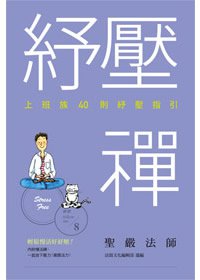
電子書 | 紓壓禪:上班族40則紓壓指引
紓壓,是正念隨喜的深層自信。
善觀因緣及因果,淡化煩惱與得失,不論處於職場的天堂或地獄,與自己同在,日日是好日。
輕鬆慢活好紓壓!內附慢活禪,一起放下壓力!展開活力!
工作壓力大嗎?如何轉危為安呢?何不立即體驗紓壓禪的紓壓妙法,讓你把壓力轉為活力!
本書針對上班族的種種事業壓力問題:難關難過、六神無主、東怕西怕、手忙腳亂……,精選聖嚴法師40則紓壓指引,透過不同面向的紓壓禪,以平常心面對順逆境,盡其在我,你就能鬆一口氣,解除壓力,工作從此真輕鬆!
作者簡介:
聖嚴法師(1930~2009年)
聖嚴法師1930年生於江蘇南通,1943年於狼山出家。曾於高雄美濃閉關六年,隨後留學日本,獲立正大學文學博士學位。1975年應邀赴美弘法。1989年創建法鼓山,並於2005年開創繼起漢傳禪佛教的「中華禪法鼓宗」。
聖嚴法師是一位思想家、作家暨國際知名禪師,著作豐富,中、英、日文著作達百餘種,先後獲頒中山文藝獎、中山學術獎、總統文化獎及社會各界的諸多獎項。
聖嚴法師提出「提昇人的品質,建設人間淨土」的理念,相繼創辦中華佛學研究所、法鼓佛教學院、僧伽大學、法鼓大學等院校,也以豐富的禪修經驗、正信的佛法觀念和方法指導東、西方人士修行。法師著重以現代人的語言和觀點普傳佛法,陸續提出「心靈環保」、「四種環保」、「心五四運動」、「心六倫」等社會運動,更致力於國際弘化工作,其寬闊胸襟與國際化視野,深獲海內外肯定。
NT$
$105
電子書 | 聖嚴法師教默照禪
放下自我執著,是「默」,清清楚楚的知道,是「照」。 聖嚴法師說:默照禪法是最容易用的修行方法,不需要像修次第禪觀那樣,一個次第一個次第的修。但是,默照禪法的功能是涵蓋著次第禪觀的。其內容是非常直接,用的方法也非常簡單,只要掌握著不把自我意識的執著心放進去,說:「我好討厭、我好喜歡,這個真麻煩、那個真有趣……」,不要有這些分別執著心,只是在運作、在活動,知道正在發生什麼狀況,並且恰如其分的正在處理這些狀況。不作瞻前顧後的妄想思索,當下的什麼便是什麼,那就跟本來面目相應了,這就是默照禪。 聖嚴法師以其多年的禪修經驗,將默照禪直接而簡單的修持特質,透過生動活潑、深入淺出的講授,不僅教您以默照禪的方法,恰如其分的處理憂慮、煩惱、興奮、快樂等情緒;也讓您無論在行住坐臥,或人際互動中,都能輕鬆體驗默照禪法的無盡妙用。
作者簡介:聖嚴法師1930年出生,十三歲出家修行。曾於高雄山中閉關六年,並留學日本,獲得立正大學文學博士學位。曾任雜誌編輯、教授、研究所所長以及譯經院院長等。創辦中華佛學研究所、創建法鼓山、僧伽大學、法鼓大學以及社會大學等。在國內設立禪修、文教、慈善等基金會,分支道場遍及於歐、亞、美、澳等各大洲。他是一位教育家、作家,更是一位宗教家和國際知名禪師,長年在國內外為推動「心靈環保」、「種族和諧」及「世界和平」等工作不遺餘力。聖嚴法師所獲得的榮譽獎項中,包括總統文化獎、行政院文化獎、社會運動和風獎之傑出社會運動領袖獎、中山文藝創作獎、中山學術著作獎、斐德烈二世和平獎等十多種。出版著作一百多種,已有十多種語言的譯著。他曾經應邀為《中華日報》、《中央日報》、《聯合報》、《中國時報》、《自由時報》等各大報紙,及《天下》、《康健》等雜誌撰寫專欄。
作者
NT$
$154
正在載入更多商品......