商品分類
搜尋結果
共
79
筆符合商品
排序
電子書 | 禪門驪珠集
驪龍潛藏於深淵,頷下有明月之珠,所以喻為探驪得珠,形容禪境成就的可貴。本書是以對禪觀及禪門修證之有具體事蹟記載的禪者,為取材對象,共一百一十一位禪師的行誼及其修證體驗。所收諸禪師,自東晉迄現代,歷時一千五百五十年,其間禪的思想及禪的風格上,有許多變化,不僅淵遠流長,且又萬流奔海,波瀾壯闊,見出禪法的無盡大用。 ──聖嚴
作者簡介:聖嚴法師(1930~2009年)聖嚴法師1930年生於江蘇南通,1943年於狼山出家,後因戰亂投身軍旅,十年後再次披剃出家。曾於高雄美濃閉關六年,隨後留學日本,獲立正大學文學博士學位。1975年應邀赴美弘法。1989年創建法鼓山,並於2005年開創繼起漢傳禪佛教的「中華禪法鼓宗」。聖嚴法師是一位思想家、作家暨國際知名禪師,曾獲臺灣《天下》雜誌遴選為「四百年來臺灣最具影響力的五十位人士」之一。著作豐富,中、英、日文著作達百餘種,先後獲頒中山文藝獎、中山學術獎、總統文化獎及社會各界的諸多獎項。聖嚴法師提出「提昇人的品質,建設人間淨土」的理念,主張以大學院、大普化、大關懷三大教育推動全面教育,相繼創辦中華佛學研究所、法鼓文理學院、僧伽大學等院校,也以豐富的禪修經驗、正信的佛法觀念和方法指導東、西方人士修行。法師著重以現代人的語言和觀點普傳佛法,陸續提出「心靈環保」、「四種環保」、「心五四運動」、「心六倫」等社會運動,並積極推展國際弘化工作,參與國際性會談,促進宗教交流,提倡建立全球性倫理,致力世界和平。其寬闊胸襟與國際化視野,深獲海內外肯定。
作者
NT$
$266
電子書 | 禪的理論與實踐(簡體版)
「禅的理论」 × 「禅的实践」‧ 禅,是真正的现实主义。‧ 禅境,不离现实生活,但问你心中有无牵挂障碍而已。‧ 禅修的观念和方法,能开发智慧、减少烦恼,同时也能帮助他人,这是自利利他的两得其益。就像我们对着风扫地,扬起许多灰尘吹到自己的脸上,却还指责说:「这些灰尘怎么污染了我的身体、我的面孔了?」这对灰尘是不公平的,灰尘并没有要污染我们,那是我们自己把灰尘扬起来以后,吹到脸上的结果。我们常常像捡石头砸自己的脚,明明知道不该做的事,不该说的话,不该起的念头,往往还是会做、会说、会起,如果能用禅的修行方法,生活的品质自然就会提升,它是一种安定的力量,是开发智慧的方法,是超越主观与客观的态度。智慧心,让自己活得快乐;慈悲心,让他人活得幸福。不论是临济宗、曹洞宗的修行方法,目的都是要达成无我。无我是放下自我中心的烦恼,将执着、恐惧、忧虑之心消融化解,这时智慧和慈悲的心也就出现。智慧和慈悲出现,心就会平稳、快乐、明朗,这就是修行的结果。想要让心安定,不一定要藉由打坐,但是要持久地链心,打坐却是最有帮助的。不经打坐就能在生活里除烦恼,是有这个可能,然而,各位不要存有这种占便宜的心理。以我来说,二十八岁时,我已有很深的体验,可是三十岁时,我仍闭关修行了六年,现在虽然老了,我还是经常打坐。禅的修行,目的是要让我们在生活中,能够身心平安、少烦少恼,所以学到观念、方法后,一定要经常练习,才能达此目的。一开始就想除烦恼,可能性并不大。◎本书为圣严法师指导【禅修指引系列】最新出版,选文来自《法鼓山年鉴》、《人生》杂志、《法鼓》杂志等,依禅修主题编集成书,适合禅修入门及初阶的读者阅读。
作者简介:圣严法师(1930~2009年)圣严法师1930年生于江苏南通,1943年于狼山出家,后因战乱投身军旅,十年后再次披剃出家。曾于高雄美浓闭关六年,随后留学日本,获立正大学文学博士学位。 1975年应邀赴美弘法。 1989年创建法鼓山,并于2005年开创继起汉传禅佛教的「中华禅法鼓宗」。圣严法师是一位思想家、作家暨国际知名禅师,曾获台湾《天下》杂志遴选为「四百年来台湾最具影响力的五十位人士」之一。著作丰富,中、英、日文著作达百余种,先后获颁中山文艺奖、中山学术奖、总统文化奖及社会各界的诸多奖项。圣严法师提出「提升人的品质,建设人间净土」的理念,主张以大学院、大普化、大关怀三大教育推动全面教育,相继创办中华佛学研究所、法鼓文理学院、僧伽大学等院校,也以丰富的禅修经验、正信的佛法观念和方法指导东、西方人士修行。法师着重以现代人的语言和观点普传佛法,陆续提出「心灵环保」、「四种环保」、「心五四运动」、「心六伦」等社会运动,并积极推展国际弘化工作,参与国际性会谈,促进宗教交流,提倡建立全球性伦理,致力世界和平。其宽阔胸襟与国际化视野,深获海内外肯定。
作者
NT$
$182
電子書 | 禪鑰(簡體版)
禅是给你一把钥匙,你必须自寻门户、自投锁孔、自开悟门!古人多将庞大的佛言祖语喻为导迷标月的手指,可惜的是,世人虽然渴望见到月亮的光辉,反被多姿多彩、争艳斗妍的指阵所迷。大家指望从禅籍中,悟到一些「本来面目」的消息,竟被陷入文字障中不能自拔又不自知。让那些古怪有趣的疯言疯语,弄得眼花撩乱,还真以为是摸到了自己的鼻子,就在嘴唇的上边。 ──圣严
作者简介:圣严法师(1930-2009年)圣严法师1930年生于江苏南通,1943年于狼山出家,后因战乱投身军旅,十年后再次披剃出家。曾于高雄美浓闭关六年,随后留学日本,获立正大学文学博士学位。 1975年应邀赴美弘法。 1989年创建法鼓山,并于2005年开创继起汉传禅佛教的「中华禅法鼓宗」。圣严法师是一位思想家、作家暨国际知名禅师,曾获台湾《天下》杂志遴选为「四百年来台湾最具影响力的五十位人士」之一。著作丰富,中、英、日文著作达百余种,先后获颁中山文艺奖、中山学术奖、总统文化奖及社会各界的诸多奖项。圣严法师提出「提升人的品质,建设人间净土」的理念,主张以大学院、大普化、大关怀三大教育推动全面教育,相继创办中华佛学研究所、法鼓文理学院、僧伽大学等院校,也以丰富的禅修经验、正信的佛法观念和方法指导东、西方人士修行。法师着重以现代人的语言和观点普传佛法,陆续提出「心灵环保」、「四种环保」、「心五四运动」、「心六伦」等社会运动,并积极推展国际弘化工作,参与国际性会谈,促进宗教交流,提倡建立全球性伦理,致力世界和平。其宽阔胸襟与国际化视野,深获海内外肯定。
作者
NT$
$196
電子書 | 禪的理論與實踐
以簡單、易懂、正確、安全的方法,循序漸進引領我們進入禪坐的世界,體會身心自在。
「禪的理論」 × 「禪的實踐」‧ 禪,是真正的現實主義。‧ 禪境,不離現實生活,但問你心中有無牽掛障礙而已。‧ 禪修的觀念和方法,能開發智慧、減少煩惱,同時也能幫助他人,這是自利利他的兩得其益。
就像我們對著風掃地,揚起許多灰塵吹到自己的臉上,卻還指責說:「這些灰塵怎麼汙染了我的身體、我的面孔了?」這對灰塵是不公平的,灰塵並沒有要汙染我們,那是我們自己把灰塵揚起來以後,吹到臉上的結果。
我們常常像撿石頭砸自己的腳,明明知道不該做的事,不該說的話,不該起的念頭,往往還是會做、會說、會起,如果能用禪的修行方法,生活的品質自然就會提昇,它是一種安定的力量,是開發智慧的方法,是超越主觀與客觀的態度。
智慧心,讓自己活得快樂;慈悲心,讓他人活得幸福。
不論是臨濟宗、曹洞宗的修行方法,目的都是要達成無我。無我是放下自我中心的煩惱,將執著、恐懼、憂慮之心消融化解,這時智慧和慈悲的心也就出現。智慧和慈悲出現,心就會平穩、快樂、明朗,這就是修行的結果。
想要讓心安定,不一定要藉由打坐,但是要持久地鍊心,打坐卻是最有幫助的。不經打坐就能在生活裡除煩惱,是有這個可能,然而,各位不要存有這種占便宜的心理。以我來說,二十八歲時,我已有很深的體驗,可是三十歲時,我仍閉關修行了六年,現在雖然老了,我還是經常打坐。
禪的修行,目的是要讓我們在生活中,能夠身心平安、少煩少惱,所以學到觀念、方法後,一定要經常練習,才能達此目的。一開始就想除煩惱,可能性並不大。
◎本書為聖嚴法師指導【禪修指引系列】最新出版,選文來自《法鼓山年鑑》、《人生》雜誌、《法鼓》雜誌等,依禪修主題編集成書,適合禪修入門及初階的讀者閱讀。
作者簡介:
聖嚴法師(1930~2009年)
聖嚴法師1930年生於江蘇南通,1943年於狼山出家,後因戰亂投身軍旅,十年後再次披剃出家。曾於高雄美濃閉關六年,隨後留學日本,獲立正大學文學博士學位。1975年應邀赴美弘法。1989年創建法鼓山,並於2005年開創繼起漢傳禪佛教的「中華禪法鼓宗」。
聖嚴法師是一位思想家、作家暨國際知名禪師,曾獲臺灣《天下》雜誌遴選為「四百年來臺灣最具影響力的五十位人士」之一。著作豐富,中、英、日文著作達百餘種,先後獲頒中山文藝獎、中山學術獎、總統文化獎及社會各界的諸多獎項。
聖嚴法師提出「提昇人的品質,建設人間淨土」的理念,主張以大學院、大普化、大關懷三大教育推動全面教育,相繼創辦中華佛學研究所、法鼓文理學院、僧伽大學等院校,也以豐富的禪修經驗、正信的佛法觀念和方法指導東、西方人士修行。
法師著重以現代人的語言和觀點普傳佛法,陸續提出「心靈環保」、「四種環保」、「心五四運動」、「心六倫」等社會運動,並積極推展國際弘化工作,參與國際性會談,促進宗教交流,提倡建立全球性倫理,致力世界和平。其寬闊胸襟與國際化視野,深獲海內外肯定。
作者
NT$
$154
電子書 | 禪的世界(四版)
禪並不一定是什麼,也不肯定或否定什麼,禪是你要什麼就給你什麼。若能定時禪修者,本書提供了基本的禪坐方法;若是忙碌異常的人士,也不妨試著用本書中介紹的禪修觀念,調整自我,消融自我。從三分鐘的放鬆身心,到平常日用中的照顧身心,更見簡便實用的禪修方便。——聖嚴
作者簡介:
聖嚴法師(1930~2009年)
聖嚴法師1930年生於江蘇南通,1943年於狼山出家,後因戰亂投身軍旅,十年後再次披剃出家。曾於高雄美濃閉關六年,隨後留學日本,獲立正大學文學博士學位。1975年應邀赴美弘法。1989年創建法鼓山,並於2005年開創繼起漢傳禪佛教的「中華禪法鼓宗」。
聖嚴法師是一位思想家、作家暨國際知名禪師,曾獲臺灣《天下》雜誌遴選為「四百年來臺灣最具影響力的五十位人士」之一。著作豐富,中、英、日文著作達百餘種,先後獲頒中山文藝獎、中山學術獎、總統文化獎及社會各界的諸多獎項。
聖嚴法師提出「提昇人的品質,建設人間淨土」的理念,主張以大學院、大普化、大關懷三大教育推動全面教育,相繼創辦中華佛學研究所、法鼓文理學院、僧伽大學等院校,也以豐富的禪修經驗、正信的佛法觀念和方法指導東、西方人士修行。
法師著重以現代人的語言和觀點普傳佛法,陸續提出「心靈環保」、「四種環保」、「心五四運動」、「心六倫」等社會運動,並積極推展國際弘化工作,參與國際性會談,促進宗教交流,提倡建立全球性倫理,致力世界和平。其寬闊胸襟與國際化視野,深獲海內外肯定。
作者
NT$
$224
電子書 | 禪的體驗.禪的開示(四版)
坐禪的功效,能使人將浮動的情緒,轉化為清明而平靜的情操。
基於調身、調息、調心的三原則,有用大、小乘共通的各種觀行法,有用內、外道通用的呼吸法,也有用印度及中國的各種柔軟健身法。所以無論何人,只要真的有心學習,最高可以進入「無」的境界,其次可以得定,再次可得身心輕安,至少也能學會一套非常實用的健身方法。 ──聖嚴
作者簡介:
聖嚴法師(1930~2009年)
聖嚴法師1930年生於江蘇南通,1943年於狼山出家,後因戰亂投身軍旅,十年後再次披剃出家。曾於高雄美濃閉關六年,隨後留學日本,獲立正大學文學博士學位。1975年應邀赴美弘法。1989年創建法鼓山,並於2005年開創繼起漢傳禪佛教的「中華禪法鼓宗」。
聖嚴法師是一位思想家、作家暨國際知名禪師,曾獲臺灣《天下》雜誌遴選為「四百年來臺灣最具影響力的五十位人士」之一。著作豐富,中、英、日文著作達百餘種,先後獲頒中山文藝獎、中山學術獎、總統文化獎及社會各界的諸多獎項。
聖嚴法師提出「提昇人的品質,建設人間淨土」的理念,主張以大學院、大普化、大關懷三大教育推動全面教育,相繼創辦中華佛學研究所、法鼓文理學院、僧伽大學等院校,也以豐富的禪修經驗、正信的佛法觀念和方法指導東、西方人士修行。
法師著重以現代人的語言和觀點普傳佛法,陸續提出「心靈環保」、「四種環保」、「心五四運動」、「心六倫」等社會運動,並積極推展國際弘化工作,參與國際性會談,促進宗教交流,提倡建立全球性倫理,致力世界和平。其寬闊胸襟與國際化視野,深獲海內外肯定。
作者
NT$
$224
電子書 | 神會禪師的悟境(三版)
聖嚴法師講〈顯宗記〉,從禪宗的角度,來看整體的佛法。本書可作為「禪學的佛法概論」閱讀。
神會禪師對中國禪宗的貢獻,扮演著承先啟後的角色,六祖圓寂後,弟子雖多,能夠通宗通教,飽覽儒道群書,深入三藏教誨的大師像神會這樣的人,則不做第二位想。
神會禪師俗家姓高,湖北省襄陽縣人,幼年時先跟家人及儒家老師學《詩》、《書》、《禮》、《易》、《春秋》五經。小小年紀就已是通達五經的儒家學者,又精通老莊的學問。因其讀過二十五史中的《漢書》,而從中得到了佛教的消息和利益,便到了國昌寺出家。出家之後,對於所有讀過的佛經,不但過目成誦,且對於經中的經義也隨即通曉,像這樣子的一位神童,大概就是菩薩再來吧。
其著作〈顯宗記〉學植深厚,文字簡要,宗義明確。以《壇經》的「無念為宗」做主題,以般若、解脫、法身的涅槃三德做貫串,以大小三乘的道品行果為架構。
思想與實踐並重,解與行相呼相應,可以把它當作《壇經》的輔助來讀。
「我從禪宗的角度,來看整體的佛法,就像是寫了一冊禪學的佛法概論。對於關心中國禪宗思想及其修證特色的讀者,應該會有幫助。若從我的解讀之中,發現了不同的看法,那是很正常的。如果因此而引起更多的人,從另一些角度認識〈顯宗記〉,我便完成了拋磚引玉的任務,因為我的目的就是希望神會禪師遺留在人間的智慧,能夠利益後人。」 ——聖嚴法師
作者簡介:
聖嚴法師(1930~2009年)
聖嚴法師1930年生於江蘇南通,1943年於狼山出家,後因戰亂投身軍旅,十年後再次披剃出家。曾於高雄美濃閉關六年,隨後留學日本,獲立正大學文學博士學位。1975年應邀赴美弘法。1989年創建法鼓山,並於2005年開創繼起漢傳禪佛教的「中華禪法鼓宗」。
聖嚴法師是一位思想家、作家暨國際知名禪師,曾獲臺灣《天下》雜誌遴選為「四百年來臺灣最具影響力的五十位人士」之一。著作豐富,中、英、日文著作達百餘種,先後獲頒中山文藝獎、中山學術獎、總統文化獎及社會各界的諸多獎項。
聖嚴法師提出「提昇人的品質,建設人間淨土」的理念,主張以大學院、大普化、大關懷三大教育推動全面教育,相繼創辦中華佛學研究所、法鼓文理學院、僧伽大學等院校,也以豐富的禪修經驗、正信的佛法觀念和方法指導東、西方人士修行。
法師著重以現代人的語言和觀點普傳佛法,陸續提出「心靈環保」、「四種環保」、「心五四運動」、「心六倫」等社會運動,並積極推展國際弘化工作,參與國際性會談,促進宗教交流,提倡建立全球性倫理,致力世界和平。其寬闊胸襟與國際化視野,深獲海內外肯定。
作者
NT$
$154
電子書 | 拈花微笑(四版)
世尊拈花示眾,迦葉破顏微笑,盡虛空遍法界,皆在說最上大法。
本書是以淺近的語文,表達常人都能看懂的佛法,由基礎的佛學常識,到專門的禪學思想,由一般生活中實用的禪學修養,到長期專修的禪修境界,做了層次化的介紹。 ──聖嚴
作者簡介:聖嚴法師(1930-2009年)
聖嚴法師1930年生於江蘇南通,1943年於狼山出家,後因戰亂投身軍旅,十年後再次披剃出家。曾於高雄美濃閉關六年,隨後留學日本,獲立正大學文學博士學位。1975年應邀赴美弘法。1989年創建法鼓山,並於2005年開創繼起漢傳禪佛教的「中華禪法鼓宗」。
聖嚴法師是一位思想家、作家暨國際知名禪師,曾獲臺灣《天下》雜誌遴選為「四百年來臺灣最具影響力的五十位人士」之一。著作豐富,中、英、日文著作達百餘種,先後獲頒中山文藝獎、中山學術獎、總統文化獎及社會各界的諸多獎項。
聖嚴法師提出「提昇人的品質,建設人間淨土」的理念,主張以大學院、大普化、大關懷三大教育推動全面教育,相繼創辦中華佛學研究所、法鼓文理學院、僧伽大學等院校,也以豐富的禪修經驗、正信的佛法觀念和方法指導東、西方人士修行。
法師著重以現代人的語言和觀點普傳佛法,陸續提出「心靈環保」、「四種環保」、「心五四運動」、「心六倫」等社會運動,並積極推展國際弘化工作,參與國際性會談,促進宗教交流,提倡建立全球性倫理,致力世界和平。其寬闊胸襟與國際化視野,深獲海內外肯定。
作者
NT$
$210
電子書 | 動靜皆自在(二版)
以平實的人生為基礎,少煩少惱為宗旨,輕鬆自在過生活。
中國禪宗史上的許多祖師,都以為平常日用即禪。不論出家在家,若能將禪宗的觀念和方法,用之於日常生活,縱然處身於萬丈的紅塵之中,也會體驗到安定灑脫又活潑自然的人生境界。 ──聖嚴
作者簡介:
聖嚴法師(1930-2009年)
聖嚴法師1930年生於江蘇南通,1943年於狼山出家,後因戰亂投身軍旅,十年後再次披剃出家。曾於高雄美濃閉關六年,隨後留學日本,獲立正大學文學博士學位。1975年應邀赴美弘法。1989年創建法鼓山,並於2005年開創繼起漢傳禪佛教的「中華禪法鼓宗」。
聖嚴法師是一位思想家、作家暨國際知名禪師,曾獲臺灣《天下》雜誌遴選為「四百年來臺灣最具影響力的五十位人士」之一。著作豐富,中、英、日文著作達百餘種,先後獲頒中山文藝獎、中山學術獎、總統文化獎及社會各界的諸多獎項。
聖嚴法師提出「提昇人的品質,建設人間淨土」的理念,主張以大學院、大普化、大關懷三大教育推動全面教育,相繼創辦中華佛學研究所、法鼓文理學院、僧伽大學等院校,也以豐富的禪修經驗、正信的佛法觀念和方法指導東、西方人士修行。
法師著重以現代人的語言和觀點普傳佛法,陸續提出「心靈環保」、「四種環保」、「心五四運動」、「心六倫」等社會運動,並積極推展國際弘化工作,參與國際性會談,促進宗教交流,提倡建立全球性倫理,致力世界和平。其寬闊胸襟與國際化視野,深獲海內外肯定。
作者
NT$
$140
電子書 | 禪門
禪宗的極致,以無門為門,不用任何方法。
禪修的觀念是:認識自我、肯定自我、成長自我、消融自我。以「有」為入手方便,以「無」為禪修方向,以努力修行的過程為永久的目標。
禪修方法是︰放鬆身心,集中、統一、放下身心世界、超越於有無的兩邊,能夠徹底超越,便是大悟徹底。 ──聖嚴
作者簡介:
聖嚴法師(1930~2009年)
聖嚴法師1930年生於江蘇南通,1943年於狼山出家,後因戰亂投身軍旅,十年後再次披剃出家。曾於高雄美濃閉關六年,隨後留學日本,獲立正大學文學博士學位。1975年應邀赴美弘法。1989年創建法鼓山,並於2005年開創繼起漢傳禪佛教的「中華禪法鼓宗」。
聖嚴法師是一位思想家、作家暨國際知名禪師,曾獲臺灣《天下》雜誌遴選為「四百年來臺灣最具影響力的五十位人士」之一。著作豐富,中、英、日文著作達百餘種,先後獲頒中山文藝獎、中山學術獎、總統文化獎及社會各界的諸多獎項。
聖嚴法師提出「提昇人的品質,建設人間淨土」的理念,主張以大學院、大普化、大關懷三大教育推動全面教育,相繼創辦中華佛學研究所、法鼓文理學院、僧伽大學等院校,也以豐富的禪修經驗、正信的佛法觀念和方法指導東、西方人士修行。
法師著重以現代人的語言和觀點普傳佛法,陸續提出「心靈環保」、「四種環保」、「心五四運動」、「心六倫」等社會運動,並積極推展國際弘化工作,參與國際性會談,促進宗教交流,提倡建立全球性倫理,致力世界和平。其寬闊胸襟與國際化視野,深獲海內外肯定。
作者
NT$
$140
電子書 | 禪鑰
禪是給你一把鑰匙,你必須自尋門戶、自投鎖孔、自開悟門!
古人多將龐大的佛言祖語喻為導迷標月的手指,可惜的是,世人雖然渴望見到月亮的光輝,反被多姿多彩、爭豔鬥妍的指陣所迷。大家指望從禪籍中,悟到一些「本來面目」的消息,竟被陷入文字障中不能自拔又不自知。讓那些古怪有趣的瘋言瘋語,弄得眼花撩亂,還真以為是摸到了自己的鼻子,就在嘴唇的上邊。 ──聖嚴
作者簡介:
聖嚴法師(1930~2009年)
聖嚴法師1930年生於江蘇南通,1943年於狼山出家,後因戰亂投身軍旅,十年後再次披剃出家。曾於高雄美濃閉關六年,隨後留學日本,獲立正大學文學博士學位。1975年應邀赴美弘法。1989年創建法鼓山,並於2005年開創繼起漢傳禪佛教的「中華禪法鼓宗」。
聖嚴法師是一位思想家、作家暨國際知名禪師,曾獲臺灣《天下》雜誌遴選為「四百年來臺灣最具影響力的五十位人士」之一。著作豐富,中、英、日文著作達百餘種,先後獲頒中山文藝獎、中山學術獎、總統文化獎及社會各界的諸多獎項。
聖嚴法師提出「提昇人的品質,建設人間淨土」的理念,主張以大學院、大普化、大關懷三大教育推動全面教育,相繼創辦中華佛學研究所、法鼓文理學院、僧伽大學等院校,也以豐富的禪修經驗、正信的佛法觀念和方法指導東、西方人士修行。
法師著重以現代人的語言和觀點普傳佛法,陸續提出「心靈環保」、「四種環保」、「心五四運動」、「心六倫」等社會運動,並積極推展國際弘化工作,參與國際性會談,促進宗教交流,提倡建立全球性倫理,致力世界和平。其寬闊胸襟與國際化視野,深獲海內外肯定。
作者
NT$
$140
電子書 | 禪與悟(三版)
禪宗的悟,或是不假階梯,一觸即悟;或是苦參實究,突然自發。
禪的思想是:空靈、豁達、開闊、明朗的人間清流。禪的生活是:積極、自在、簡樸、自適的安心方式。禪的理念是教人:首先學著放下自私、自欺、自怨、自慢、自我枷鎖,才能海闊天空地任運飛翔。禪的方法是教人:首先練習認識自我、肯定自我,然後粉碎自我,才是悟境的現前。 ──聖嚴
作者簡介:
聖嚴法師(1930~2009年)
聖嚴法師1930年生於江蘇南通,1943年於狼山出家,後因戰亂投身軍旅,十年後再次披剃出家。曾於高雄美濃閉關六年,隨後留學日本,獲立正大學文學博士學位。1975年應邀赴美弘法。1989年創建法鼓山,並於2005年開創繼起漢傳禪佛教的「中華禪法鼓宗」。
聖嚴法師是一位思想家、作家暨國際知名禪師,曾獲臺灣《天下》雜誌遴選為「四百年來臺灣最具影響力的五十位人士」之一。著作豐富,中、英、日文著作達百餘種,先後獲頒中山文藝獎、中山學術獎、總統文化獎及社會各界的諸多獎項。
聖嚴法師提出「提昇人的品質,建設人間淨土」的理念,主張以大學院、大普化、大關懷三大教育推動全面教育,相繼創辦中華佛學研究所、法鼓文理學院、僧伽大學等院校,也以豐富的禪修經驗、正信的佛法觀念和方法指導東、西方人士修行。
法師著重以現代人的語言和觀點普傳佛法,陸續提出「心靈環保」、「四種環保」、「心五四運動」、「心六倫」等社會運動,並積極推展國際弘化工作,參與國際性會談,促進宗教交流,提倡建立全球性倫理,致力世界和平。其寬闊胸襟與國際化視野,深獲海內外肯定。
作者
NT$
$224
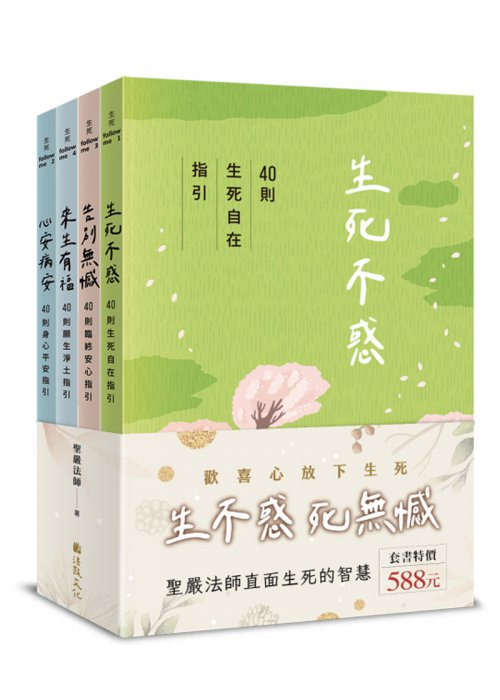
「生不惑、死無憾」生死有福套書 (全四冊)
最美的祝福歡喜心放下生死
「衰老與死亡看起來是很悲傷的事情,但即使是悲傷,也是持續生滅的。」「人之所以害怕死亡,是因為不知死後該何去何從?」「若有定力,便知天下本來無事,好好處理便是。」生命的每一階段,都有一定的任務。當每一個階段的任務結束,必須進入另一階段時,便是生命之光的無限延伸。關於生死,讓我們放下擔憂或輕忽的心,關懷他人、造福自己、勇敢面對;永遠需要給自己一個希望。聖嚴法師的智慧生死觀,讓我們的生命旅程更自在平安!「生不惑、死無憾」生死有福套書(全四冊)《生死不惑——40則生死自在指引》建立正確的生死觀。活在當下,面對生死!《心安病安——40則身心平安指引》生病是一場真正的修行。活得快樂,病得健康!《告別無憾——40則臨終安心指引》讓祝福代替悲傷,圓滿無憾。告別是一種放下的智慧!《來生有福——40則願生淨土指引》為來生做最好的準備。放下生死,迎向新生!
作者簡介
聖嚴法師(1930~2009年)1930年生於江蘇南通,1943年於狼山出家,後因戰亂投身軍旅,十年後再次披剃出家。曾於高雄美濃閉關六年,隨後留學日本,獲立正大學文學博士學位。1975年應邀赴美弘法。1989年創建法鼓山,並於2005年開創繼起漢傳禪佛教的「中華禪法鼓宗」。聖嚴法師是一位思想家、作家暨國際知名禪師,曾獲臺灣《天下》雜誌遴選為「四百年來臺灣最具影響力的五十位人士」之一。著作豐富,中、英、日文著作達百餘種,先後獲頒中山文藝獎、中山學術獎、總統文化獎及社會各界的諸多獎項。聖嚴法師提出「提昇人的品質,建設人間淨土」的理念,主張以大學院、大普化、大關懷三大教育推動全面教育,相繼創辦中華佛學研究所、法鼓文理學院、僧伽大學等院校,也以豐富的禪修經驗、正信的佛法觀念和方法指導東、西方人士修行。法師著重以現代人的語言和觀點普傳佛法,陸續提出「心靈環保」、「四種環保」、「心五四運動」、「心六倫」等社會運動,並積極推展國際弘化工作,參與國際性會談,促進宗教交流,提倡建立全球性倫理,致力世界和平。其寬闊胸襟與國際化視野,深獲海內外肯定。
作者
NT$
$588
|
74折
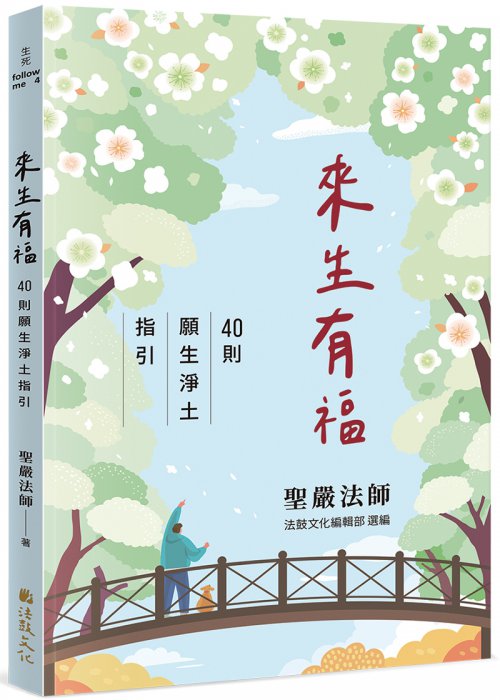
來生有福:40則願生淨土指引
來生是一種光明的希望,迎向新生,放下生死!面對未知的下一世,你是否擔心來生去處?死後的世界充滿神祕感,人們之所以害怕死亡,正是因為不知道自己來生是什麼樣的世界。佛教稱死亡為「往生」,表示死後是有未來的。此生的句點,可為來生佛國淨土的起點。如果生命的下一站是佛國淨土,那便只有滿心歡喜而沒有擔憂了。佛教相信有前生,但是不需要透過算命或神通去追問,因為最重要的是今生的努力。面對來生,也不需要擔憂將上天堂或下地獄,因為佛法就是解脫六道生死輪迴的方法,並提供往生淨土世界的道路。面對生死大業,聖嚴法師勉勵我們說:「活著時,要珍惜生命,感激生存,感恩生活,要好好地運用我們有限的這個生命旅程;死亡時,要心存感謝、充滿喜悅,要無懼、無憂、無悔、無怨、滿懷著悲願心,迎向光明的前程。」生死是一體的,出生的同時,生命就已在倒數計時,因此,我們要隨時做好面對死亡的準備,而最好的準備便是往生佛國淨土。因為念佛修行和培養福報,能讓我們的心與佛相應,不但來生有福,得以往生西方,今生也能活在美好的人間淨土!
作者簡介
聖嚴法師(1930〜2009年)嚴法師1930年生於江蘇南通,1943年於狼山出家。曾於高雄美濃閉關六年,隨後留學日本,獲立正大學文學博士學位。1975年應邀赴美弘法。1989年創建法鼓山,並於2005年開創繼起漢傳禪佛教的「中華禪法鼓宗」。聖嚴法師是一位思想家、作家暨國際知名禪師,著作豐富,中、英、日文著作達百餘種,先後獲頒中山文藝獎、中山學術獎、總統文化獎及社會各界的諸多獎項。聖嚴法師提出「提昇人的品質,建設人間淨土」的理念,相繼創辦中華佛學研究所、法鼓文理學院、僧伽大學等院校,也以豐富的禪修經驗、正信的佛法觀念和方法指導東、西方人士修行。法師著重以現代人的語言和觀點普傳佛法,陸續提出「心靈環保」、「四種環保」、「心五四運動」、「心六倫」等社會運動,更致力於國際弘化工作,其寬闊胸襟與國際化視野,深獲海內外肯定。
作者
NT$
$170
|
85折
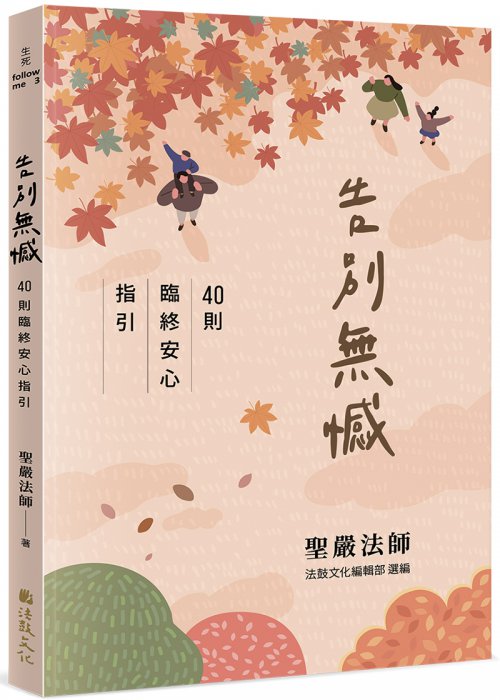
告別無憾:40則臨終安心指引
生命是暫時的任務,生死只是一個過程,讓祝福代替悲傷,臨終也可以很莊嚴、很有尊嚴。「死亡不是喜事,也不是喪事,而是莊嚴的佛事。」——聖嚴法師。建立正確的生死觀,便能「善生」,做好死亡規畫、接受臨終關懷,便能「善別」,告別是一種放下的智慧。聖嚴法師的40則臨終安心指引,從不同的面向探索臨終關懷,圓滿人生的最後一程。安心準備生死大事,佛法超度必得平安,放下此生,迎向新生!# 生涯規畫應納入死亡規畫# 照顧最後的平安與尊嚴# 臨終病患的佛法照顧# 如何面對意外的生離死別?# 最大的福報
作者簡介
聖嚴法師(1930〜2009年)1930年生於江蘇南通,1943年於狼山出家。曾於高雄美濃閉關六年,隨後留學日本,獲立正大學文學博士學位。1975年應邀赴美弘法。1989年創建法鼓山,並於2005年開創繼起漢傳禪佛教的「中華禪法鼓宗」。聖嚴法師是一位思想家、作家暨國際知名禪師,著作豐富,中、英、日文著作達百餘種,先後獲頒中山文藝獎、中山學術獎、總統文化獎及社會各界的諸多獎項。聖嚴法師提出「提昇人的品質,建設人間淨土」的理念,相繼創辦中華佛學研究所、法鼓文理學院、僧伽大學等院校,也以豐富的禪修經驗、正信的佛法觀念和方法指導東、西方人士修行。法師著重以現代人的語言和觀點普傳佛法,陸續提出「心靈環保」、「四種環保」、「心五四運動」、「心六倫」等社會運動,更致力於國際弘化工作,其寬闊胸襟與國際化視野,深獲海內外肯定。
作者
NT$
$170
|
85折

心安病安:40則身心平安指引
在醫學發達的今天,活得長壽已不是難事,重要的是要活得莊嚴,活得快樂自在。生病,是一場真正的修行。本書從多面向探索身心疾苦,以佛法為藥,療癒不安的心,使我們豁然開朗,活得快樂,病得健康!「我很忙,總能找出時間,完成應做的工作。我常病,總能調整身心,猶如健康地活著。」——聖嚴法師生病是人生的隨堂考,讓我們練習接受生死無常。聖嚴法師雖然一生病痛纏身,卻能病而不苦。一般人都將生病視為倒楣的事,只能無奈接受,聖嚴法師卻反而鼓勵我們轉念,若能心懷感恩,珍惜生病的修行機會,就能因禍得福,轉危為安。一個人如果找不到安心之道,伴隨著年老而來的就是病苦。如能擁有智慧的生死觀,不但能病得很健康,也不會因為怕老,執著於追求留住青春,而能老得很自在、很幸福。聖嚴法師提醒我們:「健康不一定是身上沒有病,而是在思想上要有智慧,即是『活得快樂、病得健康』。」法師認為真正的「健康」,是心理的健康重於身體的健壯,所以應當將生活的挫折,轉換成自我磨鍊。我們學佛後可透過生病的機會,學習善觀因緣、因果的法則,並修福修慧來提昇生命品質。正如法師所說:「面對果報、接受果報、改善果報,這才是最好的治病之道。」有時生病會讓我們直面生死,卻可從中體驗無常,而有豁達開朗的生死態度。願我們都能心安定、身自在,通過病的考驗,鍛鍊成一位生命智者。
作者簡介
聖嚴法師(1930〜2009年)聖嚴法師1930年生於江蘇南通,1943年於狼山出家。曾於高雄美濃閉關六年,隨後留學日本,獲立正大學文學博士學位。1975年應邀赴美弘法。1989年創建法鼓山,並於2005年開創繼起漢傳禪佛教的「中華禪法鼓宗」。聖嚴法師是一位思想家、作家暨國際知名禪師,著作豐富,中、英、日文著作達百餘種,先後獲頒中山文藝獎、中山學術獎、總統文化獎及社會各界的諸多獎項。聖嚴法師提出「提昇人的品質,建設人間淨土」的理念,相繼創辦中華佛學研究所、法鼓文理學院、僧伽大學等院校,也以豐富的禪修經驗、正信的佛法觀念和方法指導東、西方人士修行。法師著重以現代人的語言和觀點普傳佛法,陸續提出「心靈環保」、「四種環保」、「心五四運動」、「心六倫」等社會運動,更致力於國際弘化工作,其寬闊胸襟與國際化視野,深獲海內外肯定。
作者
NT$
$170
|
85折
生死不惑:40則生死自在指引
未來有希望,生死不茫然聖嚴法師直面生死的智慧面對親人或朋友的死亡,我們心裡一定不會快樂,就算是佛陀也一樣。在這本書中,聖嚴法師用40則指引,從不同的角度探索生死,引導讀者思考人生的意義,探索生死謎題,從生死徬徨轉為生死自在。你將學習到如何建立正確的生死觀,從而化解種種的擔憂、誤解和困惑。你將認識死亡的三種層次,從而走向超越生死的境界。你也會明白,活著的每一刻都是珍貴的,而死亡是生命旅程中不可或缺的一部分。面對生死,我們必須珍惜當下,才能活出真正自在的人生。書中提到,生命的意義不在於目的,而在於過程。只有當我們正確面對死亡,才能活得更加快樂與充實。無論是佛教徒還是非佛教徒,本書都將對你產生深遠的影響。◆ 死亡就像是工作一天累了,需要休息、睡覺,去洗個澡就睡了。如果能把死亡和睡覺看成相同的層次和狀況,就很自然,也用不著害怕了。◆ 對許多人而言,衰老與死亡看起來是很悲傷的事情,但即使是悲傷,也是持續生滅的。如果對死亡一直抱持悲傷的態度,那麼也一定會持續將悲傷帶到生命中。◆ 即使一生一帆風順的人,在他們的心裡,仍有苦惱,仍感懷疑:「為什麼好像孤零零地被生在這個世界上?」因此,我們在聽到佛法之後,就應該了解生到世界上來,是因為自己的往昔因緣所造成,不是受制於他人。能不能有辦法來改善自己、提昇生命,才是重要的課題。◆ 人的每一段生命劇本會不同,但困境會重複;自殺是對生命的毀約,因為你臨陣脫逃,沒有按照劇本演出。◆ 有人常說:「生命無價。」勸人愛惜生命,雖有道理,但還不夠具有說服力。生命不是用價值看,而是義務。生命再苦,也要過完,就是面對它、接受它、處理它,最後放下它。◆ 能生則必須求生,非死不可則當歡喜地接受;感恩生存,也當感謝死亡。◆ 我們的人生價值,就是讓自己幸福、平安、健康、快樂,同時也讓跟我們相關的人平安、幸福、健康、快樂,這是我們的目的。
作者簡介
聖嚴法師(1930〜2009年)聖嚴法師1930年生於江蘇南通,1943年於狼山出家。曾於高雄美濃閉關六年,隨後留學日本,獲立正大學文學博士學位。1975年應邀赴美弘法。1989年創建法鼓山,並於2005年開創繼起漢傳禪佛教的「中華禪法鼓宗」。聖嚴法師是一位思想家、作家暨國際知名禪師,著作豐富,中、英、日文著作達百餘種,先後獲頒中山文藝獎、中山學術獎、總統文化獎及社會各界的諸多獎項。聖嚴法師提出「提昇人的品質,建設人間淨土」的理念,相繼創辦中華佛學研究所、法鼓文理學院、僧伽大學等院校,也以豐富的禪修經驗、正信的佛法觀念和方法指導東、西方人士修行。法師著重以現代人的語言和觀點普傳佛法,陸續提出「心靈環保」、「四種環保」、「心五四運動」、「心六倫」等社會運動,更致力於國際弘化工作,其寬闊胸襟與國際化視野,深獲海內外肯定。
作者
NT$
$170
|
85折

Things Pertaining to Bodhi: The Thirty-Seven Aids to Enlightenment 三十七道品:菩提之路
The Thirty-seven Aids to Enlightenment are a set of fundamental teachings of Buddhism in the form of a list. The list’s seeming simplicity belies the fact that it is in fact a kind of road map to enlightenment for anyone who follows it with diligence and sincerity. The Thirty-seven Aids comprise seven practices conducive to awakening. Each of the seven practices is itself a set of elements, which add up to the total of thirty-seven: (1) The Four Foundations of Mindfulness, (2) The Four Proper Exertions, (3) The Four Steps to Magical Powers, (4) The Five Roots, (5) The Five Powers, (6) The Seven Factors of Enlightenment, and (7) The Noble Eightfold Path. Master Sheng Yen’s down-to-earth teachings take the reader on a progression through each of the practices—many of which are familiar to all major schools of Buddhism—illustrating how they relate to the reader’s own practice on the path toward enlightenment.
作者
NT$
$791
|
85折

The Poetry of Enlightenment 開悟的詩偈(英文版)
To my knowledge there are no anthologies of Ch’an poetry in Chinese, Japanese or English which describe in detail the method of practice and the experience of Ch’an Furthermore, there are few prose sources in English dealing with the same topics On the other hand, there are numerous books in English that relate the episodes of the kung-ans(koans)The prevailing view that comes from reading these stories is that the practice of Ch’an is methodless, and since there is no way to describe the experience of Ch’an, it is suggested that we just go ahead and practice by studying the kung-ans The purpose of these poems is different in that they specifically show you how to practice, what attitudes to cultivate and what pitfalls to beware of Finally, they attempt to describe the ineffable experience of Ch’an itself These poems flow directly from the minds of the enlightened Ch’an masters; we get a glimpse into their experience at the time of, and after their enlightenment In contrast, in reading a kung-an we get an objective story of what happened and we don’t really know what was in their minds. It is my hope that this collection of poems will give those who are interested in the practice a new way of looking at Ch’an and a more balanced view of the scope of Ch’an literature The present selection is offered to make this tradition available to Western readers who may otherwise not be aware of their existence.
NT$
$536
|
85折
正在載入更多商品......