搜尋結果
共
501
筆符合商品
排序
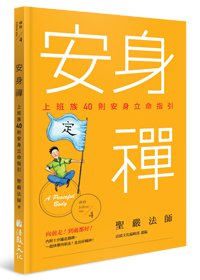
安身禪:上班族40則安身立命指引
安身,是動靜平衡的管理哲學。在瞬息萬變中,鍛鍊觀照自己、觀照世界的簡約法則,每個當下都是創新的原點。向前走!到處都好!內附1分鐘走路禪,一起快樂向前走!走出好精神!找不到好工作嗎?生涯規畫趕不上人生變化?何不立即體驗安身禪的安定自在,讓你不再徬惶不安想換工作!本書針對上班族的種種就業焦慮問題:是不是入錯行、該不該換工作、中年失業、找不到容身之地……,精選聖嚴法師40則安身立命指引,透過不同面向的安身禪,找到工作立足點,建立人生大方向,讓你安心就定位,工作從此突飛猛進!
作者簡介
聖嚴法師(1930~2009年)聖嚴法師1930年生於江蘇南通,1943年於狼山出家。曾於高雄美濃閉關六年,隨後留學日本,獲立正大學文學博士學位。1975年應邀赴美弘法。1989年創建法鼓山,並於2005年開創繼起漢傳禪佛教的「中華禪法鼓宗」。聖嚴法師是一位思想家、作家暨國際知名禪師,著作豐富,中、英、日文著作達百餘種,先後獲頒中山文藝獎、中山學術獎、總統文化獎及社會各界的諸多獎項。聖嚴法師提出「提昇人的品質,建設人間淨土」的理念,相繼創辦中華佛學研究所、法鼓佛教學院、僧伽大學、法鼓大學等院校,也以豐富的禪修經驗、正信的佛法觀念和方法指導東、西方人士修行。法師著重以現代人的語言和觀點普傳佛法,陸續提出「心靈環保」、「四種環保」、「心五四運動」、「心六倫」等社會運動,更致力於國際弘化工作,其寬闊胸襟與國際化視野,深獲海內外肯定。
NT$
$117
|
78折

Things Pertaining to Bodhi: The Thirty-Seven Aids to Enlightenment 三十七道品:菩提之路
The Thirty-seven Aids to Enlightenment are a set of fundamental teachings of Buddhism in the form of a list. The list’s seeming simplicity belies the fact that it is in fact a kind of road map to enlightenment for anyone who follows it with diligence and sincerity. The Thirty-seven Aids comprise seven practices conducive to awakening. Each of the seven practices is itself a set of elements, which add up to the total of thirty-seven: (1) The Four Foundations of Mindfulness, (2) The Four Proper Exertions, (3) The Four Steps to Magical Powers, (4) The Five Roots, (5) The Five Powers, (6) The Seven Factors of Enlightenment, and (7) The Noble Eightfold Path. Master Sheng Yen’s down-to-earth teachings take the reader on a progression through each of the practices—many of which are familiar to all major schools of Buddhism—illustrating how they relate to the reader’s own practice on the path toward enlightenment.
作者
NT$
$791
|
85折
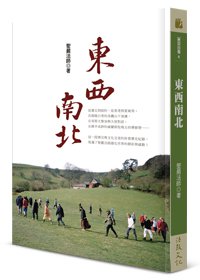
東西南北
從臺北到紐約,從香港到夏威夷;在皚皚白雪的洛磯山下演講,在哥斯大黎加與大使對話,在綿羊成群的威爾斯牧場主持禪修營……這一段佛法與文化交流的珍貴歷史紀錄,寫滿了聖嚴法師遊化世界的精彩與感動!本書是聖嚴法師的第五部遊記,書中所經過的行程時間不是最久,跨越的空間卻是最廣。短短一年零一個月的時間裡,法師遊歷亞、美、歐三洲,奔走東西兩個半球,步履南北五個國家,在令人驚歎的忙碌行程之中,仍不忘親自記述其所學、所見、所感,邀請讀者共赴這一場弘法盛宴,做他的知心道侶。翻開這一頁頁的點滴故事,我們彷彿忘卻了時空的阻隔,親炙法師為眾生傳道、解惑的風采,跟著他穿梭於各大學院校、寺院道場之間演講、參訪……與他一同上山下海,東西南北,將佛法的種子散播至四面八方……
作者簡介
聖嚴法師(1930〜2009年)聖嚴法師1930年生於江蘇南通,1943年於狼山出家,後因戰亂投身軍旅,十年後再次披剃出家。曾於高雄美濃閉關六年,隨後留學日本,獲立正大學文學博士學位。1975年應邀赴美弘法。1989年創建法鼓山,並於2005年開創繼起漢傳禪佛教的「中華禪法鼓宗」。聖嚴法師是一位思想家、作家暨國際知名禪師,曾獲臺灣《天下》雜誌遴選為「四百年來臺灣最具影響力的五十位人士」之一。著作豐富,中、英、日文著作達百餘種,先後獲頒中山文藝獎、中山學術獎、總統文化獎及社會各界的諸多獎項。聖嚴法師提出「提昇人的品質,建設人間淨土」的理念,主張以大學院、大普化、大關懷三大教育推動全面教育,相繼創辦中華佛學研究所、法鼓文理學院、僧伽大學等院校,也以豐富的禪修經驗、正信的佛法觀念和方法指導東、西方人士修行。法師著重以現代人的語言和觀點普傳佛法,陸續提出「心靈環保」、「四種環保」、「心五四運動」、「心六倫」等社會運動,並積極推展國際弘化工作,參與國際性會談,促進宗教交流,提倡建立全球性倫理,致力世界和平。其寬闊胸襟與國際化視野,深獲海內外肯定。
作者
NT$
$234
|
78折
和樂無諍:心平氣和,是非要溫柔;和樂平安,我為你祝福
幸福和諧的生活不必遠求,活用智慧面對問題、接受問題、處理問題與放下問題,就能轉危為安,共創美好新生活。聖嚴法師指出,人與人之間如果能夠——彼此尊重、彼此諒解、彼此寬容、彼此學習、彼此幫助,我們的世界,會有普遍與永久的和平。和平安樂,其實不在心外,而在每個人心中,學會反觀自照、開闊心量、自利利他,生命便常在和樂無諍的喜悅中。
作者簡介
聖嚴法師(1930~2009年)聖嚴法師1930年生於江蘇南通,1943年於狼山出家,後因戰亂投身軍旅,十年後再次披剃出家。曾於高雄美濃閉關六年,隨後留學日本,獲立正大學文學博士學位。1975年應邀赴美弘法。1989年創建法鼓山,並於2005年開創繼起漢傳禪佛教的「中華禪法鼓宗」。聖嚴法師是一位思想家、作家暨國際知名禪師,曾獲台灣《天下》雜誌遴選為「四百年來台灣最具影響力的五十位人士」之一。著作豐富,中、英、日文著作達百餘種,先後獲頒中山文藝獎、中山學術獎、總統文化獎及社會各界的諸多獎項。聖嚴法師提出「提昇人的品質,建設人間淨土」的理念,主張以大學院、大普化、大關懷三大教育推動全面教育,相繼創辦中華佛學研究所、法鼓佛教學院、僧伽大學、法鼓大學等院校,也以豐富的禪修經驗、正信的佛法觀念和方法指導東、西方人士修行。法師著重以現代人的語言和觀點普傳佛法,陸續提出「心靈環保」、「四種環保」、「心五四運動」、「心六倫」等社會運動,近年來更致力於國際弘化工作,參與國際性會談,促進宗教交流,提倡建立全球性倫理,致力於世界的和平。其寬闊胸襟與國際化視野,深獲海內外肯定。
NT$
$78
|
78折

當下禪:上班族40則活在當下指引
當下,是最好的時段,這是時間管理的創新詮釋。鍛鍊自己一心無二用,時時刻刻全力以赴,步步都是進步的立足點。工作總是亂成一團嗎?想東想西反而忘東忘西,無法專心做事?何不立即體驗當下禪的專注法,讓你隨時收心,不再手忙腳亂!本書針對上班族的種種分心恍神問題:一心多用、舉棋不定、不切實際、好高騖遠、愛做白日夢……,精選聖嚴法師40則活在當下指引,透過不同面向的專注禪,體驗身心合一、活在當下的安定力,立即轉危為安。有了當下禪專注每一刻、掌握每一次機會,工作從此效率高!
作者簡介
聖嚴法師(1930~2009年)聖嚴法師1930年生於江蘇南通,1943年於狼山出家。曾於高雄美濃閉關六年,隨後留學日本,獲立正大學文學博士學位。1975年應邀赴美弘法。1989年創建法鼓山,並於2005年開創繼起漢傳禪佛教的「中華禪法鼓宗」。聖嚴法師是一位思想家、作家暨國際知名禪師,著作豐富,中、英、日文著作達百餘種,先後獲頒中山文藝獎、中山學術獎、總統文化獎及社會各界的諸多獎項。聖嚴法師提出「提昇人的品質,建設人間淨土」的理念,相繼創辦中華佛學研究所、法鼓佛教學院、僧伽大學、法鼓大學等院校,也以豐富的禪修經驗、正信的佛法觀念和方法指導東、西方人士修行。法師著重以現代人的語言和觀點普傳佛法,陸續提出「心靈環保」、「四種環保」、「心五四運動」、「心六倫」等社會運動,近年來更致力於國際弘化工作,其寬闊胸襟與國際化視野,深獲海內外肯定。
NT$
$117
|
78折
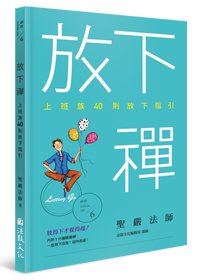
放下禪:上班族40則放下指引
放下,是隨時得、隨時捨的歡喜心。思惟彈性來自因緣觀,以及分析力、組織力、同理心的高度協作,面對重重關卡,自然能舉重若輕。放得下才提得起!內附1分鐘睡覺禪,一起放下成敗!迎向希望!工作總是放不下嗎?凡事非你不可?何不立即體驗放下禪的放下智慧,讓你放得下成敗,提得起未來!本書針對上班族的種種執著問題:患得患失、固執己見、只許成功不許失敗……,精選聖嚴法師40則放下指引,透過不同面向的放下禪,學會調柔自己的方法,放下執著、放下得失,你就能放下自我,成就大眾,工作從此得自在!
作者簡介
聖嚴法師(1930~2009年)聖嚴法師1930年生於江蘇南通,1943年於狼山出家。曾於高雄美濃閉關六年,隨後留學日本,獲立正大學文學博士學位。1975年應邀赴美弘法。1989年創建法鼓山,並於2005年開創繼起漢傳禪佛教的「中華禪法鼓宗」。聖嚴法師是一位思想家、作家暨國際知名禪師,著作豐富,中、英、日文著作達百餘種,先後獲頒中山文藝獎、中山學術獎、總統文化獎及社會各界的諸多獎項。聖嚴法師提出「提昇人的品質,建設人間淨土」的理念,相繼創辦中華佛學研究所、法鼓佛教學院、僧伽大學、法鼓大學等院校,也以豐富的禪修經驗、正信的佛法觀念和方法指導東、西方人士修行。法師著重以現代人的語言和觀點普傳佛法,陸續提出「心靈環保」、「四種環保」、「心五四運動」、「心六倫」等社會運動,更致力於國際弘化工作,其寬闊胸襟與國際化視野,深獲海內外肯定。
NT$
$117
|
78折
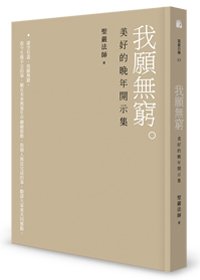
我願無窮:美好的晚年開示集
虛空有盡,我願無窮。我今生做不完的事,願在未來無量生中繼續推動,我個人無法完成的事,勸請大家來共同推動。聖嚴法師是心靈環保的領航者,總是率先走在時代前端,為人們指引出安定人心的方向。即使晚年病痛纏身,也不影響他前瞻的遠見與睿智的行動,為不安世界帶來安定力量。本書收錄聖嚴法師從二○○五年到二○○九年圓寂前的重要開示,這些文稿見證了法師曾參與過的社會成長軌跡,他曾以無比的慈悲攝受力,撫平無數人受創的身心,更以開創性的建言,為世界搭起和平的橋梁。因著聖嚴法師的無窮願力,讓我們看到生命雖短暫,卻有願可相續,人生並非只是受苦受難的業報身,更應是救苦救難的菩薩行!
作者簡介
聖嚴法師(1930〜2009年)聖嚴法師1930年生於江蘇南通,1943年於狼山出家,後因戰亂投身軍旅,十年後再次披剃出家。曾於高雄美濃閉關六年,隨後留學日本,獲立正大學文學博士學位。1975年應邀赴美弘法。1989年創建法鼓山,並於2005年開創繼起漢傳禪佛教的「中華禪法鼓宗」。聖嚴法師是一位思想家、作家暨國際知名禪師,曾獲臺灣《天下》雜誌遴選為「四百年來臺灣最具影響力的五十位人士」之一。著作豐富,中、英、日文著作達百餘種,先後獲頒中山文藝獎、中山學術獎、總統文化獎及社會各界的諸多獎項。聖嚴法師提出「提昇人的品質,建設人間淨土」的理念,主張以大學院、大普化、大關懷三大教育推動全面教育,相繼創辦中華佛學研究所、法鼓文理學院、僧伽大學等院校,也以豐富的禪修經驗、正信的佛法觀念和方法指導東、西方人士修行。法師著重以現代人的語言和觀點普傳佛法,陸續提出「心靈環保」、「四種環保」、「心五四運動」、「心六倫」等社會運動,並積極推展國際弘化工作,參與國際性會談,促進宗教交流,提倡建立全球性倫理,致力世界和平。其寬闊胸襟與國際化視野,深獲海內外肯定。
作者
NT$
$234
|
78折
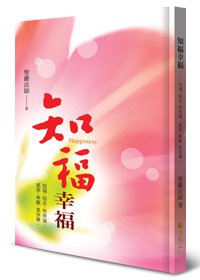
知福幸福:知福、知足,有幸福;感恩、奉獻,真快樂
人生的尋尋覓覓,要找的不過是一份幸福。但幸福到底是什麼?許多人到頭來都發現,幸福,和外在的追尋根本無關。聖嚴法師叮嚀我們,不停地滿足欲望絕對無法獲得幸福。有智慧的人能藉著看見當下的美好、珍惜眼前所有、常懷感恩之心,讓幸福的感受在心中不斷滋長、茁壯。幸福,其實就在一念之間。只要你用心體察就會明白:人生,因知福、知足而幸福;因感恩、付出而快樂!
作者簡介
聖嚴法師(1930~2009年)聖嚴法師1930年生於江蘇南通,1943年於狼山出家,後因戰亂投身軍旅,十年後再次披剃出家。曾於高雄美濃閉關六年,隨後留學日本,獲立正大學文學博士學位。1975年應邀赴美弘法。1989年創建法鼓山,並於2005年開創繼起漢傳禪佛教的「中華禪法鼓宗」。聖嚴法師是一位思想家、作家暨國際知名禪師,曾獲台灣《天下》雜誌遴選為「四百年來台灣最具影響力的五十位人士」之一。著作豐富,中、英、日文著作達百餘種,先後獲頒中山文藝獎、中山學術獎、總統文化獎及社會各界的諸多獎項。聖嚴法師提出「提昇人的品質,建設人間淨土」的理念,主張以大學院、大普化、大關懷三大教育推動全面教育,相繼創辦中華佛學研究所、法鼓佛教學院、僧伽大學、法鼓大學等院校,也以豐富的禪修經驗、正信的佛法觀念和方法指導東、西方人士修行。法師著重以現代人的語言和觀點普傳佛法,陸續提出「心靈環保」、「四種環保」、「心五四運動」、「心六倫」等社會運動,近年來更致力於國際弘化工作,參與國際性會談,促進宗教交流,提倡建立全球性倫理,致力於世界的和平。其寬闊胸襟與國際化視野,深獲海內外肯定。
作者
NT$
$78
|
78折
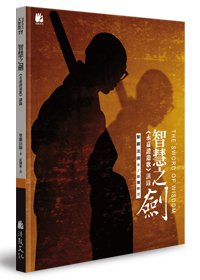
智慧之劍:《永嘉證道歌》講錄
一般人缺乏智慧之劍來斬斷執著。然而,如果能夠停止你的分別心,你將能顯露如鑽石(金剛)般不朽的智慧,就像亞瑟王的劍一樣鋒利。你只要像英雄一樣的揮舞這把金剛劍,就能切穿執著、虛假的教法,以及降伏妄想魔。──聖嚴法師《永嘉證道歌》為唐代永嘉玄覺禪師所作,為禪門最重要的經典之一,它清楚說明了悟前悟後的修行方法與態度,弘傳極廣,影響深遠。本書為聖嚴法師在美國指導禪七期間,針對《永嘉證道歌》所作的開示結集。法師在闡釋詩偈的禪法意涵時,亦融入其獨到見解,幫助禪修者深入修行,體驗禪的不可思議之境。《永嘉證道歌》就像一把智慧寶劍,將為你我的修行之路,斬除各種荊棘障礙。
作者簡介
聖嚴法師(1930~2009年)一九三○年出生,十三歲出家修行。曾於高雄山中閉關六年,並留學日本,獲得立正大學文學博士學位。曾任雜誌編輯、教授、研究所所長以及譯經院院長等。創辦中華佛學研究所、創建法鼓山、僧伽大學、法鼓大學以及社會大學等。在國內設立禪修、文教、慈善等基金會,分支道場遍及於歐、亞、美、澳等各大洲。他是一位教育家、作家,更是一位宗教家和國際知名禪師,長年在國內外為推動「心靈環保」、「種族和諧」及「世界和平」等工作不遺餘力。聖嚴法師所獲得的榮譽獎項中,包括總統文化獎、行政院文化獎、社會運動和風獎之傑出社會運動領袖獎、中山文藝創作獎、中山學術著作獎、斐德烈二世和平獎等十多種。出版著作一百多種,已有十多種語言的譯著。他曾經應邀為《中華日報》、《中央日報》、《聯合報》、《中國時報》、《自由時報》等各大報紙,及《天下》、《康健》等雜誌撰寫專欄。本書為聖嚴法師在美國主持禪七期間中,針對唐代永嘉禪師的〈永嘉證道歌〉所做的開示。
譯者簡介
莊國彬國立中山大學中文系、法鼓山中華佛學研究所畢業,英國布里斯托大學神學與宗教學系博士。現任法鼓佛教研修學院助理教授,專長部派佛教、巴利語。譯有《以法為洲》一書。
作者
譯者
莊國彬
NT$
$172
|
78折

聽見菩薩-CD
在紅塵最繁華處,聽見菩薩最深的慈悲,守護每一顆心。獻給 每一顆在紅塵中行走的心靈「菩薩在哪裡?在心裡。」──聖嚴法師【菩薩。覺有情】這兩個字,來自印度梵文budhi-sattva的譯音,全譯是「菩提薩埵」,意思是「覺有情」。眾生有情,卻常迷失在紅塵繁華中,而不自覺,菩薩有情,卻是不度盡眾生,誓不取正覺。於是,有情眾生在如夢幻泡影般的浮沉人生中,因為菩薩的慈悲深情,有了覺醒的可能。如果說,菩薩是在紅塵中澆息熱惱灼火,在迷途中指路點燈,那麼,當以至真的智慧,至善的慈悲,盡心為他人付出時,誰人不是菩薩呢?走在正覺的路上,且讓我們一起攜手,同向菩薩行。
製作者簡介
Ed Yen(嚴子貿)畢業於國立藝術學院戲劇系(現台北藝術大學),主修劇場音效配樂。歷年任職於國內各唱片公司,擔任華語專輯唱片企劃、製作、錄音製作工程等;並曾遠赴世界各地,從事短期音樂專輯製作。
近年協助華語歌手參加國際音樂策展,推廣國際音樂交流合作商務。作品曾榮獲中時1997、1998年度評鑑最佳唱片製作、中華人交流協會評鑑最佳唱片製作......等,成績斐然。李俊賢畢業於實踐大學音樂系,聲樂師事楊冬春教授,鋼琴師事陳玉芸教授,為法鼓山合唱團創辦人之一。曾任台北市華岡藝術學校音樂指導「合唱指揮課程」、法鼓山合唱團團長、法鼓文化公司影視部藝術總監及顧問、全民電台「音樂嘉年華」古典音樂節目製作及主持人。曾為法鼓山製作「聖嚴法師佛曲集」、「叩鐘偈」、「佛曲心韻」等專輯。目前任教於新店高中、羅東高中音樂班及法鼓山合唱團指導老師。
演出者
NT$
$234
|
78折
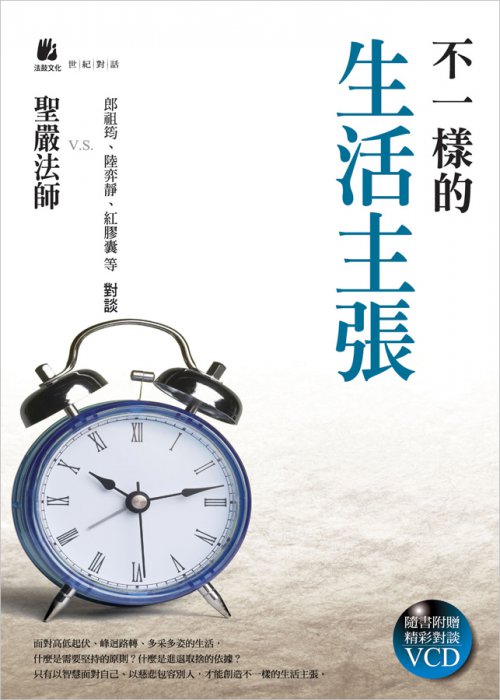
不一樣的生活主張 (附VCD)【內頁泛黃】
面對高低起伏、峰迴路轉、多采多姿的生活,什麼是需要堅持的原則?什麼是進退取捨的依據?只有以智慧面對自己、以慈悲包容別人,才能創造不一樣的生活主張。
NT$
$187
|
78折
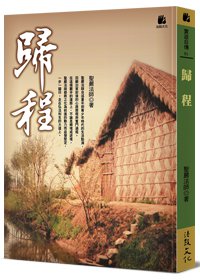
歸程
☆ 聖嚴法師親撰自傳,真實感人,可見法師至情至性的一面。☆ 記述從童年到青年時代的成長點滴、心路歷程。☆ 今生的努力向善,可以改善現世的環境,從來不會感到悲觀和失望!江南 ◆ 鄉間的童年狼山 ◆ 小沙彌的夢上海 ◆ 經懺、學僧與從軍臺灣 ◆ 軍中十年、再度出家我在十四歲的時候,曾經為我的出家而編織過一個美麗的夢,那的確是一個夢,而且,那一場夢是幻滅得如此地快!狼山的環境,像畫一樣地優美,像詩一樣地可愛,可惜,我是生得晚了,去得遲了,當我上山的時候,那一幅畫已在剝落,那一首詩已在消失!正因為我是抱著欣賞畫與詩的夢想而去狼山的,那跟出家與學佛之間有著一段距離,所以我也畢竟沒有保住那個出家的身分。不過,那個夢是做錯了,那條路是走對的。所以繞了一個好大的圈子以後,依舊走上了原來的路。這個圈子繞得夠辛苦了,但也不是冤枉繞的,應該繞的圈子,不繞也是不行,否則的話,今日的我,又是怎樣了呢?站在一個佛教徒的立場,對於順境與逆境,都該看作使我努力昇拔的增上緣。所以,幫助我的也好,打擊我的也好,在當時,我雖不能沒有喜與怒的分別,事後想想,我倒覺得他們都是我的恩人了。沒有正面的援助,我是爬不起來的,沒有反面的阻撓,我是堅強不起來的,鋼是鍛鍊出來的,能說鍛鍊的境遇是不需要的嗎?最不容易爭取的事物,便是最可寶貴的事物,最可寶貴的事物,也必是最足以珍惜的事物。我能有機會再度出家,是興奮的、欣慰的、也是悲痛的,因為這是多麼難得的因緣!回憶我在十四歲的那年秋天,去南通狼山出家,既無為人之心,亦無為己之志,很少有可敬的原因,也沒有多少宗教的情緒,係出於一種偶然的機緣所促成。因此,後來的捨僧從戎,並且一去就是十年,好像也是早就註定了的。不過,我要特別強調,我的能夠再度出家,並且誓願再度出家,那是成因於童年曾經出家的緣故。致使我雖已經過了十年的風浪,這風浪之久,已超過了我初次出家時間的一倍,但仍念念不忘於出家身分的恢復。所以直到如今,對於童年出家時的環境和師長,猶覺歷歷如新,軍伍十年的生活,卻又恍如隔世了。
作者簡介
聖嚴法師(1930~2009年)聖嚴法師1930年生於江蘇南通,1943年於狼山出家,後因戰亂投身軍旅,十年後再次披剃出家。曾於高雄美濃閉關六年,隨後留學日本,獲立正大學文學博士學位。1975年應邀赴美弘法。1989年創建法鼓山,並於2005年開創繼起漢傳禪佛教的「中華禪法鼓宗」。聖嚴法師是一位思想家、作家暨國際知名禪師,曾獲臺灣《天下》雜誌遴選為「四百年來臺灣最具影響力的五十位人士」之一。著作豐富,中、英、日文著作達百餘種,先後獲頒中山文藝獎、中山學術獎、總統文化獎及社會各界的諸多獎項。聖嚴法師提出「提昇人的品質,建設人間淨土」的理念,主張以大學院、大普化、大關懷三大教育推動全面教育,相繼創辦中華佛學研究所、法鼓文理學院、僧伽大學等院校,也以豐富的禪修經驗、正信的佛法觀念和方法指導東、西方人士修行。法師著重以現代人的語言和觀點普傳佛法,陸續提出「心靈環保」、「四種環保」、「心五四運動」、「心六倫」等社會運動,並積極推展國際弘化工作,參與國際性會談,促進宗教交流,提倡建立全球性倫理,致力世界和平。其寬闊胸襟與國際化視野,深獲海內外肯定。
作者
NT$
$140
|
7折
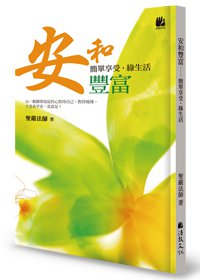
安和豐富:簡單享受,綠生活
以一顆簡單知足的心對待自己、對待地球,才是真平安、真富足!終日的追求與忙碌,何時才能安心享福?擁有多少才叫富足?聖嚴法師告訴我們,「安和豐富」的人生其實很簡單,它是一種心的感受與回饋行動,是對自己的福分與環境,深深地珍惜、滿足與感恩。懂得珍惜並樂於分享,能夠培福與種福,就不會製造地球的負擔,也不會一味累積自己身心的負擔,讓大家的生活都能安和豐富。這就是最徹底的環保,也是你我幸福的捷徑!
作者簡介
聖嚴法師(1930〜2009年)1930年生於江蘇南通。1943年於狼山出家,後因戰亂投身軍旅,十年後再次披剃出家。曾於高雄美濃閉關六年,隨後留學日本,獲立正大學文學博士學位。1975年應邀赴美弘法。1989年創建法鼓山,並於2005年開創繼起漢傳禪佛教的「中華禪法鼓宗」。聖嚴法師是一位思想家、作家暨國際知名禪師,曾獲台灣《天下》雜誌遴選為「四百年來台灣最具影響力的五十位人士」之一。著作豐富,中、英、日文著作達百餘種,先後獲頒中山文藝獎、中山學術獎、總統文化獎及社會各界的諸多獎項。聖嚴法師提出「提昇人的品質,建設人間淨土」的理念,主張以大學院、大普化、大關懷三大教育推動全面教育,相繼創辦中華佛學研究所、法鼓佛教學院、僧伽大學、法鼓大學等院校,也以豐富的禪修經驗、正信的佛法觀念和方法指導東、西方人士修行。法師著重以現代人的語言和觀點普傳佛法,陸續提出「心靈環保」、「四種環保」、「心五四運動」、「心六倫」等社會運動,近年來更致力於國際弘化工作,參與國際性會談,促進宗教交流,提倡建立全球性倫理,致力於世界的和平。其寬闊胸襟與國際化視野,深獲海內外肯定。
作者
NT$
$78
|
78折



法鼓鐘聲
智慧的鐘聲如一把心鑰,為身處紛擾紅塵的眾人,敲響了暮鼓晨鐘,開啟人生新視野,照見心中的那一方清淨地!「我既不是用冷眼看待世間,也沒有以狂熱迷戀世間,而是常用佛法所示的清涼的智慧和溫暖的慈悲來關心世間。」 ──聖嚴法師家庭、社會上大大小小的事,總是在各個媒體、各種場合上討論得沸沸揚揚,而事情仍是似真又假、似是而非,令人困惑不已。哪裡才能找到一種出自清淨心靈的智慧、出自清淨眼睛的觀看,為我們帶來一些些清醒與明白、自在與包容?聖嚴法師在本書中要和我們探討的,即是現實人生中這些包羅萬象的議題,例如夫妻、朋友的相處之道;正確的宗教、死亡觀念;以及社會上的家暴、吸毒與婚外情……等。書中簡單的話語,蘊含著發人省思的道理。這智慧的鐘聲,清亮而悠遠,純淨而美好,為我們的心帶來如夢醒般的豁然開朗、如獲至寶般的喜悅。
作者簡介
聖嚴法師(1930~2009年)聖嚴法師1930年生於江蘇南通,1943年於狼山出家,後因戰亂投身軍旅,十年後再次披剃出家。曾於高雄美濃閉關六年,隨後留學日本,獲立正大學文學博士學位。1975年應邀赴美弘法。1989年創建法鼓山,並於2005年開創繼起漢傳禪佛教的「中華禪法鼓宗」。聖嚴法師是一位思想家、作家暨國際知名禪師,曾獲臺灣《天下》雜誌遴選為「四百年來臺灣最具影響力的五十位人士」之一。著作豐富,中、英、日文著作達百餘種,先後獲頒中山文藝獎、中山學術獎、總統文化獎及社會各界的諸多獎項。聖嚴法師提出「提昇人的品質,建設人間淨土」的理念,主張以大學院、大普化、大關懷三大教育推動全面教育,相繼創辦中華佛學研究所、法鼓佛教學院、僧伽大學、法鼓大學等院校,也以豐富的禪修經驗、正信的佛法觀念和方法指導東、西方人士修行。法師著重以現代人的語言和觀點普傳佛法,陸續提出「心靈環保」、「四種環保」、「心五四運動」、「心六倫」等社會運動,近年來更致力於國際弘化工作,參與國際性會談,促進宗教交流,提倡建立全球性倫理,致力於世界的和平。其寬闊胸襟與國際化視野,深獲海內外肯定。
作者
NT$
$140
|
78折
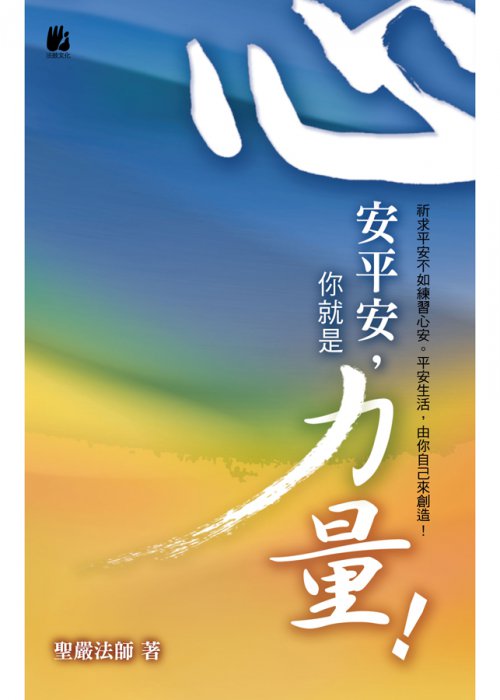
心安平安,你就是力量!
祈求平安不如練習心安。平安生活,由你自己來創造! 前途未卜,如何面對?紛亂的社會,如何自處? 只要心安,就有平安──這就是「求平安」的根本之道。 在這本小小的書中,聖嚴法師以一生修行的智慧, 與你分享最精華的安心原則與方法。 隨時隨處運用書中的觀念、練習書中的方法, 必能豐收甜美的平安果實。 平安不求人,「你」──已經擁有這份力量! 從逆境中,淬煉生命的智慧與力量 「我這一生似乎也沒做什麼壞事,但卻也遇到戰爭、水災、荒旱,以及各種各樣的挫折。 我是從災難之中走過來的,災難使得我有今天,災難使得我堅強, 即使我已經這麼大的年齡了,仍然要面臨許多災難。」 我告訴他們:「我並非喜歡災難,不過既然發生了,就該平心靜氣接受它, 然後繼續努力,保持活下去的勇氣,能夠如此,災難對我們來說就是一種成長了。」 ──聖嚴法師
作者
NT$
$78
|
78折
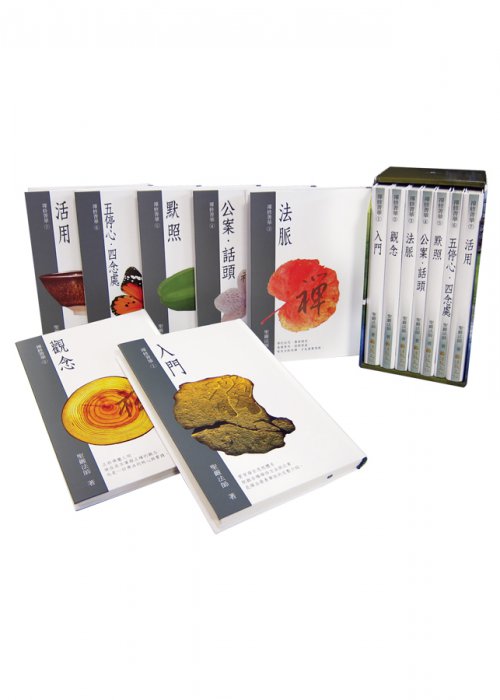
禪修菁華集(全套七本)軟精裝特惠組合
禪是什麼?在許多人的心中,這是一門高深莫測的學問,讓人想不透,猜不出,說不清,講不明。聖嚴法師在這套【禪修菁華集】中,賦予禪最完整而嚴謹的解說,透過層次分明的主題,便可得禪法面貌的梗概。從禪的簡介開始,縱觀禪宗的法源遷流,橫析禪宗修行方法的精髓,引領讀者在生活中靈活地善用禪法,積極的經營人生,開創內在無私的慈悲與無我的智慧,完成生命的自在與完美。 《禪修菁華》全套七集,分成五大部:入門、觀念、法脈、方法及活用,其中方法又分:「公案.話頭」、「默照」、「五停心.四念處」。幫助您正確認識禪宗,安心學習禪法。以禪修精華,讓生命去蕪存菁。書中並附有出處索引,由此可再進一步研讀法師禪修原作品。閱讀本套書可以對禪宗建立完整、正確的認識,並可依循次第,作深入安全的修行與探源。【各書簡介】 《入門》貫穿禪宗思想體系,統觀各種禪修方法與次第,是禪法最精華版的完整介紹。禪法即是心法,文字不能言傳,然而經由貫穿禪宗思想脈絡的介紹,統觀各種禪修方法與實踐次第,可以得知禪法的整體輪廓,幫助您進入清明而靈活的佛法智慧。《觀念》正邪佛魔之間,就在是否掌握正確的觀念,也是一切佛法的核心與實踐。禪宗的修行,不在理論知識多寡,而在實踐體驗的淺深。其間,觀念才是最重要的核心,尤其在千變萬化的禪法運用中,唯有掌握正確的觀念,才能揀邪辨正,區分佛魔,才是平安健康,無限助益的最要保證。《法脈》佛陀拈花,尊者微笑,達摩東來,祖師悟道,唯有法脈相傳,才是真實佛教。禪門強調「不立文字、教外別傳」,禪的心法奧義,就在代代祖師們的心心相印間流傳。不知禪的源流,無法體會歷代禪師的興教苦心,亦不能真正實踐大乘佛法的菩薩精神,唯有法脈相傳,才是最真實的佛陀教化。●《公案.話頭》簡單的言語,動人的悟境,也是最容易被曲解誤用的方法,卻蘊含最豐富的禪機與佛性。「人在橋上走,橋流水不流。」什麼樣的人該參公案來修行?什麼樣的程度可用話頭來用功?禪門看似瘋狂的行為與言語,卻能讓人見性開悟,點亮內心深藏的智慧光芒。●《默照》默照不等於只管打坐,從寂靜中,朗朗觀照現代紅塵,直指佛法最真實的究竟。禪法的默照禪,絕非僅在字面的「只管打坐」,還要你不斷擴大心量,消融自我,達到開啟智慧的境地,真正體會到佛法最究竟的真義。●《五停心.四念處》佛教各種傳承,共通而基礎的修行法門,生活中,隨時隨地可用的解脫良方。五停心觀與四念處觀,是佛教各宗派所共通而基礎的修行法門。過程從安定散亂心、清淨身心,到發菩提心、開大智慧;是在生活中無論任何時刻,可以隨時善用的良方。●《活用》禪修不只打坐,更在起心動念與行住坐臥,自在活用,才能享有法喜禪悅的人生。禪的修行,不僅僅在蒲團上、道場中、寺院裡,更在日常生活的起心動念時。活用禪修的方法、禪修的觀念,你將發現,心所嚮往的清新自在,與生俱來,一直就不曾稍離片刻。
作者簡介
聖嚴法師(1930~2009年)聖嚴法師1930年生於江蘇南通,1943年於狼山出家。曾於高雄美濃閉關六年,隨後留學日本,獲立正大學文學博士學位。1975年應邀赴美弘法。1989年創建法鼓山,並於2005年開創繼起漢傳禪佛教的「中華禪法鼓宗」。聖嚴法師是一位思想家、作家暨國際知名禪師,著作豐富,中、英、日文著作達百餘種,先後獲頒中山文藝獎、中山學術獎、總統文化獎及社會各界的諸多獎項。聖嚴法師提出「提昇人的品質,建設人間淨土」的理念,相繼創辦中華佛學研究所、法鼓佛教學院、僧伽大學、法鼓大學等院校,也以豐富的禪修經驗、正信的佛法觀念和方法指導東、西方人士修行。法師著重以現代人的語言和觀點普傳佛法,陸續提出「心靈環保」、「四種環保」、「心五四運動」、「心六倫」等社會運動,近年來更致力於國際弘化工作,其寬闊胸襟與國際化視野,深獲海內外肯定。
作者
NT$
$1,560
|
78折

The Poetry of Enlightenment 開悟的詩偈(英文版)
To my knowledge there are no anthologies of Ch’an poetry in Chinese, Japanese or English which describe in detail the method of practice and the experience of Ch’an Furthermore, there are few prose sources in English dealing with the same topics On the other hand, there are numerous books in English that relate the episodes of the kung-ans(koans)The prevailing view that comes from reading these stories is that the practice of Ch’an is methodless, and since there is no way to describe the experience of Ch’an, it is suggested that we just go ahead and practice by studying the kung-ans The purpose of these poems is different in that they specifically show you how to practice, what attitudes to cultivate and what pitfalls to beware of Finally, they attempt to describe the ineffable experience of Ch’an itself These poems flow directly from the minds of the enlightened Ch’an masters; we get a glimpse into their experience at the time of, and after their enlightenment In contrast, in reading a kung-an we get an objective story of what happened and we don’t really know what was in their minds. It is my hope that this collection of poems will give those who are interested in the practice a new way of looking at Ch’an and a more balanced view of the scope of Ch’an literature The present selection is offered to make this tradition available to Western readers who may otherwise not be aware of their existence.
NT$
$536
|
85折
正在載入更多商品......