搜尋結果
共
2369
筆符合商品
排序

Vegan Baking 純植物烘焙
~用植物的力量,開啟一場溫柔的飲食革命~
你跟上全球的純植物飲食風潮了嗎?「Green Bakery 綠帶純植物烘焙」——座落在民生社區的甜點名店,將大自然的豐沛揉進甜點,重新定義植物在餐桌上的意義,每一道甜蜜的獨家秘方,都實踐著對於地球的永續關懷! |敢於想像,以幸福食材烘焙純素甜點|將動物性的蛋、牛奶、鮮奶油、吉利丁⋯⋯完全替換成植物性食材來製作甜點,是絕對做得到的!書中將解開各種你可能對於純植物烘焙存有的疑慮,Vegan烘焙師首次將多年經驗無私分享,以美味為前提,告訴你如何敢於想像味道?輕鬆轉換甜點製作的思考,以大自然豐富的蔬果雜糧,做出發揮植物美味潛力的純素糕點! |超詳解!43款超人氣甜點名店配方|書中收錄43款「綠帶烘焙」最受歡迎的純植物甜點,打破刻板印象,即使選用植物性食材,一樣能做出餅乾、蛋糕、奶酪、塔派、慕斯、冰淇淋……等全品項,只要嚐過一次,一定會驚訝於每一口的純粹美味,無論口感、濕潤度、香氣、質地⋯⋯都有更勝出的獨特表現。這些經由Isabella多年反覆試做、修正的美妙配方,希望分享給想嘗試純植物烘焙,卻不知如何開始的你。 |精彩的延伸配方!更多百變配料食譜|一款簡單或華麗的甜點,常常是以多種元素組合而成,因此,在每一道詳細的食譜中,都包含了多樣小點的延伸做法,派皮、風味奶油、果醬、薯泥擠花、栗子醬、腰果泥、糖霜、糖漬水果⋯⋯學會這些配方後,每一項都能再獨立拆解搭配,組合出另一道自己喜歡的純植物點心。絕對是喜愛烘焙的你不能錯過的豐富配方大全! |美味加乘!植物性食材的替換技巧|想到製作甜點,直覺一定需要牛奶、奶油、蛋⋯⋯那麼,如果將這些動物性食材,全部換成蔬果雜糧,可能嗎?不加奶油,會不會影響甜點的香氣與濃醇?少了打發蛋白,麵糊可以順利蓬發嗎?沒有鮮奶油,如何做出滑順質地與漂亮的擠花?果凍、奶酪?有植物性膠質能取代吉利丁? 一開始嘗試純植物的烘焙做法,一定會遇到各種食材轉換的考驗,究竟該如何重現各類型甜點該有的滋味,以及期待中的口感?雞蛋 ⇢ 以豆腐、帶有膠質的水果、南瓜、地瓜能完美取代。奶油 ⇢ 濃厚香甜的冷壓椰子油,有近似奶油所表現出的厚度。鮮奶油 ⇢ 質地細緻的薯泥能完美取代,做出口味清爽的擠花。更多食材替換的基本概念與用法,書中都有詳細的分析與示範,一起發揮想像力,動手嘗試吧!為烘焙點心打開另一種純植物美味的可能性。
作者簡介
曹思蓓 Isabella成為甜點主廚前,Isabella是一位視覺設計師,約11年前,她決定成為一位Vegan,並嚴守純植物生活,做了決定之後,才發現市面上純植物的甜點少之又少,於是毅然決然,開始用自己的方式,研發出獨家稀有的純植物甜點秘方。2014年她在民生社區開了一間名叫「Green Bakery 綠帶純植物烘焙」的甜點店,吸引許多歐美、日本、亞洲⋯⋯等外國人士前來朝聖,而反觀台灣人對純植物飲食(Vegan life)仍然很陌生的情形下,Isabella希望藉由自創的純植物甜點,傳達這種同時符合環境永續、有益健康、友善動物的全新飲食概念!Isabella 用她擅用的設計手法,從「心」歸零、重新組合並勇於跳脫傳統框架。除了以美味為前提之外,並在本書中示範如何從大自然的植物中取材,創造甜點中的色、香、味……希望引領更多人開始用幸福的食材做出幸福的甜點。
作者
NT$
$468
|
85折

當和尚遇到鑽石:一個佛學博士如何在商場中實踐佛法(二十週年金典紀念版)
翻譯超過三十五種語言,印量遠遠超越百萬冊──是全球七十五座主要城市、無數人們的「每日成功指南」善用書中《金剛經》智慧法則所獲致的成就,連投資之神巴菲特都讚賞!這世上每個人都想達到五個目標:一、經濟獨立:有足夠的錢做任何想做的事!二、在職場上和家庭裡都有很棒的人際關係!三、健健康康、活力充沛:保持穠纖合度又頭好壯壯!四、心境平和、心情愉快!五、在這一生當中,我們都想做點對全世界有幫助的事。在國際暢銷書《當和尚遇到鑽石》的二十週年金典紀念版當中,麥可・羅區格西新增了25%的內容,幫助所有人一網打盡五個目標!
作者簡介
麥可・羅區格西 Geshe Michael Roach生於洛杉磯,以優異的成績從普林斯頓大學(Princeton University)畢業,並在白宮獲美國總統頒給總統學者獎章(Presidential Scholar Medallion)。他是第一位從亞洲主要寺院修得格西(相當於佛學博士)學位的美國人,並協助成立位於紐約市的安鼎國際鑽石公司(Andin International Diamond Corporation),該公司後來成為全球最大的鑽石珠寶公司,於二〇〇九年由超級投資家華倫・巴菲特(Warren Buffett)收購。麥可格西是金剛商業學院(Diamond Cutter Institute)的執行長,並創辦許多慈善機構,包括保存了五百萬頁亞洲古籍、提供線上免費閱覽的亞洲薪傳圖書館(Asian Legacy Library)。
譯者簡介
項慧齡國立政治大學新聞系學士,英國史特靈大學出版碩士,曾任職《講義》、《遠見》雜誌,現專事翻譯,並且是「蓮師中文翻譯小組」成員。譯有《幸福的修煉》、《禪修地圖》、《覺悟勇士》、《拙火之樂》等書。賴許刈英國格拉斯哥大學創意寫作碩士,現為專職英中譯者,譯有《當和尚遇到鑽石4:愛的業力法則》、《Soppy愛賴在一起》、《純植物・全食物》等數十冊。
作者
譯者
項慧齡, 賴許刈
NT$
$323
|
85折

僧人心態:從道場到職場,訓練你的心,過著平靜而有目標的每一天
他的一支影片有4億次瀏覽,創下前所未有的紀錄!他的社群媒體有超過3,850萬人追蹤。他獲獎無數,被Yahoo財經選為2020年10大影響人物,被媒體譽為「數位世代心靈導師」!從商學院高材生變成僧人,為傳遞所學而還俗,美國新生代思想領袖傑‧謝帝要帶你擁抱「僧人心態」,學會處理痛苦和焦慮、擁有更圓滿的人際關係,並提升專注力、記憶力、幸福感。傑‧謝帝是英國前10強倫敦卡斯商學院學生、知名國際大企業實習生,曾以為未來不是當醫師、律師,就注定是失敗者。直到有一天,他在商學院遇見一位和尚──這名僧人曾是印度最難考進的大學印度理工學院(IIT)學生,卻放棄眾人稱羨追逐的一切,選擇出家為僧!那位僧人散發的智慧、自信、平和與快樂,他從未在任何一個人身上感受過,也引領他走進印度孟買的道場,選擇僧人這條「失敗」的路,為自己重新定義何謂「成功」人生。後來他在老師的建議下,與世人分享他學到的「僧人心態」。如今,他成為社交媒體巨星,為迷惘、焦慮的數位世代提供人生建議。連已故NBA球星柯比‧布萊恩、流行天后艾莉西亞‧凱斯、全球最大避險基金橋水聯合創辦人瑞‧達利歐、《人類大歷史》作者哈拉瑞等知名人士,都是他Podcast節目的座上賓。現在,傑‧謝帝要透過這本書,將他在僧人生活中學到的永恆智慧,精煉成每天都能實踐的實用步驟,帶你走過僧人心態的「放下→成長→付出」三階段,過著不焦慮、有意義的人生!人生有得有失,僧人心態告訴你:◆失戀時……相信自己的價值。在親密關係中迷失自己的人,必然會陷入心碎的結局。◆失落時……為感受客觀評分,失去錢財與失去親人的痛相比,就變得可以承受。◆失利失勢時……提醒你留心一手打造出的高高在上神話,也只能維持一段時間;就算你不打破幻相,生命也會替你打破。◆失業時……接受沒了工作收入、卻有了時間研究更多更好職務的事實,還可以多參與家人孩子的事務。時間也是另一種財富。◆失眠時……每天睡前寫下感恩日記,減少雜念,滋養更好的睡眠品質。擁有僧人心態,你將學到:.如何克服消極的負面情緒.如何清除腦中雜音,停止胡思亂想.為什麼比較心會殺死愛.如何善用恐懼的力量.為什麼無法透過追求幸福來找到幸福.如何向生命中遇到的每一個人學習.為什麼你不等於你的想法.如何找到你的天命與人生目的.為什麼善良對成功如此重要
作者簡介
傑‧謝帝(Jay Shetty)說故事的人、播客、前僧人。1987年出生於英國印度裔家庭,當過三年僧人,是獲獎的數位策略師,後來變成頗具影響力的社群意見領袖和病毒式內容創造者。以優異成績畢業於英國前10強的倫敦卡斯商學院,取得行為科學學士學位之後,拒絕了幾家知名企業的工作機會,搬到印度孟買的道場,成為僧人。從印度回到英國後,進入全球最大的管理顧問公司和技術服務供應商埃森哲(Accenture),幫助他們建立數位部門,亦開設與正念相關的企業培訓課程,並且很快成為這家擁有40萬名員工的公司第一名的媒體意見領袖。隨後受邀為《赫芬頓郵報》、臉書、Snapchat等一流社群媒體打造內容並合作。他曾創下許多驚人的自媒體紀錄:「30歲沒成功人生就很失敗?其實你只是走在自己的時區」這支影片在2018年創下臉書當年度最多人觀看紀錄,將近4億次瀏覽。他的社群媒體有超過3,850萬人追蹤。目前已製作超過400支影片,觀看次數超過80億。他亦主持健康生活類第一名的播客節目《跟傑‧謝帝一起找到人生目的》(On Purpose with Jay Shetty),已故NBA球星柯比‧布萊恩、流行天后艾莉西亞‧凱斯、世上最大避險基金橋水聯合創辦人瑞‧達利歐、《人類大歷史》作者哈拉瑞等知名人士,都是節目的座上賓。2018年獲頒媲美「網路影片奧斯卡獎」的美國網絡電視大獎,以及表彰推特、臉書等創新作品的「社群媒體界奧斯卡獎」即時短內容創作大獎。亦獲選Yahoo財經2020年10大影響人物、2019年亞洲大獎傑出線上成就獎、2017年歐洲富比士30位30歲以下傑出青年、2016年亞洲媒體大獎最佳部落格獎。曾接受美國今日秀、艾倫秀、PBS公共電視網、People.com人物專訪報導。這是他的第一本著作。想了解更多資訊,請參考Jayshetty.me網站。
譯者簡介
周家麒(Simon Chou)政治大學外交系、淡江大學美國研究所。專業翻譯三十多年,譯有《鑽石切割師》《佛陀會怎麼做》《竄改的基因、扭曲的真相》等國際政治、外交、心靈成長書籍數十本。
譯者
周家麒
NT$
$357
|
85折

純素起司 Vegan Cheese
《阿凡達》劇組御用的純素料理家Mariko親自研發,只用「豆漿、豆腐和堅果」製作,超越普通起司的美味與健康,天然高營養的飲食․不藏私公開◎什麼是純素起司?指的是「不用任何動物性食物,所製成的純植物性起司」。由開課必爆滿的人氣裸食廚師兼植物性飲食講師Mariko獨家親研,全書52道料理,僅使用「豆漿、豆腐與堅果」等高蛋白質食材製作,搭配「自製純素發酵品」,顛覆素食無滋無味的印象,風味更甚普通起司!◎為什麼推薦「純素起司」飲食法?如果你還在尋找「更自然、更環保、更營養」且能「滿足身體需求」的生活方式……「純素起司」的「百分百植物性」原則,不僅更健康、更美味,還能一次解決你「蛋奶過敏、麩質敏感」與「蛋白攝取不足」的困擾。不僅滋養你的味蕾,還能喚醒對美好生活的感官體驗!◎全新「純淨素食」生活提案:不論是單吃也幸福感滿溢的「莫扎瑞拉風鹽起司」,還是超適合佐生菜沙拉的「香草菲達起司」,30種手工超濃郁全素起司的自製法,一次提供!做完美味起司之後,更要帶你進入應用料理的22道飲食提案,Mariko提供取代牛奶的「杏仁奶」、與料理百搭的「椰子培根片」、還有是創意研發的「豆漿奶油燉菜」、「培根蛋黃義大利麵」和「提拉米蘇」……讓「正確飲食」提供身體的「正面能量」,使人從內而外都健康、耀眼。偷偷告訴你,純素起司的飲食生活,還能潛移默化出「天然美肌」的效果!也因此,好萊塢名人正掀起一波「純素起司」的生活風潮,就趁現在,透過純淨的素食飲食法打造「天然美顏」吧!
本書特色【特色1】市面唯一的素起司自製書──不簡單的「手作起司」全書,更是「純素料理家」的嘔心之作!相信許多起司愛好者,因為踏入素食生活後常有「起司戒斷症」,身為素食廚師、植物性講師的作者,精心研製出多款比市售動物性起司更濃郁可口的「純素起司」。除此之外,更提供昇華全素起司美好滋味的「素主餐料理」、增添料理滋味的「素食調味品」與植物性的「豆漿優格」、「堅果奶」作法。【特色2】營養滿分的素食料理提案──去除「易致敏」蛋奶、運用「高蛋白」食材打造全植物性食譜!如果你也是對牛奶、雞蛋又愛又恨的「乳糖不耐人」「蛋奶過敏人」,或是腸胃總是躁動不安的「腸道敏感者」,大力推薦全植物性的「豆製、堅果製、蔬菜製」且含「天然乳酸菌」的植物性發酵起司飲食提案!更私心建議給需要大量補充「蛋白質」的健身人、營養不足者。【特色3】完整又實用的應用食譜──不論「配酒吃、入沙拉、加咖啡」還是製成甜點,52道全面方案!你知道嗎?豆漿製成的起司可以做成莓果塔、提拉米蘇、起司濃湯;而堅果製作的起司沾醬,可以延伸出濃厚可口的「起司通心麵」,還有和飲品超搭的純素「鮮奶油、美乃滋」、增添餅乾風味的洋蔥酸奶醬!最完全的起司製成、最豐富的創意應用料理,都在這裡。【特色4】簡單且詳細的製程與標註──無需專業技巧,清楚說明加上貼心份量提醒,任誰都能完成!「不需要發酵的起司」,只要掌握「攪拌、凝固、過篩」的技巧,三個步驟就能完成;而「需經發酵的起司」也僅加入一道「發酵」的過程。而在每份食譜開頭皆細心標註「裸食」「純素」及「無麩質」,以及完成品的「份量大小」,讓人輕鬆進入神清氣爽、剛剛好的素食生活。
作者簡介
Mariko現居美國洛杉磯。現任裸食、植物性飲食廚師・講師。畢業於日本女子大學英文系,2005年前往美國好萊塢擔任化妝師,參與廣告、雜誌、電影等工作。實行植物性飲食法多年後,在洛杉磯首次接觸到裸食,因為裸食的味蕾饗宴,還有帶來絕佳的美肌、健康的效果,開始深陷裸食的世界。2014年以自己的名字開設了部落格「mariko sakata」,分享裸食、無麩質與蔬食食譜,在洛杉磯獲得了廣大的迴響。美國好萊塢電影《阿凡達》續集拍攝時,曾因首度在片場實施「全素食供餐」而引起大眾熱烈討論。Mariko正是參與該劇組飲食企劃的成員之一。曾在美國純素、裸食界指標的主廚Matthew Kenney開辦的裸食廚藝學校「Matthew Kenney Culinary Academy」中任職講師一年半。期間開設的「純素起司課程」堂堂爆滿,甚至收到許多私人授課的邀約。高人氣的課程頻頻受到媒體報導,也曾經接受Vogue等知名雜誌與各大電視台的採訪。目前持續在裸食、植物性飲食擔任主廚、講師、外燴、食物造型師、化妝師等,活躍發展中。
譯者簡介
Moku學不會26個字母,所以改學50音。曾譯有《阿德勒式親子溝通魔法卡》(台灣廣廈出版)、《巴哥哪有這麼萌》(紙印良品出版)等著作。
作者
譯者
Moku
NT$
$424
|
85折

有那麼多煩惱,是因為你過度思考和追求:東大名僧教你5步驟心靈洗滌術
沒有一個時代,比現在更需要「心靈洗滌術」!最平易近人的「佛陀思考法」隆重登場!Google、Facebook企業X阿德勒心理學X正念認知療法廣泛運用拯救迷惘與困惑的心,深獲日本讀者共鳴!面對紛紛擾擾的生活,心中常常充滿許多困惑不安⋯⋯你是否也曾有過這些感覺?✓內心累積許多煩惱及壓力,總是胡思亂想,無法平靜。✓對過去抱著依戀及後悔,心裡彷彿壓著一塊大石。✓太在意他人的舉動;和別人相處時,總是很緊張,容易受到影響。✓一旦失敗就會產生動搖,失去自信、變得軟弱。✓不斷重複相同的煩惱及失敗,讓自己陷入停滯而無法前進。當我們弄髒身體,會知道以水清洗;那麼,當心靈蒙上髒汙,該如何是好?東大名僧草薙龍瞬告訴你:心靈髒了,也只要清洗就好。負面情緒會讓我們的心靈充滿塵埃;想要清除這些塵埃,需要的是「佛陀的智慧」。草薙先生秉持「將佛法以容易理解且於生活中簡單實踐」的理念,在日本獲得極高評價,讓許多讀者找回平靜安定的力量。●世界沒那麼複雜,是人讓世界變得複雜草薙龍瞬告訴我們,生活裡百分之九十九的煩惱都是不必要的;世界並不複雜,是人們讓一切變得複雜,因為我們的心不停地胡思亂想和過度思考,充滿對往昔的依戀及世俗的追求。草薙先生提出的「正念」練習,能將過度思考轉為正面思考,更能消除心中的妄想和負面情緒。他將佛法的精髓融入於生活中,提出人人皆能做到的實用方法:★千步禪:每天走一千步,透過實際而簡單的步行,緩和你的情緒與思慮。★貼標籤:將情緒命名,讓你客觀看待現實,跳脫負面能量,專注當下。★不反應:不對外界做出反應、不執著、不依戀,就是正念練習的第一步。本書中也將佛陀的理念以豐富的「視覺圖像」解說,讓人更直覺地擷取到文字無法立刻掌握的本質。●想擁有隨心所欲的人生,先要擁有澄澈的心我們之所以有那麼煩惱,也許是一時的心靈蒙蔽,或沉溺在自憐中,抑或是拒絕面對真相和苦痛。草薙龍瞬提倡「心靈洗滌術」,整理成五個關鍵字:暫停、削除、停留、重建、超越,象徵著五種心境與階段。他告訴我們,只要暫停不必要的內心小劇場,削除多餘的雜念,專注於自我的內在安定,就能重建堅定心志,超越現實難題,進而擁有幸福的生活。「心靈洗滌術」的最終目標,是在幫助我們擺脫痛苦、煩惱、迷惘、妄想、執著、後悔及憤怒。只要跟著書中實用的方法,練習減少生活中的情緒反應,就能慢慢改變看待事物的心態,平靜地過著每一天。
作者簡介
草薙龍瞬佛教僧侶,佛教學堂「興道之里」負責人。國中輟學之後,十六歲時離家至東京,自修通過高中學力檢定,考上東京大學法學院。畢業後於智庫公司工作,同時思考人生的生活方式,於三十五歲後決定出家,並於緬甸國立佛教大學修畢專修課程。現在於印度經營社會改善的非政府組織及幼兒園、小學。不隸屬於任何佛教教派,而是努力將佛教宣揚為「有助於改善生活的合理方法」,並且四處遊歷日本,舉辦佛法探討或經典朗誦等法會活動。著有暢銷書《不反應的練習》、《煩躁時就去感覺腳掌心!》、《放心,就連佛陀也為家人煩惱》、《原諒自己,人生就會自由》等書。
譯者簡介
楊詠婷輔大大眾傳播系畢業,曾任出版社日文編輯,現為專職譯者、選書企劃。譯有《不用眼睛,才會看見的世界》、《別讓「應該」框住你的人生》、《即使被討厭,也要自由地活下去》、《你不必和每個人都合拍》、《練習有風格》、《找回自我肯定感,不再感到人生艱難》、《給不小心就太在意的你》等書。
作者
譯者
楊詠婷
NT$
$272
|
85折

省時美味蔬食常備菜
簡約快速的單項蔬食常備菜,是純粹也是真滋味每道菜都只使用一種蔬菜就能完成,當天做好後一個禮拜內都可以使用!將蔬菜分類儲藏及改造而成的菜餚,不論是單獨食用或變化成其他料理,既健康又能品嚐到蔬菜的美好風味。日本蔬食料理界達人──庄司泉,為讀者獻上200多道省時又方便的美味常備菜。這些可口的菜餚一次做好後,最長可保存7天,能為忙碌、飲食不均衡的現代人補充滿滿纖維質,也是素食者、料理新手非常實用的蔬食料理寶典!【庄司泉的料理魔法】.買回來的蔬菜趁新鮮烹煮、消耗庫存的常備料理,一點也不浪費。.每道菜都只用一種蔬菜就能完成,不需準備眾多材料的輕鬆烹調。.做好的常備菜最長可保存 7 天,節省了許多在廚房裡忙碌的時間。.依照蔬菜不同種類和部位進行合適的烹調,讓常備菜可口又美味。.一種蔬菜可以變化出三~四種口味的菜餚,就算天天吃也吃不膩。.已烹飪完成的菜餚,還可利用短短時間變化出不一樣的衍生料理。.豐富的醬汁做法與調味技巧能充分突顯蔬菜美味,吃得健康愉悅。【庄司泉的料理教室】■ 為什麼每道菜只使用一種蔬菜?比起結合各式各樣的食材烹飪而出的常備菜,作者更推崇僅用一種蔬菜來製作的簡單常備菜。因為這是最符合現忙碌社會的烹飪方式,除了能吃到食物的原味外,直接食用也不會生膩,而且只要稍微改變調味方法,即可使風味產生變化。此外,還能夠自由地加以調配組合,這個特點以常備菜來說是極為理想的。■ 將食材用得一點都不剩的妙方通常罐裝材料打開後常無法一次用完造成浪費,或是泡發後的乾燥食材很難一次用光光怎麼辦?不論是玉米罐頭、水煮玉米或冷凍玉米,可先加入少許的鹽及橄欖油拌勻備用。這道預先處理的程序,能讓沙拉做起來十分方便。此外也可當成炒飯、可樂餅的材料,在遇到燉菜或湯品色彩單調之際,還能使菜餚的顏色變得繽紛。泡水還原後的海帶芽與綜合海藻等食材,也能使用相同的方式保存,即可在冷藏庫中保存5日之久。泡發的的蘿蔔乾絲則要灑上醋。只要多了這道程序,可以變成一道具有醃漬脆蘿蔔風味的小菜,若是用來拌沙拉,可為沙拉額外添加嚼勁以及份量感。■ 不要丟棄!把果皮和菜渣用到極致的方法不管是根莖類的外皮或是蔥、蔬菜和蕈菇根部過硬而難以食用的部分, 在晴朗的日子裡曬個2~3天,就能與乾燥食材同樣地儲存於常溫之中。當積存到一定的數量之後,用水熬煮即可取得蔬菜高湯,使用這些乾燥後的蔬菜會讓鮮味直線上升呢。白蘿蔔、紅蘿蔔的外皮夠多的話,就細切後乾燥保存,可以運用在燉煮或是拌炒料理上。■ 讓蔬菜料理的調味變得更豐富薄鹽醃菜和米糠醃菜、泡菜等都是常備菜的代表選手。直接吃享用它水潤的口感也不錯,如果加工調理成配菜之後,又能夠享受到獨特鮮味。另外,利用大量的香料植物做一些醬汁和自製調味料存放起來,這更是比許多市售產品都好用。辣椒、大蒜以及生薑等等的佐料,不但滋味美妙,也具有提高代謝的效果。疲勞的時候則推薦使用含有豐富檸檬酸的檸檬醋,同時也能讓調味更加豐富!
作者簡介
庄司泉 Izumi Shouji蔬食料理專家。2007年以介紹100%植物性素食料理的部落格,『vege dining 蔬食餐點』為始,挾著得到的高人氣為契機,成為一名介紹蔬食料理的烹飪專家。其提案從身體內部開始淨化的作品『デトックス.ベジ』叢書(主婦之友社),系列累積賣破21萬部。另外,包括能夠保存和任意運用的配菜等等,她提出了就算在忙碌生活中,也得以大量攝取蔬菜的食譜『やさいの常備菜』(世界文化社)也累積了眾多支持,成為長期暢銷作品。本書是常備菜系列的第4集。其主持的「庄司いずみ 蔬食˙烹飪˙工作室」從家庭中烹飪的蔬食料理開始到專業的蔬食菜餚等,展開了內容廣泛的教學課程。
作者
譯者
陳瑮
NT$
$272
|
85折

蔬食烘焙
最符合健康樂活潮流的烘焙食譜!大口享用過去喜歡但不敢吃的餅乾麵包!不使用可能造成過敏疾病的牛奶、奶油、雞蛋等動物性材料,還有辦法做出美味的烘焙成品嗎?答案是百分百OK的!深受過敏性鼻炎之苦的作者,因為對健康飲食產生興趣,在都市的一塊小農田裡種蔬菜水果,過著自給自足的健康飲食生活。她研發出許多健康天然的蔬食食譜,使用更接近天然的食材,口感不輸給一般烘焙點心,還更健康!讓許多有相同困擾的人也能享受烘焙美味。連無花果、櫛瓜也可以入菜!更天然、更營養的美食體驗!蔬食烘焙是以新鮮健康的食材代替動物性製品,使用當季蔬菜、水果,保留食材的天然原味和香氣,不僅營養滿分,更能帶來飽足感。書中介紹了大家都喜愛的司康餅、餅乾、蘇打餅、馬芬、瑪德琳、蛋糕等烘培甜點,以及用天然酵母製作而成的麵包加工成三明治,搭配沙拉、濃湯、果汁等食譜,網羅了所有蔬食烘培的種類!本書特色零動物性!不用雞蛋、牛奶、奶油的蔬食烘焙食譜:用植物油代替奶油、用豆漿代替牛奶,100%天然材料也能烤出美味的點心和麵包對動物性製品過敏、有肥胖或皮膚炎等困擾的你,從此安心享受美味!
作者簡介
朴宣紅我長期受過敏性鼻炎所苦,不斷思考該如何改善飲食習慣,經過無數次的嘗試,我這個非典型素食主義者,終於決定不攝取肉類、奶油、雞蛋、牛奶等食材。我對健康飲食的關注漸漸轉移到天然食材上,進而開始嚮往用親手栽種的蔬菜下廚,透過大自然打造自給自足的生活,於是我開始在都市一角打理一小塊田地,配合季節變換播種、栽種,栽培出新鮮的蔬菜、水果、香草。打理田地的同時,看著作物隨自然環境的改變一天天成長的模樣,讓我了解到何謂勞動的價值與生命的喜悅。自然而然地,我也開始用更健康的食材與方法,去做我喜歡的麵包與點心,現在也開設專門的蔬食烘焙課程。課程中不使用可能造成過敏的動物性食材,如雞蛋、牛奶、奶油等,而是使用替代食材,研究、開發出合適的蔬食烘焙食譜,也因此更顯珍貴。我們使用從這片土地上生產的麵粉、全麥麵粉、當季蔬果、植物油、用黃豆製成的百分百無添加豆漿、天然酵母(老麵)等,這些更接近天然的食材來完成蔬食烘焙。畢業於食品營養學系,曾於瑞士凱撒里茲飯店管理大學修習食品料理法、飲品課程。對很多事物皆保持好奇,曾師從料理大師與那國進主廚,學習各國料理、製菓、烘焙、韓式料理、中式料理、日式料理廚師、配色技師、長壽飲食生活指導師課程,不斷拓展個人興趣,對每一天都充滿好奇心。目前透過許多不同的媒體,推廣都市農夫的生活方式、更接近自然的健康蔬食食譜。
譯者簡介
陳品芳政大韓文系畢業,曾於台韓兩地職場打滾,目前為二、三次元娛樂文化皆跨很足的專職譯者。喜歡看韓國電影、聽韓樂,十分享受宅在家趕稿掛網打遊戲的時光。近期譯作有《我的日常取向》《為什麼總是感到很受傷》《其實,我是個內向的人》《框架效應》等。
作者
譯者
陳品芳
NT$
$349
|
85折

蔬食共和國:酪梨vs番茄
蔬食是未來的生活風格與料理新潮流!全台第一本以酪梨、番茄為主,和速配的食材,完美無國界蔬食料理,日日幸福上桌!全世界都在瘋酪梨,營養價值高,含有可幫助維持免疫系統健康的維生素E,和幫助維持體內血膽固醇恆定的不飽和脂肪酸;不論是國產或是進口,都可以運用在飲食上,食譜的變化很豐富。番茄是歷久不衰的超級食物!除了含有大量維生素C、天然抗氧化劑的茄紅素,營養豐富外,不論單吃或做成各種中西料理,甚至飲品都很適合的全方位食材。酪梨只能打成酪梨牛奶?番茄只能番茄炒蛋的家常菜?充滿創意多元的吃法,翻轉對酪梨與番茄的刻板印象。酪梨vs番茄和最速配的蔬菜(綠花椰菜、菠菜、甜椒、胡蘿蔔、羽衣甘藍、四季豆、小黃瓜、馬鈴薯……)、五穀雜糧(越光米、黑米、藜麥、黃豆、毛豆、紅豆、扁豆、鷹嘴豆、腰果、夏威夷果、核桃……)、果實(蘋果、檸檬、藍莓、奇異果、無花果……)等靈活運用、完全不設限,88道繽紛多采的無國界蔬食菜肴!中、西、鹹、甜、冷、熱食譜都有。創造專屬自己美好、愉悅的蔬食餐桌!開胃菜、沙拉、主餐、配菜、點心、飲品到實用醬料,豐富多變的蔬食料理完整收錄,美味不設限!
本書特色◎全台第一本以酪梨和番茄為主,與適合的蔬果、五穀雜糧搭配,餐餐營養有活力。◎金牌蔬食名師親自示範、全書彩色,拌、蒸、炒、烤……詳實全圖解!◎不只是水果,顛覆對酪梨和番茄的吃法,進入極致非凡的蔬食世界。◎簡單和難吃不劃上等號,每一道食譜都是令人驚豔的好滋味。
作者簡介
李耀堂◎現任:南開科技大學專技助理教授、大愛電視台常駐廚師、瑞康屋烹飪老師◎著作:《素餐桌調味帖》、《五星級常備菜,省時輕鬆、美味豐盛》、《第1本素西餐料理書》、《鮮作手工抹醬100》、《無油煙輕鬆煮》、《米饌饗宴》、《素食好健康》、《原住民美食》、《健康美味豬》、《好男人愛下廚》、《神奇米飯力量大》◎得獎紀錄2013韓國國際烹飪美食大賽個人展示菜金牌2013馬來西亞世界烹飪大賽金牌2012第一屆大甲媽祖「福佑平安」媽祖宴金牌2011第三屆海峽兩岸烹飪邀請賽金牌2010第六屆韓國國際美食養生大賽金牌2010兩岸三地閩菜會馬祖料理競賽最佳創意獎2010第一屆行政院客委會客家莚席料理比賽金牌2010 FDA行政院衛生署優良廚師2008第六屆中國烹飪世界大賽美食展檯金牌2007第一屆台北中華素食展金廚獎
作者
NT$
$391
|
85折

朝聖尼泊爾:走入蓮師祕境努日
自古以來,尼泊爾、印度就是佛教文化的重鎮,除了佛陀足跡八大聖地之外,還有哪些佛教徒必訪的聖地?朝聖與旅遊有什麼差別?到不同的聖地,可以做什麼樣的供養或祈請?且隨本書作者的文字影像,走入蓮華生大師聖地一探究竟。 這是一本圖文並茂的朝聖之書,緣起於2015年4月尼泊爾的一場大地震。印度南卓林寺堪布札西徹令仁波切,2000年在故鄉努日興建了寧瑪派白玉傳承分寺,寺院的小喇嘛大多來自窮困人家,有些孩子甚至是舉目無親的孤兒,這座寺院對他們來說不僅是世俗生活的避風港,更是通往菩提路上的要道,然而一場強震卻在短短幾秒中,摧毀了堪布與全體僧眾多年來的努力。被崇山峻嶺包圍的努日堪稱與世隔絕,重建寺院之路迢遙艱辛。2018年札西堪布藉著帶領加德滿都前譯紀念學校學生徒步返鄉努日的機緣,規劃了朝聖之行,期望讓更多佛教徒認識金剛乘最為殊勝的蓮華生大士聖地,以及朝聖的意義。隨行兩位作者透過文字和影像,以《普賢行願品》偈頌七支供養來分章節,沿途記錄聖地故事及札西堪布的悲願;驚險路程、壯麗山河在書卷中鋪展開來,是一本淺顯易讀、處處流露悲心願力的好書。
作者介紹
作者簡介堪布札西徹令仁波切【朝聖策畫】原是個出生於尼泊爾喜馬拉雅偏遠山區努日地方的孩子,幼時便開始接受當地上師的啟蒙教育與佛法教學。即長,為了精研佛法,跋涉至南印度的邁索爾,就讀藏傳佛教寧瑪派海外最大的據點「南卓林寺」所屬「前譯寧瑪高等佛學院」。完成學業後,於1989年正式陞座,成為該寺培育出的第一屆堪布。陞座後,堪布持續在寺院服務、任教。自1995首度訪台以來,便持續在台弘傳顯密經論,成立「大方廣佛學講修學會」,說法不輟。為了讓跟自己一樣出身寒微的孩子們擁有接受現代教育的機會,堪布在尼泊爾創辦了「前譯紀念學校」;此外,他也持續照顧努日山區居民的日常生活與靈性修行。堪布的故鄉努日是蓮師的秘境,他自幼便與佛法和蓮師有著親密的連結。蓮師在努日以及尼泊爾各地留下了許多殊勝的聖蹟,堪布希望透過此書,讓讀者能進一步認識這些蓮師聖地,理解朝聖的意義。郭怡青前半生是流浪。捲起美國大學、英國研究所的兩張紙跑到日本去闖蕩,喜歡雲遊四海,足跡遍及世界各地。地球轉了一圈後,因緣際會在《經典雜誌》繼續流浪,並以《海峽:文明的交會與分野》(共著)入圍金鼎獎。現為自由作家,繼續游牧在文字世界裡,願以文字護持佛法,願眾生皆能種下菩提的種子。攝影者簡介李後良曾以為會定居在南國的海裡不斷衝浪度過餘生,帶著相機初入高原流浪後,就一次又一次在尼泊爾、印度的喜瑪拉雅山脈間旅行。從一個人的旅行變成兩個人,漸漸的成為一家四口,也漸漸體悟了其實我們一直在生命的流動中旅行,在輪迴的幻化中流浪。將持續帶著孩子去旅行,親身去體驗和感受這世界的種種。
NT$
$383
|
85折

揭開身心的奧秘:阿毗達摩怎麼說?
因為困惑而找尋修行道路的人啊!阿毗達摩是佛陀揭示的一條清晰道路,導向世間和出世間的安樂,遵循它吧!◆「阿毗達摩」是南傳大藏經中的「論藏」,一切世俗概念在此都過濾盡淨,純粹探討修道證果的目標:心、心所、色、涅槃四種究竟真實法。◆阿毗達摩是佛陀的高深教法,奠基於真理和實證經驗,系統性說明並引導認真的禪修者如實知見,終至證悟。◆心離我們那麼近,卻又那麼遙遠。揭開人類身心的奧祕,看似一樁極端巨大的工作,正因如此,阿毗達摩是一條管用、又有系統的道路,效果立見。 ◆心與降落傘一樣,只有張開才能運作。這要靠人人把佛陀所說的法當做修行,而不是當成理論。持續研讀、反問、尋找解決方案,你會從本書得到最大的利益。◆本書的目的,是從阿毗達摩廣泛而複雜的文本中,抽出精華,然後與日常生活橋接起來,俾使大多數人能夠從中發現意義,書中還包括止禪和觀禪的指導,以結合理論與修行。◆南傳佛教泰斗長老帕奧禪師強力推薦:本書作者從阿毗達摩的觀點──最深刻說明佛法的方法,又引用各種角度的實際例證,來呈現四聖諦,非常清晰,一般人很容易了解,同時也讓我們用另一種觀點來了解佛陀的教法。無論我們來自哪一個宗派傳統,本書敘述並連結起我們的生命經驗、禪修體驗、對法的知識性理解,並提供基本理念。我強力推薦本書給有意廣泛了解阿毗達摩及其利益的人士,這些利益不僅在禪修、人生方向,還在日常生活中。作者交代了哪些行為是善,哪些是不善,讀者將會受到潛移默化。
作者簡介
善戒禪師馬來西亞檳城「正勤樂住禪林」的創立者和現任住持。於1963年生於馬來西亞彭亨,1988年畢業於當地理科大學 (University of Science, Malaysia)。在大學期間便對觀禪產生熱切的興趣,畢業後,在高中教了一年半的書,愈加對世間事物感到厭離,嚮往修行,於是辭職,幾年間都全力修行,28歲在馬來西亞佛教禪修中心 (Malaysian Buddhist Meditation Centre -- MBMC) 上座部傳統剃度出家。出家後的半年,也就是1991年,前往緬甸,在班迪達禪修中心追隨班迪達禪師(U Paṇḍita Sayadaw)密集修行近三年。1994年,她為培育止禪,移至緬甸帕奧禪林,追隨知名的帕奧禪師(Pa- Auk Sayadaw)修學,待了十四年。除了勤奮不懈地學習禪修,也學習阿毗達摩、古聖教和巴利文,同時成為帕奧禪師在緬甸和海外英文翻中文的譯者。在緬甸期間,她亦學習不同傳承的禪法,如雪烏敏禪師(Shwe Oo Min Sayadaw)、莫哥禪師(Mogok Sayadaw)、烏巴慶老師(Sayagyi U Ba Khin)和葛印卡老師(S. N. Goenka),因此她成為非常優秀的老師,能夠以簡單直接的方式,來教導佛陀教法中深細的部分。尤其她教授甚深的阿毗達摩時,並非以學究式的哲學,而是根據實際禪修體驗,來清晰呈現法義。禪師弘法足跡遍及美國、加拿大、中國、澳洲、台灣、拉脫維亞、印尼、新加坡、馬來西亞,講授阿毗達摩,並帶領四念處的禪修。禪師的其他著作有《朝向快樂之道》(中英文)、《從此岸到彼岸》。
譯者簡介
雷叔雲台大畢業,赴美取得碩士,曾任職於圖書館界與教育界,現旅居加州。多年研習上座部與大乘經論,包括阿毗達摩,並曾受教於帕奧禪師、性空法師、開照長老、開印比丘、吉祥尊者、燃燈禪師等大德修習止禪及慈心禪;隨班迪達禪師、蘇薩那禪師、慈濟瓦禪師等大德修習馬哈希觀禪。譯有十餘種心理、宗教、禪法領域的著作,在台灣、中國大陸、馬來西亞等地出版,其中《生命不再等待》一書榮獲台灣第33屆金鼎獎最佳翻譯人獎。
作者
譯者
雷叔雲
NT$
$357
|
85折

素西餐:84道米其林級美味蔬食饗宴
第一本米其林級純素西式料理嚴選主廚獨家配方,濃縮食材美味精華,快速掌握西餐的完美比例,從此愛上蔬食!★ 無添加蛋奶的純素西式料理,豐盈口感超乎你的想像!上海名店主廚杜林完整公開私房食譜,教你運用當季蔬果×醬料×香料,變化出更多創意、美味、精緻的純素料理。每道料理的做法簡單易學,還有貼心的料理小叮嚀,不懂廚藝也能快速掌握西餐的完美比例,打造五星等級的素西餐一點也不難。★ 必學!素西餐好吃的靈魂就在醬料和香料醬汁和香料是提升料理美味的祕訣,本書設計3種別具風味的素醬汁──紅醬、青醬、白醬,無論是搭配三明治、沙拉、義大利麵或燒烤蔬菜都很適合!而香料則具有讓素食變得多樣的特點,想要開胃,可用藏紅花、薑黃粉等;想要去腥,可用百里香、月桂葉等,讓你根據食材的特性,料理出不輸給名店的超美味西式素料理!★ 84道純素西餐,從前菜、主菜到甜點一應俱全!以無蛋、無奶的純素為料理原則,菜色更橫跨法國、美國、西班牙、義大利、泰國等國,使全素者安心盡情品味之外,還能體驗到各地的蔬食風味!書中以套餐形式將料理分門別類,從沙拉、湯品、前菜、主食到甜點通通都有,包含:【06道】輕食沙拉>>>中東小米沙拉、羽衣甘籃酪梨南瓜沙拉……【07道】節氣濃湯>>>冬菜湯、泰式椰奶雜菜湯、椰香南瓜湯……【12道】精緻前菜>>>鷹嘴豆尼蔬菜、黎麥豆渣丸、酪梨塔……【17道】花樣主食>>>銀杏栗子煲仔飯、芝麻菜菌菇蝴蝶麵、黑豆漢堡……【09道】異國香料料理>>>馬來酸辣咖哩、越南芒果豆腐捲……【09道】美味甜點>>>巧克力慕斯蛋糕、肉桂蘋果馬芬……【24道】元氣蔬果飲&果醬>>>檸檬水、酪梨果昔、紅莓果醬……一整套的西式素料理,開啟你的味蕾、視覺享受之旅吧!本書特色★ 清爽無負擔!第一本正統「全素」西餐以無蛋無奶為原則,變化出繽紛且充滿創意的美味提案。★ 料理簡單做!做菜功力大升級每道有詳細做法及關鍵技巧,輕鬆做出五星級美味。★ 時蔬+創意入菜!味蕾視覺雙享受活用食材做變化,顛覆你對蔬食的想像,口口都驚豔。★ 絕妙好滋味!獨家醬料大公開動手做調味醬、沙拉醬及果醬,讓餐桌日日有新味。
作者簡介
杜林 「Green Vege」餐廳的聯合創辦人與主廚。 以全球各地素食美味為靈感,注重食材與季節、食用者之間的關係,顛覆傳統西式餐品的食材運用,堅持無蛋、無奶的全素主張,以及無味精、無添加劑、低鹽的烹飪原則,製作出獨具特色的純素西式料理,深受素食者的喜愛。 經營餐廳的同時,喜歡分享自己的烹飪感想,長期擔任雜誌專欄作者,目前與《優家畫報》、《LOHAS樂活》等合作。
作者
NT$
$272
|
85折

做才是得到:索達吉堪布教你解脫生老病死苦的實修法門
每個人在臨終之時,世間的一切都幫不上忙,唯有自己所造的善業,才可以救護。備受尊敬的佛學上師索達吉堪布親授,在一念一行中的實修法門 當你自由自在地幸福活著時,請不要忘了,死亡的恐怖也許會突如其來;當你為今生短短幾十年而殫精竭慮時,請不要忘了,漫長的來世也需要你為它奠定方向。——索達吉堪布這本書包涵了佛法的很多殊勝竅訣,只要你真正地去做,依靠它無形的加持,無論是身體上、心靈上,都會得到利益。附:蓮師心咒,勤唸此咒可化解一切不祥,迅速成就所願。解脫生老病死苦,做就能得到索達吉堪布將自己數十年來實修的寶貴經驗,用最淺顯易懂的文字來詮釋,並透過最簡單的種種譬喻,讓你很快就能從中明白這些訣竅的要義。只要你真正去做了、嘗試了,依靠佛法的智慧加持,你的身體、心靈,多多少少都能得到不同的利益。.有些人平時聽到別人死了,自己無動於衷,好像沒有什麼感覺。但實際上,任何一個人的死,都是在向你發出警告:「注意了!你也快變成這樣了。」但可惜的是,大多數人根本看不明白。.假如一天相當於一生,你要看看「這一生」做了什麼善法?如果孩童時代、壯年時代、老年時代都沒有做,那一輩子就浪費了,臨死之前根本沒有把握。.大多數人都一樣,無常明明就在眼前,卻反而把一切執為常有;老年明明已經到來,卻還以為自己仍然年輕。所以,活得苦不堪言,還不明白怎麼回事。.人的一生,包括少年、中年、老年乃至死亡,其實是很好的修行教材。我們若能對此認真思維,認識到無常是世間不變的規律,並對此產生堅定的信解,那在老年的時候,就知道自己該抓緊時間做些什麼。.如果你害怕死亡,明白人生裡裡外外的事無一不是無常,無常就會變成動力,你也會覺得餘下的人生不能白白浪費,必須好好用來修行。.唯有敬畏因果、感恩無常,依靠佛法的殊勝加持,方能掙脫逆境,不怕苦、不怕死,享受人間各種福報利益。.佛陀告訴我們:人的一切快樂,都是從利益他人中產生的;一切痛苦,都是由只為自己而引起的。你若能明白這一點,並試著去慢慢改變,其實得到幸福很快,並且很長久。.一個人在臨終時,身體雖然衰敗了,心的力量卻是無窮的,若能努力念一句佛號,乃至對佛合一次掌,所帶來的利益也無法估量。本書具體指導讀者如何實踐:如何面對中陰,如何關懷臨終,觀想極樂世界的法門如何轉繞佛塔,如何修習自他交換,念持金剛薩埵、祈禱蓮師勤加修持,功德不可思議
作者簡介
索達吉堪布
全世界具有影響力的藏傳佛教大德。堪布對藏傳佛教的傳統法義學修甚深。為了讓更多人了悟佛法精髓,他試圖用現代方式向人們傳遞生命真相,是在哈佛、耶魯、斯坦福、牛津、劍橋、清華、北大等上百所高校的講台上留下過身影的佛教心靈導師。堪布三十多年來,身體力行地引導大眾實踐佛法的學修傳統,同時,利用一切空餘時間互譯漢藏經典,從事慈善事業,與海內外學者交流跨宗教、道德、環保、和平等問題,探討人類的發展方向,希望提升一切生命的福祉。他認為,時代在變遷,但佛教的宗旨沒有變,人們可以從中找到解決現代問題的真正答案,這是應該去提醒大家的。在翻譯家和傳統的佛法上師的身份之外,堪布還是一位暢銷書作家,出版的《苦才是人生》、《做才是得到》、《殘酷才是青春》等書籍被逐步翻譯成其他語種,不但對海內外華人產生了深遠影響,也向世界展現了一個與時代同頻道的佛教。對於外界的種種讚譽,他說:「我只是一名老師,教傳佛法的老師。」
作者
NT$
$340
|
85折

悉達多的花園──佛系熱帶植物誌:日常中的佛教典故、植物園與花草眾相
第一本從植物學視角深入賞析80種佛典與傳說裡的花草眾相
《看不見的雨林》、《舌尖上的東協》作者──胖胖樹最新生態與人文力作佛教起源於印度半島,屬亞洲熱帶雨林區域,因此在佛經或佛教故事當中,常出現亞洲的熱帶花草、樹木。佛教的創始者釋迦牟尼,本名悉達多,據佛經記載,佛祖的出生、悟道、傳道、涅槃,都有樹木依傍身側。後來這些樹木也成為佛門聖樹,種於寺院旁,寓意佛法。佛經中還記載諸多印度當地物產,反映當時風土民情,如胡椒、薑、薑黃、芝麻、芒果;更有眾多阿育吠陀藥用植物。除此之外,佛教的傳說、法器、祭祀中,也充滿了熱帶植物身影。為了讓讀者便於理解佛教文化與佛系植物,胖胖樹將全書分為兩大部、十四章。第一部從生活中的電影、戲劇、小說、漫畫,挖掘其中所蘊藏的佛教典故與世界觀,第二部介紹栽種有這些佛系植物的植物園與院校,讓人得以親見佛典與傳說中的婆娑身影。每一章跟著主題收列80種佛教花草與聖樹。期許從生活中容易被忽略的佛教典故出發,透過照片與趣味的小故事,認識佛教植物的燦爛。"在透過本書的植物介紹而「見花是花」之外, 更能層層昇華,從實相離岸至無我的宇宙觀。 猶如繁花落下,悟覺善美的彼岸意境。" ──董景生博士文化、佛教界真心推薦(依姓名與首字筆畫排序)心保和尚 佛光山寺住持 果暉法師 法鼓山方丈董景生 林業試驗所植物園組組長謝哲青 作家、知名節目主持人【關於佛教、印度、熱帶植物的小故事】‧航海王、霹靂布袋戲、金庸小說……蘊含佛教世界觀?‧到天竺取經的玄奘法師竟是斜槓達人,身兼佛學家、翻譯家、地理學家、民族植物學家!‧日常生活中常聽到的瑜伽、阿育吠陀跟佛教有什麼關聯?‧台灣早期的植物分類學如何受到佛經的影響?而台灣研究佛教植物的先驅,竟是兩位篤信基督教的日籍學者?‧佛寺旁常栽種的佛祖涅槃之樹,不是佛經裡的娑羅樹本尊?‧在台灣「惡名昭彰」的黑板樹,竟是佛教傳說裡的聖樹?‧日本傳說通往冥界路旁的「彼岸花」,佛經裡其實並未記載?‧成語「曇花一現」主角──佛教與印度教的聖樹「優曇華」是無花果?‧同是外來植物,為什麼有的冠上「胡」字,如胡麻、胡荽?有的則冠以「番」字,如番茄、番石榴?【本書特色】1. 從大眾熟悉的影視、典故、文學作品挖掘其蘊藏的佛教文化,介紹佛祖生平、佛教世界觀、印度物產、佛陀與高僧……帶出植物背後的寓意。2.收錄80種源自佛經與佛教傳說的花草與聖樹,輔以彩色照片,列舉佛經出處與植物學知識,並且簡要介紹阿育吠陀的藥用知識。3. 詳細考證每一種植物的梵文名稱,並透過對植物本身的觀察,與佛經裡所描述的植物形態比對查證。同時也指出一些被張冠李戴的聖樹,並推敲部分無法尋得出處的植物。4. 哪裡能欣賞這些佛教植物?台北植物園設置有佛教植物區,彰化植物園栽植三聖樹,此外還有竹山下坪熱帶植物園、美濃雙溪熱帶樹木園、台灣大學、中興大學,推薦讀者六個適合踏青、探尋佛緣的地方。
作者介紹
作者簡介胖胖樹 王瑞閔作家、插畫家暨熱帶雨林植物愛好者。座右銘「如果一輩子只能做好一件事,希望此生可以為台灣留下更多活的文化資產(熱帶植物)」。從孩提至今,夢想打造一座熱帶雨林植物園。為了實現夢想,自大學起一方面不斷蒐羅考證相關資料與文獻;一方面尋找失落的熱帶雨林植物,足跡遍布全台。同時,也將這些熱帶植物的記錄分享在臉書與部落格「胖胖樹的熱帶雨林」。為籌措實現夢想的資金,台大森林研究所畢業後還進入房仲業工作五年。三十歲,為了讓更多人了解自己的夢想,矢志成為作家,並在2018年完成第一本著作──十八萬字的圖文書《看不見的雨林──福爾摩沙雨林植物誌》,之後第二本書《舌尖上的東協──東南亞美食與蔬果植物誌》與第三本書《悉達多的花園──佛系熱帶植物誌》也分別於2019年與2020年出版。﹝胖胖樹的熱帶雨林﹞胖是半、月二字組成。樹是一種生長緩慢的生命型態。取名胖胖樹,是提醒自己人生多數時候並不圓滿,也有警惕自己不自滿的意思,並要求自己要像樹一樣有耐心,雖然慢,仍要日日學習、成長。就像這十多年來對自己夢想的承諾,也許不被了解,也許困難重重,仍舊堅持著,希望有一天兩個胖字可以成就一輪明月。部落格:https://raywang1016.pixnet.net/blog臉書:胖胖樹的熱帶雨林(Fat-Fat Tree Tropical Rainforest)《看不見的雨林──福爾摩沙雨林植物誌:漂洋來台的雨林植物,如何扎根台灣,建構你我的歷史文明、生活日常》‧Openbook 2018年度好書 美好生活書‧博客來2018年度百大選書‧第43屆金鼎獎「優良出版品推薦」與「圖書編輯獎」《舌尖上的東協──東南亞美食與蔬果植物誌:既熟悉又陌生,那些悄然融入台灣土地的南洋植物與料理》‧Openbook 2019年度好書 美好生活書‧OKAPI 2019年第二季書籍好設計
作者
NT$
$553
|
85折

達賴喇嘛的貓 2:我會告訴你快樂的真實原因,那是只有給你的專屬訊息!(好評改版)
※ 我們都有能力改變自己! 而最有智慧的自私行為、得到快樂最好的方法就是「帶給別人快樂」。※ 這系列書展現的是從智者的『貓』的角度──時而俯瞰、時而仰視的世界。※ 從生活的細節中細細品味人們所尊敬的智者及宗教領袖的日常智慧。※ 關於如何在忙碌的物質世界裏找到快樂和意義,她也特別提供了一些貓族的見解。那些曾受惠於貓咪的「推拿爪」和「咕嚕叫」的人們,他們的臉上將會因為她的故事而蕩漾起會心一笑。※ 她的天性就如同所有人的天性一樣,她的領悟也跟我們人沒有什麼不同。※ 她被稱作『尊者貓』或『仁波切』以及達賴喇嘛口中的「我的小小『菩提貓薩』」──跟著尋常人及名流在貪、嗔、癡、慢、疑的磨練中,一起轉化。哦,好,你終於來了。不過,是有點兒慢了呢;可別介意我這樣說噢!親愛的讀者,你看看,我有訊息要傳給你呢。這可不是普通訊息,當然也不是出自普通人。更重要的是,這則訊息攸關著你個人最深刻的快樂呢。真的沒必要轉頭查看有誰站在你後面,噢,其實也不用東張西望的。這則訊息,真的,就是給你的!在這世上,並非每一個人都能讀到這些文字,唯有極為少數的人類才能讀到。而且,你也不應該認為說這只是某個偶發事件,只不過是在你人生中某個時刻碰巧讀到而已。事實上,在人類之中,唯有那些因緣特殊的人……那些與我有特別關係的讀者,才能發現「我」接下來所要透露的一切。或者,應該說是「我們」才對。你知道的,我是達賴喇嘛的貓(HHC),而我要傳遞給你的訊息,其來源正是達賴喇嘛尊者(His Holiness Dalai Lama)本人。我怎能說出如此荒謬可笑的話?我完完全全瘋了是吧?若你允許我蜷伏在你的膝上……比喻啦,比喻的膝上,那麼,這件事情的始末,我將會為你娓娓道來。
作者簡介
大衛.米奇David Michie大衛.米奇David Michie是《達賴喇嘛的貓》系列(《達賴喇嘛的貓》、《心念的力量》)、《忙碌人士來學佛》、《快點來靜坐》、《即時開悟》等暢銷書作者。他的著作已翻譯成許多語言,在國際上出版發行。
譯者簡介
江信慧(也是HHC)譯/楊逢財 審定把吸氣獻給英文,吐氣獻給中文。吸與吐、英與中的轉換,就發生在自己體內;然其過程之奧義,一如滅與生,只能漸漸體會————我樂意在翻譯中死去活來。
譯者
江信慧(也是HHC)譯/楊逢財 審定
NT$
$272
|
85折

達賴喇嘛的貓
※ 我們都有能力改變自己! 而最有智慧的自私行為、得到快樂最好的方法就是「帶給別人快樂」。
※ 這系列書展現的是從智者的『貓』的角度──時而俯瞰、時而仰視的世界。
※ 從生活的細節中細細品味人們所尊敬的智者及宗教領袖的日常智慧。
※ 關於如何在忙碌的物質世界裏找到快樂和意義,她也特別提供了一些貓族的見解。那些曾受惠於貓咪的「推拿爪」和「咕嚕叫」的人們,他們的臉上將會因為她的故事而蕩漾起會心一笑。
※ 她的天性就如同所有人的天性一樣,她的領悟也跟我們人沒有什麼不同。
※ 她被稱作『尊者貓』或『仁波切』以及達賴喇嘛口中的「我的小小『菩提貓薩』」──跟著尋常人及名流在貪、嗔、癡、慢、疑的磨練中,一起轉化。
達賴喇嘛親自把貧民窟裏一隻營養不良的小貓咪帶回美麗的聖殿。在小貓咪寶藍色、動人的眼眸中緩緩映入的是這位藏傳佛教領導人的生活點滴:那是只有在動物與人類之間極為靜謐的時刻才會顯現的超時空智慧。您將跟隨「尊者貓」,看她如何與好萊塢明星與眾名流周旋,看她如何在佛教大師們的腳邊告訴您她所領悟的人事,並跟著她學習二十一世紀的菩薩如何面對人生挑戰。您也將領悟到,針對全人類共有的美麗與脆弱,為什麼一隻「貓」會有如此獨到而深入的見解。
作者簡介
大衛.米奇 David Michie是《達賴喇嘛的貓》系列(《達賴喇嘛的貓2》、《心念的力量》)、《忙碌人士來學佛》、《快點來靜坐》、《即時開悟》等暢銷書作者。他的著作已翻譯成許多語言,在國際上出版發行。
譯者簡介
江信慧(也是HHC)譯/楊逢財 審定
把吸氣獻給英文,吐氣獻給中文。吸與吐、英與中的轉換,就發生在自己體內;然其過程之奧義,一如滅與生,只能漸漸體會————我樂意在翻譯中死去活來。
譯者
江信慧(也是HHC)譯/楊逢財 審定
NT$
$272
|
85折
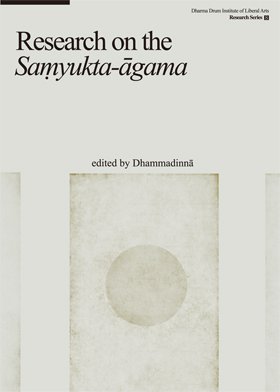
(英文版)雜阿含經研究論文集 Research on the Saṃyukta-āgama
This is the fourth volume of proceedings of the Āgama seminars convened by the Āgama Research Group at the Dharma Drum Institute of Liberal Arts (formerly Dharma Drum Buddhist College). It comprises nineteen studies, contributed by eighteen different scholars, on various themes related to the Connected Collections of discourses (suttas, sūtras) — Saṃyutta-nikāya in Pali, Saṃyukta-āgama in Sanskrit — transmitted by different early Buddhist lineages of reciters, preserved in their Indic originals in Gandhari, Pali and Sanskrit as well as in Chinese and Tibetan translations. This research draws attention to fundamental methodological points posed by the study of these scriptural collections as windows into the formation of early Buddhist texts and the organisation of their transmission.
作者簡介
About the editor:Bhikkhunī DhammadinnāDharma Drum Institute of Liberal ArtsAbout the contributors:Oskar von HinüberAlbert-Ludwigs-Universität FreiburgBhikkhu AnālayoUniversität HamburgRupert GethinUniversity of BristolRichard SalomonUniversity of WashingtonMark AllonUniversity of SidneyJoseph MarinoUniversity of WashingtonJin-il Chung (鄭鎮一)Akademie der Wissenschaften zu GöttingenPeter Skilling (Bhadra Rujirathat)École française d’Extrême-OrientJens-Uwe HartmannLudwig-Maximilians-Universität MünchenYao Fumi (八尾 史)Waseda Institute for Advanced StudiesBhikkhunī DhammadinnāDharma Drum Institute of Liberal ArtsBhikkhu PāsādikaAcadémie bouddhique Linh-SonBhikṣu Huimin (釋惠敏)Dharma Drum Institute of Liberal ArtsTaipei National University of the ArtsKarashima Seishi (辛嶋 靜志)The International Research Institute for Advanced Buddhology at Soka UniversityMarcus BingenheimerTemple UniversityKen Su [Su Jinkun (蘇錦坤) ]Āgama Research GroupChoong Mun-keat (鍾秉潔) [Wei-keat (煒傑)]University of New EnglandStefania TravagninRijksuniversiteit Groningen
作者
NT$
$748
|
85折

手繪圖解.佛教史:不可不知的88則經典佛學知識 ╳ 100幅趣味插畫,秒懂深奧佛學,離苦得樂不遠矣!
淺顯易懂的敘述口吻 ╳ 一目瞭然的圖表插畫將佛教的歷史文化精華,以最易懂的圖解方式呈現給你!#此佛系非彼佛系 #圖解你應該知道的佛教史豆知識 ✦ 你認識台灣兩大宗教之一的佛教嗎──西元前6世紀佛陀創立佛教,流傳至今已有2千5百多年,是世界三大宗教之一,也是其中起源最早的,歷史背景悠久,開枝散葉於世界各地。台灣深受漢傳佛教的影響,長期交融之下甚至已佛道不分,比如道教出現了佛教的如來佛祖和觀音菩薩、佛教的伽藍神之一也成了道教中的關公。佛道之間有各自的思想與特色,在長時間的發展中,不免有互相影響之處。時至今日,我們對於最初佛教的成立與觀念、南傳佛教和藏傳佛教等各宗派的特色,以及知名僧侶的故事等應該知道的知識,卻多半少有認識。✦ 讓佛陀走過的軌跡更親切有趣──雖然時有耳聞現代人脫離宗教信仰,認為這是一種過時的迷信,但其實佛陀的教義蘊含著真正的平靜與持久的幸福,其傳遞的智識能為人生帶來真正的自由,值得細細深入探討。本書旨在趣味性,以圖解的方式淺顯易懂地解說佛教歷史演變、典籍內容與風俗習慣,幫你掌握佛教發展重點與轉折,透過故事或相關的提問,讓讀者對佛教不再是模糊的了解,能稍領略佛教原始本義,讓佛陀走過的軌跡更親切有趣,是一本讀得懂、用得到的佛教史入門書!◎ 何謂佛教?佛陀最初為何出家──➔ 佛陀的十大弟子是誰?➔ 佛、菩薩、阿羅漢有什麼不同?➔ 佛教的宇宙觀?◎ 吃得苦中苦方為人上人?佛陀眼中的「苦」是什麼──➔ 認識何謂「無明」、「五蘊」➔ 究竟有什麼苦?又有多少種苦?◎ 人生就是一場修行!但是要修行什麼──➔ 何謂修行的「八正道」?➔ 如何觀「四念處」?➔ 「波羅蜜」是什麼?✦ 閱讀本書你將能學到‧ 佛教「濫觴」、「發展」與「派別」──掌握佛教發展重點與轉折‧ 區分佛教的「神祇」及其來由──認識菩薩、阿羅漢、護法神與金剛等‧ 建構佛典的「宇宙觀」──大千世界的組成內容‧ 認識佛教「修行的法門與境界」──菩薩與羅漢的各種修行法門,擺脫無明癡愚‧ 佛教「代表性人物」──中國四大譯經師、第一位沙彌及各教派的重要人物等
編者簡介西北佛學研究社醉心於中國思想,認為思想的價值在於與時俱進,每個時代都該有其最適合的詮釋。插畫者簡介EnLin生於高雄,一位愛做白日夢的女孩。業餘時間兼職插畫工作者,喜歡透過畫筆表達內心世界。
作者
NT$
$272
|
85折

時素繪:清爽零負擔,最清新的蔬食繪本
最簡便的家常食譜X最清新的生活方式
當季蔬果搭配簡單、調味少的烹飪手法給人健康的食生清新手繪水彩插畫穿插食素多年感悟片語◎以四季為主軸,挑選當令食材入菜。並搭配春季野餐、夏季出遊、秋季團圓、冬季聖誕和過年,提供數道適合節慶時分的素食食譜,方便素食者準備食物。◎清新手繪插畫搭配菜餚照片,除了實用性高之外,更能感受到素食的另一種面貌。讓人翻閱本書就有種療癒的感受。◎主食、配菜、飲品都有介紹,搭配多變。每道菜都有製做小秘訣,不只能更輕鬆做出一道美味可以的菜色,也可以根據秘訣延伸出更多適合自己的食譜。
作者簡介
吳迪 Alina‧ 設計藝術學碩士‧ 網頁視覺設計師‧ 插畫家‧ 從2009年開始吃素,發現茹素的飲食方式讓自己從身體到內心悄然轉變,察覺自己的世界以另一種更為愉悅的方式變得豐富多彩。‧ 認為繪畫和茹素都是生活中重要元素,將兩者結合,希望能呈現出一種新鮮視角。
作者
NT$
$272
|
85折

小沙彌遇見劉墉(圖文繪本、中英對照)
劉墉寫給所有人的生活禪圖文相輔,親切,妙趣,好讀。晨間或睡前十分鐘讀一則,朗讀出聲,撫平情緒,找回平常心。當世界躁鬱,故事的力量,讓我們安靜、精進。當日子懷憂,會心一笑、轉念一想,天寬地闊。
星雲大師向大家推薦:「劉墉先生藉由老和尚的佛法、人生經驗,以簡短巧妙的譬喻教導小沙彌,引導閱讀者擁有正確的人生觀,在面對多變的現實生活,不致迷失方向,以智慧跳脫困境,得到解脫自在。」「每篇文章搭配彩色水墨畫,柔和細膩的色調,加上活潑生動的布局,增強故事的張力,讓閱讀者多了圖像的思考空間,相信大家一定會很喜愛。」☉劉墉首次結集並手繪20篇小沙彌的故事。☉中、英文對照,具跨域的多元視野。☉不說理、不說教,觸動大人心中住著的小孩。☉適合親子共讀,安頓情緒,啟動想像力。人間很煩,人心很累,生活中充斥各種負面情緒,悲傷、不安、憤怒、討厭、煩惱等等,劉墉以小沙彌的故事,為你開出「心靈處方籤」。利用晨間十分鐘,或睡前十分鐘讀一則,最好朗讀出聲,念中文或英文都可以,同時傾聽自己的聲音,得到與冥想相同的淨空、療癒效力。輕鬆跨越低落的情緒,重整心靈,找回冷靜的判斷力。如果是親子共讀,就一起朗讀吧,父母可以進一步和孩子共同討論,印證日常生活的道理。我們都是故事,文字淺、寓意深,讀到會心一笑,日日便是好日,時時就是好時。讓我們先來開始聽劉墉說故事──小沙彌跟師父坐車出去,天氣很不穩定。小沙彌怨:「一下出太陽,一下陰天。」師父說:不!應該說是我們一下子開進陽光裡,一下子又開出來了。太陽哪天會不出來呢?白天就算颳風下雨,它也躲在雲層後面。所以有什麼不如意,都可以看看天,告訴自己其實太陽等在那兒,就算不照過來,自己也能走進去。走進陽光裡!~~〈走進陽光〉
作者簡介
劉墉聞名兩岸的畫家、作家、教育家。出版文學藝術作品一百餘種,被譯為英、韓、泰、越等國文字,在世界各地個展三十餘次。
作者簡介
劉軒/英譯劉軒是作家、講師、DJ、製作人,也是臺北「軒言文創」的發行人和北京「學問在線」的教育總監。他的著作包括散文、旅遊文學、心理勵志等題材共14本,也是一位有超過25年經驗的製作人和DJ。他致力於用文字、故事、音樂等媒介來推廣積極心理學的概念,幫助人們過更好、更富有成效的生活。劉軒先生畢業於茱莉亞音樂學院先修班、哈佛大學、以及哈佛大學教育學院的心理學教育碩士班。他與家人定居於臺北,他的兩個孩子(千川二寶)最愛聽爺爺在餐桌上講故事。劉倚帆/英譯美國哥倫比亞大學及賓州大學華頓商學院研究所畢業。美國水雲齋文化事業有限公司總經理,致力推廣中華教育、藝術及文學。曾任「字節跳動」美國商業部副總監及「華納兄弟」中國製片部經理。英譯作品有《漢字有意思》、《劉墉的情與藝》及《劉墉畫集》。
作者
譯者
劉軒, 劉倚帆
NT$
$272
|
85折

讓孩子學會道別:「哀悼」是什麼意思?什麼是「接受死亡」?一起思考生而為人的必修課題
和孩子一起聊聊「我們可以如何看待死亡」,打破談論的沉默、貼近生活的最佳方式
未知的死後世界,令人恐懼;煙霧縈繞周身彷如末日般的寂寥,使人噤聲。我們是從什麼時候開始覺得和死亡有關的一切都很可怕呢?◿特別邀請楊育正.冀劍制.羅怡君.洪仲清等四位專家專文導讀,分別從醫學、哲學、親職溝通以及心理學的角度,帶領讀者能夠更好地了解本書的寓意:「討論死亡不是為了無所畏懼,而是能活得更好」● 除了地獄和天堂之外,死者還有其他地方可以去嗎?● 你害怕談論親人的死因嗎?● 一個人在面對生活時,比面對死亡時更自由嗎?● 你比較希望人死在家裡嗎?● 我理解拒絕、憤怒、絕望,但是「接受死亡」怎麼回事?
人在正要脫離兒童的階段時比較容易和他們談論死亡。幼童經常說到死亡。在接下來的成長過程中,他們就不再那麼做了。他們不敢再這樣做了。他們察覺到成人的痛苦和沉默。如果我們無法避免死亡,我們至少不要將它視為祕密或是禁忌。這個嘗試出自一種也許是虛幻的願望:針對死亡進行慰藉性的論述,並且不僅將它視為引起殘酷缺憾、造成創傷、令人反覆受刺激的原因,同時認定它是一種自然、可接受的現象。在不簡化死亡的前提下談論死亡、思考死亡,在不降低其重要性的情況下估量死亡,在不避諱的情況下回憶死亡,這嚴格算起來雖不算是理解或是解釋死亡(這些任務單就理性而言都是不可能的),但我們至少設法了解它或是使它變得較易親近,希望藉此避免嫌惡以及懼怕。與孩子針對死亡的主題進行對話,這可能是藉由減少沉默以及焦慮來貼近生活的一種最佳方式。
作者簡介
艾曼紐埃勒.俞斯曼-貝杭 Emmanuelle Huisman-Perrin
畢業於法國高等師範學院(École normale supérieure de Fontenay-Saint-Cloud)。現任巴黎政治學院(IEP de Paris)哲學講師、法國高等工程學院預備班(CPGE)哲學教授,從事性別研究。
譯者簡介
翁尚均
法國巴黎第四大學博士,公務人員高等考試及格,文化行政職系公務人員正式退休,現專事英法文中譯工作。
譯者
翁尚均
NT$
$238
|
85折
正在載入更多商品......