搜尋結果
共
1676
筆符合商品
排序

真愛無限
若能體會給別人愛就是愛自己,心靈會得到平靜,延展愛的範疇,就能得到真正的快樂。 愛人即愛己。了解自己和他人因愛得到的快樂,是相同的,有智慧的人會為別人著想,盡力幫助別人,自己也會更快樂。 若能從落實平等心開始,了解世間每個人都是平等的,任何人都可能是你過去的朋友、家人、甚至母親,就能轉換自我心中的能量,成為對待他人的慈悲心。 達賴喇嘛引用千年來西藏佛教教法《菩提道次第》提出使愛成長的七個階段,並結合具體修習擴展愛的禪修心法,轉化生命中的各種關係。 邀請你打開心胸和心靈,去體驗無限寬廣的愛,讓愛的同心圓,不斷擴大。 ●作者簡介:
達賴喇嘛 Dalai Lama第十四世達賴喇嘛,藏傳佛教精神領袖,海外西藏人的政治領袖,1989年獲諾貝爾和平獎。本名丹增嘉措(Tenzin Gyatso),1935年生於西藏東北部的安多(Amdo),3歲時經認證為第十三世達賴喇嘛的轉世靈童。他致力提升慈悲、寬恕、包容、知足及自律等價值,促進世界主要宗教傳統間的和諧及相互了解,並扮演西藏人民爭取公義的代言人。 ●英文編譯:
傑佛瑞.霍普金斯 Jeffrey Hopkins, Ph.D美國維吉尼亞大學西藏學及佛學研究榮譽教授,曾在維吉尼亞大學創設西方世界最大藏傳佛法學術研究單位。自1973年起即開始教授藏傳佛教研究與藏文,至今已超過40年。1963年畢業於哈佛大學,曾於紐澤西州的藏傳佛教寺院修習5年,1973年獲得威斯康辛大學佛教研究博士學位,並擔任達賴喇嘛海外演講的首席翻譯,長達10年。曾赴印度19次,赴西藏5次從事研究,著作與譯作超過40部,已翻譯為20多種語言。現為非營利機構「UMA西藏研究學院」(UMA institute for Tibetan Studies)院長。
●譯者簡介:
莊媖婷倫敦大學翻譯學博士,目前為高雄第一科技大學應用英文系副教授,教導筆譯及翻譯學研究方法等課程,並指導學生做實際翻譯工作。
譯者
莊媖婷
NT$
$255
|
85折
佛教與中國文化
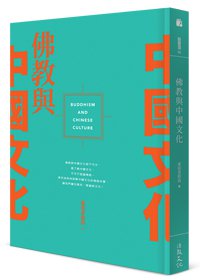
佛教與中國文化密不可分,要了解中國文化,不可不認識佛教。東初老和尚詳解中國文化的佛教珍寶,讓我們繼往開來,開創新文化!
佛教與中國文化的關係密切,佛教帶來了前所未有的全新思考、創造活力,豐富了中國文化寶藏,而佛教在中國化的過程裡,也茁壯了發展力量。東初老和尚致力於發揚佛教文化與復興中華文化,為研究佛學與中國文化的文化先鋒,《佛教與中國文化》一書具有承先啟後的重要意義。內容豐富多元,主要研究年代自漢代開展至明清,橫跨兩千年,詳述中國文化與佛教交流、蛻變的發展歷程,是一部波瀾壯闊的精彩文化史。
本書探究主題包括:一、文學:佛教對中國翻譯文學、小說、聲韻學、變文、寶卷等的影響;二、思想:佛教與儒家、道家、玄學、理學的融合,以及漢代佛學思想、僧肇與道生的佛學思想;三、文化:佛教與中國民俗、衣冠的關係。
東初老和尚深入探討佛教與中國文化的交融與影響,並旁徵博引許多珍貴文獻資料,讓人易於理解佛教與中國文化的發展歷史、文學瑰寶、思想精華,進而思考現代文化如何繼往開來,氣象一新。
作者簡介
東初老和尚1907年,出生於江蘇泰縣曲塘鎮。十三歲時,由泰縣姜堰鎮觀音庵的靜禪老和尚披剃出家,誦習教法。自幼勤讀強記,自律甚嚴,又寫得一手好文章,智慧超邁,對於經史百家之學也頗多涉獵,許為弘揚佛法的龍象。
1928年,到鎮江竹林寺的佛學院求學;1929年,到寶華山隆昌寺,受具足戒。隨即又到福建廈門,進入太虛大師所創辦的閩南佛學院繼續深造,先後期的同學有印順、竺摩、戒德、默如、慈航、雨曇、覺民等法師,都是一時的俊秀。孺慕在當時佛教界的最高學府中,對日後的治學和弘化研究工作,產生了一定的影響。
東初老和尚是太虛大師的學生,在擔任鎮江焦山定慧寺監院及方丈期間,創辦了佛學院及佛學期刊。1949年來臺之後,創辦了《人生》雜誌;1955年,倡導影印《大正新脩大藏經》,社會各界政要賢達百餘人發起響應,重興佛教文化;1965年,又創辦了《佛教文化》季刊;1967年,中華學術院聘請為該院佛學研究所顧問,從此少問外務,專事佛教著作。晚年,老和尚深感護教弘法必須以歷史為基礎,盡力精心完成了《中日佛教交通史》、《中印佛教交通史》、《中國佛教近代史》三部鉅著。
他的一生對佛教的文化教育,抱有深切的使命感,以及崇高的宗教情操,於此可見一斑。
作者
NT$
$110
|
5折
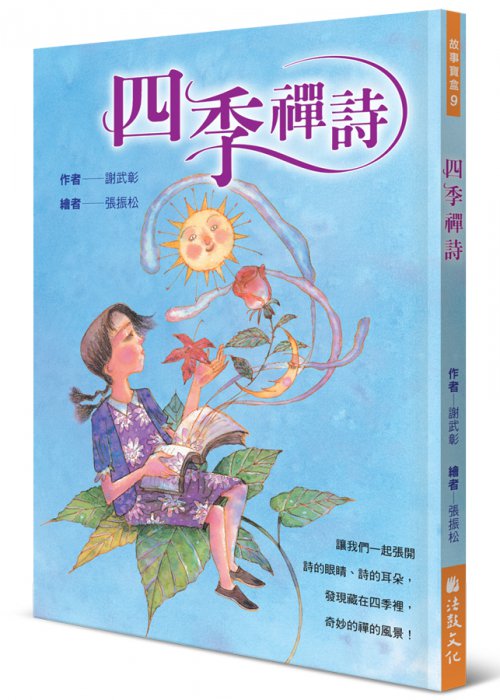
四季禪詩
讓我們一起張開詩的眼睛、詩的耳朵,發現藏在四季裡,奇妙的禪的風景!
春天的花、夏天的雨、秋天的月、冬天的雪,千年前的李白、王維與禪師們觸景生情,留下了一首首精美絕倫的禪詩!千年後的我們,不能留住春花秋月,卻能在心中典藏這些好詩!
每一首禪詩皆「畫中有詩,詩中有畫」,作家謝武彰精選40首禪詩,搭配插畫家張振松繪製的清心禪畫,帶著我們一起賞玩美好的四季風光,感受四季的不同變化,成為幸福的生活詩人!
作者簡介
謝武彰
生肖是老虎,很喜歡吃餃子;所以就變成「吃餃子老虎」了。有幾本珍藏的書,有幾張好聽的唱片,有幾個老朋友。居住在一個船愈來愈少的港都。寫兒童詩、寫兒童散文、寫圖畫書、寫兒歌。作品的篇幅都是短短的,是一個了解「言多必失」的人。編、著作品二百冊及專利三項,是一個經常在腦力激盪的人。
繪者簡介
張振松
嘉義人,復興商工畢業,曾任職多家童書出版社、宏廣動畫公司。作品種類多元,創作力豐沛,《目連救母》、《土地公捉迷藏》、《學校一百歲》、《黑母雞找蛋》、《第一次送禮物》……,其中《阿金的菜刀》與《等待霧散的戴勝鳥》為自寫自畫的創作。
作者
NT$
$156
|
78折
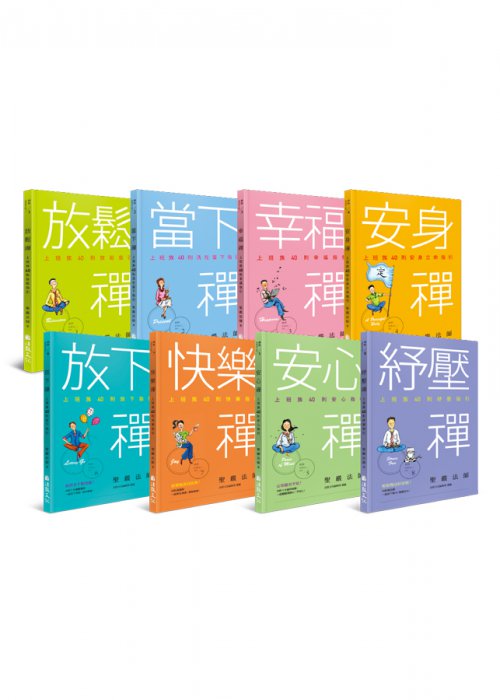
《禪修FOLLOW ME》8冊特惠組合
掌握深層自信,享受每一天的快樂與平衡觀照自己、觀照世界,讓工作成為你的幸福存摺「我每天都會告訴自己:『今天是一個好日子,雖然可能會遇到一些麻煩,但這對我而言是正面的機會,我要感謝它給我歷練的機會。』」——聖嚴法師如果問:「誰給你最大的工作壓力?」答案應該就是自己。工作有壓力是正常的,但是心可以不被順境、逆境所左右。放下執著,就能釋放工作潛力。「放下」,並非「放棄」,而是放下心中的執著和成見,放下自己的主觀看法和喜好。我們與其說是放不下工作而煩惱,實則往往是放不下自己。聖嚴法師的四它心法:面對它、接受它、處理它、放下它,已經成為眾多人達成最佳工作狀態的心靈法則。套書精選聖嚴法師深具啟發的開示,專為解決上班族常見的煩惱,提供多種有效的放鬆禪法與紓壓心法,透過工作禪的訓練,讓工作變得輕鬆愉快,並以智慧應對種種困境。透過觀照自我和世界,掌握深層自信。工作與其聽天由命,不如隨順因緣、掌握因緣、創造因緣,開創自己的道路。透過工作,讓家人、同事、社會都因我們的努力而得到幸福。如果說工作是一份儲蓄、是一本存摺,我們所存入的絕不只是薪水,還有成長的智慧、奉獻的心力、廣結的人緣……,掌握每次藉事練心的培福機會,讓工作成為我們的幸福存摺! 組合內含:《放鬆禪:上班族40則放鬆指引》放鬆,是精進而從容自在。隨時隨地把波動的心安定下來,與壓力和平共處,享受慢活的創意與專注的高效率。《當下禪:上班族40則活在當下指引》當下,是最好的時段,這是時間管理的創新詮釋。鍛鍊自己一心無二用,時時刻刻全力以赴,步步都是進步的立足點。《幸福禪:上班族40則幸福指引》幸福,是自我肯定的微笑曲線。永遠保持平常心,融入未知的全球化世界,樂在學習,與創造力經濟接軌。《安身禪:上班族40則安身立命指引》安身,是動靜平衡的管理哲學。在瞬息萬變中,鍛鍊觀照自己、觀照世界的簡約法則,每個當下都是創新的原點。《安心禪:上班族40則安心指引》安心,是心平氣和的淡定智慧。在煩惱中練習正念與轉念,以境遇為師,啟發自我修復、自我導航的正向潛能。《放下禪:上班族40則放下指引》放下,是隨時得、隨時捨的歡喜心。思惟彈性來自因緣觀,以及分析力、組織力、同理心的高度協作,面對重重關卡,自然能舉重若輕。《快樂禪:上班族40則快樂指引》快樂,是與人為善的溝通藝術。語言不一定能達成共識,自我肯定的自知之明,自他平等的尊重、理解、如實接納,即是多元化與深刻國際化的素養。《紓壓禪:上班族40則紓壓指引》紓壓,是正念隨喜的深層自信。善觀因緣及因果,淡化煩惱與得失,不論處於職場的天堂或地獄,與自己同在,日日是好日。
NT$
$888
|
74折

新譯高僧傳(二版)
慧皎的《高僧傳》詳細記錄了從東漢至南朝梁時佛教主體──僧人的活動,使後人能全面了解佛教傳入中國之後,經過宣傳、融合而至佔據哲學領域顯要地位的歷史。其中正傳二百五十七人,附見二百三十九人,不僅鮮活表現佛教在此一時期的風貌,是研究佛教史的重要參考資料,也是十分優秀的傳記散文傑作。本書參酌歷來各種版本,詳加考校注譯,通俗明白,有助讀者突破文言的隔閡,輕鬆通讀全書。
NT$
$740
|
85折

禪學真義
禪學真義不辯不明,禪宗的歷史懸案,何者為真?何者為假?東初老和尚以真修實學,幫我們破解禪學迷思!禪的吸引力,從古至今,從東方到西方,始終不墜。誤解禪學的人,卻可能比了解禪學的人更多。許多人不但將禪學當古董、當哲學鑽研考據,忽略心性問題,甚至質疑《六祖壇經》是偽經,懷疑六祖惠能傳法真實性,種種說法動搖人心,產生信仰危機。有鑒於此,東初老和尚執筆力陳禪學真義所在:「不談修證,不講『明心見性』,還有什麼禪學可說?」本書直探禪學真義核心,內容分為四大單元:一、叢林制度與禪宗教育,二、論禪學之真義,三、再論禪學之真義,四、關於《六祖壇經》真偽問題。從禪宗的歷史發展溯源,探究叢林制度與僧教育未來,肯定禪是東方文化的精粹。並針對胡適提出的《六祖壇經》是神會禪師所作的論說,提出條理分明的反駁,指出《六祖壇經》只有版本與見性問題,不應有真偽與思想問題。這些文章在發表當年不僅是真知灼見,在現在時空也深具啟發性、撼動力。
作者簡介
東初老和尚1907年,出生於江蘇泰縣曲塘鎮。十三歲時,由泰縣姜堰鎮觀音庵的靜禪老和尚披剃出家,誦習教法。自幼勤讀強記,自律甚嚴,又寫得一手好文章,智慧超邁,對於經史百家之學也頗多涉獵,許為弘揚佛法的龍象。1928年,到鎮江竹林寺的佛學院求學;1929年,到寶華山隆昌寺,受具足戒。隨即又到福建廈門,進入太虛大師所創辦的閩南佛學院繼續深造,先後期的同學有印順、竺摩、戒德、默如、慈航、雨曇、覺民等法師,都是一時的俊秀。孺慕在當時佛教界的最高學府中,對日後的治學和研究工作,產生了一定的影響。東初老和尚是太虛大師的學生,在擔任鎮江焦山定慧寺監院及方丈期間,創辦了佛學院及佛學期刊。1949年來臺之後,創辦了《人生》雜誌;1955年,倡導影印《大正新脩大藏經》,社會各界政要賢達百餘人發起響應,重興佛教文化;1965年,又創辦了《佛教文化》季刊;1967年,中華學術院聘請為該院佛學研究所顧問,從此少問外務,專事佛教著作。晚年,老和尚深感護教弘法必須以歷史為基礎,盡力精心完成了《中日佛教交通史》、《中印佛教交通史》、《中國佛教近代史》三部鉅著。他的一生對佛教的文化教育,抱有深切的使命感,以及崇高的宗教情操,於此可見一斑。
作者
NT$
$117
|
78折

釋迦牟尼佛傳 漫畫版 (下)
釋迦牟尼佛帶著弟子回到迦毗羅衛國了,年邁的父皇和妻兒見到佛陀,多年的思念和心結終於解開,多位王子也追隨佛陀出家。佛法在印度廣受歡迎,上至皇宮貴族,下至平民百姓皆深受妙用,然而佛教僧團卻遭遇外道破壞、毀謗,以及內部叛變,佛陀如何面對這一切……。
名人推薦《釋迦牟尼佛》自1955年初版,到今年(2010)正好是五十五年。漫畫家林鉅晴以《釋迦牟尼佛傳》為藍本,畫成漫畫,保存了原書的精神,不僅適合青少年閱讀,也提供信眾們閱讀文字之外的另一種選擇。──星雲大師漫畫可以說故事,也可以畫哲學經典,畫物理、微積分等等,漫畫當然也可以畫佛學經典。名漫畫家林鉅晴,將佛陀的生平、覺悟、說法,以漫畫表現出來,而所畫出來的佛陀莊嚴、優雅。希望大家喜歡,並歡喜閱讀。──蔡志忠
原著者簡介
星雲法師江蘇江都人,一九二七年生。十二歲時於南京棲霞山禮宜興大覺寺志開上人出家,一九四七年於焦山佛學院畢業,為臨濟宗第四十八代傳人。一九四九年春來台,曾主編《人生雜誌》、《覺世旬刊》、《今日佛教》等佛教刊物。一九七六年開創佛光山,秉持人間佛教理念,致力於佛教教育、文化、慈善、弘法事業,陸續於全球創件兩百多餘所寺院到場、十六所佛教學院,以及普門、智光、均頭、均一等中小學,並於美國、台灣、澳洲創辦西來、佛光、南華及南天等大學。一九八五年,自佛光山開山宗長一職退位,四處雲遊弘法,一九九二年於洛杉磯成立國際佛光會世界總會。一九九五年,榮獲全印度佛教大會頒贈象徵佛教界的諾貝爾獎──佛寶獎。一九九七年,在義大利梵蒂岡與天主教教宗若望保祿二世進行世紀宗教對話。二ooo年創辦佛教第一份日報《人間福報》。大師著作等身,著有《釋迦牟尼佛傳》、《十大弟子傳》、《星雲大師演講集》、《星雲禪話》、《佛教叢書》、《佛光教科書》、《往事百語》、《佛光祈願文》、《佛光菜根譚》、《六祖壇經講話》、《迷悟之間》等,並翻譯成英、日、德、法、西、葡、韓、泰、錫蘭等十餘種語言,流通世界各地。
NT$
$213
|
85折
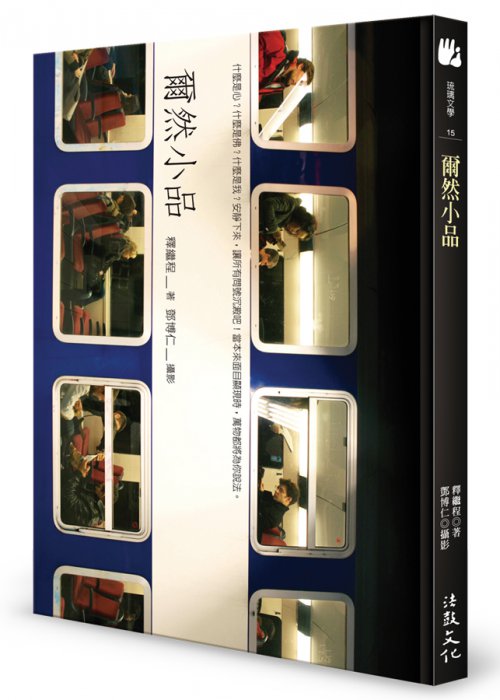
爾然小品
什麼是心?什麼是佛?什麼是我?安靜下來,讓所有問號沉澱吧!當本來面目顯現時,萬物都將為你說法。「法爾本然,本無可說;但若不說,何以啟示?既必須說,姑且道來;願能契理,亦能契機。」繼程法師如是說。深諳個中滋味的人,總是必須為了他人努力闡述「那不可說的」。這次,法師用精鍊而素樸的文字,說禪、談心、講法、講佛,甚至談茶,而這些隨筆短篇,無一不是與「法爾本然」的體悟相貫通。「法爾本然」──法本來就是如此,它原來如此。它即「如是」,再沒有什麼可說。言語文字,終究只是指向真理的那隻手指,但是它能引導你親自去看見真理,也就是萬物在每一個當下「如是」展現的樣貌──單純無染,不增添,亦無縮減。在那一刻,你就是與佛心相應,就是沐浴在禪中了。
作者簡介
釋繼程一九五五年生於馬來西亞,一九七八年依止竺摩上人出家,同年赴台灣松山寺受具足戒,並於佛光山中國佛教研究院研究部進修。期間曾親近印順導師、星雲法師,並於聖嚴法師門下修習禪法,成為法子。返回馬來西亞後,曾閉關一千日;出關後,活躍於大馬佛教界,曾擔任馬來西亞佛教青年總會總會長、馬來西亞佛教僧伽總會副主席等職;並創辦主持大專佛青生活營、教師佛學生活營、靜七、大專靜七、精進靜七、禪十等禪修課程。近年並前往台、美、歐等地,指導禪修活動。著作甚豐,論作:《一代人天師範》、《人生佛教概論》、《談經說論話人生》、《生活中的菩提》,散文:《佛國伽楞記》、《緣》、《出家情》、《筏》、《悠然》、《禪話綿綿》、《船到橋頭》,詩合集:《三人行》,開示錄:《小止觀講記》、《六妙門講記》、《春在枝頭》、《僧伽靜七開示錄》等約四十餘種,並創作現代佛曲歌詞數十首。
攝影者簡介
鄧博仁(常巖)台灣屏東人,世新大學圖文傳播暨數位出版研究所畢業,現為媒體工作者及大專院校兼任講師。從小熱愛攝影,透過鏡頭記錄眼前當下的感動,更喜歡揹著相機四處旅行,足跡遍及歐洲、亞洲、美洲等地。人與土地(People & Places)一直是他最關切的主題。曾舉辦過五次個展與多次聯展。
NT$
$250
|
78折

釋迦牟尼佛傳 漫畫版 (上)
二千五百年前,印度悉達多王子做了一個重要決定。他決定離開養尊處優的生活,離開皇宮。他決定改變陋習、改善不平等的階級制度,尋找至真、至善、至美的生命。他堅毅不移,決心成佛。他說:「每個人都是獨一無二,具有無限潛能。」只要下定決心,每個人都可以具足至真、至善、至美的生命。
名人推薦《釋迦牟尼佛》自1955年初版,到今年(2010)正好是五十五年。漫畫家林鉅晴以《釋迦牟尼佛傳》為藍本,畫成漫畫,保存了原書的精神,不僅適合青少年閱讀,也提供信眾們閱讀文字之外的另一種選擇。──星雲大師漫畫可以說故事,也可以畫哲學經典,畫物理、微積分等等,漫畫當然也可以畫佛學經典。名漫畫家林鉅晴,將佛陀的生平、覺悟、說法,以漫畫表現出來,而所畫出來的佛陀莊嚴、優雅。希望大家喜歡,並歡喜閱讀。──蔡志忠
原著者簡介
星雲法師江蘇江都人,一九二七年生。十二歲時於南京棲霞山禮宜興大覺寺志開上人出家,一九四七年於焦山佛學院畢業,為臨濟宗第四十八代傳人。一九四九年春來台,曾主編《人生雜誌》、《覺世旬刊》、《今日佛教》等佛教刊物。一九七六年開創佛光山,秉持人間佛教理念,致力於佛教教育、文化、慈善、弘法事業,陸續於全球創件兩百多餘所寺院到場、十六所佛教學院,以及普門、智光、均頭、均一等中小學,並於美國、台灣、澳洲創辦西來、佛光、南華及南天等大學。一九八五年,自佛光山開山宗長一職退位,四處雲遊弘法,一九九二年於洛杉磯成立國際佛光會世界總會。一九九五年,榮獲全印度佛教大會頒贈象徵佛教界的諾貝爾獎──佛寶獎。一九九七年,在義大利梵蒂岡與天主教教宗若望保祿二世進行世紀宗教對話。二ooo年創辦佛教第一份日報《人間福報》。大師著作等身,著有《釋迦牟尼佛傳》、《十大弟子傳》、《星雲大師演講集》、《星雲禪話》、《佛教叢書》、《佛光教科書》、《往事百語》、《佛光祈願文》、《佛光菜根譚》、《六祖壇經講話》、《迷悟之間》等,並翻譯成英、日、德、法、西、葡、韓、泰、錫蘭等十餘種語言,流通世界各地。
NT$
$213
|
85折

禪史與禪思(二版)
本書乃作者多年來的上課講義及學術會議論文所重編而成。全書可以視為禪宗史的介紹,也可以看成禪宗思想的專論。內容涵蓋了中國禪宗史上幾個大階段的歷史及其思想上的特色;對於中國禪宗各宗各派的思想,有簡要的介紹和分析。其中,對於六祖惠能的禪法,是否像傳說中那樣,直承四祖、五祖以來的禪宗傳統,作者有著不同於一般禪宗史書的看法。對於《六祖壇經》中的「自性」這一概念,作者也作了深入的解析。另外,北宋和南宋之間的看話禪和默照禪之爭,作者也從宗教(禪宗)和政治之間的交涉,提出異於一般的見解。 ●作者簡介: 楊惠南,臺中清水人,1943年生。臺灣大學哲學系退休。曾任現代佛教學會理事長,並於東海大學、文化大學、東吳大學、華梵大學、中華佛學研究所及法光佛教文化研究所開設佛教研究方法、禪宗哲理、天台宗哲學、三論宗哲學、印度哲學和臺灣佛教等課程。 著有《當代佛教思想展望》、《佛教思想新論》、《佛教思想發展史論》、《龍樹與中觀哲學》、《當代學人談佛教》、《吉藏》、《惠能》、《禪思與禪詩》、《印度哲學史》(行政院新聞局優良圖書獎)等書。
作者
NT$
$281
|
85折
佛經寓言故事
讀一分鐘寓言故事,得一輩子人生智慧人人都愛聽故事,佛經寓言故事更是讓人百聽不膩,因為它能以小故事,說出人生大智慧!讓人愈聽愈聰明!飛天小烏龜為何禍從口出?烈火為什麼不怕樹林以大欺小?寶瓶摔破了還是寶瓶嗎?分財產一人一半最公平嗎?……作家謝武彰精選六十篇最具啟發性的佛教寓言故事,要考考你的機智能力,看你能從中發現什麼人生大智慧!
作者簡介
謝武彰生肖是老虎,很喜歡吃餃子;所以就變成「吃餃子老虎」了。有幾本珍藏的書,有幾張好聽的唱片,有幾個老朋友。居住在一個船愈來愈少的港都。寫兒童詩、寫兒童散文、寫圖畫書、寫兒歌。作品的篇幅都是短短的,是一個了解「言多必失」的人。編、著作品二百冊及專利三項,是一個經常在腦力激盪的人。
作者簡介
葉慧君國立雲林科技大學視覺傳達設計研究所畢業,現職明道大學數位設計系講師,並擔任社區大學創意插畫、創意繪本講師,致力推廣藝術教育。繪製近五十本圖文書,代表作品為《一百歲的年輕人》、《大師的童心》。
作者
NT$
$156
|
78折
媽媽味米料理
原來簡單的一碗飯,也可以千變萬化!只要家裡有米飯,再加上一些簡單的食材,就可以做出千變萬化的米料理!簡單易做!45道令人驚喜的米飯料理◇主食類:炒飯、燴飯、拌飯、燉飯、烤飯、泡飯、米粥……◇點心類:壽司、手捲、米堡、傳統點心、糯米煎、米布丁……跟著法鼓山資深主廚陳滿花師姐,一起做出溫暖幸福的米飯風味。我在現代的飲食文化中,融入傳統素材,讓口味更有層次,更貼近在地人的飲食習慣。希望大家以簡單愉快的禪心,煮出滋味豐盛的一餐。——陳滿花
作者簡介
陳滿花 法鼓山資深主廚,親近法鼓山已二十餘年,除了投入香積組的義工行列,更投入禪修的修行,料理時運用禪法以一份供養心、歡喜心來供養大眾,而這份感動也透過料理,感動了無數人。婚後,離開職場,專心當家庭主婦、全職的母親。因為陪孩子學習才藝,也意外開啟她熱衷藝術的另一扇門。因此,開始接觸毛線編織、紙藤、書法、篆刻、插花等。也因為這些養分,幫助她在做菜時更能感動自己,而這份感動也透過料理,感動了無數人。尤其親近法鼓山已二十餘年,除了投入香積組的主廚義工行列,更投入禪修的修行,可說是一位福慧雙修的菩薩。特別是在面對法會信眾和來訪的外賓烹調飲食時,也充滿各種挑戰和考驗,需要讓心不隨境轉,安定身心,全心投入,時時運用禪法,以平常心,回到當下,以一份供養心、歡喜心來供養大眾。讓她能在奉獻的同時,也成長了自己。
作者
NT$
$234
|
78折
佛法真義
什麼是佛?什麼是法?看似最簡單、最基本的問題,正是學佛重點所在。東初老和尚釐清似是而非的亂象,讓我們明白佛法真義,學佛成佛!佛法人人可學,有人愈學愈煩惱,有人愈學愈自在,關鍵在是否真正理解佛法。東初老和尚看見人們迷信宗教,不知活用佛法化解煩惱,猶如入寶山空手而回,因此振筆疾書《佛法真義》,希望大家都能學佛成佛。本書直探佛法真義核心,主要內容可分三大類:一是介紹佛法基本義理與核心思想,細說佛法與禪法的本質意義、起源發展、法門種類與特質;二是釐清正信佛法與非佛法,指出研究佛法應有的態度;三是提供人生佛教實踐之道。東初老和尚論理脈絡清楚,將要領分析條列,並附圖表,一覽無遺學佛參禪的重點。全書二十四篇文稿,〈如何是佛?〉、〈如何是禪?〉、〈佛法真精神〉、〈人生佛教〉……,既針對社會時弊、學法盲點而說,更正本清源,引經據典解說分明,讓人能依理實修實證,不再擔心盲修瞎鍊一場空。學佛是為了以佛法淨化人生、改造社會,而非求神問卜的迷信。一念悟得佛法真義,佛在當下!
作者簡介
東初老和尚
1907年,出生於江蘇泰縣曲塘鎮。十三歲時,由泰縣姜堰鎮觀音庵的靜禪老和尚披剃出家,誦習教法。自幼勤讀強記,自律甚嚴,又寫得一手好文章,智慧超邁,對於經史百家之學也頗多涉獵,許為弘揚佛法的龍象。1928年,到鎮江竹林寺的佛學院求學;1929年,到寶華山隆昌寺,受具足戒。隨即又到福建廈門,進入太虛大師所創辦的閩南佛學院繼續深造,先後期的同學有印順、竺摩、戒德、默如、慈航、雨曇、覺民等法師,都是一時的俊秀。孺慕在當時佛教界的最高學府中,對日後的治學和研究工作,產生了一定的影響。東初老和尚是太虛大師的學生,在擔任鎮江焦山定慧寺監院及方丈期間,創辦了佛學院及佛學期刊。1949年來臺之後,創辦了《人生》雜誌;1955年,倡導影印《大正新脩大藏經》,社會各界政要賢達百餘人發起響應,重興佛教文化;1965年,又創辦了《佛教文化》季刊;1967年,中華學術院聘請為該院佛學研究所顧問,從此少問外務,專事佛教著作。晚年,老和尚深感護教弘法必須以歷史為基礎,盡力精心完成了《中日佛教交通史》、《中印佛教交通史》、《中國佛教近代史》三部鉅著。他的一生對佛教的文化教育,抱有深切的使命感,以及崇高的宗教情操,於此可見一斑。
作者
NT$
$218
|
78折
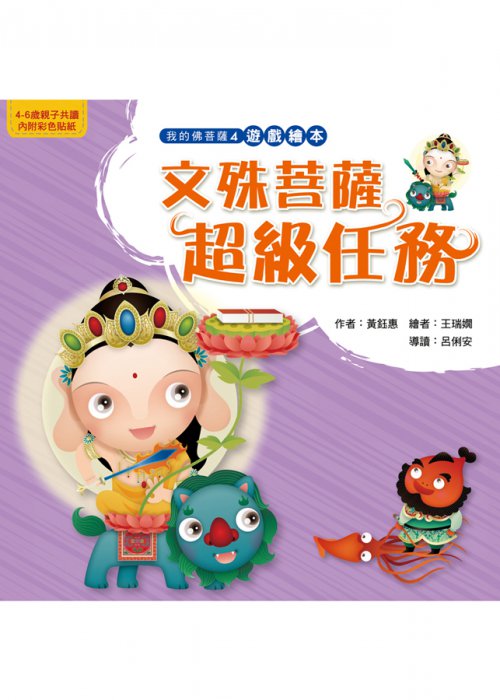
文殊菩薩超級任務
是誰大膽偷了龍宮寶藏?智慧劍有什麼力量可以讓人不害怕?4-6歲親子共讀.內附彩色貼紙原創遊戲設計益智遊戲結合精采故事,讓孩子從玩具時期,自然進入圖像思考與圖文閱讀時期。針對佛菩薩行誼特質研發遊戲,讓孩子在遊戲中培養美好品格。以互動式的故事遊戲,培養孩子觀察、思考、解決問題的自主個性,開發多元的生活觸角,拓展寬廣的生命視野。除邀請專家深度導讀,書末收錄給父母的話,解說遊戲與佛教知識,隨書並附贈貼紙,增加遊戲趣味。我的佛菩薩系列是一套生動活潑的佛教幼兒遊戲繪本,有精彩的全新創作故事、創意的益智遊戲、精美的細膩插畫,印刷精緻全彩精裝。書中以佛菩薩的互動式故事,串連14個精彩遊戲,可以邊玩邊聽故事,讓佛菩薩陪伴孩子快樂長大。
作者
NT$
$148
|
78折
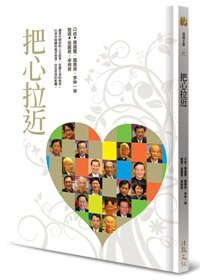
把心拉近【內頁泛黃】
讓書中精彩的人生故事,拉開生命的格局;以書中圓融的處世智慧,拉近你我的距離。本書收錄了社會各領域傑出人士的精彩訪談,受訪者透過個人獨特的生命經歷,分享自己學習的過程、為人處世的態度、人生的價值觀,以及倫理生活的落實。探討議題十分多元,例如如何化危機為轉機、如何看待世界末日、教育與文化的落實、跨越兩性的新聞視野、環保的永續生活等。書中內容以法鼓山近年來所推動的「心六倫」運動為核心——家庭倫理、生活倫理、校園倫理、自然倫理、職場倫理、族群倫理,以真實的人生故事,分享生命關懷、心靈成長和人品提昇的經驗。所謂「聆聽一席智慧的話語,勝讀十年書」。本書能為大家帶來寶貴的啟發,讓人生少一點阻礙與徬徨,多一點智慧與快樂。
作者簡介
蕭萬長
曾任國貿局長、經濟部長、經建會主委、陸委會主委、立法委員、行政院長、財團法人兩岸共同市場基金會董事長、中華經濟研究院董事長。現任中華民國第十二任副總統。單國璽樞機主教
一九二三年出生在河北省濮陽,一九四六年加入耶穌會,一九五五年在菲律賓碧瑤晉陞神父,一九八○年晉陞花蓮教區主教,一九九一年擔任高雄教區主教。一九九八年獲得教宗若望保祿二世升任命為樞機主教,成為在臺灣地區晉陞的第一位樞機主教,也是華人中第五位獲此殊榮的神職人員。李伸一
臺灣大學法律系畢業,中國文化大學法學博士。曾任律師、中華民國消費者文教基金會董事長、行政院公平交易委員會委員、第二、三屆監察委員、政治大學、中國文化大學兼任副教授。現為法鼓山人文社會基金會祕書長、建業法律事務所榮譽所長。丁守中
臺灣大學政治系學士,美國佛萊契爾外交法律研究院( 哈佛大學合作管理) 國際政治學博士,曾任教臺灣大學政治系,第一屆、第二屆、第三屆、第四屆、第六屆立法委員,現為第七屆的立法委員。王秀杞
臺灣藝壇界的雕塑大師。作品為各大美術館收藏,臺北市立美術館有一尊老阿嬤的雕塑,將阿嬤慈祥、純樸的模樣,刻畫得栩栩如生,此一傑作為王秀杞的代表作之一。王秀杞每一件作品都有這種特質,令人愛不釋手。其創作的原動力就是愛。他把倫理跟親情做了一種很自然的抒發。吳清基
國立臺灣師範大學教育學士、碩士、博士,曾赴美國密蘇里大學進修、英國倫敦大學進行博士後研究,並且擔任過美國哈佛大學訪問學者。在教育界和政壇的資歷完備,曾任教育部中教司長、技職司長、行政院參事兼六組組長、教育部常務次長、政務次長,以及臺北市教育局長、副市長。現為教育部長。呂學錦
成功大學工程科學系畢業,夏威夷大學電機工程博士學位。曾擔任交通部電信研究所計畫主持人、主任、副所長、所長等職位,一九九三年五月奉派轉任交通部郵電司司長,隔年七月擔任電信總局副局長。一九九六年七月一日電信總局改制,成立中華電信股份有限公司,被指派為中華電信總經理,負責推動電信業務之發展,並配合政府電信自由化政策,參與推動中華電信民營化的各項工作,在二○○五年八月中華電信順利轉型為民營公司,二○○八年八月陞任為董事長。杜忠誥
當代書法名家。臺中師專畢業,日本筑波大學藝術學碩士,臺灣師範大學文學士及文學博士,前臺灣師範大學副教授。其在書藝領域造詣深厚,書法作品曾獲省展永久免審查、中山文藝獎、吳三連文藝獎及國家文藝獎。著作有《書道技法123》、《說文篆文訛形釋例》、《研農心象——杜忠誥書藝選集》、《符號.氣韻.游戲——杜忠誥六十書法集》、《池邊影事》、《線條在說話》、書法教學DVD 等。沈赫哲
臺灣大學醫學系畢業,有補教界金童之稱,赫哲補習班創辦人,是補習界的名師。林中斌
國立臺灣大學地質系學士、保齡格綠大學(Bowling Green State University)地質碩士、洛杉磯加州大學(UCLA)企管碩士、喬治城大學政治系碩士、博士。曾任華府智庫「美國企業研究院」(American Enterprise Institute) 專任學者兼亞洲部副主任、喬治城大學(Georgetown University)外交學院及政治系之講座教授以及兼任教授;國立中山大學政治學研究所教授兼所長、行政院大陸委員會第一副主任委員兼發言人、國家安全會議諮詢委員、國防部軍政副部長。現任教於淡江大學國際事務及戰略所教授。段鍾沂
政治大學財稅系畢業,滾石集團董事長,他和弟弟段鍾潭創辦滾石唱片,實現了許多流行音樂和音樂人的夢想,是臺灣流行音樂走過三十年的最佳寫照。滾石唱片曾經是華人世界最大的獨立唱片公司,滾石唱片開啟了華語樂壇的一個經典時代,甚至引領臺灣流行音樂超過三十年。段鍾沂也因此被《天下》雜誌二〇〇期選為「影響臺灣的二〇〇人特刊」的兩百人之一。孫維新
臺灣大學天文物理研究所教授,國立自然科學博物館館長。曾獲中央大學理學院優良教師獎、中央大學教學傑出獎、中央大學特別貢獻獎、國科會研究甲種獎與國科會指導大專生研究獎,及科教節目金鐘獎等。許薰瑩
現任維他露食品公司董事、臺灣山岳文化教育公司負責人、普陽廣告公司董事長以及法鼓山人文社會基金會董事,是跨傳統產業、文化教育事業、廣告行銷與公益事業的現代女性。因受父親影響,積極從事社會公益活動的推廣,從保護受虐兒活動開始,二十年來熱心公益,運用自己的資源用心奉獻、努力付出,尤其在與法鼓山創辦人聖嚴法師結緣後,更參與推動與心靈環保相關的公益議題,包括「好願在人間」、「心六倫」、「關懷生命」等。郭為藩
國立臺灣師範大學畢業,法國巴黎大學教育博士。曾任國立臺灣師範大學校長、文建會主任委員,教育部長以及駐法國代表等職務。現任兩廳院董事長及中法文教基金會董事長。黃石城
曾任彰化縣長,行政院政務委員、總統府國策顧問以及中央選舉委員會主委、國家文化總會副會長、祕書長,現任臺灣傳統基金會董事長。黃石城亦是臺灣品德教育的推手之一,他不但身體力行,而且大力推廣品德教育。黃肇珩
國立臺灣師範大學社會教育系畢業,曾任中央通訊社記者、國內新聞部主任、《中華日報》社長、正中書局總經理、監察委員等職。劉兆玄
一九六五年畢業於臺灣大學化學系,以六年時間完成碩士及博士學位,獲加拿大多倫多大學化學博士學位,回臺後在清華大學擔任副教授。之後,由教授、理學院院長一路陞遷至清華大學校長。一九九三年,被政府延攬出任交通部長,展開「學而優則仕」的政治生涯,曾任交通部長、國科會主委、行政院副院長、行政院長等職務。二○○九年辭去行政院長,二○一○年元月接任國家文化總會會長,成為史上第一位非元首的國家文化總會會長。簡又新
臺灣永續能源研究基金會董事長,曾任淡江大學教授兼工學院長、立法委員、環保署長、交通部長、外交部長、駐英國代表、總統府副祕書長等重要職務。顏慶章
臺灣大學法律系、政治研究所暨美國密西根大學法律學院畢業,曾任總統府第一局局長、財政部政務次長暨部長、駐世界貿易組織WTO 首任大使,擔任過臺灣大學與政治大學兼任教授,著作涵括《租稅法》、WTO 法等十餘本書。現為元大金控董事長。羅月卿
元大金控顏慶章董事長夫人,曾任臺灣中小企業銀行祕書室法務科科長、經理、董事會主任祕書;臺灣工業銀行副總經理、總稽核、獨立監察人、獨立董事等職。目前擔任慈濟的委員。【整理】
張麗君
輔仁大學大眾傳播系、銘傳大學傳播管理研究所碩士班畢業,文化大學中山與中國大陸研究所博士班博士候選人,現為財團法人法鼓山人文社會基金會主任,並任教於國立臺北教育大學和銘傳大學。曾於《台灣新生報》、《中央日報》和《民生報》等媒體服務,為資深新聞工作者,曾獲「報導社會光明面」優選獎項。著有《榜首列傳》、《屋頂上的巨人--王廣亞興學記》、《真澄歲月--林澄枝傳記》、《私房料理--跟著名人學做菜》和《120公分的勇氣》等書。卓俐君
東海大學國貿系畢業,目前任職廣告公司,為資深廣告人,專長整合行銷傳播及文編。大學時代即從事文藝創作,散文曾獲全國大專文學獎優勝;擔任叢書文編時,所編書籍亦曾獲兩屆金鼎獎。近年因公司董事長投身志業、護持法鼓山,遂與法鼓山人文社會基金會結緣,成為終身義工。
NT$
$156
|
78折
正在載入更多商品......