搜尋結果
共
565
筆符合商品
排序

修行(軟精裝)
一九九五年五月,夢參老和尚應台北清泉會館的邀請,進行一連六次的弘法開示,針對修行次第與修行過程的一些疑點,詳加說明。修行就是皈依佛、皈依法、皈依僧,簡簡單單,是一條非常容易踏入的道路。此次開示的內容,包括了「學三皈依」、「皈依的緣由」、「生起決定的信心」、「觀心」、「修解脫道」、「發菩提心」等。在開示的過程中,與會的聽眾多次提出心中的疑惑,並由夢參老和尚即席答覆,從這些問題的互動中,協助我們解開修行中的疑惑,重新找回信仰的動力,再度踏上簡單可行的道路。這是夢參老和尚特別從藏傳、北傳佛教傳統中,精心抉擇出來的基本修行原則。本書內容簡易,可以說是我們修行上最佳的導引手冊。
作者
NT$
$221
|
85折

智慧之光一、二:蓮花生大士甚深伏藏《道次第.智慧藏》(套書)
.為第二佛蓮花生大士口授教法之聖典,是留給後世最珍貴、簡潔且深奧的教法精華。.一切伏藏珍寶之薈萃,從佛法高深見地到完整的修行法門,凝聚整個證悟道之精髓。.恭贈:第十七世大寶法王噶瑪巴鄔金‧欽列‧多傑尊者親賜名與賜墨寶之「大悲香」。
本書特色
1.蓮師所開示之根本文《道次第.智慧藏》是大伏藏師秋吉.林巴所取出的一部伏藏;加上大譯師毗盧遮那化身的蔣貢.康楚對其所著的「釋論」。兩者結合成一部完整的文典,涵蓋舊譯寧瑪派的一切密續、經教、竅訣,無論是在過去、現在或未來,都至為珍稀。
2.另外,由蔣揚.札巴口述、久恰仁波切書寫記錄,對上述「釋論」的註解《入智道》,還有其他諸位大師如:法王頂果欽哲仁波切與祖古烏金仁波切的闡釋,亦收錄於本書中。
3.這是蓮師究竟教言的心要所在,容易理解又方便依循。
《智慧之光‧一》主要講述:對金剛乘佛教見解的深入說明。開宗明義即為基的自性,即遍於一切眾生之中的「佛性」,接著講授對於一切道乘共通的教法,最後以大乘教法和銜接到金剛乘的相關教法為結尾。
《智慧之光‧二》重心在於:金剛乘的「生起次第」修行法門。以灌頂和密續三昧耶的性質為始,接著是對生起次第的闡釋。
作者簡介
蓮花生大士(Padmasambhava)
蓮花生大士(Padmasambhava)亦稱蓮師。在我們所在的這個時劫,將有千佛出世;同樣地,也會有千位寶上師來成就其事業。在目前釋迦牟尼佛的時代,這位上師的化身就是蓮師、蓮花生大士。
這位偉大的上師是阿彌陀佛與釋迦牟尼佛的共同化身,他的化現是為了調伏凡夫與難纏的鬼神。蓮師於西元八一○年被藏王赤松‧德真迎請入藏,在這段期間,除了將當時所有的佛經、密續典籍和大部分的論典都譯成藏文,還為許多具緣弟子傳授內密三部的其他無數甚深不共法教。
在離開西藏之前,蓮師留下許多授記並埋藏了諸多法教,以便後世的取藏。他加持親近的弟子,使其與他無二無別,能在未來的轉世中取出伏藏法教。伏藏法教直接來自蓮師,透過其弟子的未來轉世而取出,然後直接修習,流傳開來。
蔣貢‧康楚一世
亦稱蔣貢.康楚.羅卓.泰耶(1813~1899)、雲登.嘉措、貝瑪.噶爾旺,以及他的伏藏師名:貝瑪.滇尼.雍仲.林巴。他是十九世紀西藏最重要的佛教上師之一,特別注重不分宗派的態度。他以兼具成就上師、學者和作者的身份而聞名,著有超過一百函的典籍,最著名的就是他的《五寶藏》,其中包括六十三函的《大寶伏藏》,是百位大伏藏師的伏藏文獻。其對於藏傳佛教的影響廣大。
譯者簡介
普賢法譯小組
「普賢法譯小組」本次參與成員簡介
譯者:趙雨青,台大經濟系學士,歐洲工商管理學院(INSEAD)MBA。曾服務於電信設備製造業、電子商務、企管顧問等行業。而立之後方遇佛法,暇餘學習佛法翻譯,作為聞、思、修道途的一部份(個人網誌bellachao.wordpress.com)。
校閱:(一)楊書婷,個人網誌「E. T. 翻譯社~在靈感中翻譯佛法,在業力下努力微笑」;(二)宋伯瑜,英國布里斯托大學博士,國中起因興趣接觸漢傳佛教與寧瑪派為主之藏傳佛教,目前學習漢藏翻譯,已有部分譯作付梓。
譯者
普賢法譯小組
NT$
$679
|
85折
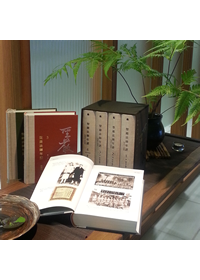
聖嚴法師年譜 (四冊精裝)
「我的生命是一場實踐佛法的歷程。」--聖嚴法師盡形壽,獻生命,是聖嚴法師一生奉行的準則。在這部年譜裡,我們看見聖嚴法師如何在艱苦中,護衛著一顆小小的願心,不斷淬勵堅毅,勇敢前行。聖嚴法師用全生命演繹佛法,更以言教身教,為世人典範。 讓我們一起走進聖嚴法師的生命長河,跨越時空,在成佛之道上,同願同行……《聖嚴法師年譜》是認識與研究聖嚴法師的必讀套書,以百餘萬字完整記錄了法師波瀾壯闊的一生。內容共分為六卷四大冊:(一)第一冊從一九三○年出生記述至一九八八年;(二)第二冊從一九八九年記述至一九九九年;(三)第三冊從二○○○年記述至二○○四年;(四)第四冊則記述二○○五至二○○九年。編著者將聖嚴法師的著作、開示、生平活動等譜系條列,仔細逐一爬梳篩選,以編年次第忠實地呈現給讀者。一、二冊敘述早年出家、從軍報國、除役赴日留學獲得博士學位的修行歷程。三、四冊則記錄弘化的歷程,於世界各地帶領禪修、宣揚漢傳禪佛教,並走進聯合國殿堂,共同推廣世界和平,創建法鼓山,弘法立宗。全書文末並將法師生平大事記、弘化一覽表、重要中外文著述、創辦住持機構等,以附錄方式呈現,方便讀者查閱檢索。閱讀年譜,彷彿和聖嚴法師一起經歷人生的種種考驗,一起面對困頓與突破,可以看到一位當代宗教師、思想家的養成過程,和燦爛的生命光輝。讓人心生感動與敬佩,願跟隨聖嚴法師的大願,一起耕耘人間淨土。
作者簡介
林其賢17歲,因高中導師啟蒙學佛先後依李炳南、劉梅生等大德學法並從懺雲法師、星雲法師受皈戒曾任大學佛學社社長大專佛學社團指導老師33歲,參加聖嚴法師主持之禪七歎服其教學與悲願,立願護持踵效曾任聖嚴教育基金會董事、法鼓山僧伽大學教師並參與聖嚴書院之規畫與建置。現任:國立屏東大學中文系副教授學歷:國立中正大學中文所博士
作者
NT$
$2,340
|
78折

呼吸的自癒力:簡單幾步驟,降低壓力和焦慮,提高專注力,帶來情緒的平衡
一呼一吸,是維繫生命的證明,善用呼吸練習,則能療癒身‧心‧靈,讓你恢復愛的能力,找回真實的自己。 人體的每個細胞都有自我療癒的能力,身體組織每天也會汰舊換新。早在西藥問世前,薩滿巫師、僧侶、祭司、部落首領就知道如何啟動人體與生俱來的能力,以預防並治療疾病。 ◆呼吸練習啟動身體自癒力,不用藥、完全無副作用。現代生活的壓力除了會導致焦慮、憂鬱、忿怒、憤世嫉俗等等負面情緒,還會促使人體早衰,引發心血管疾病、肥胖、發炎、免疫功能障礙。作者理查P.布朗和柏崔霞L.葛巴兩位醫學博士,指出了「不用藥」就能康復的另一種可能──呼吸練習。這些源自瑜伽、佛教靜坐、中國氣功、東正教靜修士修持種種傳統的技術,已經獲得科學證明,能有效緩解焦慮、失眠、創傷後壓力症候群等壓力和情緒困擾,能引發人體自我療癒能力,帶來身-心-靈健康。 ◆楊定一博士親身驗證確實有效,專文導讀推薦。「兩位作者將他們所開發的呼吸練習分為三大類:諧振式呼吸、阻抗式呼吸、呼吸導引,只要依照書中的方法按部就班地練習,任何人都能精熟這些技巧。接著,他們將這三大類技巧整合成一套完整的『全呼吸』,帶領讀者一一進行,我也很鼓勵讀者跟著一起練,因為這些練習都是經過大量患者驗證,能真正發揮效果的。我個人也親自驗證過這些練習,認爲這些方法簡易而有效。」──楊定一博士 ◆楊元寧受惠無窮,誠摯策劃、推薦。「那天,我正好犯了偏頭痛,好長一段時間什麼也做不了。然而,當我待在教室最偏遠的角落,隨著課堂上的磬聲一呼一吸,經過兩輪二十分鐘的練習後,沒想到,肩頸的緊張就消失了,而偏頭痛竟然開始消退,這讓我好驚訝,因為偏頭痛發作,往往會抽痛好幾個小時,最起碼也要折騰一整天才會消退。就是這樣,我開始探究呼吸緩解疼痛的奧祕。我相信,如果呼吸練習可以幫我消解體內的壓力,對其他人也會有用。」──楊元寧 ◆隨書附贈中文版有聲教材,楊定一博士導聆、楊元寧監製,易學又紓壓。為服務華文讀者,錄製了中文版有聲教材(作者原創英文版),教你練習簡單易學的呼吸技術,讓呼吸練習自然而然成為生活的一部份。 ◆跟著本書及有聲教材呼吸練習,能讓你:.活化身體的自癒力,不用藥、無副作用。.抒解焦慮、憂鬱、創傷引發的情緒和行為問題、創傷後壓力症候群、失眠、上癮相關行為。.幫助注意力不足過動症(ADHD)的兒童和成人平靜、專注。.能打破昔日傷痛的桎錮、活化迷走神經和大腦情感中樞的連結、釋放更多的親近荷爾蒙。.運動員、音樂家、藝術工作者、演說家、老師、考生……提高智力、體力與臨場表現。.平靜頭腦和情緒,減輕焦慮,包括對信任和親密的焦慮。.幫助人們穿透心理的保護層、恢復愛與連結的能力,擁有充實的人際關係。.讓身、心、靈恢復平衡,找回真實的自己。
隨書附贈
《呼吸的自癒力》中文版有聲教材 【楊定一博士導聆‧楊元寧監製】專為《呼吸的自癒力》而設計的有聲教材,全長約70分鐘原創:理查P. 布朗,醫學博士/柏崔霞 L. 葛巴,醫學博士中文版錄音:陳夢怡(曲目介紹)1:楊定一導聆2:諧振式呼吸暖身3:阻抗式呼吸4:呼吸導引5:「哈」式呼吸 6: 4-4-6-2數息7:「嗡」/「鬆.空.通.洞」8:全呼吸,5 bpm9:身體掃描10:全呼吸,6 bpm11:身體掃描
作者簡介
理查 P. 布朗 (Richard P. Brown, MD)
醫學博士,哥倫比亞大學精神科臨床副教授,擅於運用另類療法及整合醫學,處理憂鬱、焦慮、注意力缺失 (ADD) 和創傷後壓力症候群 (PTSD) 等心理問題。他所設計的「全身心呼吸工作坊」結合瑜伽、氣功、諧振式呼吸 (coherent breathing)、開放焦點靜坐 (Open-Focus meditation) 的呼吸和動功,幫助眾多災民,走出大規模天災人禍的陰影。
柏崔霞 L. 葛巴 (Patricia L. Gerbarg, MD)
醫學博士,畢業於哈佛醫學院,現為紐約醫學院精神科臨床助理教授,開立私人診所,協助推動全身心治療的研究,著重於焦慮、創傷後壓力症候群等壓力相關疾病,並受美國精神醫學學會 (American Psychiatric Association) 等諸多專業團體之邀,介紹精神疾病治療的整體療法。
譯者簡介
陳夢怡
臺灣大學動物學碩士,現正攻讀心理諮商碩士學位,探究由情緒至潛意識療癒的心靈旅程,譯有《靜坐的科學,醫學與心靈之旅》、《奇蹟半生緣》、《性.金錢.暴食症:談形式與內涵》、《親子關係:世間最難修的一門課》、《心理學:適應環境的心靈》等書,長年帶領讀書會並受邀教學演講,主題涵括壓力調適、寬恕與靈性成長。
總策畫簡介
楊定一博士 John Ding-E Young M.D., Ph.D
著有《真原醫:21世紀最完整的預防醫學》、《靜坐的科學、醫學與心靈之旅》。曾任洛克菲勒大學分子免疫及細胞生物學系教授、系主任,現為兼任教授。長庚大學、長庚科技大學、明志科技大學、長庚生物科技、美國 Inteplast Group 董事長。
楊元寧 Lena Young
哈佛大學畢業,表現出色,獲獎無數。著有《靜坐的科學、醫學與心靈之旅》(二○一四年度暢銷書)、《哈佛心體驗》、七本童書繪本。
譯者
陳夢怡
NT$
$323
|
85折
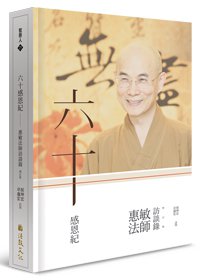
六十感恩紀:惠敏法師訪談錄 (增訂版)
每個人的生命都是一部感恩史,惠敏法師的傳記,讓人重溫近代佛門弘法歷程,看見珍貴師徒情誼,看見臺灣佛教艱辛歲月,更直接感受動人願力。除感恩來時路,惠敏法師更以前瞻的眼光與夢想,無畏地擘劃新格局,為佛教開路。
本書由侯坤宏、卓遵宏專訪惠敏法師,收錄近百張彩照,以及許多惠敏法師精彩文摘。全書共分三大篇:
一、兩段學生時期:包括出家前的學習與出家後的學習,臺北醫學院藥學系畢業後出家,就讀中華佛學研究所,留學日本東京大學取得博士。
二、三頭工作時期:同時擔任西蓮淨苑、國立藝術學院、中華佛學研究所等單位管理要職,不論曾任臺北藝術大學代理校長、中華佛學研究所副所長,現任西蓮淨苑住持、法鼓文理學院校長,都能面面俱到。
三、四個夢想(人腦、電腦、社區、學園)實踐:惠敏法師自認畢生探索三大問題:「我是誰?何謂生命?何謂社會?」而他的四大夢想實踐則是:人腦、電腦、社區、學園。
在六十歲生涯裡,惠敏法師每逢困境,皆是因感恩、報恩之心,而豁然開朗,以此命名本書。惠敏法師的傳記,以感恩心分享他的人生築夢方程式。讓我們隨著他一起探索佛海心宇宙!
採訪者簡介
侯坤宏
一九五五年出生於臺灣嘉義,政治大學歷史系學士、碩士、博士;一九八六年起,任職國史館,曾任助修、科長、薦任協修、簡任協修、纂修、修纂處處長。目前已退休,仍繼續從事戰後臺灣史、臺灣佛教史、中國近代佛教史等方面之研究。著有《抗戰時期的中央財政與地方財政》(臺北:國史館,2000年)、《印順法師年譜》(臺北:國史館,2008年)、《真實與方便:印順思想研究》(臺北:法界,2009年)、《戰後臺灣漢傳佛教史》(合著)(臺北:五南,2011年)、《研究二二八》(臺北:博揚,2011年)、《仁俊法師學譜》(臺北:法鼓文化,2012年)、《浩劫與重生:一九四九年以來的大陸佛教》(臺南:妙心,2012年)、《抗日戰爭時期糧食供求問題研究》(北京:團結,2015年)等書。
卓遵宏
一九四三年出生於桃園。初於國立臺灣師範大學,攻讀歷史學士、碩士;旋負笈美國德州大學奧斯汀校區,主修金融史碩士、博士。臺灣政黨輪替後有感,轉研究宗教史。曾任國史館處長、纂修兼主任祕書。又兼任東吳大學、淡江大學、世新大學等校教授。期間尤有助益的是,雖短期擔任蔣中正晚年首席侍從祕書、秦孝儀的機要祕書,因得以親炙若干政要,體悟活的當代歷史。
著有:《中國近代幣制改革史》(臺北:國史館,1986年)、《唐代進士與政治》(臺北:國立編譯館,1987年)、《成一法師訪談錄》(臺北:國史館、三民書局,2007年)、《南京國民政府十年經濟建設》(南京:南京大學出版社,2015年;列入中華民國專題史第6卷,主編兼合著者)、State and Economy in Republican China: A Handbook for Scholars(Cambridge, MA: Harvard University Asia Center, 2001, vol. I,合著)等,另論文近百篇。學術榮譽:中華文化復興委員會中正優良著作獎、嘉新水泥公司文化基金會優良學術著作獎,及多年榮獲國科會甲等研究獎助。
作者
NT$
$390
|
78折
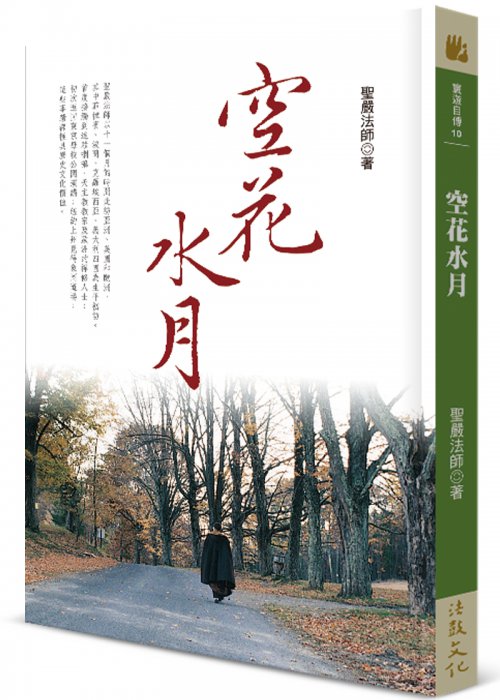
空花水月
聖嚴法師以十一個月的時間走訪亞洲、美國和歐洲,其中菲律賓、波蘭、克羅埃西亞、義大利四國為生平初訪。首度接觸到達賴喇嘛、天主教教宗及歐洲的禪修人士;初次返回東京母校公開演講;紐約上州覓得象岡道場;這些事蹟都極具歷史文化價值。
我的任務是弘揚佛法,留下行腳過程的腳印,也是為了弘揚佛法,許多人希望見我一面都難。我的每一本遊記所載,便是以佛法與人接觸的實情,讀我的遊記,所得的訊息,要比僅僅見我一面豐富得多。
──聖嚴
作者簡介
聖嚴法師(1930〜2009年)
聖嚴法師1930年生於江蘇南通,1943年於狼山出家,後因戰亂投身軍旅,十年後再次披剃出家。曾於高雄美濃閉關六年,隨後留學日本,獲立正大學文學博士學位。1975年應邀赴美弘法。1989年創建法鼓山,並於2005年開創繼起漢傳禪佛教的「中華禪法鼓宗」。
聖嚴法師是一位思想家、作家暨國際知名禪師,曾獲臺灣《天下》雜誌遴選為「四百年來臺灣最具影響力的五十位人士」之一。著作豐富,中、英、日文著作達百餘種,先後獲頒中山文藝獎、中山學術獎、總統文化獎及社會各界的諸多獎項。
聖嚴法師提出「提昇人的品質,建設人間淨土」的理念,主張以大學院、大普化、大關懷三大教育推動全面教育,相繼創辦中華佛學研究所、法鼓文理學院、僧伽大學等院校,也以豐富的禪修經驗、正信的佛法觀念和方法指導東、西方人士修行。
法師著重以現代人的語言和觀點普傳佛法,陸續提出「心靈環保」、「四種環保」、「心五四運動」、「心六倫」等社會運動,並積極推展國際弘化工作,參與國際性會談,促進宗教交流,提倡建立全球性倫理,致力世界和平。其寬闊胸襟與國際化視野,深獲海內外肯定。
作者
NT$
$125
|
5折

觀世音與大悲咒(修訂版)
觀世音菩薩的來源、各種觀音應化身的故事、如何唸誦大悲咒、「大悲咒水」修法、手印。本書詳說觀世音菩薩名號及來源,並綜述各種觀音應化身相的典故。作者更分享自身的經歷,字裡行間隱含哲理。書中並解說如何唸誦《大悲咒》正音,及如何修持大悲咒水,並附觀音像圖片及四十二觀音手印圖,讀者可因應所求之事而修持,極具實用價值。
作者簡介
談錫永廣東南海人,1935年生。童年隨長輩習東密,十二歲入道家西派之門,旋即對佛典產生濃厚興趣,至二十八歲時學習藏傳密宗,於三十八歲時,得甯瑪派金剛阿闍梨位。1986年由香港移居夏威夷,1993年移居加拿大。早期佛學著述,收錄於張曼濤編《現代佛教學術叢刊》,通俗佛學著述結集為《談錫永作品集》。主編《佛家經論導讀叢書》並負責《金剛經》、《四法寶鬘》、《楞伽經》及《密續部總建立廣釋》之導讀。其後又主編《甯瑪派叢書》及《大中觀系列》。所譯經論,有《入楞伽經》、《四法寶鬘》(龍青巴著)、《密續部總建立廣釋》(克主傑著)、《大圓滿心性休息》及《大圓滿心性休息三住三善導引菩提妙道》(龍青巴著)、《寶性論》(彌勒著,無著釋)、《辨法法性論》(彌勒造、世親釋)、《六中有自解脫導引》(事業洲巖傳)、《決定寶燈》(不敗尊者造)、《吉祥金剛薩埵意成就》(伏藏主洲巖傳)等,且據敦珠法王傳授註疏《大圓滿禪定休息》。著作等身,其所說之如來藏思想,為前人所未明說,故受國際學者重視。近年發起組織「北美漢藏佛學研究協會」,得二十餘位國際知名佛學家加入。2007年與「中國人民大學國學院」及「中國藏學研究中心」合辦「漢藏佛學研究中心」主講佛學課程,並應浙江大學、中山大學、南京大學之請,講如來藏思想。
作者
NT$
$162
|
85折

禪.簡單啟示(增訂版)
本書是夢參老和尚第三本開示錄,講述的內容包括禪法、「隨機羯磨」的戒律與緣起性空等義理,以及親近虛雲、弘一、倓虛、慈舟四位大德的心得與經驗,為現代人通往禪修世界,搭起一條親切又正統的修行道路。
夢老年輕學法時,曾親近當代禪宗巨擘虛雲老和尚,在中國祖師禪的門下參學;又曾擔任弘一老法師內護,親身體會戒律行者的生活。為此,本書所呈現的禪修心得,深具禪法與戒律雙修的嚴密境界。
【本書特色】
為現代人通往禪修世界,搭起一條親切又正統的修行道路。
夢老年輕學法時,曾親近當代禪宗巨擘虛雲老和尚,在中國祖師禪的門下參學;又曾擔任弘一老法師內護,親身體會戒律行者的生活。為此,本書所呈現的禪修心得,深具禪法與戒律雙修的嚴密境界。
作者簡介
夢參老和尚 (生於1915年)中國黑龍江省開通縣人。先後依止過華嚴宗慈舟老法師、禪宗虛雲老和尚、天台宗倓虛老法師、律宗弘一老法師以及西藏黃教夏巴仁波切。老和尚以弘揚地藏法門與華嚴經為主,其中尤因推廣地藏占察輪、占察懺法,深受世人注目。2004年早春,他老人家在山西省五台山普壽寺,開演《大方廣佛華嚴經》(八十華嚴),以五年的時間,近五百個講座圓滿,寫下中國近代佛教史上九十歲僧人開講華嚴經的記錄。
夢參老和尚現年101歲(2015年),居五台山靜修,說法開示依舊聲如洪鐘,法音攝受人心,儼然成為深山中的一盞明燈,常時照耀加被幽冥眾生。
作者
NT$
$187
|
85折
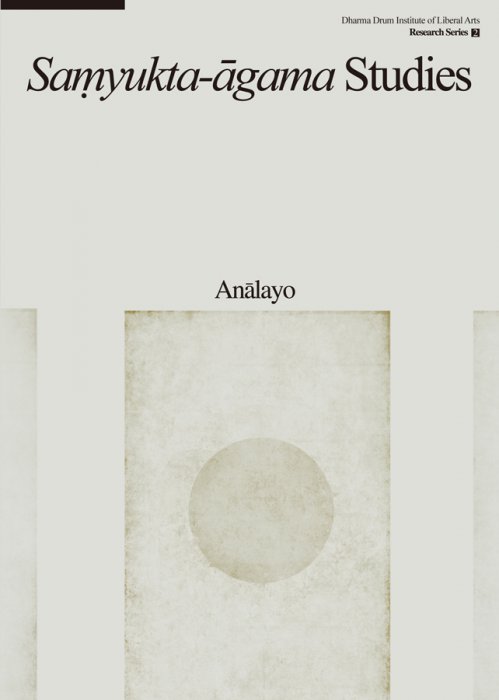
(英文版) 雜阿含研究 Saṃyukta-āgama Studies
The present book collects research papers by Bhikkhu Anālayo with translations of Saṃyukta-āgama discourses and comparative studies of their Pāli parallels, together with two appendices on the relationship between commentary and discourse as well as on the Udāna collection. Topics taken up in the course of the studies are the four noble truths as a diagnostic scheme, concern for the welfare of others, the transfer of merit, humour, Aṅgulimāla, teachings to laity, attitudes towards nuns, arahants and suicide, teaching and awakening, the gender-inclusiveness of the address 'monk', the acrobat simile, mindfulness of breathing, the Buddha's first discourse, self-cremation, and the Buddha's visit to his mother in the Heaven of the Thirty-three.
作者簡介
Bhikkhu Anālayowas born in Germany in 1962 and ordained in Sri Lanka in 1995. He completed a Ph.D. thesis at the University of Peradeniya (Sri Lanka) in 2000 and a habilitation thesis at the University of Marburg (Germany) in 2007. At present he is a professor at the University of Hamburg, Numata Center for Buddhist Studies (Germany), and a researcher at the Dharma Drum Institute of Liberal Arts (Taiwan).
作者
NT$
$484
|
78折

本生經的起源及其開展(二版)
所謂「本生」是指佛及其弟子們於過去生中的故事,特別是指釋迦牟尼佛在過去無數劫以來,修種種菩薩行的故事。《本生經》除有豐富的故事體裁,並旁涉於俗語的來源、神話的色彩、宇宙形成的說明等等,內容廣博有趣,融合神話、寓言、小說等縯紛的獨特風格。本書由興起、特色論至影響,明立《本生經》於整個佛教發展的軌跡,有助於彰顯《本生經》的地位,內容亦周衍深妙。
作者
NT$
$170
|
85折

新編佛學大辭典(二冊)
本辭典將廿世紀華人使用最多的──丁福保《佛學大辭典》,與宋.法雲《翻譯名義集》冶於一爐,重新繕打編排增修而成。廿世紀初以來,華人使用最多的漢文佛學辭典,非丁福保編的《佛學大辭典》莫屬。丁福保醫師生於滿清末年(1874-1952),有鑑於佛學辭典的重要性,但卻從未有華人編出夠水準的佛學大辭典,因此於民國元年,開始著手編輯佛學大辭典。主要使用日本.織田得能先生所編的《佛教大辭典》作基礎,再加上其他資料,編譯成漢文本的《佛學大辭典》。編成迄今,由於原始版本字體不大,經過一再翻印之後,已經有些模糊不清,對年長的人而言,不太容易閱讀。而且,有些筆畫繁多的字,辨識不易,容易造成解讀錯誤而影響詞條原意。(不過這只是印刷的問題,與內容無關。)此外,還有梵文與悉曇字的問題。在當時,由於國內對悉曇梵字的瞭解有限,以及鑄字與排版的工作人員可能對悉曇字的認識不足,因此錯誤在所難免,這是無可苛責的。除了上述理由,我們覺得要重編該辭典,最主要的原因是該辭典內容紮實精彩,又極具時代意義。即使已有電子版問世,但是對於某些讀者而言,紙本的書籍,仍有其需要性。再者,當時的排序方式,與現今通用的編排方式不同,對一些讀者而言,它的編法利於全文閱讀,卻不利於查閱。且當年的研究水準有限,因此有查閱不易與說明不足等缺點。為適應時代的需求,我們採用新的編輯理念與方法來重編該辭典,設計出較易使用的排列與排版方式,以方便查詢與使用,同時校正明顯的訛誤之處,並訂正所有悉曇字。此外,我們再加入《翻譯名義集》的內容,相信對於查閱者而言,等於是查一次辭典,同時可以讀到兩本書的相關資料。因此,《新編佛學大辭典》的編成,無疑是佛學類辭典的又一新歷程。
NT$
$842
|
85折
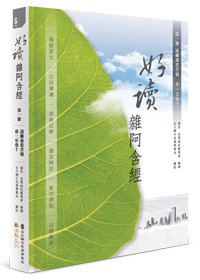
好讀雜阿含經 第一冊:遠離憂悲苦惱 (卷一至卷十)
★《好讀 雜阿含經》為「台大獅子吼站」20年讀經會成果集結,以現代人易懂易學的方式,讓佛法核心教義變得容易閱讀、人人想讀。★ 首冊主題「遠離憂悲苦腦」,只要有心,人人都能離苦得樂。◎ 好讀推薦《好讀 雜阿含經》是由科技人成立的台大獅子吼佛學專站,多年以來進行線上讀書會、經過長期相互切磋琢磨而完成的一部古典今讀現代註釋書。其嚴謹和精準很符合科學精神,而其無私的法施更是佛法的實踐。 ——釋恆清(台大佛學研究中心創辦人)《好讀 雜阿含經》深入淺出、古今輝映,是劃時代、開創性的讀經會成果,也是電子佛典未來的發展方向。 ——釋惠敏(法鼓文理學院校長)《阿含經》是三乘共依的聖典,中觀系的《中論》、《大智度論》都引用《阿含經》說明緣起中道深義,瑜伽系的《瑜伽師地論.攝事分》更廣釋《雜阿含經》,可見大乘論師對《阿含經》的重視。本書綜合讀書會之討論,並參照漢譯各版三藏以及南傳的相對應經文,簡明扼要以白話加註解說,值得參考。 ——釋厚觀(福嚴佛學院院長)本書於自學研讀《雜阿含經》者,猶如一本小型的工具書,更匯集了多位善知識的修行心得,提供讀者現實生活中的觀察與應用實例。 ——釋自衍(香光尼眾佛學院圖書館館長)◎ 好讀亮點:讓經藏變得容易解讀‧ 原文標點/清晰註解‧ 白話導讀/圖表解說‧ 對應經典/以經解經‧ 讀經拾得/生活應用◎ 學習方法與線上共讀《雜阿含經》忠實記載佛陀最初的根本教法與叮囑,從人天善道的修持,到究竟解脫之道,是研習佛法的必讀經典,只要識字就能讀。很多人不讀經,可能是覺得經典太高深、或是文言文太難懂,而本書就是要協助一起學習佛法的讀者,克服這樣的障礙。就「經典太高深」而言,《阿含經》的內容都是佛陀向一般弟子開示的內容,如果連智商不足的周利槃特、沒讀過書的賤民除糞人尼提,都能聽懂佛陀的教導並且進而悟道,一般的讀者應該都能理解《阿含經》的內容。若感到「文言文太難懂」,也不必害怕。其實大多數佛經的文言文只要熟悉之後,比起一般的文言文還來得容易掌握。只要識字就可以讀《阿含經》,在日積月累的練習讀經之後,自然能熟習佛經的語法,充分掌握佛經的意涵、如同佛陀親自向您說法。若在讀經當中有疑問或想法,除了就近請教寺院或法師,Facebook的用戶也可加入「大家來讀經」http://facebook.com/groups/budadigest/社團,一同研討。沒有Facebook帳號的同學則可上「台大獅子吼佛學專站」http://buddhaspace.org上的「獅子吼讀經班」版,線上讀經班於每週末進行線上語音討論。本書的線上版另有「進階辨正」,提供複雜或有疑義的詞句分析及詳細辨正資訊。這些資訊由於較為深奧或蕪雜,並沒有在印出的書本上,有志尋根究柢者可逕行參閱線上版。◆ 佛陀親自向您說法:遠離憂悲苦惱 ◆佛陀的各大弟子,不分貴賤,如何從凡夫、貴族、外道、甚至賤民,照著佛法實修,一一成為自在生死、遊戲神通的聖僧?他們又是向佛陀學到了什麼法,而能自修成道?從「不如我意」到「離苦得樂」《好讀 雜阿含經》第一冊主題為「遠離憂悲苦惱」,在佛經的用語中,人的身心及世間的一切可區分為:‧ 色:物質(例如身體)及物理世界的現象。‧ 受:感受。例如苦的感受、樂的感受、不苦不樂的感受。‧ 想:取相;面對境界而心中浮現對應的相;也就是認知。例如看到一個顏色,心中立刻浮現過往所見過相同的顏色,而知道這是什麼顏色。‧ 行:造作。例如意念的造作、意志力。‧ 識:識知;覺知。以上色、受、想、行、識五項,合稱「五陰」或「五蘊」(蘊是「積聚」的意思)。五陰有以下特性‧ 無常:遷流變化,沒有恆常不變的。‧ 苦:受到逼迫。‧ 空:因緣和合而生,沒有實體。‧ 非我:不是「我」。既然五陰都有無常、苦、空、非我的本質,執著於五陰而引起煩惱,實在不智。我們所認知的「我」其實是由因緣而生、因緣而滅的。如果身體是「我」,我們對身體應該有完全的自主能力,就像國王在自己的王國中想做什麼,就能做什麼。但是身體會生病、會痛苦,可見身體不是「我」。心理也是如此,剎那生滅,更不會是「我」。我們對於身心都會有不滿意的地方,也可見身心並非「我」。十二因緣的還滅佛陀發現五陰都是因緣生滅的,一切的身心運作中沒有不變的自我。十二因緣中只要有一支斷了,下一支就不生,而可從中切斷十二因緣的鎖鏈,這稱為十二因緣的「還滅」。佛陀不止告訴我們由於十二因緣而流轉生死的現象,更教導我們還滅的方法。然而十二因緣並不是每一支都容易下手斷除的,例如已「生」了,就無法不「老死」。一般認為是在觸、受、愛、取這幾支下手,有「明」以照見五蘊,即可滅掉後續的苦果。我們之所以不是聖人,是因為我們的心中有許多「結使」(煩惱),就像繩子上打的結一般,一個一個綁住自己的結,要一個一個的解開。要能超越生死,自然就不應該隨著這些煩惱執著的使喚。一個一個結解開了,結自然就不見了,解脫了。於是佛陀教導我們如何認清真相,斷除煩惱執著,解脫生死輪迴,獲得真正的自由。
編者簡介
台大獅子吼佛學專站1995年成立於台大佛學研究中心,是華人世界至今歷史最悠久的佛法討論專站,也是至今少數不隸屬特定宗派及道場的佛教討論園地。台大獅子吼站以釋迦牟尼佛教法為中心、不營利、不分宗派及道場,而由眾佛子以和合僧眾的風格經營,群策群力。站上的討論,提倡「深入經藏、以經解經」的思辨方法,另外並秉持「依法不依人」的立場,探索佛陀原義,提供清淨的討論空間。台大獅子吼站也扮演了接引初機的平台,站友們勉勵以淺白的文字讓初學佛者更能參與討論,增進對佛法的認識。「深入經藏」是三皈依中常念的一句話,在台大獅子吼站裡,每週都有讀經的進度,每次的讀經都不長,經中的文言文或專有名詞更無須懼怕,因為在站上大家可以深入討論。深入討論的最重要方法就是本站「以經解經」的方式,所依據的就是CBETA電子大藏經,為學佛者人人可以立刻查找所需的經說,並提出見解的最佳工具。根據佛陀說法純一滿淨、不異語的特性,善用電子大藏經來以經解經並交叉比對,可以避免掉入人云亦云的泥淖。也因此,台大獅子吼站上的討論找出了許多具決定性的佛陀教法,這也是在末世能難能可貴地顯示佛世尊獅子吼正法的方式之一。「接引初機」也是台大獅吼站的作用之一,在站上參與共同研修的人都是同學相稱,和樂融融,期許做到世尊對於僧團和合無諍的要求。許多初學佛的人由於看到經文就心生艱難想,於是只想拜一拜佛就了事,對於佛理了無興趣;想深入的人又苦於無法深入解析經文,而不了了之。台大獅子吼站諸位先學者常以生花妙筆,用簡單有趣的小故事、生動活潑的譬喻將佛經的義理、典故一一描繪,令想學佛法的初學者無障礙地進入佛法的門內,快速地趕上進度,覺得學佛實在有趣而不枯燥,學佛真正有用而不是口號。獅子吼站的設立並不是為了名或利,純是學佛者討論佛法的「虛空善法堂」,可說是五濁惡世裡一處清淨佛剎。想知道更多學佛的資訊,歡迎光臨台大獅子吼站:http://buddhaspace.org 或 http://facebook.com/groups/budahelp
作者
譯者
劉宋 求那跋陀羅尊者
NT$
$585
|
78折

靜心冥想的練習:28天在家自修的正念課程(隨書附贈冥想導引MP3光碟)
呼吸本身就擁有無盡的能量。只要你會呼吸,你就可以靜心冥想!
美國知名靜心導師雪倫.薩爾茲堡將逾三十年的教學經驗,濃縮成28天的自修課程。每天20分鐘,連續4週,你就能體驗超越一切理解的平靜與快樂。
.《紐約時報》排行榜暢銷書,Amazon讀者評價4.5顆星.「正念減壓」創始人、《當下,繁花盛開》作者 喬‧卡巴金博士 熱情推薦.冥想導引MP3光碟:收錄了作者雪倫.薩爾茲堡親口錄製的冥想操導引練習,就像是雪倫老師為你開設專屬課程一樣。(中英文雙語錄製,合計共18首曲目,總長約129分鐘)
你常為明天憂慮,忘了接納當下嗎?你容易失眠、緊張、憂鬱、焦躁不安嗎?你想慈悲待人,卻總是以情緒失控收場嗎?你認為真正的快樂離你很遙遠嗎?
告別煩躁,體驗真正的快樂,就從每天練習靜心冥想開始!跟著MP3光碟中老師的引導同步實作,輕鬆易學、隨時靜心!
靜心冥想的好處在哪裡?
過去15年來,全球腦神經科學家一再證實,靜心冥想有助於:◎身體放鬆 ◎消除緊張壓力 ◎改善分心、強化專注力 ◎開發創意及學習能力◎降低血壓 ◎緩解慢性疼痛 ◎減緩腦部老化 ◎培養耐心與慈悲心
腦神經科學家和心理學家已經證實,大腦對於外在事件的經驗感受,可以透過特定訓練而不斷重組更新。靜心冥想就是這種「換腦袋」的方法之一。透過冥想,你有機會向內觀照自己的心,看見真實良善的自己;當心煩意亂時,你可以透過冥想,提醒自己處在正念之中,享受真正放鬆的愉悅;透過冥想,你的身體健康、情緒和行為,會有驚人的正向轉變,而後喜悅、幸福、快樂、正面能量便油然而生。
美國知名靜心導師雪倫.薩爾茲堡,從三十年來教授靜心冥想的經驗中去蕪存菁,以最簡單、人人都做得到的「呼吸」為基礎,為初學者規劃一個28天的正念課程。你可以搭配隨書附贈的MP3光碟,跟隨清楚的語音指引,按部就班完成:「呼吸靜心」、「行走靜心」、「情緒靜心」、「慈愛靜心」等等,簡單易學。
靜心冥想沒有任何條件限制,不受限於任何宗教信仰,人人都可以在生活中落實。只要持之以恆,你的人生可能就此改觀,變得更柔軟、更有創造性、更平靜、更清明和更平衡。你會在冥想的世界中,享受你從未體驗過的安心、真實、包容,以及無盡的愛。同時,你在練習冥想的過程中可能會發生的問題或疑惑,本書都有提供詳盡的解答。
為什麼這是實踐靜心冥想的最佳入門書?
本書共分為兩個部分,第一部分理論篇,先從科學研究的角度,提出靜心冥想的好處及種種科學根據;第二部分實踐篇,則有是為期28天的正念靜心課程,共有20個冥想操練習,每天只需花20分鐘跟著書中的步驟練習,就可以重拾身心平靜。像是:
◎第一週 全神貫注:練習專注呼吸和重頭開始的藝術〔冥想操1〕 核心靜心:呼吸 〔冥想操2〕 聆聽靜心〔冥想操3〕 放掉念頭的靜心 〔冥想操4〕 隨時可做的迷你靜心◎第二週 正念和身體:放掉包袱〔冥想操5〕 身體掃描靜心 〔冥想操6〕 行走靜心〔冥想操7〕 身體感覺靜心 〔冥想操8〕 日常活動靜心〔冥想操9〕 喝茶靜心◎第三週 正念和情緒:處理想法和感覺〔冥想操10〕 情緒靜心 〔冥想操11〕 召喚痛苦情緒的靜心〔冥想操12〕 正面情緒靜心 〔冥想操13〕 思考靜心◎第四週 慈愛:培養慈悲心和獲得真正的快樂〔冥想操14〕 核心靜心:慈愛 〔冥想操15〕 情緒或身體受傷時所做的慈愛靜心〔冥想操16〕 給看護者的慈愛靜心 〔冥想操17〕 看到優點的靜心〔冥想操18〕 安撫內在批評的靜心 〔冥想操19〕 行走時的慈愛靜心〔冥想操20〕 慈愛圈靜心
親自解答你練習時會遇到的常見問題
Q:當我開始靜心冥想時,對呼吸變得太過在意,我怎樣才可以正常地呼吸呢?Q:我在靜心時沒辦法阻斷雜念。靜心不是應該什麼都不想嗎?Q:為什麼當我拚命想要放空時,心裡卻不斷浮現某一個人的身影?Q:該如何避免在冥想時打瞌睡?Q:當我坐著感覺膝蓋僵硬,我該不該調整姿勢,或者是不管它,繼續關注呼吸?……
針對每一週的練習主題,作者也從自己逾三十年來的教學經驗中,歸納出學習者最常發問的「常見問題Q&A」,以便輔助在家自修的讀者們,更快速有效地掌握靜心冥想得正確要領。
靜心冥想練習MP3光碟內容說明
本書隨附的靜心冥想練習MP3光碟,收錄了作者雪倫.薩爾茲堡親口錄製的冥想操導引練習。在閱讀本書的說明文字後,你不妨閉起眼睛來聆聽MP3,跟著雪倫老師的聲音,實際來做冥想操。這就像是雪倫老師為你開設專屬的一對一課程一樣。(中文版MP3,特別邀請台灣「華人正念減壓中心」創辦人之一胡君梅老師為讀者配音。)
●作者簡介:
雪倫.薩爾茲堡(Sharon Salzberg)
美國知名的靜心導師,曾在印度、緬甸、尼泊爾、不丹、西藏等國家追隨佛教大師修習,並與西方最重要的禪修大師傑克‧康菲爾德和約瑟夫‧葛斯坦共同創立「內觀靜心協會」(Insight Meditation Society),著有《不要綁架自己》、《慈愛和信心》(Lovingkindness and Faith)等暢銷書。
教授靜心冥想課程逾三十年,學生來自世界各地,跨越不同的生活經驗、種族背景和宗教信仰,並經常為《歐普拉雜誌》(O, The Oprah Magazine)長期撰文,受訪文章散見《時代》雜誌、《簡簡單單》(Real Simple)、《好家政》(Good Housekeeping)、《自身》(Self)、《香巴拉大日》(Shambhala Sun)、《更多》(More)等等刊物。
●光碟中文版口述者簡介:
胡君梅
當代正念領域經典書《正念療癒力》、《自我療癒正念書》譯者,台灣「華人正念減壓中心」創辦人。台北教育大學心理與諮商研究所碩士,政治大學宗教研究所碩士,並完成美國麻州大學醫學院正念中心(CFM)認證師資的所有訓練課程,直接師事「正念減壓」創始人喬‧卡巴金博士。目前以專業、成長、涵容、愛的精神,全心推廣正念減壓課程。
●譯者簡介:
李芸玫
曾任職於報社、出版社、雜誌社,譯作及著作散見各出版社。深深相信除了哈利波特的魔法之外,這世界還存在著許多被忽略的魔法,譬如文字就是一種。
作者
譯者
李芸玫
NT$
$323
|
85折
看見法鼓山最美的風景:義工身影 (攝影集)
什麼是法鼓山最美的風景?因為一個共同的願,而有一條共同的路,而有一樣的身影,不論名字、不論身分、不論親疏,來的都是義工,都是一家人。這些義工身影織就了法鼓山的福田衣,織就了人間淨土最美的風景。
作者簡介
李東陽
從事攝影工作二十餘年現為法鼓文化特約攝影里金館攝影工場攝影師自然本質花草皂作皂師
NT$
$624
|
78折
The World of Chan 禪的世界(英文版)
Chan is not necessarily any one thing, nor does Chan affirm or deny anything. However, whatever you need, Chan gives to you.
For regular meditators, this book provides basic sitting meditation techniques. Exceptionally busy people are advised to try and use the Chan cultivation methods in this book to harmonize themselves, and dissolve their attachment to "self." From relaxing the body and mind for as little as three minutes to attending to body and mind throughout daily life, these methods show the simplicity and practicality of expedient Chan methods.--Master Sheng Yen
作者簡介
Master Sheng Yen (1930-2009)
聖嚴法師1930年生於江蘇南通,1943年於狼山出家,後因戰亂投身軍旅,十年後再次披剃出家。曾於高雄美濃閉關六年,隨後留學日本,獲立正大學文學博士學位。1975年應邀赴美弘法。1989年創建法鼓山,並於2005年開創繼起漢傳禪佛教的「中華禪法鼓宗」。
聖嚴法師是一位思想家、作家暨國際知名禪師,曾獲臺灣《天下》雜誌遴選為「四百年來臺灣最具影響力的五十位人士」之一。著作豐富,中、英、日文著作達百餘種,先後獲頒中山文藝獎、中山學術獎、總統文化獎及社會各界的諸多獎項。
聖嚴法師提出「提昇人的品質,建設人間淨土」的理念,主張以大學院、大普化、大關懷三大教育推動全面教育,相繼創辦中華佛學研究所、法鼓佛教學院、僧伽大學、法鼓大學等院校,也以豐富的禪修經驗、正信的佛法觀念和方法指導東、西方人士修行。
法師著重以現代人的語言和觀點普傳佛法,陸續提出「心靈環保」、「四種環保」、「心五四運動」、「心六倫」等社會運動,並積極推展國際弘化工作,參與國際性會談,促進宗教交流,提倡建立全球性倫理,致力世界和平。其寬闊胸襟與國際化視野,深獲海內外肯定。
Master Sheng Yen was born in 1930 and became a monk in 1943. He conducted a six-year solitary retreat, after which he went to Japan for further study and obtained a doctorate in Buddhist literature at Rissho University. In 1975, he began sharing the Dharma in the US, and in 1989, founded the Dharma Drum Lineage of Chan Buddhism.
He authored more than 100 publications in Chinese, English, and Japanese, and received the Sun Yat-sen Art and Literary Award, the Sun Yat-sen Academic Award, and the Presidential Cultural Award, among other honorary awards.
He proposed the vision of “uplifting the character of humanity and building a pure land on earth,” founded the Chung Hwa Institute of Buddhist Studies, Dharma Drum Buddhist College, Dharma Drum Sangha University, and Dharma Drum University. Experienced in Chan using correct approaches, he guided practice in both the West and East. Popularizing the Dharma in modern language, the Master initiated movements including Protecting the Spiritual Environment, Four Kinds of Environmentalism, the Fivefold Spiritual Renaissance Campaign, and the Six Ethics of the Mind. He shared the Dharma globally with a broadminded perspective, winning him worldwide recognition.
作者
NT$
$468
|
78折
(英文版) 長阿含經研究論文集 Research on the Dīrgha-āgama
This is the second volume of proceedings of the Āgama seminars convened by the Āgama Research Group at the Dharma Drum Institute of Liberal Arts (formerly Dharma Drum Buddhist College). On this occasion, the Āgama Research Group met to discuss the early collections of long discourses transmitted by the different Buddhist schools. Thanks to the discovery and ongoing publication of the incomplete Sanskrit Dīrgha-āgama manu¬script from Gilgit, three different versions of the Collec¬tion of Long Discourses are now avail¬able for comparative study: the Pali Dīgha-nikāya transmitted within the Theravāda tradition, the just-mentioned Dīrgha-āgama in Sanskrit, identified as Sar¬vās¬ti-vāda or Mūlasarvāstivāda, and the Chinese translation of an Indic Dīrgha-āgama (長阿含經), generally considered to be affiliated with the Dhar¬ma¬¬guptakas. The six papers collected here focus on research on these various incarnations of the collections of long discourses in comparative perspective.
作者簡介
About the editor:Sāmaṇerī DhammadinnāDharma Drum Institute of Liberal Arts
About the contributors:Bhikkhu AnālayoNumata Center for Buddhist Studies, University of Hamburg &Dharma Drum Institute of Liberal Arts
Roderick S. BucknellUniversity of Queensland
Toshiichi Endo (遠藤敏一)Centre of Buddhist Studies,The University of Hong KongJens-Uwe HartmannLudwig-Maximilians-Universität of Munich
Jen-jou Hung (洪振洲)Dharma Drum Institute of Liberal Arts
Seishi Karashima (辛嶋靜志)The International Research Institute for Advanced Buddhologyat Soka University
作者
NT$
$250
|
78折
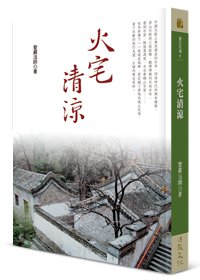
火宅清涼
中國大陸上唐及遼金的古寺、明清時代的佛寺建築、房山石經的工程鉅構、藏傳佛教的名剎古寺、雲岡石窟、敦煌莫高窟、天水麥積山石窟……,在作者筆下一一展現其風華,更記錄了當地的風土民情,留下完整的旅行見聞、正確的歷史資料。
本書命名為《火宅清涼》,乃係採用第三十一篇的題名,因為我在五臺山發現建於「清涼聖境」的古道場,屢遭摧殘,歷盡滄桑,所以感慨地寫下了兩句話以激勵自己:「凡夫以煩惱製造了苦樂無常的三界火宅;聖者以慈悲建設了廣度眾生的清涼世界。」又說:「那些在此火宅之中建設清涼世界的大德高僧,一定已經知道,將來會有因緣,把他們所建的寺院摧毀破壞,但他們還是努力地建設。」--聖嚴
作者簡介
聖嚴法師(1930〜2009年)
聖嚴法師1930年生於江蘇南通,1943年於狼山出家,後因戰亂投身軍旅,十年後再次披剃出家。曾於高雄美濃閉關六年,隨後留學日本,獲立正大學文學博士學位。1975年應邀赴美弘法。1989年創建法鼓山,並於2005年開創繼起漢傳禪佛教的「中華禪法鼓宗」。
聖嚴法師是一位思想家、作家暨國際知名禪師,曾獲臺灣《天下》雜誌遴選為「四百年來臺灣最具影響力的五十位人士」之一。著作豐富,中、英、日文著作達百餘種,先後獲頒中山文藝獎、中山學術獎、總統文化獎及社會各界的諸多獎項。
聖嚴法師提出「提昇人的品質,建設人間淨土」的理念,主張以大學院、大普化、大關懷三大教育推動全面教育,相繼創辦中華佛學研究所、法鼓佛教學院、僧伽大學、法鼓大學等院校,也以豐富的禪修經驗、正信的佛法觀念和方法指導東、西方人士修行。
法師著重以現代人的語言和觀點普傳佛法,陸續提出「心靈環保」、「四種環保」、「心五四運動」、「心六倫」等社會運動,近年來更致力於國際弘化工作,參與國際性會談,促進宗教交流,提倡建立全球性倫理,致力於世界的和平。其寬闊胸襟與國際化視野,深獲海內外肯定。
作者
NT$
$250
|
78折

四念處內觀禪修法2:你從未正確知道的身念處
內觀大師公認最適合現代人的法門
隨時實踐,隨處奇蹟,每一刻,每個動作都蘊含解脫因子。
「由於不多修行四念處,如來滅後,聖教不能常存...」(相應部、大品)
「對於凡夫只有一條路可以導致清淨,克服憂愁哀傷,怯除苦楚悲痛,得到正當行為的準則,體證涅槃,這條路就是四念處。」(長部,四念處經)
如果四念處是一切實修法門的基礎,方便中的直接;那身念處就是基礎中的入門,直接中的直接。
身念處之所以為入門,是因為這門一開,你踏進去就是涅槃城內了。
所有人都大誤解了!四念處,不是同時觀身、受、心、法,而是只需選擇一個對象作為入手。阿姜念推薦身念處為普遍現代人實修,因為現代人少有耐心和敏銳,色身這般粗顯的物質,反而更容易覺察無常、苦、無我、不淨。
身念處並非只有觀身不淨,從阿姜念的教導中,即可形成「止觀雙運」,直接斷除根本煩惱。你會發現,佛法的偉大不在於龐大難解的教理,而是精練清楚的知見,可簡單操作的實踐。否則,在千年前知識未普及的印度,怎會有如此多的聖者成就。
備註:本書前半部曾收錄於《內觀禪修》。
【本書特色】
一、精簡扼要。維持原始佛教簡單明瞭的特色,沒有冗言,沒有談玄說妙的龐大理論,直接說明該認識什麼?該做什麼。
二、次第明顯。從理論確認正見,再從身念處實修的準備和操作,之後指出成就的階段狀態,最後從他人實修經驗中反觀問題。建立一套反饋的系統,相當一本嚴謹的指導手冊。
三、無副作用上手。身念處異於其他靈修方式,不需觀想,沒有外靈干擾或走火入魔之虞。也因為不是專注念頭於一處,所以並不會不察外在,反之,能清楚知道外在,做出及時反應。
作者簡介
阿姜念.摩訶尼拉難陀(Achaan Naeb Mahaniranonda)
生於西元1897年1月31日。她的父親,巴雅.蘇達雅隆滾是當時堪甲那布里省省長,她的母親名為昆瑩.布拉。1931年,在她34歲時,她的一次經驗改變了她的一生,有一次當她看某件東西時,突然體會到看的真相(實相),當下她體會到不是她在看,而是「無我」。這使她相信斷除煩惱和滅苦的唯一方法就是保持在當下。
那時她還沒有學習佛法或修持四念住禪觀的經驗,於是她找善知識教她四念住禪觀業處,她找到曼谷布拉寺的一位緬甸巴頓塔威拉沙比丘,然後於1932年開始修行,四個月之後她就成就了,然後她研究阿毗達磨並成為一位重要的佛學專家,她是第一位將阿毗達磨的教法傳入泰國的人。三十幾年的時間,她在包括衝布里省的布堪甲那南在內的許多禪修中心指導四念住內觀禪修法。阿姜念逝世於1983年10月6日,享年86歲,在曼谷的蒙庫寺火化。
布堪甲那南禪修中心(Boonkanjanaram Meditation Center)座落於衝布里省帕他雅巿,由泰國當時的工業部長布恩.察羅蔡於1963年創立的。1964年第一批學生開始來到禪修中心,阿姜念是當時的首座教師,一直教到1979年,由於年紀大而退休,從那時起由比丘接任首座教師,至今教授比丘都是阿姜念的學生。
作者
譯者
凡拉達摩
NT$
$272
|
85折

新譯高僧傳(二版)
慧皎的《高僧傳》詳細記錄了從東漢至南朝梁時佛教主體──僧人的活動,使後人能全面了解佛教傳入中國之後,經過宣傳、融合而至佔據哲學領域顯要地位的歷史。其中正傳二百五十七人,附見二百三十九人,不僅鮮活表現佛教在此一時期的風貌,是研究佛教史的重要參考資料,也是十分優秀的傳記散文傑作。本書參酌歷來各種版本,詳加考校注譯,通俗明白,有助讀者突破文言的隔閡,輕鬆通讀全書。
NT$
$740
|
85折

古梵文觀世音菩薩咒語全集(附教學CD)
感通觀世音菩薩慈悲威神的力量。 修持觀音法門一定要收藏的咒語全集。
古梵文觀世音菩薩咒語全集,收錄170首觀世音菩薩的咒語,全部出自《房山石經》第二十八冊《釋教最上乘秘密藏陀羅尼集》第十一卷至二十卷之觀世音菩薩咒文。
許多研究咒語專家都一致肯定「持誦咒語原音是感通的基礎」,因此,咒語之「原音」也可說是持誦感通的根本,希望修持者皆能以標準梵音或近似梵音來念誦咒語。乾隆在《同文韻統》的序文中也說:持咒若不依梵音,就不符合「咒語不翻」的本意。這也是呼應持咒以古梵音為標準的原則。 根據科學對持咒的實驗,只要修持者專心一意念誦,必能達成統一身心的狀態,甚至有禪定效果。咒語同樣可作為一種物質材料同自然界的其他聲音一樣具有物理性,一切聲音都是由物體震動而產生的一種能量轉換。從生命學角度去看,不同的聲音可構成不同的物質、不同的場。從物理聲學的觀點來看,人類發聲器官可發出的音素可以說是無窮無境的。一句好聽的歌曲和一句祥和的祝辭,可以讓我們喚來一天的祥和及寧靜。而不同的是咒語帶有更加複雜的顯性及隱性資訊,它能突破時間、空間的限制,與宇宙中深藏的精神內核同步和吻合,是一種特殊的天人合一聯繫工具。
本書特色
念對了,更有效(附教學CD)本書採用古梵文、羅馬拼音及漢文對照,有助於讀者能夠迅速了解咒語原義。咒語原音本是自印度梵文,由於千年來中國咒語五不翻原則,造成今日咒語發音的多重版本。雖然虔誠持誦也是一種修持,但是如果可以正確的持誦咒語原音,除了能加速持誦之感通;亦可深入了解咒語的原音與原義之關係,對實修的助益更大。
為了令古梵文原音重現,本書特聘請斯里蘭卡Davuldena Nanissana法師,對於古梵文的修正與讀誦給予指導。
作者簡介
簡豐祺
簡豐祺居士,今出家為僧,法號「法豐」法師。法師大學時代受教於懺雲師父,28歲專心靜坐,至39歲略有境界。不久即為鬼神魔障所縛,遍訪各地寺廟和高僧大德,仍不得解脫。最後才想到要借助楞嚴咒力,但是讀誦國語版的楞嚴咒,覺得「效力不彰」。後始追尋梵文本的楞嚴咒。經過多年的修改和持誦,最後終於找到比較合意的版本。之後越誦越起勁,越有信心,除了在最初幾年以退卻鬼神障而唸誦外,漸漸地持咒轉變成為清除本身業障,亦即密教所言黑業氣。除此之外,亦以咒力救助他人。
作者
NT$
$578
|
85折
正在載入更多商品......