搜尋結果
共
1602
筆符合商品
排序
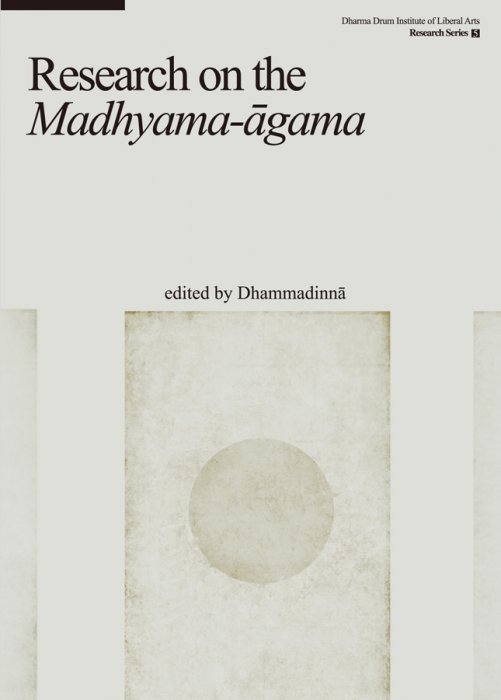
(英文版) 中阿含經研究論文集 Research on the Madhyama-āgama
This is the third volume of proceedings of the Āgama seminars convened by the Āgama Research Group at the Dharma Drum Institute of Liberal Arts (formerly Dharma Drum Buddhist College). It collects academic contributions on various aspects related to the Middle-length Collec¬tions of discourses (sūtras, suttas) transmitted by different early Buddhist lineages of reciters, preserved in their Indic originals in Gandhari, Pali and Sanskrit as well as in Chinese and Tibetan translations.
作者簡介
About the editor:Bhikkhunī DhammadinnāDharma Drum Institute of Liberal Arts
About the contributors:
Mark Allon & Blair SilverlockUniversity of Sydney
Bhikkhu AnālayoUniversity of Hamburg
Roderick S. BucknellUniversity of Queensland
Jin-il Chung(鄭鎮一)Göttingen Academy of Sciences
Takamichi Fukita(吹田隆道)Bukkyō University
Jen-jou Hung(洪振洲)Dharma Drum Institute of Liberal Arts
Seishi Karashima(辛嶋靜志)The International Research Institute forAdvanced Buddhology at Soka University
Michael RadichVictoria University of Wellington
Richard SalomonUniversity of Washington
Peter SkillingÉcole française d’Extrême-Orient
Ingo StrauchUniversity of Lausanne
作者
NT$
$351
|
78折
(英文版) 增壹阿含研究 Ekottarika-āgama Studies
The present book collects research papers by Bhikkhu Anālayo with translations of Ekottarika-āgama discourses and comparative studies of their Pāli parallels, together with three appendices on the terms Mahāyāna, Hīnayāna, and Theravāda. Several papers study aspects of the Ekottarika-āgama as a collection distinct from other Nikāya and Āgama collections. In addition, topics taken up in the course of this book are seclusion, the lion's roar, the wheel-turning king, Paccekabuddhas, and the four noble truths, as well as depictions of accomplished nuns and their significance.
作者簡介
Bhikkhu Anālayo was born in Germany in 1962 and ordained in Sri Lanka in 1995. He completed a Ph.D. thesis at the University of Peradeniya (Sri Lanka) in 2000 and a habilitation thesis at the University of Marburg (Germany) in 2007. At present he is a professor at the University of Hamburg, Numata Center for Buddhist Studies (Germany).
作者
NT$
$530
|
78折
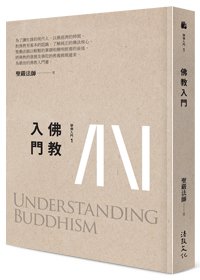
佛教入門
為了讓忙碌的現代人,以最經濟的時間,對佛教有基本的認識,了解純正的佛法核心,聖嚴法師以輕鬆的筆調和簡明扼要的敘述,將佛教的發展及佛陀的教義娓娓道來。為最佳的佛教入門書。為了讓現代人在最經濟的時間內理解佛教,聖嚴法師根據當代佛教學界最新的研究成果,用深入淺出的筆法,勾勒出佛教的基本脈絡,還原佛教的根本面貌。本書分為三大單元──一、「佛陀示現」:佛陀的人格和思想、印度的環境、教團的發展和演變……二、「基本教義」:何謂四聖諦、五蘊、十二因緣、因果、唯名、唯心……三、「修持方法」:修行的層次和方法、學佛的基礎、在家居士如何學佛……內容簡單扼要,論述明確,對於任何想了解佛教的人,這是一本絕對不容錯過的佛學入門書!
作者簡介
聖嚴法師(1930-2009年)聖嚴法師1930年生於江蘇南通,1943年於狼山出家,後因戰亂投身軍旅,十年後再次披剃出家。曾於高雄美濃閉關六年,隨後留學日本,獲立正大學文學博士學位。1975年應邀赴美弘法。1989年創建法鼓山,並於2005年開創繼起漢傳禪佛教的「中華禪法鼓宗」。聖嚴法師是一位思想家、作家暨國際知名禪師,曾獲臺灣《天下》雜誌遴選為「四百年來臺灣最具影響力的五十位人士」之一。著作豐富,中、英、日文著作達百餘種,先後獲頒中山文藝獎、中山學術獎、總統文化獎及社會各界的諸多獎項。聖嚴法師提出「提昇人的品質,建設人間淨土」的理念,主張以大學院、大普化、大關懷三大教育推動全面教育,相繼創辦中華佛學研究所、法鼓文理學院、僧伽大學等院校,也以豐富的禪修經驗、正信的佛法觀念和方法指導東、西方人士修行。法師著重以現代人的語言和觀點普傳佛法,陸續提出「心靈環保」、「四種環保」、「心五四運動」、「心六倫」等社會運動,並積極推展國際弘化工作,參與國際性會談,促進宗教交流,提倡建立全球性倫理,致力世界和平。其寬闊胸襟與國際化視野,深獲海內外肯定。
作者
NT$
$195
|
78折
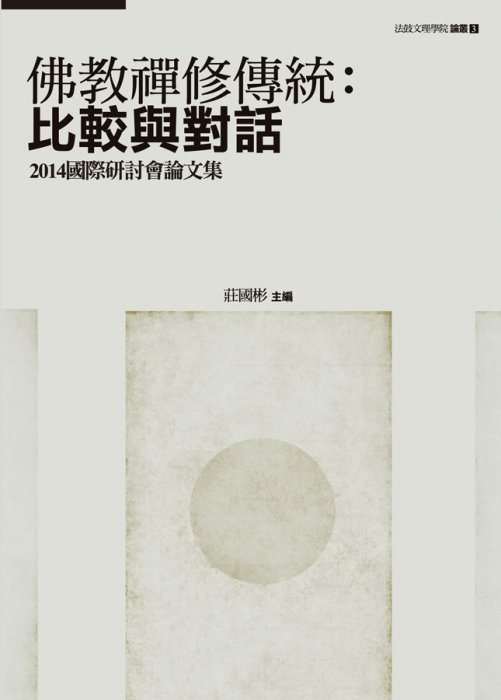
佛教禪修傳統:比較與對話—2014國際研討會論文集
佛教禪修傳統研究視野與思想交流,是近年來世界佛教學術研究的重要新趨勢,法鼓文理學院於二○一四年十月舉辦「佛教禪修傳統:比較與對話」國際研討會,邀請德國、比利時、義大利、美國、印度、日本、臺灣等地學者,就不同面向深入探討佛教禪修議題。
本論文集精選此次國際研討會中七篇論文,內容涵蓋早期佛教文獻對第二禪的探討、南北大眾部對於禪修中定心與頓悟的比較、禪修中的性格分類、印度與中國佛教教義與禪修經驗的比較、觀經變相圖的比較研究、看話禪的研究,以及中國禪宗詩偈於生命教育之應用初探。
藉由傳統與現代議題對談,呈現多元面貌的理論與實踐方式,提供禪修研究新的觀點。
作者簡介
Bhikkhu AnalayoDharma Drum Institute of Liberal Arts
Bart DesseinGhent University
Mahesh A. DeokarSavitribai Phule Pune University
Eric M. GreeneYale University
Nobuyoshi YamabeWaseda University
賴賢宗國立臺北大學
辜琮瑜法鼓文理學院
(按論文順序排序)
作者
NT$
$328
|
78折

正信的佛教
佛教在歷經二千多年的傳播後,其根本精神在流布期間,摻雜諸多異質的成分,而有了曲解及湮沒。為了導正信念,究竟佛法的基本認知,書中列舉了七十項淺顯而實際重要的問題,讓人們真正了解佛教,一窺真貌。做為世界性的一大宗教和思想體系,佛教可說是非常特殊的。既是徹底的無神論,又絕對不同於唯物論。因此,佛教似宗教而又非宗教,類哲學而又非哲學,通科學而又非科學。這不但是佛教最迷人的地方,卻也是最容易造成誤解之處。書中提出七十個現代知識分子在佛教信仰及佛學理論上,常常遇到或想到的問題,看似淺顯,卻都是實際而且重要的,例如:佛陀是創世主嗎?宇宙和生命從哪裡來的?佛教相信輪迴、超度嗎?因果定律的正確性?信佛一定要出家嗎?信仰佛教必須吃素嗎?教徒可以離婚嗎?佛教反對節育嗎?佛教是重男輕女的嗎?……聖嚴法師以實修實證的素養,紮實的學術背景,透過簡單而易懂的文字,幫助讀者輕鬆進入佛陀的世界,一窺佛教的堂奧。
作者簡介
聖嚴法師(1930-2009年)聖嚴法師1930年生於江蘇南通,1943年於狼山出家,後因戰亂投身軍旅,十年後再次披剃出家。曾於高雄美濃閉關六年,隨後留學日本,獲立正大學文學博士學位。1975年應邀赴美弘法。1989年創建法鼓山,並於2005年開創繼起漢傳禪佛教的「中華禪法鼓宗」。聖嚴法師是一位思想家、作家暨國際知名禪師,曾獲臺灣《天下》雜誌遴選為「四百年來臺灣最具影響力的五十位人士」之一。著作豐富,中、英、日文著作達百餘種,先後獲頒中山文藝獎、中山學術獎、總統文化獎及社會各界的諸多獎項。聖嚴法師提出「提昇人的品質,建設人間淨土」的理念,主張以大學院、大普化、大關懷三大教育推動全面教育,相繼創辦中華佛學研究所、法鼓文理學院、僧伽大學等院校,也以豐富的禪修經驗、正信的佛法觀念和方法指導東、西方人士修行。法師著重以現代人的語言和觀點普傳佛法,陸續提出「心靈環保」、「四種環保」、「心五四運動」、「心六倫」等社會運動,並積極推展國際弘化工作,參與國際性會談,促進宗教交流,提倡建立全球性倫理,致力世界和平。其寬闊胸襟與國際化視野,深獲海內外肯定。
作者
NT$
$117
|
78折
(英文版) 雜阿含研究 Saṃyukta-āgama Studies
The present book collects research papers by Bhikkhu Anālayo with translations of Saṃyukta-āgama discourses and comparative studies of their Pāli parallels, together with two appendices on the relationship between commentary and discourse as well as on the Udāna collection. Topics taken up in the course of the studies are the four noble truths as a diagnostic scheme, concern for the welfare of others, the transfer of merit, humour, Aṅgulimāla, teachings to laity, attitudes towards nuns, arahants and suicide, teaching and awakening, the gender-inclusiveness of the address 'monk', the acrobat simile, mindfulness of breathing, the Buddha's first discourse, self-cremation, and the Buddha's visit to his mother in the Heaven of the Thirty-three.
作者簡介
Bhikkhu Anālayowas born in Germany in 1962 and ordained in Sri Lanka in 1995. He completed a Ph.D. thesis at the University of Peradeniya (Sri Lanka) in 2000 and a habilitation thesis at the University of Marburg (Germany) in 2007. At present he is a professor at the University of Hamburg, Numata Center for Buddhist Studies (Germany), and a researcher at the Dharma Drum Institute of Liberal Arts (Taiwan).
作者
NT$
$484
|
78折
(英文版) 長阿含經研究論文集 Research on the Dīrgha-āgama
This is the second volume of proceedings of the Āgama seminars convened by the Āgama Research Group at the Dharma Drum Institute of Liberal Arts (formerly Dharma Drum Buddhist College). On this occasion, the Āgama Research Group met to discuss the early collections of long discourses transmitted by the different Buddhist schools. Thanks to the discovery and ongoing publication of the incomplete Sanskrit Dīrgha-āgama manu¬script from Gilgit, three different versions of the Collec¬tion of Long Discourses are now avail¬able for comparative study: the Pali Dīgha-nikāya transmitted within the Theravāda tradition, the just-mentioned Dīrgha-āgama in Sanskrit, identified as Sar¬vās¬ti-vāda or Mūlasarvāstivāda, and the Chinese translation of an Indic Dīrgha-āgama (長阿含經), generally considered to be affiliated with the Dhar¬ma¬¬guptakas. The six papers collected here focus on research on these various incarnations of the collections of long discourses in comparative perspective.
作者簡介
About the editor:Sāmaṇerī DhammadinnāDharma Drum Institute of Liberal Arts
About the contributors:Bhikkhu AnālayoNumata Center for Buddhist Studies, University of Hamburg &Dharma Drum Institute of Liberal Arts
Roderick S. BucknellUniversity of Queensland
Toshiichi Endo (遠藤敏一)Centre of Buddhist Studies,The University of Hong KongJens-Uwe HartmannLudwig-Maximilians-Universität of Munich
Jen-jou Hung (洪振洲)Dharma Drum Institute of Liberal Arts
Seishi Karashima (辛嶋靜志)The International Research Institute for Advanced Buddhologyat Soka University
作者
NT$
$250
|
78折
知識與解脫:促成宗教轉化之體驗的藏傳佛教知識論
本書是美籍佛教學者安妮‧克萊因(Anne C. Klein)的藏傳佛教格魯派經量部量論學說的知識論研究。所據的資料包括:清代章嘉、第一及第二的兩世嘉木樣、普覺強巴、三大寺的攝類學教科書及藏傳學僧的口註等。作者指出:格魯派的經量部闡述既繼承印度經量部對感官認知的重視,也企圖克服印度經量部對「概念思維」在認知功能上的不確定結論,並確立概念思維的認知有效性及語言的可傳遞性。透過探討格魯派的經量部二諦說、對象的分類、各類對象在知覺與概念認知的不同功能,及「否定」的運作與它的語言功能,作者說明格魯派如何既為知覺與概念認知建立具一貫性的知識論基礎,同時也確保兩種功能之間能相融不悖,這些皆為西方哲學的共通課題。作者也剖析格魯派如何把佛教以省察認知局限,及對治認知妄謬,來作為宗教解脱的關鍵要素之觀點推到極致,使經量部成為應成中觀解脱論的知識論基礎,當中包括概念認知作為宗教解脱的必要條件,以及經量部「否定」說作為應成中觀見表述「空」義的基礎等宗教性的哲學課題。全書由導論、格魯派經量部二諦說、達倉二諦說、現量、概念思維、遮詮與分齊、非遮、無遮、命名及結論共十章組成,本書完整而結構細緻地陳述了格魯派量論的主要獨特論點,對於無論是研究印藏量論或中觀的學者而言,都是一部無從繞開的關鍵論著。
作者簡介
安妮.克萊因(Anne C. Klein)美籍藏傳佛教哲學專家。一九八一年博士畢業於美國維吉尼亞大學(University of Virginia)宗教學系。後任教於德州候斯頓市賴斯大學(Rice University)宗教學系迄今。專著除中譯的《知識與解脱》外,尚包括《認知、命名與否定:藏傳經量部資料集》、《入中道:西藏的口傳中觀哲學》、《遇上勝鬘夫人:佛弟子、女性主義及自我的技藝》及《無邊的整體性: 苯教、大圓滿法及離概念的思路》等。
譯者簡介
劉宇光臺灣大學哲學系及加拿大滑鐵盧大學(University of Waterloo)學士、香港中文大學哲學碩士、香港科技大學哲學博士,任教於上海復旦大學哲學學院。主要研究領域為東亞有相唯識(Sākāra-vijnānavāda),除博士論文外,即將出版《東亞有相唯識所知障概念的哲學研究》(2012年秋),兼治佛學研究方法論及當代佛教公共議題,另譯有納芭(E. Napper)《緣起與空性》(Dependent Arising and Emptiness),並撰有佛教哲學論文多篇,刊於北京、臺北及香港學術刊物。
作者
NT$
$351
|
78折
中國佛教研究入門
中國佛教研究日新月異,豐富多元,而且早已是國際化的領域。日本學界在佛教研究的領域一向具有引導潮流的重要地位,此書結合日本學界中國佛教研究的眾多菁英,撰寫者在各自研究領域皆是一時之選,以深入淺出的方式介紹中國佛教研究的相關知識,堪稱最為完備的入門導覽。全書分成總論與各論兩部分,總論包括研究方法、經典文獻、地域特徵;各論主要是以歷史進程介紹各個朝代的佛教,在隋唐時代,又個別介紹不同的宗派特質與思想主張。綱舉目張,清晰可從。對有志於中國佛教研究的讀者而言,實為不能錯過的精彩之作。
編者簡介
岡部和雄1935年生於秋田縣,駒澤大學畢業,駒澤大學名譽教授。主要著作有《佛教の步んだ道》第1卷(東京書籍,1986)、〈四十二章經の成立と展開〉(《駒澤大學佛教學部研究紀要》251,1967)、〈經錄における賢聖集傳の地位〉(《鈴木學術財團研究年報》11,1975)、〈禪僧の注抄と疑偽經典〉(《講座敦煌8 敦煌佛典と禪》,大東出版社,1980)、〈譯經史と禪宗〉(《東洋の思想と宗教》23,2006)等書。田中良昭1933年生於東京都,駒澤大學畢業,駒澤大學名譽教授。主要著作有《敦煌禪宗文獻の研究》(大東出版社,1983)、《慧能研究》(共著,大修館,1978)、《敦煌佛典と禪》(共編著,大東出版社,1980)、《慧能》(共著,大藏出版,1982)、《禪學研究入門》(編著,大東出版社,1994)等書。
譯者簡介
辛如意臺北市人,政治大學新聞系畢業,名古屋大學國際開發研究所碩士畢業,同研究所博士肄業。翻譯著作有《風月秦淮—中國遊里空間》、《空色勾玉》、《白鳥異傳》、《薄紅天女》、《風神祕抄》、《川之光》等書。
作者
譯者
辛如意
NT$
$421
|
78折

人生518期:自我感覺良好,不好嗎?
自我感覺良好,不好嗎?
人們常掛在嘴邊的「自我感覺良好」,其實是身心健康安定的基礎,只是,這份「感覺良好」從哪裡來?周遭的人對你的感覺也良好嗎?若不能在自、他、群體、環境之間清楚觀照,「慢心」便可能悄悄生起。
慢,往往藏在一個人最有把握的地方。年資、學養、經驗、修行,乃至奉獻與承擔,都可能成為慢心依附之處,而且愈是自己珍視的成就,愈不容易察覺。本期專題從測驗開始,看見自己習慣用哪一種「慢」保護自己;再從阿德勒心理學理解比較與優越感如何形成,透過佛典故事辨認藏在生活與修行裡的慢心。六個關鍵Q&A進一步釐清自信與慢的分際,以及修行、承擔、團體認同,為何也可能養大一個「我」;最後透過四個日常練習,逐步鬆開對高下與自我的執取。
「《法鼓全集》導讀」介紹《全集》第一輯,內容涵蓋明末佛教、戒律學、基督教研究與比較宗教學等聖嚴法師早年的學術著作。果毅法師深入淺出導讀各部作品,並選出「值得先讀」的篇章,幫助讀者理解師父早年治學與寫作的初心。「手抄生活智慧」讀元代優曇大師的念佛開示:無論有事無事、安樂病苦,一句「阿彌陀佛」念念不忘;當一念清楚分明,歸程也就不必向外尋覓。
慢,藏在不自覺的比較裡【測驗篇】你正在用慢保護自己嗎?【心理篇】人為什麼總想展現優越感?破解優越感情結【佛典篇】憂陀延王、婆耆奢尊者、善見比丘 細微處發現慢【觀念篇】慢心Q&A:六個關鍵提問
【《法鼓全集》導讀】掌握聖嚴法師學術著作精華【手抄生活智慧】有事無事 念念不忘阿彌陀佛
作者
NT$
$190
|
95折

好讀雜阿含經 第三冊~第四冊合購優惠套書
【好讀雜阿含經 第三冊~第四冊合購】《好讀 雜阿含經》為「台大獅子吼站」20年讀經會成果集結,以現代人易懂易學的方式,讓佛法核心教義變得容易閱讀、人人想讀。好讀亮點:讓經藏變得容易解讀.原文標點/清晰註解.白話導讀/圖表解說.對應經典/以經解經.讀經拾得/生活應用
好讀雜阿含經 第三冊:實修實證自在解脫(卷二十一至卷三十)本冊主題「實修實證、自在解脫」,為佛陀教導的實修方法;並節錄《相應部尼柯耶》經文中譯,以補足漢譯本「念處相應」、「正勤相應」……等佚失,讀者切莫錯過。好讀雜阿含經 第四冊:眾生有問佛陀來答(卷三十一至卷四十)本冊主題「眾生有問,佛陀來答」,呈現一幕幕佛陀說法的真實現場:出家、在家的佛弟子,病人、老人、犯戒者、外道修行者、村落首領,乃至天人、天帝釋與天魔,都曾帶著各自的疑問,向佛陀請益。
編者簡介
台大獅子吼佛學專站1995年成立於台大佛學研究中心,是華人世界至今歷史最悠久的佛法討論專站,也是至今少數不隸屬特定宗派及道場的佛教討論園地。台大獅子吼站以釋迦牟尼佛教法為中心、不營利、不分宗派及道場,而由眾佛子以和合僧眾的風格經營,群策群力。站上的討論,提倡「深入經藏、以經解經」的思辨方法,另外並秉持「依法不依人」的立場,探索佛陀原義,提供清淨的討論空間。台大獅子吼站也扮演了接引初機的平台,站友們勉勵以淺白的文字讓初學佛者更能參與討論,增進對佛法的認識。
作者
譯者
劉宋 求那跋陀羅尊者
NT$
$1,500
|
7折

好讀雜阿含經 第二冊~第四冊合購優惠套書
【好讀雜阿含經 第二冊~第四冊合購】《好讀 雜阿含經》為「台大獅子吼站」20年讀經會成果集結,以現代人易懂易學的方式,讓佛法核心教義變得容易閱讀、人人想讀。好讀亮點:讓經藏變得容易解讀.原文標點/清晰註解.白話導讀/圖表解說.對應經典/以經解經.讀經拾得/生活應用
好讀雜阿含經 第二冊:緣生緣滅原來如此(卷十一至卷二十)本冊主題為「緣生緣滅,原來如此」,佛陀為我們分析煩惱與因緣的關係,並教導我們如何使煩惱不再生出。以及佛陀說「四聖諦」的內容,佛陀強調四聖諦就是真理,別無分號;並有舍利弗、目犍連、阿那律、大迦旃延、阿難尊者的精彩說法等。好讀雜阿含經 第三冊:實修實證自在解脫(卷二十一至卷三十)本冊主題「實修實證、自在解脫」,為佛陀教導的實修方法;並節錄《相應部尼柯耶》經文中譯,以補足漢譯本「念處相應」、「正勤相應」……等佚失,讀者切莫錯過。好讀雜阿含經 第四冊:眾生有問佛陀來答(卷三十一至卷四十)本冊主題「眾生有問,佛陀來答」,呈現一幕幕佛陀說法的真實現場:出家、在家的佛弟子,病人、老人、犯戒者、外道修行者、村落首領,乃至天人、天帝釋與天魔,都曾帶著各自的疑問,向佛陀請益。
編者簡介
台大獅子吼佛學專站1995年成立於台大佛學研究中心,是華人世界至今歷史最悠久的佛法討論專站,也是至今少數不隸屬特定宗派及道場的佛教討論園地。台大獅子吼站以釋迦牟尼佛教法為中心、不營利、不分宗派及道場,而由眾佛子以和合僧眾的風格經營,群策群力。站上的討論,提倡「深入經藏、以經解經」的思辨方法,另外並秉持「依法不依人」的立場,探索佛陀原義,提供清淨的討論空間。台大獅子吼站也扮演了接引初機的平台,站友們勉勵以淺白的文字讓初學佛者更能參與討論,增進對佛法的認識。
作者
譯者
劉宋 求那跋陀羅尊者
NT$
$2,100
|
7折

好讀雜阿含經 4冊合購優惠套書
【好讀雜阿含經 四冊合購】《好讀 雜阿含經》為「台大獅子吼站」20年讀經會成果集結,以現代人易懂易學的方式,讓佛法核心教義變得容易閱讀、人人想讀。好讀亮點:讓經藏變得容易解讀.原文標點/清晰註解.白話導讀/圖表解說.對應經典/以經解經.讀經拾得/生活應用好讀雜阿含經 第一冊:遠離憂悲苦惱(卷一至卷十)記載佛陀最初的根本教法與叮囑,從人天善道的修持,到究竟解脫之道,是研習佛法的必讀經典。首冊主題「遠離憂悲苦腦」,只要有心,人人都能離苦得樂。好讀雜阿含經 第二冊:緣生緣滅原來如此(卷十一至卷二十)本冊主題為「緣生緣滅,原來如此」,佛陀為我們分析煩惱與因緣的關係,並教導我們如何使煩惱不再生出。以及佛陀說「四聖諦」的內容,佛陀強調四聖諦就是真理,別無分號;並有舍利弗、目犍連、阿那律、大迦旃延、阿難尊者的精彩說法等。好讀雜阿含經 第三冊:實修實證自在解脫(卷二十一至卷三十)本冊主題「實修實證、自在解脫」,為佛陀教導的實修方法;並節錄《相應部尼柯耶》經文中譯,以補足漢譯本「念處相應」、「正勤相應」……等佚失,讀者切莫錯過。好讀雜阿含經 第四冊:眾生有問佛陀來答(卷三十一至卷四十)本冊主題「眾生有問,佛陀來答」,呈現一幕幕佛陀說法的真實現場:出家、在家的佛弟子,病人、老人、犯戒者、外道修行者、村落首領,乃至天人、天帝釋與天魔,都曾帶著各自的疑問,向佛陀請益。
編者簡介
台大獅子吼佛學專站1995年成立於台大佛學研究中心,是華人世界至今歷史最悠久的佛法討論專站,也是至今少數不隸屬特定宗派及道場的佛教討論園地。台大獅子吼站以釋迦牟尼佛教法為中心、不營利、不分宗派及道場,而由眾佛子以和合僧眾的風格經營,群策群力。站上的討論,提倡「深入經藏、以經解經」的思辨方法,另外並秉持「依法不依人」的立場,探索佛陀原義,提供清淨的討論空間。台大獅子吼站也扮演了接引初機的平台,站友們勉勵以淺白的文字讓初學佛者更能參與討論,增進對佛法的認識。
作者
譯者
劉宋 求那跋陀羅尊者
NT$
$2,620
|
7折

好讀雜阿含經 第四冊:眾生有問佛陀來答 卷三十一至卷四十
親近佛陀的根本教法人生的疑問,佛陀一一為你解答《好讀 雜阿含經》第四冊核心說明:因緣法與修持聖道的法門,更生動地記載天神、婆羅門及各類眾生,向佛陀拋出關於——生死、修行、因果、苦樂等種種生命的難題。
▍走進佛陀說法的現場
卷三十一至卷四十,呈現一幕幕佛陀說法的真實現場:出家、在家的佛弟子,病人、老人、犯戒者、外道修行者、村落首領,乃至天人、天帝釋與天魔,都曾帶著各自的疑問,向佛陀請益。從外道對哲學命題的追問、聚落主對倫理與業力的疑惑,以及眾生對貪愛、苦樂、生死等生命問題的探尋,面對不同身分、不同處境、不同問題,佛陀沒有一套僵化的答案,而是隨順因緣、善巧開示,以慈悲與智慧,從不同角度引導眾生建立正見、消解煩惱。從世間的困惑到解脫之道,我們看見佛法如何回應真實的人生,讀經不只是理解古老經文,也是在佛陀的問答之中,看見自己今天仍會遇到的人生課題。這一次,且看眾生如何發問,佛陀如何解答。
▍本書特色
.眾人智慧結集的讀經法寶源自「台大獅子吼佛學專站」十多年線上讀經班的研習成果,由眾多佛子義工共同編註,秉持「以經解經」的原則,反覆研讀、討論與考訂。.白話導讀,原典好讀易懂每卷提供白話導讀,協助讀者進入經文情境;並配有新式標點、校勘與直譯註解,文字簡明清晰,配合圖表解說,降低閱讀經典的門檻。.以經解經、旁徵博引整理漢譯異譯及南傳《尼柯耶》的對應經號,並提供相關經典資料,方便有興趣深入探索的讀者進一步研習。.從經文走進日常生活「讀經拾得」將經文中的佛法智慧,連結現代人的生活經驗與修行實踐,從四聖諦、十二因緣到四無量心,讓讀經不止於理解,更能落實於生活。
▍教界學界,聯合推薦
《好讀 雜阿含經》是由科技人成立的台大獅子吼佛學專站,多年以來進行線上讀書會、經過長期相互切磋琢磨而完成的一部古典今讀現代註釋書。其嚴謹和精準很符合科學精神,而其無私的法施更是佛法的實踐。——釋恆清(台大佛學研究中心創辦人)《好讀 雜阿含經》深入淺出、古今輝映,是劃時代、開創性的讀經會成果,也是電子佛典未來的發展方向。——釋惠敏(法鼓文理學院校長)《阿含經》是三乘共依的聖典,中觀系的《中論》、《大智度論》都引用《阿含經》說明緣起中道深義,瑜伽系的《瑜伽師地論.攝事分》更廣釋《雜阿含經》,可見大乘論師對《阿含經》的重視。本書綜合讀書會之討論,並參照漢譯各版三藏以及南傳的相對應經文,簡明扼要以白話加註解說,值得參考。——釋厚觀(福嚴佛學院院長)本書於自學研讀《雜阿含經》者,猶如一本小型的工具書,更匯集了多位善知識的修行心得,提供讀者現實生活中的觀察與應用實例。——釋自衍(香光尼眾佛學院圖書館館長)
▍好讀 雜阿含經系列(全五冊)第一冊|遠離憂悲苦惱(卷一至卷十)第二冊|緣生緣滅原來如此(卷十一至卷二十)第三冊|實修實證自在解脫(卷二十一至卷三十)第四冊|眾生有問佛陀來答(卷三十一至卷四十)第五冊|出版預備中
從遠離憂悲苦惱,到理解緣生緣滅;從實修實證,到面對眾生提出的種種人生問題,逐步展開《雜阿含經》的修學脈絡。佛陀的教導,不只回答古人的問題,也照見今日的我們。跟著一個個真實的提問,重新走進佛陀說法的現場;在經文的問答之間,看見自己的疑惑,也找到面對人生的智慧與方向,讓佛陀的智慧,成為日常生活中清明而自在的力量。
編者簡介
台大獅子吼佛學專站1995年成立於台大佛學研究中心,是華人世界至今歷史最悠久的佛法討論專站,也是至今少數不隸屬特定宗派及道場的佛教討論園地。台大獅子吼站以釋迦牟尼佛教法為中心、不營利、不分宗派及道場,而由眾佛子以和合僧眾的風格經營,群策群力。站上的討論,提倡「深入經藏、以經解經」的思辨方法,另外並秉持「依法不依人」的立場,探索佛陀原義,提供清淨的討論空間。台大獅子吼站也扮演了接引初機的平台,站友們勉勵以淺白的文字讓初學佛者更能參與討論,增進對佛法的認識。
作者
譯者
劉宋 求那跋陀羅尊者
NT$
$772
|
78折

三峰派仁山寂震思想研究
發掘珍稀藏外文獻,重構明清禪宗發展脈絡還原清初「臨濟第一人」思想全貌的專著
「在本書中,雅雯展現了令人驚豔的學術底蘊,不僅有嚴謹的文獻考據功底,還有能以清明、敏銳的現代學術視角,精準地剖析出仁山寂震思想。」——釋果鏡(中華佛學研究所所長)
「雅雯的仁山寂震相關研究,不僅填補一塊巨大的空白,更將三峰派禪法的奧義十字打開,成為認識三峰派的祕密大手印。未來也將是臺灣在此一領域的里程碑。」——廖肇亨(中央研究院中國文哲研究所研究員)
明末清初之際,臨濟宗三峰派倡導「禪教相印」、重視綱宗辨析,在江南禪林掀起深遠波瀾。然而,歷來學界研究多聚焦於創祖漢月法藏,對其門下重要法嗣的思想與實踐,始終缺乏系統性的探討。
仁山寂震(1631-1697)兼具禪僧、詩僧與遺民僧等多重身分,一生弘化不輟,畢生著述達一百六十餘卷,是康熙時期引領宗派發展的重要人物,晚年被尊為「臨濟宗第一人」。他「於無文字中立文字」,以「直截為本、曲示方便」為宗旨,融通話頭參禪、經教注疏、懺儀實踐與詩歌創作,建立兼顧修證與教化的禪學體系。
本書作者深研漢傳佛教與明清禪宗,系統性發掘長期隱沒於歷史中的珍稀藏外文獻,考證寂震生平、人際網絡與時代背景,逐一考察《仁山和尚寶華語錄》、《大般若懺法》、《仁叟禪師華頂別集》(含264首〈廣寒山詩〉)及《金剛三昧經通宗記》等,從生平、交遊、著作、參禪、禪懺、禪教與禪詩等面向,深入分析寂震的思想及法脈傳承。
透過嚴謹的歷史考據與思想史分析,本書不僅填補明清佛教史與三峰派研究的學術空白,也重新檢視「清初禪學衰落論」,為理解明清禪宗的發展脈絡與漢傳佛教思想的演變,開拓更寬廣的研究視野。對禪宗思想及實修法門有興趣的讀者,亦可由此進一步認識仁山寂震的禪學思想與實踐。
作者簡介
張雅雯
現為中華佛學研究所助理研究員,法鼓文理學院兼任助理教授。臺大法律系學士、美國威斯康辛大學法學碩士,早年從事法律工作,後負笈法鼓文理學院佛教學系攻讀碩士及博士學位,研究領域為禪宗與明清佛教。
著作見三峰派相關期刊論文,並參與中華佛學研究所編註之《三峰派參禪鍛鍊指南》、《《金剛三昧經通宗記》校釋》。致力於將禪學論述結合生活實踐,以體驗活動分享佛法;2022年與法鼓校友共同創辦「i培力」公益平台,藉由多元化實驗課程,陪伴參與者體驗放鬆、專注、覺察與自我探索。
作者
NT$
$374
|
78折

念佛50問(大字版)
念佛,為自己的心開光。念佛可以開悟嗎?念佛為何可以消業障?悲傷或生氣時如何念佛?生病時,改念藥師佛或觀音菩薩比較有效嗎?「阿彌陀佛」是許多人認識佛教的起點,你是否想過,一句簡短的佛號,背後蘊含著多麼深沉而動人的力量。念佛的「念」字,上「今」下「心」,意味著「現在心」,每一個當下的念頭,都不離自心,就像用一根溫柔的繩子,將心與佛號緊緊繫在一起。唐朝宰相裴休請黃檗禪師為佛像開光時,禪師便說:「何必一定要在佛像身上開光?何不在你自己心上開光?」念佛就是為自己開光,讓我們念念都在自心的光明之中。念佛看似簡單,真正開始修持時,不免會有許多似懂非懂的疑問。本書從念佛方法、發音疑慮、情緒平息、失眠轉念到病苦關懷……等,一一提出清晰解答,更提醒我們,念佛不只是口中反覆念誦一句佛號,更重要的是「心念」。在散亂時,收攝身心。在生氣時,調柔自己。在悲傷時,安定情緒。面對生命的困頓與轉折時,找回內在的力量。一句佛號,提醒著自己:此刻,回到清淨、安定的心。本書特色▍方法具體,從零開始認識念佛 涵蓋念佛的基礎觀念與方法,提供睡前默念安心、轉化情緒起伏、病中陪伴與生死關懷等具體做法,在念念之間,遇見當下的清淨與自由。▍真正融入生活,現代人身心紓壓的解方解答念佛環境及輔助工具的疑惑,強調念佛不限場所與時間,無論走路、乘車、工作或生活的零碎時刻,甚至暫時放下手機,都能隨時念佛,將修行融入日常。▍大字清晰,閱讀無負擔專為閱讀設計的大字版本,舒適好讀,適合各年齡層讀者隨時翻閱修持。——✦——念念與佛同在 ‧ 時時平安吉祥真正念佛的聲音,應該是像孩童一般天真喜悅的聲音,一心念佛、相信佛!每句佛號都是無量光與無量壽的祝福。開始念佛,無論你是二十歲、四十歲,或八十歲,都能把無盡的光明與美好,帶回每一天的生活裡。現在,就可以念一聲「阿彌陀佛」!
作者
NT$
$172
|
78折

放下的幸福:聖嚴法師的47則情緒管理智慧(二版)
情緒來了,怎麼辦?幸福,可以從「放下」開始。情緒管理 × 佛法智慧 × 幸福生活
人人都在追求幸福,卻常常一邊追,一邊被情緒與執著困住。遇到不順心的人事,忍不住生氣;明明得到了想要的東西,心裡還是不滿足;面對未知與變化,難免恐懼、憂心……。為什麼擁有得更多,心卻未必更快樂?
聖嚴法師從日常生活中最常見的情緒煩惱談起,帶我們看見五種偷走幸福的情緒黑洞——貪、瞋、癡、慢、疑,並以佛法智慧提供具體的方法,幫助我們重新理解情緒、調整心態,學習放下執著。
「動情緒是划不來的,因為最後倒楣的還是自己。」「很多煩惱都是沒有必要的。」「忍並不是忍氣吞聲地受委屈,而是克制自己的衝動,不要馬上做出反應。」
當我們清楚情緒從何而來,懂得鬆開過度的欲求、憤怒、比較與猜疑,心就有了重新選擇的空間。
真正的幸福,不必依賴外在的人、事、物。心態決定命運,換一個觀念,就能改變結果。只要善用方法,一一化解心中的執著,便能處在清楚、愉快與平靜的狀態。心放下了,幸福就來了。
▍本書特色
• 一句智慧,打開一個心結聖嚴法師善於用簡潔有力的語言,釐清一般人容易混淆的觀念,讀來直接、清晰,也值得反覆思考。
• 不只是說理,更提供層次分明的解決之道書中提供多種簡單、實用的日常覺察練習。當怒火來襲時專注於呼吸、在焦慮時轉換念頭,或是透過念佛號轉移情緒,讓你在呼吸與舉手投足之間,體驗「生活即修行」的充實與安定。
• 重建內在平靜,找回「不外求」的快樂幸福不在變幻無常的情緒感受,也不必向外尋找。從書中的智慧出發,慢慢看見自己的執著與不安。「不懂就說不懂」,少一點逞強與猜疑;相信因緣,放下不必要的焦慮與恐懼。換個觀念看事情,幸福可以很從容、很簡單。
很多事情,不需要一直放在心上。很多情緒,也不必每一次都跟著走。現在,就從放下開始,讀懂聖嚴法師寫給你的幸福心法。
這本書可以幫助你
覺察情緒與念頭的變化,學習逐步讓心安定的方法。
分辨需要與想要,調整心態,讓努力有更自在的方向。
面對衝突與不如意,練習緩和怒氣、釐清問題,對環境做出適當的回應。
在比較與自我懷疑中,認識自己的能力與限制,培養踏實的自信。
面對未來的不確定,學習做好準備、專注當下,把心力放在可以實踐的事上。
你可以從這裡開始
情緒一來就難以平靜,該從哪裡著手?建議閱讀:〈情緒從哪裡來?〉聖嚴法師從散步、喝水、找朋友談談等日常方法談起,進一步引導讀者觀察念頭的生起與消失。本篇提供由淺入深的練習方向,讓你先緩和情緒,再逐步學習覺察,減少被煩惱牽動的時候。
想努力追求美好生活,卻也感到疲憊?建議閱讀:〈轉貪心為願心〉從分辨「需要」與「想要」開始,聖嚴法師說明欣賞美好事物、追求生活品質的動機,如何在過度占有與執著中變成煩惱。本篇也指出,期待與追求可以朝向付出、奉獻,轉為讓自己與他人共同成長的願心,幫助你重新思考努力的方向。
遇到不合理的對待,該如何回應才恰當?建議閱讀:〈逆境要忍,順境也要忍〉面對衝突時,可以先緩下衝動,瞭解發生了什麼,再選擇適當的時機回應。本篇釐清忍辱與忍氣吞聲的差別,也介紹把注意力放在呼吸上的方法,幫助你在怒氣升起時,為自己留下思考與處理問題的空間。
看見別人好像過得更好,想找回對自己的信心?建議閱讀:〈是自信,還是自負?〉聖嚴法師從比較帶來的失落談起,說明自信建立在對自身能力的瞭解,也提醒我們,事情的成就需要各種因緣配合。本篇引導你看見自己的能力與眼前的機會,練習把注意力放回能做的事,減少以別人的成就衡量自己。
經常為還沒發生的事擔心,無法安心?建議閱讀:〈自信度過每一天〉面對無法完全掌握的未來,聖嚴法師提出從瞭解自己的處境、為可預見的事情預作準備著手。本篇也提到,即使準備周全,仍可能遇到意料之外的變化,提醒你辨別無效的反覆擔憂,把心力用在當下能做的事上。
作者簡介
聖嚴法師(1930~2009年)聖嚴法師1930年生於江蘇南通,1943年於狼山出家,後因戰亂投身軍旅,十年後再次披剃出家。曾於高雄美濃閉關六年,隨後留學日本,獲立正大學文學博士學位。1975年應邀赴美弘法。1989年創建法鼓山,並於2005年開創繼起漢傳禪佛教的「中華禪法鼓宗」。聖嚴法師是一位思想家、作家暨國際知名禪師,曾獲臺灣《天下》雜誌遴選為「四百年來臺灣最具影響力的五十位人士」之一。著作豐富,中、英、日文著作達百餘種,先後獲頒中山文藝獎、中山學術獎、總統文化獎及社會各界的諸多獎項。聖嚴法師提出「提昇人的品質,建設人間淨土」的理念,主張以大學院、大普化、大關懷三大教育推動全面教育,相繼創辦中華佛學研究所、法鼓文理學院、僧伽大學等院校,也以豐富的禪修經驗、正信的佛法觀念和方法指導東、西方人士修行。法師著重以現代人的語言和觀點普傳佛法,陸續提出「心靈環保」、「四種環保」、「心五四運動」、「心六倫」等社會運動,並積極推展國際弘化工作,參與國際性會談,促進宗教交流,提倡建立全球性倫理,致力世界和平。其寬闊胸襟與國際化視野,深獲海內外肯定。
作者
NT$
$179
|
78折

佛教人物速寫100
人物,使思想有了面容。故事,使智慧有了溫度。
有人生於富貴,卻學會放下;有人歷經苦難,仍願意相信光明;有人以智慧照破迷惘,有人以慈悲溫暖世間。
精選佛教歷史中的100位重要人物,跨越印度、中國、西藏、日韓與東南亞,從佛陀、龍樹、密勒日巴,到玄奘、鑑真、弘一……,生動而溫潤的文字,捕捉每一位人物最鮮明的生命神采。
每一段人生,都可能成為照見自己的明鏡,而那些曾經的困惑、掙扎與選擇,也將成為我們面對當下的另一種答案。
▍跨越千年,與一個個真摯的生命相遇。
讀耶輸陀羅,如何在宮中守望,將世俗的情愛提煉為深刻的慈悲;讀央掘魔羅,一個曾經迷失的人,如何停下狂奔、重新開始;讀蕅益大師,在病苦與不斷推翻自我的掙扎中,開顯出深沉而明亮的信願;讀弘一大師,在半生繁華後,轉身為「悲欣交集」的天心月圓。
當我們看見他們如何面對欲望、挫折、病苦、離別、理想與抉擇,也許會忽然發現:千百年前的人所面對的生命難題,離我們並沒有那麼遠。
▍每個故事,最後都會回到自己。
本書以「速寫」為名,每一篇都是一扇微微開啟的門,不需具備佛學基礎,就能循著人物的速寫身影,緩緩走進佛教兩千五百多年的璀璨星河。
從歷史轉折的關鍵人物,到平凡生命的修行者,從高僧、祖師、譯經家、論師,到居士、女性與護法者,跨越時代、地域與身分,呈現佛教豐富而多元的面貌。
一百位人物,一百種生命風景,我們不只看見「他們如何成為自己」,也能回頭問問自己:如果是我,會如何抉擇?如果人生走到這一步,我又會怎麼走?
▍就從一個人、一段故事開始。
邀請你在故事的微光中,與久違、原真的初心重逢。
若能在喧囂的生活中,對生命有多一分理解、多一分慈悲;甚至願意開始溫柔地照見自己,那麼,這本書便有了它最溫暖的意義。
這本書可以幫助你
透過人物故事,輕鬆理解佛法思想與修行精神。
透過重要人物,初步認識佛教的傳播與各宗派的發展。
認識佛陀弟子、祖師、論師、譯經家與護法者,如何共同延續佛法。
從不同生命經歷中,看見求法、改過、承擔與堅持的力量。
利用零碎時間閱讀一則完整故事,逐步建立佛教通識。
你可以從這裡開始
想認識佛教,從哪裡開始?建議閱讀:〈釋迦牟尼佛——明星覺照菩提悟〉從悉達多太子面對老、病、死的疑問開始,跟隨他出家、經歷苦行與尋求解脫的歷程,初步認識中道、四聖諦與八正道。透過佛陀的生命故事,理解佛教所關心的苦,以及離苦的方向。
想認識佛陀最初的弟子,以及他們如何走上悟道之路?建議閱讀:〈憍陳如——阿羅漢之首〉憍陳如曾與悉達多太子同行苦修,也曾因不理解他放棄苦行而離去。本篇寫他如何在鹿野苑重新聆聽佛陀教導、領會四聖諦,帶你認識佛陀初次說法的故事,也看見發願、長久累積與重新理解在修行中的意義。
想認識佛教女性出家修行的開端?建議閱讀:〈大愛道——養母大愛,善女人之道〉大愛道既是佛陀的姨母與養母,也是一位堅定的求法者。本篇敘述她多次請求出家、與五百位女子落髮求法,直到阿難代為請願,終獲佛陀允許的歷程。透過她的故事,認識比丘尼僧團的開端,以及女性爭取出家修行機會的願心與行動。
想瞭解在家居士如何參與佛法的延續?建議閱讀:〈須達多——給孤獨長者〉須達多發心興建祇園精舍,也長年照顧孤苦、供養僧團。本篇透過他的布施與護持,呈現在家居士如何運用自身資源,為佛陀說法、僧眾修行與大眾聞法提供支持。
想從人物故事,思考犯錯之後如何轉變?建議閱讀:〈央掘魔羅——殺人魔成阿羅漢〉本篇敘述央掘魔羅因錯信教導而走向殺戮,直到遇見佛陀,停下傷害、懺悔並出家修行的轉折。透過這段強烈的生命對照,思考盲從的危險,以及面對錯誤、改變行動的可能。
作者簡介
林彥宏畢業於華梵大學中文系,淡江大學中文系碩士、國立東華大學中文系博士。自就讀華梵大學起,便在「覺之教育」的理念中學習與成長;持續以「覺」做為生命與教育實踐的核心,投入閱讀與寫作推廣、人文課程設計及教學工作。長年帶領慧炬機構、西蓮淨苑之閱讀、寫作與自由書寫課程。現為「華梵大學原來學苑實驗教育機構」計畫主持人、國立臺北商業大學兼任助理教授,曾任教於華梵大學、臺北市立大學、國立臺灣海洋大學及國立東華大學等校。思想不只存在於經典之中,也活在真實的人生故事裡;相信眾生的生命歷程,都是值得閱讀的經典。努力以現代語彙,引領讀者靠近佛法,進而從中獲得慈悲與智慧的滋養。
作者
NT$
$359
|
78折

人生517期:讀《法華經》,走上成佛之道
讀《法華經》,走上成佛之道
《法華經》被譽為「諸經之王」,是漢傳佛教影響深遠的重要經典,千百年來廣為讀誦、受持與信仰,也引導無數學佛者理解佛陀本懷,建立成佛的信心。
《法華經》二十八品,每一品皆有其深意。本期選取〈方便品〉、〈譬喻品〉、〈信解品〉、〈化城喻品〉、〈提婆達多品〉、〈安樂行品〉、〈如來壽量品〉、〈常不輕菩薩品〉、〈觀世音菩薩普門品〉及〈普賢菩薩勸發品〉等十品,帶領讀者掌握經典要義,也看見一條從理解、相信到實踐的成佛之道。
從火宅、化城的譬喻,到提婆達多蒙佛授記、龍女示現成佛,《法華經》一次次打破我們對「誰能成佛」的想像。常不輕的恭敬、觀音的慈悲、普賢的行願,更讓成佛不再是遙遠的目標,而是從當下每一次待人處事開始。果慨法師、羅財榮、張敏美分享,《法華經》如何走入他們的生活,轉化各自的生命。
「人生Podcast」邀您與果毅法師一起回望不同年代的農禪寺,聽見「歲月靜好」背後,那些不易被看見的故事。「焦點話題」東初禪寺監院常華法師受邀參加第三屆慈心大會(Metta Convention),從僧團制度、托缽行腳到跨傳承交流,看見佛教在西方社會的當代實踐。
跟著《法華經》,學佛不迷路【成佛地圖】打開成佛地圖 《法華經》關鍵十品方便品、譬喻品、信解品、化城喻品、提婆達多品、安樂行品如來壽量品、常不輕菩薩品、觀世音菩薩普門品、普賢菩薩勸發品【法華人物】果慨法師、羅財榮、張敏美 生活處處皆法華
【人生Podcast】從鐵皮屋到水月道場 隨果毅法師重返農禪好時光【焦點話題】常華法師從慈心大會看西方佛教新樣貌
作者
NT$
$190
|
95折

【高僧小說系列精選】全套20冊組合
《高僧小說》以生動感人且幽默有趣的文筆,表現出歷代高僧的精彩傳奇。含海內外顯密各宗高僧大德的偉大情操,與值得敬佩的行誼。內容生動活潑,可讀性高,並多次榮獲新聞局最佳讀物、插畫等獎項,對青少年而言,極具勵志性,對於一般人,亦能從淺易生動的文字中,一窺高妙的佛慧。《頓悟南蠻子:六祖惠能》一位目不識丁的南蠻子,震撼了中國禪宗,頓悟成佛,人人可能。《神祕苦行僧:密勒日巴》為復仇變成了地獄魔鬼,魔鬼如何即身成佛?解脫沒有幻術捷徑,必須完全布施自己!《風雲一奇僧:虛雲老和尚》「十難四十八奇」,重重難關、步步驚險!復興近代禪宗,走過傳奇人生一百二十年。《慈悲護眾生:蓮池大師》慈悲的力量可以有多大?連老虎都變柔順。戒殺護生,為人間留一池清淨蓮花。《西藏密教之父:阿底峽尊者》人人敬重的印度國寶,為何願意捨命去西藏?他徹底燃燒生命,照亮了黑暗的西藏王國!《一缽行天涯:憨山大師》從人生高峰跌落到谷底,不管流言如何謗毀,不管身處高位或流放邊地,皆不改禪者的自在本色!《兩京大法王:神秀禪師》莫管南惠能、北神秀誰高誰低,莫管兩京法王、三帝國師功大功小,神秀老僧只管心鏡勤拂拭!《東征和尚:鑑真大師》為信守一句諾言,六次冒死赴日,十二年漫長等待,看「傳燈大法師」如何心燈不滅,光耀日本!《風狂三聖僧:寒山‧拾得‧豐干》隱逸詩僧寒山、拾得與豐干,以癲狂的行徑點化世人,留下一首首傳奇的醒世詩歌。《亂世蓮花:慧遠大師》一朵亂世中的蓮花,以悲心超越時代的戰爭動盪,開創蓮宗,讓人們覓得一方淨土。《南山大律師:道宣律師》徹底整理、研究漢地佛教戒律,成為南山開宗的一代宗師。《傑出的留學生:玄奘大師》集探險家、文學家、外交家、翻譯家的一代高僧,越過半個地球,為漢地帶回震驚世界的法寶!《大冒險家:法顯大師》西天求經,老當益壯,開創後人西行求法風尚。《獨坐大雄峰:百丈懷海》野狐禪公案的傳奇,叢林清規的制定者,百丈山下的大師,從此樹立禪門生活風格。《大乘傳法人:龍樹菩薩》天之驕子闖下大禍,遭遇生死劇變,如何蛻變為悲智雙全的菩薩,成為大乘佛教的鼻祖?《禪法東來:達摩祖師》一葦渡江、九年面壁,一時傳奇、千古傳法,一花開五葉,中國禪宗第一人。《萬世譯經師:鳩摩羅什》佛法東傳居功厥偉,譯經三百餘卷,大乘佛法至此廣開大門!《謙虛的大和尚:印光大師》不求名,卻遠近馳名!不求利,卻人人得利!一心念佛,祈願眾生的心皆印得彌陀光明!《東土小釋迦:智者大師》生於亂世,卻有一顆安定求法的心,開創天台宗,中國佛教從此氣象一新。《機智狂雲子:一休禪師》是頑皮小神童,也是機智大智者,幽默解危機,一休萬事休!
作者
NT$
$2,580
|
68折
正在載入更多商品......