搜尋結果
共
2096
筆符合商品
排序
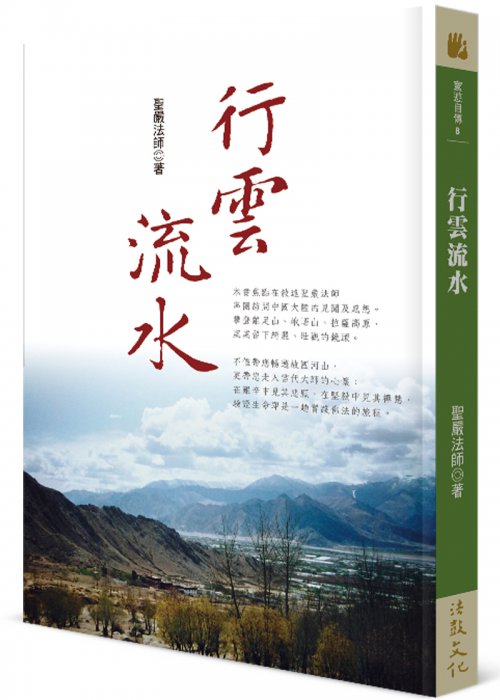
行雲流水
本書焦點在敘述聖嚴法師率團訪問中國大陸的見聞及感想。攀登雞足山、峨嵋山、拉薩高原,處處留下綺麗、壯觀的鏡頭。不僅帶您暢遊故國河山,更帶您走入當代大師的心懷;在艱辛中見其悲願,在堅毅中見其禪慧,驗證生命即是一趟實踐佛法的旅程。對於佛法的修行者而言,山能居住,水能活命,雲自出岫,水自下流,無所謂山光水色之美,不過是因緣聚散現象。雲不留定處,水不住定相,當來則來,當去則去,當隱則隱,當現則現,自由自在,順應自然。所以出家僧侶把遊化生活,稱為雲水。行雲流水,本身無心,但都是同體的異形,因緣成水,因緣成雲,本性是空而變幻莫測。世人驚奇它的變幻,隨著產生聯想,所以被其陶醉,其實是被幻化所迷,一時之間忘卻現實的煩亂,故覺其美。-- 聖嚴
作者簡介
聖嚴法師(1930〜2009年)
聖嚴法師1930年生於江蘇南通,1943年於狼山出家,後因戰亂投身軍旅,十年後再次披剃出家。曾於高雄美濃閉關六年,隨後留學日本,獲立正大學文學博士學位。1975年應邀赴美弘法。1989年創建法鼓山,並於2005年開創繼起漢傳禪佛教的「中華禪法鼓宗」。聖嚴法師是一位思想家、作家暨國際知名禪師,曾獲臺灣《天下》雜誌遴選為「四百年來臺灣最具影響力的五十位人士」之一。著作豐富,中、英、日文著作達百餘種,先後獲頒中山文藝獎、中山學術獎、總統文化獎及社會各界的諸多獎項。聖嚴法師提出「提昇人的品質,建設人間淨土」的理念,主張以大學院、大普化、大關懷三大教育推動全面教育,相繼創辦中華佛學研究所、法鼓佛教學院、僧伽大學、法鼓大學等院校,也以豐富的禪修經驗、正信的佛法觀念和方法指導東、西方人士修行。法師著重以現代人的語言和觀點普傳佛法,陸續提出「心靈環保」、「四種環保」、「心五四運動」、「心六倫」等社會運動,近年來更致力於國際弘化工作,參與國際性會談,促進宗教交流,提倡建立全球性倫理,致力於世界的和平。其寬闊胸襟與國際化視野,深獲海內外肯定。
作者
NT$
$195
|
78折
The World of Chan 禪的世界(英文版)
Chan is not necessarily any one thing, nor does Chan affirm or deny anything. However, whatever you need, Chan gives to you.
For regular meditators, this book provides basic sitting meditation techniques. Exceptionally busy people are advised to try and use the Chan cultivation methods in this book to harmonize themselves, and dissolve their attachment to "self." From relaxing the body and mind for as little as three minutes to attending to body and mind throughout daily life, these methods show the simplicity and practicality of expedient Chan methods.--Master Sheng Yen
作者簡介
Master Sheng Yen (1930-2009)
聖嚴法師1930年生於江蘇南通,1943年於狼山出家,後因戰亂投身軍旅,十年後再次披剃出家。曾於高雄美濃閉關六年,隨後留學日本,獲立正大學文學博士學位。1975年應邀赴美弘法。1989年創建法鼓山,並於2005年開創繼起漢傳禪佛教的「中華禪法鼓宗」。
聖嚴法師是一位思想家、作家暨國際知名禪師,曾獲臺灣《天下》雜誌遴選為「四百年來臺灣最具影響力的五十位人士」之一。著作豐富,中、英、日文著作達百餘種,先後獲頒中山文藝獎、中山學術獎、總統文化獎及社會各界的諸多獎項。
聖嚴法師提出「提昇人的品質,建設人間淨土」的理念,主張以大學院、大普化、大關懷三大教育推動全面教育,相繼創辦中華佛學研究所、法鼓佛教學院、僧伽大學、法鼓大學等院校,也以豐富的禪修經驗、正信的佛法觀念和方法指導東、西方人士修行。
法師著重以現代人的語言和觀點普傳佛法,陸續提出「心靈環保」、「四種環保」、「心五四運動」、「心六倫」等社會運動,並積極推展國際弘化工作,參與國際性會談,促進宗教交流,提倡建立全球性倫理,致力世界和平。其寬闊胸襟與國際化視野,深獲海內外肯定。
Master Sheng Yen was born in 1930 and became a monk in 1943. He conducted a six-year solitary retreat, after which he went to Japan for further study and obtained a doctorate in Buddhist literature at Rissho University. In 1975, he began sharing the Dharma in the US, and in 1989, founded the Dharma Drum Lineage of Chan Buddhism.
He authored more than 100 publications in Chinese, English, and Japanese, and received the Sun Yat-sen Art and Literary Award, the Sun Yat-sen Academic Award, and the Presidential Cultural Award, among other honorary awards.
He proposed the vision of “uplifting the character of humanity and building a pure land on earth,” founded the Chung Hwa Institute of Buddhist Studies, Dharma Drum Buddhist College, Dharma Drum Sangha University, and Dharma Drum University. Experienced in Chan using correct approaches, he guided practice in both the West and East. Popularizing the Dharma in modern language, the Master initiated movements including Protecting the Spiritual Environment, Four Kinds of Environmentalism, the Fivefold Spiritual Renaissance Campaign, and the Six Ethics of the Mind. He shared the Dharma globally with a broadminded perspective, winning him worldwide recognition.
作者
NT$
$468
|
78折
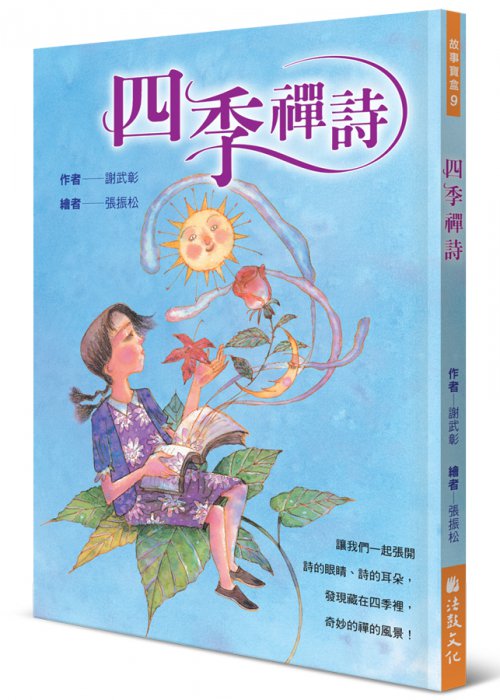
四季禪詩
讓我們一起張開詩的眼睛、詩的耳朵,發現藏在四季裡,奇妙的禪的風景!
春天的花、夏天的雨、秋天的月、冬天的雪,千年前的李白、王維與禪師們觸景生情,留下了一首首精美絕倫的禪詩!千年後的我們,不能留住春花秋月,卻能在心中典藏這些好詩!
每一首禪詩皆「畫中有詩,詩中有畫」,作家謝武彰精選40首禪詩,搭配插畫家張振松繪製的清心禪畫,帶著我們一起賞玩美好的四季風光,感受四季的不同變化,成為幸福的生活詩人!
作者簡介
謝武彰
生肖是老虎,很喜歡吃餃子;所以就變成「吃餃子老虎」了。有幾本珍藏的書,有幾張好聽的唱片,有幾個老朋友。居住在一個船愈來愈少的港都。寫兒童詩、寫兒童散文、寫圖畫書、寫兒歌。作品的篇幅都是短短的,是一個了解「言多必失」的人。編、著作品二百冊及專利三項,是一個經常在腦力激盪的人。
繪者簡介
張振松
嘉義人,復興商工畢業,曾任職多家童書出版社、宏廣動畫公司。作品種類多元,創作力豐沛,《目連救母》、《土地公捉迷藏》、《學校一百歲》、《黑母雞找蛋》、《第一次送禮物》……,其中《阿金的菜刀》與《等待霧散的戴勝鳥》為自寫自畫的創作。
作者
NT$
$156
|
78折
(英文版) 長阿含經研究論文集 Research on the Dīrgha-āgama
This is the second volume of proceedings of the Āgama seminars convened by the Āgama Research Group at the Dharma Drum Institute of Liberal Arts (formerly Dharma Drum Buddhist College). On this occasion, the Āgama Research Group met to discuss the early collections of long discourses transmitted by the different Buddhist schools. Thanks to the discovery and ongoing publication of the incomplete Sanskrit Dīrgha-āgama manu¬script from Gilgit, three different versions of the Collec¬tion of Long Discourses are now avail¬able for comparative study: the Pali Dīgha-nikāya transmitted within the Theravāda tradition, the just-mentioned Dīrgha-āgama in Sanskrit, identified as Sar¬vās¬ti-vāda or Mūlasarvāstivāda, and the Chinese translation of an Indic Dīrgha-āgama (長阿含經), generally considered to be affiliated with the Dhar¬ma¬¬guptakas. The six papers collected here focus on research on these various incarnations of the collections of long discourses in comparative perspective.
作者簡介
About the editor:Sāmaṇerī DhammadinnāDharma Drum Institute of Liberal Arts
About the contributors:Bhikkhu AnālayoNumata Center for Buddhist Studies, University of Hamburg &Dharma Drum Institute of Liberal Arts
Roderick S. BucknellUniversity of Queensland
Toshiichi Endo (遠藤敏一)Centre of Buddhist Studies,The University of Hong KongJens-Uwe HartmannLudwig-Maximilians-Universität of Munich
Jen-jou Hung (洪振洲)Dharma Drum Institute of Liberal Arts
Seishi Karashima (辛嶋靜志)The International Research Institute for Advanced Buddhologyat Soka University
作者
NT$
$250
|
78折
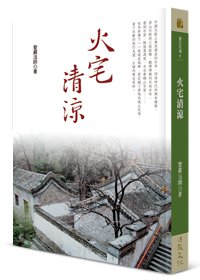
火宅清涼
中國大陸上唐及遼金的古寺、明清時代的佛寺建築、房山石經的工程鉅構、藏傳佛教的名剎古寺、雲岡石窟、敦煌莫高窟、天水麥積山石窟……,在作者筆下一一展現其風華,更記錄了當地的風土民情,留下完整的旅行見聞、正確的歷史資料。
本書命名為《火宅清涼》,乃係採用第三十一篇的題名,因為我在五臺山發現建於「清涼聖境」的古道場,屢遭摧殘,歷盡滄桑,所以感慨地寫下了兩句話以激勵自己:「凡夫以煩惱製造了苦樂無常的三界火宅;聖者以慈悲建設了廣度眾生的清涼世界。」又說:「那些在此火宅之中建設清涼世界的大德高僧,一定已經知道,將來會有因緣,把他們所建的寺院摧毀破壞,但他們還是努力地建設。」--聖嚴
作者簡介
聖嚴法師(1930〜2009年)
聖嚴法師1930年生於江蘇南通,1943年於狼山出家,後因戰亂投身軍旅,十年後再次披剃出家。曾於高雄美濃閉關六年,隨後留學日本,獲立正大學文學博士學位。1975年應邀赴美弘法。1989年創建法鼓山,並於2005年開創繼起漢傳禪佛教的「中華禪法鼓宗」。
聖嚴法師是一位思想家、作家暨國際知名禪師,曾獲臺灣《天下》雜誌遴選為「四百年來臺灣最具影響力的五十位人士」之一。著作豐富,中、英、日文著作達百餘種,先後獲頒中山文藝獎、中山學術獎、總統文化獎及社會各界的諸多獎項。
聖嚴法師提出「提昇人的品質,建設人間淨土」的理念,主張以大學院、大普化、大關懷三大教育推動全面教育,相繼創辦中華佛學研究所、法鼓佛教學院、僧伽大學、法鼓大學等院校,也以豐富的禪修經驗、正信的佛法觀念和方法指導東、西方人士修行。
法師著重以現代人的語言和觀點普傳佛法,陸續提出「心靈環保」、「四種環保」、「心五四運動」、「心六倫」等社會運動,近年來更致力於國際弘化工作,參與國際性會談,促進宗教交流,提倡建立全球性倫理,致力於世界的和平。其寬闊胸襟與國際化視野,深獲海內外肯定。
作者
NT$
$250
|
78折
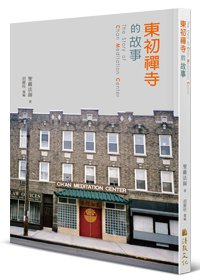
東初禪寺的故事
我常常回到我的原點,遇到任何困難的時候,我常常想到我是怎麼開始的?但求冬天凍不死,平常餓不死,這就夠了。--聖嚴
作者簡介
聖嚴法師(1930~2009年)
聖嚴法師1930年生於江蘇南通,1943年於狼山出家。曾於高雄美濃閉關六年,隨後留學日本,獲立正大學文學博士學位。1975年應邀赴美弘法。1989年創建法鼓山,並於2005年開創繼起漢傳禪佛教的「中華禪法鼓宗」。
聖嚴法師是一位思想家、作家暨國際知名禪師,著作豐富,中、英、日文著作達百餘種,先後獲頒中山文藝獎、中山學術獎、總統文化獎及社會各界的諸多獎項。
聖嚴法師提出「提昇人的品質,建設人間淨土」的理念,相繼創辦中華佛學研究所、法鼓佛教學院、僧伽大學、法鼓大學等院校,也以豐富的禪修經驗、正信的佛法觀念和方法指導東、西方人士修行。法師著重以現代人的語言和觀點普傳佛法,陸續提出「心靈環保」、「四種環保」、「心五四運動」、「心六倫」等社會運動,更致力於國際弘化工作,其寬闊胸襟與國際化視野,深獲海內外肯定。
NT$
$156
|
78折
南傳佛教史
金碧輝煌的佛塔與佛寺,是人們對南傳佛教國家的印象,其實他們所擁有的珍貴法寶更值得尋寶。本書詳述南傳佛教兩千多年波瀾壯闊的弘法歷程,看遍國族興衰、看透無常流轉,佛陀的金色世界始終光明燦爛!充滿神祕宗教氣息的南傳佛教國家:斯里蘭卡、緬甸、泰國、柬埔寨、寮國,以及中國雲南傣族,讓所有參訪的人們,深深好奇這些聖地古蹟究竟有過哪些輝煌歷史?本書為你揭開南傳佛教世界的神祕面紗!作者淨海法師曾赴泰國學習泰文、巴利文,並攻讀泰國的佛教大學。由於南傳佛教史的中文資料非常有限,淨海法師不畏困難,發願為大眾寫一本翔實的南傳佛教史。全書分為六大篇章:第一篇,斯里蘭卡佛教史;第二篇,緬甸佛教史;第三篇,泰國佛教史;第四篇,柬埔寨佛教史;第五篇,寮國佛教史;第六篇,中國雲南上座部佛教史。介紹各國佛教初期至近現代的發展歷程,並佐以豐富的註釋、地圖,文末附有巴利文獻簡介、南傳佛教部派略表、南傳佛教大事年表、中文索引、外文專有名詞中譯對照表。本書內容豐富廣博,有系統地介紹南傳佛教相關國族的文化歷史沿革與發展,帶你走進南傳佛教世界,一睹南傳佛教的精彩面貌!
作者簡介
淨海法師一九三一年出生江蘇泰縣。九歲出家,十六歲寶華山受戒,後就讀武進天寧寺佛學院。一九四九年到臺灣親近慈航法師,於彌勒內院修學十年。一九六○年赴泰國學習泰文及巴利文,受南傳比丘戒,住進泰寺僧團,並入朱拉隆功佛教大學攻讀。一九六九年轉赴日本,入東京立正大學研究,獲佛教學碩士學位。一九七二年受邀赴紐約弘法,一九七八年抱著拓荒精神去到美國南部休士頓,與師友合創德州佛教會,接著建築玉佛寺、美洲菩提中心,推行現代化多元性弘法活動,不分任何宗派和種族。現任德州佛教會會長、德州佛教書院院長。著有《唯識第一課--大乘廣五蘊論略解》、《覺海觀覽》等作品,並譯有《真理的語言──法句經》、《佛陀畫傳》等譯作。
作者
NT$
$686
|
78折
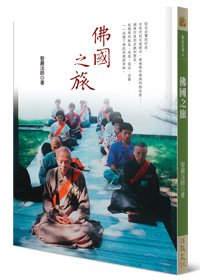
佛國之旅
從尼泊爾到印度,自恆河到尼連禪河、泰姬瑪哈陵與阿格拉堡……,溯尋印度的宗教和歷史,從釋尊的誕生、成道、說法、涅槃,一一巡禮了佛陀的遺蹤芳跡。佛教發源於印度,東漢明帝時代,佛教初傳入中國,經魏晉南北朝而大盛於隋唐,綿延迄今,也已將近兩千年了。身為一個佛教徒,能到印度民族的生活圈中看看,除了親身體驗佛陀弘化時的悲願及辛勞之外,也的確會有意想不到的新發現。雖然今日的印度,已見不到佛陀化世時代的崇佛盛況,佛陀時代的民族氣息,依然到處瀰漫;佛陀時代的自然環境,照舊鍾靈毓秀;巡禮釋尊的遺蹤芳跡,也能使我們緬懷嚮往而奮勉自勵。--聖嚴
作者簡介
聖嚴法師1930年生於江蘇南通,1943年於狼山出家,後因戰亂投身軍旅,十年後再次披剃出家。曾於高雄美濃閉關六年,隨後留學日本,獲立正大學文學博士學位。1975年應邀赴美弘法。1989年創建法鼓山,並於2005年開創繼起漢傳禪佛教的「中華禪法鼓宗」。聖嚴法師是一位思想家、作家暨國際知名禪師,曾獲臺灣《天下》雜誌遴選為「四百年來臺灣最具影響力的五十位人士」之一。著作豐富,中、英、日文著作達百餘種,先後獲頒中山文藝獎、中山學術獎、總統文化獎及社會各界的諸多獎項。聖嚴法師提出「提昇人的品質,建設人間淨土」的理念,主張以大學院、大普化、大關懷三大教育推動全面教育,相繼創辦中華佛學研究所、法鼓佛教學院、僧伽大學、法鼓大學等院校,也以豐富的禪修經驗、正信的佛法觀念和方法指導東、西方人士修行。法師著重以現代人的語言和觀點普傳佛法,陸續提出「心靈環保」、「四種環保」、「心五四運動」、「心六倫」等社會運動,近年來更致力於國際弘化工作,參與國際性會談,促進宗教交流,提倡建立全球性倫理,致力於世界的和平。其寬闊胸襟與國際化視野,深獲海內外肯定。
作者
NT$
$172
|
78折
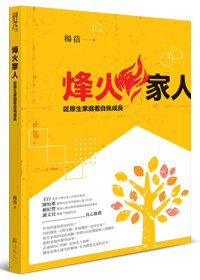
烽火家人:從原生家庭看自我成長
你為何會是現在的你?你的個性、人際互動、家庭關係,從何而來?原生家庭的成長經驗,形塑出自我價值與人際關係。面對家庭的衝突紛爭,必須與自己和解,也與家人和解,讓家從烽火連天的戰場,化為豐富生命的活水!如果我們能夠明白,「烽火」,就是家裡的那些紛擾、戰爭,放在不同的結構、層次上,究竟對我們造成了什麼影響時,才比較能夠知道「原來我們的家人是這樣組成的」、「我們家裡的這些關係是這樣形成的」。——楊蓓家人是最親近的人,也是最難理解的人,我們真的都了解自己的家人嗎?家家有本難念的經,楊蓓教授以其從事家庭治療的專業經驗,為我們詳細解讀這一本經,到底是什麼原因讓家庭變成烽火連天的戰場,以及如何運用智慧滅火,讓火宅變得清涼。全書分為四大篇章:一、風火家人:原生家庭的烙印;二、烽火家人:相愛容易相處難;三、封火家人:與家庭和解;四、豐活家人:家是豐富生命的活水。除讓我們認識自己與家人如何受到原生家庭的影響,也接受家庭面對時代巨大變動的挑戰,讓家庭不再戰火連天,而能薪火相傳!
作者簡介
楊蓓美國田納西大學教育心理與輔導博士。曾任東海大學社會工作系講師、國立中興大學法商學院學生輔導中心主任、國立臺北大學社會工作學系副教授及系主任、法鼓大學籌備處副教授、華人伴侶與家族治自協會第二屆理事長,現為實踐大學社會工作學系副教授、聖嚴教育基金會執行長。專長領域為:團體工作、團體動力與行動研究、家族治療、心理衛生、禪修與心理健康等,並擔任助人專業工作者之督導、訓練與諮詢多年。
作者
NT$
$156
|
78折
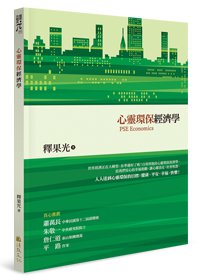
心靈環保經濟學
世界經濟正在大轉型,你準備好了嗎?自利利他的心靈環保經濟學,給我們安心的幸福指數,讓心靈富足,社會和諧,人人達到心靈環保的目標:健康、平安、幸福、快樂!最經濟的經濟學,以少欲智慧、利他慈悲,帶給大家最大的幸福!擁有經濟學、管理實務專業背景的果光法師,提出重振經濟的新思惟——心靈環保經濟學,從「心」出發,直探當代經濟問題的根源,帶領人們從對治欲望入手。心靈環保經濟學提供佛法的前瞻性思想,建構自利利他的經濟體系,消費者運用智慧,少欲知足,量入為出,歡喜布施,生產者展現慈悲,取之於社會、用之於社會,以利和同均為理想,將財富回饋大眾。利人利己的經濟學,讓我們的心靈富足,物質生活與精神生活達到平衡,使得社會和樂、地球永續,為人類帶來真正的快樂幸福。
作者簡介
釋果光1959年出生於臺中,成長於臺北南港中央研究院,父親為人類學者。1991年獲得美國俄亥俄州立大學(The Ohio State University)農業經濟學博士學位,並繼續博士後研究。1993年進入東初出版社擔任編輯,1995年在聖嚴法師座下出家。出家後,曾任法鼓文化叢書部主編、法鼓山創辦人機要祕書、大專青年學佛會輔導法師、僧團教育院監院、法鼓山僧伽大學副院長、行政中心副執行長等執事,現任法鼓山教團都監暨法鼓山僧伽大學女眾副院長。擁有豐富教學經驗,曾於國立空中大學面授個體經濟學、產業經濟學、經濟政策等課程,並於法鼓山僧伽大學、法鼓佛教學院擔任教師。
作者
NT$
$105
|
7折
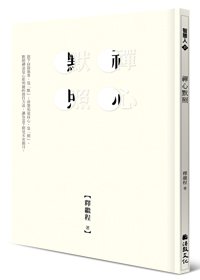
禪心默照
放下自我執著,是「默」;清楚知道自心,是「照」。默照禪法是心如明鏡的修行方法,讓你當下照見本來面目。默照禪法既是最易學的禪法,也是最難學的禪法。默照禪本是悟後的境界,是無法之法,如同繼程法師在本書所言:「工夫用得愈深,心愈單純,方法愈是簡單,最後連方法都沒有了。」然而一般人倘若無法可依,將不知從何入手,因此,繼程法師將默照禪法整理出次第方便,從初階的「審察全身,放鬆身體,清楚當下」,到進階的「身心統一,內外統一,默照同時」,由能所統一悟入能所雙泯,讓人不斷脫落身心煩惱,直至無煩惱可斷。默照禪法的方法單純,只需要清楚當下情況,不斷地放鬆、放鬆再放鬆。但是在修學過程,易落入昏睡陷阱,無法開啟智慧,宛如冷水泡石頭,千年也不悟。因此,即使已熟練默照方法,仍需明師帶路,以免迷路。繼程法師針對常見的修學問題:如何知道自己有無放鬆?有無身心統一?……等,逐一點破默照迷思,直指出正確要領:「放鬆身體,放捨妄念」、「身心統一,默照清晰」、「只管打坐,放任六根」……。讓我們安心體驗禪心,掌握默照禪的特色「默然不動,清楚照見」,徹底放下,只管打坐!大死一番!大活一番!
作者簡介
釋繼程一九五五年生於馬來西亞,一九七八年依止竺摩上人出家,同年赴臺灣松山寺受具足戒,並於佛光山中國佛教研究院研究部進修。期間曾親近印順長老、星雲法師,並於聖嚴法師門下修習禪法,成為法子。返回馬來西亞後,曾閉關一千日;出關後,活躍於大馬佛教界,曾擔任馬來西亞佛教青年總會總會長、馬來西亞佛教僧伽總會副主席等職;並創辦主持大專佛青生活營、教師佛學生活營、靜七、大專靜七、精進靜七、禪十等禪修課程。近年並前往臺、美、歐等地,指導禪修活動。著作甚豐,約五十種,於法鼓文化出版的有開示錄:《小止觀講記》、《六妙門講記》、《百法明門論講錄》、《生活中的菩提:淨行品講錄》、《心經的智慧》、《心的鍛鍊:禪修的觀念與方法》、《練心工夫:精進禪修指引》、《禪修指要:六門教授習定論講錄》,散文:《花花世界》、《爾然小品》、《日日好日》、《船到橋頭》等,並創作現代佛曲歌詞逾百首。
作者
NT$
$140
|
78折
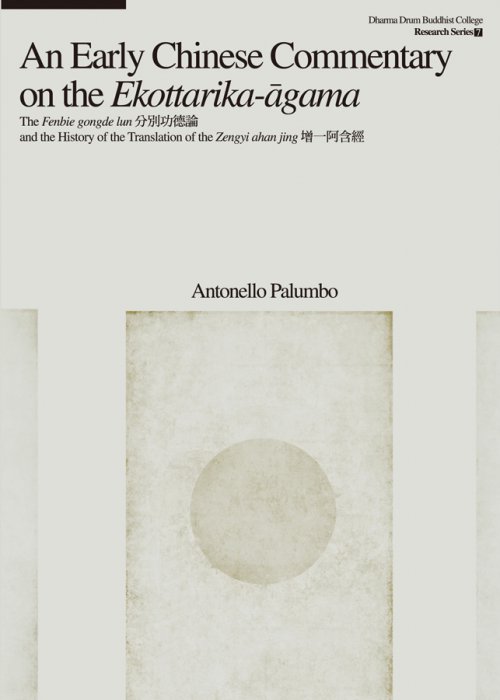
An Early Chinese Commentary on the Ekottarika-āgama
This study reassesses an old problem in the history of Chinese Buddhism, the origins and nature of the Zengyi ahan jing 增一阿含經 (Taishō 125). It does so by a close investigation of the Chinese translation of the Ekottarika-āgama at the end of the fourth century and of its most important witness, the Fenbie gongde lun 分別功德論 (Taishō 1507). It is argued that the latter document, whose original title was Zengyi ahan jing shu 增一阿含經疏, should be seen as an unfinished commentary to the newly translated collection, produced within the original translation team (including Dao’an 道安, Zhu Fonian 竺佛念 and the Indo-Bactrian master Dharmananda) during the tumultuous end of the Qin秦 empire of Fu Jian苻堅in A.D. 385. This reconstruction yields further insights into the cultural origins of the Chinese Ekottarika-āgama, and its broader significance for the history of Buddhism.
作者簡介
Antonello Palumbo is Lecturer in Chinese Religions at the School of Oriental and African Studies, University of London
NT$
$359
|
78折
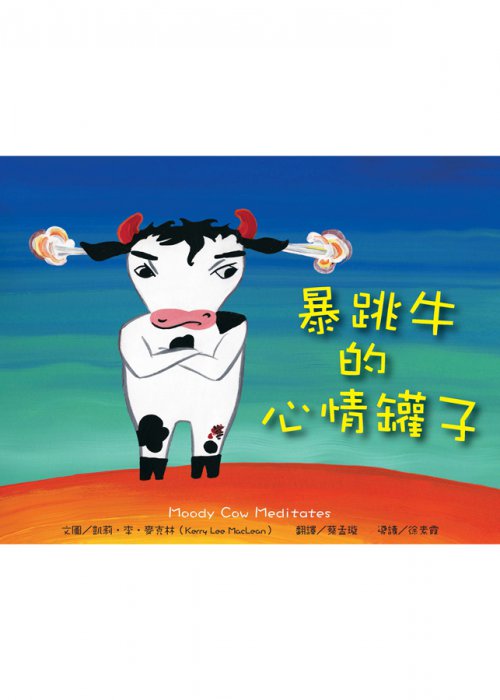
暴跳牛的心情罐子
☆ 兒童禪修精選‧亞馬遜4.5顆星評價☆ 親子共讀:有效的情緒引導、同理關懷,讓孩子恢復平靜!☆ 簡單材料,和孩子一起製作「心情罐子」;每天只要幾分鐘,不再煩亂暴躁。
【愛發脾氣的暴跳小牛】
「這一切都要從某一個很討厭、很倒楣的日子開始。那一天,每件事都不對勁!」
繪本的主角是一隻擬人化的小牛。他做了惡夢,醒來卻找不到媽媽;妹妹在他的滑板上亂畫;他扯了妹妹的尾巴,妹妹故意絆他一跤,他又把妹妹的洋娃娃頭髮剪光;於是,他就錯過了上學的公車,只好在下雪天騎著腳踏車上學……。
小牛彼得的心情變得超級差,「超級火大的!啊!!我再也受不了了!!」
!他拿起棒球,砸向窗戶——故 意 的!
媽媽只好請牛爺爺出馬,來解救暴跳小牛。
爺爺不僅傳授小牛恢復平靜的祕訣,更教他製作好玩的「心情罐子」,可以清楚看見心裡到處亂飛的生氣念頭。這個「心情罐子」裡,到底裝了什麽神奇的東西呢?
【在抒發與專注中,平靜下來】
作者本身是五個孩子的媽,帶領自己的孩子和其他學童禪修多年,深諳調伏暴躁憤怒兒童的要領。她在故事後段,安排充滿智慧的爺爺出場,藉由一罐清水和一小碟細細的亮片,陪伴著暴跳小牛,引導他述說事情發生的經過。
將一撮撮亮片(代表憤怒的心),依次沉入清水中,用力搖晃罐子,細心觀察小亮片飛舞、沉澱,在這個抒發與專注的過程中,疏導孩子的情緒、給予安慰,讓憤怒的心漸漸平復。
和孩子一起DIY有趣的「心情罐子」,並進行親子禪吧!
作者簡介
凱莉‧李‧麥克林(Kerry Lee MacLean)
凱莉擁有美國那洛巴大學(Naropa University)心理學學士學位。凱莉自十四歲起開始固定禪修,並有二十多年禪修指導經驗。她自一九九八年起開始主持「香巴拉兒童成年儀式」(Shambhala Children's Rites of Passage),並且協助佛教社群發展兒童與家庭禪修的教育計畫。
曾著作並繪製獲獎的《科羅拉多小豬》(Pigs Over Colorado)系列繪本以及《家庭禪修書》(The Family Meditation Book),另繪有《和平小豬學禪修》(Peaceful Piggy Meditation)、《貪心猴和快樂熊貓》(Mindful Monkey, Happy Panda)等書。
凱莉也是五個孩子的媽,這五個快樂、有趣、貼心、聰明又好心的孩子叫凱麗、泰莎、葛瑞格、蘇菲與安卓,他們全在母親的著作過程中幫上了忙。她生活中最喜悅的事就是在科羅拉多州的博德市(Boulder)教小朋友禪修。她目前和魔術師先生海特還有她的臭狗歐薩住在博德市。
譯者簡介
蔡孟璇
人類。大學讀外文系,碩士讀語言學,但都不包括動物的語言,因此翻譯本系列童書前特地赴動物園與小侄女家中惡補、進修,獲得許多指導與啓發。曾任出版社編輯多年,編輯並翻譯身心靈類相關書籍多冊,如《新好生活》、《心靈能量》、《當女人是一隻鳥》等,現為自由譯者。曾獲第二十三屆與第二十五屆梁實秋文學獎譯文組評審獎。
NT$
$172
|
78折
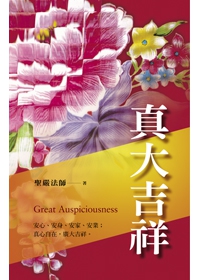
真大吉祥:安心、安身、安家、安業;真心自在,廣大吉祥
為了求得平安吉祥,你會做什麼?從環境求安全?問神明斷禍福?或是到處蒐集吉祥物?聖嚴法師提醒我們,這種「似是而非」的平安既不可靠,也不真實!法師指出,究竟平安可藉由「四安」獲得:少欲知足而安心;勤儉放鬆而安身; 相愛互助以安家;修養身、口、意以安業。當這四種安定力量在生命中沉澱、發酵,散發出內外祥和的氣息,即是真實不虛的大吉祥!
作者簡介
聖嚴法師(1930~2009年)聖嚴法師1930年生於江蘇南通,1943年於狼山出家,後因戰亂投身軍旅,十年後再次披剃出家。曾於高雄美濃閉關六年,隨後留學日本,獲立正大學文學博士學位。1975年應邀赴美弘法。1989年創建法鼓山,並於2005年開創繼起漢傳禪佛教的「中華禪法鼓宗」。聖嚴法師是一位思想家、作家暨國際知名禪師,曾獲台灣《天下》雜誌遴選為「四百年來台灣最具影響力的五十位人士」之一。著作豐富,中、英、日文著作達百餘種,先後獲頒中山文藝獎、中山學術獎、總統文化獎及社會各界的諸多獎項。聖嚴法師提出「提昇人的品質,建設人間淨土」的理念,主張以大學院、大普化、大關懷三大教育推動全面教育,相繼創辦中華佛學研究所、法鼓佛教學院、僧伽大學、法鼓大學等院校,也以豐富的禪修經驗、正信的佛法觀念和方法指導東、西方人士修行。法師著重以現代人的語言和觀點普傳佛法,陸續提出「心靈環保」、「四種環保」、「心五四運動」、「心六倫」等社會運動,近年來更致力於國際弘化工作,參與國際性會談,促進宗教交流,提倡建立全球性倫理,致力於世界的和平。其寬闊胸襟與國際化視野,深獲海內外肯定。
作者
NT$
$78
|
78折
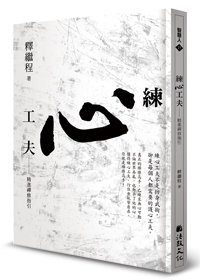
練心工夫:精進禪修指引
練心工夫不是防身武術,卻是每個人都需要的護心工夫。真正的禪修高手,已練至無心可動,不論世界再亂,也動不了他的心。懂得練心工夫,行住坐臥皆自在,你就是禪修高手!中國禪宗的禪修工夫沒有千奇百怪的花招,看似比練武俠功夫容易得多,其實練心工夫才是真工夫,隨時隨地都在考驗禪者的工夫!若說禪觀無我,生氣時,是誰在生氣?生病時,是誰在生病?從妄念紛飛到無心可安,沒有捷徑可走,需要的是一生的老實精進禪修。初階者數息是從一到十,進階者也是一樣的數字,但是心地風光卻大不同!觀空到底要從何觀起?無我又要從何無起?精進禪修者如何讓身心從粗轉細,轉煩惱為菩提?……。繼程法師在本書中,為想要精進禪修者,以種種實例與巧妙譬喻詳盡解說禪觀要領,讓佛教名相不再抽象,而是實用的禪修方法。想要成為禪林高手嗎?本書是練心工夫最佳的進階書!
作者簡介
釋繼程一九五五年生於馬來西亞,一九七八年依止竺摩上人出家,同年赴臺灣松山寺受具足戒,並於佛光山中國佛教研究院研究部進修。期間曾親近印順長老、星雲法師,並於聖嚴法師門下修習禪法,成為法子。返回馬來西亞後,曾閉關一千日;出關後,活躍於大馬佛教界,曾擔任馬來西亞佛教青年總會總會長、馬來西亞佛教僧伽總會副主席等職;並創辦主持大專佛青生活營、教師佛學生活營、靜七、大專靜七、精進靜七、禪十等禪修課程。近年並前往臺、美、歐等地,指導禪修活動。著作甚豐,約五十種,於法鼓文化出版的有開示錄:《小止觀講記》、《六妙門講記》、《百法明門論講錄》、《生活中的菩提:淨行品講錄》、《心經的智慧》、《心的鍛鍊:禪修的觀念與方法》,散文:《花花世界》、《爾然小品》、《日日好日》、《船到橋頭》等,並創作現代佛曲歌詞逾百首。
作者
NT$
$203
|
78折
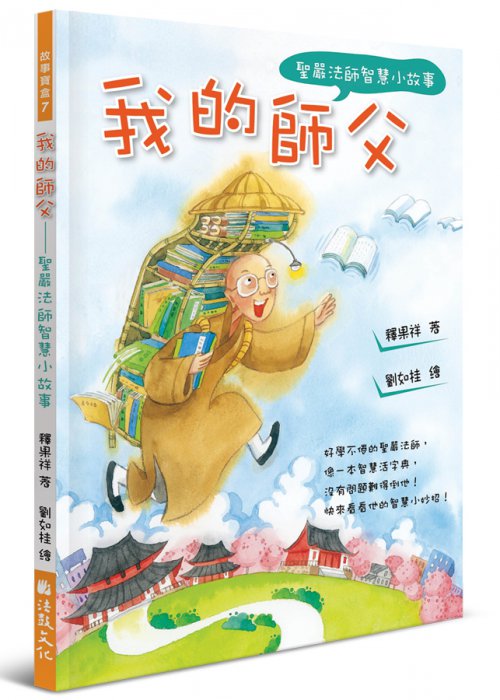
我的師父:聖嚴法師智慧小故事
好學不倦的聖嚴法師,像一本智慧活字典,沒有問題難得倒他!快來看看他的智慧妙錦囊!聖嚴法師的幽默機智,不只讓大家快樂,更帶來安心的力量!用一點點貼心,一顆喉糖讓吵翻天變樂翻天!用一點點勇氣,空手化解了搶劫危機!用一點點感恩,生病也病得很幸福!用一點點想像,四周鼾聲如雷也能睡好覺!本書收錄的三十篇聖嚴法師智慧小故事,為弟子果祥法師從聖嚴法師所學得的智慧法寶,劉如桂精心繪製三十張溫馨彩圖,讓這些小故事更加活靈活現,趣味傳神。常看聖嚴法師的絕妙小智慧,讓你變得更聰明!
作者簡介
釋果祥一九五六年,出生於臺灣臺中,於就讀東吳大學英語系時,接觸佛學社團。一九七八年,在大四時開始向聖嚴法師學習佛法。大學畢業兩年後,即在農禪寺出家,成為聖嚴法師最早期的出家弟子,此後擔任法師弘法時的臺語翻譯,長達二十五年,並偶爾兼任英語翻譯,也曾擔任祕書六年。因此,能翔實而細膩地記錄許多聖嚴法師的小故事。曾出版《小白帶路》童書,深獲讀者喜愛。
繪者簡介
劉如桂目前從事美術設計與插畫繪製。作品《魚夢》榮獲第七屆《國語日報》牧笛獎,《劍獅出巡》則榮獲第二十屆信誼幼兒文學獎佳作與《中國時報》開卷最佳童書。圖畫書創作讓她對編寫兒童故事和繪圖更感興趣,《劍獅出巡》與《劍獅擒魚》以在地的文化為元素,創作出豐富及具想像力的兒童故事,跳脫傳統寫實的鄉土故事框架,讓人感到耳目一新。
作者
NT$
$172
|
78折
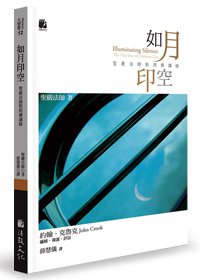
如月印空:聖嚴法師默照禪講錄
默照的修行,是以一種獨特的方式培養生命的洞察力,當漫無止盡的色、受、想、行、識漸漸平息下來,心——就具足覺悟自己、覺悟一切的能量。「默照禪」是由宋代宏智正覺禪師首倡並弘揚,為一種同時運用靜定與覺照的禪修法。本書是根據聖嚴法師於一九八九、一九九五年在英國威爾斯指導「默照禪七」的內容編輯而成,除了介紹禪的基本概念與默照的實修方法外,還包括編者約翰.克魯克描述個人修行心得的數篇短文,以及隨法師出遊的趣事,兼具修行歷程的知性面與感性面。禪修最重要的目標是徹見宇宙實相而醒悟,書中提到的千代野禪師,在一個月光皎潔的夜晚將手中的水桶掉落在地,桶面的月影瞬間破滅,他也在這一剎那開悟了。其實,每個人手中都提著一個裝滿了假象的無形桶子,唯有讓自己時時處於靜定而覺照之中,才有機會破除假象,品嘗「桶裡無水,水中無月──手中是空」的開悟滋味。歷歷不昧,一念萬年 當下覺知宇宙人生的實相默照禪法,默默觀照經驗的生起。心愈來愈沉靜,就像一池水完全靜止後,每一粒沙子都沉澱到池底,水變得透明清澈。這種透明清澈自然而然會變成開悟,毫不費力。——聖嚴法師
編者簡介
約翰˙克魯克博士(John Crook, PhD, DSc)1930年出生,英國知名生物學家與人類學家。1950年代開始接觸佛教並習禪,1993年於紐約「禪中心」接受聖嚴法師傳法,成為聖嚴法師的第一位西方法子。目前為「西方人禪修會」(Western Chan Fellowship)導師。著有The Evolution of Human Consciousness、Space in Mind、Himalayan Buddhist Villages、The Yogins of Ladakh、Hilltops of the Hong Kong Moon等書。
譯者簡介
薛慧儀國立台灣大學外國語文學系學士,英國University of Bath口筆譯碩士。曾任職於法鼓山文化中心國際翻譯室,現為大學兼職講師。譯作有:《禪門第一課》(法鼓文化)、《違法之徒》(春天出版)以及《桑果公園》(暫名,春天出版)等。
譯者
薛慧儀
NT$
$234
|
78折

禪學真義
禪學真義不辯不明,禪宗的歷史懸案,何者為真?何者為假?東初老和尚以真修實學,幫我們破解禪學迷思!禪的吸引力,從古至今,從東方到西方,始終不墜。誤解禪學的人,卻可能比了解禪學的人更多。許多人不但將禪學當古董、當哲學鑽研考據,忽略心性問題,甚至質疑《六祖壇經》是偽經,懷疑六祖惠能傳法真實性,種種說法動搖人心,產生信仰危機。有鑒於此,東初老和尚執筆力陳禪學真義所在:「不談修證,不講『明心見性』,還有什麼禪學可說?」本書直探禪學真義核心,內容分為四大單元:一、叢林制度與禪宗教育,二、論禪學之真義,三、再論禪學之真義,四、關於《六祖壇經》真偽問題。從禪宗的歷史發展溯源,探究叢林制度與僧教育未來,肯定禪是東方文化的精粹。並針對胡適提出的《六祖壇經》是神會禪師所作的論說,提出條理分明的反駁,指出《六祖壇經》只有版本與見性問題,不應有真偽與思想問題。這些文章在發表當年不僅是真知灼見,在現在時空也深具啟發性、撼動力。
作者簡介
東初老和尚1907年,出生於江蘇泰縣曲塘鎮。十三歲時,由泰縣姜堰鎮觀音庵的靜禪老和尚披剃出家,誦習教法。自幼勤讀強記,自律甚嚴,又寫得一手好文章,智慧超邁,對於經史百家之學也頗多涉獵,許為弘揚佛法的龍象。1928年,到鎮江竹林寺的佛學院求學;1929年,到寶華山隆昌寺,受具足戒。隨即又到福建廈門,進入太虛大師所創辦的閩南佛學院繼續深造,先後期的同學有印順、竺摩、戒德、默如、慈航、雨曇、覺民等法師,都是一時的俊秀。孺慕在當時佛教界的最高學府中,對日後的治學和研究工作,產生了一定的影響。東初老和尚是太虛大師的學生,在擔任鎮江焦山定慧寺監院及方丈期間,創辦了佛學院及佛學期刊。1949年來臺之後,創辦了《人生》雜誌;1955年,倡導影印《大正新脩大藏經》,社會各界政要賢達百餘人發起響應,重興佛教文化;1965年,又創辦了《佛教文化》季刊;1967年,中華學術院聘請為該院佛學研究所顧問,從此少問外務,專事佛教著作。晚年,老和尚深感護教弘法必須以歷史為基礎,盡力精心完成了《中日佛教交通史》、《中印佛教交通史》、《中國佛教近代史》三部鉅著。他的一生對佛教的文化教育,抱有深切的使命感,以及崇高的宗教情操,於此可見一斑。
作者
NT$
$117
|
78折
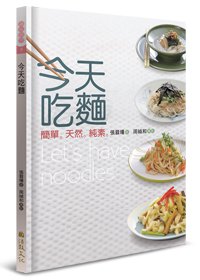
今天吃麵
一碗中華麵,看似簡單家常,卻能千變萬化, 只要掌握傳統麵食特性,就能做出現代純素新口味, 收錄最受歡迎的美味素麵50道,天天吃麵也不膩!《今天吃麵》以簡單做法與天然食材,與您分享煮麵的祕訣:乾麵、拌麵美味在醬料,多種萬用醬可自由調製:紹子醬、八寶醬、麻辣醬、老薑茶油醬汁……。炒麵美味在食材,提供最佳組合不必傷神配料;燴麵美味在芡汁,告訴您不用勾芡粉的新做法。湯麵、羹麵美味在高湯,多種高湯配方可隨意活用:紅燒麵、搶鍋麵、臭豆腐湯麵、香菇煨麵、大滷麵……,並教您自製丸子、溫洲大餛飩、麵疙瘩!涼麵美味在醬汁,特製素醬消暑解熱易開味:雲南涼麵醬、梅汁醬、柚香醬汁……,還有沁涼美味的水果冷麵!跟著麵食達人張翡珊老師,一起享受揉麵糰做麵條的樂趣,不藏私的真工夫,讓您從做麵條到自製獨門醬料,一氣呵成!美味加分DIY◇ 手工麵圖解步驟,將麵粉與水和一和、擀一擀、切一切;麵香濃郁、彈牙嚼勁佳的手製麵條就完成囉。◇ 自製紹子醬、麻辣醬等4種拌飯拌麵醬,用來炒菜也很可口。◇ 獨門配方6種高湯、2種湯品,可以一次煮好,分裝放入冰箱冷凍,下麵煮湯真方便。◇ 炎炎夏日來份消暑開胃的涼麵吧,6種特調的涼麵醬汁讓您立享沁涼美味。
作者簡介
張翡珊曾任棉花田生機園地主廚,主婦聯盟、慈濟大學教育推廣中心烹飪講師。現任:法提健康蔬食坊創辦人、法鼓山社會大學烹飪講師。證照:中餐乙級素食證照 中餐乙級葷食證照 中式麵食發麵類丙級證照經歷:慈濟大學教育推廣中心烹飪講師 慈濟網路電台點亮心光健康主義蔬食調理講師 棉花田生機園地主廚與講師 主婦聯盟環保基金會烹飪講師 青年服務社烹飪講師 救國團烹飪講師 臺北市健康go生機飲食店特約講師 漢聲電台長青樹樂活烹飪講師 華光文教基金會望德園生機體驗營烹飪講師 臺北市好農市生機店特約講師
作者
NT$
$234
|
78折
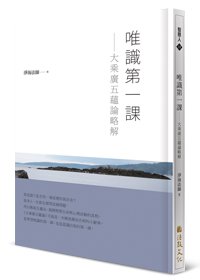
唯識第一課:大乘廣五蘊論略解
我是誰?是否有一個真實的我存在?很多人一生都在探問這個問題,所以佛說五蘊法,揭開物質生命與心理活動的真相。《大乘廣五蘊論》可說是一本解說佛法名相的小辭典,是學習唯識的第一課,也是認識自我的第一課。五蘊,指色蘊、受蘊、想蘊、行蘊、識蘊,生命的存在,除了需要具有物質的色身,還要有受、想、行、識的心理活動,色法和心法必須積聚起來,才能形成一個生命體。佛陀以五蘊法分析宇宙人生的本質,說明世間因緣生滅的道理,並沒有一個永恆不變的「我」。世親論師依據佛陀的教法,建立法相唯識學體系而著《大乘五蘊論》,後經安慧論師擴充並加註釋而成《大乘廣五蘊論》,論中將每一個名相的性質及功能,都做了精確的定義和解說,宛如一本佛法名相小辭典,能快速掌握修行的關鍵詞,是了解唯識義理的必讀論著。淨海法師以深厚的佛學修養與淺顯易懂的現代筆法註解《大乘廣五蘊論》,詳細依文解字、新式標點原文、翔實註釋內容與圖表輔助等,為讀者化解閱讀上的難度,突破唯識名相的障礙,進而通達佛法深義。
作者簡介
淨海法師一九三一年出生江蘇泰縣。九歲出家,十六歲寶華山受戒,後就讀武進天寧寺佛學院。一九四九年到臺灣親近慈航法師,於彌勒內院修學十年。一九六○年赴泰國學習泰文及巴利文,受南傳比丘戒,住進泰寺僧團,並入朱拉隆功佛教大學攻讀。一九六九年轉赴日本,入東京立正大學研究,獲佛教學碩士學位。一九七二年受邀赴紐約弘法,一九七八年抱著拓荒精神去到美國南部休士頓,與師友合創德州佛教會,接著建築玉佛寺、美洲菩提中心,推行現代化多元性弘法活動,不分任何宗派和種族。現任德州佛教會會長、德州佛教書院院長。著有《南傳佛教史》、《覺海觀覽》、《唯識第一課──大乘廣五蘊論略解》,譯有《真理的語言──法句經》、《佛陀畫傳》等書。
作者
NT$
$218
|
78折
正在載入更多商品......