搜尋結果
共
2080
筆符合商品
排序

人生382期:用〈淨行品〉過每一天
用〈淨行品〉過每一天
如果用科技來檢測,菩薩的思惟迴路會是怎麼運作的呢?可能就像《華嚴經‧淨行品》中文殊菩薩所教導的,面對生活中所歷經的各種境、緣,當下發願,時時刻刻「善用其心」,且念念不捨眾生,因而所見所聞盡是美麗境界。
〈淨行品〉由智首菩薩提出如何成佛的110問,而文殊菩薩則舉出141種生活中的修行,可說是一部菩薩道的修行手冊。歷代各宗祖師大德十分推崇〈淨行品〉,華嚴三祖法藏視〈淨行品〉如同菩薩戒;赴日傳戒的道璿法師、永明延壽依此品生活、發願,蓮宗七祖省常結「淨行社」推動念佛,近代弘一大師也以鈔寫此品為常課。
本期專題中,馬來西亞繼程法師為「淨行」解題,引導我們學習「舉手投足皆文殊心、見聞覺起皆普賢行」。專研華嚴的陳琪瑛說明,熏習〈淨行品〉並學菩薩發大願,能跳脫小我的思維模式,活出大心菩薩的品格,而且人人可在生活中練習,發起利益眾生的菩提心。
一次駕帆船環行航海世界一周的壯遊,一趟單車翻越喜馬拉雅山的旅行,眾人眼中的奇女子梁琴霞、李寶蓮,在「人生Cafe」分享她們從山與海之間所汲取的生命養分。「人生選擇題」常寬法師寫下九則侍者札記,以現代版的「如是我聞」,開始驗證「聽說」與「傳說」。「電影與人生」介紹《忠犬追殺令》、《深夜食堂》,透過「寵物」與「食物」的題材,呈現愛與責任、關懷與尊重的人生真諦。
作者
NT$
$30
|
2折
聖嚴研究第六輯
聖嚴法師不只是宗教思想家,更是人間淨土的實踐家。法鼓山聖嚴教育基金會於二○一四年舉辦的第五屆聖嚴思想國際學術研討會,以「聖嚴思想與當代漢傳佛教的傳承與實踐」為主題,發表六十二篇論文,國內、外學者共同探索聖嚴思想如何承先啟後,弘傳漢傳佛教。
本書精選研討會的九篇論文,探討議題包括:經濟學與倫理學、人間淨土、心靈環保、高齡化社會,文學之旅行書寫、書法藝術,菩薩戒、佛教史學等。藉由多元面向,探討聖嚴法師學思歷程及實踐,並弘揚漢傳佛教的時代意義。
聖嚴法師著重以現代人的語言和觀點普傳佛法,提出「心靈環保」、「四種環保」、「心五四運動」、「心六倫」等社會運動,並積極推展國際弘化工作與禪修活動。法師一生的思想行誼,為「提昇人的品質,建設人間淨土」理念,樹立了最佳典範。
作者簡介
王美秀國立臺灣師範大學東亞學系助理教授
王惠雯華梵大學哲學系/人文教育研究中心副教授
江靜儀銘傳大學經濟學系助理教授
周柔含慈濟大學宗教與人文研究所副教授
許永河國立成功大學經濟學系副教授
郭朝順華梵大學哲學系教授
陳靜琪國立嘉義大學中國文學系副教授
嚴瑋泓東海大學哲學系助理教授
龔雋中國廣州中山大學哲學系教授
(依文章順序排列)
NT$
$328
|
78折
好讀雜阿含經 第一冊:遠離憂悲苦惱 (卷一至卷十)
★《好讀 雜阿含經》為「台大獅子吼站」20年讀經會成果集結,以現代人易懂易學的方式,讓佛法核心教義變得容易閱讀、人人想讀。★ 首冊主題「遠離憂悲苦腦」,只要有心,人人都能離苦得樂。◎ 好讀推薦《好讀 雜阿含經》是由科技人成立的台大獅子吼佛學專站,多年以來進行線上讀書會、經過長期相互切磋琢磨而完成的一部古典今讀現代註釋書。其嚴謹和精準很符合科學精神,而其無私的法施更是佛法的實踐。 ——釋恆清(台大佛學研究中心創辦人)《好讀 雜阿含經》深入淺出、古今輝映,是劃時代、開創性的讀經會成果,也是電子佛典未來的發展方向。 ——釋惠敏(法鼓文理學院校長)《阿含經》是三乘共依的聖典,中觀系的《中論》、《大智度論》都引用《阿含經》說明緣起中道深義,瑜伽系的《瑜伽師地論.攝事分》更廣釋《雜阿含經》,可見大乘論師對《阿含經》的重視。本書綜合讀書會之討論,並參照漢譯各版三藏以及南傳的相對應經文,簡明扼要以白話加註解說,值得參考。 ——釋厚觀(福嚴佛學院院長)本書於自學研讀《雜阿含經》者,猶如一本小型的工具書,更匯集了多位善知識的修行心得,提供讀者現實生活中的觀察與應用實例。 ——釋自衍(香光尼眾佛學院圖書館館長)◎ 好讀亮點:讓經藏變得容易解讀‧ 原文標點/清晰註解‧ 白話導讀/圖表解說‧ 對應經典/以經解經‧ 讀經拾得/生活應用◎ 學習方法與線上共讀《雜阿含經》忠實記載佛陀最初的根本教法與叮囑,從人天善道的修持,到究竟解脫之道,是研習佛法的必讀經典,只要識字就能讀。很多人不讀經,可能是覺得經典太高深、或是文言文太難懂,而本書就是要協助一起學習佛法的讀者,克服這樣的障礙。就「經典太高深」而言,《阿含經》的內容都是佛陀向一般弟子開示的內容,如果連智商不足的周利槃特、沒讀過書的賤民除糞人尼提,都能聽懂佛陀的教導並且進而悟道,一般的讀者應該都能理解《阿含經》的內容。若感到「文言文太難懂」,也不必害怕。其實大多數佛經的文言文只要熟悉之後,比起一般的文言文還來得容易掌握。只要識字就可以讀《阿含經》,在日積月累的練習讀經之後,自然能熟習佛經的語法,充分掌握佛經的意涵、如同佛陀親自向您說法。若在讀經當中有疑問或想法,除了就近請教寺院或法師,Facebook的用戶也可加入「大家來讀經」http://facebook.com/groups/budadigest/社團,一同研討。沒有Facebook帳號的同學則可上「台大獅子吼佛學專站」http://buddhaspace.org上的「獅子吼讀經班」版,線上讀經班於每週末進行線上語音討論。本書的線上版另有「進階辨正」,提供複雜或有疑義的詞句分析及詳細辨正資訊。這些資訊由於較為深奧或蕪雜,並沒有在印出的書本上,有志尋根究柢者可逕行參閱線上版。◆ 佛陀親自向您說法:遠離憂悲苦惱 ◆佛陀的各大弟子,不分貴賤,如何從凡夫、貴族、外道、甚至賤民,照著佛法實修,一一成為自在生死、遊戲神通的聖僧?他們又是向佛陀學到了什麼法,而能自修成道?從「不如我意」到「離苦得樂」《好讀 雜阿含經》第一冊主題為「遠離憂悲苦惱」,在佛經的用語中,人的身心及世間的一切可區分為:‧ 色:物質(例如身體)及物理世界的現象。‧ 受:感受。例如苦的感受、樂的感受、不苦不樂的感受。‧ 想:取相;面對境界而心中浮現對應的相;也就是認知。例如看到一個顏色,心中立刻浮現過往所見過相同的顏色,而知道這是什麼顏色。‧ 行:造作。例如意念的造作、意志力。‧ 識:識知;覺知。以上色、受、想、行、識五項,合稱「五陰」或「五蘊」(蘊是「積聚」的意思)。五陰有以下特性‧ 無常:遷流變化,沒有恆常不變的。‧ 苦:受到逼迫。‧ 空:因緣和合而生,沒有實體。‧ 非我:不是「我」。既然五陰都有無常、苦、空、非我的本質,執著於五陰而引起煩惱,實在不智。我們所認知的「我」其實是由因緣而生、因緣而滅的。如果身體是「我」,我們對身體應該有完全的自主能力,就像國王在自己的王國中想做什麼,就能做什麼。但是身體會生病、會痛苦,可見身體不是「我」。心理也是如此,剎那生滅,更不會是「我」。我們對於身心都會有不滿意的地方,也可見身心並非「我」。十二因緣的還滅佛陀發現五陰都是因緣生滅的,一切的身心運作中沒有不變的自我。十二因緣中只要有一支斷了,下一支就不生,而可從中切斷十二因緣的鎖鏈,這稱為十二因緣的「還滅」。佛陀不止告訴我們由於十二因緣而流轉生死的現象,更教導我們還滅的方法。然而十二因緣並不是每一支都容易下手斷除的,例如已「生」了,就無法不「老死」。一般認為是在觸、受、愛、取這幾支下手,有「明」以照見五蘊,即可滅掉後續的苦果。我們之所以不是聖人,是因為我們的心中有許多「結使」(煩惱),就像繩子上打的結一般,一個一個綁住自己的結,要一個一個的解開。要能超越生死,自然就不應該隨著這些煩惱執著的使喚。一個一個結解開了,結自然就不見了,解脫了。於是佛陀教導我們如何認清真相,斷除煩惱執著,解脫生死輪迴,獲得真正的自由。
編者簡介
台大獅子吼佛學專站1995年成立於台大佛學研究中心,是華人世界至今歷史最悠久的佛法討論專站,也是至今少數不隸屬特定宗派及道場的佛教討論園地。台大獅子吼站以釋迦牟尼佛教法為中心、不營利、不分宗派及道場,而由眾佛子以和合僧眾的風格經營,群策群力。站上的討論,提倡「深入經藏、以經解經」的思辨方法,另外並秉持「依法不依人」的立場,探索佛陀原義,提供清淨的討論空間。台大獅子吼站也扮演了接引初機的平台,站友們勉勵以淺白的文字讓初學佛者更能參與討論,增進對佛法的認識。「深入經藏」是三皈依中常念的一句話,在台大獅子吼站裡,每週都有讀經的進度,每次的讀經都不長,經中的文言文或專有名詞更無須懼怕,因為在站上大家可以深入討論。深入討論的最重要方法就是本站「以經解經」的方式,所依據的就是CBETA電子大藏經,為學佛者人人可以立刻查找所需的經說,並提出見解的最佳工具。根據佛陀說法純一滿淨、不異語的特性,善用電子大藏經來以經解經並交叉比對,可以避免掉入人云亦云的泥淖。也因此,台大獅子吼站上的討論找出了許多具決定性的佛陀教法,這也是在末世能難能可貴地顯示佛世尊獅子吼正法的方式之一。「接引初機」也是台大獅吼站的作用之一,在站上參與共同研修的人都是同學相稱,和樂融融,期許做到世尊對於僧團和合無諍的要求。許多初學佛的人由於看到經文就心生艱難想,於是只想拜一拜佛就了事,對於佛理了無興趣;想深入的人又苦於無法深入解析經文,而不了了之。台大獅子吼站諸位先學者常以生花妙筆,用簡單有趣的小故事、生動活潑的譬喻將佛經的義理、典故一一描繪,令想學佛法的初學者無障礙地進入佛法的門內,快速地趕上進度,覺得學佛實在有趣而不枯燥,學佛真正有用而不是口號。獅子吼站的設立並不是為了名或利,純是學佛者討論佛法的「虛空善法堂」,可說是五濁惡世裡一處清淨佛剎。想知道更多學佛的資訊,歡迎光臨台大獅子吼站:http://buddhaspace.org 或 http://facebook.com/groups/budahelp
作者
譯者
劉宋 求那跋陀羅尊者
NT$
$585
|
78折

人生381期:大家來學〈楞嚴咒〉
大家來學〈楞嚴咒〉
〈楞嚴咒〉被稱為「咒中之王」,是漢傳佛教徒常持咒語中最長的神咒,更是寺院的五堂功課之一。本期專題從〈楞嚴咒〉的緣起與咒文五會的解析,來認識此咒;〈楞嚴咒〉Q&A邀請美國東初禪寺住持果醒法師為我們解惑,幫助建立正確學咒的觀念;方法篇介紹學習〈楞嚴咒〉的訣竅與常見的背誦記憶法。佛教學者陳士濱、在美執業的針灸師楊愛爾、已屆樂齡的洪王婉珠,也分享持誦〈楞嚴咒〉的因緣與體驗,能讓人道心堅固,去除修行障礙,對佛法生大信心。
「人生座談會」摘錄法華智慧系列第七場講座「璀璨生命的湧出」精華,果光法師、舞蹈家許芳宜、白瓷藝術創作者王俠軍,分享踏實築夢,將自己當成作品經營,讓生命晶瑩剔透的智慧與力量。「說法」與「說話」,一字之差,結果可能大不同,「人生選擇題」常寬法師分享從佛陀制戒的歷史中,看見語默動靜之間檢視自心的重要。「電影與人生」介紹《超時空攔截》,看似穿越時空的科幻片,卻深藏追問「我是誰」的生命議題。
作者
NT$
$150
Pure Land.淨土:許朝益攝影集
淨土的經緯不可測量,只能在心中探索,有佛無佛、出世入世……,直至出入自在,當下即是淨土!
很多人都對淨土充滿著嚮往,在擾擾紅塵希望能覓得一方心靈淨土。許朝益透過他的攝影鏡頭,帶著讀者一起尋找與探索淨土世界。由入世到出世,由不淨轉清淨,藉由種種修行方法,學習佛的智慧,洗滌種種煩惱,讓身心重新蛻變,充滿光明的力量。《Pure Land.淨土》既是一條建設外在淨土的道路,也是一條開展內在淨土的道路!
作者簡介
許朝益 Charles﹙Chao-Yee﹚Hsu
1963年 生於臺灣臺北1985年 中原大學工業工程學士1994年 美國威斯康辛州立大學麥迪遜校區 製造系統工程碩士(Ms, University of Wisconsin – Madison, USA)2011年 視丘攝影藝術學院結業(FOTOSOFT Institute of Photography, Taipei)
作者
NT$
$374
|
78折
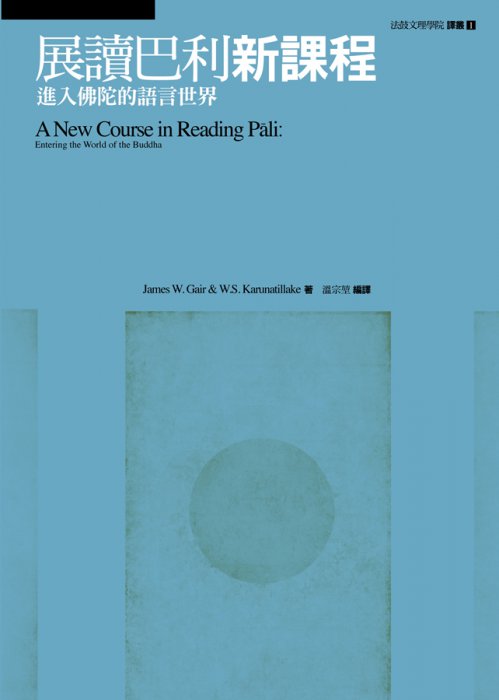
展讀巴利新課程:進入佛陀的語言世界
這是一本適合初學者、著重閱讀的巴利語語法入門教材。讀本選自巴利上座部經藏,包含長行和偈頌。內容包含十二課,每課包含三部分:一、基礎讀本與字彙,二、文法解釋,三、進階閱讀。讀本的安排,由易而難,各自獨立且饒富深義與趣味,配合相關的文法解釋,不僅提供循序漸進的語法教學,同時傳達巴利語佛典所蘊含的早期佛教思想,實是進入巴利佛典的語言與思想世界,不可多得的入門好書。自出版以來,廣受巴利語學習者好評,已為許多巴利語文法課程的入門教材。
作者簡介
James W. Gair美國康乃爾大學(Cornell University)語言學系榮譽退休教授。W.S. Karunatillake,斯里蘭卡凱拉尼亞大學(Kelaniya University)語言學系教授。兩人自1965年便共同合作研究錫蘭語和南亞語言,直到2012年Karunatillake教授去世為止。
譯者簡介
溫宗堃澳洲昆士蘭大學(The University of Queensland)宗教研究博士,現任法鼓文理學院助理教授暨語言與翻譯中心主任。研究興趣為巴利佛教、初期佛教、正念的理論與應用。譯有多本上座部內觀禪修與正念應用之書籍。
譯者
溫宗堃
NT$
$429
|
78折

人生380期:病,不煩惱
病,不煩惱
「為什麼是我得這個病?」「我的病什麼時候才會好?」……當人生病時,心中不免有怨嘆,身體因病而痛,更因痛而苦,如何「病得很健康」?本專題首先帶大家與佛陀一起去巡房,聽法師分享佛法觀念,提供安心、安身的方法,了解生病更是修行時;而佛典中,大醫王佛陀對病苦的教示,更是直接給與眾生「法的醫療」。
「專業」病人衍陽法師感恩病讓她常懺悔,更懂慈悲,關懷病友;佛教學者杜正民平常心看待罹癌,將住院治療當作「病禪十」,期許餘生努力實踐「病願行」;退休的企業經營者蔡陳金英,多次進出手術房,佛法幫助她面對重重病痛考驗,也讓她護法心更切。
「人生座談會」摘錄法華智慧系列第六場講座「美善正在流轉」精華,繼程法師、亞洲樂壇巨星張學友、國際知名電影導演蔡明亮,分享在迷中求覺找悟的歷程中,發現人生的美善。佛教常講的「智慧」,與「聰明」究竟有何不同?「學佛新手Q&A」為大家解答。「禪味小食堂」示範醃蘿蔔&雪裡紅筍絲,請大家品嘗春天好滋味。
作者
NT$
$150
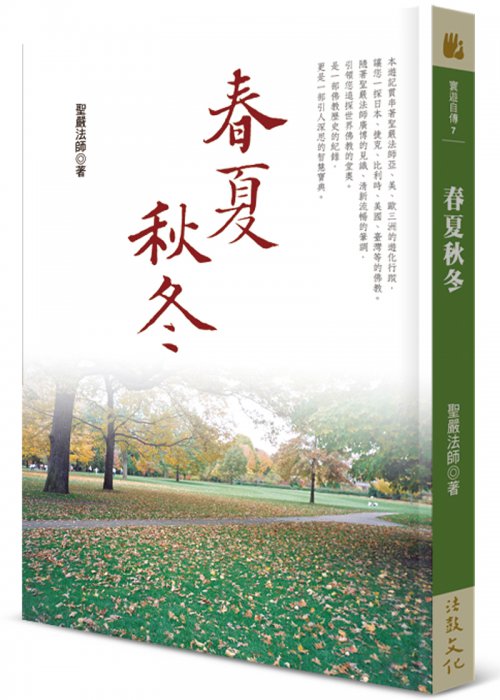
春夏秋冬
本遊記貫串著聖嚴法師亞、美、歐三洲的遊化行蹤,讓您一探日本、捷克、比利時、美國、臺灣等的佛教。隨著聖嚴法師廣博的見識、清新流暢的筆調,引領您追探世界佛教的堂奧。是一部佛教歷史的紀錄,更是一部引人深思的智慧寶典。
東京的夏天,太陽特別熱,而那間閣樓是西曬;冬天下雪時冷,融雪天更冷,而那間閣樓的窗戶,正好面迎西北風;秋天的東京雖好,也有悶熱的日子;唯有春天最舒服,可惜也照不到上午的春陽。不過我從未動過要搬家的念頭,因我曾見佛典中的記述說,有福德的菩薩雖住阿鼻地獄,猶如三禪天上,無福之人縱然被帶上三十三天,仍感水深火熱。對我而言,那是個「道場」。度過冬天,便是春天,度過夏天便是秋天,總是會有好日子在望。--聖嚴
作者簡介
聖嚴法師(1930〜2009年)
聖嚴法師1930年生於江蘇南通,1943年於狼山出家,後因戰亂投身軍旅,十年後再次披剃出家。曾於高雄美濃閉關六年,隨後留學日本,獲立正大學文學博士學位。1975年應邀赴美弘法。1989年創建法鼓山,並於2005年開創繼起漢傳禪佛教的「中華禪法鼓宗」。聖嚴法師是一位思想家、作家暨國際知名禪師,曾獲臺灣《天下》雜誌遴選為「四百年來臺灣最具影響力的五十位人士」之一。著作豐富,中、英、日文著作達百餘種,先後獲頒中山文藝獎、中山學術獎、總統文化獎及社會各界的諸多獎項。聖嚴法師提出「提昇人的品質,建設人間淨土」的理念,主張以大學院、大普化、大關懷三大教育推動全面教育,相繼創辦中華佛學研究所、法鼓佛教學院、僧伽大學、法鼓大學等院校,也以豐富的禪修經驗、正信的佛法觀念和方法指導東、西方人士修行。法師著重以現代人的語言和觀點普傳佛法,陸續提出「心靈環保」、「四種環保」、「心五四運動」、「心六倫」等社會運動,並積極推廣國際弘化工作,參與國際性會談,促進宗教交流,提倡建立全球性倫理,致力世界和平。其寬闊胸襟與國際化視野,深獲海內外肯定。
作者
NT$
$195
|
78折

人生379期:原諒,好緣跟著亮!
原諒,好緣跟著亮!
受到傷害的經驗人人有,不論是無妄之災還是惡意攻擊,不僅當下難受,甚至在心中留下陰影。但要真正原諒,則需要有轉境的智慧,本期分享法鼓山方丈和尚果東法師新書中提到的七種情境,提供練習轉念、原諒自他,化惡緣為好緣的方法。再從心理學與佛法,解析原諒的關鍵,並邀請臺北市聯合醫院總院長黃勝堅談臨終前的原諒,如何讓生死兩無憾、慈濟八德環保教育站站長蕭秀珠來不及在母親生前和解,將遺憾化成大愛的生命故事,以及建設公司負責人馬鴻榮生命中一堂無價的原諒課。
「人生座談會」摘錄法華智慧系列第五場講座「藥不藥美好人生」精華,法鼓山僧伽大學男眾副院長常寬法師、小兒科醫師潘文中、致力臨終關懷的趙可式博士分享生命中意外的禮物「生病」,如何改變他們的價值觀與生死態度。「電影與人生」介紹《推拿》,描繪一群盲人推拿師的生活與感情,引領觀影者觀照生命真正的盲點。
作者
NT$
$150

人生378期:新春,遇見八十八佛
新春,遇見八十八佛
「南無普光佛、南無普明佛……」這是大家耳熟能詳的《禮佛大懺悔文》晚課,內容主要是禮八十八佛。八十八佛是過去久住娑婆世界五十三佛,加上常住十方世界三十五佛。為何短短懺文,卻稱為「大」懺悔文?本期專題從介紹諸佛的十個名號與功德開始,逐一從佛典故事、懺文結構與Q&A來認識八十八佛與《大懺悔文》,並邀請安和分院監院果旭法師、關懷院監院常健法師,以及法青梵唄班分享禮《大懺悔文》的收穫。新春到了,讓我們發願向佛學習,不論與哪尊佛有緣,都能練習「學佛心功課」,在生活中實踐。
如何回收煩惱,再生智慧?「人生座談會」摘錄法鼓文理學院校長惠敏法師、作家蔣勳、企業家羅秀芬對談精華,演繹現代法華智慧。「西洋僧New Talk」常聞法師觀察歐美禪修怪現象,提醒修行者當心追求開「誤」之道的「速食禪」。「人生選擇題」常寬法師與張信忠居士探討「受戒」與「受罪」之間的智慧抉擇。
作者
NT$
$150

原諒,好緣亮!
人與人的緣分是善緣或惡緣,決定在我們能不能原諒的一念間!作者果東法師針對家庭、職場、人生與修心的考驗,提供正面解讀、逆向思考的智慧:放過自己才能放下傷痛、怨家可以不路窄、阻力就是助力、工作要趕不要急、真正的隨緣、面對死亡要發願、開發佛性與轉化個性……。換個角度面對問題,放寬心胸包容體諒,不但能讓人智慧開竅,更能廣結善緣,人生從此逆轉勝!
作者簡介
釋果東一九五五年出生於臺灣基隆,一九九三年於法鼓山創辦人聖嚴法師座下出家,曾任聖嚴法師侍者、助念團及護法總會輔導師、關懷院監院、僧團男眾副都監,也是聖嚴法師於二○○五年傳法的法子之一。二○○六年九月起接任法鼓山第二任方丈,二○○七年擔任法鼓山僧伽大學院長,二○○九、二○一二年續任第三、四任方丈。果東法師性情開朗,言語幽默,每以精闢金句提點大眾,從煩惱念轉清淨心,唯在一念之間。常與大眾共勉,一切人事物因緣,均是修福修慧的助道資糧。覺察自己的煩惱,要從觀念來疏導,輔以方法來消解;見他人起煩惱,需以同理心包容,生起善念為對方祝福。自接任方丈以來,果東法師依循聖嚴法師的教導,和合四眾,尊重專業。亦經常受邀為政府、校園及民間機構舉行專題講座,分享法鼓山「心靈環保」理念,推動「心五四」、「心六倫」運動,將法鼓山「大學院、大普化、大關懷」三大教育的整體關懷,落實於每一個當下。
作者
NT$
$172
|
78折
創意佛藝好好玩:20種佛教手作藝術輕鬆上手
20種創意實用的手作佛藝,教你從書畫基礎開始,學會自由應用好本領,輕鬆打造禪味的生活美學。
佛藝的生活趣味,無所不在!喜氣洋洋的春聯,若親筆揮毫法語分贈親友,就能廣結善緣過新年!在陶杯、陶盤、印章、紙扇、衣服上,創作佛畫、書寫禪詩,更是匠心獨具的好禮物!
佛教藝術看似一門博大精深的學問,想要自己動手試試看,其實並沒有想像中那麼難,可以輕鬆簡單地從中國書畫基礎開始,在練習中體會創作的奧妙。本書收錄了吳大仁老師20種佛藝手作示範,內容包括臨帖、書法、禪畫、篆刻、拓印、陶藝、木刻、題字摺扇,以及製作鈔經本、春聯、燈籠、手繪衣服……,種類豐富多元,可自由變化應用。
全書以方便的工具、簡單的作法為原則,能快速掌握創作要領,輕鬆揮灑佛藝美學,讓你的生活充滿自在禪意!
作者簡介
口述.示範者:吳大仁現任華梵大學中文系助理教授、佛教蓮花基金會董事、圓光佛學院大學部老師、中華民國書法教學研究學會顧問等多項職務,擅長書法、篆刻、禪畫創作,自許「以書畫弘揚佛法,以篆刻契悟禪心」,創作力豐富,迄今已於海內外舉辦20次個展。
撰稿.攝影者:張錦德文化大學中文系文藝組畢業,中國文學博士候選人,曾任法鼓山《人生》雜誌採訪組長,現任臺北市文化局《文化快遞》、《文化快遞MAP》特約採訪。喜歡到處旅行、拍拍照,用文字寫下人生百態。
攝影者:李東陽從事攝影工作二十餘年,現為法鼓文化特約攝影、里金館攝影工場攝影師、自然本質花草皂作皂師。
NT$
$311
|
78折

人生377期:光明遠大─大家來讀《金光明經》
光明遠大──大家來讀《金光明經》
2014年臺灣代表字,「黑」以最高票獲選,反映民眾鬱悶躁動的心,猶如處於幽暗的火宅中。最幽暗的時代,唯有「光明」能驅走黑暗,如何開發人人心中的光明,轉幽暗為光明?我們可向佛法「取經」。西元五世紀由曇無讖漢譯的《金光明經》,特重「懺悔」與「護國」,正是這時代最需要的。本期專題從聖嚴法師教導開發自性光明開始,中研院廖肇亨教授介紹本經歷史地位,政大中文系丁敏教授分享此經的文學特質、印隆法師講解金光明懺法、供佛齋天等,引導讀者深入此經精華並汲取智慧,使自心發出智慧光及慈悲光,讓大家都能見光、沾光,並且放光,一起迎向「光明遠大」的2015年。
「人生座談會」摘錄法華智慧講座系列第三場精華,農禪寺監院果毅法師、表演工作者柯有倫、公益青年沈芯菱,與大家一起發掘心中的寶藏,關注毒品、情殺、教育等社會議題,發揮己力自助助人。您也是皈依佛陀的孩子嗎?「人生選擇題」法鼓山僧伽大學男眾副院長常寬法師分享「血緣與法緣」。「楞嚴導讀」看東西方智者佛陀與蘇格拉底,教我們「覓真心」,如實了知人生真理。
作者
NT$
$150
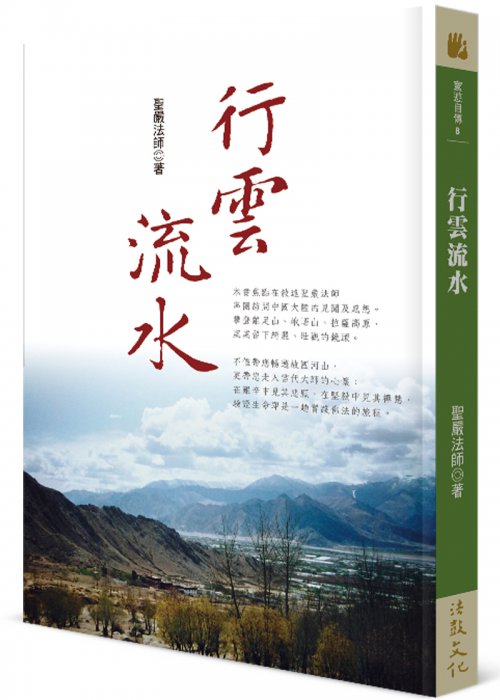
行雲流水
本書焦點在敘述聖嚴法師率團訪問中國大陸的見聞及感想。攀登雞足山、峨嵋山、拉薩高原,處處留下綺麗、壯觀的鏡頭。不僅帶您暢遊故國河山,更帶您走入當代大師的心懷;在艱辛中見其悲願,在堅毅中見其禪慧,驗證生命即是一趟實踐佛法的旅程。對於佛法的修行者而言,山能居住,水能活命,雲自出岫,水自下流,無所謂山光水色之美,不過是因緣聚散現象。雲不留定處,水不住定相,當來則來,當去則去,當隱則隱,當現則現,自由自在,順應自然。所以出家僧侶把遊化生活,稱為雲水。行雲流水,本身無心,但都是同體的異形,因緣成水,因緣成雲,本性是空而變幻莫測。世人驚奇它的變幻,隨著產生聯想,所以被其陶醉,其實是被幻化所迷,一時之間忘卻現實的煩亂,故覺其美。-- 聖嚴
作者簡介
聖嚴法師(1930〜2009年)
聖嚴法師1930年生於江蘇南通,1943年於狼山出家,後因戰亂投身軍旅,十年後再次披剃出家。曾於高雄美濃閉關六年,隨後留學日本,獲立正大學文學博士學位。1975年應邀赴美弘法。1989年創建法鼓山,並於2005年開創繼起漢傳禪佛教的「中華禪法鼓宗」。聖嚴法師是一位思想家、作家暨國際知名禪師,曾獲臺灣《天下》雜誌遴選為「四百年來臺灣最具影響力的五十位人士」之一。著作豐富,中、英、日文著作達百餘種,先後獲頒中山文藝獎、中山學術獎、總統文化獎及社會各界的諸多獎項。聖嚴法師提出「提昇人的品質,建設人間淨土」的理念,主張以大學院、大普化、大關懷三大教育推動全面教育,相繼創辦中華佛學研究所、法鼓佛教學院、僧伽大學、法鼓大學等院校,也以豐富的禪修經驗、正信的佛法觀念和方法指導東、西方人士修行。法師著重以現代人的語言和觀點普傳佛法,陸續提出「心靈環保」、「四種環保」、「心五四運動」、「心六倫」等社會運動,近年來更致力於國際弘化工作,參與國際性會談,促進宗教交流,提倡建立全球性倫理,致力於世界的和平。其寬闊胸襟與國際化視野,深獲海內外肯定。
作者
NT$
$195
|
78折
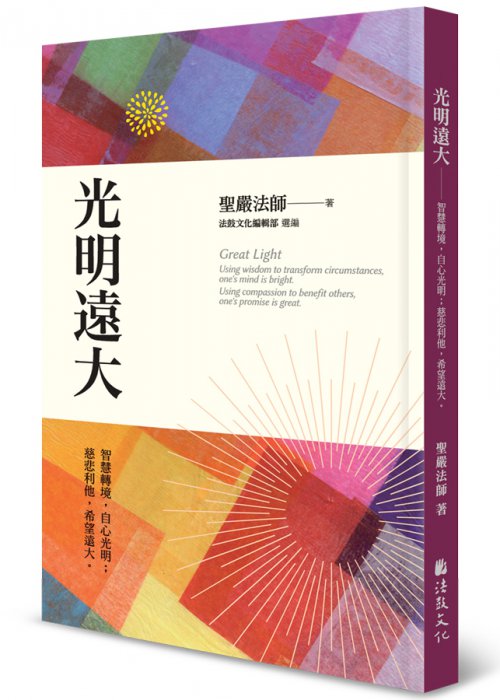
光明遠大:智慧轉境,自心光明;慈悲利他,希望遠大
看見世界的希望,先從讓心發光、發熱開始!心光明,世界就光明!願遠大,希望就遠大!隨著聖嚴法師的勉勵發願,展現改變生命力的四種行動:慈悲無我利他行、智慧轉境報恩行、自心光明修身行、希望遠大菩薩行,生命氣象從此好氣魄!智慧無我,跳脫自我小格局,慈悲利他,展開寬廣大方向,人生風景自然光明遠大!
作者簡介
聖嚴法師(1930-2009年)聖嚴法師1930年生於江蘇南通,1943年於狼山出家。曾於高雄美濃閉關六年,隨後留學日本,獲立正大學文學博士學位。1975年應邀赴美弘法。1989年創建法鼓山,並於2005年開創繼起漢傳禪佛教的「中華禪法鼓宗」。聖嚴法師是一位思想家、作家暨國際知名禪師,著作豐富,中、英、日文著作達百餘種,先後獲頒中山文藝獎、中山學術獎、總統文化獎及社會各界的諸多獎項。聖嚴法師提出「提昇人的品質,建設人間淨土」的理念,相繼創辦中華佛學研究所、法鼓佛教學院、僧伽大學、法鼓大學等院校,也以豐富的禪修經驗、正信的佛法觀念和方法指導東、西方人士修行。法師著重以現代人的語言和觀點普傳佛法,陸續提出「心靈環保」、「四種環保」、「心五四運動」、「心六倫」等社會運動,更致力於國際弘化工作,其寬闊胸襟與國際化視野,深獲海內外肯定。
NT$
$78
|
78折
The World of Chan 禪的世界(英文版)
Chan is not necessarily any one thing, nor does Chan affirm or deny anything. However, whatever you need, Chan gives to you.
For regular meditators, this book provides basic sitting meditation techniques. Exceptionally busy people are advised to try and use the Chan cultivation methods in this book to harmonize themselves, and dissolve their attachment to "self." From relaxing the body and mind for as little as three minutes to attending to body and mind throughout daily life, these methods show the simplicity and practicality of expedient Chan methods.--Master Sheng Yen
作者簡介
Master Sheng Yen (1930-2009)
聖嚴法師1930年生於江蘇南通,1943年於狼山出家,後因戰亂投身軍旅,十年後再次披剃出家。曾於高雄美濃閉關六年,隨後留學日本,獲立正大學文學博士學位。1975年應邀赴美弘法。1989年創建法鼓山,並於2005年開創繼起漢傳禪佛教的「中華禪法鼓宗」。
聖嚴法師是一位思想家、作家暨國際知名禪師,曾獲臺灣《天下》雜誌遴選為「四百年來臺灣最具影響力的五十位人士」之一。著作豐富,中、英、日文著作達百餘種,先後獲頒中山文藝獎、中山學術獎、總統文化獎及社會各界的諸多獎項。
聖嚴法師提出「提昇人的品質,建設人間淨土」的理念,主張以大學院、大普化、大關懷三大教育推動全面教育,相繼創辦中華佛學研究所、法鼓佛教學院、僧伽大學、法鼓大學等院校,也以豐富的禪修經驗、正信的佛法觀念和方法指導東、西方人士修行。
法師著重以現代人的語言和觀點普傳佛法,陸續提出「心靈環保」、「四種環保」、「心五四運動」、「心六倫」等社會運動,並積極推展國際弘化工作,參與國際性會談,促進宗教交流,提倡建立全球性倫理,致力世界和平。其寬闊胸襟與國際化視野,深獲海內外肯定。
Master Sheng Yen was born in 1930 and became a monk in 1943. He conducted a six-year solitary retreat, after which he went to Japan for further study and obtained a doctorate in Buddhist literature at Rissho University. In 1975, he began sharing the Dharma in the US, and in 1989, founded the Dharma Drum Lineage of Chan Buddhism.
He authored more than 100 publications in Chinese, English, and Japanese, and received the Sun Yat-sen Art and Literary Award, the Sun Yat-sen Academic Award, and the Presidential Cultural Award, among other honorary awards.
He proposed the vision of “uplifting the character of humanity and building a pure land on earth,” founded the Chung Hwa Institute of Buddhist Studies, Dharma Drum Buddhist College, Dharma Drum Sangha University, and Dharma Drum University. Experienced in Chan using correct approaches, he guided practice in both the West and East. Popularizing the Dharma in modern language, the Master initiated movements including Protecting the Spiritual Environment, Four Kinds of Environmentalism, the Fivefold Spiritual Renaissance Campaign, and the Six Ethics of the Mind. He shared the Dharma globally with a broadminded perspective, winning him worldwide recognition.
作者
NT$
$468
|
78折

人生376期:家事禪,宅修行
家事禪,宅修行
年關將近,又到了除舊布新的時節,你準備好掃地、掃心地了嗎?面對家事,人人各有罩門,先來認識自己的「打掃性格」以及「打掃關鍵字」。從健康角度來看,做家事是健腦又健身的好方法,物理治療師簡文仁教你「家事十不保身法」;佛陀和弟子們又是怎麼打掃的呢?故事篇有佛陀、周利槃陀伽和舍利弗的掃除故事;而百丈禪師、趙州禪師、滴水和尚等祖師們又如何在勞務中鍊心修行?方法篇分享運用「斷捨離」從外到內的身心整理術,以及在各種家事勞動的心法。並邀請僧伽大學男眾部學務長常順法師、作家鄭栗兒、書畫家曾中正分享「家事禪」。
「人生座談會」摘錄法華智慧系列第二場講座精華,臺中市長夫人邵曉鈴、歌手齊豫、實踐大學社會工作系副教授楊蓓、僧團果祥法師,分享從感恩、公益、義工、自然農法方面,發揮慈悲的力量來自利利他,豐富生命。「修行在LA」曉亞觀察人們常勸人「要看開」、「要放下」,卻還是會跟自己過不去,提醒要隨時練習「不為難自己」。「電影不散場」介紹《控制》,看身心扭曲的假面夫妻,如何在貪、瞋、癡的驅動下,走向不可「控制」的人生。
作者
NT$
$150
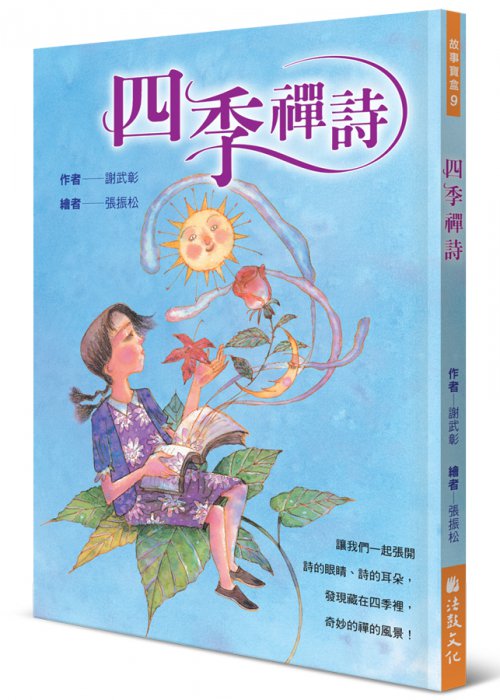
四季禪詩
讓我們一起張開詩的眼睛、詩的耳朵,發現藏在四季裡,奇妙的禪的風景!
春天的花、夏天的雨、秋天的月、冬天的雪,千年前的李白、王維與禪師們觸景生情,留下了一首首精美絕倫的禪詩!千年後的我們,不能留住春花秋月,卻能在心中典藏這些好詩!
每一首禪詩皆「畫中有詩,詩中有畫」,作家謝武彰精選40首禪詩,搭配插畫家張振松繪製的清心禪畫,帶著我們一起賞玩美好的四季風光,感受四季的不同變化,成為幸福的生活詩人!
作者簡介
謝武彰
生肖是老虎,很喜歡吃餃子;所以就變成「吃餃子老虎」了。有幾本珍藏的書,有幾張好聽的唱片,有幾個老朋友。居住在一個船愈來愈少的港都。寫兒童詩、寫兒童散文、寫圖畫書、寫兒歌。作品的篇幅都是短短的,是一個了解「言多必失」的人。編、著作品二百冊及專利三項,是一個經常在腦力激盪的人。
繪者簡介
張振松
嘉義人,復興商工畢業,曾任職多家童書出版社、宏廣動畫公司。作品種類多元,創作力豐沛,《目連救母》、《土地公捉迷藏》、《學校一百歲》、《黑母雞找蛋》、《第一次送禮物》……,其中《阿金的菜刀》與《等待霧散的戴勝鳥》為自寫自畫的創作。
作者
NT$
$156
|
78折
正在載入更多商品......