搜尋結果
共
1614
筆符合商品
排序

佛教傳統中的憍慢:從歷史發展的視角
要以佛陀為榜樣,並將他的願景付諸實踐就必須摒棄所有形式的憍慢「他利用佛教歷史的文獻來證明他的批評是有事實根據的,並揭露因無知於經典所教而散播令人瞠目的誤解。因此,任何閱讀此書的人,很可能會像我一樣,覺得它應當被整個佛教界廣泛地閱讀和理解。」——Richard Gombrich(牛津大學退休教授)當代著名學者無著比丘,透過對巴利經藏的嚴謹研究,深入探討不同佛教傳承中的四種「憍慢」,以簡單易懂的方式,帶領讀者認識佛教中最具爭議的議題。一、佛教中的父權思想,導致尼眾地位長期受到貶抑。二、大乘佛教將非菩薩道修行者貶為小乘,視其為低等。三、上座部佛教認為自身所傳承的教法,才是最原初、最正統的佛陀教法。四、新興的世俗佛教,聲稱自己比傳統佛教徒更準確理解佛陀的思想。無著比丘根據經典重新審思以上議題,指出這類優越心態其實無助於修行,並提醒我們:「不論你屬於哪一個傳統,唯有放下自我、捨棄憍慢與我慢,才能成為更好的佛教徒。」當我們釐清何為憍慢,以及如何跨越憍慢,進而平等相待、異中求同,不僅有助於打破成見的藩籬,更能體會佛陀本懷,提昇自我修行。
作者簡介
無著比丘(Bhikkhu Anālayo)1962年生於德國,1995年於斯里蘭卡依上座部佛教出家為僧。他是早期佛教典籍跨語言比較研究的重要學者,已從漢堡大學佛學教授一職退休,現為巴雷佛學研究中心(Barre Center for Buddhist Studies)的常駐學者。他是法鼓文理學院阿含經研究小組的創始成員,也是漢堡大學沼田佛學研究中心(Numata Center for Buddhist Studies)的成員。目前,無著比丘多數時候專注於閉關與靜默禪修。
譯者簡介
釋覺莊1989年生於馬來西亞霹靂州怡保,2012年於檳城法寶山出家。2011年畢業於馬來西亞拉曼大學市場營銷系,2019年獲法鼓文理學院佛教學碩士學位,2020年獲香港大學佛學研究碩士學位。自2023年起攻讀佛光大學佛教學系博士班。
校潤者簡介
莊國彬法鼓文理學院佛教學系教授。專長:早期佛教、毘曇教義、《瑜伽經》。
譯者
釋覺莊
NT$
$204
|
85折

三峰派參禪鍛鍊指南2:禪門鍛鍊說
禪門法脈傳承是否興隆關鍵在於師家是否明綱宗、懂鍛鍊
《禪門鍛鍊說》是臨濟宗三峰派晦山戒顯禪師(1610~1672)以自身指導學人的經驗,參考歷代祖師鍛鍊禪眾的方法與準則,並模仿《孫子兵法》的架構,以師家為對象,將鍊眾的步驟分為十三篇,層次分明地解說。
《禪門鍛鍊說》以散文著述,但以兵法為喻,有其隱約、不說破的闡釋風格,亦是留下較大空間令讀者自行體會。聖嚴法師曾評析戒顯禪師《禪門鍛鍊說》宗說兼通,以善巧方便行毒辣鉗鎚,頗有大慧宗杲之風。
全文從勸勉長老應不惜勞累堅發誓願、辨別學人根機展開,而後循序漸進示以鍛鍊方法,從入室搜刮、落堂開導、垂手鍛鍊、機權策發、奇巧回換、斬關開眼、研究綱宗、精嚴操履、磨治學業、簡練才能,終至如何付授等。本書除校註外,每篇亦有白話提要,旨在協助讀者了解晦山戒顯禪師的叮嚀與指導,而能於實修上有所助益。
「許多禪師寫詩或文章,不需要刻意雕琢複雜的文句,就能以最簡單的文句,寫出最豐富深刻的內容。例如戒顯禪師撰寫的《禪門鍛鍊說》,這本介紹如何訓練禪眾的書,內容非常豐富,運用的文字卻不深奧,讓人閱讀感到生澀。很多禪師都能以簡單的方式,傳達出深刻的內容,表示他們的心已進入非常單純的狀態。心愈單純,內在的智慧就愈豐富紮實。」——釋繼程《打坐:入門60問》
《三峰派參禪鍛鍊指南》,共三冊1. 創始祖師漢月法藏—〈參禪四十偈〉2. 第三代名僧晦山戒顯—《禪門鍛鍊說》3. 仁山寂震—〈參禪第一步要訣〉
為何選擇三峰派?三峰派禪師透過多元方便,循序引導僧俗弟子修證,而後直指自性。所選三部著作,是歷經千錘百鍊的漢月、戒顯、寂震三位禪師,為參禪鍛鍊所撰寫的系統化指引,且同樣都展現了重視五家綱宗、臨濟宗旨的三峰家風。
作者簡介
晦山戒顯禪師 著晦山戒顯(1610-1672),明末清初時期江蘇太倉人,字願雲,號晦山,又號罷翁,為臨濟宗三峰派具德弘禮(1600-1667)法嗣,精研禪、律,是一位宗說兼通、極力培育法門龍象的了不起禪匠。中華佛學研究所 編註中華佛學研究所,由聖嚴法師創辦於1985年,主要從事佛教人才的培養、學術研究與出版交流。自2009年,承繼創辦人遺願,致力推廣「漢傳佛教」研究之推動,以數位典藏、學術研究、出版刊物、國際交流四大目標為重點任務,持續為學術界貢獻微薄之力。
NT$
$272
|
85折

重振西藏文化的密續佛教
即使是在至暗時刻,灰燼中的火苗也得以重燃。撥爐有火,謹以此書的中譯出版,獻給先賢勇士。
對於西藏佛教歷史或教義感興趣的讀者來說,這是一部難得的讀本。
「這本書是藏學家羅納德.戴維森的代表作之一,反映的是歷史文獻學者視角下的西藏歷史與教法演變,特別是薩迦派道果系統教法的文獻成型過程。希望此中譯本的出版,對於臺灣佛學、藏學研究社群,能有所助益。」——梅靜軒〈導讀〉
西元950~1200年之間的西藏社會,是如何從武裝游擊兵的交鋒與體制崩潰的邊緣,轉化為由瑜伽士與學者所引導的佛教文化世界?
作者羅納德.戴維森(Ronald M. Davidson)認為這是由於一群活躍於此時期的僧侶、瑜伽士與貴族們合力激盪出的成果。西藏僧侶與瑜伽士翻譯了大量的印度佛教典籍。他們運用這些密續佛教的文獻與修持法為基礎,重塑西藏宗教、文化與政治體制。最終促成了西藏佛教的崛起,乃至取代印度,成為全亞洲的佛教文化中心。
作者生動地描繪了這些現身歷史舞台的人物,引領讀者觀看一群宗教菁英與權貴之士,如何打造出一個佛教文化世界,徹底地改變了西藏社會與文化的發展方向,鮮活地呈現了中世紀西藏發展的內在張力與轉型過程。
作者簡介
羅納德.戴維森(Ronald M. Davidson)美國加州大學柏克萊分校佛學研究博士,費爾菲爾德大學(Fairfield University)宗教學教授。他曾與藏人一同學習十多年,並與多位學者合作研究藏文典籍,以傳統方式學習儀軌與教義。著有《印度密教:密教運動社會史》(Indian Esoteric Buddhism: A Social History of the Tantric Movement)作者,並與史蒂文.古德曼(Steven D. Goodman)合編《西藏佛教:理性與啟示》(Tibetan Buddhism: Reason and Revelation)。
譯者簡介
黃書蓉:專任譯者陳桂芬:國立臺中科技大學兼任英文講師、法鼓文理學院佛教學系碩士班學生釋若理:香林精舍翻譯組組長 陳美靜:輔仁大學全人教育中心兼任講師、國立臺灣師範大學翻譯研究所碩士畢業洪琬雯:法鼓文理學院佛教學系博士班學生
潤飾者簡介
梅靜軒:法鼓文理學院佛教學系副教授
譯者
黃書蓉、陳桂芬、釋若理、陳美靜、洪琬雯;校潤:梅靜軒
NT$
$850
|
85折

三峰派參禪鍛鍊指南1:參禪四十偈
以參禪鍛鍊為主題,重視具體實踐
〈參禪四十偈〉是臨濟宗三峰派開創者漢月法藏禪師(1573-1635)依照心目中理想的參禪次第,所列出來的修行指南。其對象包含學人與師家,以四十則詩偈的方式,依參禪過程加以提點,呈現出參禪鍛鍊之大體精要。
本書採用《嘉興藏》版本的〈參禪四十偈〉,從開始初學、如何用功、見性悟道、悟後鍛鍊,乃至住山開法成為師者,皆循序漸進地提醒,讓學人在參禪過程中有所依循。
除校註外,每則亦有白話提要,旨在協助讀者了解漢月法藏禪師對學禪者的叮嚀與指導,而能於實修上有所助益。
【禪宗典籍系列叢書】▍建立學術理論與實踐之連結、輔助實修指引 ▍著作以修行鍛鍊相關為主▍提倡禪宗典籍之現代實用
首套推出《三峰派參禪鍛鍊指南》,共三冊1. 創始祖師漢月法藏:〈參禪四十偈〉2. 第三代名僧晦山戒顯:《禪門鍛鍊說》3. 仁山寂震:〈參禪第一步要訣〉
為何選擇三峰派?三峰派禪師透過多元方便,循序引導僧俗弟子修證,而後直指自性。所選三部著作,是歷經千錘百鍊的漢月、戒顯、寂震三位禪師,為參禪鍛鍊所撰寫的系統化指引,且同樣都展現了重視五家綱宗、臨濟宗旨的三峰家風。
作者簡介
漢月法藏禪師 著漢月法藏(1573-1635),晚明江蘇梁溪人,臨濟宗三峰派創始祖師。自號於密老人,世稱三峰藏公。師精通禪、律、教、密,於江南法化大開,士庶景仰、度人無數。中華佛學研究所 編註中華佛學研究所,由聖嚴法師創辦於1985年,主要從事佛教人才的培養、學術研究與出版交流。自2009年,承繼創辦人遺願,致力推廣「漢傳佛教」研究之推動,以數位典藏、學術研究、出版刊物、國際交流四大目標為重點任務,持續為學術界貢獻微薄之力。
NT$
$196
|
85折
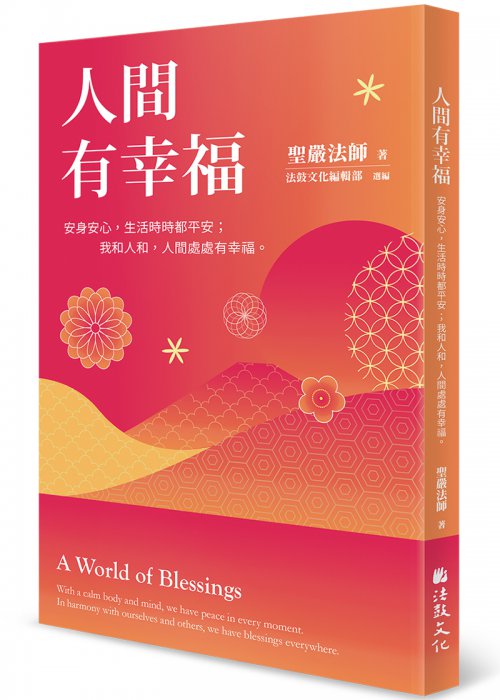
人間有幸福:安身安心,生活時時都平安;我和人和,人間處處有幸福
什麼是幸福?如何擁有幸福?知足是幸福的起點,欲望少一點,幸福就多一點。人生無論順境、逆境,時時感恩,念念惜福,福氣綿延不絕。以善念帶動善的循環,世界和諧安樂,生活歡喜共好,人間處處有幸福!
作者簡介
聖嚴法師(1930~2009年)1930年生於江蘇南通,1943年於狼山出家。曾於高雄美濃閉關六年,隨後留學日本,獲立正大學文學博士學位。1975年應邀赴美弘法。1989年創建法鼓山,並於2005年開創繼起漢傳禪佛教的「中華禪法鼓宗」。聖嚴法師是一位思想家、作家暨國際知名禪師,著作豐富,中、英、日文著作達百餘種,先後獲頒中山文藝獎、中山學術獎、總統文化獎及社會各界的諸多獎項。聖嚴法師提出「提昇人的品質,建設人間淨土」的理念,相繼創辦中華佛學研究所、法鼓文理學院、僧伽大學等院校,也以豐富的禪修經驗、正信的佛法觀念和方法指導東、西方人士修行。法師著重以現代人的語言和觀點普傳佛法,陸續提出「心靈環保」、「四種環保」、「心五四運動」、「心六倫」等社會運動,更致力於國際弘化工作,其寬闊胸襟與國際化視野,深獲海內外肯定。
NT$
$85
|
85折

心安病安:40則身心平安指引
在醫學發達的今天,活得長壽已不是難事,重要的是要活得莊嚴,活得快樂自在。生病,是一場真正的修行。本書從多面向探索身心疾苦,以佛法為藥,療癒不安的心,使我們豁然開朗,活得快樂,病得健康!「我很忙,總能找出時間,完成應做的工作。我常病,總能調整身心,猶如健康地活著。」——聖嚴法師生病是人生的隨堂考,讓我們練習接受生死無常。聖嚴法師雖然一生病痛纏身,卻能病而不苦。一般人都將生病視為倒楣的事,只能無奈接受,聖嚴法師卻反而鼓勵我們轉念,若能心懷感恩,珍惜生病的修行機會,就能因禍得福,轉危為安。一個人如果找不到安心之道,伴隨著年老而來的就是病苦。如能擁有智慧的生死觀,不但能病得很健康,也不會因為怕老,執著於追求留住青春,而能老得很自在、很幸福。聖嚴法師提醒我們:「健康不一定是身上沒有病,而是在思想上要有智慧,即是『活得快樂、病得健康』。」法師認為真正的「健康」,是心理的健康重於身體的健壯,所以應當將生活的挫折,轉換成自我磨鍊。我們學佛後可透過生病的機會,學習善觀因緣、因果的法則,並修福修慧來提昇生命品質。正如法師所說:「面對果報、接受果報、改善果報,這才是最好的治病之道。」有時生病會讓我們直面生死,卻可從中體驗無常,而有豁達開朗的生死態度。願我們都能心安定、身自在,通過病的考驗,鍛鍊成一位生命智者。
作者簡介
聖嚴法師(1930〜2009年)聖嚴法師1930年生於江蘇南通,1943年於狼山出家。曾於高雄美濃閉關六年,隨後留學日本,獲立正大學文學博士學位。1975年應邀赴美弘法。1989年創建法鼓山,並於2005年開創繼起漢傳禪佛教的「中華禪法鼓宗」。聖嚴法師是一位思想家、作家暨國際知名禪師,著作豐富,中、英、日文著作達百餘種,先後獲頒中山文藝獎、中山學術獎、總統文化獎及社會各界的諸多獎項。聖嚴法師提出「提昇人的品質,建設人間淨土」的理念,相繼創辦中華佛學研究所、法鼓文理學院、僧伽大學等院校,也以豐富的禪修經驗、正信的佛法觀念和方法指導東、西方人士修行。法師著重以現代人的語言和觀點普傳佛法,陸續提出「心靈環保」、「四種環保」、「心五四運動」、「心六倫」等社會運動,更致力於國際弘化工作,其寬闊胸襟與國際化視野,深獲海內外肯定。
作者
NT$
$170
|
85折
生死不惑:40則生死自在指引
未來有希望,生死不茫然聖嚴法師直面生死的智慧面對親人或朋友的死亡,我們心裡一定不會快樂,就算是佛陀也一樣。在這本書中,聖嚴法師用40則指引,從不同的角度探索生死,引導讀者思考人生的意義,探索生死謎題,從生死徬徨轉為生死自在。你將學習到如何建立正確的生死觀,從而化解種種的擔憂、誤解和困惑。你將認識死亡的三種層次,從而走向超越生死的境界。你也會明白,活著的每一刻都是珍貴的,而死亡是生命旅程中不可或缺的一部分。面對生死,我們必須珍惜當下,才能活出真正自在的人生。書中提到,生命的意義不在於目的,而在於過程。只有當我們正確面對死亡,才能活得更加快樂與充實。無論是佛教徒還是非佛教徒,本書都將對你產生深遠的影響。◆ 死亡就像是工作一天累了,需要休息、睡覺,去洗個澡就睡了。如果能把死亡和睡覺看成相同的層次和狀況,就很自然,也用不著害怕了。◆ 對許多人而言,衰老與死亡看起來是很悲傷的事情,但即使是悲傷,也是持續生滅的。如果對死亡一直抱持悲傷的態度,那麼也一定會持續將悲傷帶到生命中。◆ 即使一生一帆風順的人,在他們的心裡,仍有苦惱,仍感懷疑:「為什麼好像孤零零地被生在這個世界上?」因此,我們在聽到佛法之後,就應該了解生到世界上來,是因為自己的往昔因緣所造成,不是受制於他人。能不能有辦法來改善自己、提昇生命,才是重要的課題。◆ 人的每一段生命劇本會不同,但困境會重複;自殺是對生命的毀約,因為你臨陣脫逃,沒有按照劇本演出。◆ 有人常說:「生命無價。」勸人愛惜生命,雖有道理,但還不夠具有說服力。生命不是用價值看,而是義務。生命再苦,也要過完,就是面對它、接受它、處理它,最後放下它。◆ 能生則必須求生,非死不可則當歡喜地接受;感恩生存,也當感謝死亡。◆ 我們的人生價值,就是讓自己幸福、平安、健康、快樂,同時也讓跟我們相關的人平安、幸福、健康、快樂,這是我們的目的。
作者簡介
聖嚴法師(1930〜2009年)聖嚴法師1930年生於江蘇南通,1943年於狼山出家。曾於高雄美濃閉關六年,隨後留學日本,獲立正大學文學博士學位。1975年應邀赴美弘法。1989年創建法鼓山,並於2005年開創繼起漢傳禪佛教的「中華禪法鼓宗」。聖嚴法師是一位思想家、作家暨國際知名禪師,著作豐富,中、英、日文著作達百餘種,先後獲頒中山文藝獎、中山學術獎、總統文化獎及社會各界的諸多獎項。聖嚴法師提出「提昇人的品質,建設人間淨土」的理念,相繼創辦中華佛學研究所、法鼓文理學院、僧伽大學等院校,也以豐富的禪修經驗、正信的佛法觀念和方法指導東、西方人士修行。法師著重以現代人的語言和觀點普傳佛法,陸續提出「心靈環保」、「四種環保」、「心五四運動」、「心六倫」等社會運動,更致力於國際弘化工作,其寬闊胸襟與國際化視野,深獲海內外肯定。
作者
NT$
$170
|
85折
傳入西藏的中國禪法
在西藏被否定,在中國被遺忘,傳入西藏的中國禪法幾乎已完全消失?西藏禪法顯然曾經融入密法的元素,而發展成一個獨特的傳統,然而這個神奇的融合卻仍鮮為人知。二十世紀初以前,西藏傳統文獻幾乎不見中國禪佛教的痕跡。然而,隨著敦煌洞窟的開鑿,發現寫於十世紀左右的各種語言寫本,改變人們對於早期禪佛教的認識。本書翻譯自一些倖存於敦煌的早期重要藏語禪本。這些譯文傳達出禪佛教傳統的不同面向。譯文前的導讀,除了討論儀式的功能、法諍、傳承與早期禪修傳統,也解釋這些文本如何用於實際修持。西方在對禪宗發生興趣的早期階段,認為禪宗不奉行任何形式的儀式,實則不然,這是由於當時的新教情結,以及反制式化活動所造成的錯誤印象。事實上,有關禪宗儀式的新近研究指出,禪的日常其實是最淋漓盡致的儀式性生活。本書在提供藏文禪法寫本譯文的同時,也試圖描繪當時宗教型態與人民生活,讓人一探中國禪法在吐蕃統治敦煌時期的流布與傳承。
作者簡介
薩姆・范・謝克(Sam van Schaik)英國曼徹斯特大學(University of Manchester)西藏佛教文學博士。目前任職於倫敦大英圖書館國際敦煌項目(International Dunhuang Project),研究早期藏文寫本。他也是《西藏:一段歷史》(Tibet: A History,2011)的作者。
譯者簡介
黃書蓉政大外交系畢業,現為專任譯者。因對西藏佛教深感興趣,曾於法鼓文理學院西藏佛教組碩士班就讀三年,專門研究古典藏文、藏醫及西藏史等。
譯者
黃書蓉
NT$
$298
|
85折
幸福告別︰聖嚴法師談生死關懷 (大字版)
生死雖為正常事,但是不容易以平常心看待,有佛法的陪伴,清楚的方向,生死相逢時,你可以微笑著幸福告別!我很小就有死亡經驗,一次是從樹上摔下,一次是跌落河裡,立刻就沒氣息了。我的一生,經歷過幾次大災難,曾眼見屍橫遍野,那時就想到,死亡總有一天臨到我吧!死亡是人生的必然,我們可以做的,就是隨時準備死亡的到來。——聖嚴法師善終並不一定就是無痛、無病的往生,有病有痛也可以善終,只要觀念正確、正念分明,臨終可以很莊嚴也很有尊嚴。生死如日出日落,人生的聚散無常,讓人更珍惜時光、善用生命。我們的生命不只屬於自己,更與整個世界息息相關。溫暖別人,即是溫暖自己;關懷別人,即是關懷自己。種種生死聚散,都是豐富人生的成長。事實上,我們每一個人的生命,都與父母家人相繫,與同儕友人相親,也與社會國家和天地自然之間,有著密不可分的關係,沒有一個人是孤單的,也沒有一個生命是無依無援的。佛教認為,我們的生命是無限的。在時間上,有過去無量的生生世世,以及未來無量的生生世世,我們會一生一生地輪回下去,直到最究成佛為止,也就是最終的圓滿。空間上,在我們所處的地球,娑婆世界、三千大千世界之外,還有無量十方世界。生命與死亡是一體的兩面,所以生存與死亡,都是無限時空中的必然現象。我們要知道,死亡本身並不是一件可怕的事,死後還有另一個新的未來在等待著。就像白天工作太累,晚上非睡覺不可一樣,補充睡眠以後,第二天早上起床,又是嶄新的一天。聖嚴法師以佛法的智慧談生死關懷,面對生死大事,可以用祝福代替悲傷,生命有限,願力無限!死後不是一無所有,依然能幸福告別,乘願再來!◆從貪生怕死,到死生自在!‧佛教生死觀‧臨終關懷的理念與方法‧生前吉祥、死後致福的佛事‧超越生死得自在
作者簡介
聖嚴法師(1930~2009年)1930年生於江蘇南通,1943年於狼山出家,後因戰亂投身軍旅,十年後再次披剃出家。曾于高雄美濃閉關六年,隨後留學日本,獲立正大學文學博士學位。1975年應邀赴美弘法。1989年創建法鼓山,並於2005年開創繼起漢傳禪佛教的「中華禪法鼓宗」。聖嚴法師是一位思想家、作家暨國際知名禪師,曾獲臺灣《天下》雜誌遴選為「四百年來臺灣最具影響力的五十位人士」之一。著作豐富,中、英、日文著作達百餘種,先後獲頒中山文藝獎、中山學術獎、總統文化獎及社會各界的諸多獎項。聖嚴法師提出「提升人的品質,建設人間淨土」的理念,主張以大學院、大普化、大關懷三大教育推動全面教育,相繼創辦中華佛學研究所、法鼓文理學院、僧伽大學等院校,也以豐富的禪修經驗、正信的佛法觀念和方法指導東、西方人士修行。法師著重以現代人的語言和觀點普傳佛法,陸續提出「心靈環保」、「四種環保」、「心五四運動」、「心六倫」等社會運動,並積極推展國際弘化工作,參與國際性會談,促進宗教交流,提倡建立全球性倫理,致力世界和平。其寬闊胸襟與國際化視野,深獲海內外肯定。
作者
NT$
$187
|
85折
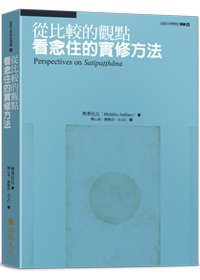
從比較的觀點看念住的實修方法
「雖然我以學術研究方法表達經文,而且在部分討論中我需要處理較為理論性的議題,但是整體而言,這本書是為修行者所寫的,如何能對禪修實踐有幫助,是我這個研究的出發點。」——無著比丘(Bhikkhu Anālayo)「無著比丘的著作是無懈可擊的學術和修行寶典,對佛陀原始教法提供了明智、豁達、深刻的理解。」——傑克.康菲爾德(Jack Kornfield)本書為探討禪修根本佛典《念住經》的專論,希望提供禪修者實踐《念住經》之道。無著比丘接續前作《念住:通往證悟的直接之道》,此次更深度研究不同經文版本觀點,透過比較《念住經》巴利經文的對應版本,漢文版、梵文版和藏文版所呈現的觀點異同,探討禪修的各種議題。從學術觀點來看,根本不可能重構歷史上佛陀曾說過什麼。不過,在我們所掌握的有限文獻裡,早期經典的比較研究,讓我們盡可能還原特定教導的原始版本,從而認識佛教中最早的關於念住禪修的思想。無論是哪一種譯本的《念住經》,不同傳承的版本文獻資料,都以不同方式各安其位,反映它們各自在修行上的重要性。而無著比丘以其深入的學術研究,結合對禪修的深度瞭悟,為此解脫修行的方法,提供了珍貴的指導。
作者簡介
無著比丘(Bhikkhu Anālayo)1962年生於德國,1995年於斯里蘭卡剃度出家。2000年獲頒裴拉甸尼亞(Peradeniya)大學博士學位。目前已從漢堡大學佛學教授一職退休,現為巴雷(Barre)佛學研究中心的常駐學者。無著比丘是法鼓文理學院阿含經研究小組的創始成員,也是漢堡大學沼田(Numata)佛學研究中心研究員。
譯者簡介
釋心承2003年於美國法雲寺佛學院畢業。2010年於美國西來大學,以比較研究南、北傳的止觀禪修完成博士學位。北傳師從玅境長老、南傳師從無著比丘學習,曾任教於臺灣佛學院,長期研修《阿含經》。劉雅詩英國蘭卡斯特大學哲學博士,現任香港教育大學講師及中文大學榮譽副研究員,主要研究跨國禪修和正念教育發展。呂文仁臺灣大學心理系畢業,美國賓州州立大學雙語教育博士候選人,研究興趣為語言現象的心理歷程,特別是習得歷程與理解歷程。從聖嚴法師修習禪法,對漢傳禪宗中語言文字的功用與角色深感興趣。
譯者
釋心承、劉雅詩、呂文仁
NT$
$383
|
85折

幸福告別—聖嚴法師談生死關懷 (簡體版)
善终并不一定就是无痛、无病的往生,有病有痛也可以善终,只要观念正确、正念分明,临终可以很庄严也很有尊严。有人一生繁花似锦,有人一生茫然而过;无论过程如何,在最后一刻,都希望能幸福告别!我很小就有死亡经验,一次是从树上摔下,一次是跌落河里,立刻就没气息了。我的一生,经历过几次大灾难,曾眼见尸横遍野,那时就想到,死亡总有一天临到我吧!死亡是人生的必然,我们可以做的,就是随时准备死亡的到来。——圣严法师生死如日出日落,虽为正常事,却不容易以平常心看待,如何能豁达呢?人生的聚散无常,让人更珍惜时光、善用生命。我们的生命不只属于自己,更与整个世界息息相关。温暖别人,即是温暖自己;关怀别人,即是关怀自己。种种生死聚散,都是丰富人生的成长。生命一定有它的原因,也一定代表某些意义。它的目的是什么?最后会到哪儿去?又会成为什么呢?事实上,我们每一个人的生命,都与父母家人相系,与同侪友人相亲,也与社会国家和天地自然之间,有着密不可分的关系。没有一个人是孤单的,也没有一个生命是无依无援的......佛教认为,我们的生命是无限的。在时间上,有过去无量的生生世世,以及未来无量的生生世世;我们会一生一生地轮回下去,直到最究成佛为止,也就是最终的圆满。在空间上,我们所处的地球,娑婆世界、三千大千世界之外,还有无量十方世界......生命与死亡是一体的两面,所以生存与死亡,都是无限时空中的必然现象......我们要知道,死亡本身并不是一件可怕的事,死后还有另一个新的未来在等待着。就像白天工作太累,晚上非睡觉不可一样,补充睡眠以后,第二天早上起床,又是崭新的一天。圣严法师以佛法的智慧,与你分享面对生死的自安安人妙法,心安就有平安。面对生死大事,可以祝福代替悲伤,生命有限,愿力无限!死后不是一无所有,能幸福告别,乘愿再来!
作者簡介
圣严法师(1930~2009年)1930年生于江苏南通,1943年于狼山出家,后因战乱投身军旅,十年后再次披剃出家。曾于高雄美浓闭关六年,随后留学日本,获立正大学文学博士学位。1975年应邀赴美弘法。1989年创建法鼓山,并于2005年开创继起汉传禅佛教的「中华禅法鼓宗」。圣严法师是一位思想家、作家暨国际知名禅师,曾获台湾《天下》杂志遴选为「四百年来台湾最具影响力的五十位人士」之一。著作丰富,中、英、日文著作达百余种,先后获颁中山文艺奖、中山学术奖、总统文化奖及社会各界的诸多奖项。圣严法师提出「提升人的品质,建设人间净土」的理念,主张以大学院、大普化、大关怀三大教育推动全面教育,相继创办中华佛学研究所、法鼓文理学院、僧伽大学等院校,也以丰富的禅修经验、正信的佛法观念和方法指导东、西方人士修行。法师着重以现代人的语言和观点普传佛法,陆续提出「心灵环保」、「四种环保」、「心五四运动」、「心六伦」等社会运动,并积极推展国际弘化工作,参与国际性会谈,促进宗教交流,提倡建立全球性伦理,致力世界和平。其宽阔胸襟与国际化视野,深获海内外肯定。
作者
NT$
$187
|
85折
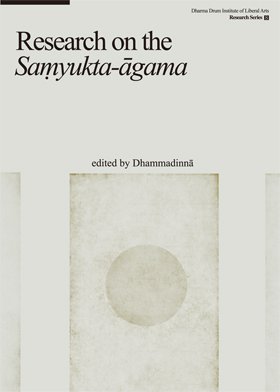
(英文版)雜阿含經研究論文集 Research on the Saṃyukta-āgama
This is the fourth volume of proceedings of the Āgama seminars convened by the Āgama Research Group at the Dharma Drum Institute of Liberal Arts (formerly Dharma Drum Buddhist College). It comprises nineteen studies, contributed by eighteen different scholars, on various themes related to the Connected Collections of discourses (suttas, sūtras) — Saṃyutta-nikāya in Pali, Saṃyukta-āgama in Sanskrit — transmitted by different early Buddhist lineages of reciters, preserved in their Indic originals in Gandhari, Pali and Sanskrit as well as in Chinese and Tibetan translations. This research draws attention to fundamental methodological points posed by the study of these scriptural collections as windows into the formation of early Buddhist texts and the organisation of their transmission.
作者簡介
About the editor:Bhikkhunī DhammadinnāDharma Drum Institute of Liberal ArtsAbout the contributors:Oskar von HinüberAlbert-Ludwigs-Universität FreiburgBhikkhu AnālayoUniversität HamburgRupert GethinUniversity of BristolRichard SalomonUniversity of WashingtonMark AllonUniversity of SidneyJoseph MarinoUniversity of WashingtonJin-il Chung (鄭鎮一)Akademie der Wissenschaften zu GöttingenPeter Skilling (Bhadra Rujirathat)École française d’Extrême-OrientJens-Uwe HartmannLudwig-Maximilians-Universität MünchenYao Fumi (八尾 史)Waseda Institute for Advanced StudiesBhikkhunī DhammadinnāDharma Drum Institute of Liberal ArtsBhikkhu PāsādikaAcadémie bouddhique Linh-SonBhikṣu Huimin (釋惠敏)Dharma Drum Institute of Liberal ArtsTaipei National University of the ArtsKarashima Seishi (辛嶋 靜志)The International Research Institute for Advanced Buddhology at Soka UniversityMarcus BingenheimerTemple UniversityKen Su [Su Jinkun (蘇錦坤) ]Āgama Research GroupChoong Mun-keat (鍾秉潔) [Wei-keat (煒傑)]University of New EnglandStefania TravagninRijksuniversiteit Groningen
作者
NT$
$748
|
85折
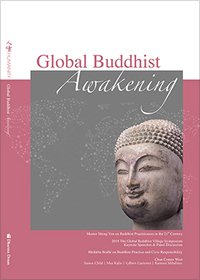
(英文版) 悟吧!在世界佛教村 Global Buddhist Awakening
Taiwan went through an intense period of social change in 1949. The island's politics, economy, ethnicity …… had undergone considerable change. In response this period of tumultuous change, Master Dong Chu founded the "Humanity" magazine to help people cope.
Seventy years later, "Humanity" had weathered being shelved, relaunched and redesigned. It still continues to publish topics that help people cope with the changes in today's world monthly. As "Humanity" approaches its 70th anniversary, it is encountering a different kind of changing world. 27 June 2018, with the aim of sharing the diversity of spiritual practices, we invited dharma masters from different traditions to share the compassion and wisdom of Buddhadharma. The full texts of the keynote speeches and panels are included in this special issue of " Awakening in the Global Buddhist Village".
"Humanity's" guiding teacher, Master Sheng Yen, dedicated his life to bringing Chinese Chan Buddhism to the West. Many Westerners who became his students twenty to thirty years ago continue to follow his footsteps, engage in self cultivation and teaching, establish centers and transmit the lineage. How did they discover Chan Buddhism and how did they find their teacher, Master Sheng Yen? These stories of the teacher and the student are very inspirational.
In the twenty first century, on this 70th anniversary of "Humanity" magazine, Buddhism has spread around the world resembling a global Buddhist village. From the United States of America, Bhikkhu Bodhi described his process of transformation from a traditional monastic to that of a social advocator because he witnessed the oppression of human beings caused by the current social systems; to Italy's Bhikkhun? Dhammadinn? who shared about her journey of how she went from learning dancing to engaging in Buddhist research and ultimately to becoming a female monastic.
Contributing to the world in our capacity of Chinese Chan Buddhism, "Humanity"70 along with the Buddhist Dharma family all over the world and our friends on the same path, let us "Awaken in the Global Buddhist Village"!
About the Humanity magazine
Founded in 1949, Humanity magazine was the first Buddhist magazine published and released in Taiwan. Founded by Ven. Dong Chu and later continued by his disciple Master Sheng Yen, it has been one of the most influential magazines in Taiwan’s Buddhist circles.
Humanity magazine concerns itself about contemporary development of Buddhism, and puts an emphasis on the uplifting of people’s minds and spiritual lives. Each month’s topic not only touches upon various social phenomena, but also explores from Buddhist concepts to worldly studies, to encourage readers to search their inner beings and incorporate Buddhist practice into their daily lives. For cover and layout design, the magazine has invited outstanding illustrators to help render an elegant yet fun style, thus through pages allowing readers to slow down and find a space for spiritual relaxation, self-transformation, and the enjoyment of purity and freedom by applying the Dharma in life.
The magazine had been discontinued for a while due to Master Sheng Yen’s solitary retreat practice. When it was reissued in 1982, as an encouragement, he wrote:
Seek progress in the ordinary life and see the glory of life in hardship.
Seek development in harmony and see the hope in the hard work.
Seek abundance in peace and calm and see the solemness in the training.
Seek wisdom in silence and see the compassionate aspiration in the proactive commitment.
In the future, the Humanity magazine will continue to uphold Master Sheng Yen’s encouragements and expectations, to keep on sharing Buddhist wisdom and compassion, to help bring brightness and hope to the world.
作者
NT$
$442
|
85折
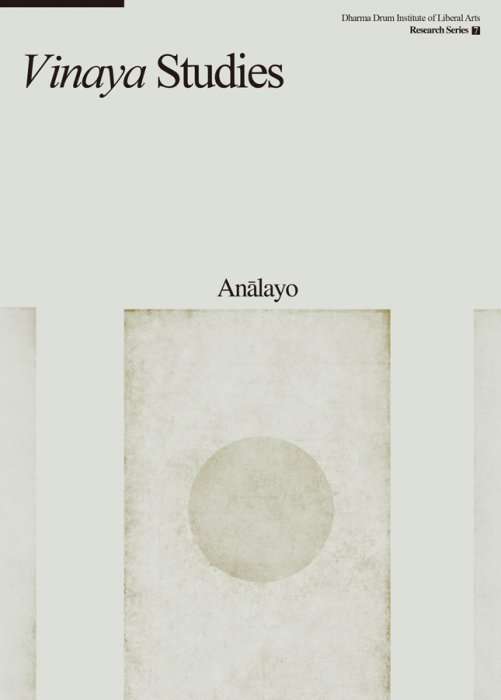
(英文版) 戒律研究 Vinaya Studies
The present book collects research papers by Bhikkhu Anālayo related to Vinaya. Recurrent topics are the nature of Vinaya narrative and the overlap between discourse and Vinaya material, both of which have significant ramifications for the use of such textual material by the modern scholar. In addition, topics taken up in the course of this book are the legal consequences of pārājika, the mass suicide of monks, the tale of Vessantara's lavish giving, the impact of the account of the first saṅgīti on attitudes towards Vinaya rules, the account of the foundation of the order of bhikkhunīs, and the legal dimensions of the revival of the bhikkhunī order.
作者簡介
Bhikkhu Anālayowas born in Germany in 1962 and ordained in Sri Lanka in 1995. He completed a Ph.D. thesis at the University of Peradeniya (Sri Lanka) in 2000 and a habilitation thesis at the University of Marburg (Germany) in 2007. At present he is a professor at the University of Hamburg, Numata Center for Buddhist Studies (Germany).
作者
NT$
$383
|
85折
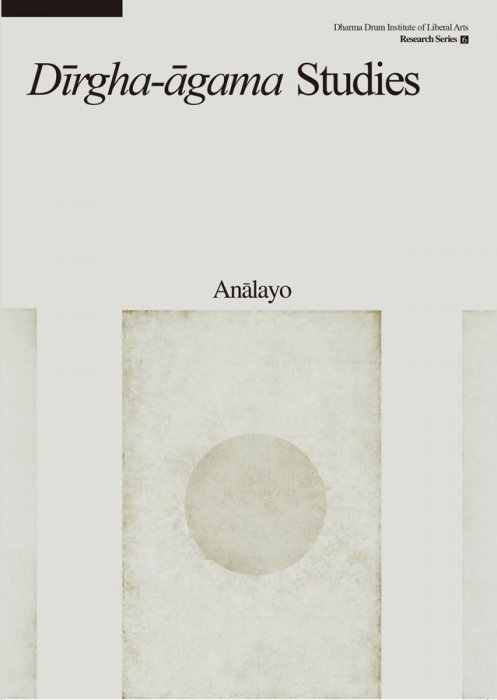
(英文版) 長阿含研究Dīrgha-āgama Studies
The present book collects research papers by Bhikkhu Anālayo containing translations of Dīrgha-āgama discourses and comparative studies of their Pāli parallels (as well as relevant Sanskrit fragments), together with three appendices. Several chapters and the appendices are devoted to examining aspects of the early Buddhist oral transmission. In addition, topics taken up in the course of this book are the analysis of views in the Brahmajāla, healing in early Buddhism, the Buddha's last meditation, his display of fire miracles, levitation, debating strategies, and the future Buddha Maitreya.
作者簡介
Bhikkhu Anālayowas born in Germany in 1962 and ordained in Sri Lanka in 1995. He completed a Ph.D. thesis at the University of Peradeniya (Sri Lanka) in 2000 and a habilitation thesis at the University of Marburg (Germany) in 2007. At present he is a professor at the University of Hamburg, Numata Center for Buddhist Studies (Germany).
作者
NT$
$595
|
85折
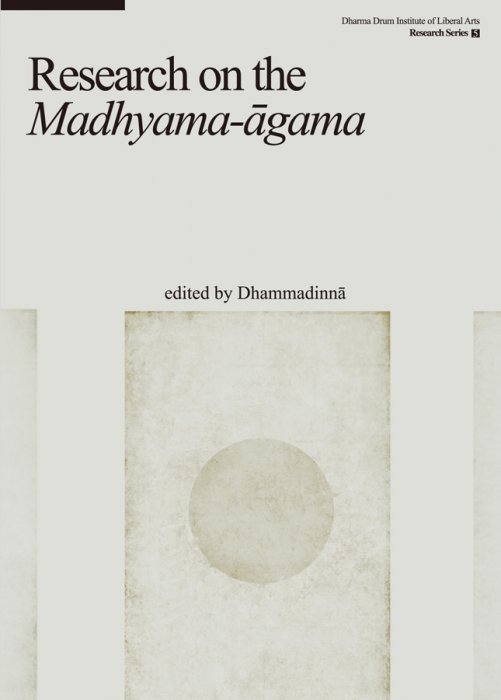
(英文版) 中阿含經研究論文集 Research on the Madhyama-āgama
This is the third volume of proceedings of the Āgama seminars convened by the Āgama Research Group at the Dharma Drum Institute of Liberal Arts (formerly Dharma Drum Buddhist College). It collects academic contributions on various aspects related to the Middle-length Collec¬tions of discourses (sūtras, suttas) transmitted by different early Buddhist lineages of reciters, preserved in their Indic originals in Gandhari, Pali and Sanskrit as well as in Chinese and Tibetan translations.
作者簡介
About the editor:Bhikkhunī DhammadinnāDharma Drum Institute of Liberal Arts
About the contributors:
Mark Allon & Blair SilverlockUniversity of Sydney
Bhikkhu AnālayoUniversity of Hamburg
Roderick S. BucknellUniversity of Queensland
Jin-il Chung(鄭鎮一)Göttingen Academy of Sciences
Takamichi Fukita(吹田隆道)Bukkyō University
Jen-jou Hung(洪振洲)Dharma Drum Institute of Liberal Arts
Seishi Karashima(辛嶋靜志)The International Research Institute forAdvanced Buddhology at Soka University
Michael RadichVictoria University of Wellington
Richard SalomonUniversity of Washington
Peter SkillingÉcole française d’Extrême-Orient
Ingo StrauchUniversity of Lausanne
作者
NT$
$383
|
85折
(英文版) 增壹阿含研究 Ekottarika-āgama Studies
The present book collects research papers by Bhikkhu Anālayo with translations of Ekottarika-āgama discourses and comparative studies of their Pāli parallels, together with three appendices on the terms Mahāyāna, Hīnayāna, and Theravāda. Several papers study aspects of the Ekottarika-āgama as a collection distinct from other Nikāya and Āgama collections. In addition, topics taken up in the course of this book are seclusion, the lion's roar, the wheel-turning king, Paccekabuddhas, and the four noble truths, as well as depictions of accomplished nuns and their significance.
作者簡介
Bhikkhu Anālayo was born in Germany in 1962 and ordained in Sri Lanka in 1995. He completed a Ph.D. thesis at the University of Peradeniya (Sri Lanka) in 2000 and a habilitation thesis at the University of Marburg (Germany) in 2007. At present he is a professor at the University of Hamburg, Numata Center for Buddhist Studies (Germany).
作者
NT$
$578
|
85折
佛教入門
為了讓忙碌的現代人,以最經濟的時間,對佛教有基本的認識,了解純正的佛法核心,聖嚴法師以輕鬆的筆調和簡明扼要的敘述,將佛教的發展及佛陀的教義娓娓道來。為最佳的佛教入門書。為了讓現代人在最經濟的時間內理解佛教,聖嚴法師根據當代佛教學界最新的研究成果,用深入淺出的筆法,勾勒出佛教的基本脈絡,還原佛教的根本面貌。本書分為三大單元──一、「佛陀示現」:佛陀的人格和思想、印度的環境、教團的發展和演變……二、「基本教義」:何謂四聖諦、五蘊、十二因緣、因果、唯名、唯心……三、「修持方法」:修行的層次和方法、學佛的基礎、在家居士如何學佛……內容簡單扼要,論述明確,對於任何想了解佛教的人,這是一本絕對不容錯過的佛學入門書!
作者簡介
聖嚴法師(1930-2009年)聖嚴法師1930年生於江蘇南通,1943年於狼山出家,後因戰亂投身軍旅,十年後再次披剃出家。曾於高雄美濃閉關六年,隨後留學日本,獲立正大學文學博士學位。1975年應邀赴美弘法。1989年創建法鼓山,並於2005年開創繼起漢傳禪佛教的「中華禪法鼓宗」。聖嚴法師是一位思想家、作家暨國際知名禪師,曾獲臺灣《天下》雜誌遴選為「四百年來臺灣最具影響力的五十位人士」之一。著作豐富,中、英、日文著作達百餘種,先後獲頒中山文藝獎、中山學術獎、總統文化獎及社會各界的諸多獎項。聖嚴法師提出「提昇人的品質,建設人間淨土」的理念,主張以大學院、大普化、大關懷三大教育推動全面教育,相繼創辦中華佛學研究所、法鼓文理學院、僧伽大學等院校,也以豐富的禪修經驗、正信的佛法觀念和方法指導東、西方人士修行。法師著重以現代人的語言和觀點普傳佛法,陸續提出「心靈環保」、「四種環保」、「心五四運動」、「心六倫」等社會運動,並積極推展國際弘化工作,參與國際性會談,促進宗教交流,提倡建立全球性倫理,致力世界和平。其寬闊胸襟與國際化視野,深獲海內外肯定。
作者
NT$
$213
|
85折
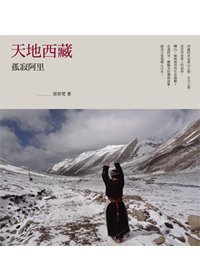
天地西藏:孤寂阿里
西藏阿里是萬山之祖、百川之源,是世界屋脊上的屋脊。轉山,絕無僅有的生命經驗!走進阿里,體驗其壯闊與寂寥,感受天寬地闊心自在!
一生至少轉一次神山,是西藏人的夙願。轉山,不只是向外的朝聖之旅,也是內在的重生之路。作者於2010年及2015年兩度前往阿里及外轉岡仁波齊神山,記錄了雪域高原獨特的大山大水景致,記錄了行旅途中心靈點滴的自我觀照,面對絕美的視覺震撼,讓她懂得了寂寥沉靜的力量,也豐收了內心廣闊的風光。她從拉薩出發,穿越日喀則、阿里、那曲等地,走過世界海拔最高的淡水湖、全球面積最大的土林景觀、世界中心的岡仁波齊神山,探索神祕古格王國。行走孤寂阿里轉神山,彷彿天地之間唯你獨行,放捨一切,與天地萬物合而為一!
作者簡介
邱常梵
臺大中文系畢業。曾任雜誌社副主編、小學老師、中日合資企業研發部及行銷市場部廣宣主任。2002年進入法鼓山體系任職,開始學佛,視為人生轉捩點;2004年因先生事業轉移大陸而離職;2005年5、6月獨行滇、藏、川的藏區;2005年9月起於西藏大學遊學一年,那年正好五十歲;2008年皈依寧瑪派上師,正式次第實修藏傳佛法。喜愛閱讀、登山和自助旅行,曾經旅行過十多個國家,最終卻在雪域高原找到心靈的故鄉。發願餘生以一支拙筆為西藏、為藏民、為佛法盡一份心力!
作者
NT$
$468
|
85折
佛教禪修傳統:比較與對話—2014國際研討會論文集
佛教禪修傳統研究視野與思想交流,是近年來世界佛教學術研究的重要新趨勢,法鼓文理學院於二○一四年十月舉辦「佛教禪修傳統:比較與對話」國際研討會,邀請德國、比利時、義大利、美國、印度、日本、臺灣等地學者,就不同面向深入探討佛教禪修議題。
本論文集精選此次國際研討會中七篇論文,內容涵蓋早期佛教文獻對第二禪的探討、南北大眾部對於禪修中定心與頓悟的比較、禪修中的性格分類、印度與中國佛教教義與禪修經驗的比較、觀經變相圖的比較研究、看話禪的研究,以及中國禪宗詩偈於生命教育之應用初探。
藉由傳統與現代議題對談,呈現多元面貌的理論與實踐方式,提供禪修研究新的觀點。
作者簡介
Bhikkhu AnalayoDharma Drum Institute of Liberal Arts
Bart DesseinGhent University
Mahesh A. DeokarSavitribai Phule Pune University
Eric M. GreeneYale University
Nobuyoshi YamabeWaseda University
賴賢宗國立臺北大學
辜琮瑜法鼓文理學院
(按論文順序排序)
作者
NT$
$357
|
85折
正在載入更多商品......