搜尋結果
共
2629
筆符合商品
排序

老媽,這次換我照顧你
暢銷書《佐賀的超級阿嬤》作者島田洋七再一令人笑淚滿載最新力作!
心態對了,照護父母不再是沉重負擔,而是一次梳理人生的契機,重享親子關係的起點!一個讓人幽默看待照護試煉、思索老後人生的動人故事!用島田式的幽默面對人生的一切,事情就會變得簡單:佐賀阿嬤教我的其中一件事情,就是對別人好要假裝是不小心的。由於從小佐賀阿嬤就是這樣教我,所以我在送禮物給別人時,總是會說:「那天買太多了。」給別人伴手禮時,也習慣說:「剛好大特價啦。」就近照顧丈母娘所蓋的新房子也是如此。「聽好了喔,德川家康死了,聖德太子死了,我們家的阿公也死了。所以啊,人總有一天會死的。」當初聽阿嬤這樣說,我心裡想:「拿聖德太子跟我們家阿公比,也太亂來了吧?」回到佐賀唯一感到不方便的,就是開門與關門。一般的大門只要轉動鑰匙,就能打開或關上,但是我們家的大門採用傳統形式,開關上有些麻煩。「用這種門很麻煩啊。」「人要多動手才好。每天做這種細活,才不會變笨啊。」不論過著哪一種日子,想法改變,心情也會隨之一變。就像「佐賀阿嬤」教我們的:「河川是天然的超級市場。」我和老婆之所以能笑著走過照護丈母娘的生活,主要是我們兩人的個性都不會鑽牛角尖,彼此都是樂天派。爸媽總會老,是我們逃避不了的。照護和人生一樣,可以換個方法想,調整心態。像「都是因為媽媽生病,我才得回鄉」,跟「多虧要照顧父母,我才有機會回老家」,這樣的思考,絕對比一百萬的金錢更能支持我們。照護和說相聲一樣,就是要真心想要對方開心。不只是吃飯了吃藥了那樣的形式,而是提供尊嚴和娛樂的生命真相。長達十四年的照護生活中,老媽教了我許多事。「照護就是要笑!」照護不過是生活的一部分,正經八百地活著未免太辛苦,重要的是能開心度過。正是老媽讓我明白了這一點。老媽,謝謝您。以《佐賀的超級阿嬤》而廣為人知的島田洋七,為了中風的丈母娘(老媽),在故鄉佐賀找地建屋,舉家從東京遷回佐賀。本書記錄了他和太太照顧丈母娘,充滿歡笑與淚水的十四年歲月。夫妻倆在書中分享了照護的體悟以及他們的人生態度及智慧。 書中除了分享照護過程中遇到的情況外,也提到親人間的情感交流和教育。希望本書能啟發、慰藉、陪伴和鼓勵大家,大家能如同洋七認知到的:「照護一定要笑」,體悟到照護並非義務,而是「『我們一起分擔』,和對方一起分擔痛苦和快樂。」能夠和島田夫妻一樣,樂觀正面並充滿愛!
作者簡介
島田洋七(Shimada Yoshichi)一九五〇年二月十日生於廣島,本名德永昭廣,小學至國中時期住在佐賀。以相聲(漫才)二人組「B&B」接連獲得NHK上方(泛指京阪地區或關西一帶)相聲大賽、YTV上方搞笑大獎、OBC上方相聲大獎等多數獎項,成為八〇年代引領相聲熱潮的人物,搞笑橋段「もみじまんじゅう」(楓葉饅頭)!在當時蔚為流行。描述與外婆在佐賀相依為命的《佐賀的超級阿嬤》成了暢銷書,在海外也深受好評。目前除了演藝事業之外,也活躍於演講、撰稿等活動。
譯者簡介
莊雅琇現為專職譯者,譯有《那些死亡教我如何活:一位清掃死亡現場者20年的生死思索》、《為什麼世界頂尖人士都重視這樣的基本功?》、《原始人飲食法:吃基因最需要的食物》、《道歉的藝術》、《簡單思考:LINE前任CEO首度公開網路時代成功術》等。
作者
譯者
莊雅琇
NT$
$238
|
85折

每一天,都是放手的練習2
《每一天練習照顧自己》《每一天,都是放手的練習》作者另一代表作
今天,以及未來的每一天,都請花點時間,問自己,「還好嗎?」
如果現在你所在的地方讓你不快樂,離開吧。如果那個人不想存在於你的生命裡,就讓他或她走吧。如果你覺得很痛,就讓自己痛吧!
承認當下發生在自己身上的事,然後學會坦白內心的感覺。真正的力量就來自於認清事實並接受真相的那一刻。
無論發生什麼事,你的人生該怎麼過才最好,這個責任在你身上。因為我們最終除了自己,沒有誰能為我們自己的人生負責。沒有人可以怪罪,沒有人可以求償。
將人生交在自己手上,掌管自己的人生。放開那些人生中無法掌控的事,也放他人為自己負責。
然後穿越你的恐懼之牆,去做自己真心想做的事,允許自己犯錯,讓自己成長。
本書為作者經歷幼子意外喪生後的作品,除了先前自身的生命經歷帶來的省思,關於悲傷與失去多有著墨,對於放手則有更深的體悟描述。
全書以366篇,每天一篇,引導讀者思索自己與他人關係,鼓勵讀者為自己的人生負責、放掉不適合的感情或行為、了解自己的界線、釋放自己的恐懼、保護自己不受負能量影響、放開所有讓自己不快樂的原因。
作者告訴讀者,即使像她那樣殘破不堪的人生都能獲得重生,所以別把你對自己生命的責任拱手讓人,而是要做自己人生的主人。
不管你現階段的人生如何,都要好好過你自己的人生。力量不是來自遙遠的未來,而是在當下。
你的人生就是你的力量。
●作者簡介
梅樂蒂.碧緹(Melody Beattie)
1948年生於明尼蘇達州,曾做過記者、自由撰稿作家,為美國最受歡迎的心理勵志作家之一。1986年她出版成名作《每一天練習照顧自己》,被Newsweek評選為最具代表性的四大心理勵志書之一,銷售超過八百萬本,翻譯成十餘種語言。相隔4年她另一本代表作,《每一天,都是放手的練習》出版後,也深深影響廣大讀者,同樣被視為經典作品。
碧緹之所以受到數百萬讀者的信任,相信她睿智的話語與指引,是因為她曾親身體驗過他們正在經歷的痛苦。她這一生中,遭遇過遺棄、綁架、性虐待、酗酒、嗑藥、離婚,喪子。透過自己的生命經驗和生活的感想,她深入淺出寫下如何勇於突破的信念和哲學,因為她深刻了解被拋棄的感覺,知道怎樣幫助那些還在痛苦中載浮載沉的人。
碧緹已出版18本書,包括本書與《每一天練習照顧自子》、《每一天,都是放手的練習》等,並在報章雜誌發表過數百篇文章,常上「歐普拉秀」等許多電視節目,時代雜誌與People等亦常常專訪她。她還常常在全球各地演講。目前她定居在南加州。
作者
譯者
盧姿麟
NT$
$255
|
85折

轉念,與自己和解
更好的自己,就在那個不完美的家裡。
哈佛醫師許瑞云用愛與能量寫就的療癒之書。你的身體,就是記憶的地圖;你的轉念,就是最有效的處方箋。我們的家庭,也許不是我們期待的那麼完美。我們的家人,也許是最讓我們痛苦傷心的人。煩惱、委屈、挫折、失落……人生中的每一天,真的只能這樣嗎?其實你值得更幸福,只要用對方法,我們的世界可以剎那間變得海闊天空。原本性格溫順的孩子,為什麼越來越容易失控?爸爸真的愛我嗎?為什麼我們總是沒話說?媽媽的碎碎念沒完沒了,這樣的愛,不會太沉重嗎?婆家和娘家,到底要愛哪邊比較多?家庭是一個人生命的根源,家人同時也是成長記憶裡最親密的人,然而這樣的愛與牽絆,卻也往往成為我們心底最難割捨的掛念。在紛擾的家事裡無法自處,年深日久,身體裡的能量受到阻塞,不僅精神越來越差,健康狀況也會越來越壞,各種身心問題接踵而來。哈佛醫師許瑞云結合中西醫的專業研究,帶領我們從情感中釋放,靜心觀照身體與病症之間密不可分的關係。原來身體的病症所反應的,其實是過往受挫、受傷、受屈、受氣的心靈歷史,而唯有誠實面對自己的心境,才能進一步透過「轉念」,與那個放不下、想不開的自己和解,改善紊亂的情緒能量。我們也才終於明白,孩子的不安,其實是因為他們對父母執著的在意;父母的憂慮,其實是源於他們對子女長情的牽掛,而你的傷痛背後,其實蓄積著他們滿滿的關心,那些不忍觸碰的傷口,原來都是愛的痕跡。於是,在那個不完美的家裡,有這樣的一個你,越趨完整,越趨美好……
作者簡介
許瑞云許瑞云醫師原本主修運動神經學,因為對營養學及如何維持最佳體能狀況特別感興趣,因此繼續攻讀營養學和流行病學碩士,畢業後又至波士頓大學轉攻醫學博士,並在哈佛大學附屬醫院接受住院醫師訓練,之後成為哈佛醫院的主治醫師及哈佛醫學院講師。她於二○○八年回台,目前任職於花蓮佛教慈濟綜合醫院。許瑞云醫師除了西醫外,也接觸中醫,進而研究自然療法、能量醫學等不同領域。她鼓勵人們以多重角度來思考健康和飲食的問題,並且要時時懷抱著感恩的心。她也期望藉由自己的分享,幫助更多的人活得健康快樂,遠離煩惱及病痛。● 經歷:哈佛大學醫學院講師、哈佛麻省總醫院內科主治醫師、哈佛醫學院附屬教學醫院「貝斯以色列女執事醫學中心」住院醫師、私人健康營養顧問、美國老人醫學學會會員、美國內科學會會員、美國身心靈全人自然療法(ORI)會員。● 學歷:波士頓大學醫學院醫學博士、哈佛大學公衛學院營養學及流行病學碩士、加州大學洛杉磯分校運動生理學學士。● 現任:財團法人佛教慈濟綜合醫院一般醫學主治醫師。● 許瑞云醫師部落格:happy1013.blogspot.tw● 許瑞云醫師Facebook:www.facebook.com/Drjhsu
作者
NT$
$272
|
85折
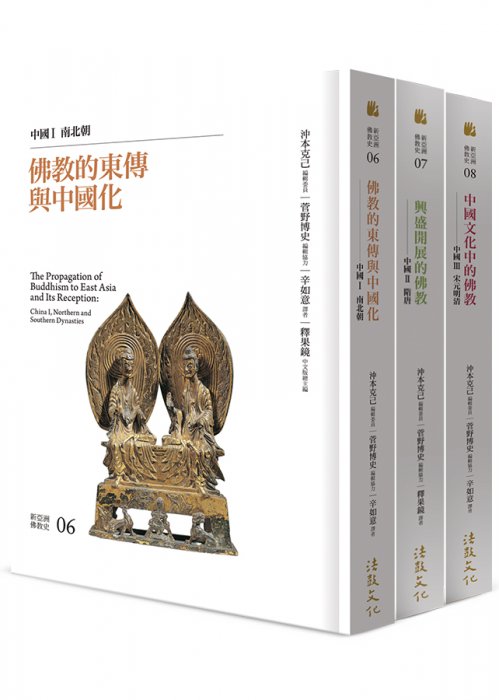
中國佛教系列(全三卷)合購優惠組
日本學界嶄新論述 多樣的思想文化風貌◆「新亞洲佛教史」是日本佛教學界近年最大規模的結集,動員超過兩百位菁英學者;作者群以整體觀點,依各別專攻的主題領域,進行層層闡述。◆ 除傳統的教理教義、文獻語言、史料分析之外,也擴及美術、考古、文藝、民俗等不同層面;並嘗試跳脫過去的宗派中心主義或歷史文獻學的限制,結合學術界最新研究成果,呈現佛教研究範式的革新。◆總覽佛教在亞洲發展的遼闊時空歷程與演變軌跡,勾勒出更豐富、多元的整合樣貌,議論豐富,可讀性極高。【中國佛教系列】全三冊《佛教的東傳與中國化:中國I 南北朝》佛教傳入中國的過程,從神異傳奇到融入日常生活,從外來宗教到成為世俗倫理;從陌生到熟悉,進而根植為思維與文化不可分割的一部分,是一場驚心動魄的浩蕩旅程。為了認識佛教,中國進行大規模的譯經運動,規模之大、內容之豐、形式之多元,可說是人類文明史上的奇蹟。在漢譯佛典的基礎上,佛教輻射傳布至朝鮮半島、扶桑四島、中南半島,成為東亞醒目的文化景觀,而中國從佛教邊地也搖身一變成為佛法聖地。舉凡國王大臣乃至庶民百姓,不論是在政治、民俗、儀式,甚至文化上,莫不深契佛法。此時期的鳩摩羅什、僧肇、慧遠、竺道生等不世出的諸大師,為中國佛教的走向奠定基調。藉由本書,我們明瞭魏晉南北朝時期,在中國佛教發展過程中,扮演著舉足輕重的樞紐角色。《興盛開展的佛教:中國II 隋唐》穿越古絲路傳至中國的印度佛教,在隋唐時期已經成為中國所容受的佛教,達到了空前的開展與轉型,並形成今日我們所知曉的「宗派」樣貌。此書其中有三論、唯識、天台、華嚴、淨土、禪、密教等有關教學、弘化的內容,作者細膩勾勒出隋唐帝國時期的皇室和民間,在與佛教的微妙關係之下,展現出各宗派獨特的教學理念與弘化儀禮。同時,以多元的視角觀察整體的脈絡,將隋唐時期佛教興隆發展的軌跡,詳細地述說全貌與始末,藉此讓我們一窺隋唐佛教的輝煌燦爛!《中國文化中的佛教:中國III 宋元明清》佛教在中國文化歷史性的重要轉型時期,總是扮演關鍵性的角色。從唐宋到晚清,在佛教的刺激之下,宋代新儒家深入探討心性之學,此外,文學、藝術、民俗等面向,莫不皆受影響。從知識菁英的哲學思辨到庶民百姓的日常生活,佛教普及到中國各個角落的不同階層。天台、華嚴、禪等宗派,雖然都發韌於中國,卻也成為東亞文化交流中最重要的載體,在各國開花結果。此書從思想史、文化史、民眾史的角度出發,省思中國傳統佛教發展的軌跡,嘗試勾勒佛教樣貌傳承迄今所形成的文化脈絡。並將宋、元、明、清的佛教史,提供一個精彩的全觀圖像。
作者簡介:《佛教的東傳與中國化:中國I 南北朝》木村清孝——鶴見大學校長入澤崇——龍谷大學教授采睪晃——大谷大學副教授堀內伸二——東方研究會專任研究員菅野博史——創價大學教授丘山新——東京大學東洋文化研究所教授河野訓——皇學館大學教授邢東風——愛媛大學教授船山徹——京都大學人文科學研究所教授神塚淑子——名古屋大學大學院教授沖本克己——花園大學名譽教授張文良——中國人民大學佛教與宗教學理論研究所副教授橫井克信——前大正大學綜合佛教研究所研究員古勝隆一——京都大學人文科學研究所副教授《興盛開展的佛教:中國II 隋唐》吉川忠夫——龍谷大學文學部客座教授藤井教公——北海道大學大學院文學研究科教授青木隆——麻布學園教師奧野光賢——駒澤大學佛教學部教授吉村誠——駒澤大學副教授塩入法道——大正大學教授林鳴宇——駒澤大學佛教學部外聘講師吉田叡禮——花園大學國際禪學科專任講師礪波護——京都大學名譽教授齊藤隆信——佛教大學文學部副教授西本照真——武藏大學人間關係學部教授伊吹敦——東洋大學文學部印度哲學科教授小川隆——駒澤大學總合教育研究部教授氣賀澤保規——明治大學文學部教授岩崎日出男——園田學園女子大學教授松森秀幸——東洋哲學研究所研究員中嶋隆藏——東北大學名譽教授藤丸智雄——淨土真宗本願寺派教學傳道研究中心常任研究員《中國文化中的佛教:中國III 宋元明清》土田健次郎——早稻田大學文學學術院教授小島毅——東京大學副教授野口善敬——花園大學教授馬淵昌也——學習院大學教授陳繼東——青山學院大學教授程正——駒澤大學副教授西尾賢隆——花園大學教授磯部祐子——富山大學教授肥田路美——早稻田大學文學學術院教授張文良——中國人民大學佛教與宗教學理論研究所副教授陳繼東——青山學院大學教授邢東風——愛媛大學教授譯者簡介:辛如意臺北市人,政治大學新聞系畢業,名古屋大學國際開發研究所碩士畢業,同研究所博士肄業。翻譯著作有《民眾佛教的扎根——日本III》、《蓬勃發展的中世佛教——日本II》、《日本佛教的基礎——日本I》、《佛教在漢字文化圈的流布——朝鮮半島、越南》、《佛教的東傳與中國化——中國I 南北朝》、《中國文化中的佛教——中國III 宋元明清》、《中國佛教研究入門》、《風月秦淮——中國遊里空間》、《空色勾玉》、《白鳥異傳》、《薄紅天女》、《風神祕抄》、《川之光》等書。
NT$
$1,200
|
72折

原諒,好緣亮!
人與人的緣分是善緣或惡緣,決定在我們能不能原諒的一念間!作者果東法師針對家庭、職場、人生與修心的考驗,提供正面解讀、逆向思考的智慧:放過自己才能放下傷痛、怨家可以不路窄、阻力就是助力、工作要趕不要急、真正的隨緣、面對死亡要發願、開發佛性與轉化個性……。換個角度面對問題,放寬心胸包容體諒,不但能讓人智慧開竅,更能廣結善緣,人生從此逆轉勝!
作者簡介
釋果東一九五五年出生於臺灣基隆,一九九三年於法鼓山創辦人聖嚴法師座下出家,曾任聖嚴法師侍者、助念團及護法總會輔導師、關懷院監院、僧團男眾副都監,也是聖嚴法師於二○○五年傳法的法子之一。二○○六年九月起接任法鼓山第二任方丈,二○○七年擔任法鼓山僧伽大學院長,二○○九、二○一二年續任第三、四任方丈。果東法師性情開朗,言語幽默,每以精闢金句提點大眾,從煩惱念轉清淨心,唯在一念之間。常與大眾共勉,一切人事物因緣,均是修福修慧的助道資糧。覺察自己的煩惱,要從觀念來疏導,輔以方法來消解;見他人起煩惱,需以同理心包容,生起善念為對方祝福。自接任方丈以來,果東法師依循聖嚴法師的教導,和合四眾,尊重專業。亦經常受邀為政府、校園及民間機構舉行專題講座,分享法鼓山「心靈環保」理念,推動「心五四」、「心六倫」運動,將法鼓山「大學院、大普化、大關懷」三大教育的整體關懷,落實於每一個當下。
作者
NT$
$187
|
85折
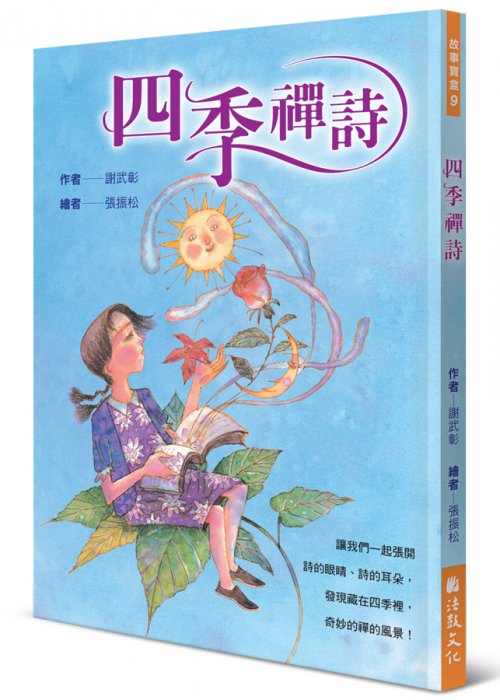
四季禪詩
讓我們一起張開詩的眼睛、詩的耳朵,發現藏在四季裡,奇妙的禪的風景!
春天的花、夏天的雨、秋天的月、冬天的雪,千年前的李白、王維與禪師們觸景生情,留下了一首首精美絕倫的禪詩!千年後的我們,不能留住春花秋月,卻能在心中典藏這些好詩!
每一首禪詩皆「畫中有詩,詩中有畫」,作家謝武彰精選40首禪詩,搭配插畫家張振松繪製的清心禪畫,帶著我們一起賞玩美好的四季風光,感受四季的不同變化,成為幸福的生活詩人!
作者簡介
謝武彰
生肖是老虎,很喜歡吃餃子;所以就變成「吃餃子老虎」了。有幾本珍藏的書,有幾張好聽的唱片,有幾個老朋友。居住在一個船愈來愈少的港都。寫兒童詩、寫兒童散文、寫圖畫書、寫兒歌。作品的篇幅都是短短的,是一個了解「言多必失」的人。編、著作品二百冊及專利三項,是一個經常在腦力激盪的人。
繪者簡介
張振松
嘉義人,復興商工畢業,曾任職多家童書出版社、宏廣動畫公司。作品種類多元,創作力豐沛,《目連救母》、《土地公捉迷藏》、《學校一百歲》、《黑母雞找蛋》、《第一次送禮物》……,其中《阿金的菜刀》與《等待霧散的戴勝鳥》為自寫自畫的創作。
作者
NT$
$170
|
85折

素便當,好好吃!
今天想帶什麼便當?傳統的鐵路便當、眷村便當、老香港煲仔飯,還是西式的芒果三明治、南瓜米漢堡?張翡珊老師讓小小一個便當,充滿著無限想像與驚喜!跟著翡珊老師一起做便當,不只學會快速準備便當的要領,更學會健康烹調料理的訣竅,讓你的便當美味可口,精神充滿活力!本書共分為四大單元:上班族營養便當、古早味招牌便當、輕鬆煮即食便當、世界風創意便當,提供口味豐富多變的五十個便當組合,有你懷念不已的童年古早味:糖醋芋柳蓋飯、上海菜飯、三杯茄香………;有營養健康的元氣餐:牛蒡飯、鮮菇飯、咖哩鮮筍飯、五穀飯………;有超乎想像的世界料理組合:印度餅、南洋風義大利麵、緬甸飯包………;甚至像金瓜米粉、蕎麥糕、堅果鮮蔬捲餅、三色飯糰,只要一道料理就完成啦!自己做便當就是這麼自由有趣!做便當成為你的生活樂趣,帶便當成為家人的幸福期待,用一個新口味便當,展開一天美好新生活!
作者簡介
張翡珊具有長達十六年的專業料理經驗,現任法提健康蔬食坊創辦人,並為法鼓山社會大學、新北市林口社區大學、新北市永和社區大學、新北市蘆荻社區大學烹飪講師,教學風格生動活潑,深受學生歡迎,永和社區大學的課程並榮獲2012年社區大學(藝能類)優質課程肯定。以推廣素食為心願,不但應邀擔任2011與2012年環保署低碳蔬食料理評審委員,並曾擔任慈濟大學教育推廣中心烹飪講師、慈濟網路電台點亮心光健康主義蔬食調理講師、棉花田生機園地主廚與講師、主婦聯盟環保基金會烹飪講師、青年服務社烹飪講師、救國團烹飪講師、臺北市健康go生機飲食店特約講師、漢聲電台長青樹樂活烹飪講師、華光文教基金會望德園生機體驗營烹飪講師、臺北市好農市生機店特約講師……,與大眾分享豐富的素食教學與料理經驗。代表作品為《幸福餃子館》、《今天吃麵》。
作者
NT$
$255
|
85折

抱願,不抱怨
釋果東 有一種人生,懷抱願心而來當任務圓滿而要離開的那天,沒有牽掛,自在無礙。正面而行的人生,有著無限的力量、可能、成就果東法師邀你一起「心想願成」!2012年聖嚴法師倡導「心靈環保」滿20週年!同時,果東法師續任方丈,與你我分享《抱願,不抱怨》,他的第一本書!活著,就是生命的價值。生命的價值,應當從倫理來衡量。凡事正面解讀、逆向思考,少一些煩惱糾葛,多一些平安快樂,便是心靈環保。「抱願,不抱怨!」果東法師如是說。 「知識的迷戀,文學藝術的迷戀, 可能忽略生活周邊的大小事,是我修行得不夠徹底吧。 因此對六祖的劈柴洗米,沒有多言大話,知道要合掌恭敬。 一直記得果東師父簡短的『喝茶』,也要合掌恭敬。」——美學大師,蔣勳★謹以此書感念聖嚴法師推行「心靈環保」20週年! 全人類的心靈提昇運動,乃至不管有沒有宗教信仰,你我都可一同分享。★法鼓山方丈果東法師第一本著作,教你如何調心轉念;溫暖通透談生死!★本書另收錄施振榮、林懷民、果東法師跨界對談〈擁抱幸福的新思維〉, 教你我體驗當下幸福。果東法師在擔任方丈和尚之前,曾長期擔任法鼓山助念團輔導法師,關懷、安慰、陪伴並開解了許多面臨生死別離的個人與家庭;《抱願,不抱怨》一書,果東法師特別分享對於生死的體悟,對於往生者家屬絕對不要流於形式上的說理,或是建議、分析,我們要做的是關懷、傾聽與陪伴,他把佛法的利益如何用來陪伴生死大事,說得溫暖而通透,發人深思。★果東法師受用最深的「轉念」,即「正面解讀,逆向思考」! 在書中為我們清楚解說箇中含意與如何運用於生活中,可作為我們一生前行的重要指引。此外,他對聖嚴法師提出的「心靈環保」,如何用於個人乃至於群體的和諧,都給了清晰的整理與說明。★《抱願,不抱怨》封面主視覺為法鼓山祈願觀音殿的三門,上面是晴空白雲,門外是青山一脈、有情人間;封面採特色銀來印刷,並加上霧光,呈現明亮、通透、沉穩的「霧銀」視覺感受!內頁編排許多法鼓山重要歷史與情境照片,讓文圖對話,使讀者如同經歷一次法鼓山實境與心境的愉悅旅程。「有人問我:『擔任方丈,如何面對各種挑戰?』 我說,我從不用「挑戰」的角度來看待事情, 只是想著如何學習與奉獻,事情來了就面對。」 ──果東法師「轉念,就能帶來正面的能量。 難過的時候,告訴自己『難,過!』跨過難關,超越困境。 難行的事情,勉勵自己:『難,行!』 山不轉路轉,路不轉人轉,人不轉心轉。心念轉個彎,前景無限寬。」 ──果東法師人生每個階段都是契機~~~1987年,經人接引,果東法師第一次接觸農禪寺,最初是從閱讀聖嚴法師的書開始。1992年,接連參加禪七及佛七之後,從此堅定出家的決心。「我出家最大的收穫,便是從聖嚴師父的教導,認識了正信的佛法。」擔任行者一年後,1993年9月15日於農禪寺剃度。剃度前一個月,接下的執事是擔任師父的侍者。從1995年至2000年,果東法師在助念團獲得很多學習經驗,體悟到生死與往生者家屬的世間佛法。「出家前,我的個性很強,遇到事情溝通不順暢時還會與人反駁,出家之後,脾氣已經慢慢改善,變得柔軟了。」2006年8月31日舉行的法鼓山僧團大會,通過聖嚴法師指示、僧團所擬定的「法鼓山方丈敦聘辦法」,聖嚴法師並對僧眾開示:「誰都不要動念頭,最好不是我;也不要動念頭,應該是我吧,僧團與師父賦予的任務,不論是誰,都應該發願學習承擔。」聖嚴法師接著在僧團大會公布,果東法師為新任方丈。為了使果東法師及早進入狀況,師父親自帶領認識方丈寮環境,並且教導如何做好方丈的本分。師父告訴我心胸要廣大,眼光要深遠;又幫我打了預防針說:「將來一定會有人拿你跟師父比較,你不必擔心,只要請大家不要考你就好了。」2009年2月3日,聖嚴法師圓寂,其無盡的悲願,有賴果東法師與法鼓山僧俗四眾,以及所有認同法鼓山理念的人,一起踵繼步履、踐行抵達 。「其實,師父從來沒有離開過,因為師父的法身舍利、智慧永在。」聖嚴師父念茲在茲:「佛法這麼好,知道的人卻那麼少。」所生起實踐與分享的那種心切,也在我心中逐日加深。
作者簡介: 果東法師1955年出生於臺灣基隆,1993年於法鼓山創辦人聖嚴法師座下出家,曾任聖嚴法師侍者、助念團及護法總會輔導師、關懷院監院、僧團男眾副都監,也是聖嚴法師於2005年傳法的法子之一。2006年9月起接任法鼓山第二任方丈,2007年擔任法鼓山僧伽大學院長,2009、2012年續任第三、四任方丈。果東法師性情開朗,言語幽默,每以精闢金句提點大眾,從煩惱念轉清淨心,唯在一念之間。透過各種場合,進一步闡發聖嚴法師所教導的「心靈環保,即正面解讀,逆向思考」真諦。果東法師常與大眾共勉,一切人事物因緣,均是修福修慧的助道資糧。覺察自己的煩惱,要從觀念來疏導,輔以方法來消解;見他人起煩惱,需以同理心包容,生起善念為對方祝福。自接任方丈以來,果東法師依循聖嚴法師的教導,時刻以奉獻自己、成就大眾、建設自心與人間淨土為期許,和合四眾,尊重專業,群策群力。而弘法行履,遍及海內外,除法鼓山體系內關懷,亦經常受邀為政府、校園及民間機構舉行專題講座,分享法鼓山「心靈環保」理念,推動聖嚴法師提倡的「心五四」、「心六倫」運動,將法鼓山「大學院、大普化、大關懷」三大教育的整體關懷,落實於每一個當下。果東法師矢志秉承師囑,帶領法鼓山僧俗四眾推動佛法的普及化、年輕化及國際化,期以同心同願,凝聚共識,將法鼓山「提昇人的品質,建設人間淨土」的理念,在人間遍廣深行。
作者
NT$
$238
|
85折

正念減壓,與癌共處
癌症可使人生苦澀,也能讓人變得有智慧。對大多數的人來說,癌症讓原本遙不可及的死亡轉變成驚心動魄的現實,它可能讓生命突然停滯不前,也可能成為故事新頁的催化劑,帶來深度探索自我的契機。如果你得了癌症,你對未來的恐懼和治療本身都會形成極大的壓力。研究結果指出,如果你能做好心理準備,好好調適在療程之間產生的焦慮與不安,就能在復原的過程中扮演更加主動積極的角色。「正念取向癌症療法」(MBCR)是由腫瘤心理學專家設計的課程,以喬.卡巴金所創建的「正念減壓療法」(MBSR)為架構,結合了正念靜觀、緩和瑜珈以及團體對話,幫助你與自己共處、調節生活。讀者將在八週的課程中學會:● 利用正念,減輕癌症療程與復原過程中產生的各種身心症狀● 利用正念靜觀和緩和瑜珈練習,增強免疫系統● 如何平復恐懼、不確定感、使不上力等等負面情緒● 如何用正念面對癌症症狀的痛苦、治療的副作用等等● 發掘自己征服逆境、恢復健康的能力
作者簡介
琳達.卡森博士 Linda E. Carlson, Ph. D, R. Psych.卡森博士是恩布里基(Enbridge)中心的心理社會腫瘤學(Psychosocial Oncology)研究主席、加拿大卡加利大學(University of Calgary)的心理社會腫瘤學副教授、卡加利湯姆貝克癌症研究中心(Tom Baker Cancer Centre)的心理社會腫瘤學研究主任和臨床心理學家,曾獲亞伯達遺產基金會(Alberta Heritage Foundation)頒發的醫學研究健康學者獎(Medical Research Health Scholar Award)。她也是《正念的藝術與科學》(The Art and Science of Mindfulness)的共同作者之一,發表超過九十篇書籍文章與期刊論文,並經常在國際研討會上發表研究成果。麥可.史貝卡博士 Michael Speca, Psy.D., R. Psych.史貝卡博士是卡加利大學心理社會腫瘤學助理教授,也是前加拿大癌症協會在湯姆貝克癌症研究中心的博士後研究員。作為研究中心的臨床心理學家,他提供癌症病人和家屬諮商服務、帶領支持團體,也是「正念取向癌症療癒」課程的共同創始人。
作者
NT$
$323
|
85折

懷讓大師傳:南嶽磨磚
懷讓大師,唐朝人。為南嶽一系開祖。十五歲依弘景律師出家,後經嵩山老安和尚啟發,前往朝西六組慧能參禪,留待十五年。六祖示寂之後,始於唐玄宗先天二年往於湖南南嶽般若寺觀音臺,宣揚慧能學說,世稱「南嶽懷讓」。 高僧的行誼風采不再是遙遠的記憶,《中國佛教高僧全集》以親切的風貌,在一次溫渥現代人的心靈。這是一套現代小說版的高僧全集,內容忠於經典傳記的基本精神,形式則以創新的小說體裁,具體呈現出歷代高僧的道範佛心,引領讀者身歷其境,去體會感受其至情至性的生命情境。平凡中見偉大,堅毅處見婉約。 ●作者簡介: 毛水清,一九三七年生,浙江江山市人。廣西師範學院教授。現為廣西政協常務委員、香港國際教育中心研究員、中國李商隱研究會理事、中國作家協會會員。長期從事中國古代文學和文化的研究,在唐詩和佛教等領域有較高造詣。著有《蓮心集》、《流雲集》、《唐詩與佛教》、《李白歌詩賞析》、《曹鄴詩註》等,發表〈泰觀與佛教〉等論文多篇,多次獲省部級論文獎。 商品編號:1150520921
NT$
$213
|
85折

旅行,聽見生命的回音
我迷戀旅行,在不斷旅行中,享受流浪的樂趣;在不斷旅行中,不經意地和天地萬事萬物深情相遇,為生命開啟一扇又一扇的窗。高中畢業那年,一個小女生帶著背包、睡袋,克難地環遊寶島一圈,從此以後,愛上了那份自由自在與寬廣的超時空流浪感,自助旅行成為她活化心靈與生命的泉源。多年來,抱持著「用理智知道是一回事,用身體和心知道又是另一回事」,以及「輕囊致遠,淨心行久」的簡單原則,開始遊走世界各地,與「生命風景」相遇;聽見「生命的回音」,細細品味,點點滴滴鏤刻在心田,反覆咀嚼,成為沉澱心靈雜質的明礬。本書集結作者近十多年來的旅行體悟,書中處處可見作者在旅途中,念念用心觀照、時時自我反省與覺察,因此,再平凡的場景,都能清澄映照出生活禪的哲理,經由這樣的過程,豐富了生命的深度、廣度與厚度。
作者簡介
邱常梵
台大中文系畢業,常梵為皈依聖嚴法師的法名。曾任雜誌社副主編、小學老師、中日合資企業研發部及行銷市場部廣宣主任。2002年進入法鼓文化出版社,開始學佛,視為人生轉捩點;2004年因先生工作重心轉移大陸而離開職場;2005年5、6月獨行滇、藏、川的藏區;2005年9月起於西藏大學遊學一年,那年正好五十歲。喜愛閱讀、登山和旅行。曾經旅行過十多個國家,最終卻在雪域高原找到心靈的故鄉。感恩生命中遇到的每一個因緣,半百之前自認為像野地自在生長的不起眼小草,在與西藏結緣後,才綻放如陽光一般燦爛的花朵。
作者
NT$
$187
|
85折
佛經寓言故事
讀一分鐘寓言故事,得一輩子人生智慧人人都愛聽故事,佛經寓言故事更是讓人百聽不膩,因為它能以小故事,說出人生大智慧!讓人愈聽愈聰明!飛天小烏龜為何禍從口出?烈火為什麼不怕樹林以大欺小?寶瓶摔破了還是寶瓶嗎?分財產一人一半最公平嗎?……作家謝武彰精選六十篇最具啟發性的佛教寓言故事,要考考你的機智能力,看你能從中發現什麼人生大智慧!
作者簡介
謝武彰生肖是老虎,很喜歡吃餃子;所以就變成「吃餃子老虎」了。有幾本珍藏的書,有幾張好聽的唱片,有幾個老朋友。居住在一個船愈來愈少的港都。寫兒童詩、寫兒童散文、寫圖畫書、寫兒歌。作品的篇幅都是短短的,是一個了解「言多必失」的人。編、著作品二百冊及專利三項,是一個經常在腦力激盪的人。
作者簡介
葉慧君國立雲林科技大學視覺傳達設計研究所畢業,現職明道大學數位設計系講師,並擔任社區大學創意插畫、創意繪本講師,致力推廣藝術教育。繪製近五十本圖文書,代表作品為《一百歲的年輕人》、《大師的童心》。
作者
NT$
$170
|
85折
媽媽味米料理
原來簡單的一碗飯,也可以千變萬化!只要家裡有米飯,再加上一些簡單的食材,就可以做出千變萬化的米料理!簡單易做!45道令人驚喜的米飯料理◇主食類:炒飯、燴飯、拌飯、燉飯、烤飯、泡飯、米粥……◇點心類:壽司、手捲、米堡、傳統點心、糯米煎、米布丁……跟著法鼓山資深主廚陳滿花師姐,一起做出溫暖幸福的米飯風味。我在現代的飲食文化中,融入傳統素材,讓口味更有層次,更貼近在地人的飲食習慣。希望大家以簡單愉快的禪心,煮出滋味豐盛的一餐。——陳滿花
作者簡介
陳滿花 法鼓山資深主廚,親近法鼓山已二十餘年,除了投入香積組的義工行列,更投入禪修的修行,料理時運用禪法以一份供養心、歡喜心來供養大眾,而這份感動也透過料理,感動了無數人。婚後,離開職場,專心當家庭主婦、全職的母親。因為陪孩子學習才藝,也意外開啟她熱衷藝術的另一扇門。因此,開始接觸毛線編織、紙藤、書法、篆刻、插花等。也因為這些養分,幫助她在做菜時更能感動自己,而這份感動也透過料理,感動了無數人。尤其親近法鼓山已二十餘年,除了投入香積組的主廚義工行列,更投入禪修的修行,可說是一位福慧雙修的菩薩。特別是在面對法會信眾和來訪的外賓烹調飲食時,也充滿各種挑戰和考驗,需要讓心不隨境轉,安定身心,全心投入,時時運用禪法,以平常心,回到當下,以一份供養心、歡喜心來供養大眾。讓她能在奉獻的同時,也成長了自己。
作者
NT$
$255
|
85折
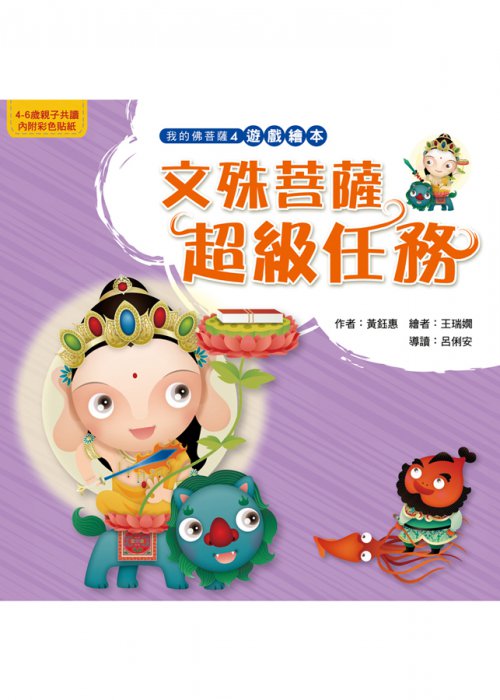
文殊菩薩超級任務
是誰大膽偷了龍宮寶藏?智慧劍有什麼力量可以讓人不害怕?4-6歲親子共讀.內附彩色貼紙原創遊戲設計益智遊戲結合精采故事,讓孩子從玩具時期,自然進入圖像思考與圖文閱讀時期。針對佛菩薩行誼特質研發遊戲,讓孩子在遊戲中培養美好品格。以互動式的故事遊戲,培養孩子觀察、思考、解決問題的自主個性,開發多元的生活觸角,拓展寬廣的生命視野。除邀請專家深度導讀,書末收錄給父母的話,解說遊戲與佛教知識,隨書並附贈貼紙,增加遊戲趣味。我的佛菩薩系列是一套生動活潑的佛教幼兒遊戲繪本,有精彩的全新創作故事、創意的益智遊戲、精美的細膩插畫,印刷精緻全彩精裝。書中以佛菩薩的互動式故事,串連14個精彩遊戲,可以邊玩邊聽故事,讓佛菩薩陪伴孩子快樂長大。
作者
NT$
$162
|
85折

明本大師傳:中峰和尚
自此居無定所,或泊船中,或止菴室,自稱幻住道人,僧俗瞻禮之,世譽為江南古佛。 明本大師,元代臨濟宗僧。杭州錢塘(浙江杭縣)人。號中峰,又稱智覺禪師、普應國師。二十三歲,於天目山參謁高峰原妙禪師;一日,於誦讀《金剛經》時,恍然開悟。二十四歲,從高峰禪師出家,後嗣其法。自此居無定所,或泊船中,或止菴室,自稱幻住道人,僧俗瞻禮之,世譽為江南古佛。 ●作者簡介: 馮學成,一九四九年生於四川成都。現為四川省佛學院講師,四川省社會科學院特約研究員,四川省佛教誌編輯。著有《一日一禪》、《巴蜀禪燈錄》、《生活中的大圓滿法》、《心靈鎖鑰佛教心理世界》、《棒喝截流禪林奇韻》、《明月藏鷺千首禪師品析》等約二百萬餘字;佛教論文若干及《蔗矣齋詩詞集》。 商品編號:1150520971
NT$
$213
|
85折
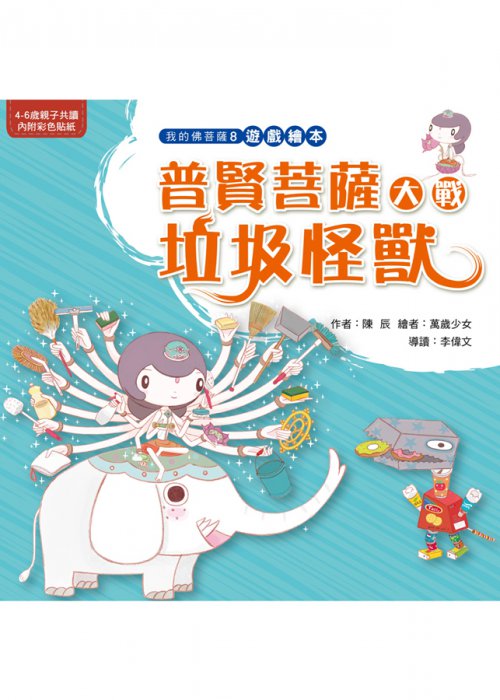
普賢菩薩大戰垃圾怪獸
可怕的垃圾怪獸原來是小奇自己製造出來的!他如何從一個髒小孩,變成讓世界變清淨的地球環保小尖兵?4-6歲親子共讀.內附彩色貼紙原創遊戲設計益智遊戲結合精采故事,讓孩子從玩具時期,自然進入圖像思考與圖文閱讀時期。針對佛菩薩行誼特質研發遊戲,讓孩子在遊戲中培養美好品格。以互動式的故事遊戲,培養孩子觀察、思考、解決問題的自主個性,開發多元的生活觸角,拓展寬廣的生命視野。除邀請專家深度導讀,書末收錄給父母的話,解說遊戲與佛教知識,隨書並附贈貼紙,增加遊戲趣味。我的佛菩薩系列是一套生動活潑的佛教幼兒遊戲繪本,有精彩的全新創作故事、創意的益智遊戲、精美的細膩插畫,印刷精緻全彩精裝。書中以佛菩薩的互動式故事,串連14個精彩遊戲,可以邊玩邊聽故事,讓佛菩薩陪伴孩子快樂長大。
作者
NT$
$162
|
85折
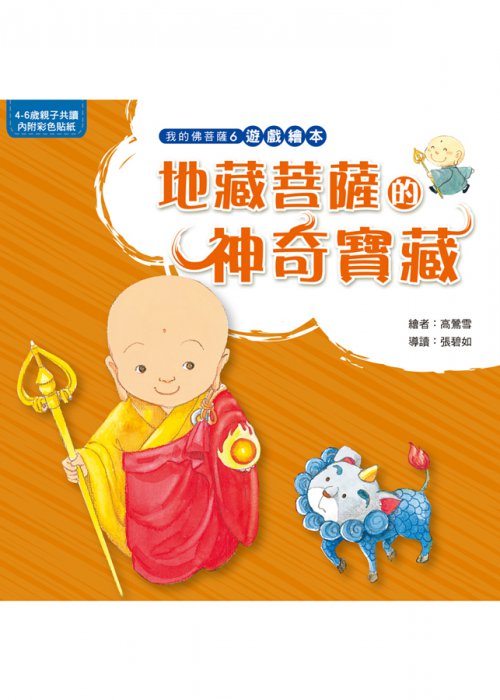
地藏菩薩的神奇寶藏
水王子終於如願打開地獄門,但復仇卻令他感到不快樂,後悔的眼淚,是否能帶來新的啟示? 4~6歲親子共讀.內附彩色貼紙原創遊戲設計益智遊戲結合精采故事,讓孩子從玩具時期,自然進入圖像思考與圖文閱讀時期。針對佛菩薩行誼特質研發遊戲,讓孩子在遊戲中培養美好品格。以互動式的故事遊戲,培養孩子觀察、思考、解決問題的自主個性,開發多元的生活觸角,拓展寬廣的生命視野。除邀請專家深度導讀,書末收錄給父母的話,解說遊戲與佛教知識,隨書並附贈貼紙,增加遊戲趣味。我的佛菩薩系列是一套生動活潑的佛教幼兒遊戲繪本,有精彩的全新創作故事、創意的益智遊戲、精美的細膩插畫,印刷精緻全彩精裝。書中以佛菩薩的互動式故事,串連14個精彩遊戲,可以邊玩邊聽故事,讓佛菩薩陪伴孩子快樂長大。
作者
NT$
$162
|
85折

阿彌陀佛大冒險
原來「阿彌陀佛」一詞,有著祝福與給人光明之意,這樣說來,人人都可成為阿彌陀佛,成為他人心目中的光明使者。
4-6歲親子共讀.內附彩色貼紙原創遊戲設計益智遊戲結合精采故事,讓孩子從玩具時期,自然進入圖像思考與圖文閱讀時期。針對佛菩薩行誼特質研發遊戲,讓孩子在遊戲中培養美好品格。以互動式的故事遊戲,培養孩子觀察、思考、解決問題的自主個性,開發多元的生活觸角,拓展寬廣的生命視野。除邀請專家深度導讀,書末收錄給父母的話,解說遊戲與佛教知識,隨書並附贈貼紙,增加遊戲趣味。我的佛菩薩系列是一套生動活潑的佛教幼兒遊戲繪本,有精彩的全新創作故事、創意的益智遊戲、精美的細膩插畫,印刷精緻全彩精裝。書中以佛菩薩的互動式故事,串連14個精彩遊戲,可以邊玩邊聽故事,讓佛菩薩陪伴孩子快樂長大。
作者
NT$
$162
|
85折
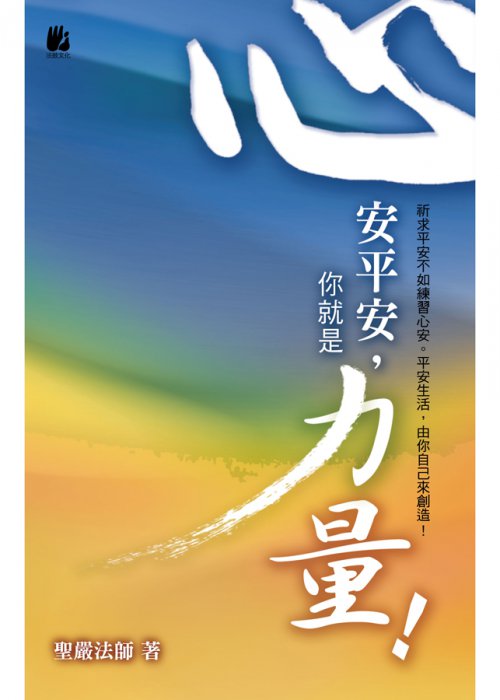
心安平安,你就是力量!
祈求平安不如練習心安。平安生活,由你自己來創造!前途未卜,如何面對?紛亂的社會,如何自處?只要心安,就有平安──這就是「求平安」的根本之道。在這本小小的書中,聖嚴法師以一生修行的智慧,與你分享最精華的安心原則與方法。隨時隨處運用書中的觀念、練習書中的方法,必能豐收甜美的平安果實。平安不求人,「你」──已經擁有這份力量! 從逆境中,淬煉生命的智慧與力量「我這一生似乎也沒做什麼壞事,但卻也遇到戰爭、水災、荒旱,以及各種各樣的挫折。我是從災難之中走過來的,災難使得我有今天,災難使得我堅強,即使我已經這麼大的年齡了,仍然要面臨許多災難。」我告訴他們:「我並非喜歡災難,不過既然發生了,就該平心靜氣接受它,然後繼續努力,保持活下去的勇氣,能夠如此,災難對我們來說就是一種成長了。」 ──聖嚴法師
作者
NT$
$85
|
85折

The Poetry of Enlightenment 開悟的詩偈(英文版)
To my knowledge there are no anthologies of Ch’an poetry in Chinese, Japanese or English which describe in detail the method of practice and the experience of Ch’an Furthermore, there are few prose sources in English dealing with the same topics On the other hand, there are numerous books in English that relate the episodes of the kung-ans(koans)The prevailing view that comes from reading these stories is that the practice of Ch’an is methodless, and since there is no way to describe the experience of Ch’an, it is suggested that we just go ahead and practice by studying the kung-ans The purpose of these poems is different in that they specifically show you how to practice, what attitudes to cultivate and what pitfalls to beware of Finally, they attempt to describe the ineffable experience of Ch’an itself These poems flow directly from the minds of the enlightened Ch’an masters; we get a glimpse into their experience at the time of, and after their enlightenment In contrast, in reading a kung-an we get an objective story of what happened and we don’t really know what was in their minds. It is my hope that this collection of poems will give those who are interested in the practice a new way of looking at Ch’an and a more balanced view of the scope of Ch’an literature The present selection is offered to make this tradition available to Western readers who may otherwise not be aware of their existence.
NT$
$536
|
85折
正在載入更多商品......