搜尋結果
共
2629
筆符合商品
排序
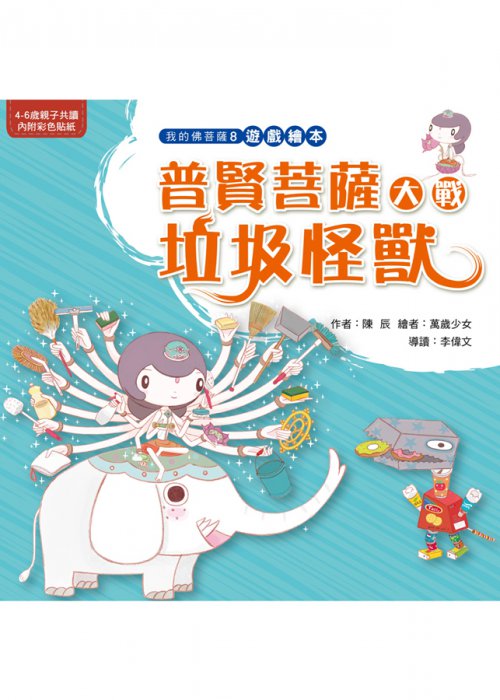
普賢菩薩大戰垃圾怪獸
可怕的垃圾怪獸原來是小奇自己製造出來的!他如何從一個髒小孩,變成讓世界變清淨的地球環保小尖兵?4-6歲親子共讀.內附彩色貼紙原創遊戲設計益智遊戲結合精采故事,讓孩子從玩具時期,自然進入圖像思考與圖文閱讀時期。針對佛菩薩行誼特質研發遊戲,讓孩子在遊戲中培養美好品格。以互動式的故事遊戲,培養孩子觀察、思考、解決問題的自主個性,開發多元的生活觸角,拓展寬廣的生命視野。除邀請專家深度導讀,書末收錄給父母的話,解說遊戲與佛教知識,隨書並附贈貼紙,增加遊戲趣味。我的佛菩薩系列是一套生動活潑的佛教幼兒遊戲繪本,有精彩的全新創作故事、創意的益智遊戲、精美的細膩插畫,印刷精緻全彩精裝。書中以佛菩薩的互動式故事,串連14個精彩遊戲,可以邊玩邊聽故事,讓佛菩薩陪伴孩子快樂長大。
作者
NT$
$162
|
85折
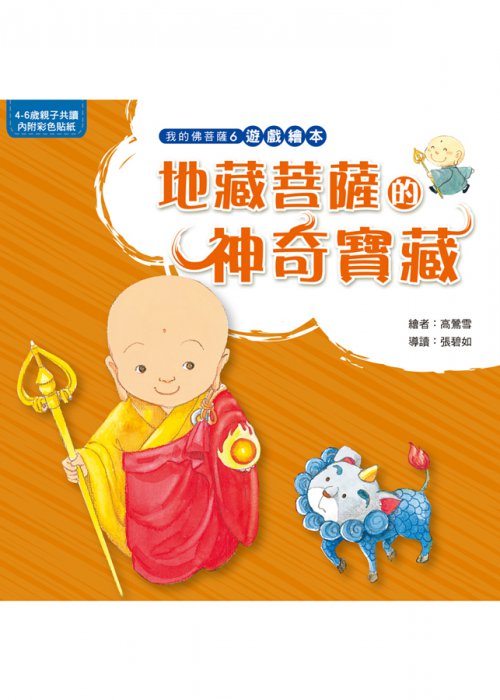
地藏菩薩的神奇寶藏
水王子終於如願打開地獄門,但復仇卻令他感到不快樂,後悔的眼淚,是否能帶來新的啟示? 4~6歲親子共讀.內附彩色貼紙原創遊戲設計益智遊戲結合精采故事,讓孩子從玩具時期,自然進入圖像思考與圖文閱讀時期。針對佛菩薩行誼特質研發遊戲,讓孩子在遊戲中培養美好品格。以互動式的故事遊戲,培養孩子觀察、思考、解決問題的自主個性,開發多元的生活觸角,拓展寬廣的生命視野。除邀請專家深度導讀,書末收錄給父母的話,解說遊戲與佛教知識,隨書並附贈貼紙,增加遊戲趣味。我的佛菩薩系列是一套生動活潑的佛教幼兒遊戲繪本,有精彩的全新創作故事、創意的益智遊戲、精美的細膩插畫,印刷精緻全彩精裝。書中以佛菩薩的互動式故事,串連14個精彩遊戲,可以邊玩邊聽故事,讓佛菩薩陪伴孩子快樂長大。
作者
NT$
$162
|
85折

阿彌陀佛大冒險
原來「阿彌陀佛」一詞,有著祝福與給人光明之意,這樣說來,人人都可成為阿彌陀佛,成為他人心目中的光明使者。
4-6歲親子共讀.內附彩色貼紙原創遊戲設計益智遊戲結合精采故事,讓孩子從玩具時期,自然進入圖像思考與圖文閱讀時期。針對佛菩薩行誼特質研發遊戲,讓孩子在遊戲中培養美好品格。以互動式的故事遊戲,培養孩子觀察、思考、解決問題的自主個性,開發多元的生活觸角,拓展寬廣的生命視野。除邀請專家深度導讀,書末收錄給父母的話,解說遊戲與佛教知識,隨書並附贈貼紙,增加遊戲趣味。我的佛菩薩系列是一套生動活潑的佛教幼兒遊戲繪本,有精彩的全新創作故事、創意的益智遊戲、精美的細膩插畫,印刷精緻全彩精裝。書中以佛菩薩的互動式故事,串連14個精彩遊戲,可以邊玩邊聽故事,讓佛菩薩陪伴孩子快樂長大。
作者
NT$
$162
|
85折
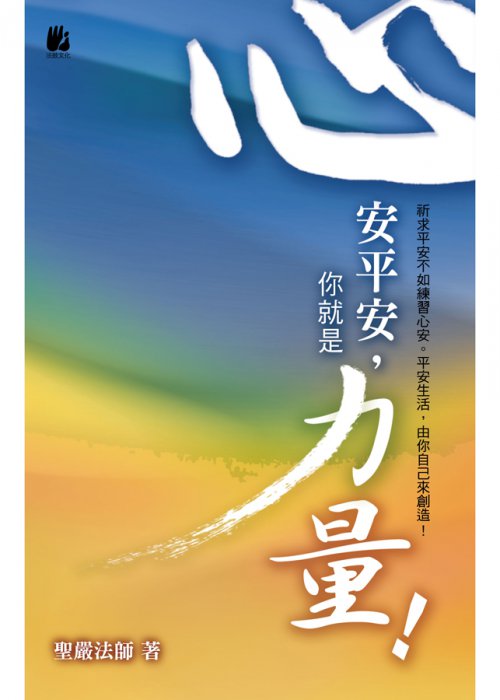
心安平安,你就是力量!
祈求平安不如練習心安。平安生活,由你自己來創造!前途未卜,如何面對?紛亂的社會,如何自處?只要心安,就有平安──這就是「求平安」的根本之道。在這本小小的書中,聖嚴法師以一生修行的智慧,與你分享最精華的安心原則與方法。隨時隨處運用書中的觀念、練習書中的方法,必能豐收甜美的平安果實。平安不求人,「你」──已經擁有這份力量! 從逆境中,淬煉生命的智慧與力量「我這一生似乎也沒做什麼壞事,但卻也遇到戰爭、水災、荒旱,以及各種各樣的挫折。我是從災難之中走過來的,災難使得我有今天,災難使得我堅強,即使我已經這麼大的年齡了,仍然要面臨許多災難。」我告訴他們:「我並非喜歡災難,不過既然發生了,就該平心靜氣接受它,然後繼續努力,保持活下去的勇氣,能夠如此,災難對我們來說就是一種成長了。」 ──聖嚴法師
作者
NT$
$85
|
85折

The Poetry of Enlightenment 開悟的詩偈(英文版)
To my knowledge there are no anthologies of Ch’an poetry in Chinese, Japanese or English which describe in detail the method of practice and the experience of Ch’an Furthermore, there are few prose sources in English dealing with the same topics On the other hand, there are numerous books in English that relate the episodes of the kung-ans(koans)The prevailing view that comes from reading these stories is that the practice of Ch’an is methodless, and since there is no way to describe the experience of Ch’an, it is suggested that we just go ahead and practice by studying the kung-ans The purpose of these poems is different in that they specifically show you how to practice, what attitudes to cultivate and what pitfalls to beware of Finally, they attempt to describe the ineffable experience of Ch’an itself These poems flow directly from the minds of the enlightened Ch’an masters; we get a glimpse into their experience at the time of, and after their enlightenment In contrast, in reading a kung-an we get an objective story of what happened and we don’t really know what was in their minds. It is my hope that this collection of poems will give those who are interested in the practice a new way of looking at Ch’an and a more balanced view of the scope of Ch’an literature The present selection is offered to make this tradition available to Western readers who may otherwise not be aware of their existence.
NT$
$536
|
85折

Hoofprint of the Ox 牛的印跡(英文版)
From The Preface By Dan Stevenson EN. SHENG YEH is a master in the Caodong and Linji lineages of Chan〈Zen〉 school, who for twenty five years now has been guiding students from Taiwan, the United States, and Europe in the practice of Chan Buddhism. Hoofprint of the Ox provides a systematic introduction ─ in Sheng yen,s own words ─ to the principles that inform his particular style of Chan training.... In the final analysis, it is an unabashedly normative work ─ a book on Chan practice addressed to an English speaking audience with a personal interest in Buddhism. To the extent that this audience is also primarily Western, Hoofprint is more than passive report of Sheng yen,s personal convictions. It situates those convictions in responsive relation to specific expectations about Chen practice current among Western students, with specific points to be made.
NT$
$1,071
|
85折
用寧靜心擁抱世界
在滾滾紅塵中,如何安心做自己?只有清楚明白自己的心,才能不受外境風雨的影響,用寧靜心擁抱世界。本書共收錄聖嚴法師24篇精采300字短文,並邀請知名插畫家菊子精心繪製溫馨幽默的插圖,提供讀者在忙亂生活保持寧靜心的妙法。
作者
NT$
$84
|
85折
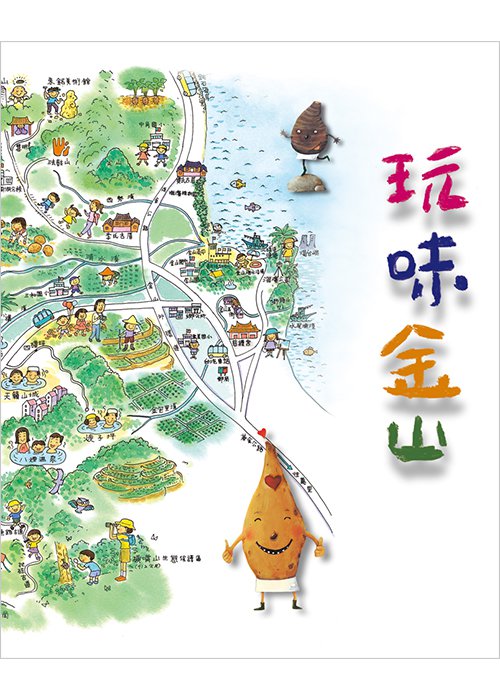
玩味金山【內頁泛黃】
跳石海岸的潮汐,見證了金山歷史的物換星移;大屯山群的煙嵐,吐納著金山的大器風華;好山好水的地理,孕育了甘藷、芋頭、茭白筍這金山三寶;這裡的人們,豐富了金山的人文藝術內涵。走訪金山,宛如置身於人情敦厚、鳥語花香的人間淨土。
【編輯特色】1. 圖像引導:在目錄頁前,以圖片搭配四個主題:鄉親鄉情、樂活天地、陽明山後花園、溫故知新,帶出金山的特色與內涵,引導讀者閱讀興趣。
2. 金山三寶帶你玩:將金山三種特產--甘藷、芋頭、交白筍,繪製為三個造型趣味的人物,以串場方式貫串全書,帶領讀者領略金山之美。
3. 五大主題深度探索:本書內容分歷史、自然、人文、田園及休閒五大篇,深度探索在地文化,介紹金山豐富且少為人知的樣貌,圖文並茂,引人入勝。
4. 實用資訊:提供商家、老店、農產季節、交通資訊,實用性高。
NT$
$298
|
85折
Chan and Enlightenment 禪與悟(英文版)
Chan enlightenment is attained through a sudden encounter; or, it may come about spontaneously after serious and sincere investigation and introspection. Chan philosophy represents a clear current that is empty yet responsive, detached and magnanimous, open and broad-minded, bright and luminous. Chan as a way of life is positive and progressive, free and easy, simple and modest, confident and comfortable. Chan as a way of thinking is to let go of selfishness, self-deceit, self-pity, self-arrogance, and self-confinement, and only then can there be complete boundless freedom. Chan methods teach people to first practice knowing the self, affirming the self, and then shattering the self, and thus the enlightened state will appear. —Master Sheng Yen—
作者簡介
Master Sheng Yen 聖嚴法師(1930~2009年)
聖嚴法師1930年生於江蘇南通,1943年於狼山出家,後因戰亂投身軍旅,十年後再次披剃出家。曾於高雄美濃閉關六年,隨後留學日本,獲立正大學文學博士學位。1975年應邀赴美弘法。1989年創建法鼓山,並於2005年開創繼起漢傳禪佛教的「中華禪法鼓宗」。
聖嚴法師是一位思想家、作家暨國際知名禪師,曾獲臺灣《天下》雜誌遴選為「四百年來臺灣最具影響力的五十位人士」之一。著作豐富,中、英、日文著作達百餘種,先後獲頒中山文藝獎、中山學術獎、總統文化獎及社會各界的諸多獎項。
聖嚴法師提出「提昇人的品質,建設人間淨土」的理念,主張以大學院、大普化、大關懷三大教育推動全面教育,相繼創辦中華佛學研究所、法鼓佛教學院、僧伽大學、法鼓大學等院校,也以豐富的禪修經驗、正信的佛法觀念和方法指導東、西方人士修行。
法師著重以現代人的語言和觀點普傳佛法,陸續提出「心靈環保」、「四種環保」、「心五四運動」、「心六倫」等社會運動,並積極推展國際弘化工作,參與國際性會談,促進宗教交流,提倡建立全球性倫理,致力世界和平。其寬闊胸襟與國際化視野,深獲海內外肯定。
Master Sheng Yen was born in 1930 and became a monk in 1943. He conducted a six-year solitary retreat, after which he went to Japan for further study and obtained a doctorate in Buddhist literature at Rissho University. In 1975, he began sharing the Dharma in the US, and in 1989, founded the Dharma Drum Lineage of Chan Buddhism. He authored more than 100 publications in Chinese, English, and Japanese, and received the Sun Yat-sen Art and Literary Award, the Sun Yat-sen Academic Award, and the Presidential Cultural Award, among other honorary awards. He proposed the vision of “uplifting the character of humanity and building a pure land on earth,” founded the Chung Hwa Institute of Buddhist Studies, Dharma Drum Buddhist College, Dharma Drum Sangha University, and Dharma Drum University. Experienced in Chan using correct approaches, he guided practice in both the West and East. Popularizing the Dharma in modern language, the Master initiated movements including Protecting the Spiritual Environment, Four Kinds of Environmentalism, the Fivefold Spiritual Renaissance Campaign, and the Six Ethics of the Mind. He shared the Dharma globally with a broadminded perspective, winning him worldwide recognition.
NT$
$510
|
85折

電子書 | 佛教人物速寫100
人物,使思想有了面容。故事,使智慧有了溫度。
有人生於富貴,卻學會放下;有人歷經苦難,仍願意相信光明;有人以智慧照破迷惘,有人以慈悲溫暖世間。
精選佛教歷史中的100位重要人物,跨越印度、中國、西藏、日韓與東南亞,從佛陀、龍樹、密勒日巴,到玄奘、鑑真、弘一……,生動而溫潤的文字,捕捉每一位人物最鮮明的生命神采。
每一段人生,都可能成為照見自己的明鏡,而那些曾經的困惑、掙扎與選擇,也將成為我們面對當下的另一種答案。
▍跨越千年,與一個個真摯的生命相遇。
讀耶輸陀羅,如何在宮中守望,將世俗的情愛提煉為深刻的慈悲;讀央掘魔羅,一個曾經迷失的人,如何停下狂奔、重新開始;讀蕅益大師,在病苦與不斷推翻自我的掙扎中,開顯出深沉而明亮的信願;讀弘一大師,在半生繁華後,轉身為「悲欣交集」的天心月圓。
當我們看見他們如何面對欲望、挫折、病苦、離別、理想與抉擇,也許會忽然發現:千百年前的人所面對的生命難題,離我們並沒有那麼遠。
▍每個故事,最後都會回到自己。
本書以「速寫」為名,每一篇都是一扇微微開啟的門,不需具備佛學基礎,就能循著人物的速寫身影,緩緩走進佛教兩千五百多年的璀璨星河。
從歷史轉折的關鍵人物,到平凡生命的修行者,從高僧、祖師、譯經家、論師,到居士、女性與護法者,跨越時代、地域與身分,呈現佛教豐富而多元的面貌。
一百位人物,一百種生命風景,我們不只看見「他們如何成為自己」,也能回頭問問自己:如果是我,會如何抉擇?如果人生走到這一步,我又會怎麼走?
▍就從一個人、一段故事開始。
邀請你在故事的微光中,與久違、原真的初心重逢。
若能在喧囂的生活中,對生命有多一分理解、多一分慈悲;甚至願意開始溫柔地照見自己,那麼,這本書便有了它最溫暖的意義。
這本書可以幫助你
透過人物故事,輕鬆理解佛法思想與修行精神。
透過重要人物,初步認識佛教的傳播與各宗派的發展。
認識佛陀弟子、祖師、論師、譯經家與護法者,如何共同延續佛法。
從不同生命經歷中,看見求法、改過、承擔與堅持的力量。
利用零碎時間閱讀一則完整故事,逐步建立佛教通識。
你可以從這裡開始
想認識佛教,從哪裡開始?建議閱讀:〈釋迦牟尼佛——明星覺照菩提悟〉從悉達多太子面對老、病、死的疑問開始,跟隨他出家、經歷苦行與尋求解脫的歷程,初步認識中道、四聖諦與八正道。透過佛陀的生命故事,理解佛教所關心的苦,以及離苦的方向。
想認識佛陀最初的弟子,以及他們如何走上悟道之路?建議閱讀:〈憍陳如——阿羅漢之首〉憍陳如曾與悉達多太子同行苦修,也曾因不理解他放棄苦行而離去。本篇寫他如何在鹿野苑重新聆聽佛陀教導、領會四聖諦,帶你認識佛陀初次說法的故事,也看見發願、長久累積與重新理解在修行中的意義。
想認識佛教女性出家修行的開端?建議閱讀:〈大愛道——養母大愛,善女人之道〉大愛道既是佛陀的姨母與養母,也是一位堅定的求法者。本篇敘述她多次請求出家、與五百位女子落髮求法,直到阿難代為請願,終獲佛陀允許的歷程。透過她的故事,認識比丘尼僧團的開端,以及女性爭取出家修行機會的願心與行動。
想瞭解在家居士如何參與佛法的延續?建議閱讀:〈須達多——給孤獨長者〉須達多發心興建祇園精舍,也長年照顧孤苦、供養僧團。本篇透過他的布施與護持,呈現在家居士如何運用自身資源,為佛陀說法、僧眾修行與大眾聞法提供支持。
想從人物故事,思考犯錯之後如何轉變?建議閱讀:〈央掘魔羅——殺人魔成阿羅漢〉本篇敘述央掘魔羅因錯信教導而走向殺戮,直到遇見佛陀,停下傷害、懺悔並出家修行的轉折。透過這段強烈的生命對照,思考盲從的危險,以及面對錯誤、改變行動的可能。
作者簡介
林彥宏畢業於華梵大學中文系,淡江大學中文系碩士、國立東華大學中文系博士。自就讀華梵大學起,便在「覺之教育」的理念中學習與成長;持續以「覺」做為生命與教育實踐的核心,投入閱讀與寫作推廣、人文課程設計及教學工作。長年帶領慧炬機構、西蓮淨苑之閱讀、寫作與自由書寫課程。現為「華梵大學原來學苑實驗教育機構」計畫主持人、國立臺北商業大學兼任助理教授,曾任教於華梵大學、臺北市立大學、國立臺灣海洋大學及國立東華大學等校。思想不只存在於經典之中,也活在真實的人生故事裡;相信眾生的生命歷程,都是值得閱讀的經典。努力以現代語彙,引領讀者靠近佛法,進而從中獲得慈悲與智慧的滋養。
作者
NT$
$322
電子書 | 聖嚴法師的頑皮童年
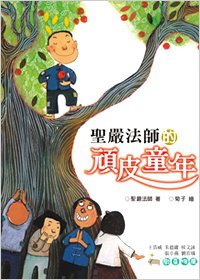
心靈環保‧生活環保‧禮儀環保‧自然環保種下一顆顆心靈環保的種子,開展孩子的生命視野,提升品格行動力!《聖嚴法師的頑皮童年》是給大人與小孩的心靈啟蒙書,看故事的插畫,讓每個小孩看看師父、也想想自己;聽故事的敘述,讓每個大人想想自己、再看看師父。本書收錄了二十五篇聖嚴法師的頑皮故事,讓你看到聖嚴法師如何從一個小頑童變成小沙彌,並進了佛學院,改變了他的一生!聖嚴法師的童年不但趣事多,糗事更多。當他沒有新衣新鞋穿時,如何開心過新年?全班同學為什麼會共吃一根香蕉?為什麼當了「英雄」還要被老師打手心?他想要當懶牛還是好牛?聖嚴法師拜觀音如何拜出智慧?他原本什麼課都聽不懂,為什麼後來功課會變好?※本書入選「好書大家讀」故事文學組(國小中高年級)※張小燕.侯文詠.劉若瑀.王浩威 聯合推薦※法鼓山教師聯誼會推薦※以心傳心的生命教育——常寬法師導讀菊子為這些故事繪製了四十二張精彩插圖,讓法師筆下的人物充滿活潑的生命色彩。讓我們一起進入聖嚴法師的頑皮童年吧!◆ 編輯特色 ◆幸福人生要有「三Q」:「IQ」學習能力、「EQ」情緒管理能力,以及「MQ」道德的品質,後者即幫助人、利益人、關懷人。——聖嚴法師1989年聯合國教科文組織在「面向21世紀研討會」中指出:道德、倫理、價值觀的挑戰,將是21世紀人類面臨的首要挑戰。日本的教改報告書便進一步說明:道德情操和創造力,將決定21世紀年輕世代的未來命運。◆本書從品德閱讀,啟發兒童心靈教育與兒童創造力。● 品格教育 ● 道德教育 ● 價值教育種下一顆顆心靈環保的種子,培養未來領袖的內在氣質◆藉由心靈、生活、禮儀、自然等四個環保議題,分享生命教育的豐富內涵。◎【心靈環保】推薦閱讀:〈螃蟹〉、〈水牛〉、〈許願〉、〈擦窗戶〉、〈抄筆記〉、〈壁報徵文〉◎【生活環保】推薦閱讀:〈新年的新衣〉、〈分享香蕉〉、〈做制服〉、〈懶牛〉、〈兩個瞎子〉、〈大鴨與小鴨〉、〈珍惜生命〉、〈蓄勢而發〉◎【禮儀環保】推薦閱讀:〈不做賊骨頭就好〉、〈逃學〉、〈不當英雄了〉、〈小頭鬼〉、〈夢〉、〈拜觀音〉、〈照顧老和尚〉◎【自然環保】推薦閱讀:〈折楊柳枝〉、〈代代相傳〉、〈省水〉、〈小聰明〉◆透過聖嚴法師的身教故事,培養關懷、信賴、責任、尊重、公平正義、誠實等品德基礎。◎【關懷】延伸閱讀:〈做制服〉、〈螃蟹〉、〈水牛〉、〈照顧老和尚〉、〈抄筆記〉◎【信賴】延伸閱讀:〈拜觀音〉、〈代代相傳〉、〈許願〉◎【責任】延伸閱讀:〈懶牛〉、〈兩個瞎子〉、〈省水〉、〈擦窗戶〉、〈壁報徵文〉◎【尊重】延伸閱讀:〈大鴨與小鴨〉、〈折楊柳枝〉、〈珍惜生命〉、〈蓄勢而發〉◎【公平正義】延伸閱讀:〈新年的新衣〉、〈分享香蕉〉、〈不當英雄了〉◎【誠實】延伸閱讀:〈不做賊骨頭就好〉、〈逃學〉、〈小頭鬼〉、〈夢〉、〈小聰明〉
作者
NT$
$224
電子書 | 〈破魔變〉中英對照校注
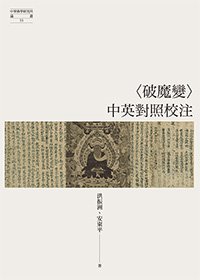
《〈破魔變〉中英對照校注》為敦煌寫卷的重要研究,〈破魔變〉講述佛陀成道時,遭逢魔王擾亂修行的故事。變文是受到佛教影響而興起的一種文學體裁,改寫佛經故事,讓故事更通俗易懂,將佛法的精神與意義深印人心,此種講唱佛經的方式,深深影響了中國文學和戲劇的發展。二○一五年七月至二○一七年三月,中華佛學研究所洪振洲教授與根特大學根特佛學研究中心(Ghent Centre of Buddhist Studies at Ghent University)安東平(Christoph Anderl)教授合作主持「中古佛教寫本資料庫編碼」專案,將部分敦煌佛教寫卷進行整理與數位化;二○一七年再設立「敦煌寫卷〈破魔變〉中英對照本專案」,將〈破魔變〉寫卷再次進行校注與整理,並出版本書。為方便中、西方讀者閱讀,書中附有〈破魔變〉寫卷彩圖,並將寫卷內容楷定成現代通用的正字,同時製作異體字表、通假字表,及提供中、英文的校勘與註解,以利讀者參照研究,能深入理解寫卷,感受變文之美,並體會佛法真義。
作者洪振洲(「中古佛教寫本資料庫編碼」專案主持人)臺灣科技大學資訊管理系博士,法鼓文理學院佛教學系專任副教授兼任圖書資訊館館長。他的研究興趣包含漢譯佛典作譯者分析、數位典藏專案建構、數位人文研究資源開發與數位文字處理議題,目前參與許多由法鼓文理學院執行的數位典藏計畫。詳細資料可參見網址:http://joeyhung.info/安東平Christoph Anderl(「The Database on Medieval Chinese Dunhuang Texts 」project director)Christoph Anderl is a Professor of Chinese Language and Culture at Ghent University. He has an MA in Chinese Studies from Vienna University, and a PhD in Chinese Linguistics from Oslo University.Anderl's research focuses on Medieval Chinese language and literature, with an emphasis on vernacular texts and Dunhuang manuscripts, Medieval Chan Buddhism, and the interplay of text and image in the transmission of Buddhist narratives.For more information on publications and research, please consult the following web pages: http://research.flw.ugent.be/en/christoph.anderl and https://ugent.academia.edu/ChristophAnderlThe work on the manuscripts was generously supported by a fund of the Bijzonder Onderzoeksfonds (BOF), Ghent University
NT$
$336
電子書 | 聖嚴法師教淨土法門(二版)
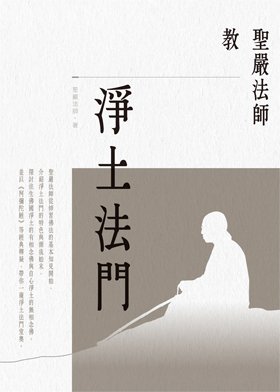
★次第架構完整的淨土實修讀本★ 從「有相念佛」悟入「無相念佛」,完成自心淨土、佛國淨土、人間淨土。從修習佛法的基本知見開始,介紹淨土法門的特色、源流始末,與實修方法;並收錄《阿彌陀經》、《慈雲懺主淨土文》講記。聖嚴法師傳授他對淨土法門的融攝與體悟,既有解門的基礎,又有行門的練習。閱讀此書,猶如親臨現場聆聽開示,接受法師的親自指導。
在人間,不管是哪一個時代,都有許多人為或自然的狀況使得我們不快樂,使得環境不安定、不安全,其實用修行的方法都可以改變。因為大家不修行,內心很痛苦、很煩惱,所以才造成社會和世界的不安寧。如果修行,讓心清淨了,我們的環境也跟著清淨,這就是心淨國土淨。且內心清淨,會覺得世界並沒有那麼可怕、那麼討厭,那就是在人間淨土之中,然後再求生西方淨土就非常容易,也非常可靠。淨土法門是這麼簡單,反而很不容易讓人相信,但是釋迦牟尼佛還是苦口婆心,不斷地介紹阿彌陀佛。在大乘經典中,除淨土三經外,提到阿彌陀佛的就有兩百七十多部。沒有任何一種法門、一尊佛、一尊菩薩,像阿彌陀佛一樣占有那麼大的分量和篇幅。可見釋迦牟尼佛是多麼不厭其煩,一次又一次地讚歎、介紹阿彌陀佛。【完整修習淨土法門】# 修學佛法的正知見#「有相念佛」:往生西方淨土#「無相念佛」:念佛禪#《阿彌陀經》講記#〈慈雲懺主淨土文〉講記
作者簡介:聖嚴法師(1930〜2009年)1930年生於江蘇南通,1943年於狼山出家,後因戰亂投身軍旅,十年後再次披剃出家。曾於高雄美濃閉關六年,隨後留學日本,獲立正大學文學博士學位。1975年應邀赴美弘法。1989年創建法鼓山,並於2005年開創繼起漢傳禪佛教的「中華禪法鼓宗」。聖嚴法師是一位思想家、作家暨國際知名禪師,曾獲臺灣《天下》雜誌遴選為「四百年來臺灣最具影響力的五十位人士」之一。著作豐富,中、英、日文著作達百餘種,先後獲頒中山文藝獎、中山學術獎、總統文化獎及社會各界的諸多獎項。聖嚴法師提出「提昇人的品質,建設人間淨土」的理念,主張以大學院、大普化、大關懷三大教育推動全面教育,相繼創辦中華佛學研究所、法鼓文理學院、僧伽大學等院校,也以豐富的禪修經驗、正信的佛法觀念和方法指導東、西方人士修行。法師著重以現代人的語言和觀點普傳佛法,陸續提出「心靈環保」、「四種環保」、「心五四運動」、「心六倫」等社會運動,並積極推展國際弘化工作,參與國際性會談,促進宗教交流,提倡建立全球性倫理,致力世界和平。其寬闊胸襟與國際化視野,深獲海內外肯定。
作者
NT$
$273

電子書 | 大師密碼F
最新推書全彩精裝繪本、中英雙語系列書--《大師密碼》,附CD,專為國小中高年級、國中青少年量身訂做,故事精彩、插畫美不勝收、印刷精美,連大人也愛不釋手。 書中收錄五個精彩的大師故事,萃取大師的人格密碼,直接學習大師的成功特質,適合忙碌的現代人,又絕對不失原味,是目前市面上最具創意,製作最精美的的佛教青少年繪本,培養優秀人格,同時學習英語,是學佛的父母最好的選擇,學佛的青少年們,也一定要看! 本書榮獲行政院新聞局所主辦的95年度「第27次中小學生優良課外讀物推介」文學語文類之優良課外讀物推介。 ◆◆ 貼心設計‧專業編審◆◆ 本書集合了當代優秀的文學作家、插畫名家、專業童書翻譯、中美英文審稿、佛學學者,全新創作出最適合青少年朋友閱讀的佛教勵志文學讀本。不但附送英文CD方便學習,並有「大師小檔案」、「佛學名詞解釋」、「英文單字表」,增強閱讀知識。所以閱讀本書,除可以學習大師們的經典智慧密碼,還可以提昇中文、英文的語言能力。 ◆◆ 精美插畫‧美的饗宴 ◆◆ 《大師密碼F》是插畫家高鶯雪的最新力作,嘗試以蠟筆畫來全新詮釋佛教大師的故事。蠟筆畫是相當費工耗神的畫法,鶯雪以她的細心與耐心,為讀者們畫出既寫實又不失趣味的大師故事。 ◆◆《大師密碼F》收錄五篇精彩的大師故事 ◆◆ ★迦葉的「忠誠」 迦葉的忠誠密碼Faithful,看迦葉為何能成為佛陀的接班人? ★惠能的「容忍」 惠能的容忍密碼Forbearance,看惠能如何藏身獵人隊十五年? ★太虛的「影響深遠」 太虛的影響深遠密碼Far-reaching,看太虛如何帶動佛教革命,成為現代佛教的領航人? ★道生的「遠見」 道生的遠見密碼Foresighted,看道生如何即使被放逐也要堅持真理? ★憨山的「光明正大」 憨山的光明正大密碼Fair,看憨山如何不畏小人當道,勇敢做該做的事。
作者
NT$
$266

電子書 | 大師密碼E
最新推書全彩精裝繪本、中英雙語系列書--《大師密碼》,附CD,專為國小中高年級、國中青少年量身訂做,故事精彩、插畫美不勝收、印刷精美,連大人也愛不釋手。 書中收錄五個精彩的大師故事,萃取大師的人格密碼,直接學習大師的成功特質,適合忙碌的現代人,又絕對不失原味,是目前市面上最具創意,製作最精美的的佛教青少年繪本,培養優秀人格,同時學習英語,是學佛的父母最好的選擇,學佛的青少年們,也一定要看! 本書榮獲行政院新聞局所主辦的95年度「第27次中小學生優良課外讀物推介」文學語文類之優良課外讀物推介。 ◆◆ 貼心設計‧專業編審◆ ◆本書集合了當代優秀的文學作家、插畫名家、專業童書翻譯、中美英文審稿、佛學學者,全新創作出最適合青少年朋友閱讀的佛教勵志文學讀本。不但附送英文CD方便學習,並有「大師小檔案」、「佛學名詞解釋」、「英文單字表」,增強閱讀知識。所以閱讀本書,除可以學習大師們的經典智慧密碼,還可以提昇中文、英文的語言能力。 ◆◆ 精美插畫‧美的饗宴 ◆◆ 《大師密碼E》是插畫家劉小琦的最新力作。她的畫筆帶著天生的幽默感,充滿漫畫式的趣味,讓歷史上的大師們頓時變得鮮活可親起來! ◆◆《大師密碼E》收錄五篇精彩的大師故事 ◆◆ ★法顯的「沉著」法顯的沉著密碼Equanimity,看他如何冷靜為拔刀相向的盜匪說法,並在六十五歲高齡出發到印度取經? ★優婆離的「平等」優婆離的平等密碼Equality,看他如何不放棄理想,勇敢從賤民階級的理髮師,一躍為大法師? ★密勒日巴的「忍耐」密勒日巴的忍耐密碼Endurance,看他如何忍受老師魔鬼式的層層考驗? ★馬祖道一的「開悟」馬祖道一的開悟密碼Enlightenment,看他如何不按牌理出牌教導學生? ★虛雲的「熱忱」虛雲的熱忱密碼Enthusiasm,看九十多歲的老和尚如何排除萬難,重建八十多座佛寺?
作者
NT$
$266

電子書 | 大師密碼D
全彩精裝繪本、中英雙語系列書--《大師密碼》,附CD,專為國小中高年級、國中青少年量身訂做,故事精彩、插畫美不勝收、印刷精美,連大人也愛不釋手。書中收錄五個精彩的大師故事,萃取大師的人格密碼,直接學習大師的成功特質,適合忙碌的現代人,又絕對不失原味,是目前市面上最具創意,製作最精美的的佛教青少年繪本,培養優秀人格,同時學習英語,是學佛的父母最好的選擇,學佛的青少年們,也一定要看! 本書榮獲行政院新聞局所主辦的95年度「第27次中小學生優良課外讀物推介」文學語文類之優良課外讀物推介。 ◆◆ 貼心設計‧專業編審◆◆ 本書集合了當代優秀的文學作家、插畫名家、專業童書翻譯、中美英文審稿、佛學學者,全新創作出最適合青少年朋友閱讀的佛教勵志文學讀本。不但附送英文CD方便學習,並有「大師小檔案」、「佛學名詞解釋」、「英文單字表」,增強閱讀知識。所以閱讀本書,除可以學習大師們的經典智慧密碼,還可以提昇中文、英文的語言能力。 ◆◆ 精美插畫‧美的饗宴◆◆ 《大師密碼D》是插畫家蘇力卡的最新力作。以筆觸細膩、色彩豐富明亮的水彩,重新詮釋大家耳熟能詳的五位大師。威敏作畫態度非常認真嚴謹,不辭辛苦廣集資料,並請教中國、西藏與日本佛學專家,以研究本書故事背景與服裝造型。 ◆◆《大師密碼D》收錄五篇精彩的大師故事◆◆ ★竺法護的「奉獻」竺法護的奉獻密碼Devotion,看竺法護為何要學會三十六種語言?原本在中國默默無名的他,如何以精采的譯經法會吸引人群聽法? ★弘一的「紀律」弘一的紀律密碼Discipline,才氣驚人的弘一,書法、音樂、繪畫、戲劇、文學無一不精通,為何會出家並研究律宗?他如何以嚴謹的持戒身教,成為一代宗師典範? ★目犍連的「孝順」目犍連的孝順密碼Dutiful,看目犍連如何救出在地獄受苦的母親! ★道元的「決心」道元的決心密碼Determined,為什麼日本的道元禪師下定決心要來中國學法呢?他從負責廚房工作的老法師身上,學到了什麼樣的重要法寶呢? ★神秀的「精進」神秀的精進密碼Diligence,學習永不嫌遲,也不嫌慢。五十歲才學禪的神秀,不嫉妒惠能一到禪寺就得到師父的特別賞識,默默精進修行二十年,果然是大器晚成!
作者
NT$
$266

電子書 | 居士50問
居士是紅塵中人,菩薩行者;掌握在家修行之道,做一個理想的在家菩薩。
相對於出家人清淨梵行的生活,居士更需要福慧雙修,才能在凡塵俗世裡,鍛鍊出道心。
本書為難得的居士修行專書,除介紹居士的歷史淵源、修行之道與人物典範外,更釋疑現代居士關注的工作觀、金錢觀、感情觀、夫妻觀、生死觀等,讓您得以在滾滾紅塵中依教奉行、自利利他,得到法喜與法益。
佛教尊稱在家信眾為居士的由來,可能是受維摩詰居士的影響,他是古往今來一致推崇的居士修行典範。《維摩詰所說經》(簡稱《維摩詰經》)的〈菩薩品〉即稱維摩詰為居士。
光嚴童子問維摩詰居士:「居士,從何所來?」維摩詰居士說:「我從道場來。」光嚴童子又問:「哪個道場呢?」維摩詰居士回答:「直心是道場、菩提心是道場、諸煩惱是道場……。菩薩如果能依六波羅蜜教化眾生,一切所作所為,腳下的每一步無不是道場,都能安住於佛法。」
維摩詰居士不以一寺一地為道場,依此而推,在現代居士的生活中,家庭是道場、職場是道場、喜怒哀樂是道場……。雖然和一般人的生活環境相同,但是心境卻是不同的,面對世間萬象,居士是生活在紅塵俗世的修行者、推廣佛法的幕後菩薩,願意以佛法鍛鍊自我、成就大眾,從佛陀時代到現代佛教,不論個人得失,不計功德多少,默默耕耘著人間淨土。
衷心期盼有緣的讀者,皆能因本書得嘗聞慧、思慧與修慧的法益與法喜,朝「現代維摩詰居士」的修證目標前進!
作者
NT$
$112
正在載入更多商品......