搜尋結果
共
354
筆符合商品
排序

你可以不怕死
死亡,一切將終結或者靈魂將永存?在本書中,一行禪師從他自己的體證裡,提出了有別於虛無論和靈魂永生的另類觀點和生命態度。你會發現,死亡不是句點,透過深觀修持的體悟,你會發現超越死亡的秘密。一行禪師邀約我們進行深觀修持,這樣我們才能發現在永恆和虛無的「中道」裡所埋藏的自由和喜悅。身為一位詩人,他探索生命的悖論,輕柔地掀起幻象--誤把「生」、「死」和「自我」當真--的面紗,讓我們在自己的人生中首度有機會認清:生、死、來、去,都只是我們製造出來的概念,而這些幻象也就是我們苦難的源頭。一旦洞察萬事萬物皆是「不生,不滅;無來,無去;無同,無異;無存在,無不存在」,就能體認到自己是無法被摧毀,因而也就能「重生般」地享受和欣賞人生了。他也分享了一種簡易而有效的「觸摸大地」修持方式,來破除所有人為的概念:一、 觀想自己站在時間的縱軸上,你的精神導師、血緣上的祖先、精神子嗣及血緣上的子孫,都是你的一部份。你就是他們,他們就是你。一旦解除你和祖先子嗣是分開的概念,你就能捨棄了時間的概念。二、 觀想自己站在空間的橫軸上,與諸佛菩薩相應,發現他們正在你的體內,而你就是他們在時空>中的化身,你是這些菩薩的一隻手臂,而你的手臂可以伸向地球最黑暗的角落。四處都有朋友可以充當你的手臂,你以可以變成他們的手臂。當你不在認為子己和諸佛菩薩、受苦的眾生、動植物及其他是物是分開時,你也就捨棄了空間的概念。三、 你不再認為你就是自己的身體,你也就不再受制於生死的概念。若是懂得修持不生不滅的實相,你會發現死亡和恐懼都不是實存的,存在的只有不斷在延續中的無量化身。
作者簡介
一行禪師(Thich Nhat Hanh)
當今國際社會中最具宗教影響力的僧人之一,以禪師、詩人、人道主義者聞名於世。1926年生於越南中部,16歲時在歸原寺當見習僧,後來赴美研究並教學。越戰期間返國從事和平運動,對於越南的年輕僧眾起了重大啟發,戰爭結束代表參加巴黎和談。越南赤化以後,被放逐至今仍不得回國。但長期以來,一直從事救援難民的工作。1967年美國黑人民權領袖馬丁路德‧金恩提名他角逐諾貝爾和平獎。1982年他在法國南部建立了「梅村」(Plum Village)禪修道場,並赴世界各地弘法。1995年曾到台灣弘法並主持禪七法會。著作超過八十本,都是教導人們在生活中實踐佛法,已在台灣出版的有《你可以不生氣》、《與生命相約》、《愛的箴言》、《生生基督世世佛》、《步步安樂行》等。
NT$
$213
|
85折

The Poetry of Enlightenment 開悟的詩偈(英文版)
To my knowledge there are no anthologies of Ch’an poetry in Chinese, Japanese or English which describe in detail the method of practice and the experience of Ch’an Furthermore, there are few prose sources in English dealing with the same topics On the other hand, there are numerous books in English that relate the episodes of the kung-ans(koans)The prevailing view that comes from reading these stories is that the practice of Ch’an is methodless, and since there is no way to describe the experience of Ch’an, it is suggested that we just go ahead and practice by studying the kung-ans The purpose of these poems is different in that they specifically show you how to practice, what attitudes to cultivate and what pitfalls to beware of Finally, they attempt to describe the ineffable experience of Ch’an itself These poems flow directly from the minds of the enlightened Ch’an masters; we get a glimpse into their experience at the time of, and after their enlightenment In contrast, in reading a kung-an we get an objective story of what happened and we don’t really know what was in their minds. It is my hope that this collection of poems will give those who are interested in the practice a new way of looking at Ch’an and a more balanced view of the scope of Ch’an literature The present selection is offered to make this tradition available to Western readers who may otherwise not be aware of their existence.
NT$
$536
|
85折

一心走路:步行在佛陀的淨土中
心能往千向,但於此幽徑,吾安穩而行;
步步和風吹,步步花綻放。走路是一般人生活中最普遍、最頻繁的活動,一行禪師以「像佛陀一樣走路」作為本書的主軸,告訴我們,走路本身就是一種修行,從走路之中,自有我們尋尋覓覓的正見、正念和智慧。每個人內在都有一個佛陀,只要我們不斷向內洞察自己的心,讓心趨向於良善的事物,保持正念地安住當下,並為心識注入快樂的習慣,那麼,當遇到困難時,根本無須擔心,因為我們內在的佛陀將會伸出援手,讓我們自生命的功課中獲得療癒與平靜。一行禪師同時強調創造力、觀想與禪修的重要,並提供具體的修行方法,讓我們的心靈清明,身心和諧。文中同時穿插引自佛陀傳記的故事,以及一行禪師日常生活的經驗與觀察,從平凡的事例中,為我們指引出發人省思的觀點。
作者簡介
一行禪師(Thich Nhat Hanh)
1926年生於越南中部,十六歲時在慈孝寺當見習憎,後來赴美研究並教學。越戰期間返國從事和平運動,對於越南的年輕僧眾起了重大啟發,戰爭結束代表參加巴黎和談。越南赤化後,一行禪師被放逐海外,在2005年第一次回返越南,2007年2月至5月也再次回到越南。1967年美國黑人民權領袖馬丁路德‧金恩提名他角逐諾貝爾和平獎。1982年他在法國南部建立了「梅村」禪修道場。1995年曾到台灣弘法並主持禪七法會。一行禪師是當今國際社會中最具宗教影響力的僧人之一,以禪師、詩人、人道主義者聞名於世。著作超過一百本,都是教導人們在生活中實踐佛法,已在台灣出版的有:《生生基督世世佛》、《步步安樂行》、《與生命相約》、《你可以不生氣》、《你可以不怕死》、《正念的奇蹟》、《觀照的奇蹟》、《見佛殺佛》、《橘子禪》、《你可以,愛》、《祈禱的力量》。
譯者簡介
賴隆彥
海洋大學造船系畢業,中華佛學研究所研究。曾任中華佛學研究所藏文講師、智光工商德育老師、佛光出版社資深編輯、普門雜誌社資深編輯。譯作:《森林中的法語》、《阿姜查的禪修世界》(戒、定、慧)、《佛陀的聖弟子傳》、《正念的四個練習》、《無常》、《正念之道》等(以上皆由橡樹林文化出版)。
譯者
賴隆彥
NT$
$238
|
85折

Hoofprint of the Ox 牛的印跡(英文版)
From The Preface By Dan Stevenson EN. SHENG YEH is a master in the Caodong and Linji lineages of Chan〈Zen〉 school, who for twenty five years now has been guiding students from Taiwan, the United States, and Europe in the practice of Chan Buddhism. Hoofprint of the Ox provides a systematic introduction ─ in Sheng yen,s own words ─ to the principles that inform his particular style of Chan training.... In the final analysis, it is an unabashedly normative work ─ a book on Chan practice addressed to an English speaking audience with a personal interest in Buddhism. To the extent that this audience is also primarily Western, Hoofprint is more than passive report of Sheng yen,s personal convictions. It situates those convictions in responsive relation to specific expectations about Chen practice current among Western students, with specific points to be made.
NT$
$1,071
|
85折

經王法華經
一行禪師 洞見《法華經》,彰顯實踐菩薩行的向度之門。
夜裡,當我念誦《法華經》時,經聲震動銀河,穹蒼之下的地球醒來,在大地懷裡,百花驟然綻放。 夜裡,當我念誦《法華經》時,一座寶塔出現,光芒萬丈,仰望夜空,觸目盡皆菩薩,而佛陀的手,就在我自己手中。 ── 一行禪師經中之王! 大乘佛經園地中最美麗的花朵!歷經數百年編纂而成的《法華經》,是佛陀晚年在印度靈鷲山所宣說,自古以來一直被佛教修行者尊為諸經之王。整部經典以莊重瑰麗的故事、巧妙的譬喻和寓言貫穿,不但文辭優雅,充滿文學性與雋詠趣味,充分顯證了佛陀慈悲的教義。《法華經》從西元七世紀開始流傳以來,包容廣大的內容通常被分為兩部分詮釋──「歷史的向度」、「究竟的向度」;第一部分「歷史的向度」,敘述釋迦牟尼佛出生、成長、為尋求心靈真理出家修行,以及最後證悟成佛,終生教導佛法,直到涅槃的過程。是一般感官知覺所見的人間佛陀。第二部分「究竟的向度」,揭露了佛法超越時空的永恆意義,也就是真正的實相──涅槃,是超越一切二元對立的法界;在這個向度哩,可看到佛陀的法身,也就是超越一般時空與感官知覺層次的佛陀。一向秉持將菩薩行的慈悲實踐於日常生活分分秒秒的一行禪師,則在這部殊勝經典傳統的「歷史向度」與「究竟向度」之外,蒐集、整理了《法華經》中一切相關大菩薩的章節,也就是本書第三與第四部分──「行動的向度」、「開啟行動之門」,以《法華經》的具體功用與行動,補足並齊備「歷史向度」與「究竟向度」的教義。第三部分「行動的向度」,一行禪師提出了《法華經》中,包括藥王菩薩、常不輕菩薩、持地菩薩、普賢菩薩、觀音菩薩等,這些菩薩採幫助歷史向度中的人們觸及並打開究竟向度之門,讓他們減輕恐懼、絕望、焦慮所帶來的痛苦,而得以在安詳自在中過著喜悅的生活。第四部分「開啟行動之門」,一行禪師以「行動向度」中的諸菩薩為行動典範,教導我們透過六波羅蜜:「布施」、「持戒」、「包容」、「精進」、「禪定」、「智慧」作為具體實踐菩薩道的行動與方法,將修行融入日常生活,以實際行動,增進家庭、社區、社會、自然環境與全世界的福祉,並開啟進入菩薩行的向度之門。 《法華經》肯定人人都具有成佛的能力,一行禪師更以入世佛教的精神,指出並教導我們如何善用「人人皆能成佛」這份殊勝賜予,將《法華經》中的正念、慈悲與愛心修行化為實際行動,為個人,也為家庭、社區、整個地球,帶來喜悅、和平與解脫。
作者簡介
一行禪師(Thich Nhat Nanh)1926年出生於越南,為越南臨濟法脈第42代傳人。1960年代越戰期間,一行禪師秉持「正念必須入世」的信念,以堅實的修行為基礎,以具足的定力、慈悲與智慧濟世在戰火下煎熬的眾生。1967年,美國黑人民權領袖小馬丁.路德.金宣稱「我不知道還有誰比這位來自越南的溫和僧侶更有資格獲得諾貝爾和平獎」,提名法師為諾貝爾和平獎候選人。一行禪師通曉越、英、法及中文,除了佛學論述之外,並著有詩集、小說、戲劇、傳記等,迄今已有上百本著作。
譯者簡介
方怡蓉師範大學英語研究所碩士,中華佛學研究所畢業。另譯有一行禪師代表作之一《橘子禪》。
NT$
$272
|
85折

回到家,我看見真心:讓家成為修行的空間
我們整天忙碌,習慣圍著事情團團轉,回到家卻還定不下來,家失去了提供休養生息的氛圍。一行禪師鼓勵我們,可以在空間中融入修行,用修行來轉化空間。不論家大或小,裝潢美觀與否,只要用心,就可以為自己的生活空間做規畫,創造多處放鬆和舒適的空間,你就可以自在地回到自己。在家裡設立一處禪坐的角落,在那裡,以覺知呼吸釋放情緒;在廚房的壁櫃貼上正念的詩句,提醒自己停下紛亂的思緒,把心放在手上的料理;在床頭櫃上置放清新的語句,願你一起床就能活出朝氣的一天;在客廳放一個罄,爭吵或意見紛雜時,用它來收心……有了禪師一貫溫柔及實用的指引,家的每個地方,都成為心覺醒的神聖之處。
作者簡介
一行禪師(Thich Nhat Hanh)1926年生於越南中部,十六歲時在慈孝寺當見習憎,後來赴美研究並教學。越戰期間返國從事和平運動,對於越南的年輕僧眾起了重大啟發,戰爭結束代表參加巴黎和談。越南赤化後,一行禪師被放逐海外,在2005年第一次回返越南,2007年2月至5月也再次回到越南。1967年美國黑人民權領袖馬丁路德‧金恩提名他角逐諾貝爾和平獎。1982年他在法國南部建立了「梅村」禪修道場。1995年曾到台灣弘法並主持禪七法會。一行禪師是當今國際社會中最具宗教影響力的僧人之一,以禪師、詩人、人道主義者聞名於世。著作超過一百本,都是教導人們在生活中實踐佛法,已在台灣出版的有:《生生基督世世佛》《步步安樂行》《橘子禪》《與生命相約》《你可以不生氣》《你可以不怕死》《正念的奇蹟》《觀照的奇蹟》《見佛殺佛》《你可以,愛》《祈禱的力量》《一心走路》《生命真正的力量》《接觸大地》《建設淨土》等。
譯者簡介
雷叔雲國立台灣大學畢業,赴美取得圖書館學與資訊科學碩士,曾任職圖書館界與教育界,現旅居加州,為自由撰稿人。譯有十餘種心理、宗教、禪法領域的著作,在台灣、中國大陸和馬來西亞等地出版。其中《生命不再等待》(No Time to Lose)一書榮獲台灣第33屆金鼎獎最佳翻譯人獎。
NT$
$187
|
85折

There Is No Suffering 心的經典:心經新釋 (英文版)
There is no suffering, no cause of suffering, no cessation of suffering, and no path There is no wisdom and no attainmentThe Heart Sutra, just over a page long, distills the teachings of the Buddha to their purest essence Perhaps the best known of all Buddhist sutras, it is recited in Buddhist centers and monasteries around the world Emphasizing a living wisdom directly experienced, the schools of Chan have revered the Heart Sutra for its concise expression of the core realization of the Buddha.There Is No Suffering is Chan Master Sheng Yen’s commentary on the Heart Sutru He speaks on the sutra from the Chan point of view, and presents it as a series of contemplation methods, encouraging readers to experience it directly through meditation and daily life In this way, reading the Heart Sutra becomes more than just an intellectual exercise; it becomes a wisdom inherent within each of us Whether one wants a better understanding of Buddhist concepts or a deepened meditation practice, this commentary on the Heart Sutra can help.
NT$
$468
|
85折

潛水鐘與蝴蝶(二版)【內頁泛黃】
當軀體僅剩左眼能夠眨動,我們可以如何謳歌生命?44歲的鮑比是法國時尚雜誌 Elle 的總編輯,才情俊逸,開朗健談,熱愛人生。然而,1995年12月 8日那一天,他突然腦幹中風,全身癱瘓,不能言語,只剩左眼還有作用。在友人協助下,靠著眨動左眼,他一個字母一個字母寫下這本不同尋常的回憶錄。出書後二天,他去世。藉著這本書,他告訴世人,他被禁錮的靈魂永遠活著。一個人在這樣絕望的情況,依然不放棄創作,這本書當然是以全部的生命寫成的。在困頓如繭的肉體裡,一個勇敢瀟灑的靈魂,寫下一則毫無自憐之情,卻幽默輕盈如飛翔之蝴蝶的回憶錄,化生存的絕望為文學的奇蹟。這本書被譽為「我們這個時代最傑出的回憶錄」,它見證了人類精神的令人心痛的美。本書中文版在台灣出版逾九年,銷售超過二十萬冊,鼓勵了無數因為疾病或生活難題而陷入人生低潮的讀者。閱讀本書,會讓你珍惜現有的一切,再次愛上生命……
作者簡介
尚‧多明尼克‧鮑比 (Jean-Dominique Bauby)1952年生,在巴黎求學,曾擔任記者數年。1991年出任法文版時尚雜誌Elle的總編輯。1995年12月8日,突然中風。1997年3月9日,離開人間。
NT$
$170
|
85折
大師密碼I:誰比較聰明?
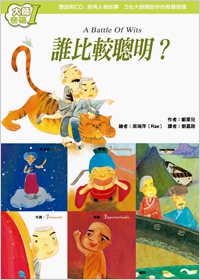
全彩精裝繪本、中英雙語系列書--《大師密碼》,附CD,專為國小中高年級、國中青少年量身訂做,故事精彩、插畫美不勝收、印刷精美,連大人也愛不釋手。書中收錄五個精彩的大師故事,萃取大師的人格密碼,直接學習大師的成功特質,適合忙碌的現代人,又絕對不失原味,是目前市面上最具創意,製作最精美的的佛教青少年繪本,培養優秀人格,同時學習英語,是學佛的父母最好的選擇,學佛的青少年們,也一定要看!貼心設計‧專業編審本書集合了當代優秀的文學作家、插畫名家、專業童書翻譯、中美英文審稿、佛學學者,全新創作出最適合青少年朋友閱讀的佛教勵志文學讀本。不但附送英文CD方便學習,並有「大師小檔案」、「佛學名詞解釋」、「英文單字表」,增強閱讀知識。所以閱讀本書,除可以學習大師們的經典智慧密碼,還可以提昇中文、英文的語言能力。精美插畫‧美的饗宴《大師密碼I》是插畫家周瑞萍(Rae)的最新力作,她以帶著夢幻童趣感的畫風重新詮釋大師故事。以與眾不同的大師造型,讓大師個個看起來更有型,也多了親切的活力。看起來童趣簡單的畫面,一筆一線可都不簡單,周瑞萍挑選了費時耗神的臘筆為主要畫作媒材,以微風般的柔美臘筆,與適度的刮法技巧,帶動了畫面的整體動感,欣賞她的畫,彷彿我們也隨風吹進了她的想像世界:看見蘇東坡正在挑戰佛印的智慧、住在樹上的鳥窠道林,還不小心被嘻哈大笑的寒山、拾得敲了我們一記腦勺,原來大師也會「裝可愛」呢!《大師密碼I》收錄五篇精彩的大師故事佛印密碼:Intelligent 聰明誰比較聰明?一代文豪蘇東坡一心想鬥智鬥過佛印禪師,不料每次都弄巧成拙,這一次還被一個放屁打過了江。蘇東坡真的都鬥輸佛印嗎,讓我們一起來評看看底底誰比較聰明? 寒山、拾得密碼:Innocent 天真天真的最佳拍擋寒山、拾得看起來瘋瘋癲癲,不是愛在寺院牆上塗鴉,就是愛亂哭亂笑,後來卻成為許多人的明星偶象,他們為什麼有這麼大的迷人魅力呢?護法密碼:Imperturbable 沉著沉得住氣的好功力好事大家搶著做,壞事大家跑光光,這是通常的現象,小護法為什麼敢獨自舌戰別的宗教大師呢?國王給他自動放棄的機會、論戰對手瞧不起年幼的他,護法卻完全不受影響,沉著論戰到底。鳥窠道林密碼:Illuminating 啟迪樹上的先知 有房子不住,鳥窠道林禪師為什麼沒事跑去樹上住,是為了學鳥飛還是學鳥唱歌?而且大家跑來找他還不是看這奇觀,是真有事要請教他,他如何用智慧幫助人們的心靈振翅高飛?迦旃延密碼:Idea 好方法買貧窮有沒有搞錯,竟然有人在「賣貧窮」呢!而且還真的有人買耶!迦旃延為何會想出這樣天才的怪點子,這到底是怎麼一回事呢?
NT$
$296
|
78折

無常
「一切都是不確定的」──這是唯一能夠肯定的事情。當深刻體悟到這點時,就可以為自己與他人建造安全的避風港。人為什麼會有痛苦?因為世事難料,讓以為能掌握全局的自己,竟在很多事情上無能為力。透過阿姜查精采的解說,讓我們不再對於世界的變化與不確定感到不安與恐懼,透徹了解事情的真相,輕鬆進入正見之門。本書由英譯者保羅.布里特節錄自阿姜查以泰語與寮語講述的150捲以上的錄音帶中的教導。那些談話的對象包括出家或在家二眾,地點有阿姜查的寺院、泰國、英國與美國各地。在本書中,阿姜查以非常簡單與樸實的風格,談論內觀諸法的三個特徵:無常、苦與無我,並且提出有力的對治法,讓我們可以克服對「改變」的恐懼,包括放下執著、活在當下與從事禪修。內觀諸法的三個特徵在本書中,阿姜查解釋逐步內觀諸法的三個特徵:無常、苦與無我。★無常這個教法的基礎是建立在「身心諸法皆為無常」的事實上。凡是無常的事物,本質上皆是不圓滿的,既然事物是不穩定,則不應被視為是自己或屬於自己所有,如此洞見事物將能使心解脫。要趨入這個洞見,便應從我們所經驗一切事物的不確定性開始,這是阿姜查教學與訓練所強調的重點。★苦「苦」,是不快樂的經驗,如愛別離、怨憎會、憂愁、生病與死亡是苦的形式。它也被說為普遍一切我們會經歷的不圓滿;具體而言,它是指被建立在相信事物為真實、永恆並且屬於、構成或關乎自我之妄想基礎上。它們會使痛苦增加,而那是可以避免的。透過禪修中的思惟與直觀,人們會看見執著任何事物或經驗所造成的緊張、挫折與失望,因為沒有東西是可以永遠不變的。無常是洞見諸法不圓滿的本質,生活中積累的一切痛苦會推動我們去找出解脫之道。★無我阿姜查經常以最簡單的方式說「無我」,那就是從我們的身體開始。有時他說身體不聽從我們的命令,最後拋棄我們。有時他強調它們如何受制於老、病與死。有時又說它們只是地、水、火、風四大的聚合體,其中找不到任何個人。如經典所說,凡是無常與不可信賴者,必皆具有不圓滿的本質,因此這些當然不值得被稱為我或我所有。克服對「改變」的恐懼如果當我們觀察當下,看見身與心的無常以及諸法的生與滅,對它沒有任何貪愛,如果我們做到這點,我們就會感到安穩而自在。若能保持正見、正念,無論處於何種情況下,無論來或去,心都將不會受到任何傷害。「一切都是不確定的」,當了解這點時,無論生或死,我們都已經為自己打造了安全的避風港。
作者簡介
阿姜查(1918-1992)近代泰國最著名的法師之一。13歲出家,20歲正式受戒為比丘。1946年通過最高級正規佛學課程考試後,開始拖缽行腳,尋師訪道。1948年在森林中與20世紀偉大的森林禪師阿姜曼相遇,獲得重要的啟發,改變了他的修行方法。1954年回到家鄉烏汶省巴蓬森林,追隨者日多,於是有了著名的巴蓬寺。阿姜查的修行方式有兩大特色:頭陀行與禪定體驗,兩者都是延續迦葉尊者重視苦行的精神而來。他的教導方式簡明深遠,吸引不少西方人士前來受教。其中包括傑克‧康菲爾德(Jack Kornfield)、保羅‧布里特(Paul Breiter),阿姜‧阿默爾(Ajahn Amaro),甘比羅法師等。著作:《森林中的法語》、《阿姜查的禪修世界》。
譯者簡介
賴隆彥海洋大學造船系畢業,中華佛學研究所研究。曾任中華佛學研究所藏文講師、智光工商德育老師、佛光出版社資深編輯、普門雜誌社資深編輯。譯作:《森林中的法語》、《阿姜查的禪修世界》(戒、定、慧)、《禪是心靈妙境》、《佛陀的聖弟子傳》等。
NT$
$187
|
85折

阿姜查的禪修世界:定
看過《阿姜查的禪修世界:戒》(第一部)的人,一定不能錯過它的續篇--《阿姜查的禪修世:定》(第二部)。不論你是不是佛教徒,這本書都將帶給你真正的平靜。對於關心阿姜查教法的讀者,這一套三本的《阿姜查的禪修世界》是不可不擁有的完整輯錄。這套書將歷來發行過的阿姜查英文出版品,依戒、定、慧三學重新整編,在阿姜查逝世十週年的時候紀念出版。實為阿姜查最完整的法語輯錄。對於不認識阿姜查的讀者來說,阿姜查的這套書,讀來輕鬆幽默,卻蘊意深遠;即使是不修習佛法的讀者,也可以在其中盡情欣賞一個親切長者的智慧風采。阿姜查是現代南傳佛教森林派的偉大行者,早年受過完整的傳統僧侶教育,通過最高級的正規佛學課程考試,但最後卻放棄學業,選擇了森林苦行僧的方式來追求佛法上的證悟。他的追隨者無數,上至王公貴族,下至販夫走卒,他都能以適切的方式教導,時而嚴厲,時而風趣,直戳你心底深處。阿姜查的教導,不強調任何形式的打坐,而以隨時觀察自己的心為主,他要我們明白,死亡是無可逃避的,唯一的出路就是訓練自己的心,安住於無為法中。只有這樣解脫才是可能的。阿姜查圓寂後,他的喪禮有一百萬人參加,其中包括泰國國王與王后。而他的法教,也隨著他眾多的西方弟子散播到世界各地。此次將南傳佛教大師阿姜查說法的語錄合輯,共分為戒、定、慧三冊,內容是阿姜查對於「戒、定、慧」的真實體驗,而非只是對經典的詮釋,此為第二部部「定」。本書深刻開示一般人對「禪定」或「禪修」的誤解,禪修並不是要隔絕煩惱與獲得假相的平靜,而是以開放地態度面對自己的身心狀態,當你清楚覺知煩惱的來去而心不受干擾時,智慧便生起了。
NT$
$213
|
85折

阿姜查的禪修世界:慧
智慧是從平靜的覺知中產生,如果我們不持戒、修定,以增長心的力量,即使讀完整部大藏經,也無法擁有真正的智慧。不論你是不是佛教徒,這本書都將帶給你真正的平靜。對於關心阿姜查教法的讀者,這一套三本的《阿姜查的禪修世界》是不可不擁有的完整輯錄。這套書將歷來發行過的阿姜查英文出版品,依戒、定、慧三學重新整編,在阿姜查逝世十週年的時候紀念出版。實為阿姜查最完整的法語輯錄。對於不認識阿姜查的讀者來說,阿姜查的這套書,讀來輕鬆幽默,卻蘊意深遠;即使是不修習佛法的讀者,也可以在其中盡情欣賞一個親切長者的智慧風采。阿姜查是現代南傳佛教森林派的偉大行者,早年受過完整的傳統僧侶教育,通過最高級的正規佛學課程考試,但最後卻放棄學業,選擇了森林苦行僧的方式來追求佛法上的證悟。他的追隨者無數,上至王公貴族,下至販夫走卒,他都能以適切的方式教導,時而嚴厲,時而風趣,直戳你心底深處。阿姜查的教導,不強調任何形式的打坐,而以隨時觀察自己的心為主,他要我們明白,死亡是無可逃避的,唯一的出路就是訓練自己的心,安住於無為法中。只有這樣解脫才是可能的。阿姜查圓寂後,他的喪禮有一百萬人參加,其中包括泰國國王與王后。而他的法教,也隨著他眾多的西方弟子散播到世界各地。此次將南傳佛教大師阿姜查說法的語錄合輯,共分為戒、定、慧三冊,內容是阿姜查對於「戒、定、慧」的真實體驗,而非只是對經典的詮釋,此為第一部「戒」。本書深刻釐清一般人對「戒」的排拒和疑惑,其實戒律,是對我們尚不穩定的心予以保護它的目的不是為了掌控,而是讓我們隨時保持覺知和觀照所以,犯戒非關道德的懲罰,只是顯示自己正念還不夠。
NT$
$196
|
85折
電子書 | 〈破魔變〉中英對照校注
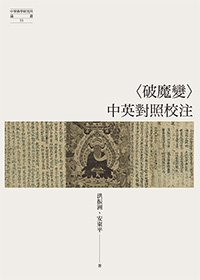
《〈破魔變〉中英對照校注》為敦煌寫卷的重要研究,〈破魔變〉講述佛陀成道時,遭逢魔王擾亂修行的故事。變文是受到佛教影響而興起的一種文學體裁,改寫佛經故事,讓故事更通俗易懂,將佛法的精神與意義深印人心,此種講唱佛經的方式,深深影響了中國文學和戲劇的發展。二○一五年七月至二○一七年三月,中華佛學研究所洪振洲教授與根特大學根特佛學研究中心(Ghent Centre of Buddhist Studies at Ghent University)安東平(Christoph Anderl)教授合作主持「中古佛教寫本資料庫編碼」專案,將部分敦煌佛教寫卷進行整理與數位化;二○一七年再設立「敦煌寫卷〈破魔變〉中英對照本專案」,將〈破魔變〉寫卷再次進行校注與整理,並出版本書。為方便中、西方讀者閱讀,書中附有〈破魔變〉寫卷彩圖,並將寫卷內容楷定成現代通用的正字,同時製作異體字表、通假字表,及提供中、英文的校勘與註解,以利讀者參照研究,能深入理解寫卷,感受變文之美,並體會佛法真義。
作者洪振洲(「中古佛教寫本資料庫編碼」專案主持人)臺灣科技大學資訊管理系博士,法鼓文理學院佛教學系專任副教授兼任圖書資訊館館長。他的研究興趣包含漢譯佛典作譯者分析、數位典藏專案建構、數位人文研究資源開發與數位文字處理議題,目前參與許多由法鼓文理學院執行的數位典藏計畫。詳細資料可參見網址:http://joeyhung.info/安東平Christoph Anderl(「The Database on Medieval Chinese Dunhuang Texts 」project director)Christoph Anderl is a Professor of Chinese Language and Culture at Ghent University. He has an MA in Chinese Studies from Vienna University, and a PhD in Chinese Linguistics from Oslo University.Anderl's research focuses on Medieval Chinese language and literature, with an emphasis on vernacular texts and Dunhuang manuscripts, Medieval Chan Buddhism, and the interplay of text and image in the transmission of Buddhist narratives.For more information on publications and research, please consult the following web pages: http://research.flw.ugent.be/en/christoph.anderl and https://ugent.academia.edu/ChristophAnderlThe work on the manuscripts was generously supported by a fund of the Bijzonder Onderzoeksfonds (BOF), Ghent University
NT$
$336
電子書 | 大師密碼I:誰比較聰明?
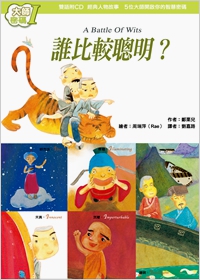
全彩精裝繪本、中英雙語系列書--《大師密碼》,附CD,專為國小中高年級、國中青少年量身訂做,故事精彩、插畫美不勝收、印刷精美,連大人也愛不釋手。書中收錄五個精彩的大師故事,萃取大師的人格密碼,直接學習大師的成功特質,適合忙碌的現代人,又絕對不失原味,是目前市面上最具創意,製作最精美的的佛教青少年繪本,培養優秀人格,同時學習英語,是學佛的父母最好的選擇,學佛的青少年們,也一定要看! ◆◆ 貼心設計‧專業編審◆◆ 本書集合了當代優秀的文學作家、插畫名家、專業童書翻譯、中美英文審稿、佛學學者,全新創作出最適合青少年朋友閱讀的佛教勵志文學讀本。不但附送英文CD方便學習,並有「大師小檔案」、「佛學名詞解釋」、「英文單字表」,增強閱讀知識。所以閱讀本書,除可以學習大師們的經典智慧密碼,還可以提昇中文、英文的語言能力。 ◆◆ 精美插畫‧美的饗宴 ◆◆ 《大師密碼I》是插畫家周瑞萍(Rae)的最新力作,她以帶著夢幻童趣感的畫風重新詮釋大師故事。以與眾不同的大師造型,讓大師個個看起來更有型,也多了親切的活力。看起來童趣簡單的畫面,一筆一線可都不簡單,周瑞萍挑選了費時耗神的臘筆為主要畫作媒材,以微風般的柔美臘筆,與適度的刮法技巧,帶動了畫面的整體動感,欣賞她的畫,彷彿我們也隨風吹進了她的想像世界:看見蘇東坡正在挑戰佛印的智慧、住在樹上的鳥窠道林,還不小心被嘻哈大笑的寒山、拾得敲了我們一記腦勺,原來大師也會「裝可愛」呢! ◆◆《大師密碼I》收錄五篇精彩的大師故事 ◆◆ ★佛印密碼:Intelligent聰明一代文豪蘇東坡一心想鬥智鬥過佛印禪師,不料每次都弄巧成拙,這一次還被一個放屁打過了江。蘇東坡真的都鬥輸佛印嗎,讓我們一起來評看看底底誰比較聰明? ★寒山、拾得密碼:Innocent 天真寒山、拾得看起來瘋瘋癲癲,不是愛在寺院牆上塗鴉,就是愛亂哭亂笑,後來卻成為許多人的明星偶象,他們為什麼有這麼大的迷人魅力呢? ★護法密碼:Imperturbable沉著 好事大家搶著做,壞事大家跑光光,這是通常的現象,小護法為什麼敢獨自舌戰別的宗教大師呢?國王給他自動放棄的機會、論戰對手瞧不起年幼的他,護法卻完全不受影響,沉著論戰到底。 ★鳥窠道林密碼:Illuminating啟迪 有房子不住,鳥窠道林禪師為什麼沒事跑去樹上住,是為了學鳥飛還是學鳥唱歌?而且大家跑來找他還不是看這奇觀,是真有事要請教他,他如何用智慧幫助人們的心靈振翅高飛? ★迦旃延密碼:Idea好方法 有沒有搞錯,竟然有人在「賣貧窮」呢!而且還真的有人買耶!迦旃延為何會想出這樣天才的怪點子,這到底是怎麼一回事呢?
NT$
$266
正在載入更多商品......