搜尋結果
共
2261
筆符合商品
排序
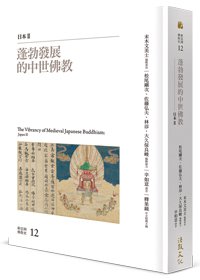
蓬勃發展的中世佛教:日本II
★ 探究日本院政時期至戰國時代的佛教史。★ 日本學界動員菁英學者的結集,作者群以整體觀點,依各別專攻的主題領域,進行層層闡述,為議論豐富、可讀性極高的論著。日本中世佛教,一般稱為「鎌倉新佛教」,禪宗從中國傳入,為日本佛教帶來新生。‧ 武士階層大力提倡禪宗,以助鞏固統治權。‧ 法然、親鸞、道元、日蓮、一遍等人,為抵抗舊佛教勢力而大為活躍。‧ 念佛法門的推廣,普及至庶民階層。‧ 宗派的架構確立,祖師們的言論思想,成為後人研究的重點。◆日本學界嶄新論述◆精彩收錄第一章 顯密佛教的發展【專欄】「聖教」世界第二章 新佛教形成【專欄】未來記第三章 佛教徒推行的社會活動【專欄】持經者第四章 儀禮與神話【專欄】夢第五章 室町文化與佛教【專欄】禪畫的世界第六章 一揆與佛教【專欄】地圖特論 變化中的日本佛教觀【專欄】立川流
作者簡介
蓑輪顯量 東京大學大學院教授阿部泰郎 名古屋大學大學院教授前川健一 東京大學大學院醫學系研究科GCOE「UT-CBEL」特任研究員小峯和明 立教大學教授松尾剛次 山形大學教授菊地大樹 東京大學史料編纂所副教授伊藤聰 茨城大學教授河東仁 立教大學教授原田正俊 關西大學教授島尾新 多摩美術大學教授神田千里 東洋大學教授黑田日出男 立正大學教授佐藤弘夫 東北大學大學院教授彌永信美 佛教學者
譯者簡介
辛如意臺北市人,政治大學新聞系畢業,名古屋大學國際開發研究所碩士畢業,同研究所博士肄業。翻譯著作有《日本佛教的基礎——日本I》、《佛教的東傳與中國化——中國I 南北朝》、《中國文化中的佛教——中國III 宋元明清》、《中國佛教研究入門》、《風月秦淮——中國遊里空間》、《空色勾玉》、《白鳥異傳》、《薄紅天女》、《風神祕抄》、《川之光》等書。
譯者
辛如意
NT$
$468
|
78折

達賴喇嘛:這些事,你應該生氣
有修行或情商高的人就是不能生氣?生氣是一種執著的表現?達賴喇嘛提醒世人,不執著不是變冷漠,反而有時候,你更應該好好生氣。
★ 達賴喇嘛教導我們,應該要學會如何正確生氣!★ 如何化憤怒為正向之氣,擁抱最真實的感受★ 有些情境,懂得表達憤怒,才能保護自己,轉化生命!◎ 「莫生氣」不合時宜了?! ── 達賴喇嘛為什麼要我們學習生氣?過去,人們一直用負面的態度看待憤怒,認為生氣的情緒,不僅會傷害別人,更會傷害自己。但達賴喇嘛這次罕見教誨世人:「會生氣,是人類不可避免的本質,如果一個人從不表現生氣,肯定是哪裡出了問題,而且違反人性。有時候,憤怒是一種慈悲;有些事,我們應該好好生氣。不僅僅能用於自我防衛,還能用來保護他人免於傷害。」如果我們無動於衷、冷漠以對,總勸大家要粉飾太平,完全是錯誤的表現。一旦承認憤怒,就能掌握憤怒、表達憤怒,甚至採取正確行動。◎ 好好生氣,是達到目的的手段就像家長糾正行為失序的孩子,責罵過後,並不會因此讓關係破裂,也不會因此不再相愛。良性的憤怒代表著我們總算睜開雙眼,以憤怒做為手段而達到目的,才能改變現狀。在本書中,達賴喇嘛教我們重新看待發生在我們身上的事,也更帶覺知地判斷所見所聞,必要時,勇於表達出真實的感受,學會如何分辨對哪些事生氣,同時運用憤怒,能夠帶來強大的推動力,透過承認憤怒、控制憤怒、展現憤怒、善用憤怒,就能改善現狀,保護自己和他人,也改變世界!【達賴喇嘛好好生氣語錄】# 憤怒帶來更多能量,更強烈的決心,更能有力矯正不公不義。# 憤怒時,我們的憤怒起於已存在內心的起因。# 除非目標達成,否則對社會不公義的憤怒會一直都在。# ……不屬於自性妄執的欲念是有價值的執著,不應該捨棄。# 不執著不代表要變漠然。
作者簡介
第十四世達賴喇嘛(The Dalai Lama)西藏人民的精神領袖,被廣泛認同為世界和平的倡導者,並獲得許多國際性的榮譽,包括一九八九年的諾貝爾和平獎。 上田紀行Noriyuki Ueda一九五八年出生於東京。一九八九年,於東京大學取得文化人類學博士學位。日本知名作家、演說家與文化人類學者。二○○六年,在史丹佛大學的佛學研究中心擔任客座研究員,教授一系列分為二十部分的《今日佛教:因應全球新挑戰》課程。現任教於東京工業大學。
譯者簡介
張家綺畢業於中興大學外國語文學系,英國新堡大學筆譯研究所,現任專職譯者。譯作包括《精準表達》、《自由自造》、《未來十年微趨勢》(合譯)、《不被工作綁住的防彈理財計畫》等書。
NT$
$272
|
85折

白話《菩提道次第廣論》
以二十一世紀語言 重新詮釋十四世紀佛學鉅著 最淺顯易懂的《菩提道次第廣論》白話版 所有佛教徒都應深入實修的寶典《菩提道次第廣論》的作者是宗喀巴大師,在得到文殊菩薩加持後於淨觀中寫下。本論遠傳承可以追溯到釋迦牟尼佛所有言教,近傳承主要依據阿底峽尊者的《菩提道炬論》,能幫助所有根器與心性不同的眾生,按部就班、全面性了解佛法精髓,步步登上解脫大道。中文譯本為法尊法師所譯的《菩提道次第廣論》,也是目前市面上流傳最廣的版本,以現代眼光來看,由於語體過於文言,又隱含許多典故,很容易讓人望之卻步。為了自他二利,劉小儂居士投入六年時間,將此書寫成一般人容易閱讀的白話文,可說是佛教界的一大創舉。白話《菩提道次第廣論》的出版,對學佛者想要深入學習藏傳佛教及弘揚佛陀教法極具意義。
作者簡介
宗喀巴大師被喻為第二佛的宗喀巴大師(1357-1419),是藏傳佛教格魯派的開山始祖、偉大的宗教思想家和改革家,也是文殊菩薩的真實化現。在十四世紀西藏佛教墮落之際,開啟復興戒律、重視學習的風潮,建立先顯後密的修行次第,制定五部必修大論,舉辦嚴格的辯經與考試制度,強調聞思修三者並重。1402年,宗喀巴大師在止貢法王、勝依法王及前後藏善知識勸請下,寫下《菩提道次第廣論》奢摩他之前的章節;原本宗喀巴大師打算停筆,文殊菩薩立刻現身請他繼續毘缽舍那章節,並在虛空顯示甚深空性義理,以利益末法眾生。
譯者簡介
法尊法師中國近代史最偉大的譯經師,1902年生於河北深縣,1920年離家前往五台山出家,法名妙貴,字法尊,十九歲因聽聞大勇法師開示《八大人覺經》等經典,觸動法師除自了生死,更應擔負起弘揚佛法的使命,由此奠定譯經志向。法尊法師一生譯著超過一百二十部,幾乎涉及所有佛學層面,著名的如《菩提道次第廣論》、《密宗道次第廣論》、《入中論》、《入中論善顯密義疏》、《現觀莊嚴論金鬘釋》、《辨法法性論》、《集學論》、《釋量論》等,對漢地學習藏傳佛教具有重大貢獻。劉小儂曾多次前往印度、尼泊爾、西藏,追隨佛陀及聖者足跡,並朝禮中國四大佛教名山,禮拜文殊菩薩、普賢菩薩、地藏菩薩、觀音菩薩,獲得不可思議奇妙因緣。平日喜歡閱讀佛教經論,希望以淺顯易懂的方式介紹佛法,讓更多人品嘗甘露妙味,著有《史上最大佛教護法-阿育王傳》。
作者
譯者
法尊法師, 劉小儂
NT$
$468
|
85折
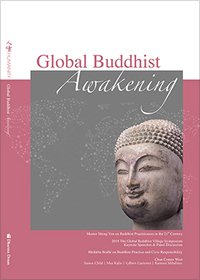
(英文版) 悟吧!在世界佛教村 Global Buddhist Awakening
Taiwan went through an intense period of social change in 1949. The island's politics, economy, ethnicity …… had undergone considerable change. In response this period of tumultuous change, Master Dong Chu founded the "Humanity" magazine to help people cope.
Seventy years later, "Humanity" had weathered being shelved, relaunched and redesigned. It still continues to publish topics that help people cope with the changes in today's world monthly. As "Humanity" approaches its 70th anniversary, it is encountering a different kind of changing world. 27 June 2018, with the aim of sharing the diversity of spiritual practices, we invited dharma masters from different traditions to share the compassion and wisdom of Buddhadharma. The full texts of the keynote speeches and panels are included in this special issue of " Awakening in the Global Buddhist Village".
"Humanity's" guiding teacher, Master Sheng Yen, dedicated his life to bringing Chinese Chan Buddhism to the West. Many Westerners who became his students twenty to thirty years ago continue to follow his footsteps, engage in self cultivation and teaching, establish centers and transmit the lineage. How did they discover Chan Buddhism and how did they find their teacher, Master Sheng Yen? These stories of the teacher and the student are very inspirational.
In the twenty first century, on this 70th anniversary of "Humanity" magazine, Buddhism has spread around the world resembling a global Buddhist village. From the United States of America, Bhikkhu Bodhi described his process of transformation from a traditional monastic to that of a social advocator because he witnessed the oppression of human beings caused by the current social systems; to Italy's Bhikkhun? Dhammadinn? who shared about her journey of how she went from learning dancing to engaging in Buddhist research and ultimately to becoming a female monastic.
Contributing to the world in our capacity of Chinese Chan Buddhism, "Humanity"70 along with the Buddhist Dharma family all over the world and our friends on the same path, let us "Awaken in the Global Buddhist Village"!
About the Humanity magazine
Founded in 1949, Humanity magazine was the first Buddhist magazine published and released in Taiwan. Founded by Ven. Dong Chu and later continued by his disciple Master Sheng Yen, it has been one of the most influential magazines in Taiwan’s Buddhist circles.
Humanity magazine concerns itself about contemporary development of Buddhism, and puts an emphasis on the uplifting of people’s minds and spiritual lives. Each month’s topic not only touches upon various social phenomena, but also explores from Buddhist concepts to worldly studies, to encourage readers to search their inner beings and incorporate Buddhist practice into their daily lives. For cover and layout design, the magazine has invited outstanding illustrators to help render an elegant yet fun style, thus through pages allowing readers to slow down and find a space for spiritual relaxation, self-transformation, and the enjoyment of purity and freedom by applying the Dharma in life.
The magazine had been discontinued for a while due to Master Sheng Yen’s solitary retreat practice. When it was reissued in 1982, as an encouragement, he wrote:
Seek progress in the ordinary life and see the glory of life in hardship.
Seek development in harmony and see the hope in the hard work.
Seek abundance in peace and calm and see the solemness in the training.
Seek wisdom in silence and see the compassionate aspiration in the proactive commitment.
In the future, the Humanity magazine will continue to uphold Master Sheng Yen’s encouragements and expectations, to keep on sharing Buddhist wisdom and compassion, to help bring brightness and hope to the world.
作者
NT$
$406
|
78折

打坐與腦:打坐的腦中腳印(第二版)
長庚醫院榮譽副院長、腦神經科權威 朱迺欣博士潛心探索打坐對大腦的影響《打坐與腦》為朱迺欣醫師在立緒文化出版腦神經科學系列的經典著作,於2010年出版,本書為第二版印行,紀念朱醫師逝世周年。朱醫師多年潛心於佛禪學,探索打坐對腦神經的影響,實踐愛因斯坦的名言:「沒有宗教的科學是跛子,沒有科學的宗教是瞎子。」致力於宗教與科學融合的研究。目前,打坐已風行全世界。研究打坐,不但順應世界潮流,也能幫助我們瞭解心靈在大腦的運作,以及主觀經驗的一些腦機制。打坐可以說是「心靈的探針」。腦是心識(mind)的器官,打坐是心靈的訓練,牽涉到腦的運作。所以,腦與打坐應是息息相關。這表示,如果我們想瞭解打坐,必須認識我們的腦。廿一世紀是腦的世紀,我們必須探索腦的奧祕,包括認識我們自己,瞭解心識是什麼,情緒何等重要,智慧如何培養。我們正處在「心靈革命」的時代,打坐的重要性也水漲船高,因為它提供人類探索心靈的探針。做為現代人,我們必須瞭解腦;把腦的知識變成常識。如此,我們才能安然處在「心靈」革命中。我們期望,我們因而能獲得心靈的平靜、快樂和滿足。坐禪是靜坐冥想(meditation),華語傾向用打坐。雖然目前打坐風行世界,「禪與腦」對打坐本身,似乎未做深入探討,例如:打坐的歷史背景、打坐的方法、打坐的派別、打坐的原因、打坐的好處等。打坐的這些問題,我相信,應該是一般民眾想知道的。剛好,我自己對打坐有興趣,也有一些經驗,對打坐的科學文獻也有所涉獵。經過再三思索,我把想要寫的,定在打坐的腦科學研究,讓讀者從另一個角度看有千年歷史的東方心靈鍛鍊。不可否認,我對打坐和打坐的作用,有個人的一些見解,把它稱為偏見(bias)也可以。因為我喜歡歷史,我往往從歷史的角度觀察與分析;因為我也是腦科學的研究者,我也往往從腦科學的角度探討。與其他科普書籍比較,此書有一個特徵,即在敘述實驗發現或結果時,往往直接引用報告的表或圖,顯示實驗的「本來面目」,然後用通俗的語言說明或解釋。我衷誠希望,此項新嘗試能讓讀者產生親身感受的經驗,如同禪宗所說的:「如人飲水,冷暖自知。」──朱迺欣〈自序 腦科學看打坐的「本來面目」〉
作者簡介
朱迺欣美國密西根大學(University of Michigan)神經生理學博士,曾任美國科羅拉多大學(University of Colorado)神經科住院醫師,美國國家衛生研究院(National Institutes of Health, NIH)研究員,並任教於加州大學(University of California)爾灣(Irvine)醫學院,回國後任林口長庚醫院神經科主任,長庚醫院顧問級醫師及榮譽副院長,退休後2017年1月於美國加州逝世。專長診治頭痛、癲癇症、巴金森症、威爾遜病等。曾獲行政院國科會之傑出研究獎,並因研究錳中毒巴金森症出色,獲得美國巴金森基金會(National Parkinson Foundation)贊助,其研究小組成為該基金會的傑出研究中心,為亞洲第一個獲得此項榮譽之研究小組。除了學術專業論文外,著有《打坐與腦》、《腦與宗教:尋找腦中神明》(原書名《尋找腦中神明:宗教的腦科學觀》)、《靜坐:當東方靜坐遇上西方腦科學》、《神經神學:宗教有腦生物基礎嗎?》(以上皆立緒文化出版)、《懸壺看人間》、《認識腦、保護腦、開發腦》、《走出頭痛的陰影》、《巴金森病——認識與面對》、《前塵往事腦醫學》、《腦醫生的大帽子》等,另譯有《尋找腦中幻影》(Phantoms in the Brain)、《禪與腦》(Zen and the Brain)等書。
作者
NT$
$272
|
85折

世界文明原典選讀Ⅴ:佛教文明經典
本書最大特色,即是使用我們習慣閱讀的白話文。傅佩榮教授認為:「經典之所以為經典,不在其文字載體,而在其智慧結晶。」使用白話文編撰,消弭了古今用語的隔閡、降低異國語言的門檻,而透過專家的導譯,讓我們可直接與中外聖賢哲人的心靈交流,徜徉其偉大的思想系統中,不僅能豐富個人精神世界,亦深入拓展了文化視野。《世界文明原典選讀Ⅴ:佛教文明經典》由蔡耀明教授主編。佛典浩瀚,印度佛教隨著修行講究上的差異,發展出二大道路:一為解脫道,另一為菩提道。本書由解脫道典籍為始,以生命體從世間的捆綁得到解脫為目標,進一步伸展到菩提道典籍,其目標則在全方位成就無上菩提與廣泛地利益有情,並選錄佛教論典、密咒。全書編排以個別的佛典為基礎單位,輔以佛典的類別、側重的課題、深淺的程度、或修行的道路為衡量準據,透過選譯,傳達出佛典引人興趣的多樣且豐沛的內涵。
作者簡介
主編∥蔡耀明美國柏克萊加州大學佛學研究所博士(1997年12月),現職台灣大學哲學系教授。其專長領域為佛教哲學、印度哲學、生命哲學。已出版四本專書,分別為《般若波羅蜜多教學與嚴淨佛土:內在建構之道的佛教進路論文集》(2001)、《佛學建構的出路:佛教的定慧之學與如來藏的理路》(2006)、《佛教的研究方法與學術資訊》(2006)、《佛教視角的生命哲學與世界觀》(2012),以及上百篇的中文與英文之期刊論文與專書論文。曾經擔任華梵大學人文教育研究中心通識教育組組長、華梵大學東方人文思想研究所所長、現代佛教學會理事長、台灣大學文學院佛學研究中心主任、《台大佛學研究》主編。研究上,首重內在建構之道;寫作與譯注,堅持深思細想,不假手他人。總策劃∥傅佩榮美國耶魯大學哲學博士,曾任比利時魯汶大學與荷蘭萊頓大學講座教授,臺灣大學哲學系教授、主任兼研究所所長,現任逢其原書院院長。著有《哲學與人生》、《柏拉圖》、《儒道天論發微》、《儒家哲學新論》、《孔門十弟子》、《不可思議的易經占卜》、《文化的視野》、《西方哲學心靈.全三卷》、《傅佩榮莊子經典五十講》、《傅佩榮生活哲思文選.全三卷》等近百種,並重新解讀中國經典《論語》、《孟子》、《老子》、《莊子》、《易經》、《大學.中庸》,譯有《四大聖哲》、《創造的勇氣》、《人的宗教向度》等書。
作者
NT$
$442
|
85折

達賴喇嘛說金剛經(二版)
你的心,是煤炭或鑽石?痛苦時,你以為心像煤炭,黑暗、沈重又脆弱。其實,你的心像鑽石,透明、閃亮又堅不可摧,因為心的本質是空性、是佛性,煩惱只是暫時的遮障。重點是:如何把煤炭還原成鑽石?
送給世界一顆鑽石世上最堅固的是鑽石,世上最堅不可摧的是空性。鑽石,就是金剛;像金剛般的生命真相,就是空性。《金剛經》中,佛陀送給世界一顆鑽石:證悟空性的智慧,尤其是由菩提心所攝持的勝義菩提心,能斷一切障,能證一切法的本質,因為安住空性,不受任何損傷,所以稱為「金剛」。來讀《金剛經》因為空性,心靈才得以淨化,福德才能積聚,因果世界才能運作,我們才能成佛。負面情緒源於執著「我」的心和自我中心。對真實本質的理解,會消除這顆執著的心,菩提心會自然消融自我中心。如日光般照耀的菩提心修習觀音瑜伽到圓滿覺悟時,我們也就成為一位觀音菩薩。真正修持菩提心的人,擁有極度的快樂、滿足、信心。像日光消除黑暗,菩提心消除了自我中心造作的過錯。解脫的三線道以出離心、菩提心、空正見,引領我們向解脫而去。你必須看到終結痛苦的可能性,然後你渴望獲得解脫,更渴望幫助所有眾生解。但前提是:「你要對空性有所理解。」
作者簡介
第十四世達賴喇嘛本名丹增嘉措(Tenzin Gyatso), 1935 年生於青海省安多,兩歲時被認證為第十三世達賴喇嘛的轉世。1959 年流亡印度,在達蘭薩拉(Dharamsala)成立西藏流亡政府至今。達賴喇嘛為中藏和平奮鬥,在1989 年榮獲諾貝爾和平獎。此外,他更放眼世界,關懷地球,致力提倡慈悲、寬恕、包容、知足及自律等等,以佛教為本的價值觀,促進世界各大宗教傳統之間的和諧,為人類的心靈幸福不斷地努力。曾三度來台弘法,在台也擁有廣大具信弟子。
譯者簡介
呂家茵輔仁大學新聞系學士、英國倫敦大學區域研究碩士,譯有《修心:七種自利利他的心靈煉金術》、《活哲學:12位大師的「生命復甦術」》。
譯者
呂家茵
NT$
$332
|
85折
The World of Chan 禪的世界(英文版)
Chan is not necessarily any one thing, nor does Chan affirm or deny anything. However, whatever you need, Chan gives to you.
For regular meditators, this book provides basic sitting meditation techniques. Exceptionally busy people are advised to try and use the Chan cultivation methods in this book to harmonize themselves, and dissolve their attachment to "self." From relaxing the body and mind for as little as three minutes to attending to body and mind throughout daily life, these methods show the simplicity and practicality of expedient Chan methods.--Master Sheng Yen
作者簡介
Master Sheng Yen (1930-2009)
聖嚴法師1930年生於江蘇南通,1943年於狼山出家,後因戰亂投身軍旅,十年後再次披剃出家。曾於高雄美濃閉關六年,隨後留學日本,獲立正大學文學博士學位。1975年應邀赴美弘法。1989年創建法鼓山,並於2005年開創繼起漢傳禪佛教的「中華禪法鼓宗」。
聖嚴法師是一位思想家、作家暨國際知名禪師,曾獲臺灣《天下》雜誌遴選為「四百年來臺灣最具影響力的五十位人士」之一。著作豐富,中、英、日文著作達百餘種,先後獲頒中山文藝獎、中山學術獎、總統文化獎及社會各界的諸多獎項。
聖嚴法師提出「提昇人的品質,建設人間淨土」的理念,主張以大學院、大普化、大關懷三大教育推動全面教育,相繼創辦中華佛學研究所、法鼓佛教學院、僧伽大學、法鼓大學等院校,也以豐富的禪修經驗、正信的佛法觀念和方法指導東、西方人士修行。
法師著重以現代人的語言和觀點普傳佛法,陸續提出「心靈環保」、「四種環保」、「心五四運動」、「心六倫」等社會運動,並積極推展國際弘化工作,參與國際性會談,促進宗教交流,提倡建立全球性倫理,致力世界和平。其寬闊胸襟與國際化視野,深獲海內外肯定。
Master Sheng Yen was born in 1930 and became a monk in 1943. He conducted a six-year solitary retreat, after which he went to Japan for further study and obtained a doctorate in Buddhist literature at Rissho University. In 1975, he began sharing the Dharma in the US, and in 1989, founded the Dharma Drum Lineage of Chan Buddhism.
He authored more than 100 publications in Chinese, English, and Japanese, and received the Sun Yat-sen Art and Literary Award, the Sun Yat-sen Academic Award, and the Presidential Cultural Award, among other honorary awards.
He proposed the vision of “uplifting the character of humanity and building a pure land on earth,” founded the Chung Hwa Institute of Buddhist Studies, Dharma Drum Buddhist College, Dharma Drum Sangha University, and Dharma Drum University. Experienced in Chan using correct approaches, he guided practice in both the West and East. Popularizing the Dharma in modern language, the Master initiated movements including Protecting the Spiritual Environment, Four Kinds of Environmentalism, the Fivefold Spiritual Renaissance Campaign, and the Six Ethics of the Mind. He shared the Dharma globally with a broadminded perspective, winning him worldwide recognition.
作者
NT$
$468
|
78折

古梵文觀世音菩薩咒語全集(附教學CD)
感通觀世音菩薩慈悲威神的力量。 修持觀音法門一定要收藏的咒語全集。
古梵文觀世音菩薩咒語全集,收錄170首觀世音菩薩的咒語,全部出自《房山石經》第二十八冊《釋教最上乘秘密藏陀羅尼集》第十一卷至二十卷之觀世音菩薩咒文。
許多研究咒語專家都一致肯定「持誦咒語原音是感通的基礎」,因此,咒語之「原音」也可說是持誦感通的根本,希望修持者皆能以標準梵音或近似梵音來念誦咒語。乾隆在《同文韻統》的序文中也說:持咒若不依梵音,就不符合「咒語不翻」的本意。這也是呼應持咒以古梵音為標準的原則。 根據科學對持咒的實驗,只要修持者專心一意念誦,必能達成統一身心的狀態,甚至有禪定效果。咒語同樣可作為一種物質材料同自然界的其他聲音一樣具有物理性,一切聲音都是由物體震動而產生的一種能量轉換。從生命學角度去看,不同的聲音可構成不同的物質、不同的場。從物理聲學的觀點來看,人類發聲器官可發出的音素可以說是無窮無境的。一句好聽的歌曲和一句祥和的祝辭,可以讓我們喚來一天的祥和及寧靜。而不同的是咒語帶有更加複雜的顯性及隱性資訊,它能突破時間、空間的限制,與宇宙中深藏的精神內核同步和吻合,是一種特殊的天人合一聯繫工具。
本書特色
念對了,更有效(附教學CD)本書採用古梵文、羅馬拼音及漢文對照,有助於讀者能夠迅速了解咒語原義。咒語原音本是自印度梵文,由於千年來中國咒語五不翻原則,造成今日咒語發音的多重版本。雖然虔誠持誦也是一種修持,但是如果可以正確的持誦咒語原音,除了能加速持誦之感通;亦可深入了解咒語的原音與原義之關係,對實修的助益更大。
為了令古梵文原音重現,本書特聘請斯里蘭卡Davuldena Nanissana法師,對於古梵文的修正與讀誦給予指導。
作者簡介
簡豐祺
簡豐祺居士,今出家為僧,法號「法豐」法師。法師大學時代受教於懺雲師父,28歲專心靜坐,至39歲略有境界。不久即為鬼神魔障所縛,遍訪各地寺廟和高僧大德,仍不得解脫。最後才想到要借助楞嚴咒力,但是讀誦國語版的楞嚴咒,覺得「效力不彰」。後始追尋梵文本的楞嚴咒。經過多年的修改和持誦,最後終於找到比較合意的版本。之後越誦越起勁,越有信心,除了在最初幾年以退卻鬼神障而唸誦外,漸漸地持咒轉變成為清除本身業障,亦即密教所言黑業氣。除此之外,亦以咒力救助他人。
作者
NT$
$578
|
85折

平靜的第一堂課:觀呼吸
當情緒發號施令,你突然失去了平靜,成為煩惱的奴隸時,就讓南傳佛教的內觀禪修法,教你如何重新作主!這是一本用最簡單的語言,一步一步引導你進入南傳佛教內觀禪修的實用手冊。作者簡單明瞭地指出每一種禪修的方法,告訴我們它的作用,以及運作的方式。 所謂的「內觀」(vipassana)禪修,是南亞與東南亞佛教教學與修行的主題。vipassana是巴利文,意思就是「內觀」,這個修持方式的目的是要讓修行者洞見事物的本質,清楚了解每一樣事物真實的運作方式。本書將介紹如何透過單純覺察與清楚掌握整個呼吸的過程,達到正念。以呼吸為專注的焦點後,禪修者可以進而觀察他所認知的整個世界。禪修者可以按照書中的指導,學習觀看一切身體經驗、感受與思想的變化,並且學習研究自己的心理活動與意識轉變,而這就是一切修行的基礎。 你在對什麼生氣?當我們對某人生氣時,通常只是針對一些特定的事、幾句粗魯的話、一個特殊的眼神,或是一個無心的行為,時間一般都很短暫。在我們的心裡,那個人的其他部分都不見了,只剩下啟動我們心中按鈕的那個部分。當我們這麼做時,其實是將整個人很小的一部分抽離出來加以放大,然後予以無限上綱。我們並沒有看見事件背後其他的因素與力量,我們只將焦點放在那個人的局部,也就是會讓我們生氣的那個部分上。你能改變另一個人嗎?對別人傳送慈心,真的可以改變那個人嗎?修慈可以改變這個世界嗎?當你傳送慈心給遠方的人,甚至陌生人時,你當然無法得知效果如何,但是你可以注意修慈對你自己內心平靜的影響。關鍵在於你自己祝福他人的誠意。事實上,效果是立即的。唯一發現它的方法就是你親自去嘗試。你會對生病的人生氣或失望嗎?為什麼人會殘忍或刻薄?也許那個人是在不幸的環境下長大的,或者也許那個人有隱情,才造成他或她行為殘酷。佛陀要求我們把他們想像成被惡疾纏身的人,我們會對生病的人生氣或失望嗎?或者我們會同情與悲憫他們?我們的敵人也許比我們所愛的人更需要我們的慈心,因為他們的痛苦相對而言要大得多。仇恨能平息仇恨嗎?如果別人傷害你呢?如果別人侮辱你呢?你會想報復,那是正常的人性反應。不過,那會把我們帶到哪裡去呢?「仇恨永遠無法被更多的仇恨所平息……以暴制暴的反應是一種制式的反應,它是學習而來的,並非與生俱來。如果我們從小就被訓練成要忍耐、仁慈與溫柔,那麼慈愛就會變成我們生命的一部分。」
作者簡介
德寶法師(Bhante Henepola Gunaratana)12歲時於斯里蘭卡剃度為佛教僧侶,20歲時於康提受具足戒。畢業於昆巴哈的維迪雅錫卡拉專科學校、凱拉尼雅的維迪雅蘭卡拉學院,以及可倫坡的佛教弘法學院。之後他到印度進行為期五年的弘法工作,在桑奇、德里與孟買服務賤民。接下來十年,他在馬來西亞弘法,擔任佛教協會以及馬來西亞佛教青年會的宗教顧問。1968年,德寶法師在塞瓦迦佛學會的邀請下擔任華盛頓佛寺協會的主任秘書,並於1980年被任命為會長。在1968至1988年任職佛寺協會期間,他除了教授佛法課程外,亦指導禪修閉關,並到世界各地巡迴演講。德寶法師也持續從事學術研究,取得美國大學哲學博士學位,並在美國許多著名大學教授佛學課程。他寫的書籍與文章已在印度、美國、斯里蘭卡與馬來西亞等地出版。《平靜的第一堂課──觀呼吸》已被翻譯成多種語言,中文版由橡樹林文化在2003年出版;該書的泰文節譯版本更被選為全泰國高中課程的教材。 2000年,德寶法師獲得母校維迪雅蘭卡拉學院頒贈終生成就傑出獎。
譯者簡介
賴隆彥海洋大學造船系畢業,中華佛學研究所研究。曾任中華佛學研究所藏文講師、智光工商德育老師、佛光出版社資深編輯、普門雜誌社資深編輯。譯作有:《森林中的法語》《平靜的第一堂課──觀呼吸》《阿姜查的禪修世界》(戒、定慧)《佛陀的聖弟子傳》《正念的四個練習》《無常》《正念之道》《一心走路》等(以上皆由橡樹出文化出版)。.
作者
NT$
$238
|
85折

生命的至情(第二集)【內頁泛黃】
一場SARS襲捲 不但讓人類目睹生命的脆弱與渺小, 也看到人性至情的高貴; 並教育大眾── 回歸清貧生活, 啟發真純本性。 《生命的至情‧第二集》 證嚴上人以真實人事 楬櫫生命的真義 以〈貧與富〉、〈欲念與信念〉、 〈智慧與人生〉、〈談時間〉、〈行善與幸福〉 五大主題 啟發人人本具的愛心 綻現清淨之愛、生命的至情。
作者簡介
釋證嚴 .一九三七年,出生於臺灣省臺中縣清水鎮。.一九六三年,依印順導師為親教師出家,師訓「為佛教,為眾生」,奉持不懈。.一九六六年,創辦佛教克難慈濟功德會。.一九九一年,獲菲律賓麥格塞塞獎。.二○○一年,獲頒香港大學社會科學榮譽博士學位。.二○○二年,獲頒交通大學社會與文化學名譽博士學位。.二○○三年,獲頒中華民國二等景星勳章。.二○○四年,獲頒加州美國亞裔聯盟亞美人道關懷獎。慈濟已邁向國際化,法師慈勉以「合心、和氣、互愛、協力」,凝聚人人愛的力量,打造大愛地球村。目前著作有《靜思語》、《八大人覺經》、《人有二十難》、《三十七道品講義》、《父母恩重難報》、《淨因三要》、《靜思晨語》、《清淨的智慧》、《歡喜自在》、《回歸心靈的故鄉》、《人間菩薩》、《慈濟心燈》、《慈濟叮嚀語》、《證嚴法師說故事》、《自在的心靈》、《證嚴法師心蓮》、《生命的至情第一集》、《生命的至情第二集》、《生命的至情第三集》等。
作者
NT$
$213
|
85折

誰是第一名
得獎記錄☆ 第十六屆信誼幼兒文學獎 3-8歲圖畫書創作類佳作獎☆ 行政院新聞局中小學生優良課外讀物推介(圖畫書類)☆ 入選【台北市深耕閱讀計畫】班級讀書會用書本書故事敘述大餅當評審的經過,得過很多畫圖比賽冠軍的大餅,認為圖畫中一定要有紅太陽才好看,所以,當他被邀請當畫畫比賽的評審時,卻發現沒有一個人畫紅太陽,大餅就宣布沒有人得第一名,結果……。本書以饒富創意及趣味的手法,闡釋「尊重差異與多元」、尊重「創作的自由」的意義。這是一本有趣的圖畫故事書,是想像創意的美學圖畫書,也是含有科普知識的圖畫書。它會刺激小孩不斷發出驚嘆和疑問,「怎麼會這樣?」「為什麼?」「真的嗎?」「有可能嗎?」,當讀者在閱讀中產生新的聯想和視野時,將能真正體會到什麼是閱讀的樂趣和自由。透過本書的閱讀,可以讓小朋友明白,這個世界上沒有一定的「美」的標準。書中除了主角大餅外的三個評審,其實是從畢卡索、孟克、高更三位西洋畫家的畫中走出來的人物。這三個畫家,代表了西洋美術史上不同畫派的畫風。另外,每一種動物的畫,也就是動物眼睛看到的景象,比如那些鮮豔的點點、粗曠簡明的線條、方格子的畫,似乎跟一些名畫家的某些作品相似。可以說,不論是評審或參加比賽的動物,無論在書中有沒有發言,他們代表了多元風格和觀點的含意。因此在書後的附錄中,邀請中原大學人育學院藝術史兼任講師宋珮,對作者引用的畫家和畫風做介紹,同時將書中的評審,「還原」到名畫中原始的出處。本書也可以是一本簡單的生物科普圖畫書,讓小朋友認識不同的眼睛,學習生物多樣性的概念。書中來參加畫畫比賽的動物,作品差異性極大,這是因為每一種動物的眼睛構造不同,所以看出去的世界就會不一樣。作者將動物眼睛的構造放大畫出來,並且用多種色彩和迥異的畫風,將不同構造的眼睛所看到的世界呈現出來。經過中興大學昆蟲學系專門研究昆蟲視覺的楊恩誠教授審定後,除了有科學根據外,而且將原理深入淺出的用圖文做成附錄,放在書的後面,使讀者除了閱讀圖畫書之外,也能學習到科學的知識。信誼幼兒文學獎評審的話這本圖畫書以饒富創意及趣味的手法,闡釋「尊重差異與多元」的意義。故事以「圖畫」為主軸,既貼近大多數小孩喜歡畫圖的心意,又充分利用圖畫故事書的主要特色,還順便介紹了繪畫史上不同的畫家及畫派,不論就兒童溝通的親和力或藝術表現方面而言,都有很不錯的效果。就圖畫書而言,意見或訊息的傳達並不一定用文字,有時可用圖像,或其他繪畫元素如色彩或佈局等,用得適當,反而是比文字更高明的手法。書中各評番的造型就有意義上的隱喻,傳達了主張多元畫風及觀點的立場。──柯倩華(兒童文學評論家)我們常用「色彩縯紛」來形容看到的世界,殊不知這個世界原來是沒有顏色的;我們也常用「人」的觀點來幫其他動物看這個世界,然而其他動物所看到的世界是很不一樣的!作者巧妙的表達了「非人」的觀點,更讓小朋友深深體會到「尊重」的含意。──楊恩誠(中興大學昆蟲系助理教授)
作者簡介
蕭湄羲1974年出生,是隻母老虎,很喜歡吃,很喜歡笑,很喜歡睡覺,很喜歡運動,很喜歡畫畫,很喜歡講故事,除了青蛙,什麼都不怕!
作者
NT$
$221
|
85折
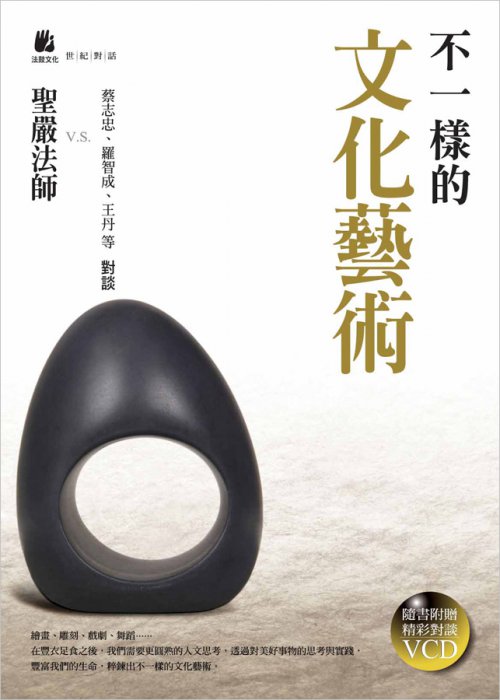
不一樣的文化藝術(附VCD)
繪畫、雕刻、戲劇、舞蹈……在豐衣足食之後,我們需要更圓熟的人文思考,透過對美好事物的思考與實踐,豐富我們的生命,粹鍊出不一樣的文化藝術。在不一樣的時代,應該有不一樣的思考方式面對問題。然而在眾聲喧嘩中,您是否也在迷惘中不知該何去何從?《不一樣的聲音系列》叢書,是將聖嚴師父廣受好評的【不一樣聲音】對談電視節目,精選5個主題並整理成文字,以佛法的智慧為主軸,提供給現代人新的積極面對的解決方法。《不一樣的聲音系列》叢書內容廣邀社會各界菁英與師父的對談紀錄,藉由他們寶貴的人生經驗提供不一樣的見解。你也可以像他們一樣思考,為自己開展出不一樣的人生風貌。
NT$
$156
|
78折

人生517期:讀《法華經》,走上成佛之道
讀《法華經》,走上成佛之道
《法華經》被譽為「諸經之王」,是漢傳佛教影響深遠的重要經典,千百年來廣為讀誦、受持與信仰,也引導無數學佛者理解佛陀本懷,建立成佛的信心。
《法華經》二十八品,每一品皆有其深意。本期選取〈方便品〉、〈譬喻品〉、〈信解品〉、〈化城喻品〉、〈提婆達多品〉、〈安樂行品〉、〈如來壽量品〉、〈常不輕菩薩品〉、〈觀世音菩薩普門品〉及〈普賢菩薩勸發品〉等十品,帶領讀者掌握經典要義,也看見一條從理解、相信到實踐的成佛之道。
從火宅、化城的譬喻,到提婆達多蒙佛授記、龍女示現成佛,《法華經》一次次打破我們對「誰能成佛」的想像。常不輕的恭敬、觀音的慈悲、普賢的行願,更讓成佛不再是遙遠的目標,而是從當下每一次待人處事開始。果慨法師、羅財榮、張敏美分享,《法華經》如何走入他們的生活,轉化各自的生命。
「人生Podcast」邀您與果毅法師一起回望不同年代的農禪寺,聽見「歲月靜好」背後,那些不易被看見的故事。「焦點話題」東初禪寺監院常華法師受邀參加第三屆慈心大會(Metta Convention),從僧團制度、托缽行腳到跨傳承交流,看見佛教在西方社會的當代實踐。
跟著《法華經》,學佛不迷路【成佛地圖】打開成佛地圖 《法華經》關鍵十品方便品、譬喻品、信解品、化城喻品、提婆達多品、安樂行品如來壽量品、常不輕菩薩品、觀世音菩薩普門品、普賢菩薩勸發品【法華人物】果慨法師、羅財榮、張敏美 生活處處皆法華
【人生Podcast】從鐵皮屋到水月道場 隨果毅法師重返農禪好時光【焦點話題】常華法師從慈心大會看西方佛教新樣貌
作者
NT$
$190
|
95折

無麩質的早餐提案:解鎖無蛋、無奶、無麵粉的全素新體驗
你也是麩質過敏人嗎?市面上的各種麵包、甜點、麵點總是和你無緣,這本專為麩質過敏族群設計的食譜菜單,麵粉蛋奶out,而是以米穀粉製作的麵包、瑪芬、水餃、餅皮,美味度不減,確更健康了!又或者,你追求「無麩無奶無蛋」飲食?選擇「無麩無奶無蛋」的飲食並不是盲目追逐流行,而是身體發出的真實需求。作者丁凱西利用豆漿做優格,再自製腰果奶、燕麥奶等,選對食材,打造無麩飲食並不難。今天吃水餃還是漢堡?新手必讀的無麩質烘焙與料理教科書,沒有麵筋也能撐起美味,零門檻也能學會手作早餐,寵愛自己:
★中式早餐★ 米饅頭、米餅皮、米水餃最經典的中式早餐選擇,米製饅頭吃起來口感細緻;米餅皮單吃之外,也能包捲各種蔬菜,做成捲餅,相當萬用。 ★西式早餐★ 米吐司、米漢堡、米瑪芬、米鬆餅吃起來帶點Q彈的米吐司、米漢堡,搭配無麩醬料,就能變化出草莓三明治、蘋果醬吐司、熱壓吐司、全素漢堡等,早餐變化更多樣。想要吃甜點不用忍耐,米瑪芬、米鬆餅,滿足嗜甜的心。 ★無麩醬料&小點★ 腰果奶、蘋果派、燕麥脆脆利用千張豆皮自製蔬菜捲、蘋果派,再用無夫燕麥烤出帶著楓糖香的燕麥脆脆,飲食不敏感,毫無負擔地迎接每一個早晨!
作者簡介
丁凱西丁凱西甜點工坊 負責人活躍於各廚藝教室、烘焙展客座講師,曾任職於五星級酒店、法式烘焙甜點坊。受邀於東森新聞、客家電視台等媒體專訪。在純米烘焙以及使用在地食材與推廣已有多年的經驗,所研發的配方與製作上都有獨特的見解與技巧。「透過有溫度的烘焙,傳遞純粹天然美味。」
作者
NT$
$442
|
85折

芬芳貝葉:一行禪師日記:1962-1966
◆一行禪師的這本日記記錄了36歲到40歲的時光,涵蓋他在越南中部高原建立靜修處「芳貝」的過程,以及在紐約做研究、教書的日常點滴,堪稱一行禪師最具個人色彩的著作。◆日記中也詳細記錄了禪師多次身心轉化的經過與情境,以及往返越南與美國時,面臨文化衝突和局勢變遷的感慨與反思,充分展現禪師的敏銳觀察與生動文筆。【一行禪師百歲誕辰紀念】一行禪師於36-40歲親筆撰寫的15篇日記從青年禪師到影響全球的「正念」一代宗師,從越南中部的僻靜山居到美國東岸的大學校園……一行禪師最溫馨、最具個人色彩的著作一窺年輕宗教師與行動家的內在轉化──「那一刻,我知道:我回來了。我的衣服、鞋子,甚至我生命的本質都消逝了。我只是一隻停在葉尖的蚱蜢。……不生起任何分別、抗拒或埋怨的念頭。」 「這本《芬芳貝葉》日誌可能無法通過審查。……明天我將離開越南,但現在我已經開始思鄉。」一九六六年五月十一日,一行禪師的日記一開頭這麼寫道。離開越南後,他因為呼籲和平,遭當局拒絕返國的權利,展開長達三十九年的流亡生涯,直到二○○四年才回到越南。在這段期間,他以佛教僧侶暨禪師的身分聞名於世,所推行的正念禪法也漸漸發揮偌大的影響力。
不過,年輕禪師當年寫下這些字句時,這一切尚未發生。這本日記不僅刻畫一位年輕禪師莊嚴的身影,也呈現一位偉大宗教師、學者、詩人、行動主義者的崛起過程。從一九六二至六三年,於普林斯頓與哥倫比亞大學擔任年輕學者與助教,到後來思及故鄉面臨的諸多困境,開始提倡和平。一九六四年返回越南後,禪師和志同道合的僧人一起為人民爭取更好的生活環境。翻開《芬芳貝葉》,讀者得以深入這位世上最受歡迎心靈導師的內心世界。 【各界佳評】一行禪師親自演示了個人的內在和平與世界和平的關聯。──達賴喇嘛 一行禪師是一位聖者,不僅因為他謙遜、虔誠,還是具有豐厚學識的學者,他的和平理念若能實際運用,將使得跨宗教的普世主義、世界一體及人性開花結果。──馬丁‧路德‧金恩博士教導世人正念的佛教僧人。──《時代》雜誌 一行禪師最溫馨、最具個人色彩的一本著作,展現了他過人智慧的種子是如何撒下。──傑克.康菲爾德(Jack Kornfield),《踏上心靈幽徑》作者 不論在紙頁上,還是在生活中,一行禪師的書籍都能對治現代人的痛苦與憂慮。《芬芳貝葉》的雋永文字呈現一位殫精竭慮的不朽人物。在閱讀並實踐他的教法時,我感受到自己彷彿被一股重力般深沉、廣闊的慈悲籠罩著。閱讀他的著作,幫助我更富有人性,也更接近自我。──王鷗行(Ocean Vuong),《此生,你我皆短暫燦爛》作者 一行禪師是位偉大的導師。我以感恩與喜悅的心情,研究過他的生平、作品、生命軌跡。透過他的文字、公共事務的奉獻、各種見地,我的視野擴大,思路更清晰。我常常覺得很難再找到如此明澈、堅定、無畏的靈魂。──愛麗斯‧沃克(Alice Walker),《紫色姊妹花》作者一行禪師的文字宛如水一般──簡潔、單純、透徹,對生命來說不可或缺。──阿利安卓‧伊納利圖(Alejandro Iñárritu),《神鬼獵人》、《鳥人》導演 這些篇章收錄一行禪時最私密的文字,也是漸入無我的難得紀錄──成為將正念的影響力遍及全球的禪師。──瑪麗亞‧波波娃(Maria Popova)開創的「邊緣閱讀」部落格The Marginalian(前身為Brain Pickings) 我在一九六八年在巴黎第一次見到一行禪師。那時正值反文化、反越戰抗議活動及學運興起,他在巴黎現身,有如久旱甘霖。接下來五十年,他代表了人類的良心,一直是心靈覺醒、社會和諧與生態意識的慈悲催化劑。他以奉獻、決心、喜悅,滋養了人類靈魂。他謙遜、溫和,卻極具說服力和強烈的願力。能夠認識他、追隨他的教法,是我一生的樂趣。──薩提斯‧庫瑪(Satish Kumar),《再生與生態學人》雜誌榮譽主編、舒馬克學院創辦人一名教導正念的越南佛教僧人,為什麼能夠啟發馬丁‧路德‧金恩,並成為二十一世紀最偉大的非暴力運動人士?一行禪師不同於其他任何導師,他親自演示,以慈悲為基礎、自利利他的社會運動,可能具有深遠的開拓性。──約翰‧鮑威爾(John A. Powel),加州大學柏克萊分校「他者與歸屬」研究所所長 當今最偉大的心靈導師之一。在《芬芳貝葉》中,令人尊敬的詩人以深切的方式揭露開悟的要義,以及生命的精髓。──羅伯特‧瑟曼(Robert Thurman),《內在革命》作者 【本書特色】● 二○二六年為一行禪師百歲誕辰紀念,中文版重新問世,特別收錄──越南版作者序、士嚴法師的引言。●這本日記源自一行禪師早年與友人的通信,最早的英文版改以日誌的形式出版,有其獨特性,是認識這位入世禪師的生命軌跡與內心想法的絕佳途徑。●日記中詳述一介出家僧侶在動盪年代,主動入世、嘗試改善一般民眾的生活、積極倡導和平運動的過程,堪稱難得的時代紀錄。● 禪師親撰的第一手紀錄,文字清新、坦然,沒有框架,揭露諸多修行的軌跡與歷程。一行禪師雖在二○二二年圓寂,透過這本日誌,可以理解他的禪法對全世界仍有著莫大的影響力。
作者簡介
一行禪師(Thich Nhat Hanh)一九二六年生於越南,十六歲在慈孝寺出家,一九四九年受具足戒,為臨濟禪宗第四十二代、越南了觀禪師第八代傳人。 一九六一年赴美國普林斯頓大學研讀比較宗教學,次年於哥倫比亞大學教授和研究佛教。一九六六年前往美國和歐洲呼籲和平,結束越戰。在這次訪問中,他首次見到了馬丁‧路德‧金恩博士,後者於一九六七年提名他為諾貝爾和平獎候選人。然而,由於這次的奔走呼籲,越南拒絕了他返回祖國的權利,他開始了長達三十九年的流亡生涯。一九八二年,在法國南部建設禪修道場「梅村」。 他是目前世界上最著名的一位禪師,教導正念禪修長達七十餘年,暢銷作品包括《自在》(Be Free Where You Are)和《轉化痛苦的藝術》(No Mud No Lotus)。二○二二年於越南順化慈孝寺圓寂,享耆壽九十五歲。
譯者簡介
汪橋汪橋,為筆名,意為汪洋中的一條橋,傳遞人與人之間的關愛與理解。曾任職報社逾十年,擔任記者和編輯,現為身心靈導師和自由撰稿人。二○○一年開始禪修,二○○六年起參與梅村的正念修習,翻譯了多本一行禪師的著作,包括《和好:療癒你的內在小孩》及《禪與拯救地球的藝術》等。
作者
譯者
汪橋
NT$
$306
|
85折

寶鏡無境:石頭希遷〈參同契〉、洞山良价〈寶鏡三昧歌〉新詮(二版)
煩惱與智慧,並無不同開悟之後,世界並不會停止下雪 聖嚴法師講解禪宗千年修行心要,教你在複雜多變的世間,修剪執著,融雪為水,照見寂而常照的自性寶鏡。 「有時我看到自己的煩惱像冬天暴風雪中的雪花,飄落在我的心鏡上,但透過不斷的修行,我讓自己的心鏡保持溫暖,而雪片很快就融化了。」——聖嚴法師
◆ 聖嚴法師「默照禪」的重要思想源流
默照禪與話頭禪,是聖嚴法師最具代表性的禪法。其中,默照禪所強調的「寂而常照、照而常寂」,正與曹洞宗一脈相承。 本書以石頭希遷〈參同契〉與洞山良价〈寶鏡三昧歌〉為核心,深入闡述曹洞宗的修行精神,是理解聖嚴法師默照禪思想的重要著作。 ◆ 曹洞宗兩大心要的珍貴現代新詮 〈參同契〉與〈寶鏡三昧歌〉是歷代禪門公認為曹洞宗最重要的兩篇著作,影響深遠。然而,兩篇作品義理深奧、隱喻繁富,完整而深入的白話解說極為罕見,現代讀者難以窺其全貌。 聖嚴法師以禪修實證的視角,結合佛法義理與現代語言,帶領讀者進入曹洞宗的修行世界,體會古老禪偈歷久彌新的智慧。 ◆ 千年禪典映照現代人生,體驗真正的禪悅 開悟之後,是否就能一悟永悟?如何面對生命中不停落下的雪花? 二篇詩偈共同指出:人人本具佛性,但仍須透過持續不斷的修行,才能使智慧現前、煩惱消融。本書不僅談覺悟,更談覺悟之後如何安住、如何保任、如何在日常生活中實踐禪法,是一部兼具理論深度與修行指引的經典之作。 〈參同契〉直指三世諸佛同證的心境,並善用陰陽、明暗的引申寓意,說明默照禪的修行經驗與開悟的五種層次。此偈內容點出,修行者唯有藉由不斷地精進修行,破除煩惱,才能使自心如皎潔的一輪明月。 〈寶鏡三昧歌〉告訴我們,人人皆有自性寶鏡,只因被煩惱遮蔽,而失去映照能力;若能拭去心鏡上的塵埃,寶鏡即能再顯明淨。全詩融合易經的生命哲理與禪的直觀,引導精進修行者悟入心、佛、眾生的本性,超越煩惱與禪定的執著,體會寂而常照的寶鏡妙用。 在複雜多變的現代社會,若能善用〈參同契〉及〈寶鏡三昧歌〉的禪理,並落實於生活中,即能化煩惱為菩提,體驗真正的禪悅。 ◆ 英文版暢銷多年,中文版新版經典重現 本書英文版《The Infinite Mirror》多年前即於美國出版,至今仍持續流通,足見其歷久彌新的思想價值。此次推出中文新版,並同步發行電子書,讓更多讀者得以重新認識這部禪宗經典新詮之作。
作者簡介
聖嚴法師(1930~2009年)聖嚴法師1930年生於江蘇南通,1943年於狼山出家,後因戰亂投身軍旅,十年後再次披剃出家。曾於高雄美濃閉關六年,隨後留學日本,獲立正大學文學博士學位。1975年應邀赴美弘法。1989年創建法鼓山,並於2005年開創繼起漢傳禪佛教的「中華禪法鼓宗」。聖嚴法師是一位思想家、作家暨國際知名禪師,曾獲臺灣《天下》雜誌遴選為「四百年來臺灣最具影響力的五十位人士」之一。著作豐富,中、英、日文著作達百餘種,先後獲頒中山文藝獎、中山學術獎、總統文化獎及社會各界的諸多獎項。聖嚴法師提出「提昇人的品質,建設人間淨土」的理念,主張以大學院、大普化、大關懷三大教育推動全面教育,相繼創辦中華佛學研究所、法鼓文理學院、僧伽大學等院校,也以豐富的禪修經驗、正信的佛法觀念和方法指導東、西方人士修行。法師著重以現代人的語言和觀點普傳佛法,陸續提出「心靈環保」、「四種環保」、「心五四運動」、「心六倫」等社會運動,並積極推展國際弘化工作,參與國際性會談,促進宗教交流,提倡建立全球性倫理,致力世界和平。其寬闊胸襟與國際化視野,深獲海內外肯定。
譯者簡介
釋果醒1953年出生於臺灣高雄,1984年追隨法鼓山創辦人聖嚴法師習禪,1986年於法師座下出家,2005年成為聖嚴法師傳法法子。曾任法鼓山農禪寺禪坐會和禪修推廣中心輔導法師、美國紐約東初禪寺兼象岡道場住持、禪修中心副都監及禪堂堂主。現任法鼓山副住持。三十三歲出家,自云人生「三三來遲」,出家後,對漢傳經典及禪宗體用心法,融會貫通。2011年起,結合《楞嚴經》、《圓覺經》、《維摩詰經》、《六祖壇經》等經教,於臺灣、美國、澳洲、莫斯科、波蘭、香港、新加坡等地,帶領止觀、默照、話頭、念佛禪等禪修活動,經常為海內外各地人士宣講無我心法。著有《楞嚴禪心》、《一人一世界:楞嚴生活》等書。
作者
譯者
釋果醒
NT$
$156
|
78折

淡定的智慧:弘一大師的處世心法,活出安然自得的人生(三版)
放下即自由,淡定即幸福享受內心的平靜與從容,回歸真實的自己 淡定是心靈的修煉,是生活的智慧。能帶給你平和寧靜的,只有你自己。 每天奔忙在車流人海中,總有各種不如意擱在心頭,感覺自己過得辛苦而無人知曉;擔憂、沮喪、失望、恐懼……我們的心備受糾纏,起伏震盪,遺失了安適自在的能力。 其實,心念轉則行為轉,只要跟隨內心,就能回到真實的自己,享受內心本有的寧靜與澄澈。 修一份淡定心情,得一份恬淡幸福,活一種安然人生。 本書從弘一大師的風骨和智慧煉取精華,將禪心與佛法化為70多則淺白易懂的延伸故事、淡定小語,讓人學會從容放下,不再浮躁不安,從淡定中滋養心靈,從智慧中昇華人生。願我們時時聆聽自己真實的內心,讓生命重新平衡,讓內心清澈如初,讓淡定的幸福長駐。 ◆淡定小語選錄.別用別人的錯誤懲罰自己,這種恨是對自己的束縛,剔除對別人的恨實際上是剔除自己心中的恨。.心境通達是一種通透的智慧,何必在乎別人怎麼看,何必去跟別人解釋,修煉心境就是修煉人生。.無論誰走在你前面,或者你走在誰前面,這都不重要,重要的是,你距離自己心中的目標還有多遠。
作者簡介
弘一大師弘一大師(一八八〇─一九四二),俗名李叔同,法名演音,號弘一,晚號晚晴老人。 一九〇六年負笈東瀛,就讀東京上野美術學校西畫科,兼修鋼琴及作曲,創立春柳劇社。他精於文學、詩詞、音樂、書畫、篆刻、戲劇等藝術創作;演出《茶花女》開創中國話劇之先河,他填的詞如〈送別〉、〈憶兒時〉傳頌至今。 一九一九年李叔同放下世俗牽絆,散盡身外,獻身佛法,做苦行僧,行菩薩道,行腳雲遊,寫經弘法,終生不綴。世人推崇為中興南山律宗的第十一祖,是注重刻苦修行的律宗大師。 一九四二年病逝於福建泉州開元寺。臨終曾手書一偈:「君子之交,其淡如水,執象而求,咫尺千里。問余何適,廓爾亡言,華枝春滿,天心月圓。」 從李叔同到弘一大師,戲劇性的人生轉折,是一段生命的自覺與自省。他深入佛理、闡揚佛法,處世格言值得用一生的時間慢慢體會、靜靜領悟。
作者
NT$
$357
|
85折

不再試著修補生命:覺醒、面對,全然接納每一個不完美的自己(四版)
「世界百大最具精神影響力人物」代表作 生命,不會照著我們的計畫走,若想要變得更好,就是認真面對最糟的部分,並發自內心接納它。 在本書中,我們將探究內在的衝突根源,因為衝突發生的地方,也將是它結束的地方。「就像海洋接納每一道海浪,我們的意識,也早已容許和接納此刻發生的事。」 【本書適合】◎覺得自己正在受苦、生命一片混沌的人◎認為自己不夠完美,想擺脫一切壞情緒與壞念頭的人◎渴望生命的完整與自由,欲探究生命意義的人◎被工作、家庭、健康等各種壓力壓得喘不過氣的人◎對生活充滿不安全感,害怕失去擁有一切的人 ◆我們為什麼受苦?當我們忘記「自我的本質」,多數人會企圖建構「故事」,並維持由錯誤概念構成的「自我形象」,導致我們不僅和當下的經驗對抗,更與他人、與宇宙對抗。而這股來自內在的衝突,便成為外在的衝突。 一旦我們和生命的本質對抗──逃離不適的感覺,逃離我們不喜歡的自己,各式各樣的苦難便由此而起。 ◆你害怕失去什麼?失去什麼會讓你覺得自己變得不完整?真正的自由不用向外尋求,真正的自由是不依賴外在的事物來讓你感覺完整。菸、性、靈性導師慈愛的眼神都不可能使你一輩子自由,只有當你把注意力轉一百八十度,回頭去看你急著想逃離的糟糕,你才有可能發現真正的自由與平靜就在你的感受中。 ◆所有的苦難都是在邀請你回來接納現在苦難、壓力或心理問題都不再是需要被超越或摧毁的邪惡,而是讓你看到自己內心仍在交戰或尋求的一個機會。在苦難中,你永遠都看得到這種爭戰,也永遠都找得到對接納的盲目。所以,心裡的爭戰在邀請你回到全然的接納,而苦難雖使你痛苦,卻也指引你回家的路。 ◆從覺醒到實踐,展開「全然接納」的旅程作者分享自身因憂鬱症與疾病纏身而展開心靈探索的過程,引領我們發掘真我,脫離受苦模式,體悟何謂「全然的接納,從日常生活中覺醒」。 若將我們的生命比喻為大海,海裡無數翻騰湧起的波浪,都是生命的一部分。我們無法挑剔波浪的美醜,正如我們無法抗拒生命中每一個未知的來臨。而真正的接納是承認此刻的真實。本書邀請你停止向外的無效追尋,全然接納此刻的完整:自由地面對自己,容許一切以原本樣貌出現,和生命的各種面貌保持親密。 不再試著修補生命,你或許能成為生命的助手;不再試著糾正別人,你或許能成為他們的祝福。或許真正的療癒,就發生在你放手的時候。 全心推薦 王浩威 榮格分析師、精神科醫師光禹 飛碟聯播網《夜光家族》主持人李惠貞 獨角獸計劃主持人陳秀蓉 臺灣師範大學教育心理與輔導學系教授游乾桂 作家(依姓氏筆劃排序) 專文推薦 「我很喜歡這本書,它就像大海那樣撫慰了我。它用理性讓我明白,人生的突破口並不建立在壓抑、否認、掩飾或盲信之上,只要卸除抗拒的企圖,接納真實的狀況,那些緊繃的感覺全都能夠放鬆下來。就算一時做不到,就連這樣的心情也都可以被接納。它在我脆弱的時候拉我一把,在我平靜自由的此刻仍賦予我力量。」──李惠貞 獨角獸計劃主持人 「看了本書,悟了自己那個原本的心──當下、瞬間那種心靈的狀態,全然的接納,我相信不為何,只為有源頭活水,靈性覺醒美妙的矛盾之處,就在此時此地,面對當下,生命已全然完整、俱足圓滿。」──陳秀蓉 臺灣師範大學教育心理與輔導學系教授 國外好評 「傑夫.佛斯特是一位誠實的追尋者,他憑藉對當下這片謙卑存在之地的忠實,解開了追尋過程中的種種陷阱。他的書是旅程上一位溫柔而有幫助的伴侶。」──馬克.尼波(Mark Nepo),《每一天的覺醒》、《心靈任務》作者 「這本書裡蘊含著一種傳遞:一種鮮活而充滿慈悲的臨在,它邀請我們在此時此刻覺醒,無論我們的生命正發生什麼。」──塔拉.布萊克(Tara Brach),《全然接受這樣的我》、《全然慈悲這樣的我》作者 「智慧、廣闊、充滿愛。這些教導能讓心靈獲得自由。」——傑克・康菲爾德(Jack Kornfield),《原諒的禪修》、《踏上心靈幽徑-穿越困境的靈性生活指引》作者 「本書是一顆多面向的靈性寶石。書中每一頁都透明地照亮我們的真實本性──那無中心、自然接納的覺知。傑夫完成了一項偉大的工作,揭示了這份覺知作為生命已然存在的泉源,使我們得以用最慈愛、最有意義的方式來生活。我對傑夫懷有深切的感激,他以如此強而有力、充滿愛與敏銳的方式呈現了其教導的精髓。這是一本永恆的經典,將引領無數人觸及終極圓滿的源頭。」──彼得・芬納(Peter Fenner, PhD),《Radiant Mind》、《The Edge of Certainty》作者 「這是一部文字優美的指南,引領我們無畏而簡單地全然活在每個當下。本書充滿傑夫・佛斯特深切體悟與生命實踐的力量與真實。他對生命的肯定,以及對人類完整經驗的慈悲,正是當代所亟需的貢獻。」──朱迪絲・布萊克斯通(Judith Blackstone, PhD),《Belonging Here》、《The Intimate Life》作者 「這本書不斷邀請我們,不要把靈性覺醒停留在常見的層次──單純追求經驗、逃避生活的混亂,或沉溺於頭腦的遊戲。它邀請我們深入生命的每一個角落,不遺漏任何細節。」──史考特・基洛比(Scott Kiloby),《Reflections of the One Life: Daily Pointers to Enlightenment》、《Natural Rest for Addiction》作者 「《不再試著修補生命》講述了一種慈悲的覺知,它為我們揭示心靈與生俱來的歸宿──那是我們本就注定要發現的。愛是最高形式的接納;評判則是不接納的運作機制。」──史蒂芬・李文(Stephen Levine),《A Year to Live》作者 「以溫暖、謙遜,並帶著溫柔卻深刻的誠實,傑夫邀請讀者去探尋那些自己最想迴避的內在角落,並在心靈的深處發現他們原本尋覓的東西。而在文字被遺忘之後,那份蘊含智慧與愛的力量仍會長存,這才是這本美麗之書的真正禮物。」──魯珀特・史派拉(Rupert Spira),《Presence: The Art and Peace of Happiness》作者 「傑夫以這本誠實而富洞見的著作達成了極為可貴的成就──它惠及我們每一個人,並為我們所稱的生命之謎帶來亟需的光芒。」──史蒂芬・高崔(Stephen Gawtry),《Watkins Mind Body Spirit》雜誌主編 「在全書中,傑夫・佛斯特的句子一再以嶄新、令人振奮且改變生命的方式,穿透我們的心靈與思想。」──拉斐爾・庫什尼爾(Raphael Cushnir),《The One Thing Holding You Back》與《Surfing Your Inner Sea》作者
作者簡介
傑夫.福斯特 Jeff Foster在劍橋大學主修天體物理學。曾遭受長期的憂鬱症所苦。二十多歲時他開始著迷於所有靈性啟蒙的概念,並步入密集的靈性探索,以追尋存在的真理。在清楚認知到每件事非二元性的本質,發現到平凡中的不平凡之後,他對靈性的追尋告一段落。他深刻理解到人類苦難背後所隱藏的錯覺,找到對當下的愛,在清晰的洞見中,他發覺到生命的本質:親密、開放、慈愛、自發。 現在他巡迴世界舉辦會議、靜修、一對一面談,溫柔且直接的指引人們回到永遠存在當下的全然接納。他幫助人們超越所有靈性概念,超越所有他們對自己的看法和判斷,即使是處在現代生活和親密關係的壓力與掙扎中,也能發現自己的本質。他不隸屬於任何靈修傳統或宗派,他的教導讓每個人都能容易理解。 二〇一二年,榮獲《沃金斯評論》(Watkins Review)評選,登上世界百大最具精神影響力人物排行榜,排名第五十一名。他現居於英格蘭的布萊頓附近。
譯者簡介
程敏淑政治大學英文系、雙修心理系畢業。畢業後即以志工身分至中國甘肅省西大灘服務,自此展開一連串奇妙的人生旅程。曾至中國西北各省及東南亞數國服務,與世界許多角落產生深刻連結。
作者
譯者
程敏淑
NT$
$340
|
85折

圖解觀世音菩薩普門品:慈眼視眾生,千處祈求千處現
觀世音菩薩以廣大慈悲為基礎,隨類化現、普門示現世人只要一心稱觀世音菩薩的名號便能擁有滅除一切苦惱的不可思議力量〈普門品〉內容涵蓋了觀世音菩薩「三十三應化身」、救苦救難的無量方便,從無盡意菩薩的提問引出法義、觀世音菩薩的慈悲應化、多寶佛的真實證明、護法的執金剛力量,到最後持地菩薩的出現,共同構成一幅完整的佛法救度圖景。◎ 深入認識〈觀世音菩薩普門品〉〈觀世音菩薩普門品〉為大乘重要經典《妙法蓮華經》中的一品,簡稱〈普門品〉。《妙法蓮華經》被視為釋迦牟尼佛晚年的教法,明確表示不分貧富貴賤,人人皆可成佛,〈普門品〉是其中的第二十五品,內容主要敘述三件事,第一,佛陀解釋觀世音菩薩名稱的緣由。第二,佛陀宣說一心稱觀世音菩薩的名號,便能擁有滅除一切苦惱的不可思議力量。第三,佛陀詳述觀世音菩薩如何以三十三種形相,為眾生方便說法。〈普門品〉原始稱謂的三個核心概念是:觀看、變化顯現、教導,從無盡意菩薩的提問引出法義、觀世音菩薩的慈悲應化、多寶佛的真實證明、護法的執金剛力量,到最後持地菩薩的出現,每一位人物都不只是經文中的角色,更是佛教教義中重要精神的具體象徵,都有其特定的功能,祂們共同構成一幅完整的佛法救度圖景,展現出慈悲與智慧、證理與實踐、感應與守護的深層融合。另外,觀世音菩薩的三十三應身,強調因機設教,即針對眾生的根性、福德與需求,示現不同形相。首先是聖者的智慧,祂們已經達到超脫世間的根本解脫智慧。天部的修行,以福德與禪定為基礎。接著是人類與鬼神智慧,在俗世與六道中,透過因果教化推動善行與心靈覺醒。這些應身展現了佛教修行從入世到出世的完整路徑,鼓勵眾生無論身處何種境地,都能找到適合自己的解脫之道。◎ 觀世音菩薩名號的意涵深入觀察觀世音菩薩的名號,可以發現其中蘊含了六大關鍵能量元素:觀察、世界、聲音、顯現、光明、自在。這些關鍵詞不僅體現了菩薩的慈悲功能,也反映出佛法中對宇宙智慧的具象理解。◎〈觀世音菩薩普門品〉課誦本的組成現今寺院流通的課誦本,是由兩個經文譯本合編而成。前半部為鳩摩羅什所譯的長行版,後半部則是隋代兩位印度僧侶——闍那崛多與達摩笈多所譯的偈頌版,兩者互為補足,成就了兼具文義深廣與音韻美感的獨特風貌。.長行版的結構流程圖1無盡意菩薩提問與佛陀的回應→2七難→3三毒→4二求→5受持名號的比較→6三十三化身→7又名施無畏者→8虔誠供養.偈頌版的結構流程圖1無盡意菩薩提問與佛陀的回應→2十三難→3神通力與智方便→4五觀→5氣象四喻→6五音→7慈眼與福聚→8發無等等阿耨多羅三藐三菩提心
作者簡介
張宏實
藏傳佛教、唐卡藝術研究者。
擅長運用電腦工具以及各種圖解、圖表解析法,探討佛教經典和佛教藝術。曾多次參與國際性藏傳佛教藝術展覽的作品翻譯與解說工作,包括:「慈悲與智慧:藏傳佛教藝術大展」、「清宮祕藏:承德避暑山莊藏傳佛教文物展」、「祕境寶藏:達賴喇嘛珍藏文物展」、「美的沉思:中國佛雕藝術」等。個人著作圖解十小咒:下載諸佛菩薩的智慧與慈悲(內附十小咒念誦本)(2024)圖解藥師經:以慈悲的十二大願,助眾生消災延壽、隨心滿願(2024)楞嚴咒詳解:佛門早課第一咒,摧毀內心魔障,清除覺悟障礙的咒中之王(2023)誦經與量子力學:從藥師經儀軌了解意識能量轉化的奧祕(2022)圖解無上瑜伽:金剛乘脫離輪迴的最高修行密法【暢銷經典版】(2021)圖解百字明:藏傳佛教第一咒,讓一百尊佛菩薩幫你清除負面能量【暢銷經典版】(2021)圖解金剛經【暢銷經典版】(2020)圖解心經【暢銷經典版】(2019)圖解西藏生死書(2005)探索西藏唐卡:揭開藏傳佛教即身成佛的祕密(2004)藏珠之樂2:古代神秘的眼珠與護身符(2000)藏珠之樂1(1999)探索唐卡.佛部與菩薩部(1998)璀璨琉璃.戰國古珠(1997)古域瑰寶.聖眼傳奇(1996)西藏神域.辟邪瑰寶(1995)滄海遺玉.細說琥珀(1994)
作者
NT$
$493
|
85折
正在載入更多商品......